
Monochrome interior design involves decorating a space using varying tones, shades, and tints of a single color. Far from being boring or one-dimensional, this approach creates a sophisticated, harmonious, and unified look. The key to successful monochrome design lies in using a rich variety of textures, patterns, and materials to add depth, interest, and personality. By focusing on one core hue, you can craft an atmosphere that feels both intentionally curated and incredibly serene. This design philosophy can be adapted to any color, from classic black and white to calming blues or warm beiges, offering endless creative possibilities.
1. High-Contrast Black and White Monochrome Interior Design
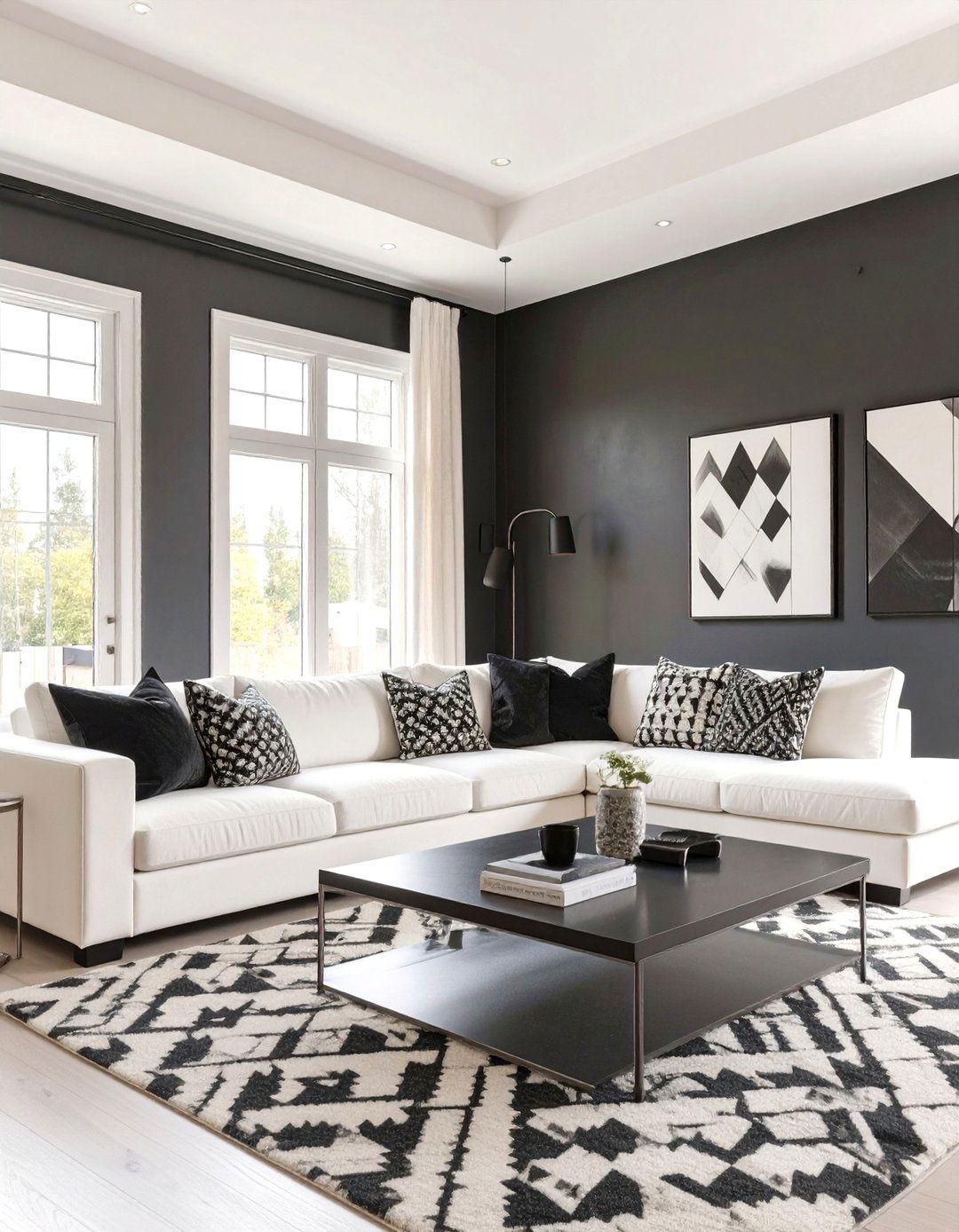
A timeless approach to this style is the high-contrast black and white monochrome interior design. This classic combination creates a bold, dramatic, and graphic statement in any room. To execute this effectively, balance dominant black elements, such as an accent wall or large furniture pieces, with crisp white surroundings to maintain an airy feel. Incorporate geometric patterns in textiles or art to enhance the visual impact. The stark difference between the two non-colors produces a clean, sophisticated, and modern aesthetic that remains perpetually in style, providing a powerful foundation that is both striking and elegantly simple.
2. All-White Layered Monochrome Interior Design
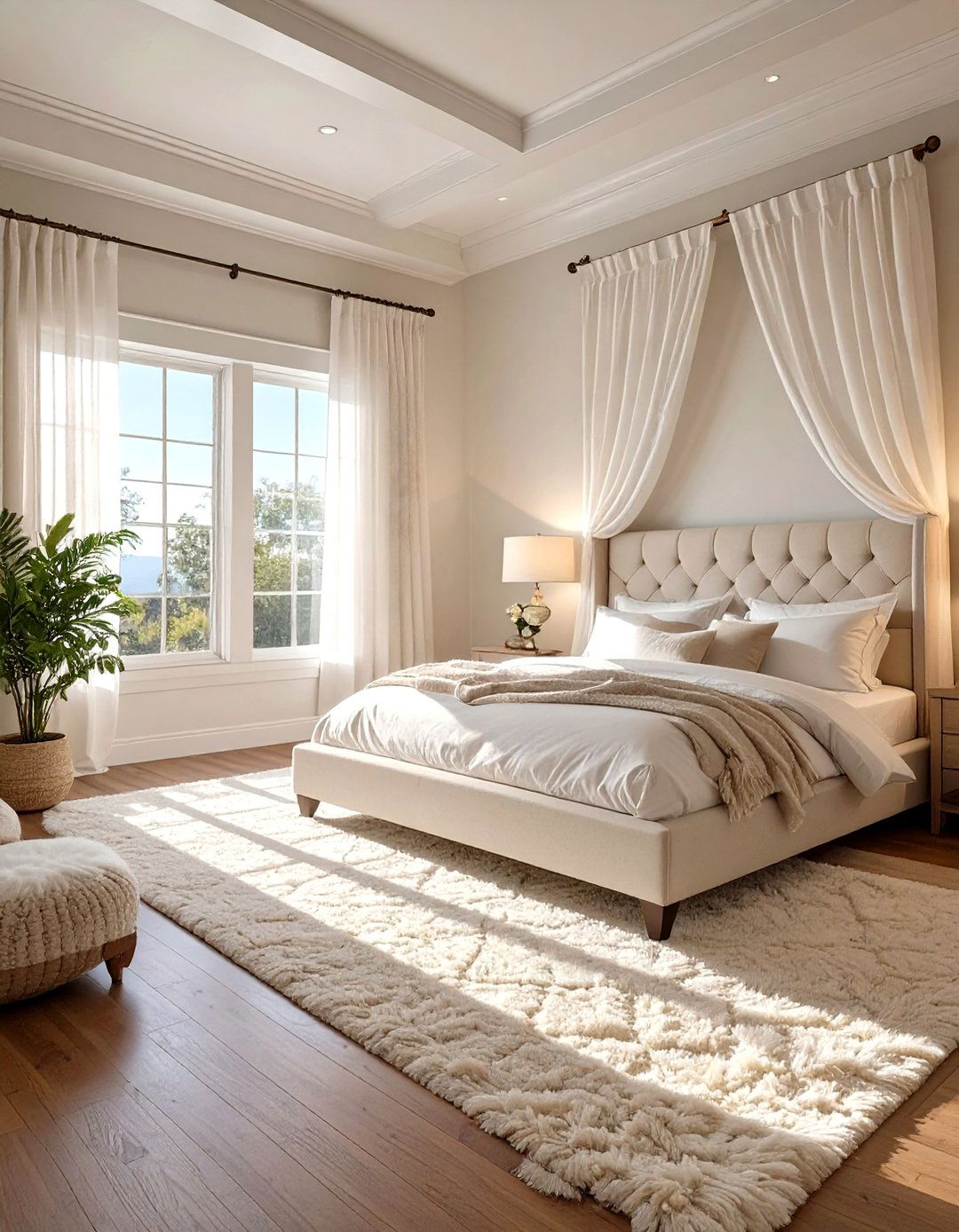
An all-white monochrome interior design focuses on creating a serene, bright, and spacious atmosphere. The secret to preventing a sterile, clinical look is to layer multiple shades of white, from crisp optic white to softer ivory and cream. Additionally, introducing a variety of textures is crucial. Think of a plush wool rug, a linen sofa, sheer cotton curtains, and a glossy ceramic vase. These textural differences catch the light in unique ways, adding depth and warmth to the space. This strategy results in a room that feels tranquil, sophisticated, and visually interesting without relying on color variation.
3. All-Black Moody Monochrome Interior Design
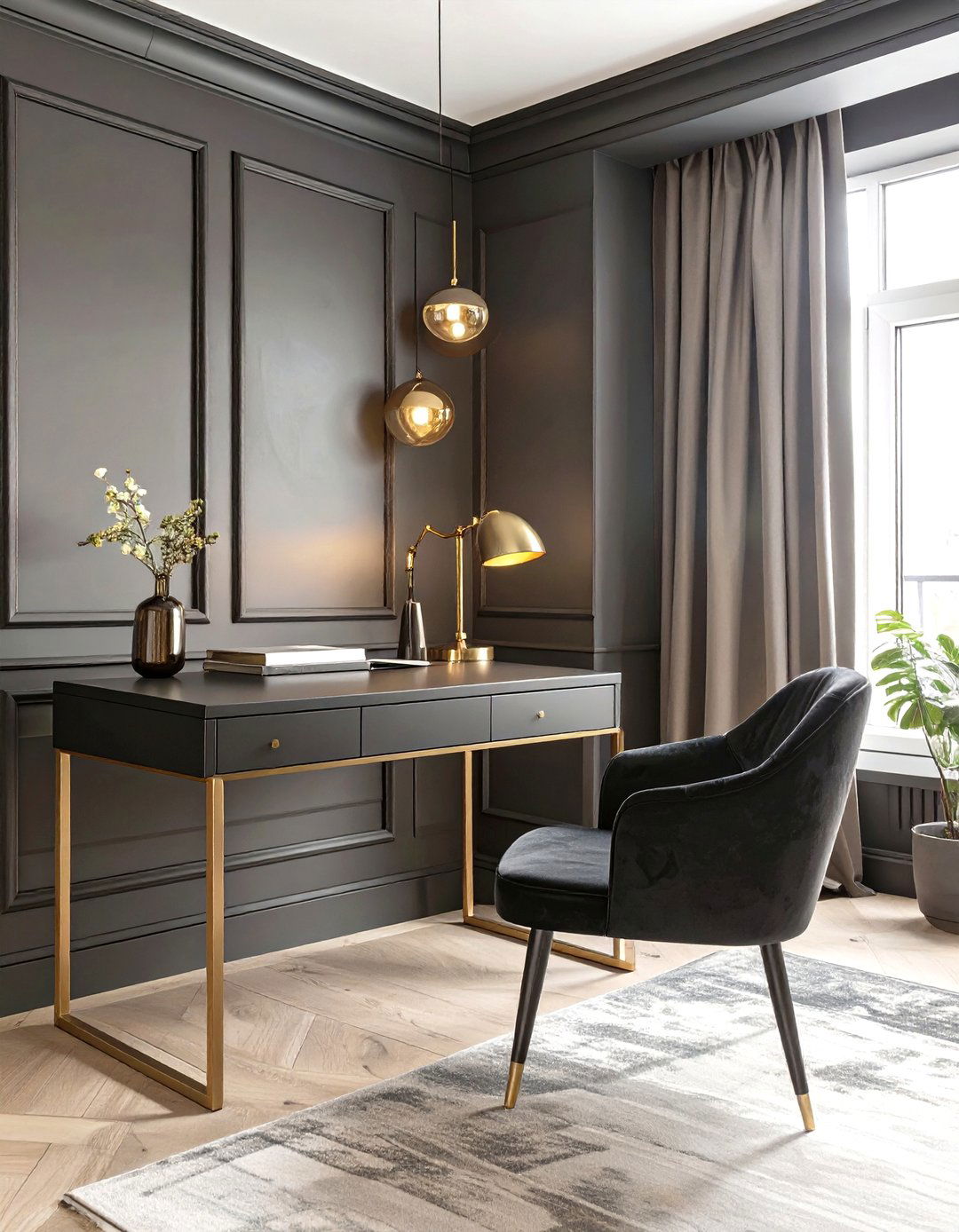
For a dramatic and enveloping space, an all-black monochrome interior design makes a powerful statement. This choice creates a cozy, intimate, and sophisticated environment that feels daring and modern. To avoid a cavernous feeling, it is essential to incorporate varied textures like matte walls, a velvet sofa, leather chairs, and silk cushions. Strategic lighting, including ambient, task, and accent lights, is also critical to highlight different areas and prevent the room from feeling flat. Metallic accents in gold, brass, or chrome can add a touch of glamour and reflect light, further enhancing the room's luxurious and moody character.
4. Shades of Gray Monochrome Interior Design
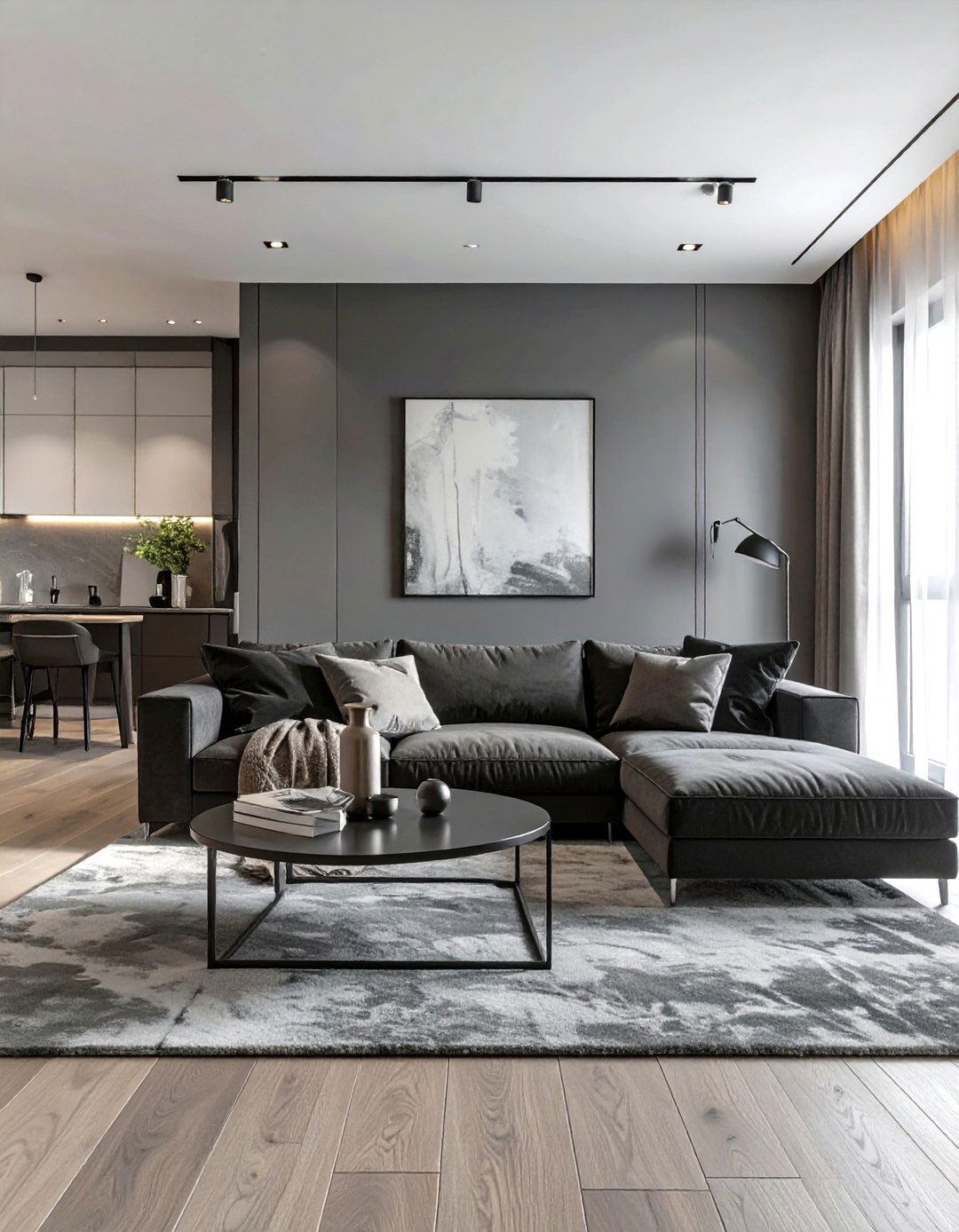
Utilizing various shades of gray is a highly versatile and popular approach to monochrome interior design. This palette can range from soft, pale grays that create a light and airy feel to deep charcoals that offer drama and intimacy. The key is to layer these different tones throughout the space—a medium-gray sofa, light gray walls, and dark gray accents in pillows or throws. This creates a sophisticated and balanced look. Gray serves as a perfect neutral backdrop, allowing textures like wood grain, chunky knits, and smooth metal to stand out, adding warmth and complexity to the overall design scheme.
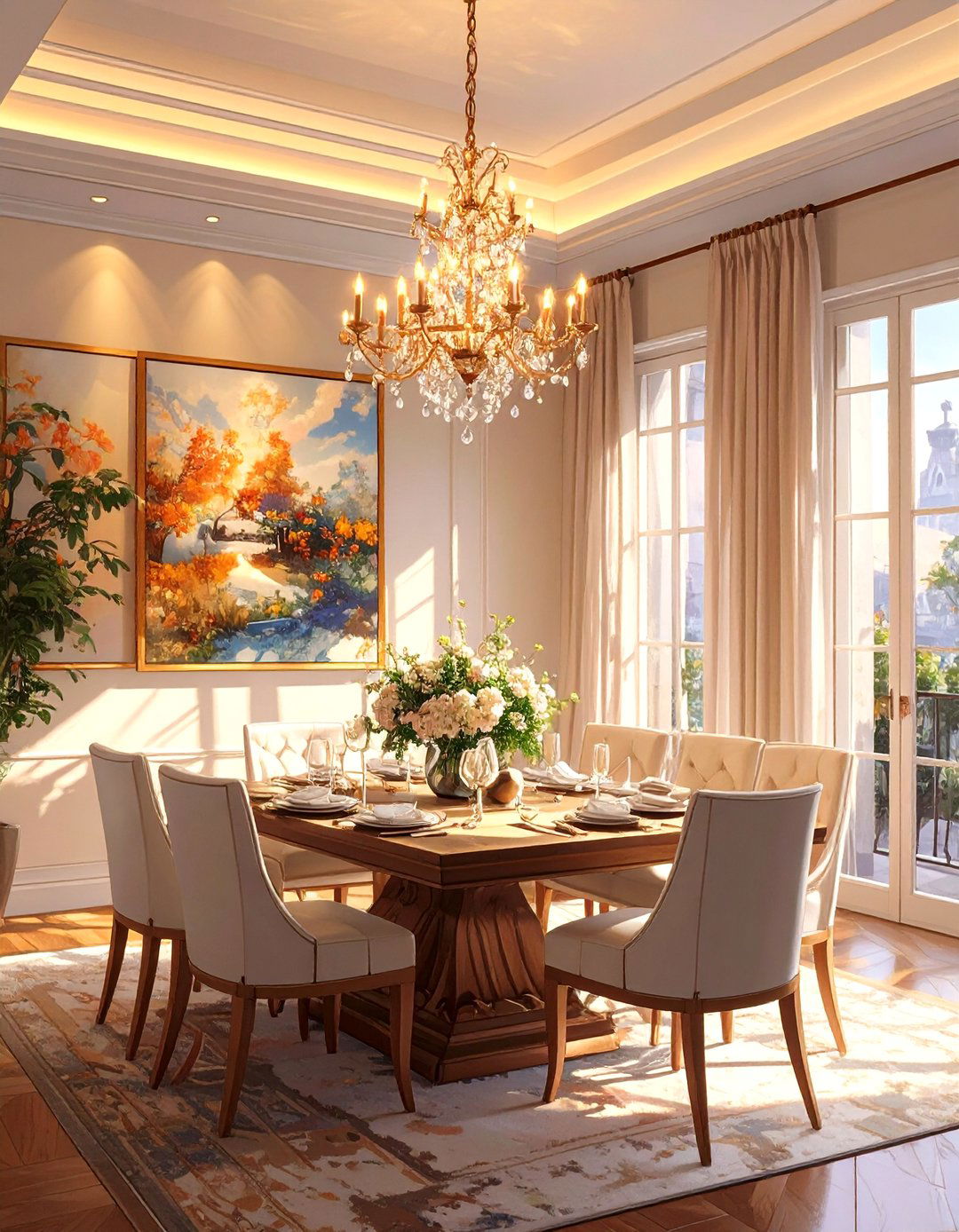

5. Beige and Cream Tonal Monochrome Interior Design
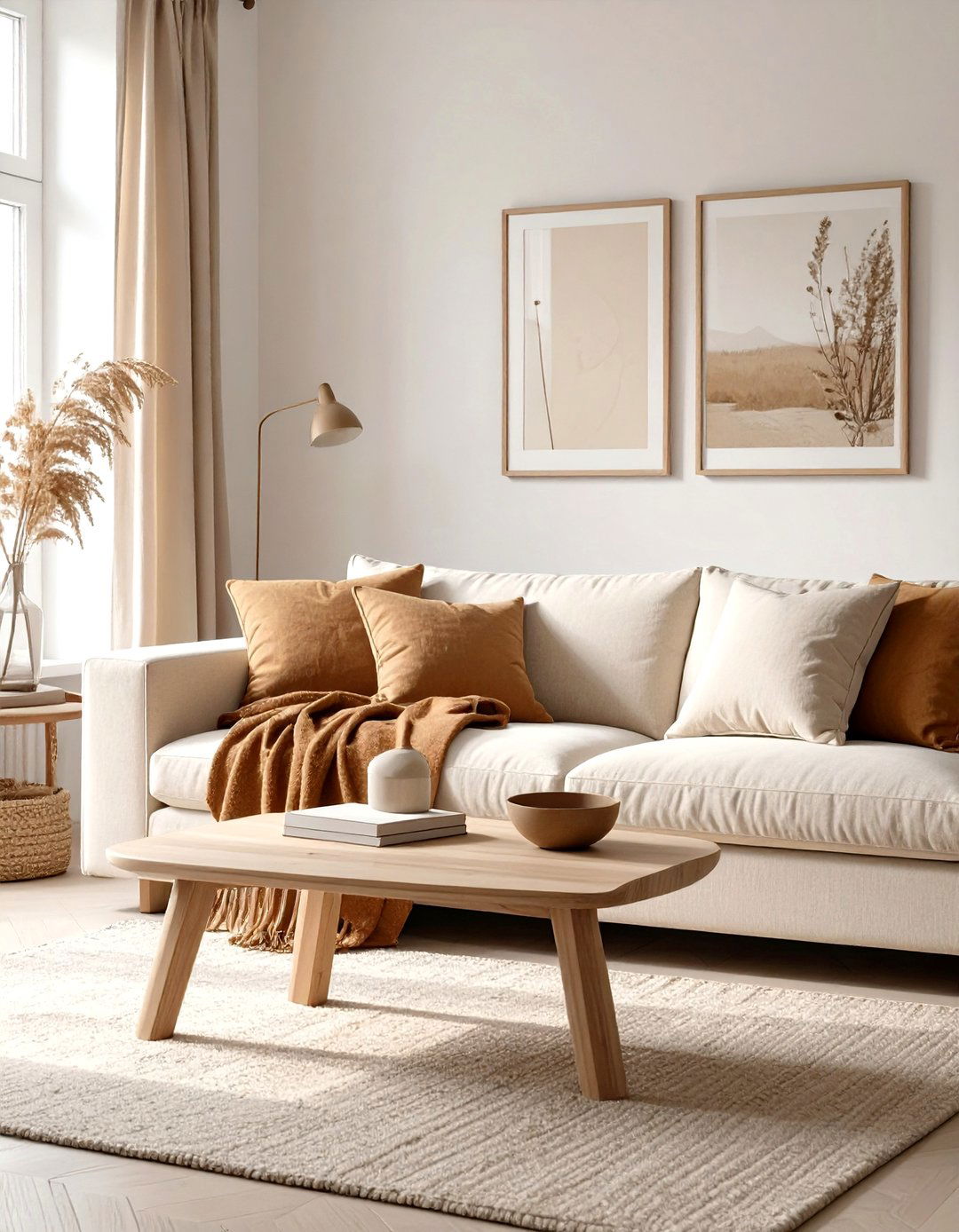
A beige and cream tonal monochrome interior design offers a warm, inviting, and effortlessly chic aesthetic. This palette is perfect for creating a calming and comfortable sanctuary. By layering different tones from light sand to rich caramel, you build a space with subtle depth and sophistication. The success of this design lies in mixing materials and textures. Combine soft linen drapery, a nubby bouclé armchair, a smooth wooden coffee table, and a plush high-pile rug. These elements prevent the neutral scheme from becoming bland, resulting in a room that feels cozy, elegant, and timelessly appealing.
6. Navy Blue Themed Monochrome Interior Design
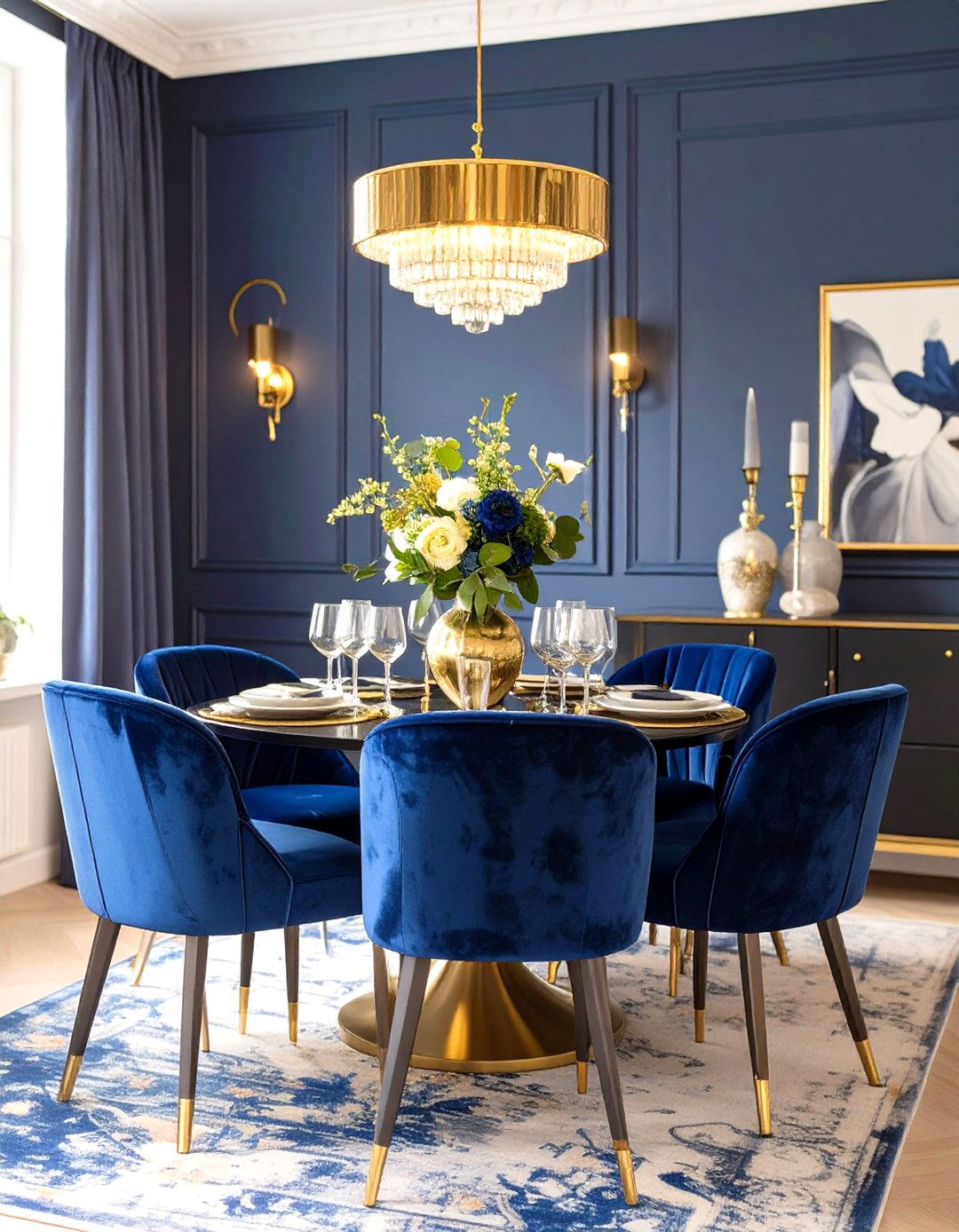
A navy blue-themed monochrome interior design exudes a sense of sophistication, stability, and drama. This deep, rich color can be used to create a space that feels both cozy and majestic. To implement this, paint the walls in a commanding navy hue and complement them with furniture in varying shades, from midnight to royal blue. To break the intensity, incorporate lighter blue tints in accessories like cushions, throws, and artwork. Textural variety is vital; consider a velvet sofa, silk curtains, and a patterned wool rug. Accents of brass or gold add a luxurious contrast, illuminating the space beautifully.
7. Soft Pink Hued Monochrome Interior Design
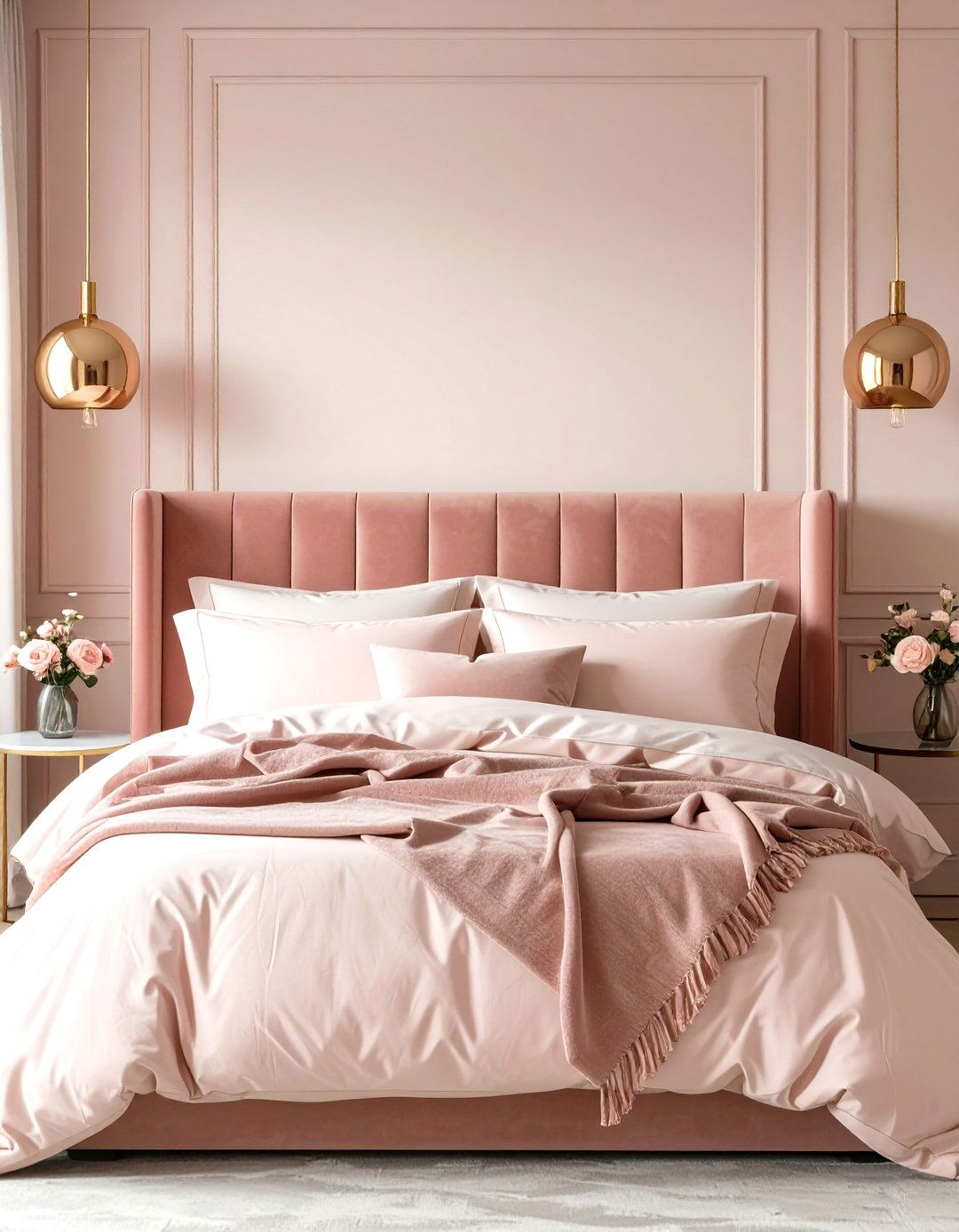
A soft pink-hued monochrome interior design creates a gentle, warm, and contemporary atmosphere. This isn't about creating a juvenile space but a sophisticated one using a palette of blush, rose, and dusty pink tones. When these shades are layered, they produce a subtle and calming effect. To add maturity and depth, mix in different textures like a velvet headboard, linen bedding, a fluffy rug, and matte-finish decor. This approach works wonderfully in bedrooms and living areas, offering a modern alternative to traditional neutrals while maintaining a light, airy, and welcoming feel that is both chic and soothing.
8. Earthy Green Monochrome Interior Design
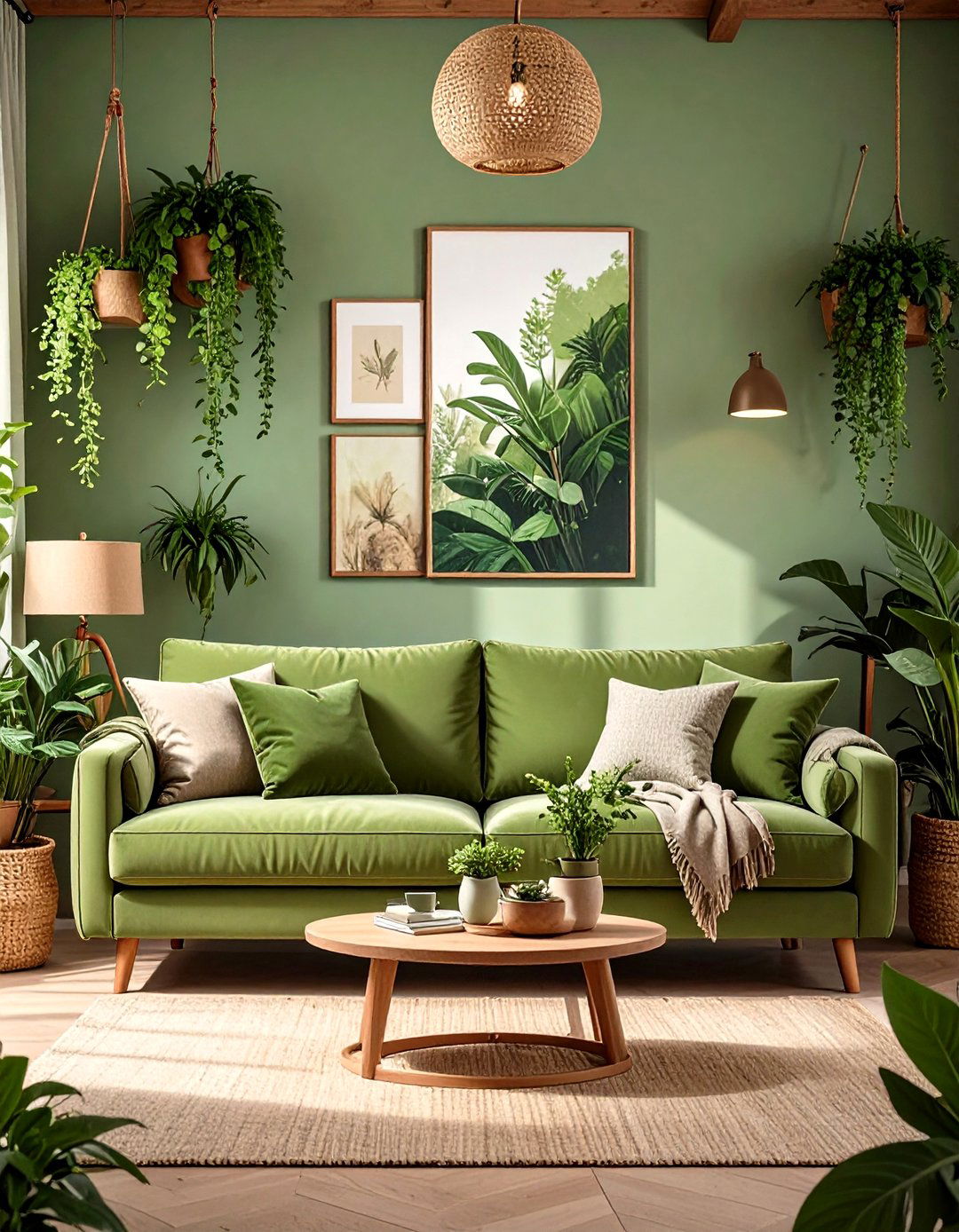
For a refreshing and calming environment, an earthy green monochrome interior design connects the space to nature. Using a spectrum of green shades—from deep forest and olive to light sage and mint—creates a layered, organic look. This palette promotes tranquility and balance. Enhance the design by incorporating natural materials like wood furniture, jute rugs, and stone accents. Live plants are a must, as they introduce vibrant, living texture and reinforce the biophilic theme. The result is a restorative sanctuary that feels grounded, peaceful, and deeply connected to the outdoors, making it ideal for living rooms and bedrooms alike.
9. Rich Brown Monochrome Interior Design
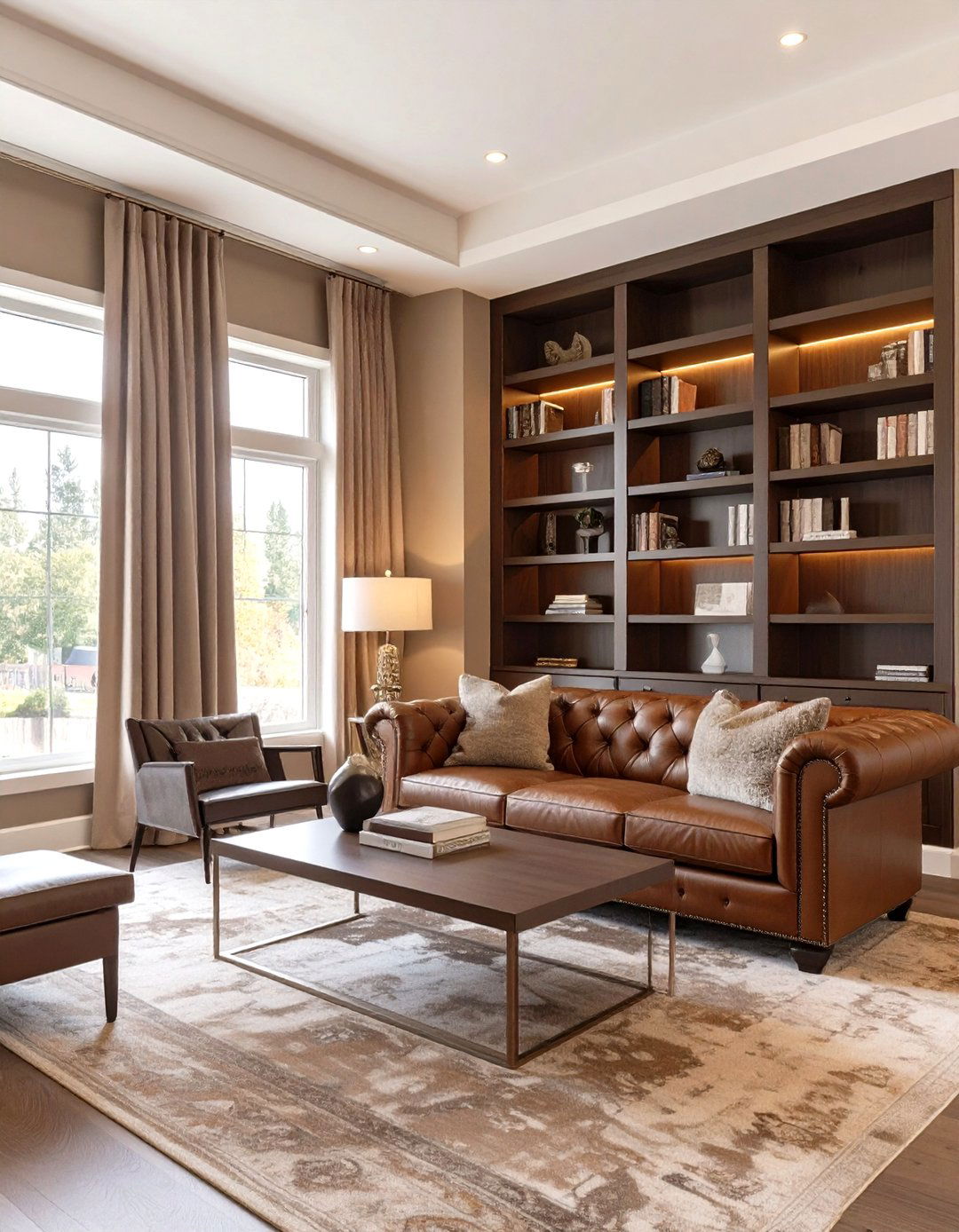
A rich brown monochrome interior design cultivates a sense of warmth, stability, and comfort. This earthy palette, ranging from deep chocolate and espresso to lighter shades of tan and taupe, creates a cozy and inviting atmosphere. To master this look, layer different tones and textures. Imagine a dark leather sofa against taupe walls, with a wood coffee table and woven jute rug. The variation in materials prevents the space from feeling heavy. This color scheme is inherently grounding and sophisticated, making it an excellent choice for a den, study, or living room where comfort and relaxation are priorities.

10. Monochrome Interior Design with Wood Tones
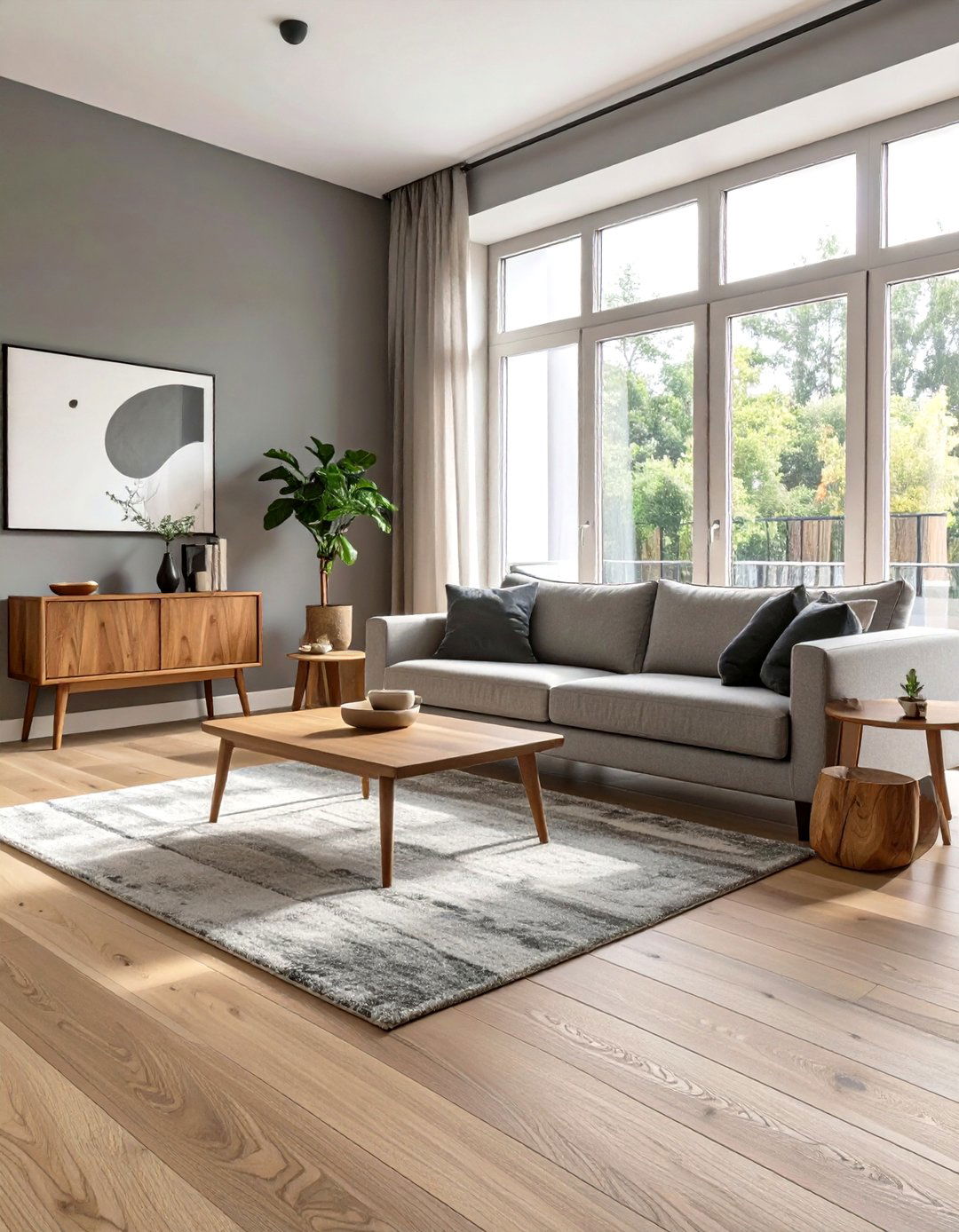
Incorporating natural wood tones is an excellent way to add warmth and texture to a monochrome interior design. Whether your base color is white, gray, or black, the organic patterns and varied shades of wood provide a welcome, grounding element. In an all-white room, a light oak floor and teak furniture can prevent sterility. In a gray space, a dark walnut bookshelf adds depth and sophistication. Wood acts as a textured neutral, breaking up the single-color dominance without disrupting the monochrome principle. This blend of natural material with a unified color palette results in a balanced, modern, and inviting interior.
11. Monochrome Interior Design with Metallic Accents
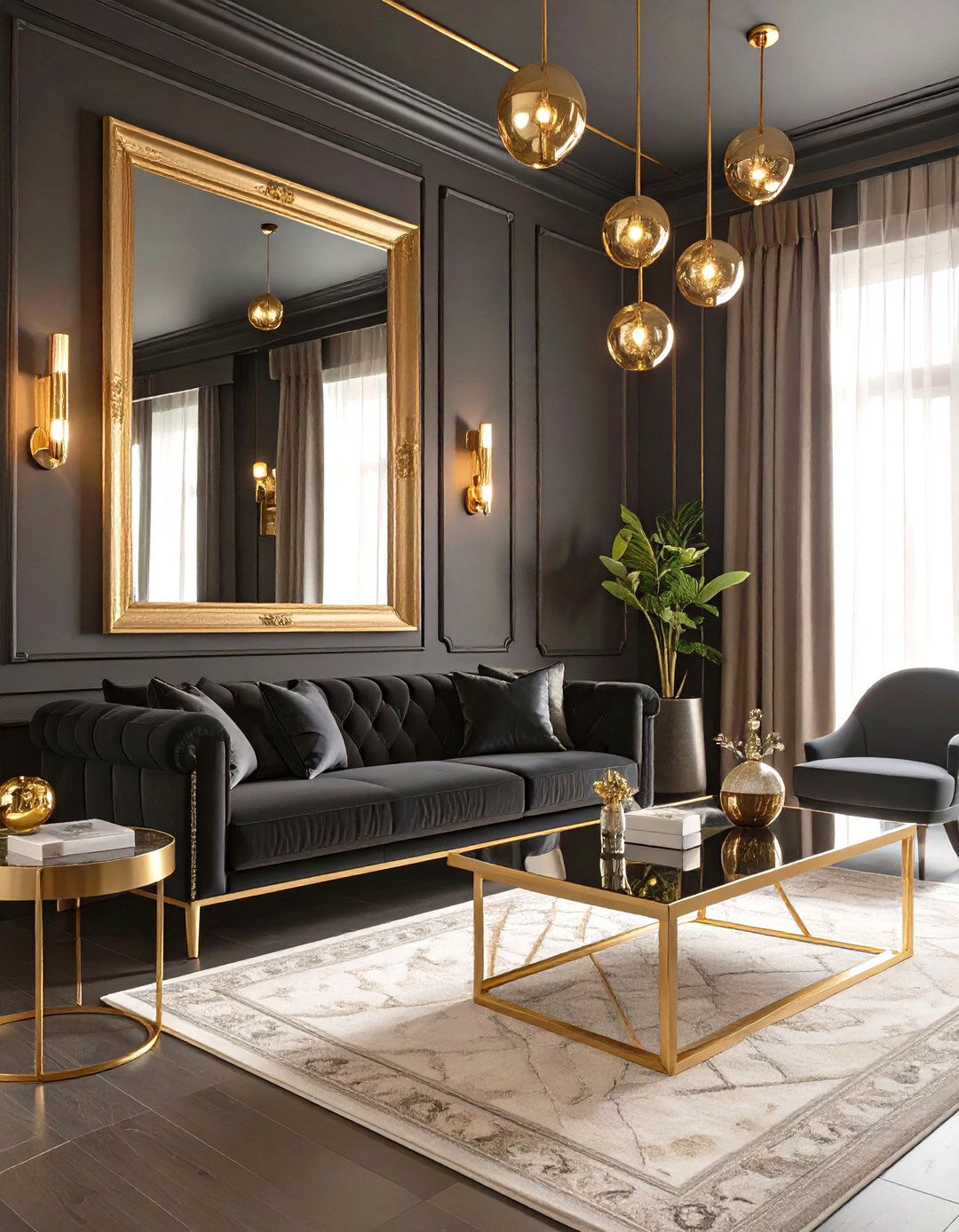
Introducing metallic accents is a brilliant strategy for elevating a monochrome interior design. Metals like gold, brass, silver, or chrome act as jewelry for the room, adding a touch of glamour, reflecting light, and providing a sophisticated contrast. In a dark, moody space, polished brass lamps or a gold-framed mirror can introduce warmth and brightness. In a light gray or white room, chrome or silver details on furniture legs, light fixtures, and decorative objects add a sleek, modern edge. These accents break the visual plane without introducing a new color, enhancing depth and luxury.
12. Using Patterns in a Monochrome Interior Design
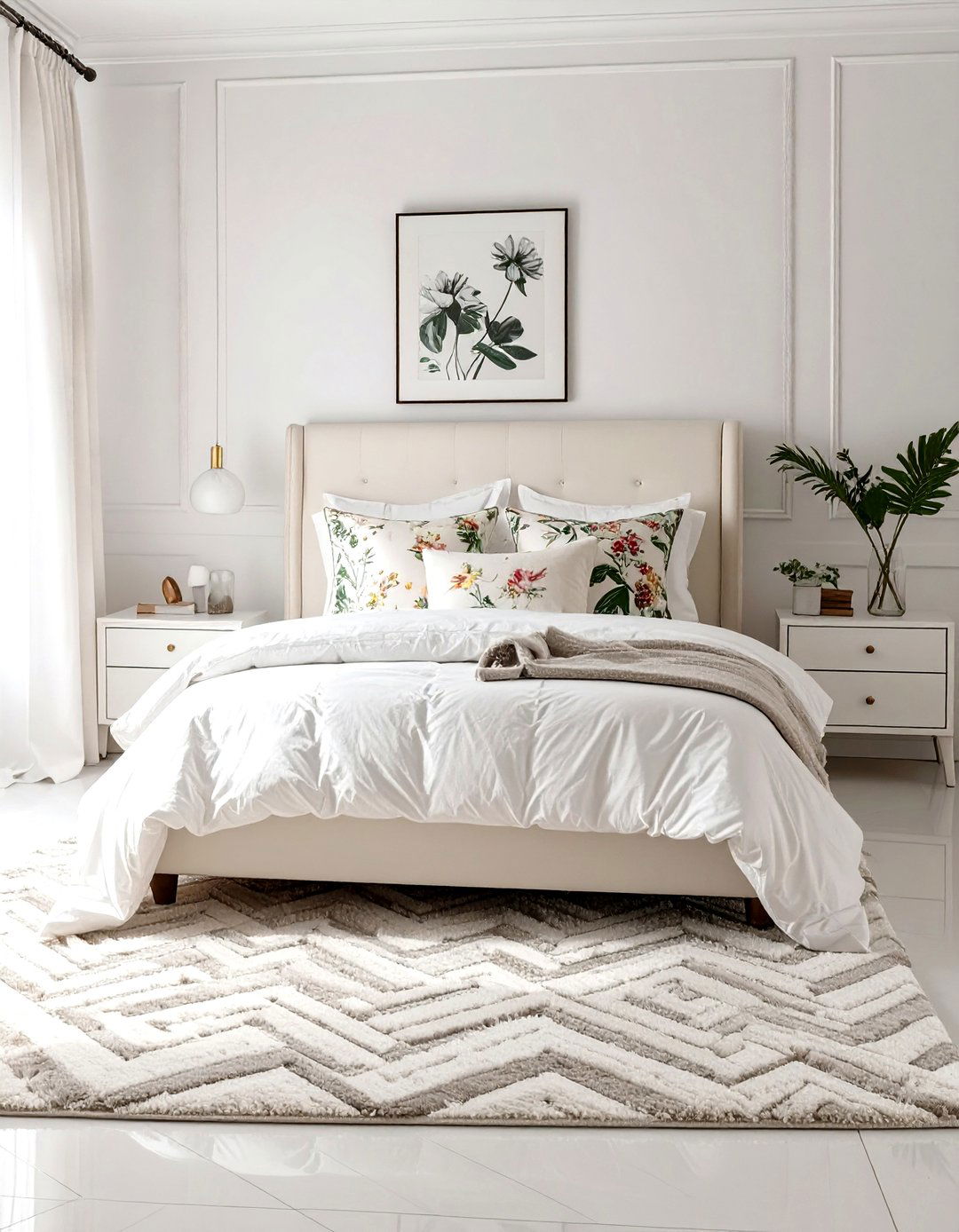
Patterns are a powerful tool for adding visual interest and energy to a monochrome interior design. Without them, a single-color scheme can sometimes feel flat. By incorporating patterns like stripes, chevrons, florals, or geometrics in the same hue, you create dynamic movement and depth. Consider a striped rug, patterned wallpaper on an accent wall, or damask-print cushions. The key is to vary the scale of the patterns to create a balanced and sophisticated look. This technique allows you to inject personality and complexity into the room while strictly adhering to the monochromatic color palette.
13. Layering Textures in a Monochrome Interior Design
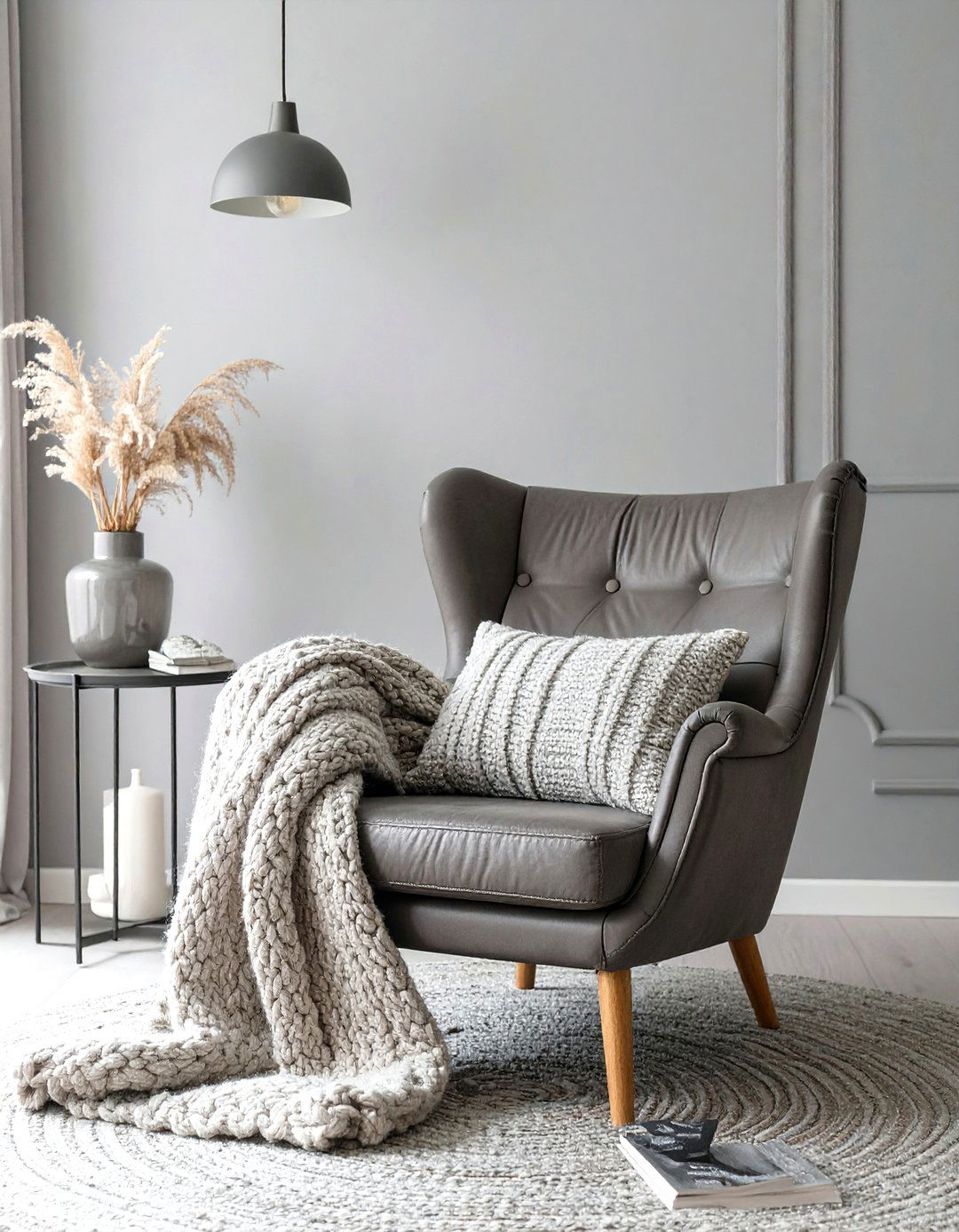
The most crucial element in a successful monochrome interior design is the artful layering of textures. Texture takes the place of color in creating contrast and depth, preventing the space from appearing one-dimensional. Imagine a room with a single color but a mix of materials: a sleek leather sofa, a chunky knit throw, a rough-hewn wooden table, smooth silk pillows, and a high-pile shag rug. Each material reflects light differently and provides a unique tactile experience, adding richness and complexity. This focus on texture transforms a simple color scheme into a sophisticated and inviting sensory experience.
14. Monochrome Interior Design with a Single Accent Color
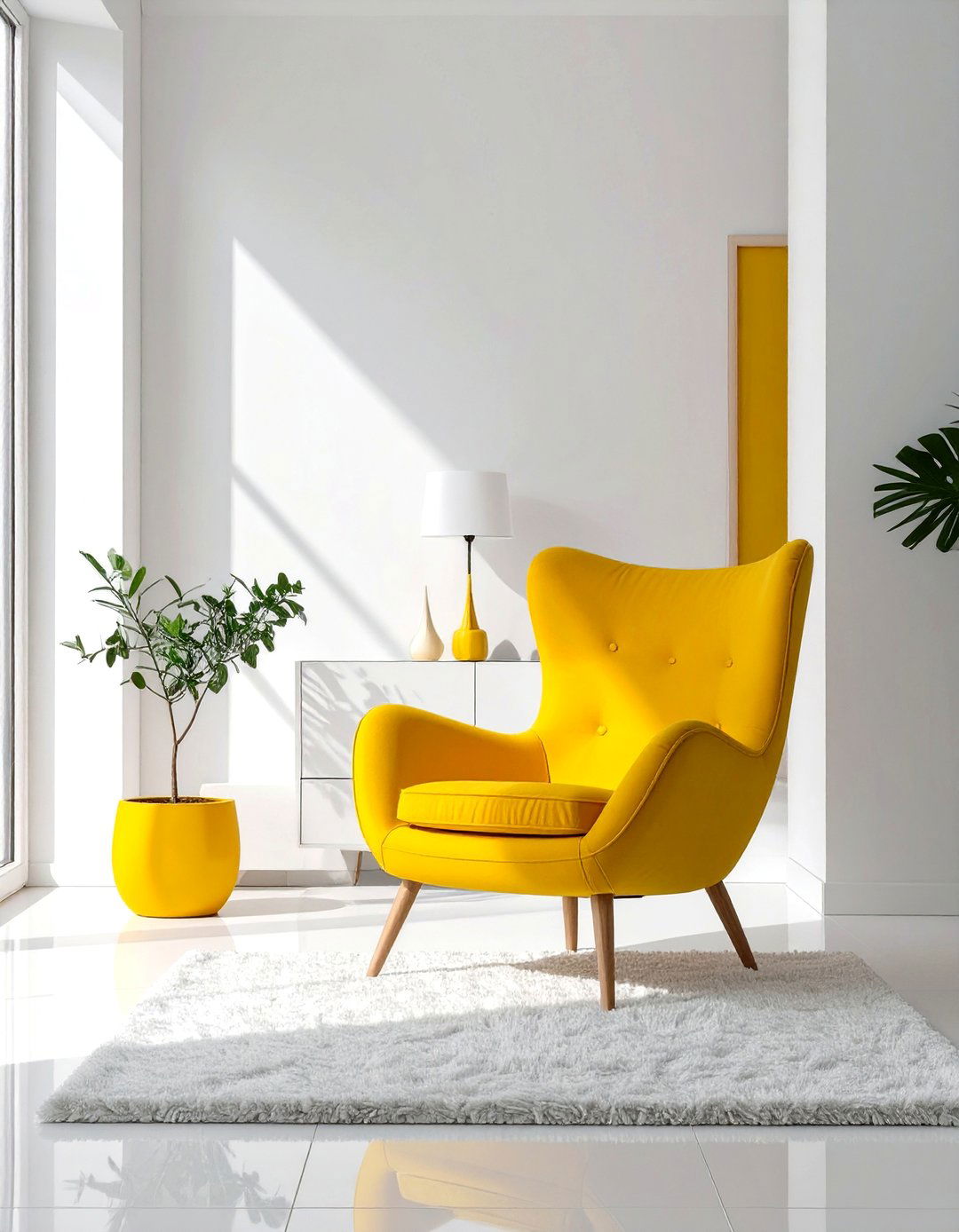
While seemingly contradictory, introducing a single, bold accent color can powerfully enhance a monochrome interior design. The primary space remains dedicated to varying tones of one color, creating a unified backdrop. Then, a carefully chosen pop of a contrasting color—like a yellow armchair in a gray room or a vibrant blue vase in a white space—draws the eye and adds a dynamic focal point. This technique should be used sparingly to maintain the integrity of the monochrome look. The single accent provides a burst of energy and personality without overwhelming the serene, cohesive feel of the room.
15. Minimalist Monochrome Interior Design
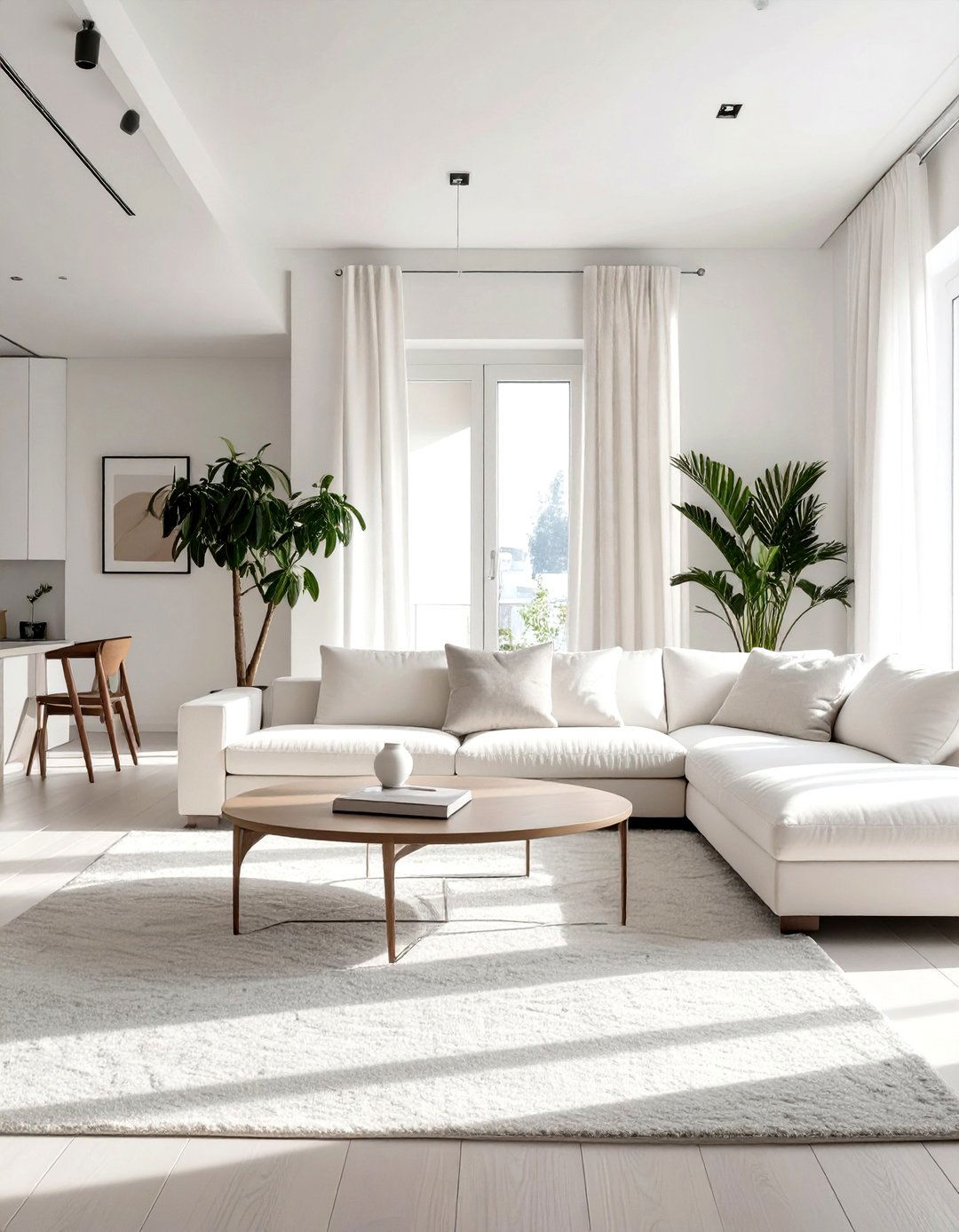
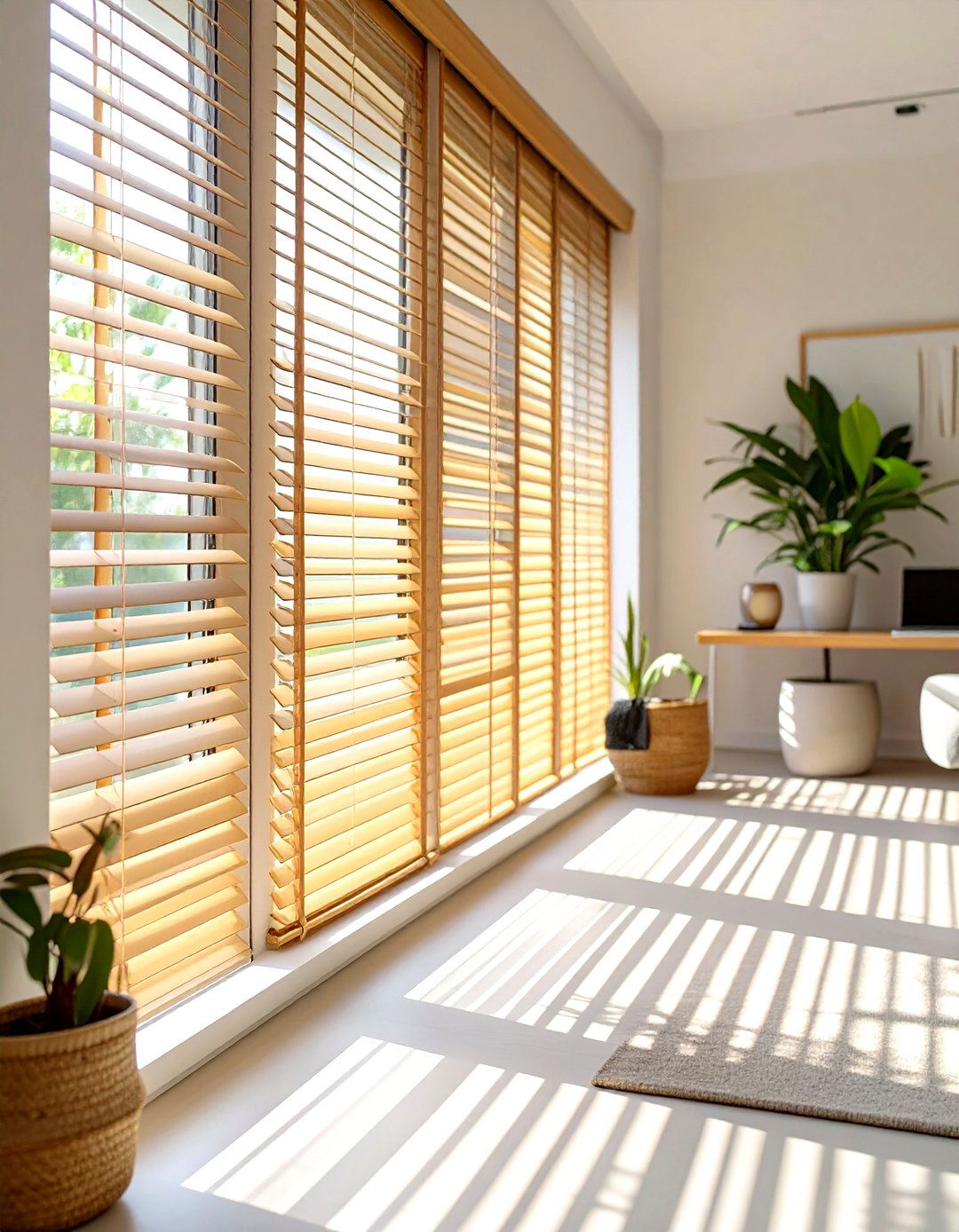
Monochrome interior design aligns perfectly with minimalist principles, as both emphasize simplicity, intentionality, and a clean aesthetic. A minimalist monochrome space focuses on a restrained palette, uncluttered surfaces, and a "less is more" philosophy. Here, every item serves a purpose and is chosen for its form and function. With a base color like white or gray, the focus shifts to the clean lines of the furniture, the quality of the materials, and the strategic use of negative space. This combination creates an environment that is not only visually calming and organized but also profoundly peaceful and sophisticated.
16. Monochrome Kitchen Interior Design
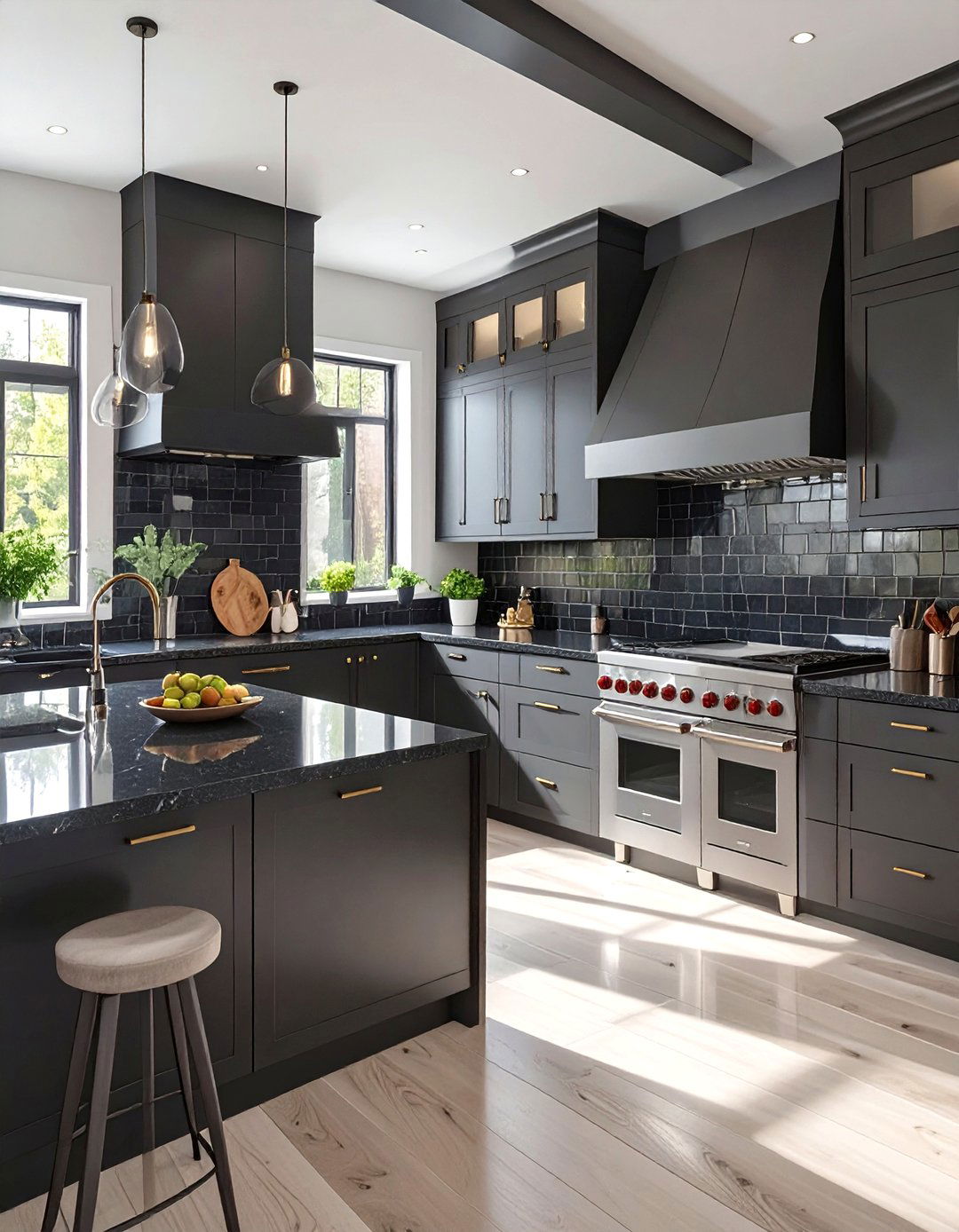
Applying a monochrome interior design to a kitchen results in a sleek, clean, and highly modern aesthetic. An all-white kitchen, for example, feels bright and spacious, with white cabinetry, countertops, and backsplashes creating a seamless look. Alternatively, a black monochrome kitchen with matte black cabinets and dark countertops exudes drama and sophistication. To add interest, use different finishes—matte cabinets, a glossy backsplash, and brushed metal hardware. A gray monochrome kitchen offers a balanced, contemporary feel. This approach ensures the kitchen feels cohesive, organized, and effortlessly stylish, making it a truly timeless choice for the heart of the home.
17. Monochrome Bedroom Interior Design
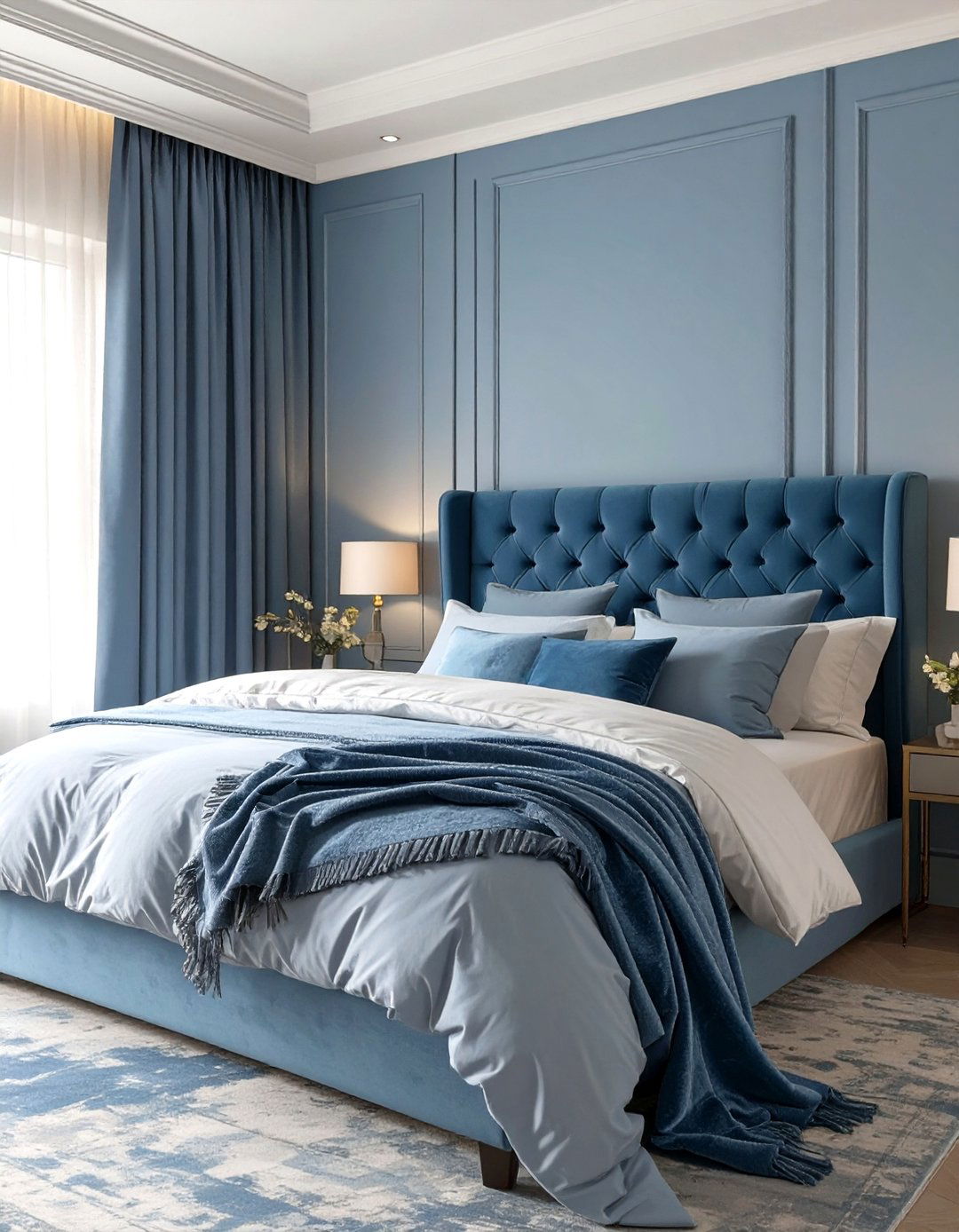
A monochrome interior design is exceptionally well-suited for the bedroom, as it naturally creates a restful and serene sanctuary. Choosing a calming color like blue, green, or gray and layering it in different tones helps establish a tranquil atmosphere conducive to sleep. The focus on texture becomes paramount here—think plush bedding, a soft upholstered headboard, velvet curtains, and a fluffy area rug. These tactile elements add warmth, comfort, and a sense of luxury. By eliminating the visual clutter of multiple colors, a monochrome bedroom becomes a cohesive and peaceful retreat from the stresses of the day.
18. Monochrome Bathroom Interior Design
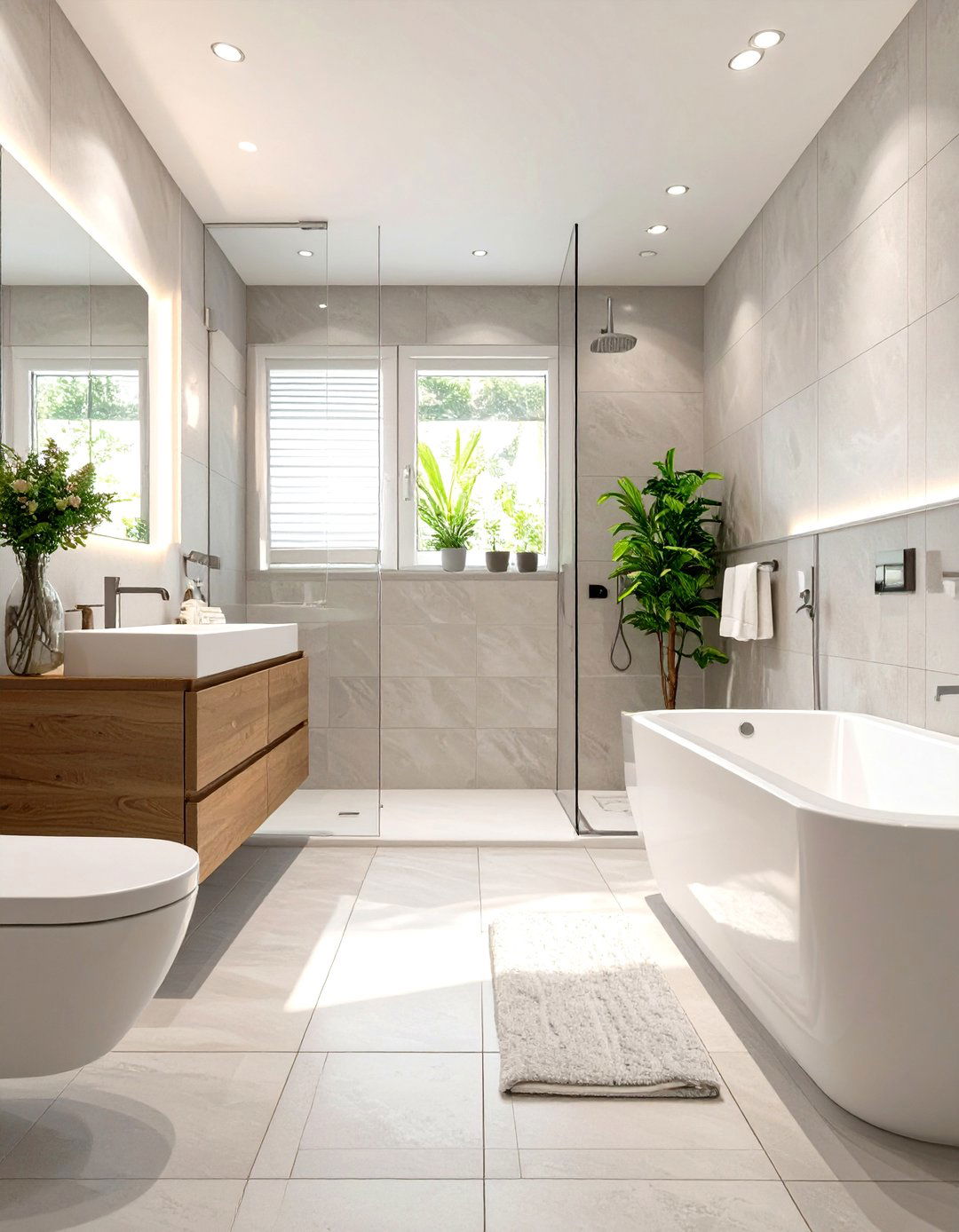
In a bathroom, a monochrome interior design can create a clean, spa-like, and sophisticated ambiance. An all-white or light-gray scheme can make a small bathroom feel larger and brighter. Using the same tile on the floor and walls creates a seamless, unified look that enhances the sense of space. For a bolder statement, a dark monochrome bathroom with charcoal or navy tiles and fixtures can feel incredibly luxurious and intimate. Introducing texture through stone countertops, ribbed glass, and plush towels adds depth and prevents the design from feeling stark, transforming the bathroom into a stylish retreat.
19. Scandinavian-Inspired Monochrome Interior Design
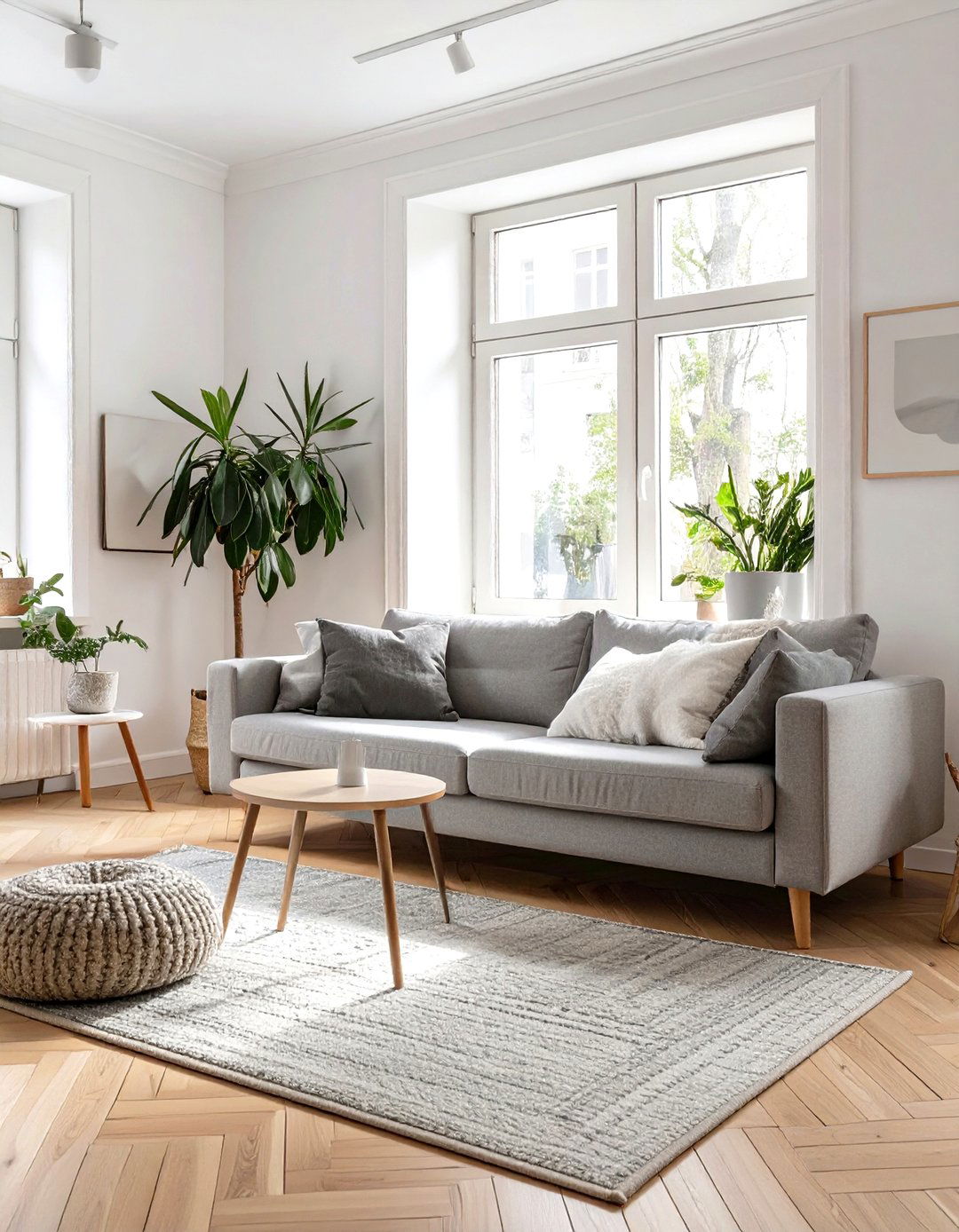
Scandinavian design, known for its minimalism, simplicity, and functionality, pairs beautifully with a monochrome interior design. This style typically features a light and neutral palette, with shades of white, gray, and beige dominating the space. The focus is on creating a bright, airy environment with clean lines and natural materials. A Scandinavian monochrome room would include light wood floors, simple white walls, cozy gray textiles, and uncluttered surfaces. The emphasis on texture, natural light, and functional furniture results in a space that is both aesthetically pleasing and incredibly comfortable, embodying the Danish concept of "hygge."
20. Industrial-Style Monochrome Interior Design
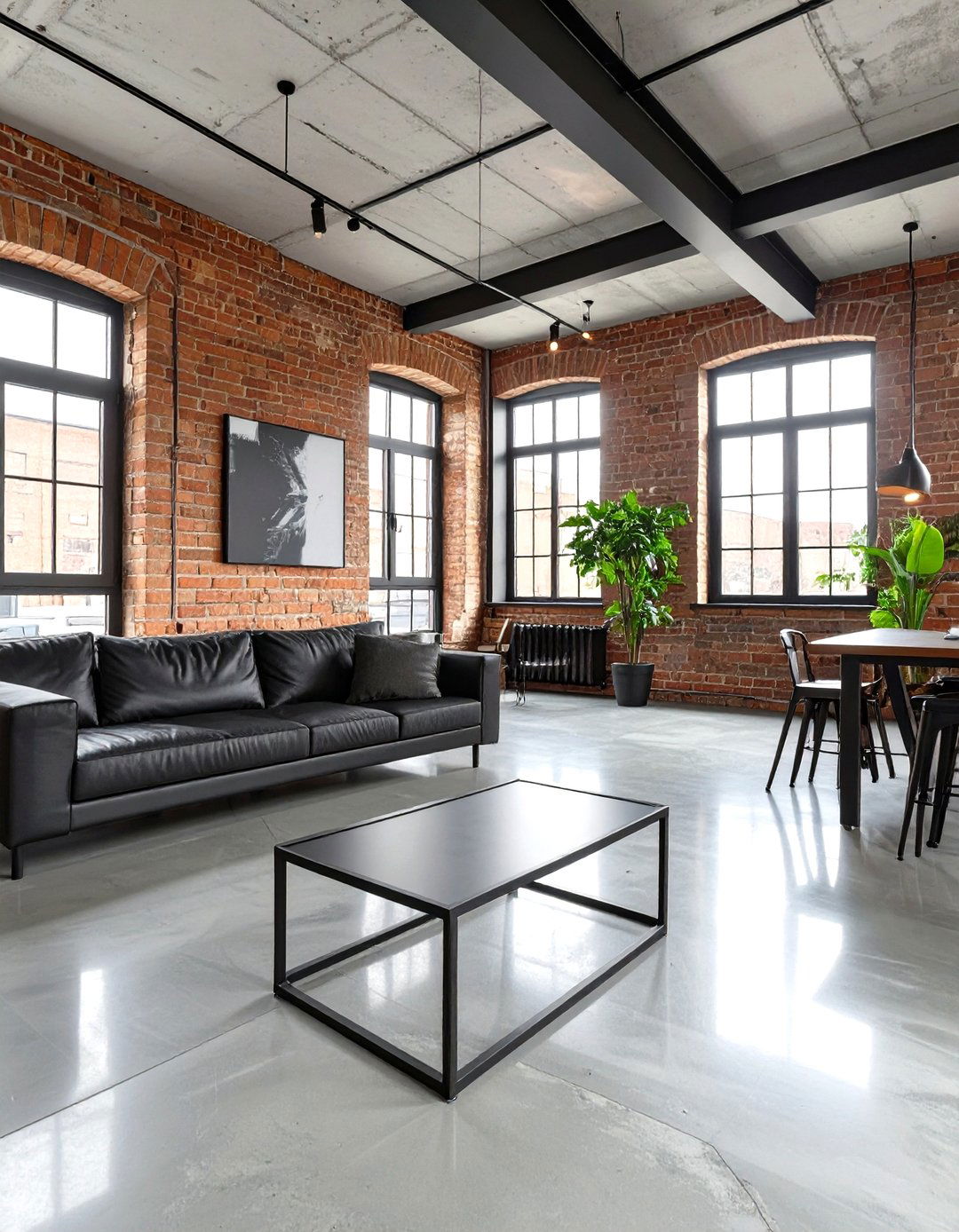
An industrial-style monochrome interior design emphasizes raw materials and a utilitarian aesthetic. This look is often built on a palette of grays, blacks, and whites, reflecting the concrete, metal, and brick elements common to the style. Imagine a loft space with polished concrete floors, exposed black metal ductwork, gray brick walls, and simple, functional furniture. The monochrome scheme enhances the textures of these raw materials, allowing them to become the stars of the show. This combination creates a space that feels edgy, modern, and authentic, celebrating the beauty found in industrial architecture and design.
21. Monochrome Interior Design for Small Spaces
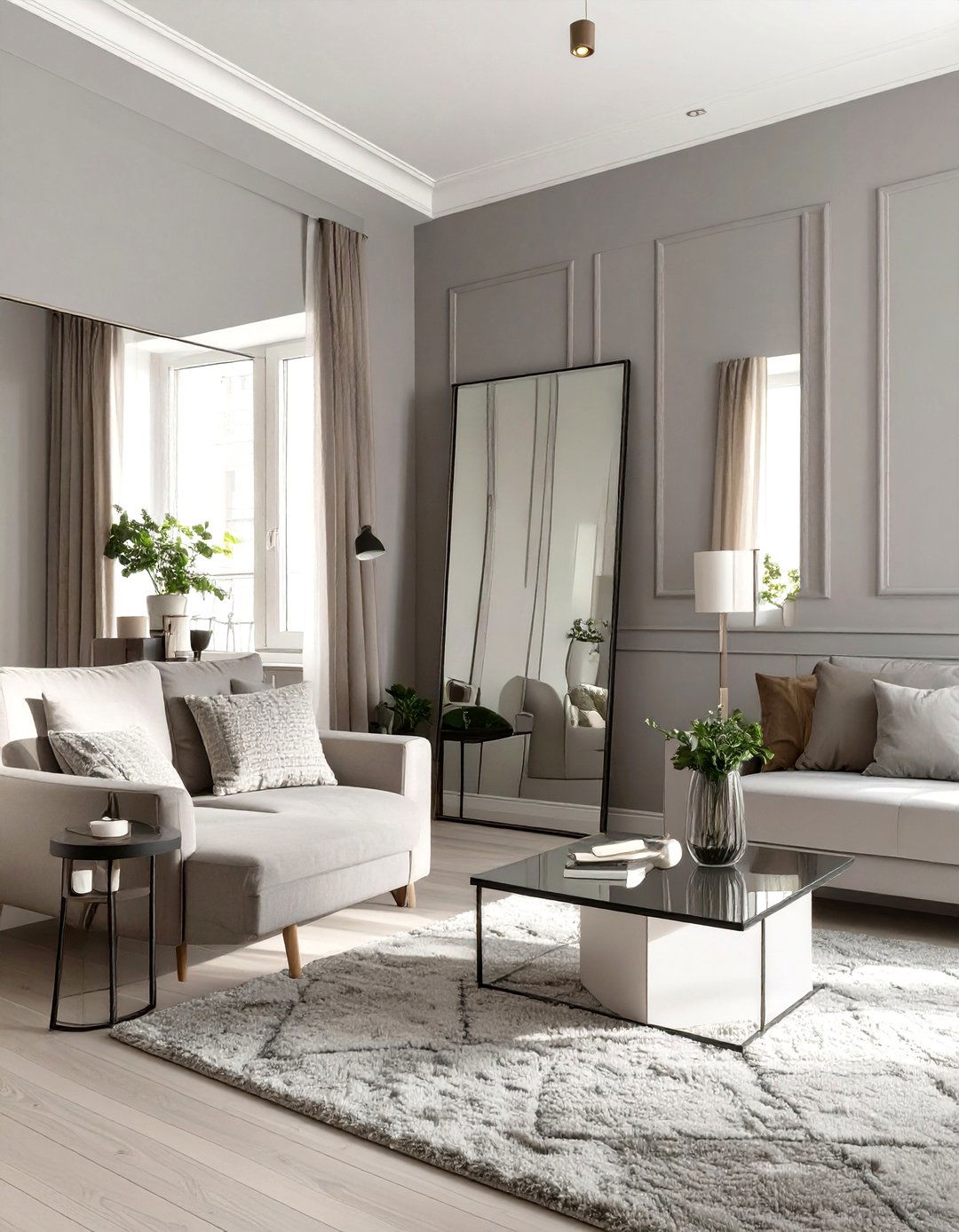
For small spaces, a monochrome interior design can be a game-changer. Using a single, light color like off-white, pale gray, or light beige throughout a room creates a seamless visual flow, making the space feel larger and more open. Painting the walls, trim, and ceiling in the same shade eliminates visual breaks and draws the eye upward. To prevent monotony, layer textures and use reflective surfaces like mirrors and glossy finishes to bounce light around the room. This cohesive and uncluttered approach maximizes the sense of space while creating a sophisticated and tranquil atmosphere in even the most compact areas.
22. Art-Focused Monochrome Interior Design
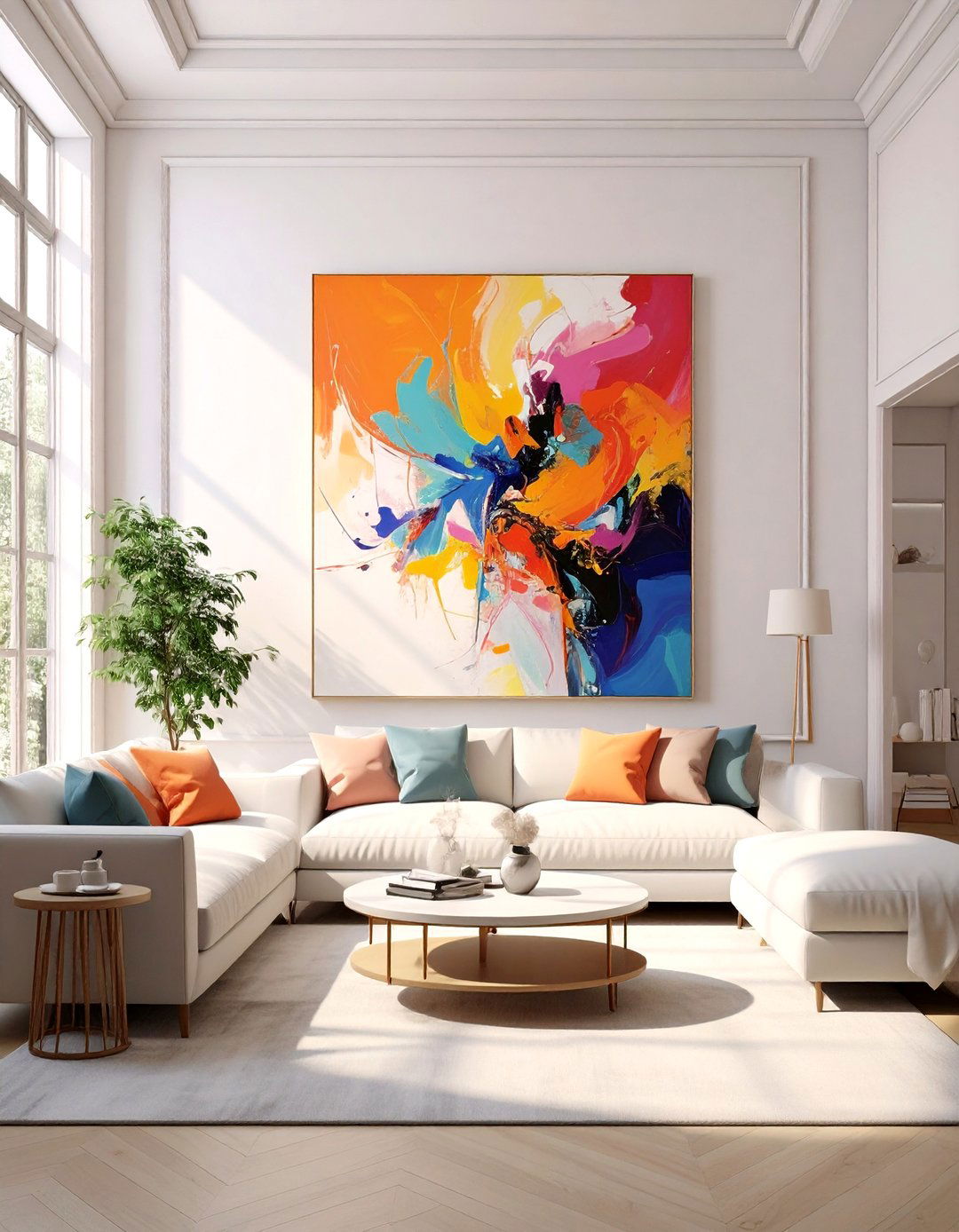
A monochrome interior design provides the perfect neutral canvas to showcase a prized art collection. By keeping the walls and furnishings in a unified color palette, such as shades of white or gray, the artwork becomes the undisputed focal point of the room. A vibrant painting, a bold sculpture, or a series of black-and-white photographs will pop against the subtle backdrop, allowing their colors, forms, and details to be fully appreciated. This approach turns your living space into a personal gallery, creating a sophisticated and cultured environment where the decor supports, rather than competes with, the art.
23. Monochrome Interior Design with Natural Light
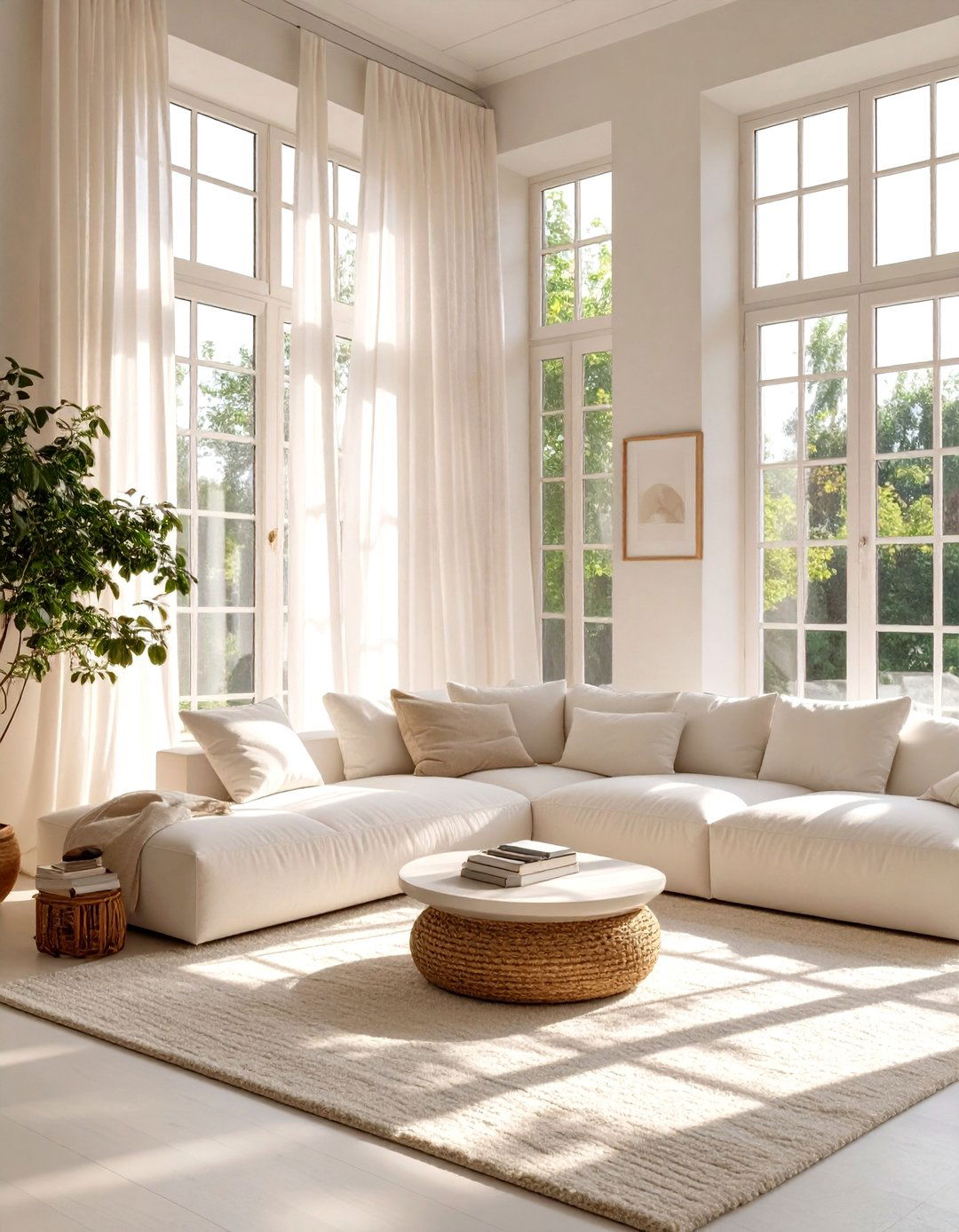
Maximizing natural light is a key strategy for enhancing any monochrome interior design. In a light-colored monochrome room, sunlight floods the space, amplifying its bright and airy quality. The subtle variations in the single hue become more apparent as the light changes throughout the day, adding dynamic interest. In a darker monochrome scheme, natural light is crucial to prevent the space from feeling too enclosed, highlighting textures and creating beautiful contrasts between light and shadow. Using sheer window treatments and strategically placed mirrors can help diffuse and reflect sunlight, making the entire room feel more vibrant and alive.
24. High-Gloss Finish in Monochrome Interior Design
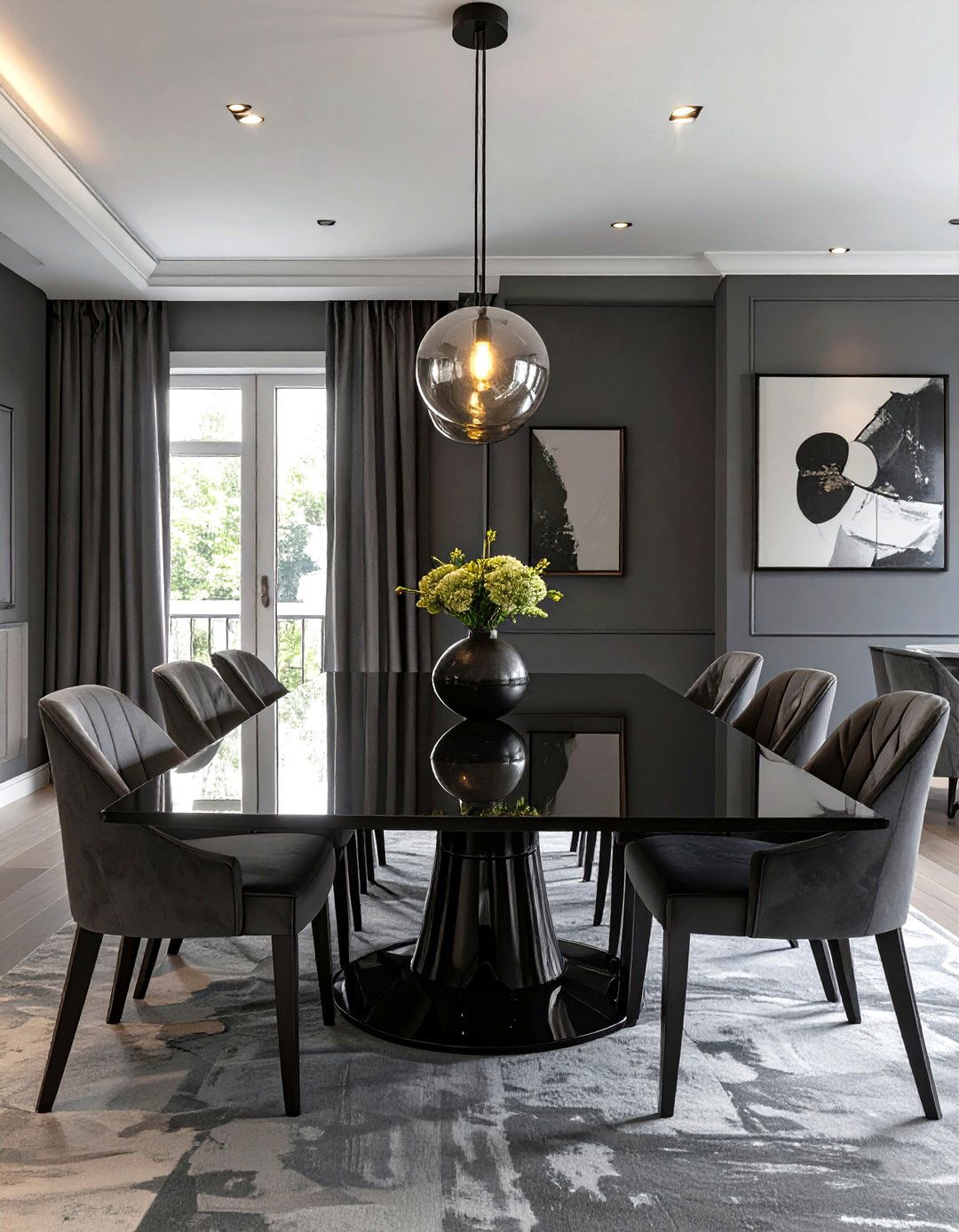
Incorporating high-gloss finishes is a sophisticated technique to add dimension and glamour to a monochrome interior design. A glossy surface, whether on kitchen cabinets, a lacquer coffee table, or even a painted ceiling, reflects light and creates a sense of depth. This is especially effective in a dark monochrome scheme, where glossy elements can break up the matte surfaces and add a touch of luminosity. In a light monochrome room, high-gloss finishes contribute to a sleek, modern, and polished aesthetic. The contrast between matte and gloss within the same color family adds a subtle yet impactful layer of visual interest.
25. Monochrome Interior Design Using Geometric Shapes
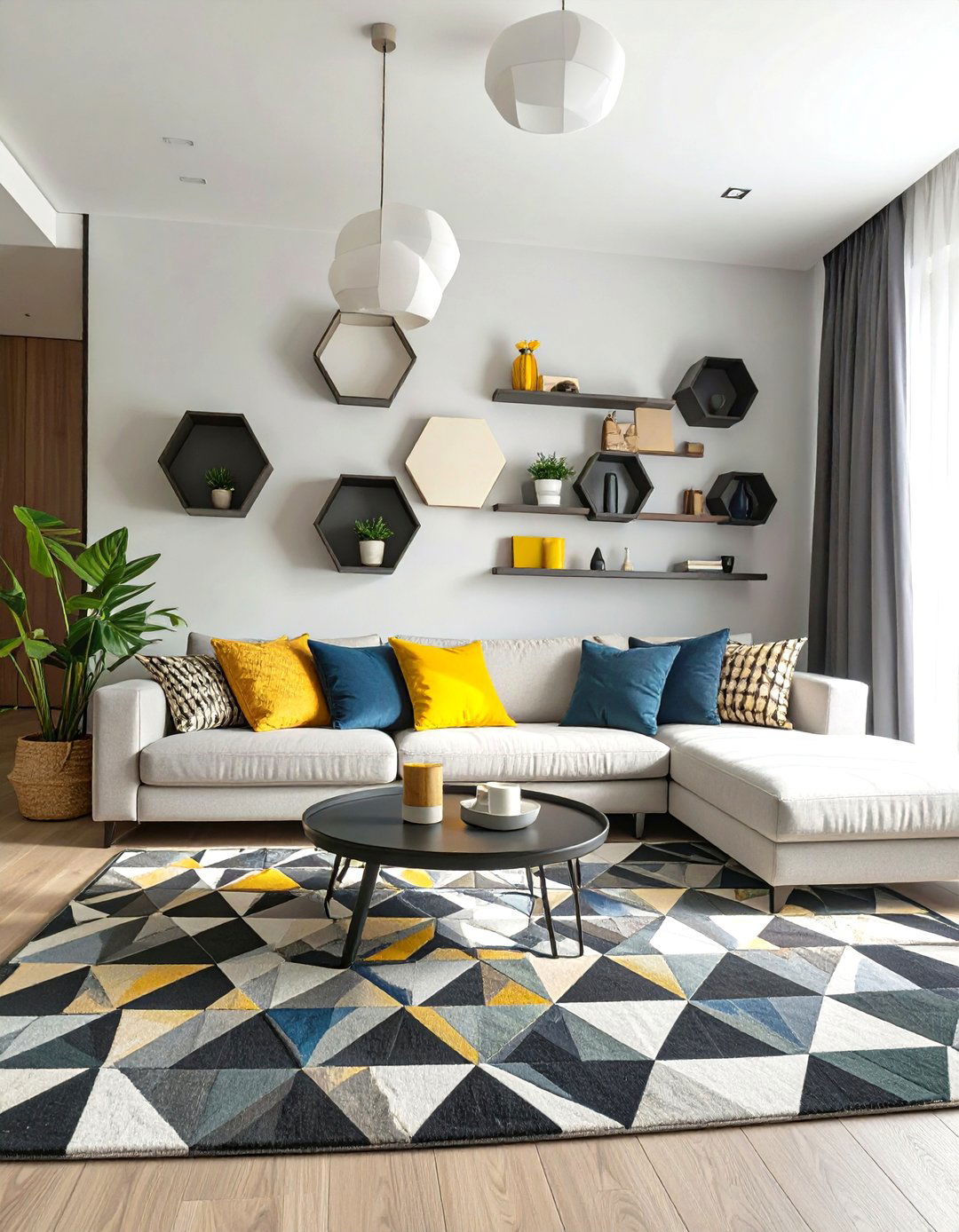
Integrating geometric shapes and patterns adds a modern, graphic quality to a monochrome interior design. Without relying on color, you can create bold visual statements using lines, angles, and forms. This can be achieved through a geometrically patterned rug, a tiled backsplash with a distinct shape, or furniture with strong, clean lines. Even artwork or decorative objects featuring geometric motifs can enhance the theme. The repetition and structure of these shapes provide rhythm and energy, preventing the single-color scheme from becoming static and transforming it into a dynamic and contemporary space that is visually engaging.
26. Monochrome Nursery Interior Design
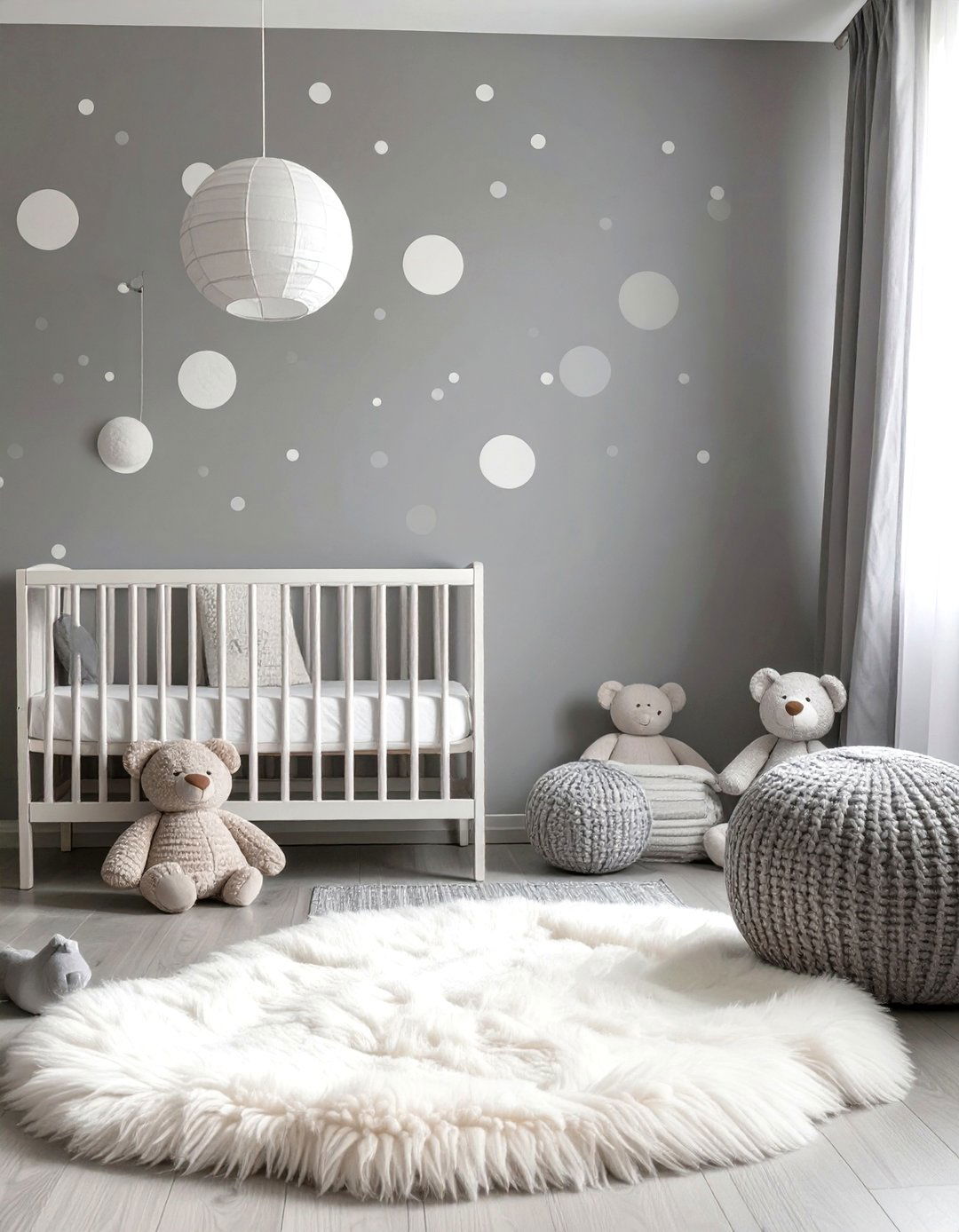
A monochrome interior design can create a surprisingly serene and stylish nursery. Moving away from traditional pastels, a palette of soft grays, warm whites, or gentle beiges establishes a calming and timeless environment that the child won't quickly outgrow. To keep it child-friendly and stimulating, introduce a variety of soft textures, such as a fluffy rug, a knit blanket, and plush toys. Gentle patterns, like subtle stripes or polka dots in the same color family, can add a playful touch. This sophisticated approach results in a peaceful, cohesive space that is soothing for both baby and parents.
27. Monochrome Home Office Interior Design
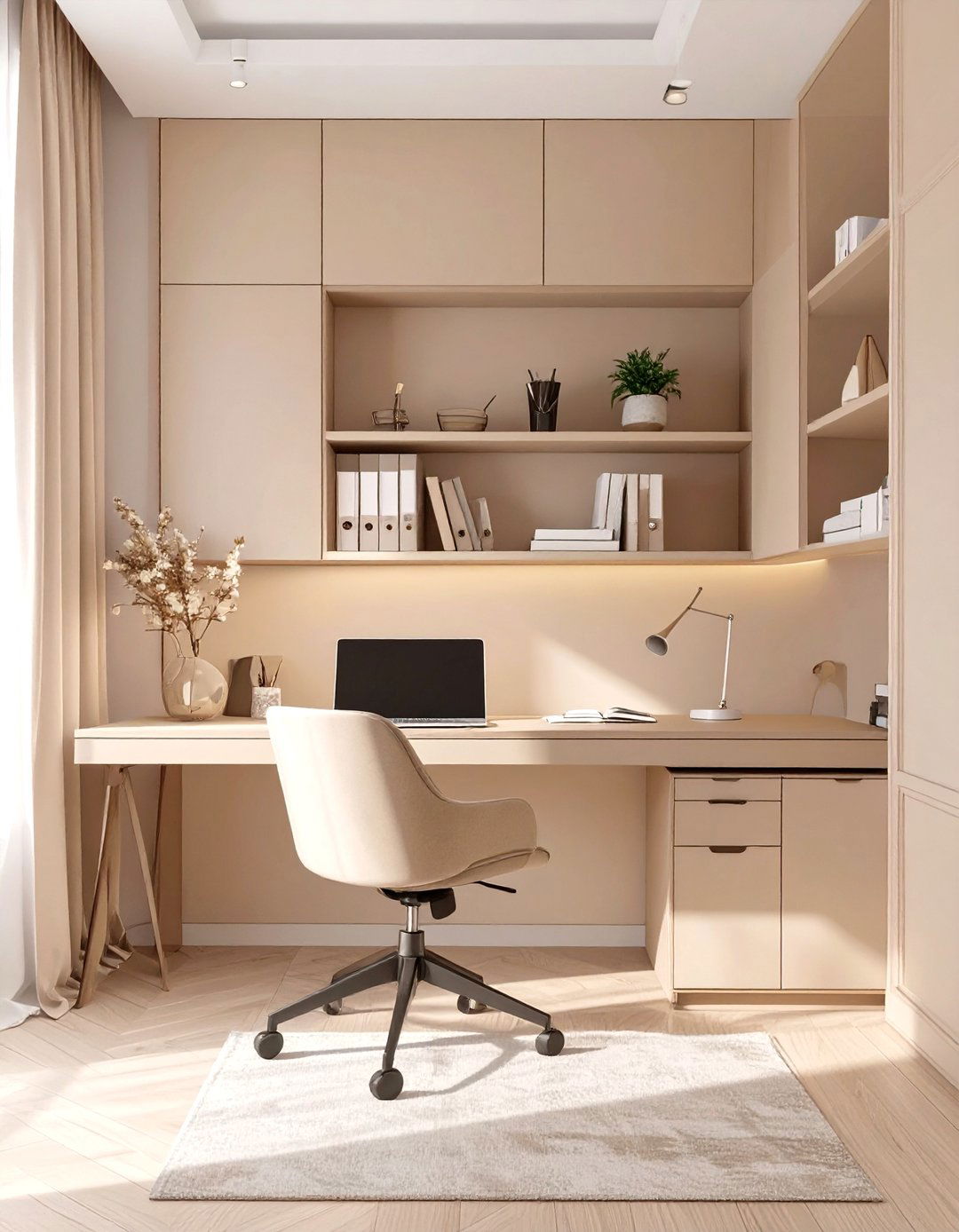
Creating a monochrome home office interior design fosters a sense of focus, calm, and professionalism. A clean palette, such as shades of gray or beige, minimizes visual distractions and helps promote concentration. The key is to ensure the space remains inspiring by incorporating different textures and materials. A sleek metal desk, a comfortable upholstered chair, a wooden bookshelf, and some well-placed plants can add warmth and personality without disrupting the cohesive color scheme. This intentional design results in an organized, sophisticated, and productive workspace that feels both serene and motivating, making work-from-home days more efficient.
28. Transitional Monochrome Interior Design
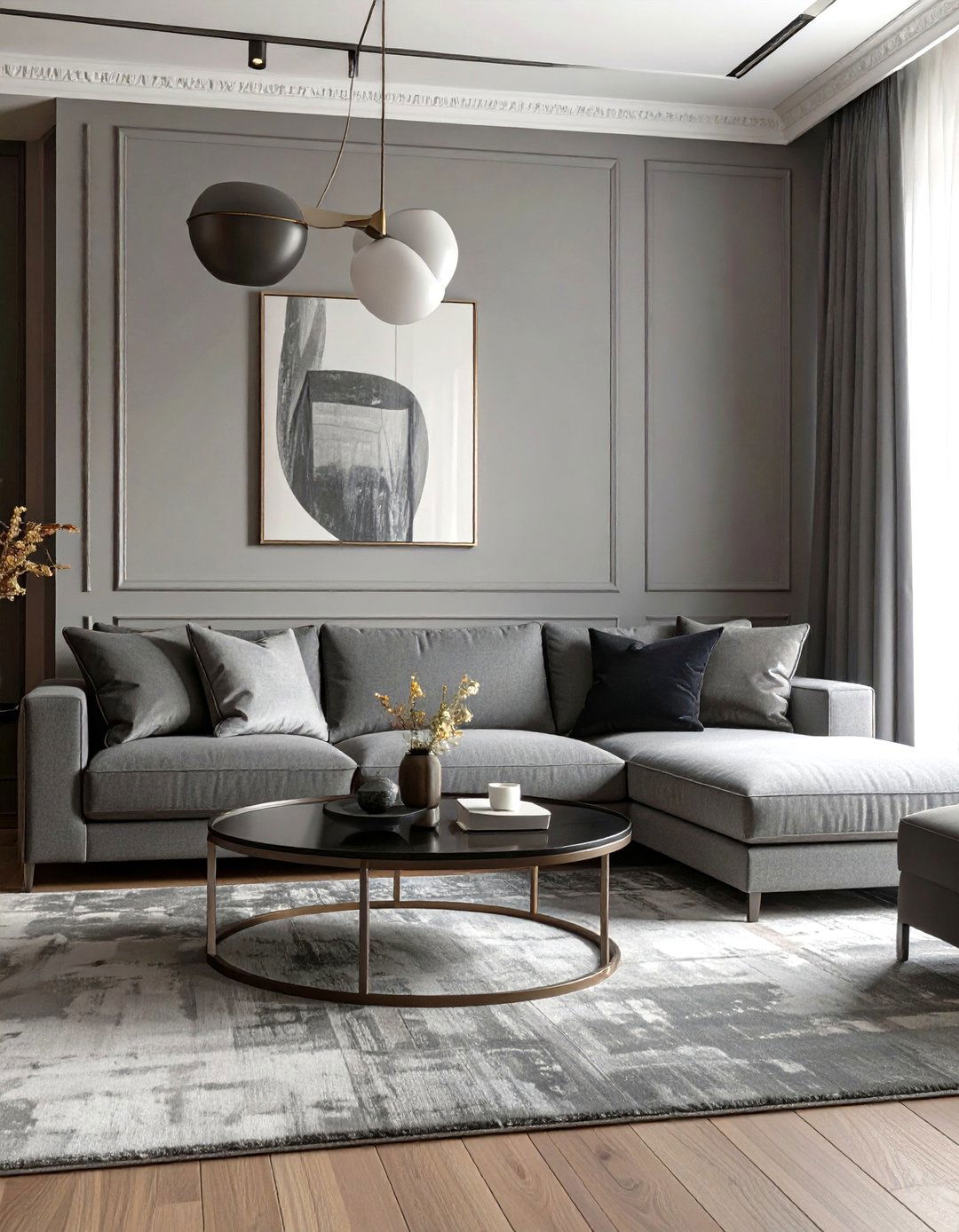
A transitional monochrome interior design skillfully blends the elegance of traditional style with the clean lines of contemporary design, all within a single color family. This approach creates a timeless and comfortable space that feels both classic and fresh. Imagine a room with classic furniture silhouettes, like a Chesterfield sofa, upholstered in a modern gray fabric. The color scheme is kept simple and sophisticated, relying on varying shades of one color to unify the different style elements. Textural variety through fabrics, woods, and metals adds depth, resulting in a balanced and harmonious interior that bridges the best of both worlds.
29. Bohemian-Style Monochrome Interior Design
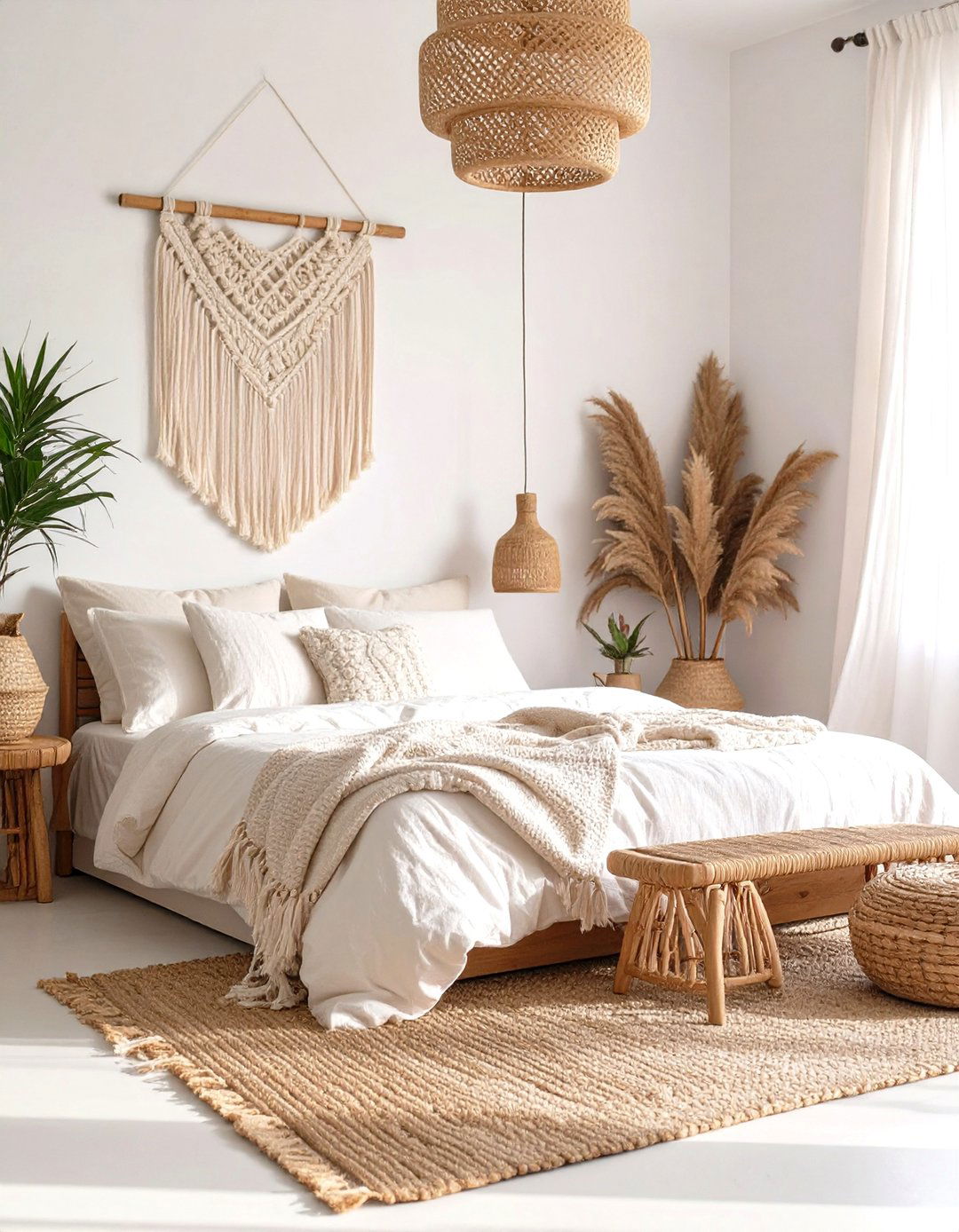
While Bohemian style is often associated with vibrant colors, a monochrome interpretation offers a chic and serene twist. A Bohemian monochrome interior design focuses on a rich tapestry of textures, natural materials, and a relaxed, layered aesthetic. Build the look with a base of white or cream, then layer on elements like a macramé wall hanging, a jute rug, rattan furniture, and an abundance of plants. The variety of textures and the handmade quality of the decor items provide the eclectic, free-spirited vibe characteristic of Bohemian style, all while maintaining a calming and cohesive single-color palette.
30. Using Lighting to Enhance Monochrome Interior Design
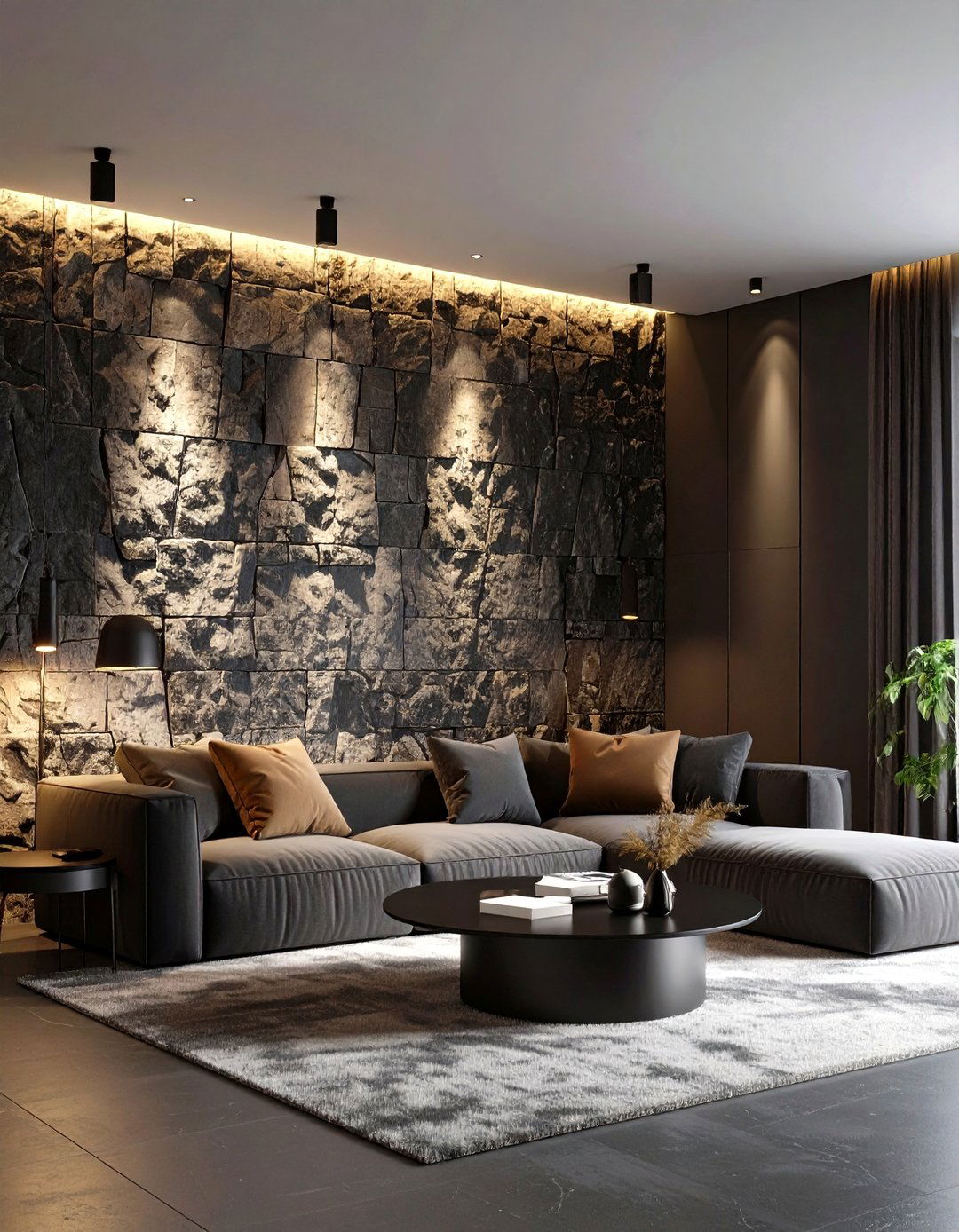
Strategic lighting is absolutely essential for bringing a monochrome interior design to life. A well-planned lighting scheme with multiple layers—ambient, task, and accent—can dramatically alter the mood and highlight the room's best features. Ambient lighting provides overall illumination, while task lighting is crucial for specific activities. Accent lighting, such as spotlights on textured walls or artwork, creates dramatic shadows and highlights, adding depth and dimension. Using dimmers allows you to adjust the intensity, transforming the space from bright and functional to intimate and moody, proving that light is the final, crucial element in mastering monochrome.
Conclusion:
Ultimately, monochrome interior design is a testament to the power of simplicity and thoughtful execution. It proves that a single color, when used with intention, can create spaces that are rich, dynamic, and deeply personal. The key to avoiding monotony lies in the masterful layering of different shades, tints, and, most importantly, textures. From the bold drama of black and white to the serene calm of an all-beige room, this design approach offers a sophisticated framework for creating a harmonious and unified home that is both timeless and modern.

Related posts:



Leave a Reply