
An organized pantry can transform your kitchen experience, saving you time, reducing food waste, and making meal prep a breeze. By implementing a few strategic systems, you can turn a chaotic space into a functional and visually appealing hub of your home. The key is to create designated zones for different categories of items and use storage solutions that maximize every inch of space. From clear containers and tiered shelves to clever door storage and labeled bins, these ideas will help you establish order and maintain it effortlessly, making it easy to see what you have at a glance.
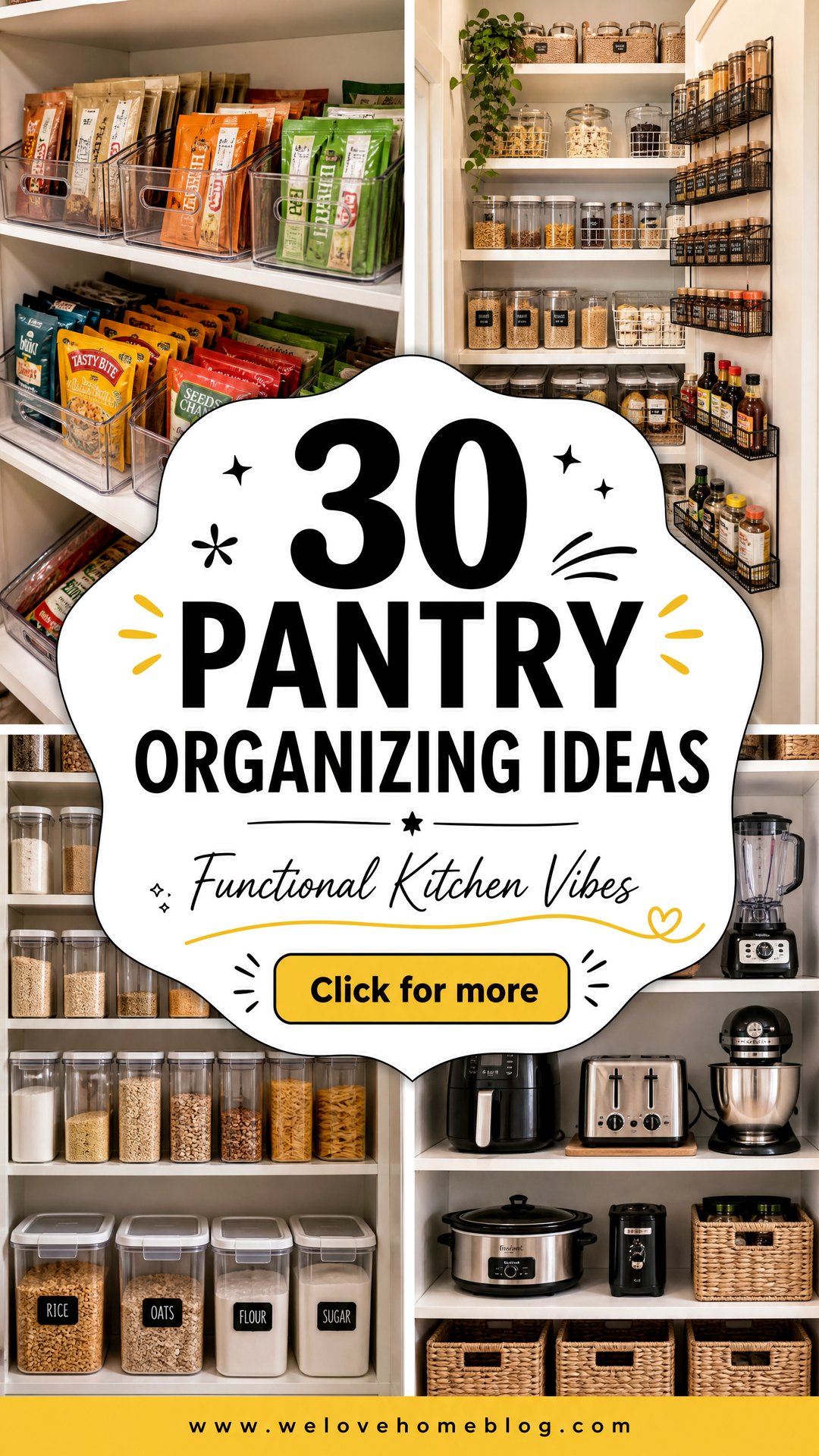
1. Pantry Organizing with Clear Airtight Containers
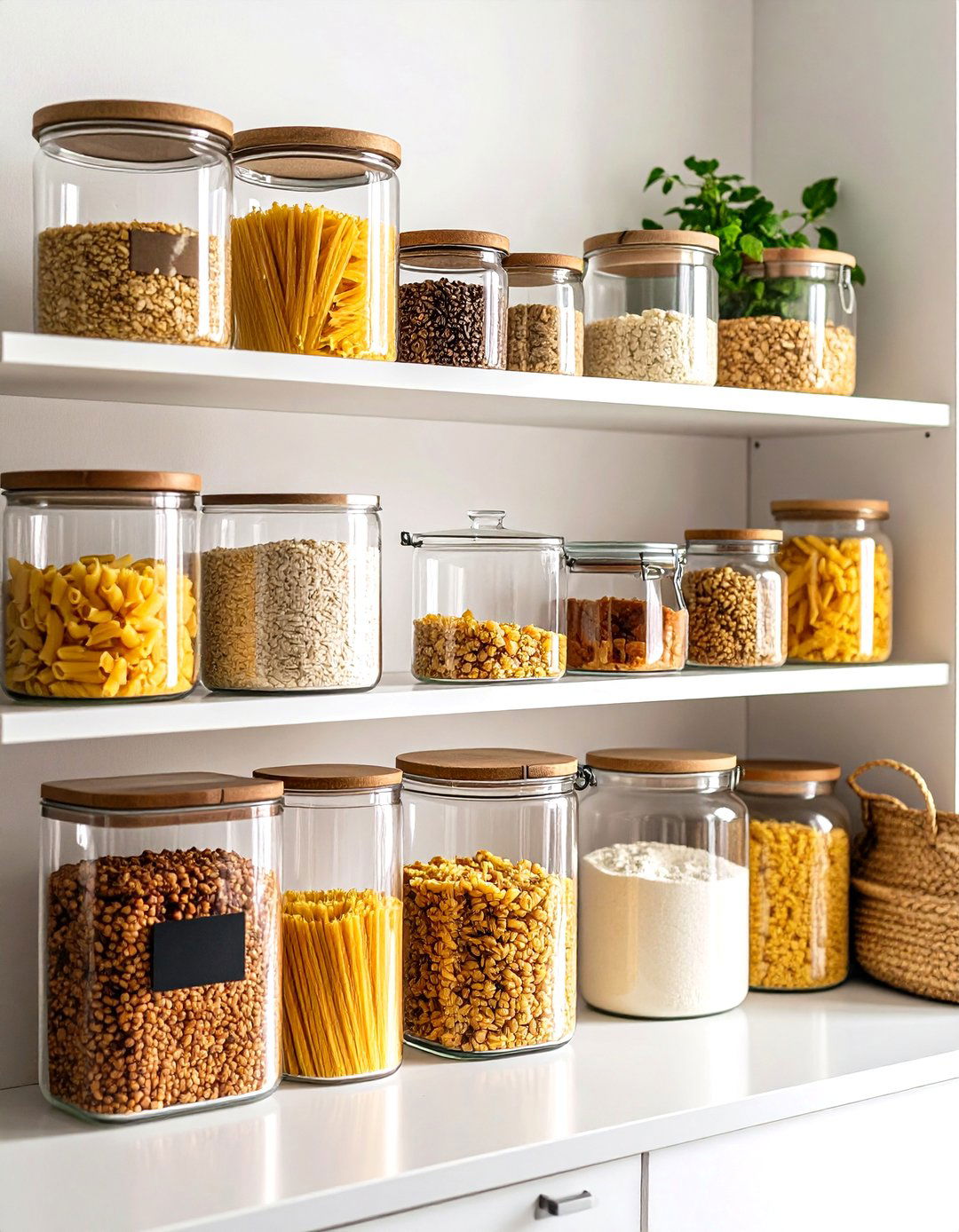
Using clear airtight containers is a fundamental step for a tidy pantry. Decanting dry goods like pasta, rice, flour, and cereal into uniform containers instantly creates a clean, cohesive look. This method not only looks great but also keeps your food fresher for longer by protecting it from air and pests. You can easily see how much of each item you have left, preventing you from buying duplicates and reducing food waste. For best results, choose stackable square or rectangular containers to maximize shelf space, and consider labeling them with the item's name and expiration date for ultimate efficiency.
2. Pantry Organizing with Tiered Shelving
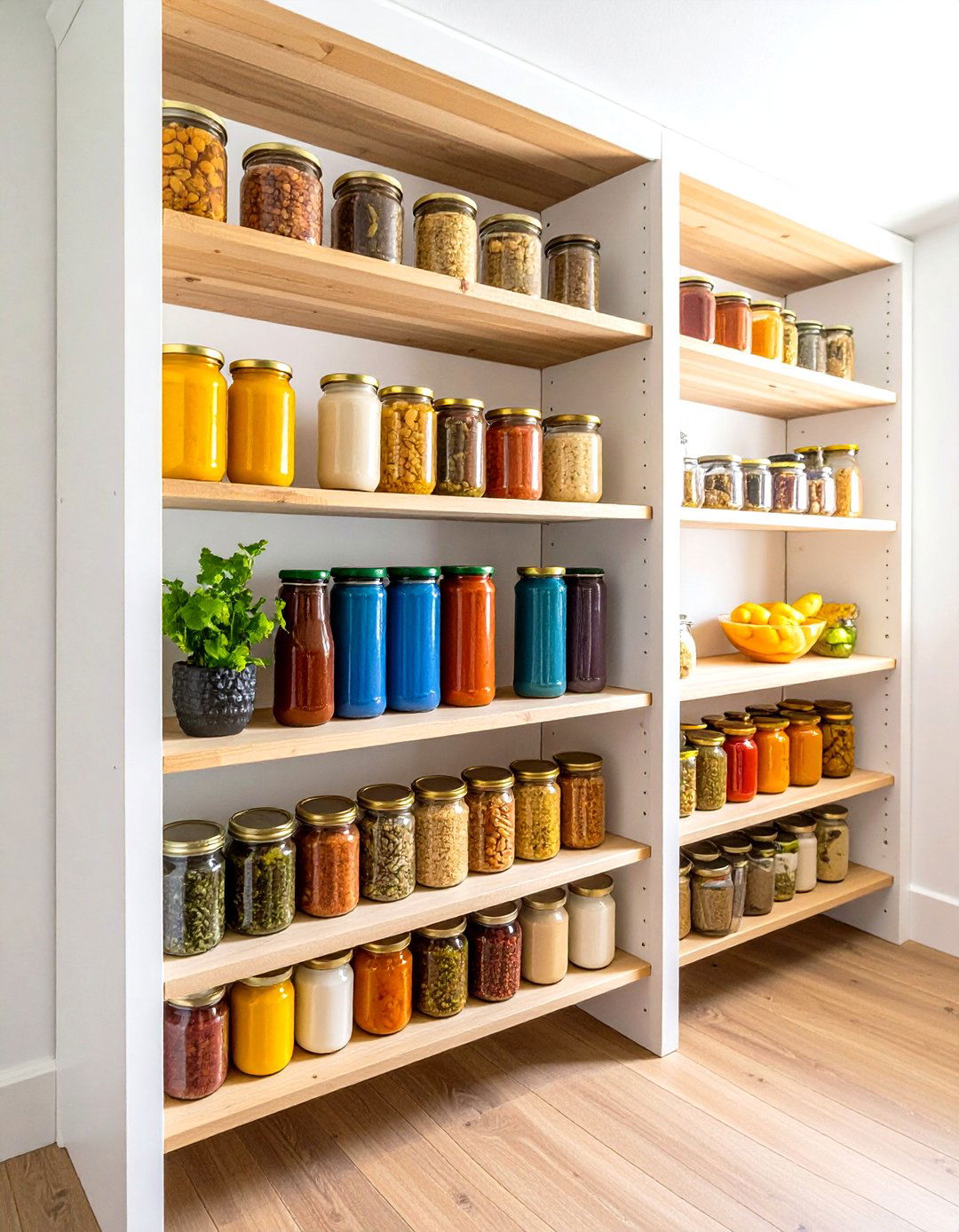
Tiered shelving is an ingenious solution for maximizing visibility in your pantry, especially for canned goods and spices. These step-like risers allow you to see everything at once, so you no longer have to dig through rows of cans to find what you need. By placing items on different levels, you eliminate the problem of smaller items getting lost behind larger ones. This simple addition makes it incredibly easy to take inventory before a grocery trip and helps ensure older items are used first. Tiered shelves are available in various materials, including plastic, wood, and metal, to match any pantry aesthetic.
3. Pantry Organizing with Woven Baskets
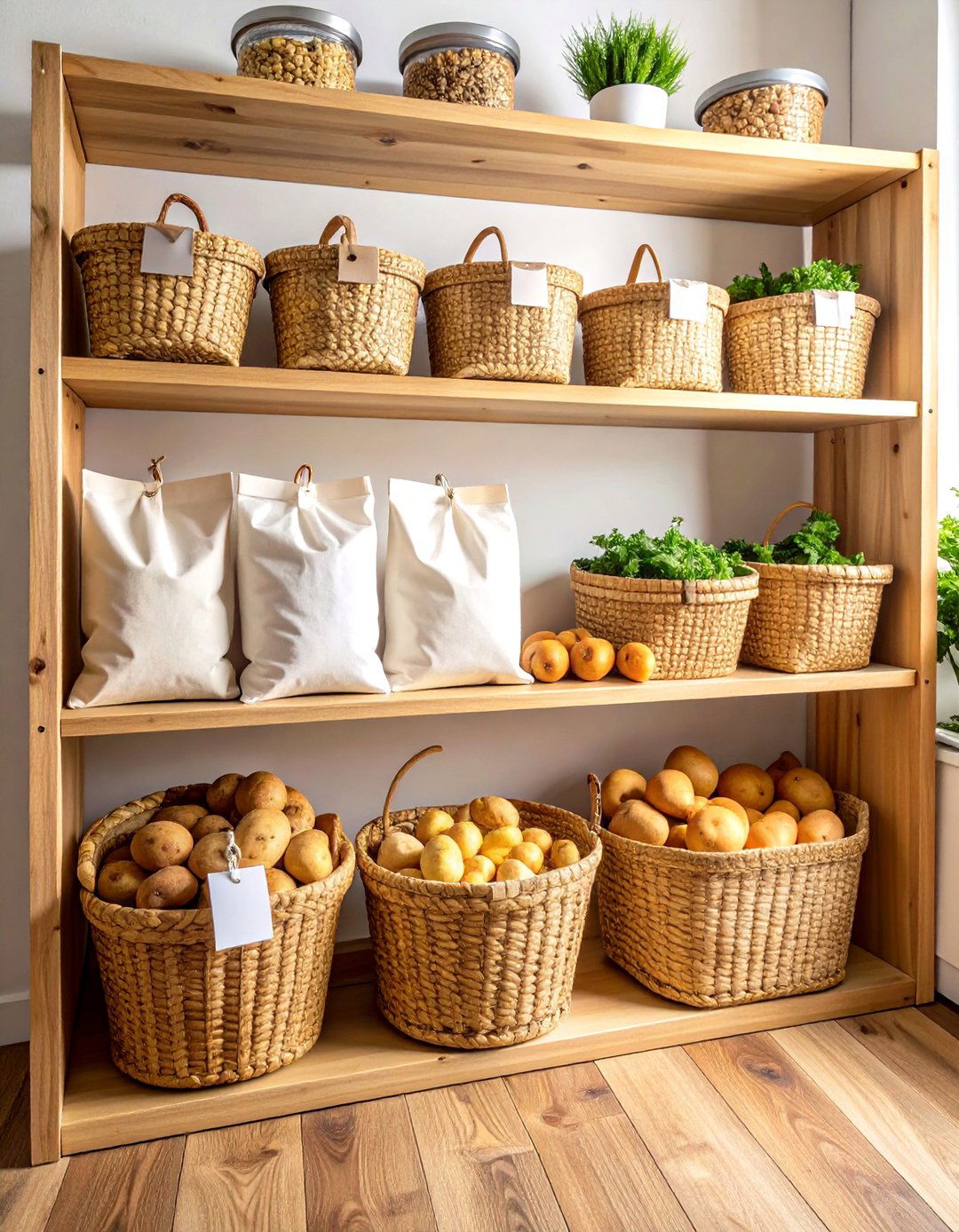
For items that don’t stack neatly or come in bulky packaging, woven baskets offer a stylish and practical storage solution. Use them to corral bags of chips, snacks, potatoes, onions, or extra baking supplies. The natural texture of materials like wicker, rattan, or seagrass adds warmth and a touch of rustic charm to your pantry. Baskets conceal visual clutter, creating a more uniform and organized appearance. Group similar items together in each basket and add a simple clip-on label or tag to the front so you can quickly identify the contents without having to pull it down from the shelf.
4. Pantry Organizing with a Lazy Susan
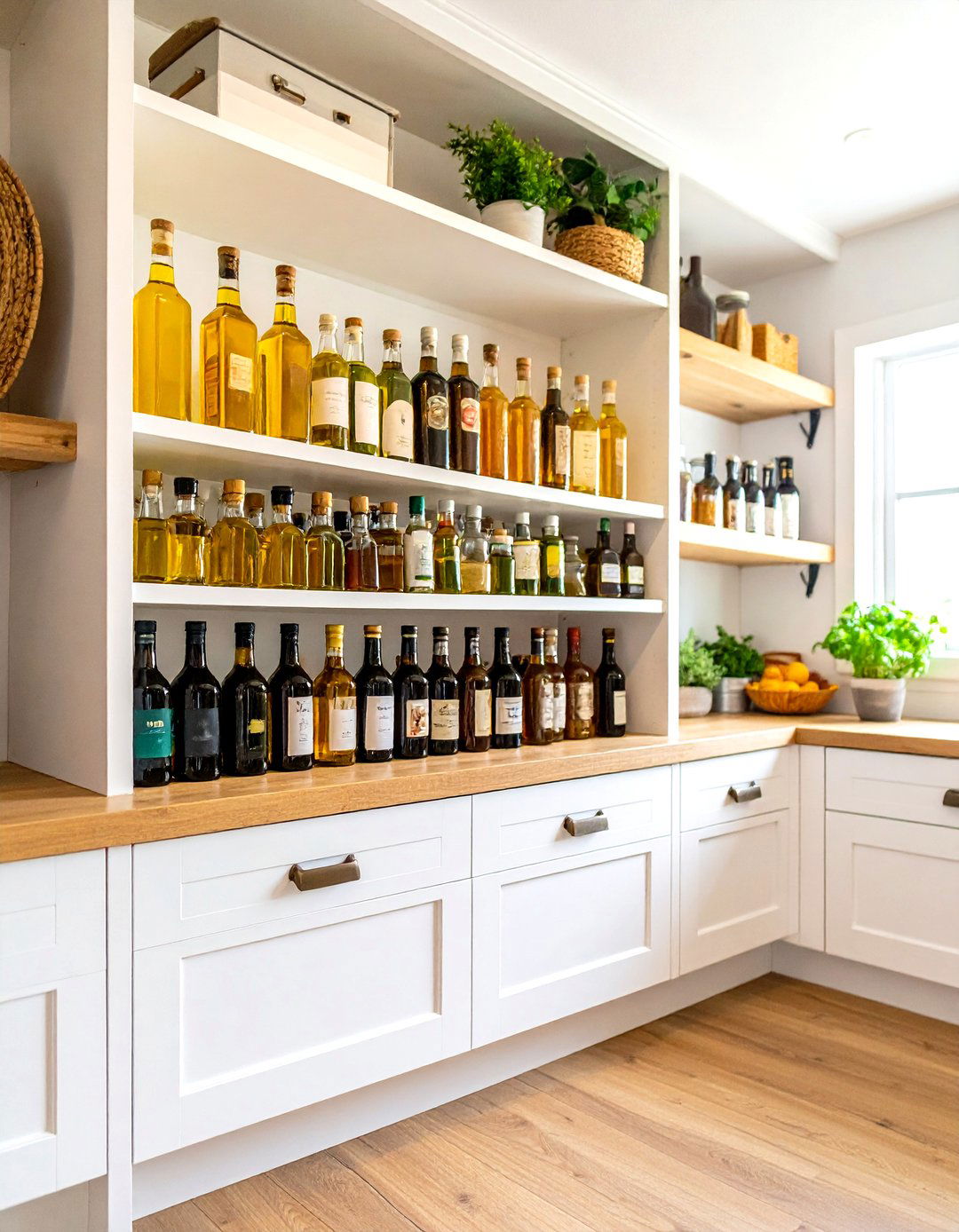
A lazy Susan, or turntable, is the perfect tool for taming awkward corner cabinets or deep pantry shelves. These rotating trays bring items from the back to the front with a simple spin, ensuring nothing gets lost or forgotten. They are ideal for storing bottles, jars, oils, vinegars, and spices. By placing these items on a turntable, you gain easy access to everything without having to shuffle contents around. This not only saves time but also prevents spills and breakage. Choose a lazy Susan with a non-slip surface and a raised edge to keep items securely in place as it turns.
5. Pantry Organizing with Over-the-Door Racks
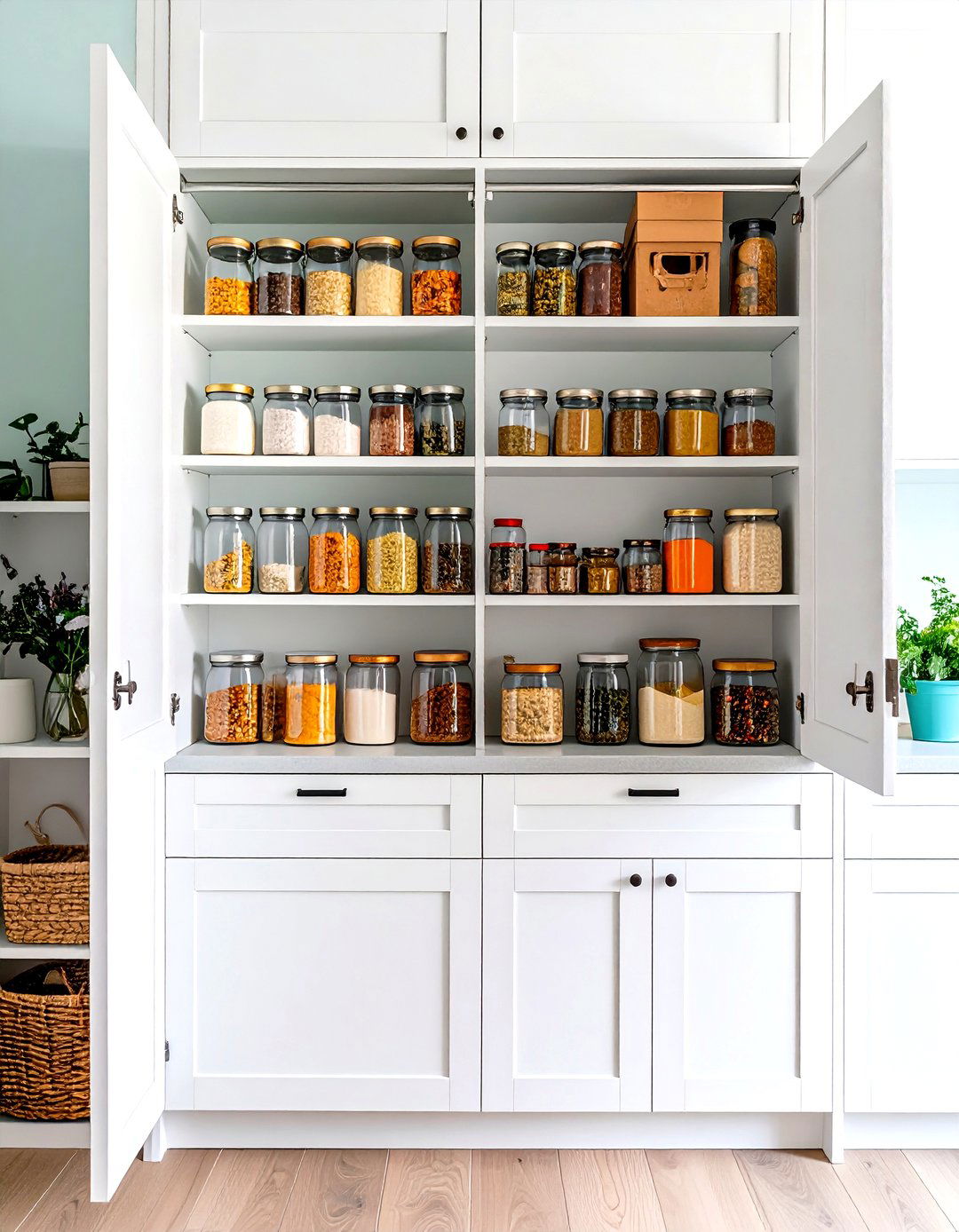
To maximize every inch of your pantry, don’t overlook the back of the door. An over-the-door rack provides a significant amount of extra storage without taking up any shelf or floor space. These versatile organizers are perfect for holding spice jars, canned goods, condiments, and other small items that can easily clutter shelves. Many designs feature adjustable baskets, allowing you to customize the layout to fit your specific needs. This simple addition can dramatically increase your pantry’s capacity, making it an essential organizing tool, especially for smaller walk-in or closet-style pantries where space is at a premium.
6. Pantry Organizing with Shelf Dividers
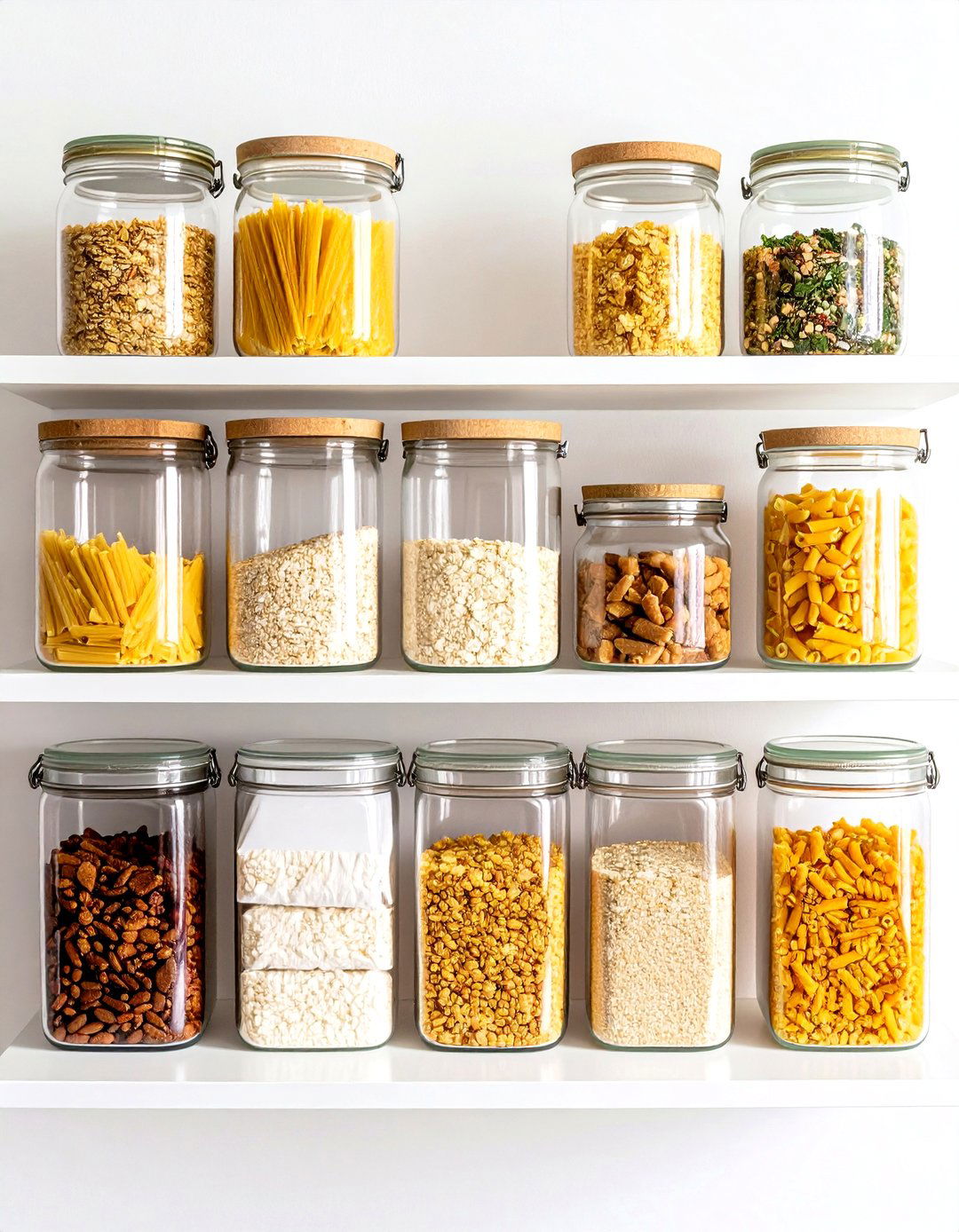
Shelf dividers are a simple yet highly effective way to create order on open pantry shelves. These vertical partitions slide onto existing shelves to create distinct sections, preventing piles of items from toppling over. Use them to separate different categories like baking supplies, breakfast items, or dinner ingredients. They are also perfect for keeping stacks of napkins, paper plates, or reusable bags neat and contained. By segmenting your shelves, you create a more structured system that is easier to maintain. This approach prevents items from migrating and mixing, ensuring your pantry remains tidy and functional.
7. Pantry Organizing with Under-Shelf Baskets
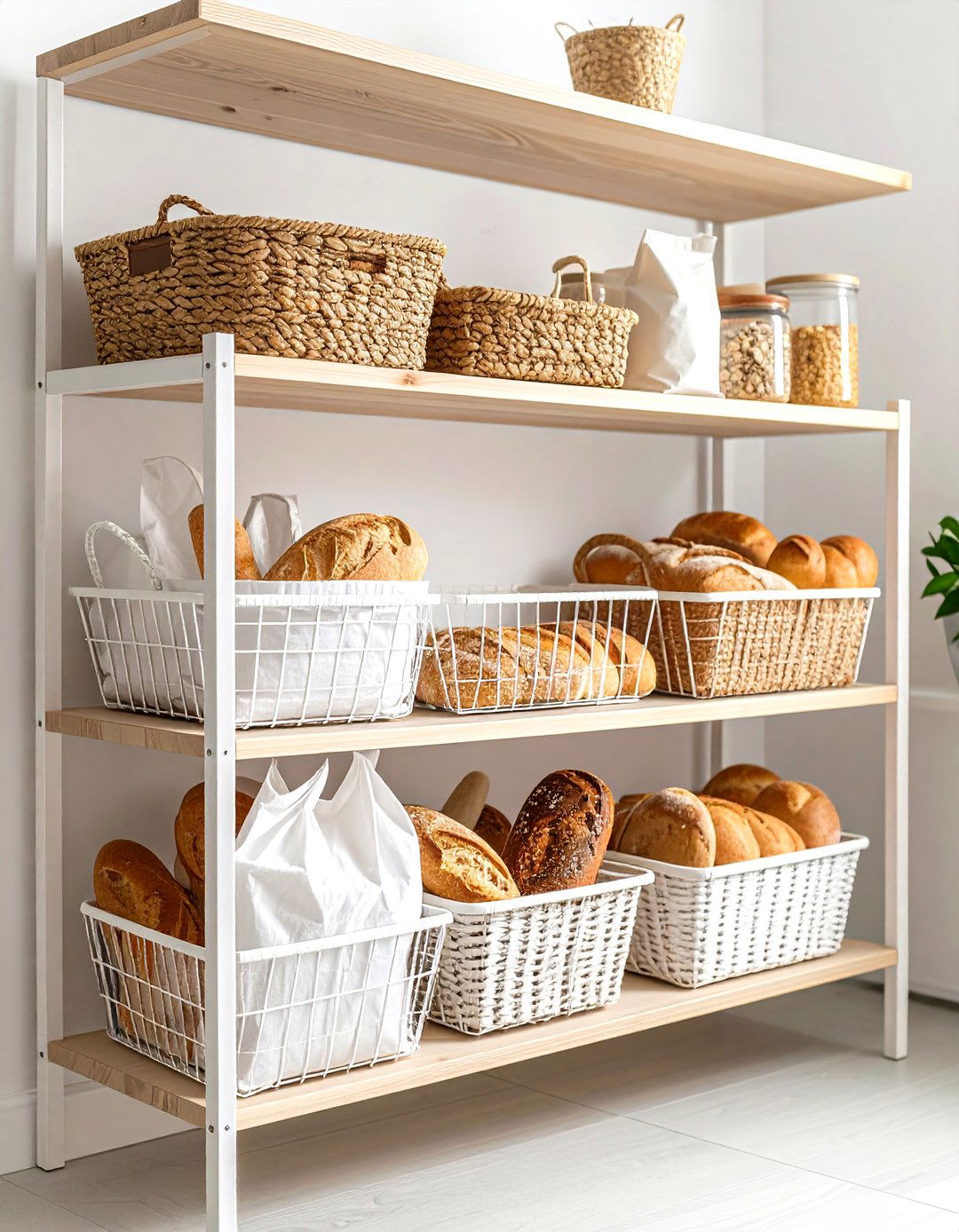
Another clever way to reclaim unused space is with under-shelf baskets. These wire baskets slide onto your existing shelves to create an extra tier of storage below. They are perfect for holding lightweight items like packets of seasoning, small bags of snacks, bread, or kitchen linens. By utilizing the vertical space between shelves, you can nearly double your storage capacity in certain areas. This solution is particularly useful in pantries with tall shelves where a lot of vertical space would otherwise go to waste. It’s an easy, no-tool installation that provides instant organization and accessibility.
8. Pantry Organizing with Food Packet Organizers
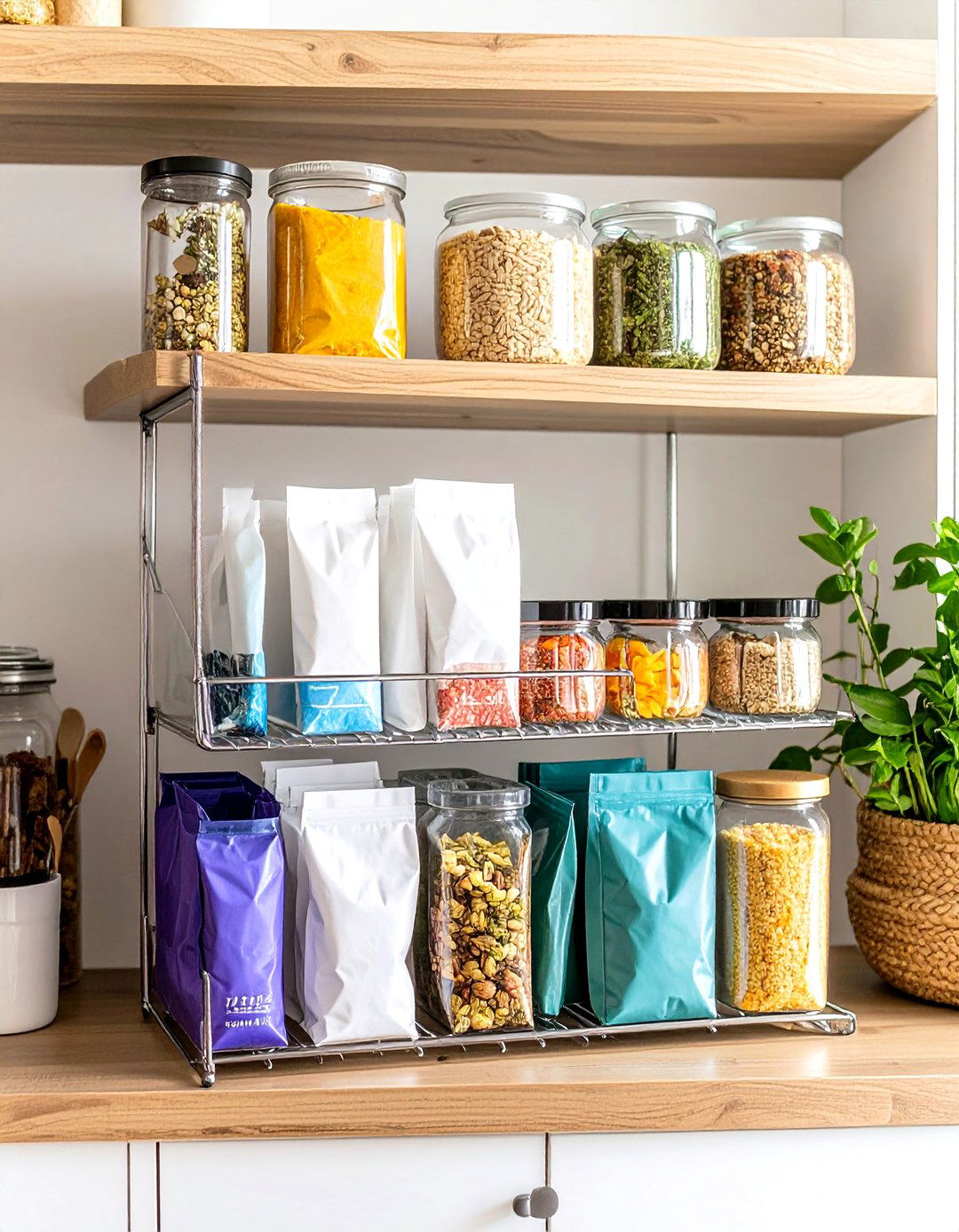
Small food packets, like seasoning mixes, gravy pouches, and instant oatmeal sachets, can quickly create clutter in a pantry drawer or on a shelf. A dedicated food packet organizer is the perfect solution. These slim, open-topped bins or tiered holders keep packets upright and visible, so you can easily flip through and find what you need. Some designs are even wall-mountable to save shelf space. By corralling these small items into one designated spot, you prevent them from getting lost or buried under larger items, streamlining your meal prep process and keeping your pantry neat.
9. Pantry Organizing with Pull-Out Drawers
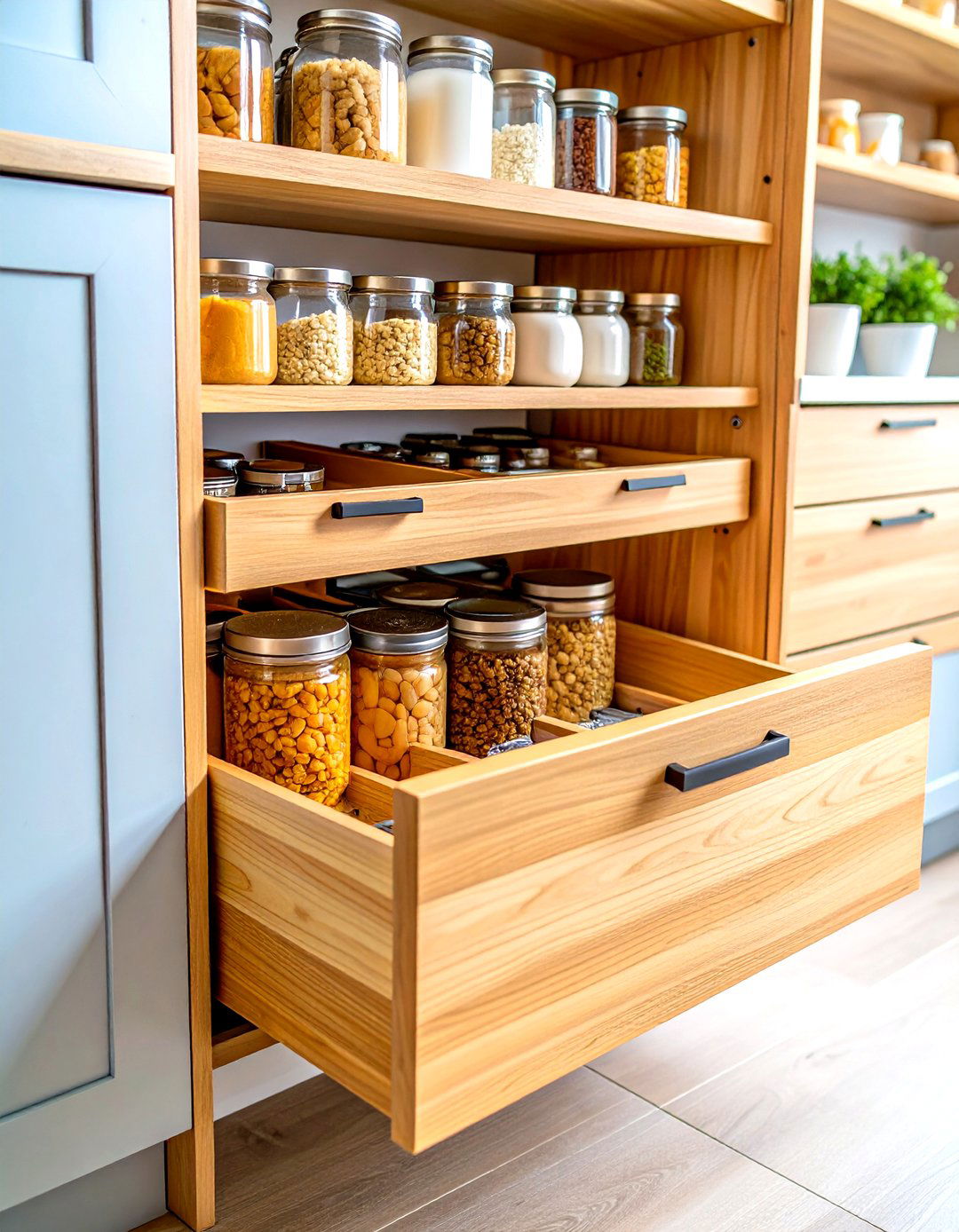
Installing pull-out drawers or sliding shelves can completely transform the functionality of your pantry, especially in deep cabinets. Instead of reaching into the dark recesses of a shelf, you can simply slide the drawer out to see and access everything with ease. This makes it much simpler to store and retrieve heavy items like bags of flour or small appliances. It also ensures that items at the back are not forgotten, helping to reduce food waste. Retrofitting your existing shelves with pull-out mechanisms is a worthwhile upgrade that adds convenience and makes your pantry significantly more user-friendly.

10. Pantry Organizing with Magazine Files
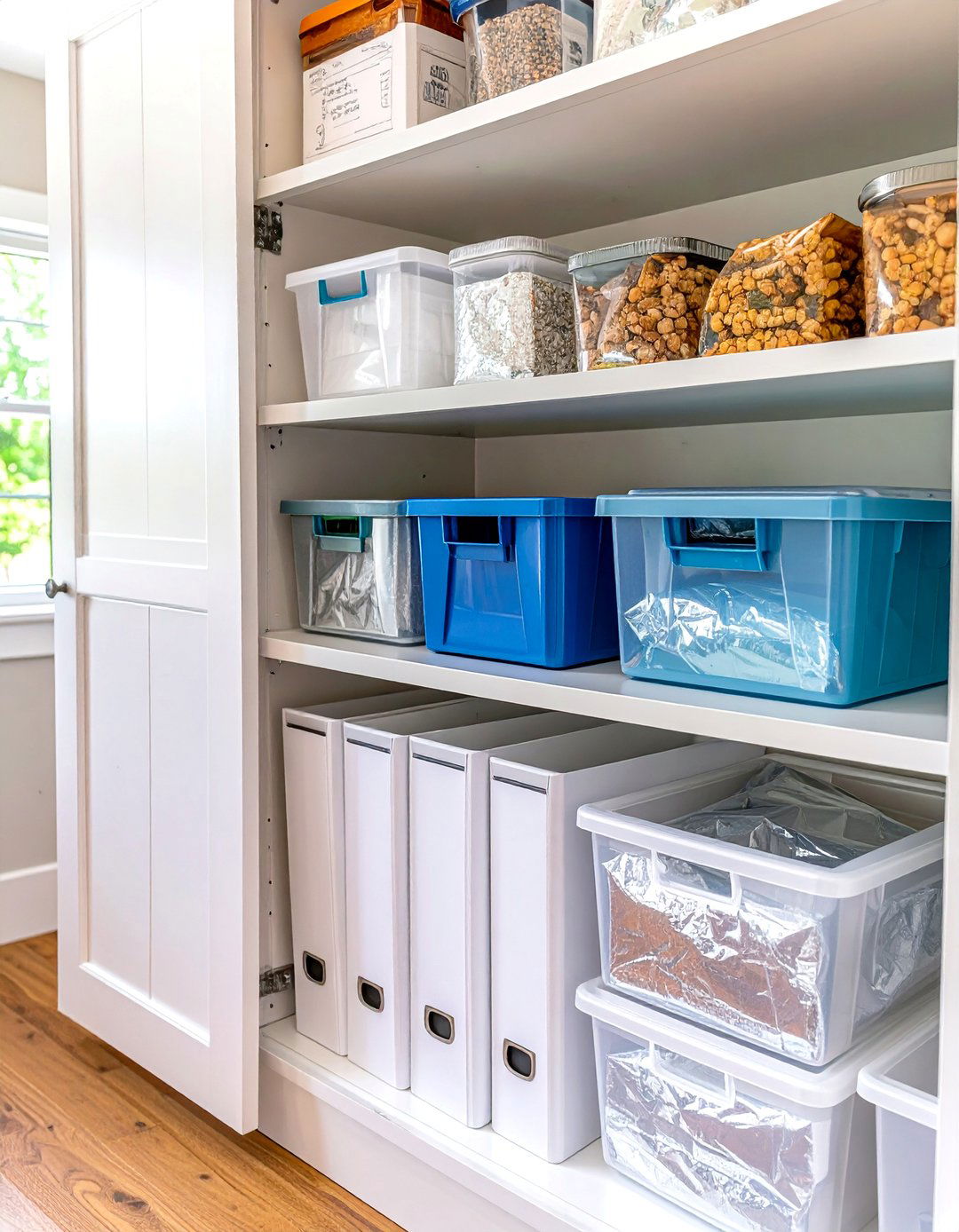
Think outside the box by using magazine files for pantry organization. These inexpensive office supplies are surprisingly versatile. Stand them upright on a shelf to neatly store flat items like cutting boards, baking sheets, or boxes of foil and plastic wrap. You can also use them to hold long, narrow produce like spaghetti squash or to corral water bottles. By storing these items vertically, you save valuable shelf space and make them easier to grab. Label the front of each file for a clear, organized system that keeps awkward items contained and accessible.
11. Pantry Organizing with Wall-Mounted Spice Racks
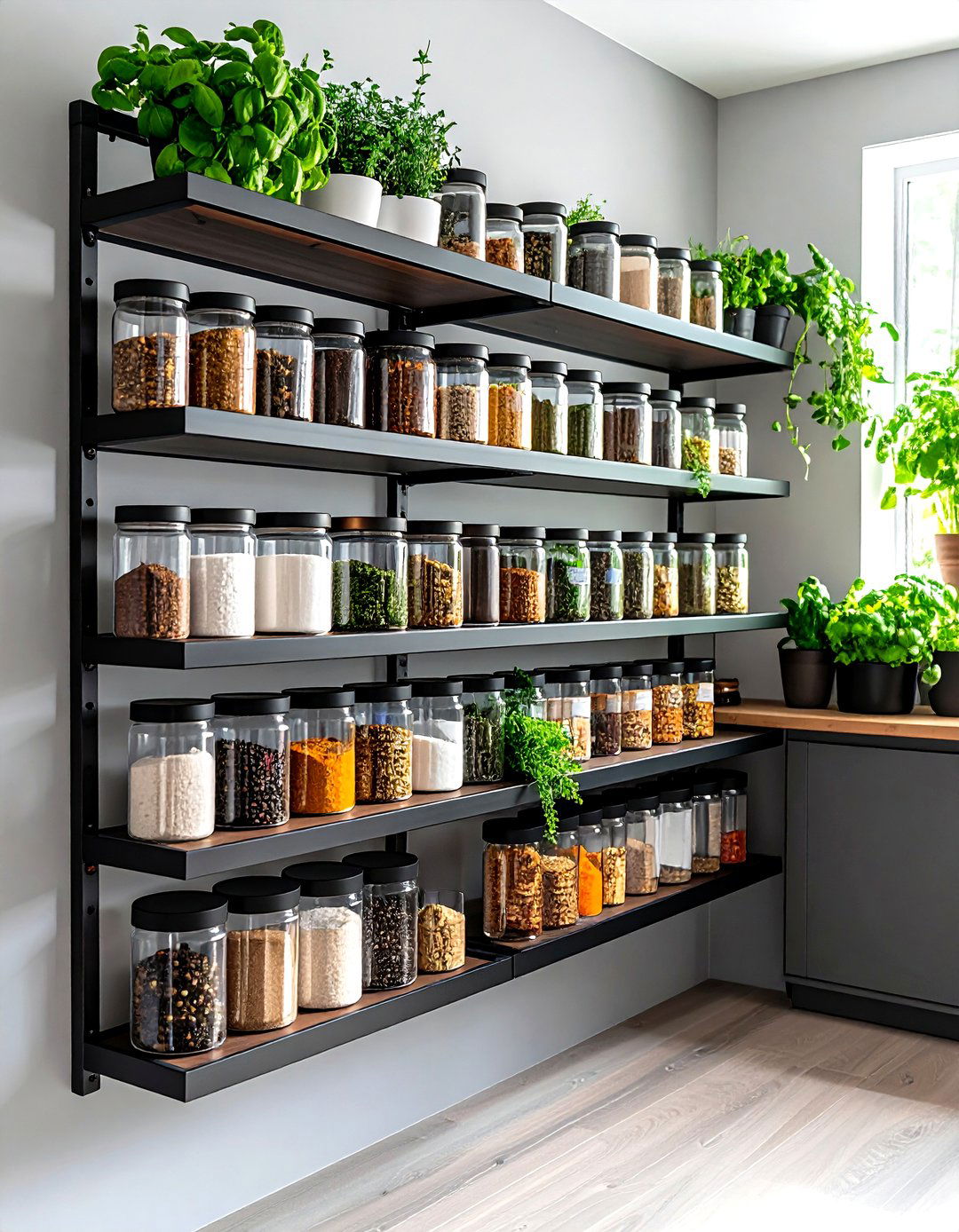
Free up valuable shelf and counter space by moving your spices to the wall. Wall-mounted spice racks keep your collection visible and within easy reach, making seasoning your dishes more convenient. You can install them on any available wall space inside your pantry or even on the back of the pantry door. Arranging spices alphabetically or by frequency of use will further streamline your cooking process. This method not only organizes your spices but also adds a decorative element to your pantry, turning a practical necessity into a visually pleasing display of colors and labels.
12. Pantry Organizing with a Chalkboard Wall
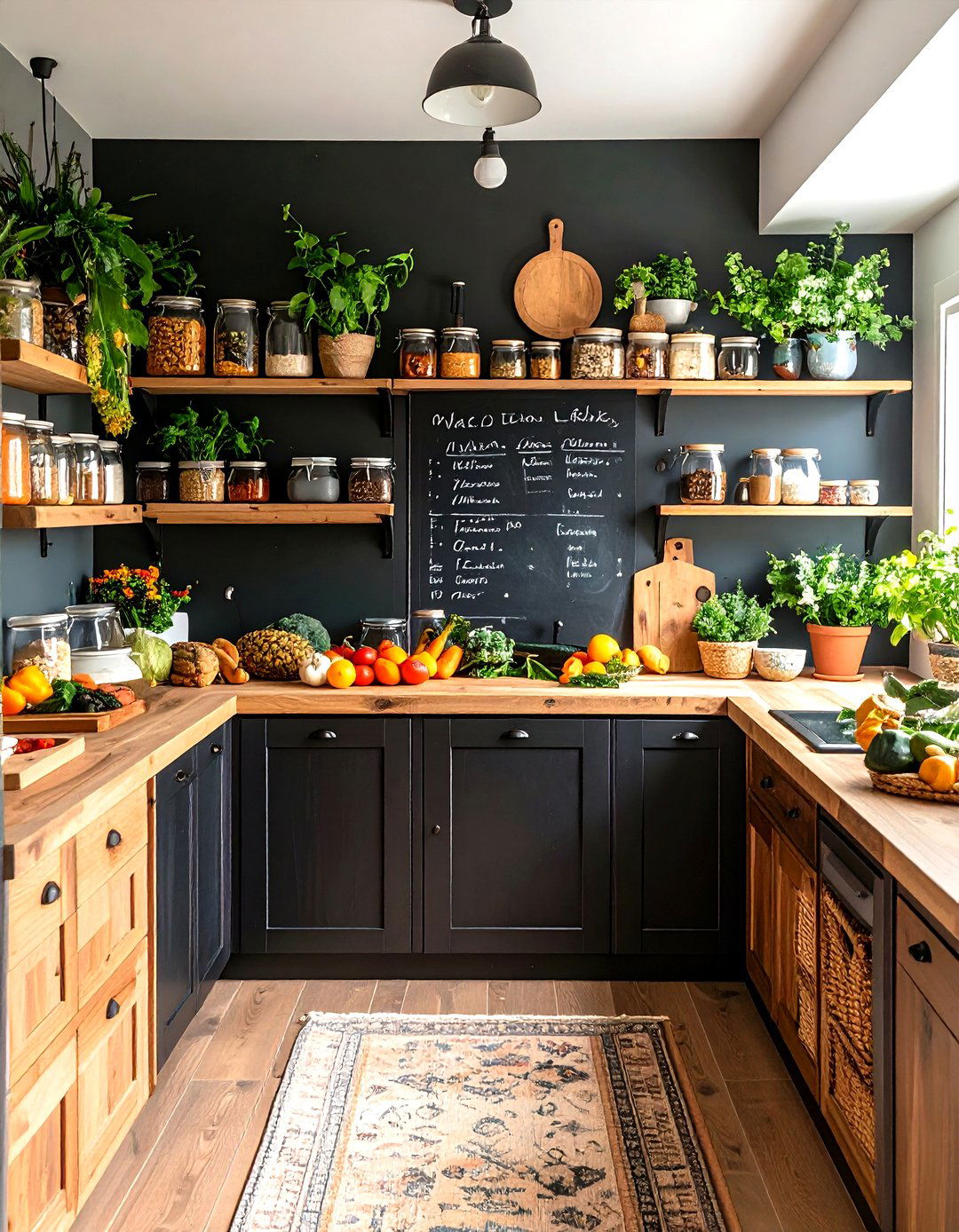
Turn a pantry wall or the inside of the door into a functional command center with a coat of chalkboard paint. This creates a convenient, erasable surface for jotting down your grocery list, planning weekly meals, or leaving notes for the family. As you use the last of an item, you can immediately add it to the list, ensuring you never forget it at the store. A chalkboard wall is a fun, interactive, and highly practical organizing idea that helps you stay on top of your inventory and meal prep, all while adding a touch of personalized, rustic charm to your pantry space.
13. Pantry Organizing with Color-Coded Labels
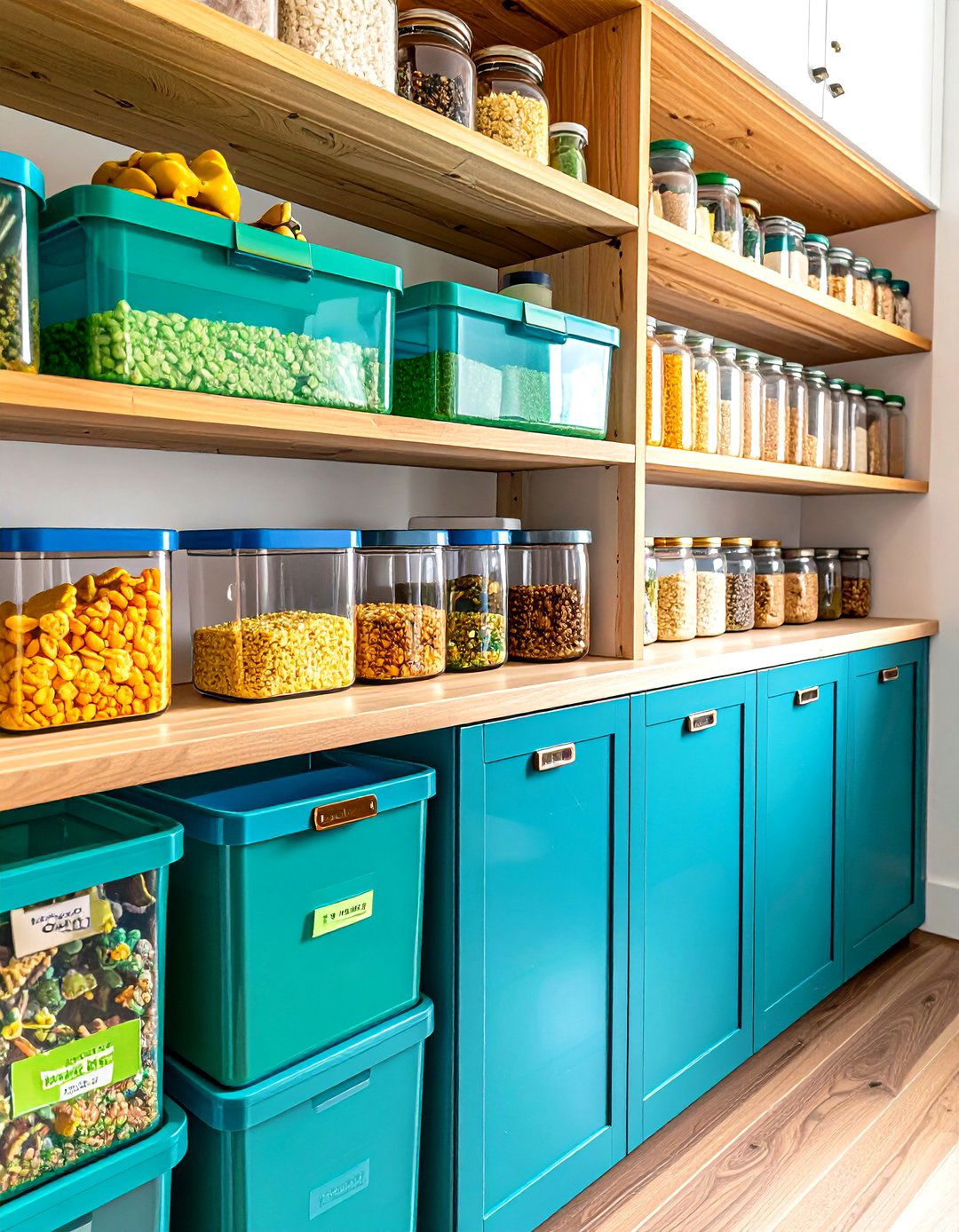
Take your labeling system a step further with color-coding. Assign different colors to various food categories—for example, green for snacks, blue for baking, and yellow for grains. You can use colored labels, tape, or even colored lids on your containers. This visual system allows you to identify categories at a glance, making it faster to find what you need and even easier for the whole family to help put groceries away correctly. It adds a layer of intuitive organization that goes beyond simple text, creating a vibrant and highly efficient pantry system that is simple to understand and maintain.
14. Pantry Organizing by Creating Zones
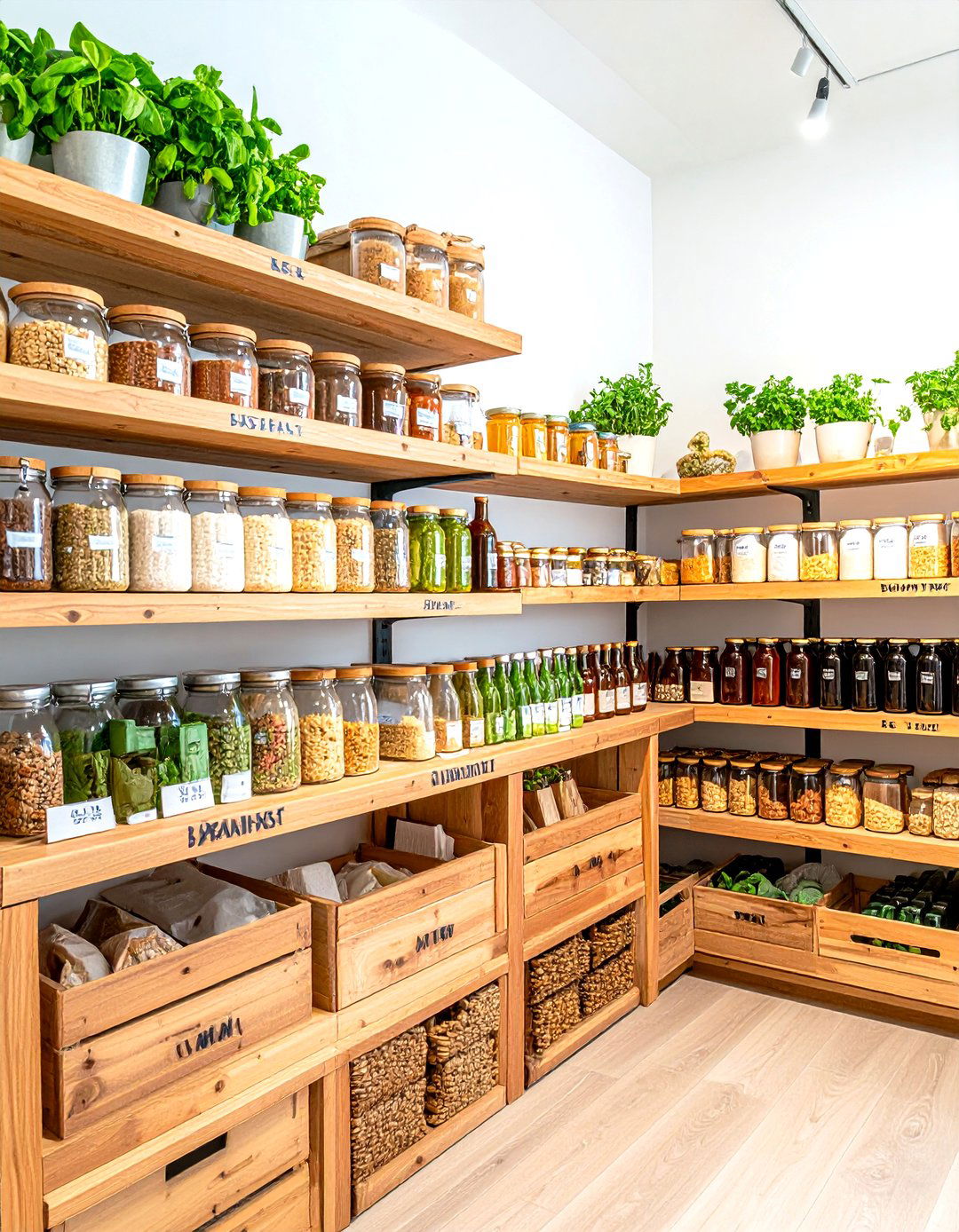
Creating zones is a core principle of effective pantry organization. Designate specific shelves or areas for different categories of food. For example, have a breakfast zone with cereal, oatmeal, and pancake mix; a baking zone with flour, sugar, and sprinkles; and a dinner zone with pasta, sauces, and canned vegetables. Grouping like items together makes logical sense and streamlines meal preparation. You'll always know exactly where to look for an ingredient and where to put it back. This structured approach eliminates guesswork and searching, turning your pantry into an efficient, easy-to-navigate space.

15. Pantry Organizing with a Snack Station
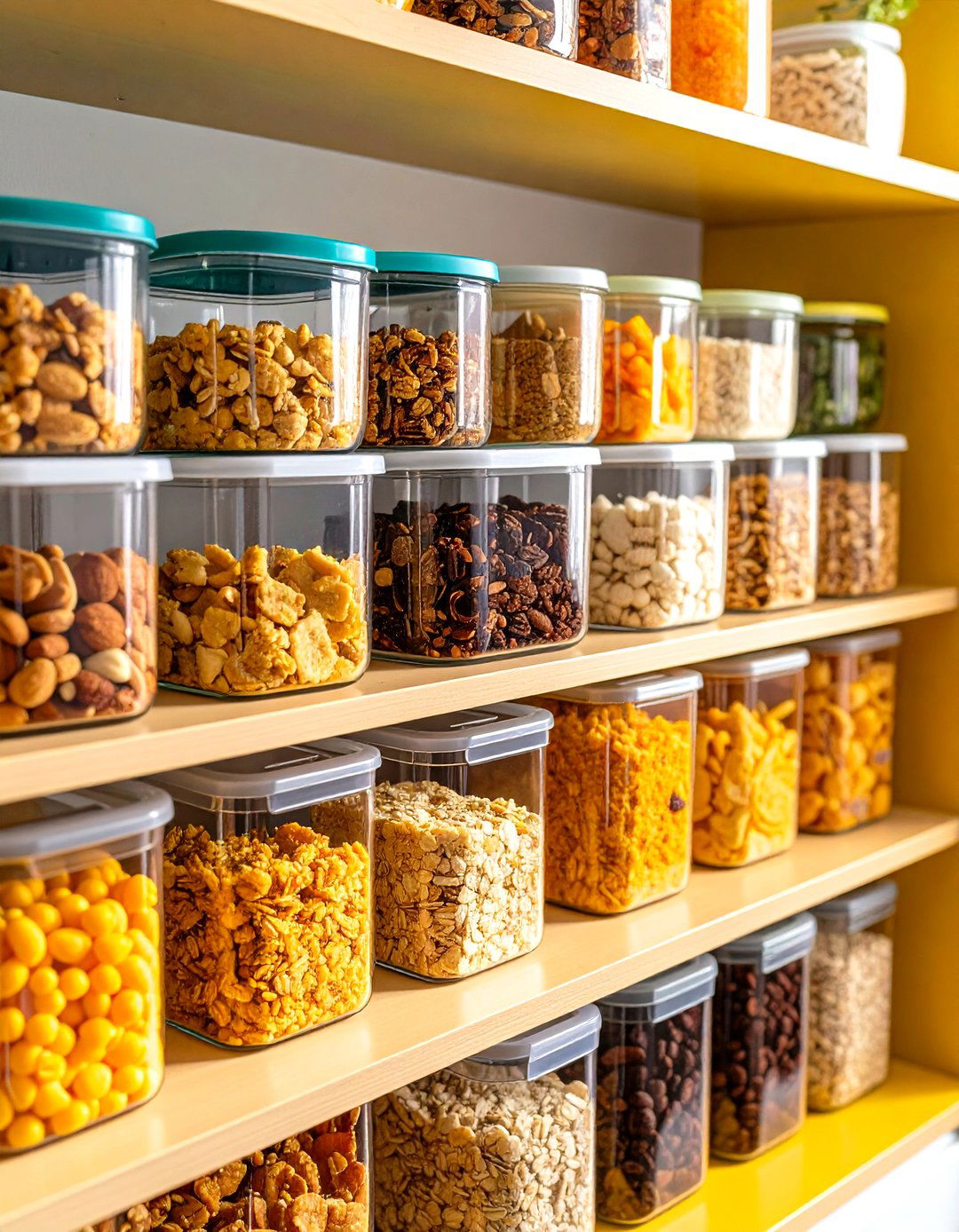
If you have kids, creating a designated snack station is a game-changer. Dedicate a low, easily accessible shelf or a set of bins specifically for kid-friendly snacks. Fill clear containers or open baskets with items like granola bars, fruit snacks, crackers, and juice boxes. This empowers children to grab their own snacks, promoting independence and saving you time. It also helps you control portion sizes and keep track of what they are eating. By containing all the snacks in one area, you prevent half-eaten bags from cluttering up the entire pantry and make restocking a simple task.
16. Pantry Organizing with Pegboard Storage
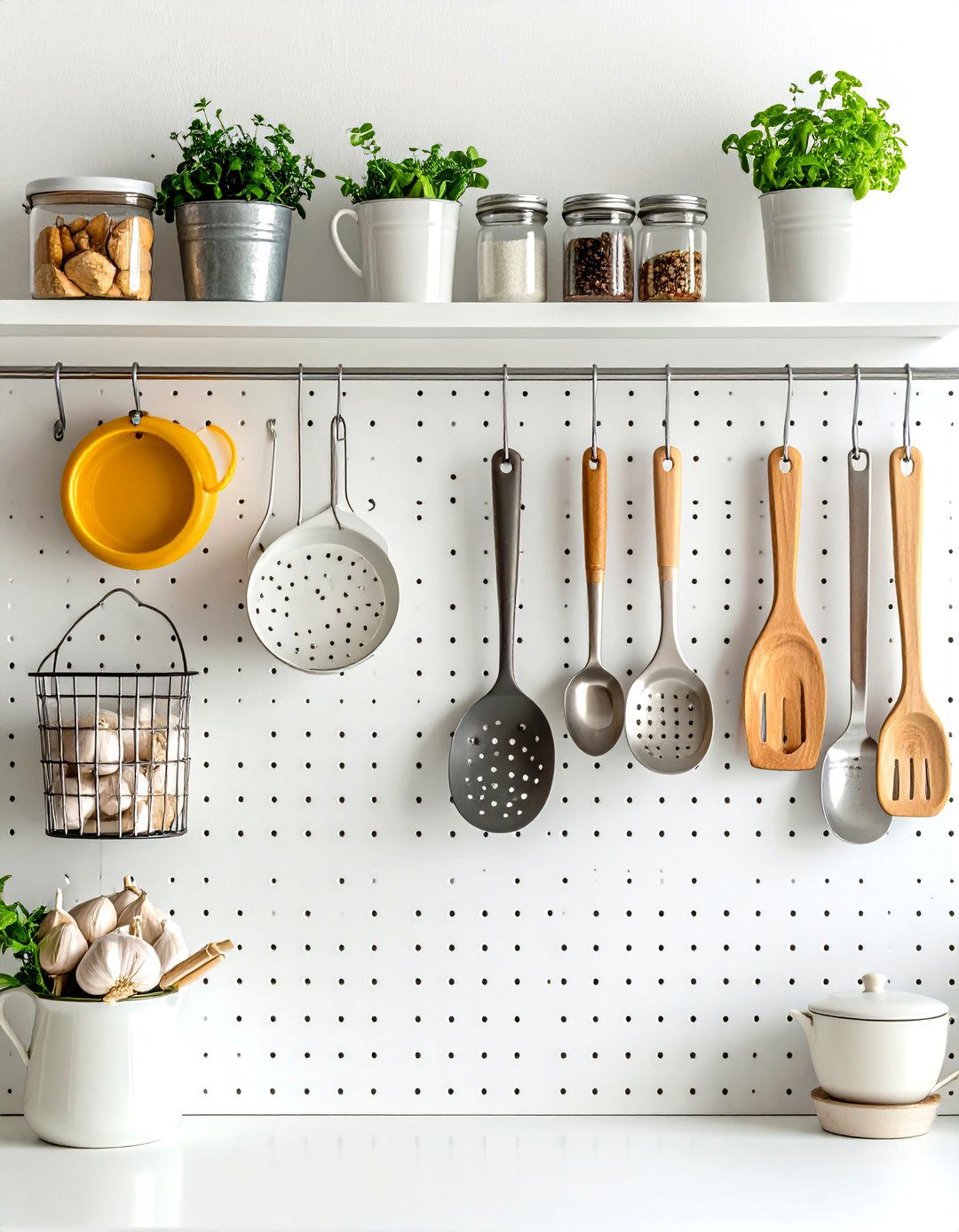
A pegboard is an incredibly versatile and customizable storage solution for a pantry wall. Its grid of holes allows you to arrange hooks, shelves, and baskets in any configuration you need. Use it to hang cooking utensils, aprons, or small pots and pans. Add small baskets to hold spice jars or fresh produce like garlic and onions. The beauty of a pegboard is that you can easily change the layout as your storage needs evolve. It’s a fantastic way to utilize vertical wall space, keeping frequently used items off the shelves but still visible and easily accessible.
17. Pantry Organizing for Canned Goods
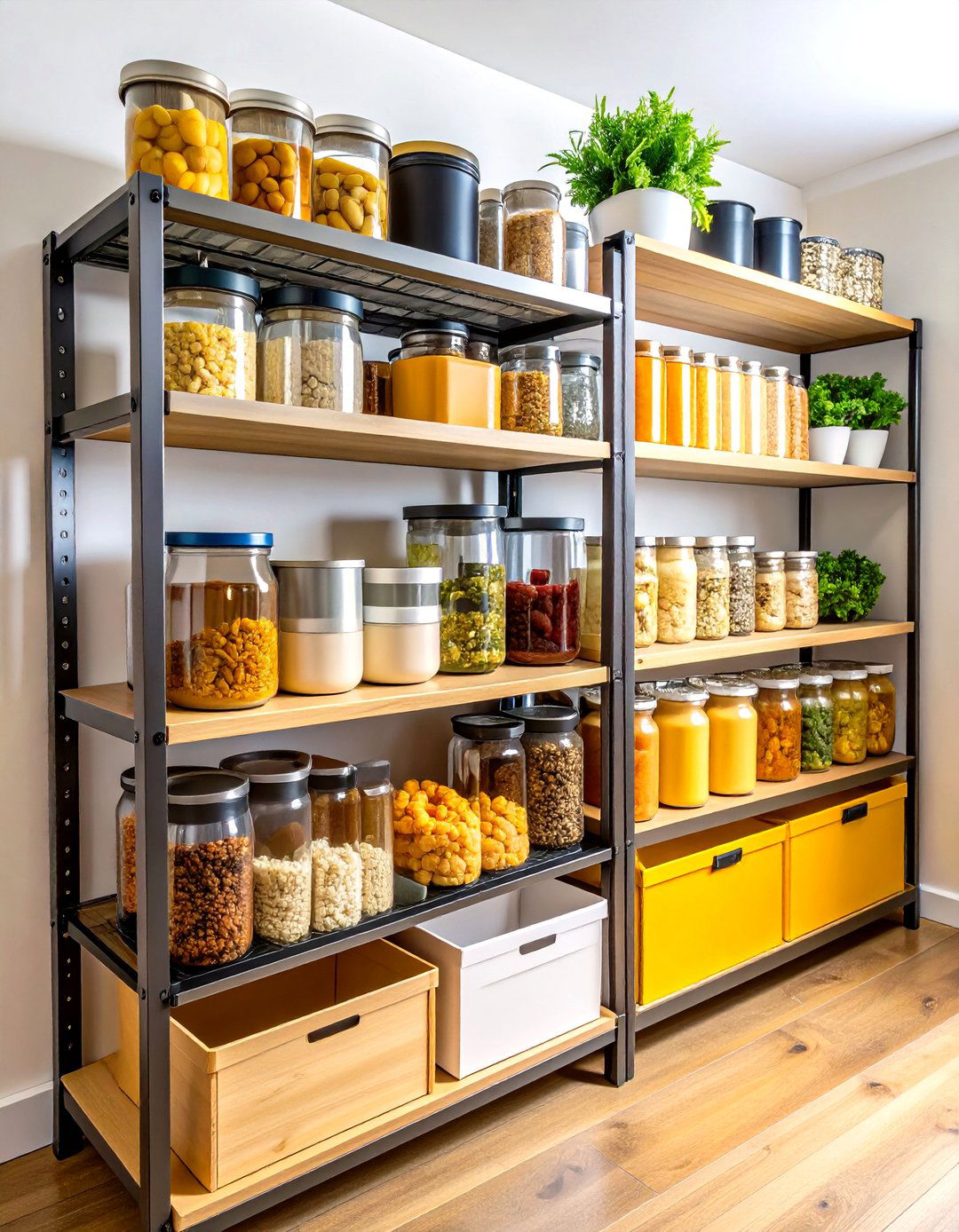
Canned goods can quickly become a disorganized jumble. Tame the chaos with a dedicated can rack organizer. These dispensers, whether slanted or stepped, use gravity to rotate your stock, ensuring you use the oldest cans first—a system known as "first in, first out." This not only helps prevent food from expiring but also keeps your cans neatly stacked and visible. You can see your entire inventory at a glance, making it easy to create a shopping list. By containing all your cans in one specialized unit, you save shelf space and bring order to one of the most common sources of pantry clutter.
18. Pantry Organizing for Root Vegetables
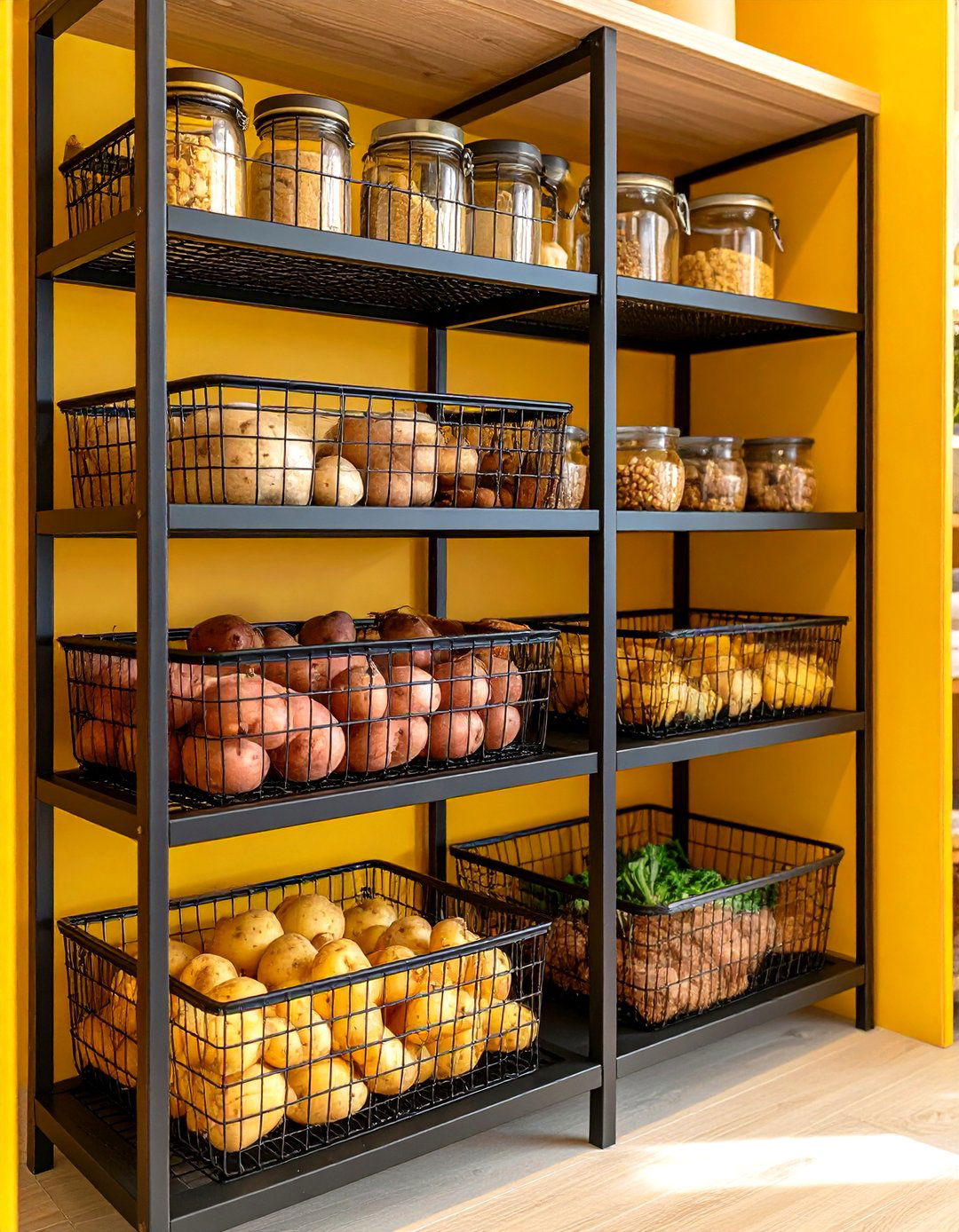
Root vegetables like potatoes, onions, and garlic need to be stored in a cool, dark place with good air circulation to stay fresh. Instead of keeping them in plastic bags, use open-weave baskets or wire bins on a low shelf or the pantry floor. This allows air to flow freely, preventing moisture buildup and spoilage. It's important to store potatoes and onions separately, as onions release ethylene gas that can cause potatoes to sprout prematurely. By giving root vegetables their own dedicated, well-ventilated storage spot, you extend their shelf life and keep your pantry floor clear and tidy.
19. Pantry Organizing for Baking Supplies
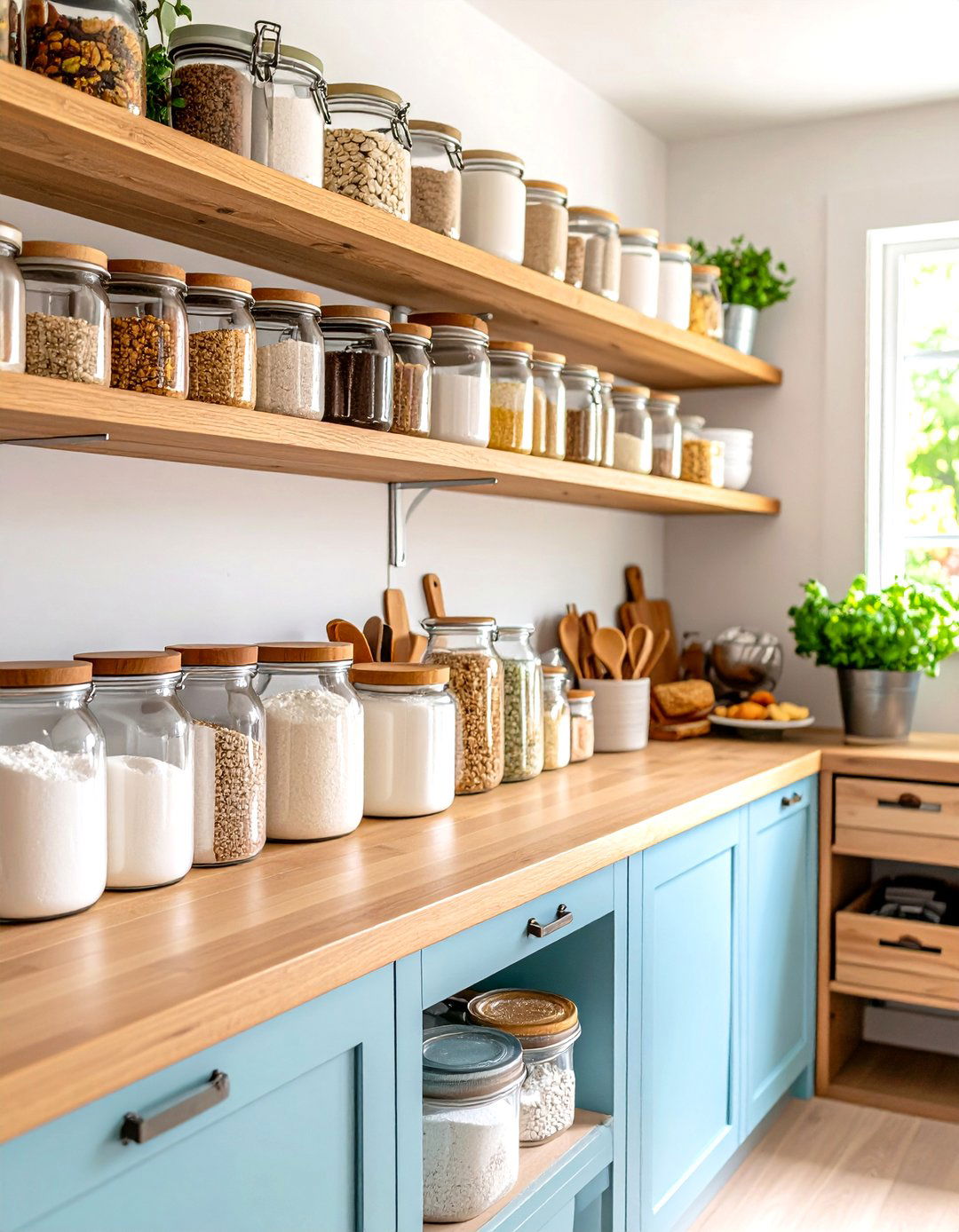
For avid bakers, a designated baking zone is a must. Group all your baking essentials together in one area of the pantry. Use clear, airtight containers for flour, sugar, and other dry ingredients. Store smaller items like sprinkles, food coloring, and cookie cutters in smaller labeled bins or a divided caddy. You can even use a magazine file to store rolling pins vertically. Having everything in one spot makes it easy to grab all your supplies at once, streamlining the baking process from start to finish. This organized approach means less time searching for ingredients and more time enjoying your creations.





20. Pantry Organizing with Glass Jars
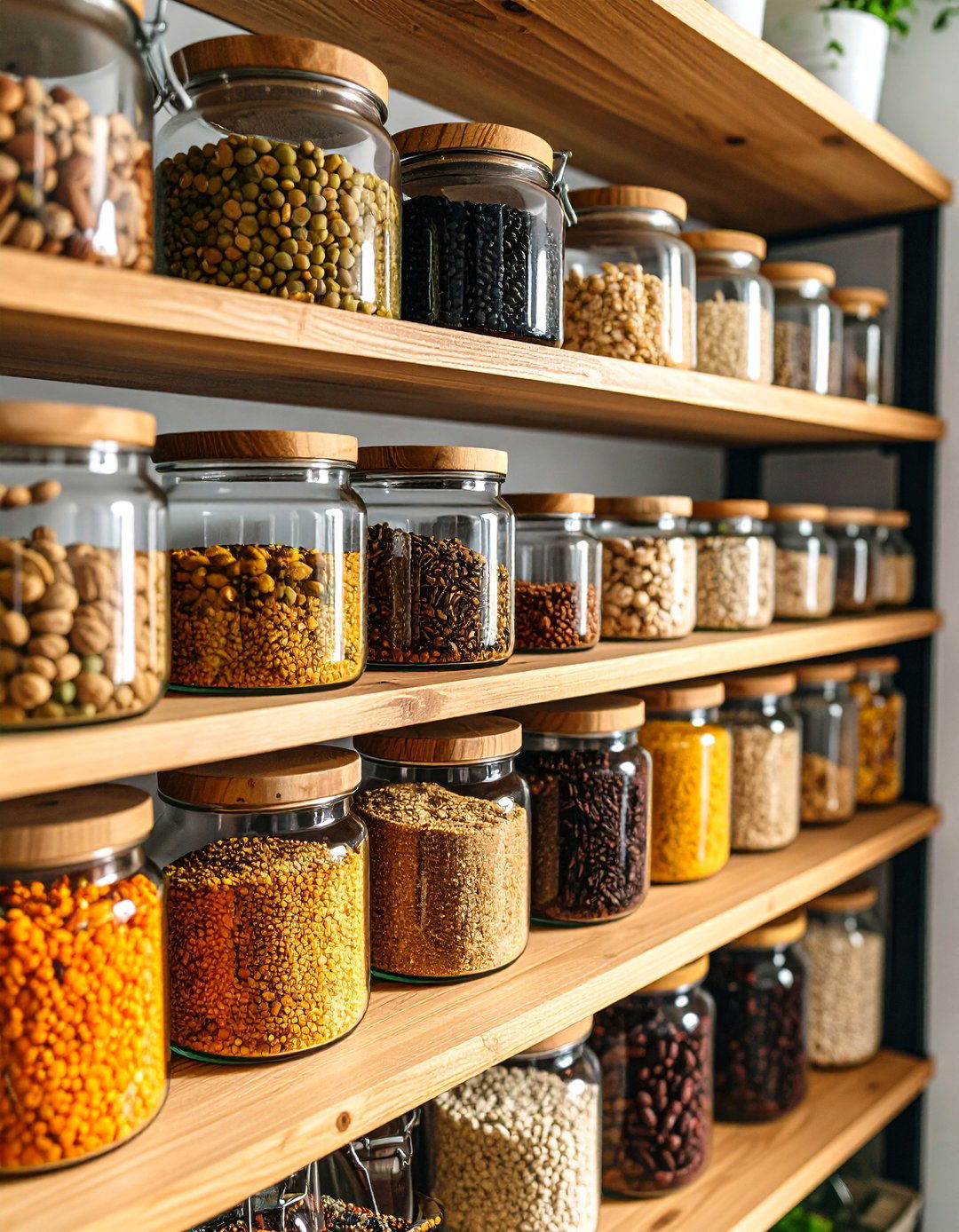
For a classic and aesthetically pleasing pantry, consider using glass jars for storage. Glass is non-porous, so it won't absorb odors or leach chemicals into your food. It also allows you to see exactly what’s inside, creating a beautiful and functional display of your dry goods like beans, lentils, nuts, and pasta. You can collect mismatched jars for an eclectic look or purchase a matching set for a more uniform appearance. Label them with a simple tag or a paint pen for a clean finish. This method is not only practical but also adds a touch of timeless elegance to your pantry shelves.
21. Pantry Organizing for Water Bottles
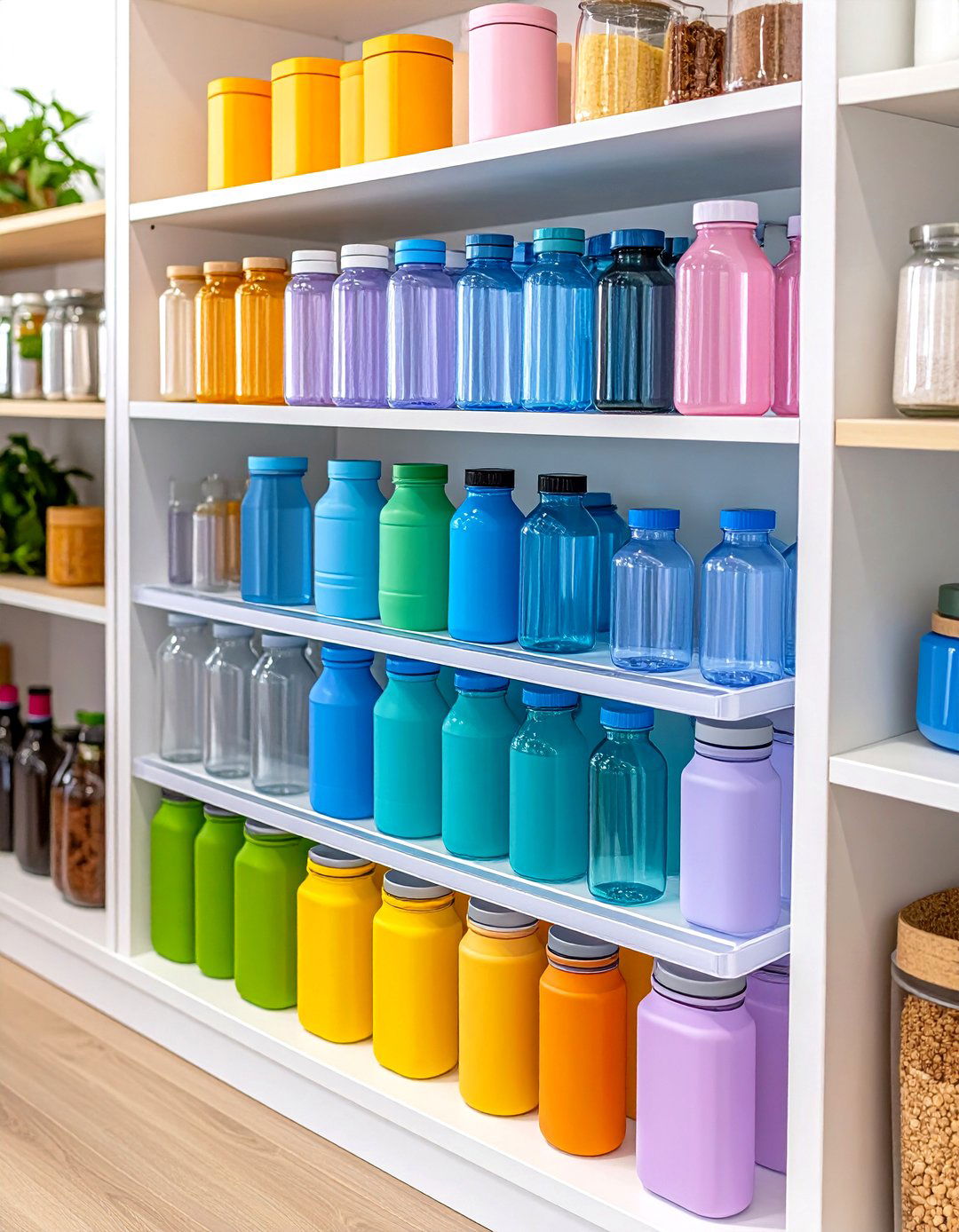
Water bottles can be awkward to store, often rolling around and taking up valuable shelf space. Tame them with a dedicated water bottle organizer. Stackable wine racks are a perfect and inexpensive solution for storing bottles horizontally. There are also specially designed plastic or metal holders that stack bottles neatly, keeping them contained and easy to access. By giving water bottles their own designated home, you prevent them from toppling over and creating a mess. This simple storage hack clears up shelf space and ensures every member of the family can find their bottle quickly.
22. Pantry Organizing with a Rolling Cart
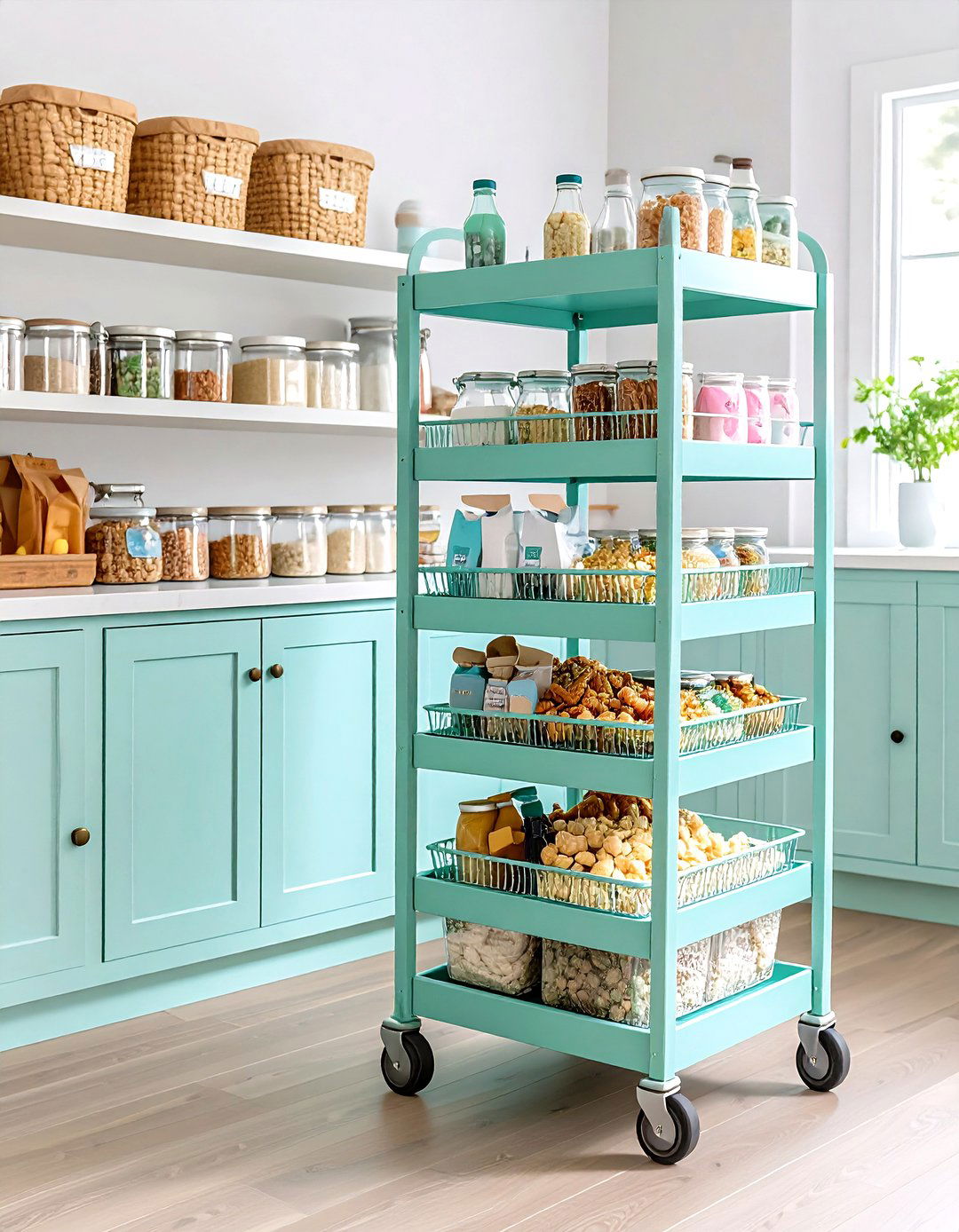
If you have a walk-in pantry or some extra floor space, a rolling utility cart can be an excellent addition. This provides flexible, multi-tiered storage that can be moved around as needed. Use it to store bulk items purchased from a warehouse club, small appliances you don't use daily, or even as a dedicated station for coffee or drinks. The mobility of the cart is a huge advantage; you can roll it into the kitchen for easy access while cooking or cleaning. It's a versatile solution that adds extra shelving wherever you need it most, helping to declutter your main pantry shelves.
23. Pantry Organizing with Drawer Inserts

Don’t let your pantry drawers become a chaotic junk drawer. Use drawer inserts and dividers to bring order to the space. These organizers are perfect for sorting small items like tea bags, snack bars, silverware, or small kitchen gadgets. By creating individual compartments, you ensure everything has a designated place and is easy to find. Choose adjustable dividers to customize the layout to your specific items. This simple addition transforms a messy drawer into a model of efficiency, making it much easier to see your inventory and keep things tidy.
24. Pantry Organizing using Vertical Space
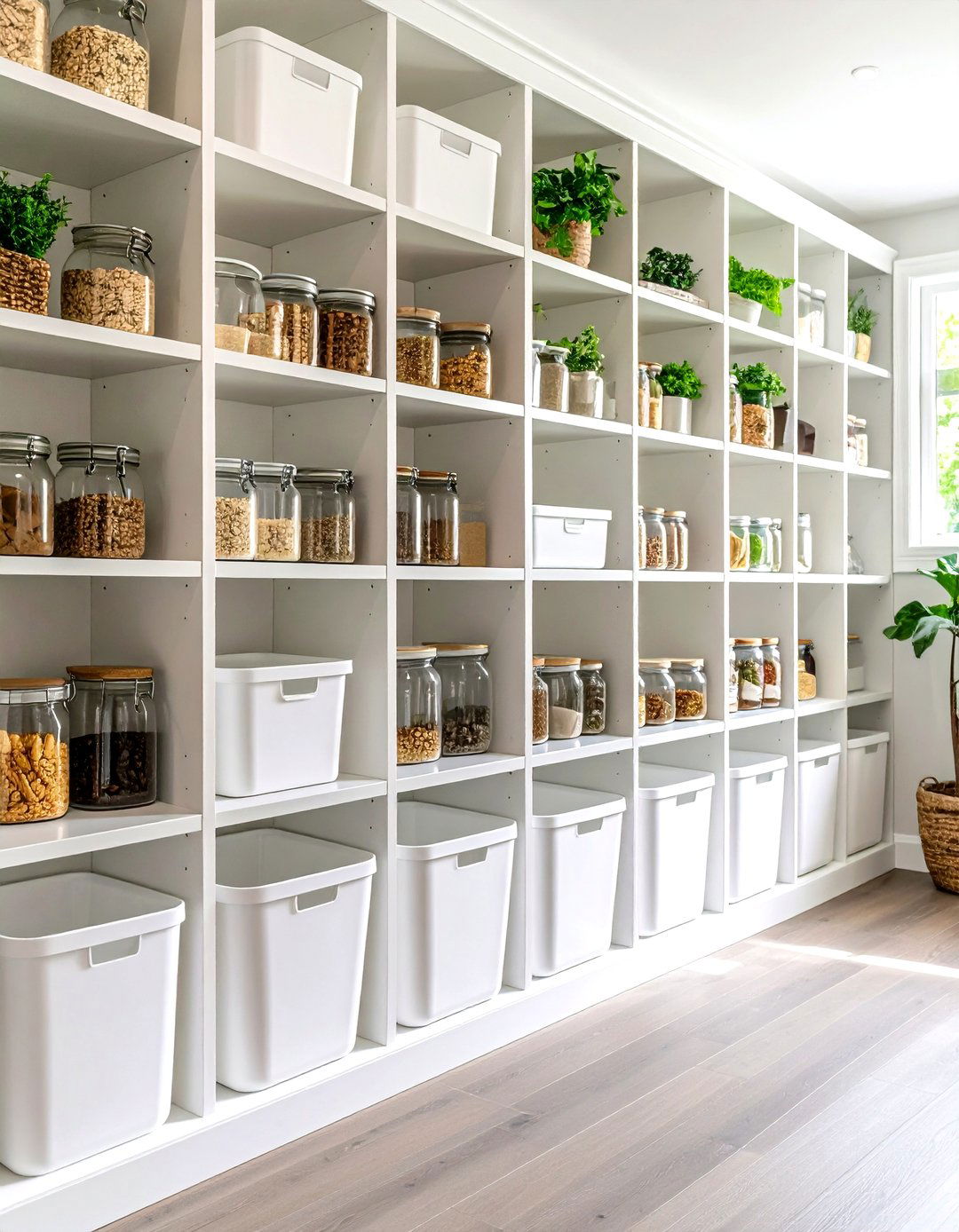
To truly maximize your pantry’s potential, you need to think vertically. Many pantries have tall shelves with a lot of unused space above the items. Use stackable bins or add shelf risers to create a second level of storage. This simple trick instantly doubles your shelf capacity. You can place less frequently used items on the higher level. This strategy is essential in small pantries, where every inch counts. By building upwards, you can store more without needing more shelves, creating a much more efficient and organized space that utilizes every available nook and cranny.
25. Pantry Organizing with a Consistent Labeling System
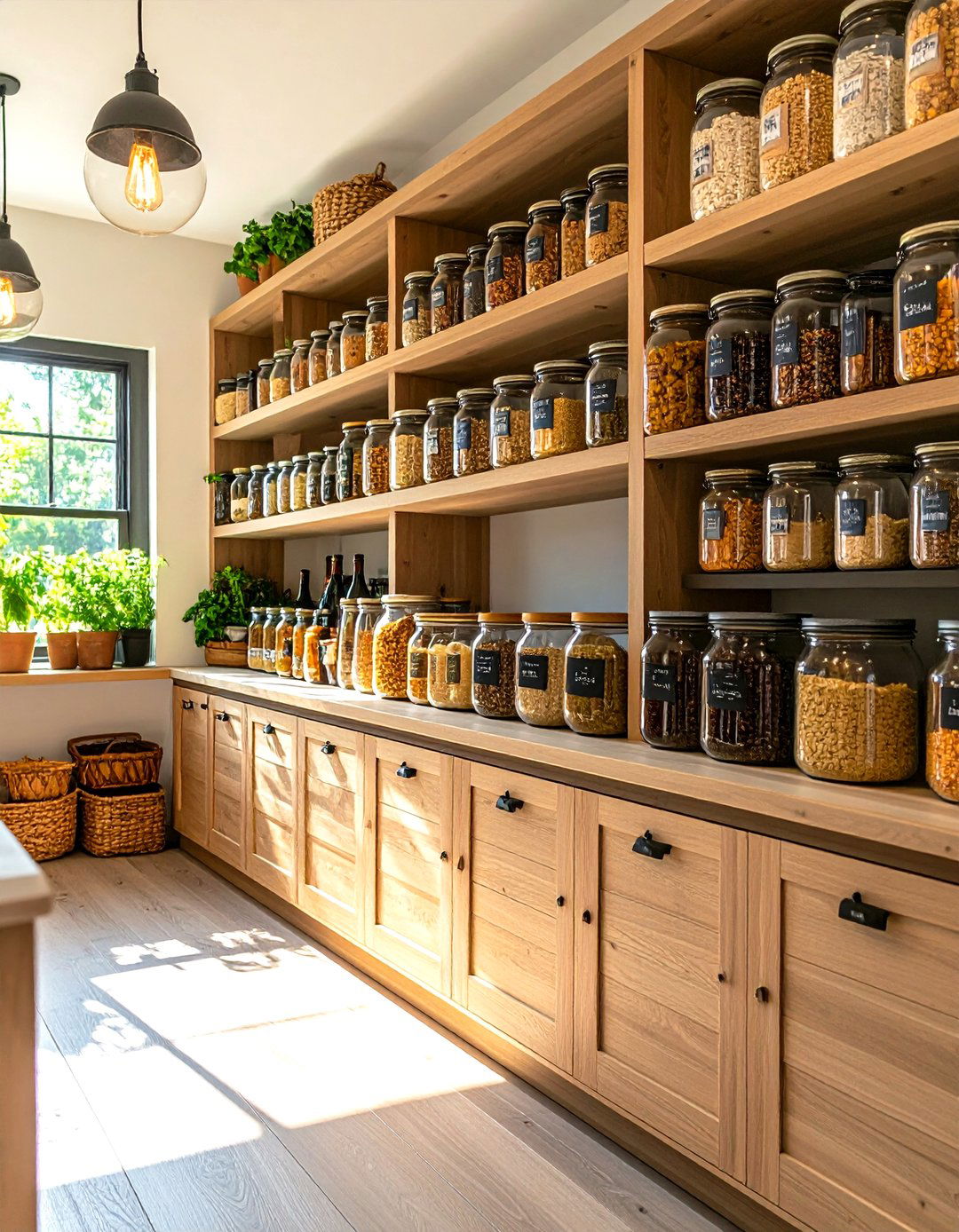
A consistent labeling system is the glue that holds your entire pantry organization together. Whether you choose a label maker, chalkboard labels, or simple handwritten tags, make sure the style is uniform throughout the pantry. A cohesive look is more visually appealing and makes the system easier to understand. Label everything—bins, baskets, jars, and even the edges of shelves. This eliminates any guesswork about what’s inside a container or where an item belongs. It’s a crucial step that not only helps you find things quickly but also makes it easy for everyone in the household to maintain the organization.
26. Pantry Organizing with Clear Shoe Boxes
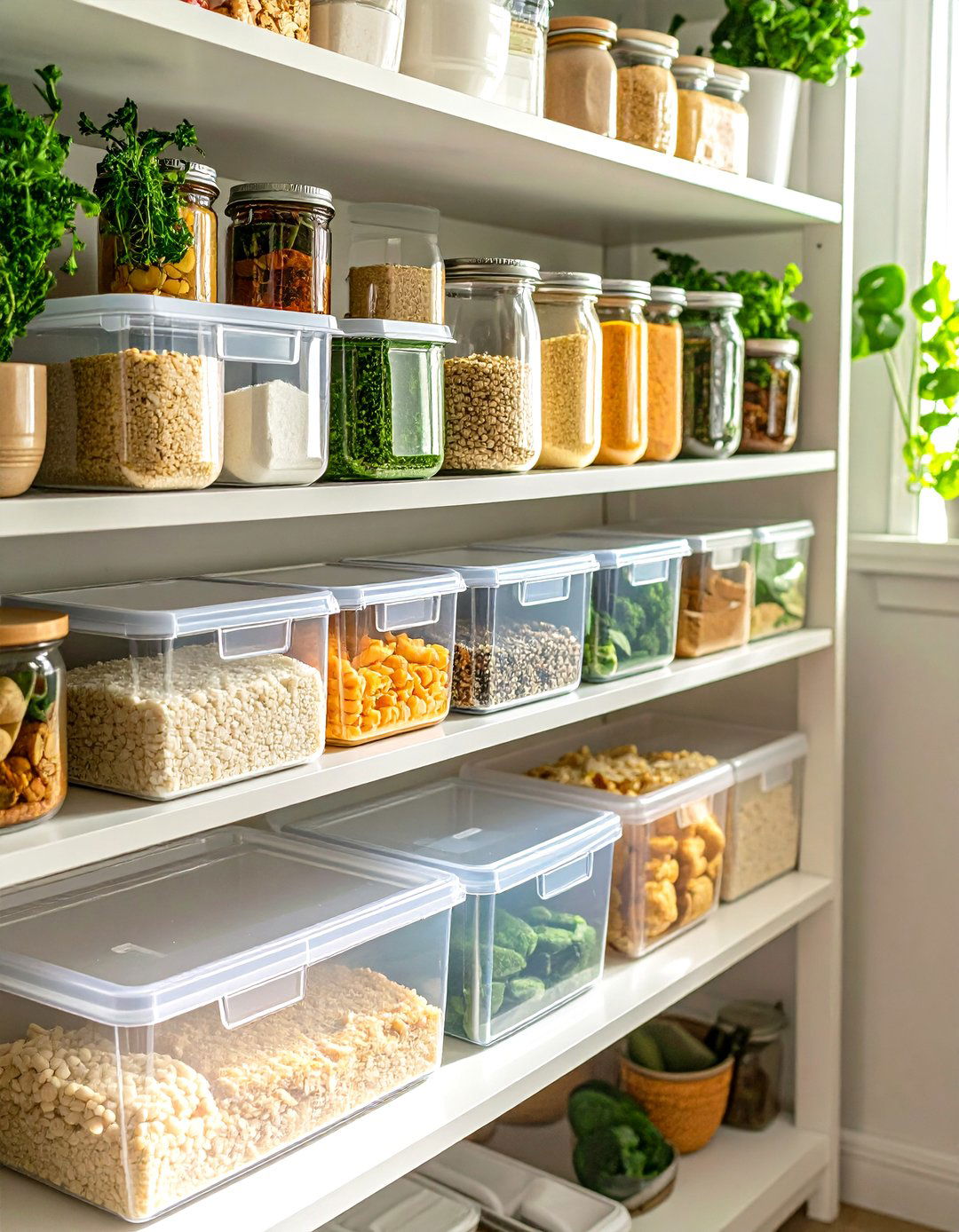
Clear plastic shoe boxes are an inexpensive and surprisingly effective pantry organizing tool. Their uniform size makes them perfect for stacking, and their clear construction allows you to see the contents at a glance. Use them to group together similar items like sauce mixes, gelatin boxes, or baking supplies. They function like small, removable drawers, allowing you to pull out a whole category of items at once. This is much more efficient than rummaging through a crowded shelf. They are a budget-friendly way to create a modular, organized system that contains clutter and simplifies your cooking prep.
27. Pantry Organizing for Bulk Food Items
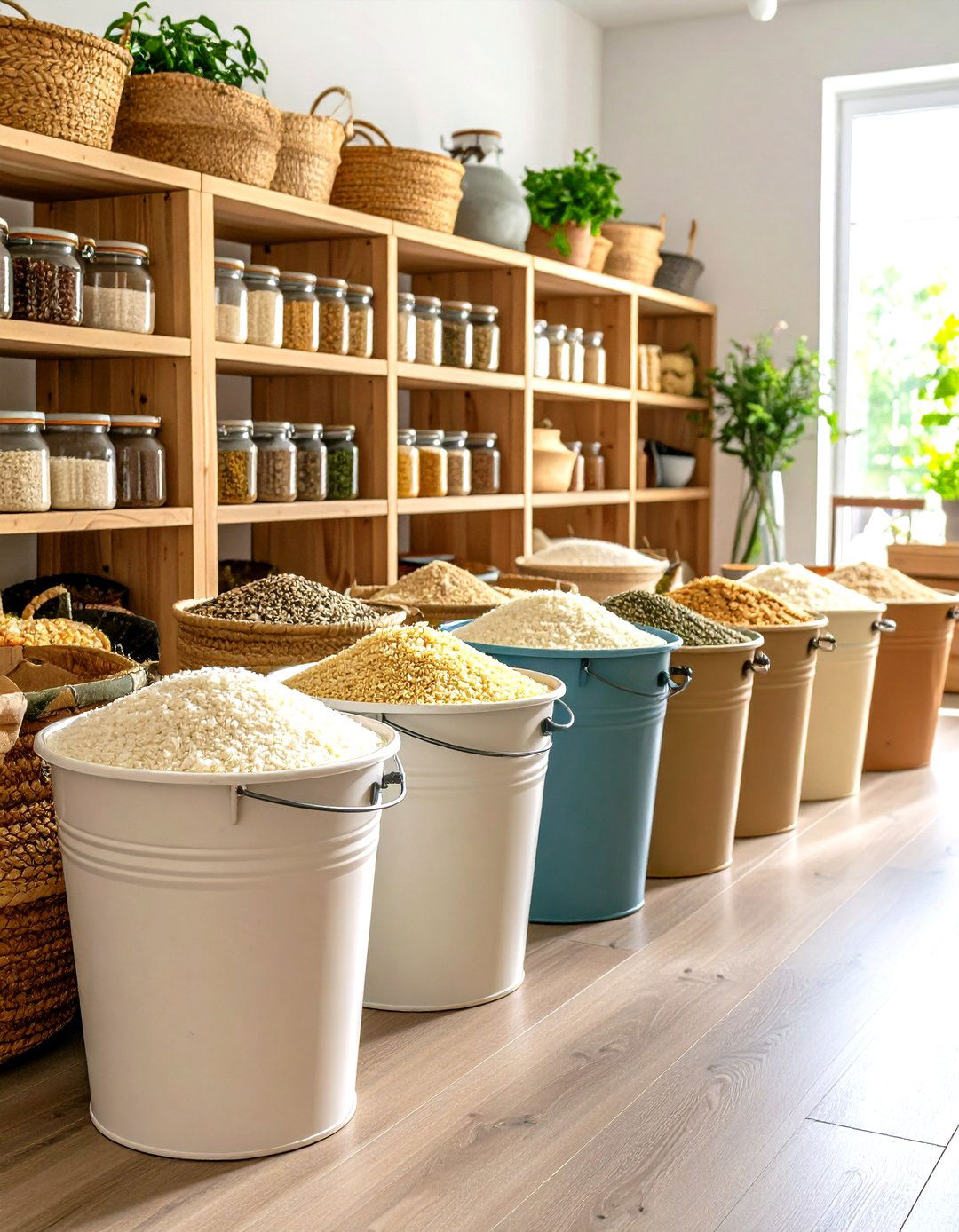
Storing bulk food items from warehouse clubs can be a challenge. Instead of trying to cram giant bags and boxes onto your shelves, decant them into more manageable containers. Invest in large, food-safe buckets with lids for things like rice, flour, and sugar. Store these on the floor or a low, sturdy shelf. For oversized boxes of snacks, decant a week's worth into smaller bins and store the large box in a garage or basement, refilling the pantry bin as needed. This approach keeps your main pantry space functional and uncluttered while still allowing you to take advantage of bulk-buy savings.
28. Pantry Organizing for Small Appliances
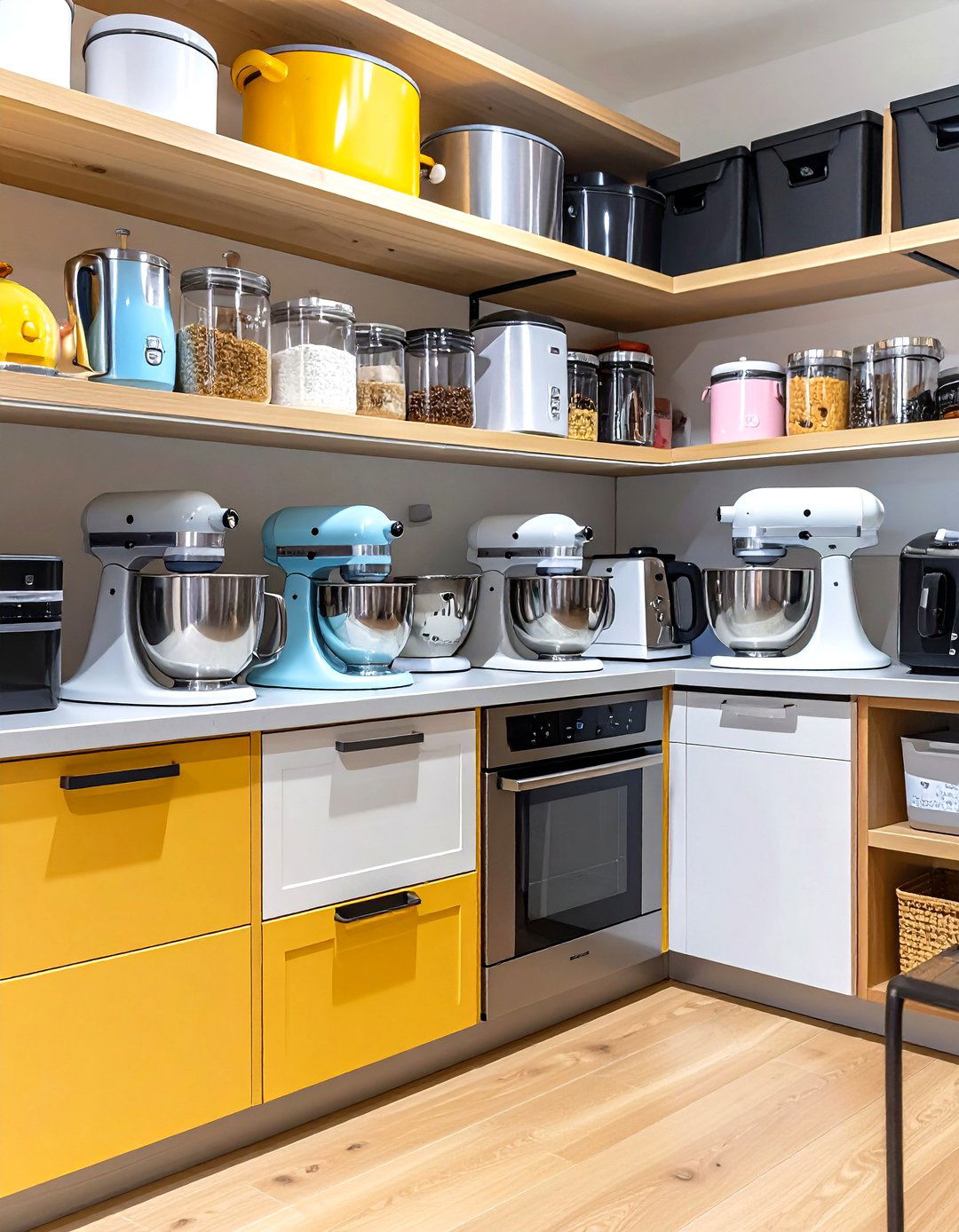
Small appliances like a stand mixer, slow cooker, or blender can take up valuable counter space. If you have a walk-in or large pantry, dedicate a sturdy lower shelf to store these items. This keeps your kitchen counters clear for food prep and makes the kitchen feel more spacious. Placing them on a lower shelf makes it easier to lift the heavy appliances without straining. For even easier access, consider placing them on a rolling plant caddy or a pull-out shelf. Giving these bulky items a designated home in the pantry declutters your kitchen and streamlines your workspace.
29. Pantry Organizing with a "First In, First Out" System
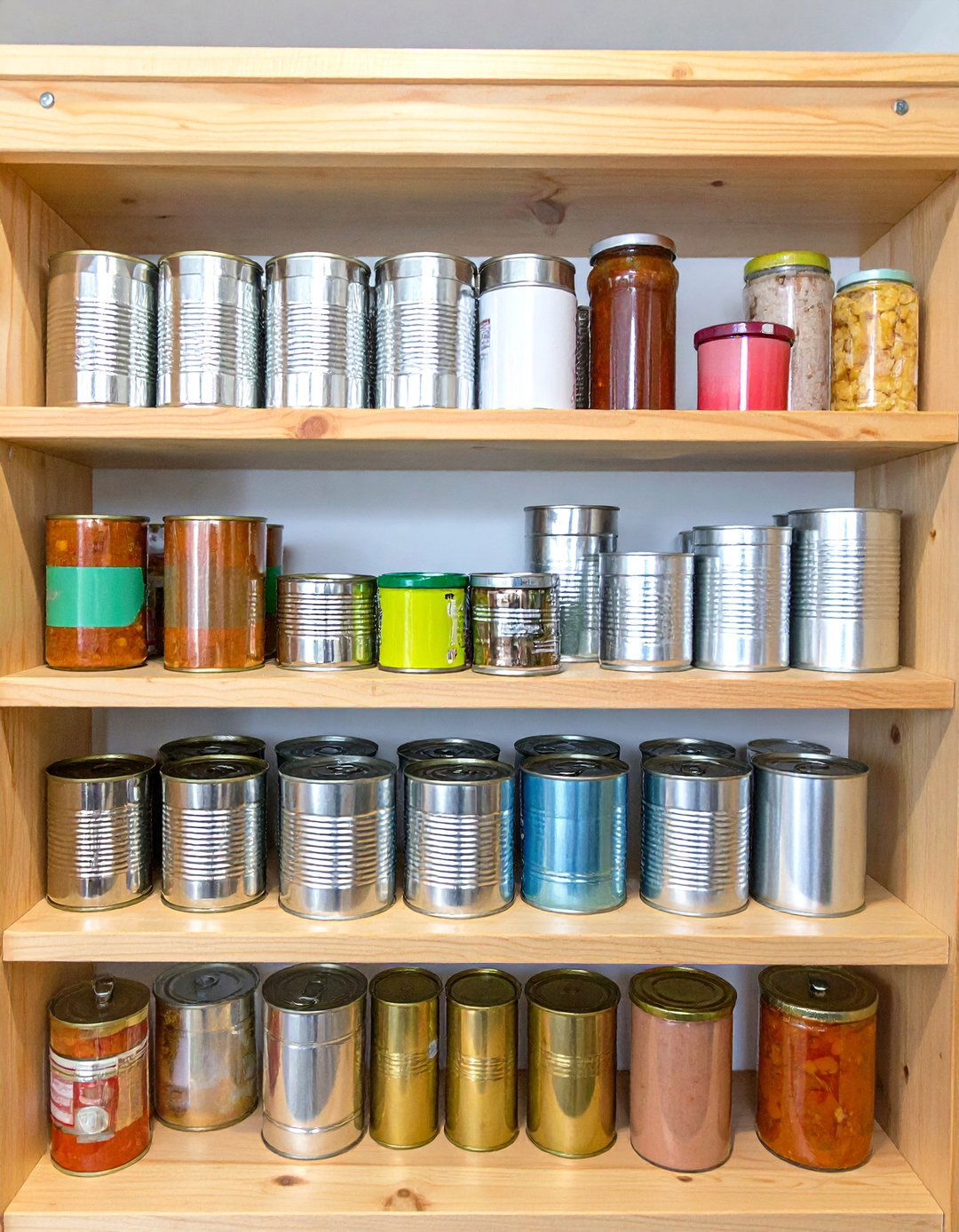
Implementing a "First In, First Out" (FIFO) system is key to reducing food waste. When you buy new groceries, move the older items to the front of the shelf and place the new items behind them. This ensures you use up food before it expires. This system works for everything, from canned goods and boxes of pasta to snacks and condiments. Using can-rotating racks or simply being mindful during restocking can make this a simple habit. It’s a professional kitchen strategy that is incredibly effective at home for saving money and ensuring your food is always at its freshest.
30. Pantry Organizing with a Regular Decluttering Schedule
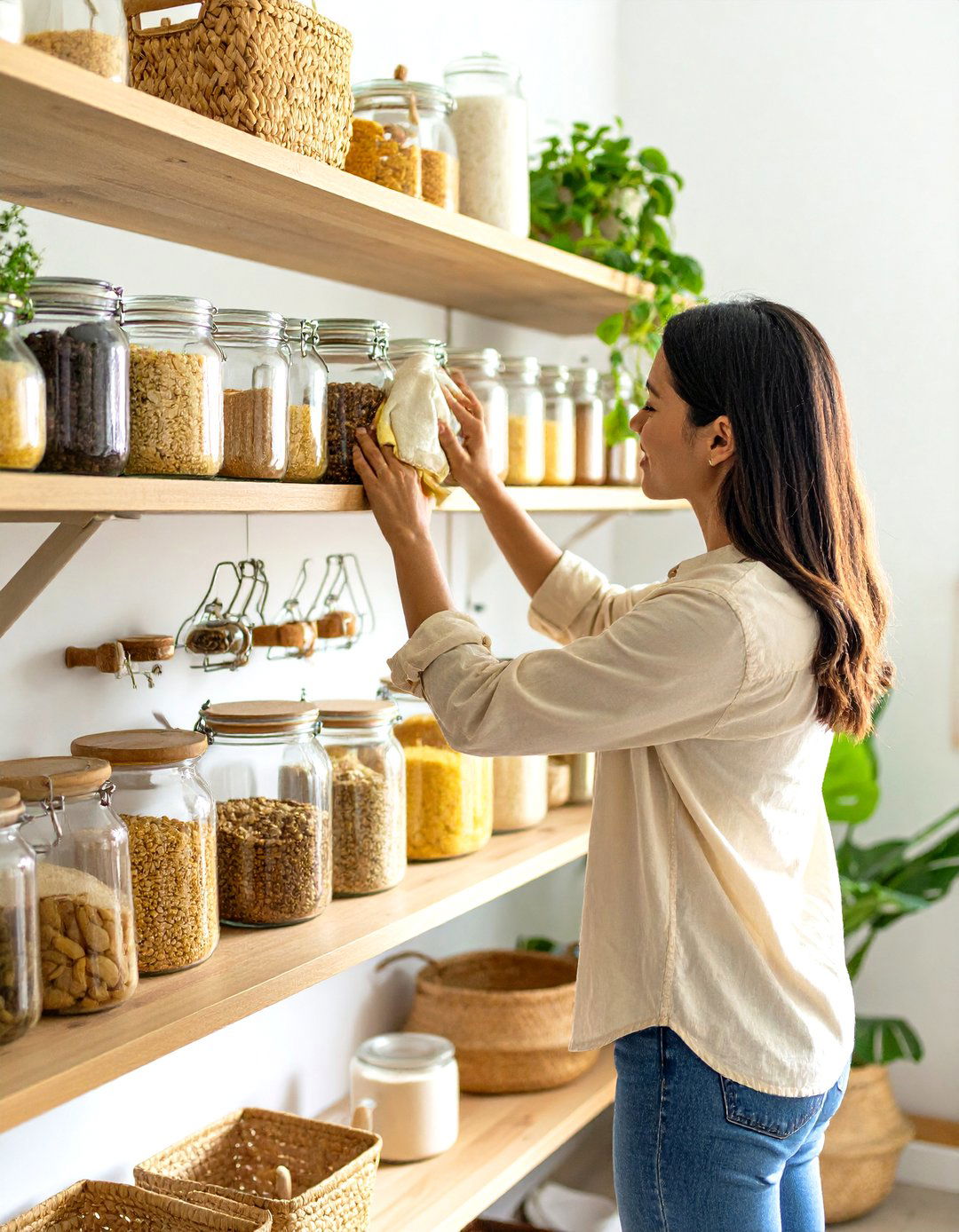
Even the most perfectly organized pantry needs regular maintenance. Set a recurring date on your calendar—once every month or two—to quickly declutter and reset the space. Take a few minutes to wipe down shelves, check expiration dates, and put back any items that have strayed from their designated zones. This small, consistent effort prevents clutter from building up again and keeps your system working effectively. Regular maintenance is far less overwhelming than a massive annual overhaul. It ensures your pantry remains a functional, stress-free, and orderly part of your home for the long term.
Conclusion:
Ultimately, achieving a well-organized pantry is about creating sustainable systems that fit your lifestyle. By combining smart storage solutions like clear containers, tiered shelves, and door racks with logical zoning and consistent labeling, you can transform a cluttered space into a highly efficient one. The key is to make items visible and accessible, reducing food waste and making meal prep easier. A little effort in setting up these systems and performing regular maintenance will pay off daily, bringing a lasting sense of calm and order to the heart of your home.

Related posts:





Leave a Reply