
Maximizing a small pantry space can transform your kitchen experience from chaotic to calm. An organized pantry not only saves you time when searching for ingredients but also helps reduce food waste by keeping everything visible and accessible. The key is to think vertically and use every available inch of space efficiently. From clear containers that show you what you have at a glance to clever solutions for awkward corners, these ideas will help you conquer clutter. Implementing even a few of these strategies can make a significant impact, turning your tiny storage area into a powerhouse of organization and function.
1. Clear Canisters for Small Pantry Dry Goods
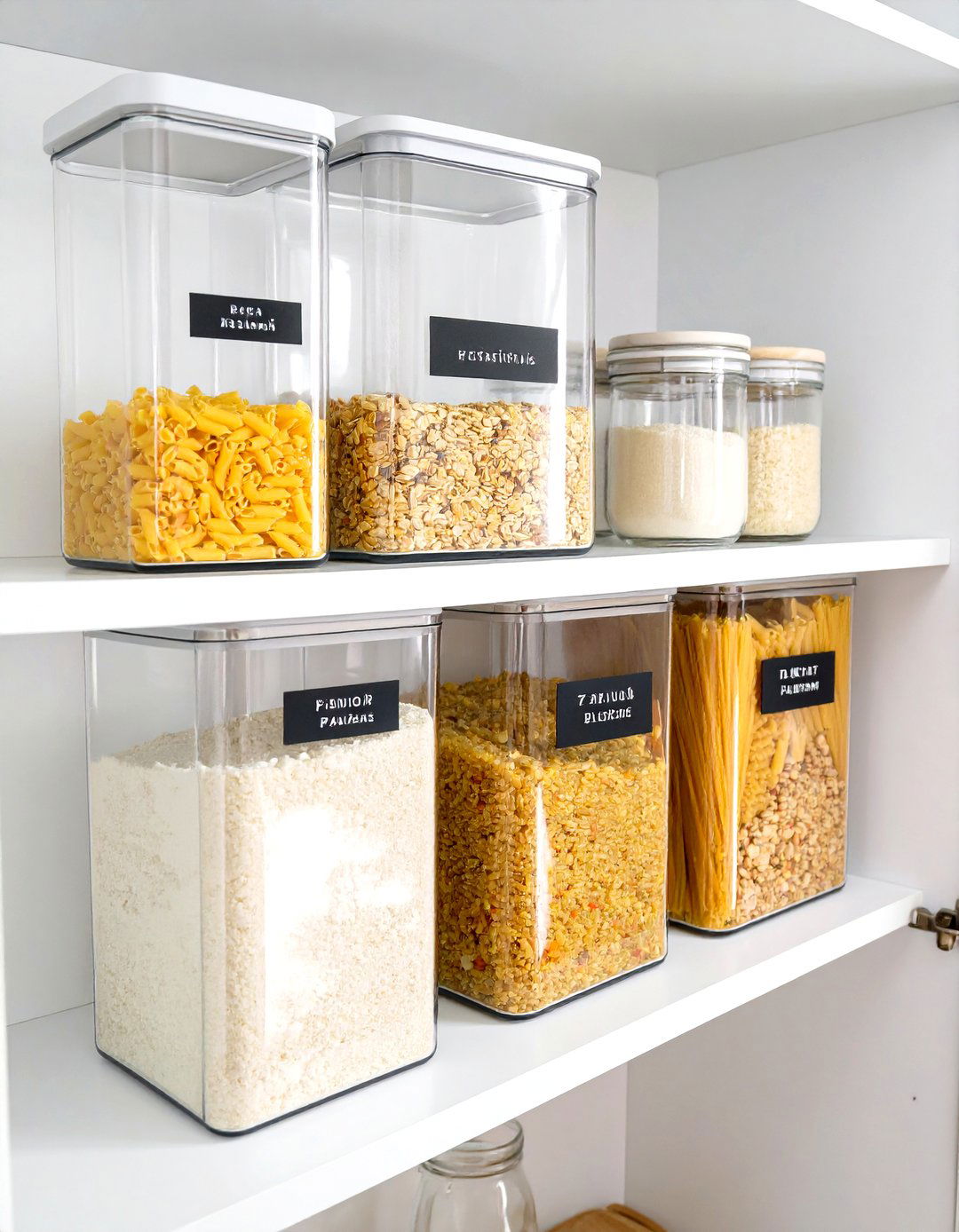
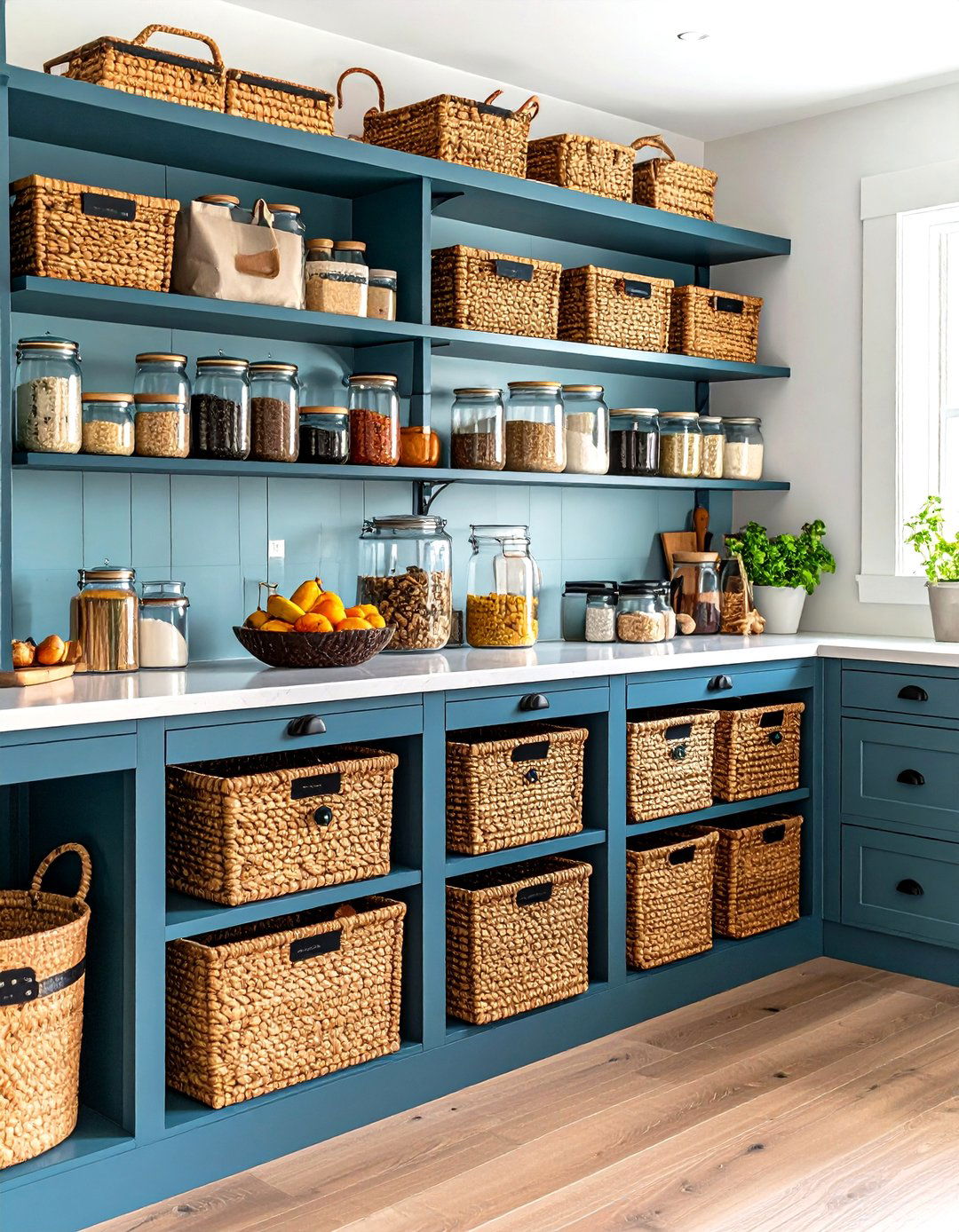
To instantly create a sense of order, transfer dry goods like pasta, rice, flour, and cereal from their bulky packaging into clear, airtight canisters. This strategy offers multiple benefits for a small pantry. Seeing exactly what you have prevents you from buying duplicates and lets you know when you are running low. The uniform shape of the containers allows for neat stacking, maximizing vertical shelf space much more efficiently than mismatched bags and boxes. Choose square or rectangular canisters over round ones, as they fit together without any wasted gaps, ensuring you utilize every precious inch of your pantry shelving.
2. Tiered Shelving for Canned Goods
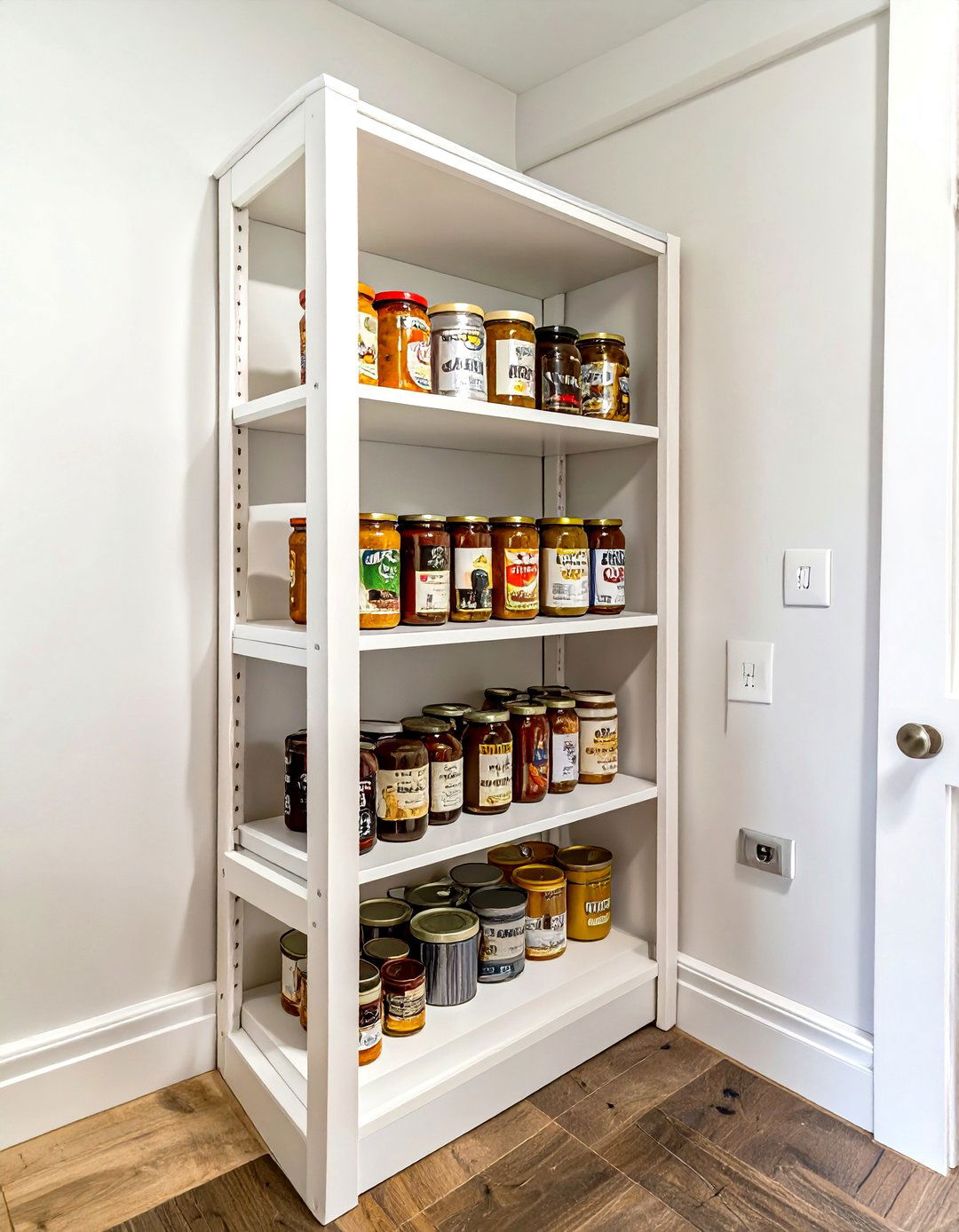
A common problem in a small pantry is not being able to see items tucked away at the back of a shelf. Tiered or expandable shelves are a simple yet brilliant solution, specifically for canned goods. By creating stadium-style seating for your cans, you can see every label at a single glance. This eliminates the need to pull everything out just to find a can of tomatoes or beans. This small pantry organization tool instantly makes your shelves look neater and more functional, saving you time during meal prep and preventing forgotten items from expiring at the back of the pantry.
3. An Over-the-Door Pantry Organizer

For a truly space-starved pantry, the back of the door is prime organizational real estate that often goes unused. An over-the-door organizer with multiple shelves or pockets is one of the most effective small pantry organization ideas. It’s perfect for storing items that can clutter up main shelves, such as spice jars, condiment bottles, packets of seasoning, and boxes of foil or plastic wrap. By moving these items to the door, you free up valuable shelf space for larger, bulkier products. This vertical storage solution keeps frequently used items within easy reach without requiring any permanent installation or drilling.
4. Pull-Out Baskets for Deep Shelves
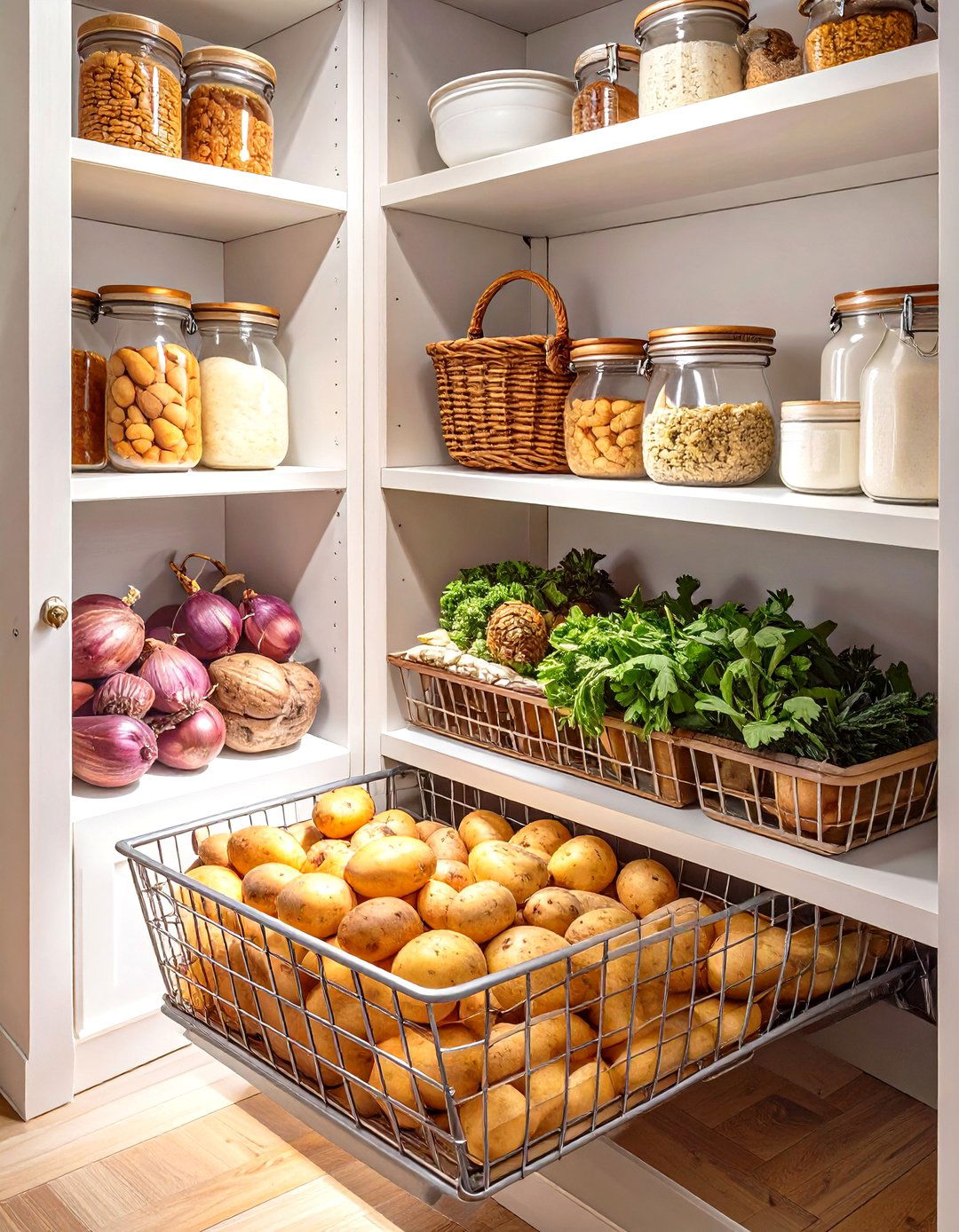
Deep pantry shelves can quickly become a disorganized jumble where items get lost in the back. Installing pull-out wire or wicker baskets transforms these hard-to-reach areas into accessible drawers. Instead of reaching blindly into the depths of your pantry, you can simply slide the basket forward to see and grab exactly what you need. This system is ideal for grouping categories like baking supplies, snacks for the kids, or root vegetables like potatoes and onions. The baskets act as removable bins, making it easy to carry a whole category of items to your kitchen counter for use.
5. A Designated Small Pantry Snack Zone
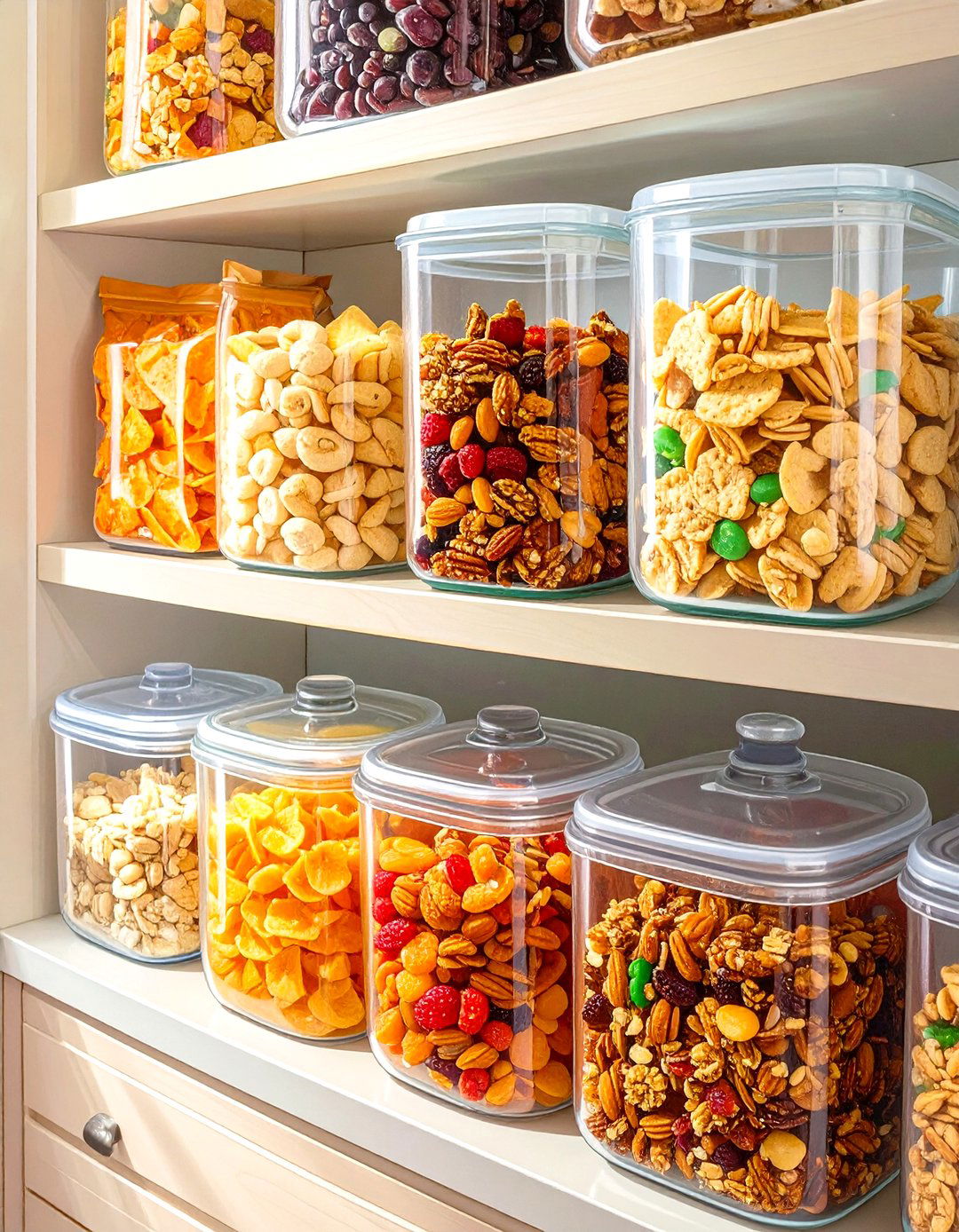
Creating a specific zone just for snacks can bring order to a chaotic small pantry, especially in a busy household. Dedicate a shelf or a set of bins specifically for grab-and-go items like granola bars, fruit snacks, crackers, and individual chip bags. Using clear, open-front bins makes it easy for everyone to see the available options and grab what they want without rummaging through the entire pantry. This method not only keeps your pantry tidy but also helps you monitor your snack inventory at a glance, making it simpler to add items to your grocery list.
6. Labeling Everything in a Small Pantry
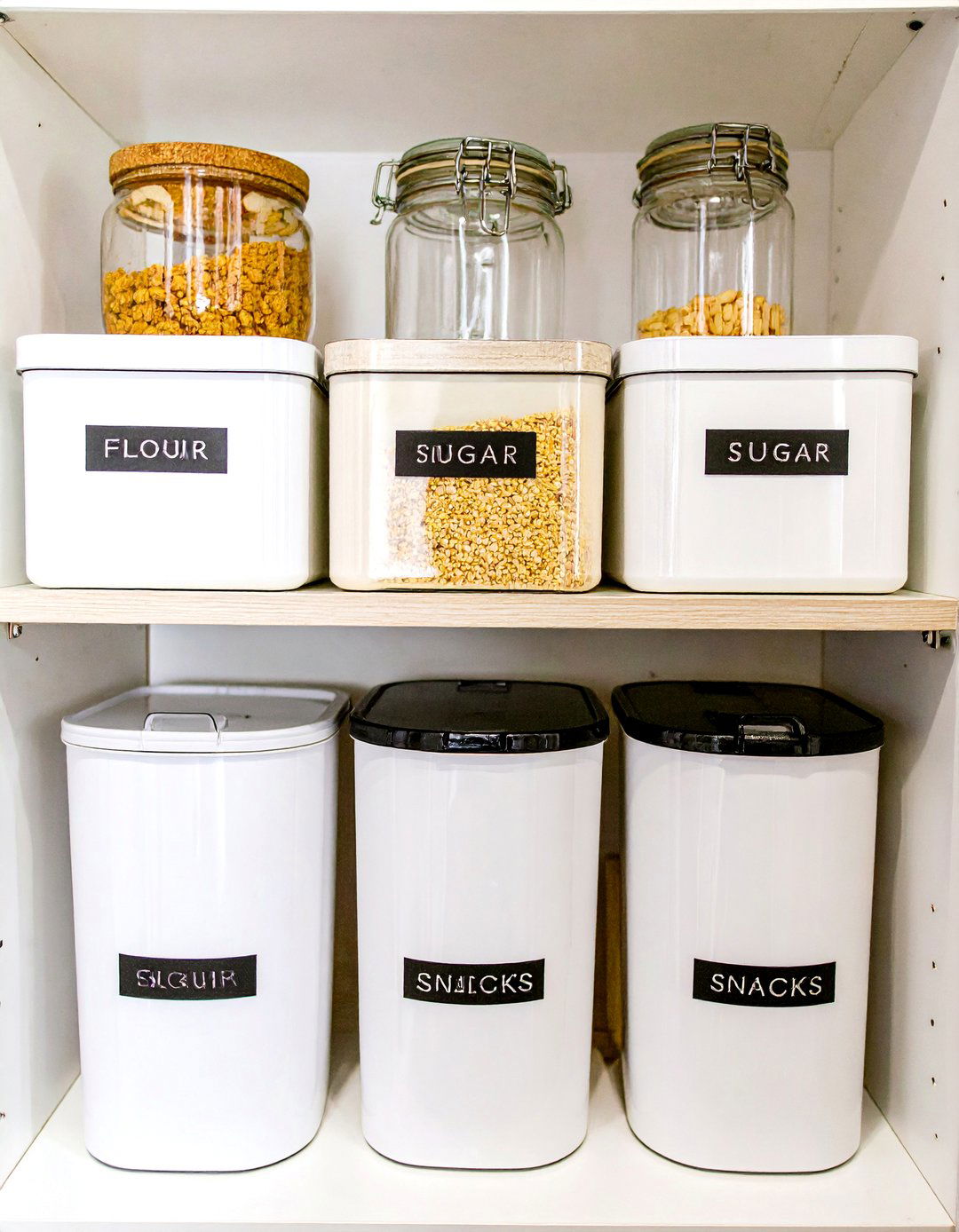
In a compact space, knowing where everything is located is crucial. Labeling is a simple but powerful tool for maintaining order in a small pantry. Use a label maker, chalkboard tags, or simple adhesive labels on every bin, basket, and canister. Clearly mark categories like "Baking," "Pasta \u0026 Grains," "Breakfast," or "Canned Vegetables." This system eliminates guesswork, helps everyone in the family put items back in their correct spot, and speeds up the process of finding ingredients. Consistent labeling transforms a collection of containers into a cohesive, easy-to-navigate system that is simple to maintain over time.
7. Under-Shelf Baskets for Extra Storage
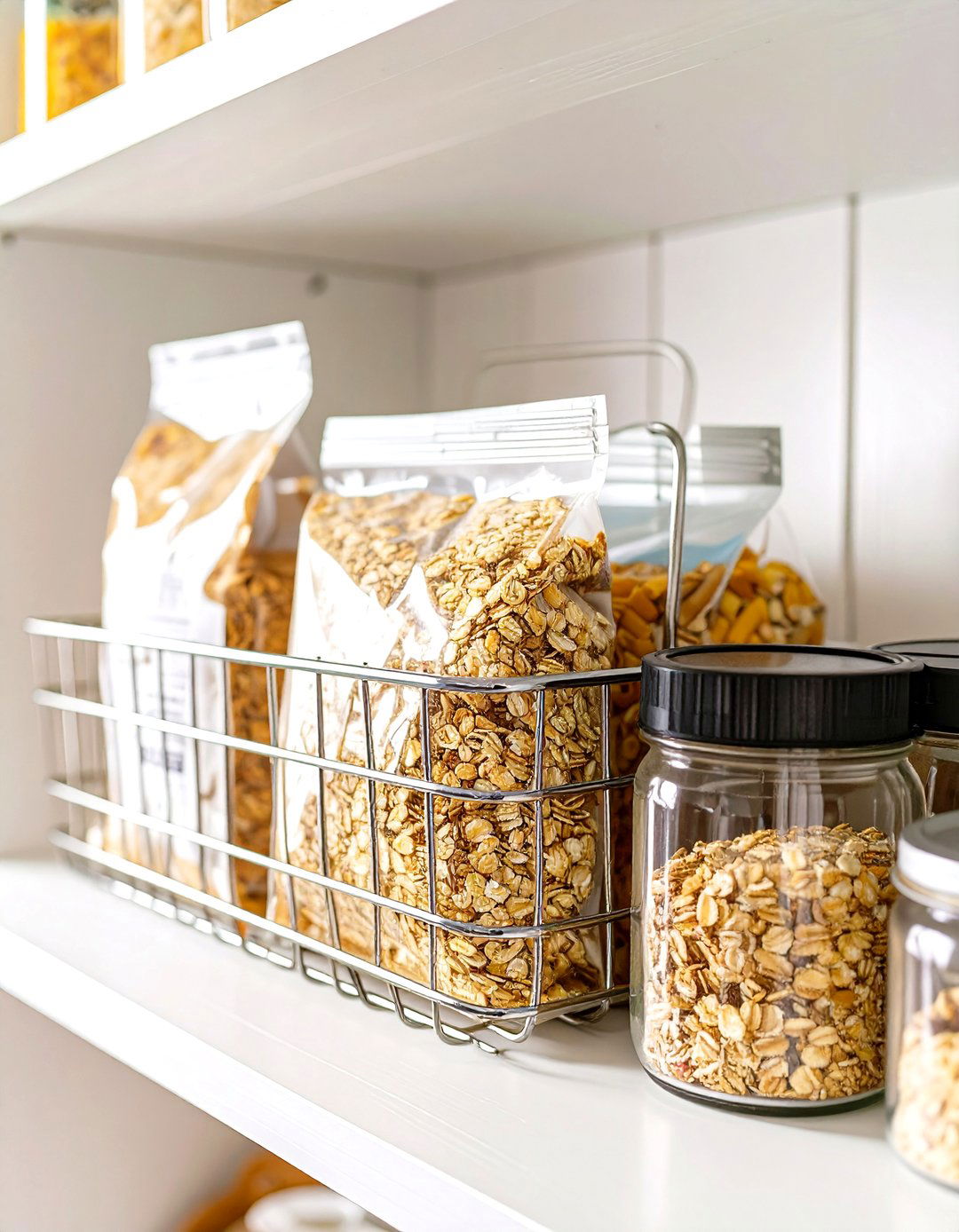
To reclaim wasted air space in your small pantry, consider using under-shelf baskets. These clever wire baskets simply slide onto your existing shelves, instantly creating a new, shallow storage tier below. This is an ideal spot for storing small, flat items that can otherwise get lost or create clutter. Think about using them for packets of oatmeal, seasoning mixes, small bags of nuts, or even kitchen linens like dish towels. By utilizing the vertical space between shelves, you effectively double your storage capacity in certain areas without any complicated installation, making your pantry work much harder for you.
8. Stackable Containers for Vertical Space
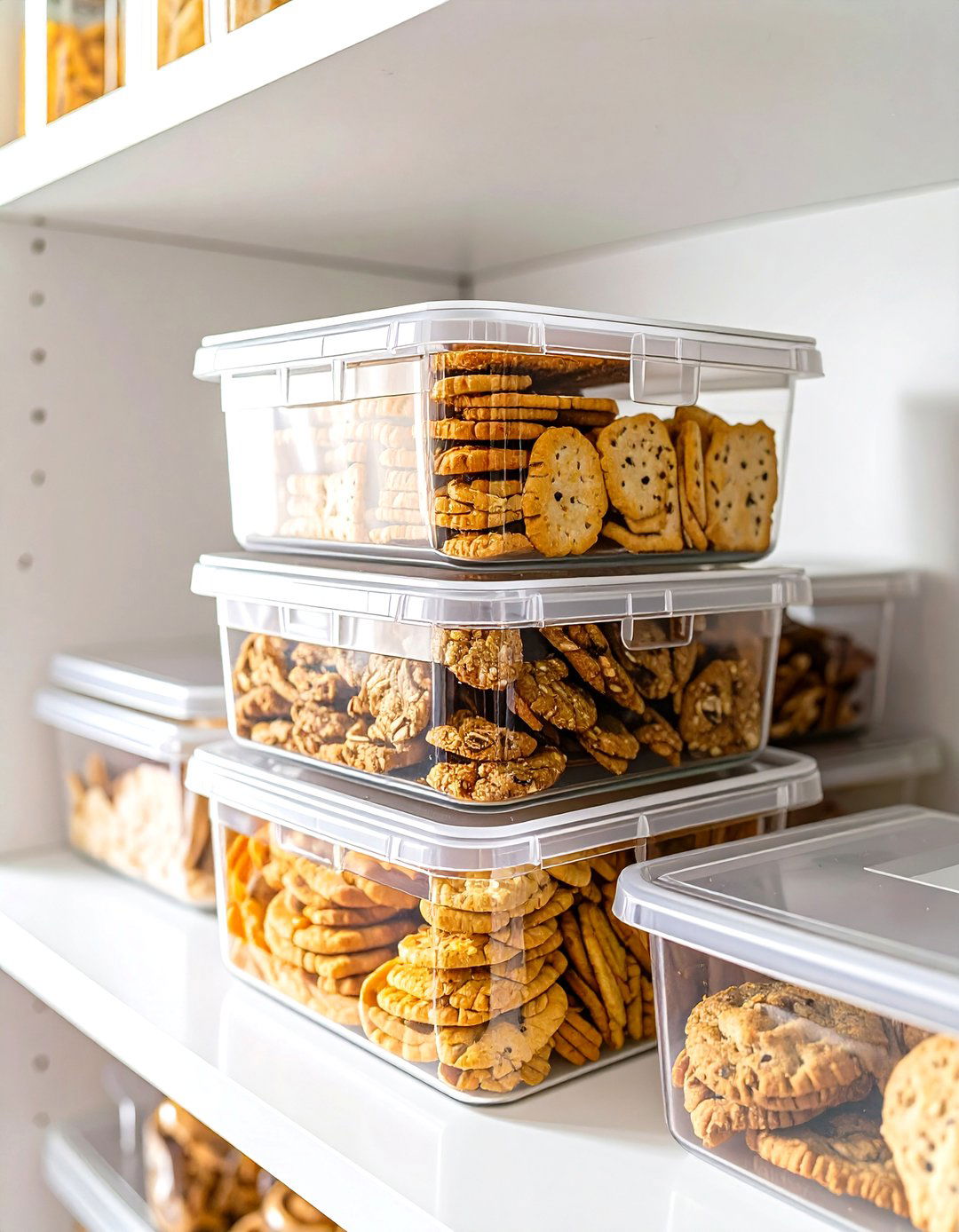
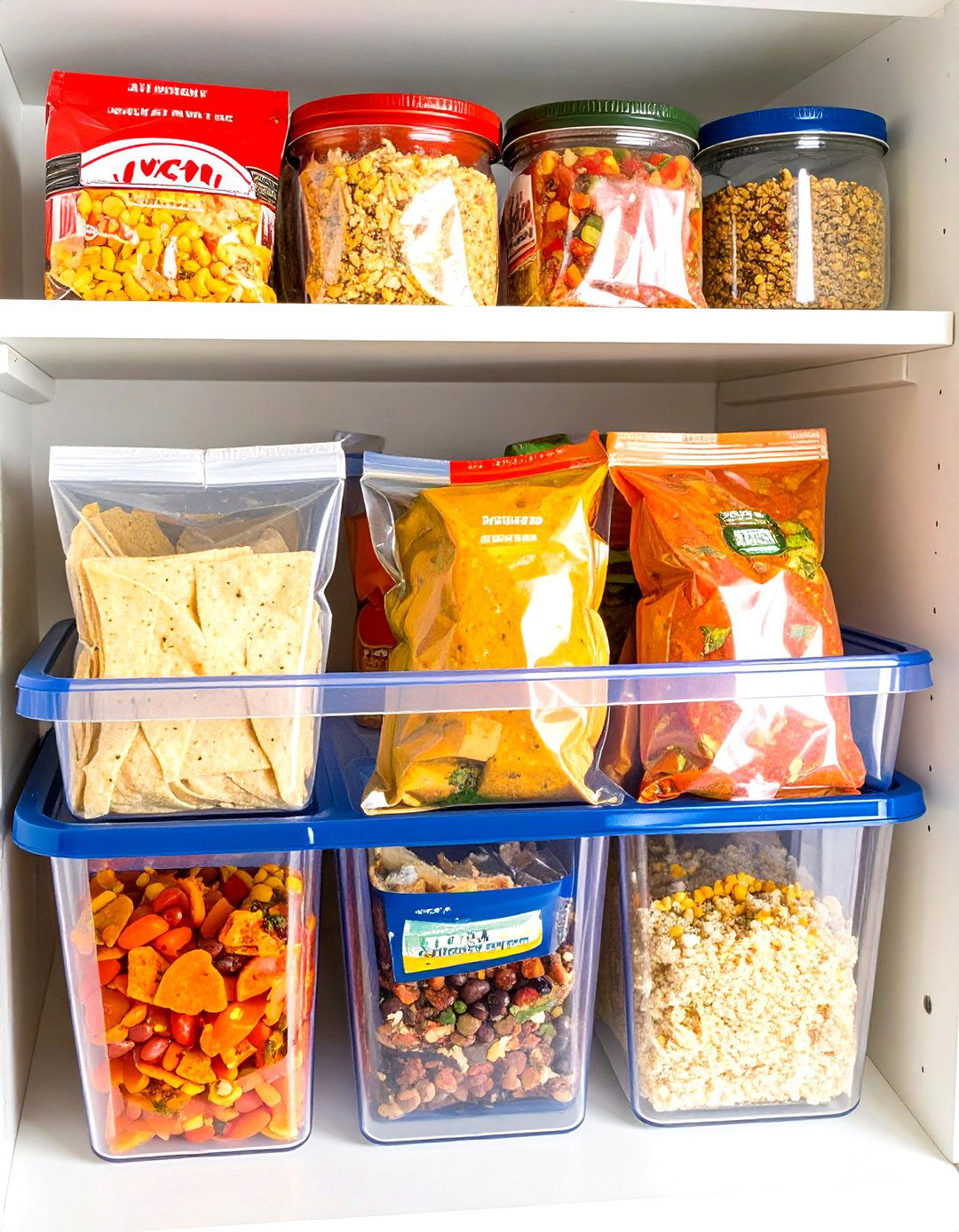
When shelf space is limited, the only way to go is up. Using stackable containers is a fundamental strategy for any small pantry. Look for containers with flat, stable lids designed specifically for stacking. This allows you to store items like crackers, cookies, and dried fruit vertically, freeing up horizontal shelf space for other goods. Clear stackable containers are even better, as they allow you to see the contents without unstacking everything. This approach creates a tidy, uniform look and prevents smaller items from getting crushed or lost beneath larger bags, making your small pantry feel more spacious and organized.
9. A Lazy Susan for Awkward Corners
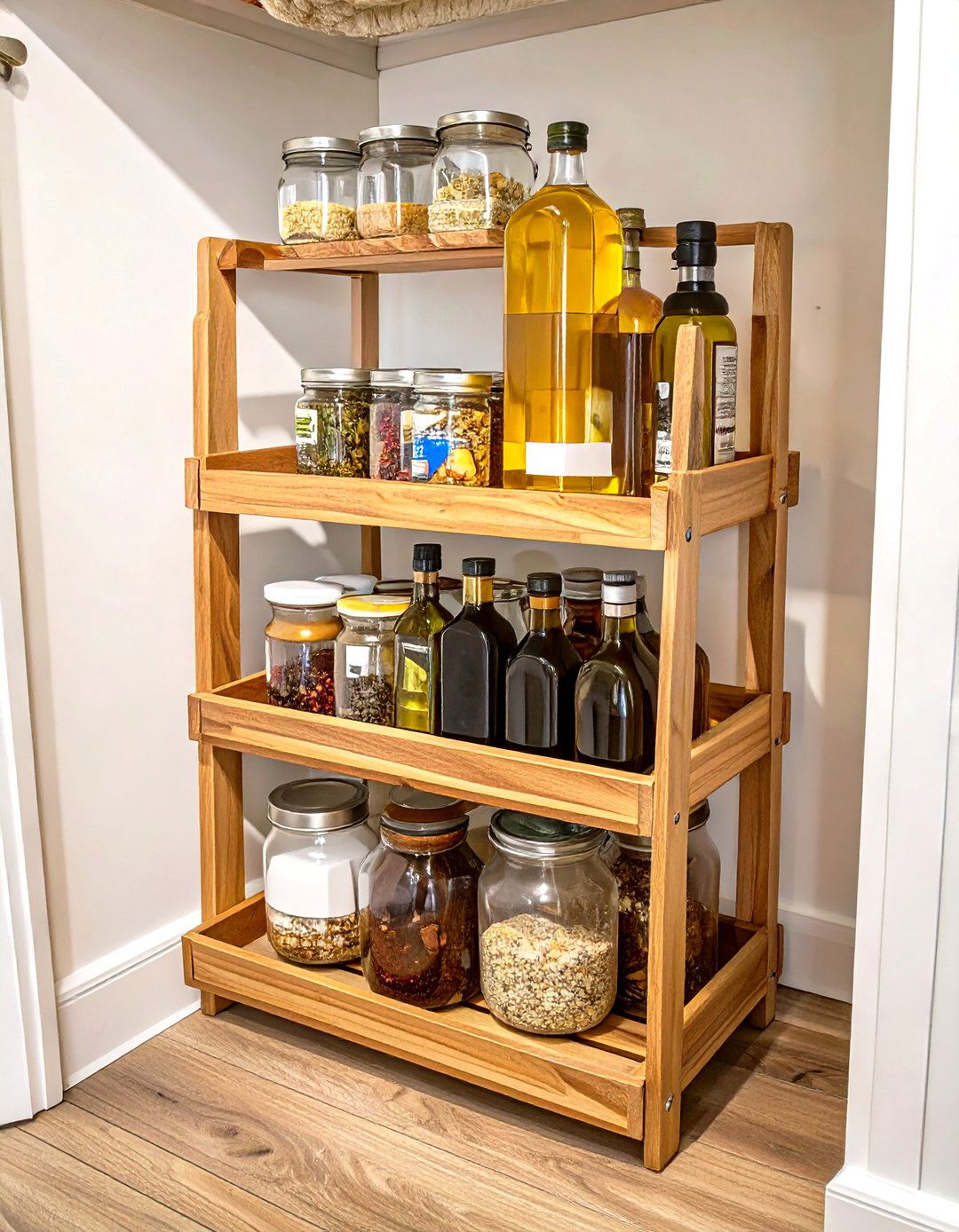
Pantry corners are notoriously difficult to organize, often becoming a dead zone where items go to be forgotten. A Lazy Susan, or turntable, is the perfect solution to make these awkward corners fully functional. By placing bottles of oil, vinegar, jars of condiments, or spices on a turntable, you can simply spin it to bring items from the back to the front. This eliminates the need to knock over other items while trying to reach something in the corner. It's a game-changing addition that ensures every square inch of your small pantry is accessible and usable.


10. Wall-Mounted Spice Racks
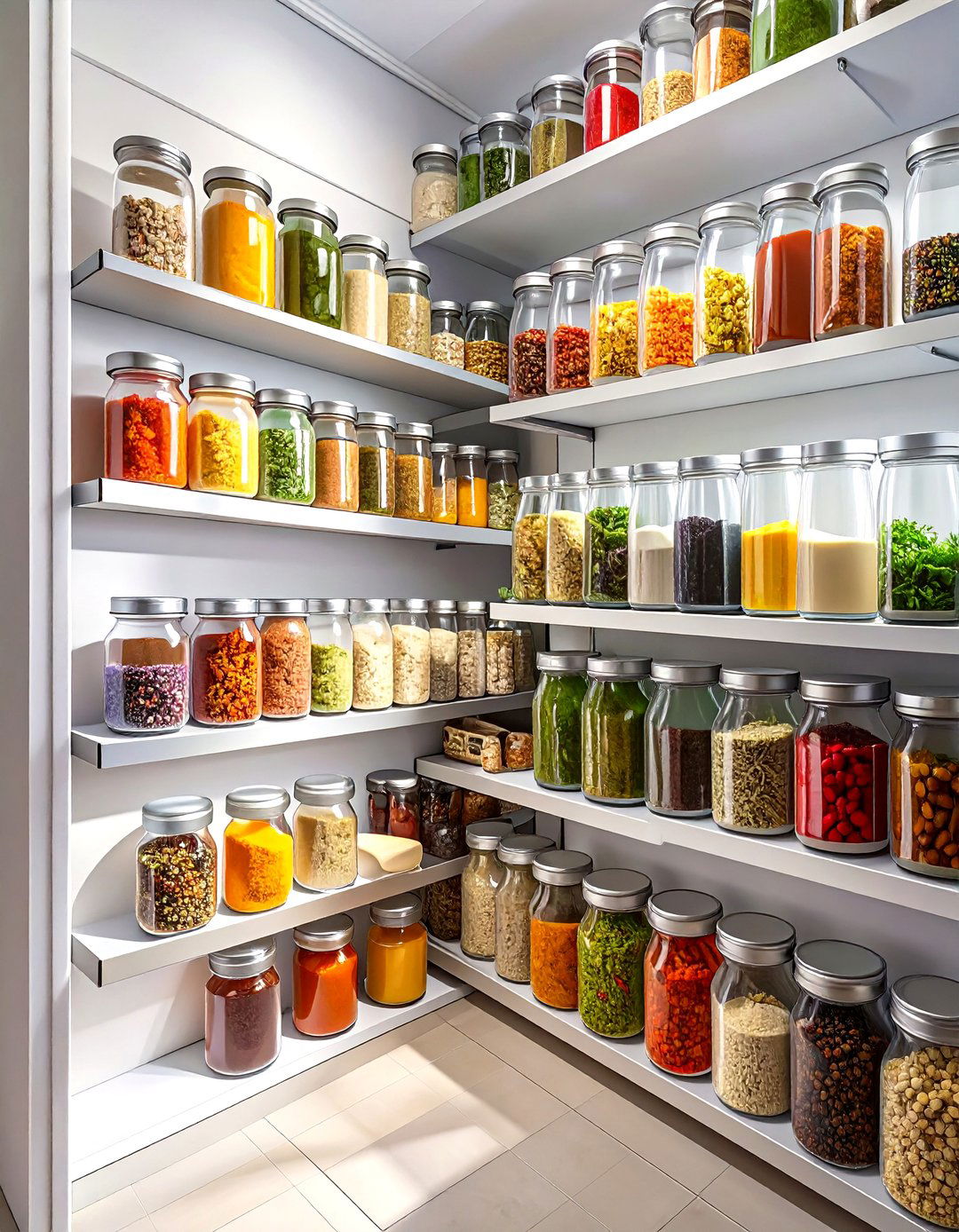
Spices can quickly consume a surprising amount of shelf space in a small pantry. To reclaim that area, mount spice racks directly onto any available wall space or the inside of the pantry door. Wall-mounted racks keep your entire spice collection visible and organized in one central location. This makes it incredibly easy to find the cinnamon or oregano you need without digging through a cluttered cabinet. Arranging them alphabetically or by frequency of use can further streamline your cooking process. This frees up prime shelf real estate for larger food items, making your pantry feel less crowded.
11. Hanging Baskets for Produce
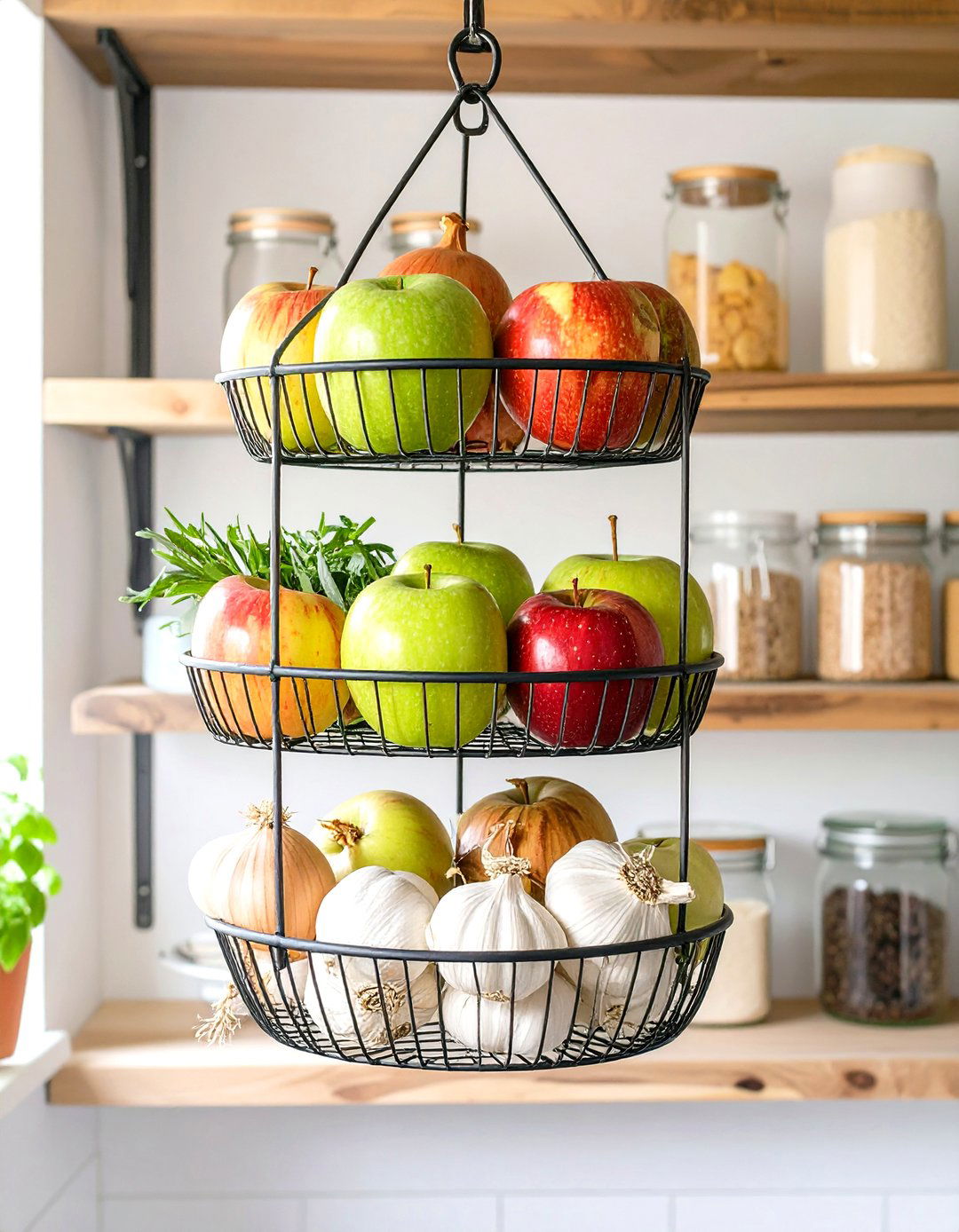
For fresh produce that shouldn't be refrigerated, such as onions, garlic, potatoes, and some fruits, hanging baskets are an excellent storage solution. A tiered wire hanging basket can be hung from a hook on the ceiling or a sturdy shelf bracket inside your small pantry. This gets bulky produce off your shelves and floor, freeing up space for other essentials. The open-weave design also promotes air circulation, which helps keep the produce fresh for longer. It’s a rustic and practical way to add storage capacity while keeping essential ingredients easily accessible and properly stored.
12. Decanting Oils and Vinegars into Bottles
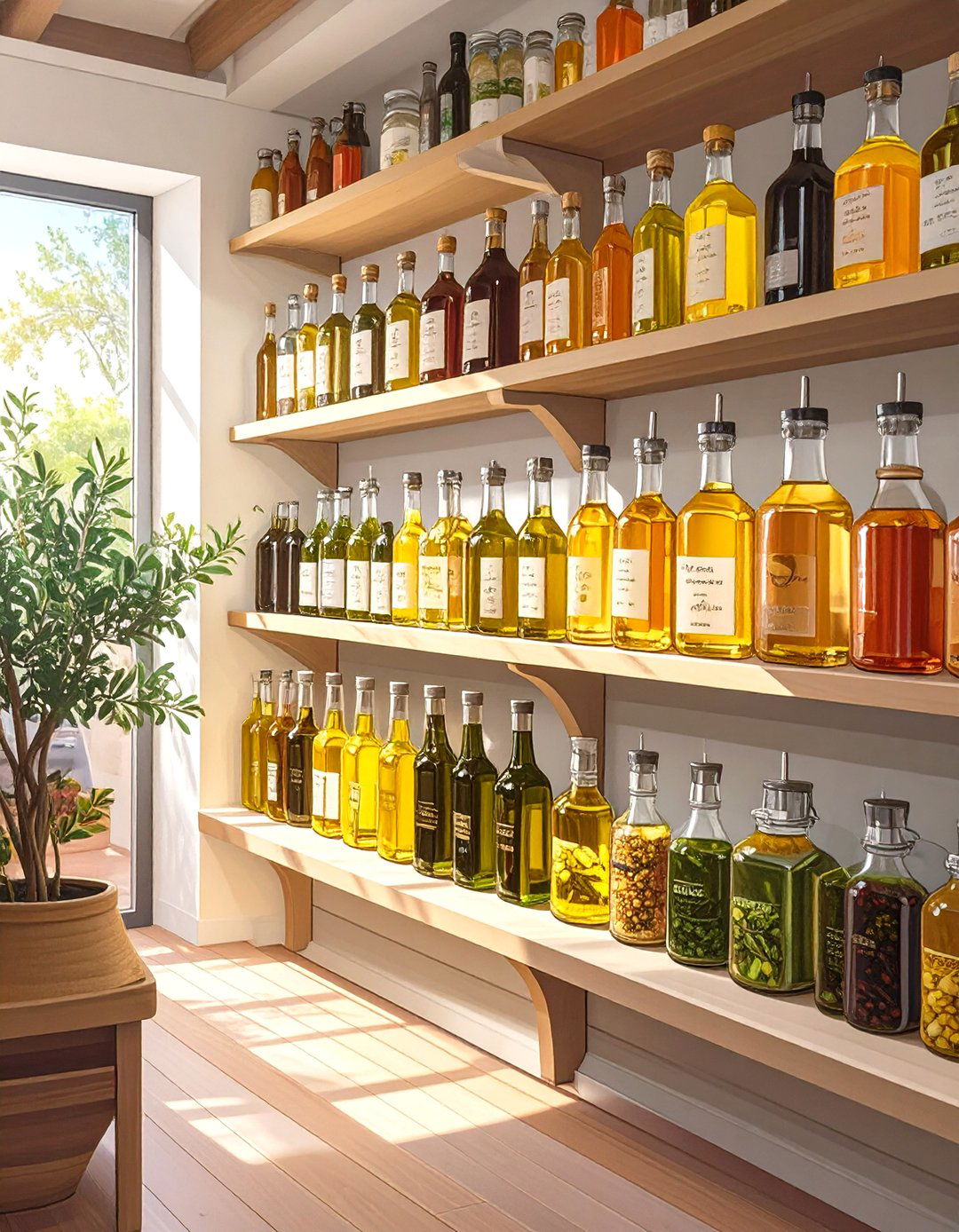
Large, clunky bottles of cooking oil and vinegar can take up unnecessary space and create a messy, sticky look in a small pantry. Decanting them into taller, slimmer, uniform glass bottles with pour spouts is a smart organizational move. Not only does this create a clean, streamlined aesthetic, but the slender bottles fit more neatly onto shelves or a Lazy Susan. The pour spouts also provide better control, reducing drips and spills. Label each bottle clearly to avoid mix-ups. This simple step elevates the look of your pantry while making it more functional and efficient.
13. Using Magazine Files for Flat Items
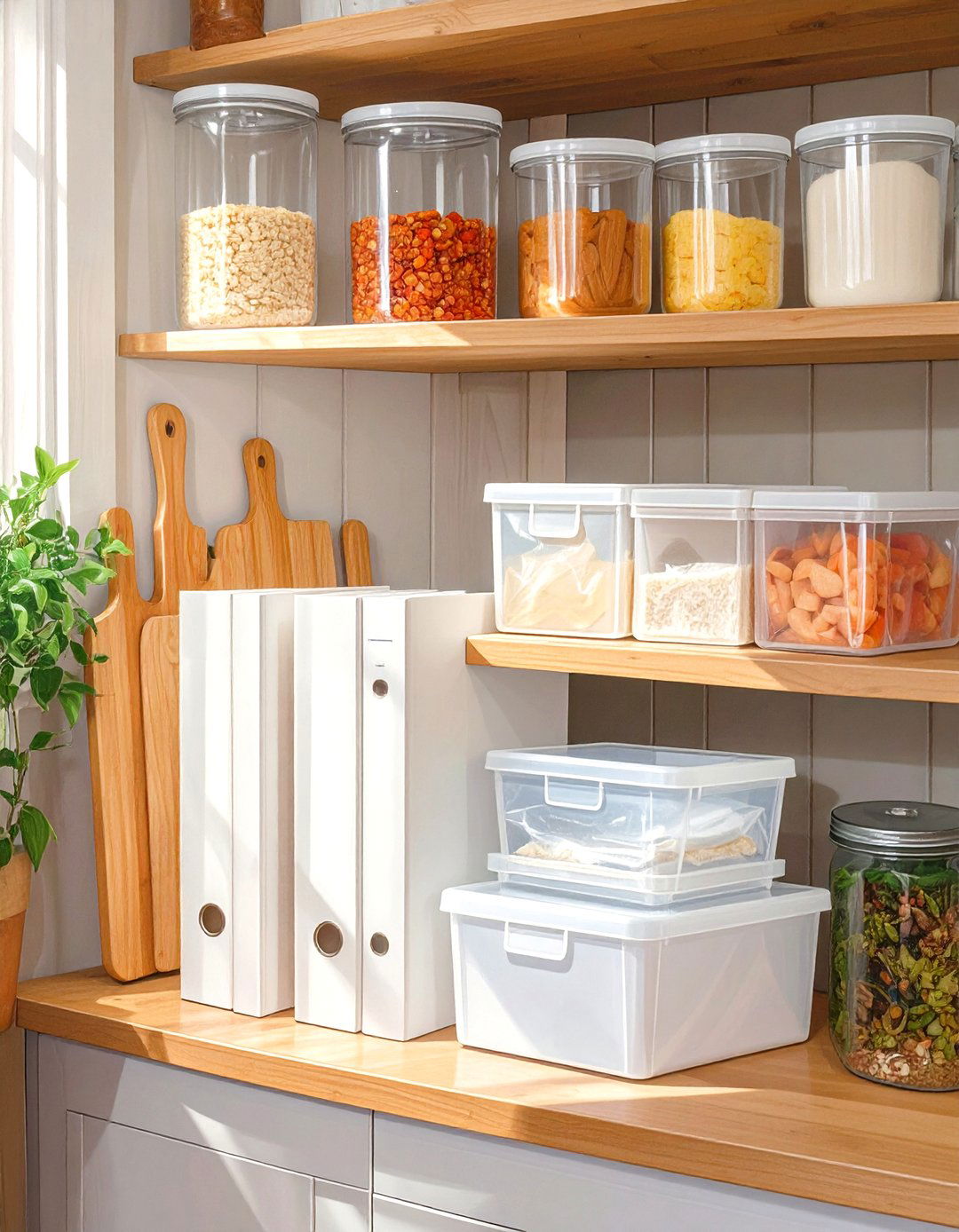
Think beyond office supplies—magazine files are a surprisingly effective organizational tool for a small pantry. Turn them on their side to create cubbies for storing water bottles or thermoses. Stand them upright to neatly contain long, flat items that are otherwise awkward to store. This includes boxes of aluminum foil, plastic wrap, and parchment paper, as well as cutting boards or flat-lidded food containers. By corralling these items into a designated holder, you prevent them from toppling over and creating a mess, keeping your pantry shelves tidy and maximizing every bit of space.
14. Creating a Small Pantry Baking Station
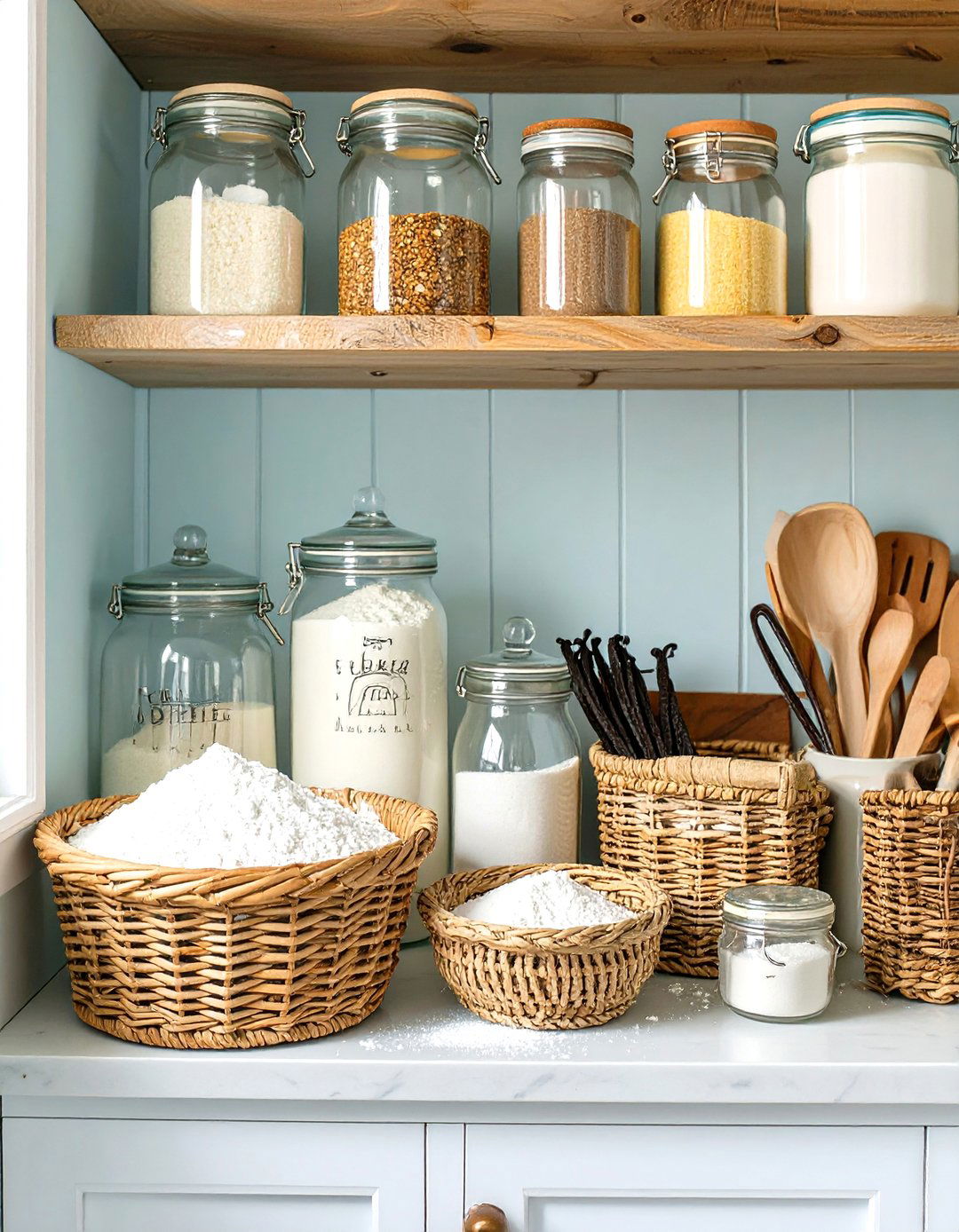
If you love to bake, dedicating one section of your small pantry to a baking station can be a huge time-saver. Group all your baking supplies together in one convenient spot. Use clear canisters for flour, sugar, and chocolate chips. Place smaller items like vanilla extract, baking soda, and food coloring into a single bin or basket. You can even include your mixing bowls and measuring cups if space allows. When it's time to bake, you simply grab the entire bin instead of searching all over the pantry for individual ingredients, streamlining your process significantly.


15. Utilizing the Pantry Floor Space
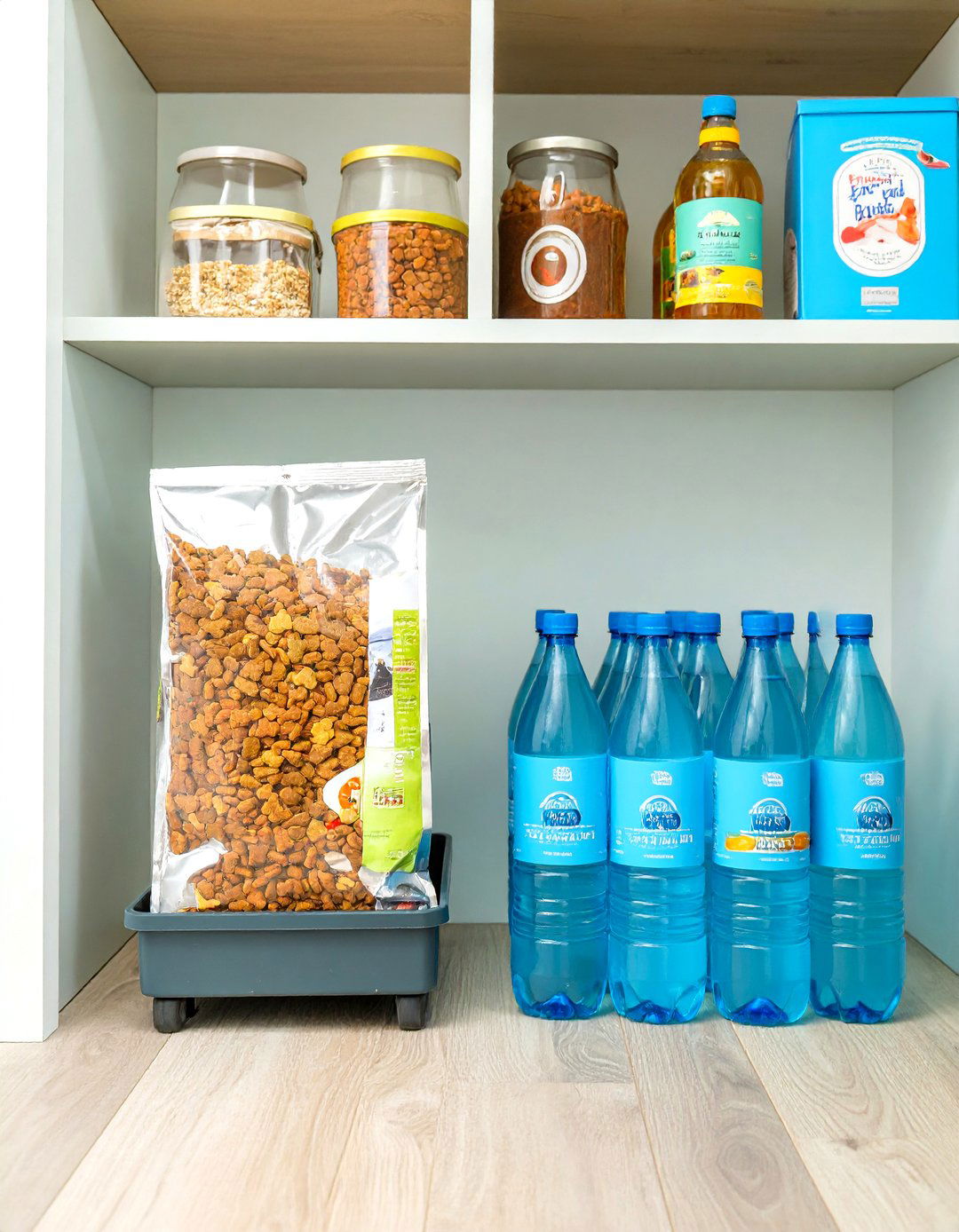
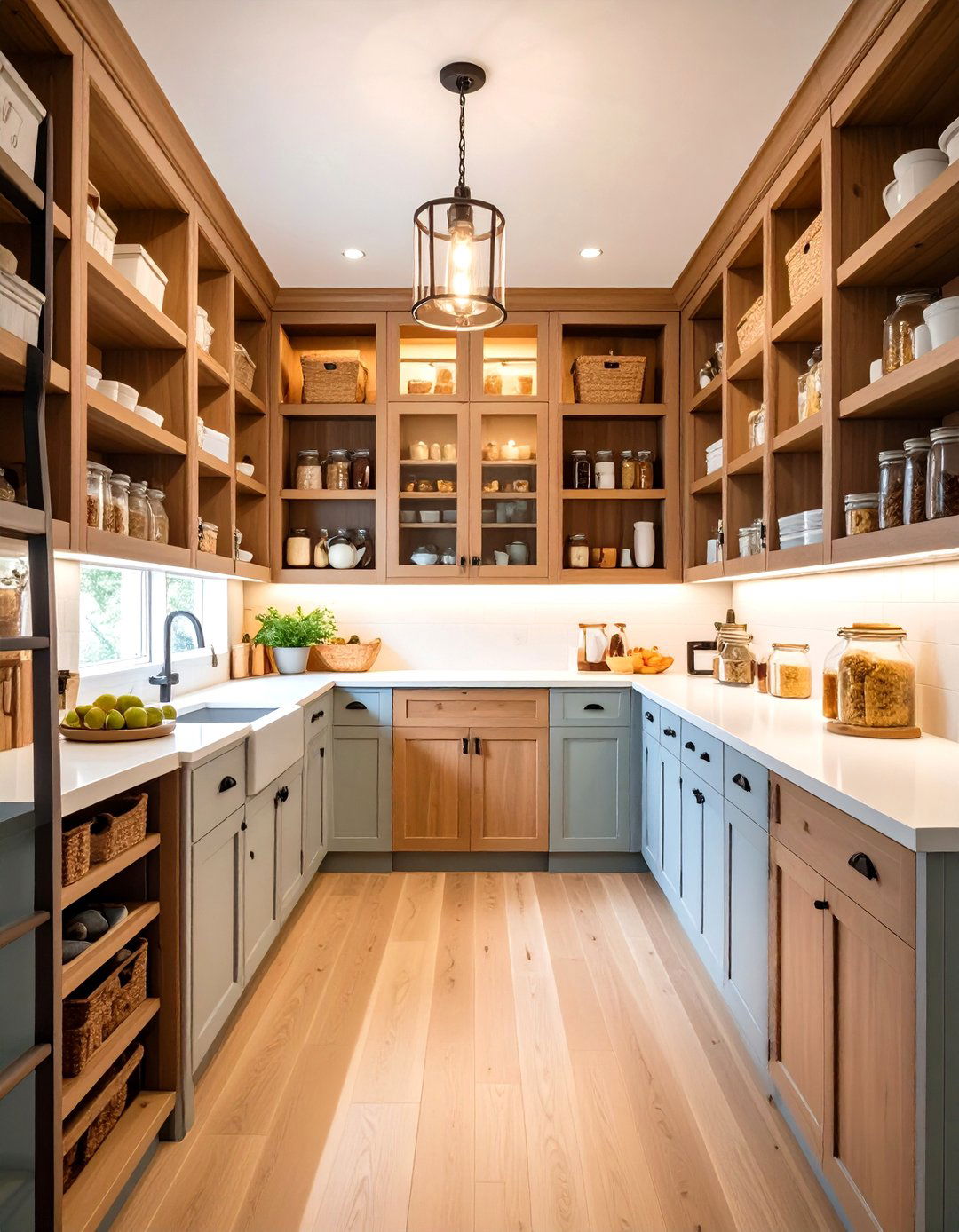
Don't overlook the floor of your small pantry—it's a valuable spot for storing heavy or bulky items. Place large bags of pet food, bulk packages of paper towels, or cases of beverages on the floor. To keep it organized, use sturdy, low-profile bins or baskets, preferably with wheels. A rolling bin makes it easy to pull out heavy items without straining your back. This strategy clears up your valuable shelf space for everyday food items that need to be at eye level, ensuring your pantry remains functional from top to bottom.
16. Installing Pegboard Pantry Walls
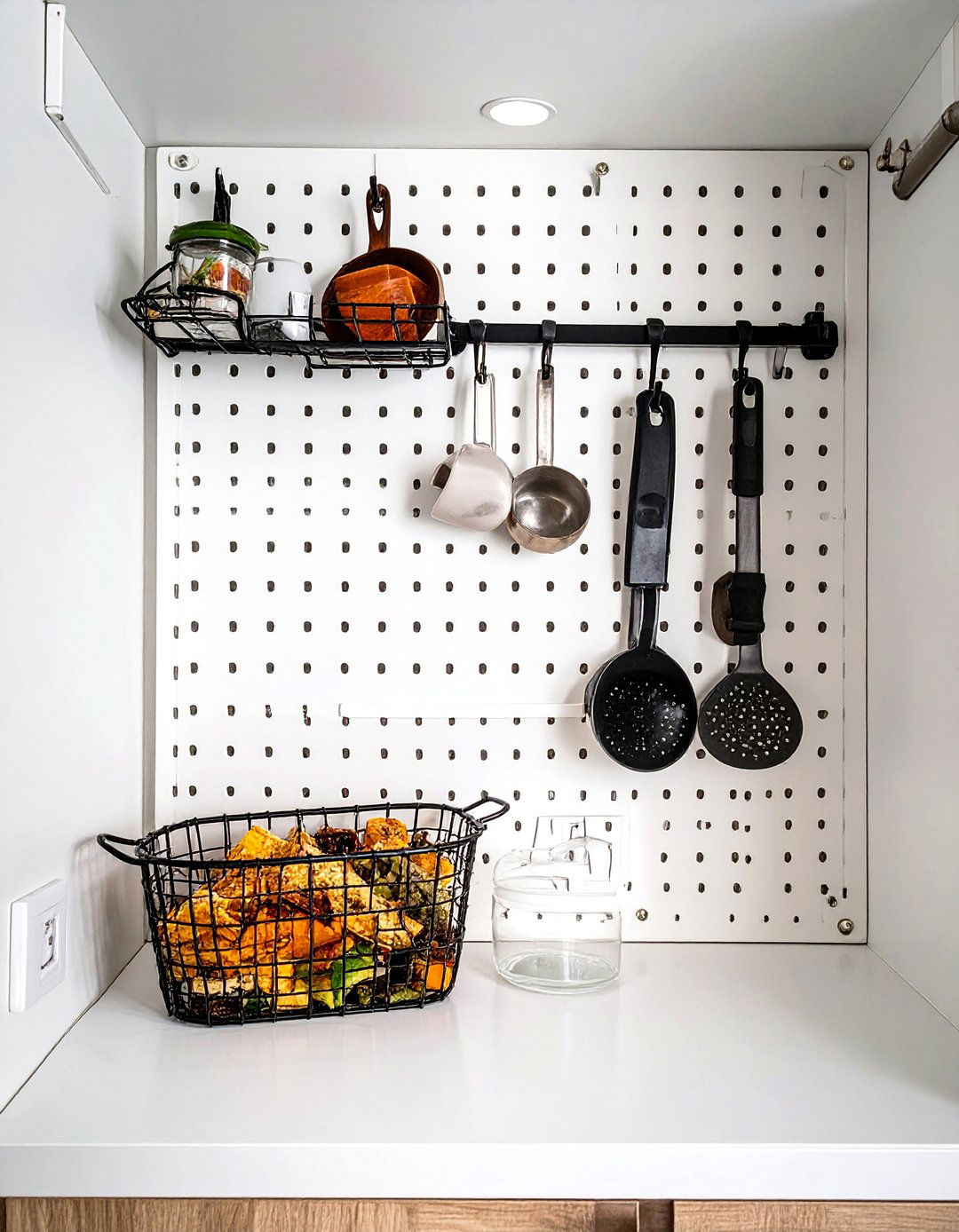
To maximize vertical storage in a small pantry, consider installing a pegboard on an empty wall. A pegboard is incredibly versatile, allowing you to customize your storage with a variety of hooks, shelves, and baskets. It’s an ideal solution for hanging kitchen utensils, measuring cups and spoons, small pots and pans, or even baskets filled with snacks or produce. This gets oddly shaped and bulky items off your shelves, freeing up space for stackable containers and food items. You can easily rearrange the hooks as your needs change, making it a flexible, long-term organization system.
17. Using Clear Fridge Bins on Shelves
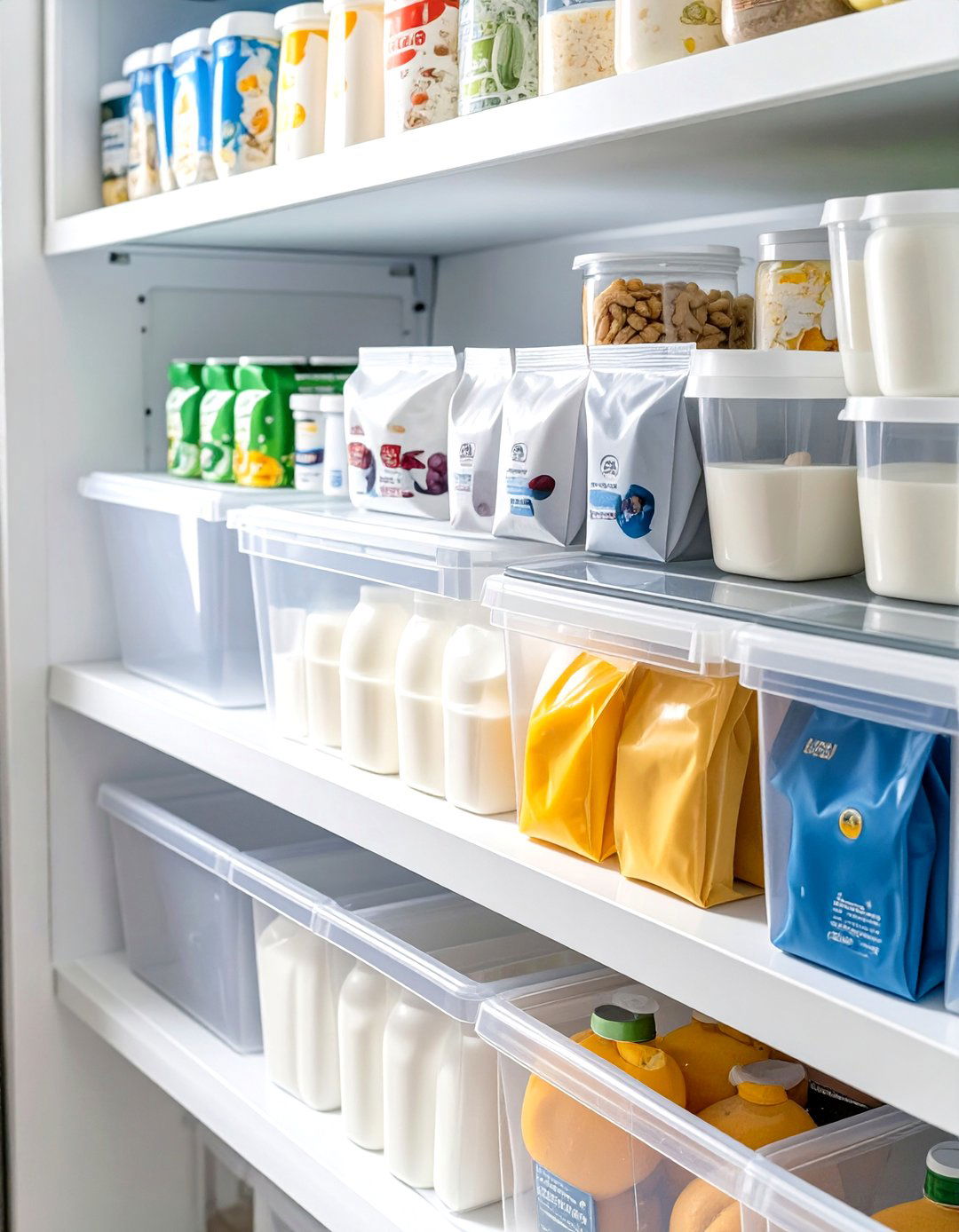
The organizational tools designed for refrigerators are often perfect for a small pantry. Clear, stackable fridge bins are fantastic for corralling loose items on your pantry shelves. Use them to group together things like yogurt pouches, cheese sticks, sauce packets, or juice boxes. The clear design lets you see the contents instantly, and the handle makes it easy to pull the entire bin off the shelf. These bins act like removable drawers, allowing you to access everything inside without having to move items one by one. They are a simple way to create order out of chaos.
18. A Rolling Cart as a Mobile Pantry
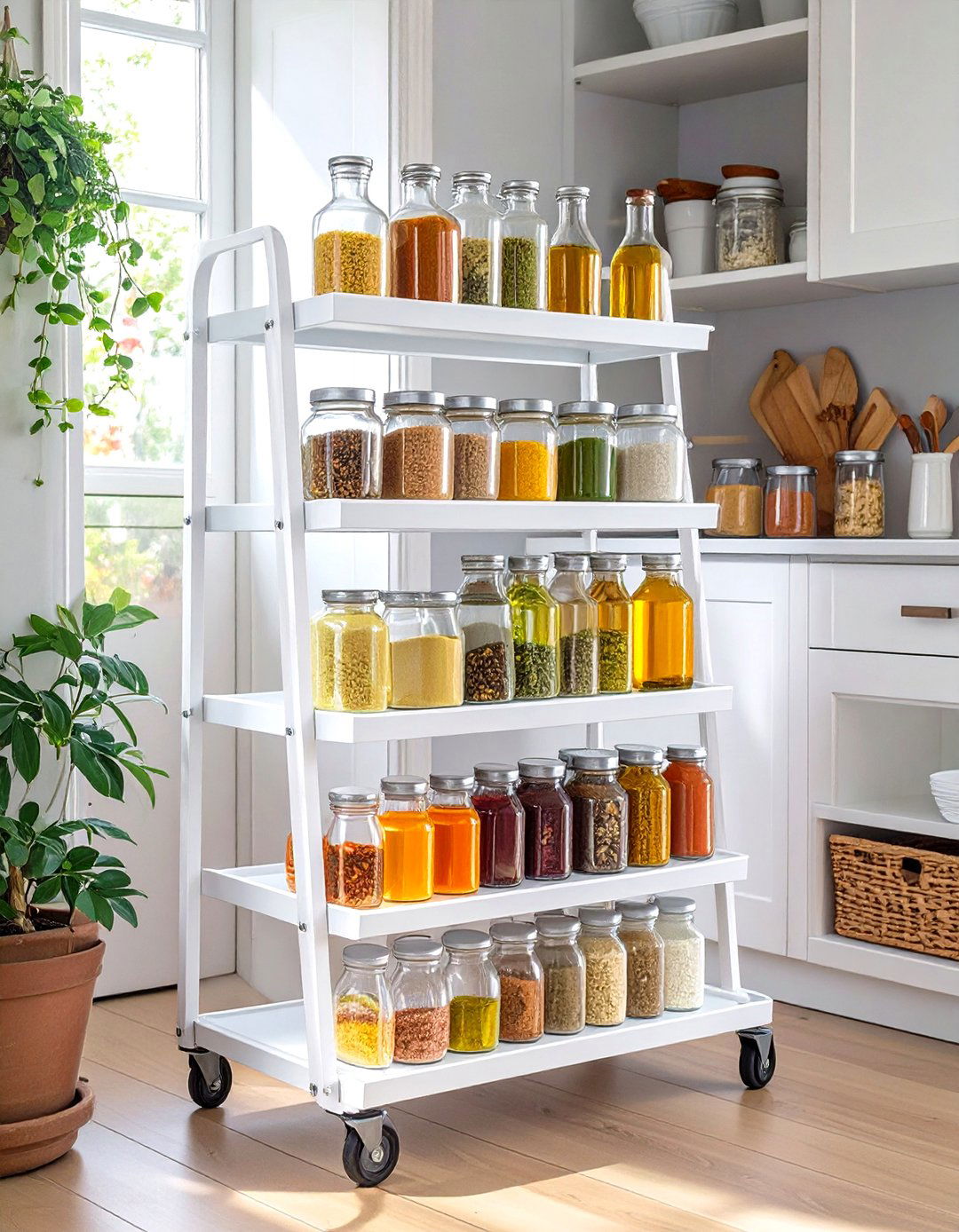
If your pantry is extremely small or you don't have one at all, a slim rolling cart can serve as a mobile pantry extension. These carts are designed to fit into narrow spaces, such as the gap between your refrigerator and a wall. Use the tiers to store frequently used items like oils, spices, snacks, or even your daily coffee supplies. You can easily roll it out when you need something and tuck it away when you're done, keeping your countertops clear. It's a flexible and affordable solution for adding crucial storage to a tight kitchen space.
19. Dividing Drawers for Utensils and Gadgets
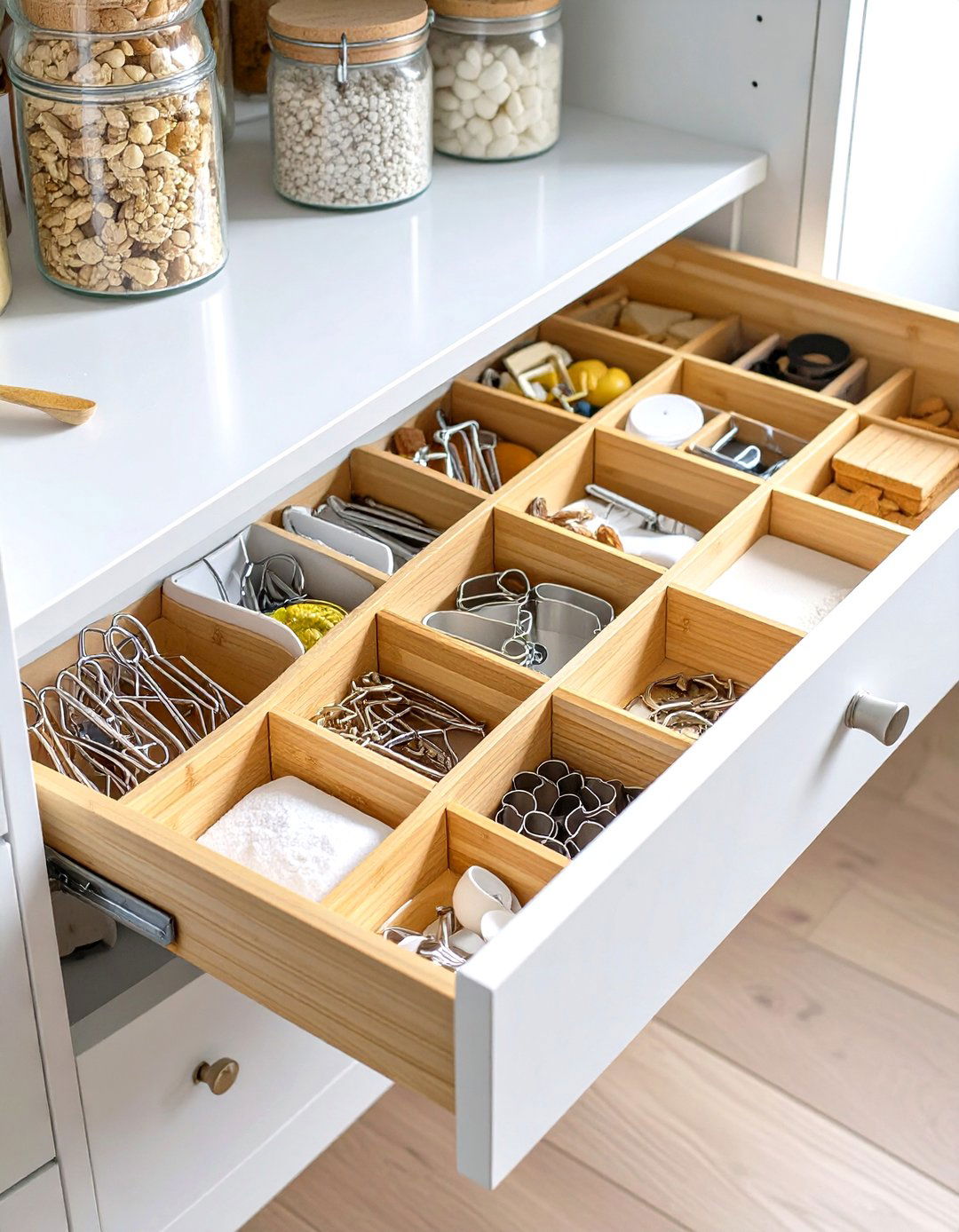
If your small pantry includes drawers, don't let them become a jumbled mess. Use adjustable drawer dividers to create specific compartments for smaller items. This is perfect for organizing extra cutlery, small kitchen gadgets, cookie cutters, or miscellaneous tools like bag clips and corn holders. By giving every item a designated home, you can find what you're looking for instantly without digging through a tangled mess. This simple trick transforms a chaotic "junk drawer" into a highly organized and functional storage space, maximizing the utility of every part of your pantry.

20. Grouping Like Items Together
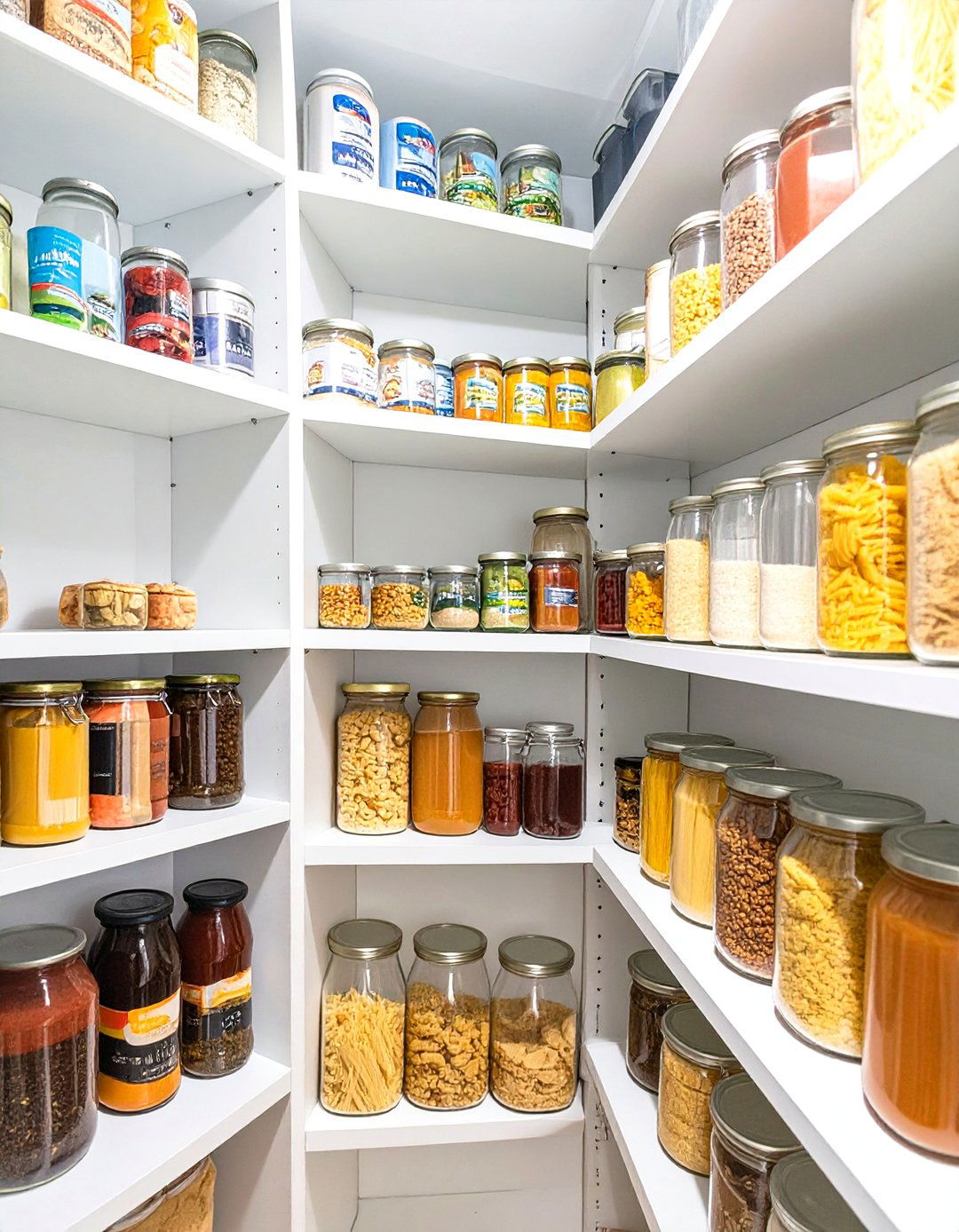
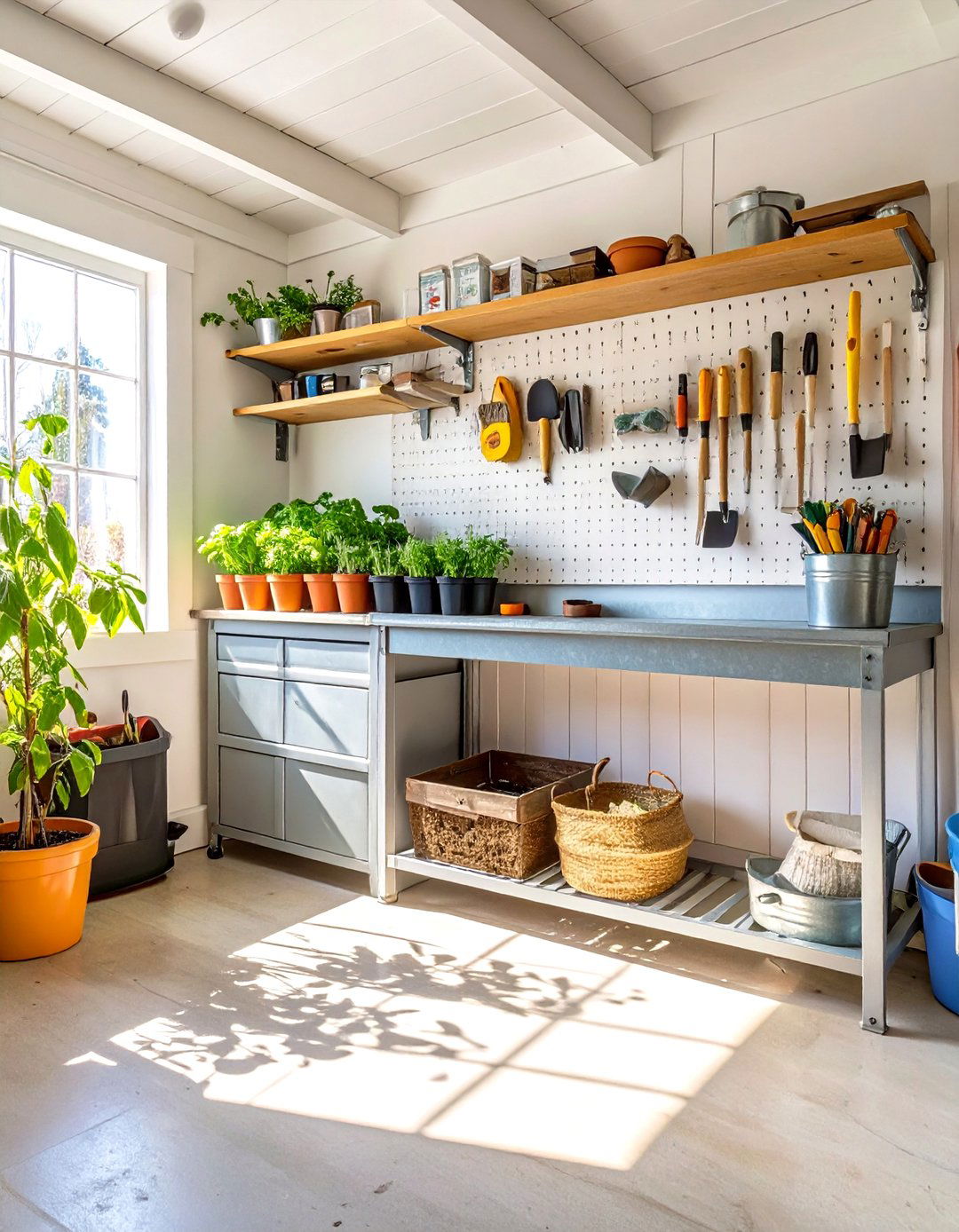
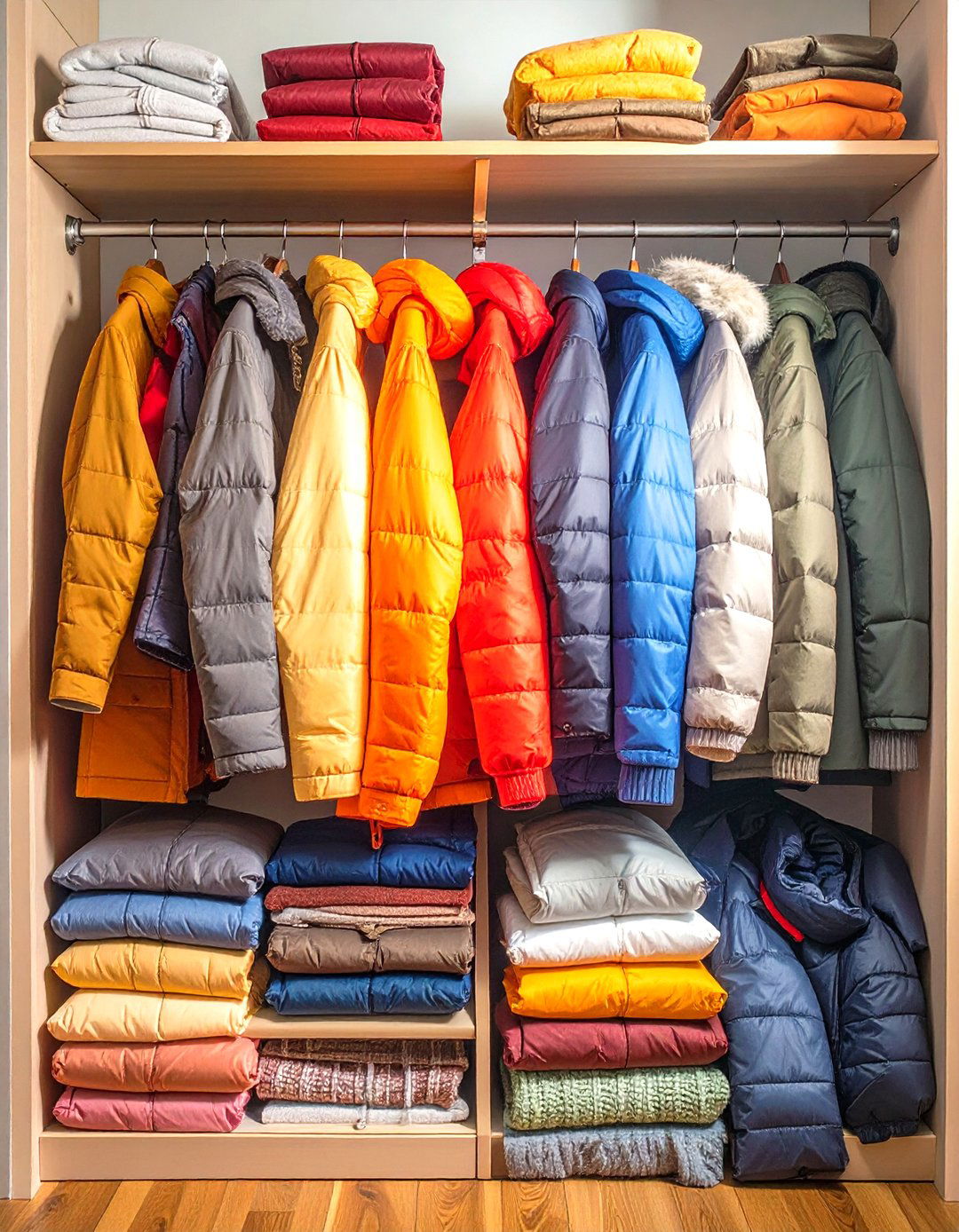
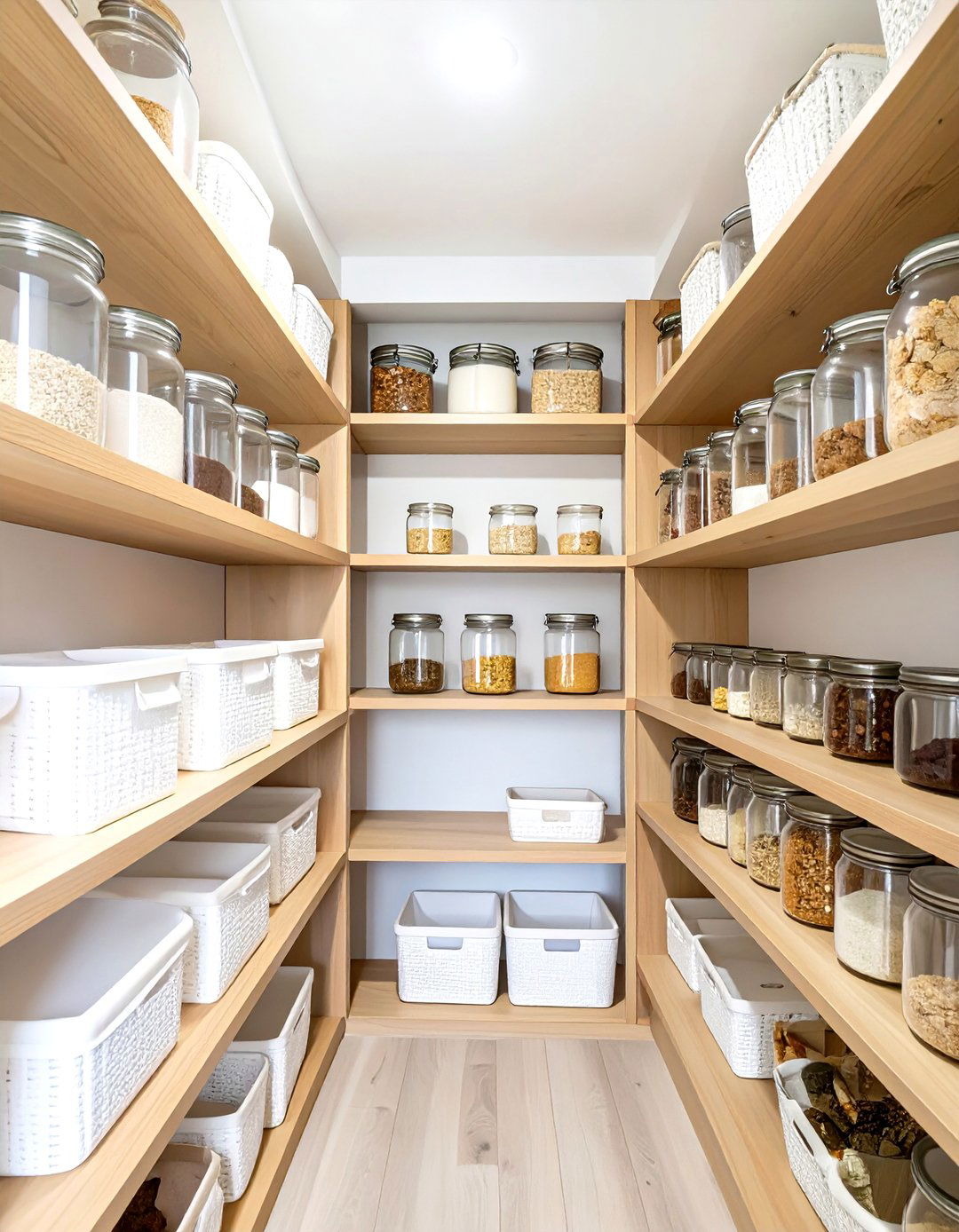
One of the most fundamental principles of organization is to store similar items together, and this is especially critical in a small pantry. Designate specific zones for different categories: all canned goods go on one shelf, breakfast items like cereal and oatmeal on another, and dinner helpers like pasta and sauces in their own section. Use bins or baskets to further contain these categories. This method, known as "zoning," simplifies everything. You'll always know where to find what you need and, just as importantly, where to put it away, making it much easier to maintain your organized system.
21. A First-In, First-Out (FIFO) System
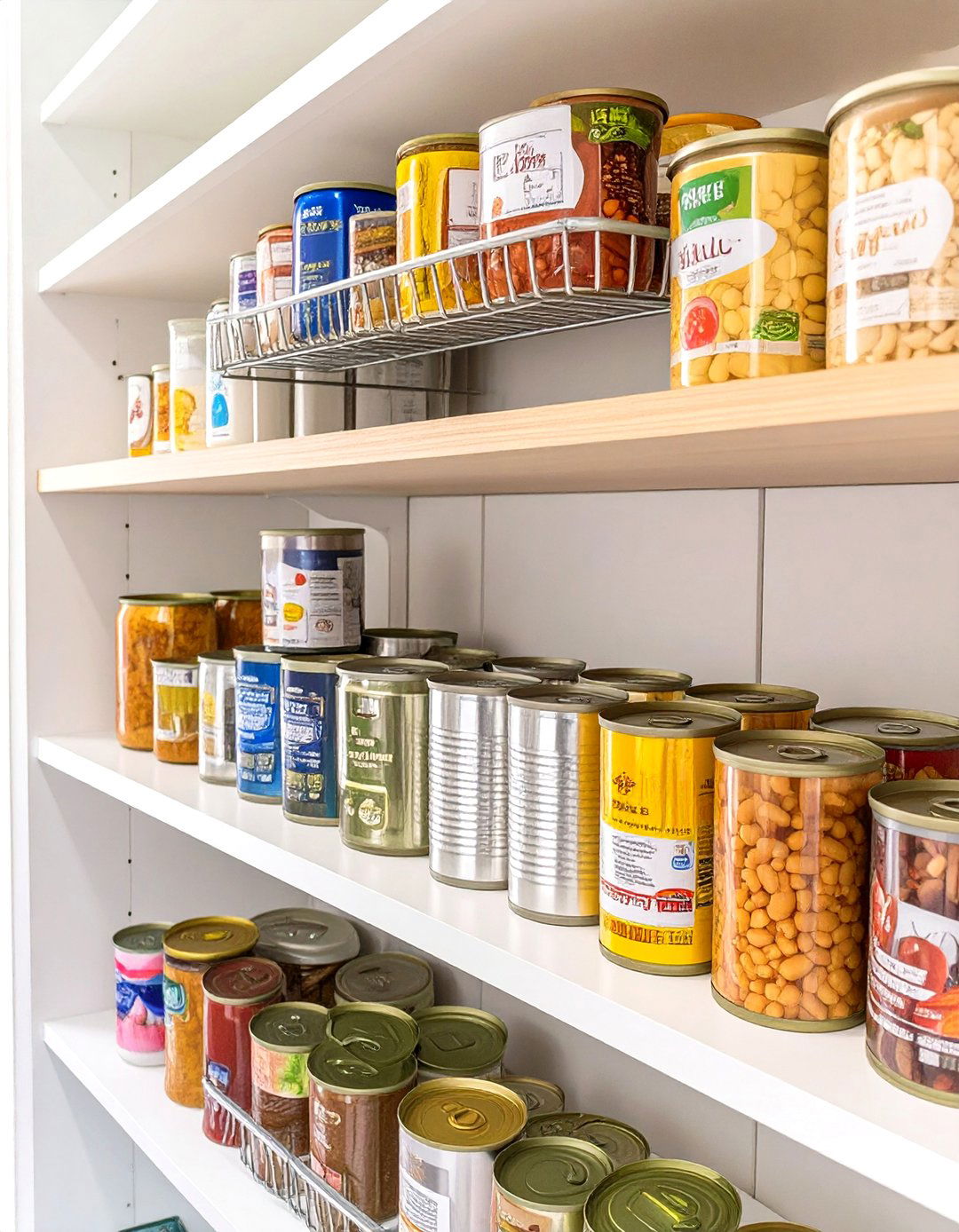
To minimize food waste in your small pantry, implement a First-In, First-Out (FIFO) system. This is a simple rotation method where you place newly purchased items at the back of the shelf and move the older items to the front. This ensures that you use up food before it reaches its expiration date. This works especially well for canned goods, boxed broths, and other items with a long shelf life. You can use a can-tracker rack that automatically dispenses the oldest can first, or simply get in the habit of rotating stock every time you unload groceries.
22. Using Tension Rods for Dividers
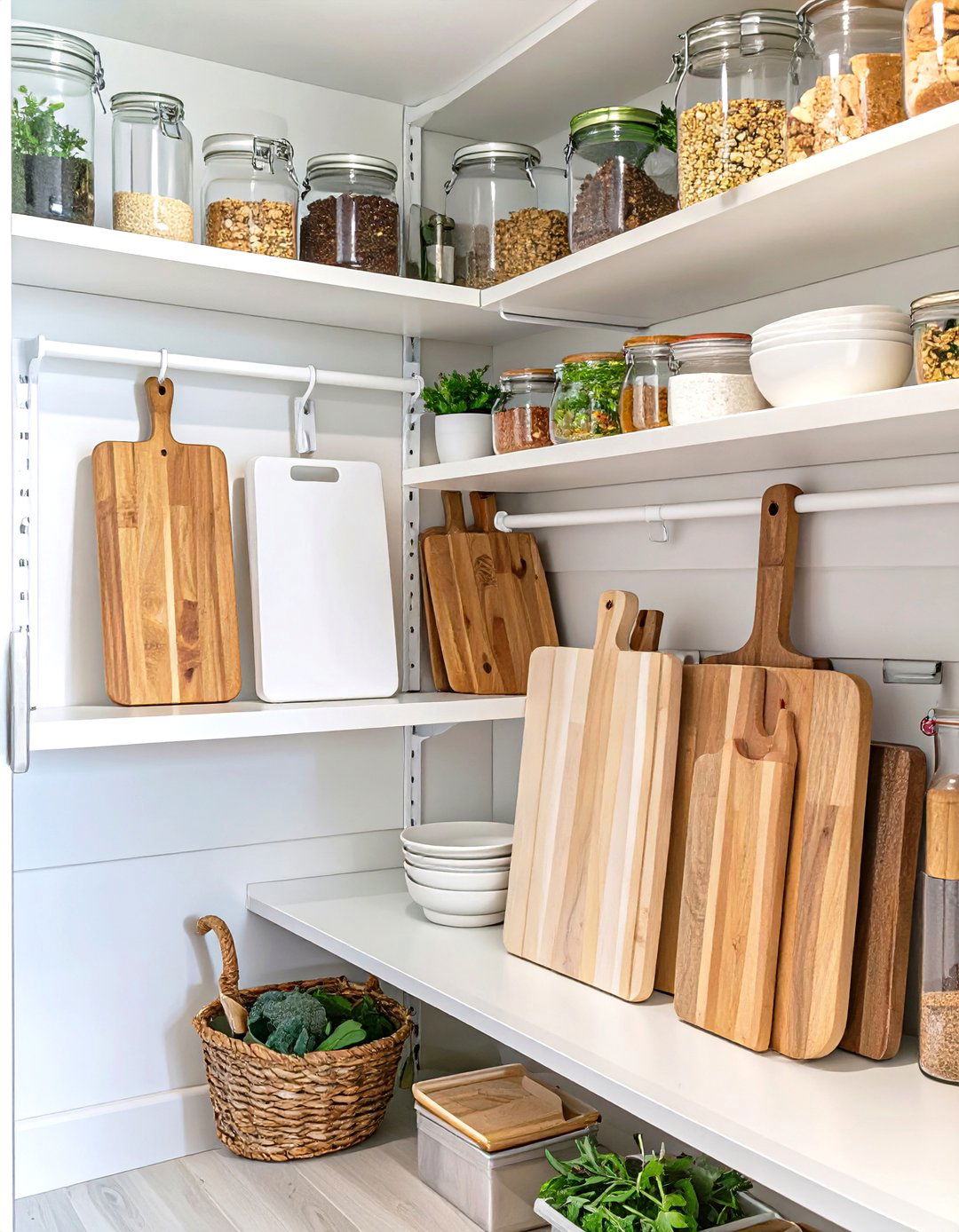
Tension rods are a surprisingly versatile and affordable tool for small pantry organization. Install them vertically to create slim, upright dividers for items like cutting boards, baking sheets, and platters. This keeps them from sliding around and makes them easy to grab. You can also install a tension rod horizontally to hang spray bottles by their triggers, freeing up shelf space below. Or, place one near the front of a shelf to prevent items like water bottles from rolling off. They are easy to install and remove without damaging your shelves.
23. Adding LED Puck Lights for Visibility
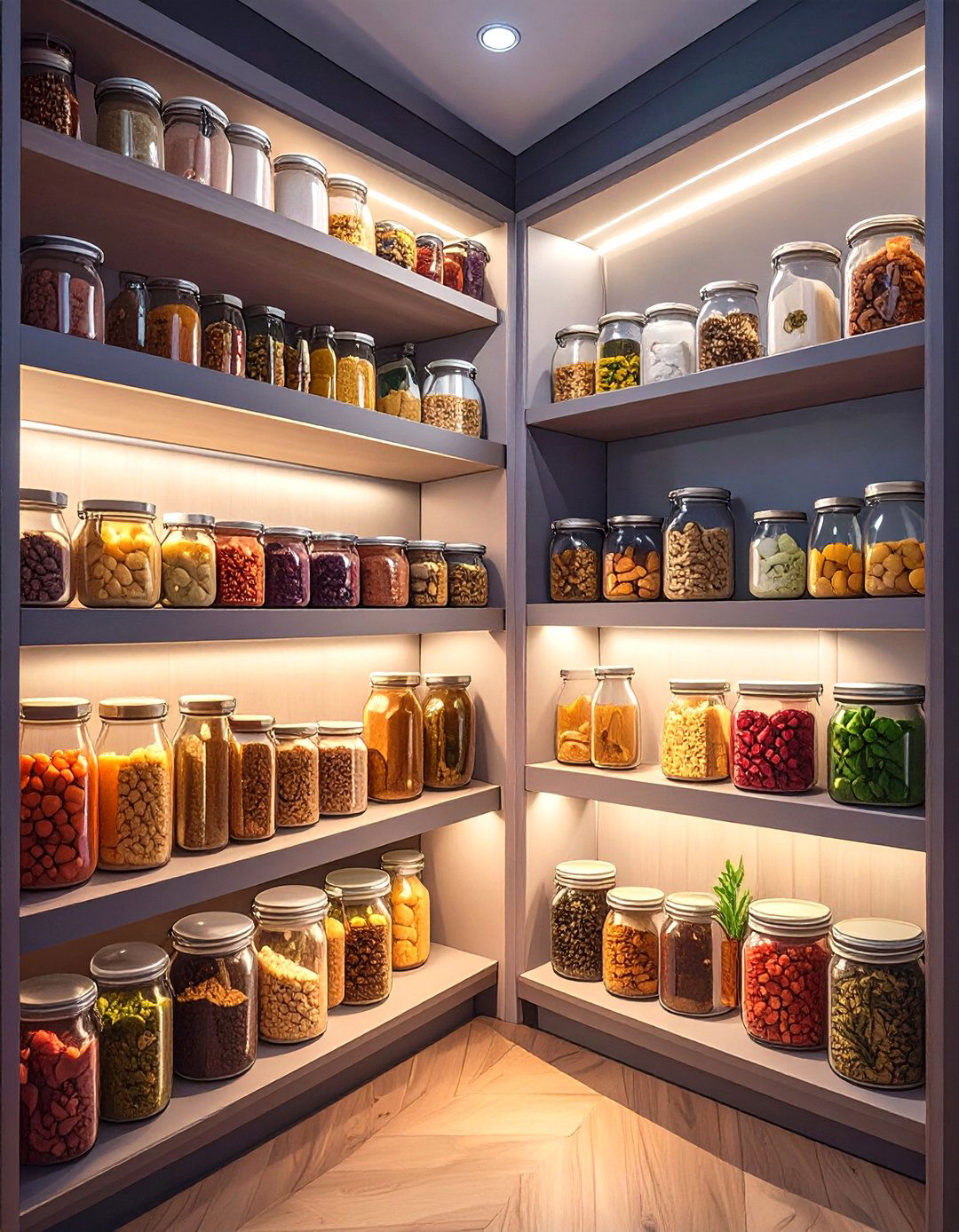
A small, dark pantry can make it impossible to find what you need. Improving the lighting is a simple fix that makes a huge difference. Battery-operated LED puck lights are an easy and affordable solution. They can be mounted to the underside of shelves or on the pantry ceiling with simple adhesive strips. Many are motion-activated, so they turn on automatically when you open the door and turn off after you leave, preserving battery life. Good lighting illuminates every corner, ensuring no item gets lost in the shadows and making your pantry feel bigger and more user-friendly.
24. Using Chalkboard or Whiteboard Labels
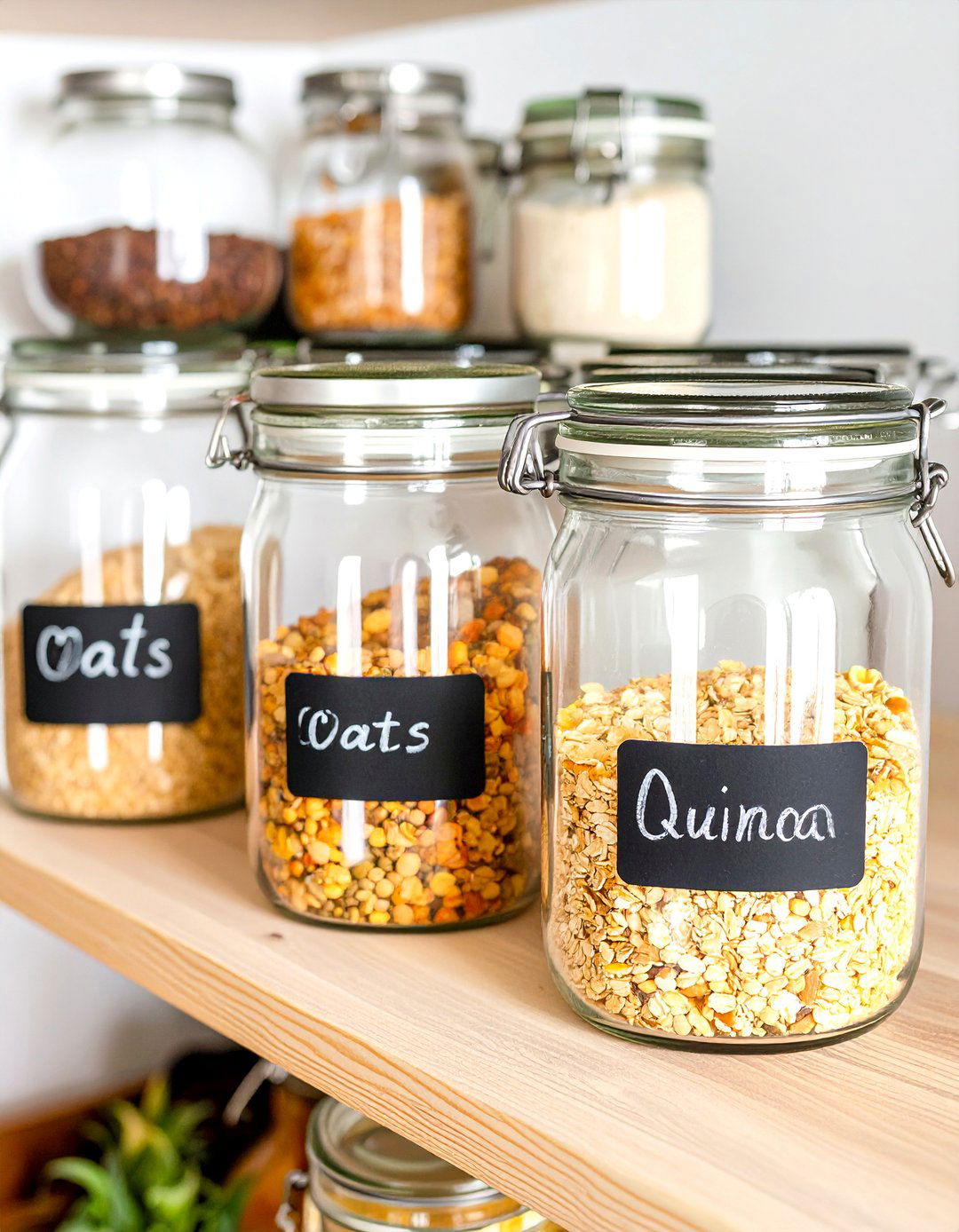
For items whose quantities change frequently, reusable labels are a smart choice. Chalkboard or whiteboard labels, which come as stickers or hanging tags, allow you to easily update names or expiration dates. Use them on canisters for bulk items like flour or rice, or on bins where the contents might change seasonally. This flexibility is perfect for a small pantry system because it can adapt as your needs evolve. You can simply wipe them clean and rewrite as needed, which is more sustainable and convenient than constantly replacing adhesive paper labels, keeping your system current and effective.
25. Storing Potatoes and Onions in Breathable Bags
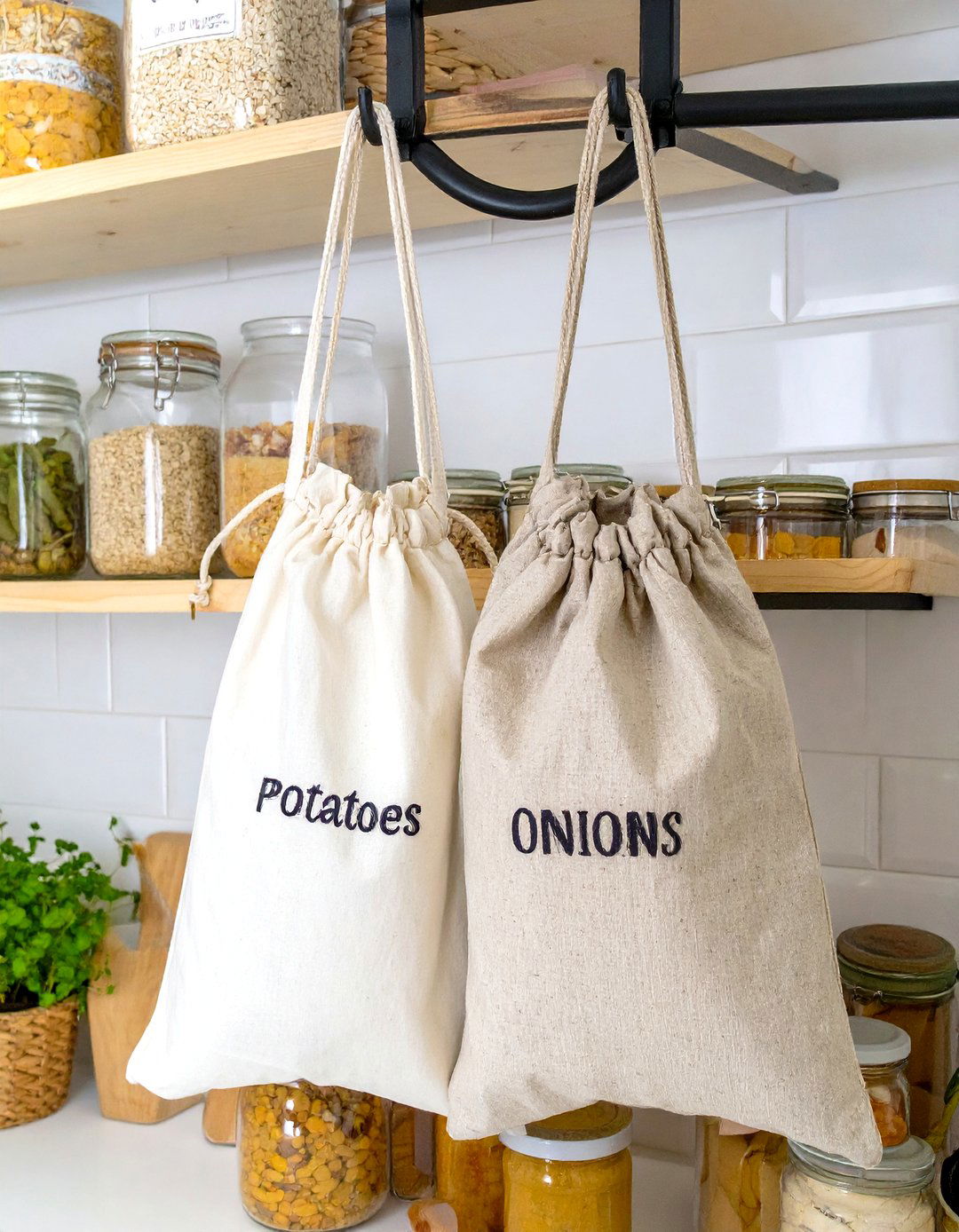
Potatoes, onions, and garlic need to be stored in a cool, dark place with good air circulation to stay fresh. Instead of letting them roll around loose on a shelf, use breathable storage bags made from materials like burlap or linen. Many of these bags have a drawstring top and a side opening for easy access. They keep the vegetables contained and protected from light, which prevents sprouting. Hanging these bags from hooks inside your pantry keeps them off the floor and shelves, saving valuable space while also extending the life of your produce.
26. A Small Step Stool for High Shelves
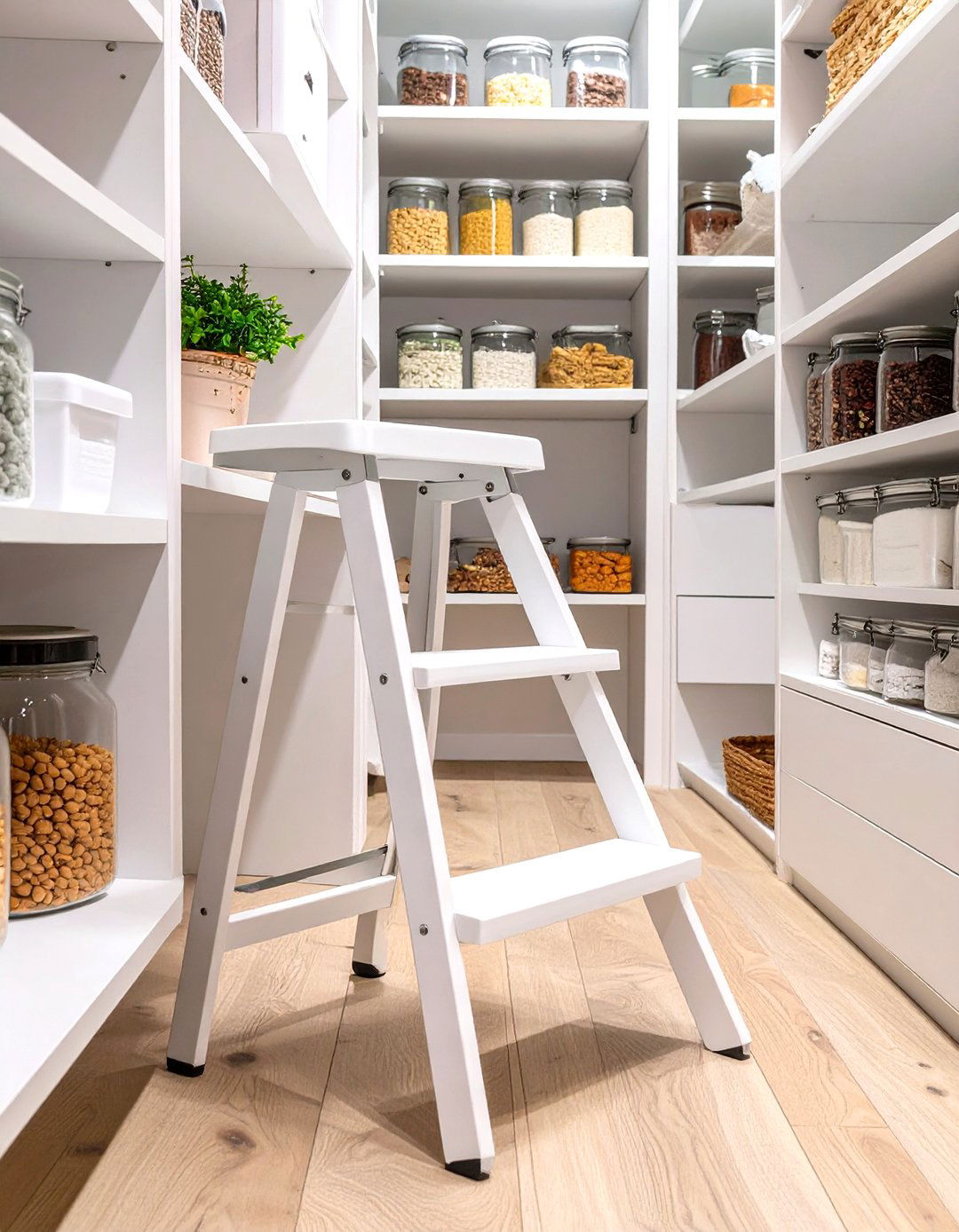
In a small pantry, maximizing vertical space means utilizing the very top shelves. However, these can be hard to reach, often becoming a repository for rarely used or forgotten items. Keep a small, foldable step stool inside the pantry or nearby to ensure you can easily access everything on the highest shelf. This makes that space usable for storing backstock, seasonal items, or lightweight appliances. A slim, folding stool can be tucked away beside the shelves or hung on a hook on the wall, ensuring it doesn't take up valuable floor space.
27. Magnetic Containers on the Door
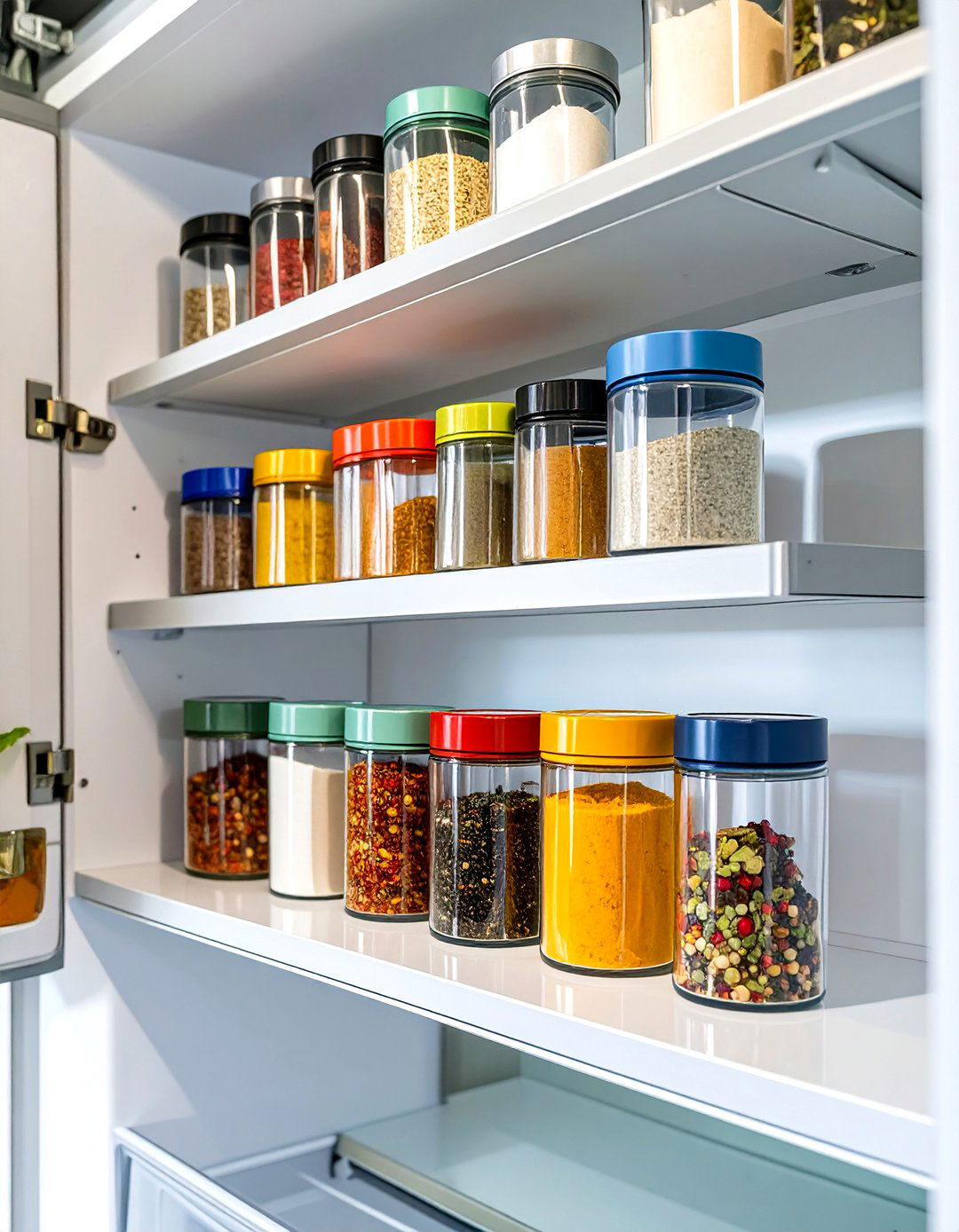
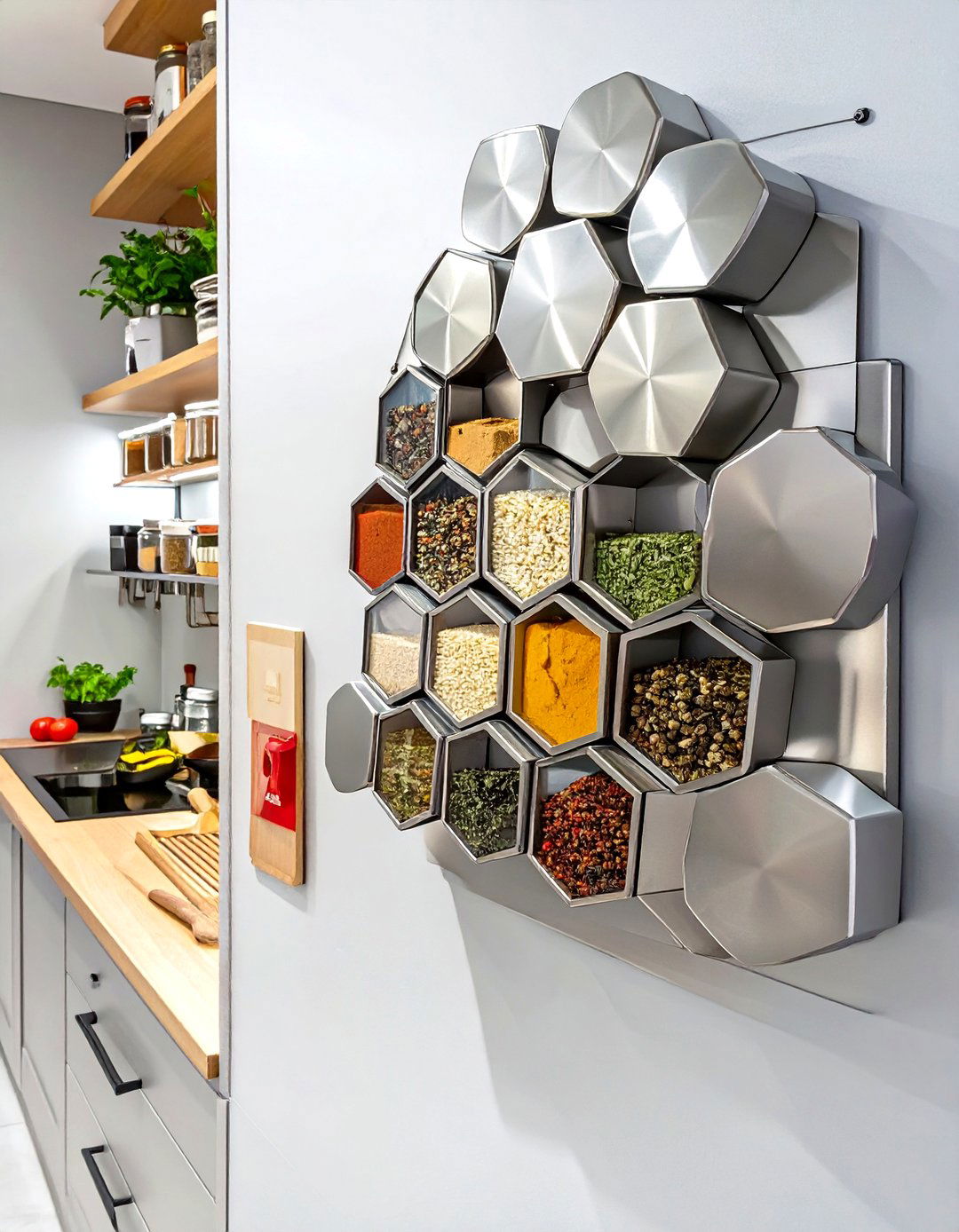
Take advantage of any metal surface in your pantry, such as the inside of a metal door, by using magnetic containers. Small magnetic tins are perfect for storing spices, herbs, or even small items like paper clips and rubber bands. This frees up shelf and drawer space for larger items. You can see your entire spice collection at a glance, and they add a decorative element to an otherwise plain surface. If your door isn't metal, you can easily install a thin metal sheet to create a magnetic surface, instantly adding a new layer of storage to your small pantry.
28. Decanting Bulk Items Immediately
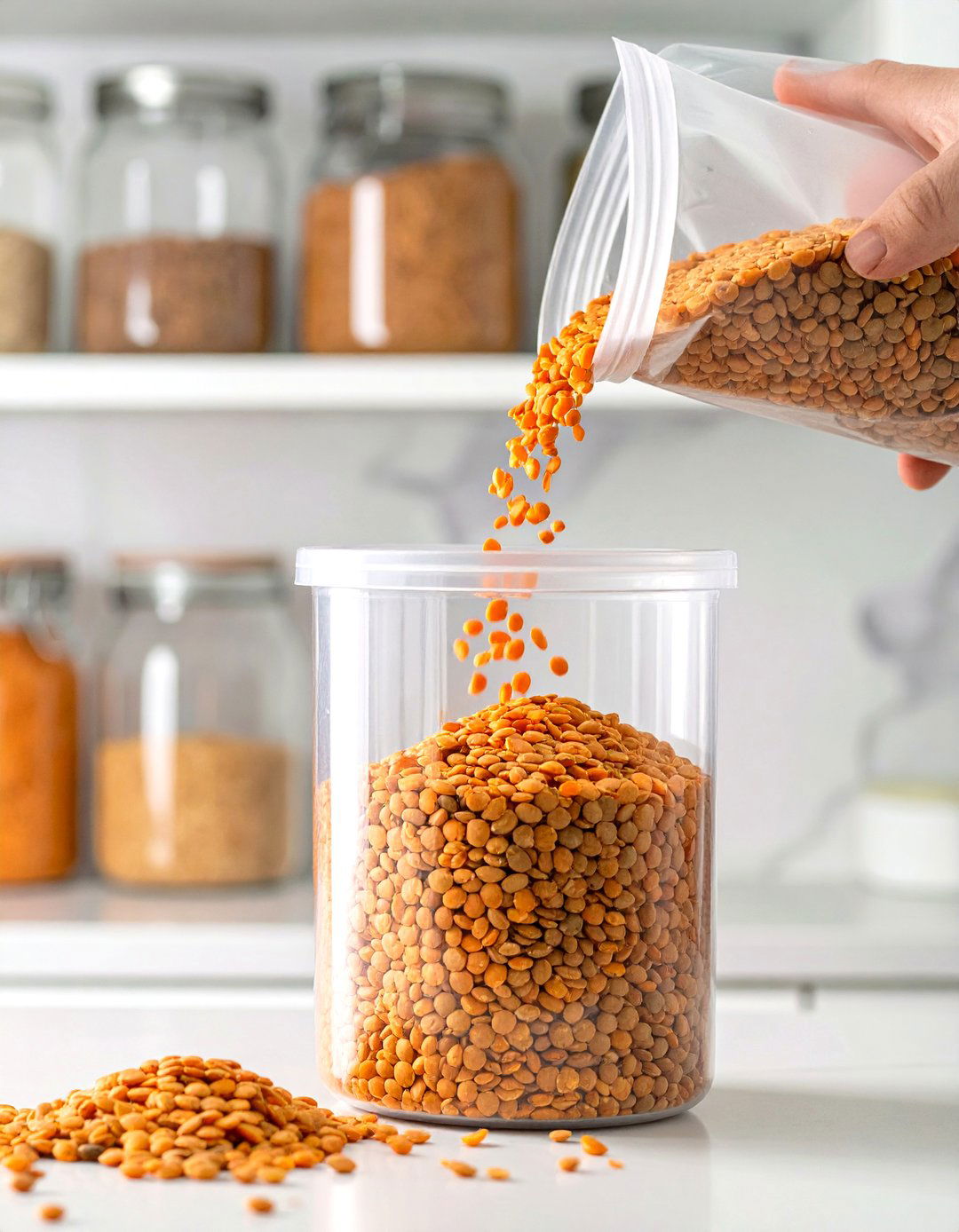
When you buy items from the bulk bins at the grocery store, they usually come in flimsy plastic bags that are difficult to store neatly. Make it a habit to decant these items into your designated pantry canisters as soon as you get home. This step is crucial for maintaining your organizational system. It prevents cluttered bags from piling up, protects the food in airtight containers, and ensures everything has a proper home. Taking five minutes to do this after a shopping trip will keep your small pantry looking tidy and prevent the system from falling into disarray.
29. Creating a Dedicated Coffee and Tea Station
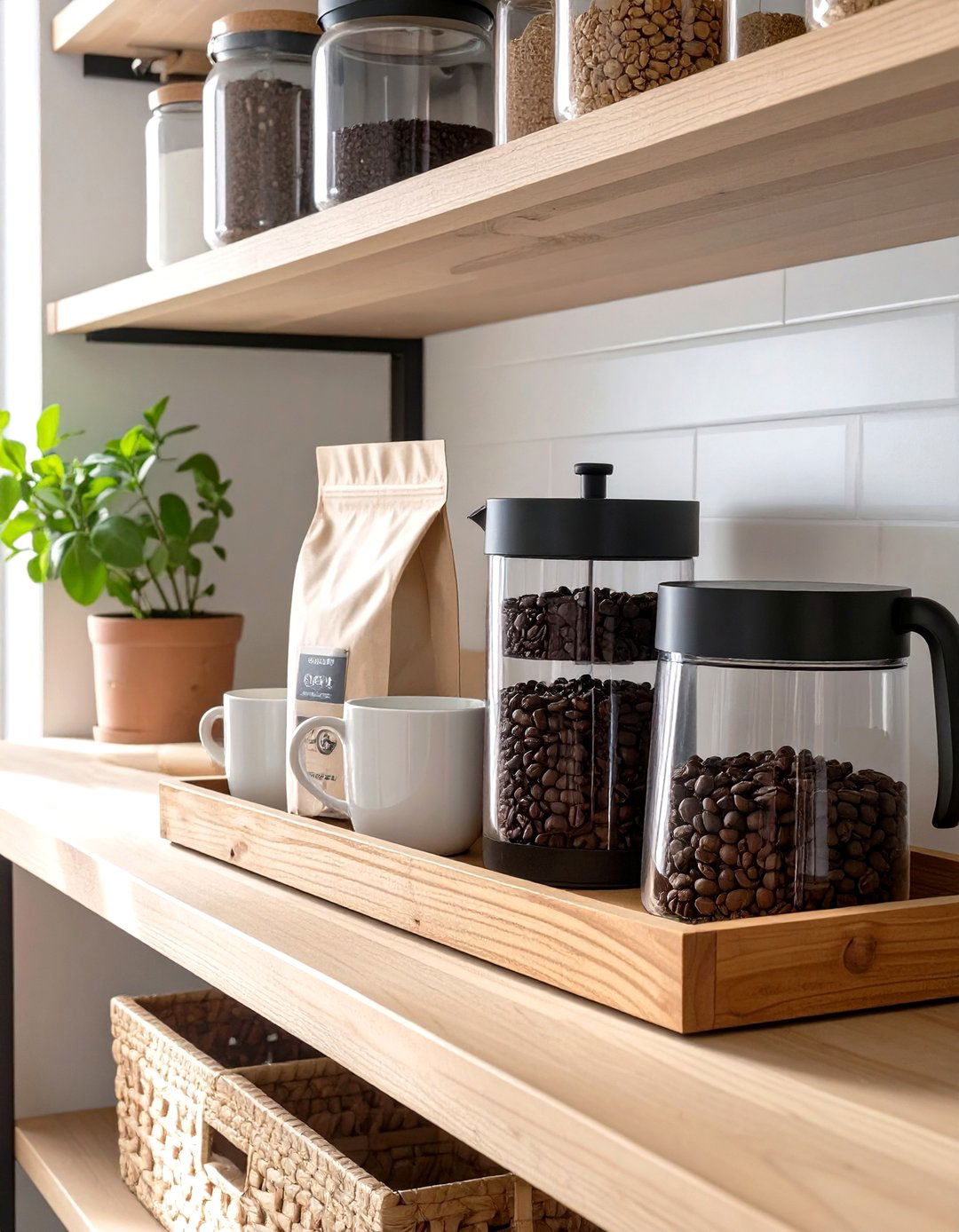
If you're a coffee or tea lover, creating a dedicated station in your small pantry can streamline your morning routine. Use a small tray or bin to corral all your supplies: coffee beans or grounds, tea bags, filters, sugar, and mugs. By keeping everything together in one spot, you can simply pull out the entire tray in the morning. This prevents you from having to search for different components all over your kitchen and pantry. It's an efficient system that contains potential messes and keeps a frequently used category of items perfectly organized.
30. A Regular Decluttering Schedule
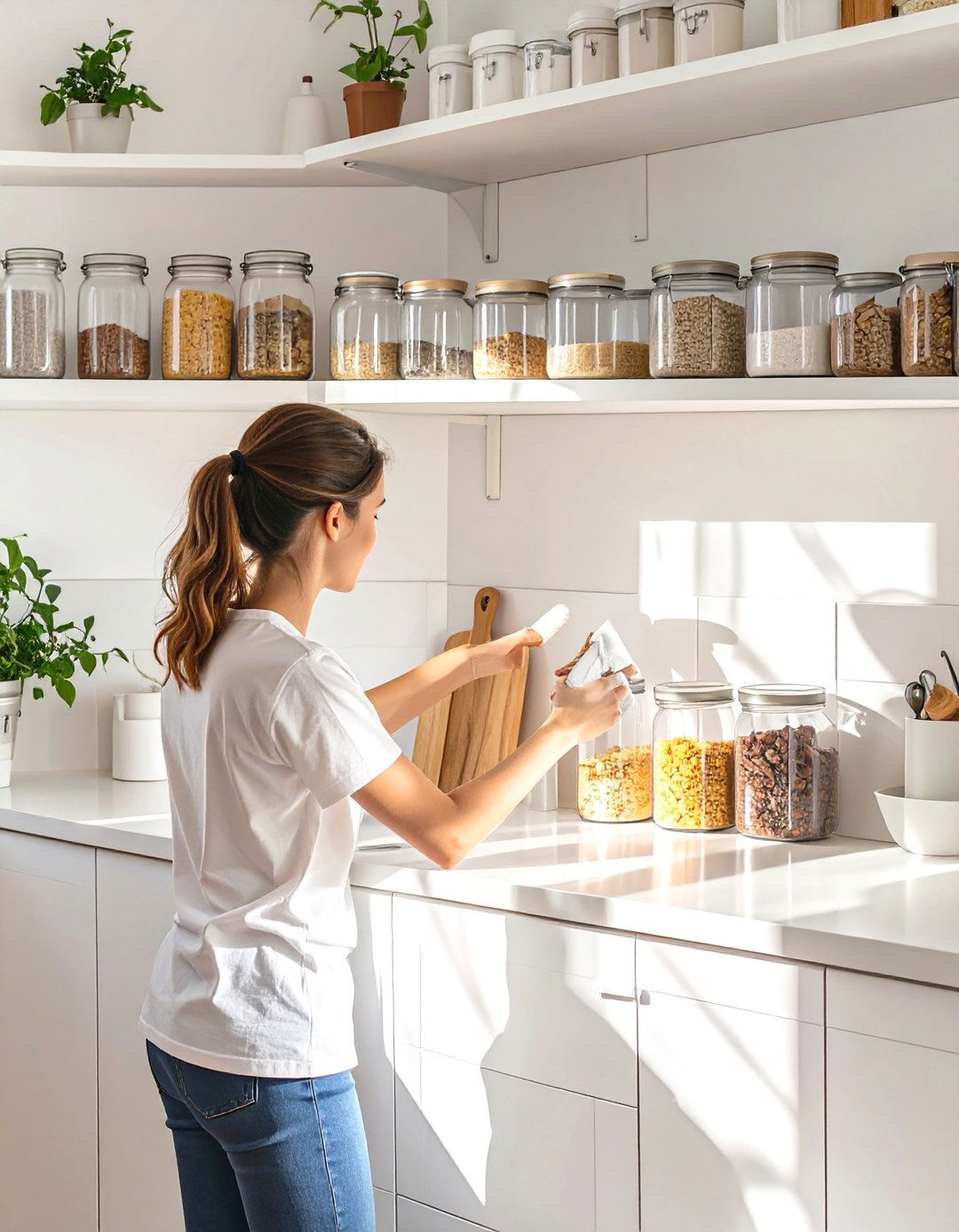
Even the most perfectly organized small pantry requires regular maintenance to stay that way. Set a schedule—perhaps once a month or every few months—to quickly declutter. Pull everything off one shelf at a time, wipe the shelf clean, and check for expired items. Reassess your zones and see if anything needs to be rearranged. This quick reset only takes a few minutes but is essential for preventing clutter from creeping back in. A regular decluttering routine ensures your small pantry remains a functional and stress-free space for the long term.
Conclusion:
Transforming a small pantry from a cluttered closet into an organized hub is entirely achievable with the right strategies. By using vertical space, decanting goods, labeling everything, and choosing smart storage tools like tiered shelves and pull-out bins, you can maximize every inch. The key is to create a system that works for your specific needs and to maintain it with regular, quick decluttering sessions. An organized pantry saves time, reduces food waste, and brings a sense of calm to your daily kitchen routine, proving that size doesn't have to limit functionality.

Related posts:


Leave a Reply