
When space is at a premium, a tiny living room can feel more like a challenge than a cozy retreat. However, with strategic design choices and clever solutions, even the smallest of areas can be transformed into a functional and stylish hub. The key lies in maximizing every inch, choosing furniture that serves multiple purposes, and using visual tricks to create an illusion of spaciousness. From smart storage to thoughtful layout planning, these ideas will help you craft a living room that is comfortable, inviting, and perfectly suited to your needs, proving that great design doesn't depend on square footage.
1. Utilize Vertical Space with Tall Bookshelves
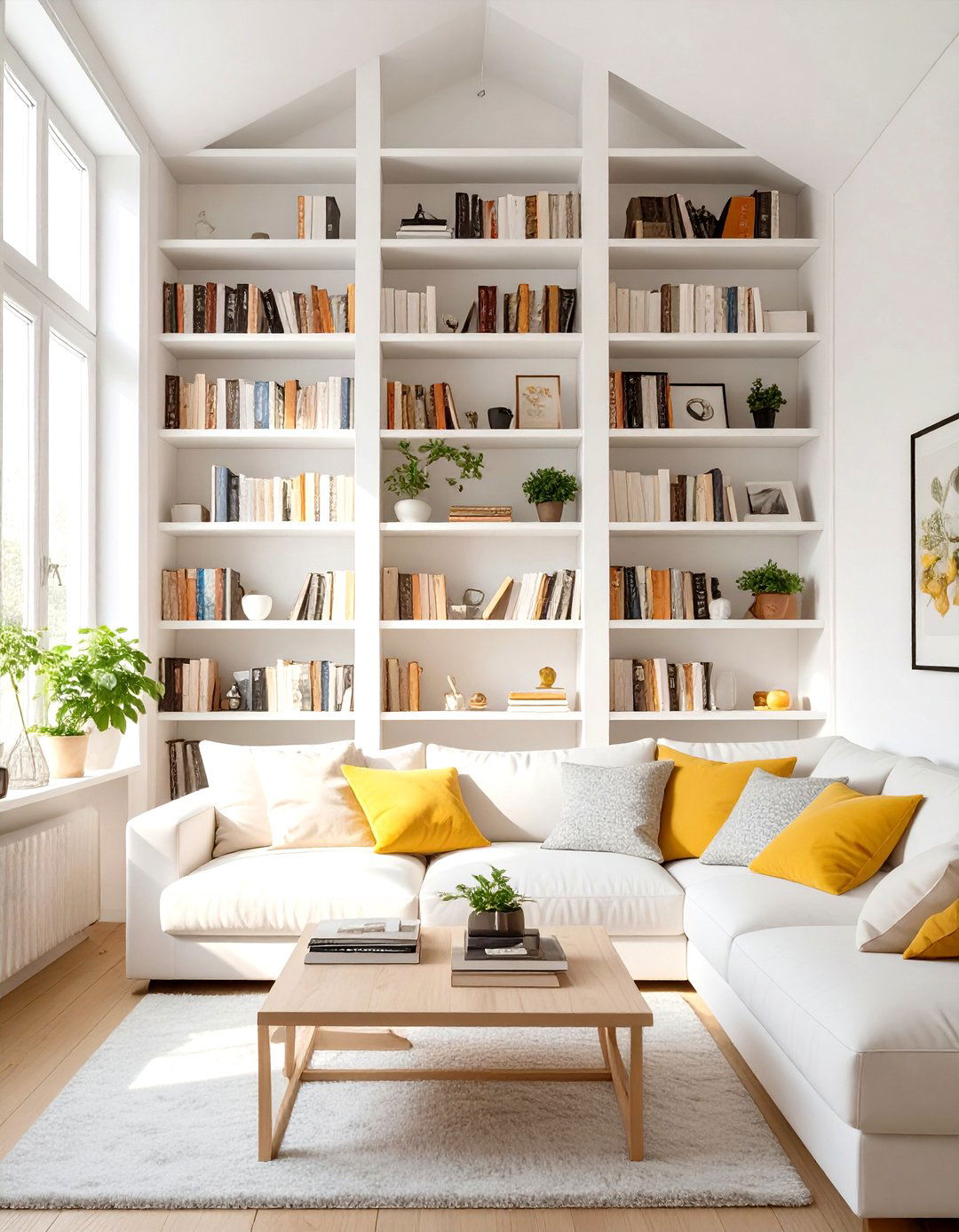
A great way to draw the eye upward and create a sense of height is by incorporating tall, narrow bookshelves. These pieces of furniture make the most of vertical space, providing ample storage for books, decor, and essentials without consuming valuable floor area. Opt for a design that matches your wall color to create a seamless, built-in look that feels less bulky. By organizing items neatly, you can turn your storage into a decorative feature. This approach not only declutters the room but also adds a sophisticated architectural element, making the entire living room feel larger and more organized.
2. Incorporate a Large Area Rug
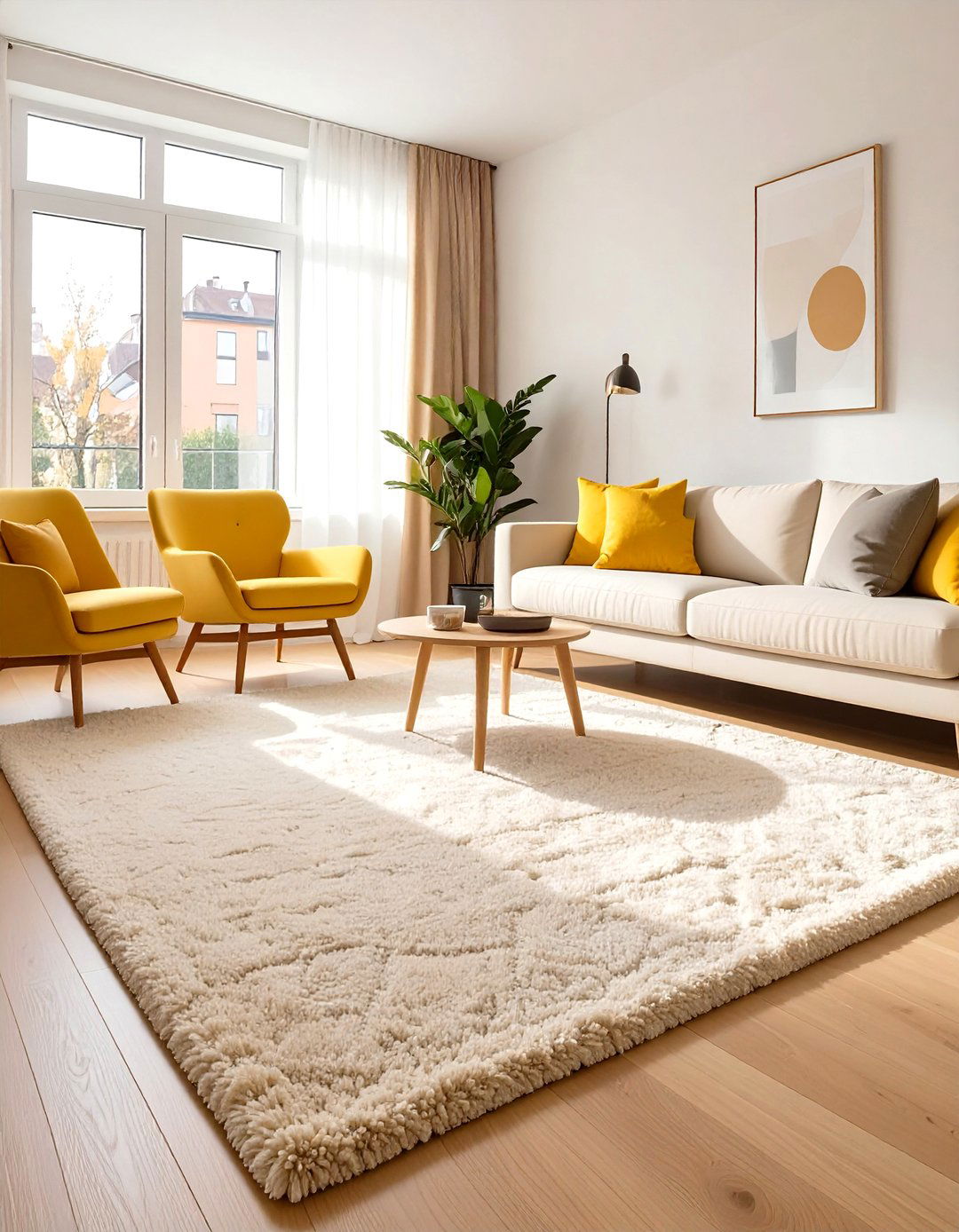
Using a large area rug can surprisingly make a tiny living room feel bigger. While it might seem counterintuitive, a generously sized rug anchors the furniture and defines the living space, creating a more cohesive and unified look. A small rug can visually chop up the floor and make the room appear disjointed and smaller. Choose a light-colored or subtly patterned rug to help reflect light and brighten the room. Extending the rug just under the front legs of your sofa and chairs helps to tie all the elements together, establishing a sense of order and expansiveness within the compact area.
3. Choose a Sofa with Exposed Legs
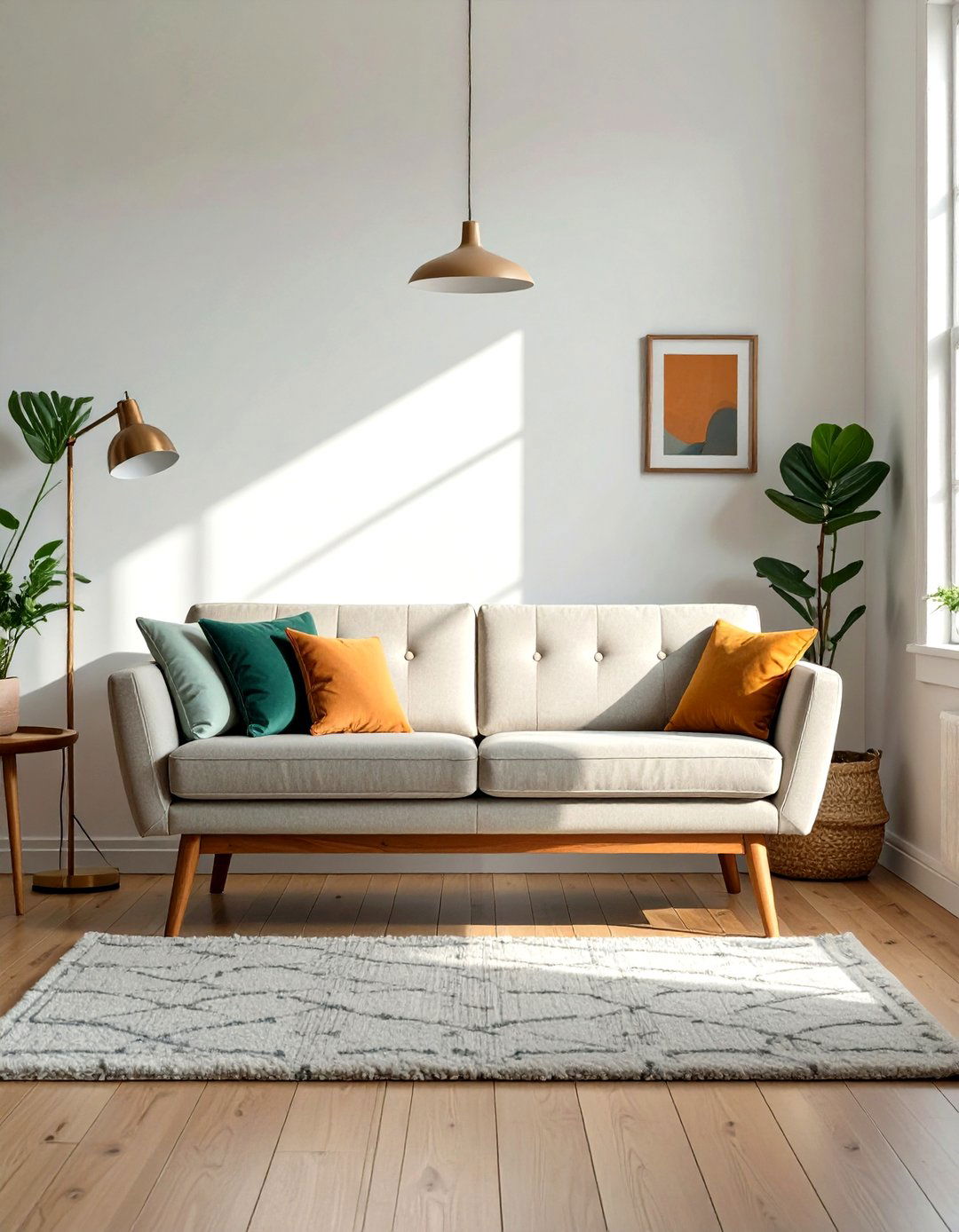
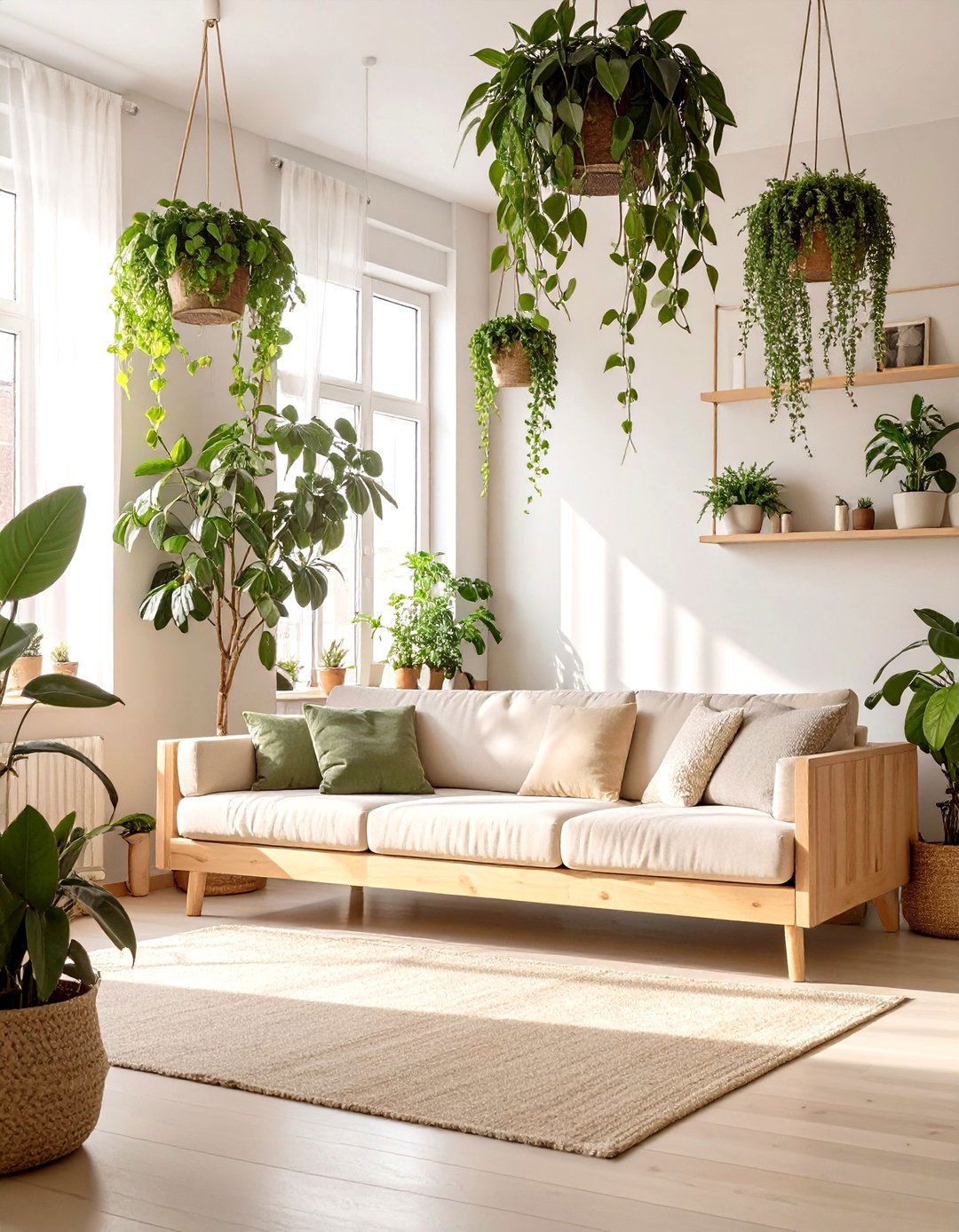
Selecting a sofa with exposed, slender legs is a classic trick for enhancing the feeling of space in a tiny living room. By lifting the largest piece of furniture off the floor, you create visible space underneath, which allows light and air to flow more freely. This simple design choice prevents the sofa from looking like a heavy, solid block that visually weighs down the room. It creates an illusion of a larger floor area, making the entire space feel lighter and more open. This style works well with mid-century modern or minimalist aesthetics, adding a touch of elegance while being incredibly practical.
4. Install Wall-Mounted Floating Shelves
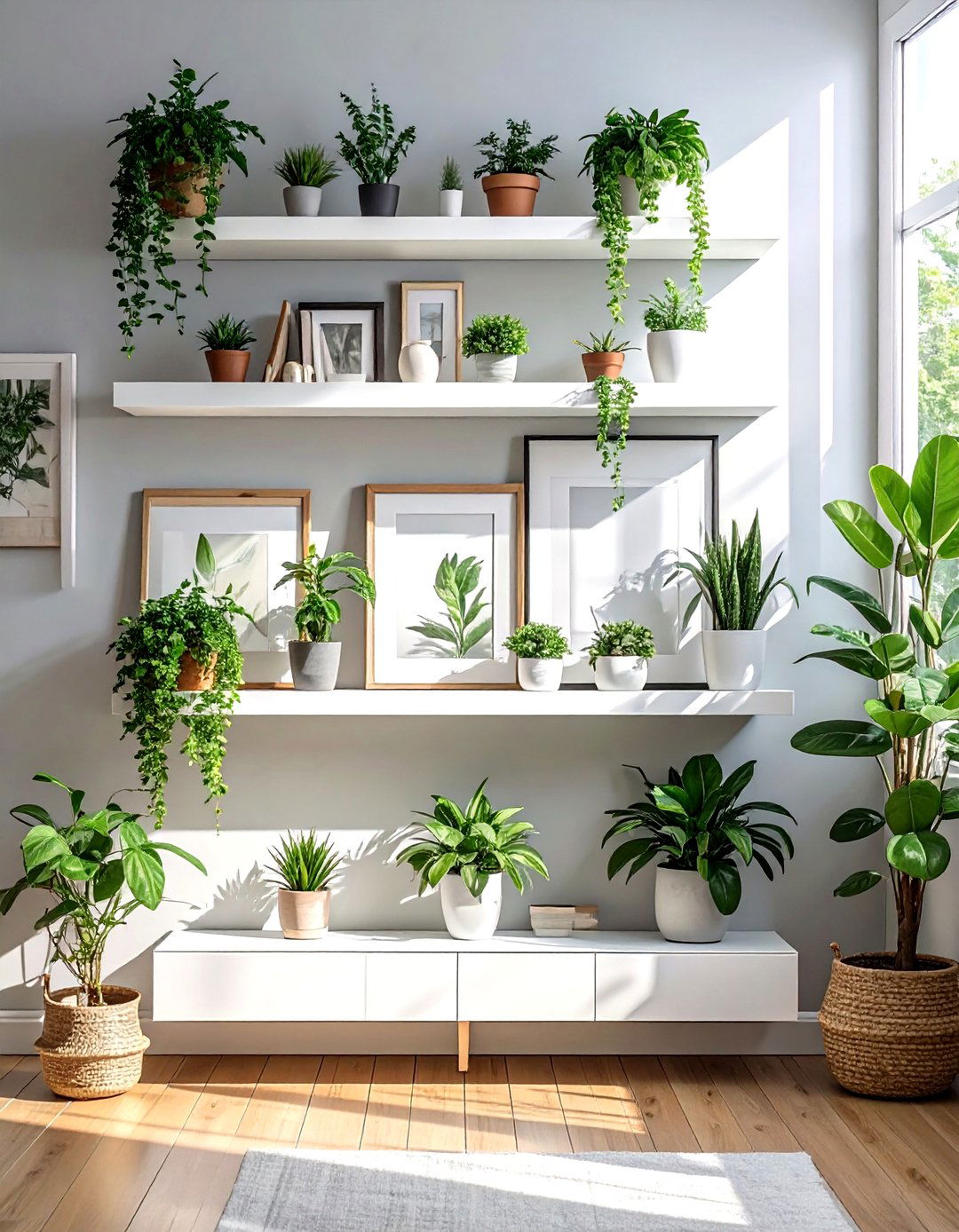
For a clean, minimalist storage solution, install wall-mounted floating shelves. These shelves take up zero floor space and provide a perfect spot for displaying photos, small plants, and cherished decor items. Their streamlined appearance prevents the walls from feeling cluttered while still offering functional surfaces. You can arrange them in various configurations—symmetrically above a television, asymmetrically on a feature wall, or in a corner to maximize utility. Painting them the same color as the wall helps them blend in, creating a subtle yet effective storage system that keeps the room feeling open, airy, and uncluttered.
5. Opt for a Glass or Acrylic Coffee Table
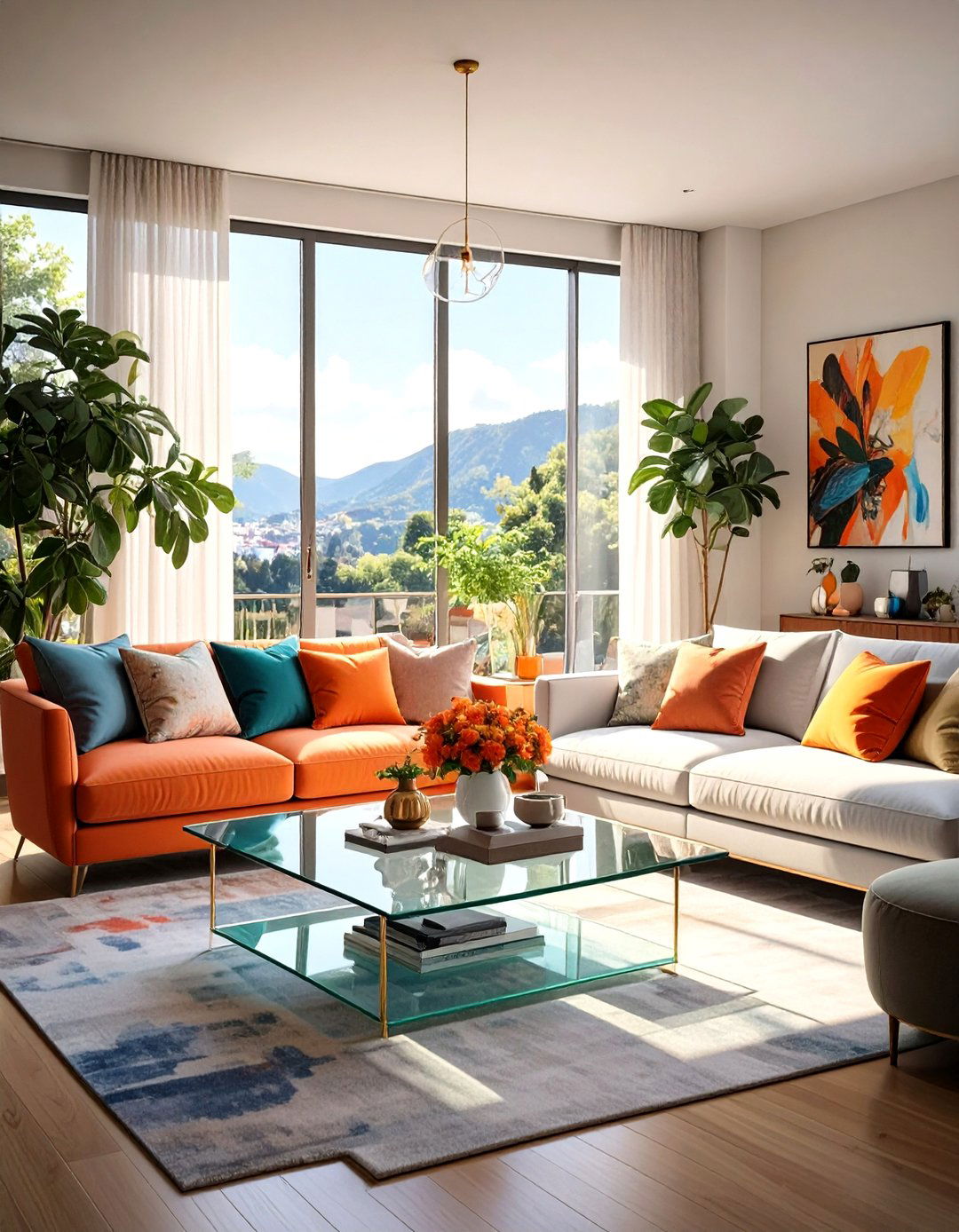
A coffee table made of glass or acrylic is an excellent choice for a tiny living room because it appears to take up almost no visual space. Its transparent surface allows you to see the floor underneath, which creates an uninterrupted sightline and contributes to a sense of openness. This "ghost" furniture provides the functionality of a traditional coffee table for holding drinks, books, or a remote control, but without the visual bulk. This simple swap can instantly make the room feel less crowded and more modern. It’s a chic and practical solution for maintaining a light, airy atmosphere.
6. Use Mirrors to Create Depth

Placing a large mirror on one of the walls is a time-tested strategy for making a tiny living room feel significantly larger. A mirror reflects both natural and artificial light, brightening up the space and making it feel more expansive. When positioned opposite a window, it can double the amount of light and create the illusion of another window. It also adds depth by reflecting the room back on itself, tricking the eye into perceiving a bigger area. You can choose a large, statement mirror as a focal point or arrange a gallery of smaller mirrors for a more artistic effect.
7. Select Multifunctional Furniture Pieces
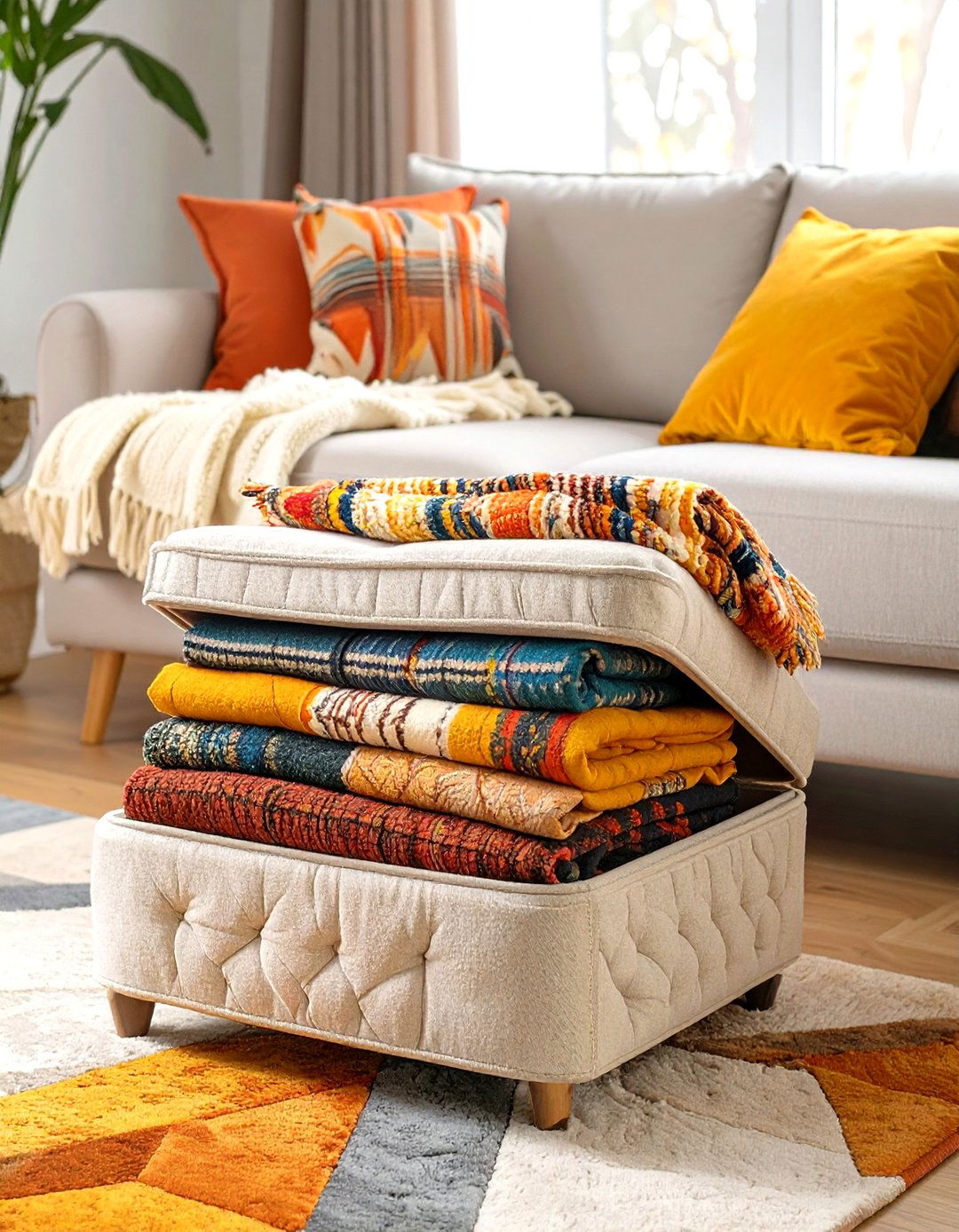
In a tiny living room, every piece of furniture should work hard. Opt for multifunctional items that serve more than one purpose to save space and reduce clutter. Consider an ottoman that opens up to provide hidden storage for blankets or magazines and can also serve as a coffee table with the addition of a tray. A convertible sofa that folds out into a bed is perfect for accommodating overnight guests without needing a separate guest room. Nesting side tables are another great option, as they can be tucked away when not in use or pulled out when you need extra surface area.
8. Hang Curtains High and Wide
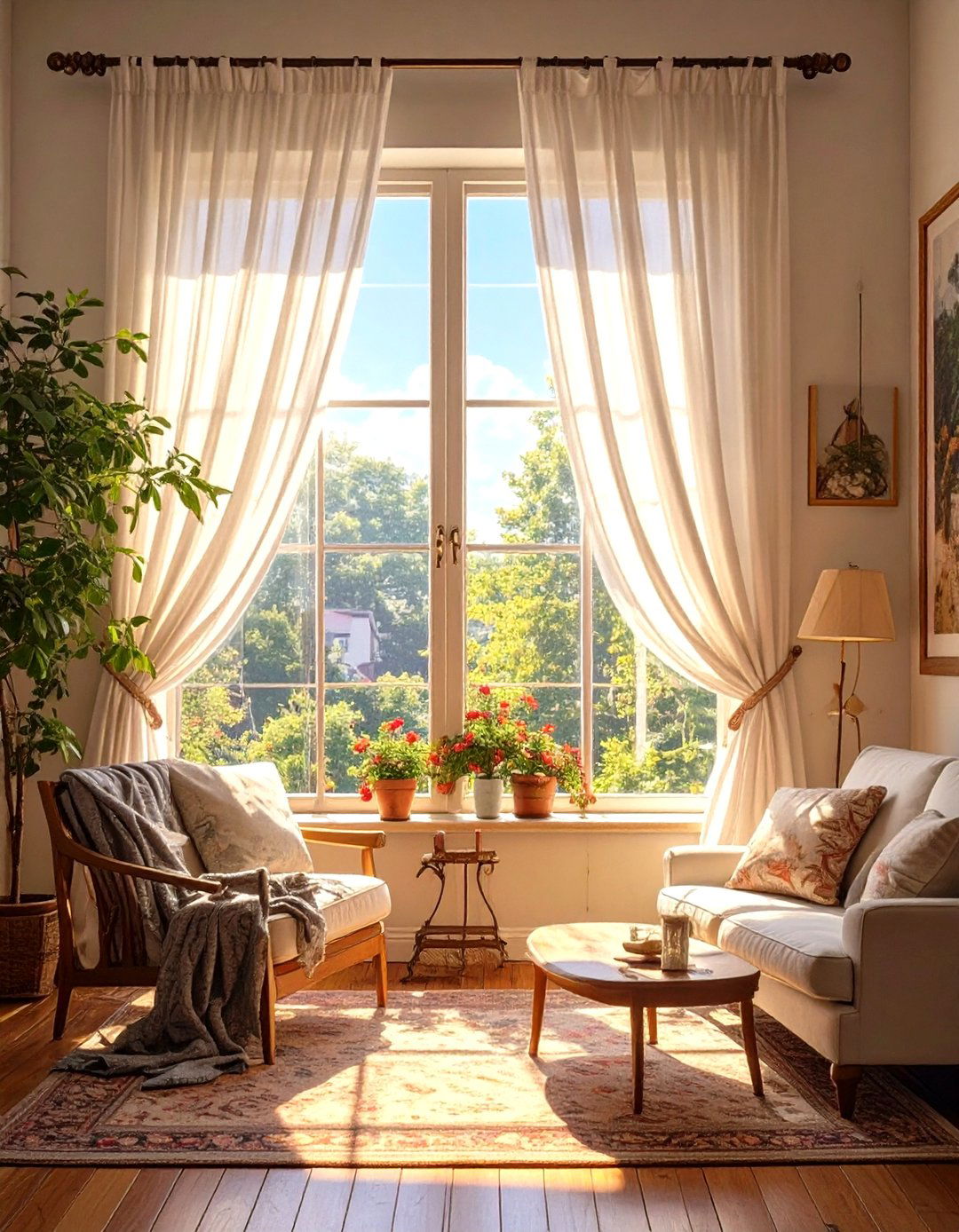
A clever way to create the illusion of height and width is by hanging your curtains higher and wider than the actual window frame. Mount the curtain rod several inches above the top of the window and extend it several inches beyond the sides. This technique tricks the eye into thinking the window is much larger than it is, which in turn makes the entire wall feel taller and the room more spacious. Choose lightweight, light-colored curtain fabrics to allow maximum natural light to filter through, further enhancing the bright and airy feel of your tiny living room.
9. Implement a Light and Neutral Color Palette
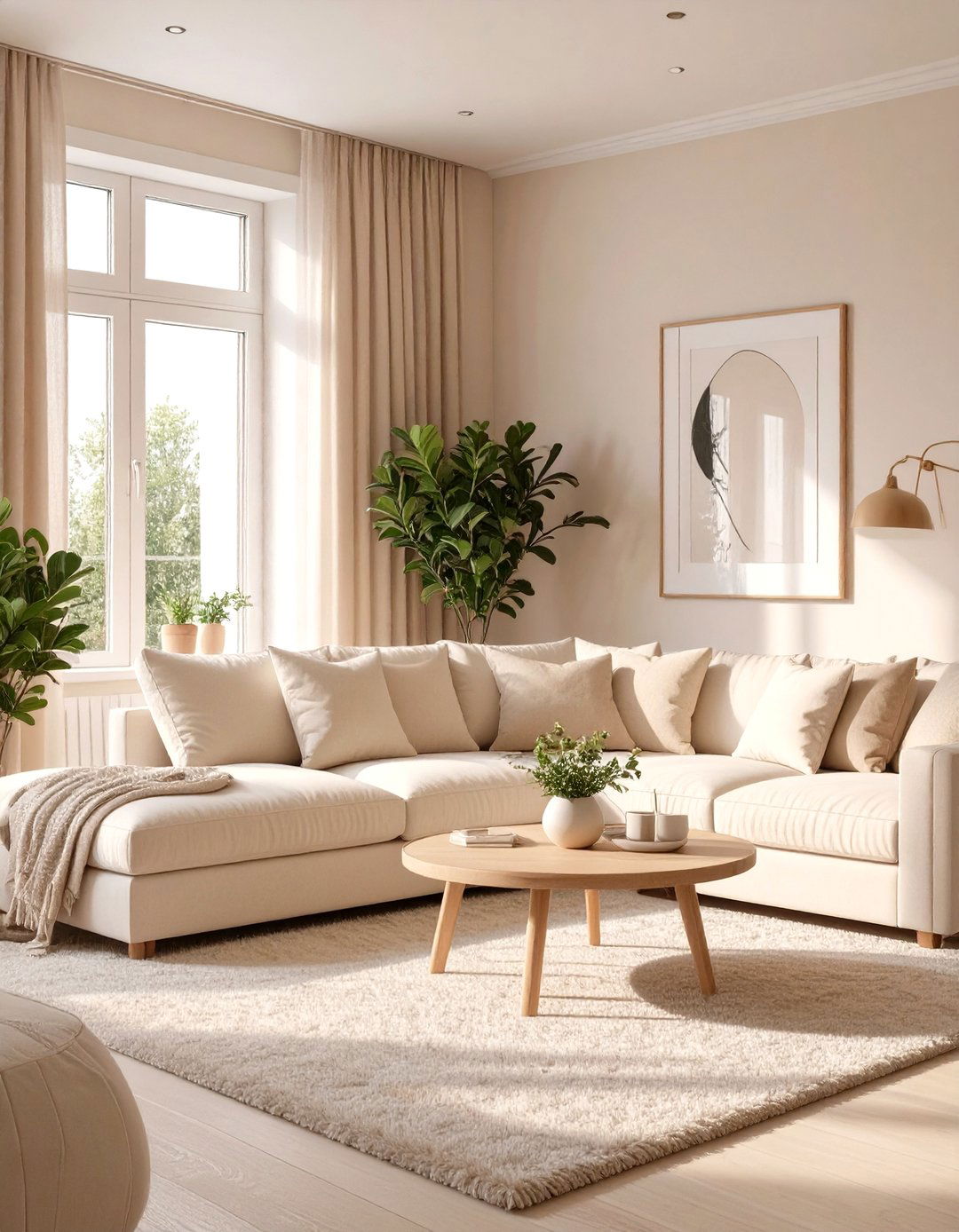
A light and neutral color palette is a powerful tool for making a tiny living room feel open and serene. Shades of white, cream, beige, and soft gray reflect light, creating a bright and airy atmosphere that counteracts the confined feeling of a small space. Painting the walls, ceiling, and even the trim in similar light hues helps to blur the boundaries of the room, making it appear larger. You can add pops of color through accessories like pillows, throws, and artwork to bring in personality without overwhelming the space. This cohesive color scheme creates a calm and inviting backdrop.
10. Choose Small-Scale Furniture
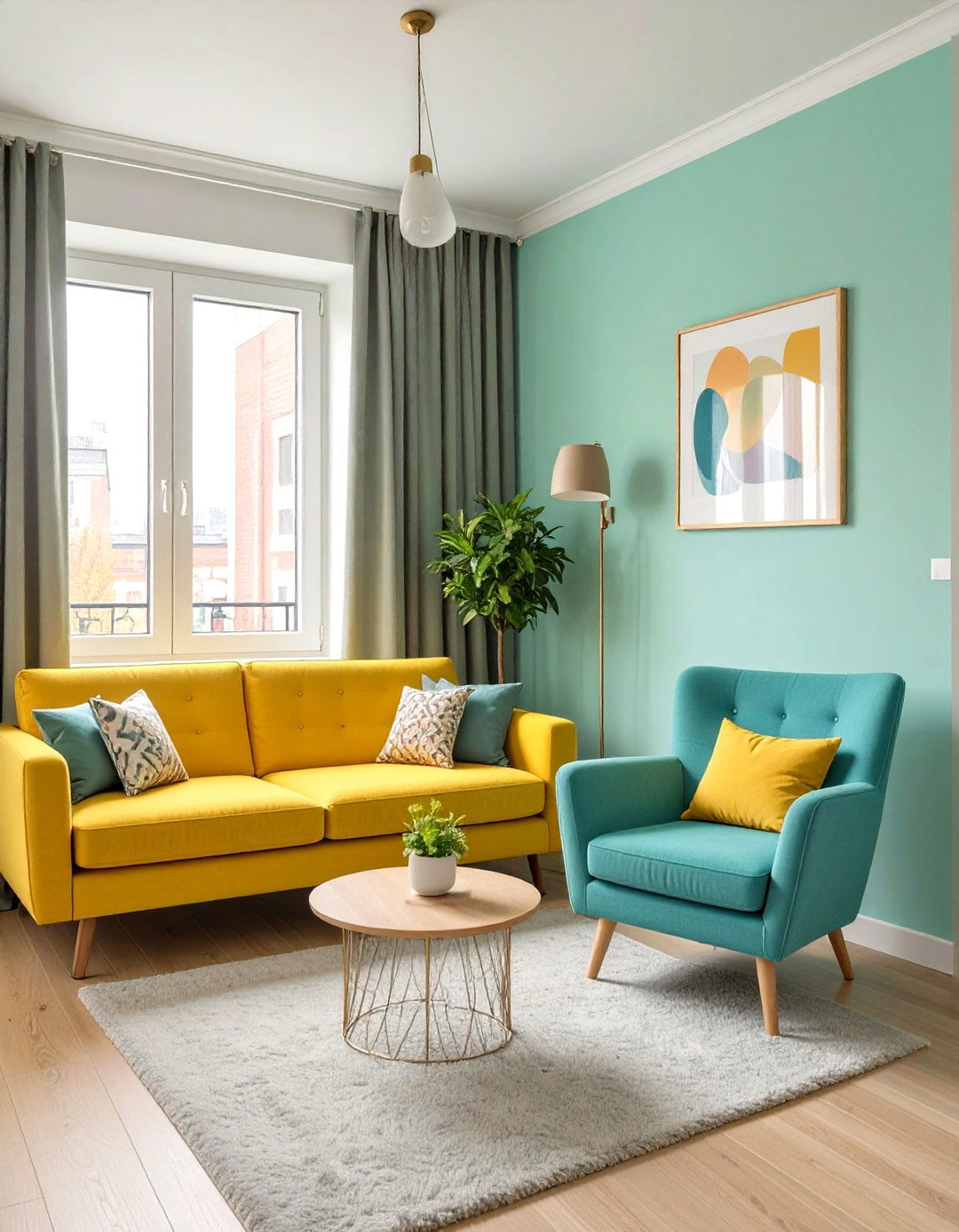
When furnishing a tiny living room, it's essential to select furniture that is proportionate to the size of the space. Oversized, bulky pieces can quickly overwhelm a small room, making it feel cramped and difficult to navigate. Look for apartment-sized sofas, loveseats, and chairs with slim profiles and clean lines. A smaller-scale coffee table and slender side tables will also fit better without sacrificing functionality. By choosing appropriately sized furniture, you ensure there is enough room to move around comfortably while maintaining a balanced and harmonious layout that feels just right for the space.
11. Create a Clear Walkway
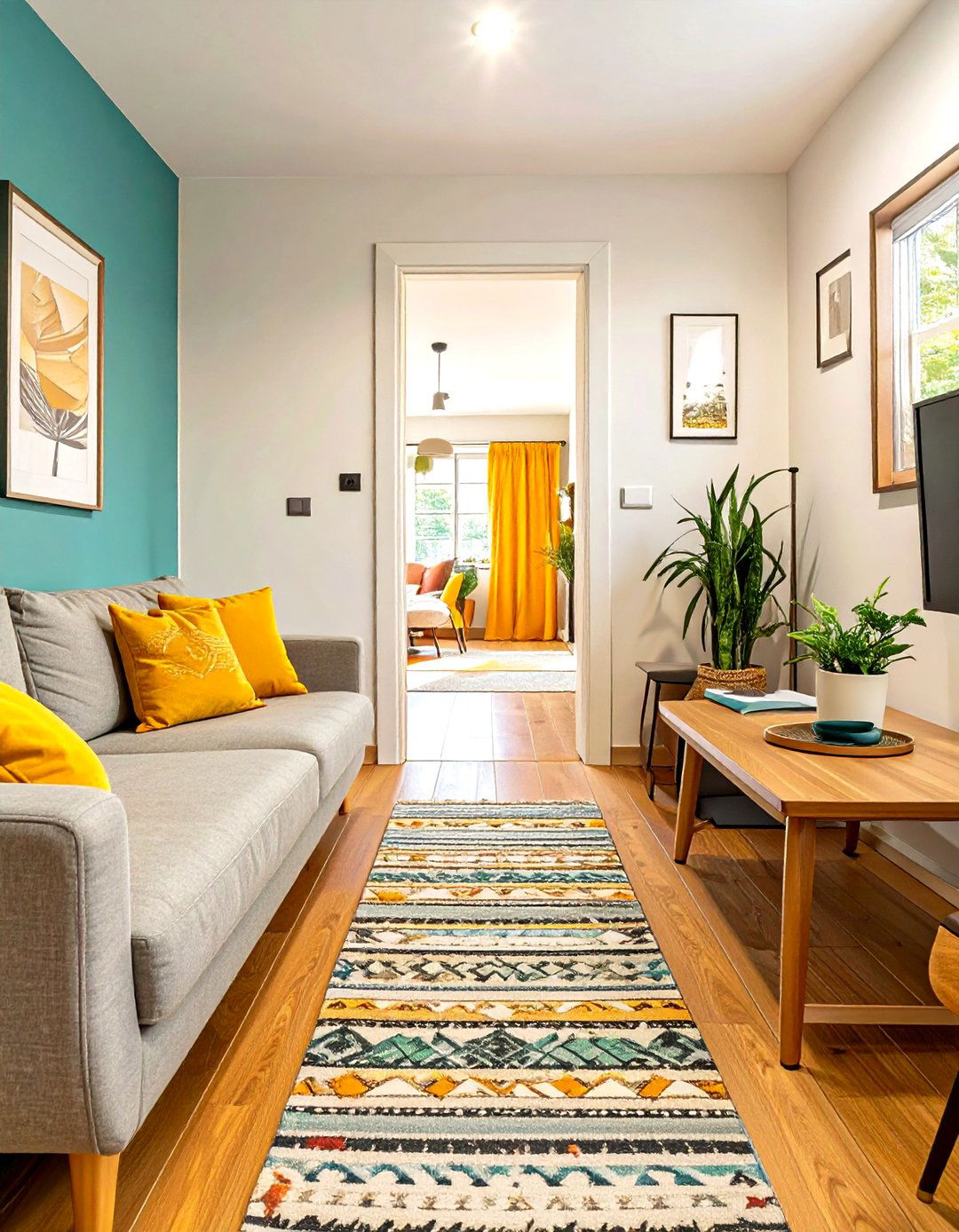
Maintaining a clear and unobstructed walkway is crucial for the functionality and feel of a tiny living room. A well-defined path allows for easy movement and prevents the space from feeling cluttered and chaotic. Arrange your furniture to create a natural flow from the entrance to the main seating area and any other key points in the room. Avoid placing furniture in a way that blocks doorways or creates awkward obstacles. This simple layout consideration not only makes the room more practical for daily use but also enhances the overall sense of order and spaciousness, making it a more pleasant place to be.
12. Use Wall Sconces for Lighting
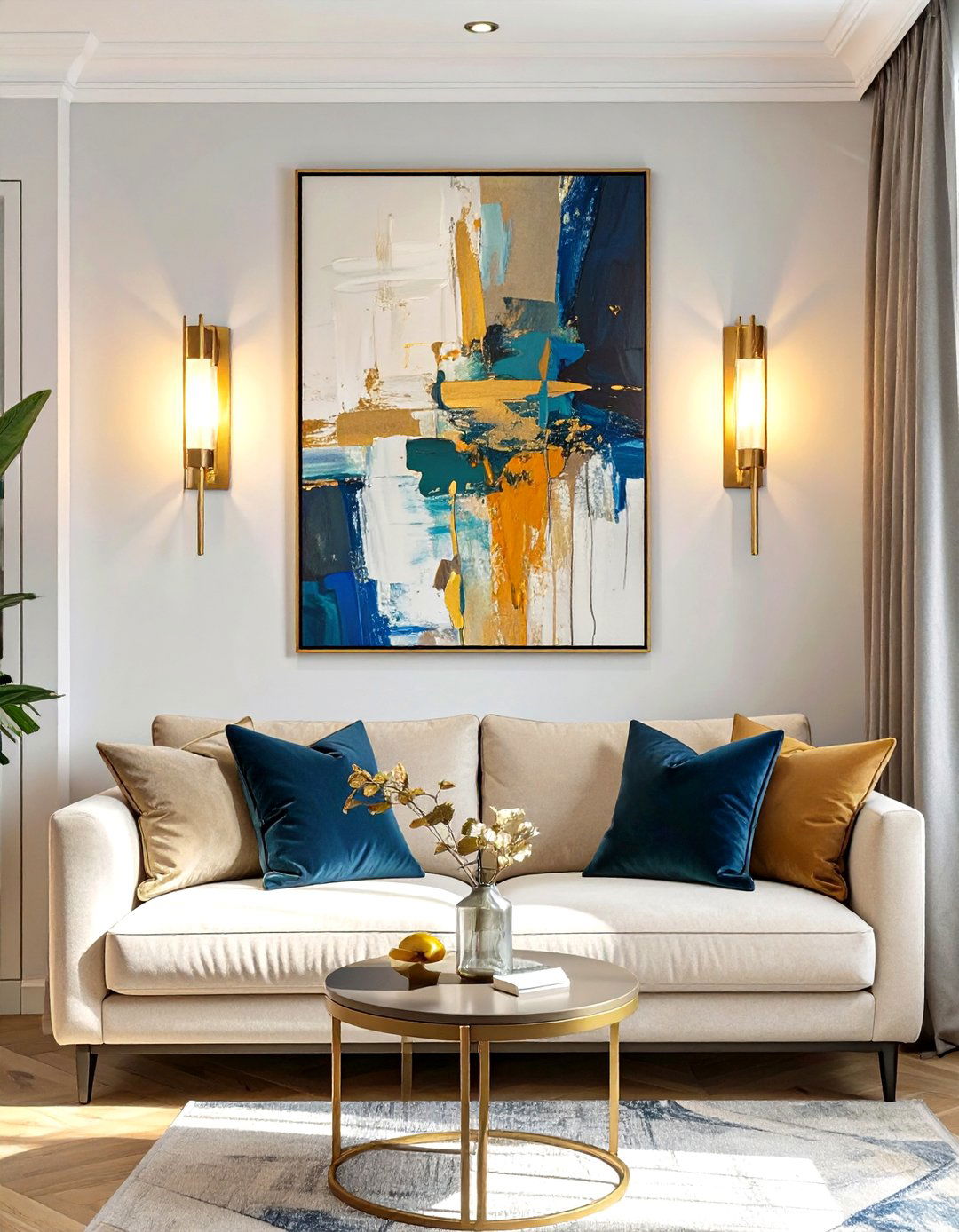
Free up valuable floor and table space by using wall sconces for ambient and task lighting. Instead of bulky floor lamps or table lamps that occupy precious surfaces, sconces are mounted directly on the walls, providing illumination without adding to the clutter. They can flank a sofa, be placed above a piece of art, or illuminate a reading nook, adding a layer of sophisticated lighting that enhances the room's atmosphere. Choose designs that complement your decor, whether modern, industrial, or traditional. This approach helps to keep surfaces clear and contributes to a more streamlined and spacious feel.
13. Incorporate Round Shapes
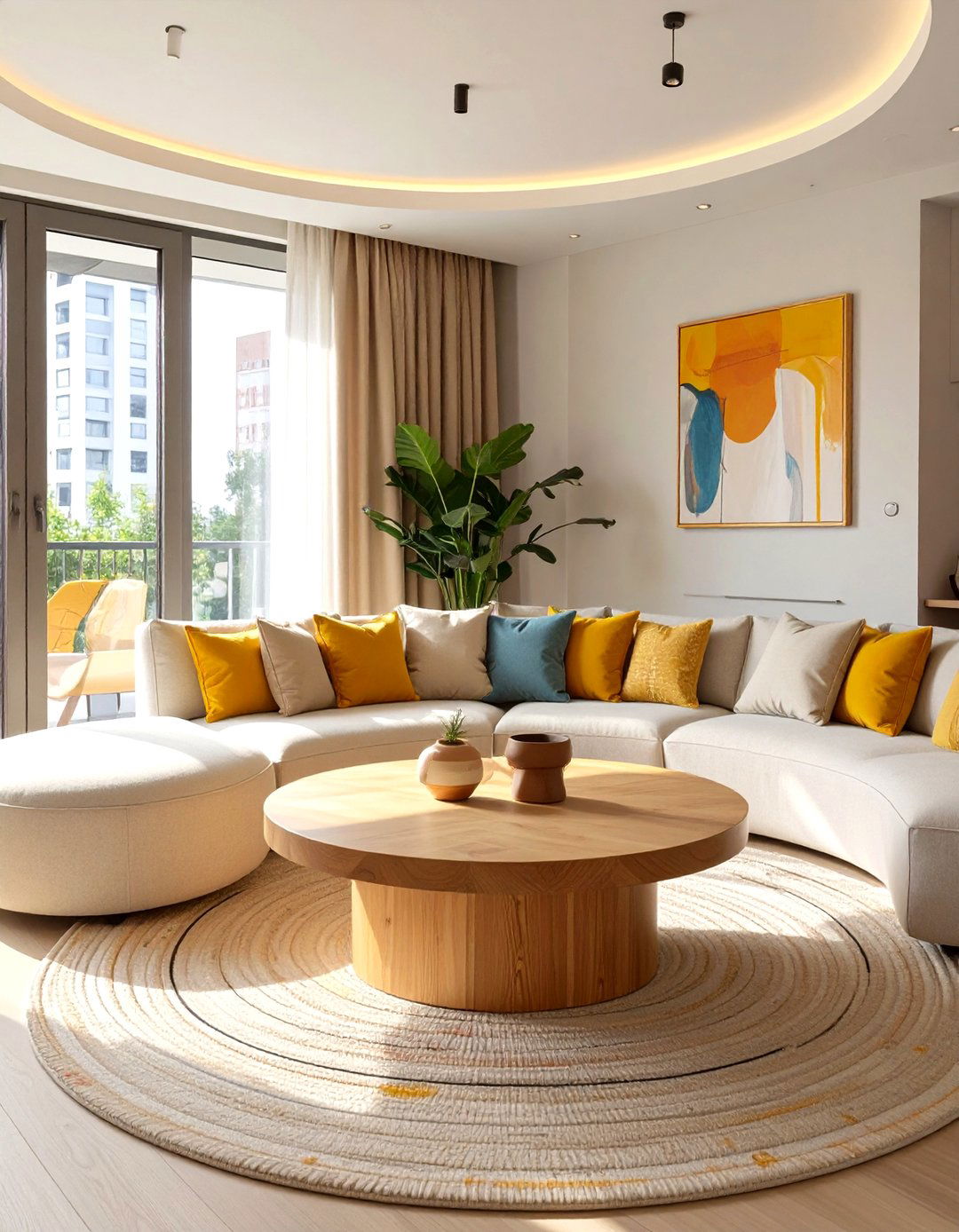
Introducing round shapes into a tiny living room can help soften the hard angles of the space and improve flow. A round coffee table or side table has no sharp corners, making it easier to navigate around and reducing the risk of bumps in a tight area. The curved lines create a sense of movement and can make the layout feel less rigid and more organic. A round dining table tucked into a corner can also be more space-efficient than a square one. These gentle curves break up the boxiness of a small room, adding visual interest and contributing to a more welcoming and comfortable environment.
14. Add Plants for a Touch of Nature
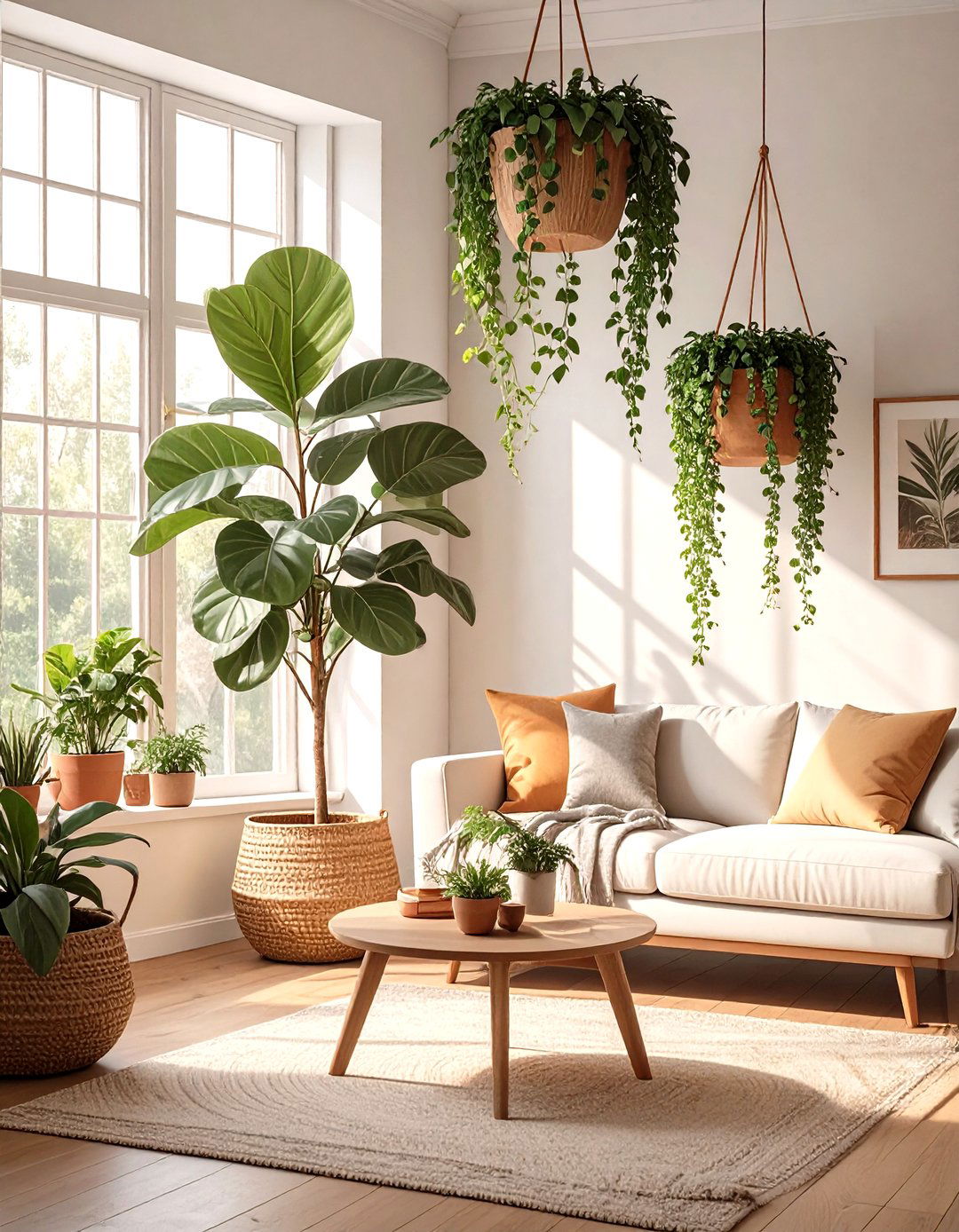
Bringing plants into a tiny living room is an easy way to add life, color, and a sense of freshness. Greenery can make a space feel more vibrant and connected to the outdoors. Opt for tall, slender plants like a snake plant or a fiddle leaf fig to draw the eye upward, or use hanging planters to add dimension without taking up floor space. Small potted plants can be placed on shelves or window sills to introduce a touch of nature. Plants not only enhance the aesthetic but also improve air quality, contributing to a healthier and more pleasant living environment.
15. Keep Decorations to a Minimum
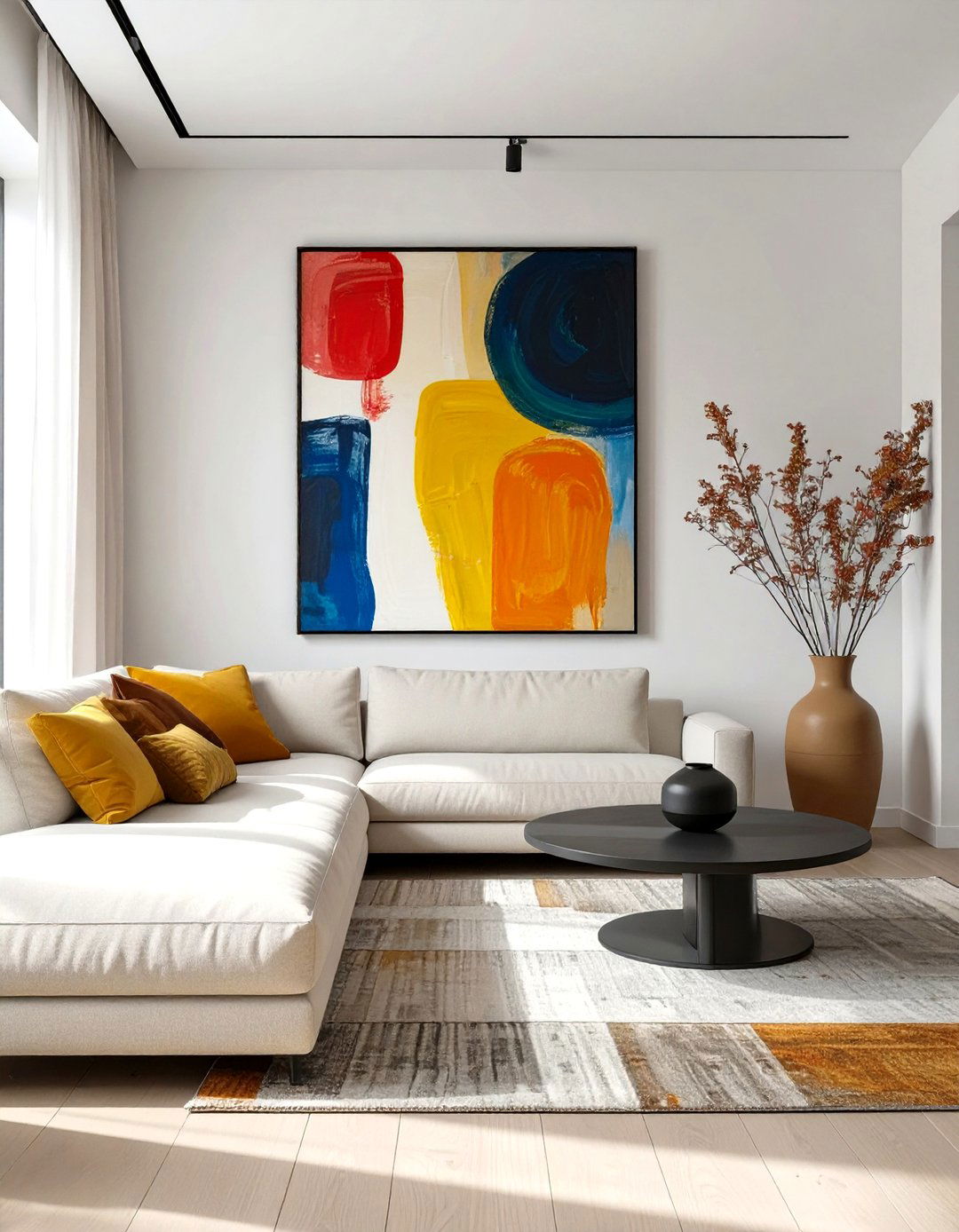
In a tiny living room, less is often more. A minimalist approach to decorating can prevent the space from feeling cluttered and overwhelming. Instead of filling every surface with trinkets, be selective and choose a few meaningful pieces that you truly love. A single large piece of art can make a bigger impact than a gallery wall of smaller frames. Keep surfaces like coffee tables and shelves relatively clear to maintain a sense of order. By curating your decor, you allow each item to stand out and create a serene, uncluttered environment that feels calm and spacious.
16. Use a Daybed as a Sofa
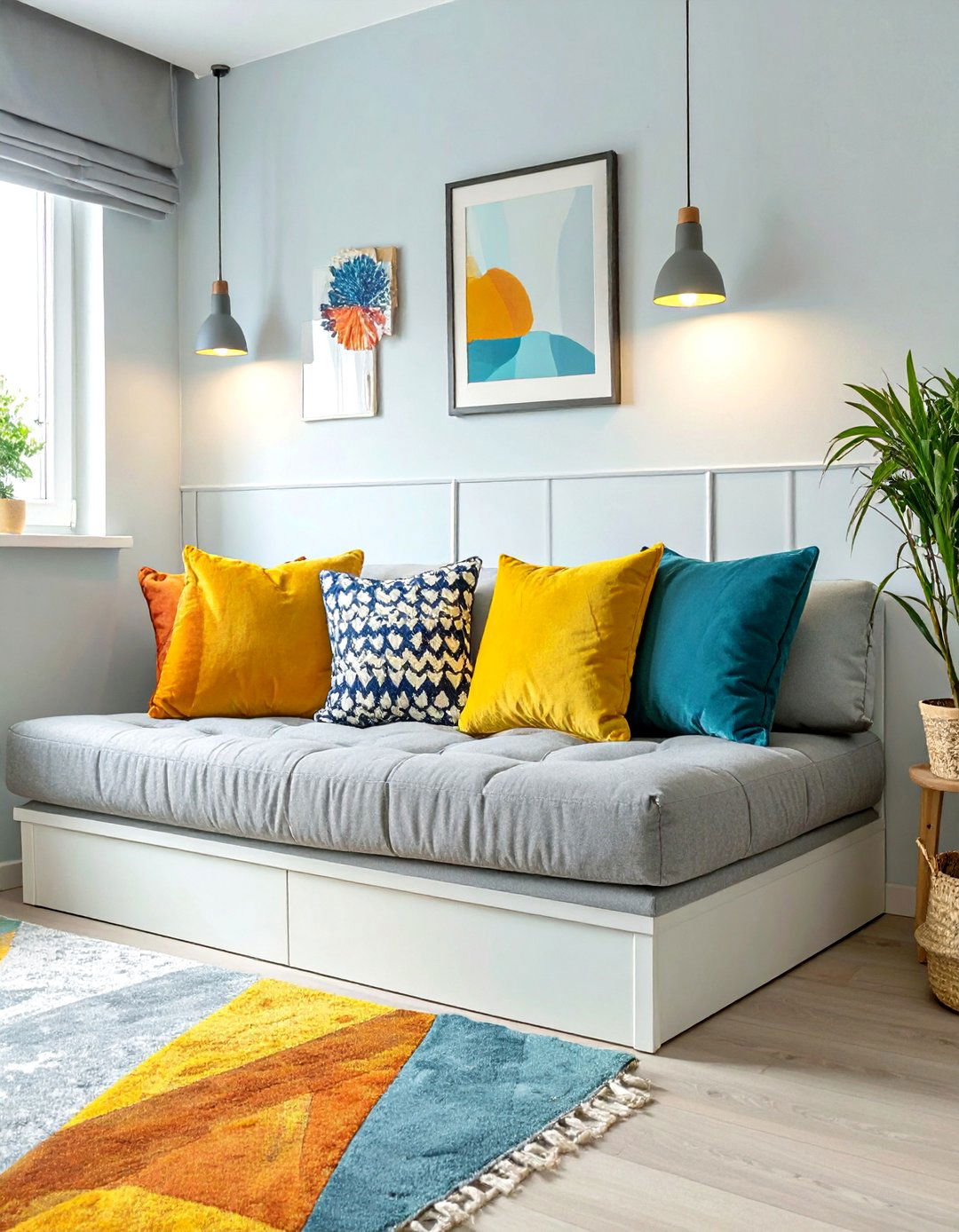
A daybed is a wonderfully versatile piece for a tiny living room, functioning as a stylish sofa during the day and a comfortable bed for guests at night. Its streamlined, backless design often takes up less visual and physical space than a traditional sofa. You can pile it with decorative cushions and pillows to create a cozy seating area that doesn't feel overly bulky. This dual-purpose furniture is perfect for studio apartments or any home where you need to maximize functionality without sacrificing style. It’s an elegant solution that offers flexibility and comfort in a compact form.
17. Paint the Ceiling a Lighter Color
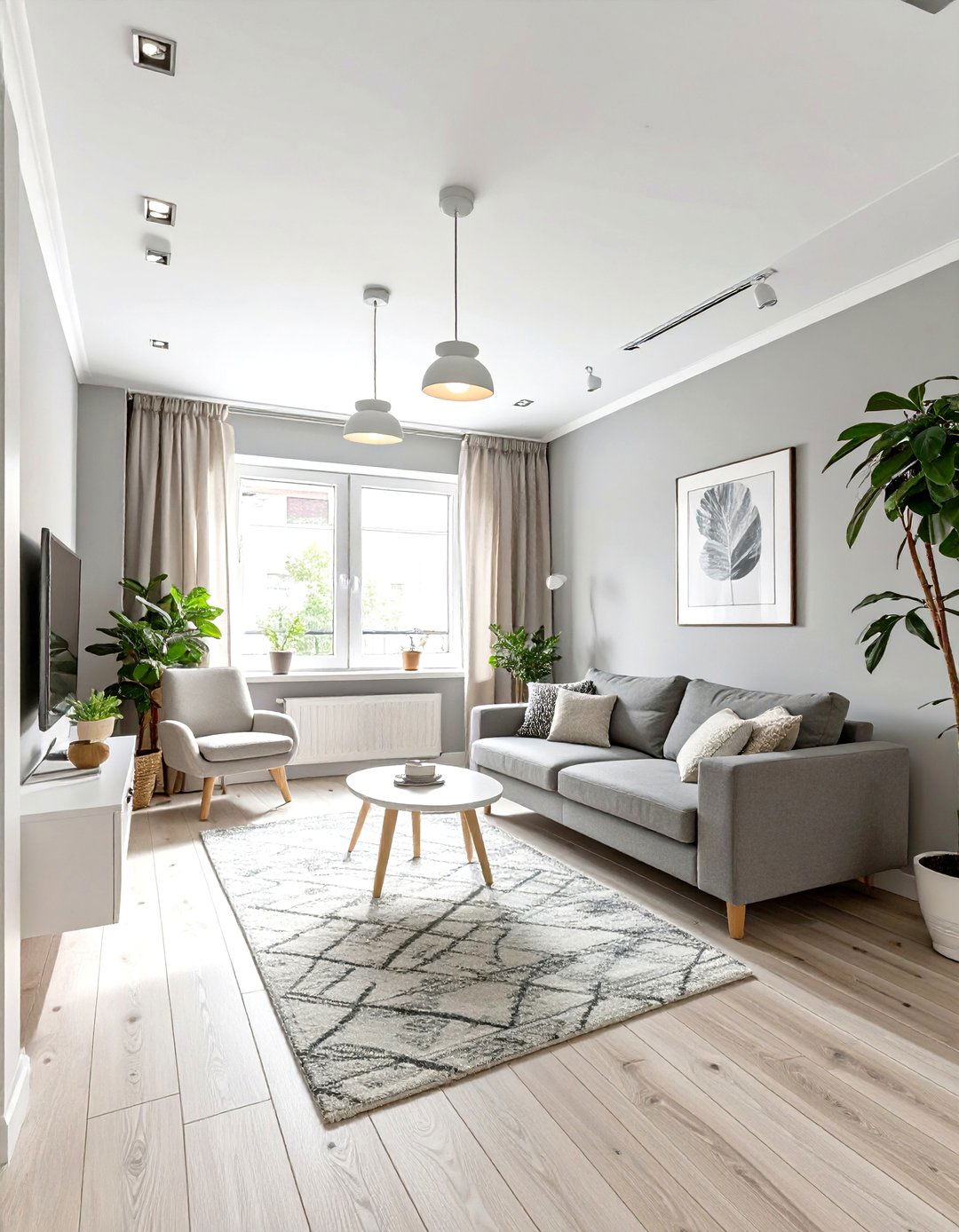
Painting the ceiling a color that is a shade or two lighter than the walls can create an illusion of greater height. This subtle difference draws the eye upward and makes the ceiling feel like it's receding, which in turn makes the entire room feel taller and more open. A crisp white is a classic choice that works with any wall color to maximize the feeling of airiness. This simple painting trick is highly effective in counteracting the closed-in feeling that can sometimes accompany low ceilings in a small space, contributing to a brighter and more expansive atmosphere.
18. Choose Furniture with Hidden Storage
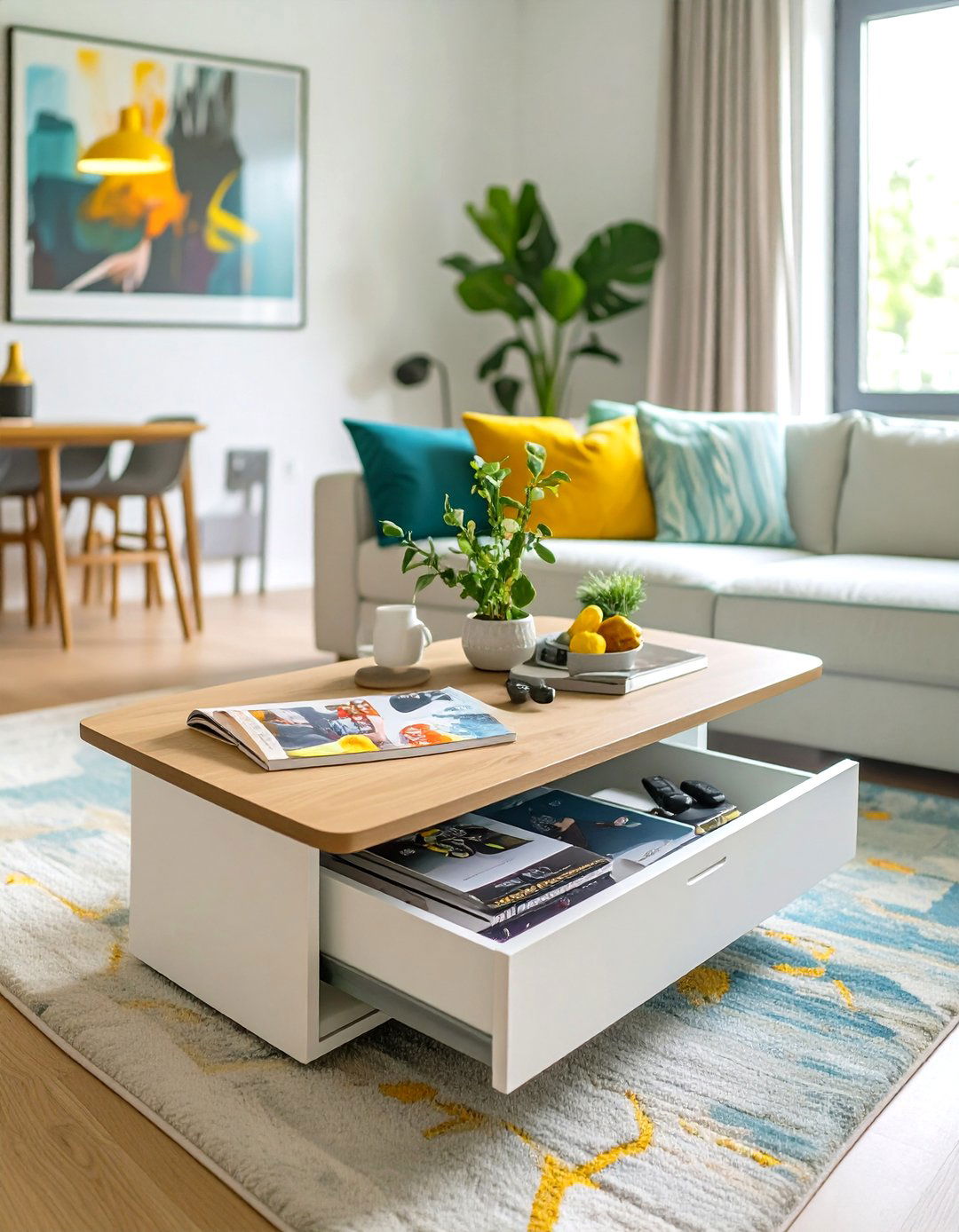
To combat clutter in a tiny living room, choose furniture that offers hidden storage. A coffee table with drawers or a lift-top mechanism can conceal remotes, coasters, and magazines. A storage ottoman is perfect for stashing away blankets, pillows, or board games. Some modern sofas even come with built-in storage compartments under the seats. By tucking away everyday items out of sight, you can maintain a clean and organized appearance. This strategy is essential for keeping the limited surface areas clear, which helps the room feel more spacious and less chaotic, making it a more relaxing place to be.
19. Utilize Corner Shelving
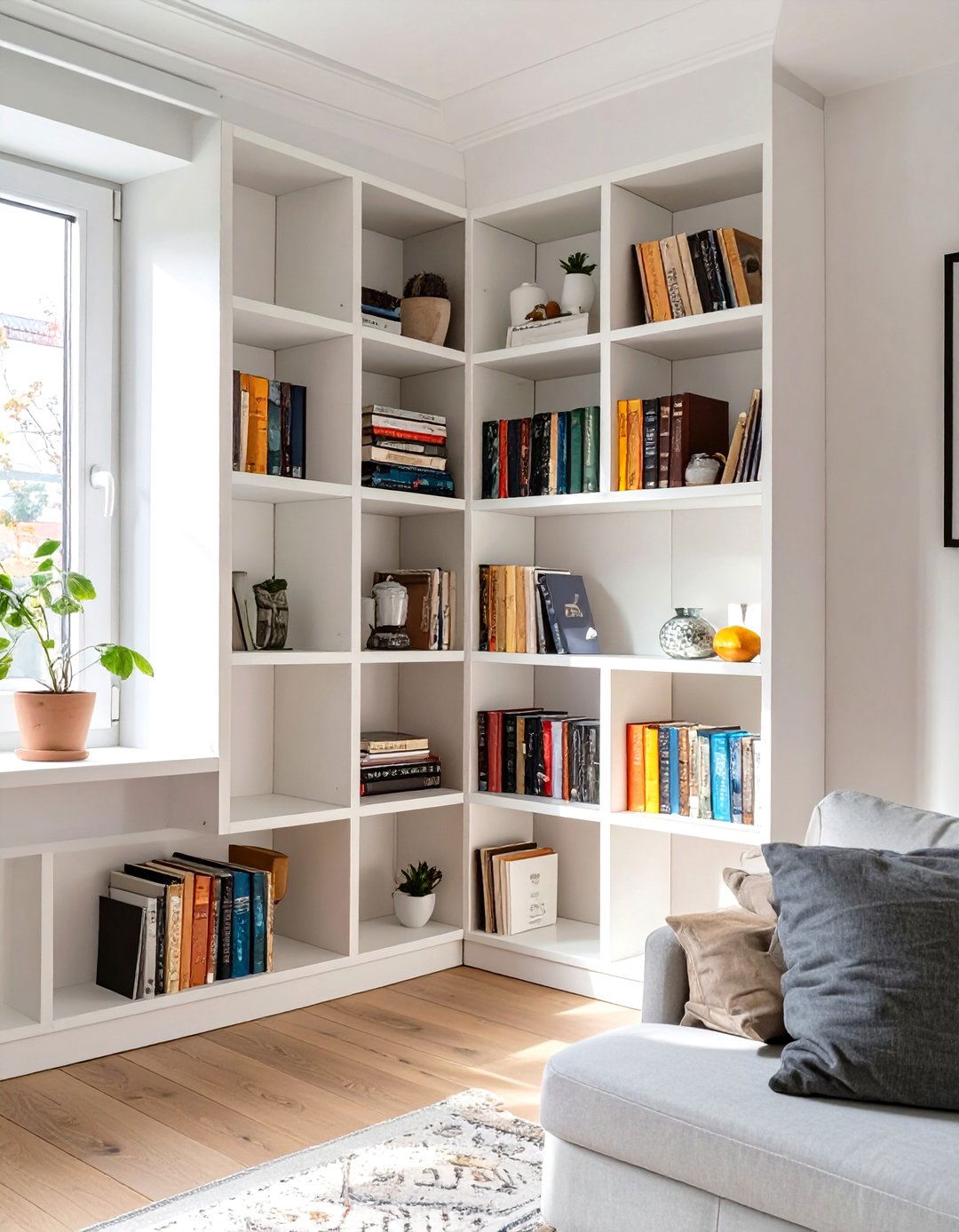
Don't let valuable corner space go to waste. Installing corner shelving is a brilliant way to add storage and display space in a tiny living room without intruding on the main living area. Floating corner shelves or a tall, narrow corner bookcase can hold books, plants, or decorative objects, turning an often-overlooked area into a functional and stylish feature. This approach draws attention to the full dimensions of the room and helps to distribute visual interest evenly. It's a smart, space-saving solution that maximizes every square inch, helping you keep your living room organized and uncluttered.
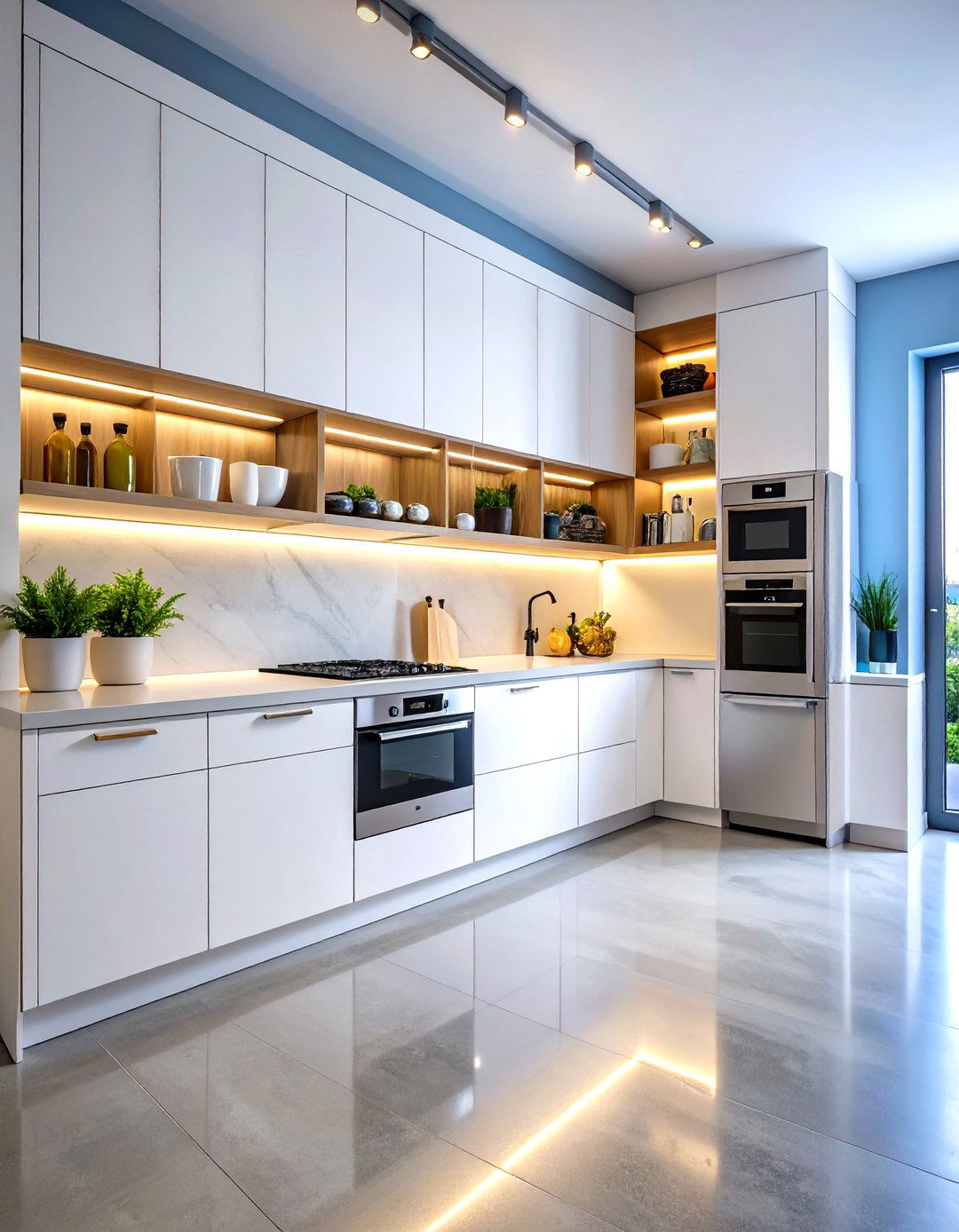


20. Arrange Furniture Away from Walls
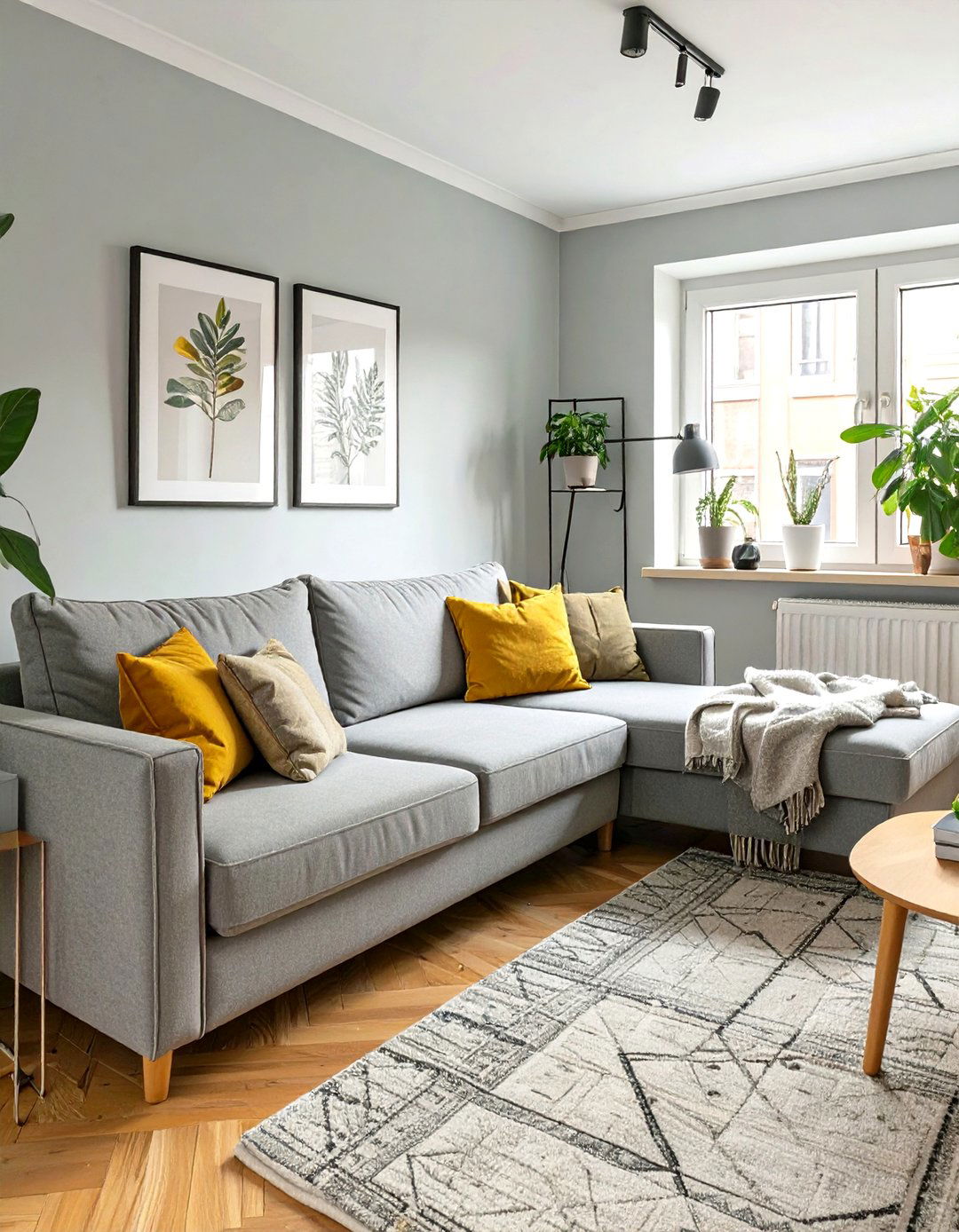
While it may seem logical to push all furniture against the walls in a small room, pulling it away slightly can actually create an illusion of more space. Leaving even just a few inches of breathing room between your sofa and the wall can prevent the layout from feeling cramped and static. This technique creates shadows and depth, making the room feel larger than it is. It also allows for better air circulation and makes the arrangement feel more intentional and designer-led. This simple adjustment can transform the entire dynamic of the room, making it feel more open and thoughtfully composed.
21. Install a Wall-Mounted TV
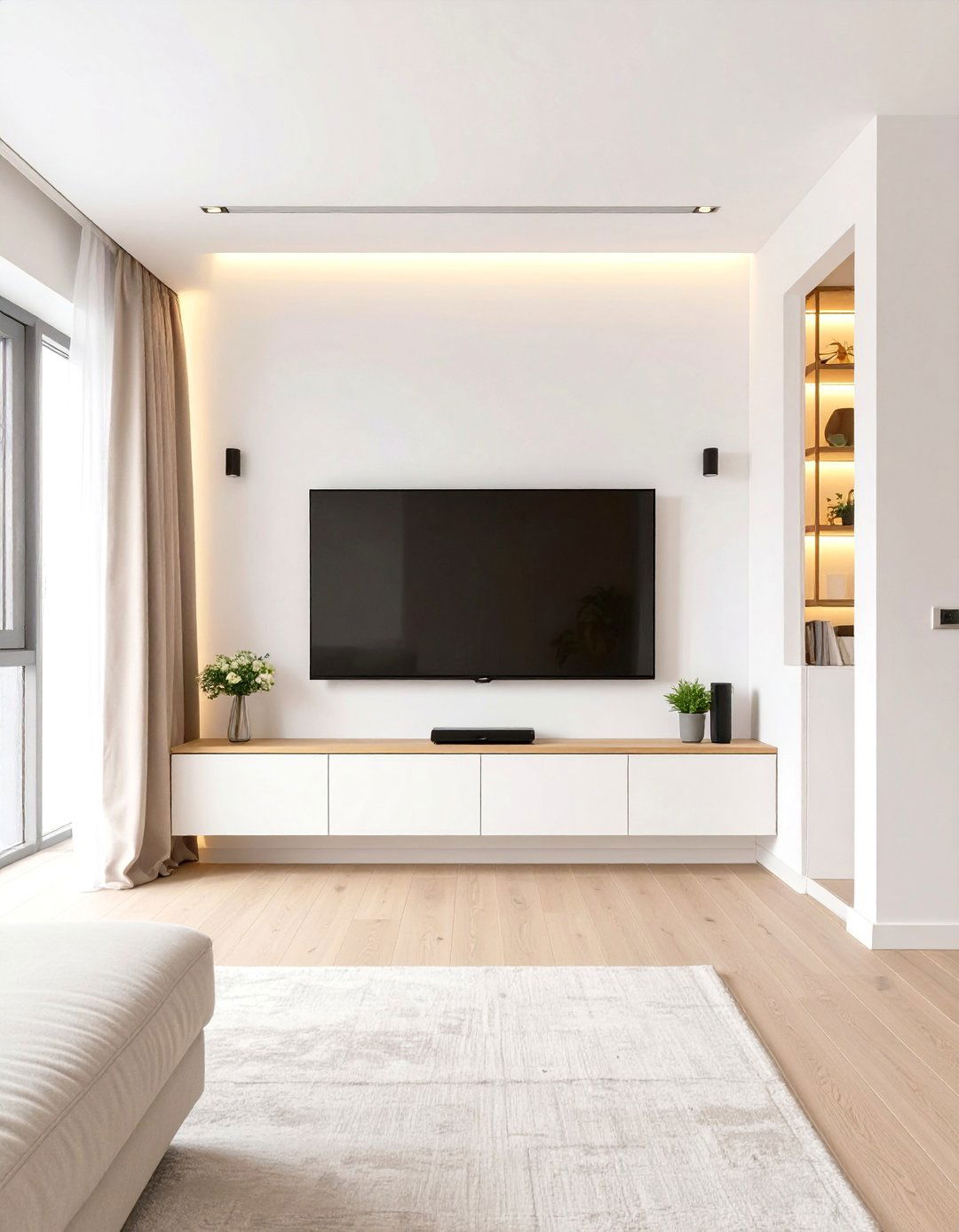
Mounting your television on the wall is a fantastic way to save space in a tiny living room. It eliminates the need for a bulky media console or TV stand, which frees up valuable floor space that can be used for other purposes or left open to create a more spacious feel. A wall-mounted TV creates a sleek, modern look and keeps the focus on the screen without adding visual clutter. You can run the cables through the wall for an even cleaner installation. This simple change can make a significant difference in how open and organized your living room appears.
22. Use a Loveseat Instead of a Full Sofa
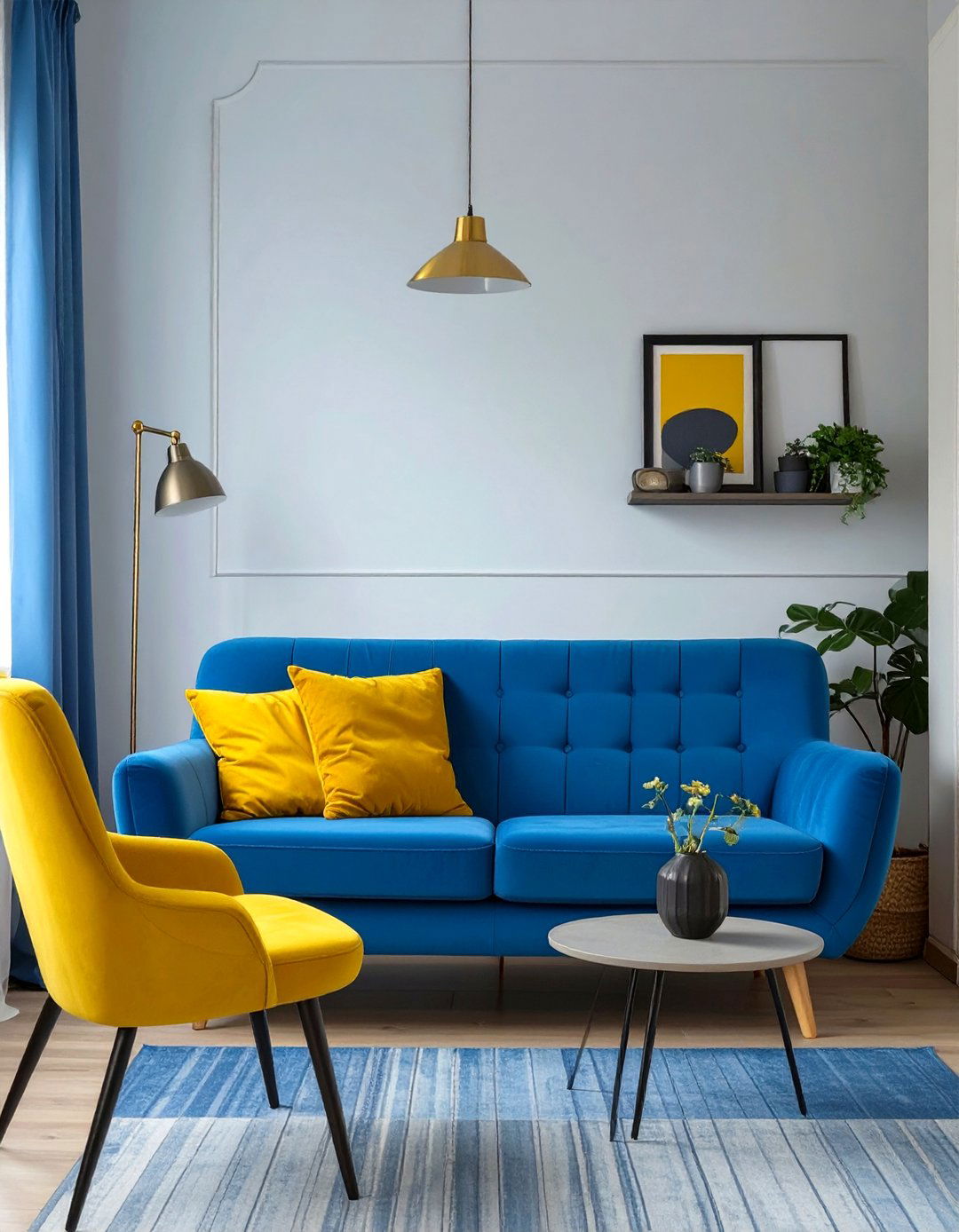
In a particularly small living room, a full-sized sofa can be overpowering. Opting for a stylish loveseat instead provides comfortable seating for two without dominating the space. Loveseats come in a wide variety of designs, from classic to contemporary, so you don't have to sacrifice style for size. Pairing a loveseat with a single accent chair can create a cozy and balanced conversation area that fits perfectly within a compact footprint. This choice ensures you have adequate seating while leaving enough room for other essential furniture pieces and maintaining a comfortable flow.
23. Let in Maximum Natural Light
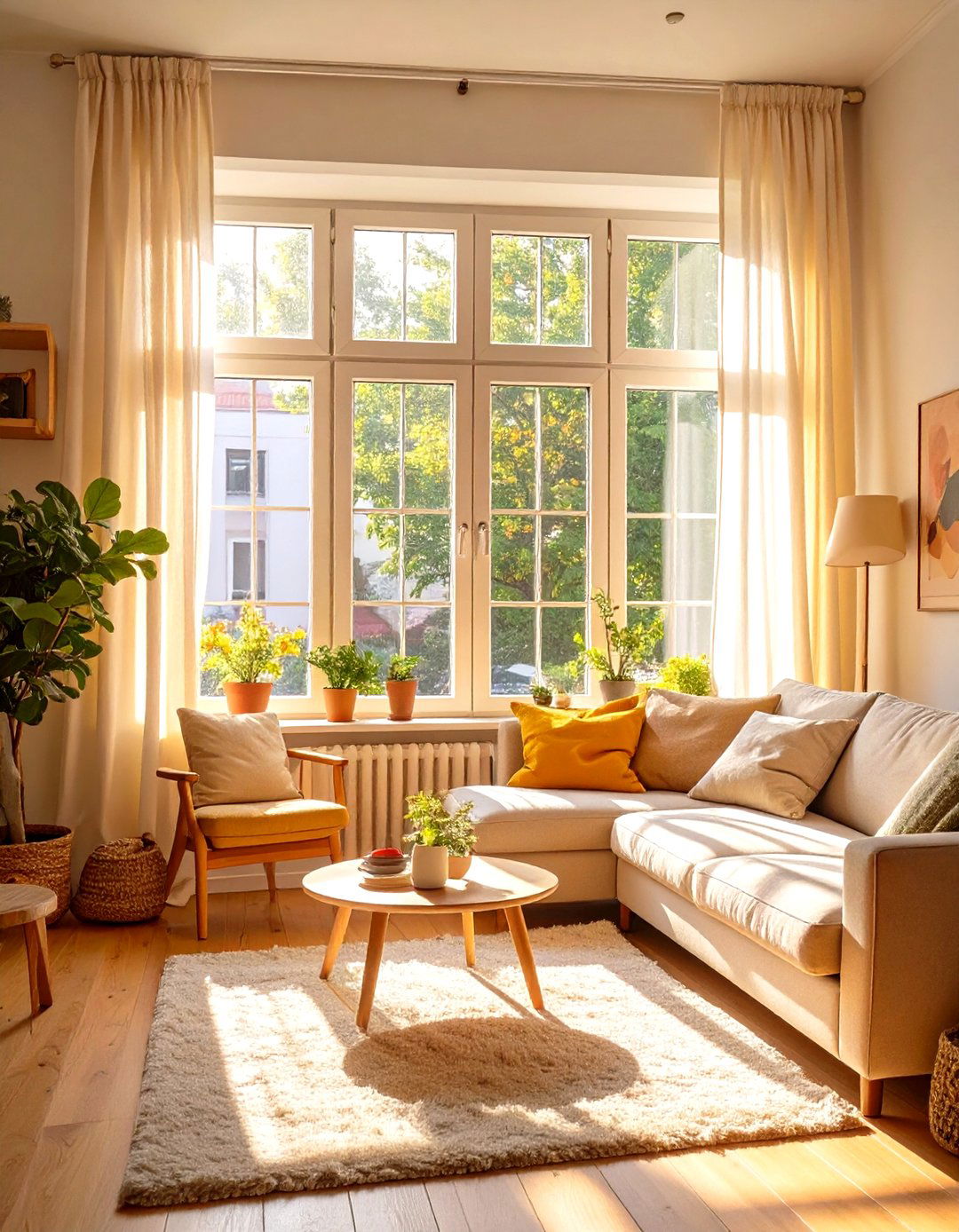
Maximizing the amount of natural light that enters your tiny living room is one of the most effective ways to make it feel larger and more inviting. Avoid heavy, dark curtains that block sunlight. Instead, opt for sheer, lightweight window treatments that provide privacy while still allowing light to filter through. If privacy isn't a major concern, you can even leave the windows bare. Keeping window sills clear of clutter also helps to ensure an unobstructed flow of light. A bright, sun-filled room naturally feels more open, airy, and cheerful, instantly enhancing its overall appeal.
24. Create a Focal Point
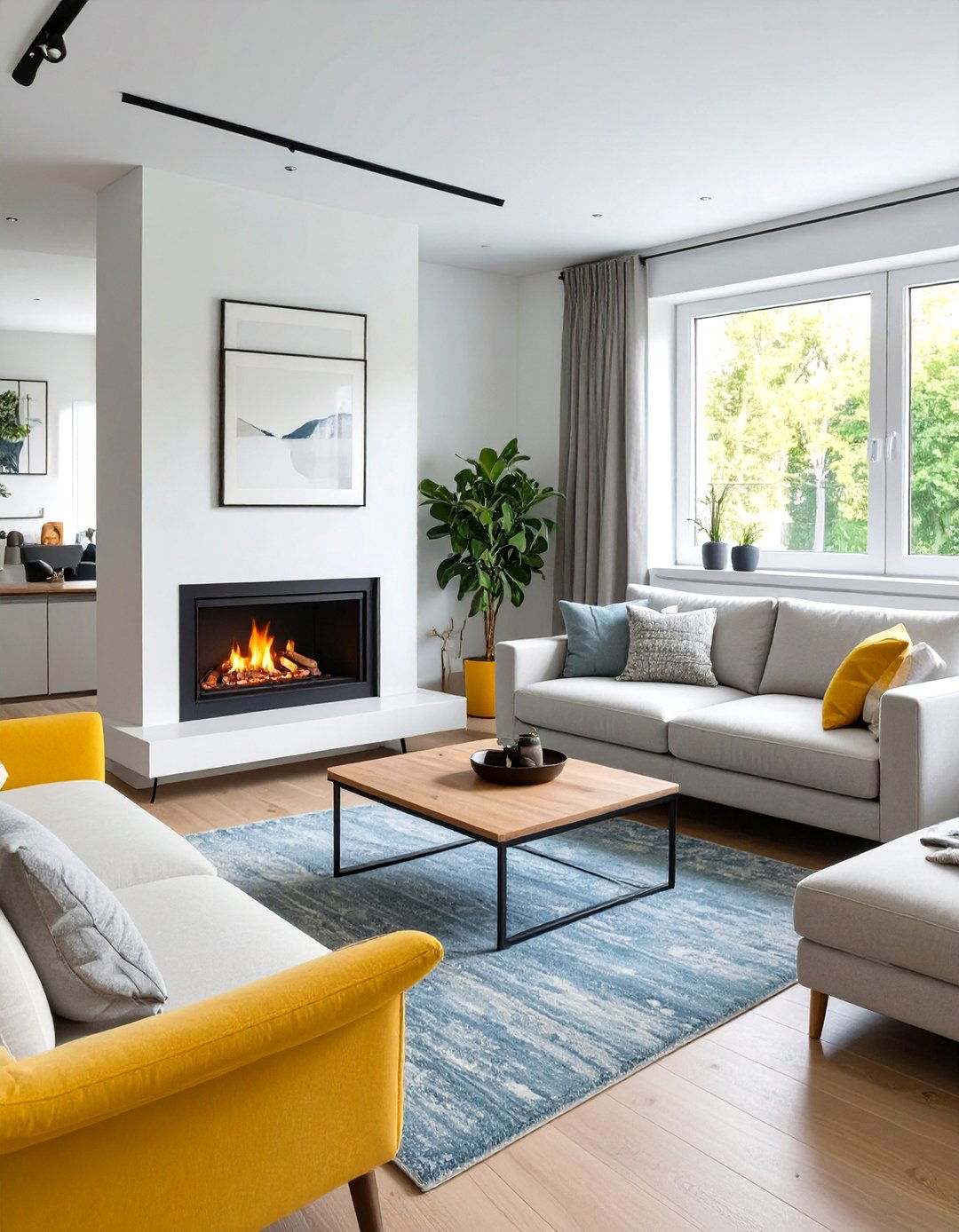
Establishing a clear focal point in a tiny living room can give the space a sense of purpose and draw attention away from its small dimensions. This could be a striking piece of artwork, a beautifully styled fireplace, a statement accent chair, or a window with a great view. Arrange your furniture around this focal point to create a cohesive and intentional design. By giving the eye something interesting to land on, you create a visual anchor that makes the rest of the room feel more organized and less haphazard. This strategy helps to define the space and adds a layer of sophistication.
25. Use a Monochromatic Color Scheme
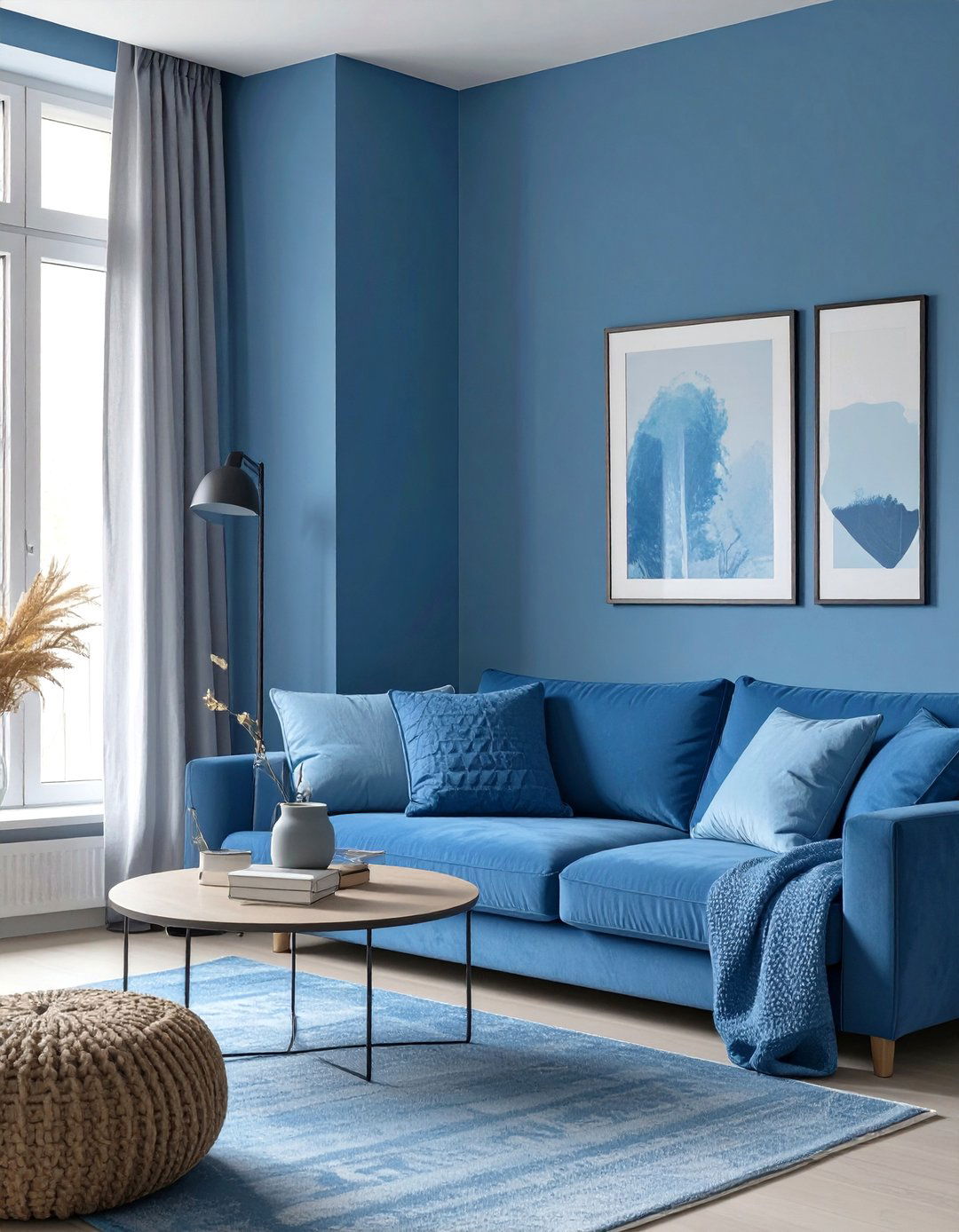
A monochromatic color scheme, using various shades and tints of a single color, can make a tiny living room feel more spacious and serene. This approach creates a seamless, cohesive look that minimizes visual breaks and makes the room appear larger. For example, you could use different tones of gray, blue, or beige for the walls, furniture, and textiles. To keep it from feeling flat, introduce a variety of textures through fabrics like velvet, linen, and chunky knits. This sophisticated and calming design strategy creates an elegant and unified space where boundaries seem to disappear.
26. Incorporate Nesting Tables
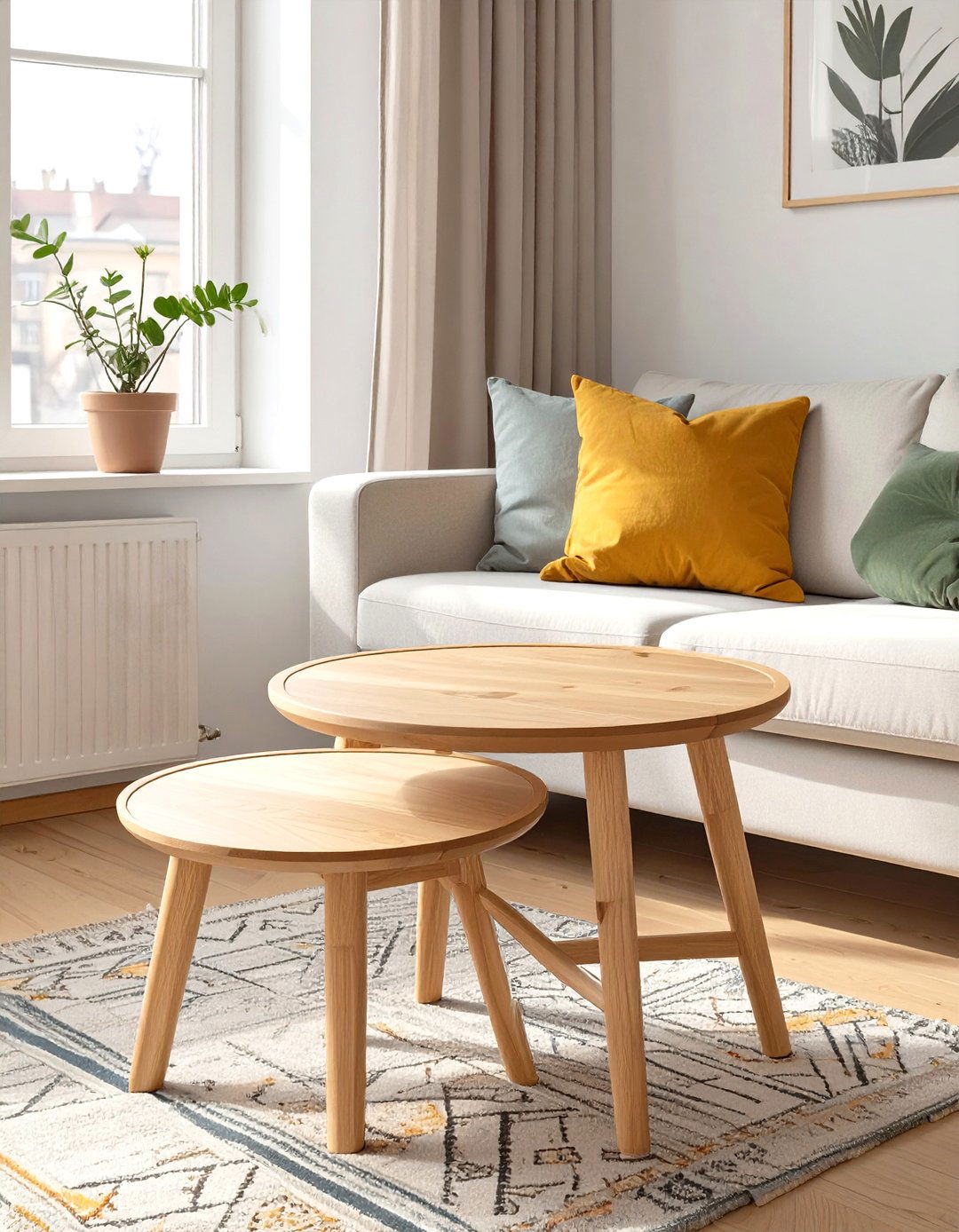
Nesting tables are a brilliant, space-saving solution for a tiny living room. This set of tables, which typically come in a group of two or three, are designed to tuck neatly under one another when not in use. You can pull them out when you have guests and need extra surface area for drinks or snacks, and then easily stack them away to free up floor space afterward. They are incredibly versatile and can be used together as a tiered coffee table or separated to serve as individual side tables wherever they are needed. Their flexibility makes them an invaluable asset in any compact home.
27. Add Strategic Pops of Color
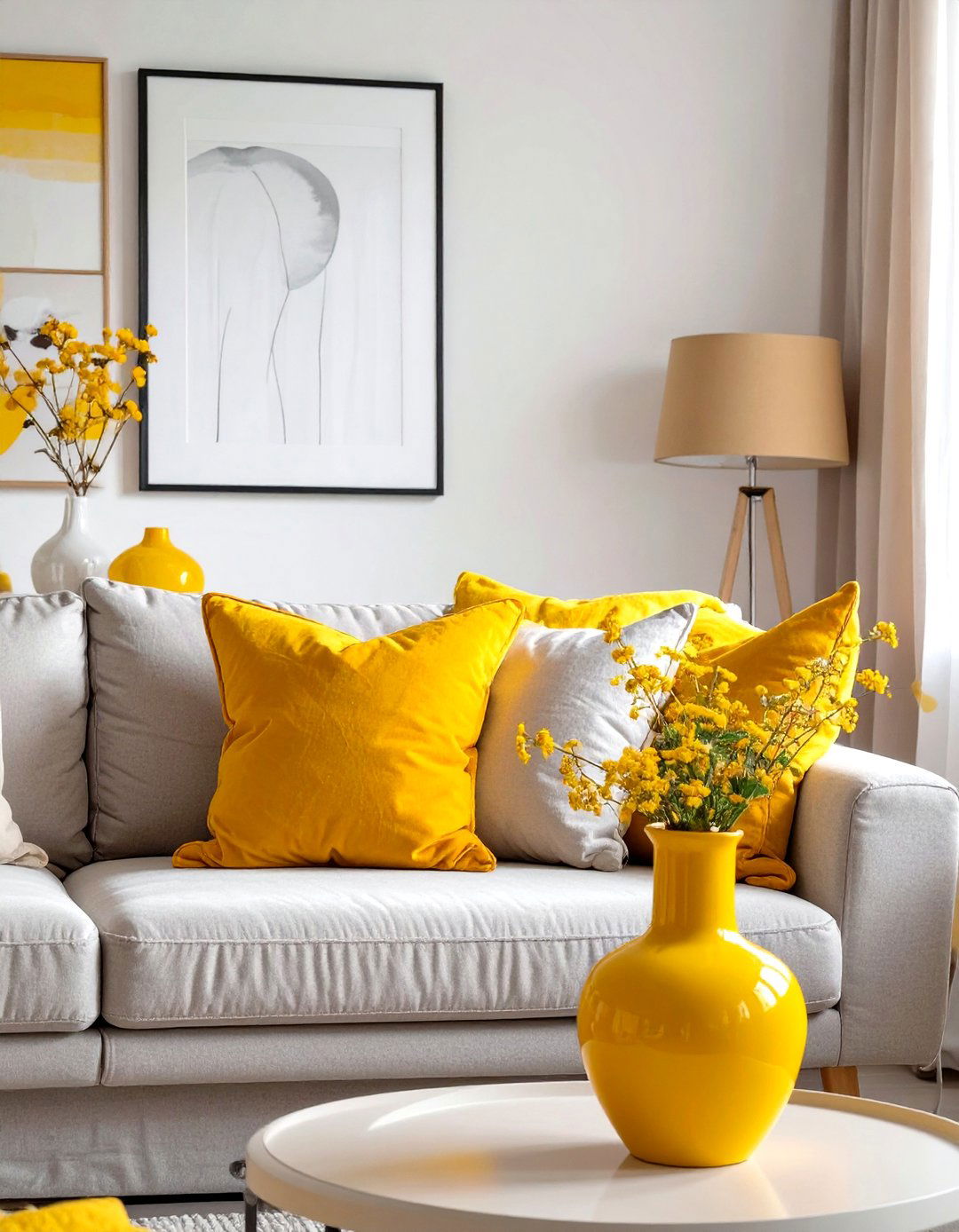
While a neutral base is great for making a tiny living room feel larger, adding strategic pops of a bold color can bring personality and energy to the space without overwhelming it. Introduce vibrant hues through small accessories like throw pillows, a colorful vase, a piece of artwork, or a statement rug. These accents draw the eye and add visual interest, preventing a neutral room from feeling bland. By limiting the bold colors to a few carefully chosen items, you can create a dynamic and stylish look that still feels balanced and uncluttered, adding character to your compact living area.
28. Choose Low-Profile Furniture
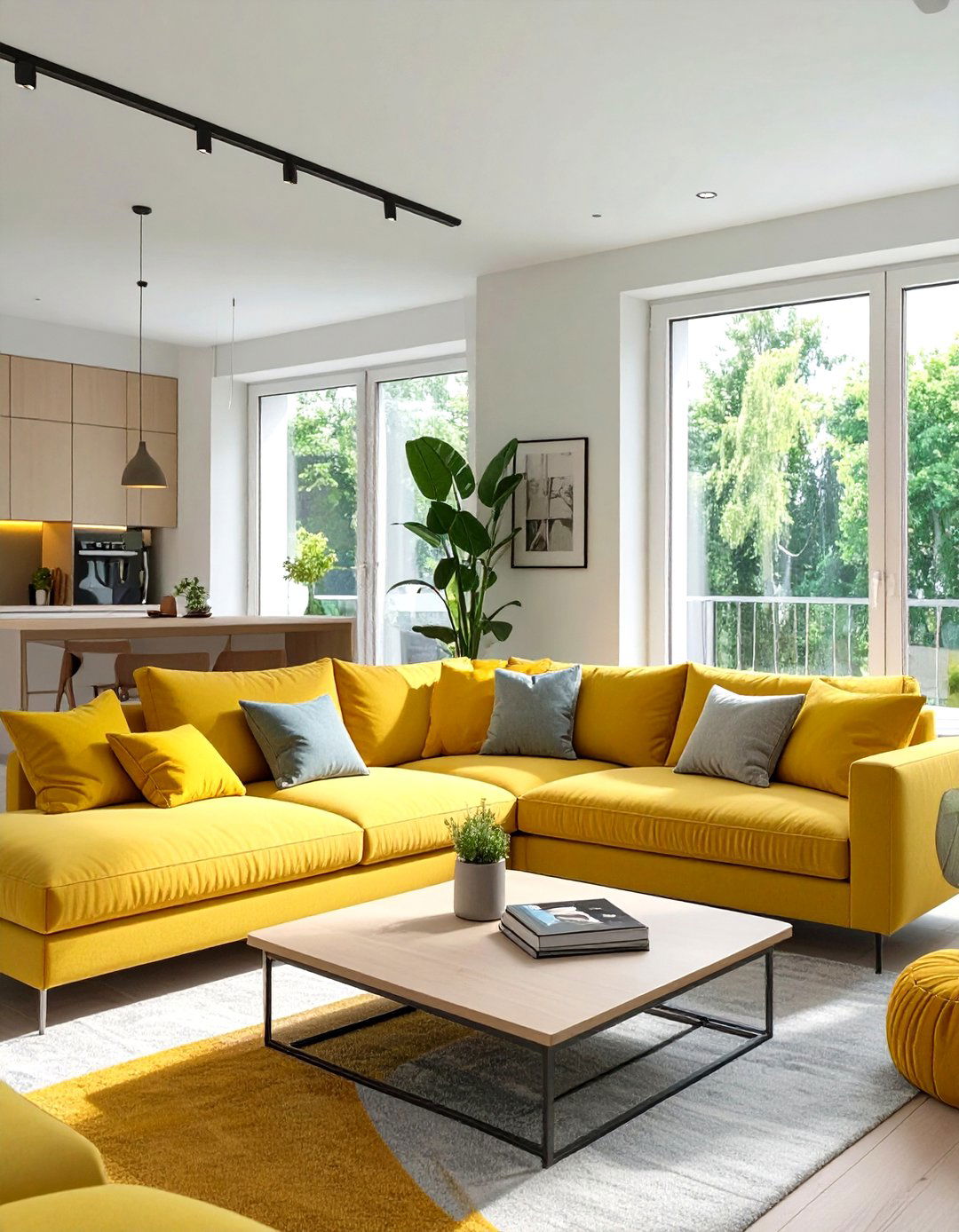
Selecting low-profile furniture is another excellent strategy for a tiny living room, especially if you have low ceilings. Furniture that sits closer to the ground, such as a low-slung sofa or a modern platform-style coffee table, creates more open space above it, making the ceiling appear higher. This can significantly enhance the sense of vertical space in the room. Low-profile pieces often have a sleek, contemporary feel that contributes to a clean and uncluttered aesthetic. This choice helps to create an unobstructed view across the room, making the entire area feel more open and expansive.
29. Use a Slim Console Table Behind the Sofa
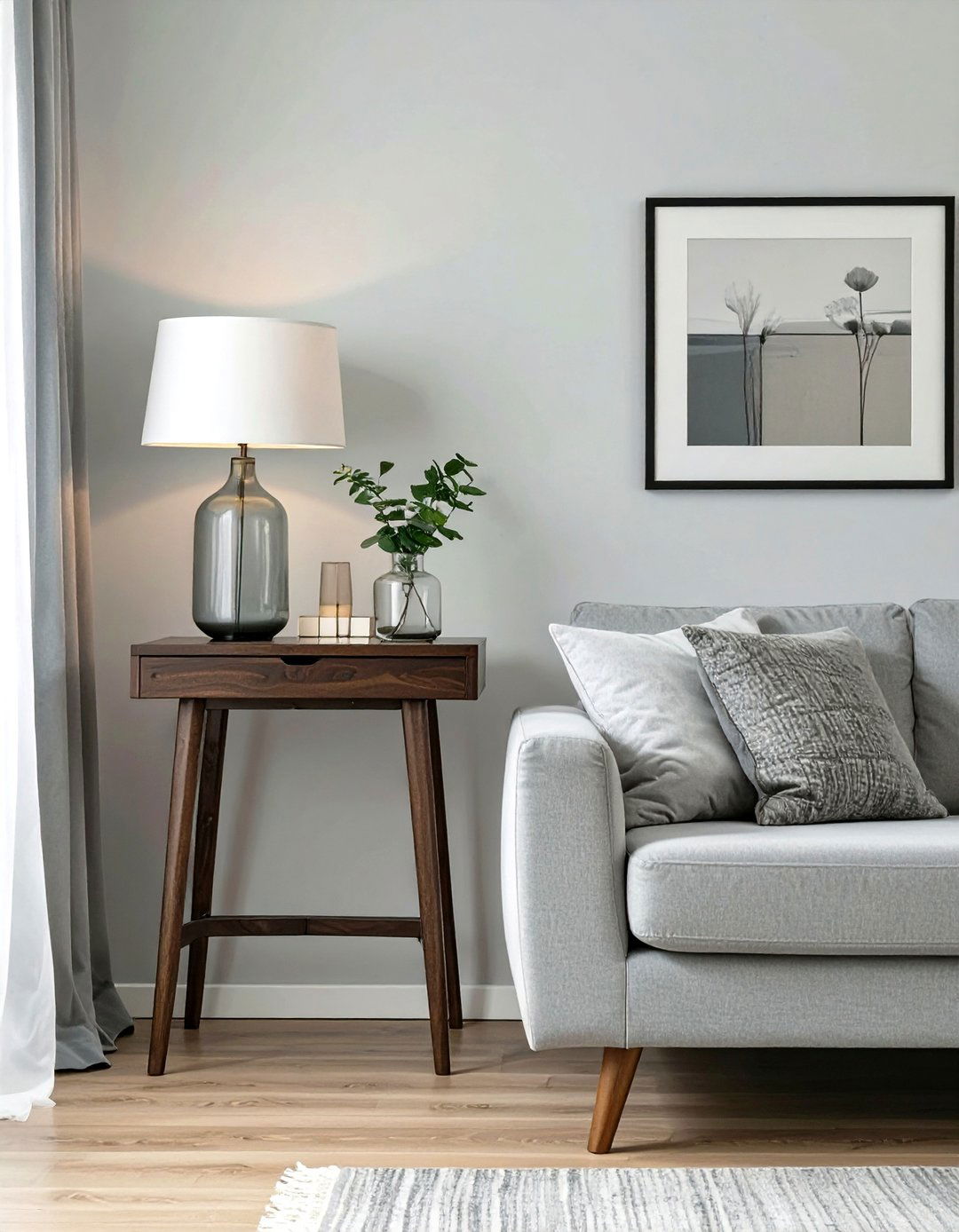
If your sofa is floating in the middle of the room, placing a slim console table behind it is a smart use of space. This narrow table provides an extra surface for a lamp, books, or decorative items without taking up much room. It can also serve as a subtle divider, defining the living area in an open-concept space. This trick helps to anchor the sofa and makes the layout feel more complete and intentional. It’s a functional and stylish way to add storage and display space while maintaining a streamlined and organized look in your tiny living room.
30. Declutter Regularly
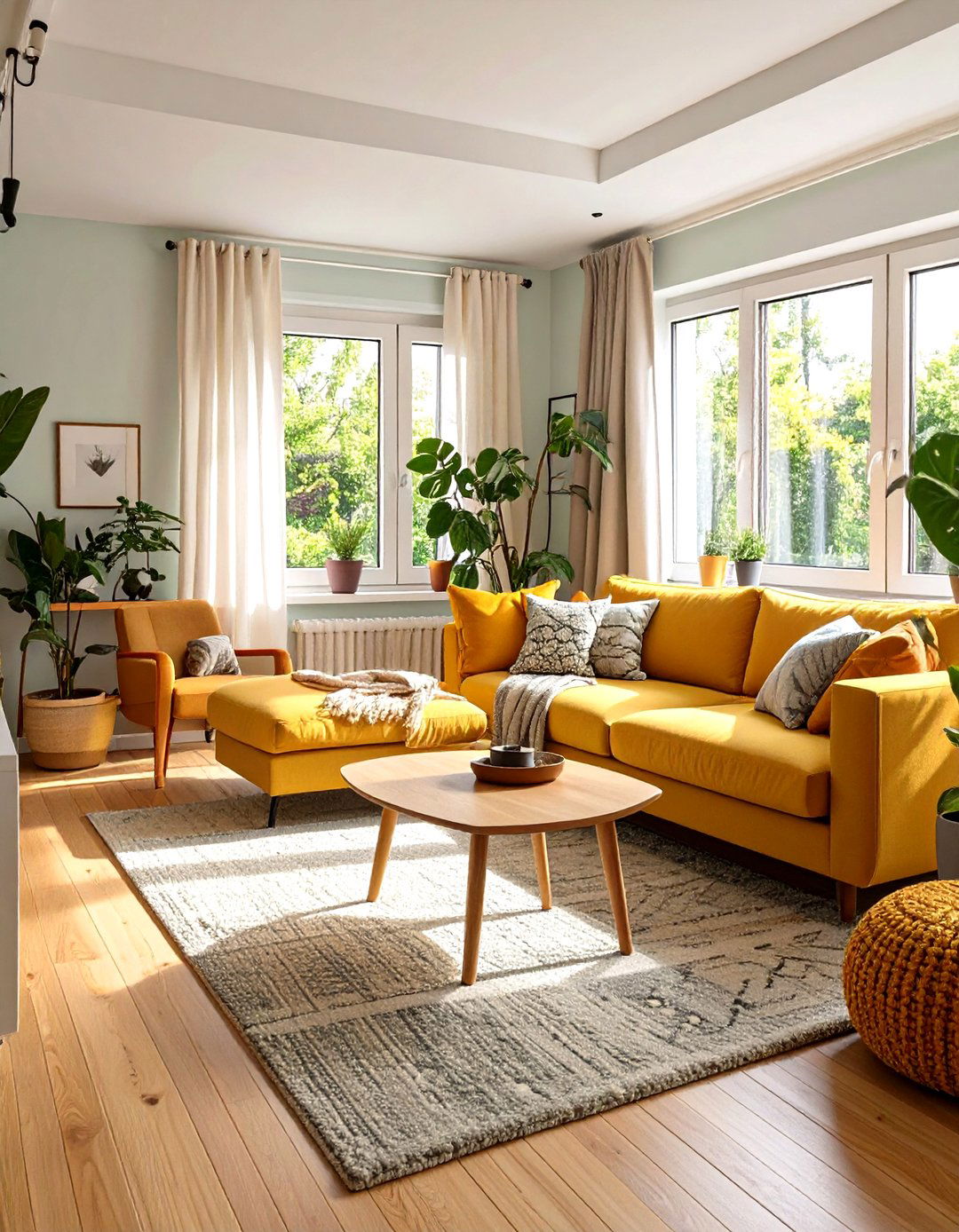
Perhaps the most crucial tip for any tiny living room is to maintain a clutter-free environment. In a small space, even a little bit of mess can make the room feel chaotic and cramped. Make a habit of decluttering regularly. Find a home for every item and put things away after you use them. Be ruthless about what you keep; if you don't use it or love it, it doesn't belong in your limited space. A clean, organized room will always feel larger, calmer, and more inviting, allowing your design choices to shine through and create a truly functional and beautiful home.
Conclusion:
Ultimately, designing a tiny living room is about making smart, intentional choices. By utilizing vertical space, selecting multifunctional and appropriately scaled furniture, and employing visual tricks with mirrors and light colors, you can create a space that feels open and inviting. A clutter-free approach and a well-defined layout are essential for maximizing both function and style. These ideas demonstrate that you don't need a large area to craft a comfortable, beautiful, and highly functional living space. With a little creativity, your tiny room can become your favorite spot in the home.

Related posts:




Leave a Reply