
Transforming a compact bathroom can be a delightful challenge, where the right tile choice makes all the difference. Tiles are not just for function; they are a powerful design tool that can visually expand a small space, inject personality, and create a sense of luxury. From classic patterns to bold, contemporary choices, the options for tiling a small bathroom are vast and exciting. By thoughtfully selecting tile size, color, finish, and layout, you can craft a beautiful and airy retreat, proving that limited square footage does not have to limit style. This guide explores thirty distinct design ideas to inspire your next small bathroom renovation project.

1. Small Bathroom Tiles with a Vertical Layout

Installing tiles in a vertical orientation is a clever trick to make a small bathroom feel taller and more spacious. By drawing the eye upward, this layout creates an illusion of height, which is particularly effective in rooms with low ceilings. Consider using rectangular tiles, like classic subway tiles, and stacking them vertically on the walls, especially within the shower area. This approach not only adds a modern and clean aesthetic but also enhances the sense of openness. For an even greater impact, extend the vertical tiles from the floor all the way to the ceiling, creating a seamless and elongating visual effect that makes the entire room feel grander.
2. Large-Format Small Bathroom Tiles

Surprisingly, using large-format tiles in a small bathroom can make the space feel bigger. With fewer grout lines to break up the visual flow, the walls and floor appear less cluttered and more expansive. A tile size of 12x24 inches or even larger works exceptionally well. These large tiles create a clean, continuous surface that minimizes visual distraction, contributing to a serene and uncluttered atmosphere. Whether you choose a polished porcelain for a sleek look or a matte stone finish for a more organic feel, large-format tiles offer a sophisticated solution for enhancing the perception of space in a compact bathroom.
3. Glossy Finish Small Bathroom Tiles

To maximize light in a compact bathroom, opt for tiles with a glossy finish. These surfaces are excellent at reflecting both natural and artificial light, which helps to brighten the room and create an illusion of a larger area. The reflective quality of glossy tiles can make the space feel more open and airy, bouncing light around the room. Classic white or light-colored glossy subway tiles are a timeless choice, but soft pastels or even bold, polished colors can achieve the same light-enhancing effect. This finish works beautifully on walls, especially in the shower, turning a functional surface into a radiant design element.
4. Small Bathroom Floor-to-Ceiling Tiles

Tiling from floor to ceiling is a powerful design strategy for making a small bathroom feel cohesive and expansive. This technique creates an unbroken visual line that stretches the space vertically and eliminates the visual stop created by painted walls. Using the same tile on both the floor and walls further enhances this effect, blurring the boundaries of the room and making it feel larger. This approach is particularly effective with light-colored tiles, as they amplify the sense of openness. The continuous surface also adds a touch of luxury, giving the small bathroom a spa-like and fully finished appearance that is both modern and elegant.
5. Hexagonal Small Bathroom Tiles

Hexagonal tiles, often called honeycomb tiles, introduce a dynamic geometric pattern that adds personality and visual interest to a small bathroom without overwhelming it. Available in a wide range of sizes and colors, from tiny mosaics to larger formats, they can be used on floors or as an accent wall. For a subtle look, use a single neutral color with a contrasting grout to make the pattern pop. For a bolder statement, consider a mix of colors or a transition from one color to another. The unique shape of hexagonal tiles draws the eye and creates a sense of movement, making the floor or wall a captivating focal point.
6. Small Bathroom Tiles with a Herringbone Pattern
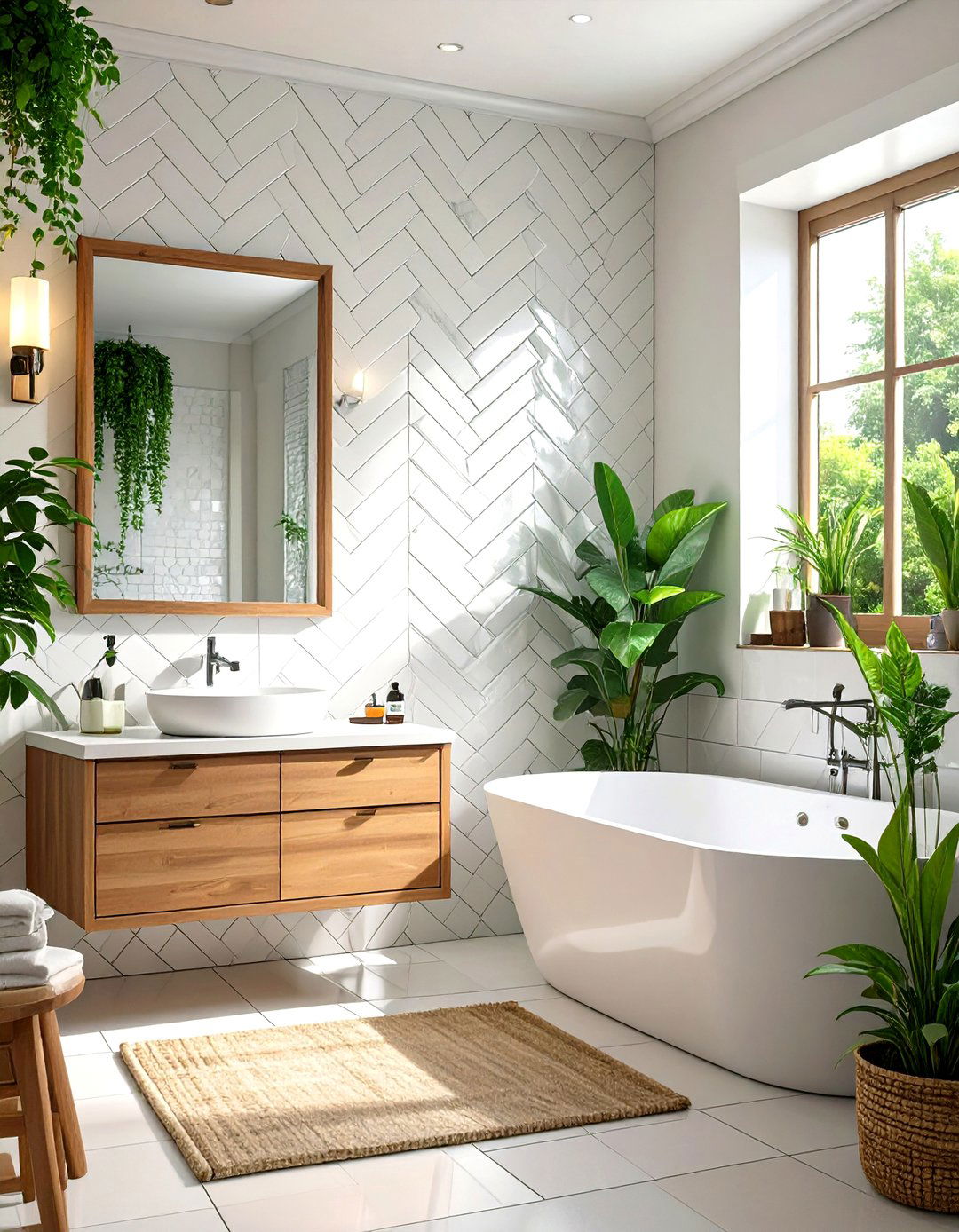
Laying rectangular tiles in a herringbone pattern brings a classic and sophisticated sense of movement to a small bathroom floor or wall. This V-shaped arrangement creates diagonal lines that lead the eye across the space, making it appear wider and longer. The dynamic pattern adds texture and elegance without cluttering the design. While classic white subway tiles are a popular choice for this layout, using colored or wood-look porcelain tiles can add warmth and character. A herringbone accent wall in a shower or behind the vanity can serve as a stunning focal point, elevating the entire room's aesthetic.
7. Penny Round Small Bathroom Tiles

Penny round tiles offer a charming, vintage-inspired look that adds texture and detail to a small bathroom. These small, circular tiles are typically mounted on mesh sheets for easy installation and are perfect for creating a non-slip floor surface. The high number of grout lines adds significant visual texture, making them an excellent choice for a feature wall or shower floor. Using a contrasting grout color can emphasize the playful, dotted pattern, while a matching grout creates a more subtle, textured effect. Penny tiles bring a unique, tactile quality to the design, infusing the space with character and timeless appeal.
8. Checkerboard Small Bathroom Tiles
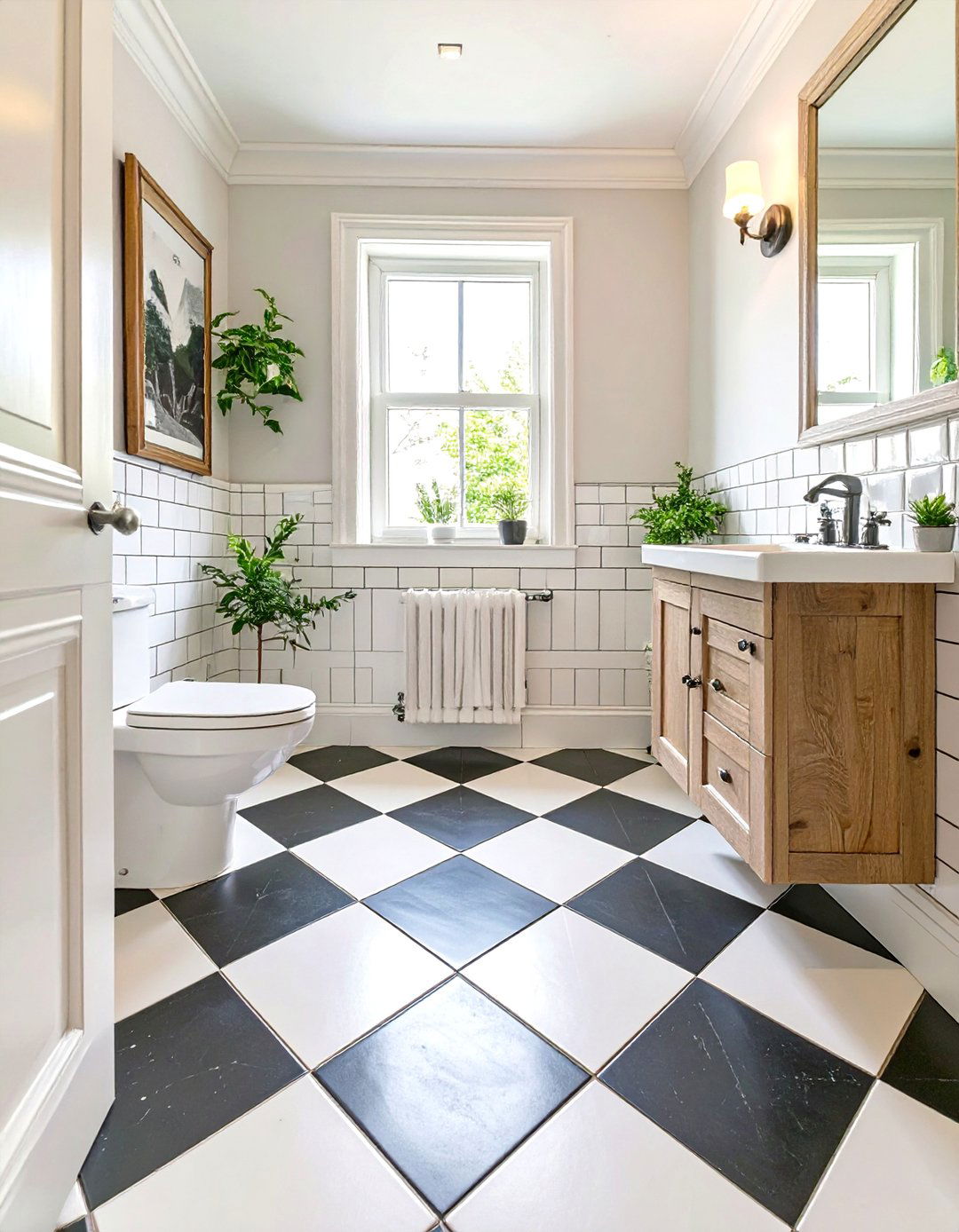
A checkerboard tile pattern is a bold, timeless design choice that can infuse a small bathroom with classic charm and a sense of structure. Traditionally created with black and white tiles, this pattern can be modernized using softer color combinations like gray and white or even two different tones of the same color. Laying the tiles on a diagonal, creating a diamond pattern, can make the room feel wider. The strong graphic quality of the checkerboard layout adds significant visual interest to the floor, acting as a statement piece that anchors the entire design of the compact space.
9. Small Bathroom Tiles with a Diagonal Layout
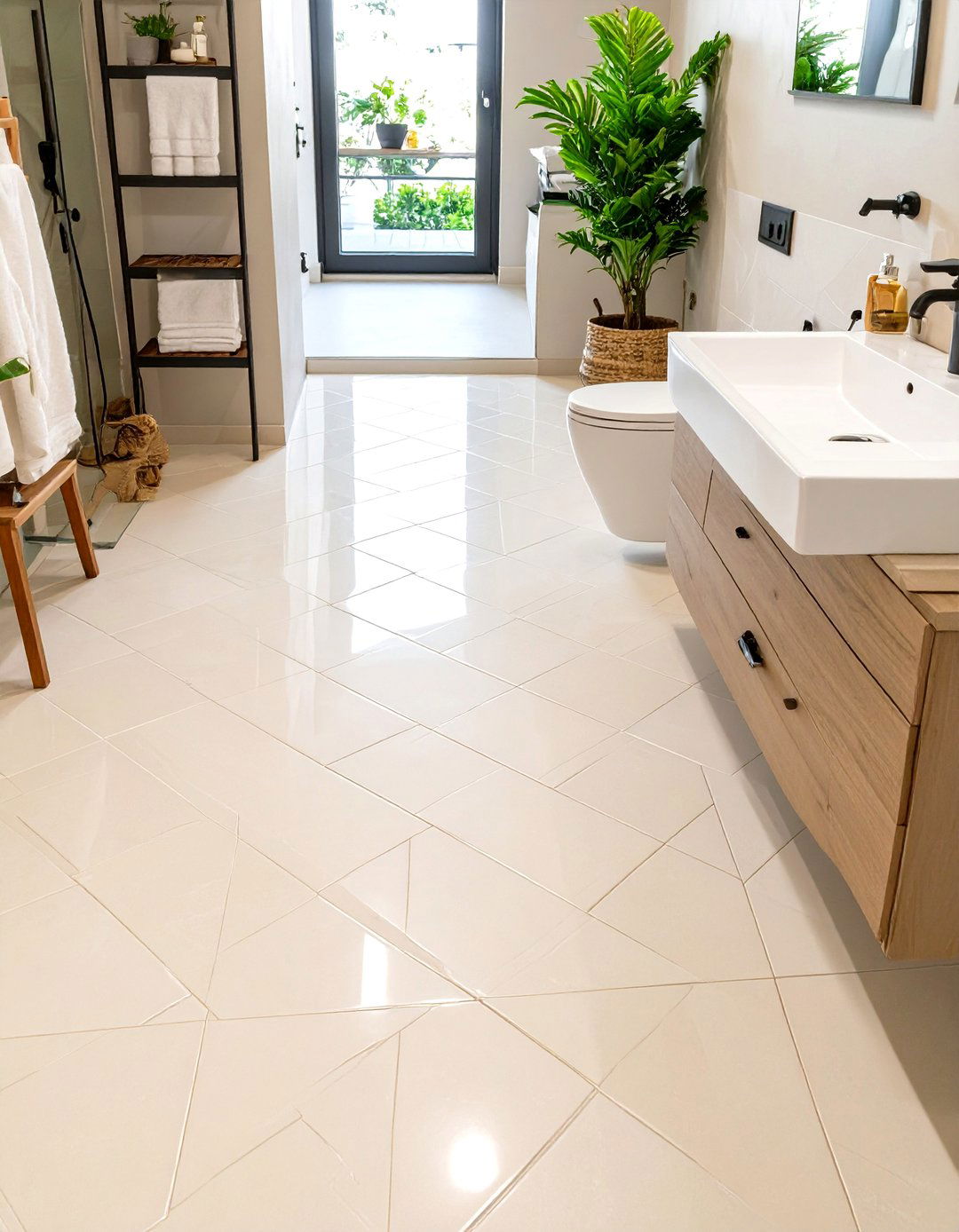
Setting square or rectangular tiles in a diagonal layout is a simple yet highly effective method for making a small bathroom feel larger. This arrangement creates longer visual lines that stretch from corner to corner, tricking the eye into perceiving the room as wider and more spacious than it actually is. This technique works well on both floors and walls. Using this layout on the floor can make a narrow bathroom appear broader. The angled grout lines add a subtle dynamic quality to the design, breaking up the boxy feel of a small room and introducing a sense of movement and flair.
10. Mirrored Small Bathroom Tiles

For the ultimate space-enhancing effect, consider using mirrored tiles in a small bathroom. These tiles work wonders by reflecting light and the surrounding space, creating a powerful illusion of depth and openness. While an entire wall of mirrored tiles might be too much for some, they are perfect for creating a glamorous accent wall, perhaps behind the vanity or on a section of a wall that doesn't get wet. They bounce light around the room, making it feel significantly brighter and larger. Mirrored tiles add a touch of luxury and drama, turning a simple wall into a dazzling feature.
11. Light-Colored Natural Stone Tiles

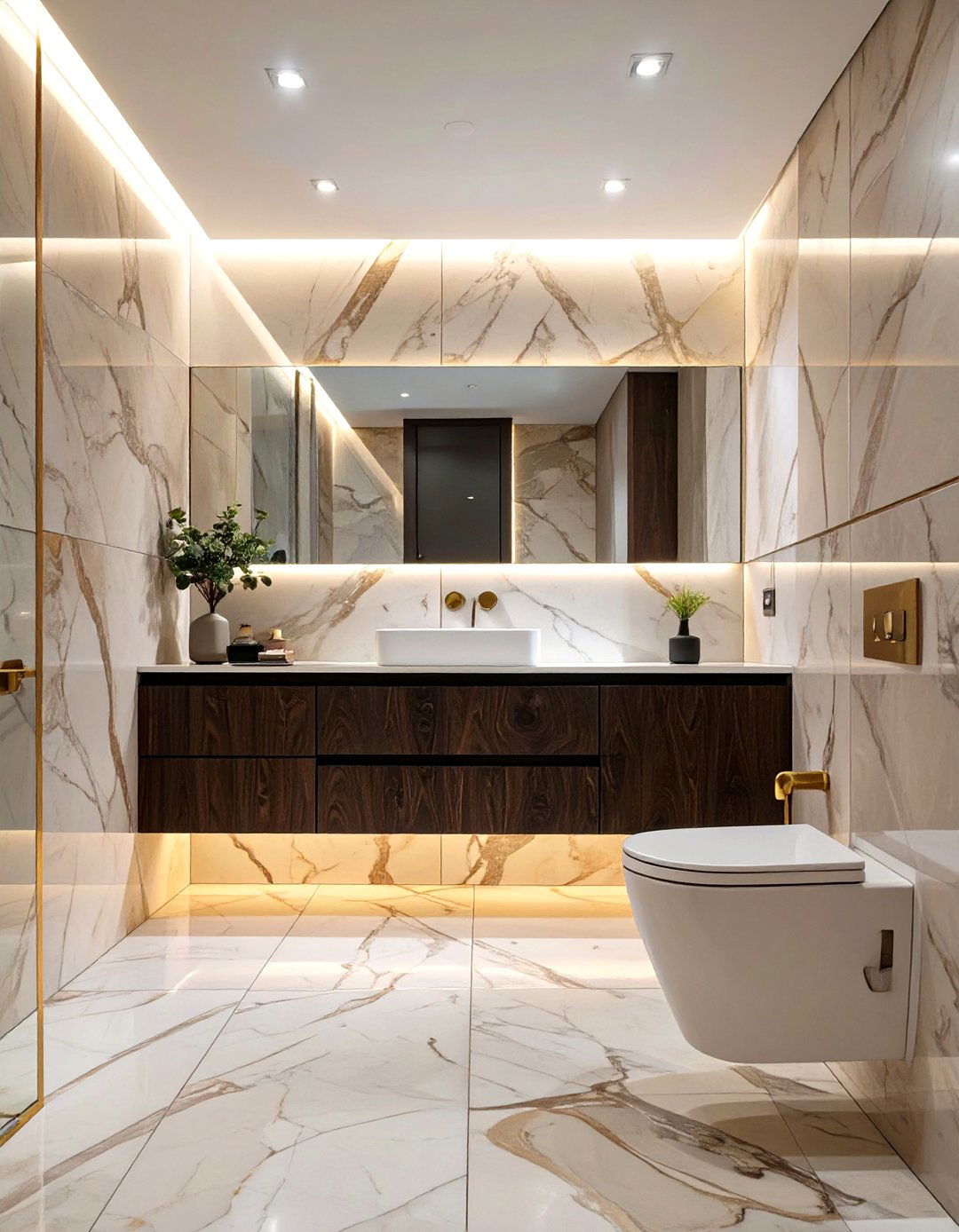
Using light-colored natural stone tiles, such as marble, travertine, or limestone, brings an element of organic luxury and brightness to a small bathroom. The subtle veining and natural variations in these materials add texture and interest without overwhelming the space. Light-hued stones like Carrara marble with its soft gray veins reflect light beautifully, helping to make the room feel open and airy. The timeless elegance of natural stone elevates the design, creating a spa-like retreat. Honed finishes offer a softer, more modern look, while polished finishes maximize light reflection for a brighter, more classic feel.
12. Fish Scale Small Bathroom Tiles

Fish scale, or scallop, tiles introduce a soft, whimsical pattern that adds movement and a touch of art-deco or coastal charm to a small bathroom. The unique, curved shape creates a gentle, flowing effect on walls, particularly as a feature behind a vanity or in a shower. Available in a variety of materials and colors, from serene blues and greens to crisp whites, they can be used to create different moods. The overlapping pattern is visually engaging and can be oriented upwards or downwards for different effects. Fish scale tiles are a fantastic way to add personality and a unique textural element.
13. Textured 3D Small Bathroom Tiles

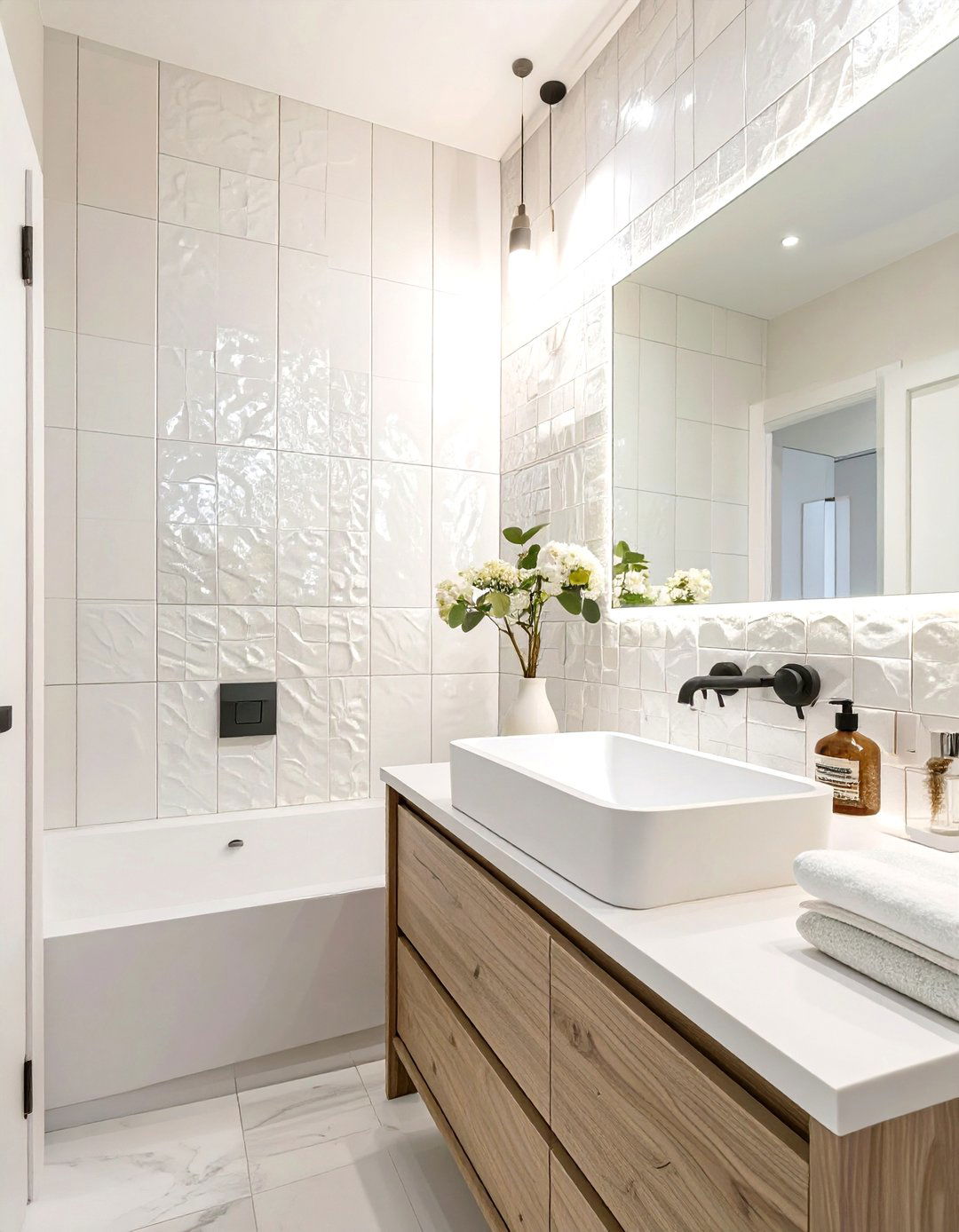
For a contemporary and tactile design, incorporate textured 3D tiles. These tiles have raised patterns—such as waves, geometric reliefs, or linear grooves—that play with light and shadow, adding depth and dimension to the walls of a small bathroom. Using them on a single feature wall prevents the design from becoming too busy while creating a stunning focal point. The subtle texture adds a layer of sophistication and visual intrigue that you can both see and feel. White or neutral-colored 3D tiles are particularly effective, as their texture is highlighted by overhead and natural lighting without visually shrinking the space.
14. Small Bathroom Tiles with a Basketweave Pattern

The basketweave tile pattern is a classic design that brings intricate detail and a sense of timeless elegance to a small bathroom floor. This pattern is typically composed of small rectangular tiles arranged to look like a woven basket, often with small square "dots" of a contrasting color at the intersections. The resulting texture adds a sophisticated, decorative element that works beautifully in traditional or transitional-style bathrooms. Because the pattern is detailed, it's often best used on the floor, where it can be appreciated without making the walls feel enclosed. It provides a rich, textured foundation for the room.

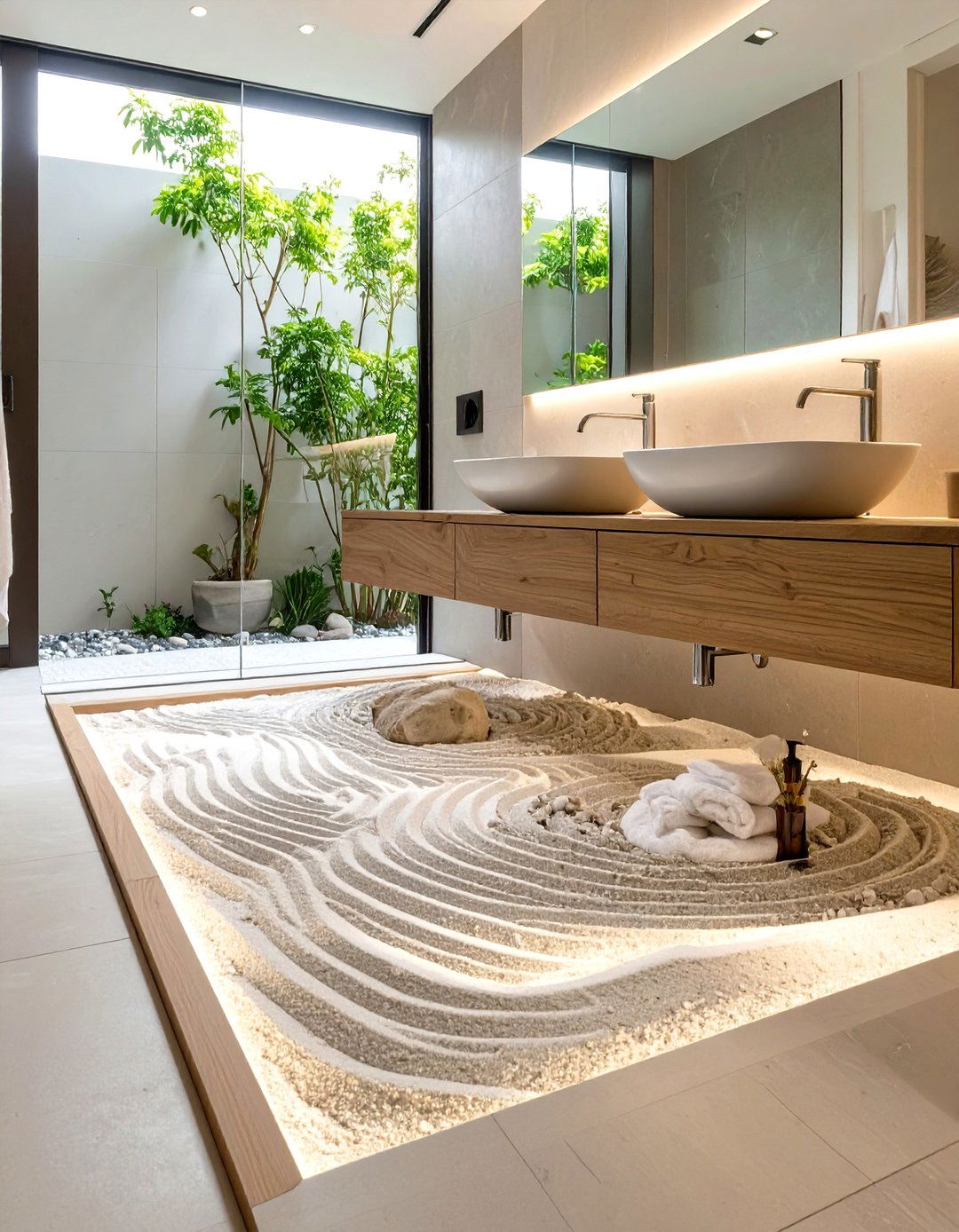
15. Wood-Look Porcelain Small Bathroom Tiles
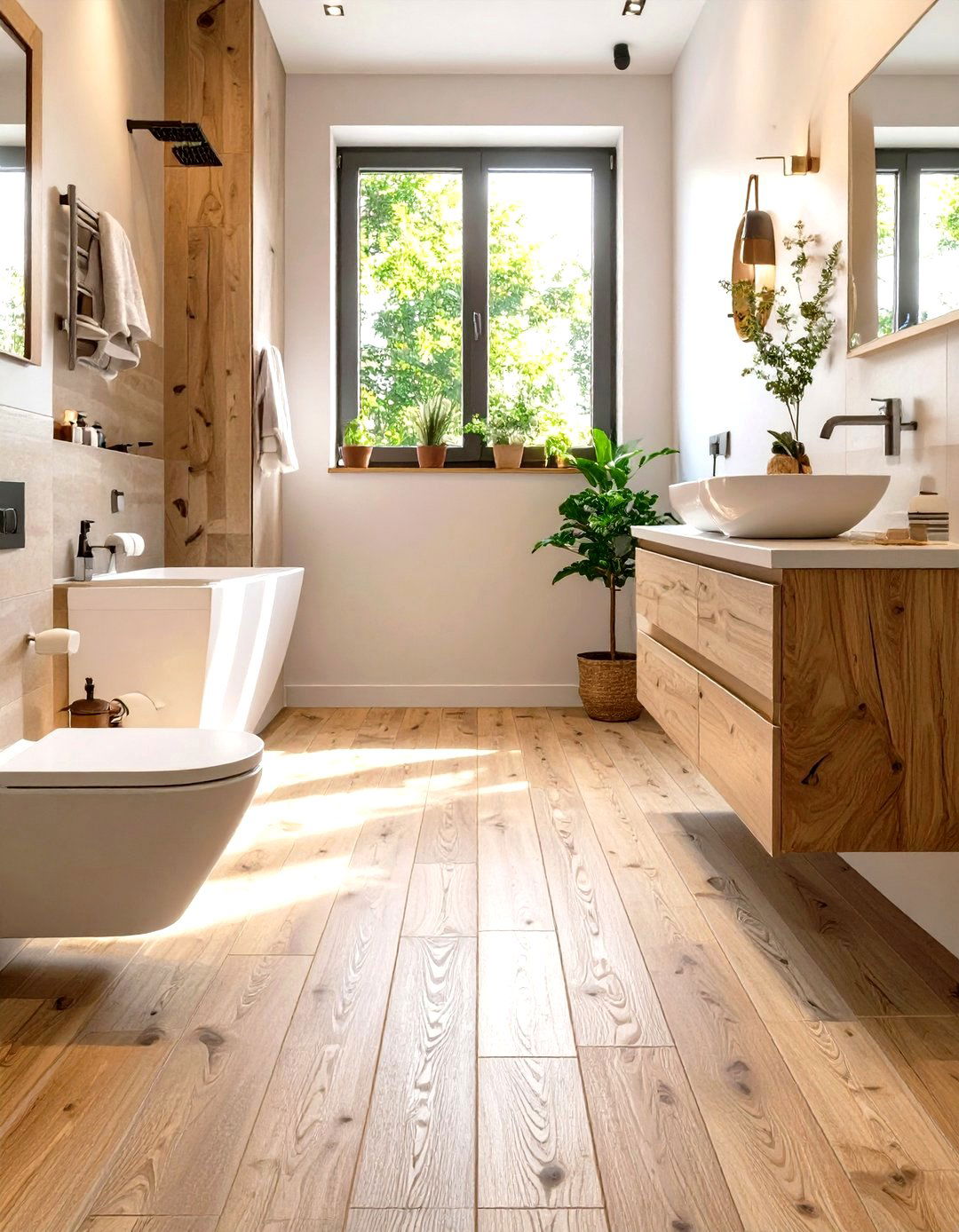
For those who love the warmth of wood but need the durability and water resistance of tile, wood-look porcelain is the perfect solution for a small bathroom. These tiles realistically mimic the grain and color of various wood species, from light oak to rich walnut. Using them on the floor can make a small bathroom feel cozy and inviting. Laying the long, plank-shaped tiles in a continuous pattern from the door inward can help elongate the room. This choice brings a natural, organic element into the space without the worry of water damage, combining aesthetic appeal with practical performance.
16. Same Tiles on Floor and Walls

Creating a seamless look by using the same tile on both the floor and walls is a highly effective strategy for small bathrooms. This design choice, often called a "tile envelope," blurs the lines between surfaces, making it difficult for the eye to tell where one plane ends and another begins. This visual trickery makes the room feel larger and more unified. The continuous surface creates a clean, minimalist aesthetic that is both modern and calming. This approach works especially well with large-format tiles in neutral colors, maximizing the sense of space and giving the bathroom a cohesive, spa-like ambiance.
17. Small Bathroom Tiles with Contrasting Grout
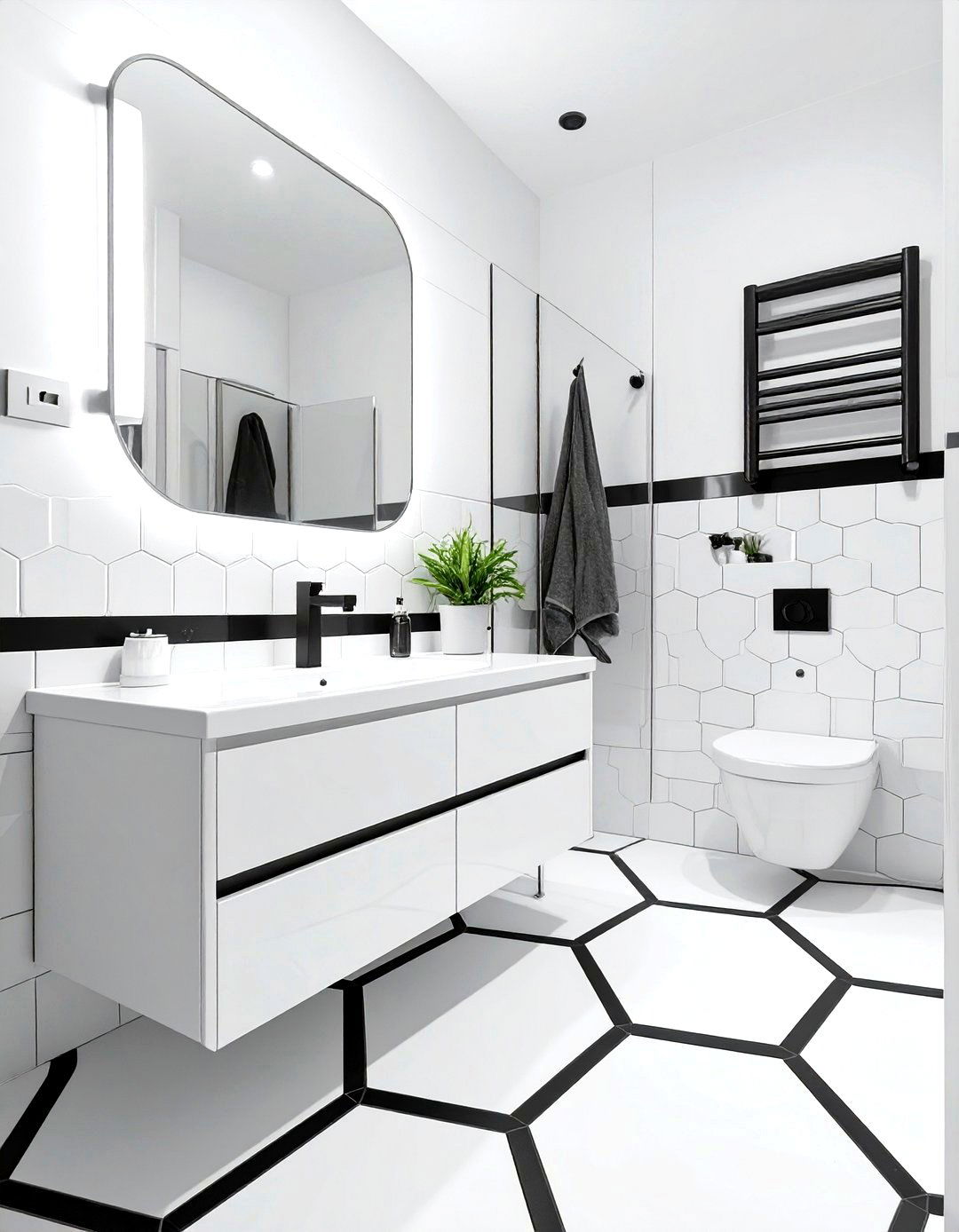
Using a grout color that contrasts with your tile is a simple way to make a bold design statement in a small bathroom. For example, pairing classic white subway tiles with black or dark gray grout creates a graphic, modern look that highlights the shape of each tile and the overall pattern. This technique adds visual interest and definition without introducing new colors or materials. It can turn a simple tile layout, like a standard grid or brick pattern, into a striking feature. This approach works particularly well with geometric tiles like hexagons or subway tiles, emphasizing their clean lines.
18. Terrazzo-Effect Small Bathroom Tiles
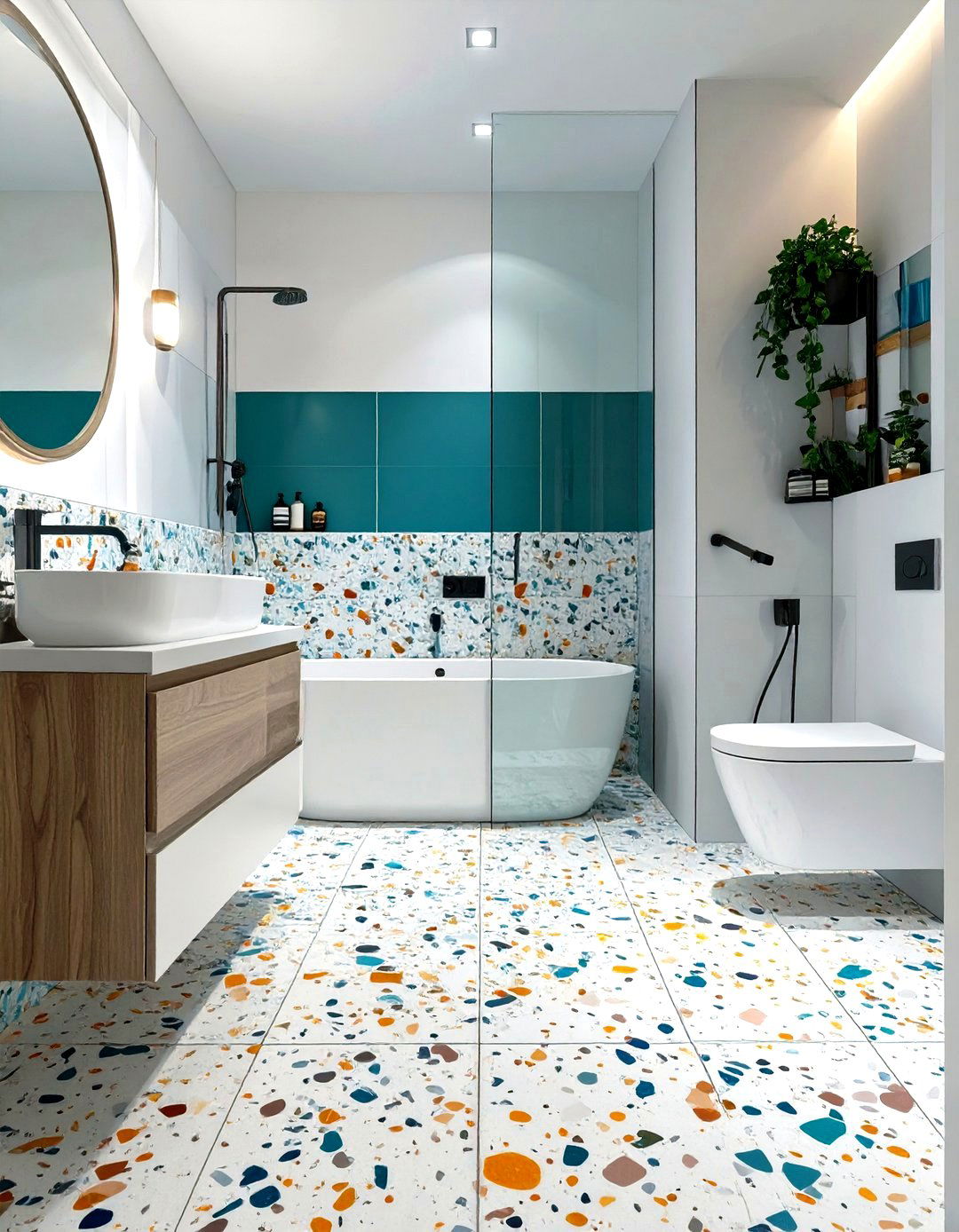
Terrazzo-effect porcelain tiles offer the playful, speckled look of traditional terrazzo in a more accessible and durable format. These tiles feature colorful chips of marble, quartz, or glass embedded in a base material, creating a vibrant and textured surface. In a small bathroom, terrazzo tiles can be used on the floor or as a feature wall to inject personality and color without overwhelming the space. Choosing a terrazzo with a light-colored base and subtle, multi-toned flecks can help maintain a bright and open feel while adding a fun, contemporary twist to the design.
19. Moroccan Zellige Small Bathroom Tiles

Handcrafted Moroccan zellige tiles bring unique character and artisanal texture to a small bathroom. Known for their imperfections, including variations in color, texture, and size, these glazed terracotta tiles reflect light beautifully. Their glossy, undulating surface creates a shimmering effect that adds depth and movement to walls. Using them in a single, rich color like deep blue, green, or even a pearlescent white can create a stunning feature wall. The natural variations mean no two tiles are exactly alike, giving your small bathroom a bespoke, handcrafted feel that is both rustic and luxurious.
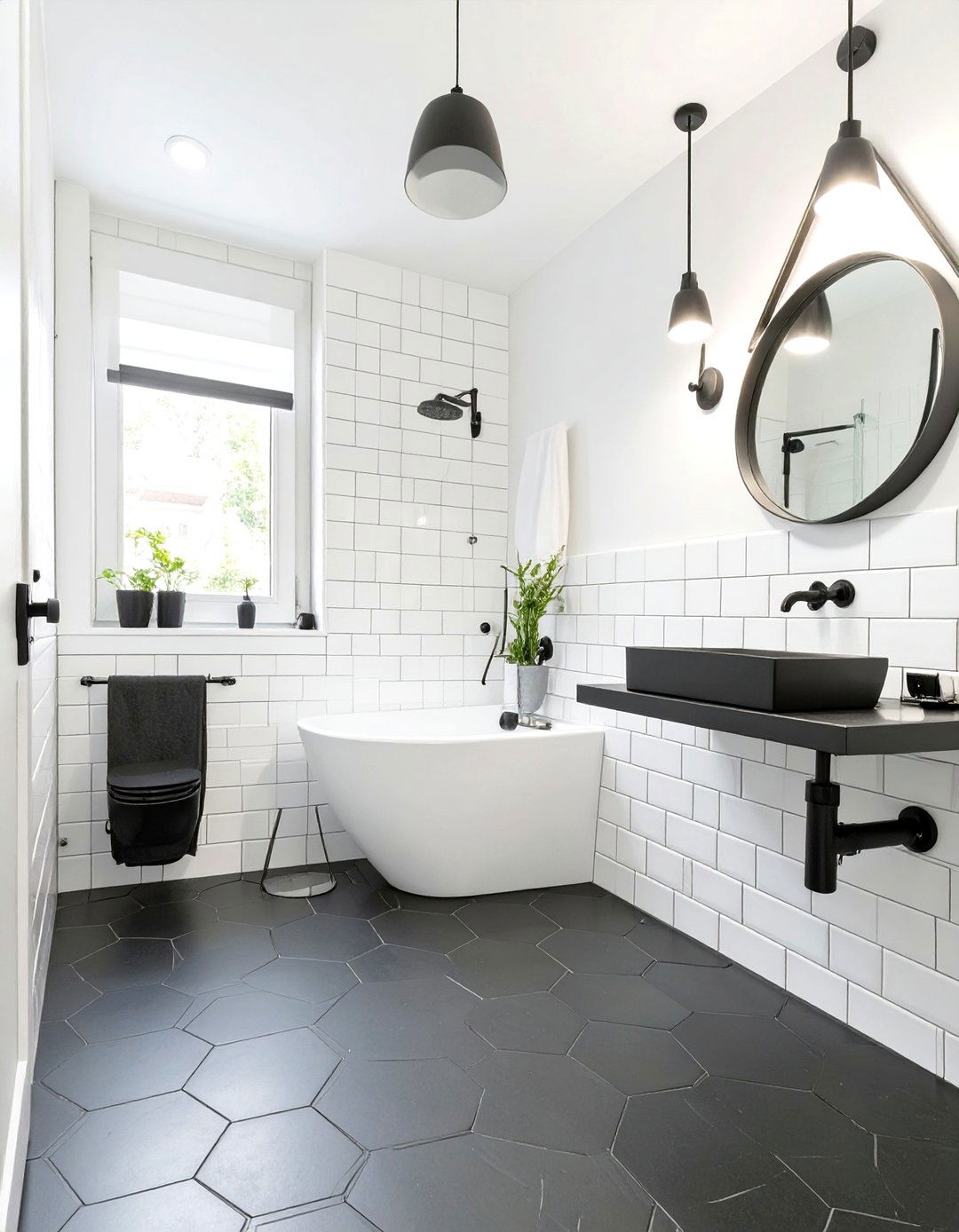

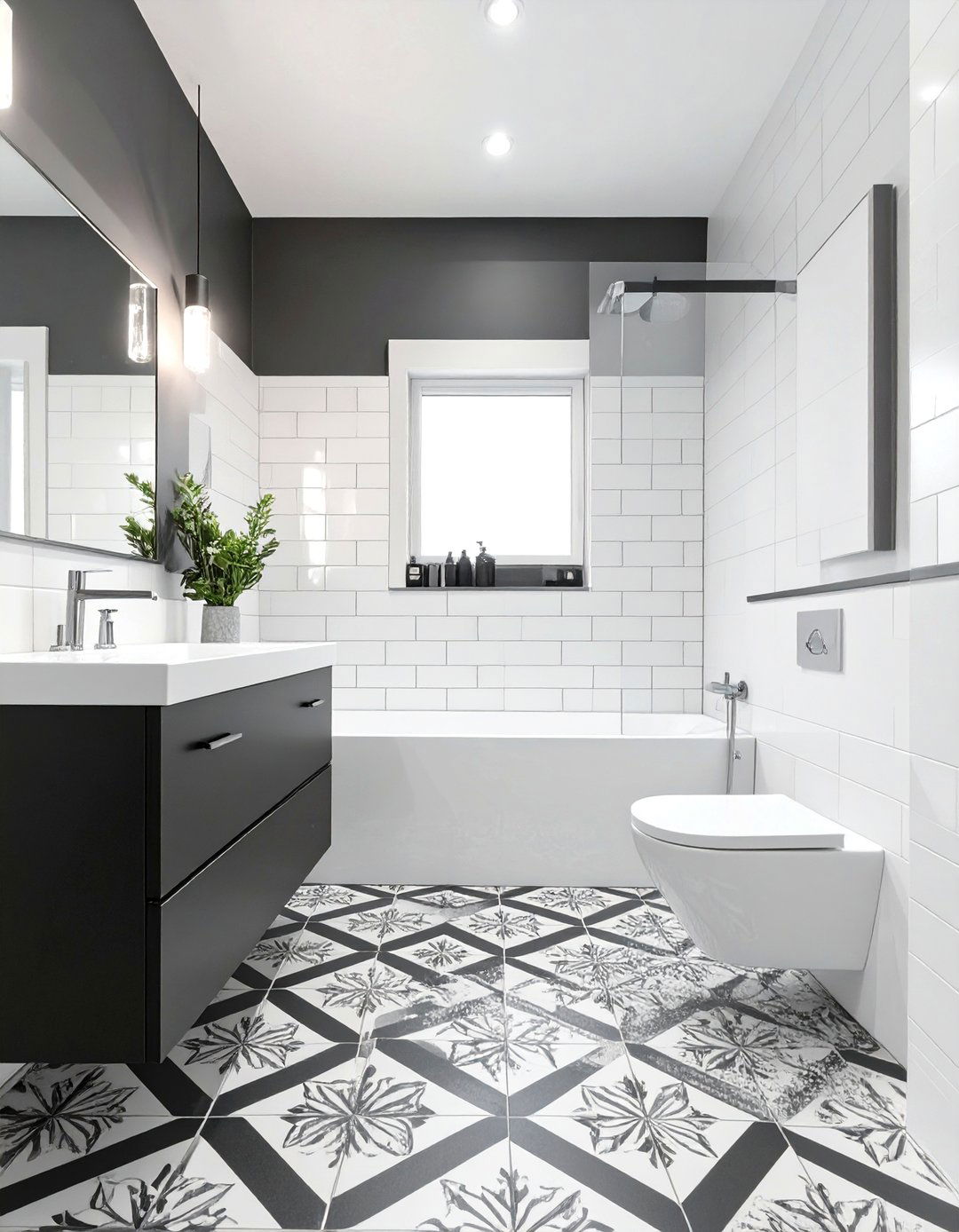
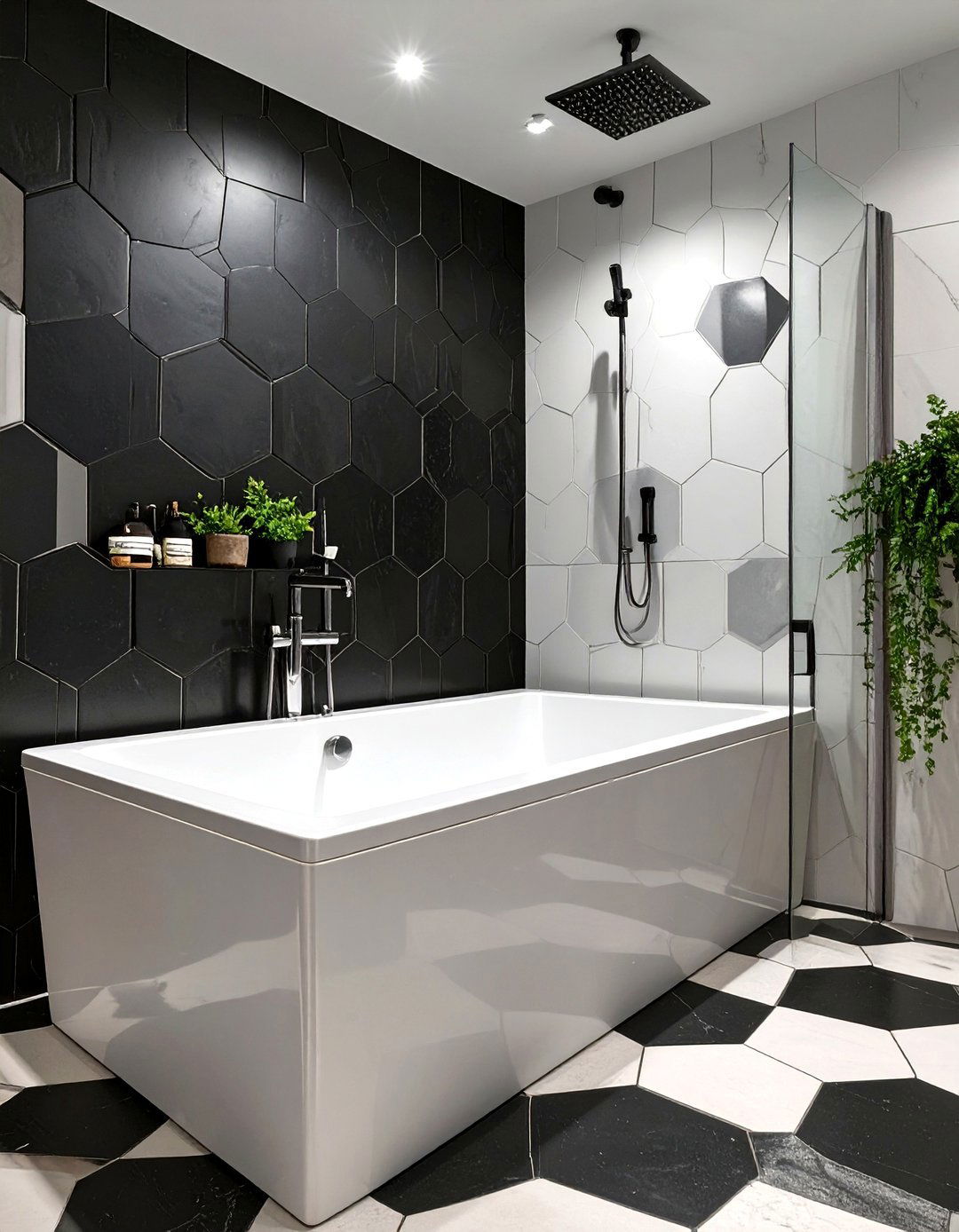
20. Small Bathroom Tiles in a Chevron Pattern
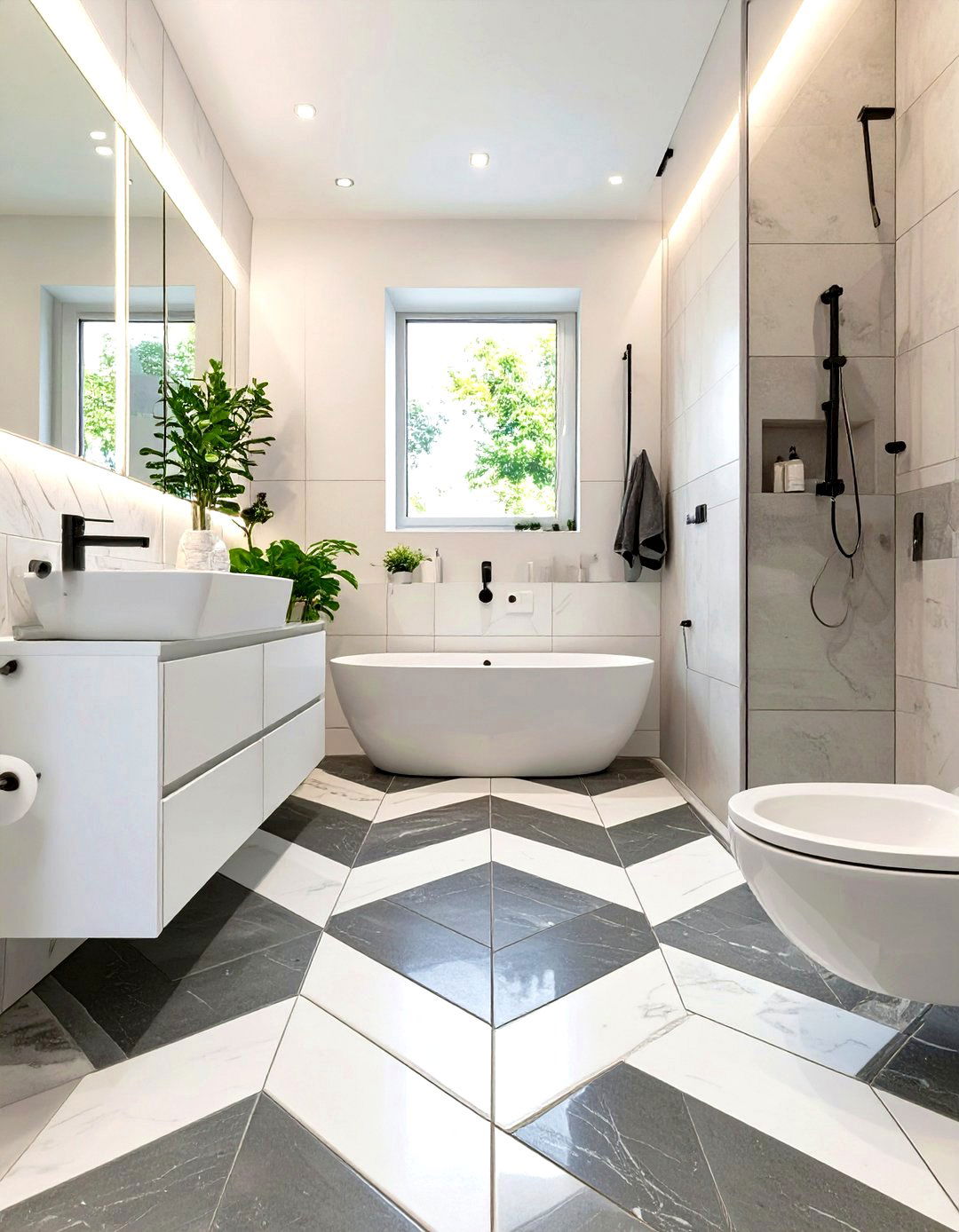
A chevron pattern, created with parallelogram-shaped tiles that meet at a sharp point, offers a more dynamic and modern alternative to the classic herringbone. This layout creates a continuous "V" shape that produces a strong sense of movement and direction. Using a chevron pattern on the floor can make a narrow bathroom appear wider, while a vertical application on a wall can draw the eye upward, creating an illusion of height. The clean, sharp lines of the chevron pattern add a sophisticated and energetic feel, making it a powerful design element for a contemporary small bathroom.
21. Small Bathroom Tiles with a Brick Bond Layout

The classic brick bond, or running bond, layout is a timeless choice for small bathrooms. This pattern, where rectangular tiles like subway tiles are offset by half their width in each subsequent row, creates a simple yet pleasing visual rhythm. It’s a versatile look that complements a wide range of styles, from traditional to modern. Using light-colored tiles in a brick bond pattern on the walls helps to create a sense of spaciousness. This layout is less busy than more intricate patterns, contributing to a clean and uncluttered feel, which is ideal for compact spaces where simplicity is key.
22. Dark and Moody Small Bathroom Tiles

While conventional wisdom suggests light colors for small spaces, using dark and moody tiles can create a surprisingly sophisticated and intimate atmosphere. Deep colors like charcoal, navy blue, or forest green can make the walls recede, paradoxically creating a sense of depth. To prevent the room from feeling claustrophobic, ensure there is excellent lighting, both natural and artificial. Pairing dark wall tiles with a lighter floor and ceiling can provide balance. A glossy finish on dark tiles will also help reflect light, adding a touch of glamour and preventing the space from feeling too heavy or enclosed.
23. Small Bathroom Shower Niche Tiles
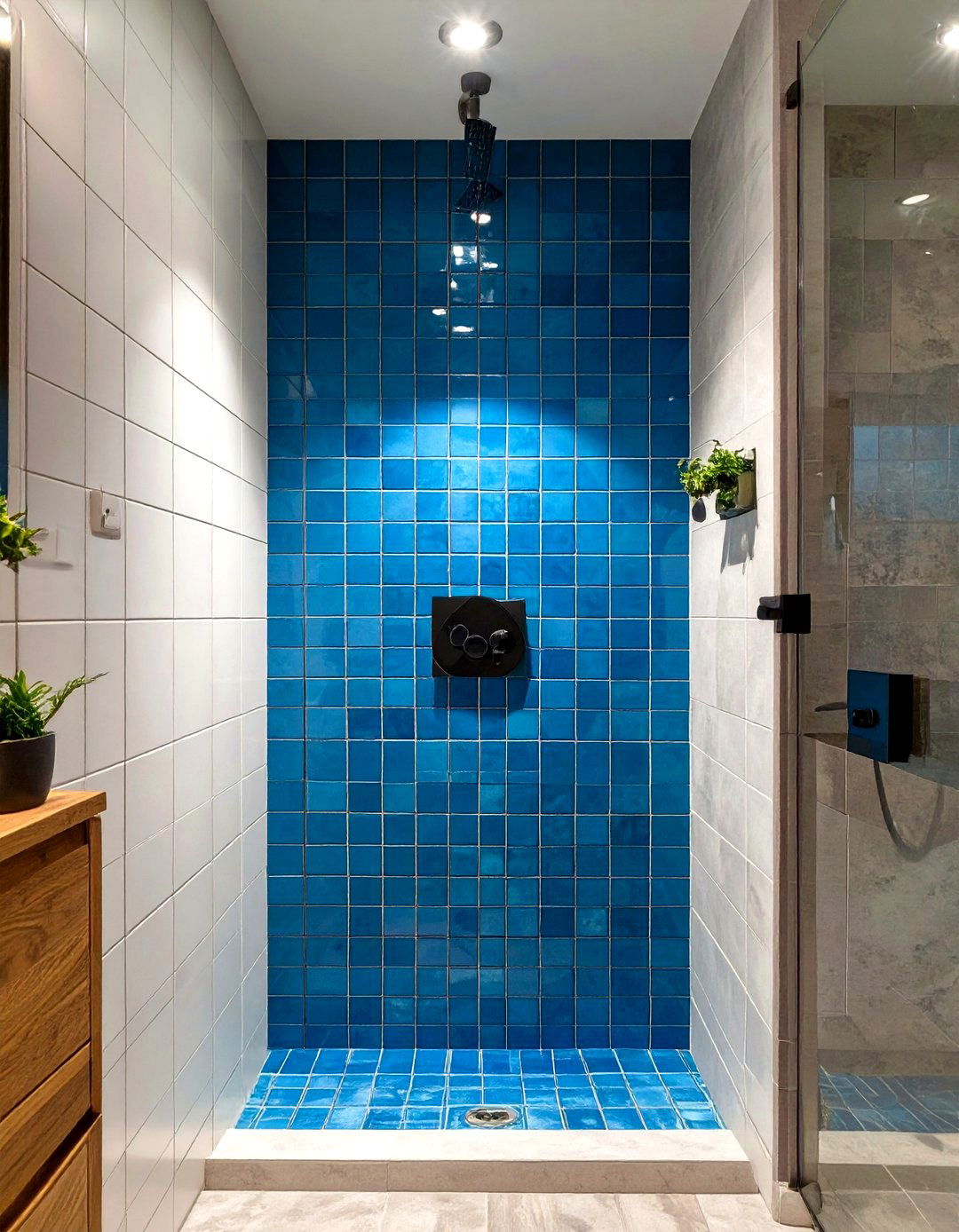
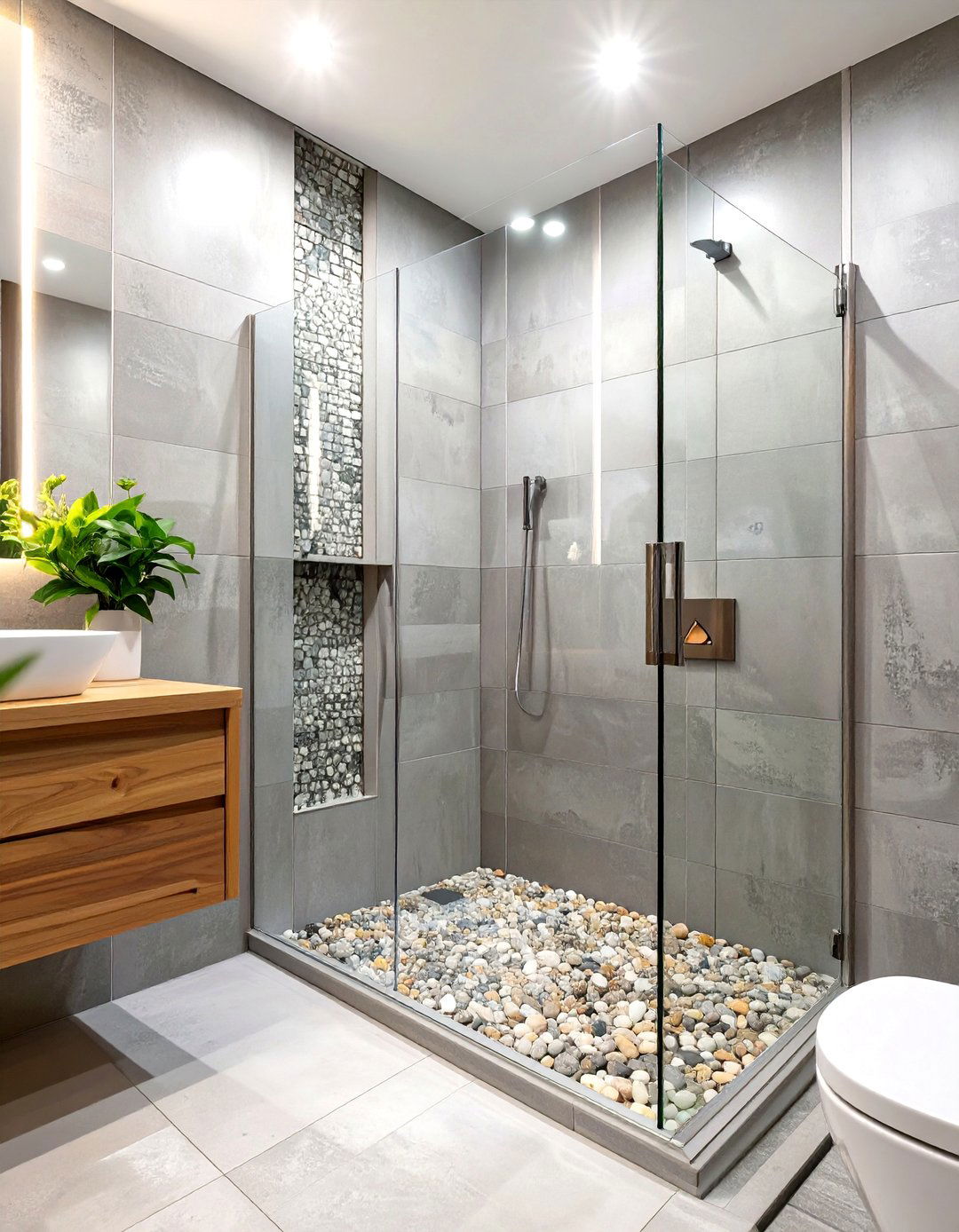
A shower niche is a practical and stylish addition to a small bathroom, and tiling it with a contrasting or decorative tile can turn it into a beautiful focal point. Use a mosaic, patterned, or brightly colored tile inside the niche to create a pop of visual interest against the main shower wall. This draws the eye and adds a custom, high-end feel to the design. For a more subtle look, you could use the same tile as the rest of the shower but in a different layout, such as herringbone or chevron, to add texture and a designer touch without introducing a new color.
24. Polished Concrete-Effect Small Bathroom Tiles

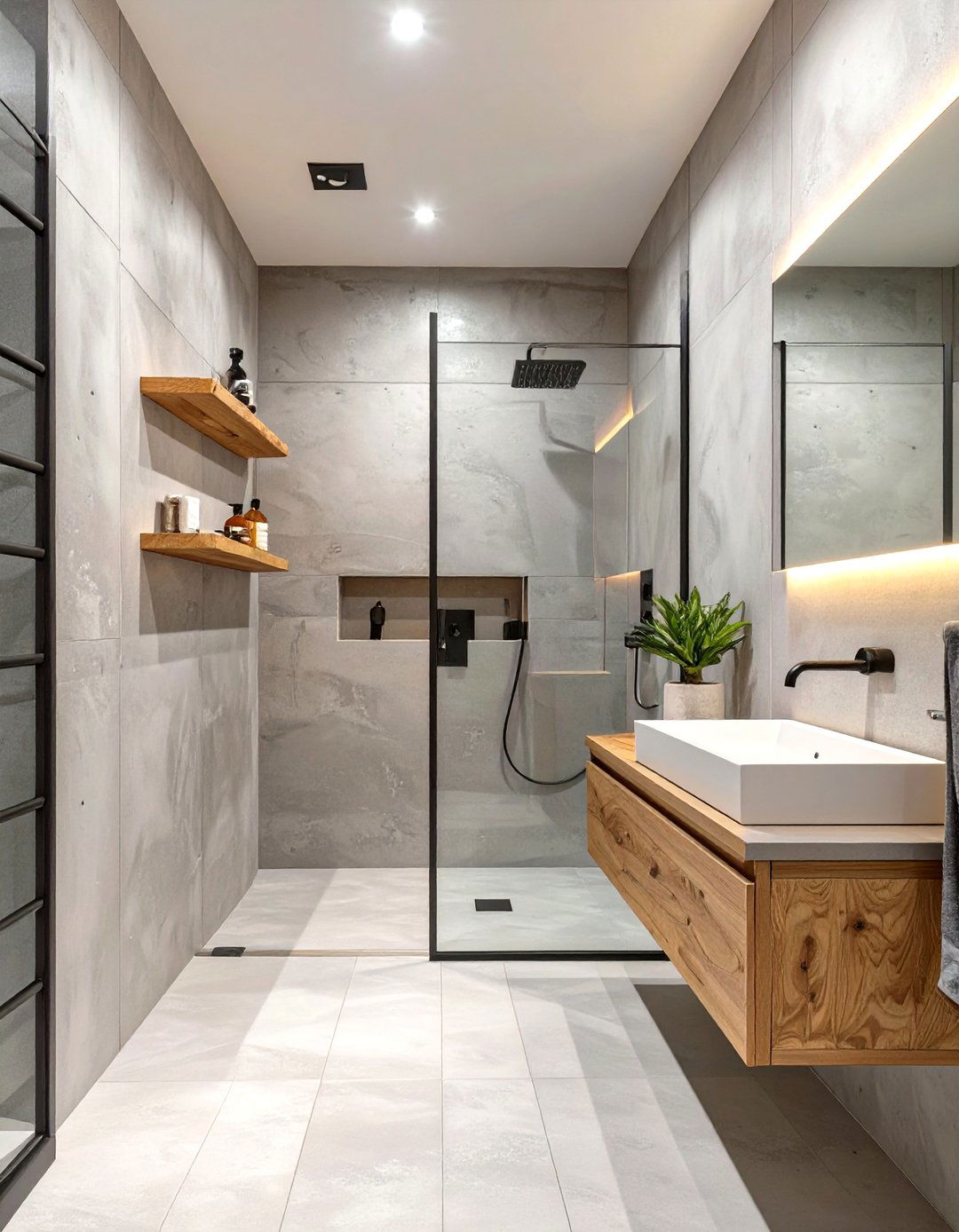
For an industrial-chic or minimalist aesthetic, polished concrete-effect porcelain tiles are an excellent choice. These tiles offer the raw, edgy look of concrete but with the practical benefits of being waterproof, durable, and easy to maintain. In a small bathroom, using large-format concrete-effect tiles with minimal grout lines creates a seamless, uniform look that can make the space feel larger and less cluttered. The cool, neutral gray tones provide a versatile backdrop that pairs well with wood accents, black fixtures, or a pop of color, allowing for a sophisticated and modern design in a compact area.
25. Penny Tiles with a Custom Mosaic Pattern

Elevate the charm of penny tiles by creating a custom mosaic pattern on the floor of a small bathroom. While a solid color is lovely, using two or more colors to spell out a word, create a floral design, or form a simple border can add a unique and personal touch. This is a classic feature of vintage bathrooms that can be adapted for a modern or transitional style. The small scale of penny tiles is perfect for intricate work, turning the floor into a piece of art. It’s a wonderful way to infuse personality into a compact space.
26. Arabesque or Lantern Shaped Tiles

Arabesque or lantern-shaped tiles bring an elegant, curvilinear pattern to a small bathroom, offering a softer alternative to more angular geometric shapes. The interlocking, ornate design adds a touch of Moroccan or Spanish influence and creates a sophisticated feature wall behind a sink or in a shower. Using these tiles in a single, neutral color like white, gray, or a soft blue keeps the look refined and prevents it from overwhelming the small space. The unique shape itself provides plenty of visual interest, adding a layer of graceful movement and decorative flair to the room's design.
27. Ombré or Gradient Effect Tiles

Create a stunning and unique feature wall in a small bathroom with an ombré or gradient tile effect. This involves transitioning from a dark shade to a lighter shade of the same color, or even blending two different colors. This can be achieved using tiles that are specifically designed to create a gradient or by carefully arranging different colored mosaic tiles. A vertical ombré, moving from a dark color at the floor to a light color at the ceiling, can draw the eye upward and make the room feel taller and more open, adding a beautiful, artistic touch.
28. Small Bathroom Tiles with a Bold Graphic Pattern

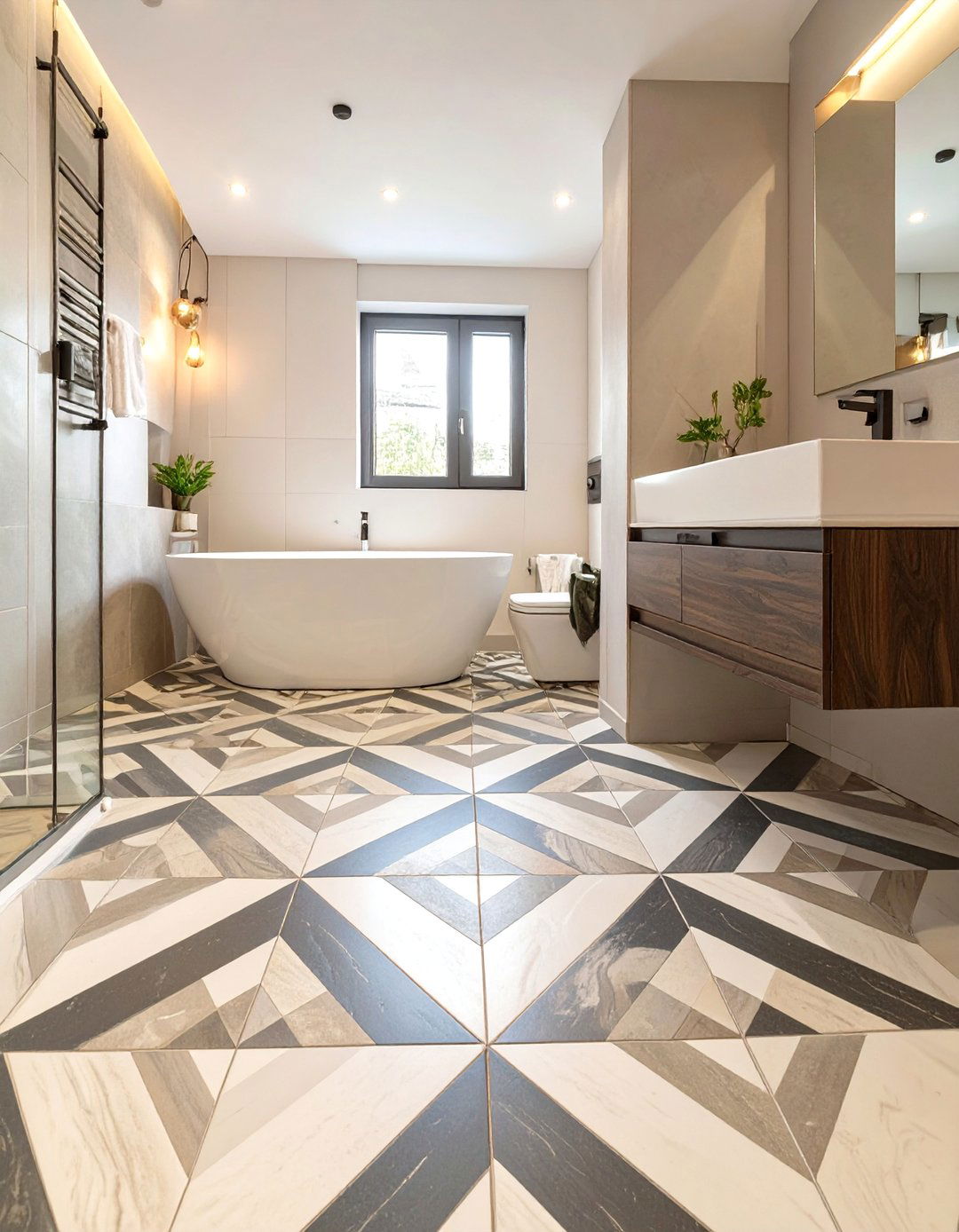
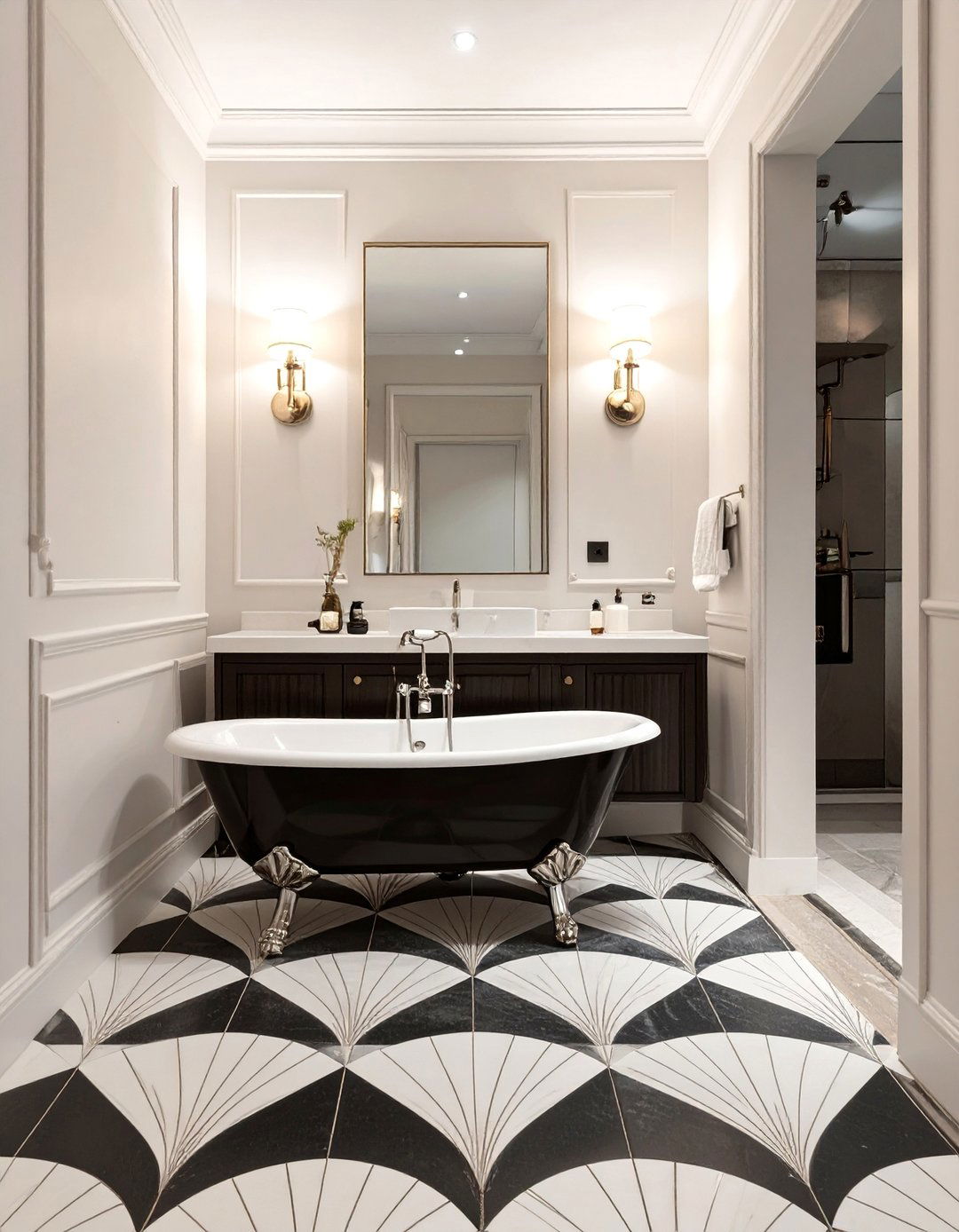
For those looking to make a strong statement, bold graphic-patterned tiles can inject energy and personality into a small bathroom. These tiles often feature repeating geometric or abstract designs in high-contrast colors. To avoid overwhelming the space, it's best to use them in a contained area, such as the floor or a single accent wall. When used on the floor, a bold pattern can anchor the room and become its main feature, allowing the rest of the decor to remain simple. This is a fantastic way to express your style and create a memorable design.
29. Subtle Textured Subway Tiles

Give the classic subway tile a modern update by choosing a version with a subtle texture. Instead of a flat, smooth surface, look for tiles with a beveled edge, a handmade wavy finish, or a slight crackle glaze. These variations add a layer of depth and interest to the wall without introducing a busy pattern. The way light plays across the textured surfaces creates gentle shadows and highlights, adding a tactile quality to the design. This is an excellent way to achieve a clean, timeless look while incorporating a touch of understated sophistication and character into your small bathroom.
30. High-Variation Color Tiles

Tiles with high color variation, where each piece has a slightly different shade, tone, or intensity, can create a rich and dynamic surface in a small bathroom. This is common in natural materials like slate or handcrafted tiles like zellige, but it can also be found in porcelain and ceramic lines. The subtle differences from tile to tile add depth, texture, and a natural, organic feel. Using these on a feature wall or floor prevents the surface from looking flat and monotonous, infusing the space with character and a sense of movement without relying on a distinct pattern.
Conclusion:
Ultimately, designing a small bathroom is an exercise in creativity and smart choices. From using large-format tiles to minimize grout lines to laying tiles vertically to create an illusion of height, each technique can significantly impact the perception of space. Whether your style leans towards the classic charm of a checkerboard floor, the modern edge of 3D textures, or the artisanal beauty of zellige tiles, the key is to select a design that reflects your personality while enhancing the room's proportions. A well-chosen tile can transform a cramped bathroom into a stylish and inviting sanctuary.

Related posts:

Leave a Reply