
Small bathrooms present a unique design challenge, but the right tiles can transform a cramped space into a stylish and functional retreat. Choosing the perfect tile involves more than just color; it’s about using size, pattern, and texture to create an illusion of space and reflect your personal style. From bold patterns that make a statement to subtle textures that add depth, the options are vast. Whether you're aiming for a bright, airy feel or a cozy, dramatic look, the tile you select lays the foundation for the entire room's aesthetic, making it one of the most crucial decisions in your bathroom renovation.
1. Large-Format Wall Tiles
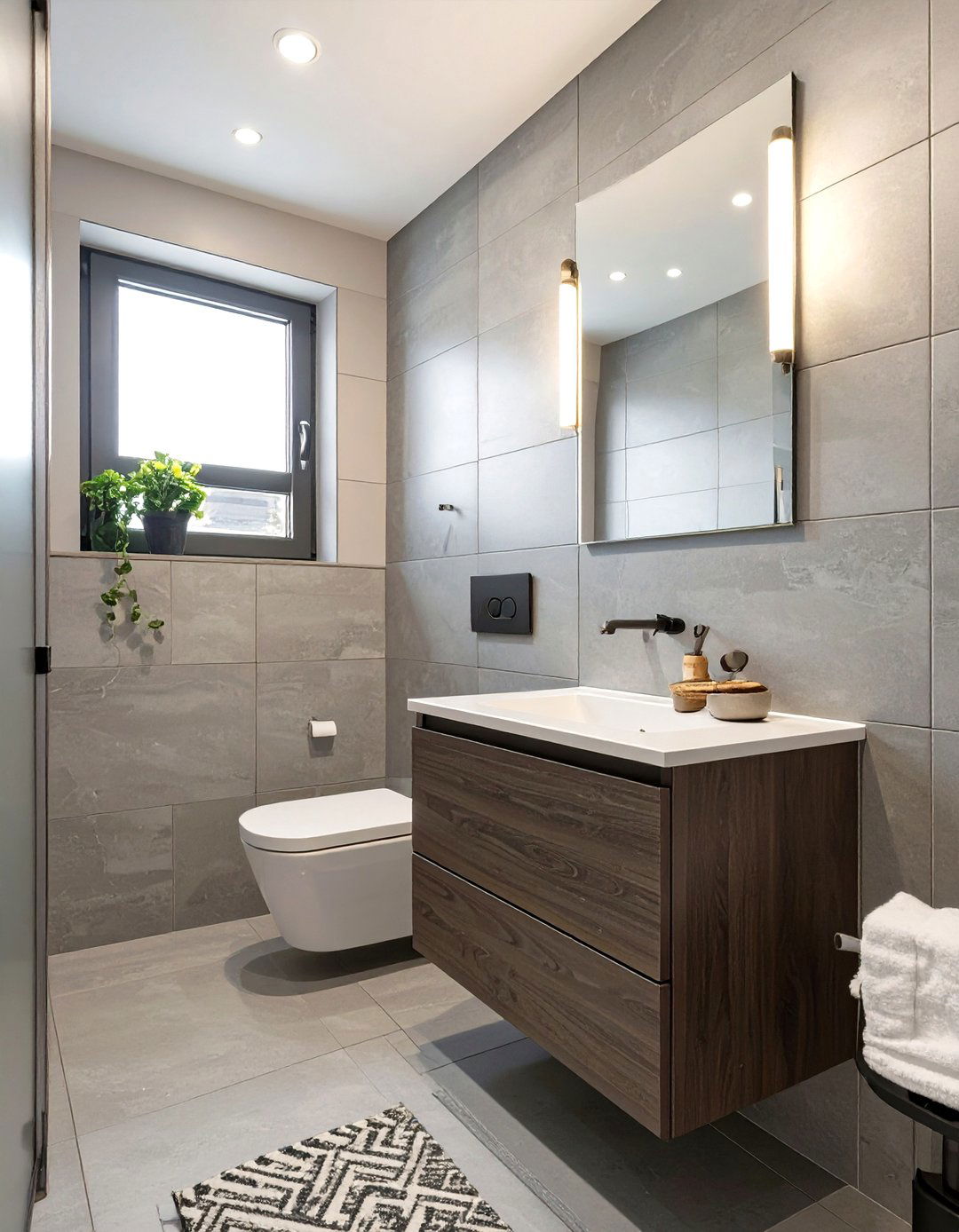
Using large-format tiles is a clever strategy to make a small bathroom feel more spacious. With fewer grout lines to break up the visual flow, the walls appear longer and more continuous. A tile that is 12x24 inches or even larger can create a seamless, clean look that enhances the sense of openness. This approach works particularly well with light-colored tiles in shades of white, beige, or soft gray, as they reflect more light. The minimalist effect of large tiles reduces visual clutter, which is key in a compact area. It’s an effective way to achieve a modern, uncluttered aesthetic while maximizing the perceived size of your room.
2. Vertical Tile Installation
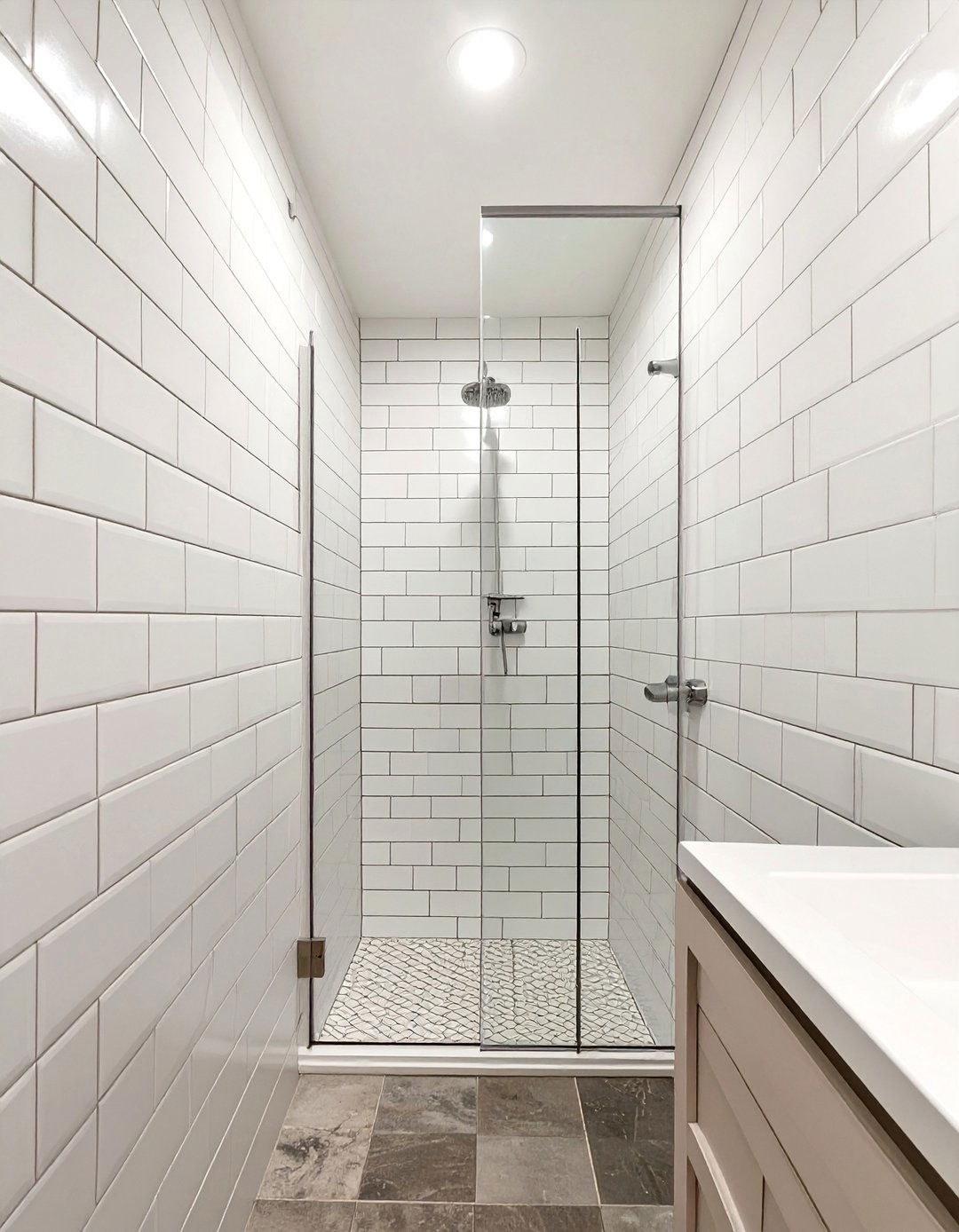
To draw the eye upward and create the illusion of higher ceilings, consider installing your tiles vertically. This technique is especially effective with rectangular or subway tiles. By orienting them in a vertical stack or a running bond pattern, you create strong vertical lines that give the room a sense of height and grandeur. This simple shift in layout can dramatically alter the room's proportions without changing its actual footprint. It’s a great choice for bathrooms with low ceilings, adding an element of sophisticated design while making the space feel less confined and more open and airy.
3. Diagonal Tile Layout
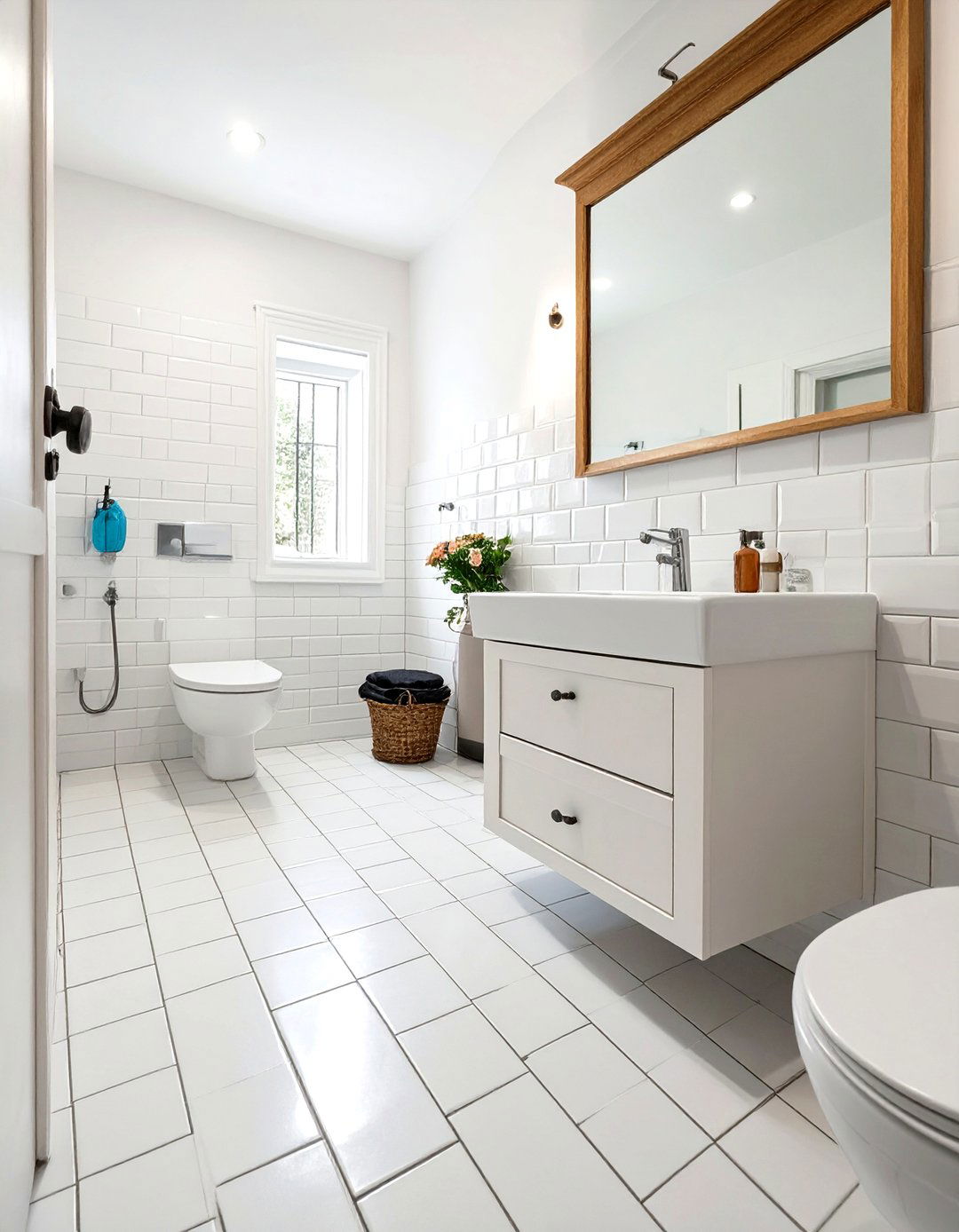
A diagonal tile layout is a dynamic way to trick the eye into seeing a wider and longer space. By setting square or rectangular tiles on a 45-degree angle, you create diagonal lines that extend from wall to wall, making the floor appear larger than it actually is. This pattern adds visual interest and movement, breaking up the boxy feel that often plagues small bathrooms. While it may require more intricate cuts and slightly more material, the impact is significant. It’s a classic design trick that infuses a sense of energy and expansiveness into even the most compact bathroom floors.
4. Penny Tile Flooring
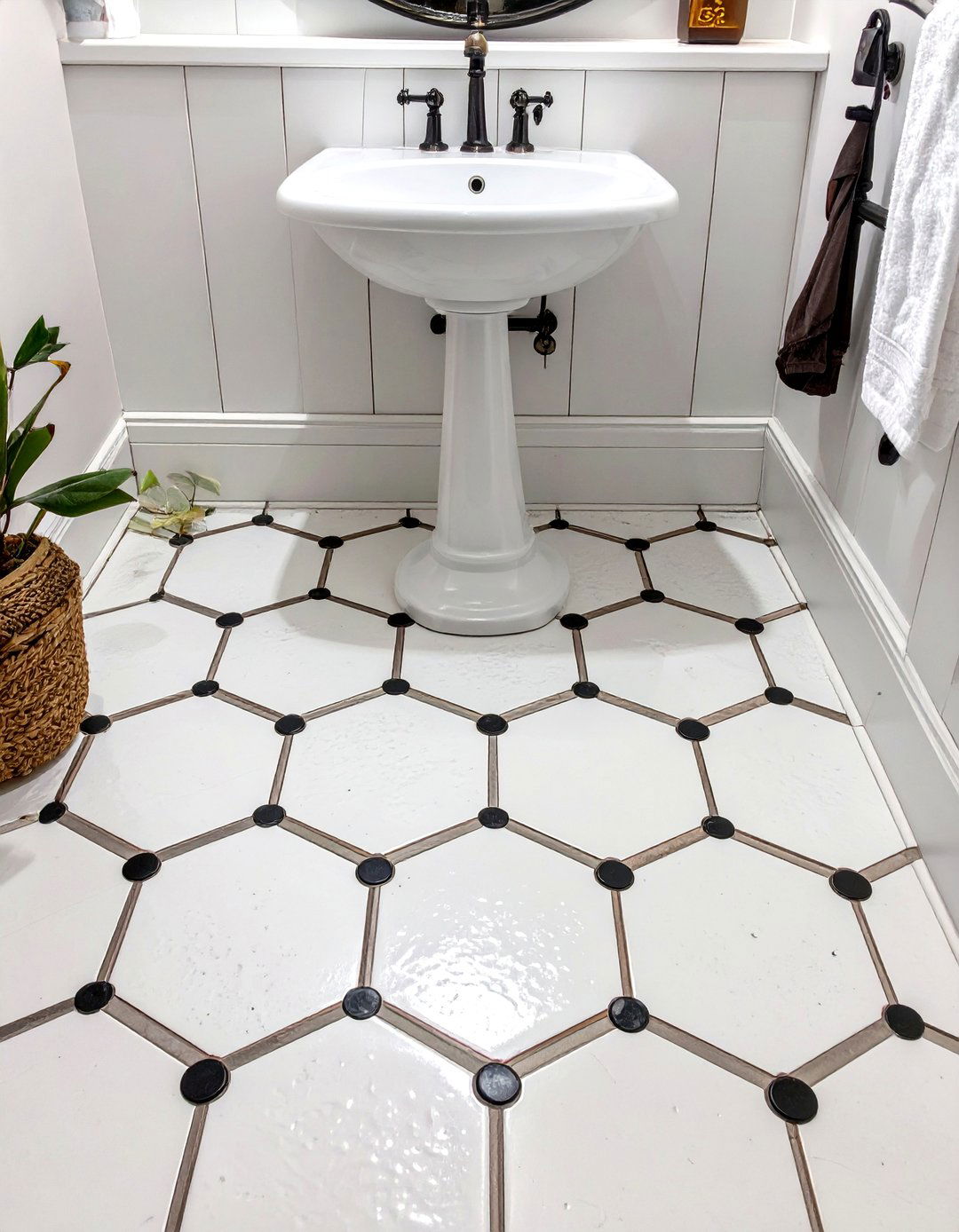
For a touch of vintage charm and texture, penny tiles are an excellent choice for small bathroom floors. These small, hexagonal or round tiles create a detailed mosaic-like pattern that adds significant visual interest without overwhelming the space. The high number of grout lines provides excellent slip resistance, making them a practical option for wet areas. You can use a single color for a classic look or create custom patterns and borders with different colors. Despite their small size, penny tiles work together to form a cohesive surface that feels both intricate and expansive underfoot.
5. Mirrored Wall Tiles
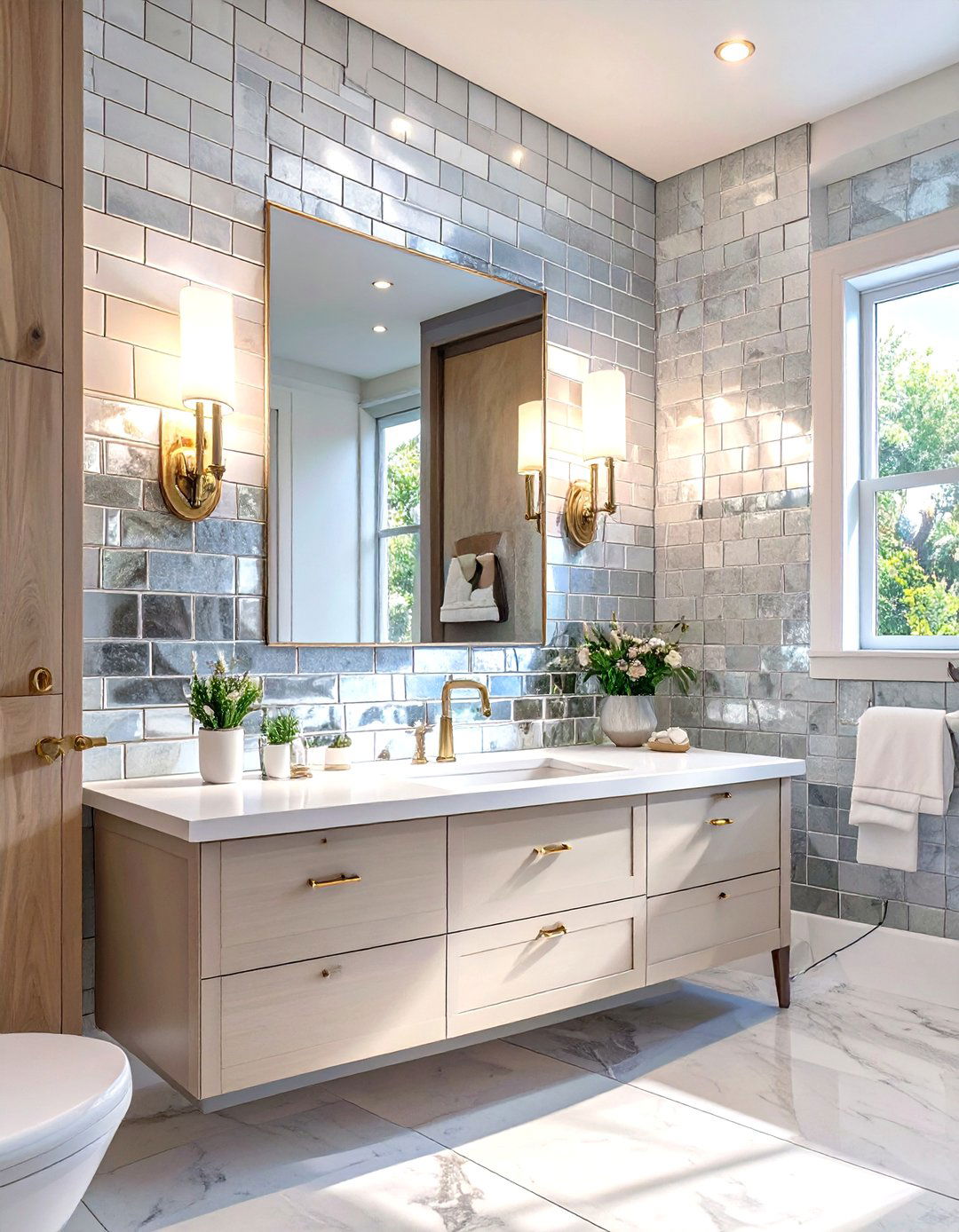
To dramatically amplify light and create a profound sense of depth, mirrored tiles are an unparalleled option. These reflective surfaces bounce light around the room, making the space feel brighter and significantly larger. You can use them to create a stunning accent wall, perhaps behind the vanity, or to cover a larger area for maximum impact. Mirrored tiles come in various shapes and sizes, from classic subway styles to intricate mosaics. While they require regular cleaning to stay streak-free, the glamorous and space-enhancing effect they provide is well worth the effort, turning a small bathroom into a dazzling jewel box.
6. High-Gloss Finish Tiles
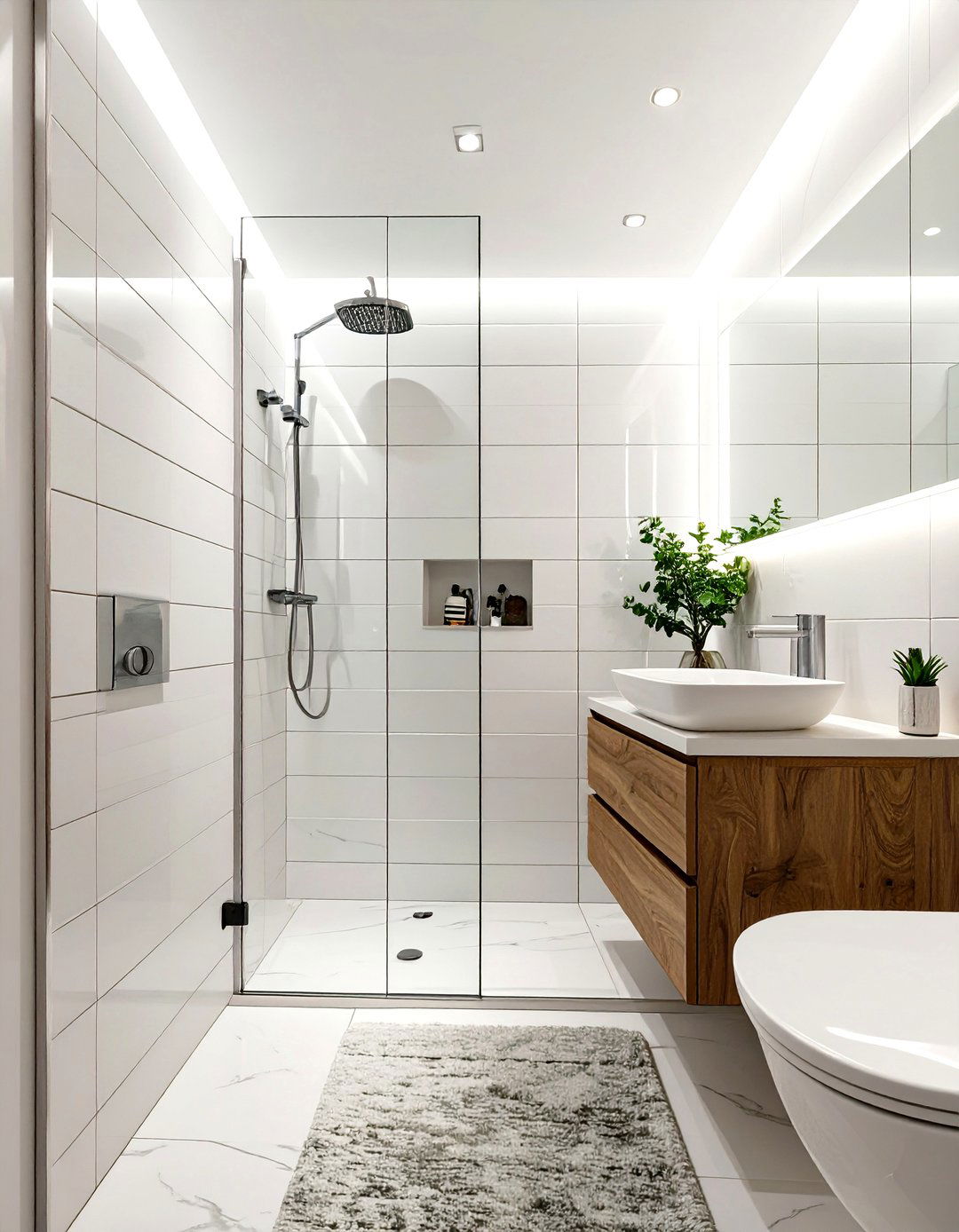
Selecting tiles with a high-gloss finish is another brilliant way to enhance a small bathroom. The shiny, reflective surface works similarly to a mirror, bouncing light throughout the room and creating a brighter, more open atmosphere. This effect is particularly noticeable with lighter-colored tiles, such as white, cream, or pastel shades. Glossy tiles are also easy to wipe down, making them a practical choice for shower walls and backsplashes. Their sleek, polished appearance adds a touch of modern sophistication while helping to visually expand the boundaries of the room, making it feel more luxurious and spacious.
7. Floor-to-Ceiling Tile
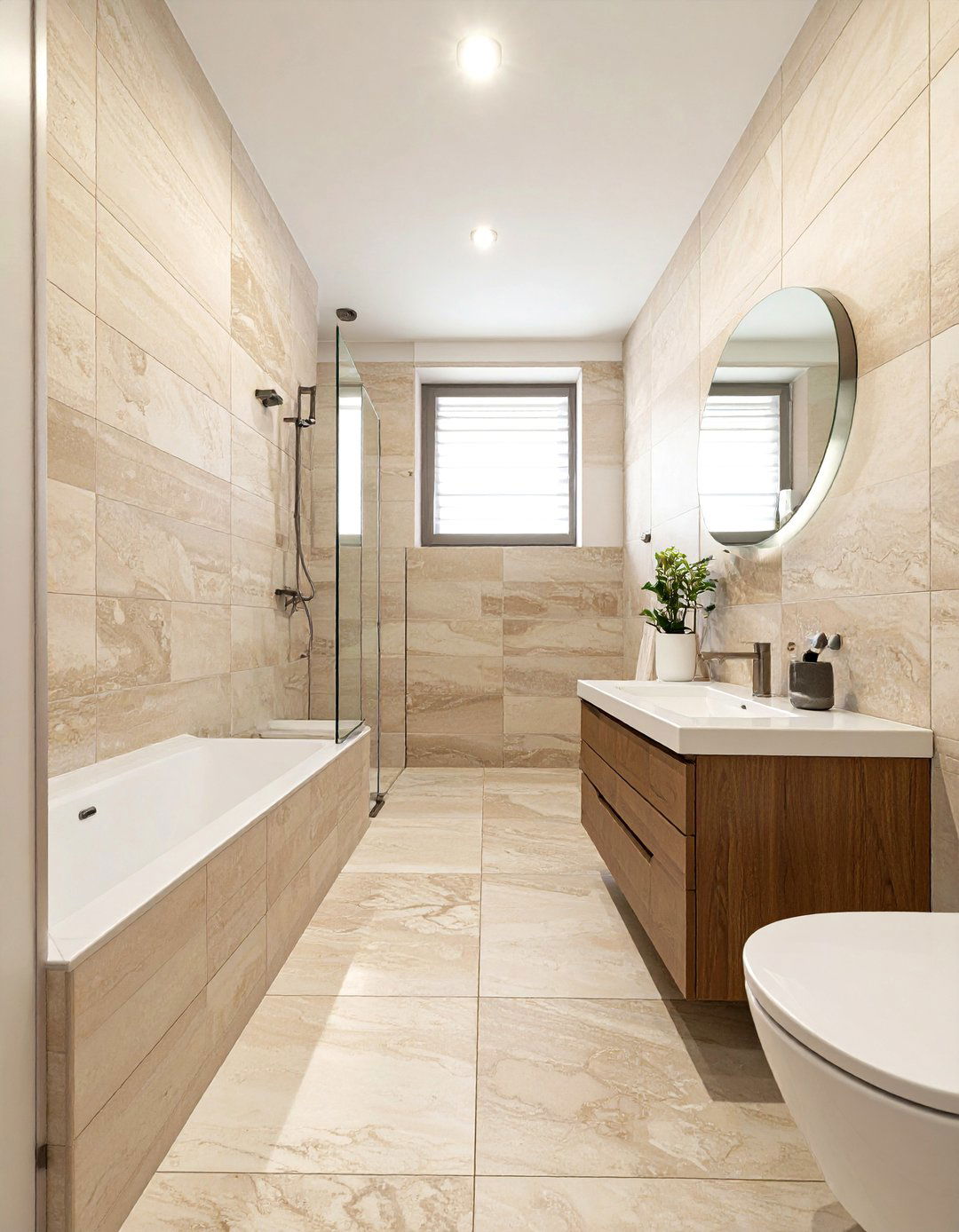
Extending your chosen tile from the floor all the way up to the ceiling is a powerful design move that creates a seamless, cohesive look. This technique eliminates visual breaks and draws the eye upward, making the ceiling feel higher and the room larger. It’s especially effective in a shower area, but can be applied to all walls for a dramatic, fully enveloped feel. Using the same tile throughout creates a continuous surface that unifies the space. This approach not only adds a touch of luxury but also makes cleaning simpler, providing a practical and visually stunning solution for a small bathroom.
8. Matching Floor and Wall Tiles
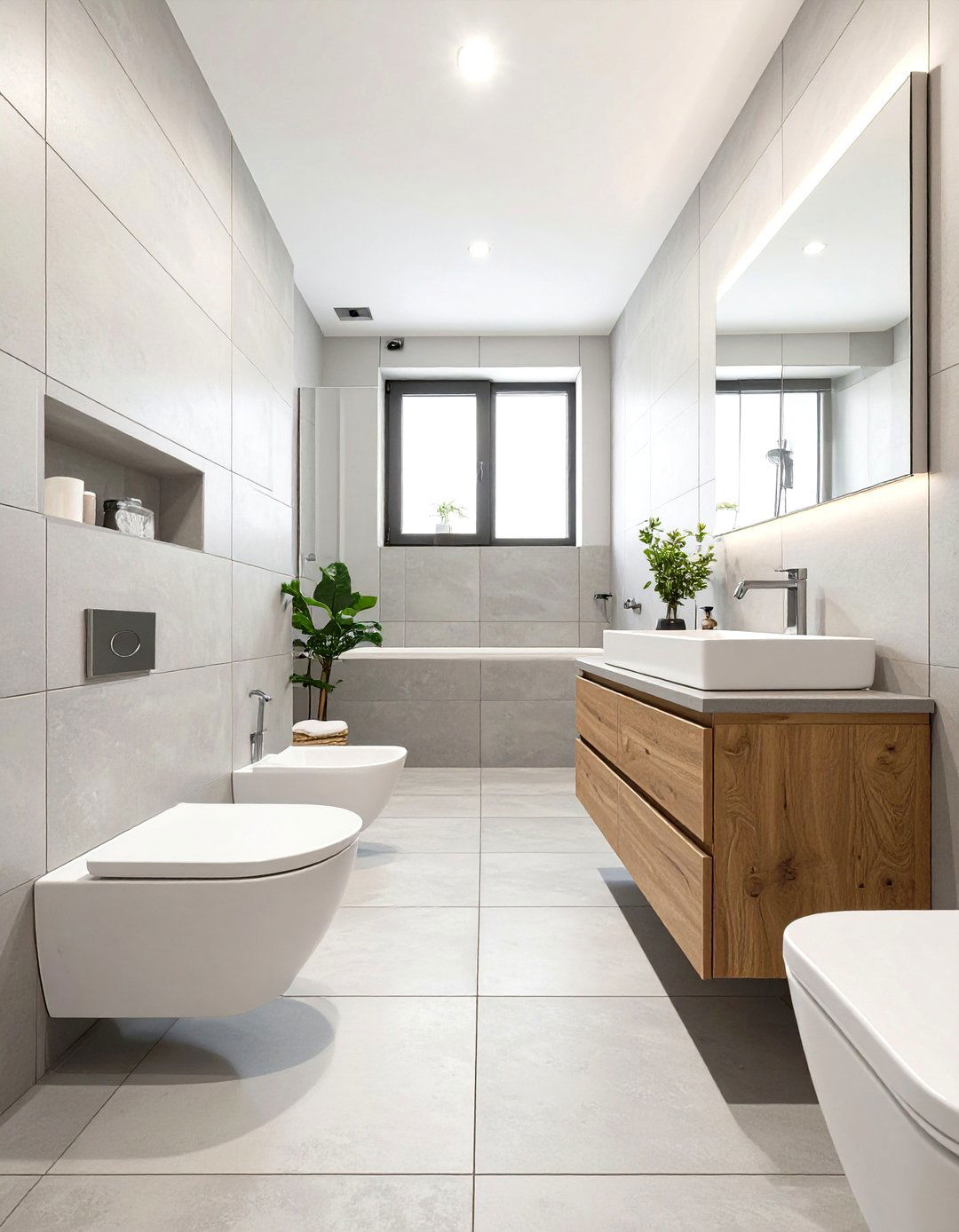
Using the same tile on both the floor and the walls is a highly effective strategy for making a small bathroom feel larger and more cohesive. This continuity blurs the lines between the floor and walls, creating a seamless visual flow that tricks the eye into perceiving a more expansive space. This unified look minimizes visual clutter and establishes a serene, spa-like atmosphere. Light-colored tiles in marble, travertine, or porcelain work particularly well for this application, enhancing the sense of openness. It’s a sophisticated and minimalist approach that brings a strong sense of unity and calm to the design.
9. Chevron and Herringbone Patterns
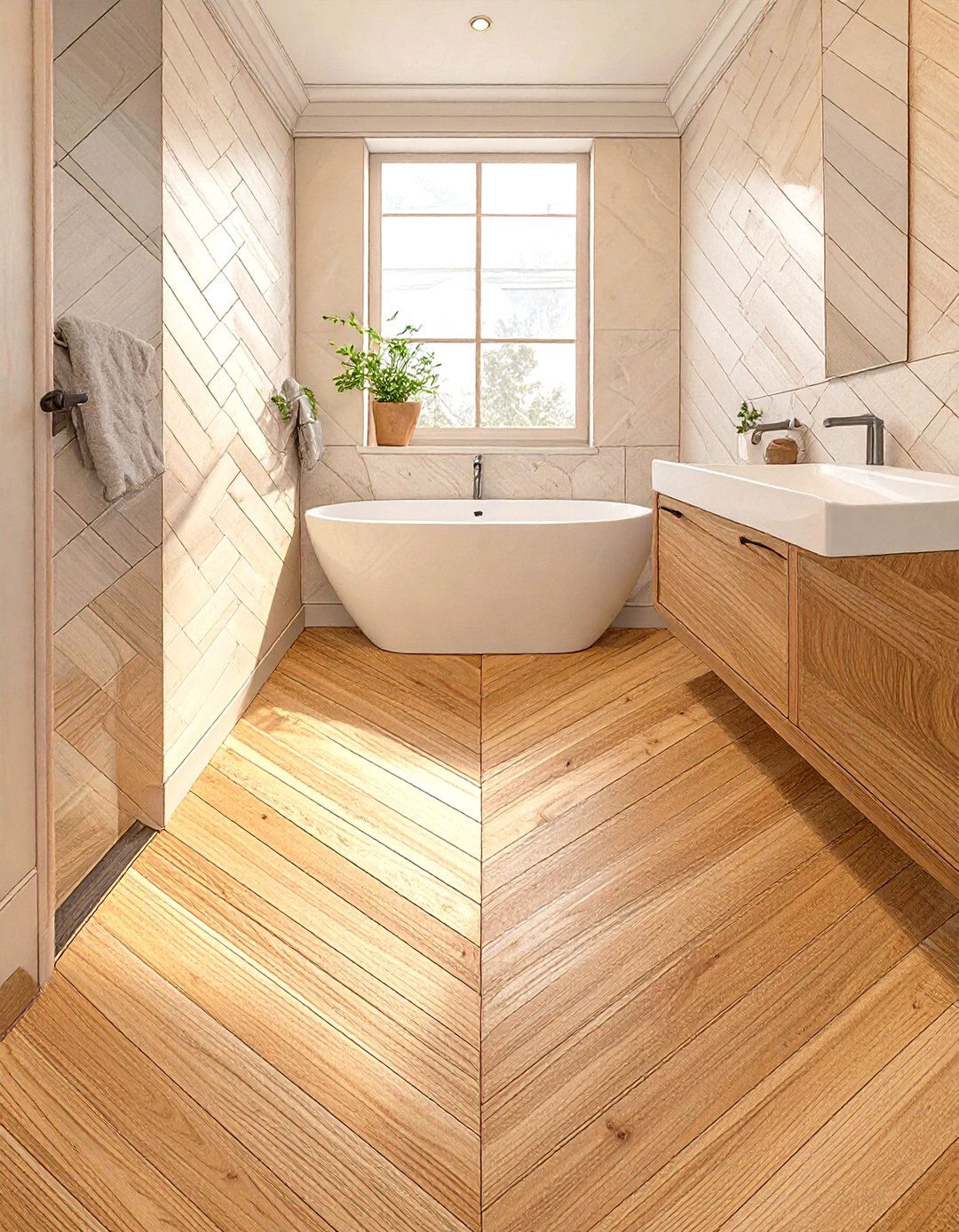
To add a sense of movement and sophistication, consider laying tiles in a chevron or herringbone pattern. These dynamic V-shaped patterns create leading lines that can make a floor or wall appear longer and wider. The directional nature of the design draws the eye across the surface, contributing to a feeling of expansiveness. This technique works beautifully with rectangular tiles on both floors and walls, especially as a feature wall in a shower or behind a vanity. It infuses the space with a classic yet contemporary energy, adding a layer of intricate detail without making the room feel busy.
10. Hexagon Tile Patterns
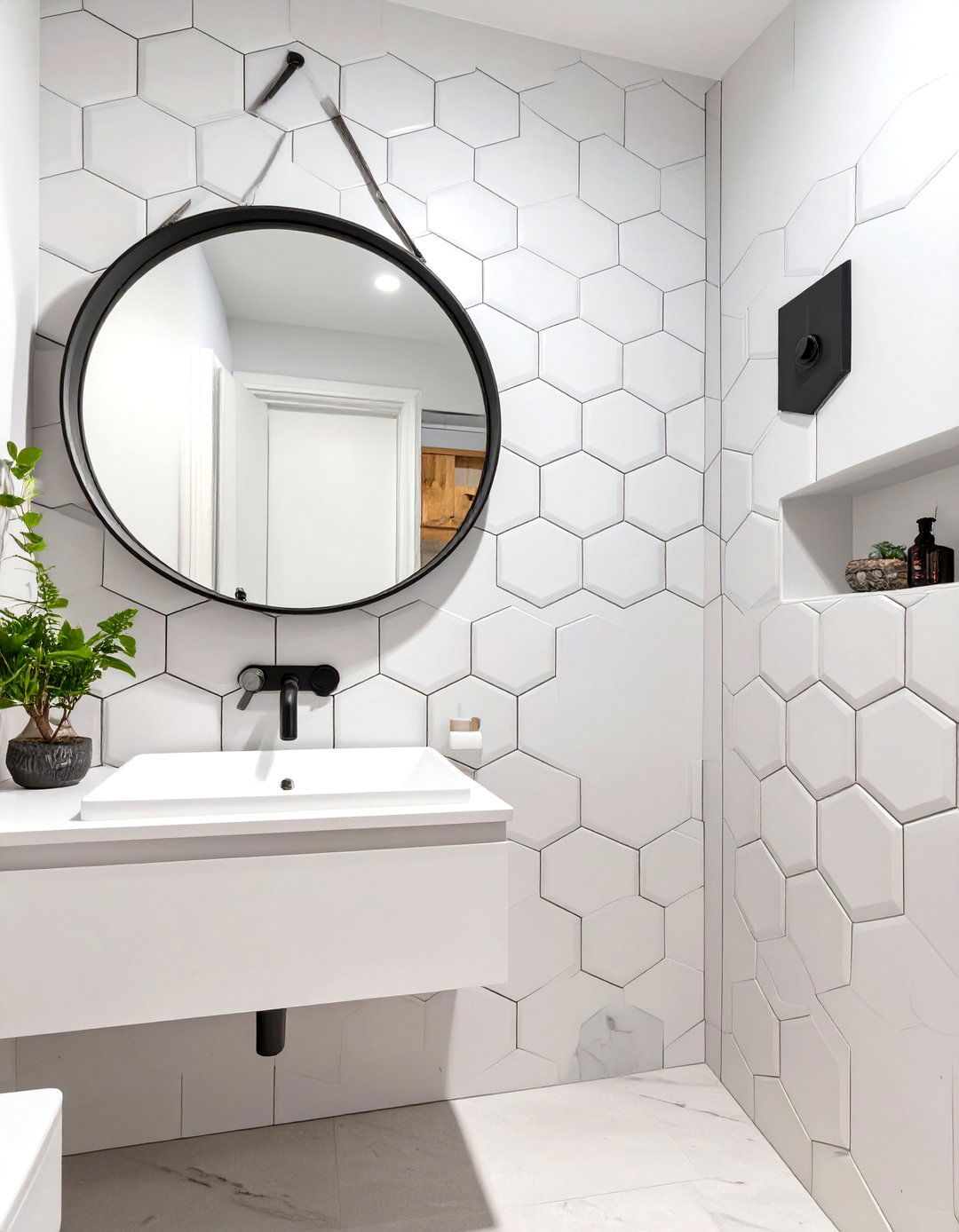
Hexagon tiles offer a modern, geometric alternative to traditional square or rectangular tiles. Their six-sided shape creates an interesting honeycomb pattern that adds texture and visual appeal without overwhelming a small space. You can use small-scale hex tiles for a detailed, mosaic-like effect or larger ones for a bolder statement. They are versatile enough for both floors and walls and come in a wide array of colors and finishes. Using a contrasting grout color can further accentuate the unique shape, adding another layer of design detail that elevates the overall look of the bathroom.
11. Bold Patterned Floor Tiles
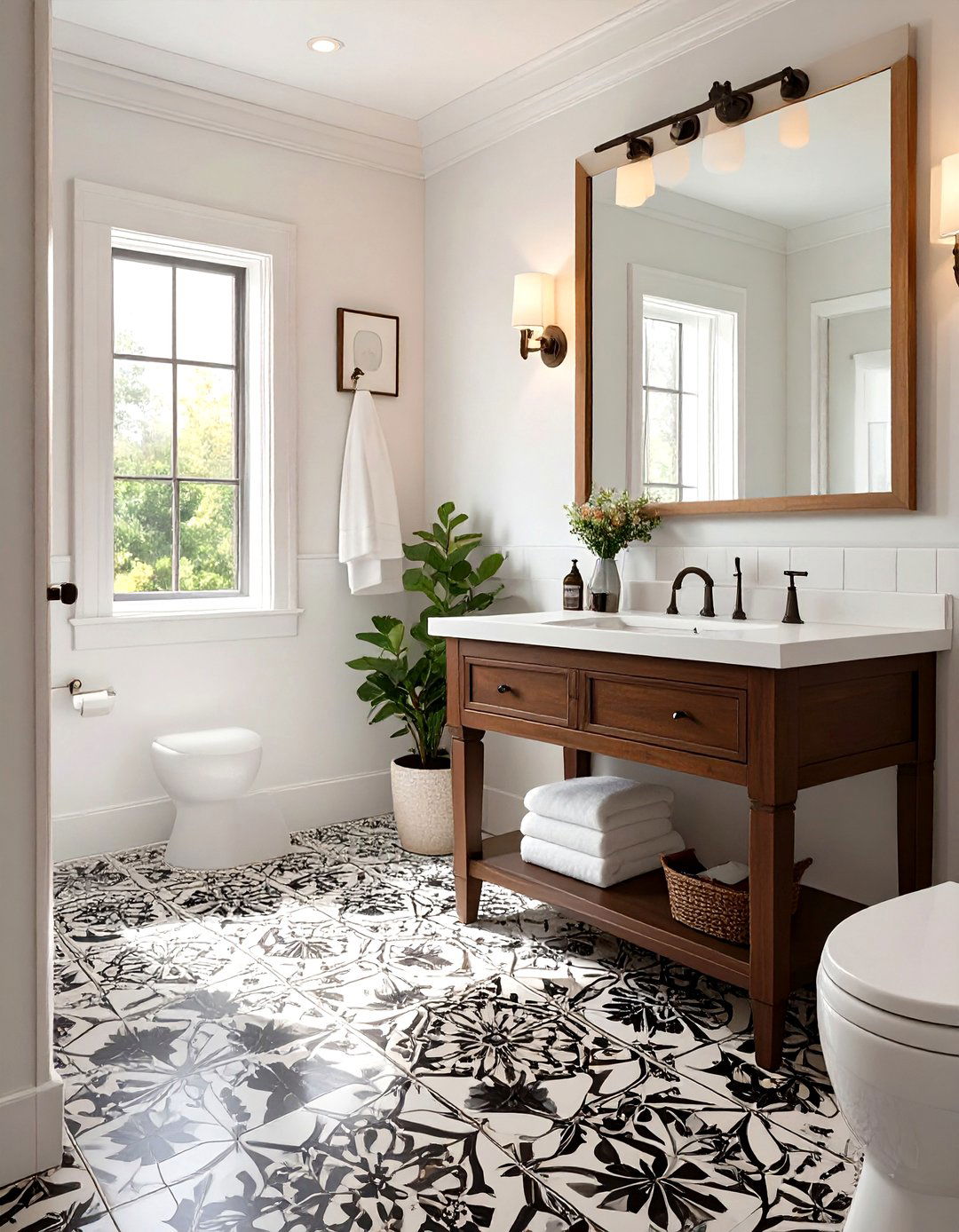
Making a bold statement with patterned floor tiles can surprisingly make a small bathroom feel more curated and intentional. By drawing the eye downward to an intricate design, you create a strong focal point that distracts from the room's limited dimensions. Geometric, encaustic, or Moroccan-style tiles can infuse personality and flair into the space. To avoid overwhelming the room, keep the wall tiles and fixtures simple and neutral, allowing the floor to be the star of the show. This design choice anchors the room and proves that small spaces don't have to be boring or devoid of character.
12. Black and White Checkered Tiles
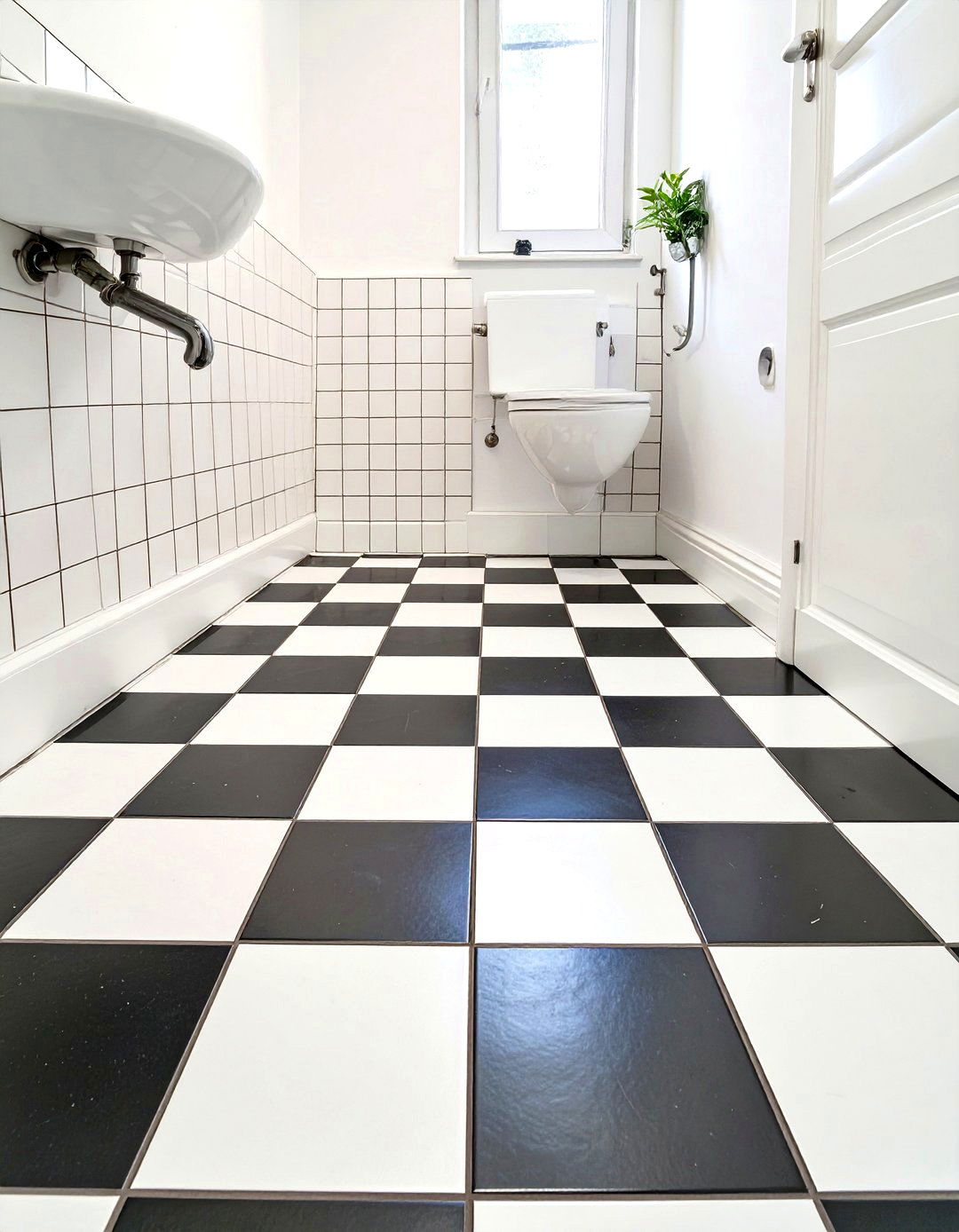
The classic black and white checkered tile pattern is a timeless choice that brings a sense of structure and retro charm to a small bathroom. Laying the tiles diagonally can enhance the space-expanding effect, making the floor appear wider. This high-contrast design creates a strong graphic statement that is both elegant and playful. It works well with a variety of design styles, from traditional to modern. To balance the bold floor, opt for simple white or light-colored wall tiles and sleek fixtures, ensuring the overall look remains clean and uncluttered rather than overly busy.
13. Light-Colored Natural Stone Tiles
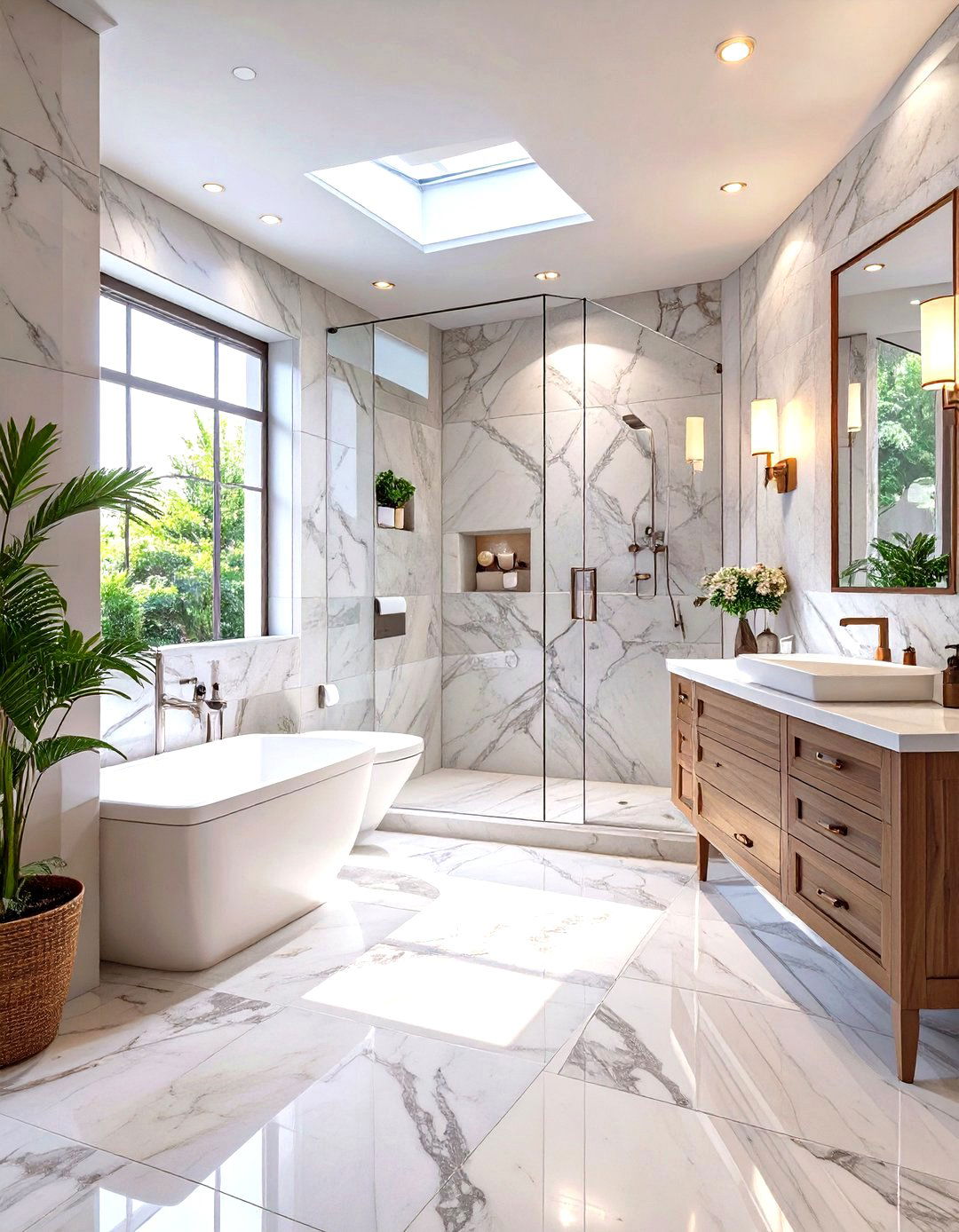
Using light-colored natural stone tiles, such as marble, travertine, or limestone, can bring a sense of organic luxury and brightness to a small bathroom. The subtle veining and natural variations in these materials add texture and depth without creating visual clutter. Light tones like Carrara marble or creamy travertine reflect light beautifully, helping to make the space feel larger and more open. The inherent elegance of natural stone elevates the room, creating a serene, spa-like ambiance. These tiles provide a timeless backdrop that pairs well with various fixture finishes, from polished chrome to matte black.
14. Textured Wall Tiles
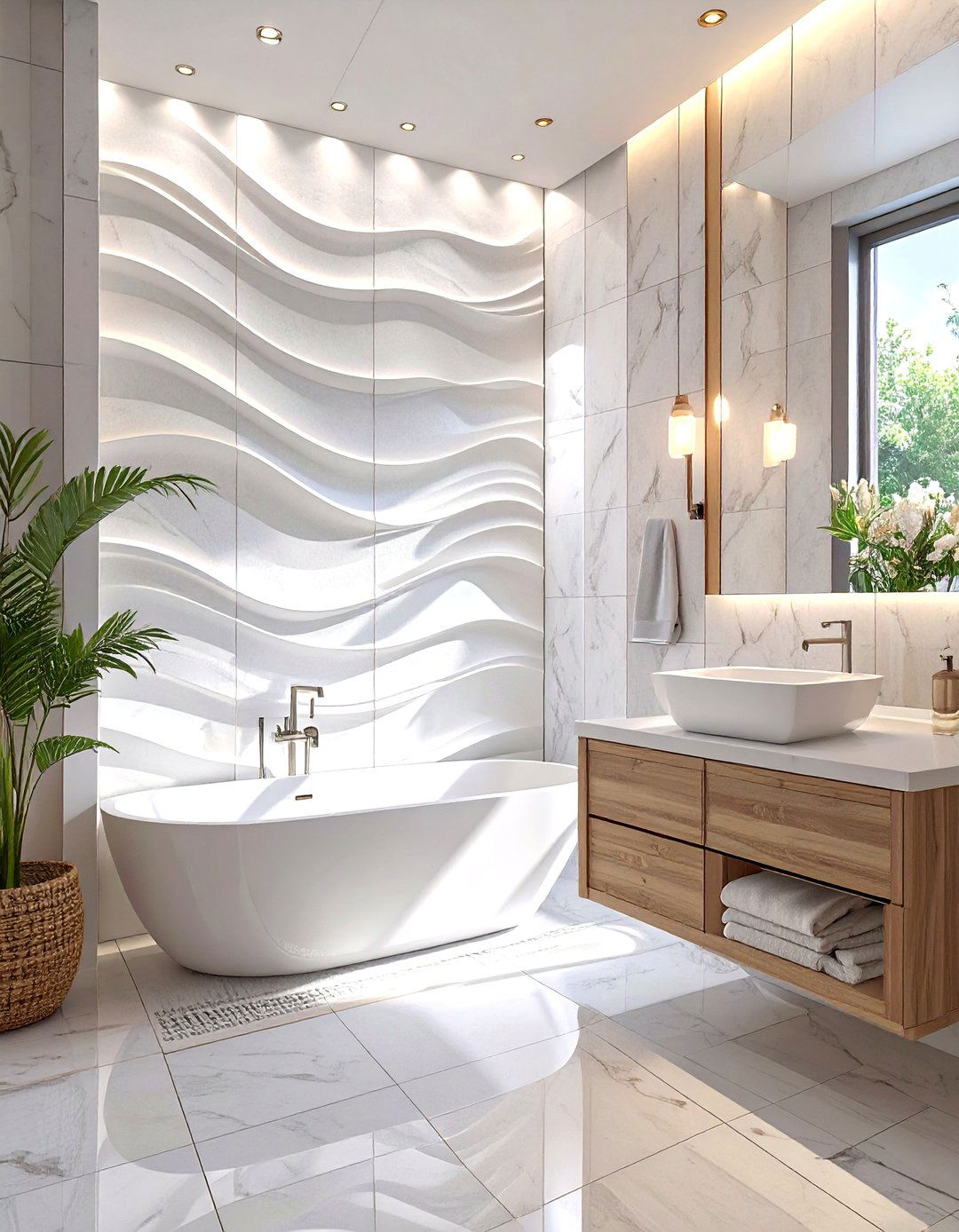
To add depth and interest without relying on color or pattern, consider using textured wall tiles. These tiles feature three-dimensional surfaces with designs like waves, ridges, or geometric reliefs. The play of light and shadow across the textured surface creates subtle visual intrigue and can make a plain wall feel more dynamic and sophisticated. This is an excellent way to create a feature wall, perhaps in the shower or behind the sink, that adds a tactile quality to the space. Using a single, neutral color allows the texture itself to be the main design element, keeping the look refined.

15. Dark and Moody Tile Colors
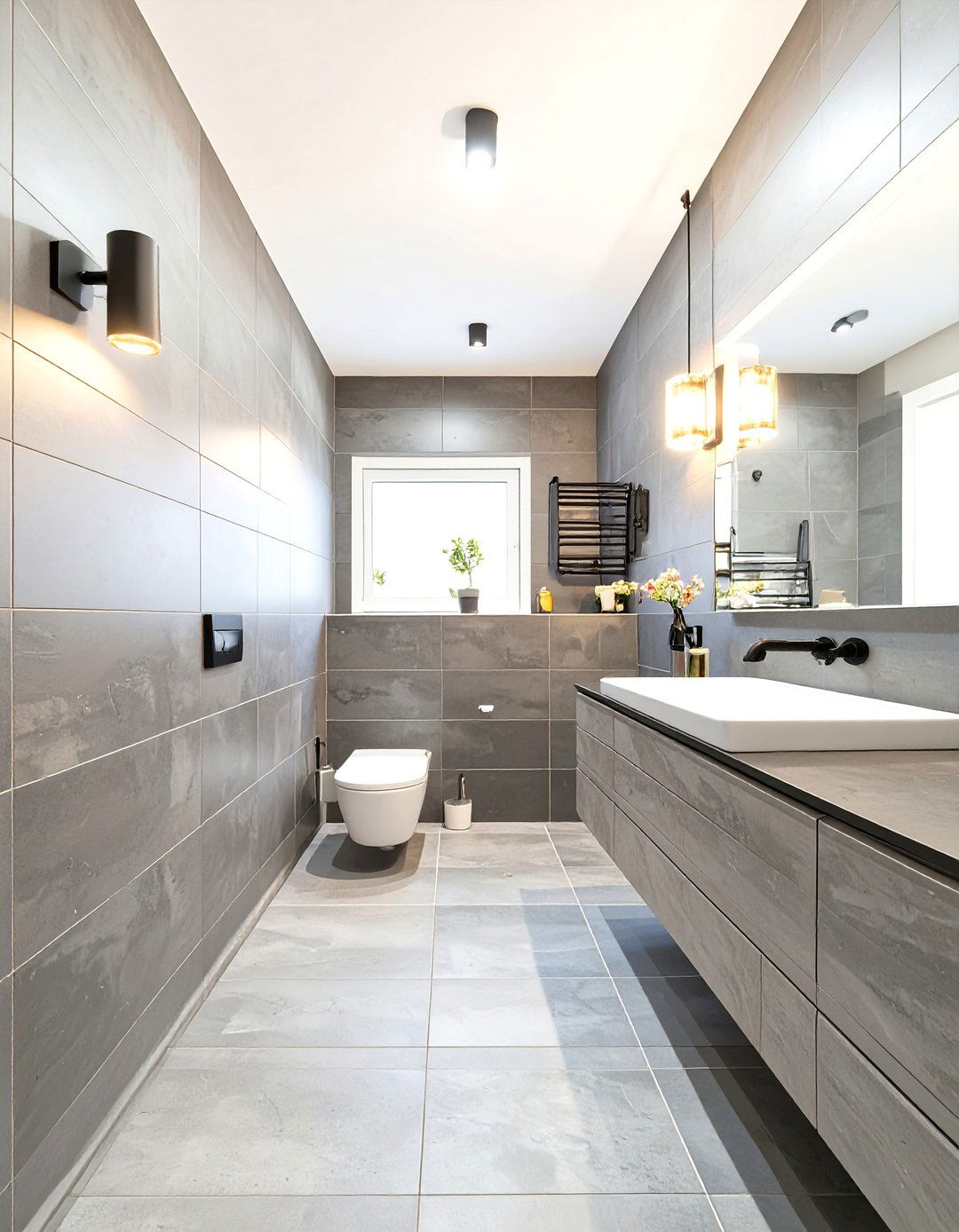
While conventional wisdom suggests using light colors, embracing dark and moody tiles can create a surprisingly cozy and dramatic effect in a small bathroom. Deep colors like charcoal gray, navy blue, or even black can make the boundaries of the room recede, creating an illusion of depth. This approach works best when balanced with good lighting and reflective surfaces, like a large mirror or glossy fixtures. A dark, uniform tile on both the walls and floor can create a seamless, cocoon-like feel that is both sophisticated and intimate, proving that small spaces can handle bold, dramatic design choices.
16. Vertical Striped Accent Tile
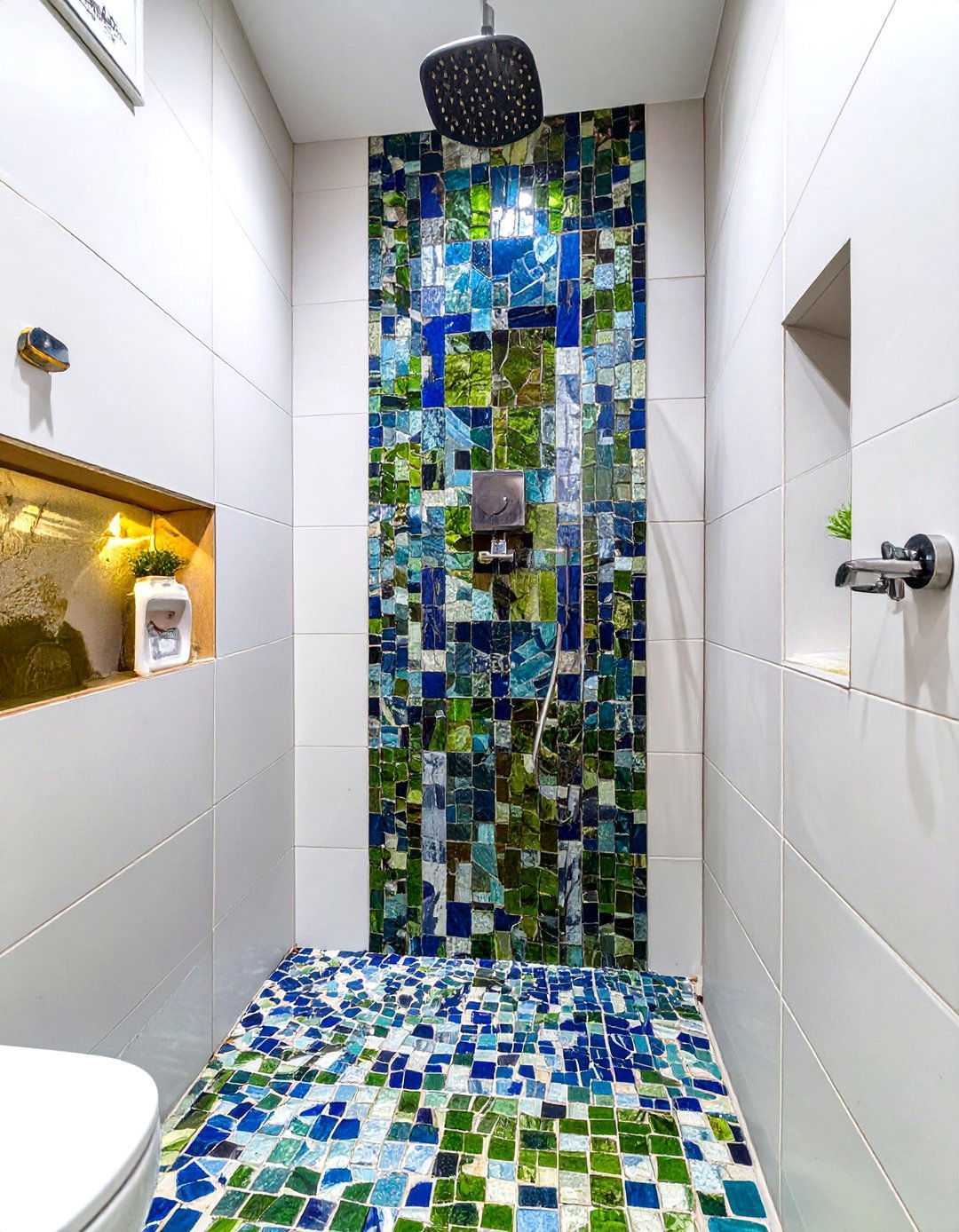
A vertical striped accent created with tiles is a powerful way to add height and a custom design element to a small bathroom. By running a contrasting band of tile from floor to ceiling, you create a strong vertical line that draws the eye upward. This stripe can be placed in the shower, behind the toilet, or behind the vanity to create a focal point. You can use a different color, a patterned tile, or a unique texture to make the stripe stand out. This technique adds a personalized touch and visual interest while cleverly enhancing the room's perceived height.
17. Fish Scale or Scalloped Tiles
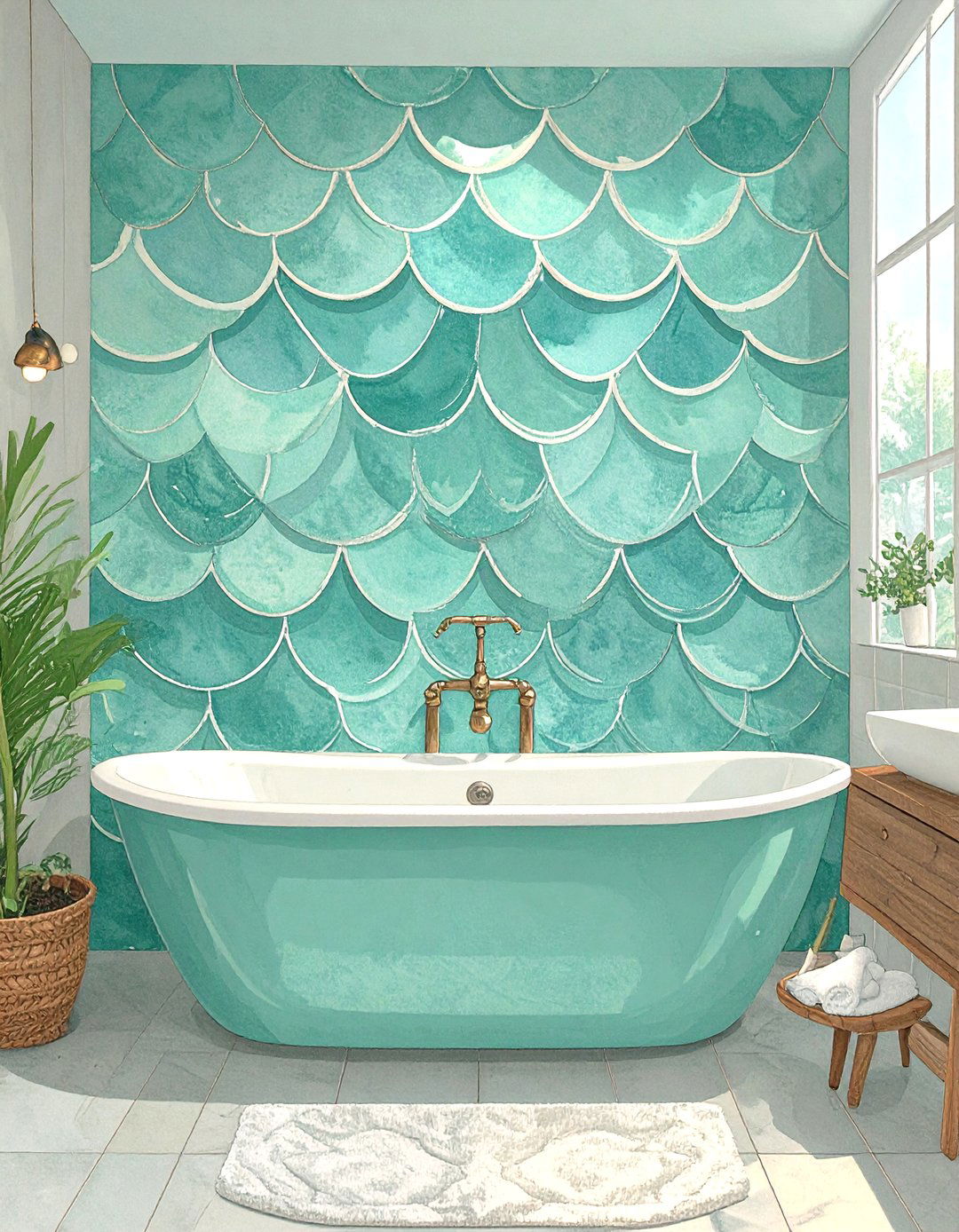
Fish scale, or scalloped, tiles bring a soft, organic shape and a touch of whimsy to a small bathroom. Their curved edges create a unique, overlapping pattern that evokes the movement of water, making them a perfect fit for a bathroom setting. These tiles work beautifully as a feature wall in a shower or as a backsplash behind the vanity. Available in a range of colors, from serene seafoam green to bold blues, they can create either a subtle or a dramatic effect. The art deco-inspired shape adds a layer of elegance and personality, transforming a simple wall into a work of art.
18. Terrazzo Tile for a Modern Look
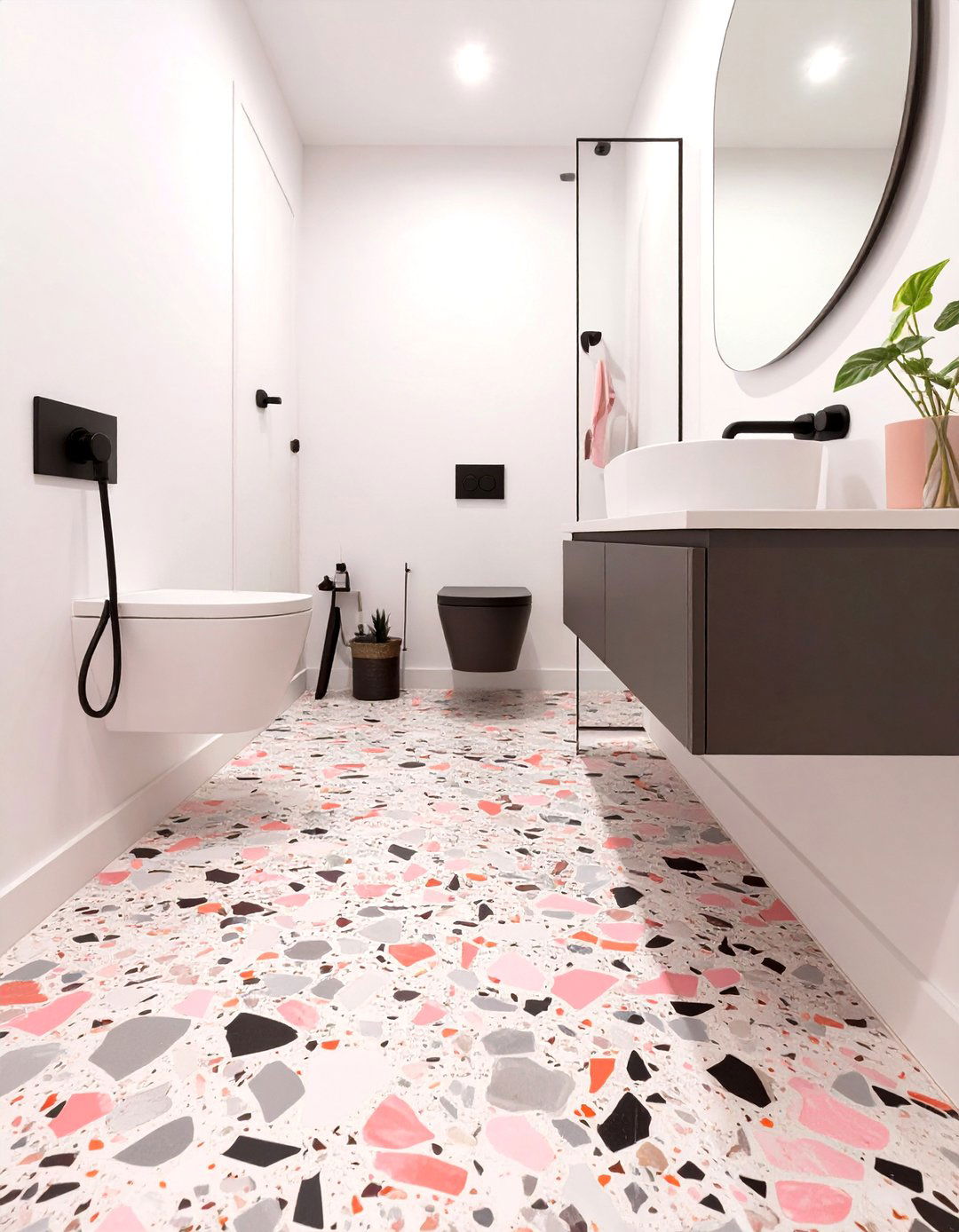
Terrazzo tiles are making a major comeback, offering a playful and modern look for small bathrooms. Composed of chips of marble, quartz, granite, or glass set in cement or resin, terrazzo provides a speckled pattern that adds color and texture in a sophisticated way. It’s a durable and long-lasting material that works well for both floors and walls. The scattered, multi-tonal pattern is great for hiding dust and water spots, making it a practical choice. Terrazzo can be the main feature of the room, bringing a unique, graphic quality that is both retro and contemporary.
19. Wood-Look Porcelain Tiles
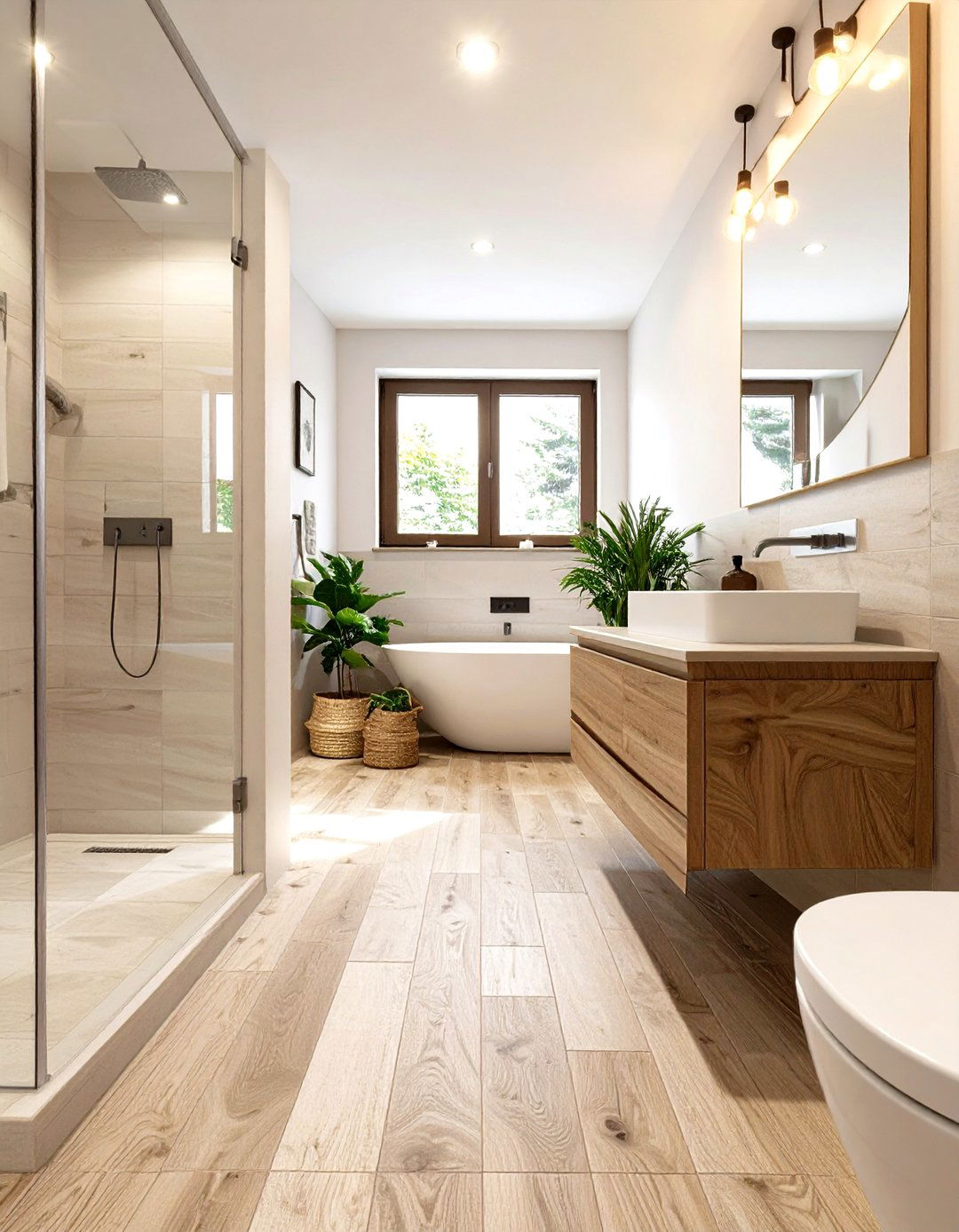
For those who love the warmth and texture of wood but need the durability and water resistance of tile, wood-look porcelain is the perfect solution. These tiles realistically mimic the grain, color, and texture of various wood species, bringing a natural, organic feel to a small bathroom. Using them on the floor can create a cozy, spa-like foundation. Lighter wood tones can help the space feel bright and airy, while darker tones can add a touch of drama. This option allows you to achieve the aesthetic of a hardwood floor without any of the warping or water damage concerns.
20. Small Square Stacked Tiles
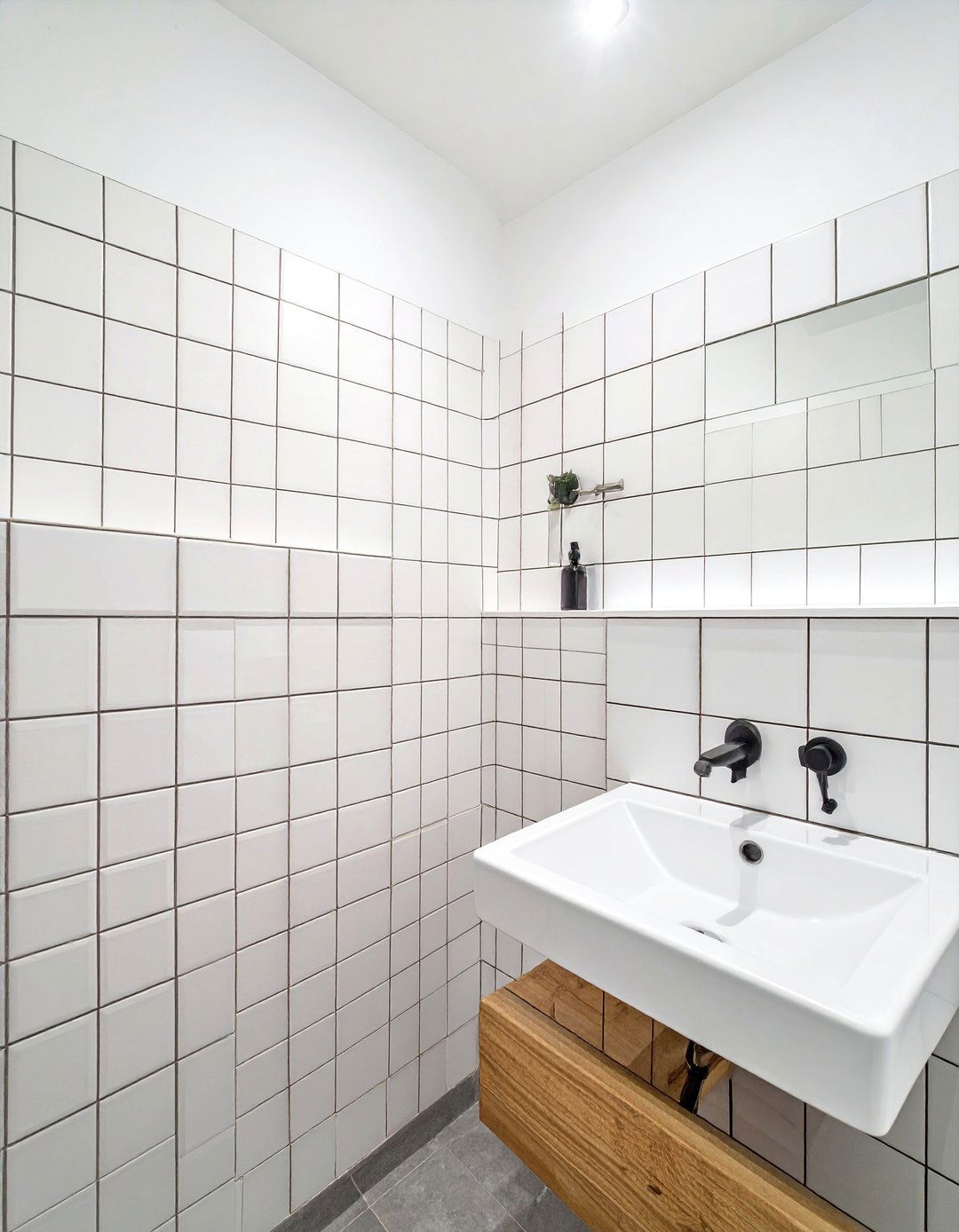
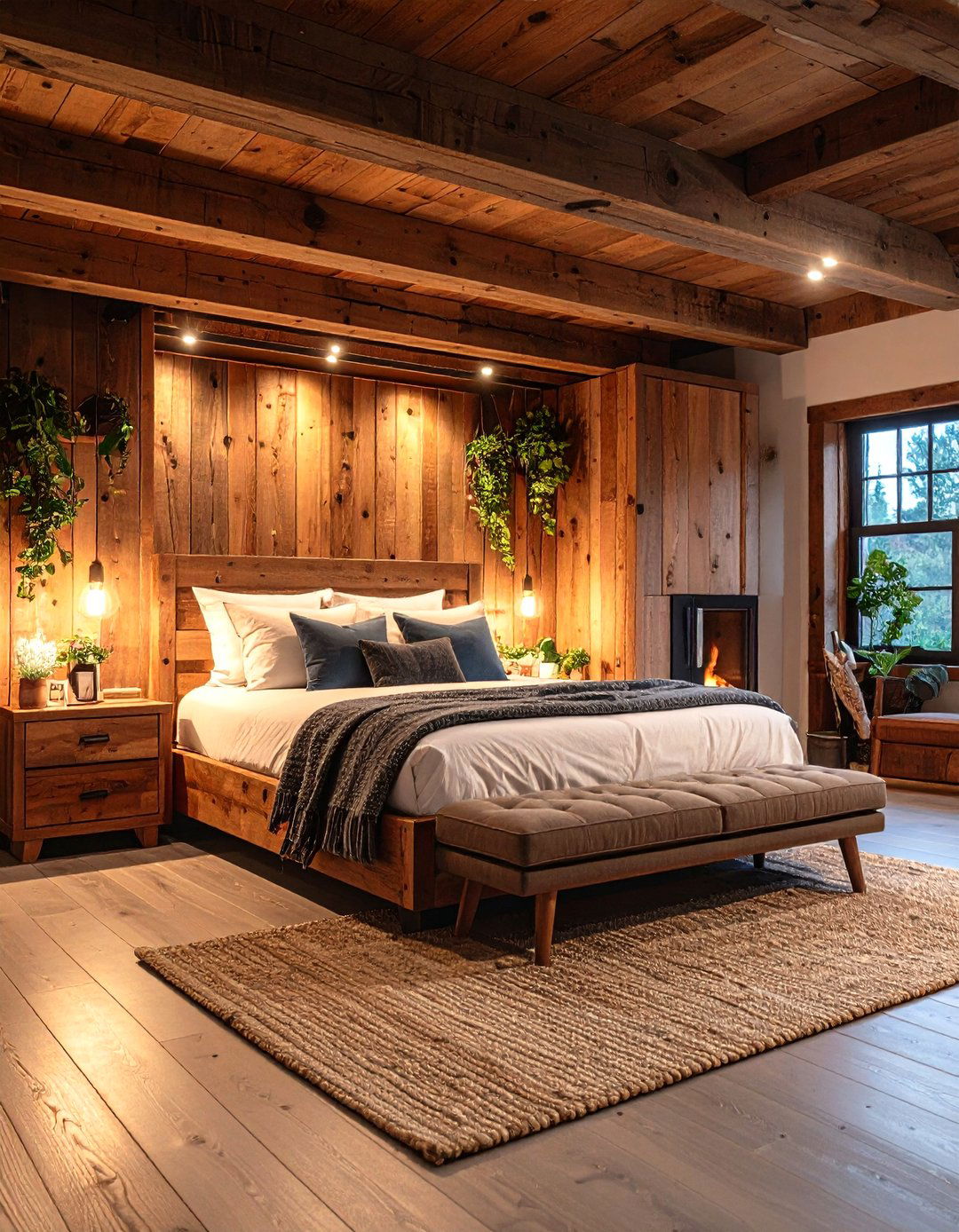
Embracing small square tiles arranged in a simple grid or stack bond pattern offers a clean, contemporary look. This minimalist layout emphasizes a neat, geometric aesthetic that can make a small bathroom feel orderly and uncluttered. The repetition of the grid pattern creates a subtle texture that adds interest without being overwhelming. This style is particularly effective with colored tiles, where the grid pattern created by the grout lines becomes a key design feature. It’s a modern take on a classic tile shape that feels both fresh and timeless, perfect for creating a clean backdrop in a compact space.
21. Glass Mosaic Accent Tiles
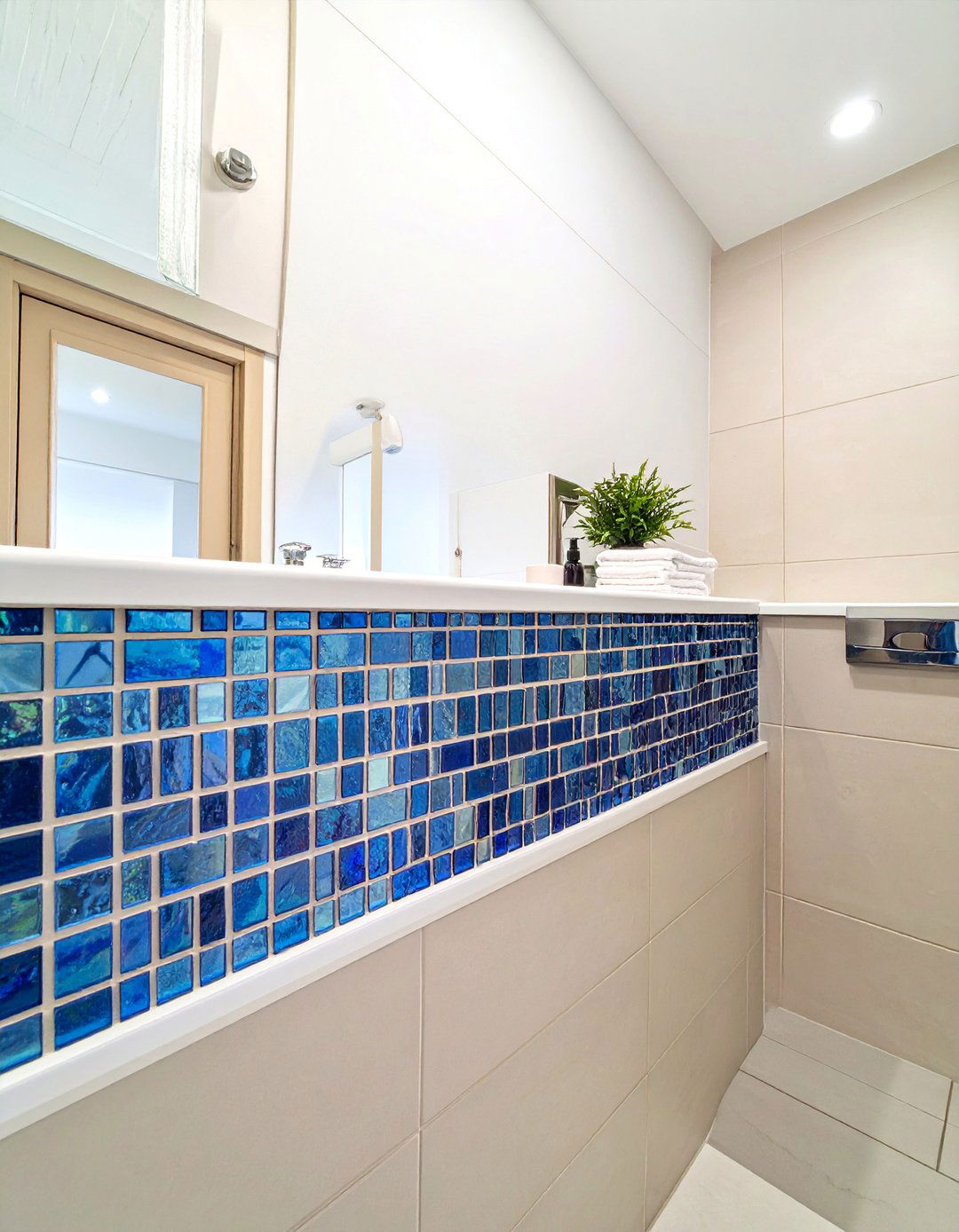
A band of glass mosaic tiles can add a pop of color, shimmer, and personality to a small bathroom. Use them as a horizontal border around the room, a vertical stripe in the shower, or to frame a mirror or niche. Glass tiles reflect light beautifully, which can help to make the space feel brighter. Their small size allows for intricate patterns and color blends, offering endless design possibilities. Because they can be visually busy, it's best to use them as an accent in combination with larger, neutral field tiles to avoid overwhelming the small room.
22. Moroccan Zellige Tiles
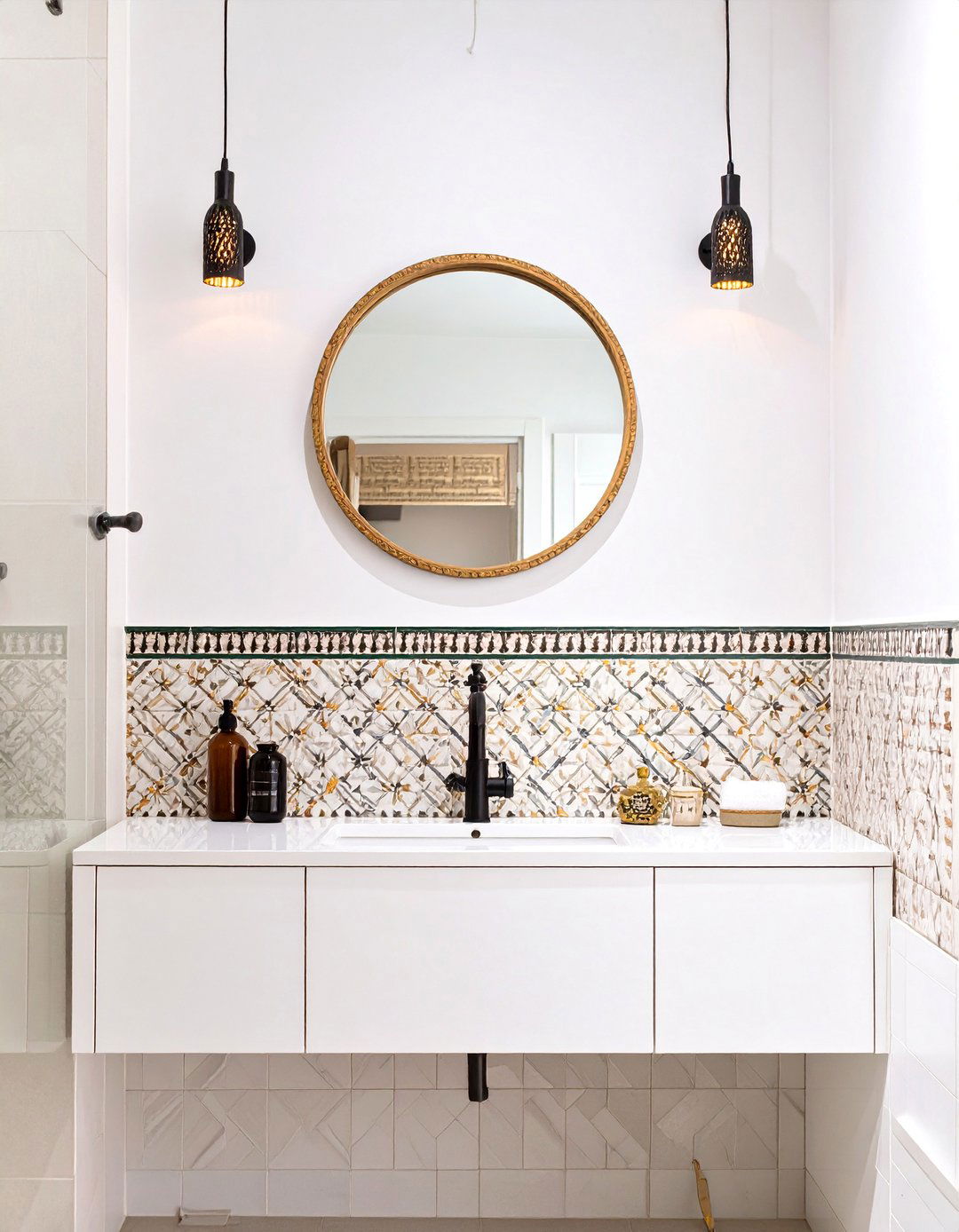
Moroccan zellige tiles are handcrafted clay tiles known for their imperfections, uneven surfaces, and rich color variations. These unique characteristics give each tile a distinct personality, creating a wall or floor with incredible depth, texture, and character. The subtle shimmer of their glazed surface reflects light in a soft, organic way, which can brighten a small bathroom. Their rustic charm adds a warm, artisanal feel that is both timeless and on-trend. Choosing a single color, like white or a soft blue, allows the natural variations and texture to become the main focal point of the design.
23. Concrete-Look Tiles
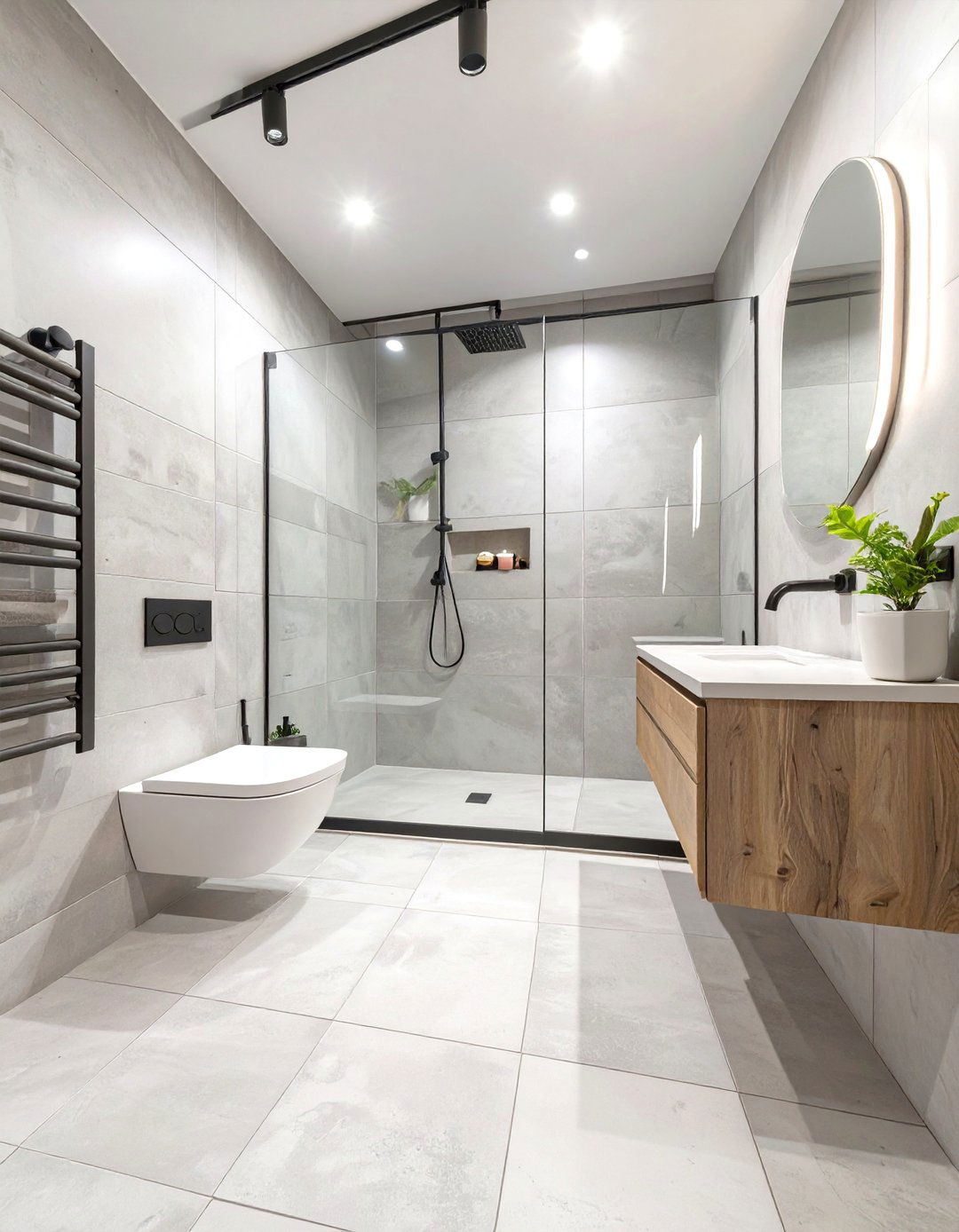
For an industrial or minimalist aesthetic, concrete-look porcelain tiles are an excellent choice. They capture the raw, understated texture of poured concrete but with the durability and ease of maintenance of porcelain. In a small bathroom, these tiles can create a sleek, contemporary backdrop that feels both modern and timeless. Lighter gray tones can help keep the space feeling open, while darker shades can add a touch of urban drama. The simple, uniform appearance of concrete-look tiles helps to reduce visual noise, contributing to a calm and uncluttered atmosphere that is ideal for a small room.
24. Pebblestone Shower Floor Tiles
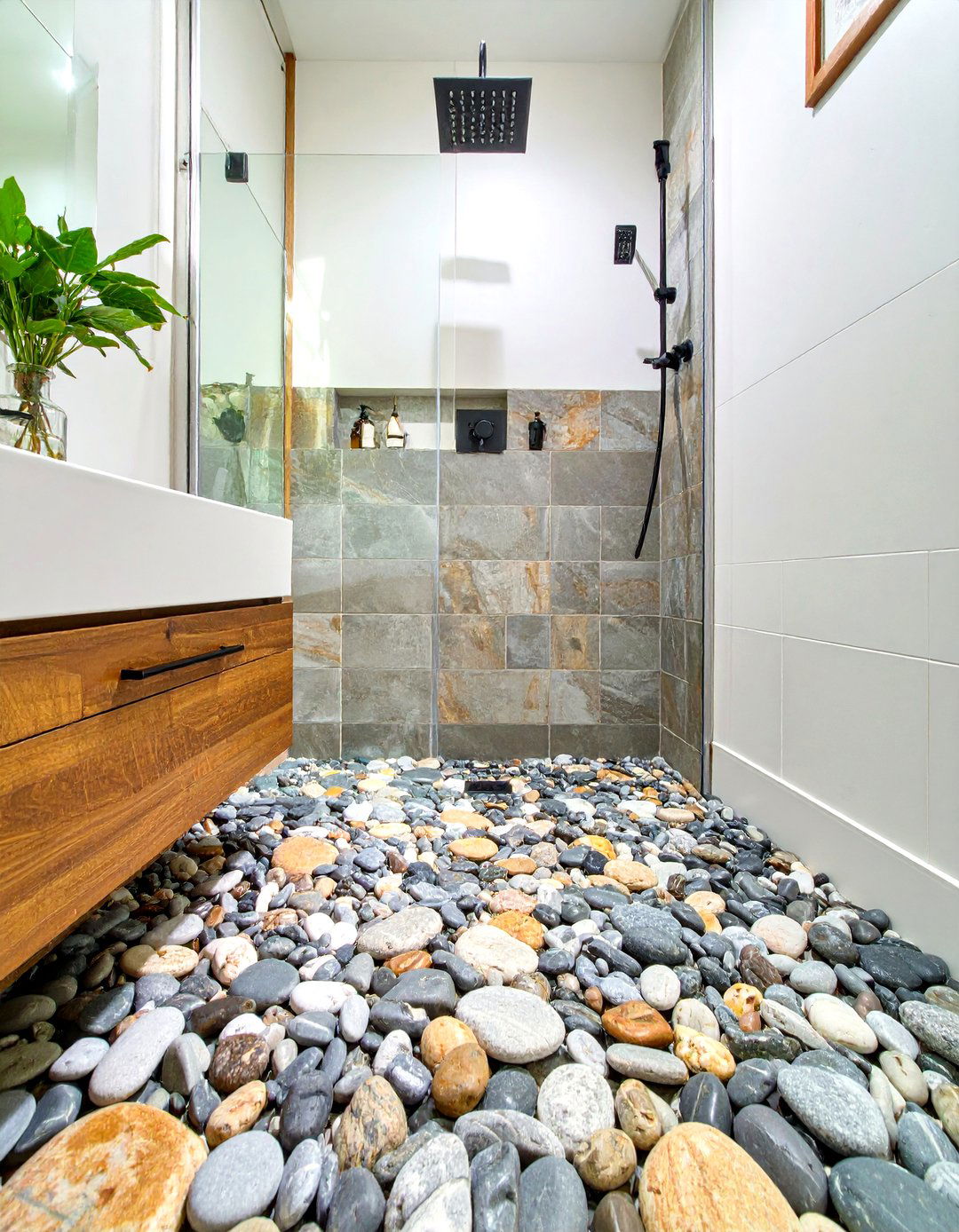
To bring a natural, spa-like element into your small bathroom, consider a pebblestone tile floor for your shower. These tiles consist of smooth, rounded river rocks mounted on a mesh backing for easy installation. The varied shapes, sizes, and colors of the pebbles create a beautifully textured surface that feels wonderful underfoot and provides natural slip resistance. This organic element connects the space to the outdoors, promoting a sense of tranquility and relaxation. It’s a perfect way to turn your shower into a unique focal point and a daily escape from the ordinary.
25. Three-Dimensional Diamond Tiles
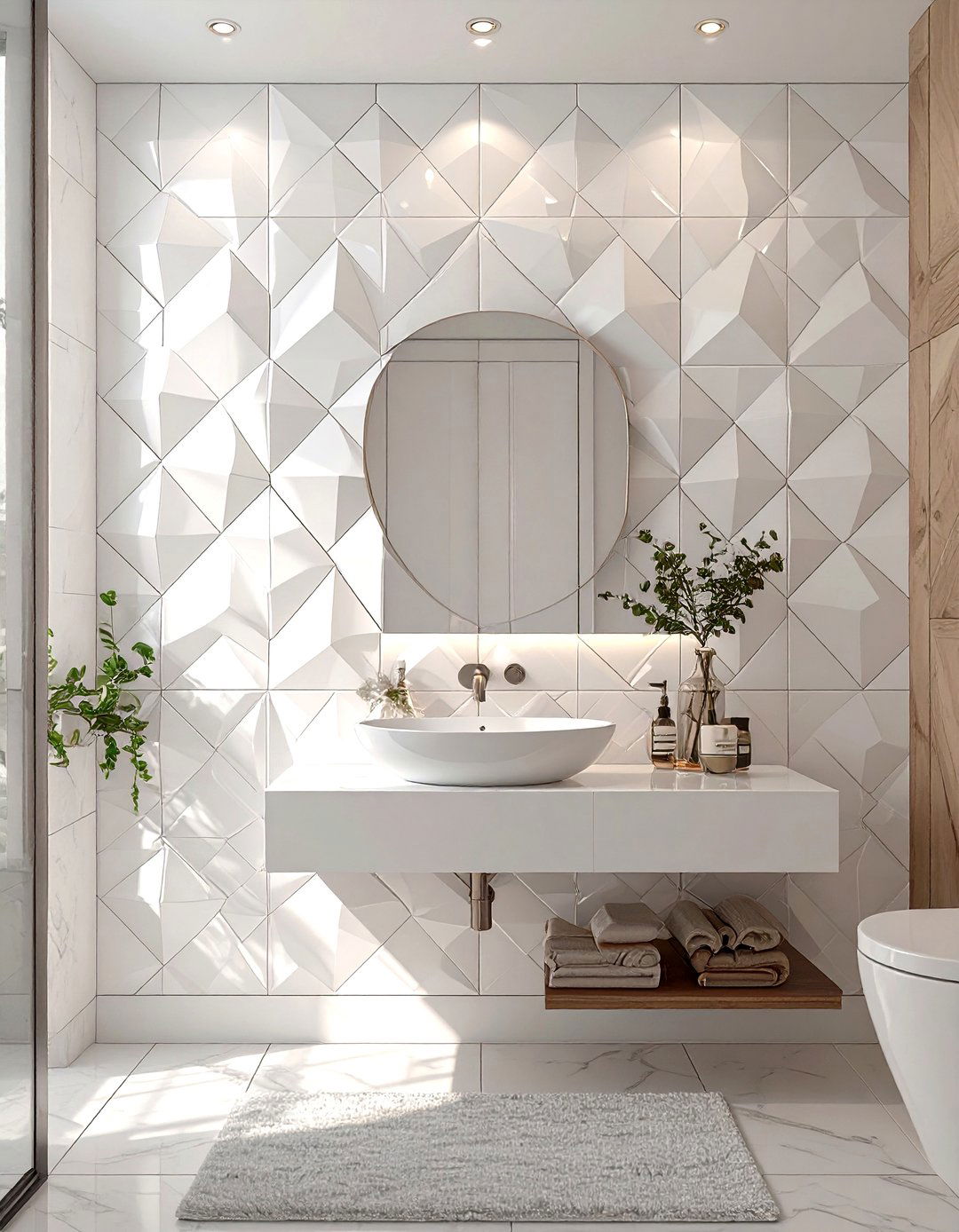
Three-dimensional diamond-shaped tiles can create a stunning, geometric feature wall in a small bathroom. These tiles protrude from the wall, creating a faceted surface that plays with light and shadow for a dynamic and visually captivating effect. When used as an accent wall, they add a sense of luxury and high-end design without making the room feel cluttered. The crisp, angular lines of the diamond pattern can add a sense of movement and energy to the space. It’s a bold choice that turns a simple wall into a sculptural art piece, making a big impact in a small area.
26. Subtle Patterned Tiles
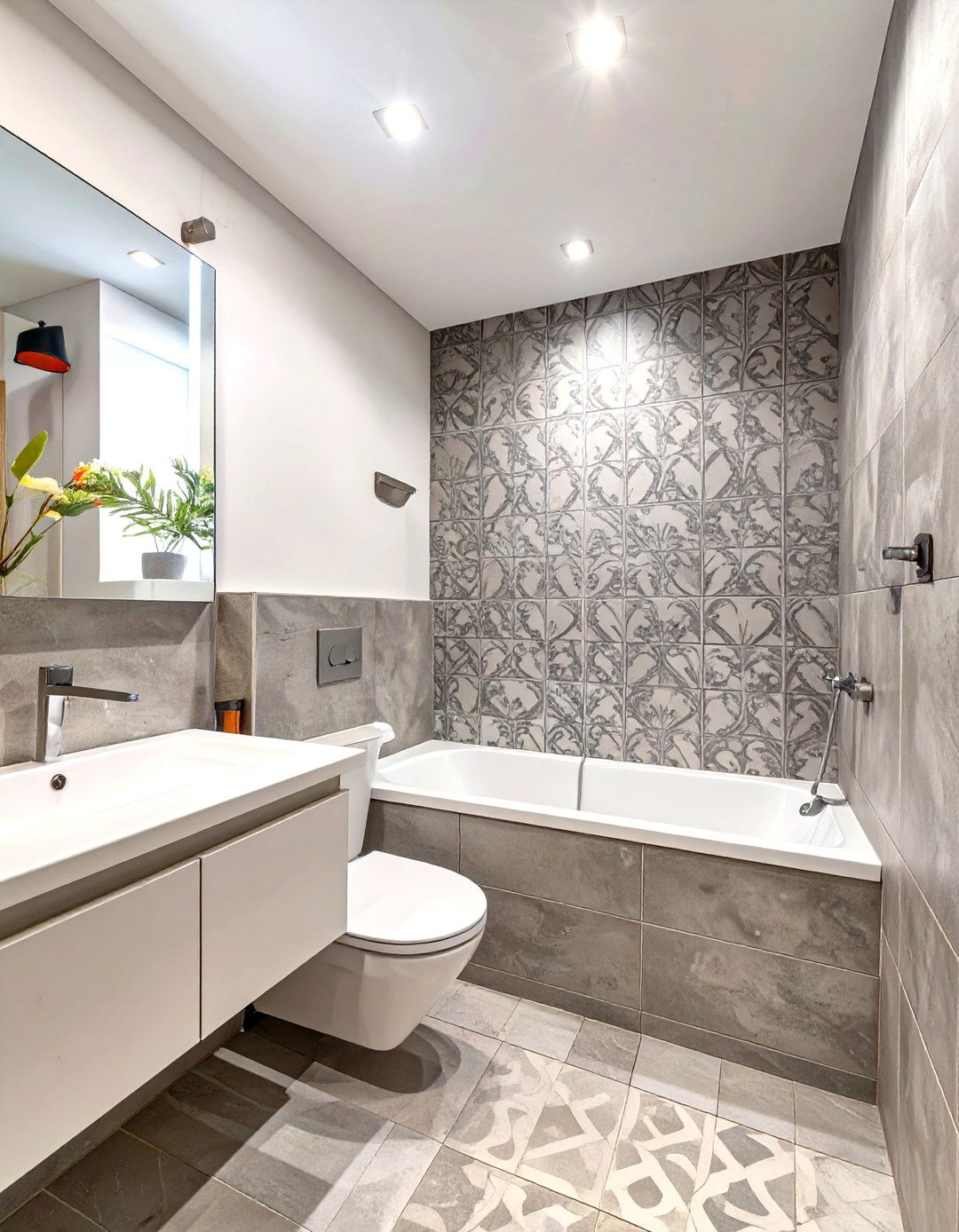
If bold patterns feel too overwhelming for your small bathroom, consider tiles with a subtle, low-contrast pattern. Think delicate floral motifs, soft geometric shapes, or tone-on-tone damask designs. These tiles add a layer of visual interest and sophistication without dominating the space or making it feel busy. The understated design provides texture and detail up close while appearing as a cohesive, neutral surface from a distance. This approach allows you to introduce personality and elegance into the room in a gentle, refined way, creating a serene and beautifully detailed environment.
27. Terracotta Tile Flooring
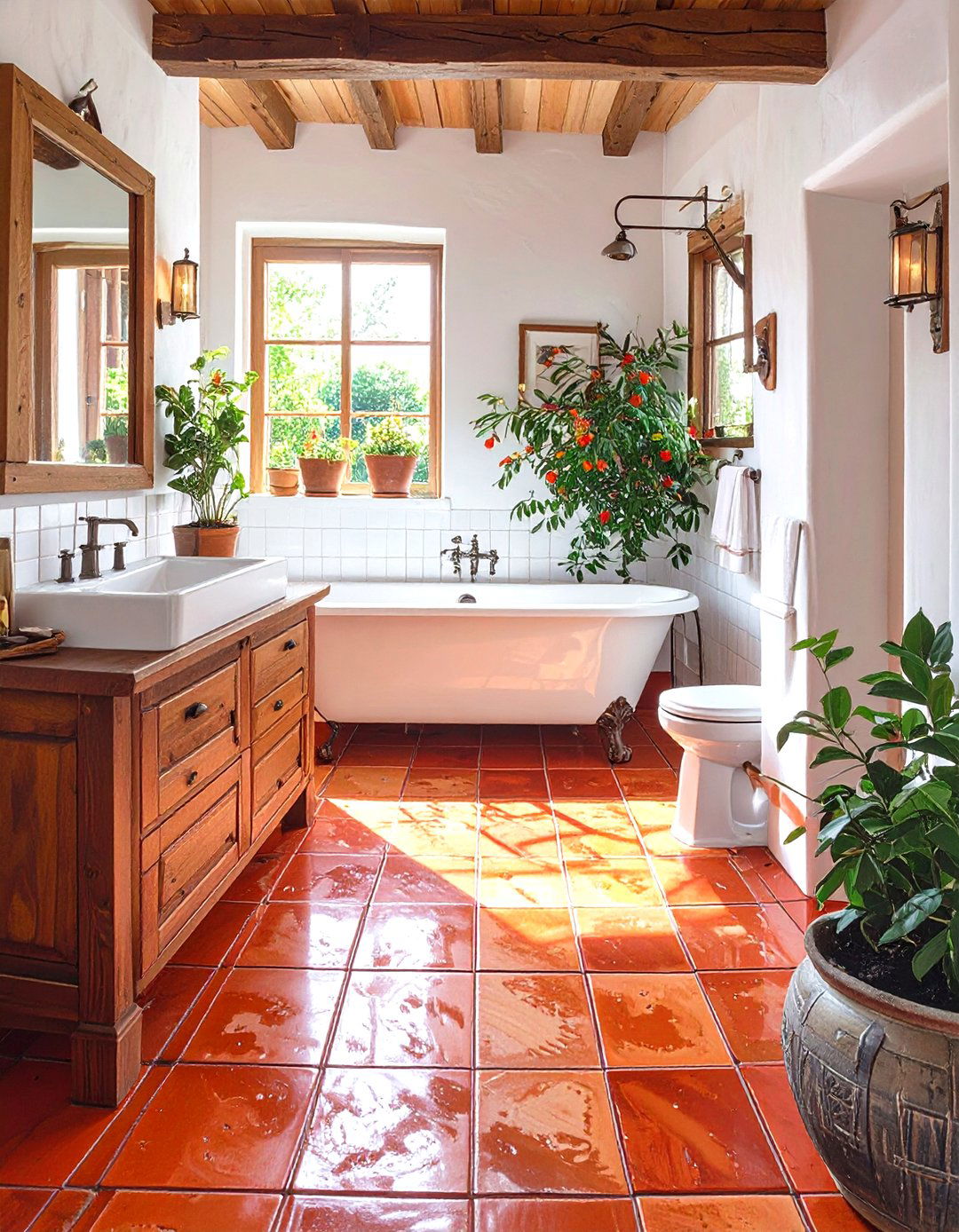
For a warm, earthy, and rustic feel, terracotta tiles are a fantastic choice for a small bathroom floor. Their natural reddish-brown tones bring an inviting and grounded energy to the space. The natural material has a timeless appeal that works well with bohemian, Mediterranean, or modern rustic styles. Sealing is crucial to protect them from moisture, but their durability makes them a long-lasting option. The rich, warm color can make a small room feel cozy and welcoming, and their matte finish provides a soft, organic texture that is both beautiful and practical underfoot.
28. White Subway Tile with Dark Grout
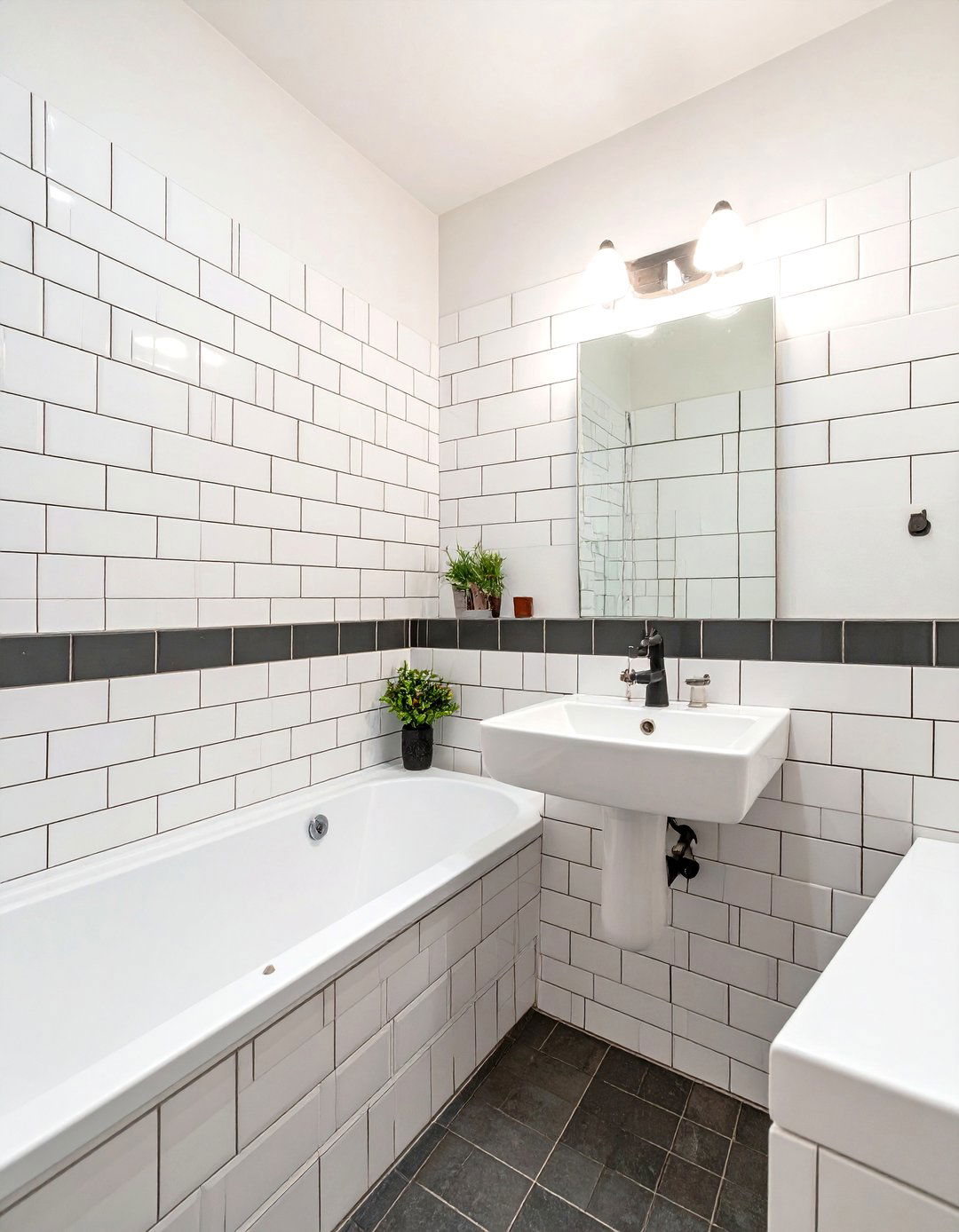
The classic white subway tile gets a modern, graphic update when paired with dark gray or black grout. This high-contrast combination makes each individual tile pop, emphasizing the brick-like pattern and adding a touch of industrial or farmhouse charm. In a small bathroom, this can create a strong visual statement without introducing overwhelming colors or patterns. The dark grout lines create a grid that adds structure and definition to the walls. It’s a budget-friendly option that delivers a powerful design impact, proving that simple materials can be used to create a highly stylish look.
29. Basket Weave Tile Pattern
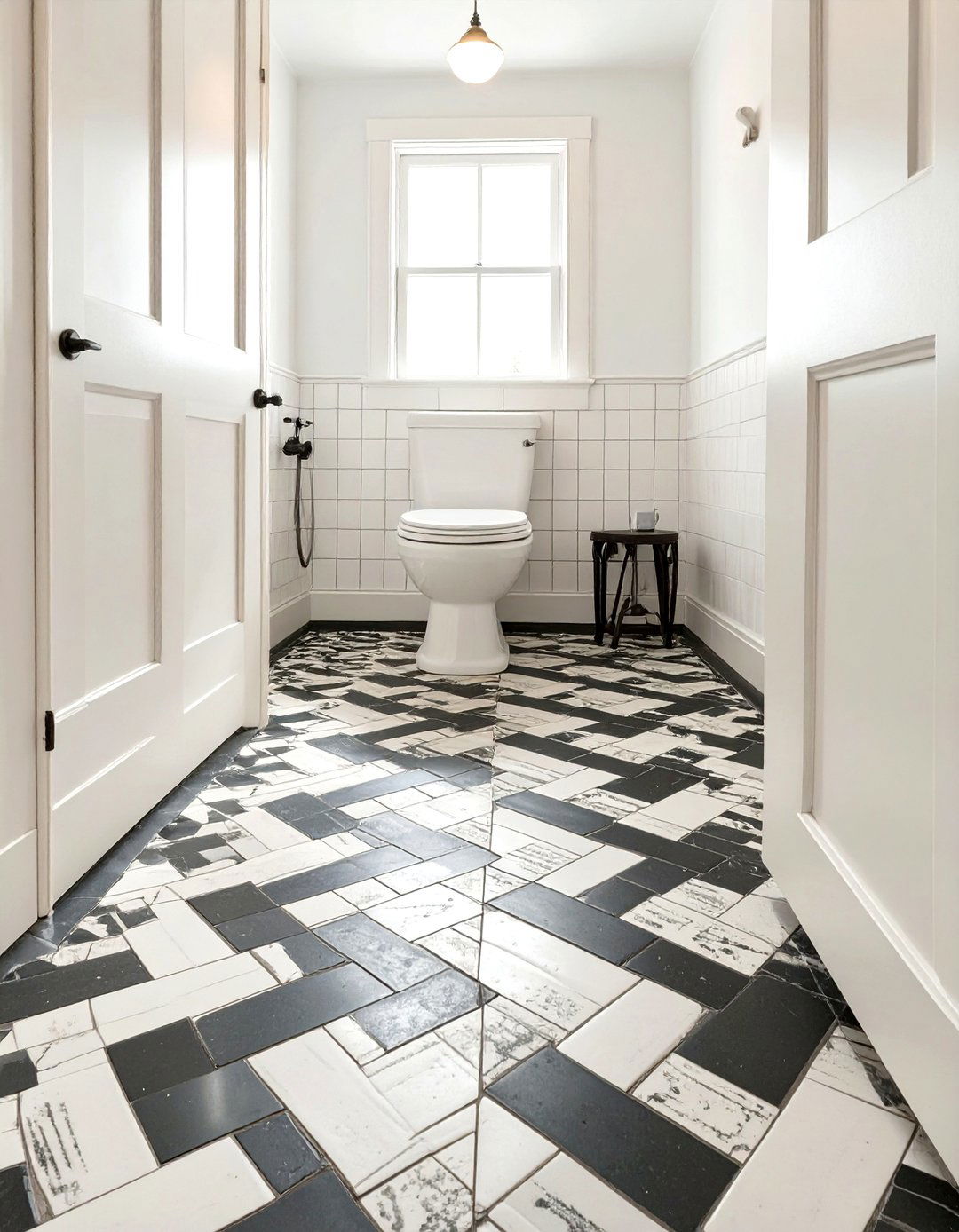
The basket weave pattern is a classic tile layout that brings intricate detail and timeless elegance to a small bathroom floor. Typically created with small rectangular and square tiles, it mimics the look of a woven basket, adding a sense of texture and traditional charm. This pattern is visually interesting without being overly busy, making it a great choice for adding character to a compact space. It works well in both traditional and transitional designs, providing a sophisticated foundation for the room. The detailed pattern can make the floor a subtle focal point, adding a layer of classic refinement.
30. Single Feature Wall Tile
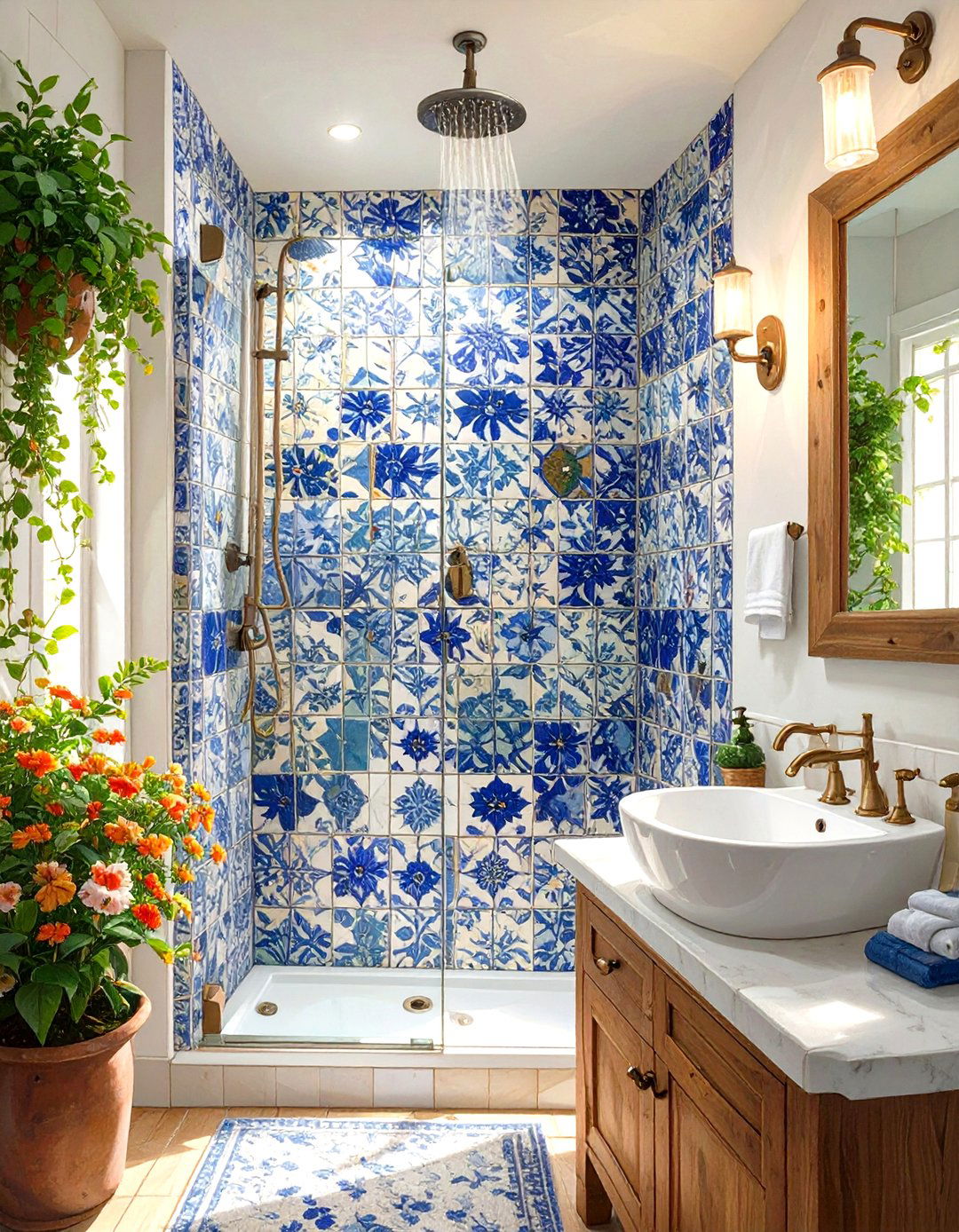
Instead of tiling the entire bathroom, create a powerful focal point by tiling just one feature wall. This could be the wall behind the vanity or the back wall of the shower. Choose a bold, dramatic tile—perhaps something with a striking pattern, a vibrant color, or a unique texture—to make a statement. By concentrating the design impact on a single surface, you avoid overwhelming the small space while still infusing it with personality and style. The other walls can be painted a neutral color to balance the look. This approach is cost-effective and creates a high-impact design moment.
Conclusion:
Ultimately, the best tile for a small bathroom is one that balances aesthetics with the illusion of space. Techniques like using large-format tiles, vertical installations, or matching floor and wall materials can significantly enhance perceived size. Whether you opt for the bold drama of dark colors, the intricate detail of patterned tiles, or the clean lines of a minimalist layout, your choice should create a cohesive and intentional design. By carefully selecting tiles, you can transform a compact bathroom into a stylish, functional, and inviting retreat that feels anything but small.

Related posts:



Leave a Reply