
An outdoor pond can transform any backyard into a serene oasis, providing a focal point for relaxation and a habitat for wildlife. From small, simple container ponds to large, elaborate ecosystems with waterfalls and fish, the possibilities are endless. Designing a pond involves considering your space, budget, and desired aesthetic, whether you prefer a modern, formal look or a more natural, rustic setting. The right design can create a tranquil escape, attract birds and dragonflies, and add significant value and beauty to your property. This guide explores 30 distinct outdoor pond ideas to inspire your own backyard water feature.

1. Naturalistic Koi Pond

A naturalistic koi pond is designed to mimic a wild, serene body of water. This style uses irregular shapes, rock formations, and lush marginal plants like irises and rushes to blend seamlessly into the landscape. Gentle, sloping sides and a gravel bottom create an ideal environment for vibrant koi fish to thrive. The key is to avoid hard, straight lines, opting for a free-form design that looks as though it was carved by nature. Integrating a small, trickling waterfall enhances the natural soundscape and helps aerate the water, keeping your koi healthy and active in their beautiful habitat.
2. Backyard Waterfall Pond

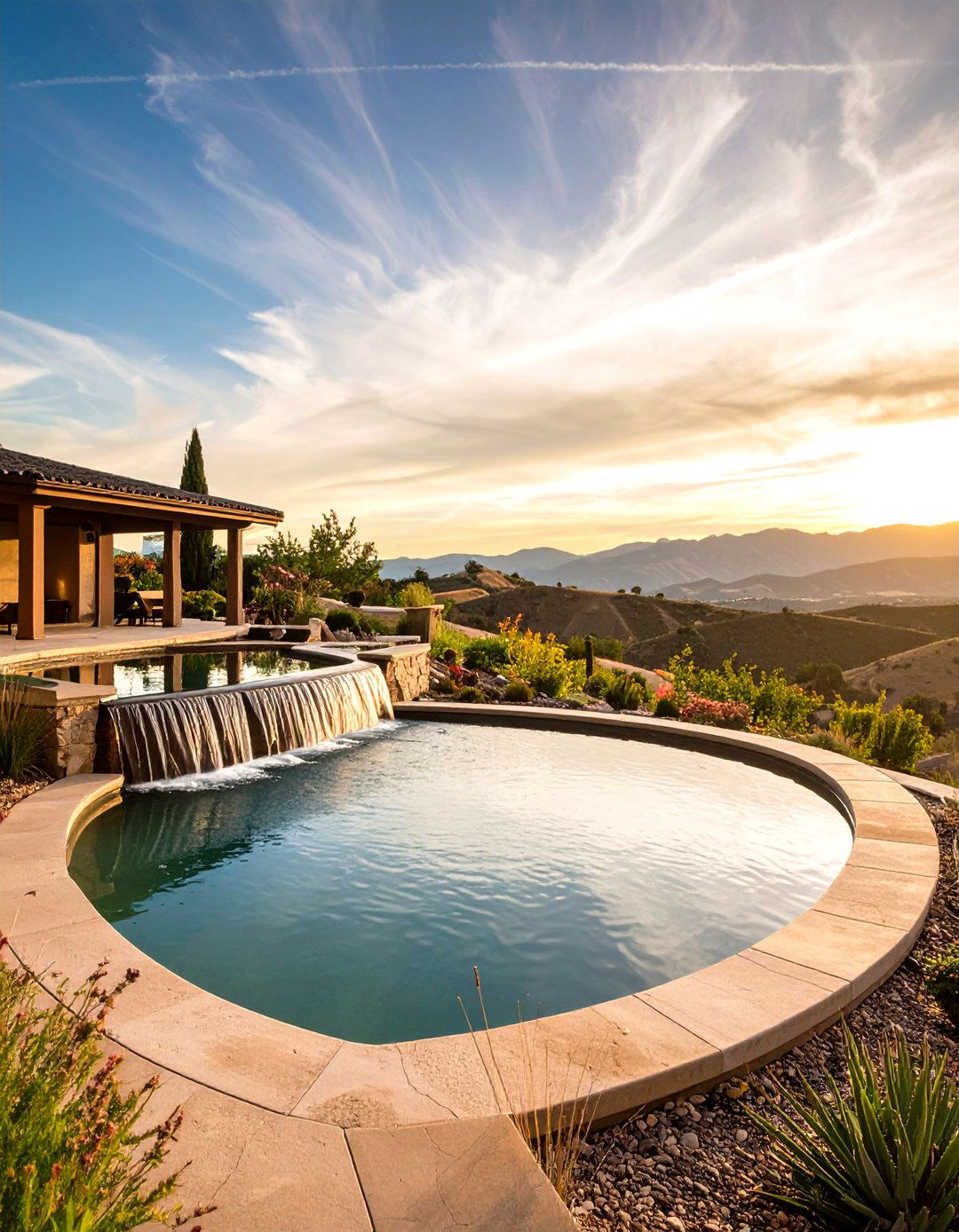
For a dynamic and audible water feature, a backyard waterfall pond is an excellent choice. This design incorporates a cascade of water flowing over stacked stones or a sloped rock face into a collection basin below. The sound of moving water creates a peaceful ambiance, masking unwanted background noise. You can customize the waterfall's height and flow rate to achieve anything from a gentle trickle to a powerful rush. Aquatic plants placed around the edges soften the rockwork, while submerged lighting can turn the feature into a stunning nighttime spectacle, making your garden a 24-hour retreat.
3. Small Container Pond

Even the smallest of outdoor spaces can accommodate a beautiful water feature with a container pond. You can repurpose a large ceramic pot, a galvanized stock tank, or a wooden half-barrel to create a self-contained aquatic garden. These are perfect for patios, balconies, or small decks. Simply add a small pump for water circulation, a few aquatic plants like water lilies and dwarf cattails, and perhaps a couple of small goldfish. A container pond is a low-maintenance, affordable way to introduce the calming presence of water to your home without the need for major excavation.
4. Modern Formal Pond
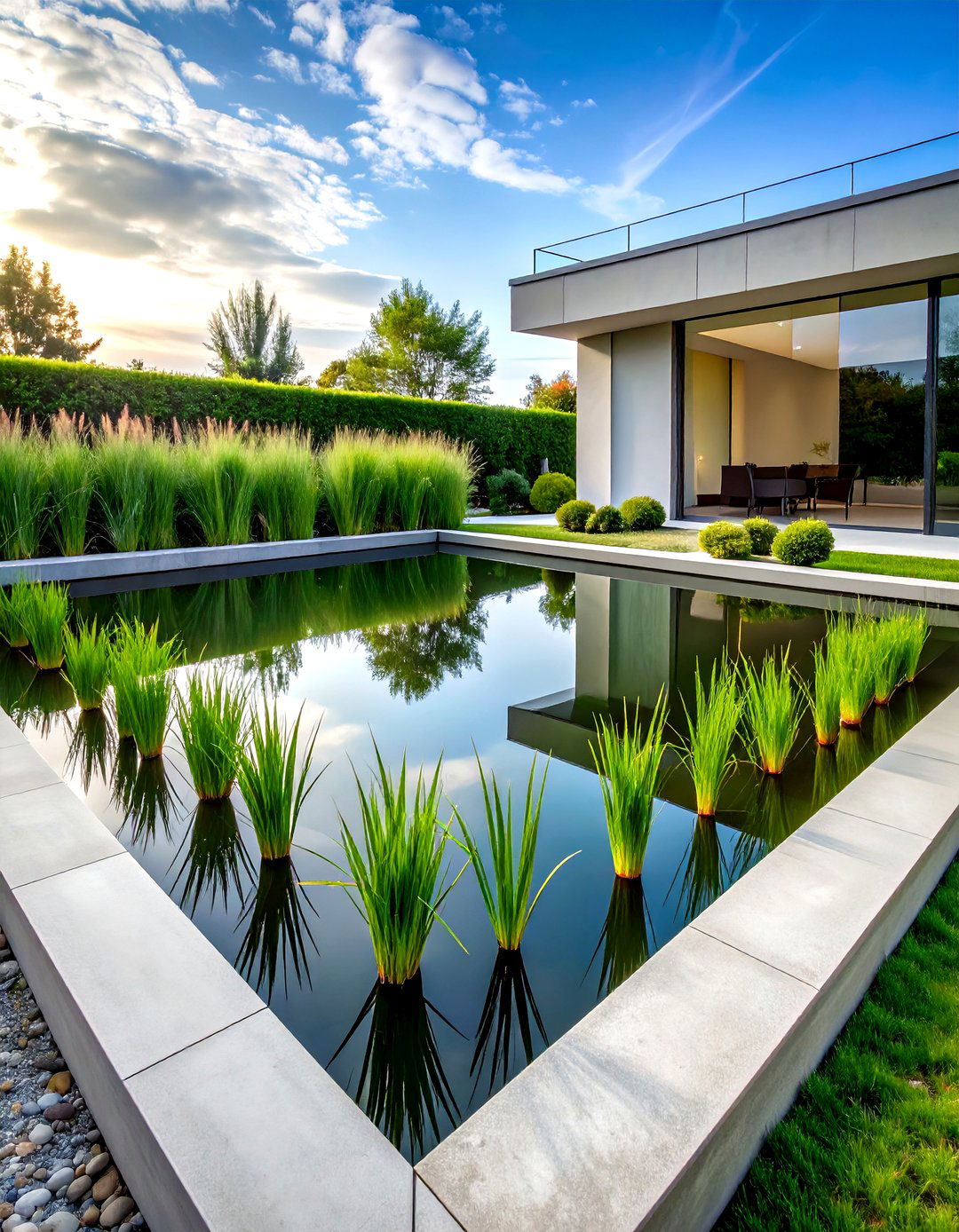
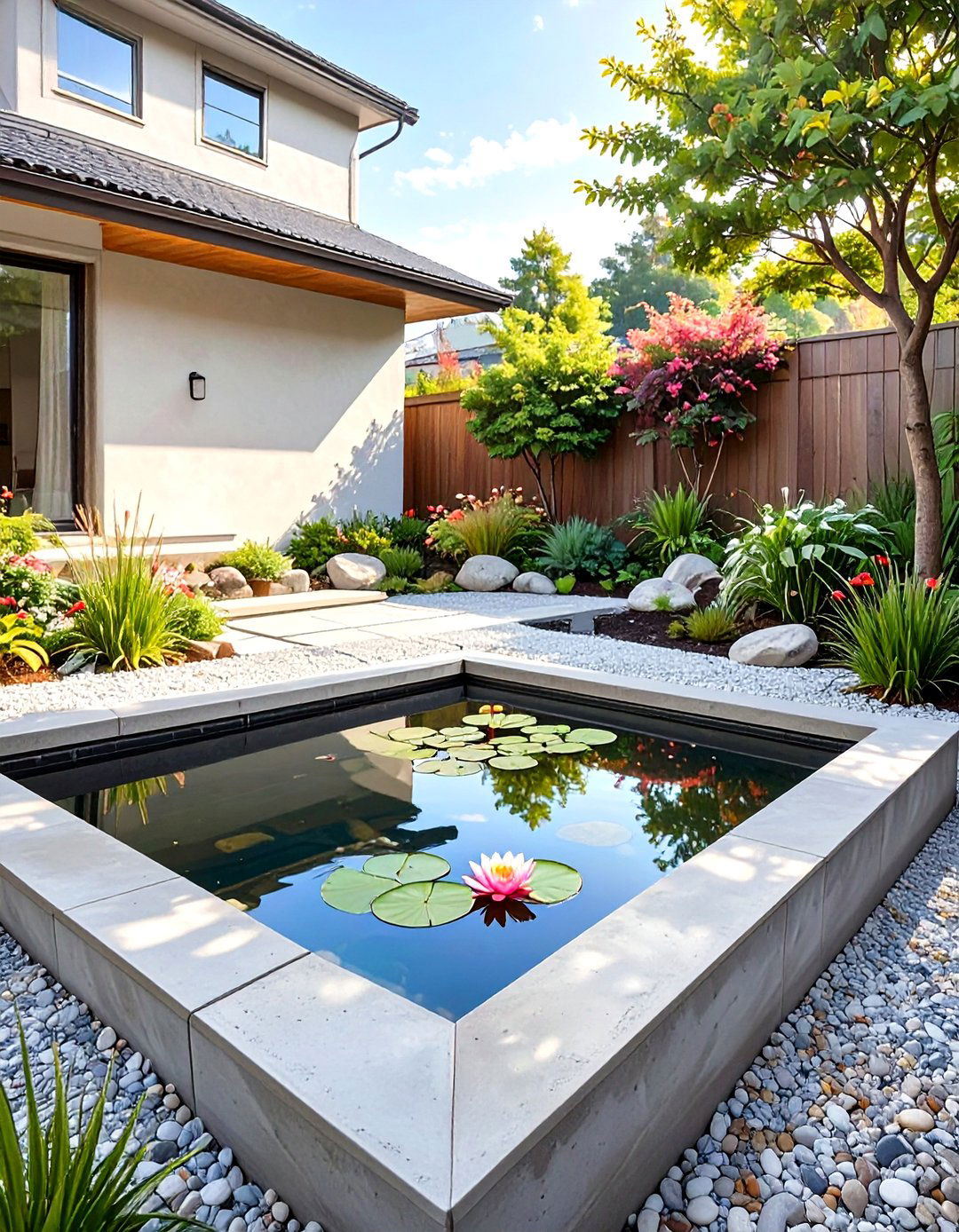
A modern formal pond emphasizes clean lines, geometric shapes, and minimalist design. Typically square or rectangular, these ponds are often constructed with smooth concrete, slate, or steel for a sleek, contemporary look. They act as a reflective surface, mirroring the sky and surrounding architecture. Water jets or a simple, sheet-like waterfall called a scupper can add a touch of movement without disrupting the tranquil surface. Planting is usually sparse and structured, using architectural plants like horsetail reed to enhance the pond's sharp angles. This style works exceptionally well in structured, modern garden designs.
5. Wildlife Pond
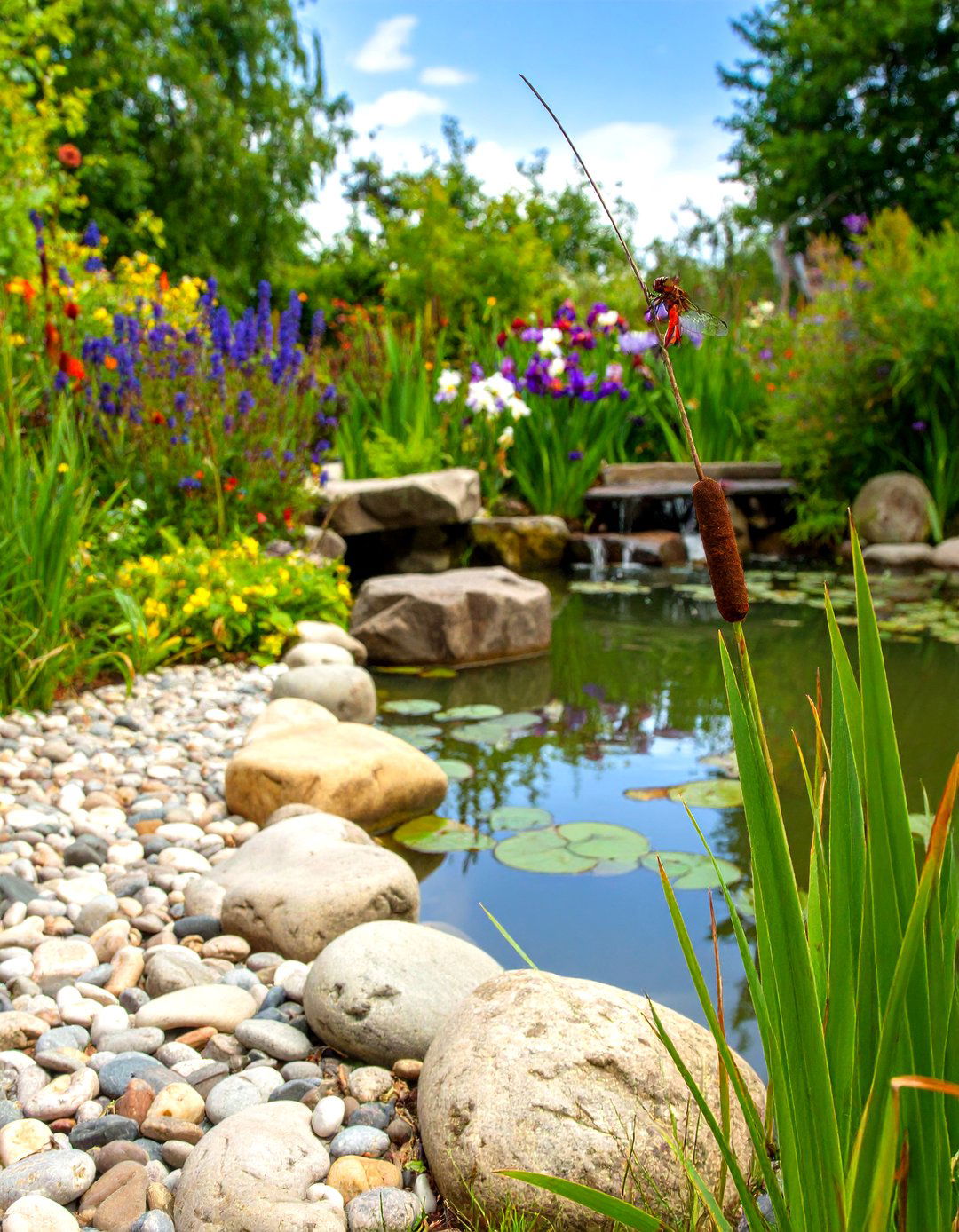
Creating a wildlife pond is a wonderful way to support local ecosystems. This type of pond focuses on function over form, providing a habitat for frogs, dragonflies, birds, and other creatures. It should have gently sloping sides or a "beach" area made of pebbles to allow animals easy access in and out of the water. Native aquatic and marginal plants are crucial for providing food and shelter. Avoid adding fish, as they tend to eat tadpoles and insect larvae. A wildlife pond requires minimal intervention, allowing a natural balance to establish over time for a thriving, living water feature.
6. Pondless Waterfall

A pondless waterfall offers the beauty and sound of moving water without the safety concerns or maintenance of a traditional pond. In this design, water cascades over rocks and disappears into a hidden underground reservoir filled with gravel. A submersible pump then recirculates the water back to the top of the waterfall. This feature is ideal for families with small children or pets, or for those who want a simple, low-maintenance water feature. It's a great way to add ambiance to a front yard or a small garden corner where a full pond wouldn't be practical.
7. Garden Stream and Pond

Connecting a meandering stream to a larger pond creates a beautifully integrated and naturalistic water system. The stream can wander through a garden bed, flowing over pebbles and small rocks before emptying into the main pond. This design not only looks stunning but also helps with water aeration and filtration as the water travels along the stream bed. You can line the stream with moisture-loving plants to create a lush, riverbank effect. It adds a sense of journey and discovery to your landscape, encouraging you to follow its path through the garden to the final destination.
8. Raised Brick Pond

A raised brick pond offers a classic, formal aesthetic that can complement traditional home architecture and garden designs. Building the walls with brick or stone elevates the water feature, making it a prominent focal point and also easier to maintain without bending over. The ledge created by the wall provides a convenient place to sit and enjoy the water or tend to aquatic plants. These ponds are often designed in geometric shapes like squares, rectangles, or circles, providing a structured look that works well on patios or as a centerpiece in a formal lawn.
9. Patio Deck Pond

Integrating a pond directly into your patio or deck creates a seamless connection between your living space and the water feature. The pond can be built at deck level, with the decking material serving as the coping or edge. This design allows for up-close viewing of fish and plants and can be a stunning focal point for outdoor entertaining areas. Submerged lighting can enhance the effect at night, casting a beautiful glow across the patio. It’s a sophisticated option that makes the water feel like an extension of your home, blurring the lines between indoors and out.
10. Japanese Garden Pond

A Japanese garden pond is central to a landscape designed for contemplation and tranquility. These ponds are characterized by their naturalistic, asymmetrical shapes and the careful placement of rocks, lanterns, and plants. Elements like a gracefully arching bridge, a small island, and carefully selected koi are common features. Plants such as Japanese maples, mosses, and irises are used to create a serene and harmonious scene that changes with the seasons. The goal is to create a miniaturized, idealized version of nature that inspires peace and reflection, making it a true spiritual retreat in your backyard.
11. Natural Swimming Pond

A natural swimming pond combines the beauty of a pond with the function of a swimming pool, offering a chemical-free swimming experience. The system is divided into two zones: a swimming area and a regeneration zone filled with aquatic plants that naturally filter the water. Water is circulated between the two areas, allowing the plants and beneficial microorganisms to keep it clean and clear without the need for chlorine. This creates a swimming experience that feels like taking a dip in a fresh, natural lake, surrounded by a beautiful, living ecosystem that is both sustainable and stunning.
12. Wooden Barrel Pond

A wooden barrel pond is a charming and rustic option for adding a small water feature to your garden. An old wine or whiskey barrel can be repurposed by lining it with a pond liner to make it waterproof. These mini ponds are deep enough to house a few small aquatic plants, like a miniature water lily, and can even support a small fountain or bubbler. Their compact size makes them perfect for a cottage garden, a patio corner, or nestled among flower beds. It’s a simple, cost-effective DIY project that adds a touch of rustic character to any outdoor space.
13. Tiered Fountain Pond

A tiered fountain pond adds elegance and a classic sense of grandeur to a garden. This design features multiple levels or basins, with water spilling from the top tier down into the lower ones, creating a beautiful cascading effect. The constant movement and sound of the water are both visually appealing and soothing. Tiered fountains are often made from cast stone, concrete, or ceramic and serve as a powerful focal point in formal gardens, courtyards, or at the end of a long path. They can be standalone features or incorporated into a larger pond for a more dramatic display.
14. Concrete Trough Pond

Using a concrete trough is a fantastic way to create a contemporary or industrial-style pond. These long, rectangular containers have a minimalist aesthetic that works well in modern gardens. Their solid, durable structure makes them a lasting feature. You can plant them with architectural aquatic plants like horsetail reed or papyrus to enhance their clean lines. A simple bubbler or a small, sleek water spout can add subtle movement. Trough ponds are versatile and can be placed against a wall, used to define a patio edge, or serve as a standalone centerpiece in a gravel garden.
15. Zen Garden Pond

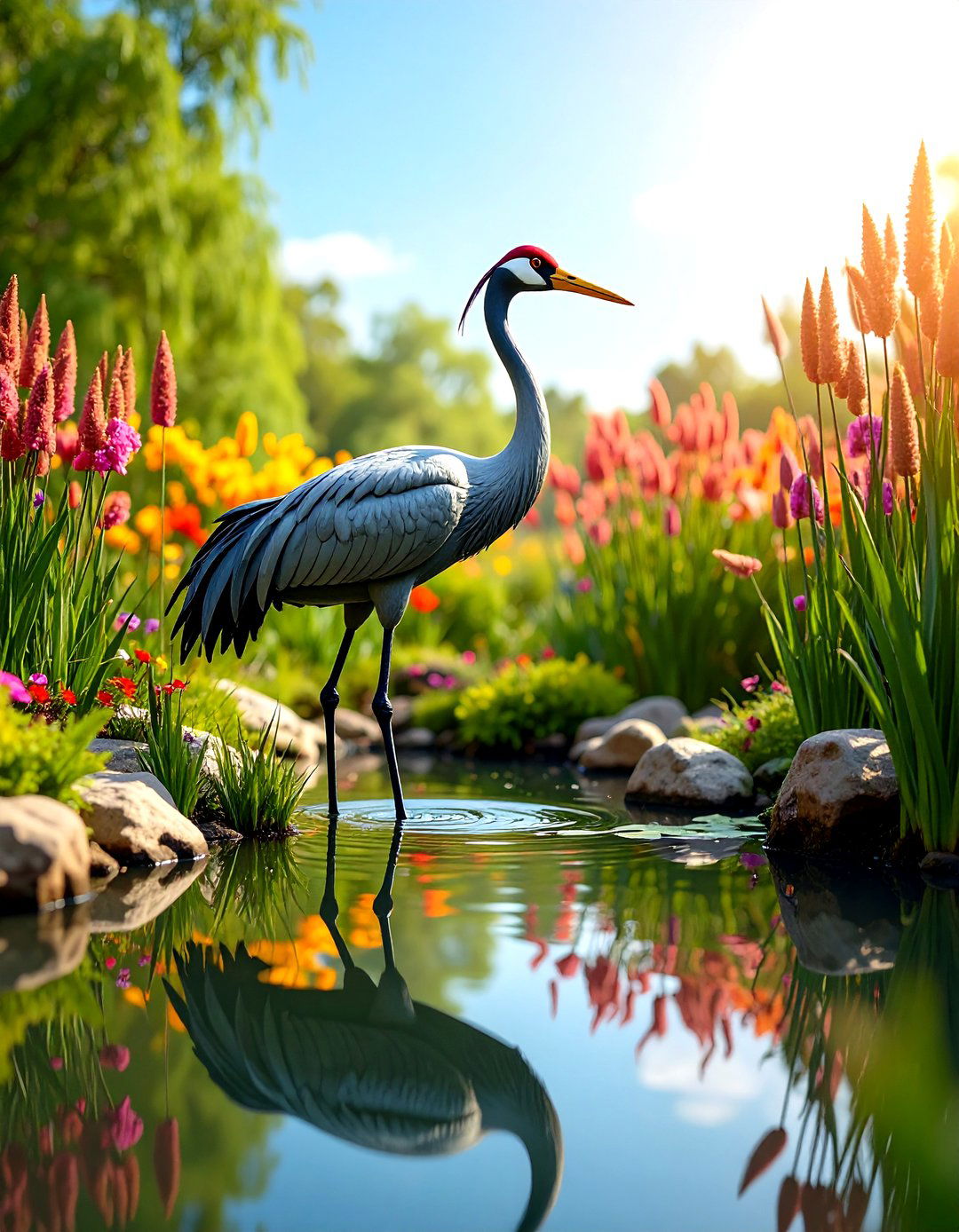
A Zen garden pond is designed to be a minimalist and meditative space. Unlike a lush Japanese garden pond, a Zen pond is more about simplicity and suggestion. It often features a small, still body of water, a few carefully placed rocks representing mountains or islands, and raked gravel or sand symbolizing water. Planting is minimal, perhaps with a single bonsai or a patch of moss. The entire composition is intended to be a scene of profound tranquility, encouraging quiet contemplation and a sense of calm. It’s a perfect feature for a small, secluded corner of your yard.
16. Rock Garden Pond

Integrating a pond into a rock garden creates a dramatic and rugged landscape that mimics an alpine setting. The pond is surrounded by large boulders, smaller rocks, and gravel, with water often cascading down a rocky waterfall into the basin. Alpine and rockery plants like sedums, saxifrages, and dwarf conifers are planted in the crevices between the rocks to complete the look. This style is perfect for sloped areas of your yard, as it can turn a challenging hillside into a stunning, naturalistic feature that feels both wild and intentionally designed, providing a unique habitat for plants.
17. Minimalist Reflecting Pond

A minimalist reflecting pond is all about simplicity and tranquility. These ponds are typically shallow with a dark bottom and feature perfectly still water to create a mirror-like surface. The design is clean and uncluttered, often with sharp geometric edges and no visible plants or fish to disturb the reflection. The purpose is to capture the image of the sky, clouds, and surrounding trees or architecture, creating a living piece of art that changes throughout the day. This type of pond is a powerful design element in modern and contemporary landscapes, adding a sense of serenity and space.
18. Preformed Liner Pond

For beginners or those looking for a straightforward installation, a preformed liner pond is an ideal solution. These are rigid, pre-shaped shells made from heavy-duty plastic or fiberglass that you simply set into an excavated hole. They come in various shapes and sizes, from small, simple basins to larger, multi-tiered designs. While they offer less design flexibility than a flexible liner, they are durable and easy to install. You just need to ensure the hole is dug to the correct shape and the liner is perfectly level before backfilling and adding water, plants, and fish.
19. Earthen-Bottom Farm Pond
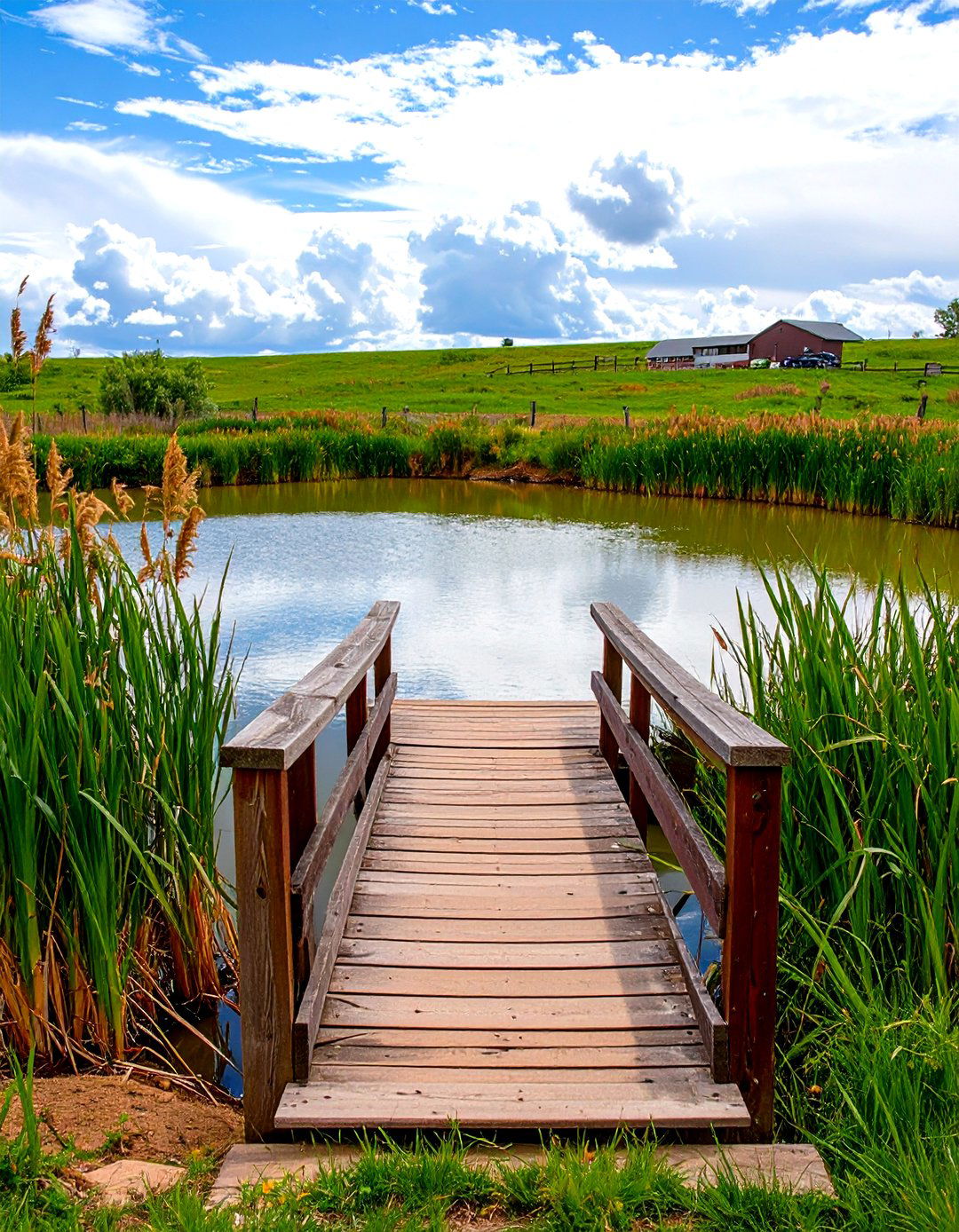
An earthen-bottom pond offers the most natural and rustic aesthetic, closely resembling a small lake or farm pond. This type of pond is created by excavating a large area and lining it with compacted clay, such as bentonite, to hold water. It's best suited for larger properties and can support a diverse ecosystem of fish, frogs, and native plants. Because it lacks a synthetic liner, plants can root directly into the soil, creating a truly natural environment. This large-scale project requires careful planning and soil testing but results in a beautiful, self-sustaining body of water.

20. Bog Garden and Pond

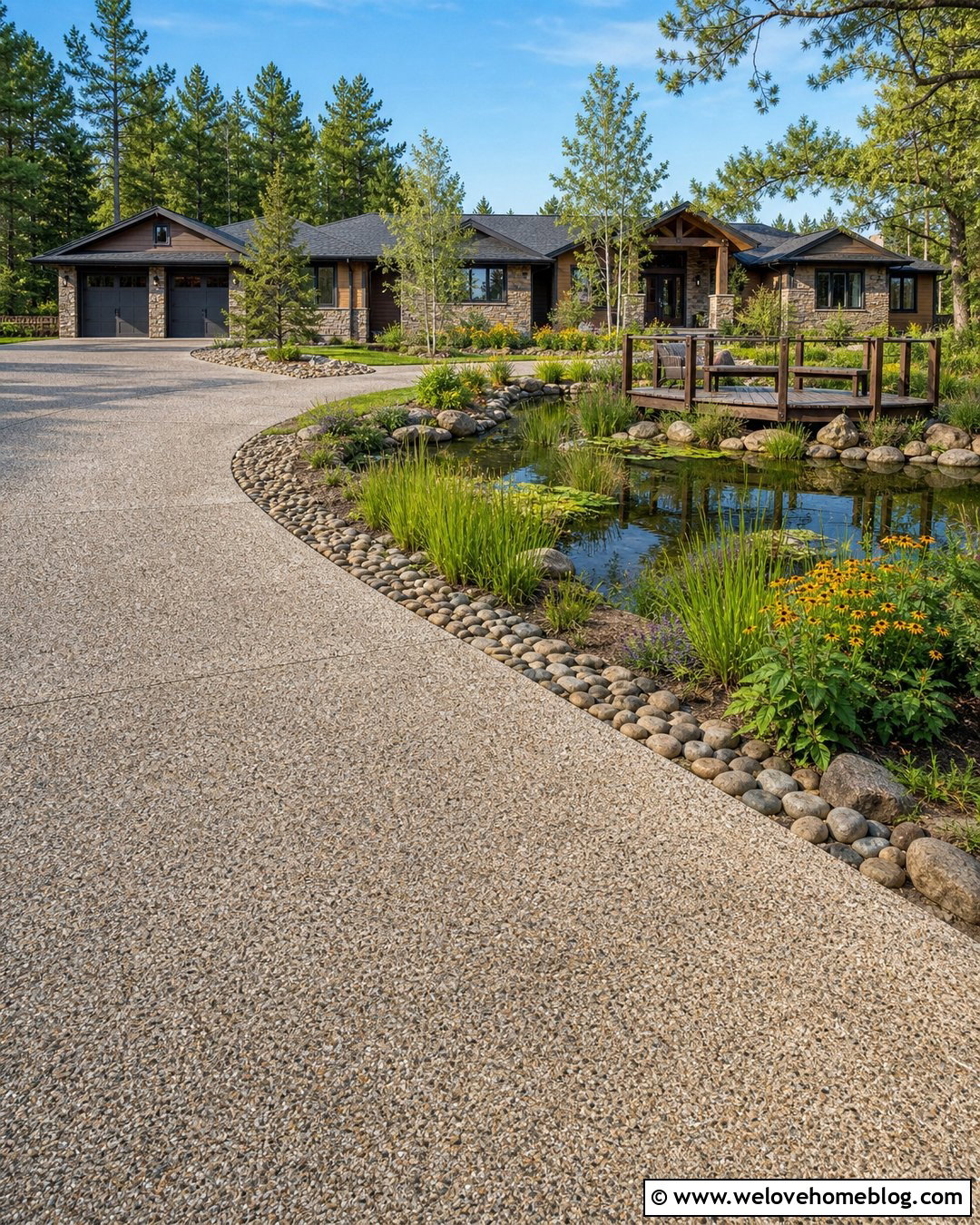
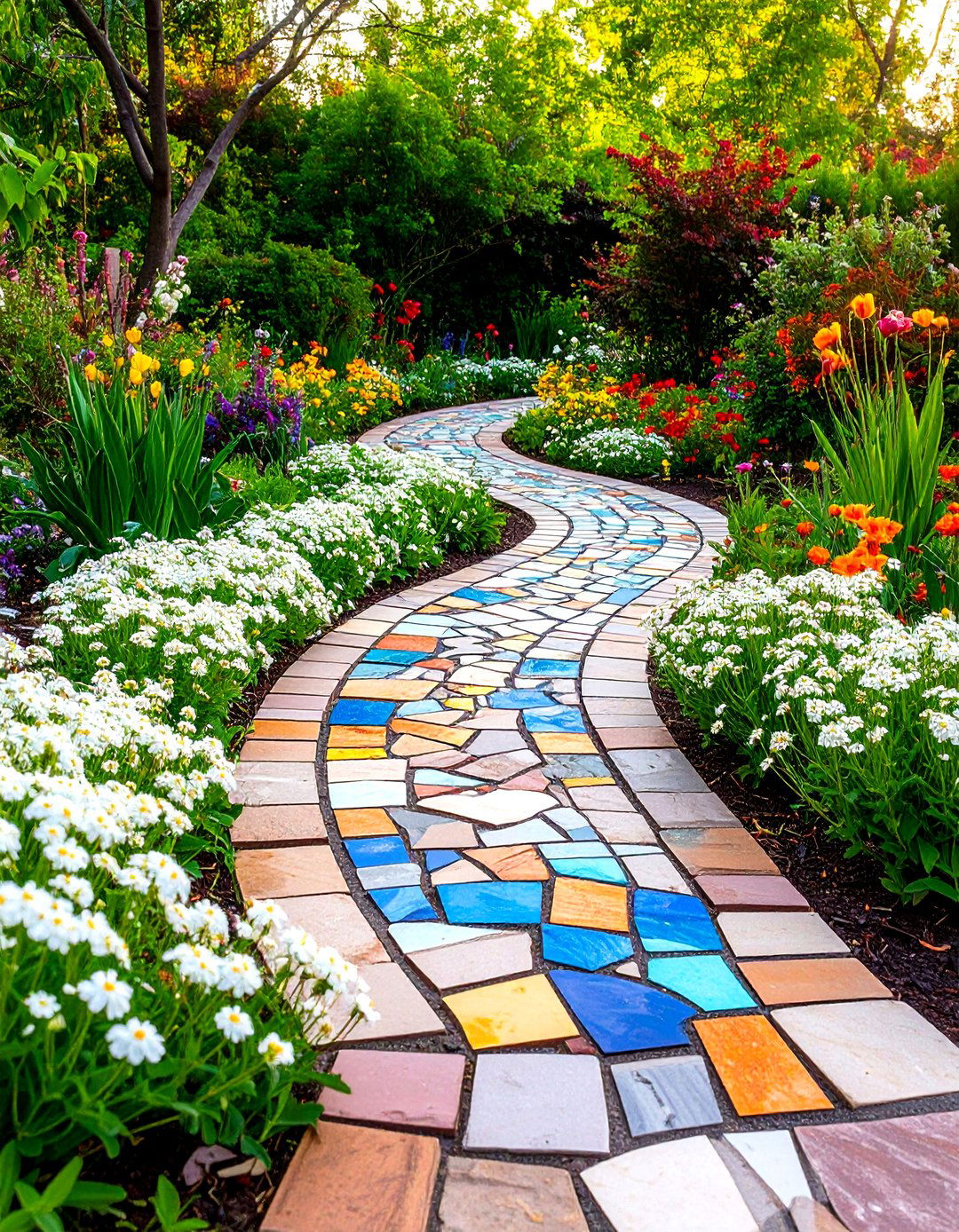
Combining a pond with a bog garden creates a unique and biodiverse wetland environment. The bog garden is a shallow, waterlogged area adjacent to the pond, filled with acidic, nutrient-poor soil. This specialized habitat is perfect for growing fascinating carnivorous plants like pitcher plants and Venus flytraps, as well as moisture-loving plants like cranberries and certain orchids. The bog acts as a natural filter for the pond water, helping to keep it clean while creating a seamless transition from the open water to the surrounding landscape. It's a fantastic feature for gardeners interested in unique plants.
21. Pond with a Small Island

Adding a small island to your pond introduces a captivating focal point and an extra layer of visual interest. The island can be a simple mound of earth and rock or a more structured platform. It provides a perfect spot for planting a specimen tree, like a Japanese maple or a weeping willow, which will cast beautiful reflections on the water's surface. An island also offers a safe refuge for birds and other wildlife, away from land-based predators. It breaks up the expanse of water, adding depth and complexity to the pond's design and creating a sense of mystery.
22. Bridge Over Pond

A bridge arching over a pond adds a touch of romance and functionality to your water garden. It can be a simple wooden plank for a rustic look or an ornate, curved bridge for a more formal or Japanese-inspired design. The bridge not only provides a practical way to cross the water but also offers a unique vantage point from which to view the pond, its fish, and plants. It creates a sense of journey and invites exploration, encouraging people to interact with the landscape in a new way. A bridge transforms a simple pond into a dynamic and engaging feature.
23. Courtyard Fountain Pond

A courtyard fountain pond can serve as the stunning centerpiece of an enclosed or semi-enclosed outdoor space. These ponds are often formal in design, with geometric shapes and a central fountain that adds the soothing sound of splashing water. Surrounded by stone pavers and potted plants, a courtyard pond creates an intimate and serene atmosphere, perfect for relaxing or entertaining. It turns a simple courtyard into a luxurious private oasis. Submerged lighting can highlight the fountain at night, making the space feel even more magical and inviting after dark, extending its use into the evening hours.
24. Pond with Underwater Lighting

Installing underwater lighting can dramatically transform your pond after sunset. Submersible LED lights can be used to highlight key features like waterfalls, fountains, or interesting rock formations. Placing lights beneath water lilies can create an ethereal glow, while illuminating the water from below reveals the graceful movements of fish at night. You can choose from white light for a classic look or colored lights to create a specific mood. Pond lighting not only enhances the beauty of your water feature but also improves safety by making the pond's edge visible in the dark.
25. Indoor-Outdoor Pond

An indoor-outdoor pond blurs the boundary between your home and garden, creating a stunning and continuous design feature. This ambitious design involves a pond that begins inside the house and extends outside through an opening or a large glass wall. It allows you to enjoy the beauty of the water garden from the comfort of your home, regardless of the weather. This concept works particularly well in modern architectural designs, where it can serve as a dramatic focal point that connects the interior living space with the natural landscape in a truly unique and impressive way.
26. Rill Water Feature Pond

A rill is a narrow, formal channel of water that flows gently through a garden before emptying into a small pond or basin. Inspired by historic Moorish and Persian gardens, a rill adds a sense of order and linear movement to the landscape. It can be used to connect different garden "rooms" or to guide the eye toward a specific focal point. The channel can be lined with slate, stone, or concrete for a sleek, modern look. It’s a sophisticated and elegant way to incorporate moving water into a structured garden design without the footprint of a large pond.
27. Bubble Rock Pond Feature

A bubble rock, or bubbling boulder, is a simple yet captivating water feature perfect for small spaces. It consists of a large, drilled boulder with water pumped up through the hole, causing it to bubble up and flow gently down the rock's sides into a hidden underground basin. This creates the soothing sound of water without an open pond, making it safe for children and pets. It's a low-maintenance, self-contained system that adds a naturalistic touch to a garden bed, patio, or entryway. It's an excellent choice for anyone wanting a subtle water element.
28. Stock Tank Pond
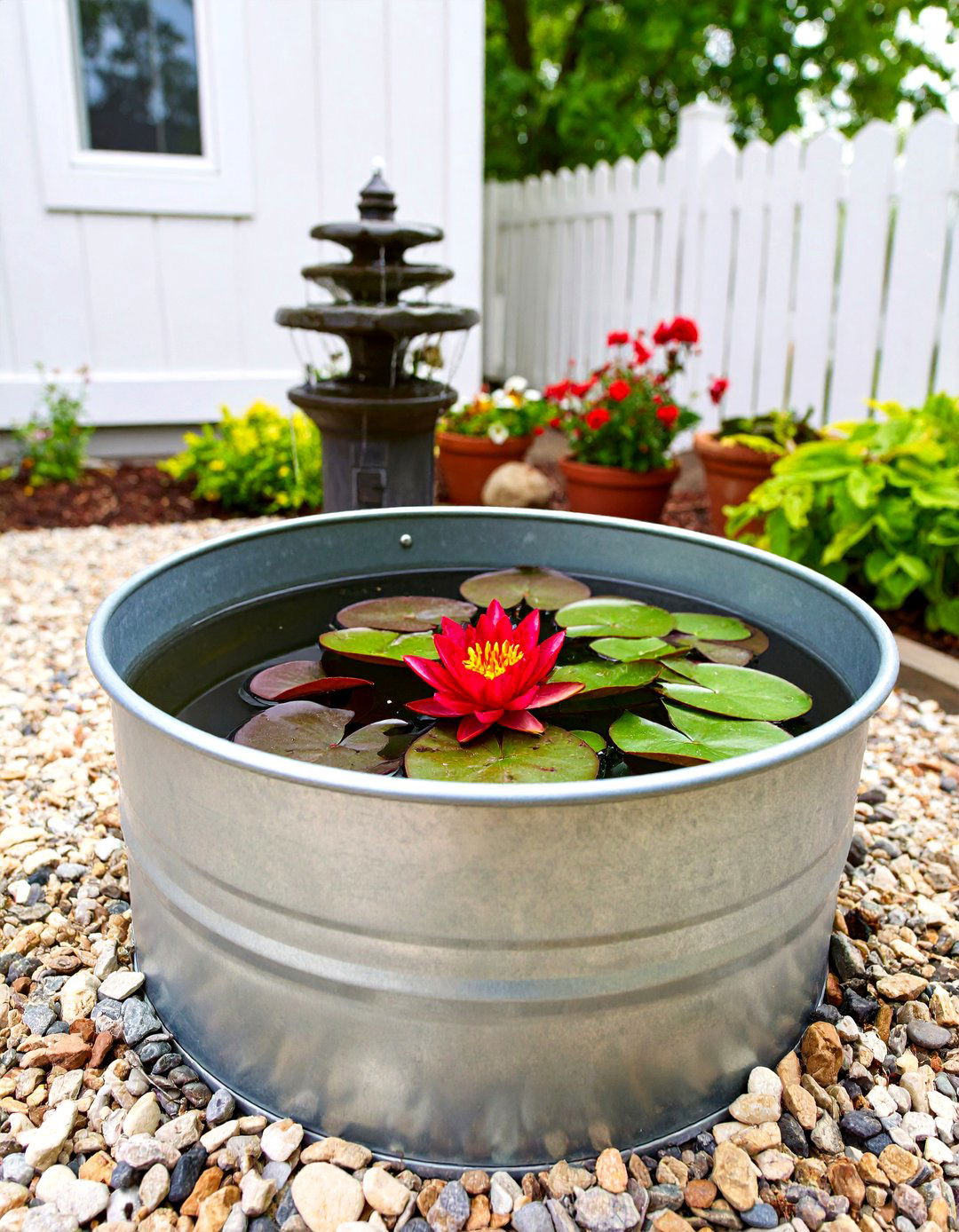
A stock tank pond, made from a galvanized metal or plastic trough typically used for livestock, is a popular choice for a rustic, farmhouse, or industrial-style garden. These tanks are durable, affordable, and easy to set up, requiring no digging. Simply place the tank in your desired location, fill it with water, and add a small pump and some aquatic plants. They can be used as standalone features on a patio or even partially buried to create a more integrated look. A stock tank pond is a quick and stylish way to add a water feature.
29. In-Ground Pond with Stone Edging

An in-ground pond with natural stone edging is a classic and versatile design that can suit almost any garden style. After digging the pond and installing a flexible liner, the edge is concealed with flat stones like flagstone or fieldstone. This creates a neat, natural-looking border that blends seamlessly with the surrounding landscape. The stone ledge also provides a stable surface for placing potted plants or for sitting by the water's edge. This timeless design offers great flexibility in shape and size, allowing you to create a custom pond that perfectly fits your space.
30. Vertical Wall Pond

A vertical wall pond, or water wall, is a modern and space-saving way to enjoy the sights and sounds of water. In this design, water flows down a vertical surface, such as textured stone, slate, glass, or metal, into a small basin at the bottom. It creates a shimmering curtain of water that is both visually stunning and audibly soothing. Water walls are perfect for small patios, courtyards, or even as a feature on an exterior wall of your house. They act as a piece of living art, adding a touch of sophisticated drama to any contemporary outdoor setting.
Conclusion:
Ultimately, adding an outdoor pond is a rewarding project that enhances your property's aesthetic and ecological value. From a simple container pond on a balcony to an expansive natural swimming pond, there is an idea to fit every space, style, and budget. By considering factors like location, maintenance, and desired atmosphere, you can create a personalized water feature that serves as a tranquil retreat. Whether you seek the calming sound of a waterfall or the quiet reflection of a Zen garden, a well-designed pond will bring years of enjoyment and a closer connection to nature.

Related posts:



Leave a Reply