
Transforming your bedroom into a serene sanctuary is a journey toward peace and mindfulness, and Japanese design offers a perfect in centuries of tradition, this aesthetic emphasizes simplicity, natural materials, and a deep connection to the surrounding environment. It’s about creating a space that is not just for sleeping, but for rejuvenating the mind and embracing minimalism, functionality, and the beauty of imperfection, you can craft a bedroom that feels both timeless and deeply approach moves beyond mere decoration, focusing instead on creating a harmonious atmosphere where every element has a purpose and contributes to an overall sense of calm and order.
1. The Minimalist Muji-Inspired Bedroom
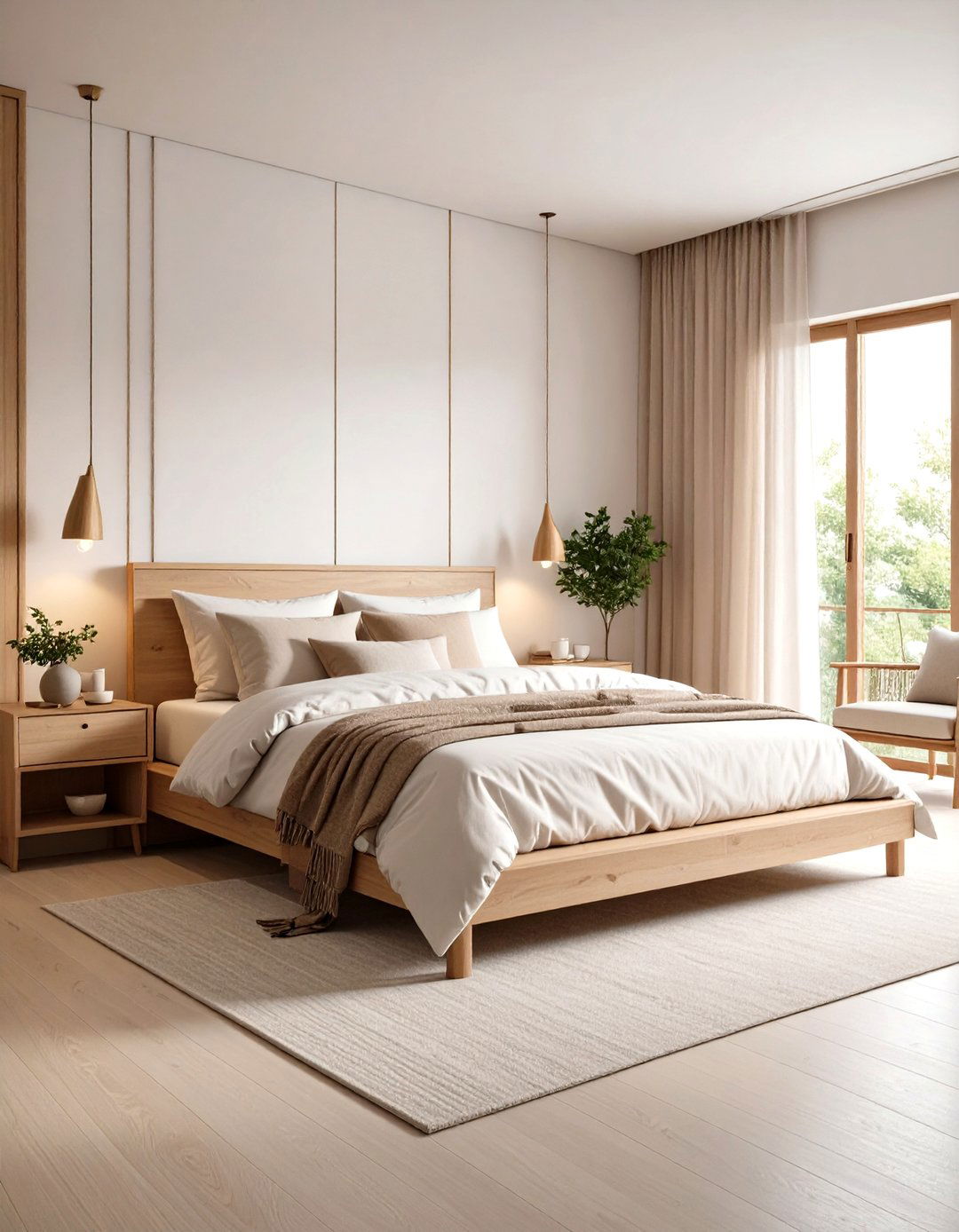
Embracing the "no-brand" philosophy of Muji, this bedroom design focuses on ultimate simplicity and layout is open and uncluttered, with a low-profile bed frame made of light-toned wood like oak or is cleverly integrated into the walls or within multi-functional furniture to maintain a clean color palette is strictly neutral, featuring shades of white, beige, and light light is maximized through sheer, unadorned only decor might be a single, thoughtfully placed ceramic vase or a simple piece of abstract art, keeping the focus on tranquility.
2. A Wabi-Sabi Bedroom Sanctuary
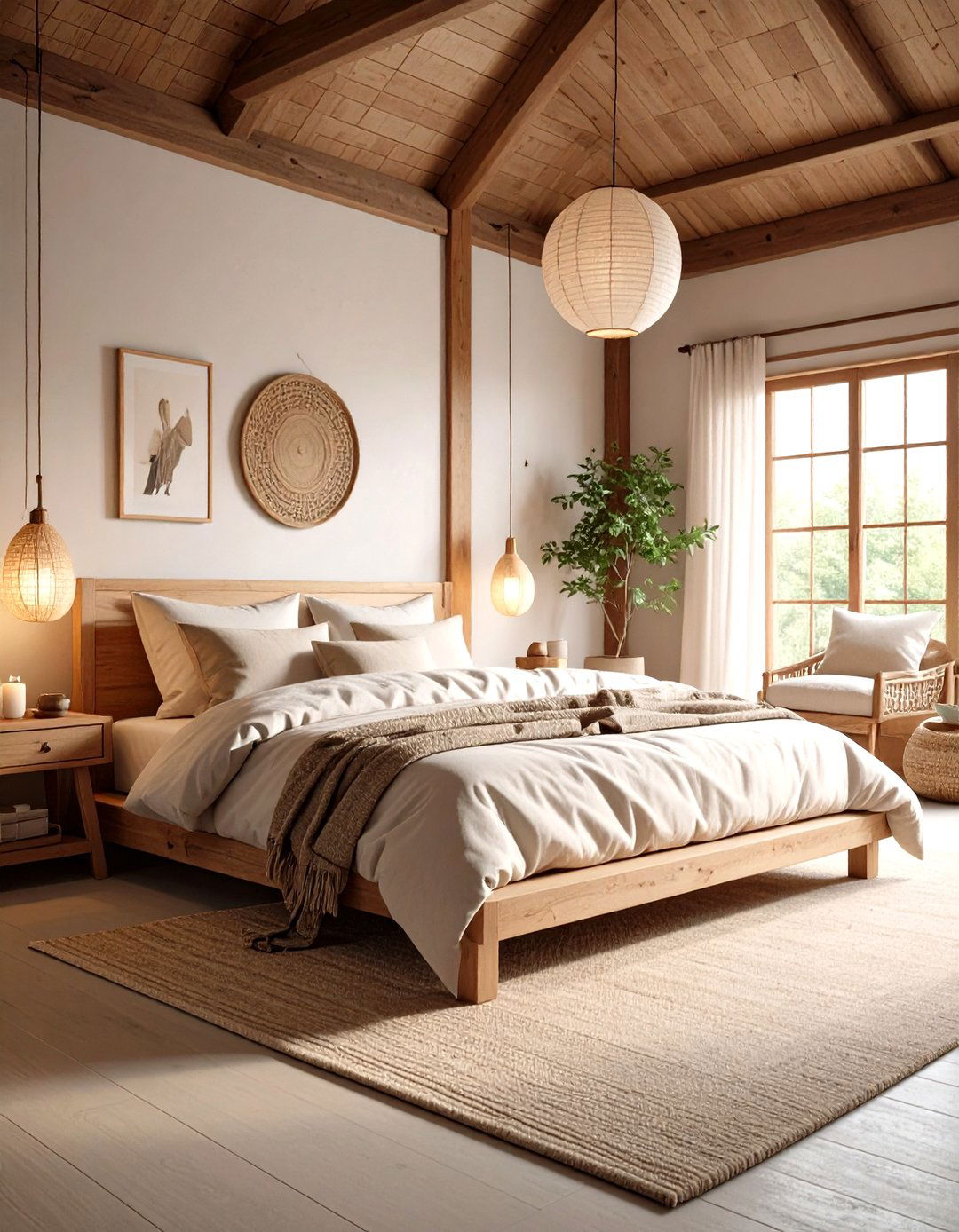
This design celebrates the beauty of imperfection and the transient nature of life. A wabi-sabi bedroom features materials that age gracefully, such as weathered wood, rustic linen bedding, and handmade furniture is simple and often asymmetrical, perhaps a reclaimed wood bench at the foot of the color scheme is earthy and muted, with tones of stone, clay, and moss is soft and diffused, creating a contemplative key is to create a space that feels lived-in, authentic, and soulful, finding beauty in the flaws and irregularities of natural objects.
3. The Traditional Ryokan Bedroom Experience
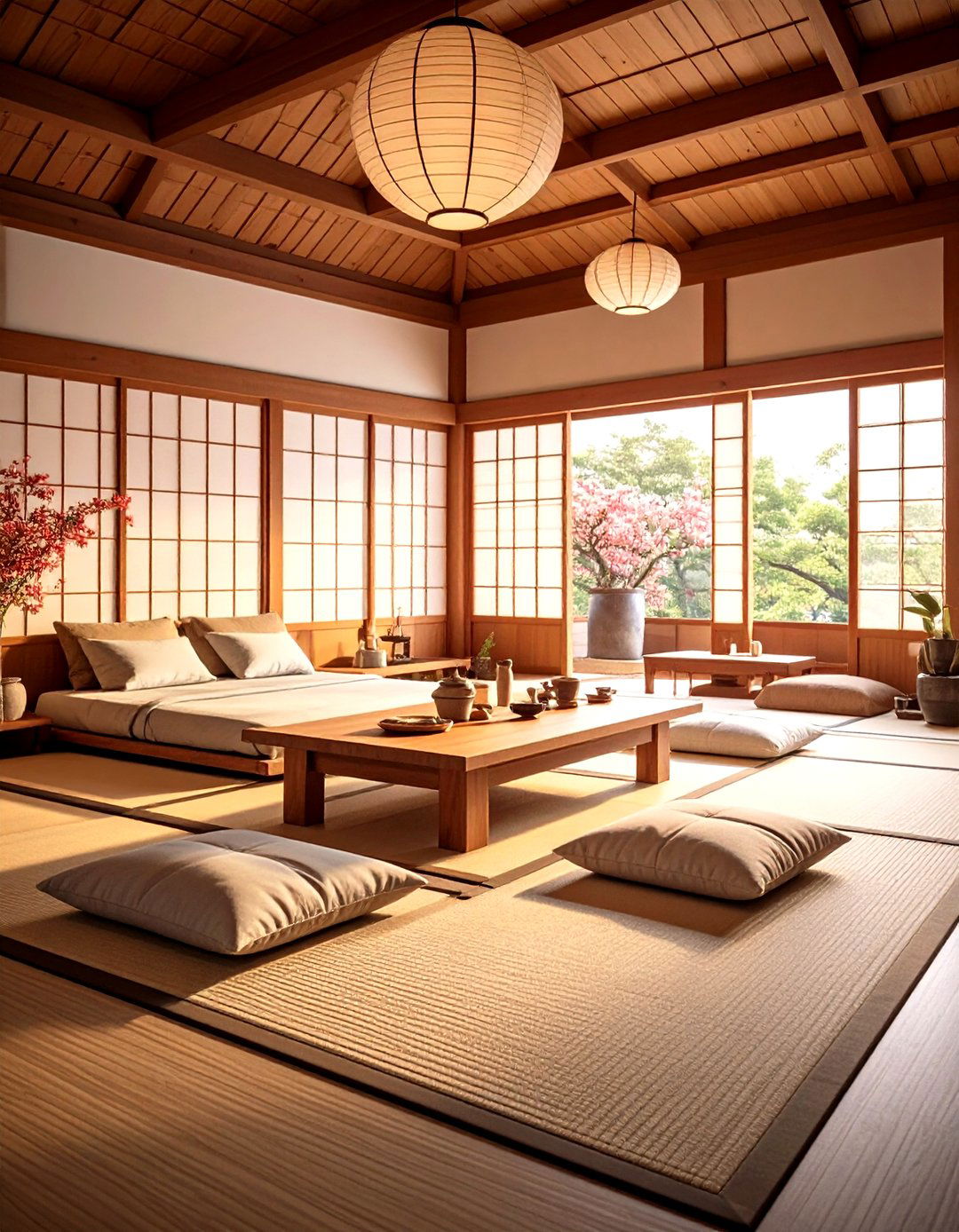
To replicate the feel of a traditional Japanese inn, this design centers on tatami mat flooring and a futon mattress that can be rolled away during the space is defined by shoji screens, which act as walls or window coverings, diffusing light beautifully. A low wooden table for tea and a zabuton cushion for seating are the only necessary decor is minimal, perhaps a single scroll painting (kakejiku) in the tokonoma layout emphasizes versatility and a deep connection to traditional Japanese living, creating a truly immersive and peaceful retreat.
4. A Modern Zen Bedroom Retreat
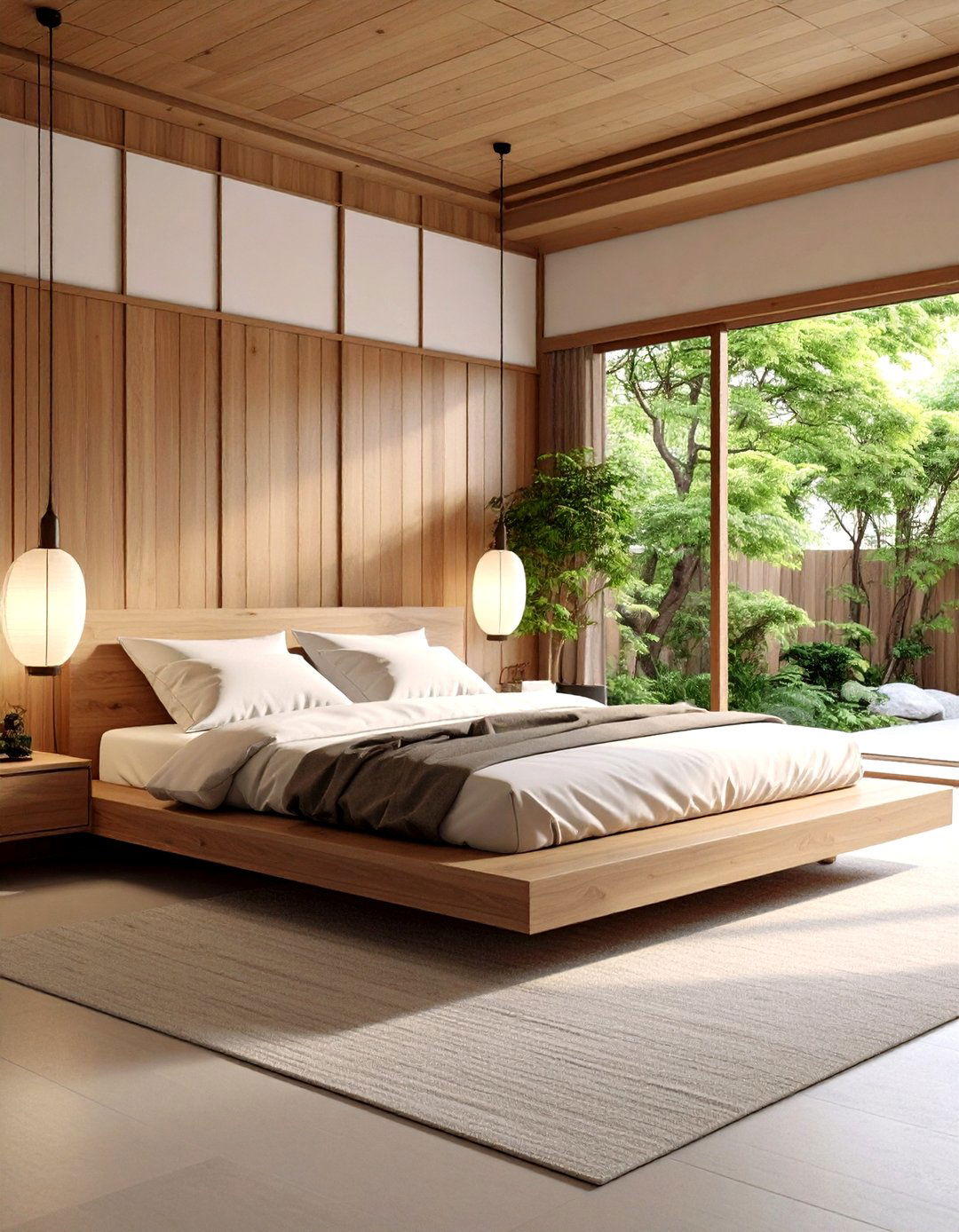
A modern Zen bedroom blends timeless principles with contemporary features a low-platform bed with a simple, clean-lined headboard, often in a dark wood like palette is monochromatic, using shades of charcoal, black, and white to create a sophisticated and calming is layered, with recessed ceiling lights for general illumination and a sculptural floor lamp for is sleek and handleless, seamlessly blending into the walls. A single, large-scale piece of nature photography or a minimalist sculpture adds a focal point without creating clutter, embodying modern tranquility.
5. The Shoji Screen-Focused Bedroom
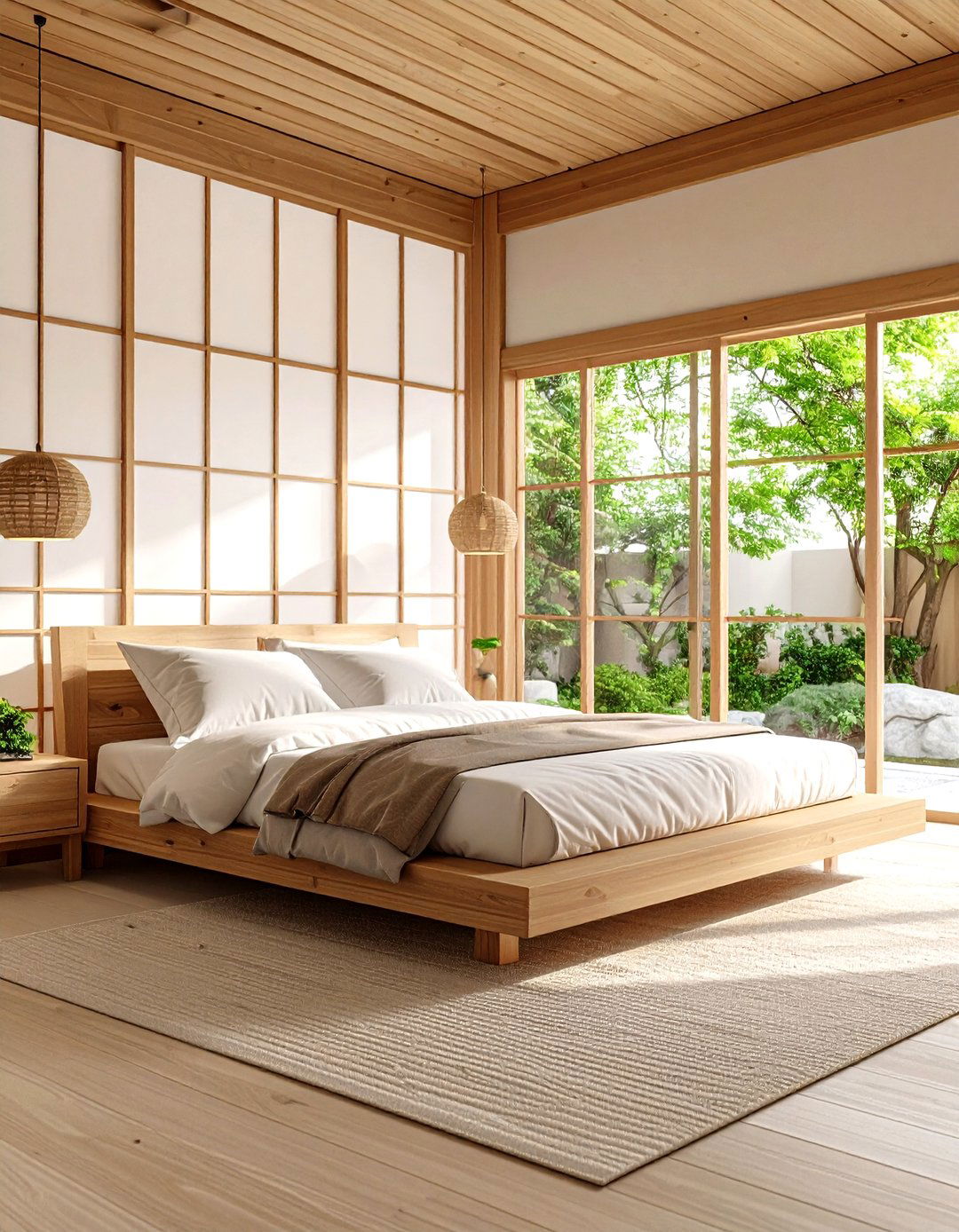
What if light itself could be the main decorative element in your room? By making shoji screens the central feature, this design achieves just translucent paper screens replace traditional doors, closet doors, and even entire walls, allowing soft, diffused light to fill the framework is typically made of natural wood, complementing a simple, low bed and minimal room remains bright and airy while maintaining approach creates a dynamic interplay of light and shadow throughout the day, turning the entire bedroom into a serene, luminous, and ever-changing environment.
6. The Bedroom with an Indoor Garden
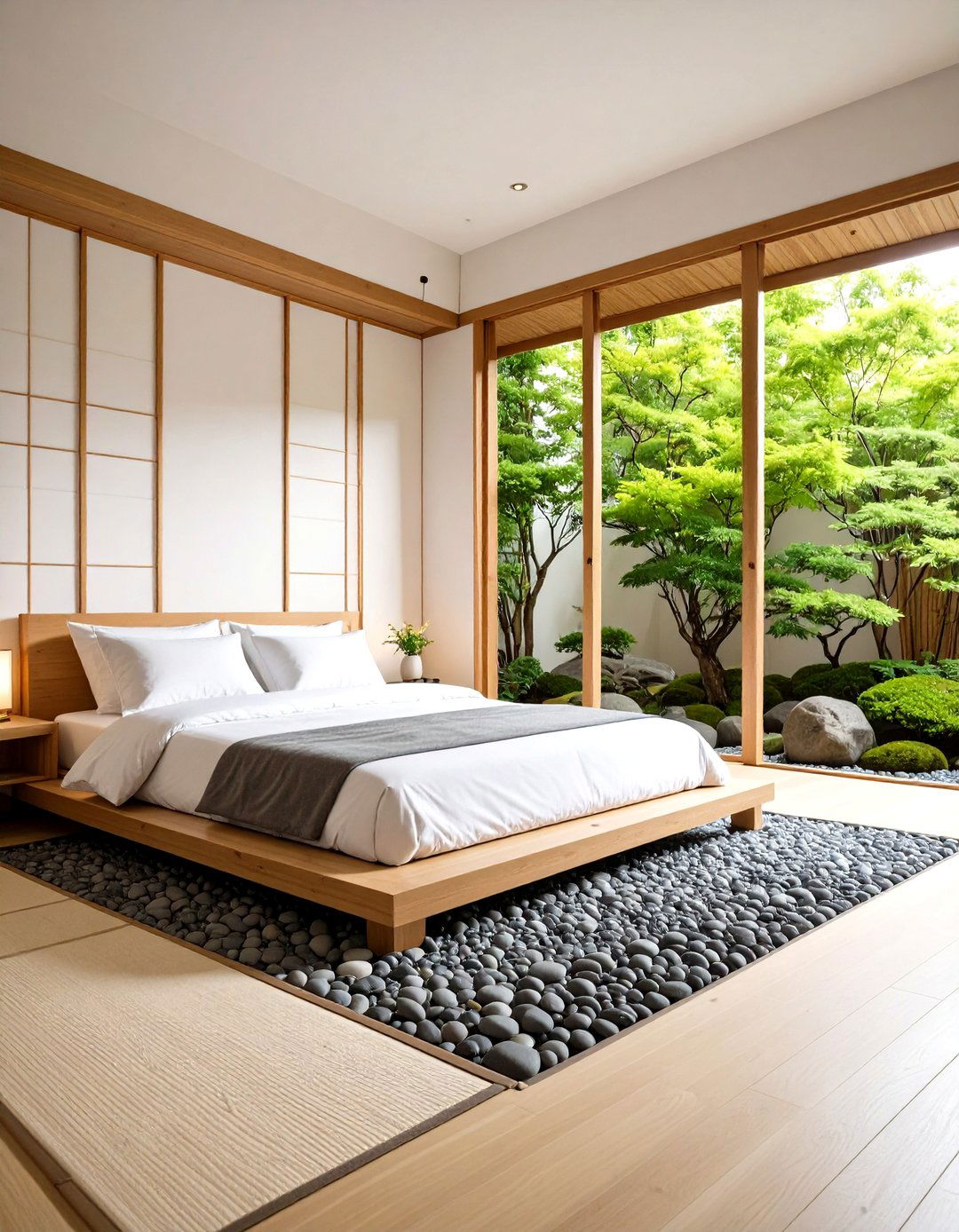
Bringing nature indoors is fundamental to Japanese concept integrates a small, contained indoor garden or a collection of bonsai trees directly into the bedroom layout. A corner might be dedicated to a bed of polished river stones with a single, elegant maple tree, or a built-in planter could run alongside a room’s materials, such as bamboo flooring and stone accents, echo the natural creates a powerful connection to the outdoors, promoting a sense of calm and purification, and making the bedroom a living, breathing space that changes with the seasons.
7. A Low-Profile Furniture Bedroom
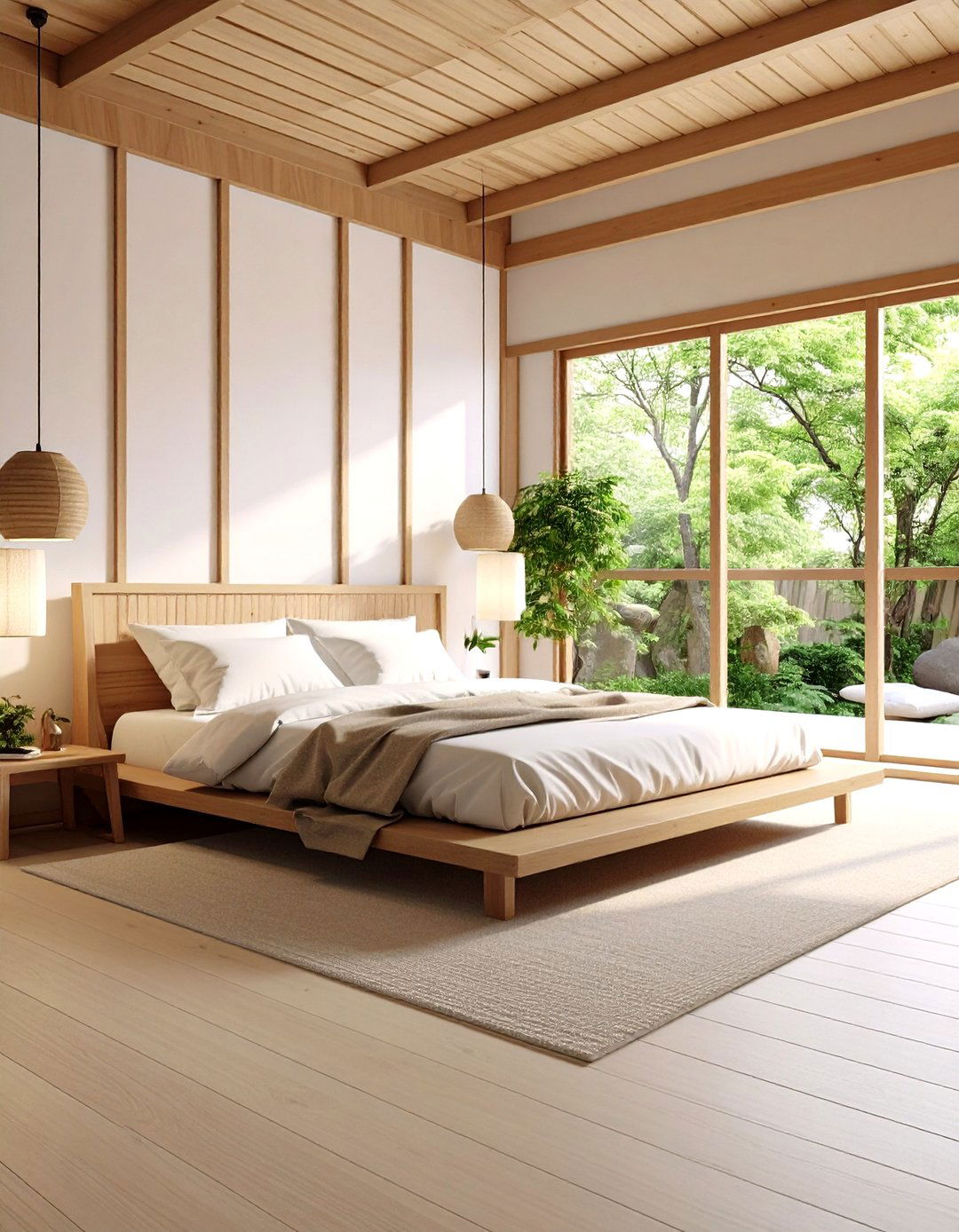
Grounded living is a core tenet of Japanese interiors, and this design fully embraces it with low-profile bed is a simple platform, often just inches off the floor, promoting a feeling of stability and connection to the furniture, like bedside tables and chests, is also low-slung and horizontally arrangement makes the room feel more spacious and open, drawing the eye upwards and emphasizing the height of the result is a calming, uncluttered environment that encourages relaxation and a slower, more mindful pace of life.
8. The Natural Wood-Clad Bedroom
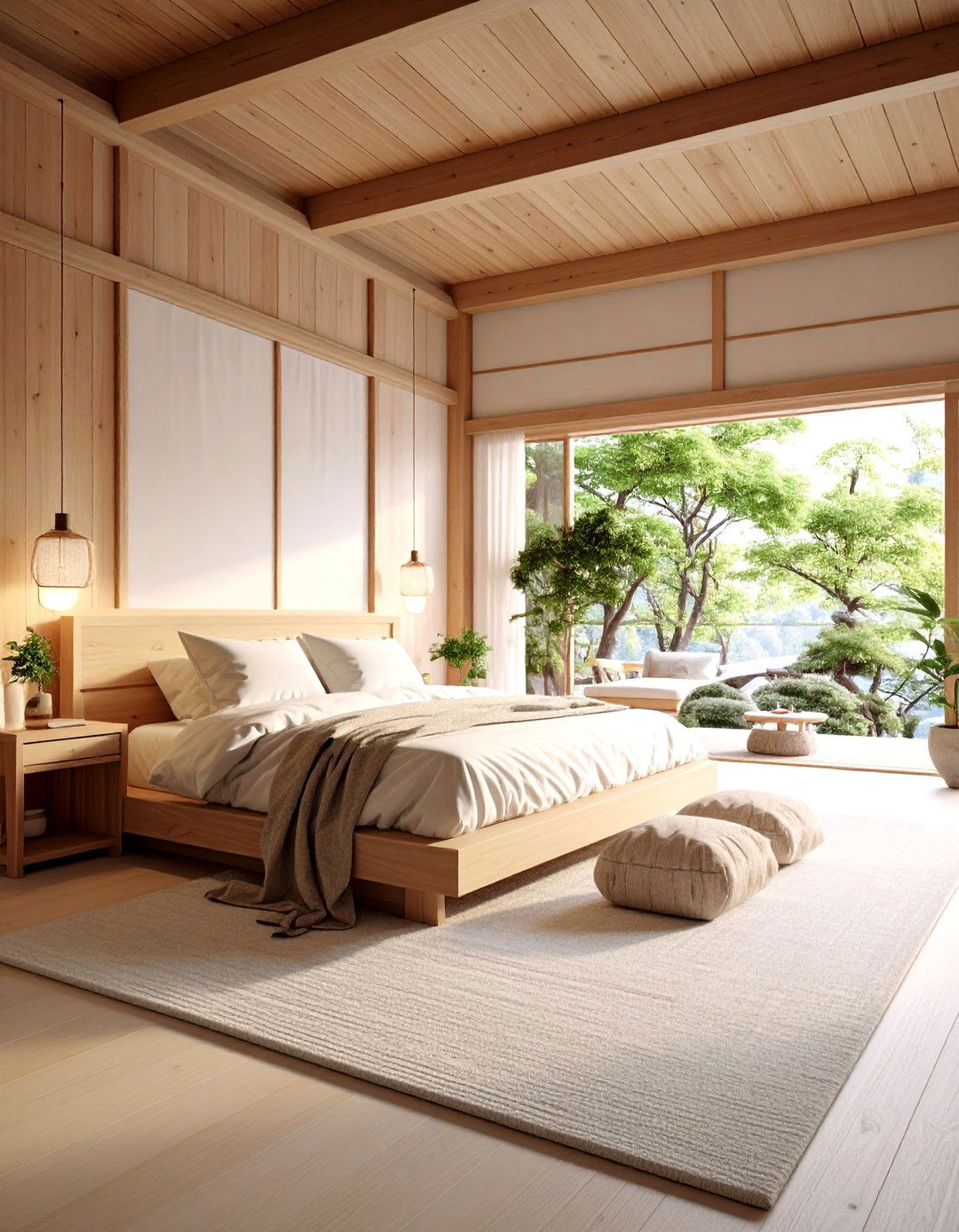
Imagine being enveloped by the warmth and texture of natural bedroom design uses wood extensively, not just for the floor but also for wall paneling and the ceiling. Light-colored woods like hinoki cypress or red pine create a bright, airy, and fragrant atmosphere reminiscent of a forest furniture is also crafted from matching wood, creating a cohesive, monolithic is kept simple in neutral tones to let the beauty of the wood grain space becomes a tactile, sensory retreat that is both visually stunning and deeply calming.
9. A Bedroom with Tokonoma Alcove
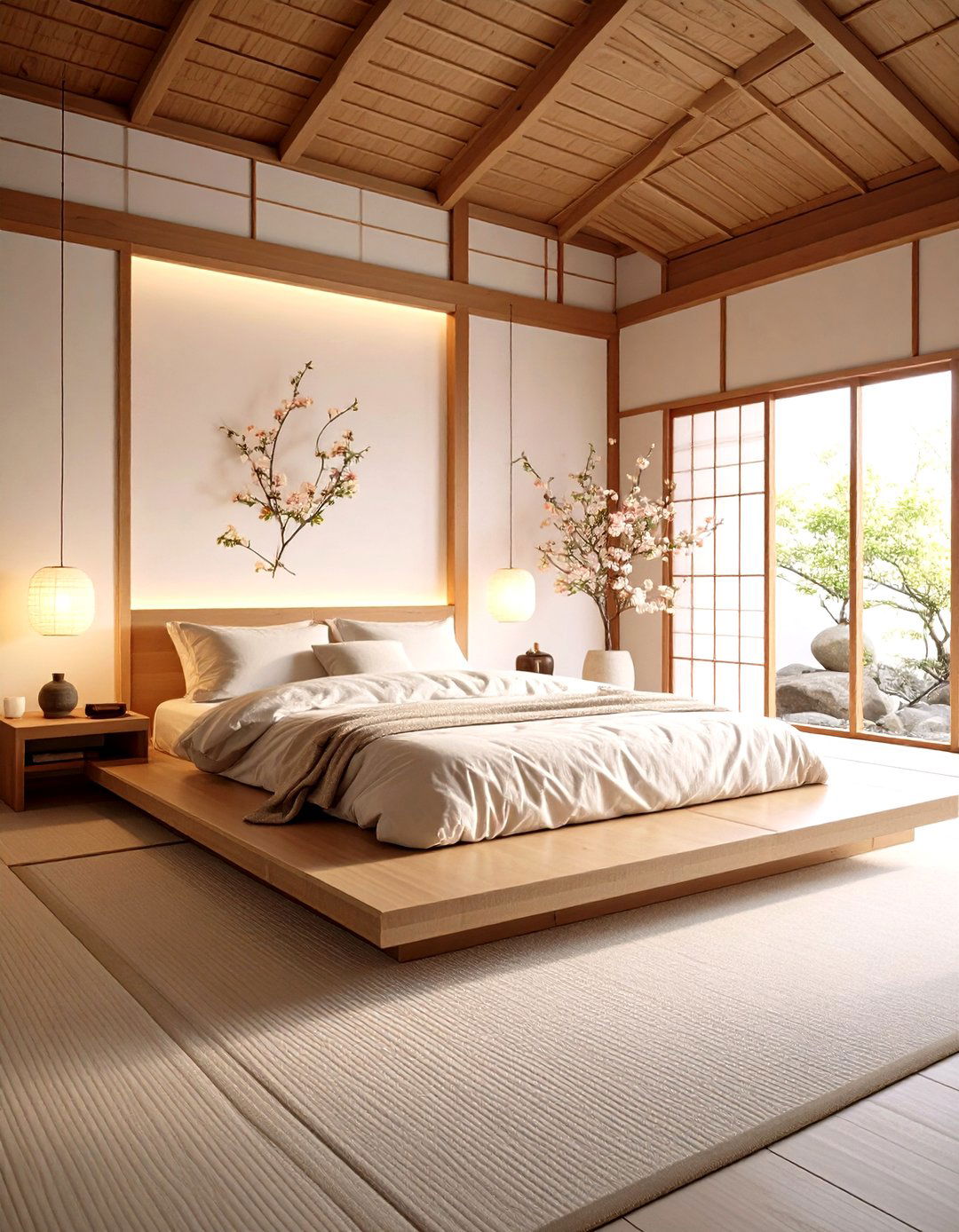
For a touch of classic Japanese architecture, incorporate a recessed alcove is the spiritual center of the room, designed to display a single, meaningful could be an ikebana (flower arrangement) , a piece of calligraphy, or a cherished rest of the bedroom is kept deliberately simple to avoid detracting from the tokonoma's focal bed is low, the colors are subdued, and the lighting is design element introduces a space for contemplation and artistic appreciation, elevating the bedroom beyond a mere sleeping area.

10. The Bamboo-Themed Bedroom
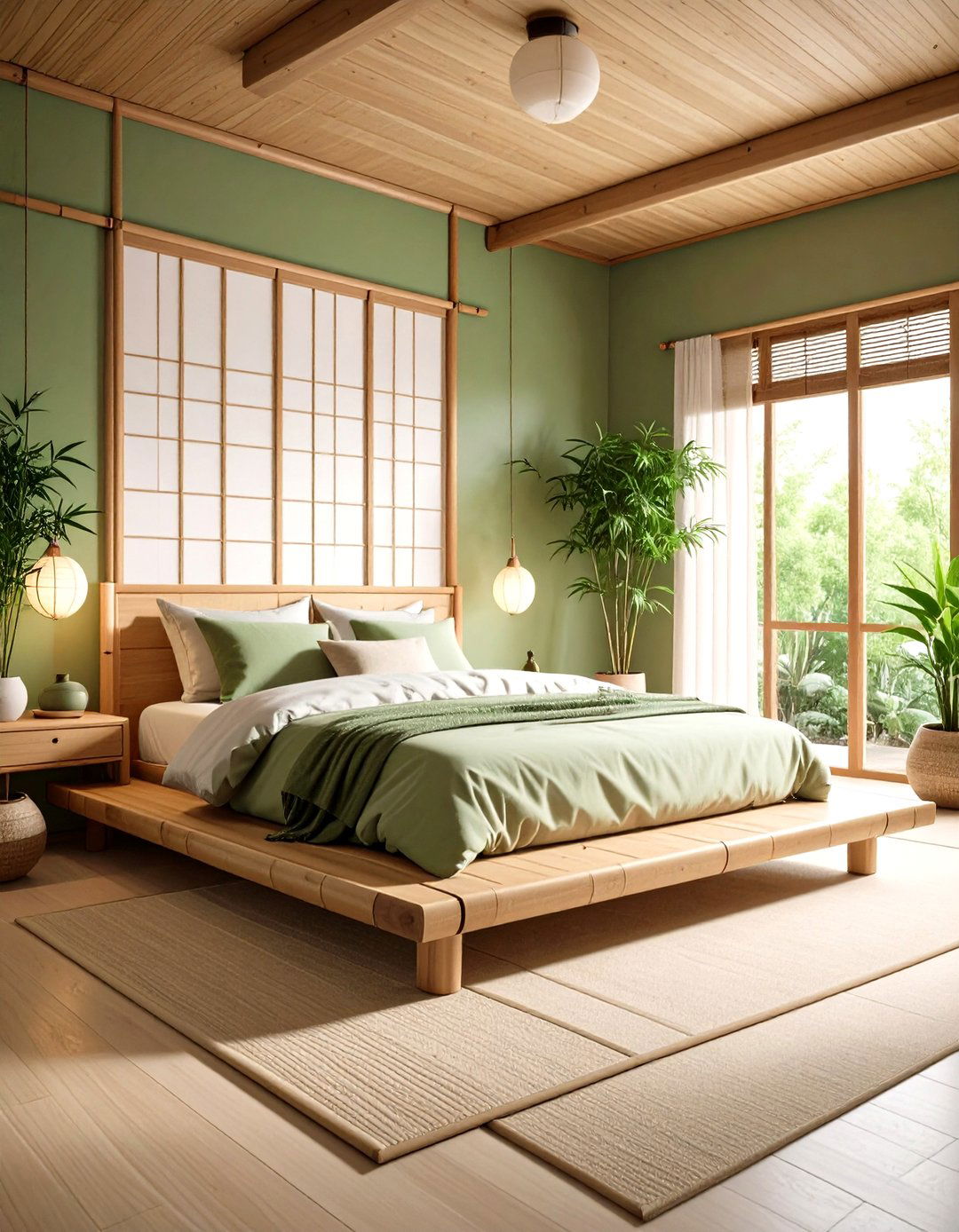
Bamboo is a quintessential material in Japanese design, symbolizing strength and flexibility. A bamboo-themed bedroom uses this versatile grass for flooring, furniture, and even window blinds. A bamboo platform bed can be the centerpiece, complemented by a bamboo screen for color palette incorporates shades of green, beige, and brown, reflecting the natural hues of bamboo bamboo plants in simple ceramic pots further enhance the cohesive use of a single material creates a space that feels incredibly harmonious, sustainable, and connected to the natural world.
11. A Dark and Moody Japanese Bedroom
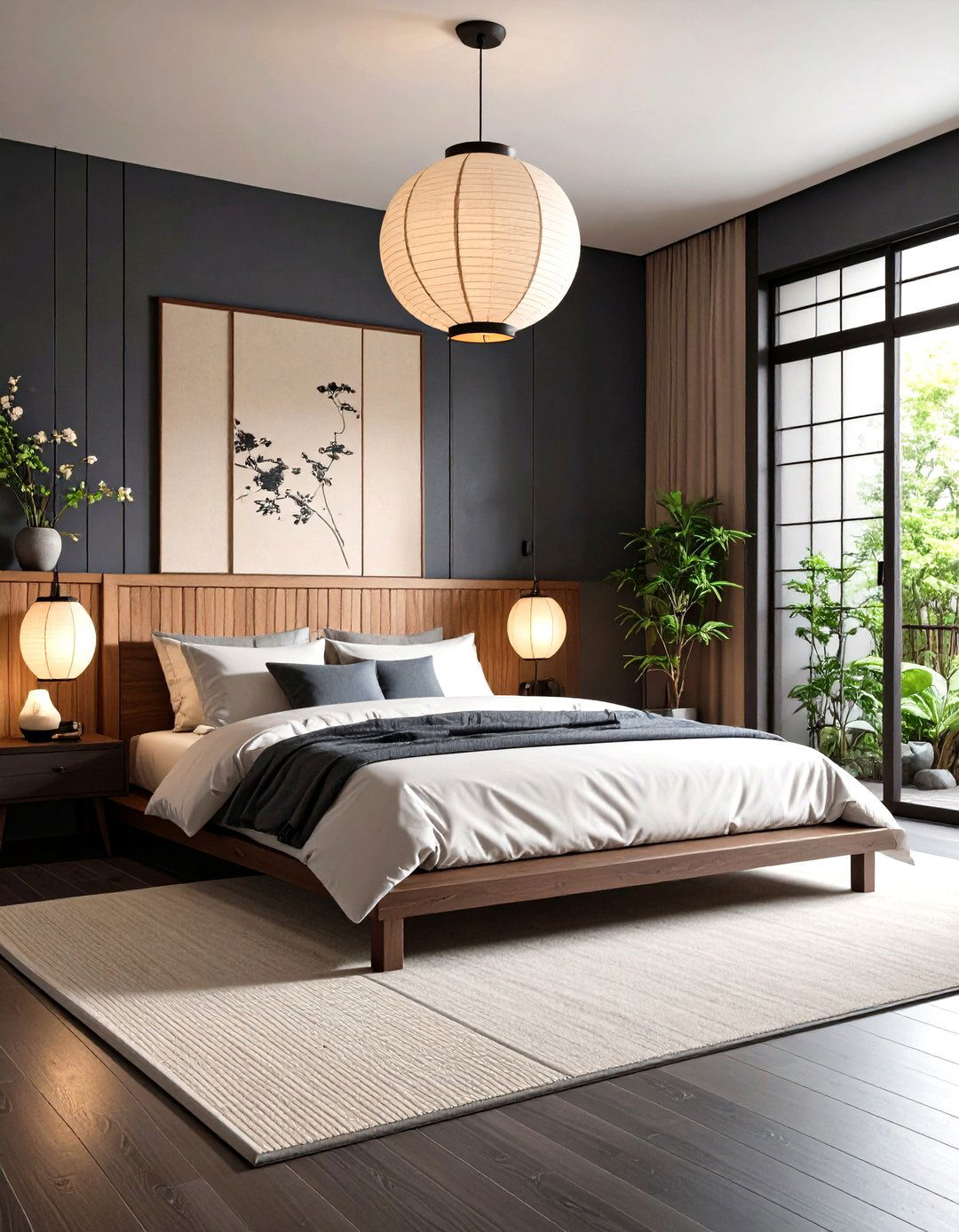
While many Japanese designs are light and airy, a darker palette can create a sophisticated and intimate style uses dark-stained woods, charcoal gray walls, and black key is to balance the darkness with texture and soft lighting. A plush, low-pile rug, silk bedding, and washi paper lanterns can add warmth and prevent the space from feeling furniture remains minimalist in form, but its dark finish adds a sense of drama and approach is perfect for creating a cozy, cocoon-like retreat for restful nights.
12. The Fusuma-Paneled Bedroom
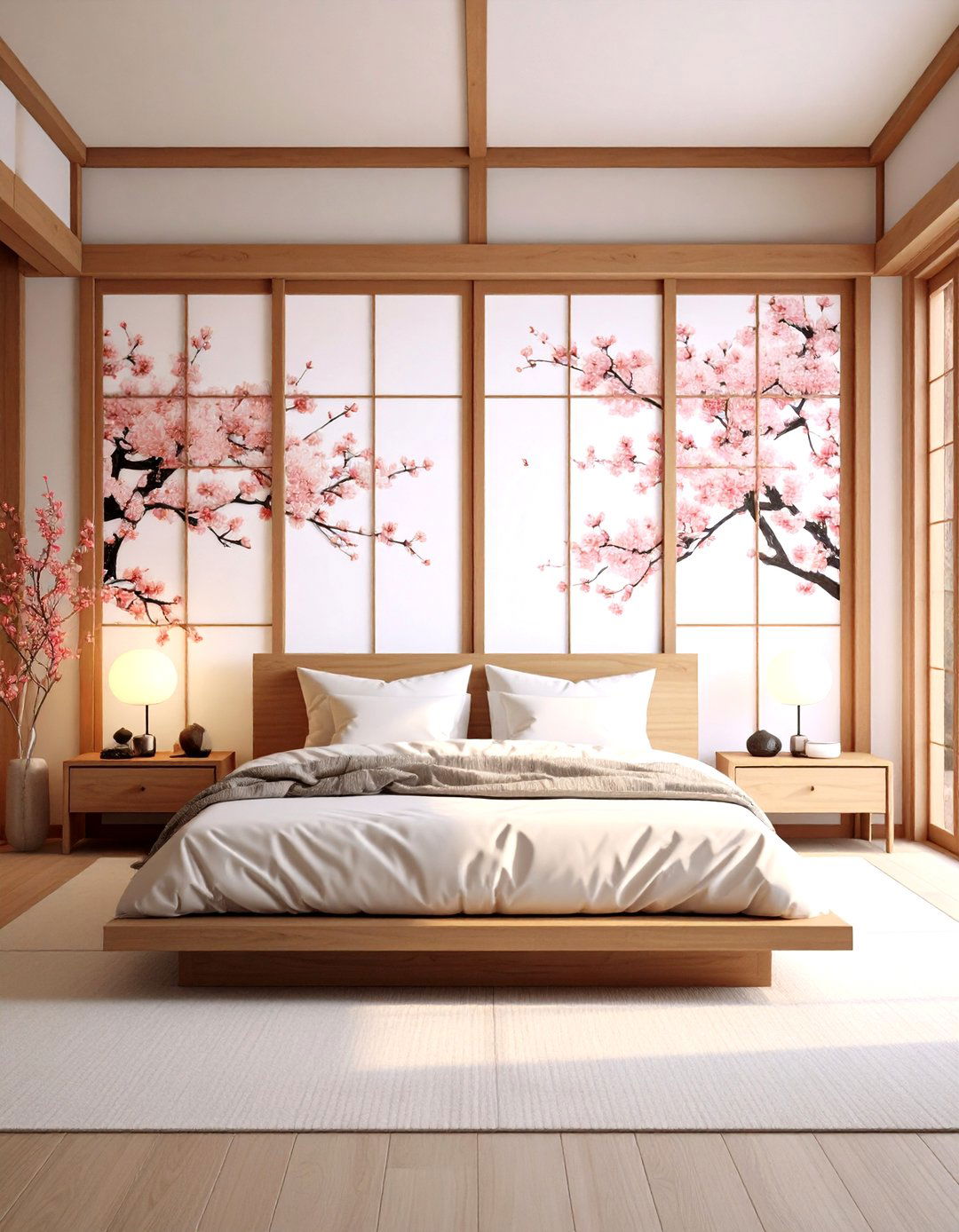
Fusuma are opaque sliding panels used to redefine spaces in traditional Japanese the bedroom, they can act as closet doors or even as a dynamic wall to separate a sleeping area from a small sitting decorated with beautiful, hand-painted nature scenes — like cherry blossoms, mountains, or cranes — they serve as large-scale rest of the room is kept simple, with a low bed and neutral tones, allowing the fusuma to be the undeniable star of the space, blending art, architecture, and pure functionality.
13. A Bedroom with Engawa Veranda
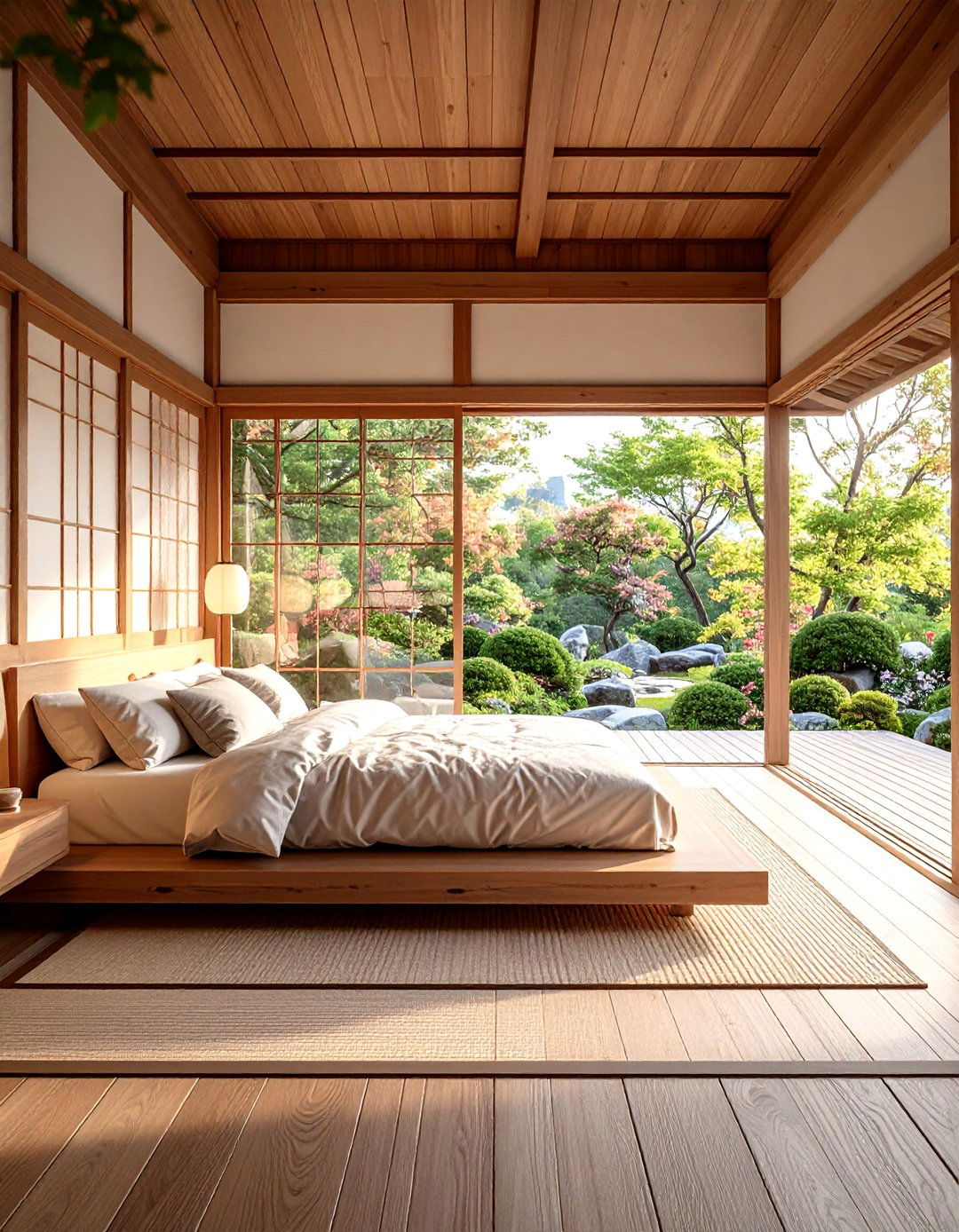
Why not extend your serene space to the outdoors? This design incorporates an engawa, a narrow wooden veranda that runs along the outside of the room, blurring the line between indoors and sliding glass doors open the bedroom directly onto this space, which can be used for morning tea or quiet flooring material, typically wood, is consistent from the bedroom to the engawa, creating a seamless design fosters a constant connection with nature, allowing fresh air and natural light to become integral parts of the room's atmosphere.
14. The Japanese-Scandinavian (Japandi) Bedroom
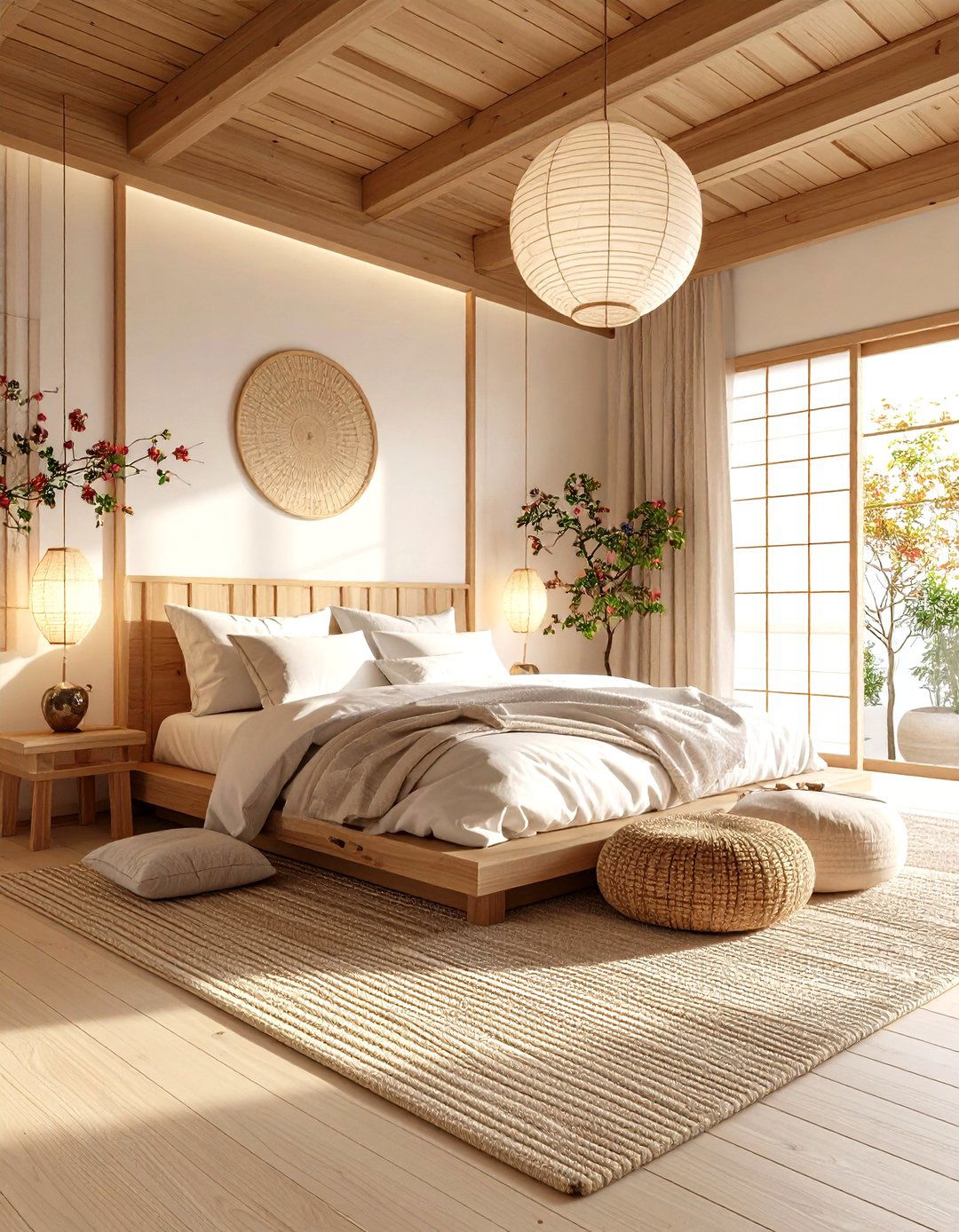
This hybrid style merges the rustic simplicity of Scandinavian design with the timeless elegance of the Japanese Japandi bedroom features a mix of light woods and muted colors, but with a focus on cozy comfort (hygge). Think clean lines, a neutral color palette, and a clutter-free approach, but with the addition of plush textiles, warm blankets, and soft, functional combines the best of both worlds: Japanese minimalism and Scandinavian warmth, resulting in a space that is both practical, inviting, and effortlessly chic.


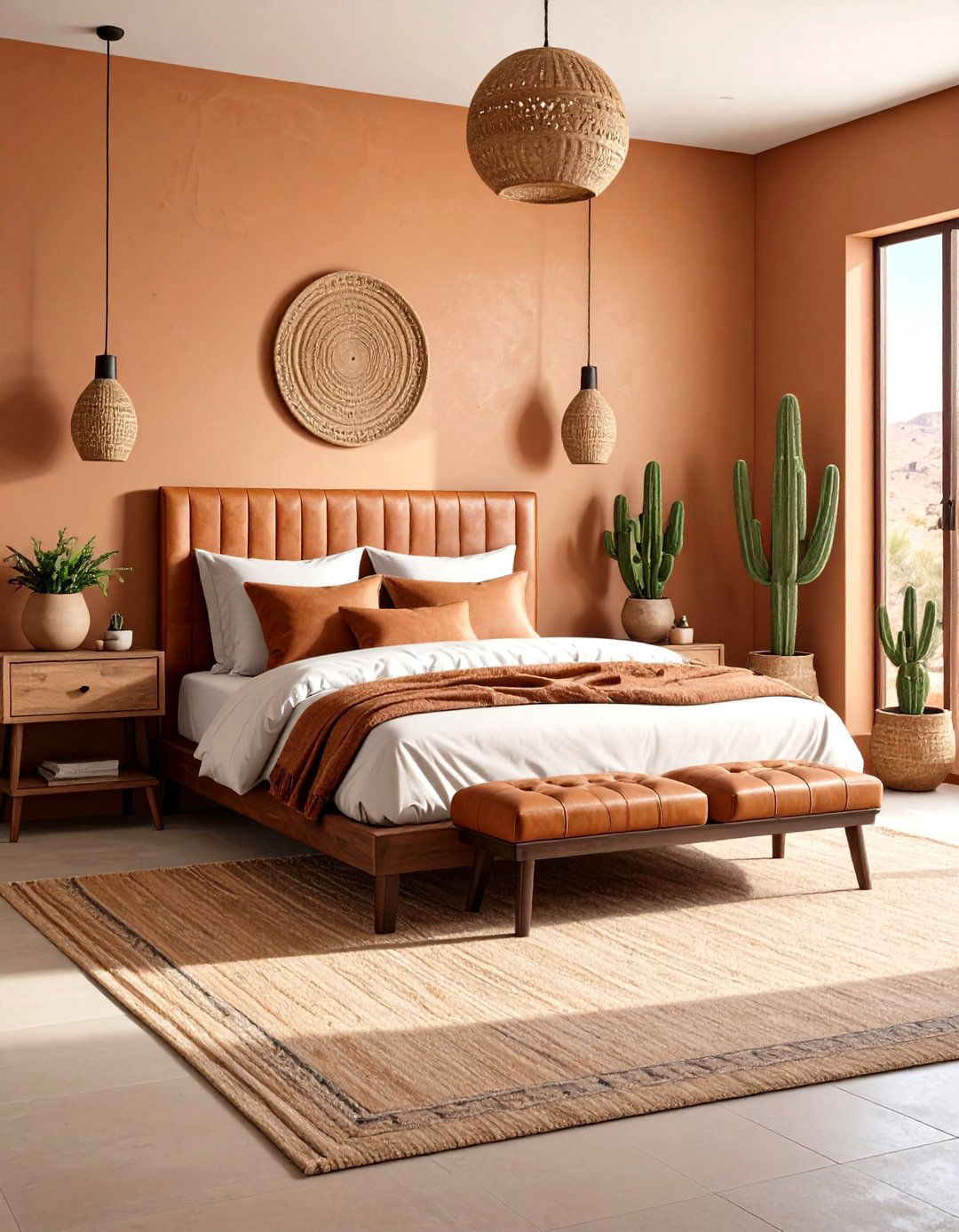
15. A Bedroom with Floating Furniture
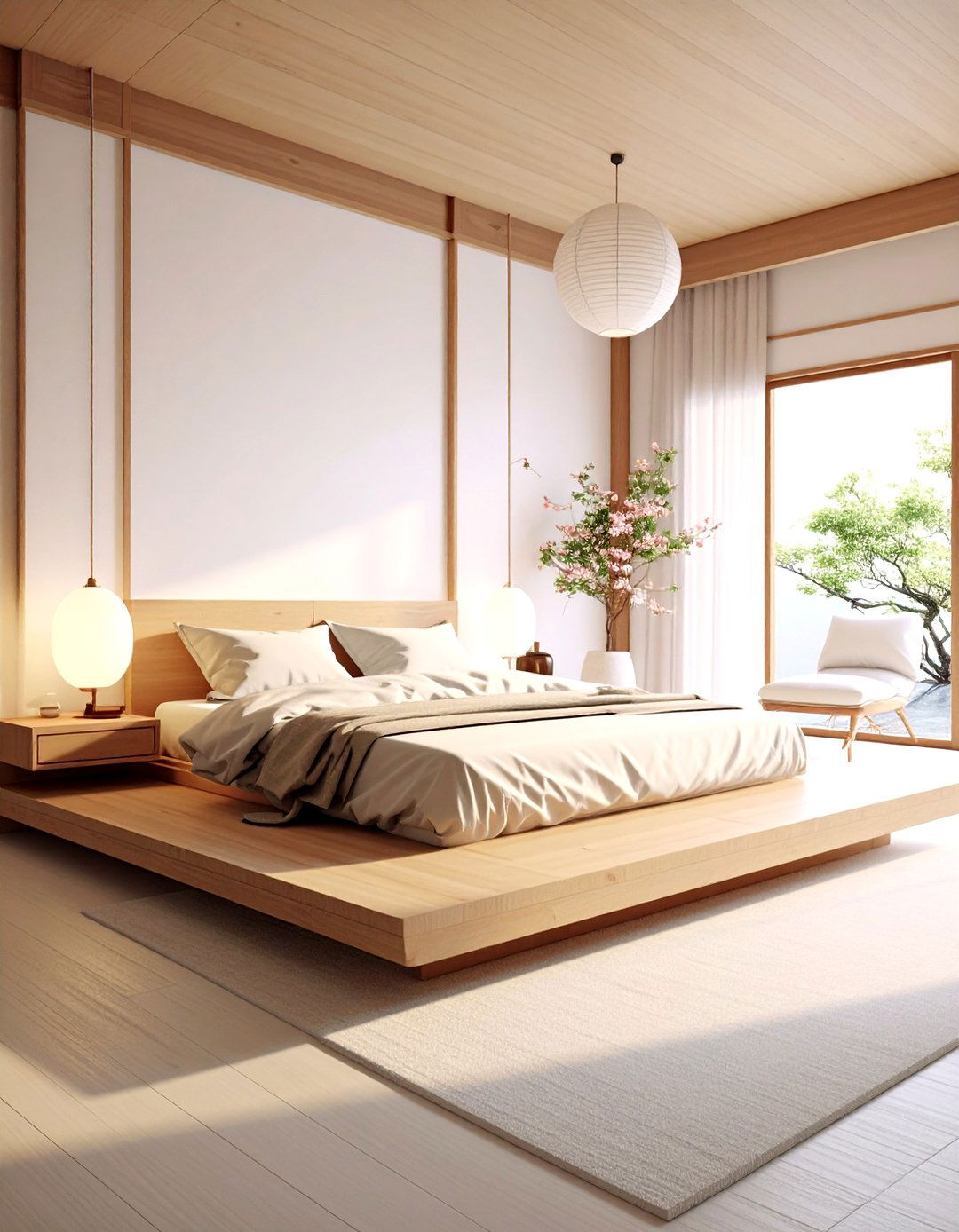
To create an illusion of weightlessness and space, this design utilizes floating furniture. A platform bed appears to hover above the floor, anchored to the tables are mounted directly onto the wall, leaving the floor approach enhances the minimalist feel and makes a small room appear much clean, unbroken floor space is easy to clean and visually with indirect lighting placed beneath the bed, the effect is ethereal and futuristic, offering a modern twist on the classic Japanese principle of uncluttered living.
16. The Raked Sand Garden Bedroom View
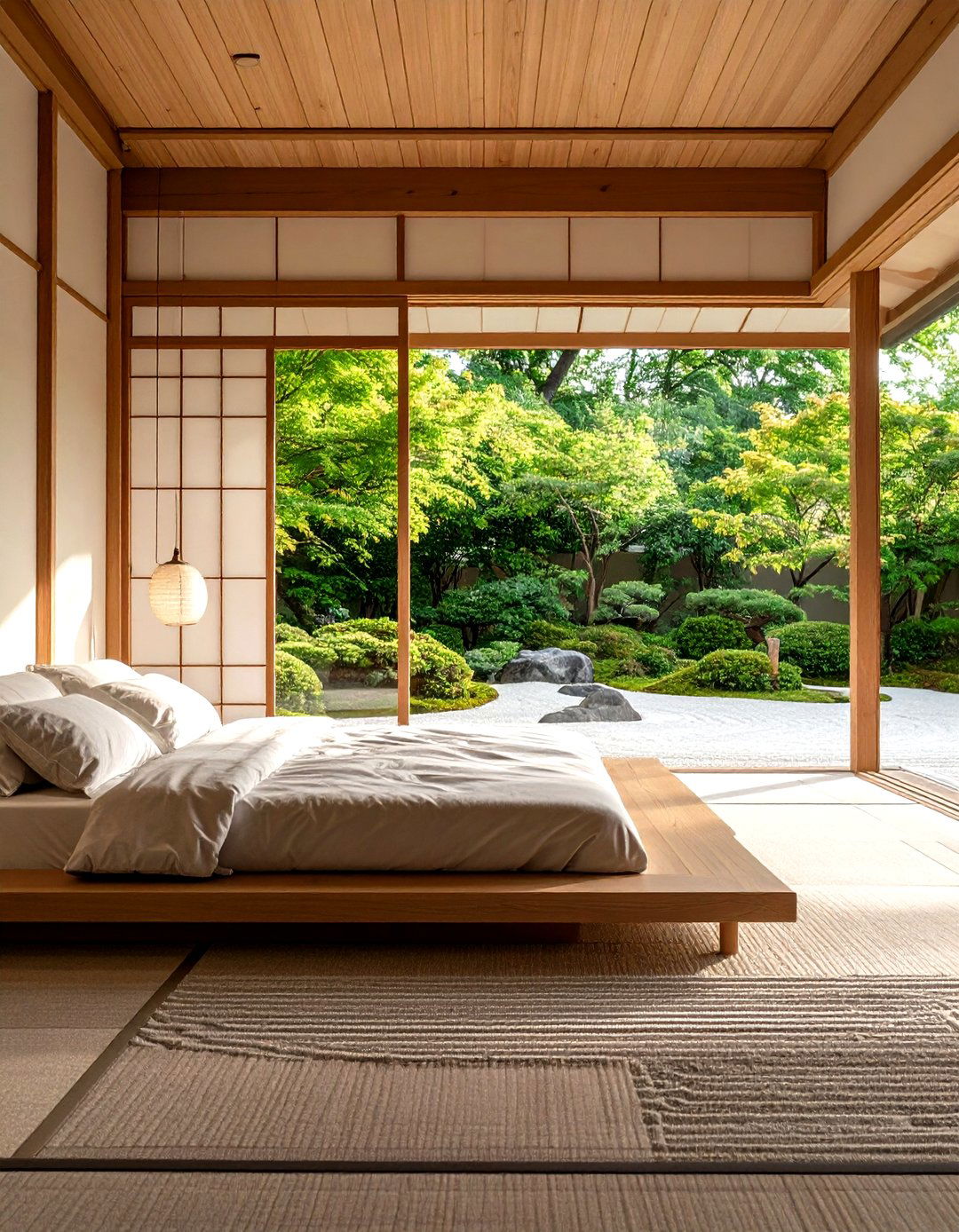
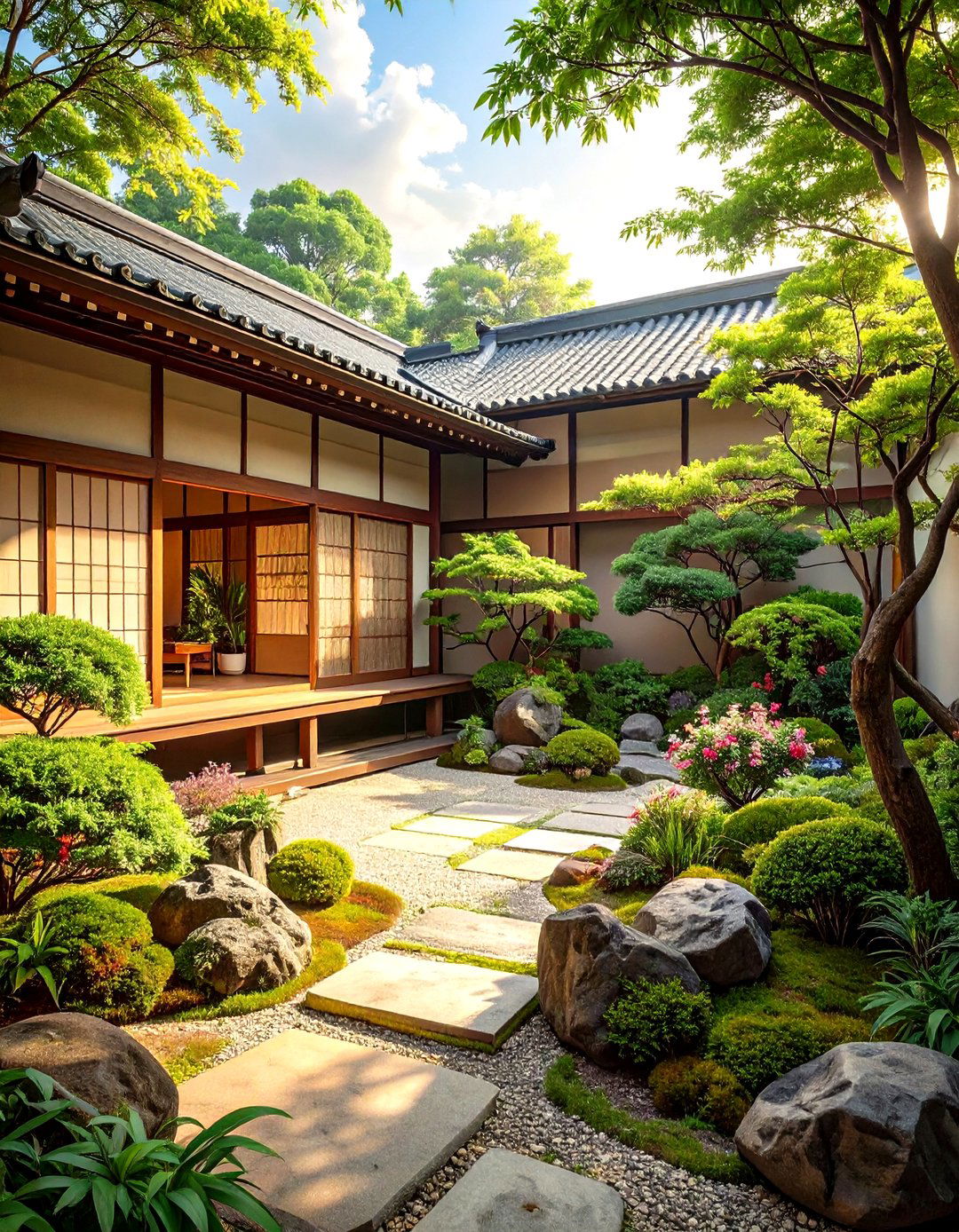
What if your bedroom window overlooked your own private Zen garden? This design orients the room to face a karesansui, or dry landscape garden. A large, floor-to-ceiling window or sliding glass door provides an uninterrupted view of meticulously raked sand or gravel, and carefully placed rocks and bedroom interior is kept extremely minimal, with a simple bed and perhaps a single floor cushion, so as not to compete with the garden becomes a living piece of art, a meditative focal point that brings immense tranquility to the space.
17. An Ikebana-Focused Bedroom
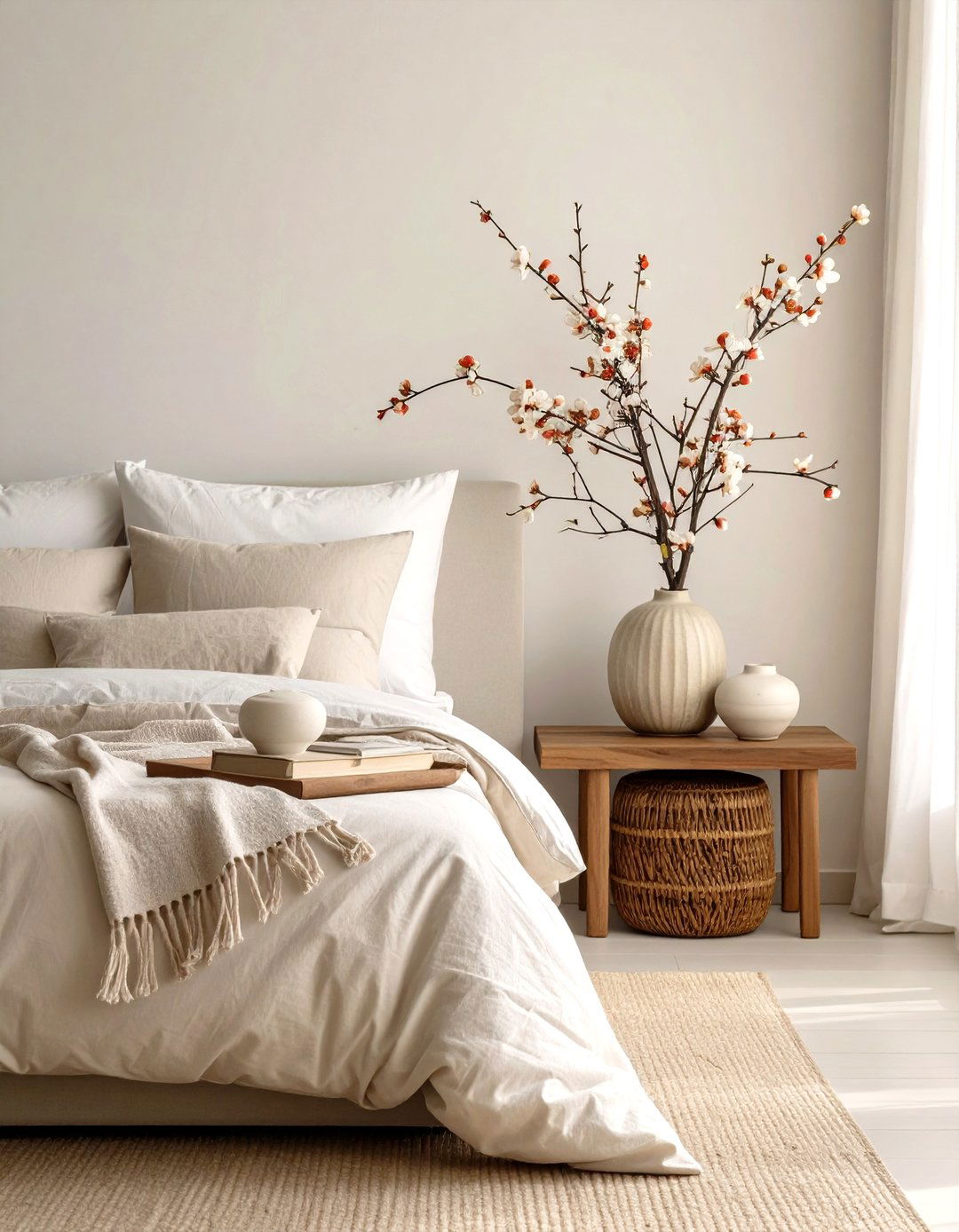
This design centers on the Japanese art of flower arranging, making ikebana the room's primary decorative bedroom itself is a neutral, minimalist canvas — think plain walls, a simple wooden bed frame, and unadorned windows. A designated spot, perhaps a low console table or a floating shelf, is reserved for the ikebana arrangement itself, with its focus on line, form, and asymmetry, provides a splash of natural color and sculptural the arrangement seasonally keeps the room feeling fresh and connected to the rhythms of nature.
18. The Lantern-Lit Bedroom
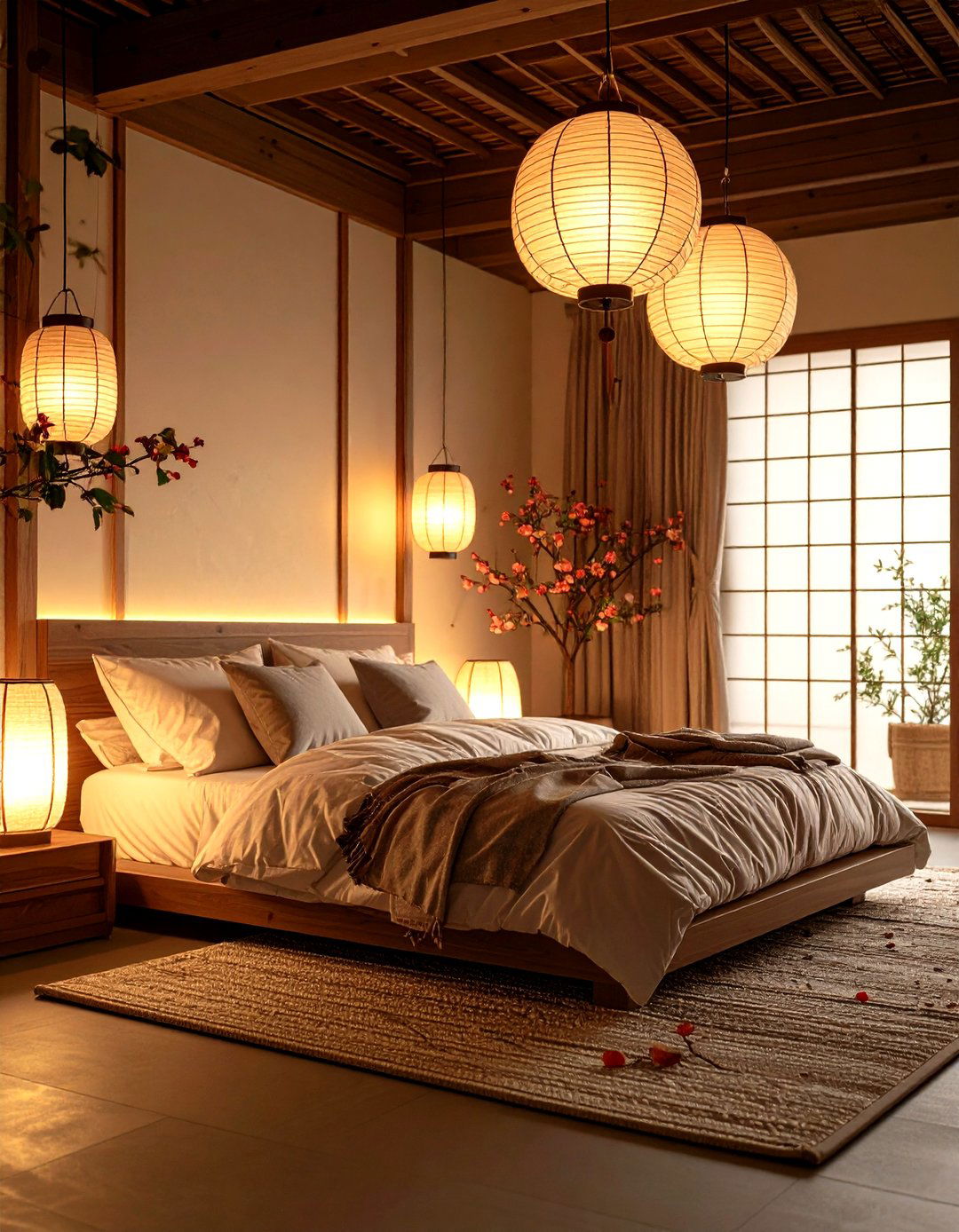
Lighting plays a crucial role in setting a serene bedroom design uses traditional Japanese lanterns as the main source of ambient floor lamps with washi paper shades cast a soft, warm glow, while chochin paper lanterns can be hung from the ceiling for a more dramatic diffused light minimizes harsh shadows and creates an intimate, peaceful atmosphere perfect for rest of the decor is kept simple and dark to enhance the lanterns' glow, turning the bedroom into a tranquil haven of light.
19. A Bedroom with Built-In Storage
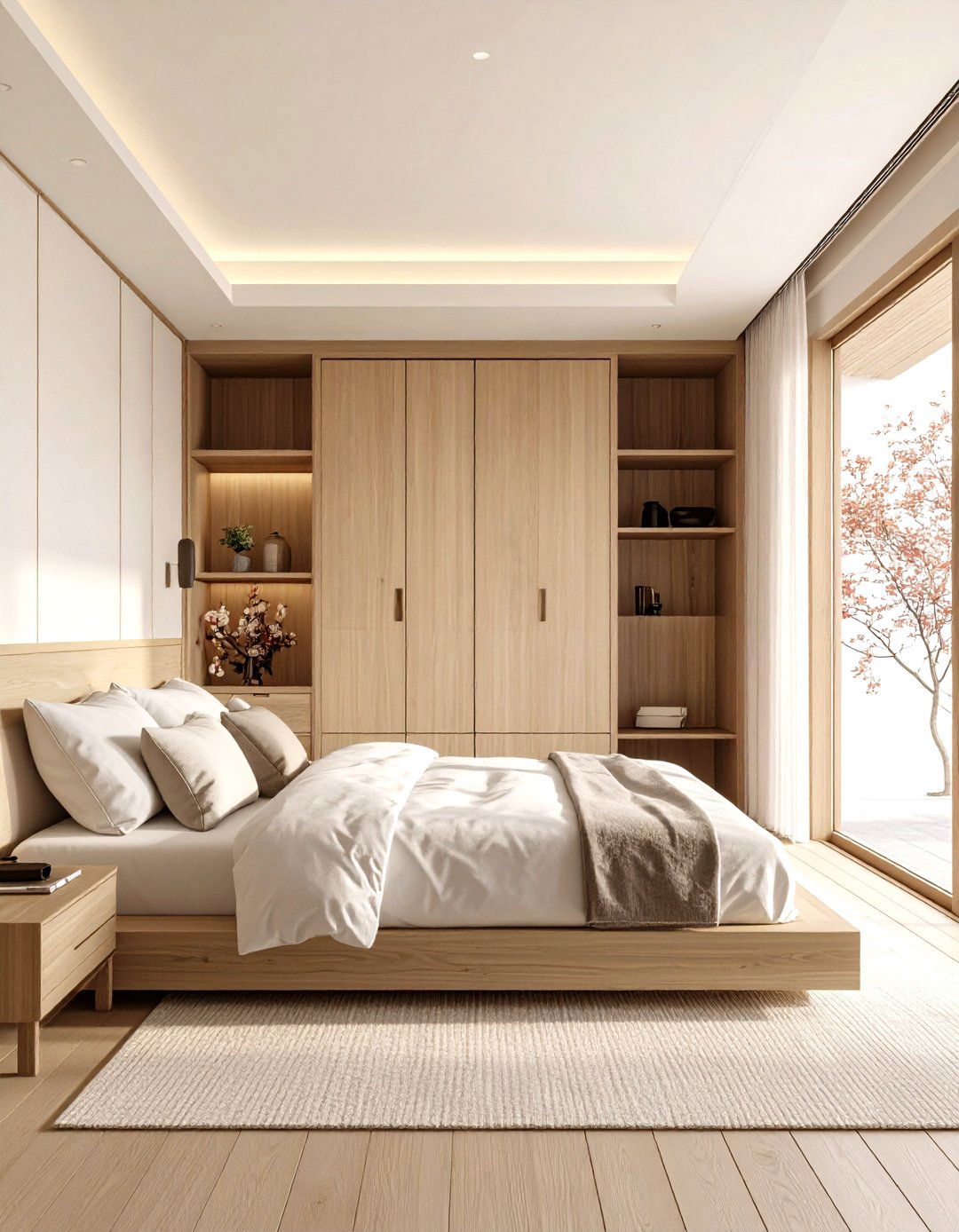
Seamless integration is key to Japanese design utilizes floor-to-ceiling built-in storage, often with flat, handleless doors that match the wall creates a smooth, uninterrupted surface that conceals clutter and enhances the sense of bed may even be built into a wooden platform that contains hidden eliminating the need for bulky, freestanding wardrobes or dressers, the room maintains its clean lines and open feel, ensuring that tranquility is never compromised by has its place, hidden from view.


20. The Water Feature Bedroom
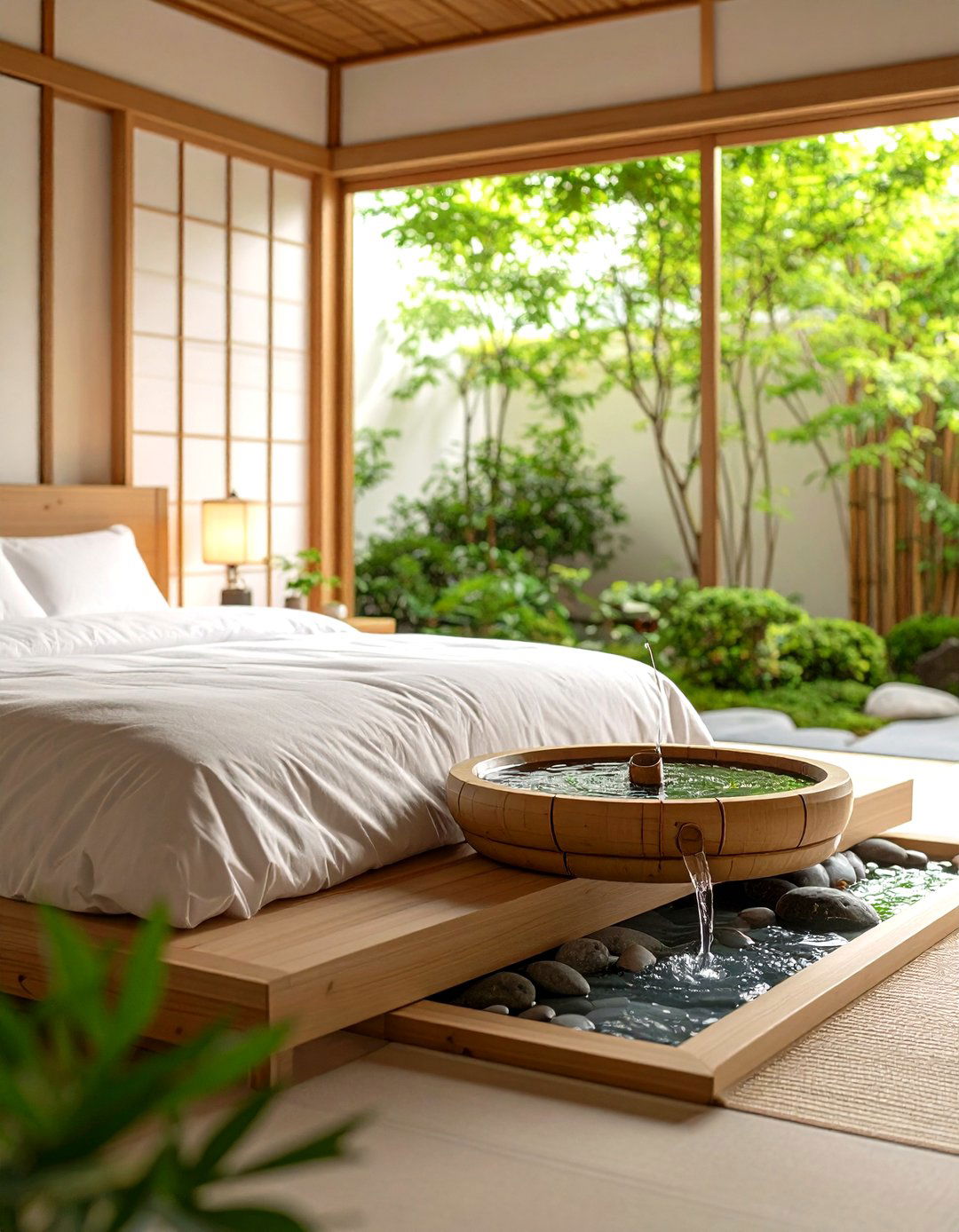
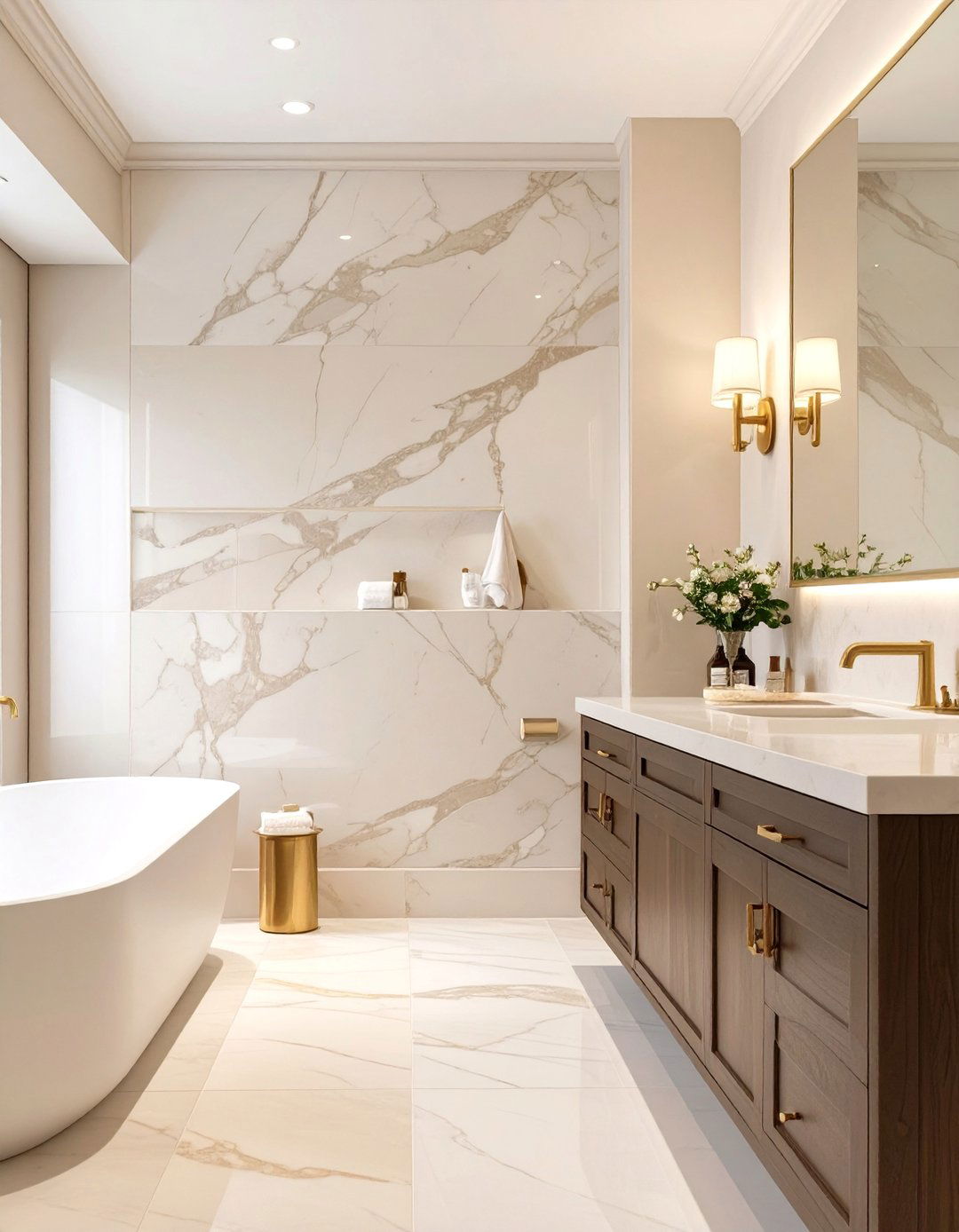
The sound of trickling water is instantly design incorporates a small, self-contained water feature, such as a shishi-odoshi (bamboo fountain) or a simple tabletop fountain, into the in a corner or near a window, the gentle sound masks other noises and promotes deep relaxation and room's decor complements this element with natural materials like stone, slate, and presence of moving water adds a dynamic, sensory layer to the space, transforming your bedroom into a true sanctuary for the senses.
21. A Monochromatic Gray Bedroom
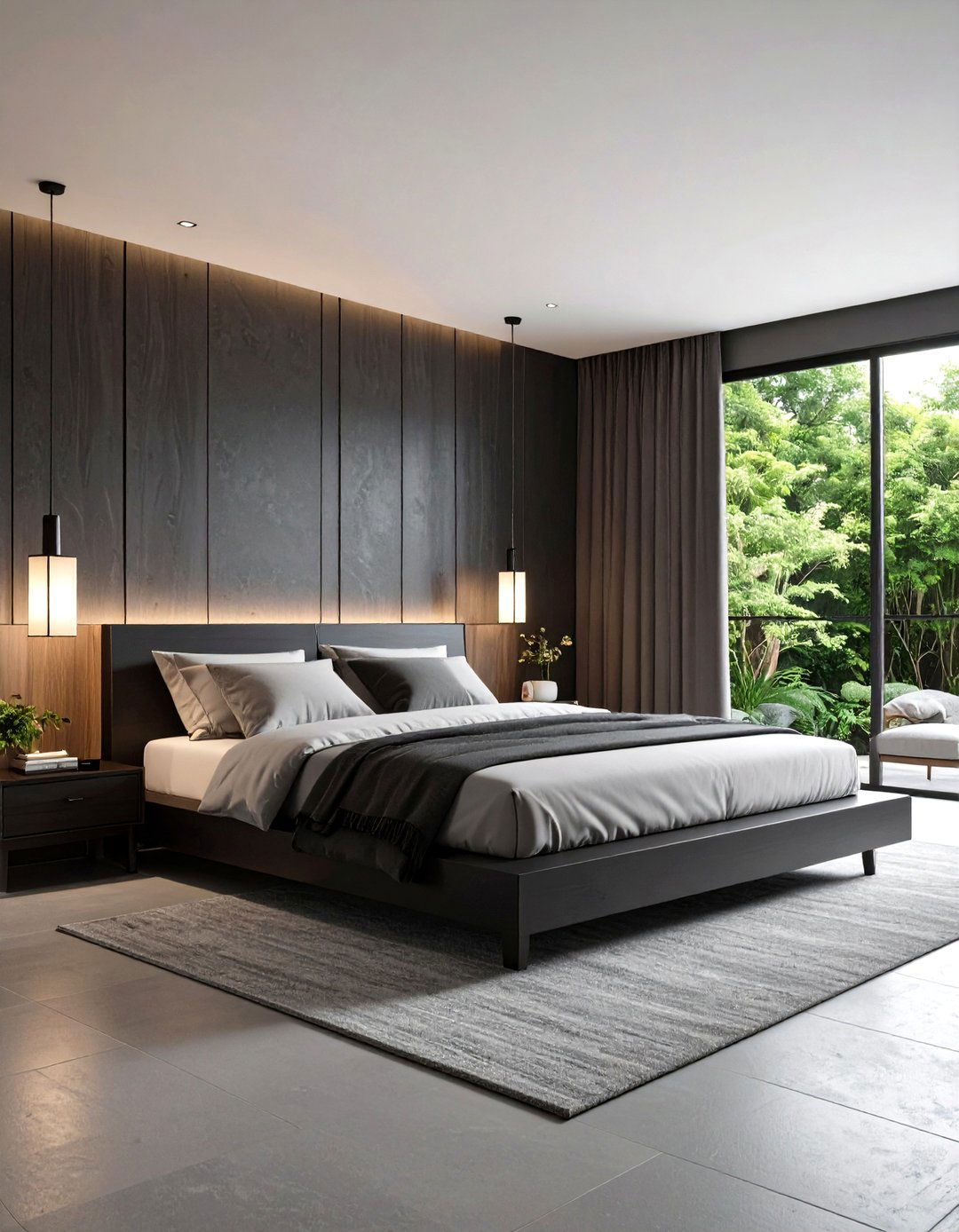
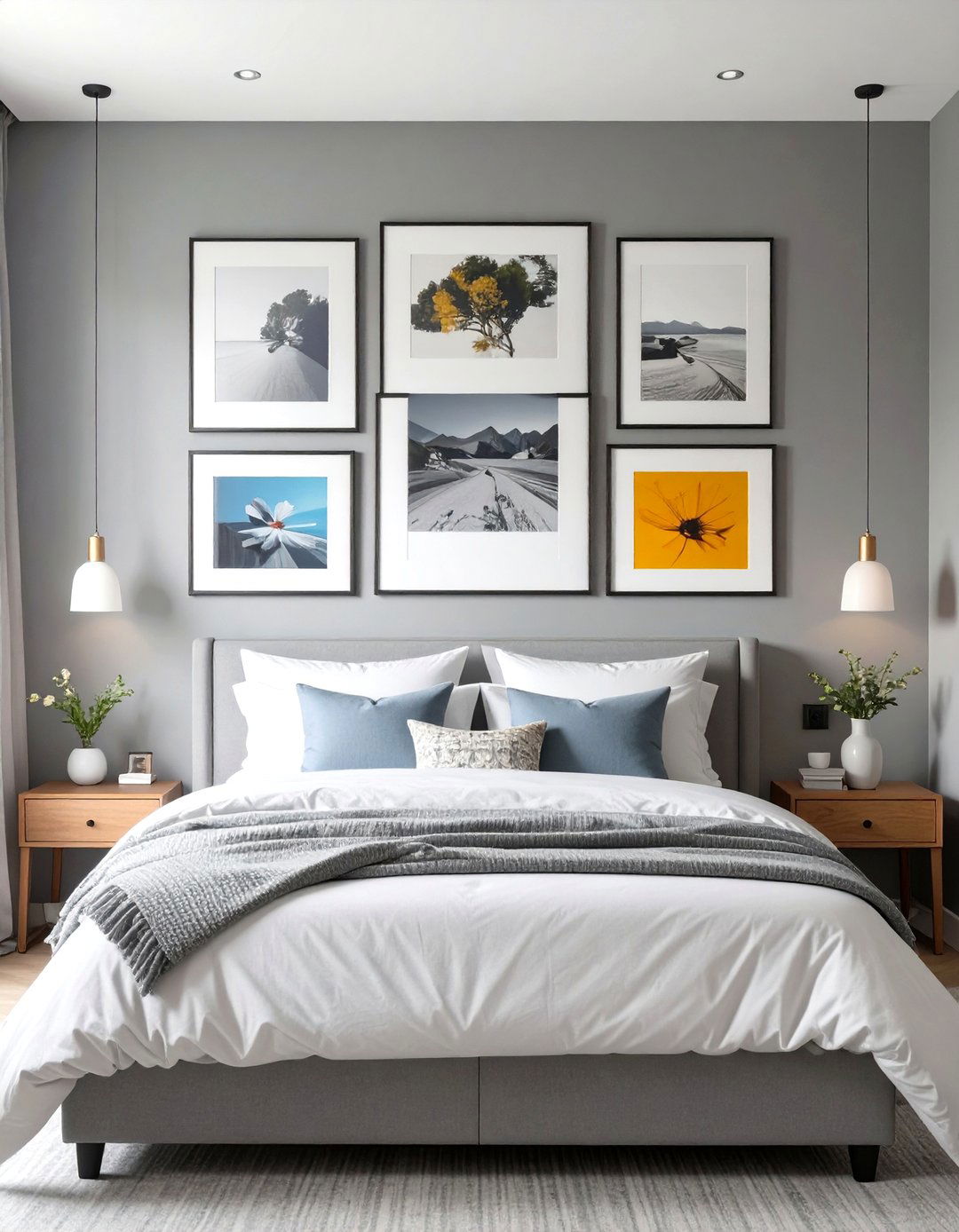
A sophisticated take on Japanese design uses a monochromatic palette of light stone to deep charcoal, layering different shades and textures of gray creates a space that is both calming and visually interesting. A charcoal gray accent wall can provide depth, while lighter gray linen bedding adds is kept minimalist, perhaps in a black or dark wood finish to provide a subtle refined color scheme is modern and chic, proving that Japanese-inspired design can be incredibly versatile while still adhering to its core principles of simplicity and tranquility.
22. The Bedroom with Byobu Screen
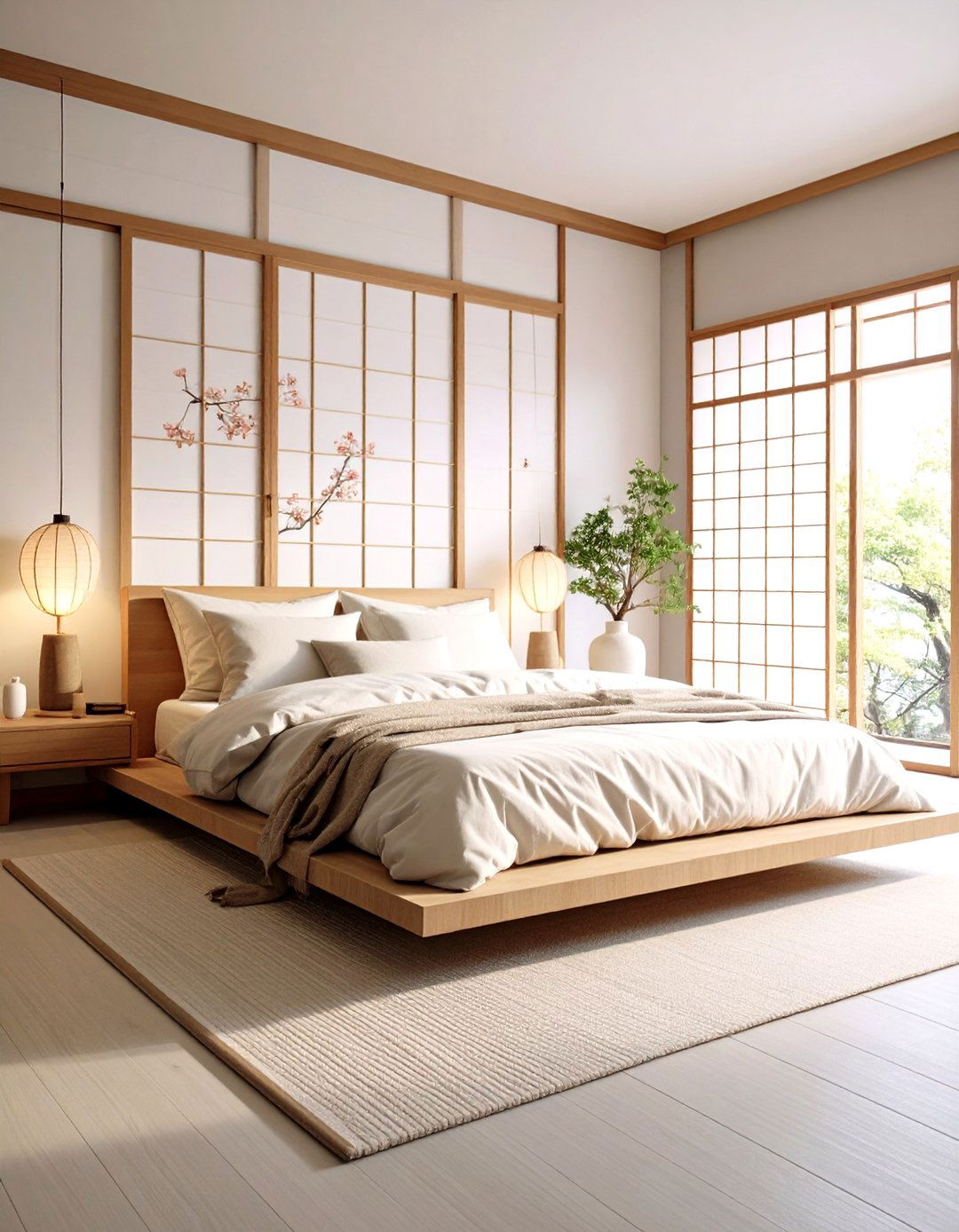
A byobu, or folding screen, is a beautiful and functional addition to a Japanese-inspired multi-paneled screens are often decorated with intricate paintings of landscapes or nature and can be used to partition a room or as a stunning decorative behind a low platform bed, a byobu adds artistry and a sense of grandeur without overwhelming the can also be used to hide a small workspace or dressing area, maintaining the room’s serene atmosphere. It’s a versatile piece that blends art with practicality.
23. A Bedroom with Hinoki Wood Elements
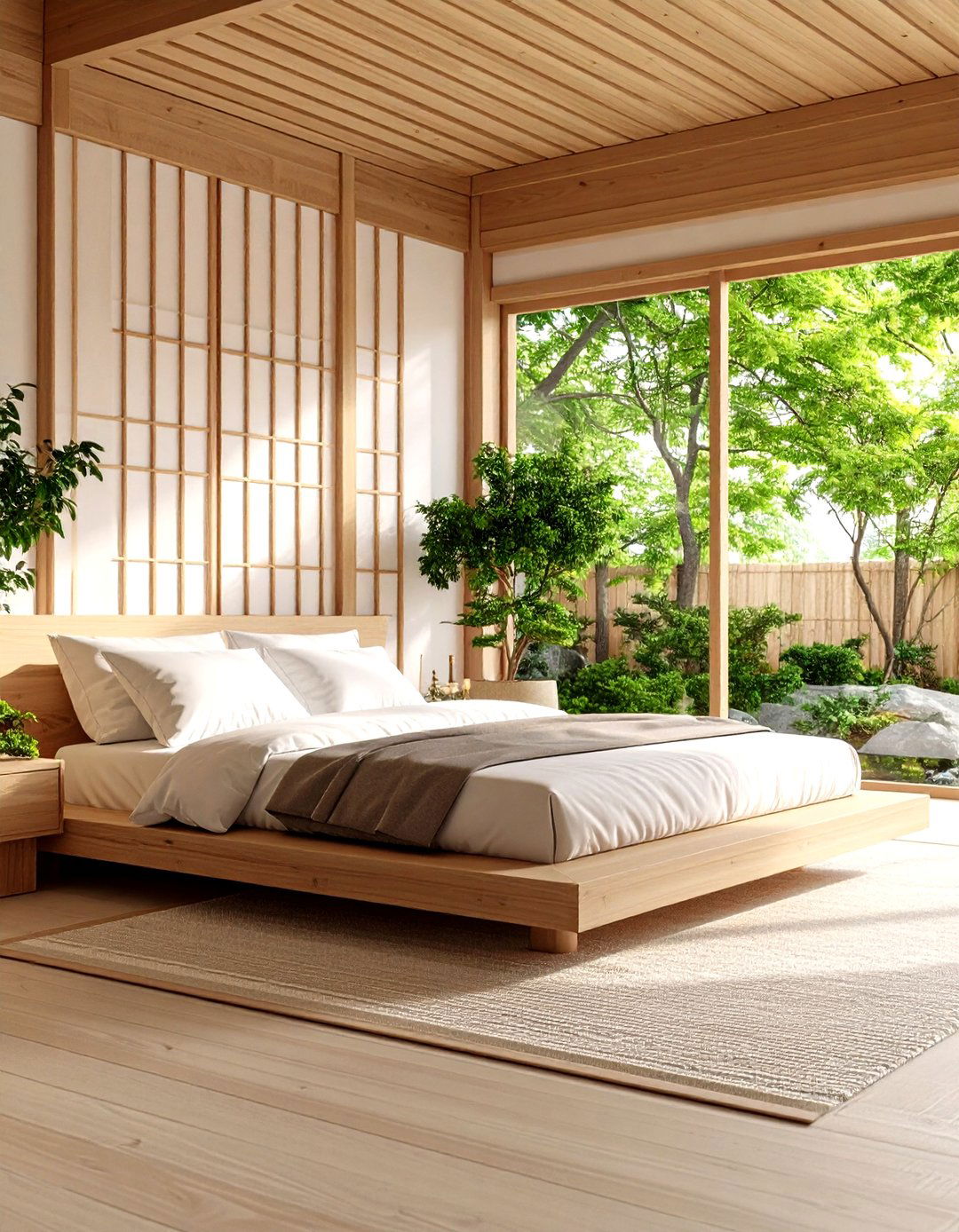
Hinoki, a type of Japanese cypress, is prized for its fine grain, resistance to humidity, and distinct, relaxing design incorporates hinoki wood for key elements like the bed frame, flooring, or even a traditional ofuro-style soaking tub if space light, pale color of the wood brightens the room, while its natural scent creates a spa-like, therapeutic with simple white walls and minimal decor, the focus remains on the beauty and sensory experience of this exceptional material, promoting rest and well-being.
24. The Tatami Platform Bed Bedroom
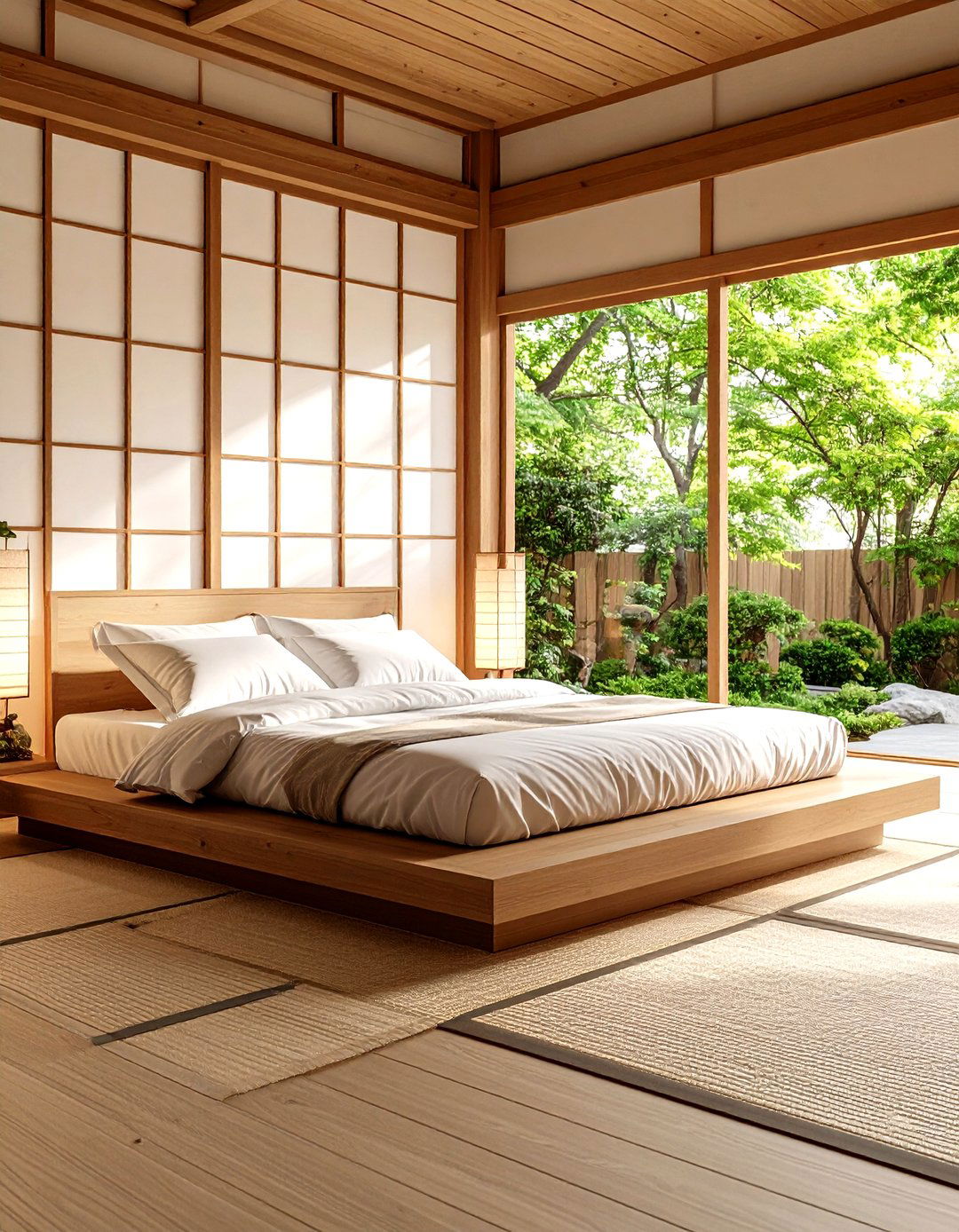
For those who love the look of tatami but prefer a conventional mattress, this design offers a perfect features a low, wide wooden platform bed, larger than the mattress itself, with the surrounding platform surface covered in tatami creates a built-in border for placing a tea set or a combines the aesthetic of traditional Japanese flooring with the comfort of a modern room is completed with shoji-style lamps and simple, natural textiles for a look that is both authentic and practical.
25. An Earth-Tone Bedroom Palette
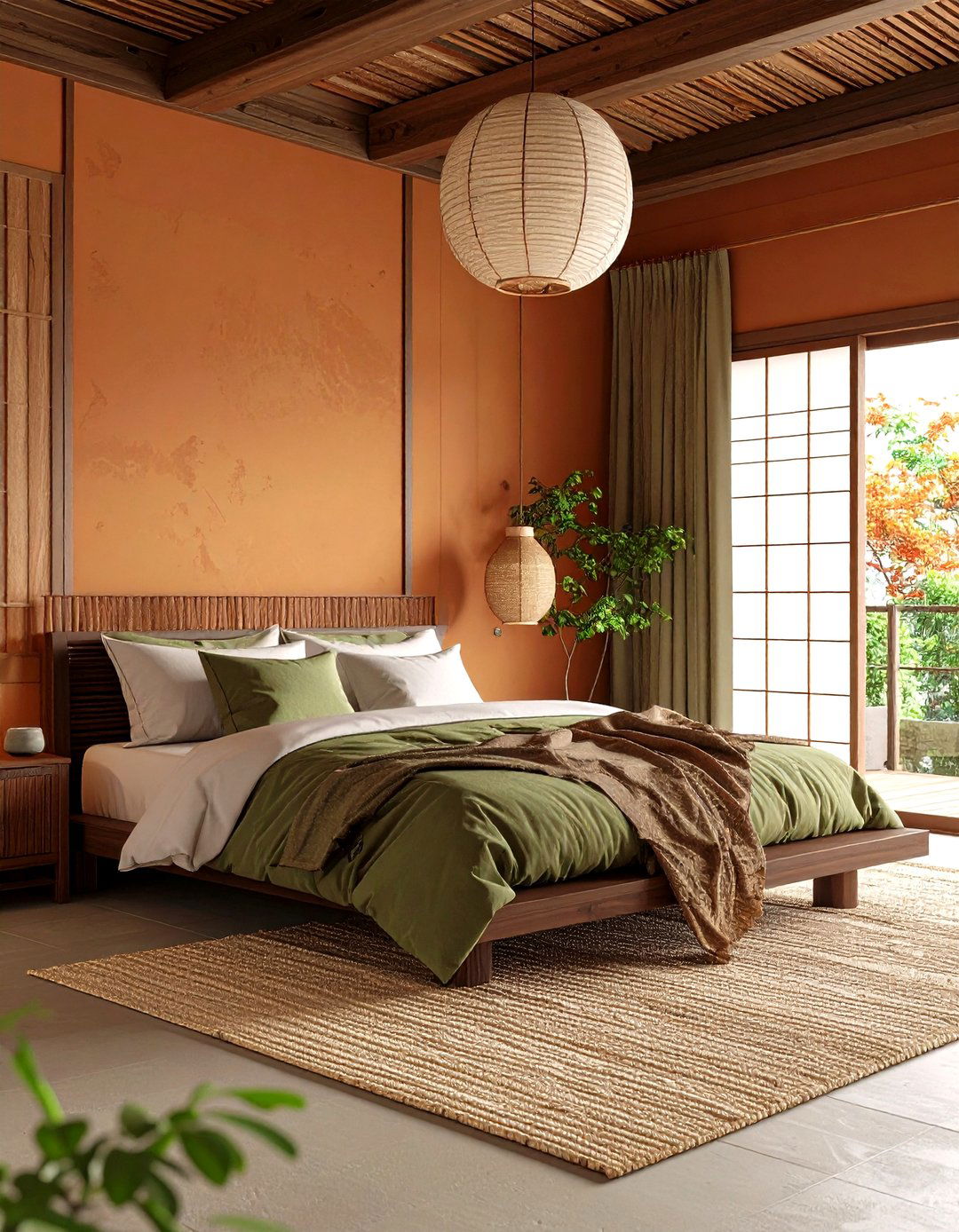
Connecting with the earth is simple with a color scheme drawn directly from bedroom design uses a rich palette of earthy tones: terracotta, ochre, moss green, and deep warm, grounding colors create a cozy and inviting might be painted a soft clay color, complemented by olive green bedding and dark wood textures, like a jute rug or woven baskets, enhance the organic approach creates a space that feels stable, nurturing, and deeply connected to the natural world.
26. The Minimalist Canopy Bed Bedroom
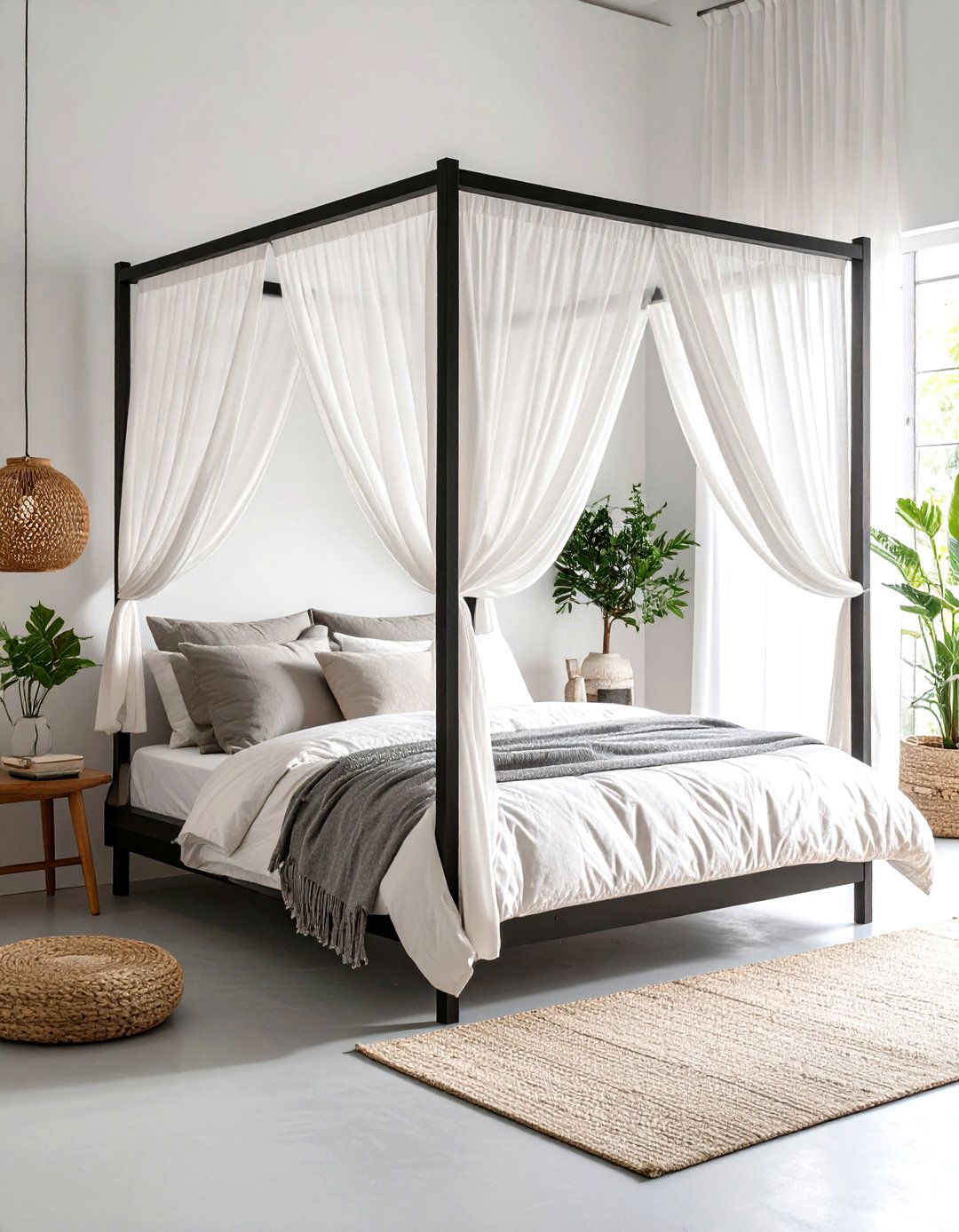
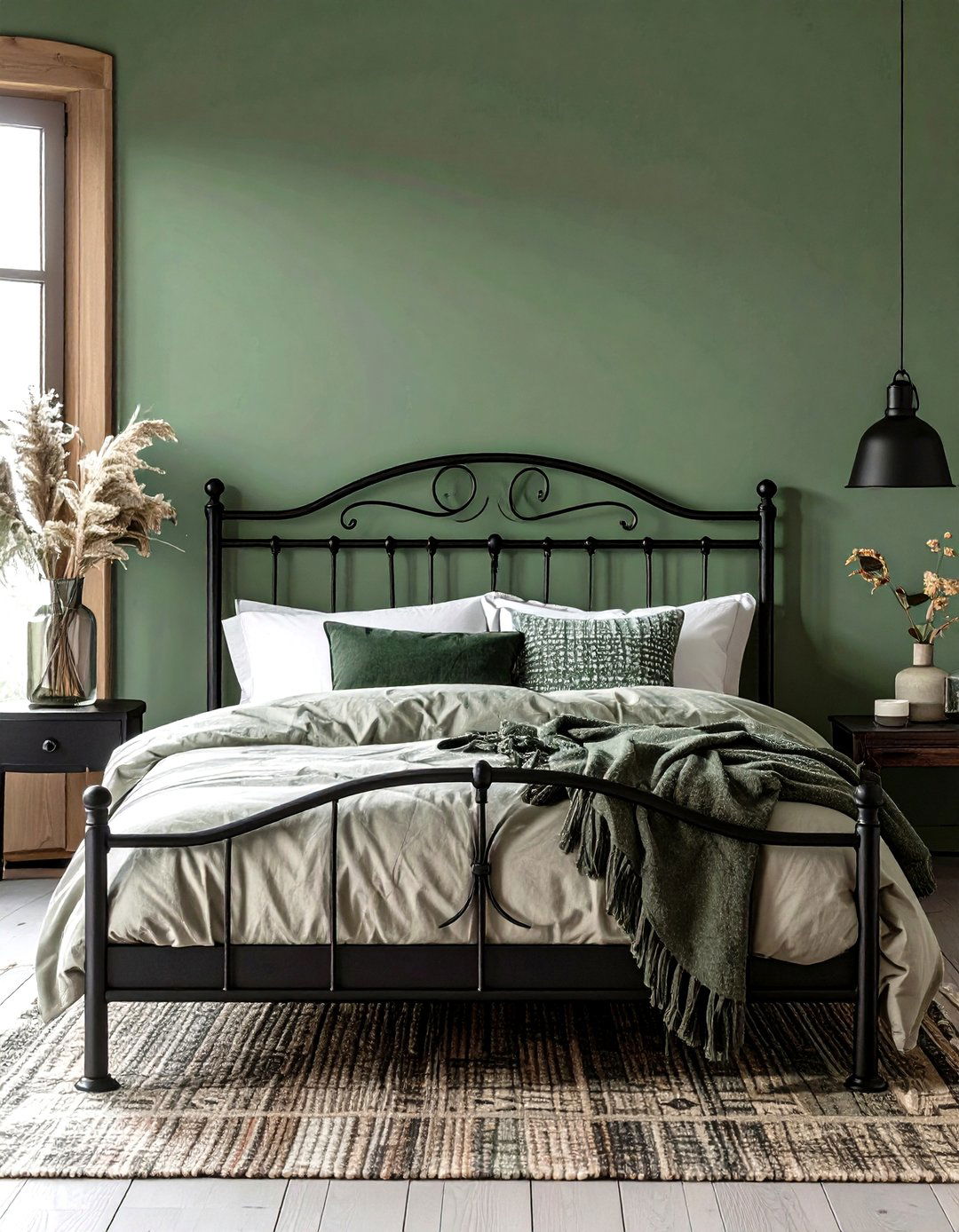
A canopy bed might seem contrary to minimalism, but it can be interpreted with Japanese design features a bed with a simple, four-poster frame made of clean-lined black metal or light of heavy drapes, the frame is left bare or adorned with a single, sheer piece of white or beige creates a sense of enclosure and intimacy without adding visual bed becomes a serene architectural element within the room, defining the sleeping space with grace and understated elegance.
27. A Bedroom with Washi Paper Art
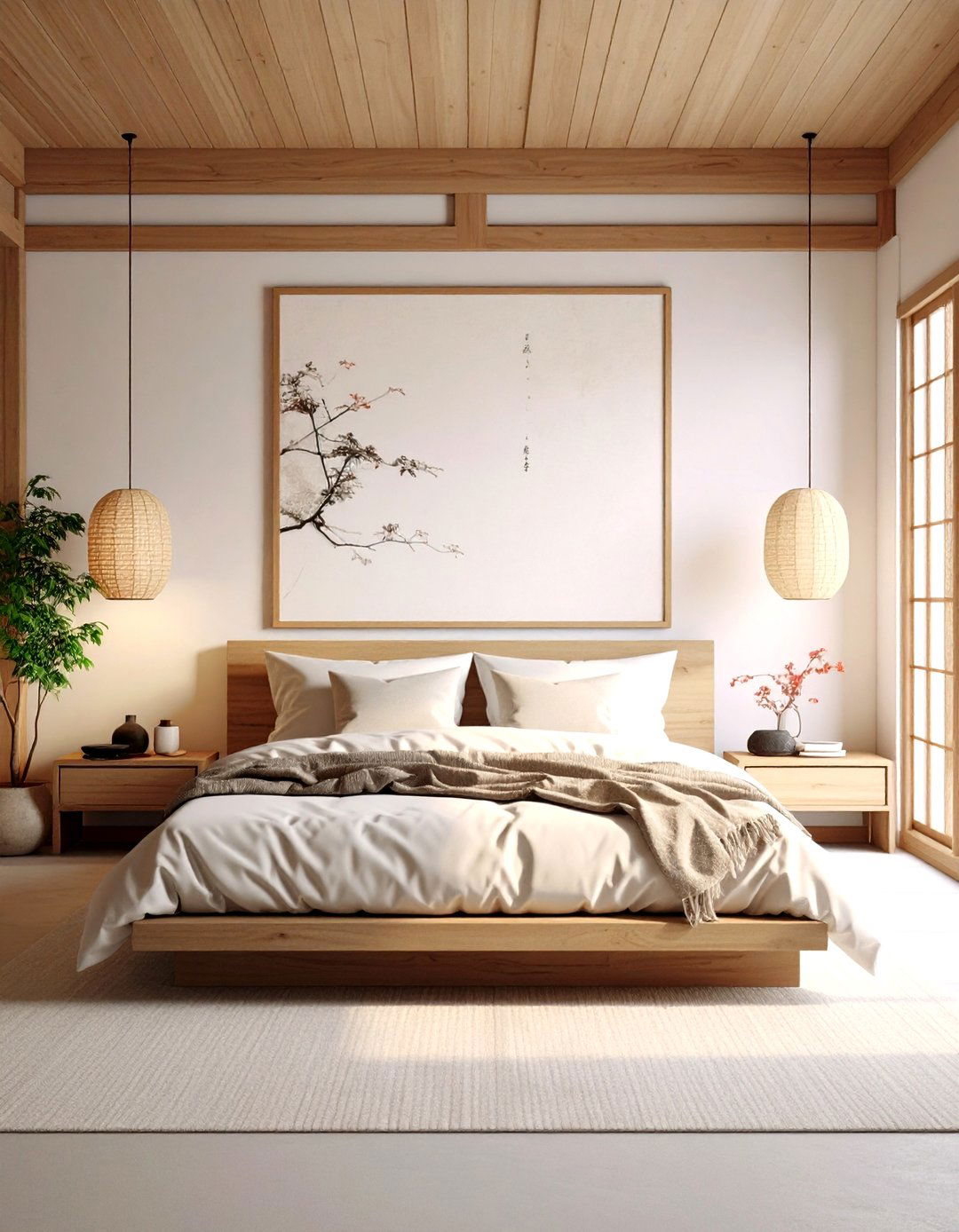
Washi paper, with its unique texture and translucence, is a beautiful medium for bedroom design features large, framed pieces of washi paper as the main wall art could be plain, celebrating the texture of the paper itself, or feature minimalist calligraphy or a simple nature-inspired above the bed or on a feature wall, it adds a touch of Japanese craftsmanship and subtle rest of the room is kept simple, with a neutral palette and natural materials, allowing the delicate beauty of the washi paper to shine.
28. The Industrial Japanese Bedroom
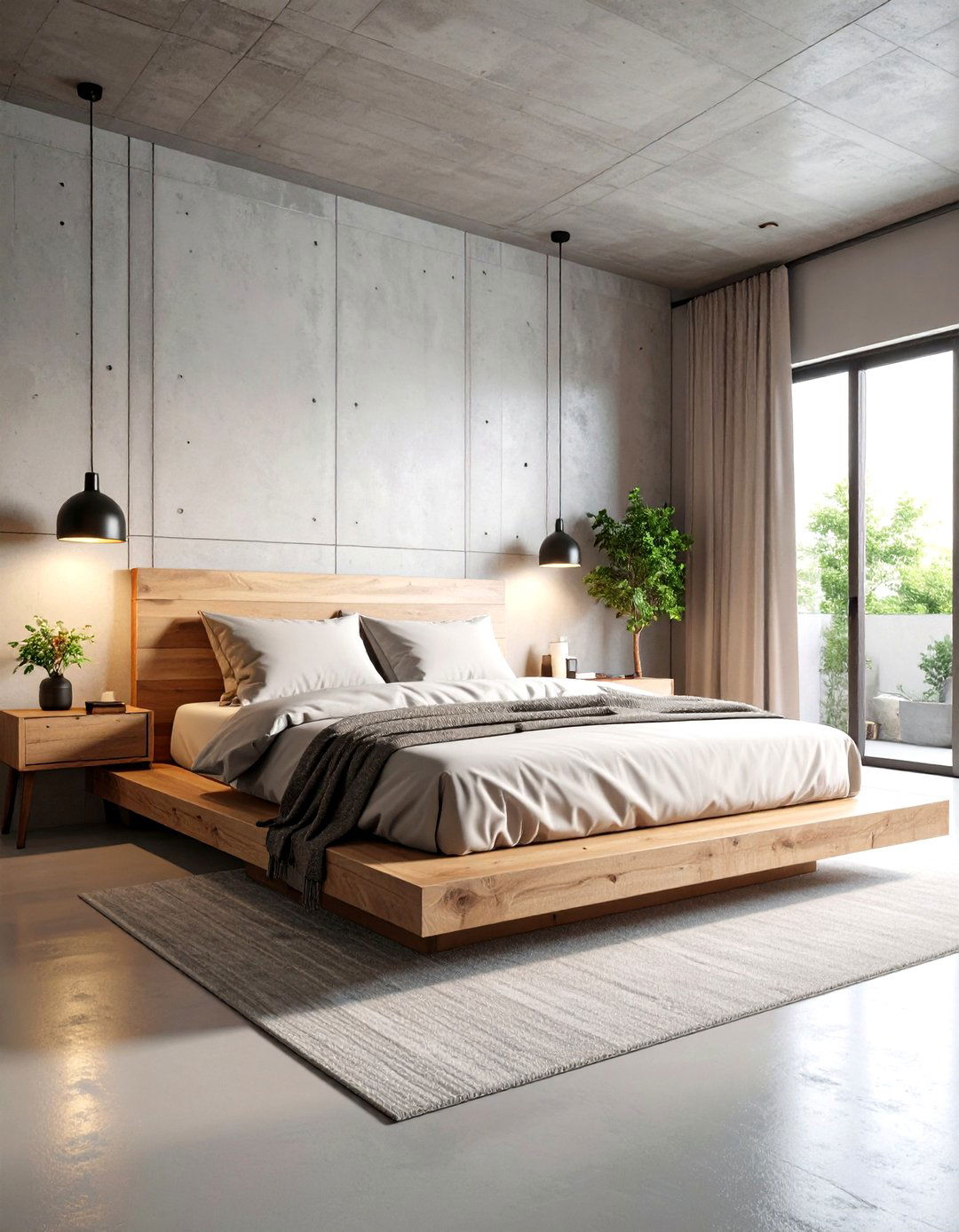
This edgy design merges the raw, unfinished look of industrial style with the clean simplicity of Japanese exposed concrete walls paired with a sleek, low-profile wooden platform bed. Metal-framed shoji screens or black steel light fixtures can add an industrial color palette is a mix of gray, black, and natural wood the raw elements, the space remains uncluttered and functional, proving that these two seemingly opposite styles can be combined to create a bedroom that is both unique and calmingly minimalist.
29. A Bedroom with a Raised Platform
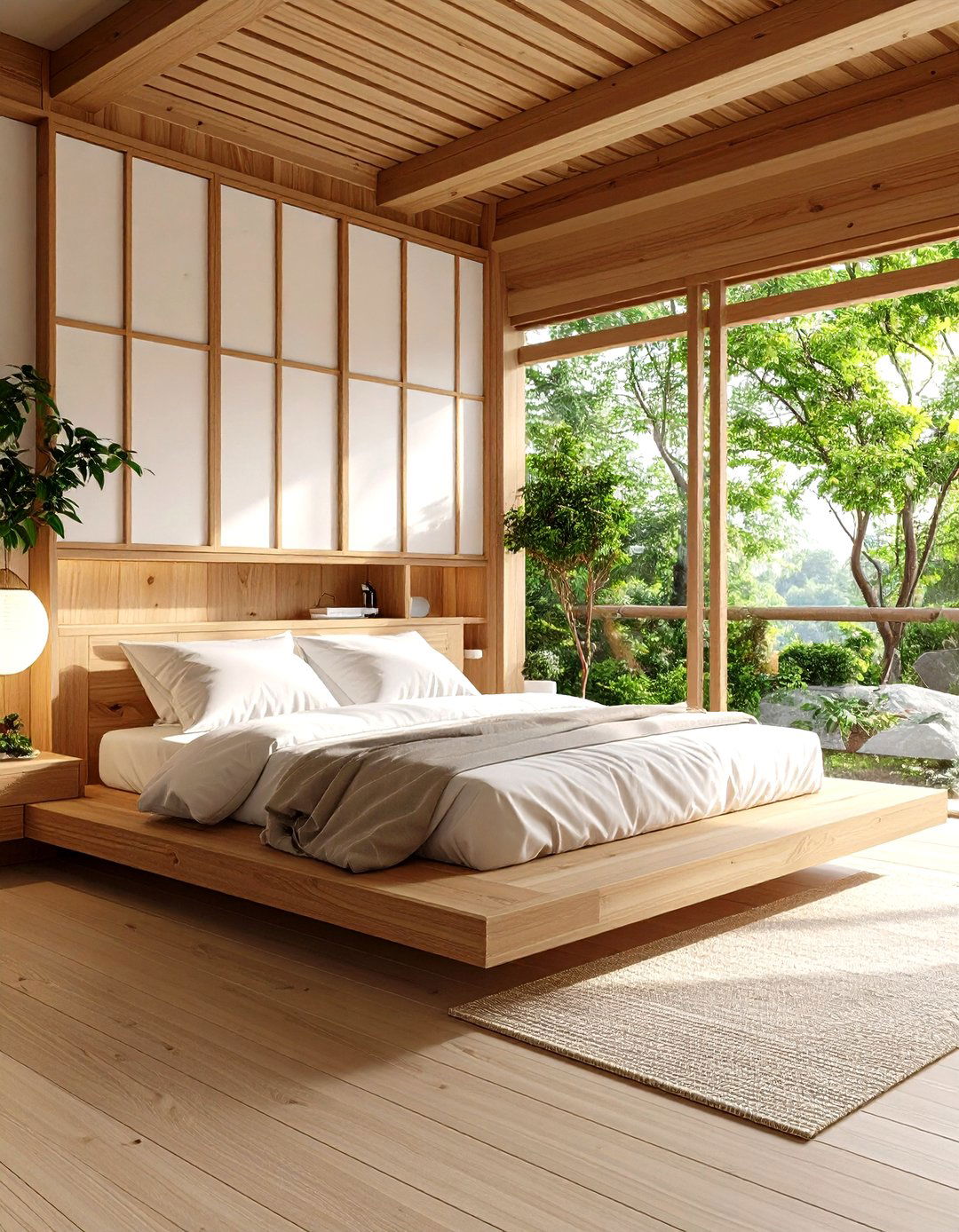
Creating different levels within a room is a common technique in Japanese design places the entire sleeping area on a raised wooden not only clearly defines the sleep zone from the rest of the room but also provides an opportunity for built-in storage platform might be just a few inches high or several feet, creating a loft-like feel. A simple futon or low mattress is placed directly on the architectural approach adds interest and functionality, enhancing the room's minimalist and organized feel.
30. The Cherry Blossom-Inspired Bedroom
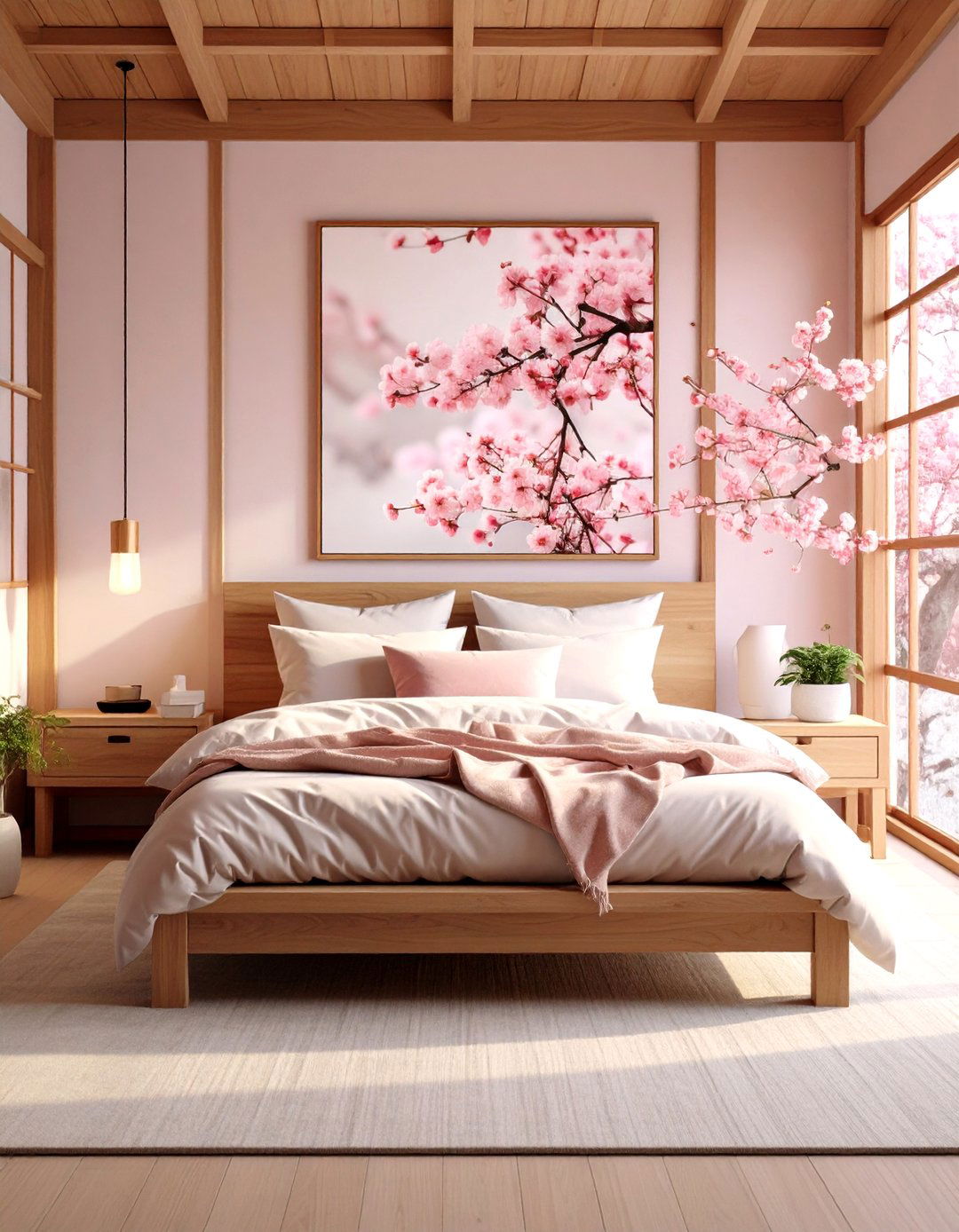
For a touch of delicate, seasonal beauty, this design draws inspiration from Japan 's iconic theme is expressed subtly, not through overt imagery, but through color and palette features soft pinks, whites, and light grays, creating a light and airy atmosphere. A single, elegant art print of a cherry blossom branch might hang above the are light and flowing, like sheer curtains that move with the furniture is simple and light-colored wood. It' s a tribute to the transient beauty of spring, creating a peaceful and romantic retreat.
Conclusion:
Ultimately, creating a Japanese-inspired bedroom is about cultivating a specific feeling: one of peace, simplicity, and you are drawn to the rustic imperfection of wabi-sabi, the sleekness of modern Zen, or the traditional comfort of a ryokan, the core principles remain the same. It's about decluttering not just your space, but your focusing on natural materials, functional design, and a deep respect for nature, you can transform your bedroom into more than just a place to becomes a personal sanctuary, a space to recharge, reflect, and find a moment of calm in a busy world.

Related posts:





Leave a Reply