
Embarking on a journey to define your home 's aesthetic can feel both exciting and a vast universe of design philosophies, finding the one that truly resonates with your personality and lifestyle is key to creating a space that feels like a true exploration is not just about choosing furniture or a color palette; it' s about curating an environment that tells your the clean, uncluttered lines of Minimalism to the rich, layered textures of Bohemian, each style offers a unique language to express these different approaches can empower you to make informed decisions, blending elements or committing to a singular vision for a cohesive and harmonious home.
1. Minimalist Interior Design
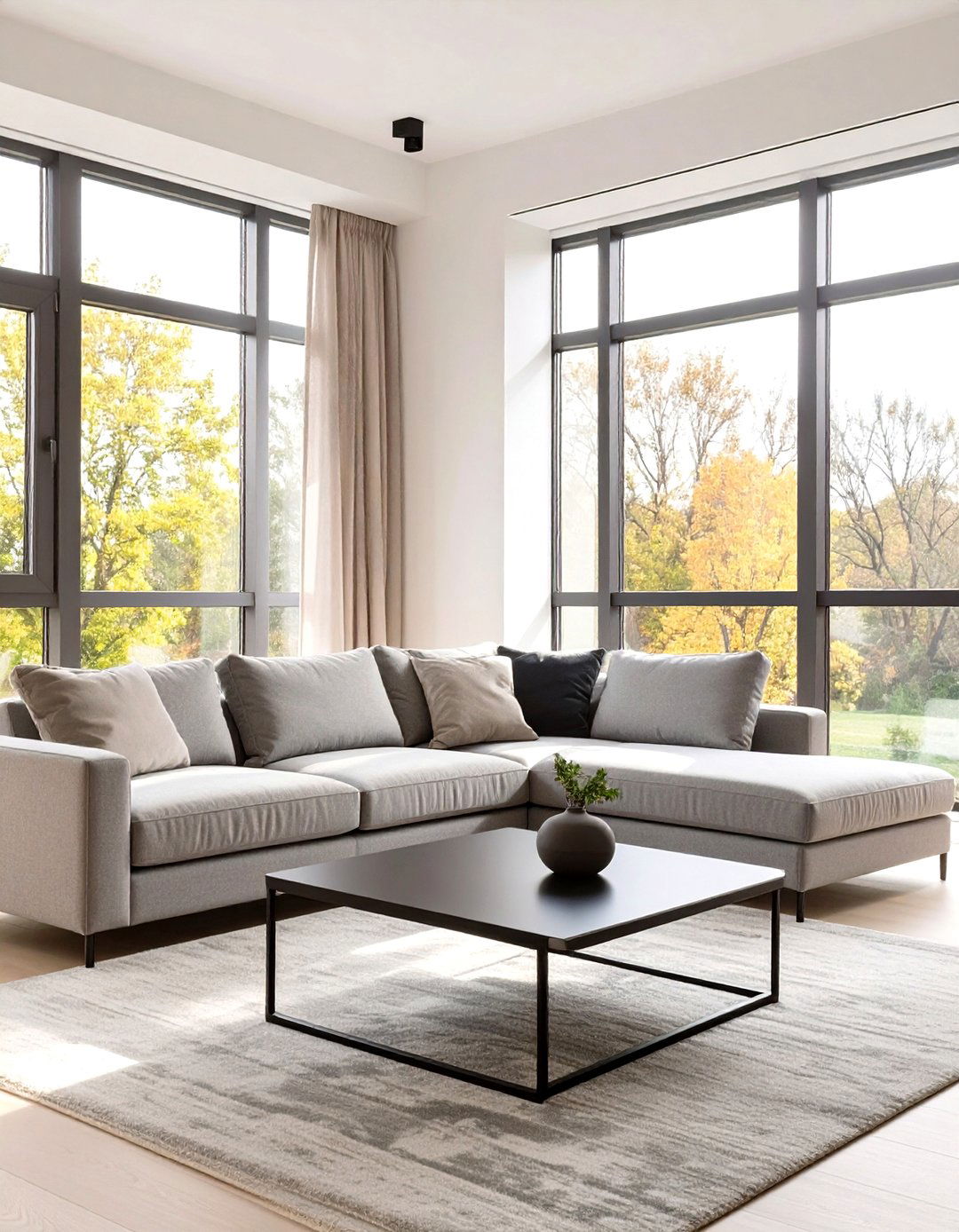
Embracing the "less is more" philosophy, Minimalist design champions simplicity and style is defined by clean lines, a monochromatic color palette often featuring shades of white, beige, and gray, and an absence of are open and airy, with every piece of furniture serving a distinct like concrete, steel, and glass are common, creating a sleek and modern is often subtle and integrated, focusing on natural light wherever core idea is to create a serene, uncluttered environment where form and function exist in perfect harmony, promoting a sense of calm.
2. Scandinavian Interior Design
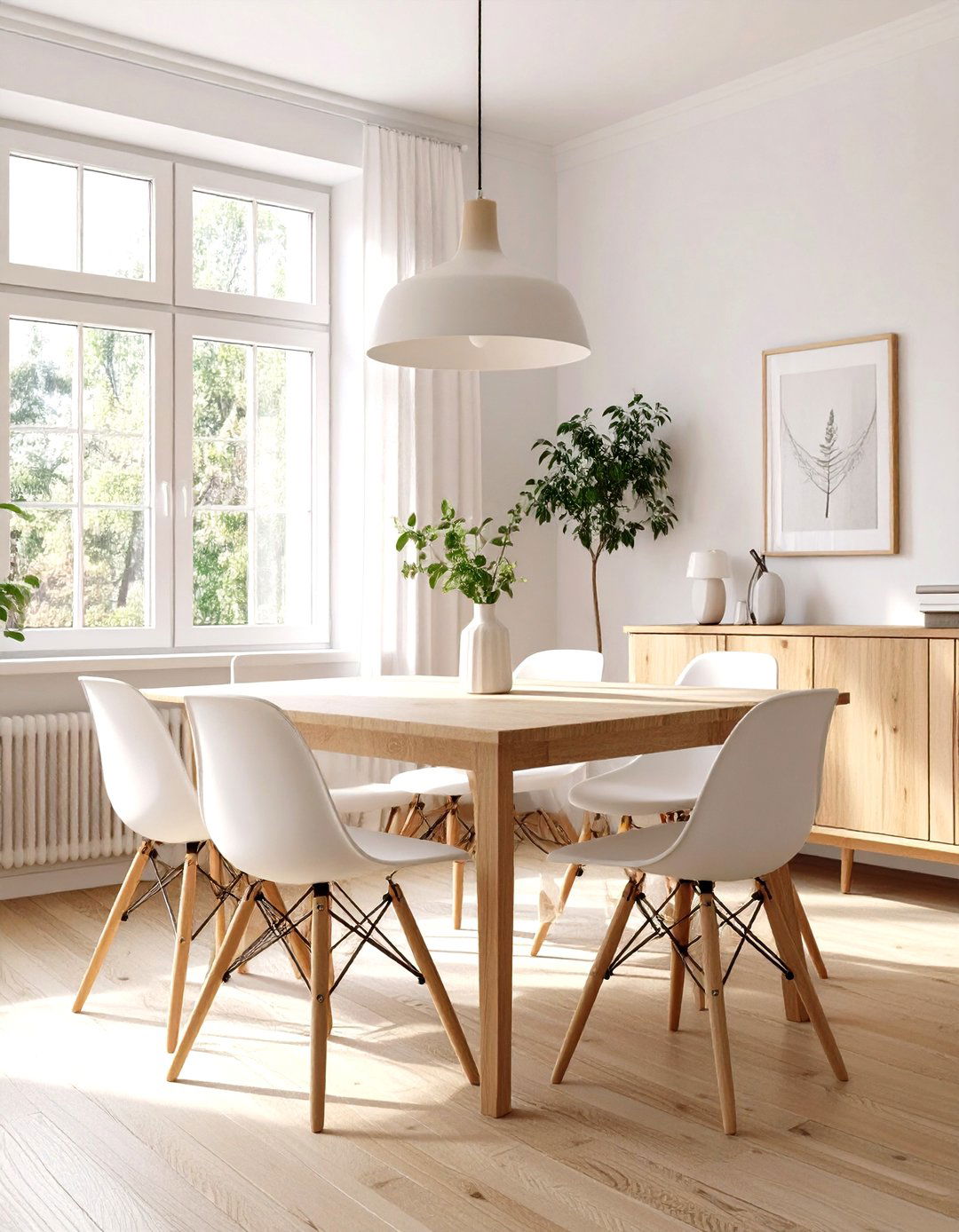
Have you ever wondered how to create a cozy yet simple space? Scandinavian design, or "Scandi, " answers this with its focus on warmth, simplicity, and a deep connection to features a light, neutral color palette, abundant natural light, and the use of natural materials like pale woods, wool, and is functional, with clean lines and a focus on layout promotes a feeling of spaciousness and uncluttered elements are sparse but meaningful, often incorporating plants and simple textiles to add texture and a touch of color, creating a comfortable and inviting atmosphere.
3. Bohemian Interior Design
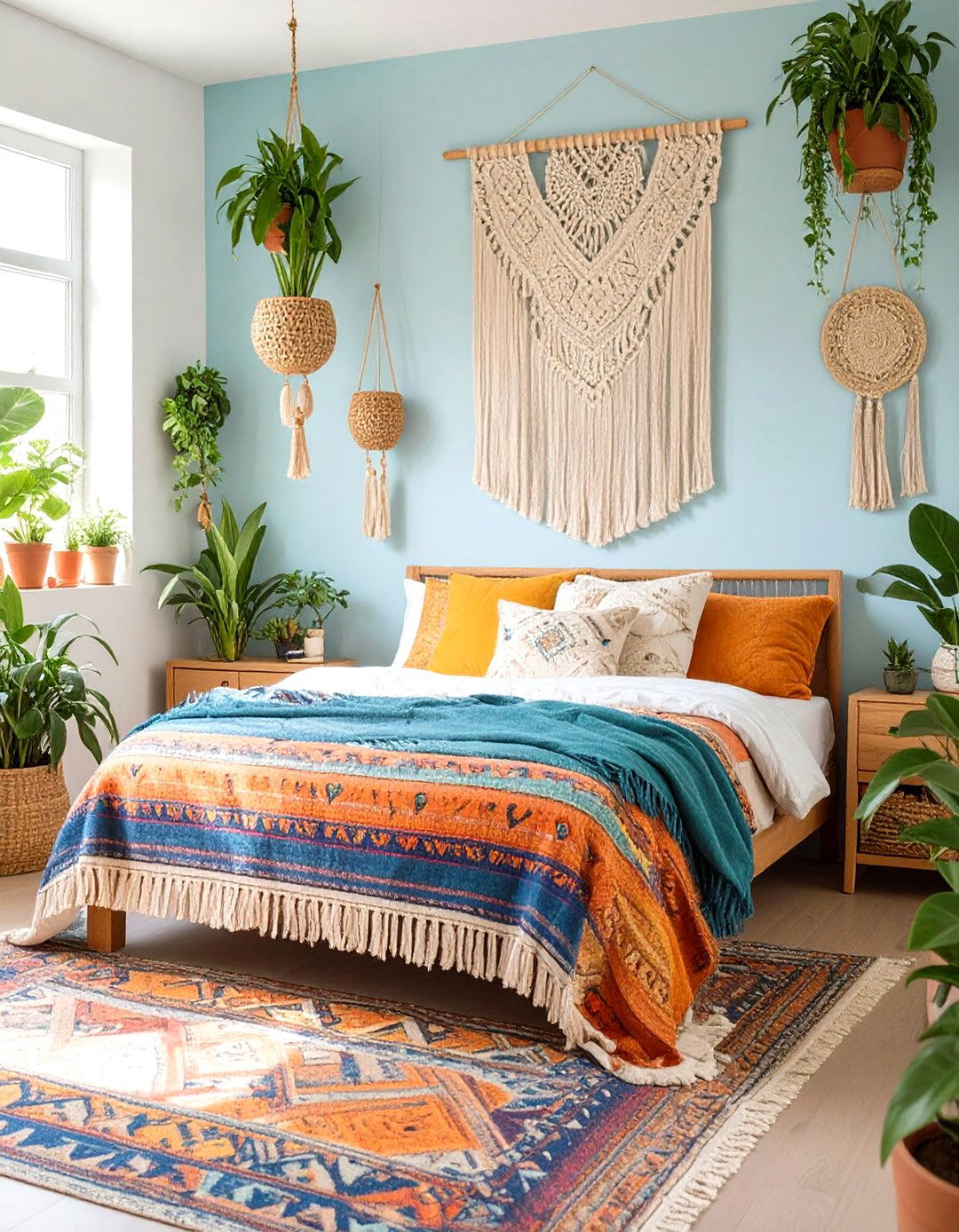
A vibrant tapestry of textures, patterns, and colors, Bohemian or "Boho" design is for the free-spirited and eclectic style rejects structure, favoring a carefree and layered globally-inspired textiles, vintage furniture, and an abundance of are natural and varied, including rattan, macrame, and worn is warm and ambient, often from lanterns and string are no strict rules; it's about mixing pieces you love to create a personal, comfortable, and visually rich environment that tells a story of travel, art, and life.
4. Modern Interior Design
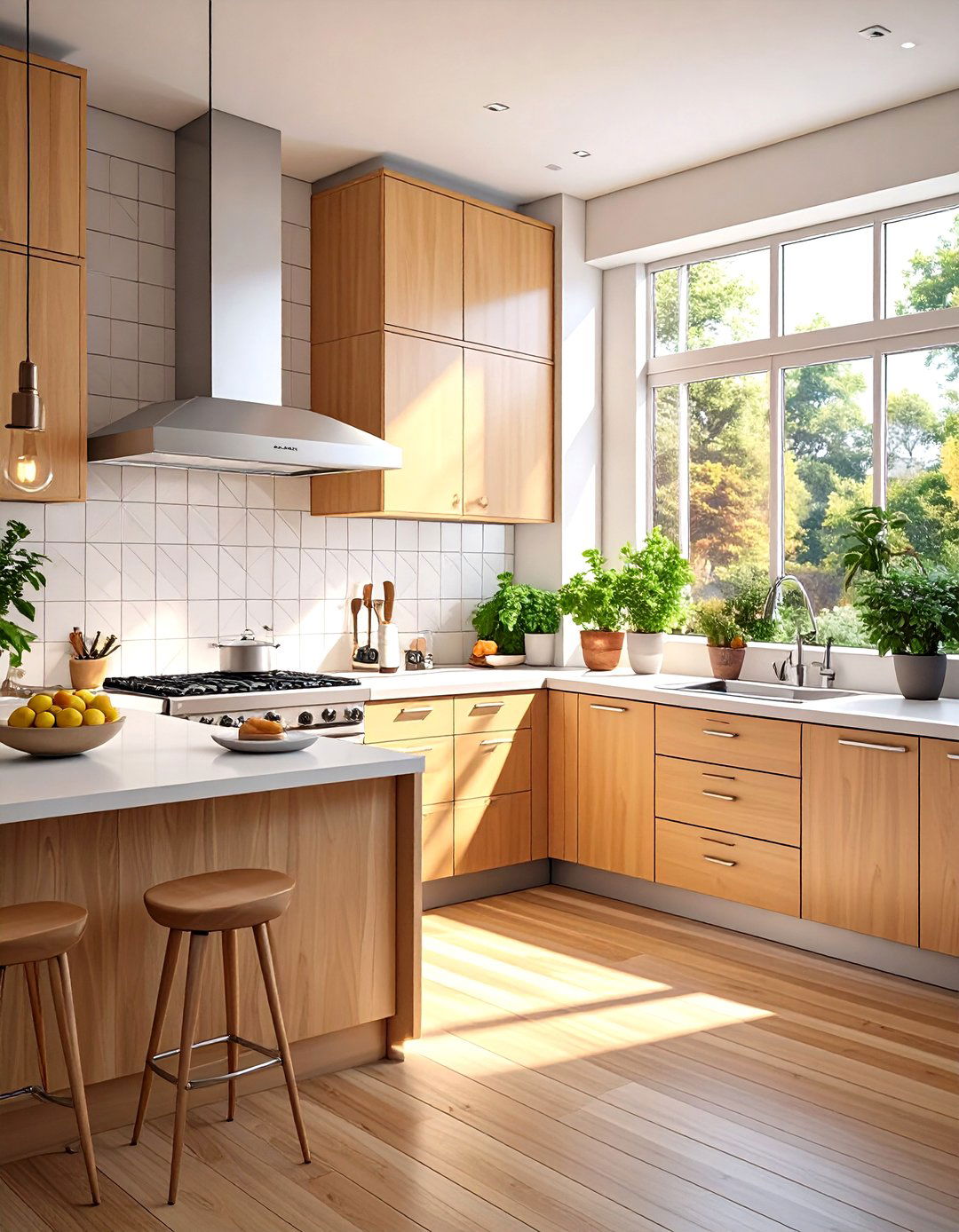
Characterized by its clean lines and simple forms, Modern design emerged in the early to mid-20th style emphasizes uncluttered spaces, geometric shapes, and a lack of color palette is typically neutral, with occasional bold accent like metal, chrome, and glass are prominently featured alongside natural has a streamlined silhouette with exposed legs, creating a sense of are open and functional, designed to be efficient and straightforward. It’s a style that values order and simplicity, creating a sophisticated and timeless look that feels both intentional and calm.
5. Contemporary Interior Design
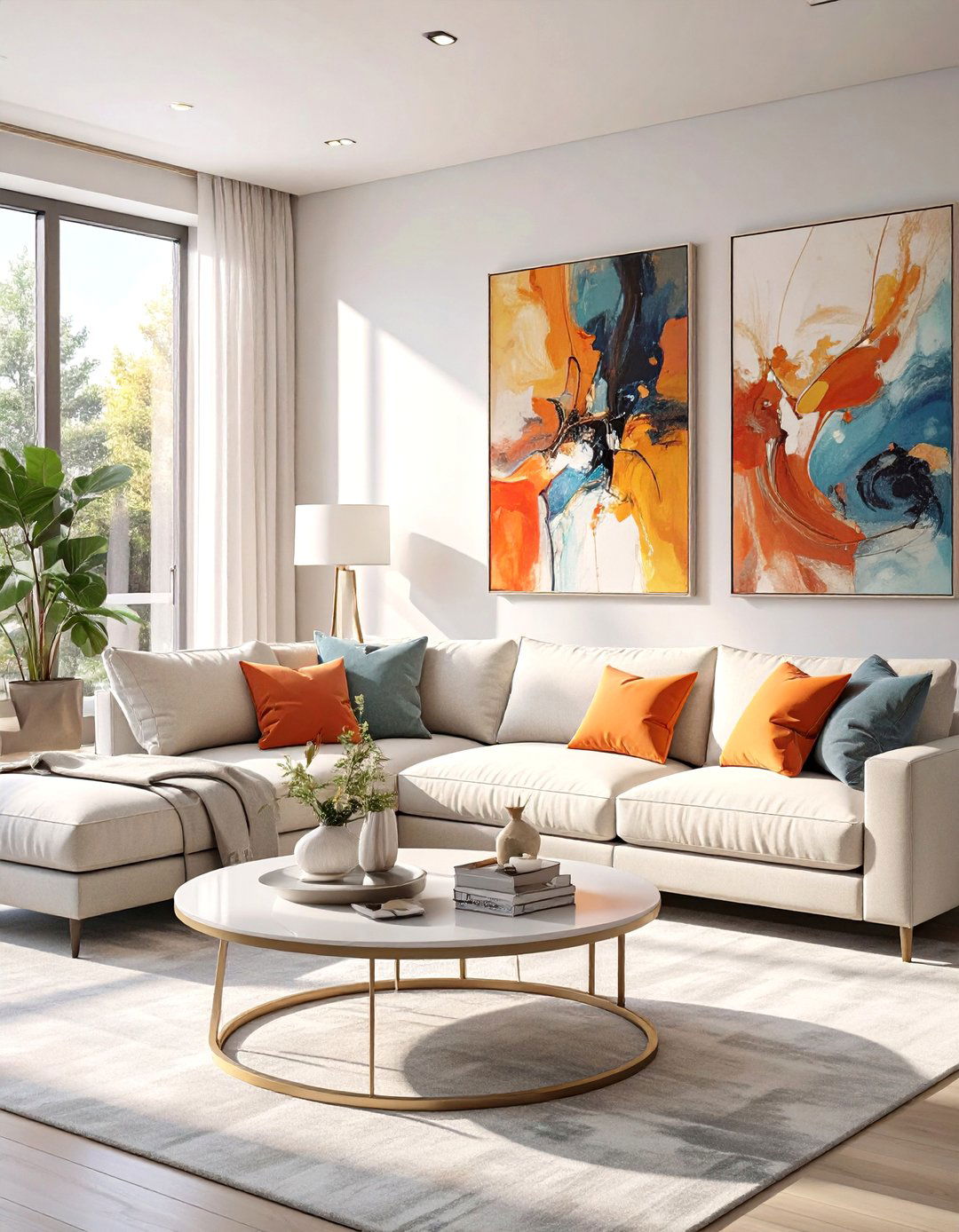
Often confused with Modern design, Contemporary style reflects the trends of the here and it shares a love for clean lines and simplicity, it is more fluid and less tied to a specific interiors often feature neutral colors paired with bold, saturated accents. You'll find a mix of materials, from polished metals to textured showcases both straight lines and gentle curves, with a focus on comfort and sophisticated are open, and lighting, both natural and artificial, is used to highlight architectural details and create a dynamic, fresh atmosphere.
6. Industrial Interior Design
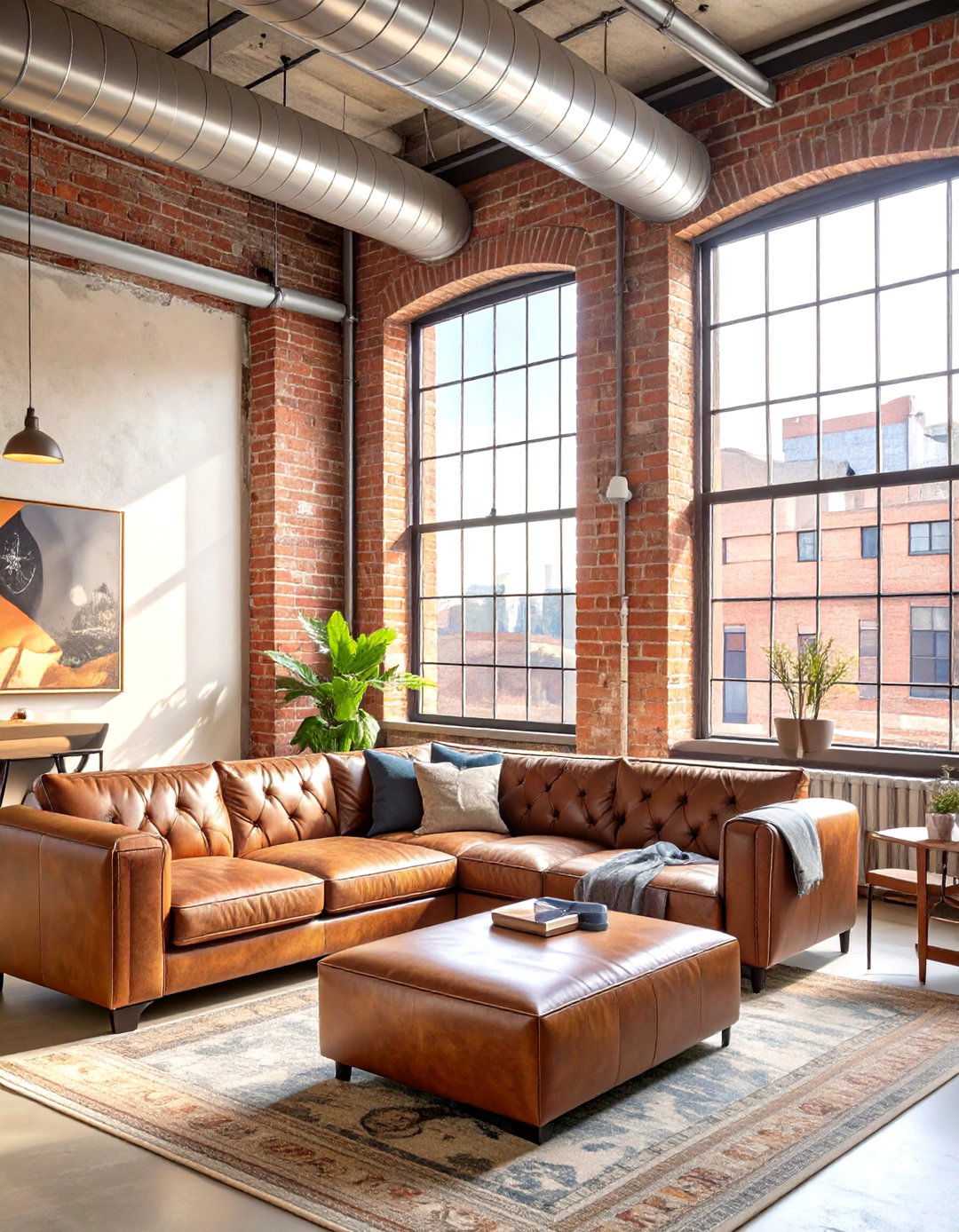
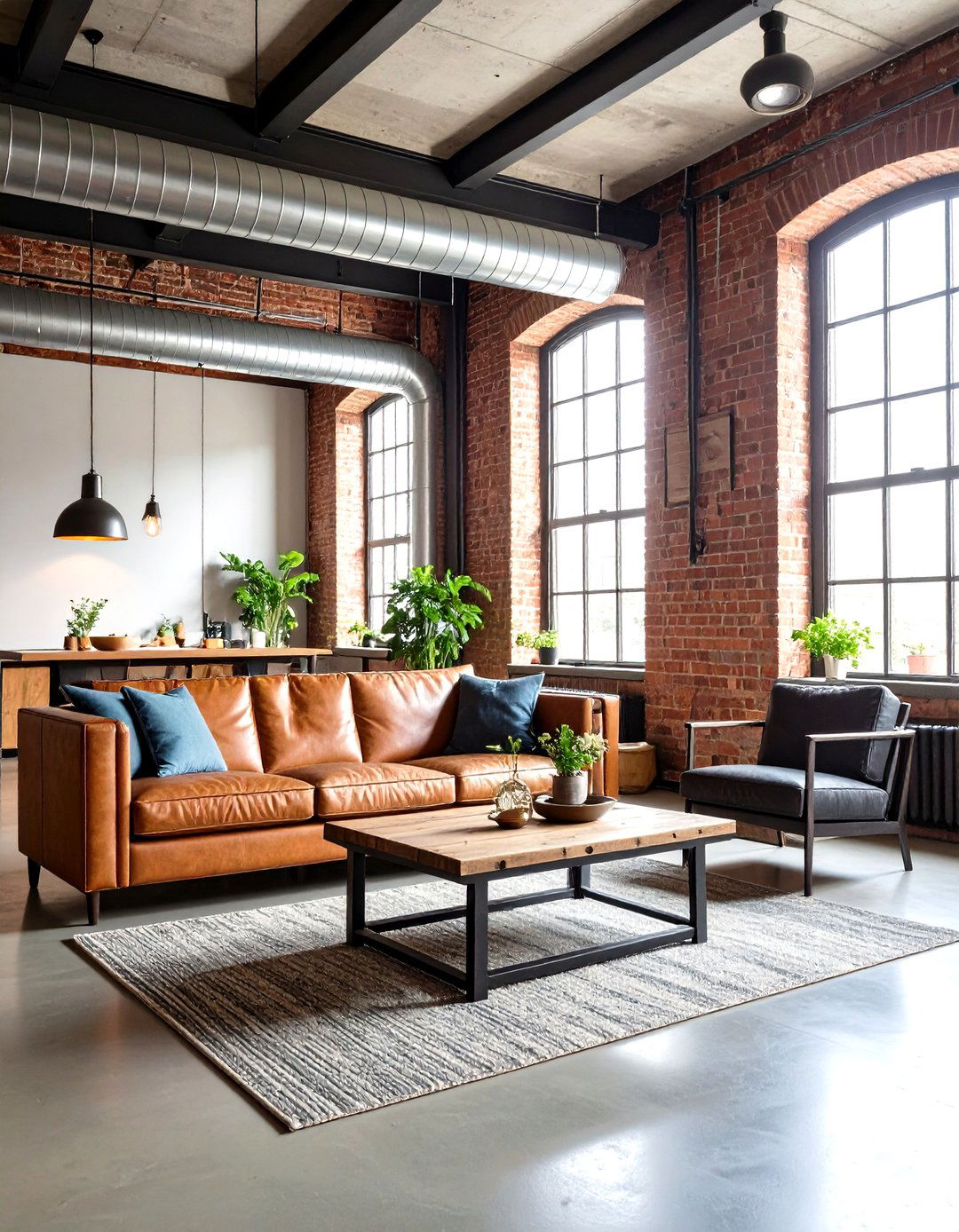
Drawing inspiration from warehouses and urban lofts, Industrial design celebrates raw, unfinished style exposes what others try to conceal, featuring exposed brick walls, visible ductwork, and concrete color palette is neutral and moody, dominated by gray, black, and brown is often a mix of wood and metal, with a functional, utilitarian is key, with large, bare windows and statement fixtures like track lights or metal overall aesthetic is edgy, spacious, and unpretentious, creating a look that is both rugged and thoughtfully designed.
7. Farmhouse Interior Design
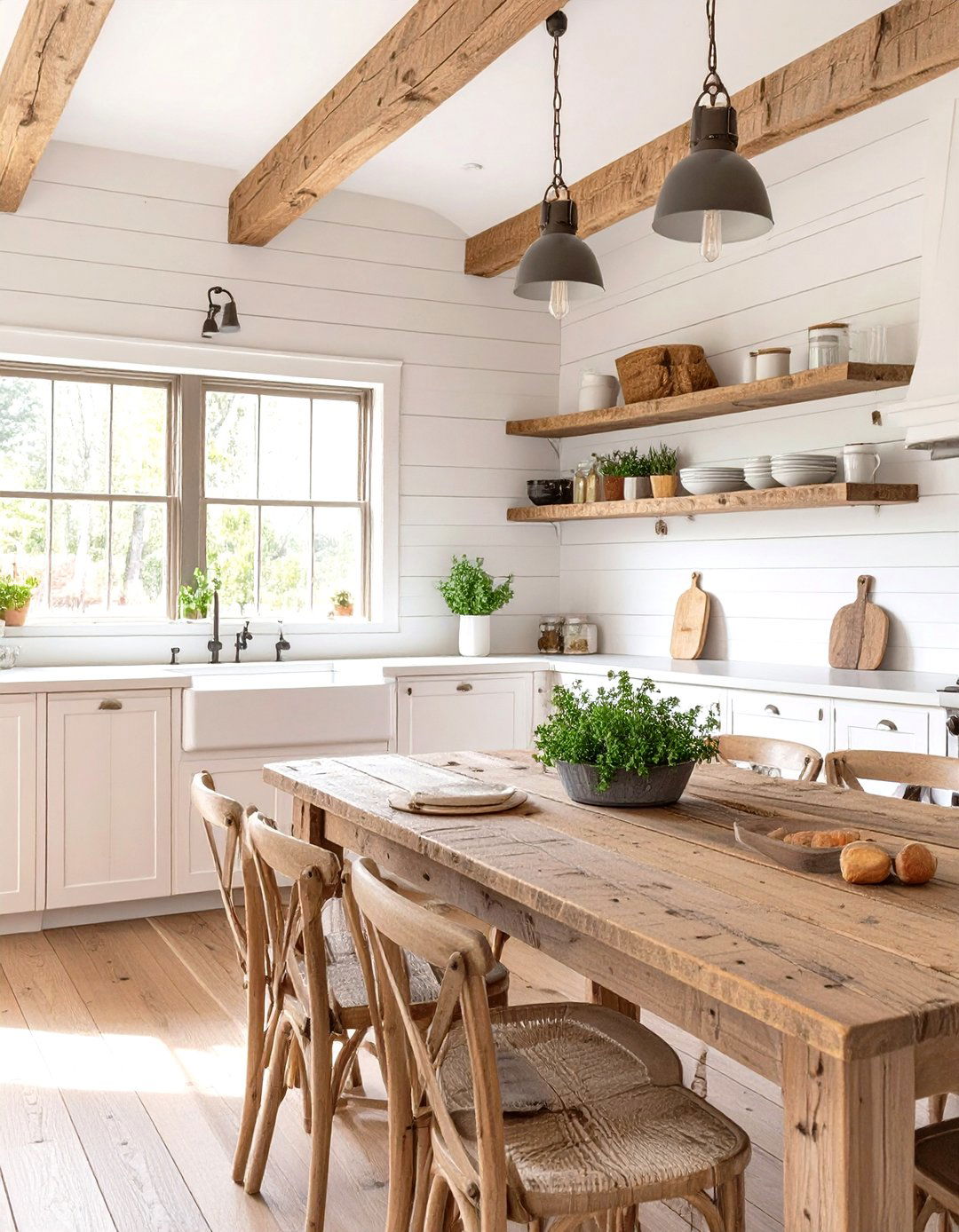
What makes a house feel like a home? For many, it's the warmth and comfort of Farmhouse design approach is practical, charming, and full of character, reminiscent of a countryside blends rustic materials like reclaimed wood and galvanized metal with comfortable, oversized color palette is light and airy, with whites, creams, and soft neutrals creating a welcoming elements include shiplap walls, apron-front sinks, and vintage-inspired layout is open and family-friendly, creating a relaxed, lived-in atmosphere that is both timeless and inviting.
8. Traditional Interior Design
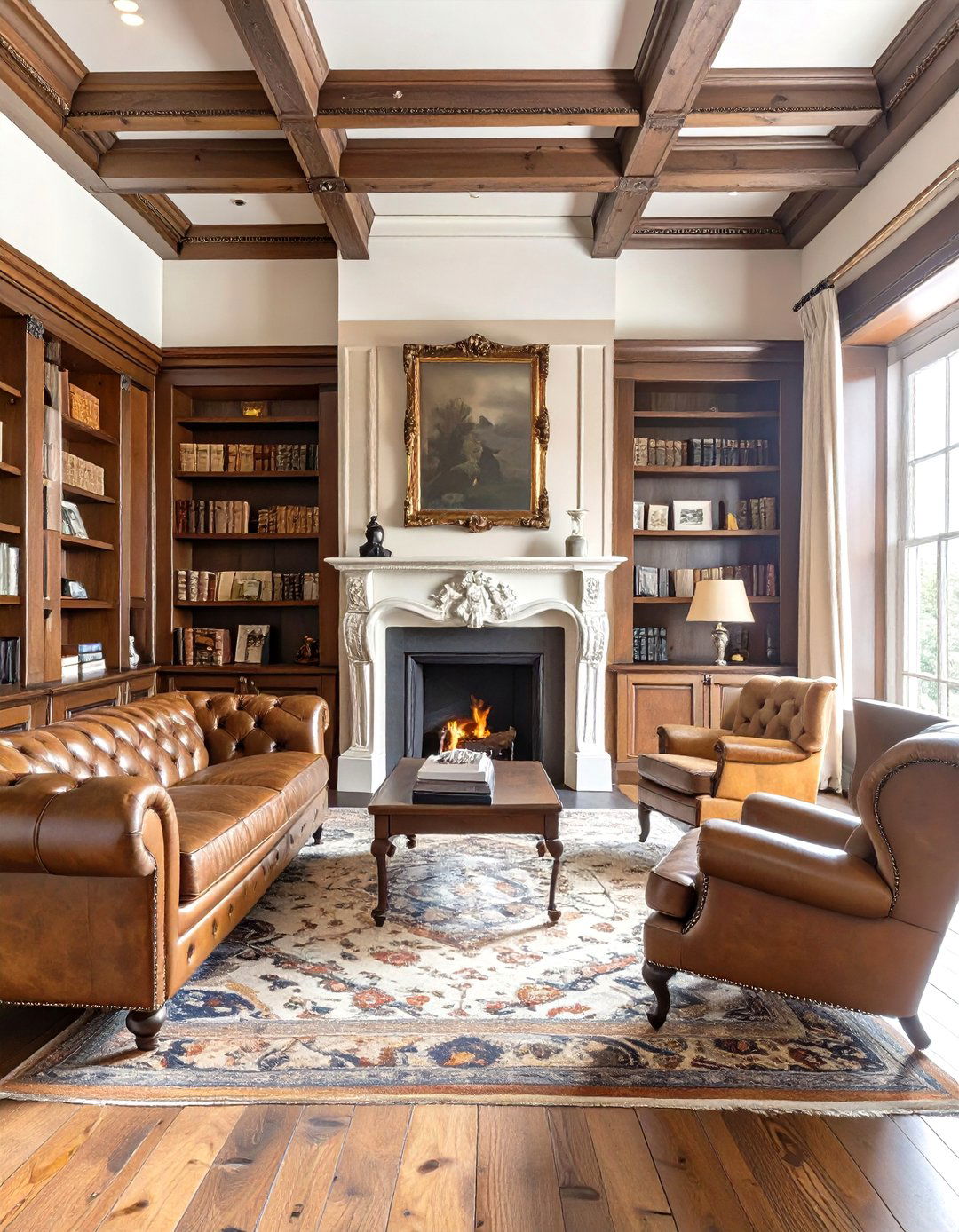
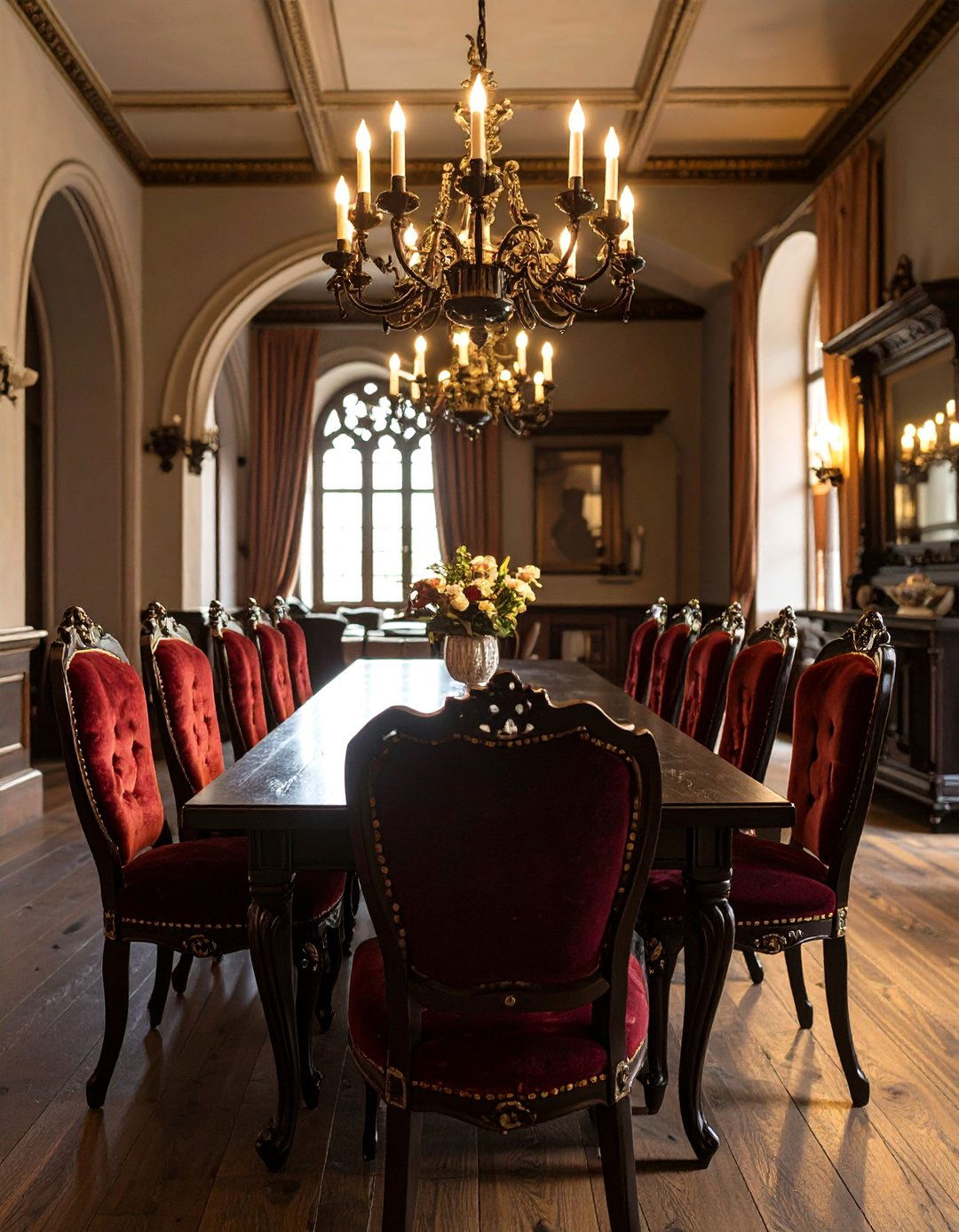
Rooted in 18th and 19th-century European decor, Traditional design exudes classic elegance and style is defined by its attention to detail, symmetry, and rich dark, finished wood, ornate furniture with carved details, and luxurious fabrics like silk, velvet, and palettes are often warm and inviting, featuring deep reds, blues, and greens alongside soft are orderly and centered around focal points like a grand fireplace. It’s a style that feels familiar and sophisticated, filled with timeless pieces that create a sense of history and grace.
9. Transitional Interior Design
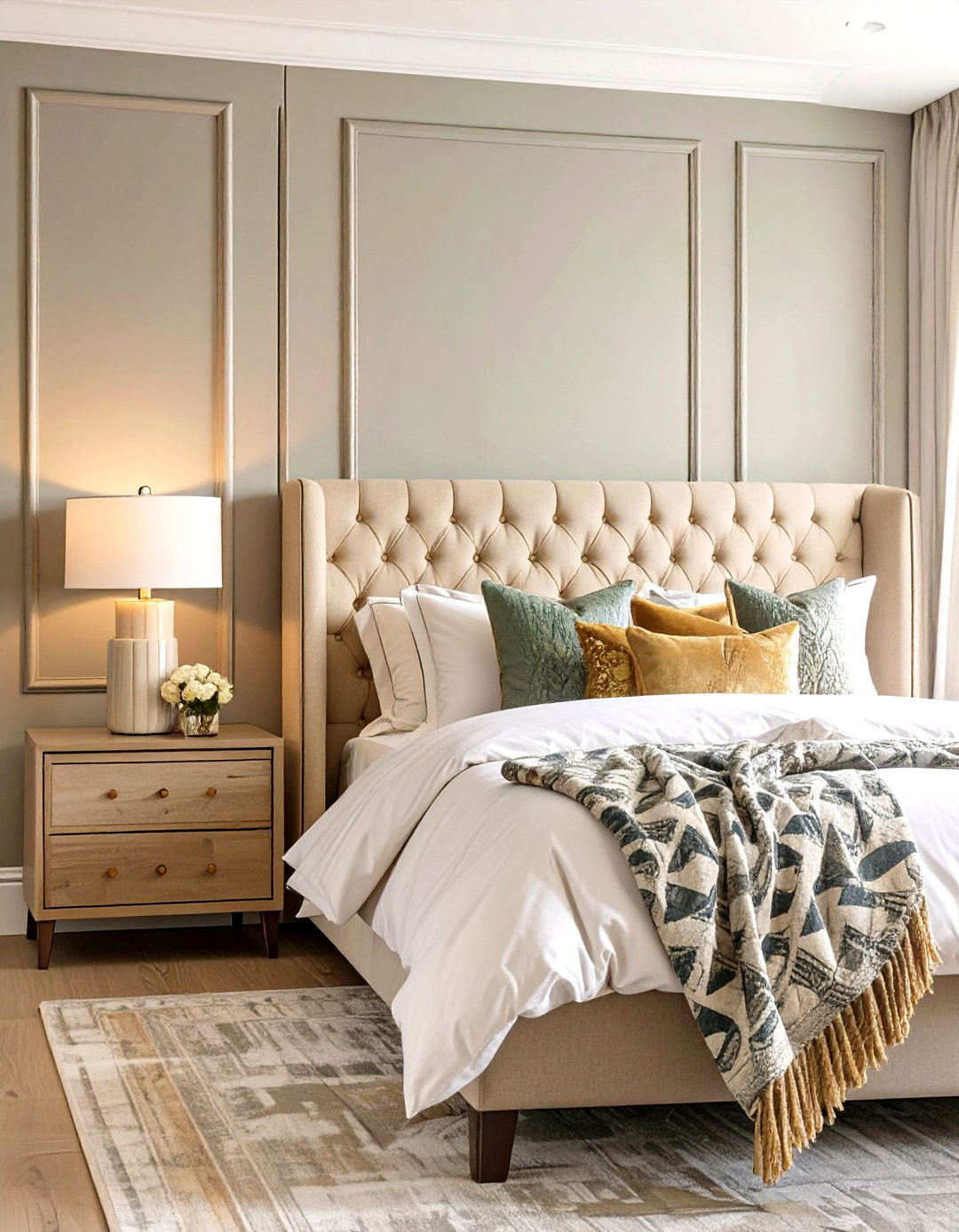
For those who find traditional design too stuffy and modern design too cold, Transitional style offers the perfect aesthetic marries the timeless elegance of traditional decor with the clean lines and simplicity of contemporary result is a space that feels both classic and color palette is typically neutral and sophisticated, creating a calm and serene combines straight lines with gentle curves, prioritizing comfort and elements like wood, glass, and metal are used to create depth and interest in a harmonious, uncluttered setting.
10. Coastal Interior Design
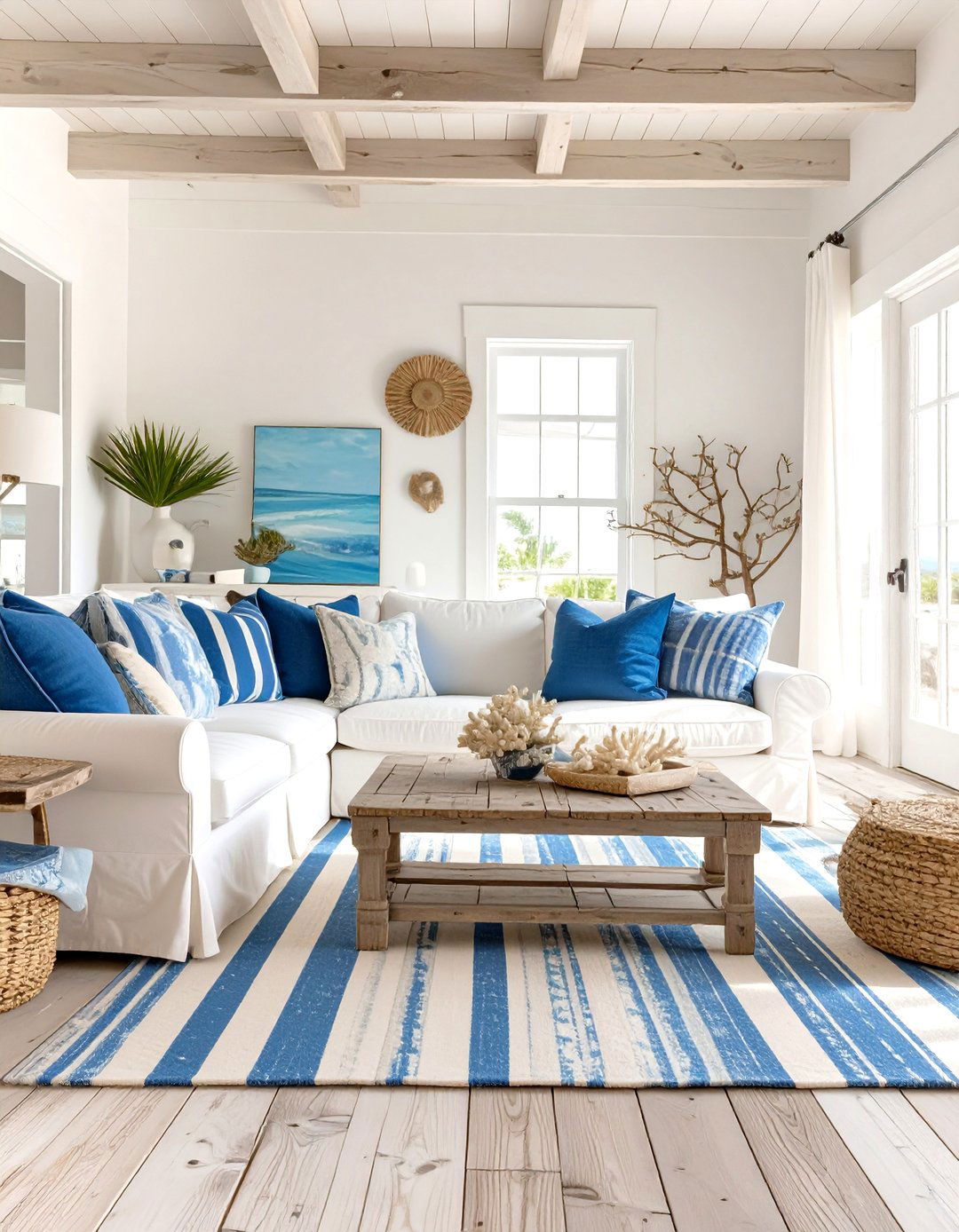
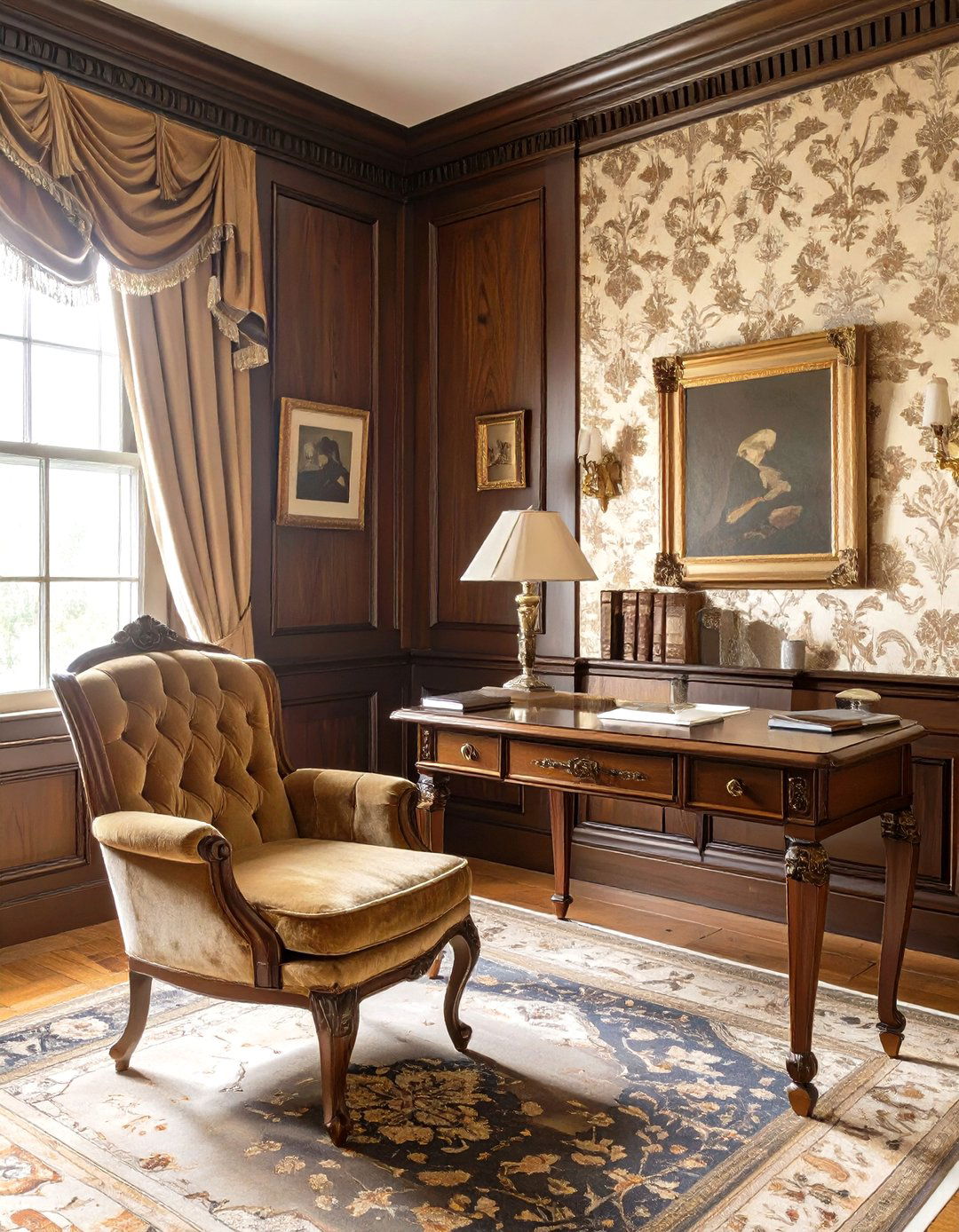
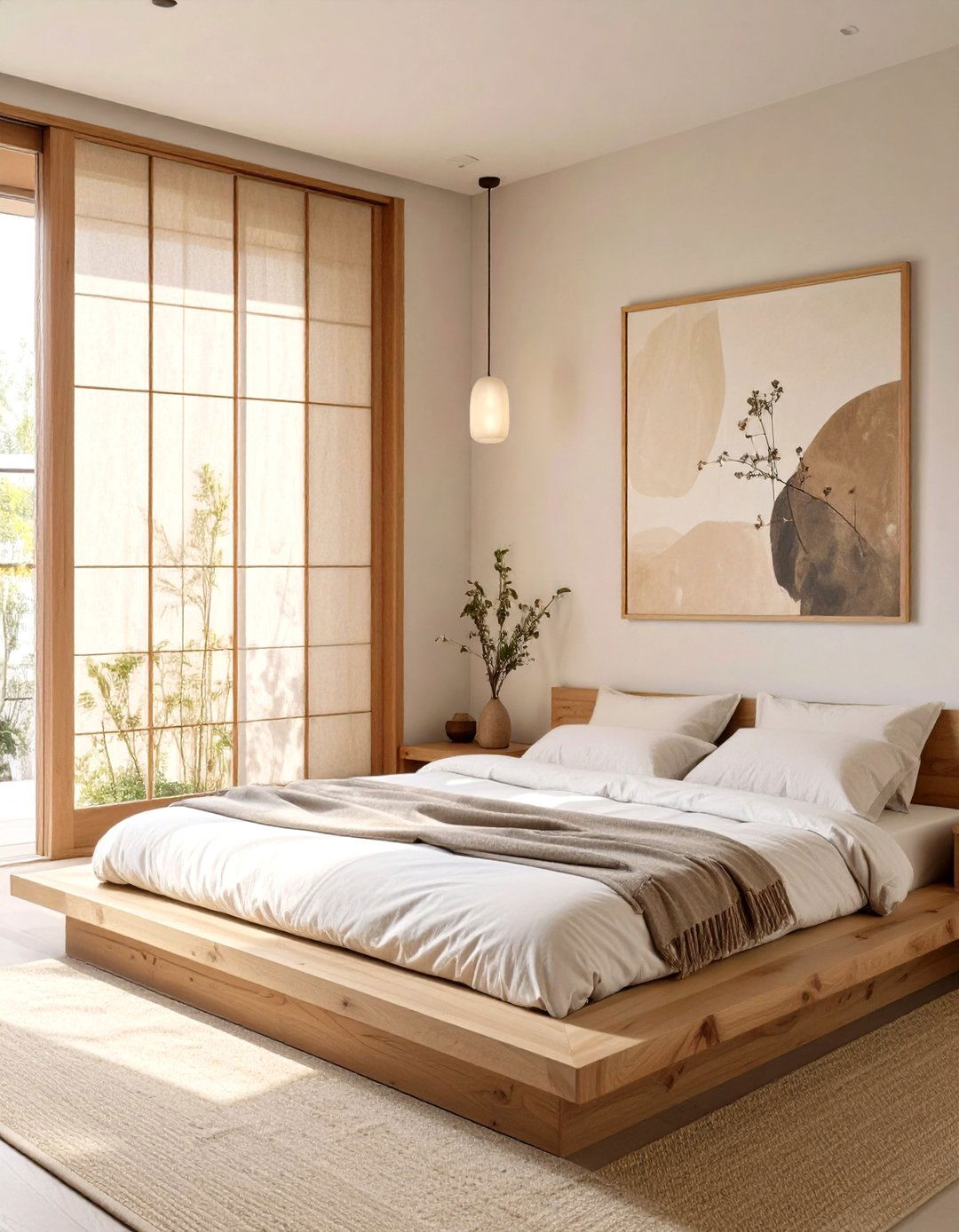
Evoking the breezy and relaxed feel of a seaside retreat, Coastal design is all about light, airy style is defined by a color palette inspired by the beach, featuring shades of white, blue, and sandy light is maximized through large, unadorned are light and natural, including weathered wood, rattan, and is casual and comfortable, often with slipcovers for an easy-going includes nautical or beach-themed elements like shells, driftwood, and marine-inspired art, creating a serene and calming environment that feels like a permanent vacation.
11. Hollywood Regency Interior Design
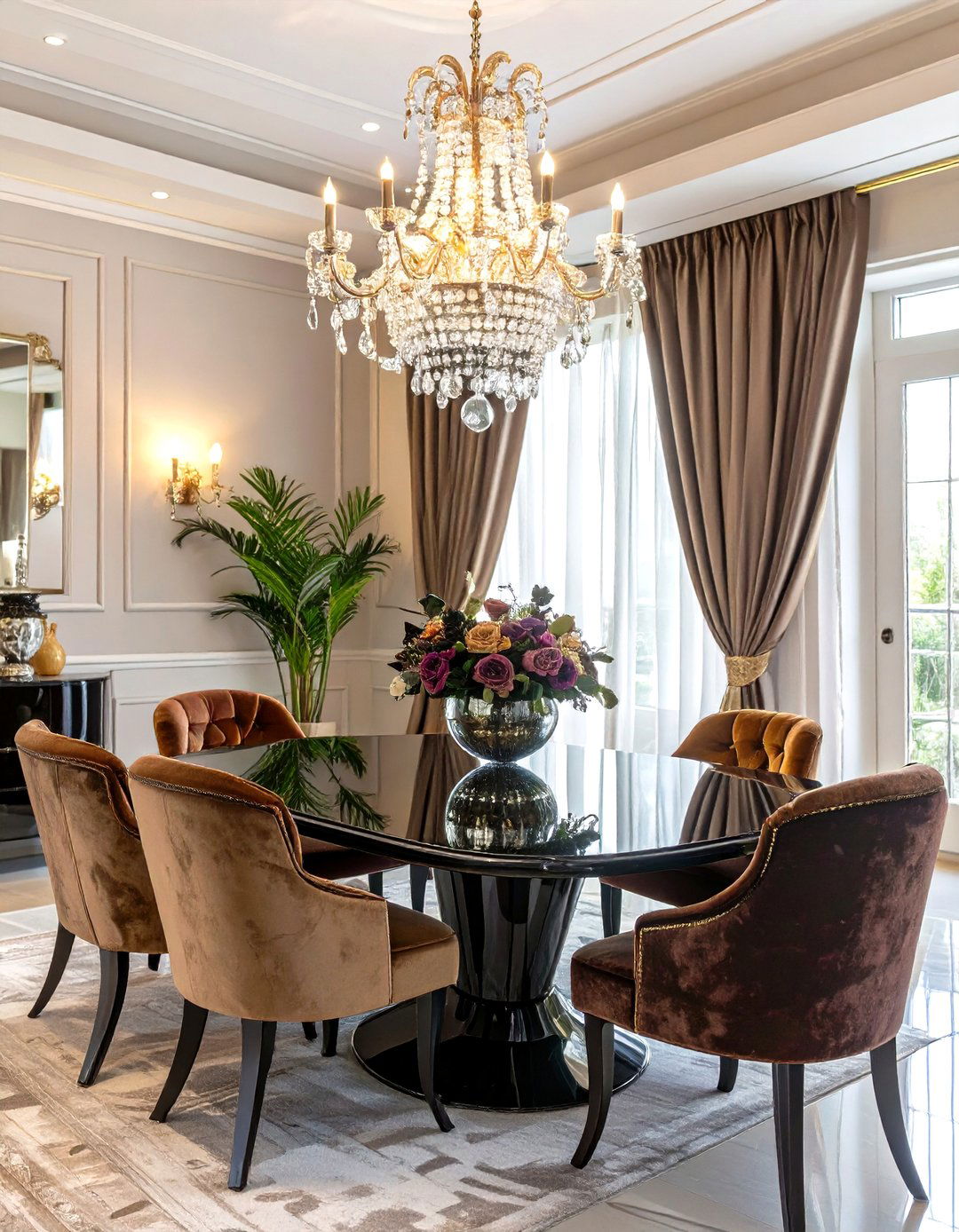
Imagine the glamour and opulence of Hollywood's golden age. That’s the essence of Hollywood Regency style is bold, dramatic, and luxurious, designed to make a features a mix of high-contrast color palettes, such as black and white, accented with vibrant jewel tones like emerald or is lavish and often lacquered, with mirrored surfaces and metallic textiles like velvet and silk are used layout is designed for entertaining, creating a sophisticated and highly stylized space that is unapologetically glamorous and full of high-end drama.
12. French Country Interior Design
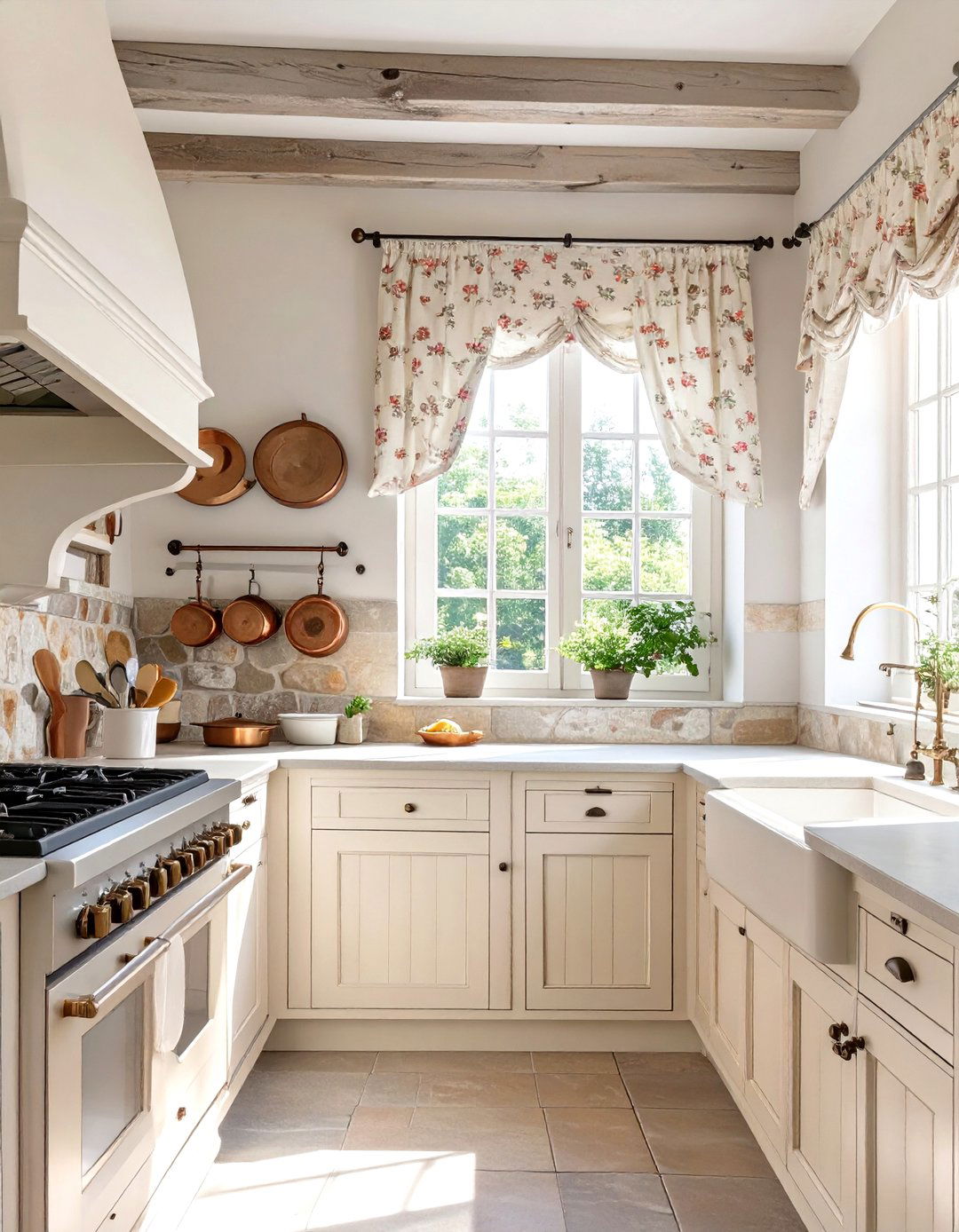
A warm and welcoming style, French Country design blends rustic charm with elegant by the homes in the French countryside, it features a soft, warm color palette with muted yellows, soft blues, and warm are natural and distressed, including weathered wood, stone, and is a mix of rustic and refined pieces, often with curved lines and hand-carved like toile and gingham add a touch of traditional French overall feel is comfortable, elegant, and effortlessly chic, creating a space that is both beautiful and lived-in.
13. Mid-Century Modern Interior Design
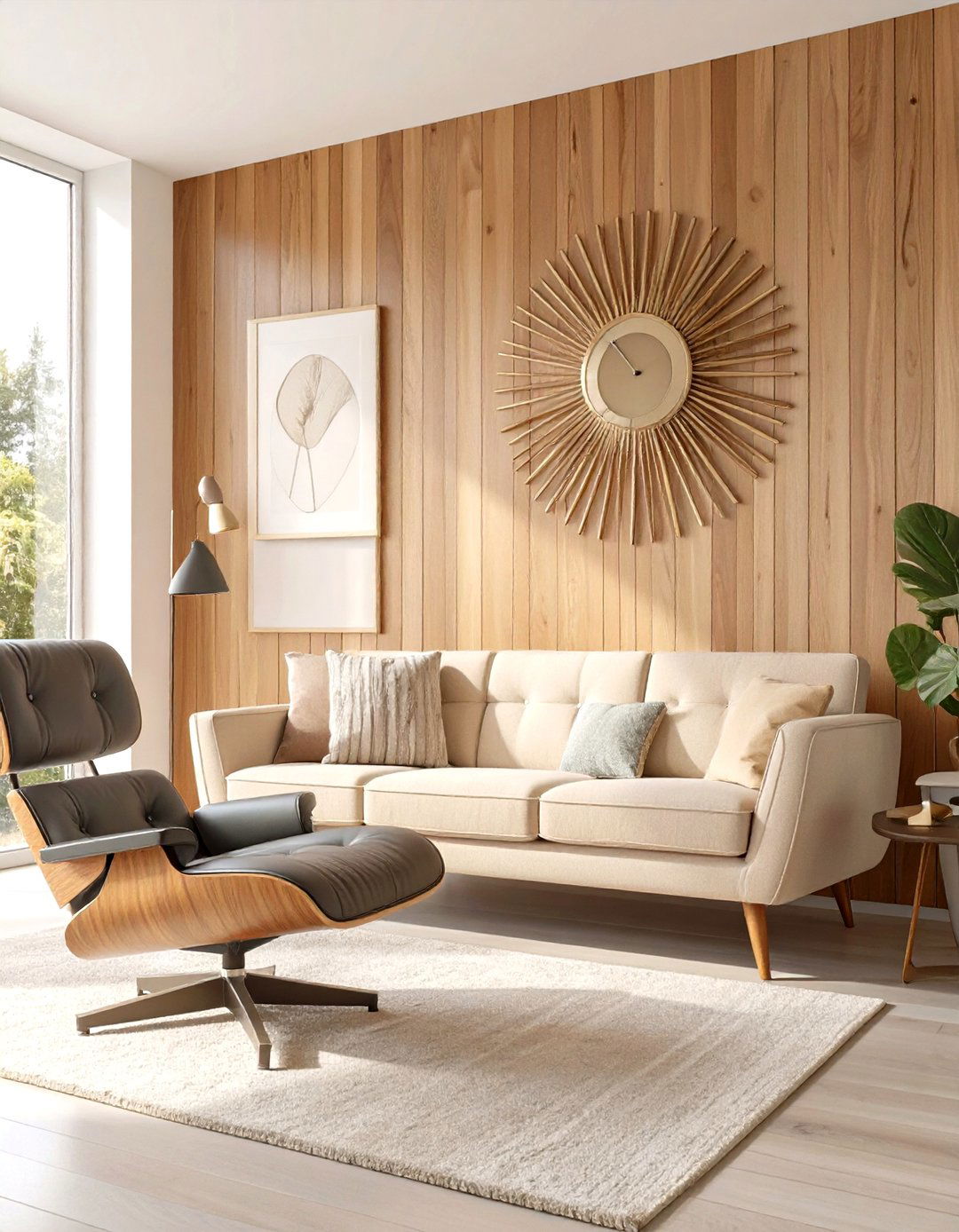
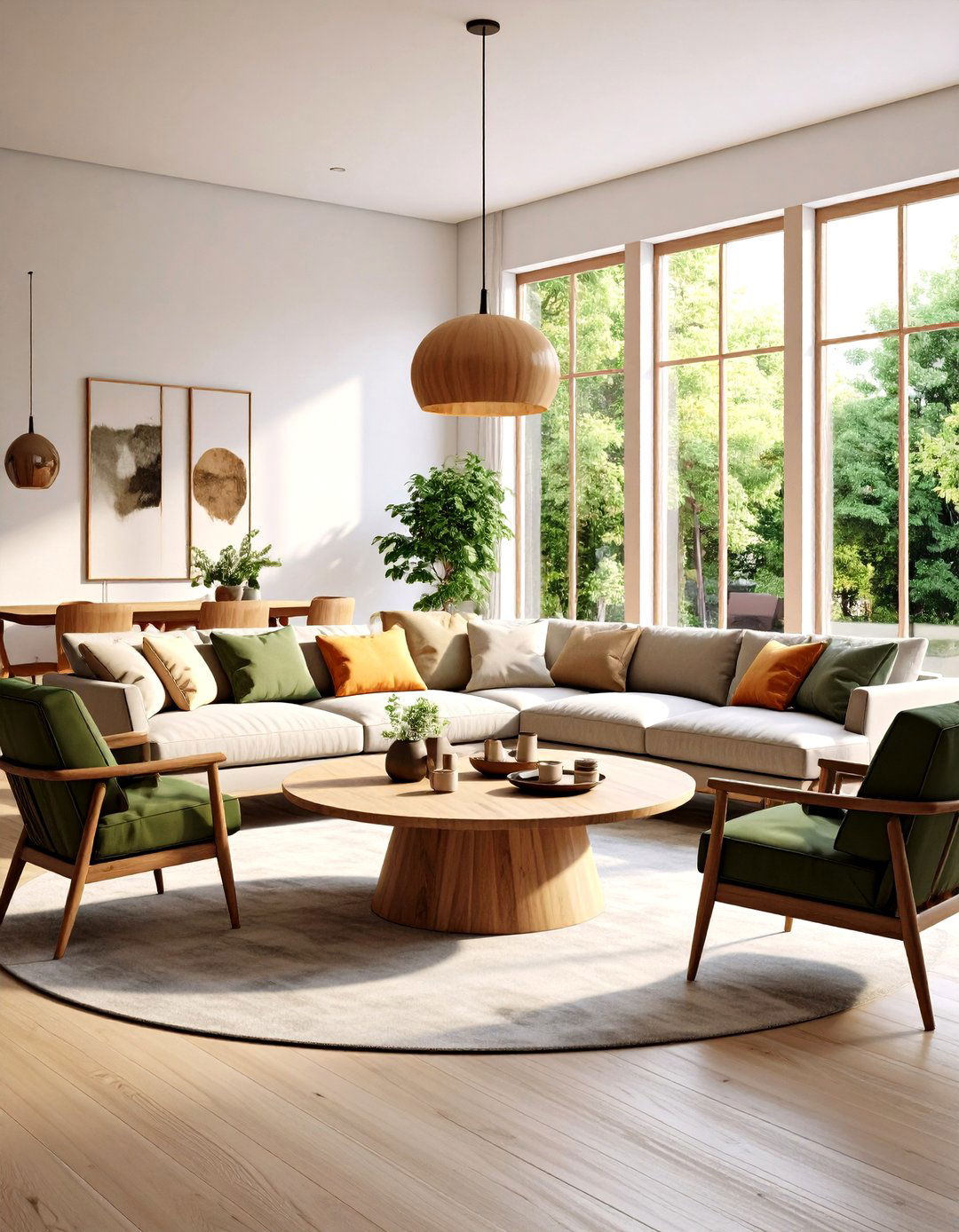
A timeless favorite, Mid-Century Modern design spans from the mid-1940s to the late style is characterized by its simplicity, functionality, and connection to features clean lines, organic curves, and a focus on uncluttered color palette mixes earthy tones with pops of bold like wood (especially teak) , plastic, and metal are used to create iconic furniture pieces with tapered legs and minimalist windows and open floor plans are common, blurring the line between indoors and out to create a functional, stylish, and enduring aesthetic.
14. Art Deco Interior Design
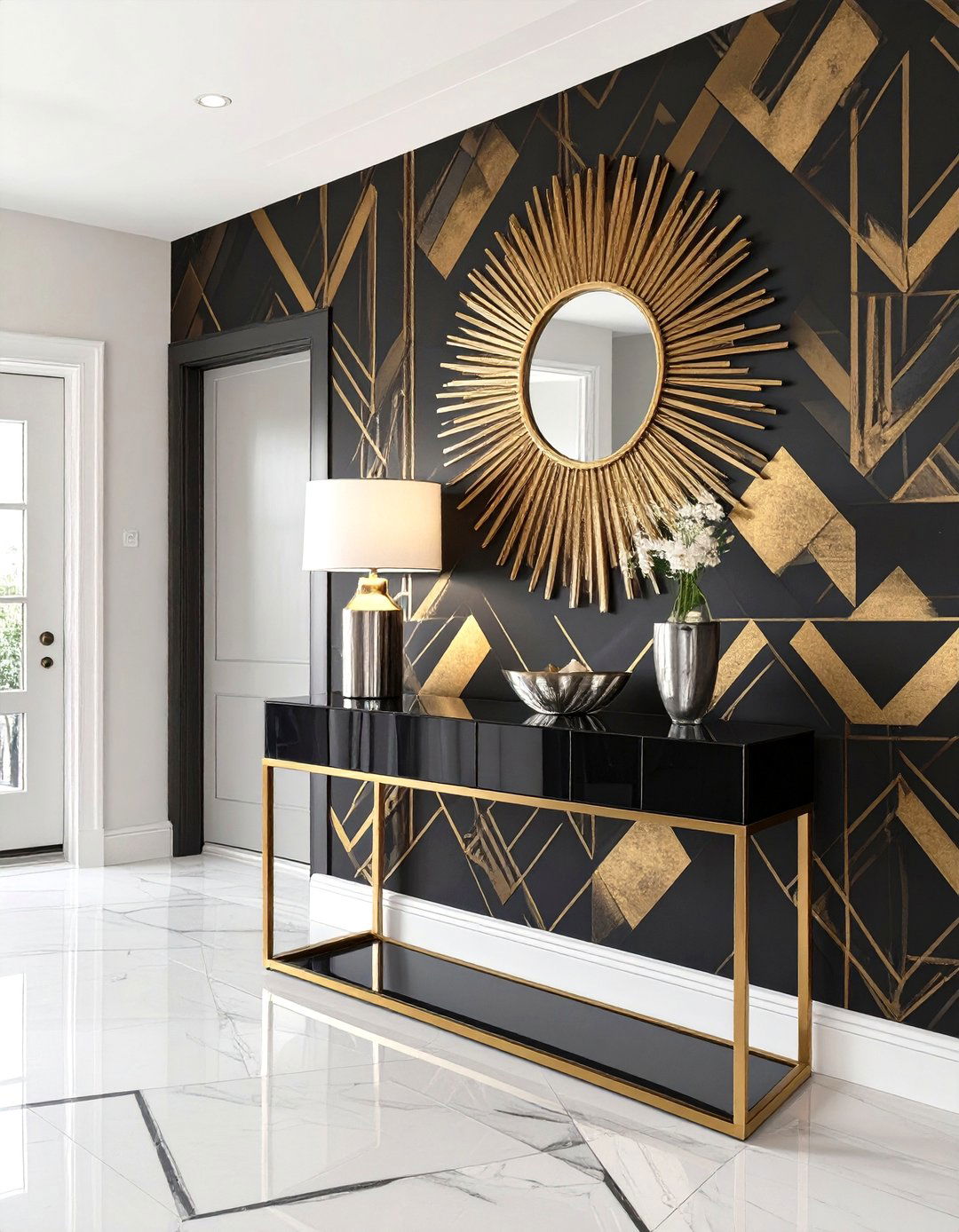
Step back into the Roaring Twenties with the bold and glamorous Art Deco design movement is all about opulence, symmetry, and lavish features rich colors, bold geometric patterns like zigzags and chevrons, and luxurious materials such as polished chrome, brass, and exotic is streamlined yet grand, often with lacquered is a key element, with elaborate chandeliers and sconces creating a dramatic Deco is a celebration of modernity and luxury, resulting in a sophisticated, visually striking space that exudes confidence and flair.


15. Shabby Chic Interior Design
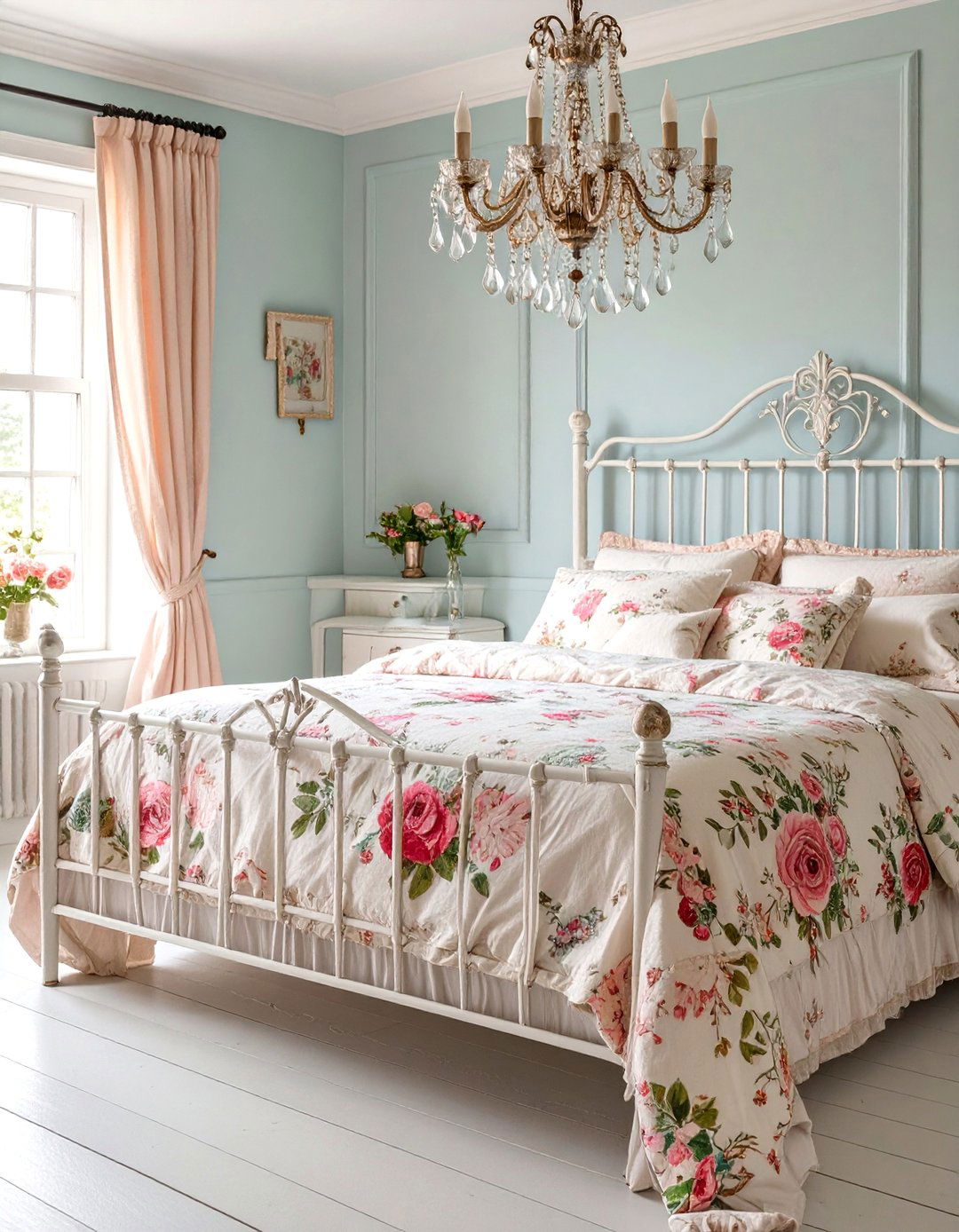
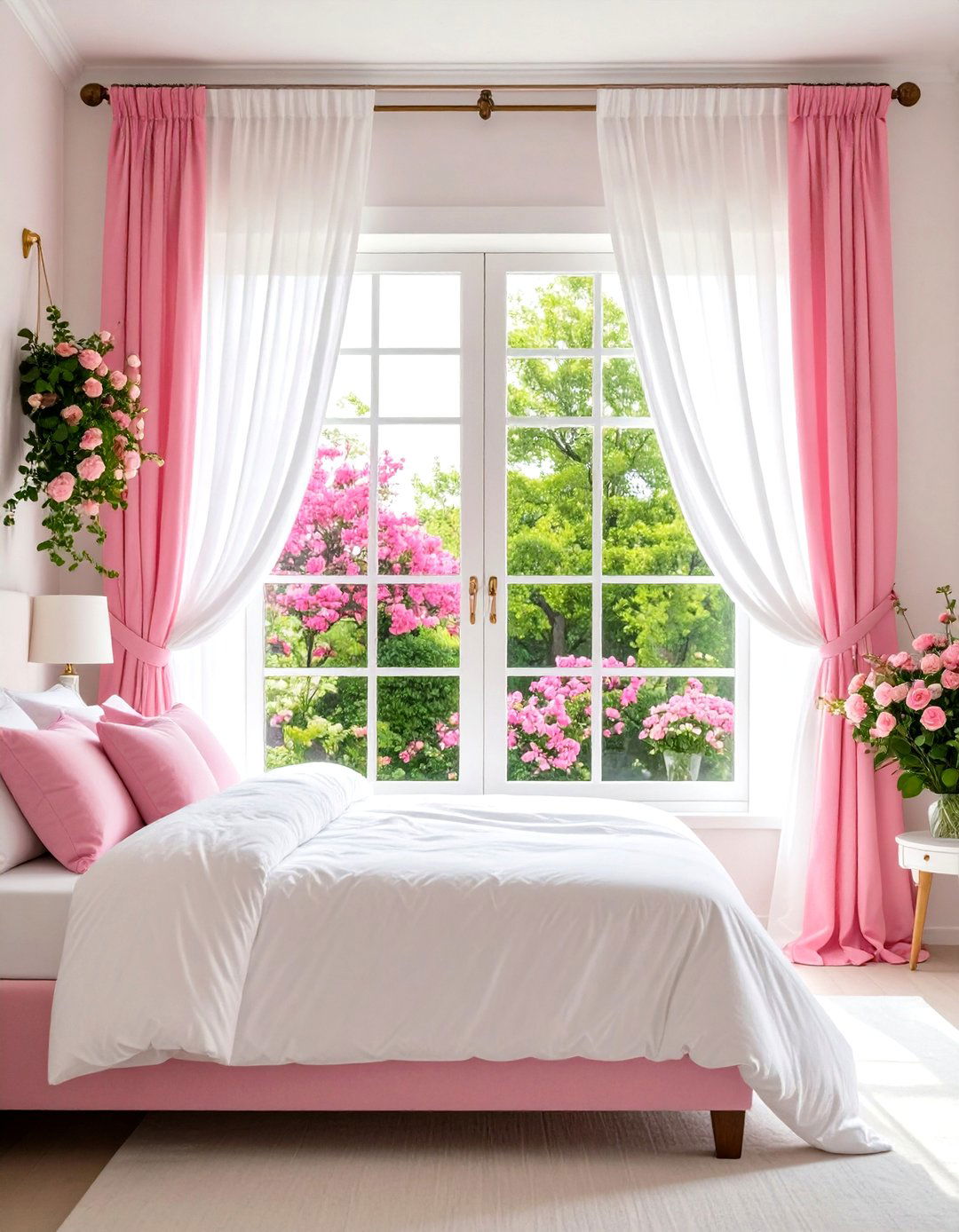
Could a space feel both elegant and perfectly imperfect? Shabby Chic proves it style finds beauty in age and imperfection, creating a soft, romantic, and comfortable is defined by a palette of white, cream, and soft is often vintage or distressed, with a painted, weathered finish that suggests a well-loved are soft and comfortable, like cotton and linen, often featuring floral overall look is feminine and relaxed, filled with charming, vintage-inspired decor that creates a cozy and inviting cottage-like feel.
16. Rustic Interior Design
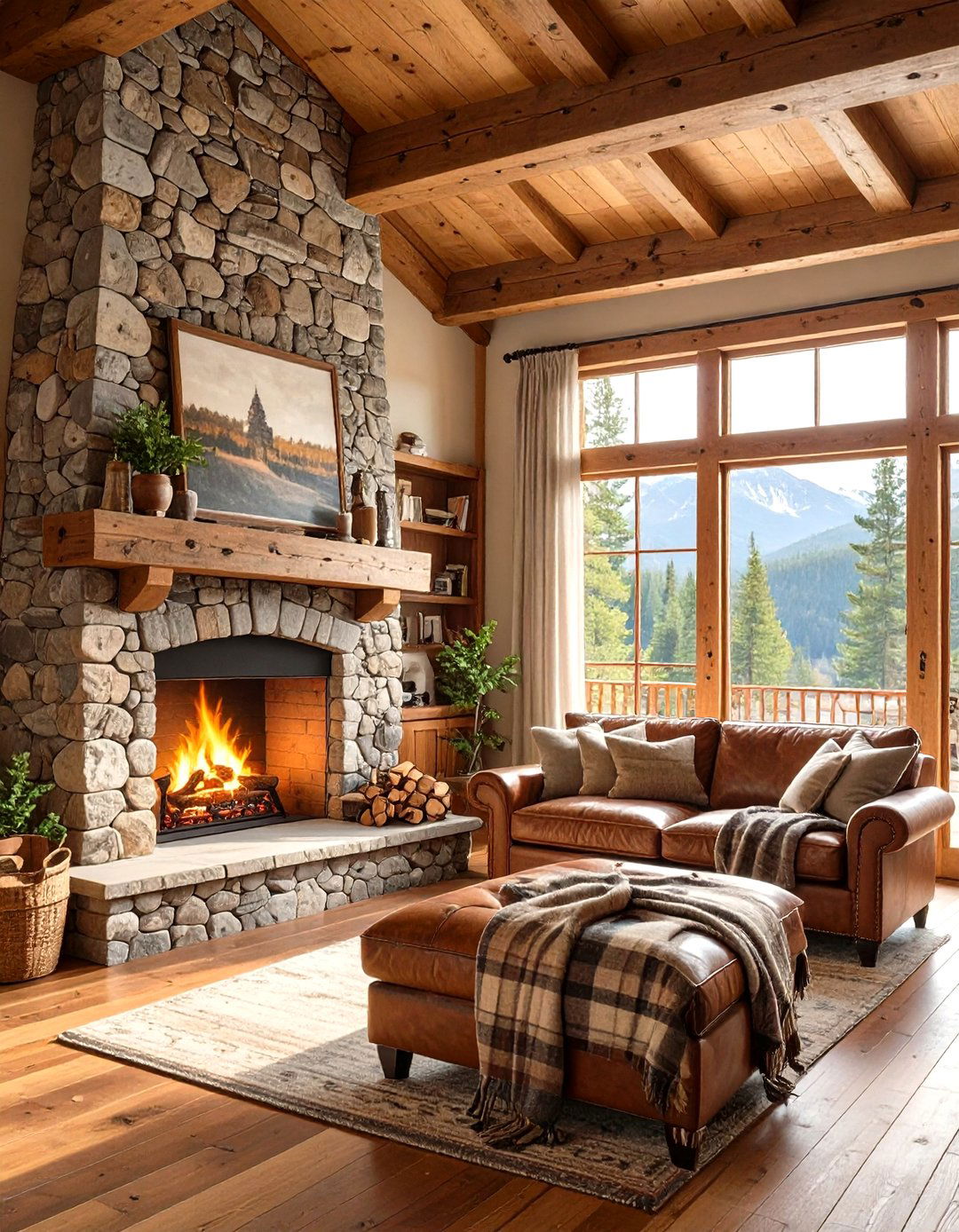
Drawing inspiration from the great outdoors, Rustic design emphasizes natural, unrefined style is all about creating a warm, cozy, and organic atmosphere reminiscent of a log cabin or mountain prominently features raw materials like wood beams, stone fireplaces, and unfinished wood color palette is earthy and warm, reflecting natural is sturdy, simple, and often are warm and textured, such as wool, flannel, and focus is on creating a rugged yet comfortable space that feels deeply connected to nature.
17. Eclectic Interior Design
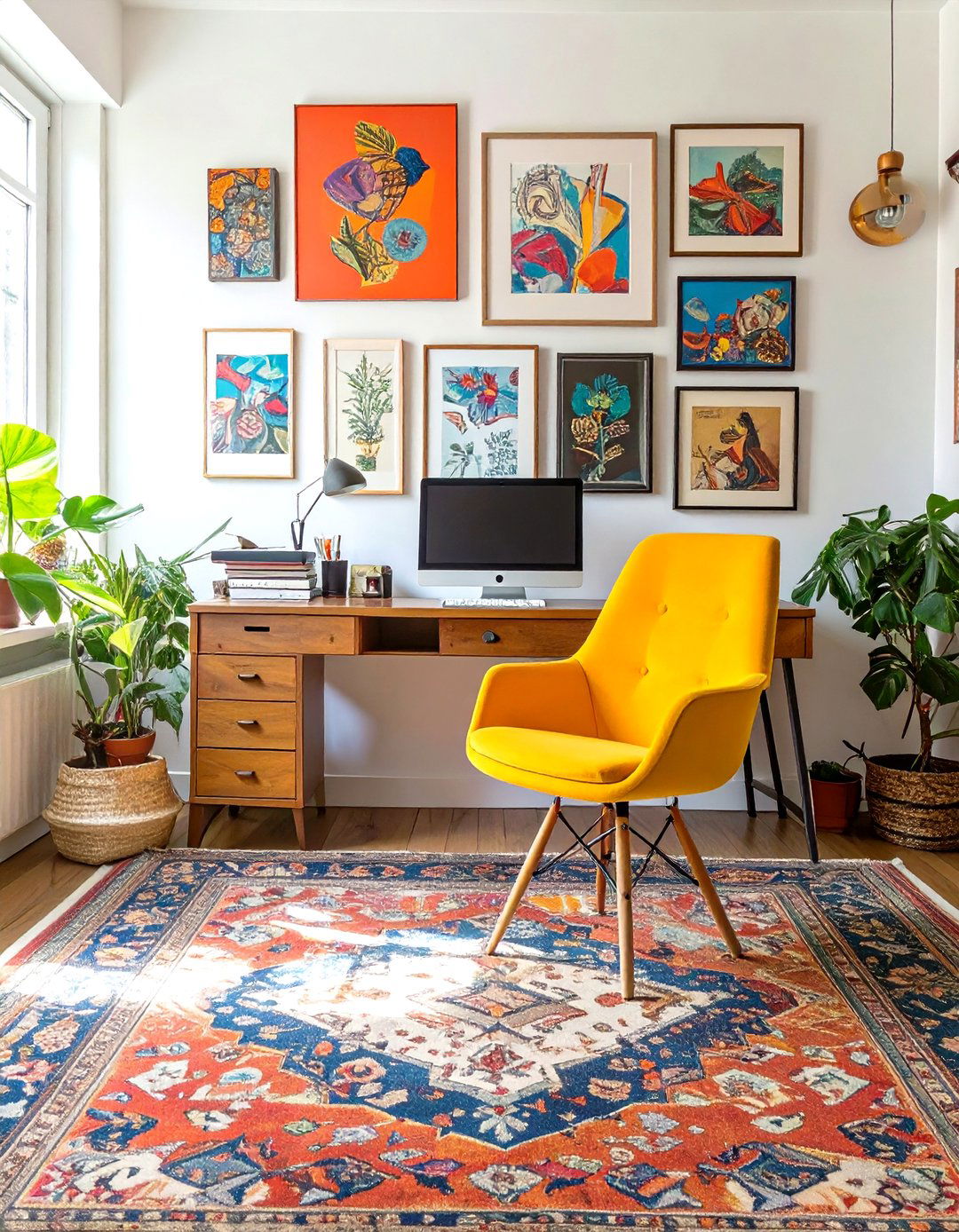
A curated and harmonious mix of different styles, Eclectic design is a highly personal and creative style is not about chaos but about creating cohesion through color, texture, and involves carefully selecting pieces from various eras and design movements that you love and making them work together. A neutral background color can help unify disparate key is to find a common thread — be it a color, shape, or finish — that ties the room result is a dynamic, layered, and unique space that is a true reflection of your personality.
18. Japanese Interior Design
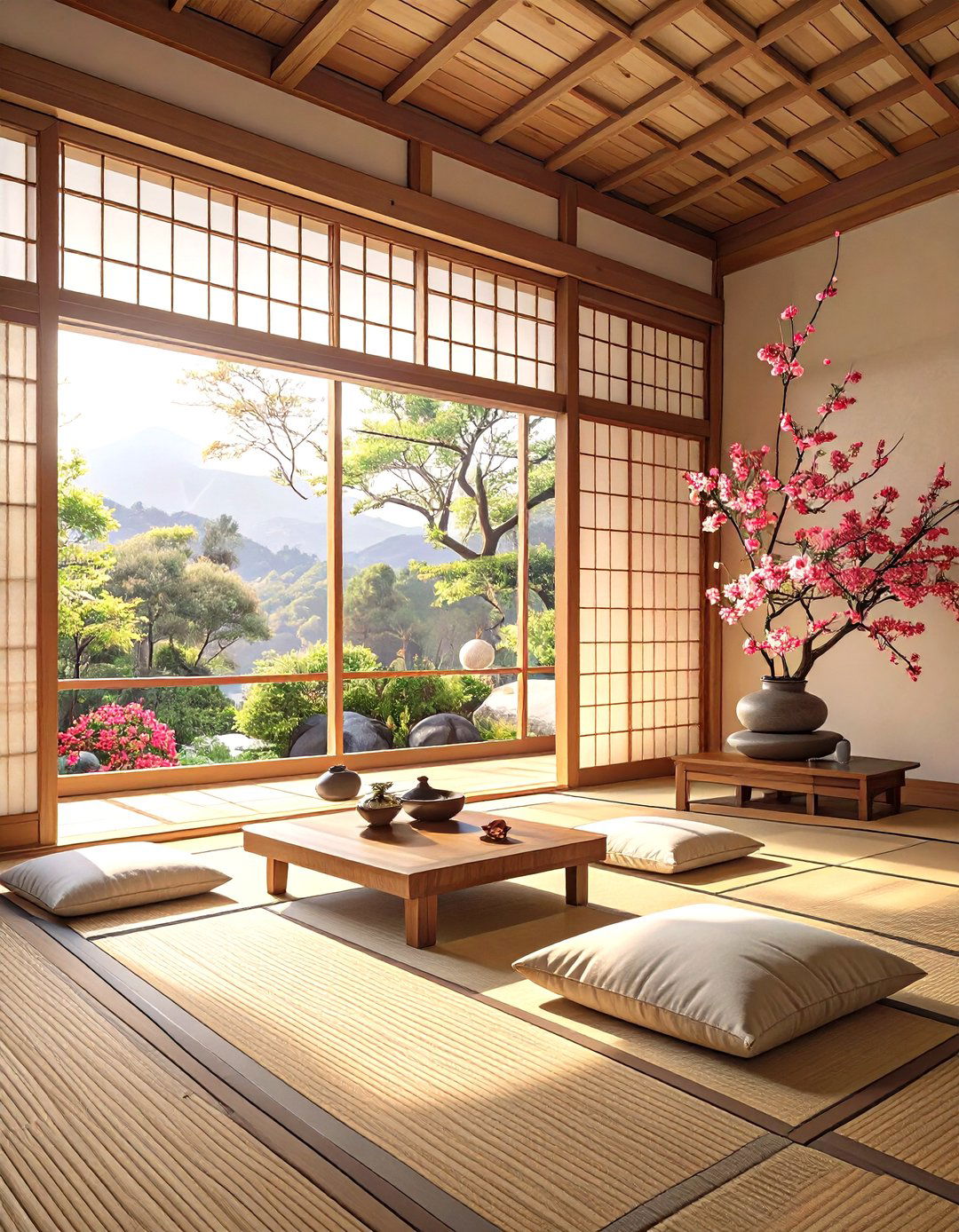
Rooted in centuries of tradition, Japanese design, or Zen style, is centered on creating a serene and tranquil aesthetic emphasizes simplicity, naturalness, and a deep respect for features a muted color palette inspired by nature, such as shades of brown, green, and are natural and include wood, bamboo, and rice is low to the ground and functional, promoting an uncluttered design seeks to create a harmonious balance between the indoors and outdoors, often incorporating elements like sliding screens and indoor plants.
19. Wabi-Sabi Interior Design
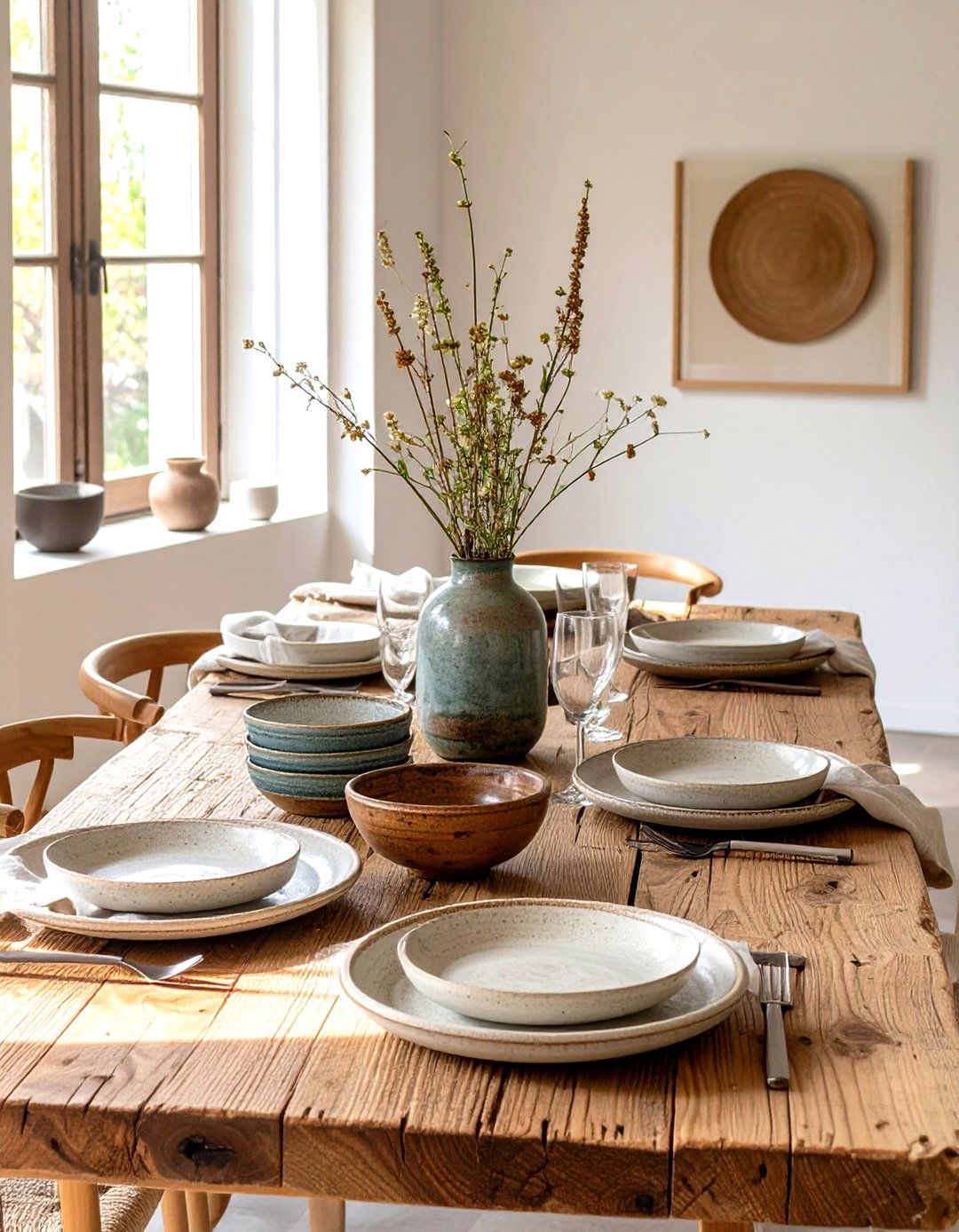
Finding beauty in imperfection is the core principle of the Japanese philosophy of design style celebrates the authentic, the handmade, and the embraces asymmetry, roughness, and the signs of age and color palette is earthy and muted, reflecting the natural are organic and unrefined, such as wood, clay, and and decor are chosen for their character and history rather than for perfection. Wabi-Sabi creates a calming, humble, and deeply personal space that encourages mindfulness and an appreciation for the simple things in life.

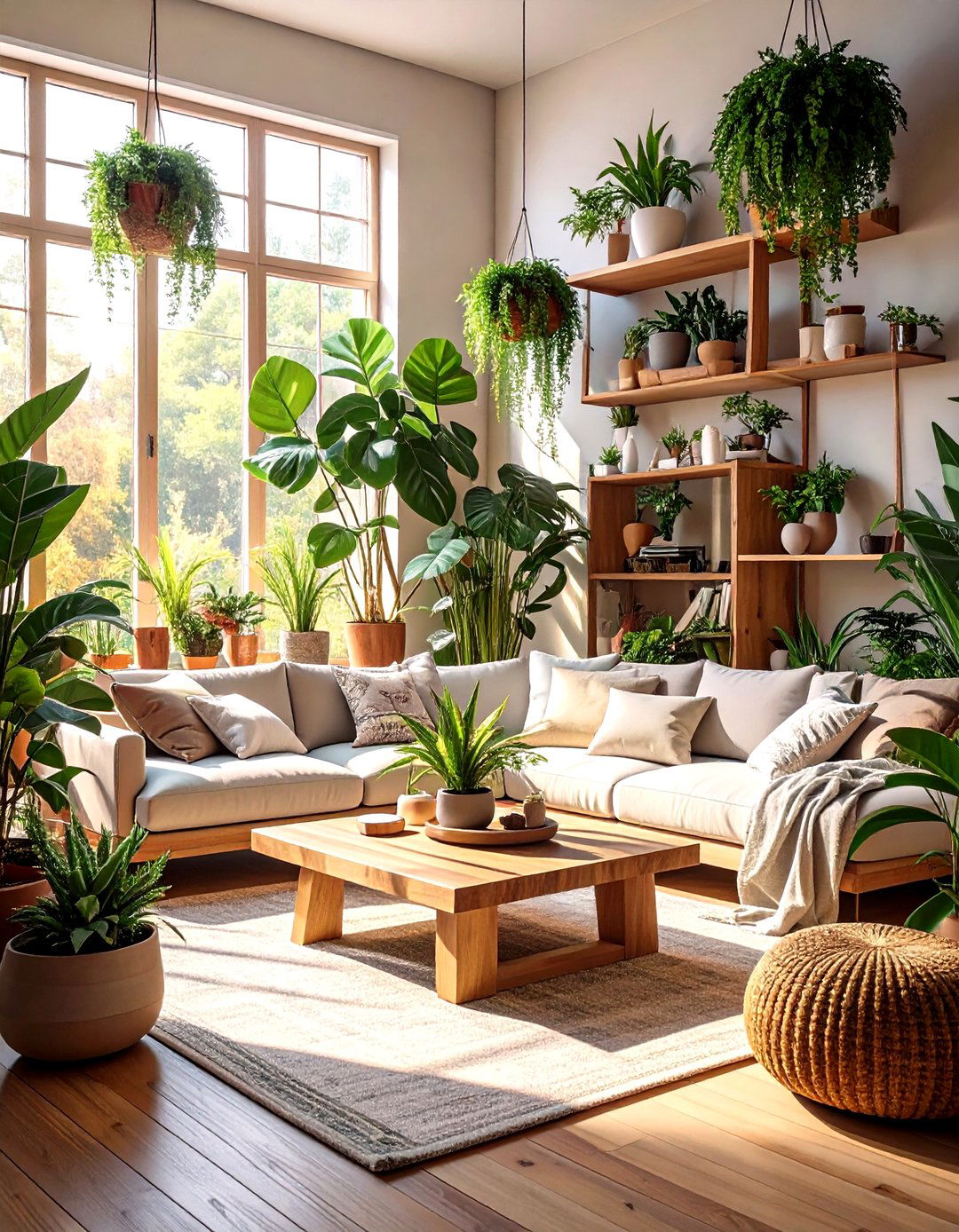


20. Mediterranean Interior Design
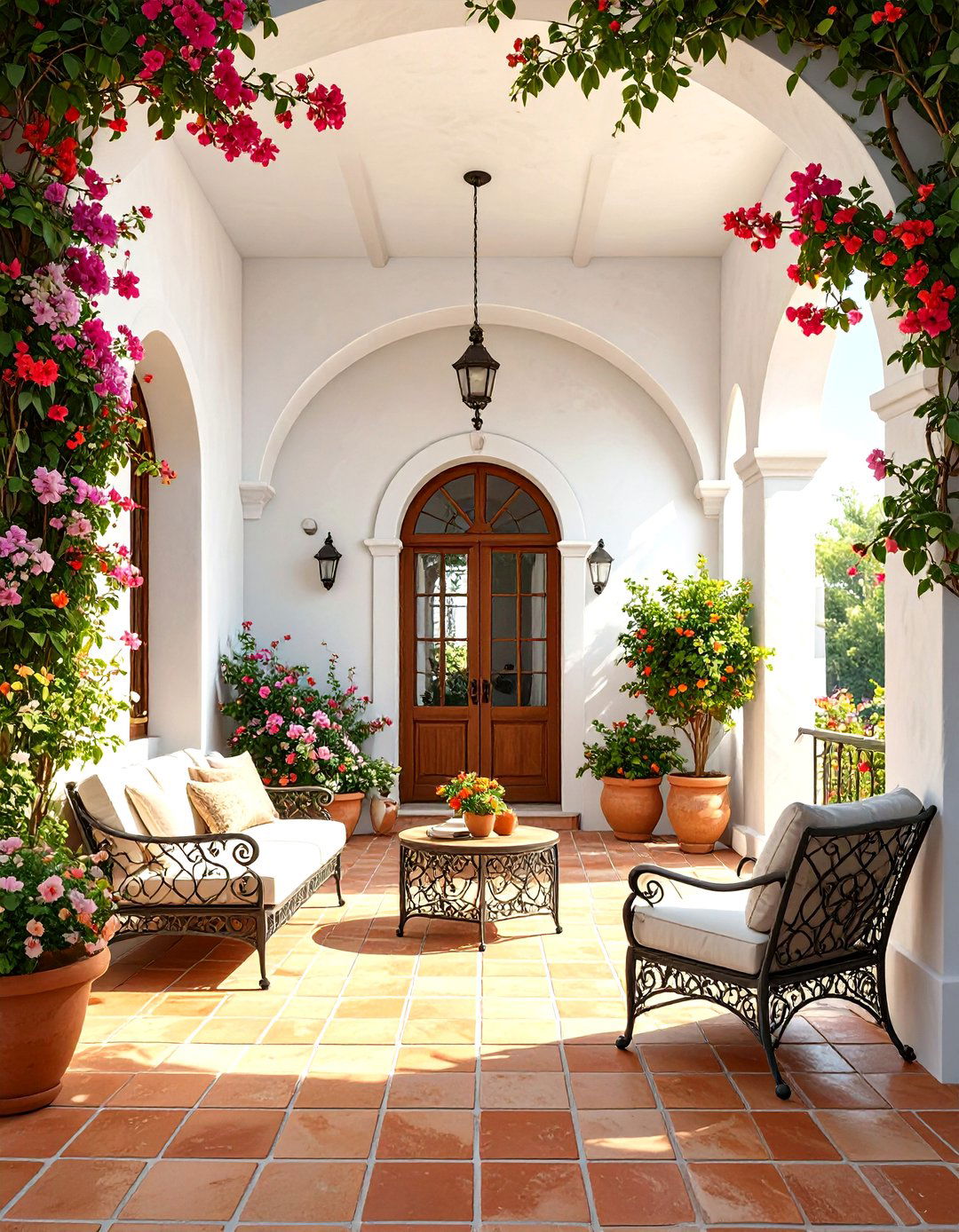
Inspired by the coastal regions of Spain, Italy, and Greece, Mediterranean design evokes a sense of sun-drenched, relaxed style is characterized by light and warm color palettes, with shades of white, terracotta, and ocean are natural and textured, including stucco walls, terracotta tiles, and exposed wood is simple and functional, often made of wood or wrought are open and airy, with arches and large windows to welcome natural light. It’s a style that brings the warmth and charm of a seaside villa into your home.
21. Southwestern Interior Design
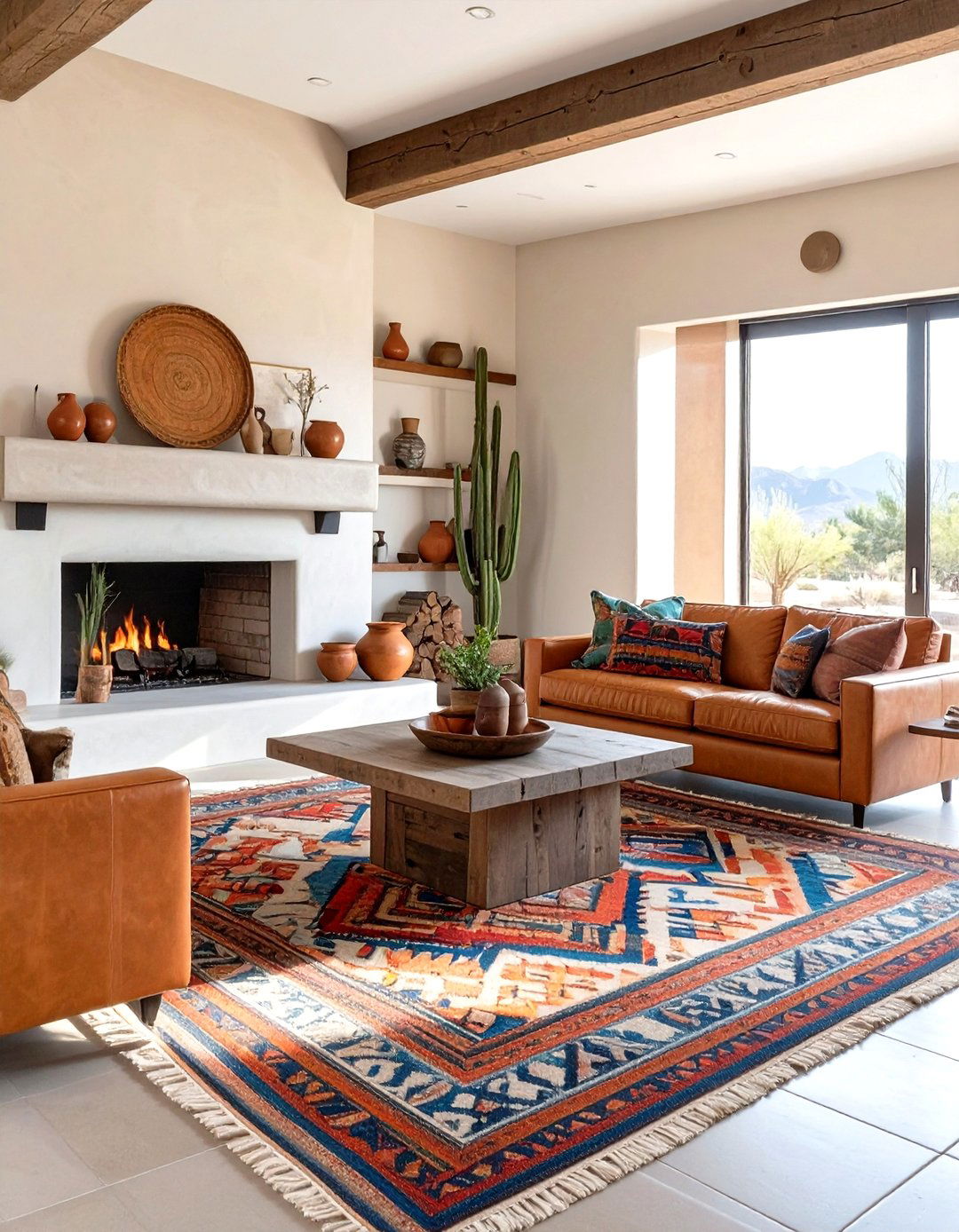
Reflecting the colors and textures of the American Southwest desert, this style is warm, earthy, and design is defined by its rich color palette of terracotta, turquoise, and sandy are natural and rustic, including stucco, clay tiles, and exposed is often handcrafted from wood, with simple, sturdy are a key feature, with vibrant, patterned rugs, blankets, and cushions adding color and includes cacti, pottery, and other elements inspired by desert landscapes and regional cultures, creating a cozy and unique aesthetic.
22. Victorian Interior Design
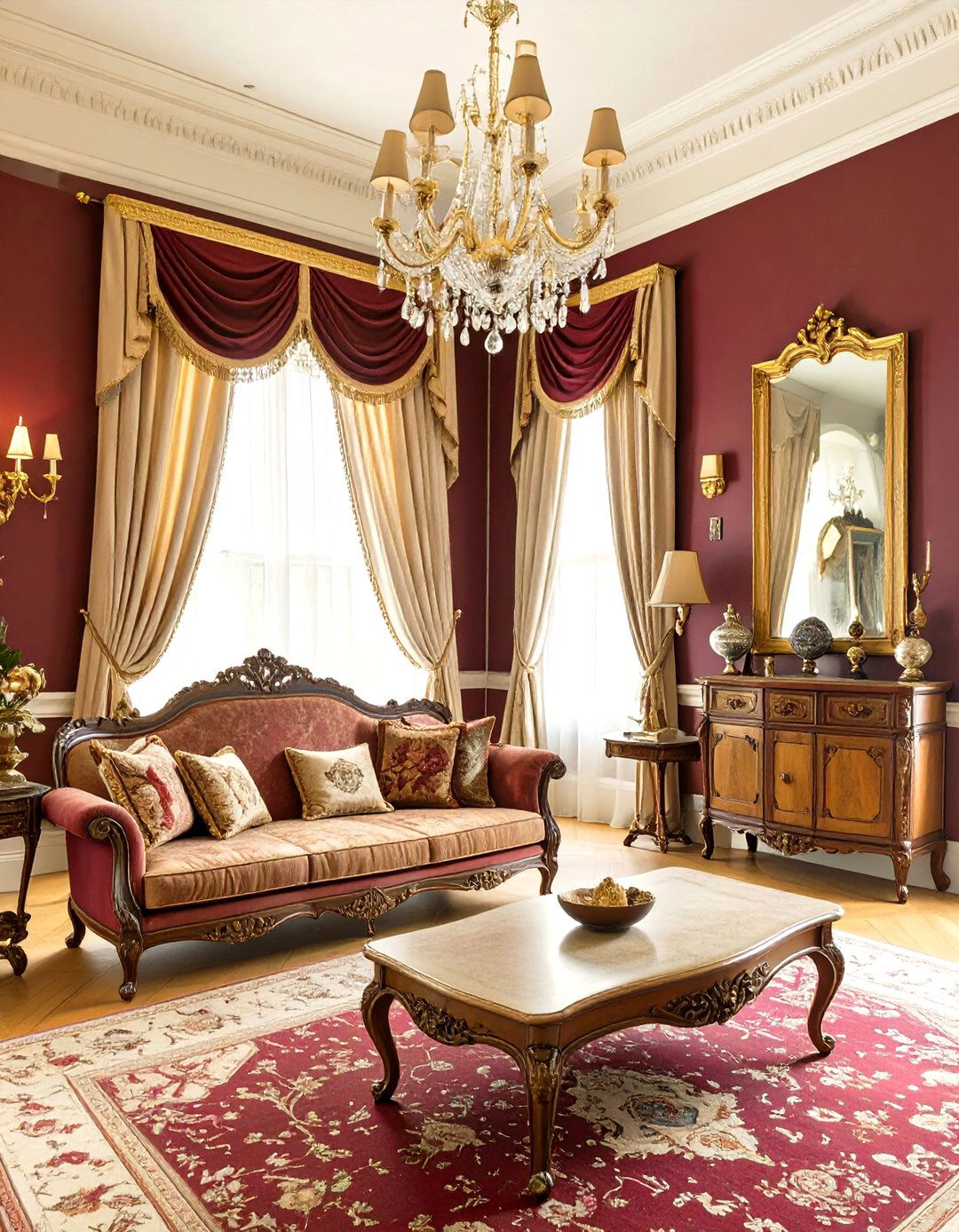
An ode to the 19th-century era of Queen Victoria, this style is defined by its opulence, ornamentation, and "more is more" interiors are rich and elaborate, featuring dark wood, intricate carvings, and complex color palette is deep and jewel-toned, with burgundies, forest greens, and royal is large, ornate, and often upholstered in luxurious fabrics like velvet and are filled with decorative objects, from elaborate drapery to collections of art and accessories, creating a grand, formal, and highly detailed environment.
23. English Countryside Interior Design
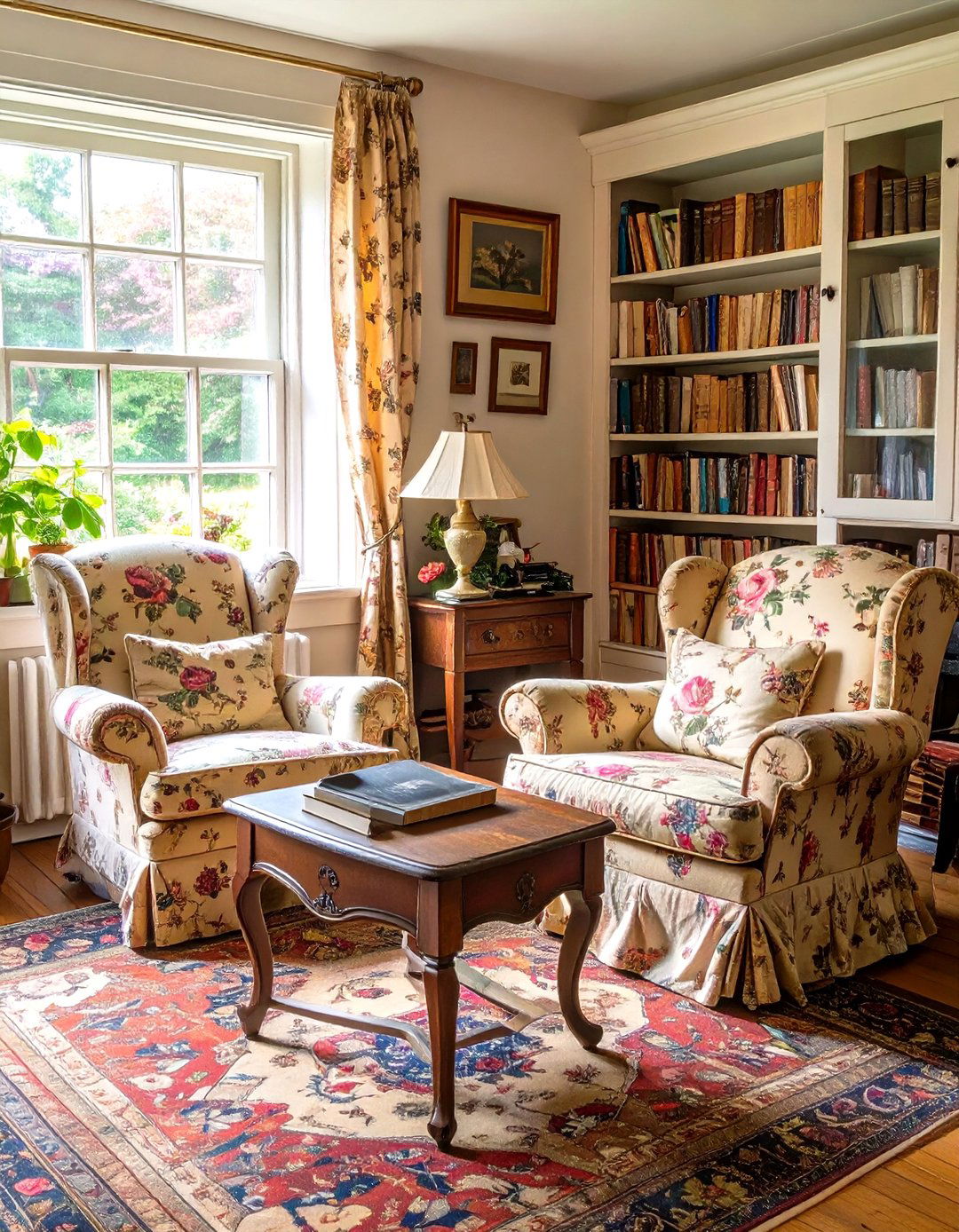
How do you capture the essence of a cozy English cottage? English Countryside design does so with its comfortable, charming, and slightly cluttered style is all about creating a warm and inviting space that feels lived-in and features a soft color palette, floral patterns (chintz is a classic) , and a mix of mismatched and heirlooms are common, adding a sense of overall feel is informal and comfortable, with an abundance of books, textiles, and personal treasures creating a homey and quintessentially English atmosphere.
24. Bauhaus Interior Design
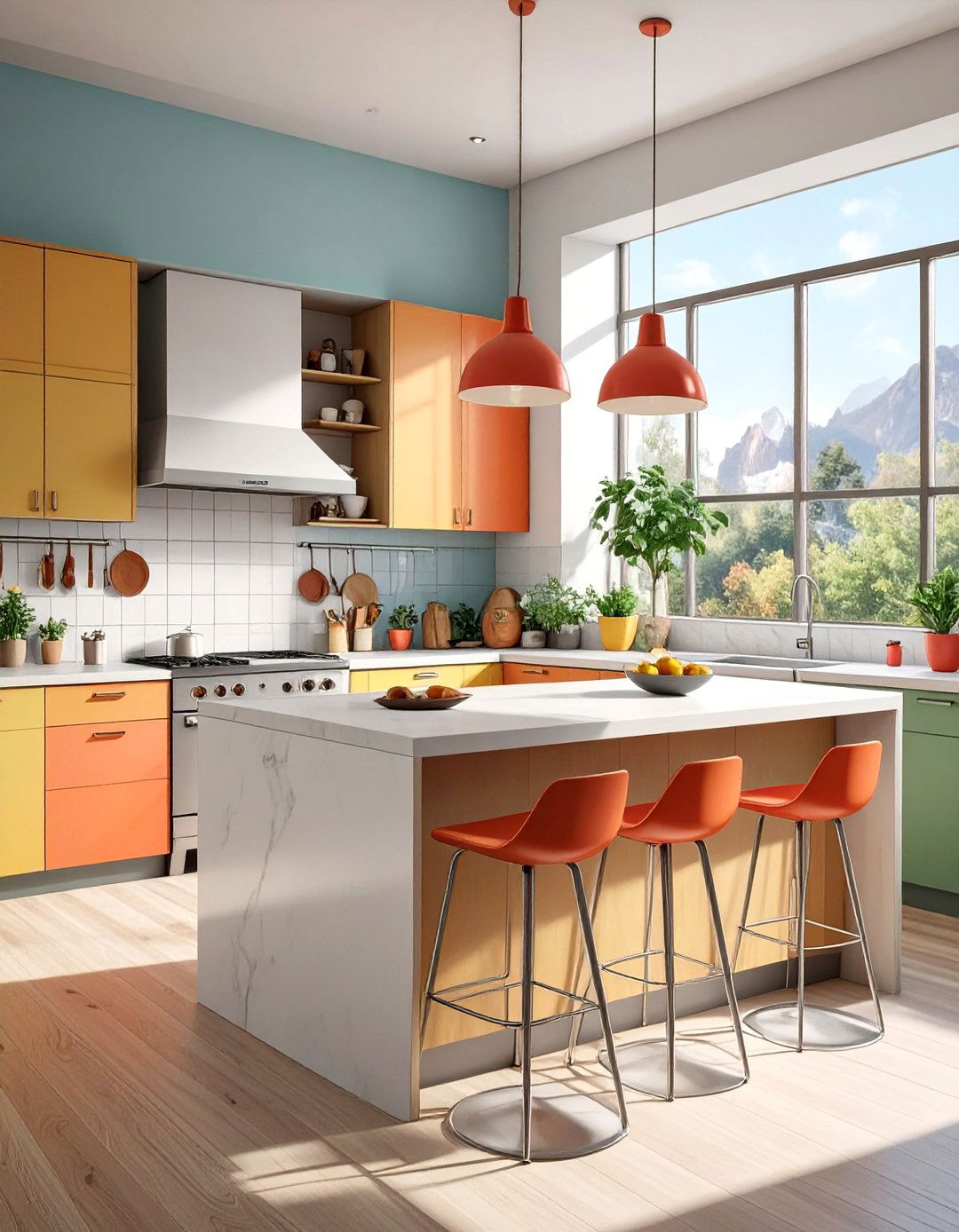
Originating from the German school of the same name, Bauhaus design prioritizes function over influential modernist style is characterized by its simplicity, geometric shapes, and industrial philosophy was to create beautiful, practical objects for everyday color palette is often simple, using primary colors (red, yellow, blue) alongside black and is minimalist and functional, often made from tubular steel, wood, and result is a clean, rational, and uncluttered space where every element serves a purpose, reflecting a revolutionary approach to design.
25. Gothic Interior Design
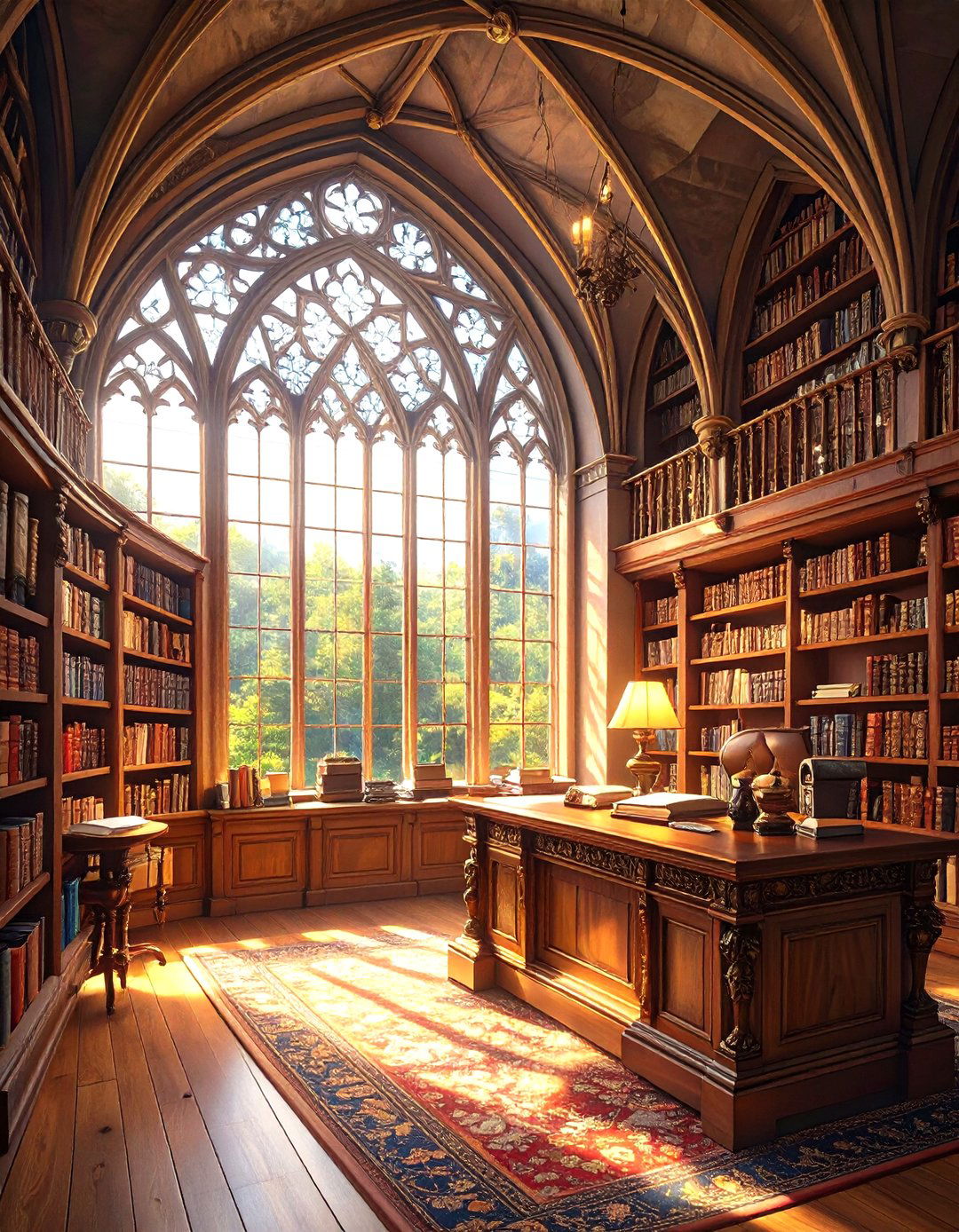
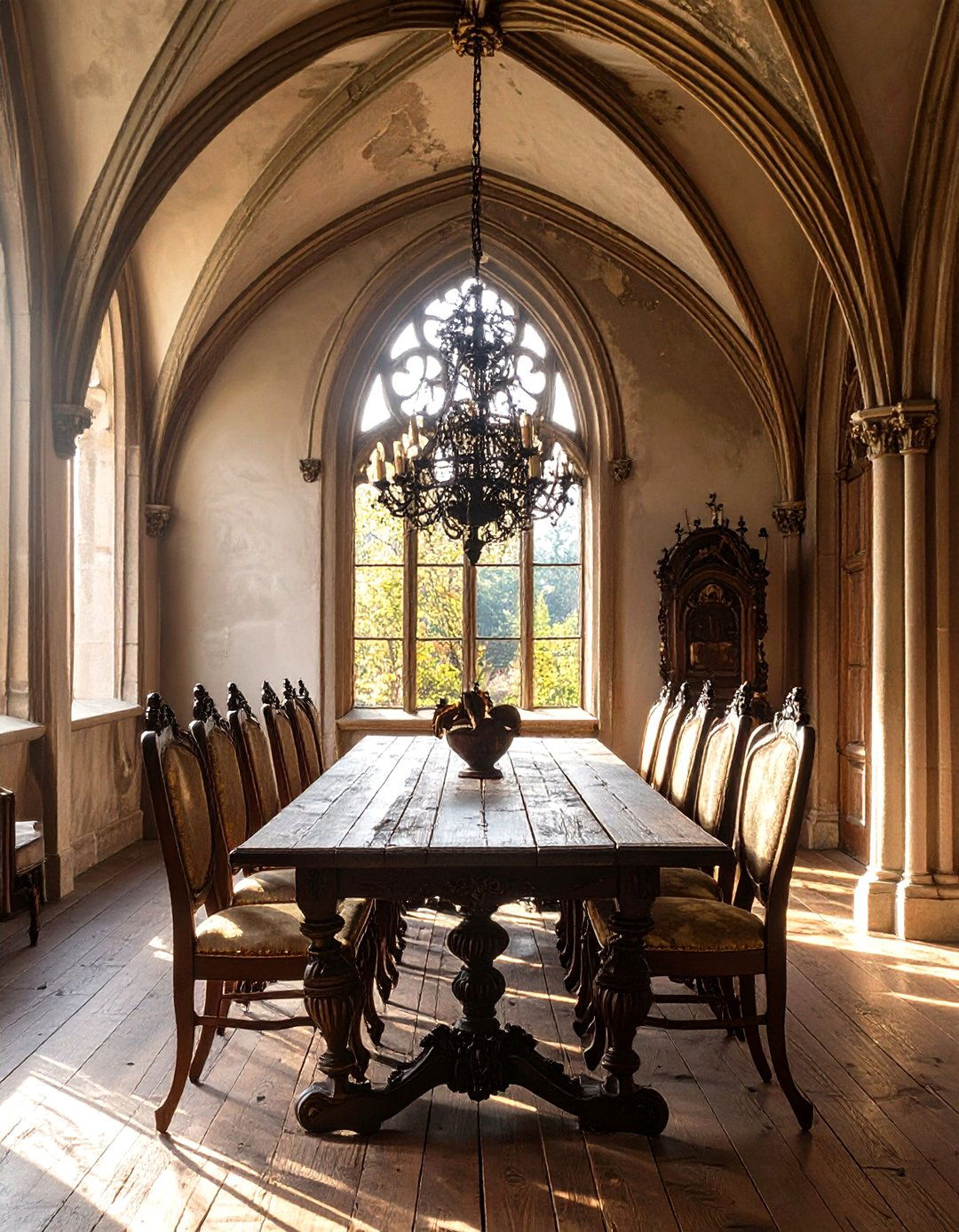
Dramatic and mysterious, Gothic design draws inspiration from medieval style is characterized by its grand scale, ornate details, and dark, moody pointed arches, ribbed vaults, and stained-glass color palette is rich and dark, featuring black, deep reds, purples, and is heavy and elaborate, often made of dark wood with intricate iron and stone are common is dim and atmospheric, creating a sense of drama and history. It's a bold style that creates a powerful and theatrical statement.
26. Maximalist Interior Design
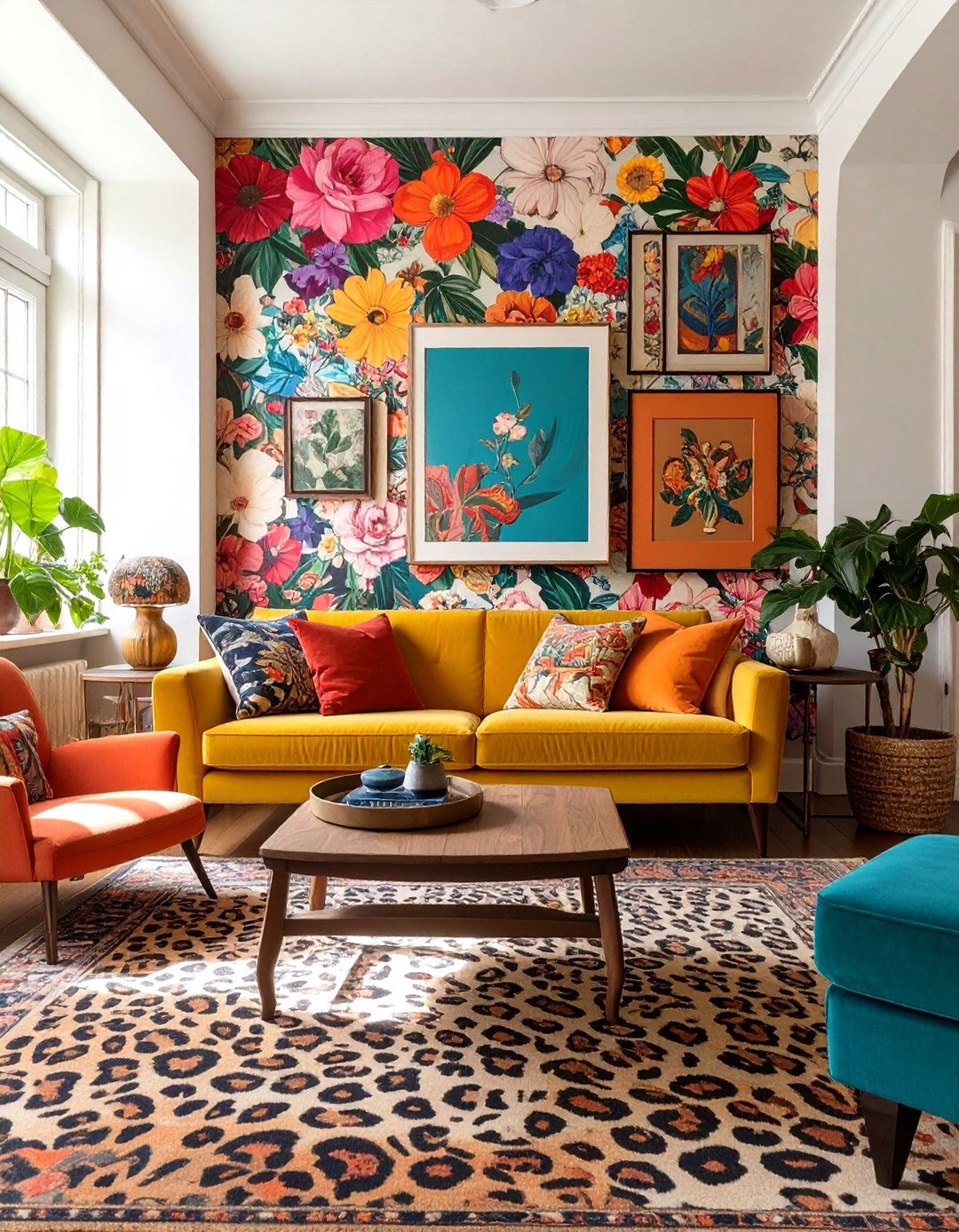
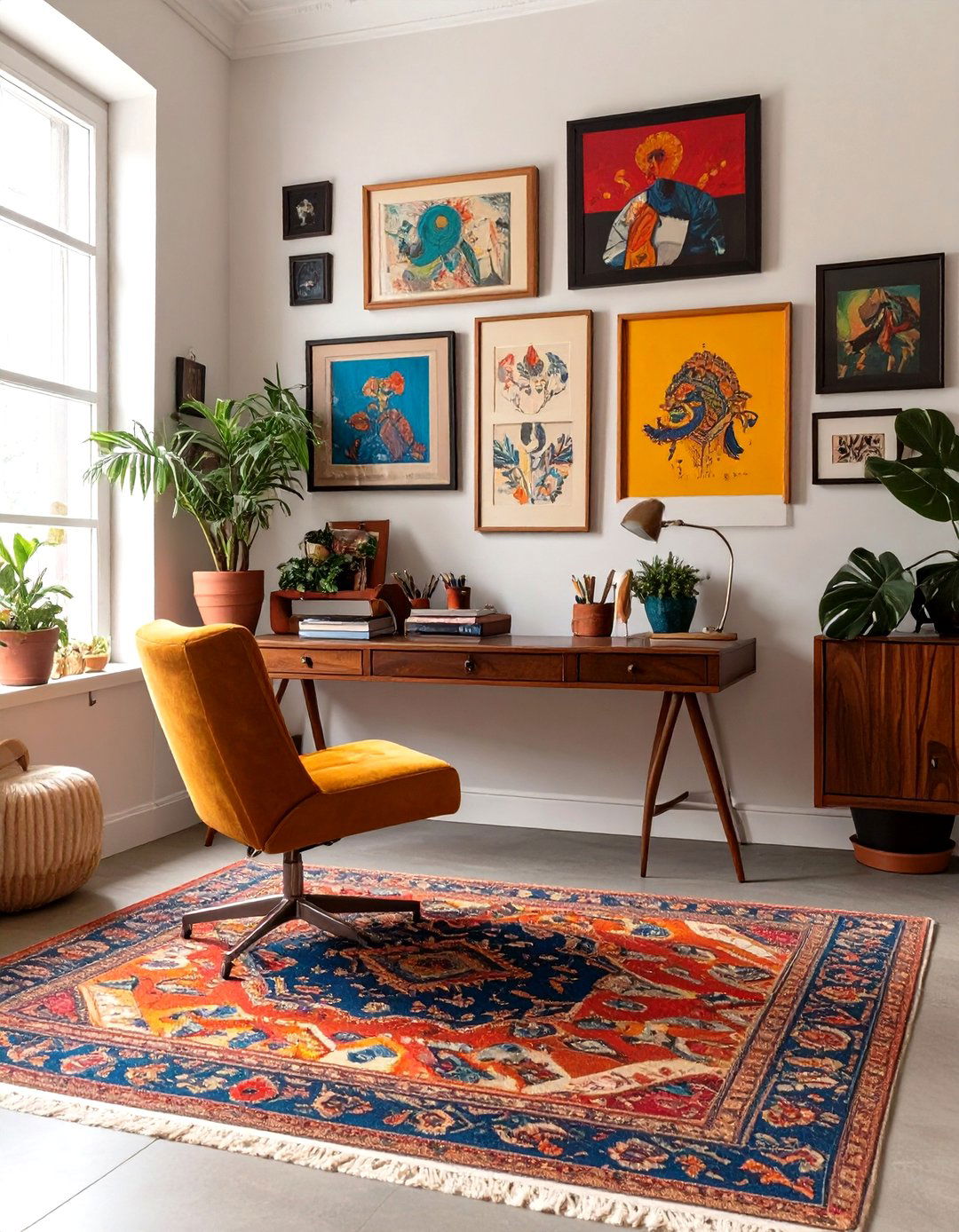
In direct contrast to minimalism, Maximalist design is a celebration of excess, color, and you believe more is more? Then this style is for embraces a bold, saturated color palette, layered patterns, and a curated collection of objects that you key is thoughtful curation, not different styles, eras, and textures creates a rich and vibrant is chosen for its personality, and walls are often covered in bold wallpaper or gallery-style art displays. It’s a joyful, expressive style that tells a story and is full of life.
27. Steampunk Interior Design
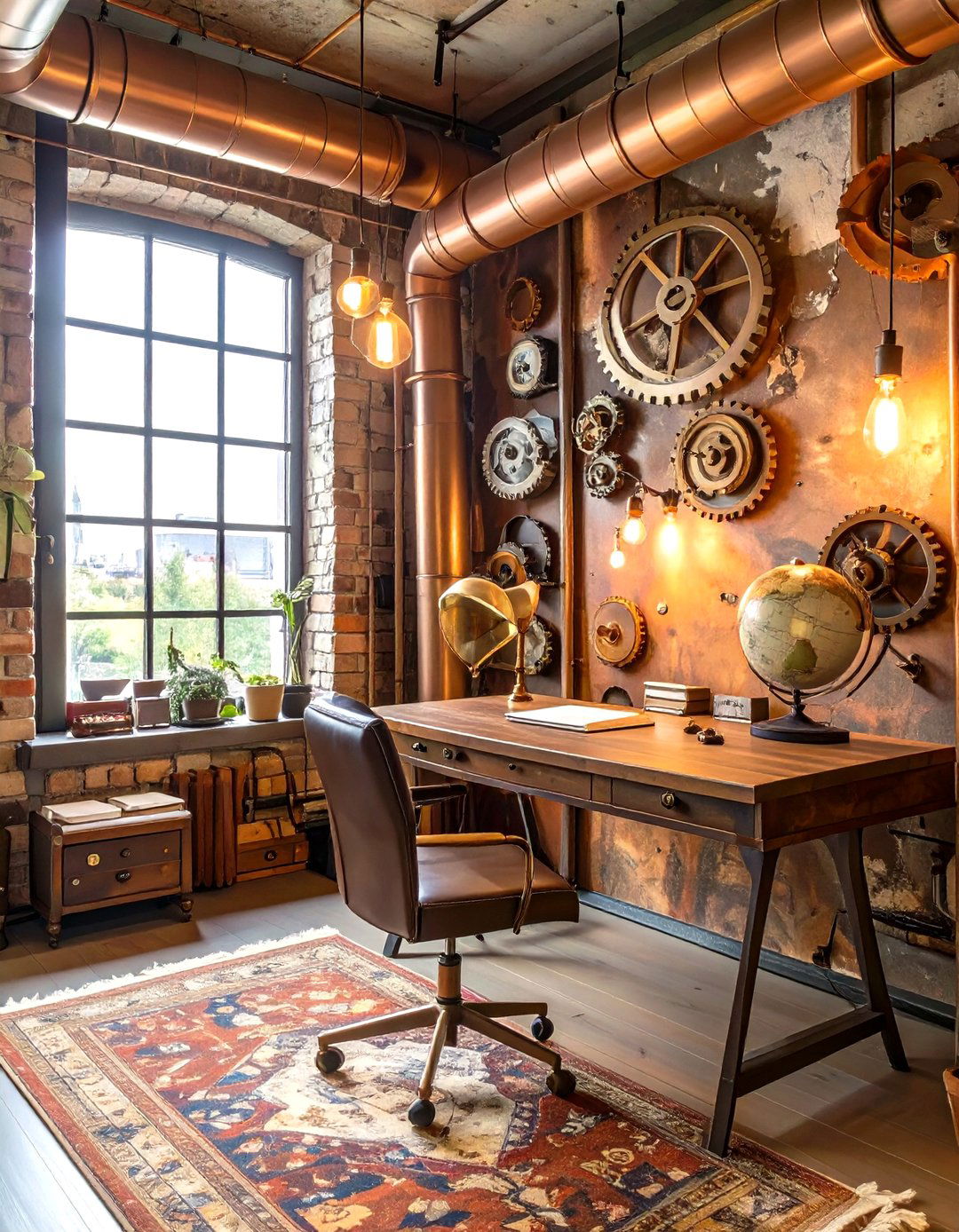
A fascinating blend of Victorian elegance and industrial mechanics, Steampunk design imagines a world powered by 19th-century steam style is characterized by a dark, moody color palette of browns, sepia tones, and metallic include polished copper, brass, exposed gears, and dark is often a mix of Victorian-style pieces and industrial features maps, globes, and fantastical is warm and ambient, often from Edison bulbs and intricate fixtures. It’s a creative and imaginative style that creates a unique, retro-futuristic world.
28. Tropical Interior Design
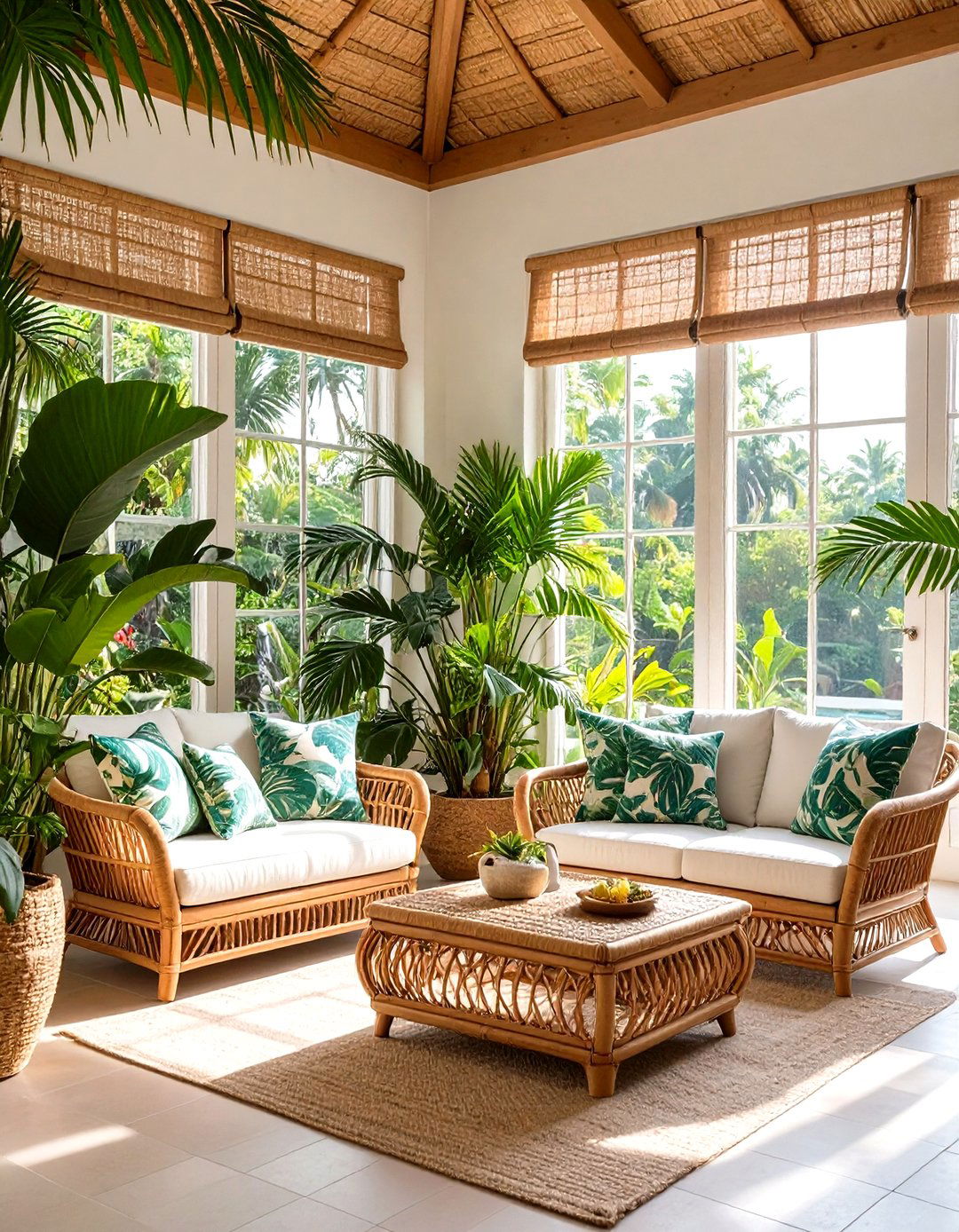
Bringing the lush, vibrant feel of a tropical paradise indoors, this style is all about creating a relaxed and exotic design features a palette of lush greens, bright floral colors, and earthy materials like rattan, bamboo, and teak are used for furniture and decor. Large, bold leaf prints on textiles and wallpaper are a hallmark of the abundance of houseplants, especially palms and ferns, is essential for creating the jungle-like overall feel is breezy, natural, and calming, making you feel like you're on a permanent vacation.
29. Biophilic Interior Design
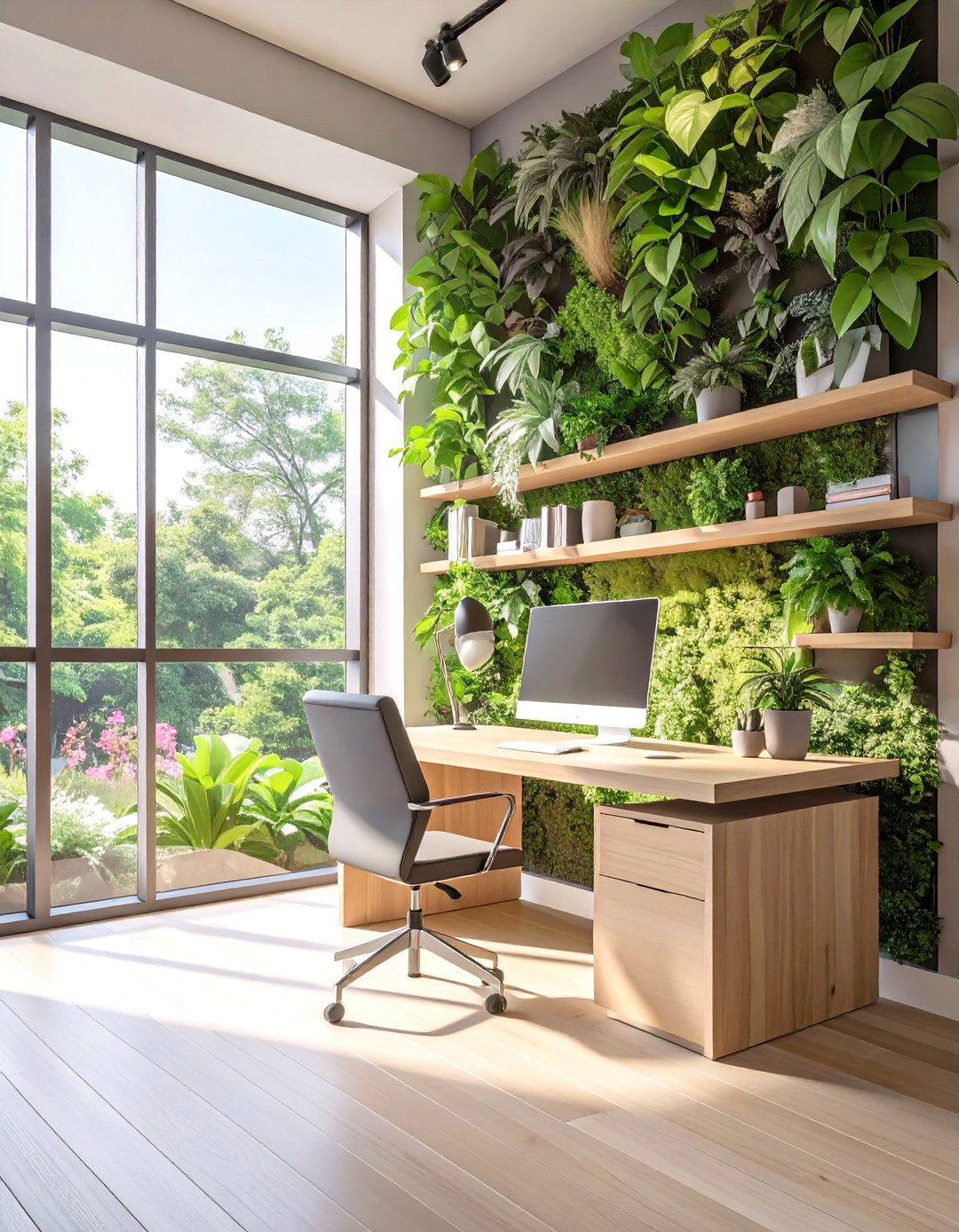
What if your home could actively improve your well-being? Biophilic design aims to do just that by strengthening the human connection to approach goes beyond simply adding houseplants; it involves incorporating natural light, views of nature, and organic materials like wood and color palette is drawn from the natural are designed to maximize natural light and like water features and natural patterns are used to create a restorative and calming environment, promoting health, happiness, and a deeper connection to the world outside.
30. Organic Modern Interior Design
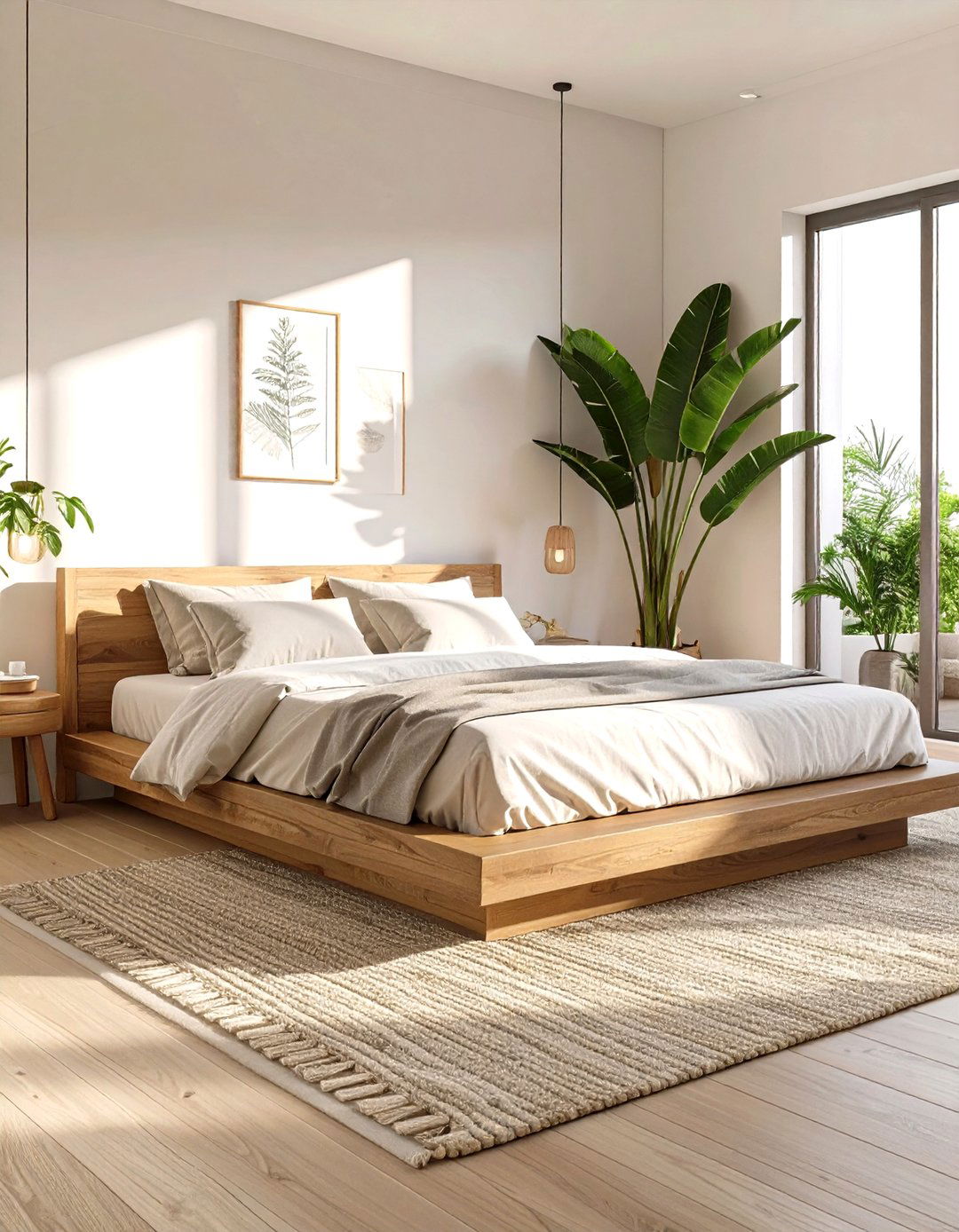
A warm and inviting take on modernism, Organic Modern design blends the clean lines of modern style with the natural materials and textures of a more organic style focuses on creating a calm, serene, and uncluttered space that feels connected to color palette is neutral and earthy, with shades of white, beige, and gray complemented by warm wood has simple, streamlined shapes but is made from natural are soft and textured, like linen, wool, and cotton, adding warmth and comfort to the minimalist framework.
Conclusion:
Exploring these 30 distinct interior design styles reveals a rich tapestry of creative expression, each offering a unique way to shape our living the structured simplicity of Minimalism and Bauhaus to the vibrant, layered worlds of Bohemian and Maximalism, there is a philosophy to match every personality and you are drawn to the rustic charm of Farmhouse, the timeless elegance of Traditional, or the nature-infused calm of Biophilic design, understanding these concepts is the first step toward creating a home that is not just beautiful, but also a true reflection of who you are.

Related posts:



Leave a Reply