
Exploring different types of interior design styles can transform your living space from ordinary to extraordinary. Each style offers a unique aesthetic, reflecting different personalities, cultures, and historical periods. From the clean lines of Minimalism to the cozy clutter of Bohemian, understanding these design languages allows you to create a home that is not only beautiful but also a true extension of yourself. Whether you prefer rustic charm, modern sophistication, or eclectic vibrancy, there is a perfect style waiting to be discovered. This guide will walk you through 30 distinct interior design ideas to inspire your next home project.
1. Minimalist Interior Design Style
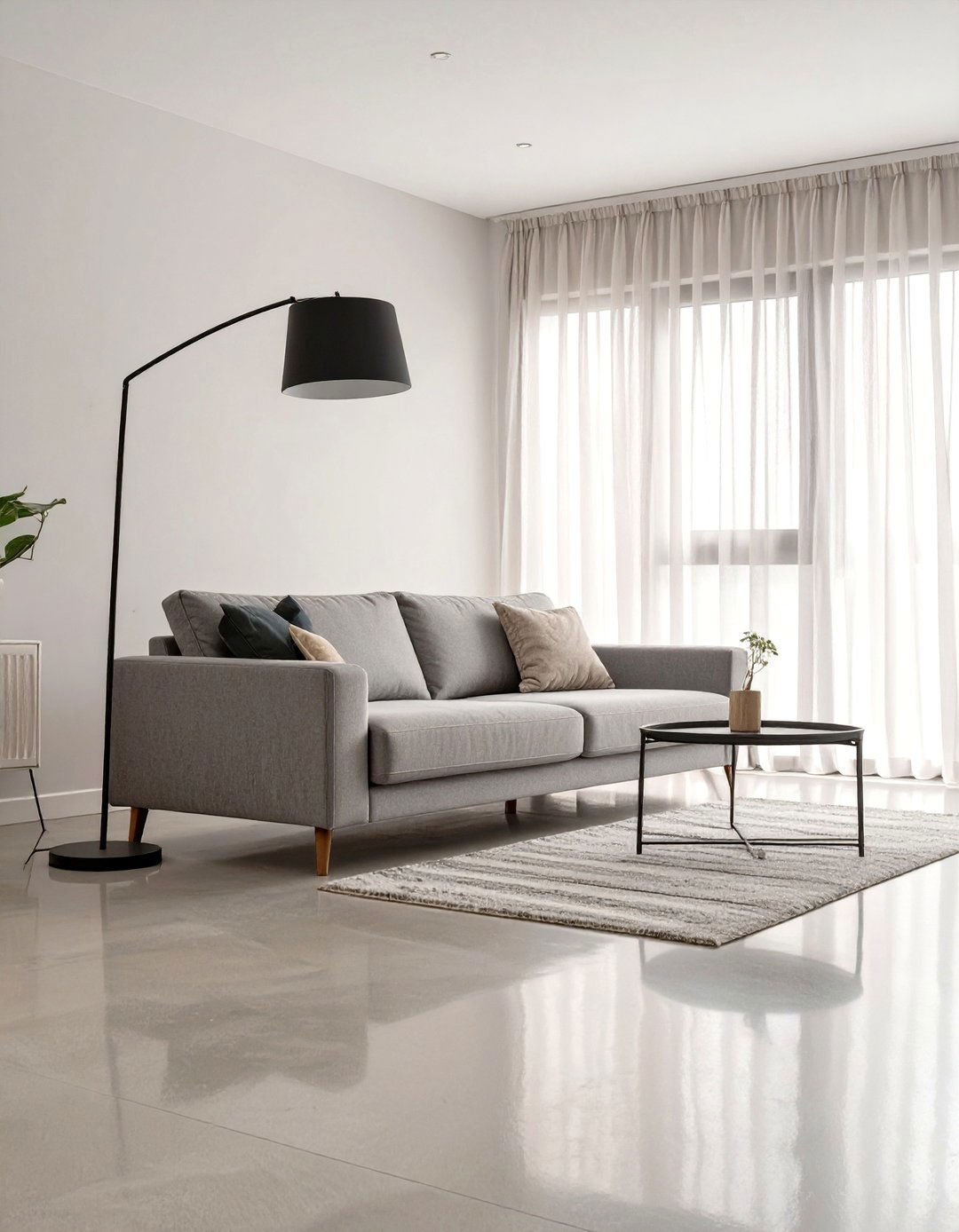
A Minimalist interior design style is defined by its simplicity, clean lines, and a monochromatic palette. The core principle is "less is more," focusing on essential elements and eliminating unnecessary clutter. This style utilizes a neutral color scheme, often featuring shades of white, beige, and gray, to create a sense of calm and order. Furniture is functional and streamlined, with an emphasis on quality materials over quantity. Open space is a key component, allowing each piece to stand on its own. To achieve this look, focus on uncluttered surfaces, hidden storage solutions, and a few carefully chosen decorative items that add personality without overwhelming the space.
2. Industrial Interior Design Style
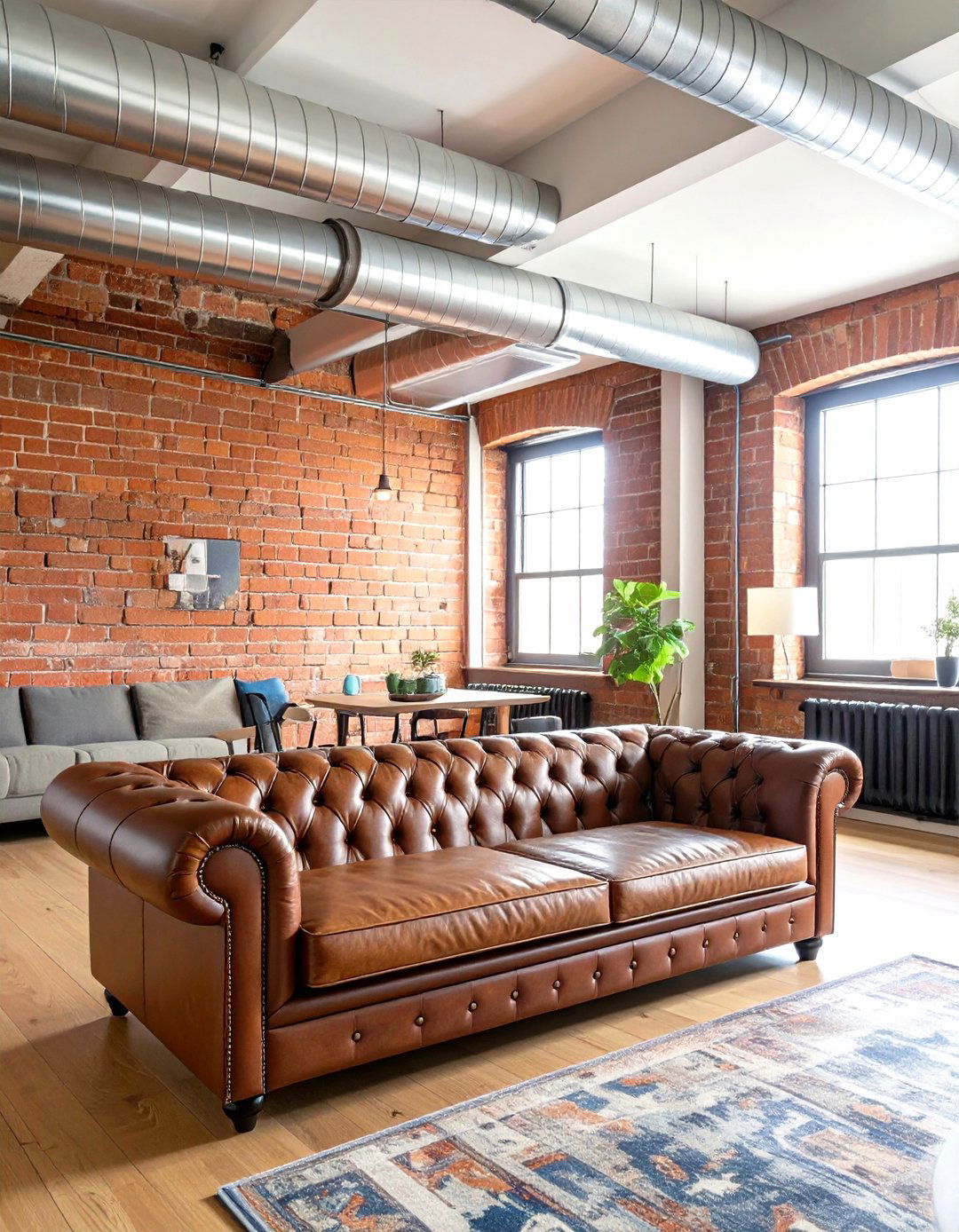
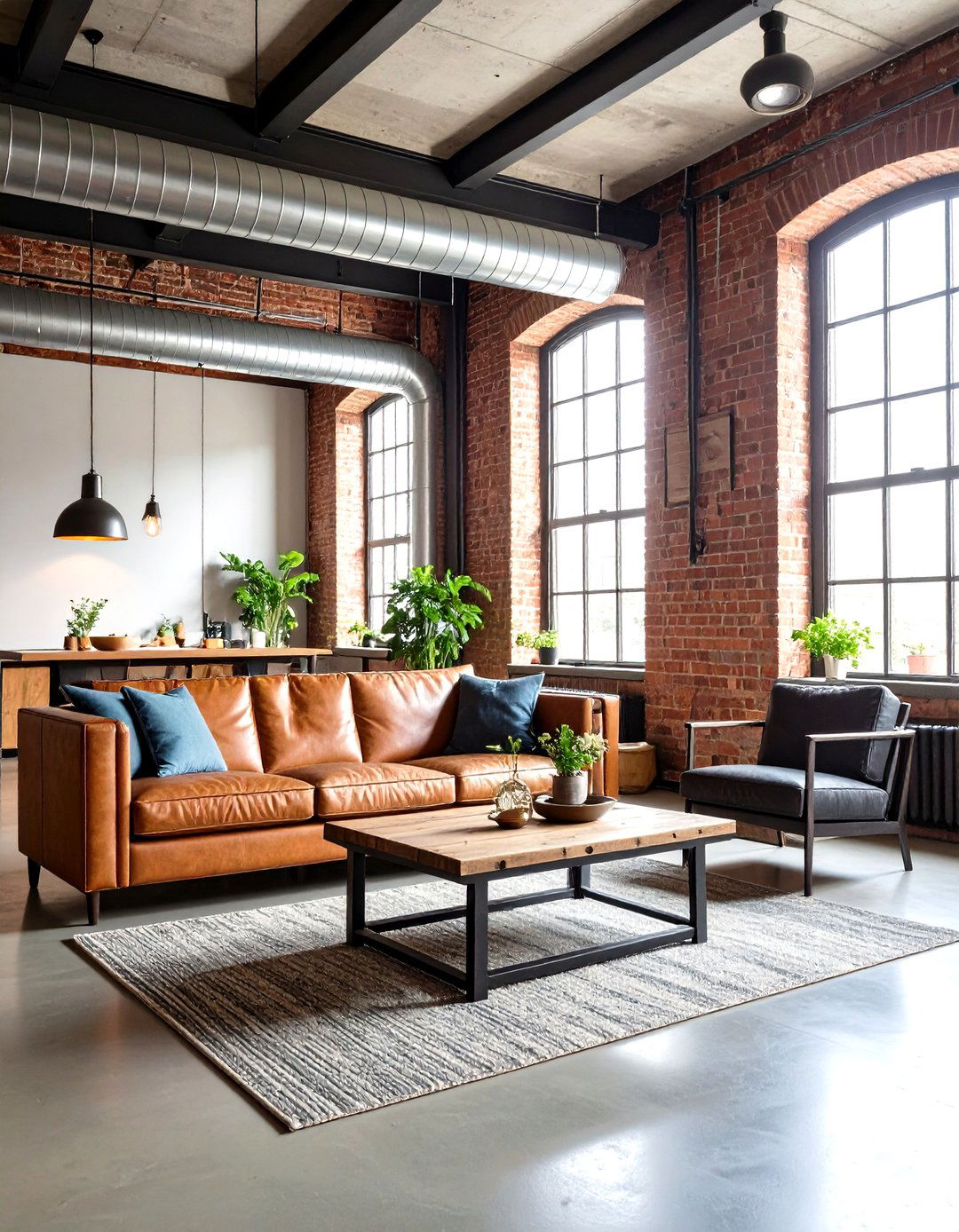
The Industrial interior design style draws inspiration from warehouses, factories, and other industrial settings. This aesthetic celebrates raw, unfinished elements like exposed brick walls, visible pipes and ductwork, and weathered wood floors. A neutral color palette of gray, black, and brown dominates, often accented with rustic metals like iron, steel, and copper. Furniture is typically functional and robust, often featuring a mix of metal and wood. Large, open-plan layouts are common, enhanced by high ceilings and oversized windows that flood the space with natural light. This style creates a look that is both edgy and sophisticated, perfect for loft apartments and modern homes.
3. Scandinavian Interior Design Style
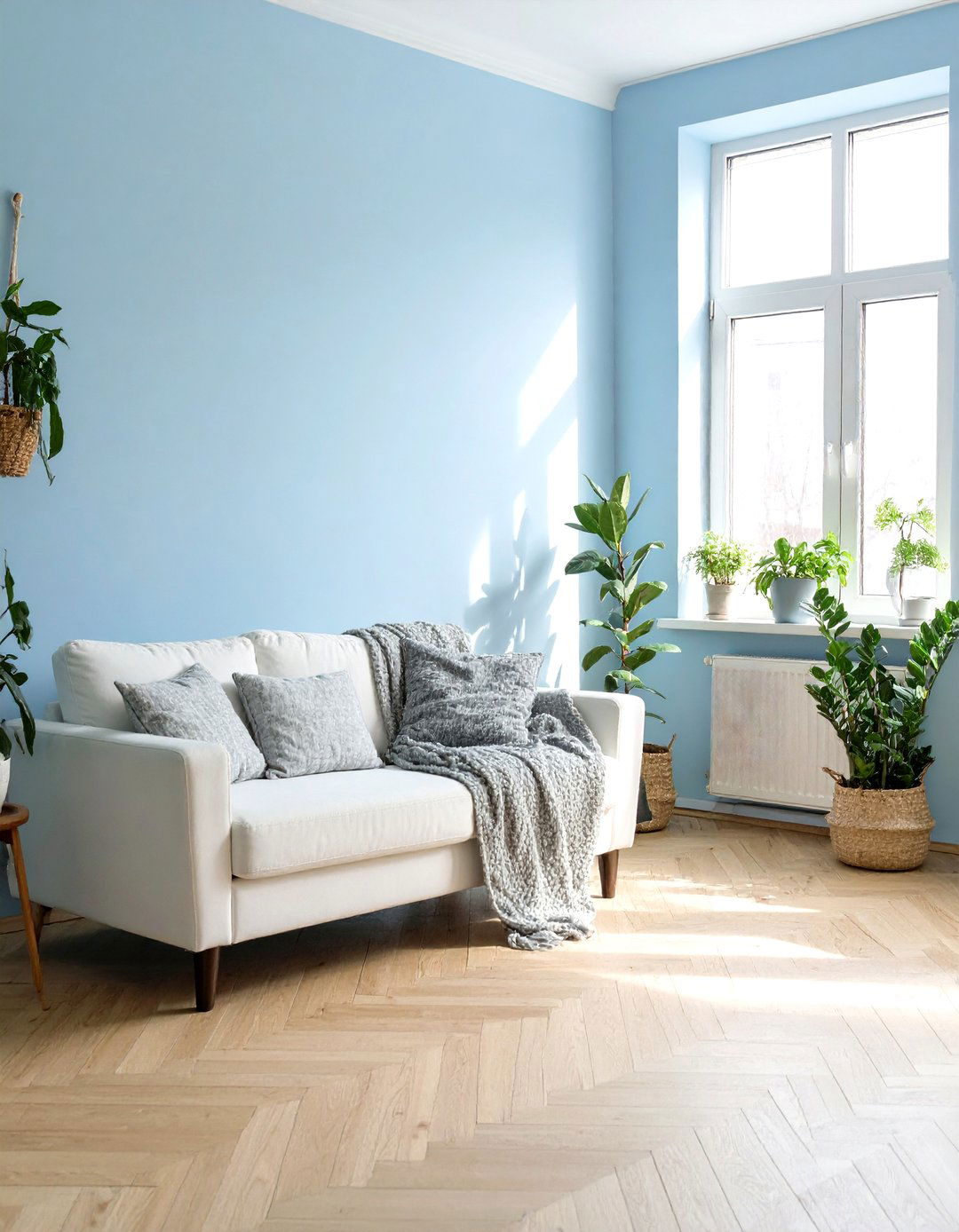
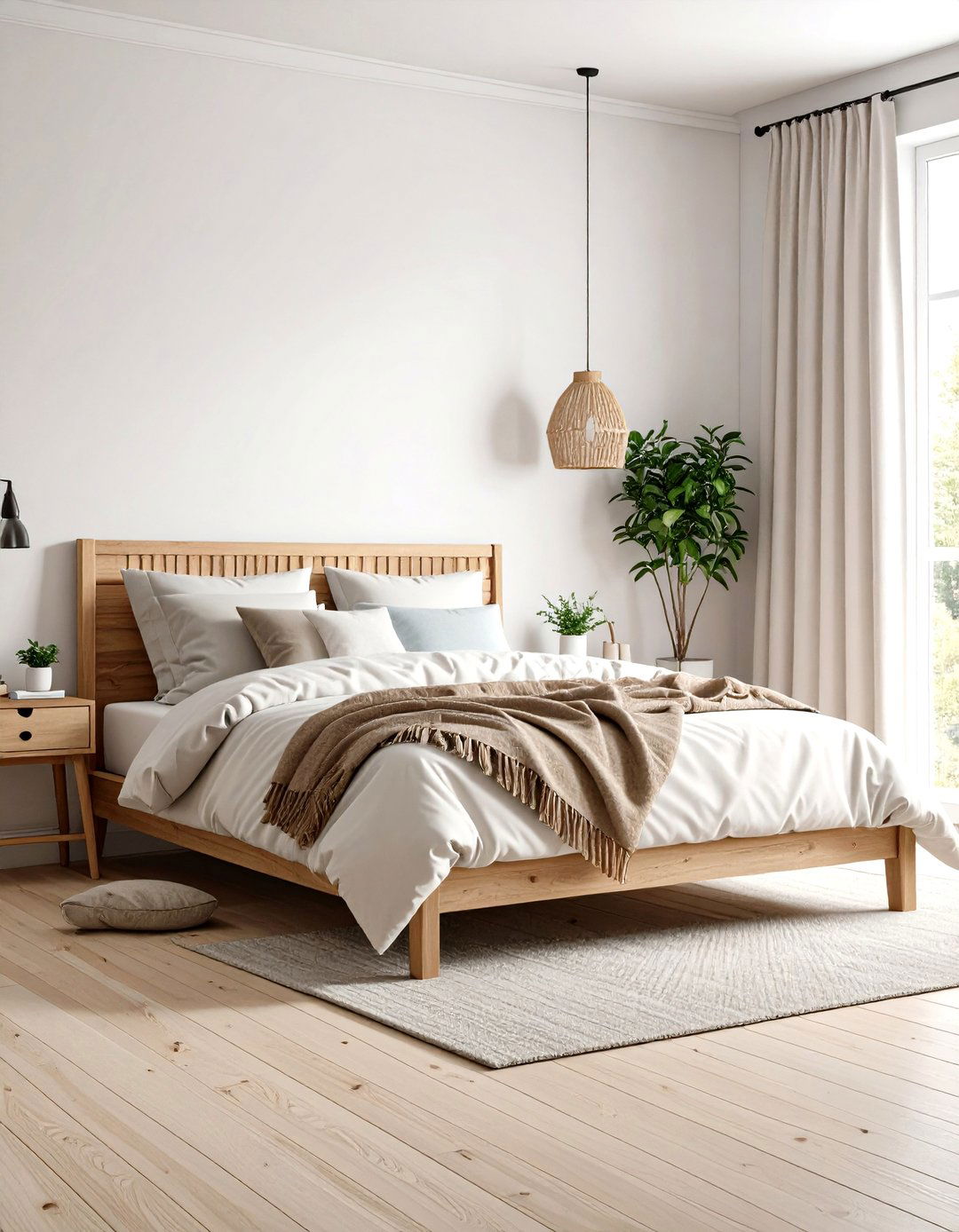
Scandinavian interior design is characterized by simplicity, functionality, and a connection to nature. Originating from Nordic countries, this style embraces a light and airy feel, using a color palette of whites, grays, and soft pastels to maximize natural light. Natural materials like light-toned woods (such as pine, birch, and ash), wool, and linen are heavily featured, bringing warmth and texture into the home. Furniture is known for its clean lines, minimalist shapes, and practical design. The concept of "hygge"—a Danish term for coziness and contentment—is central, encouraging the use of soft textiles, candles, and plants to create a comfortable and inviting atmosphere.
4. Bohemian (Boho) Interior Design Style
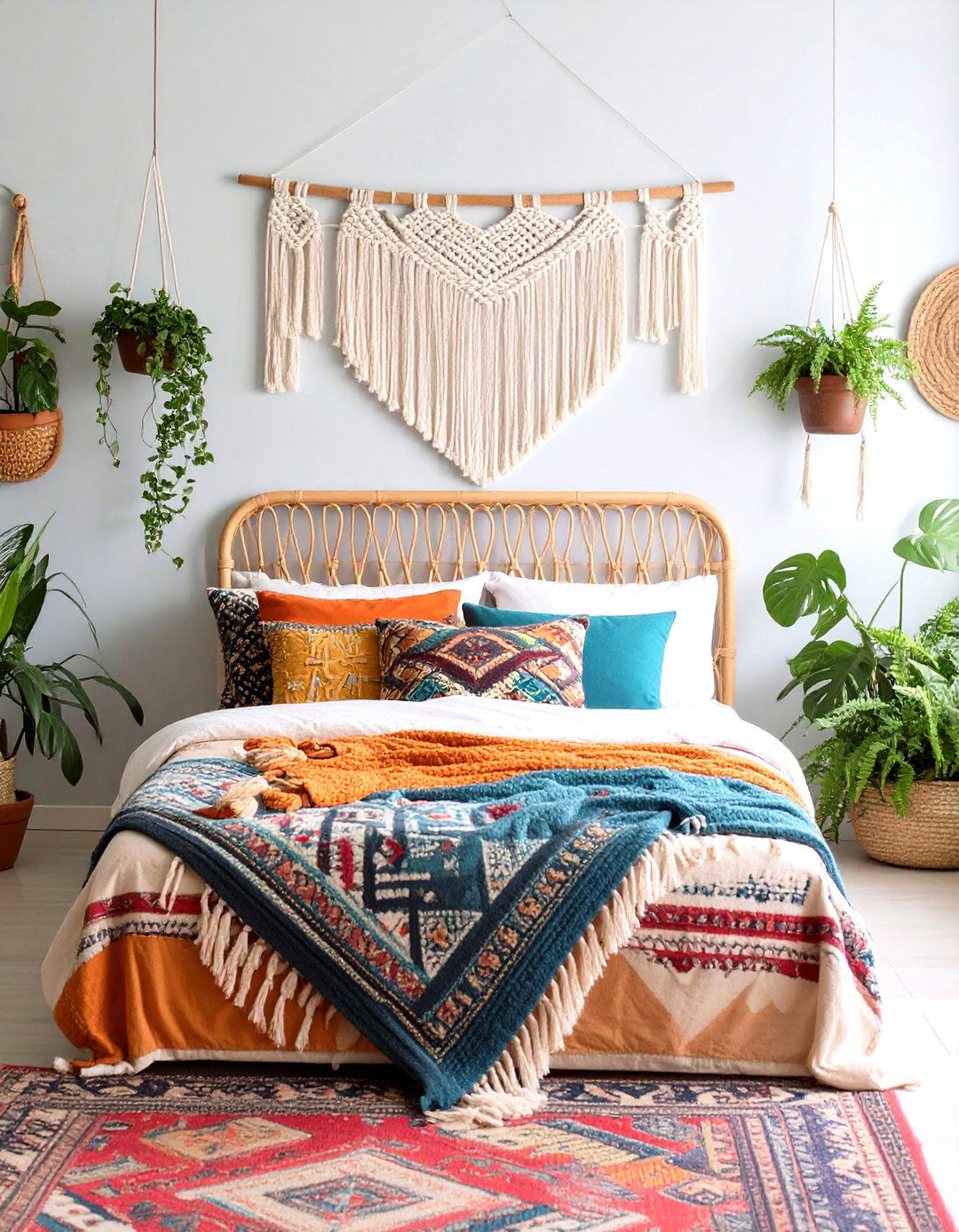
Bohemian, or Boho, interior design is a free-spirited and eclectic style that reflects a nomadic and artistic lifestyle. It breaks conventional design rules, embracing a rich mix of patterns, textures, and colors from around the world. The look is layered and relaxed, featuring items like tapestries, macrame wall hangings, and floor pillows. Natural materials such as rattan, wicker, and wood are staples, often paired with vibrant textiles from Morocco, India, and beyond. There is no strict color palette; instead, warm, earthy tones are mixed with jewel tones like amethyst and ruby. Houseplants are essential, adding life and a touch of the outdoors.
5. Modern Farmhouse Interior Design Style
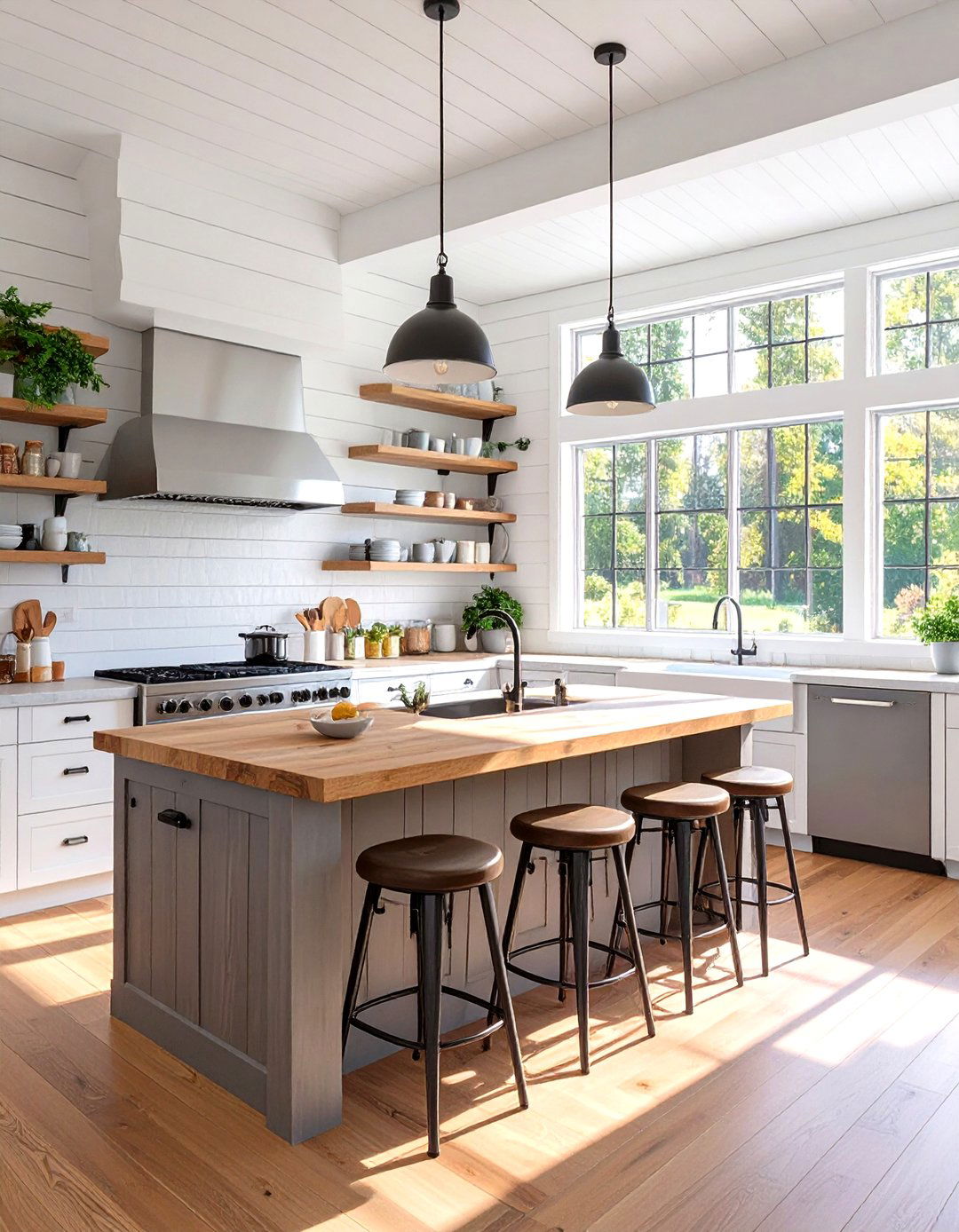
The Modern Farmhouse interior design style blends the rustic charm of traditional farmhouse living with clean, contemporary elements. This popular aesthetic creates a warm, comfortable, and practical space. It typically features a neutral color palette of whites, creams, and grays, accented with black for a modern contrast. Key materials include reclaimed wood, shiplap walls, and galvanized metal. Furniture combines sleek, modern pieces with vintage-inspired items for a balanced look. Large, comfortable sofas, apron-front sinks (also known as farmhouse sinks), and open shelving are common features. The result is a welcoming and stylish environment that feels both fresh and timeless.
6. Mid-Century Modern Interior Design Style
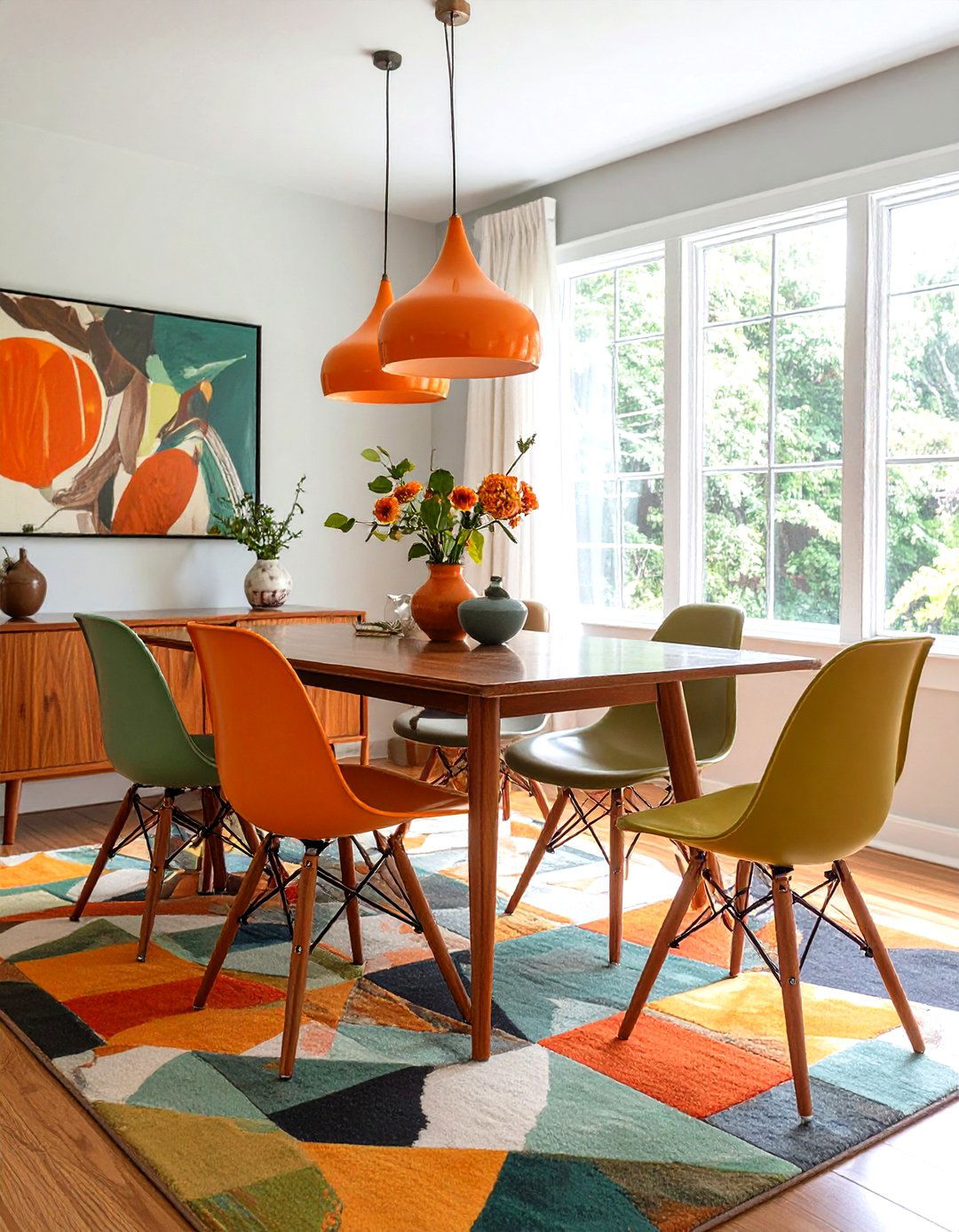
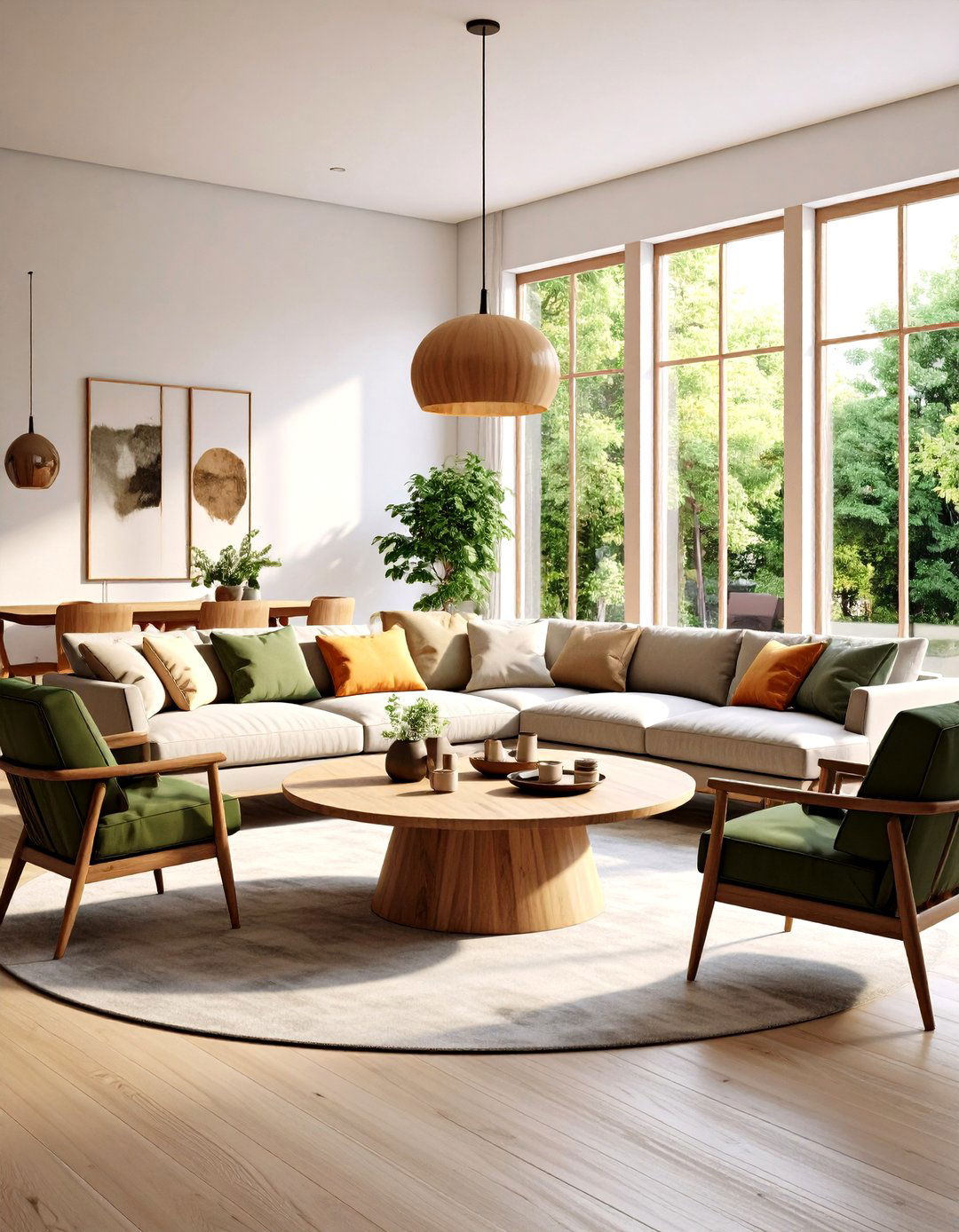
Mid-Century Modern interior design pays homage to the iconic style of the mid-20th century, roughly from the 1940s to the 1960s. This style is celebrated for its clean lines, organic curves, and a focus on functionality. Furniture pieces are often considered works of art, characterized by tapered legs, minimalist hardware, and geometric shapes. Natural materials like wood, particularly teak and walnut, are prominent, often combined with new materials of the era like plastic and metal. The color palette ranges from earthy, neutral tones to bold, saturated hues like mustard yellow, olive green, and burnt orange. This design emphasizes a seamless flow between indoors and outdoors.
7. Traditional Interior Design Style
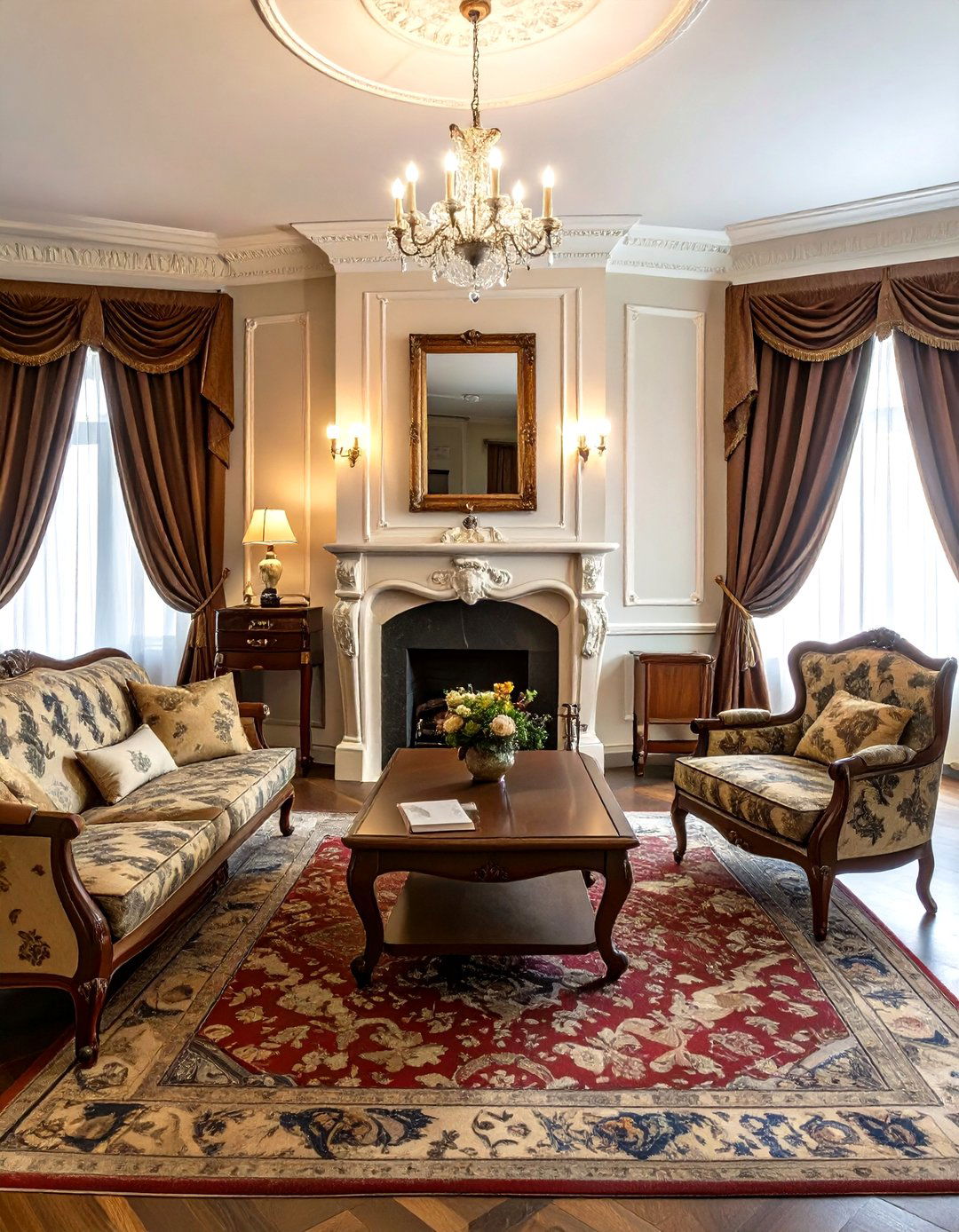
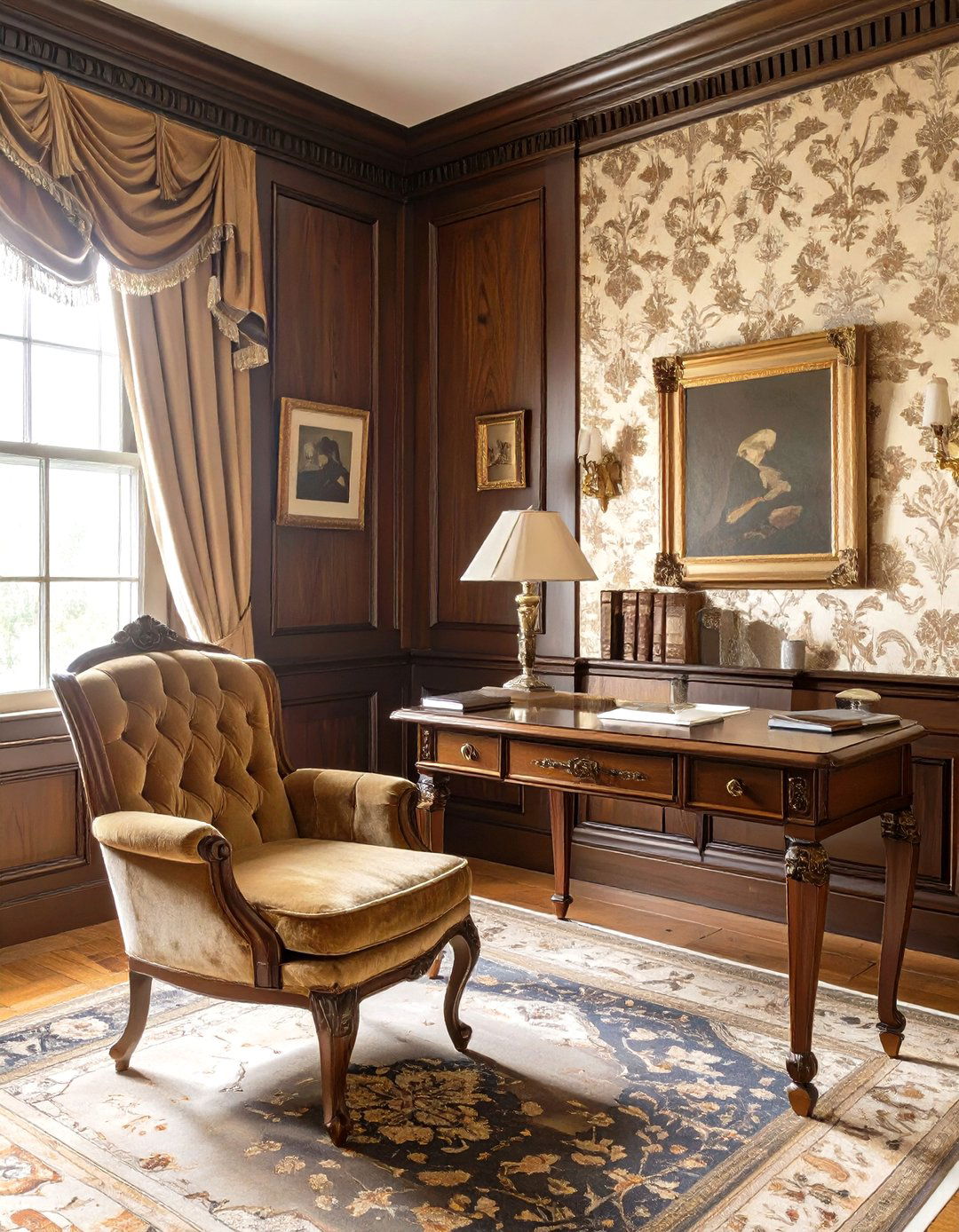
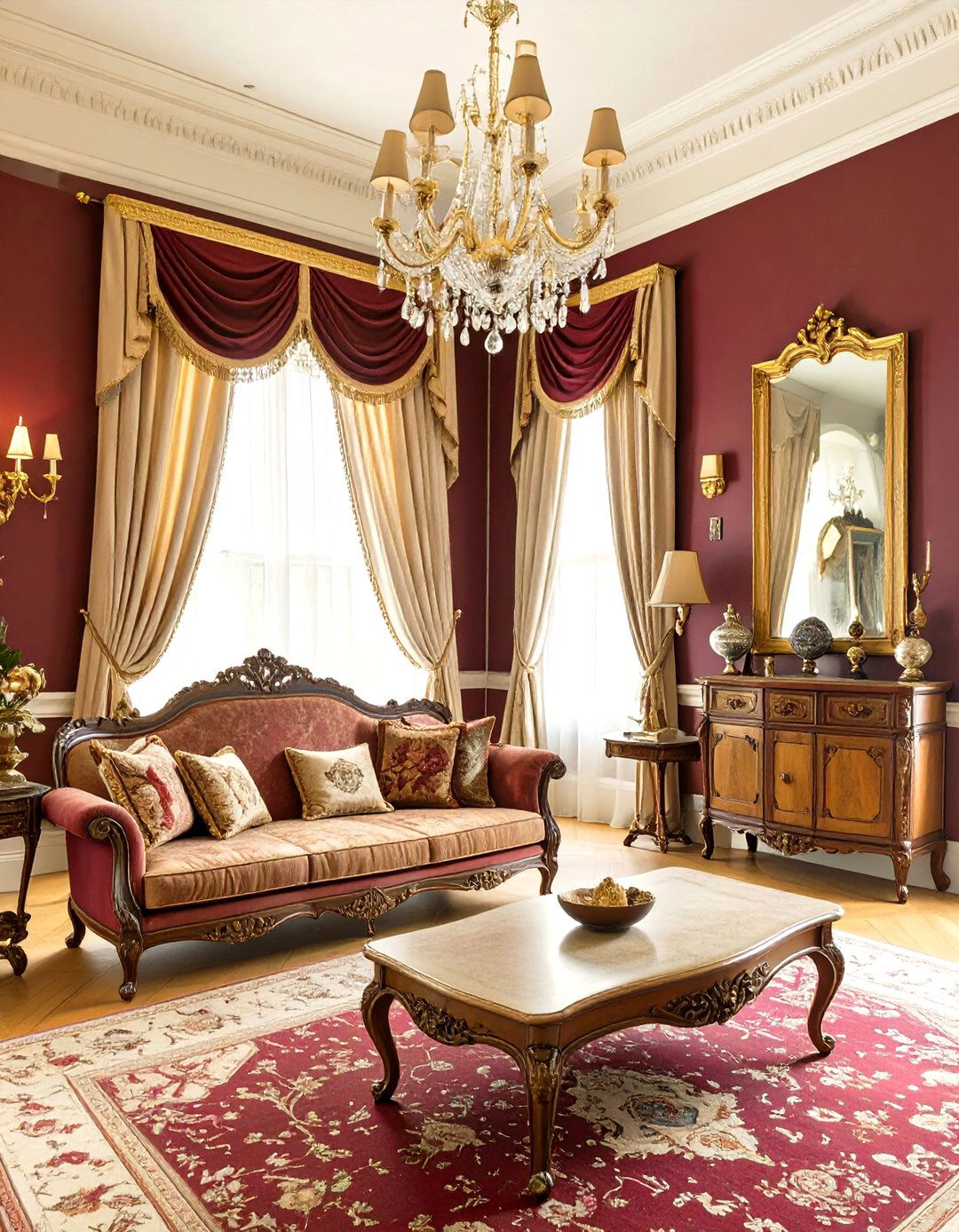
Traditional interior design is rooted in classic European decor from the 18th and 19th centuries. This style exudes elegance, comfort, and order. It is characterized by ornate details, rich color palettes, and luxurious materials. Rooms are arranged with a focus on symmetry and balance, often centered around a focal point like a fireplace or a large piece of furniture. Dark woods such as cherry, mahogany, and oak are commonly used for furniture, which often features intricate carvings and curved lines. Fabrics like silk, velvet, and damask in deep reds, blues, and greens add to the opulent feel. This timeless style creates a sense of history.
8. Coastal Interior Design Style
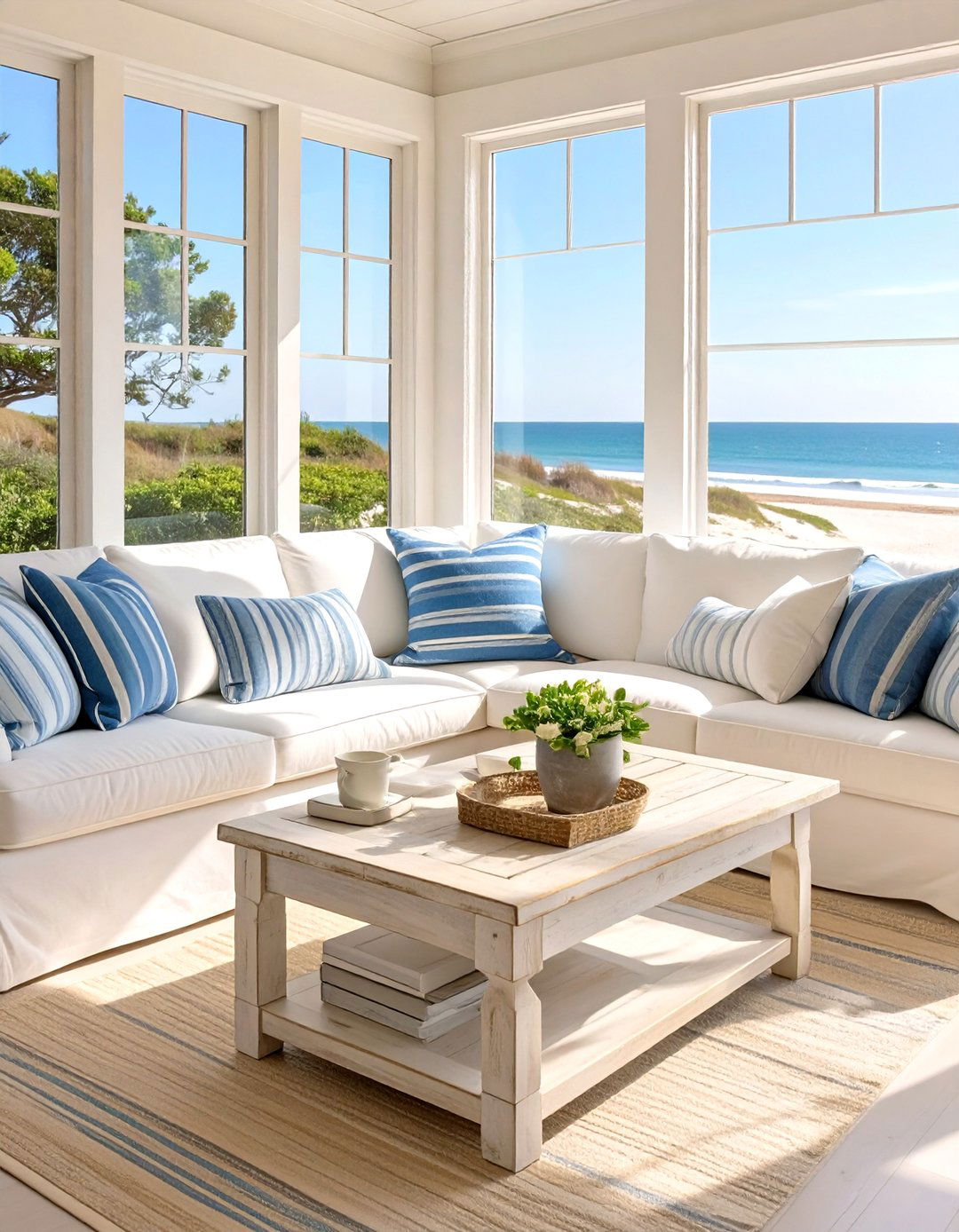
Coastal interior design, also known as nautical or beach house style, captures the light and breezy atmosphere of a seaside retreat. The primary goal is to create a relaxed and serene environment inspired by the ocean. The color palette is central to this style, featuring crisp whites, soft blues, sandy beiges, and shades of seafoam green. Natural light is maximized through large windows and sheer curtains. Materials are light and organic, including weathered wood, rattan, jute, and linen. Decor often incorporates nautical elements like seashells, rope accents, and marine-inspired artwork, but in a subtle, sophisticated way to avoid a themed look.
9. Japandi Interior Design Style
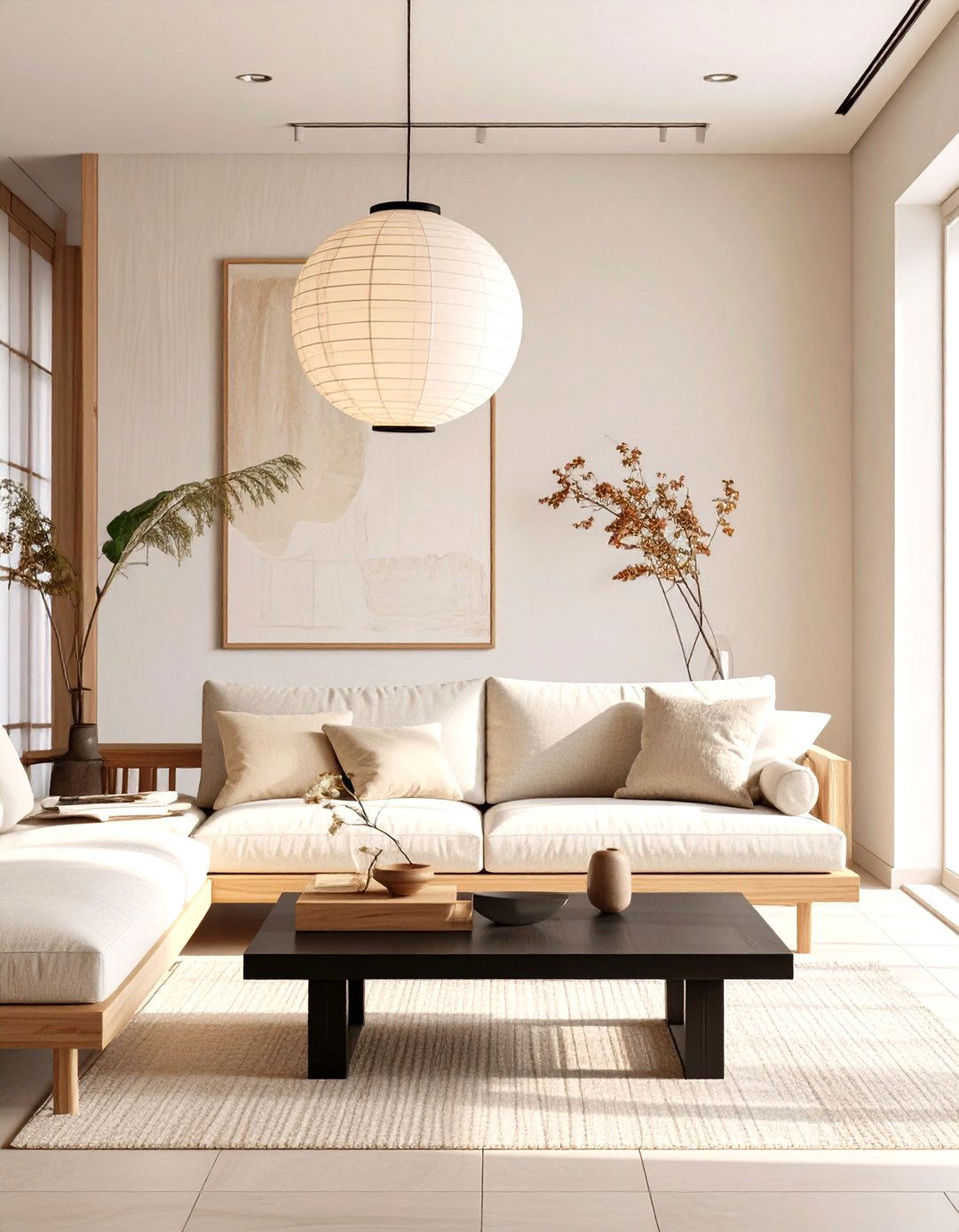
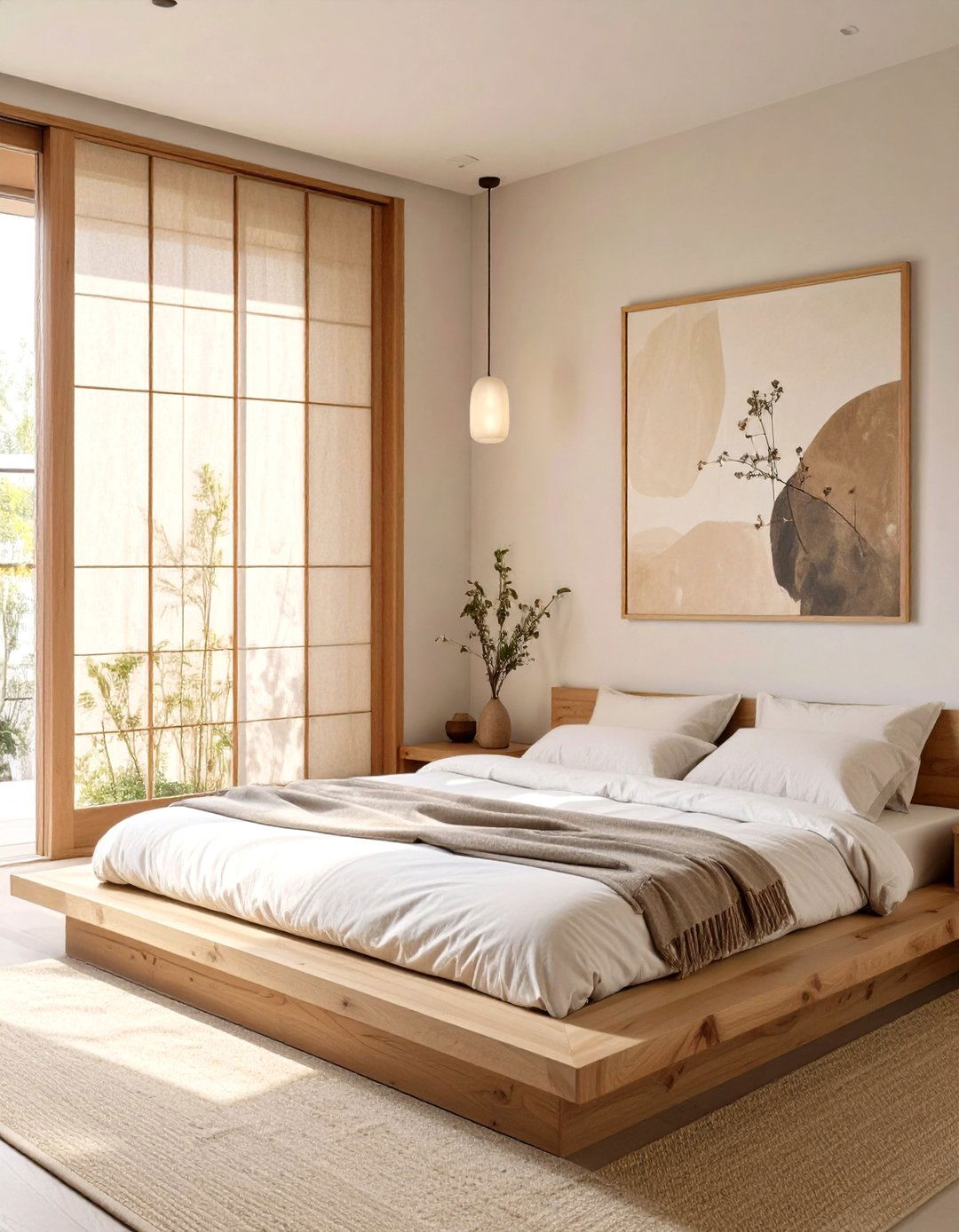
Japandi interior design is a hybrid trend that merges the modern-rustic appeal of Scandinavian design with the timeless elegance of Japanese aesthetics. This style emphasizes simplicity, natural elements, and comfort. It features clean lines, uncluttered spaces, and a focus on high-quality craftsmanship. The color palette combines the bright, light neutrals of Scandi style with the rich, earthy tones found in Japanese design. Natural materials are key, with a focus on light woods, bamboo, rattan, and paper. Furniture is low-profile and functional, promoting a sense of calm and tranquility. The result is a serene, warm, and minimalist space that is both beautiful and highly practical.
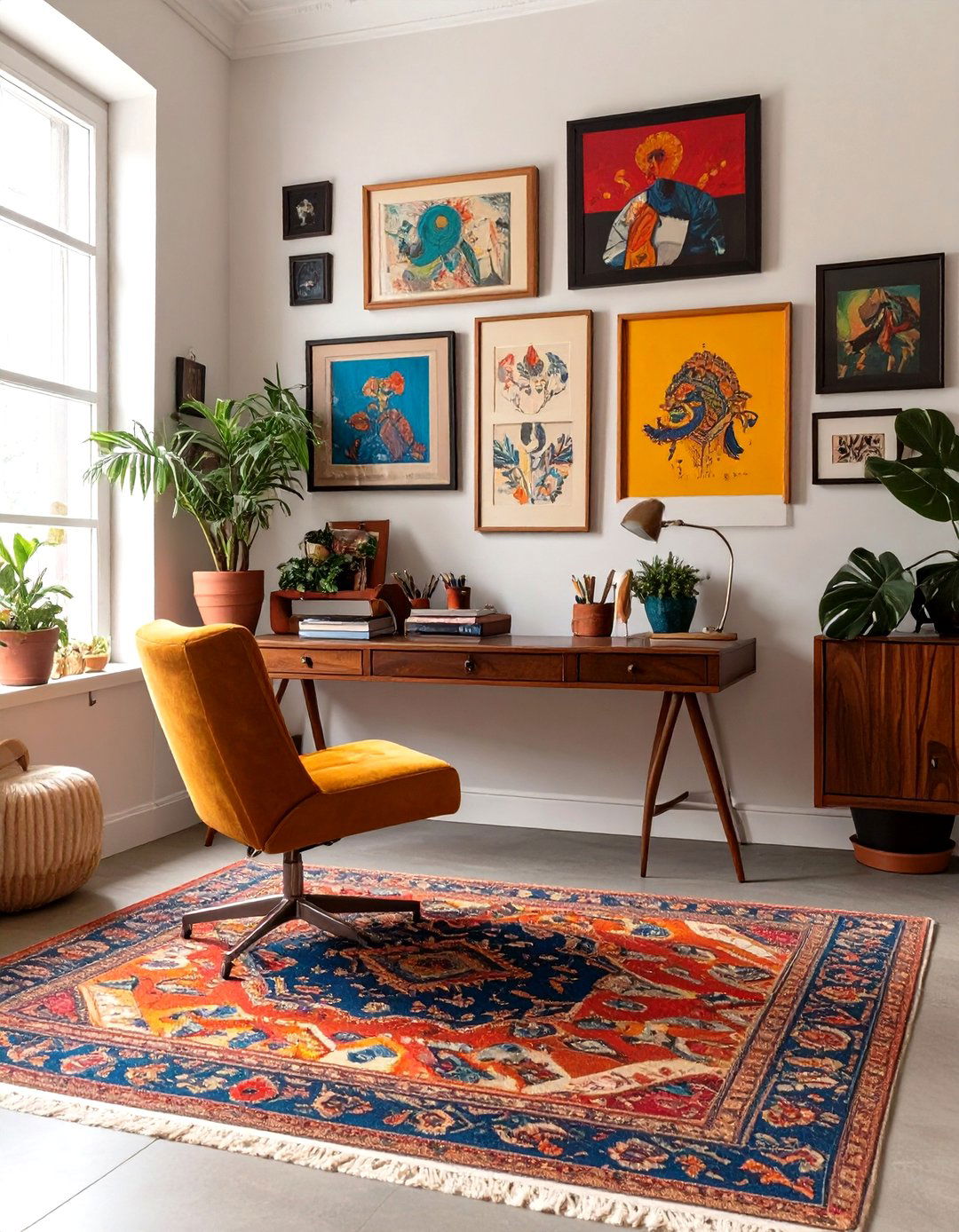

10. Transitional Interior Design Style
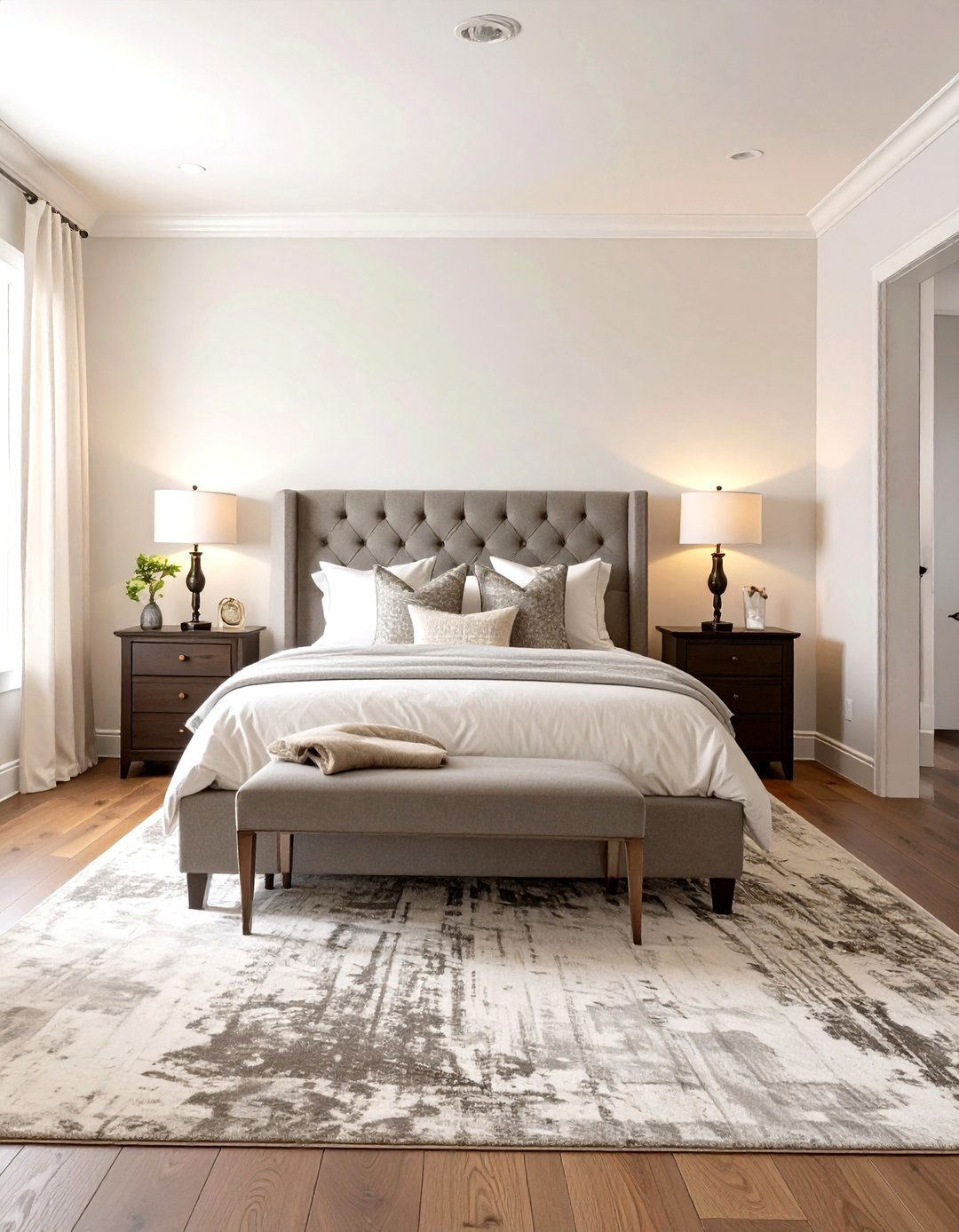
Transitional interior design offers a balanced blend of traditional elegance and modern simplicity. It serves as a middle ground for those who find traditional design too ornate and modern design too stark. This style is characterized by a clean and sophisticated aesthetic, using a neutral color palette of grays, tans, and warm whites to create a calming backdrop. Furniture features classic lines but is often updated with straight, more contemporary profiles. Textures play a significant role, with plush fabrics, woven rugs, and a mix of matte and polished finishes adding depth and interest. The overall effect is timeless, comfortable, and gracefully understated.
11. Art Deco Interior Design Style
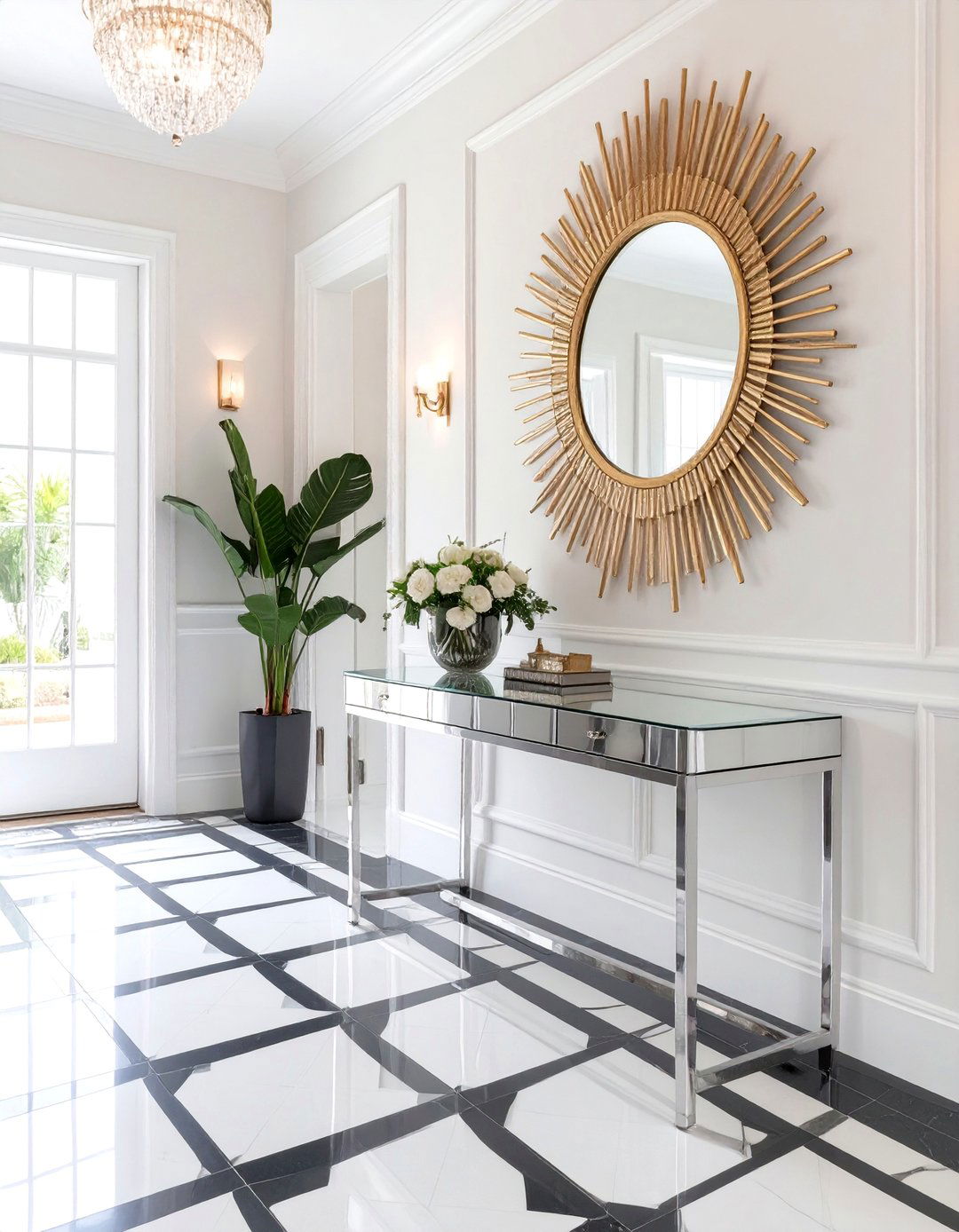
Art Deco interior design emerged in the 1920s and is synonymous with glamour, luxury, and bold geometry. This style makes a statement with its dramatic flair and sophisticated opulence. Key characteristics include strong symmetrical patterns, sharp lines, and stylized motifs like sunbursts, chevrons, and stepped forms. Materials are lavish and reflective, featuring polished metals like chrome and brass, exotic woods, glossy lacquered surfaces, and inlaid details. The color palette is typically bold, pairing deep jewel tones with high-contrast neutrals like black and white. Furniture is large in scale and streamlined, creating a look that is both elegant and powerfully modern.
12. Eclectic Interior Design Style
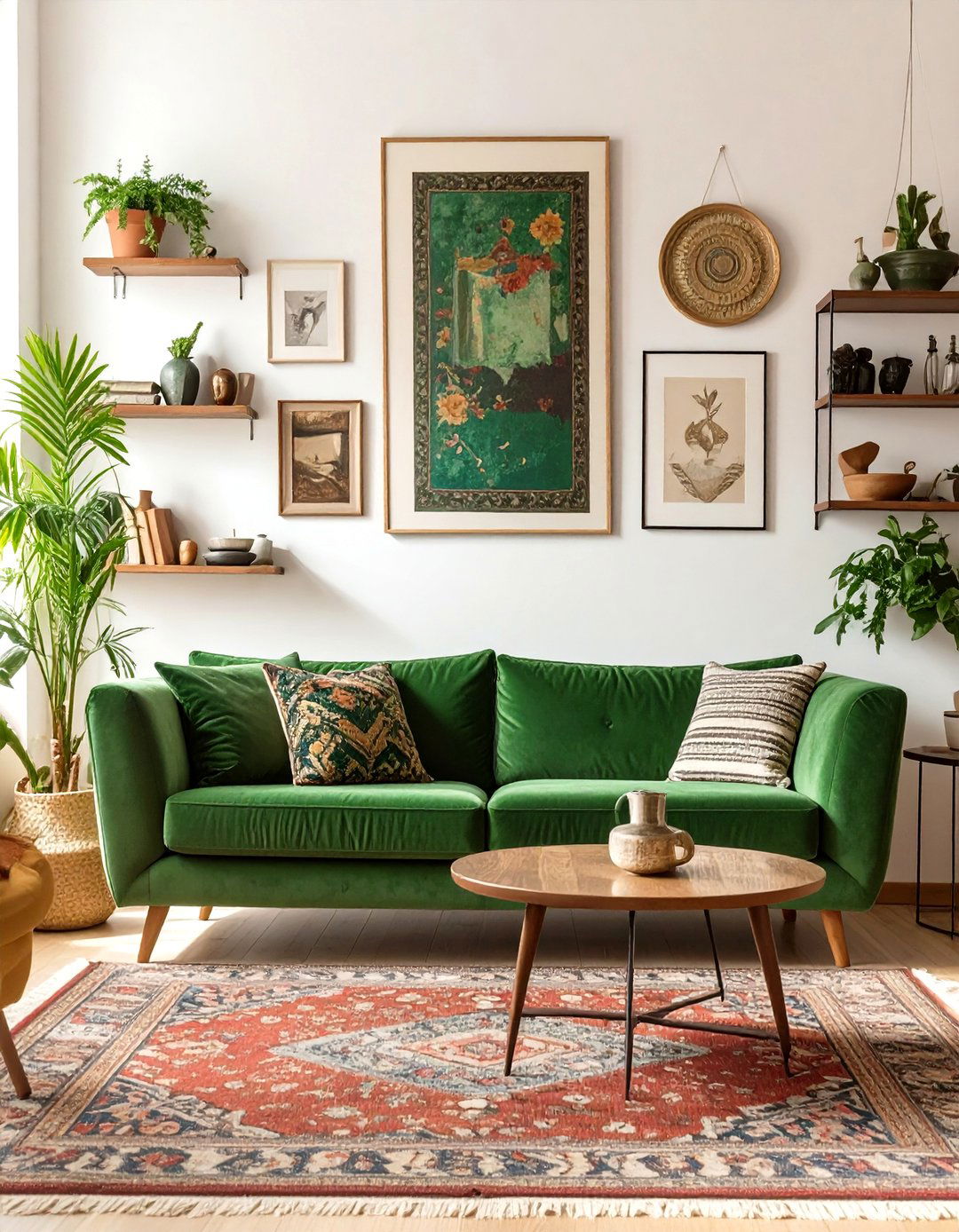
Eclectic interior design is a highly personal style that harmoniously blends elements from various design eras and aesthetics. It is a curated look that pulls together different colors, textures, and patterns in a cohesive way. Unlike other styles, it doesn't adhere to a strict set of rules, instead focusing on creating a unique space that tells a story. The key to a successful eclectic design is finding a common thread—such as a consistent color palette, texture, or shape—to tie the disparate elements together. This creates a balanced and unified space that feels thoughtfully assembled rather than chaotic. It is a celebration of individuality.
13. French Country Interior Design Style
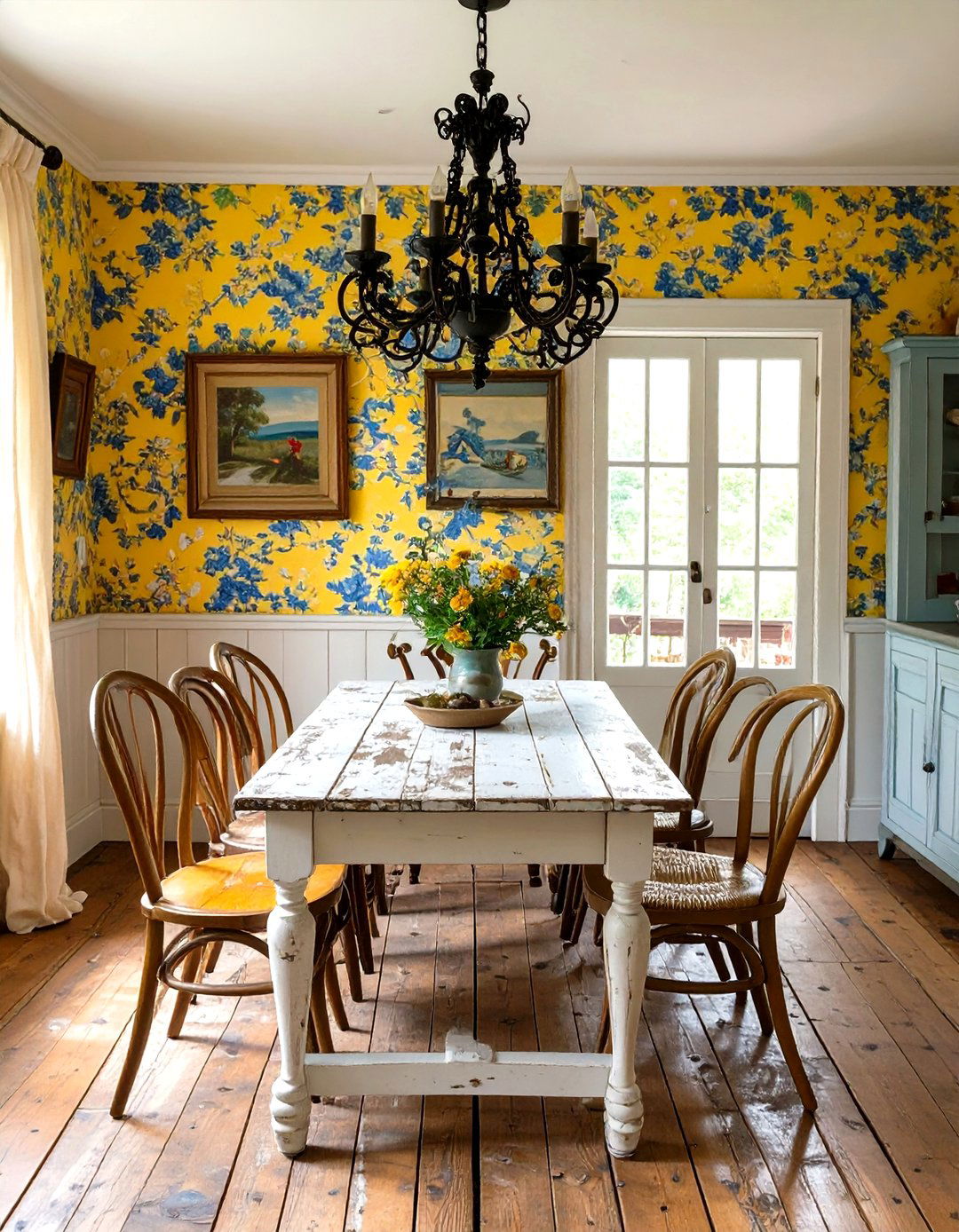
French Country interior design captures the warm, rustic, and welcoming spirit of rural France. This style blends elegant details with earthy, natural elements to create a look that is both refined and comfortable. The color palette is inspired by the provincial landscape, featuring soft yellows, warm reds, creamy whites, and gentle blues. Materials are natural and weathered, including distressed wood, stone floors, and wrought iron. Fabrics often feature traditional patterns like toile, stripes, and florals. Furniture is a mix of rustic, sturdy pieces and more ornate, gracefully curved items. The overall atmosphere is one of casual elegance and rustic charm.
14. Rustic Interior Design Style
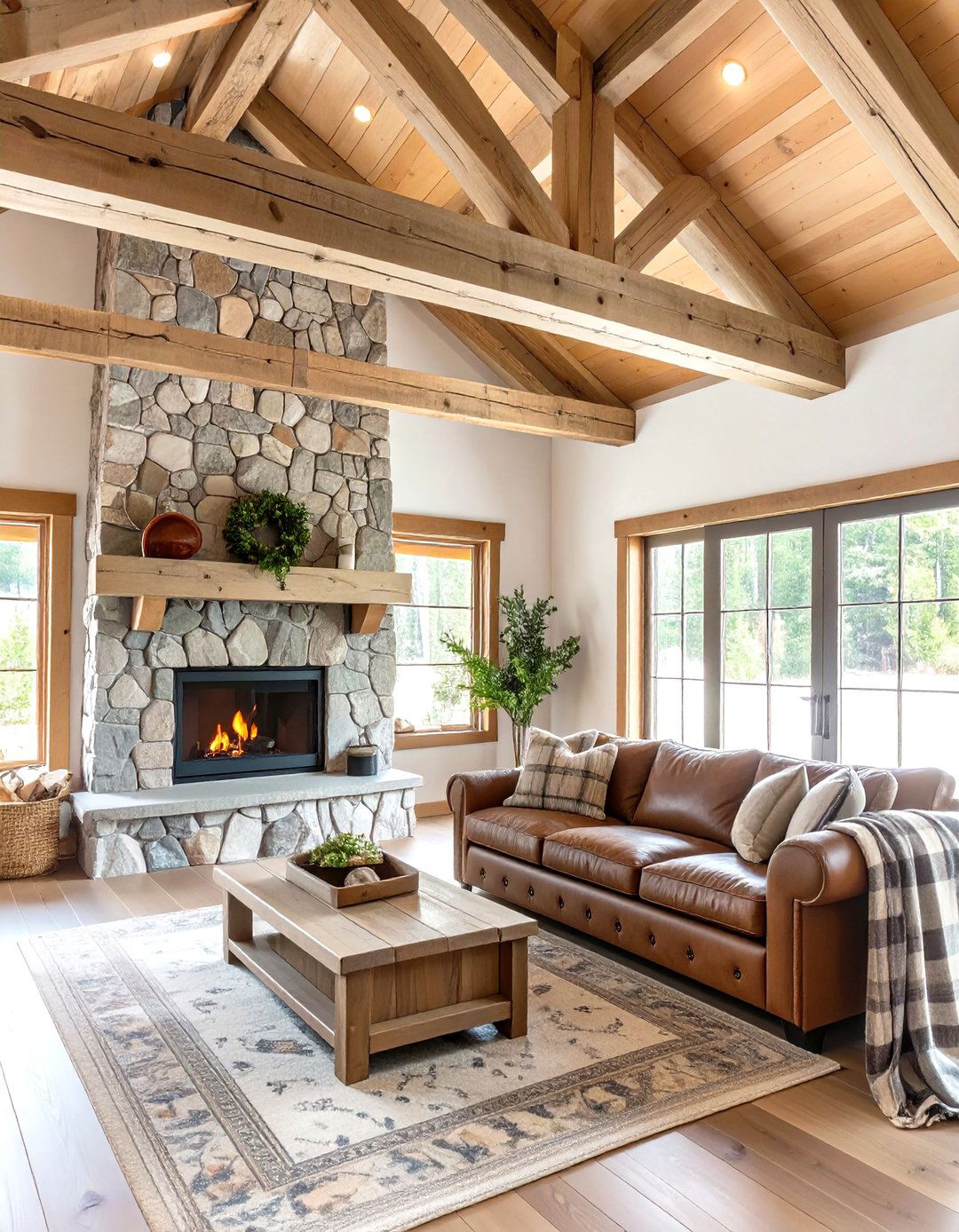
Rustic interior design emphasizes natural, rugged, and unrefined beauty. This style brings the outdoors in, focusing on raw materials in their most organic state. Think weathered wood beams, stone fireplaces, and raw timber furniture. The design is simple, practical, and creates a sense of warmth and coziness. The color palette is drawn directly from nature, featuring earthy tones of brown, green, gray, and beige. Textiles are typically durable and comfortable, such as canvas, burlap, wool, and flannel. This style is not about perfection; instead, it celebrates the imperfections and textures of natural materials to create an authentic and inviting atmosphere.


15. Shabby Chic Interior Design Style
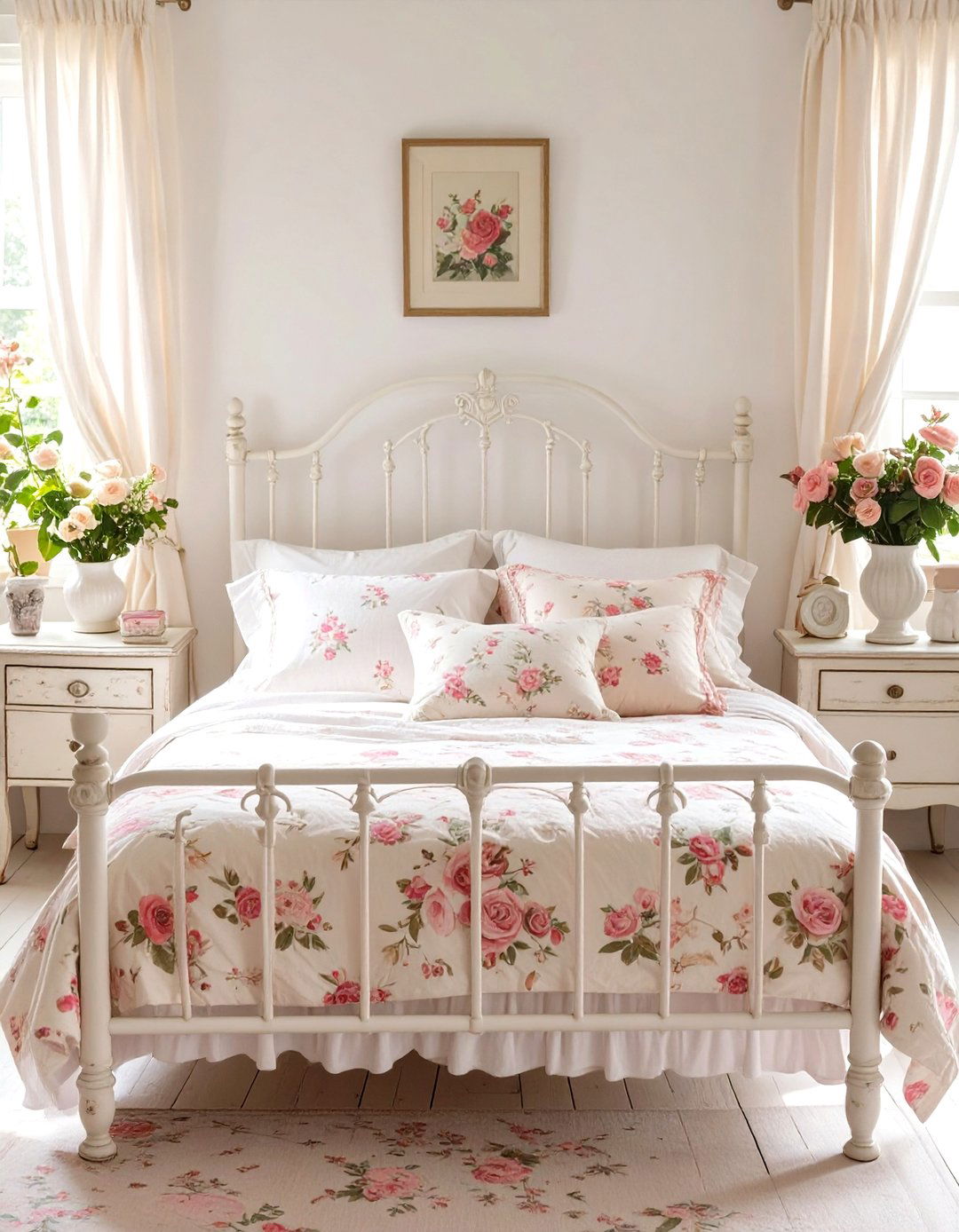
Shabby Chic interior design is a soft, feminine, and comfortable style that embraces a vintage, lived-in aesthetic. It is characterized by distressed or antique-looking furniture, often painted white or in pastel shades and then sanded down to show signs of wear. The color palette is light and airy, dominated by white, cream, and soft pastels like pink, baby blue, and mint green. Fabrics are comfortable and often feature floral patterns, particularly roses. Textiles like cotton and linen add to the relaxed, cozy feel. The overall look is charming and romantic, creating a space that feels both elegant and effortlessly comfortable.
16. Hollywood Regency Interior Design Style
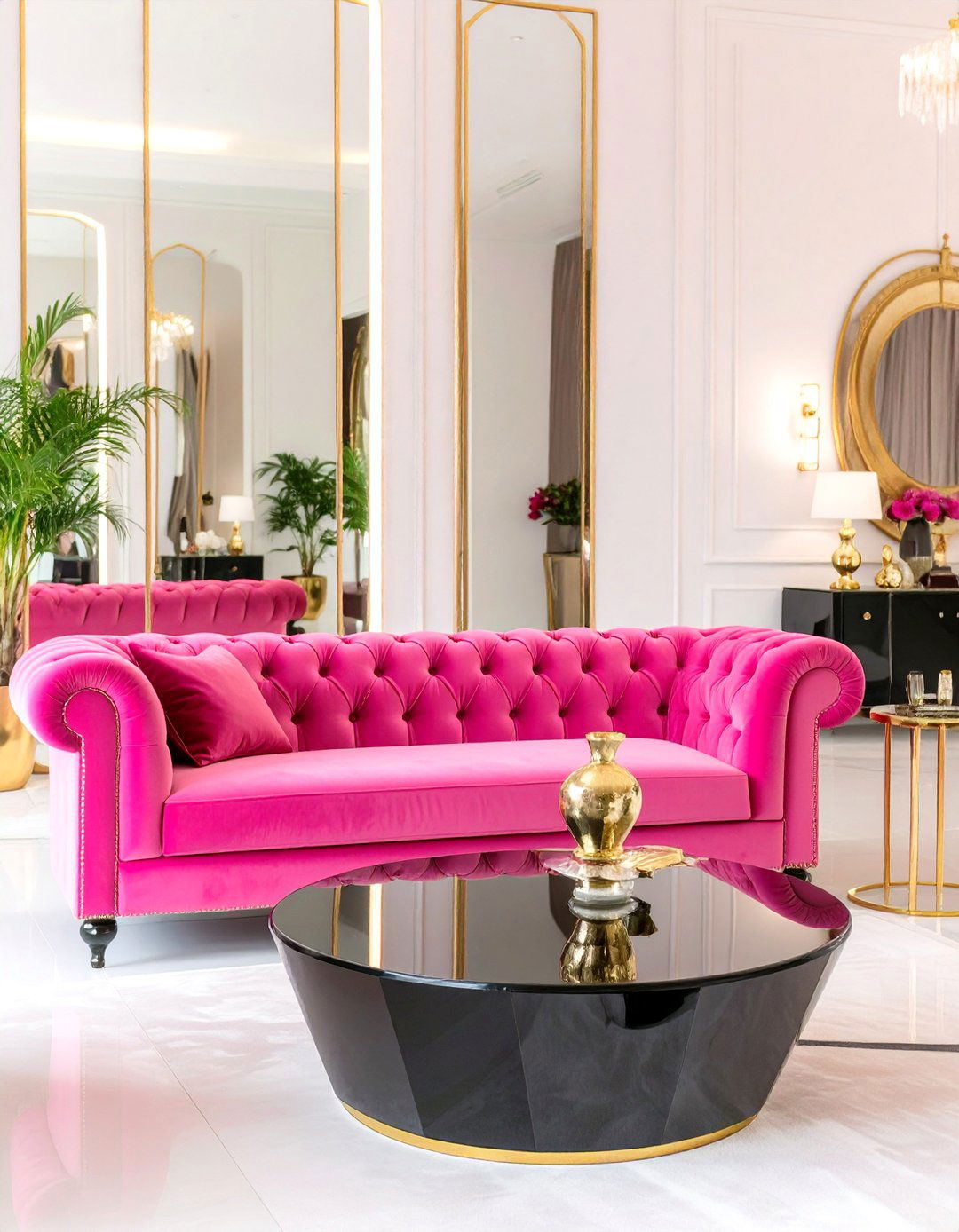
Hollywood Regency is a design style that exudes glamour, drama, and luxury, inspired by the golden age of Hollywood filmmaking. This opulent aesthetic is all about making a bold statement. It features a mix of high-contrast color schemes, often black and white, punctuated with vibrant jewel tones like pink, turquoise, or purple. Surfaces are typically glossy and reflective, with lacquered finishes, mirrors, and metallic accents in gold and chrome being prominent. Furniture is lavish and often features dramatic shapes, tufting, and luxurious fabrics like velvet and silk. The style is unapologetically extravagant, creating a space that feels both theatrical and highly sophisticated.
17. Southwestern Interior Design Style
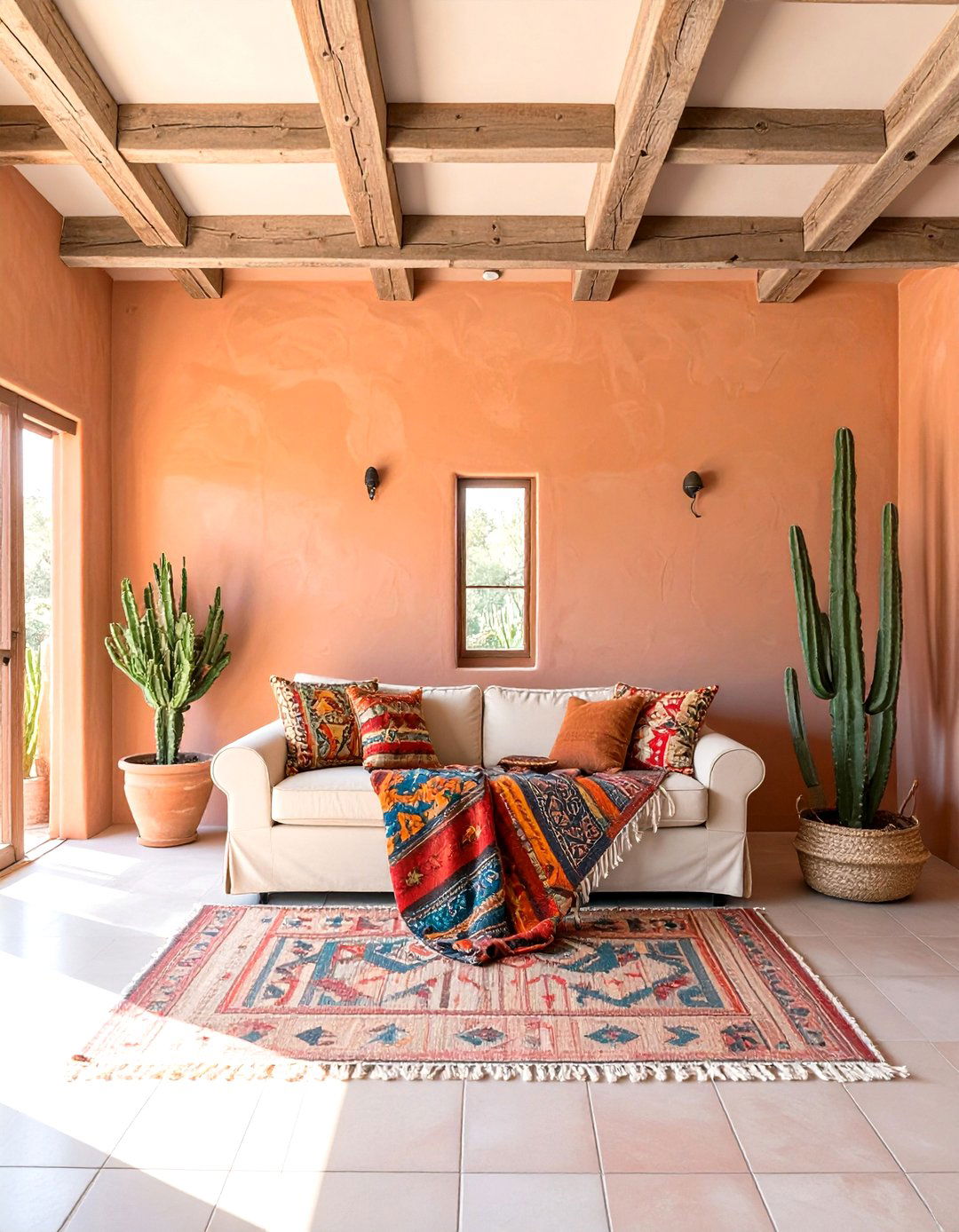
Southwestern interior design draws its inspiration from the natural landscapes and cultural heritage of the American Southwest, including Spanish and Native American influences. This style is defined by its earthy color palette, featuring tones of terracotta, rust, sandy beige, and cactus green, often accented with vibrant turquoise or sunny yellow. Natural materials are central, with stucco or clay walls, terra-cotta tiles, and exposed wood beams being common. Furniture is typically simple, sturdy, and made of rustic wood. Textiles are rich in texture and pattern, with woven rugs, leather, and blankets featuring bold geometric or tribal motifs adding warmth and character.
18. Mediterranean Interior Design Style
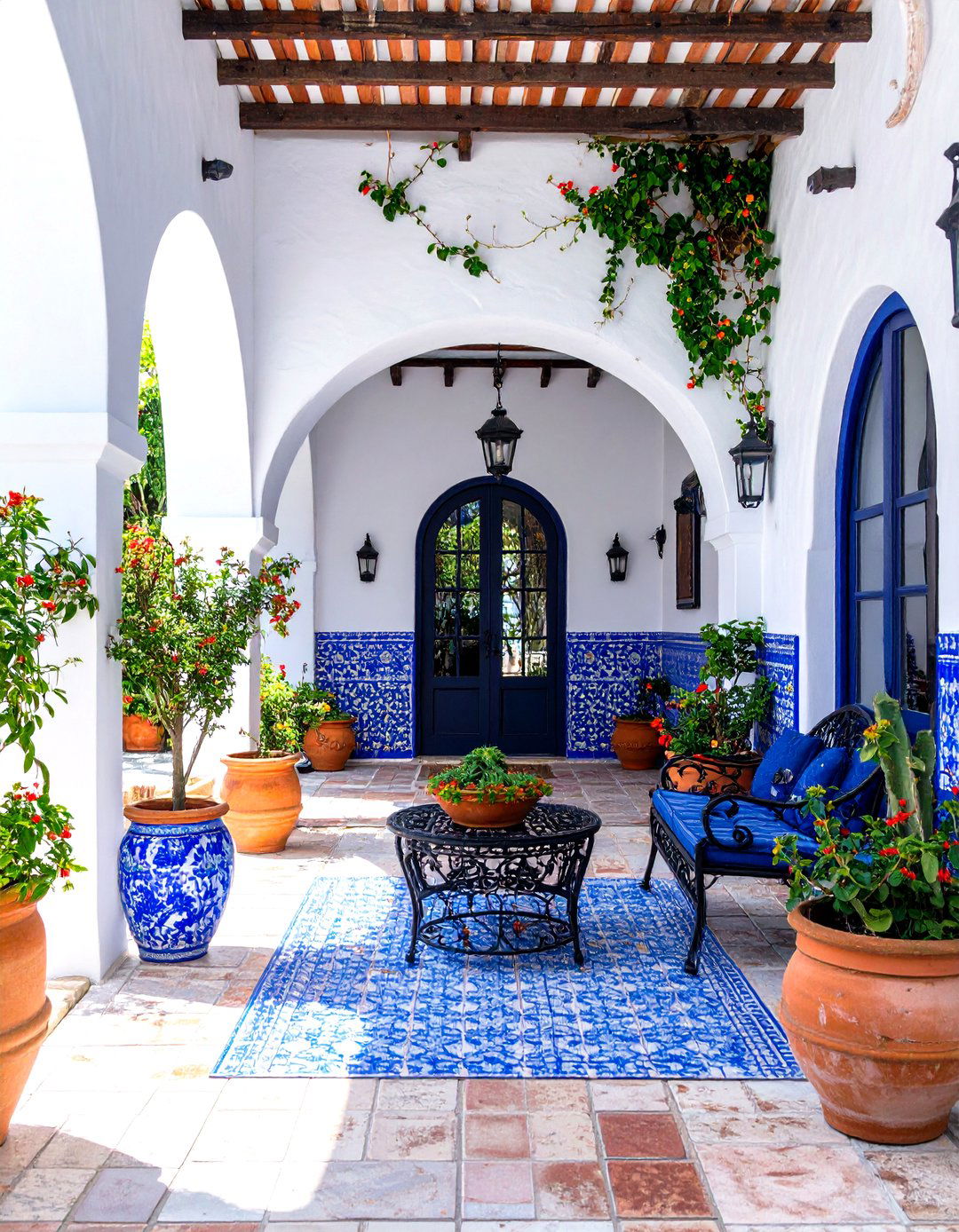
Mediterranean interior design is inspired by the coastal regions of Spain, Greece, and Italy. This style evokes a relaxed, sun-drenched, and earthy atmosphere. It is characterized by light and warm color palettes, including terracotta, ochre, lavender, and shades of blue and white reminiscent of the sea and sky. Key architectural features include stucco walls, arched doorways, and terracotta roof tiles. Floors are often made of stone or tile to keep interiors cool. Furniture is simple, functional, and typically made from rustic wood. Wrought iron accents, colorful tiles, and potted plants contribute to its rustic elegance and connection to outdoor living.
19. Contemporary Interior Design Style
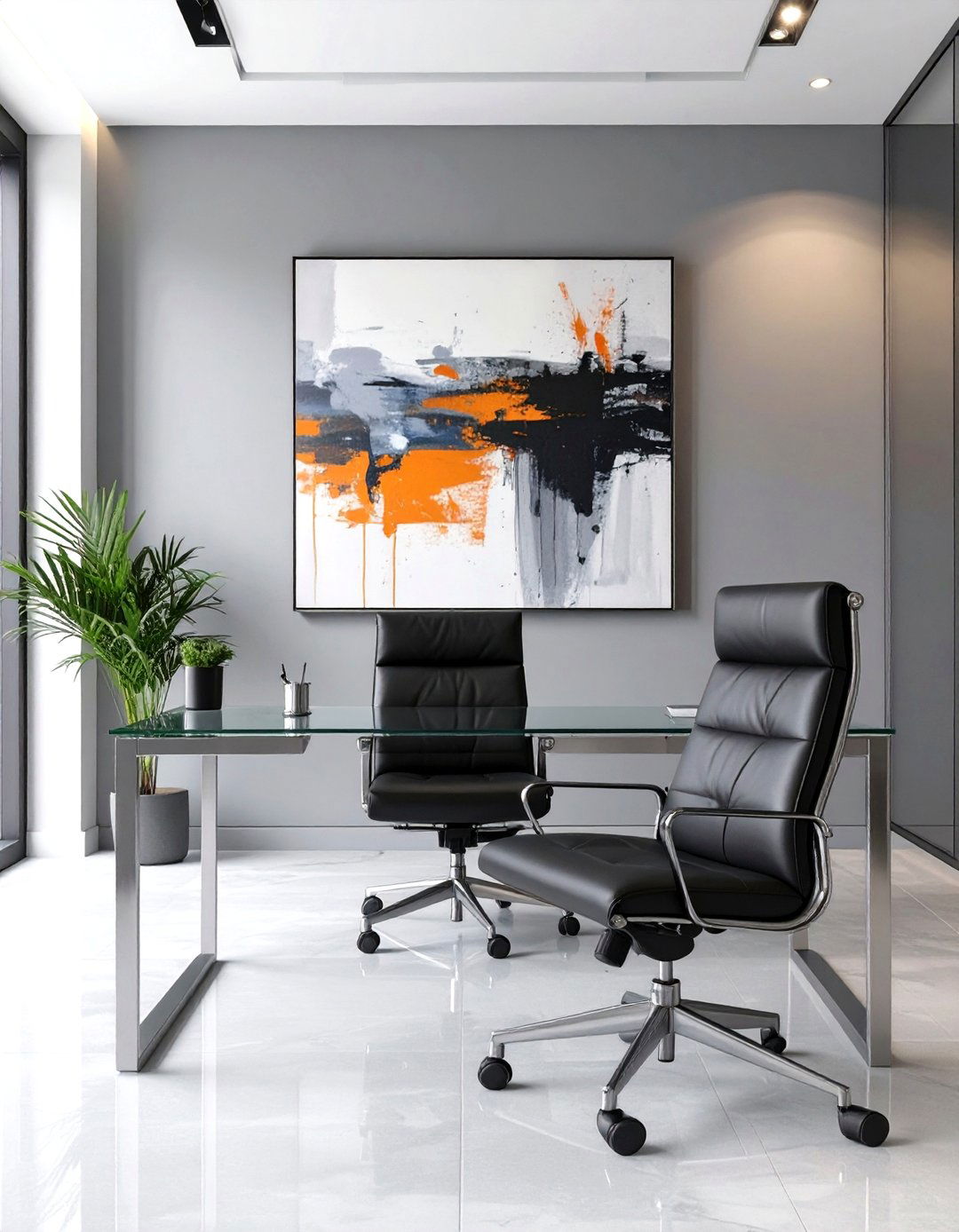
Contemporary interior design is often confused with modern design, but it is distinct in that it reflects the styles of the present moment. It is fluid and constantly evolving. This style emphasizes simplicity, clean lines, and subtle sophistication. Neutral colors like black, white, and gray form the foundation, often with a bold color used as an accent. Furniture has clean lines and smooth surfaces without ornamentation. Metal, glass, and stone are common materials. An emphasis is placed on space rather than things; layouts are open and uncluttered, with a focus on form and shape. The overall look is sleek, fresh, and intentionally pared-back.

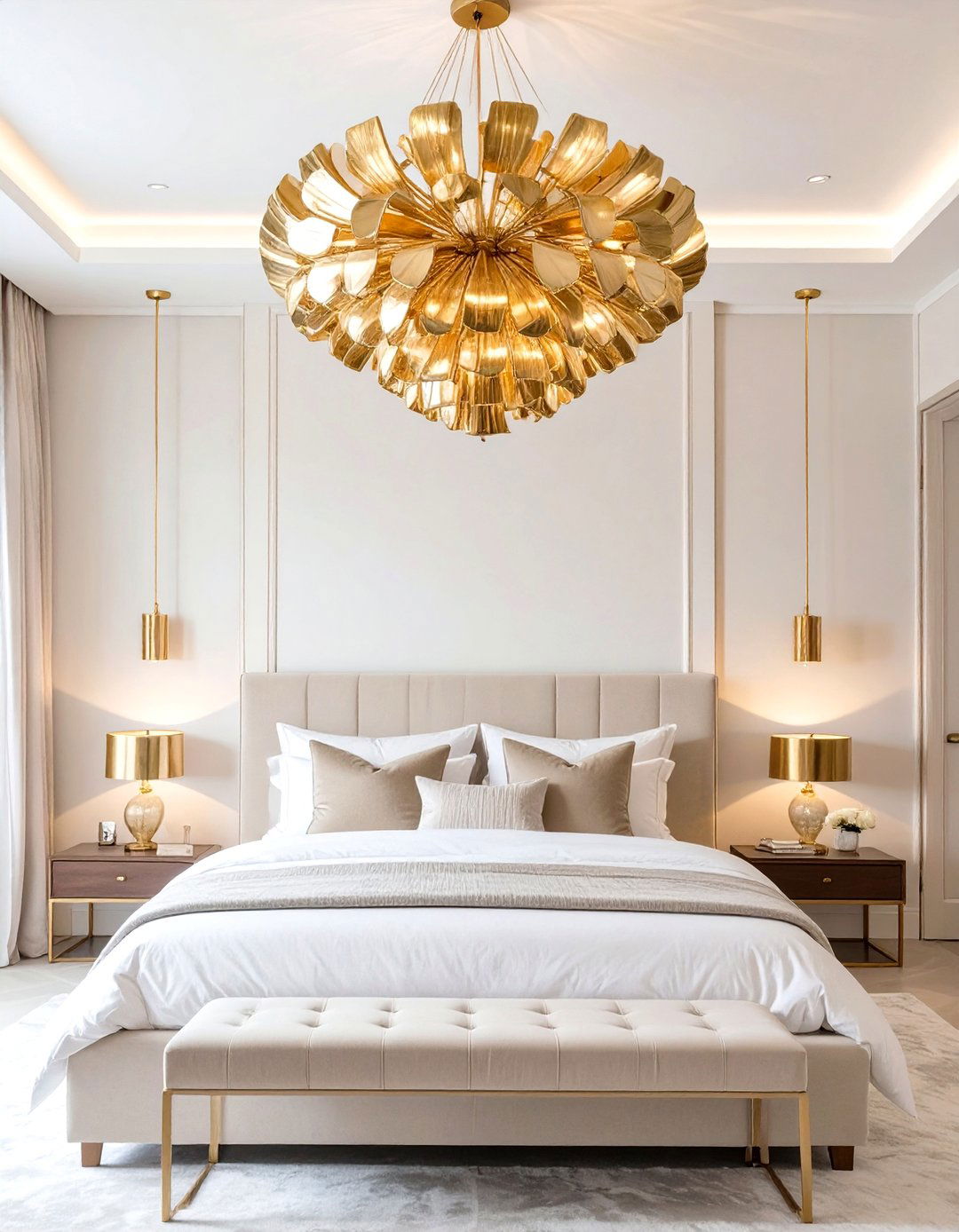
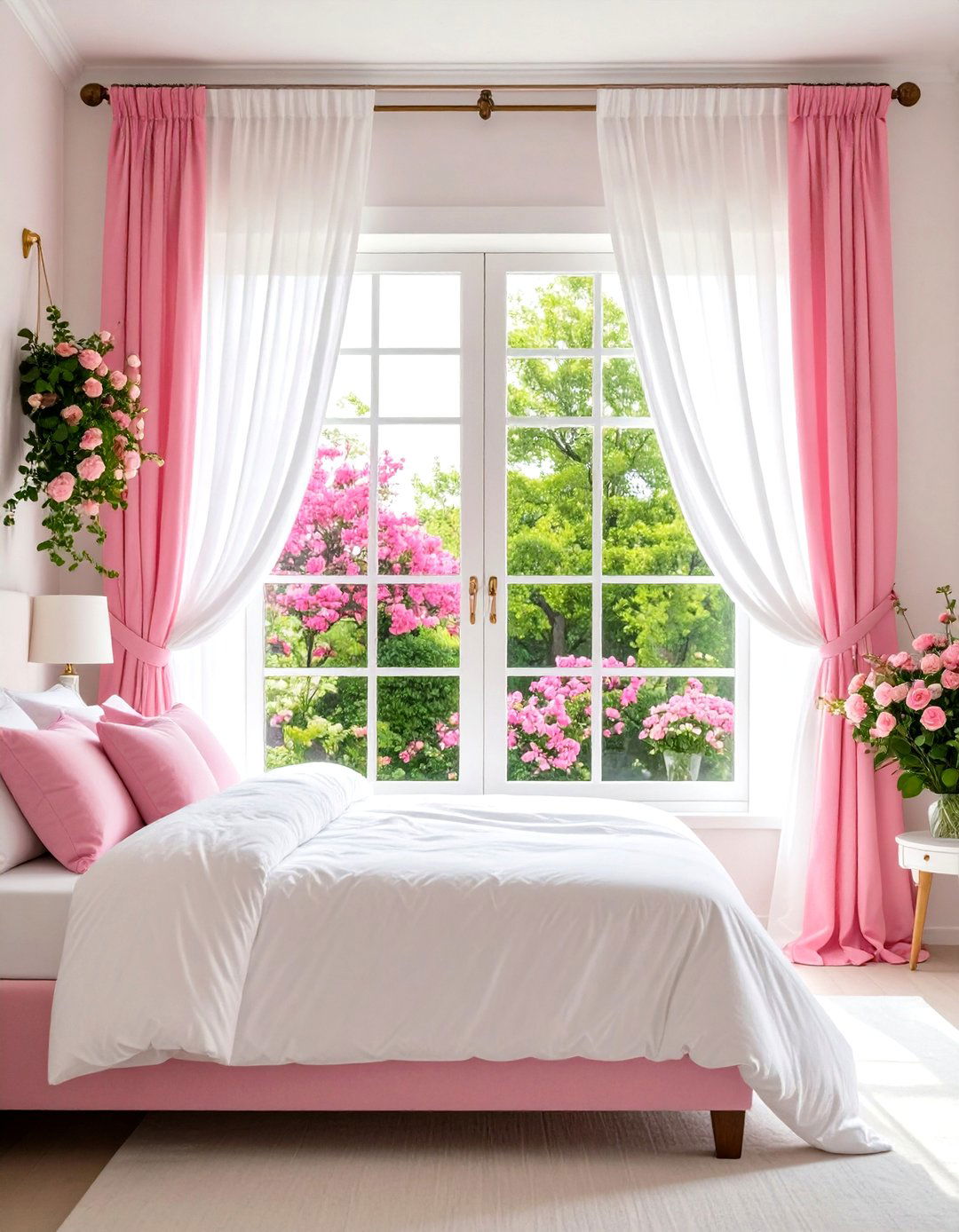
20. Biophilic Interior Design Style
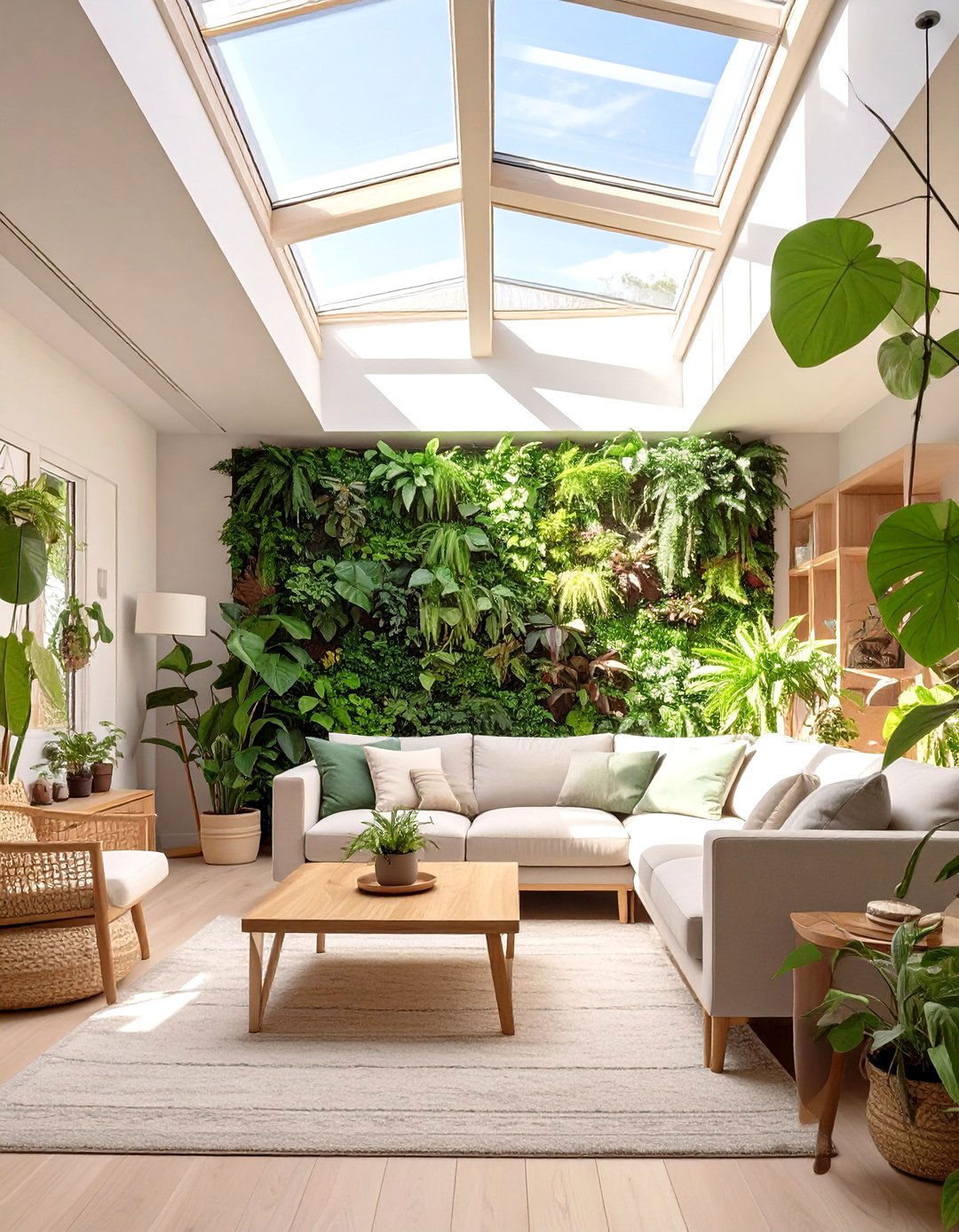
Biophilic interior design is an approach that seeks to connect building occupants more closely to nature. The style incorporates natural elements and processes into the built environment to improve health and well-being. This is achieved through the extensive use of houseplants, living walls, and indoor gardens. It also emphasizes natural light, ventilation, and views of the outdoors. Materials are natural and sustainable, such as wood, stone, bamboo, and cork. The color palette is inspired by nature, featuring greens, blues, and earthy tones. This design fosters a calming and restorative atmosphere, promoting a stronger link between humans and the natural world.
21. Maximalist Interior Design Style

Maximalist interior design is a bold and expressive style that celebrates abundance, vibrancy, and personal expression. In direct contrast to minimalism, its motto is "more is more." This aesthetic is characterized by a rich mix of colors, patterns, and textures. It embraces layered, eclectic collections of art, books, and decor that tell a personal story. Saturated hues, bold wallpaper, and a variety of materials are used freely. Furniture can be a mix of different styles and periods, united by a confident and playful approach. While it can seem chaotic, successful maximalism is carefully curated, creating a space that is rich, cohesive, and full of life.
22. Wabi-Sabi Interior Design Style
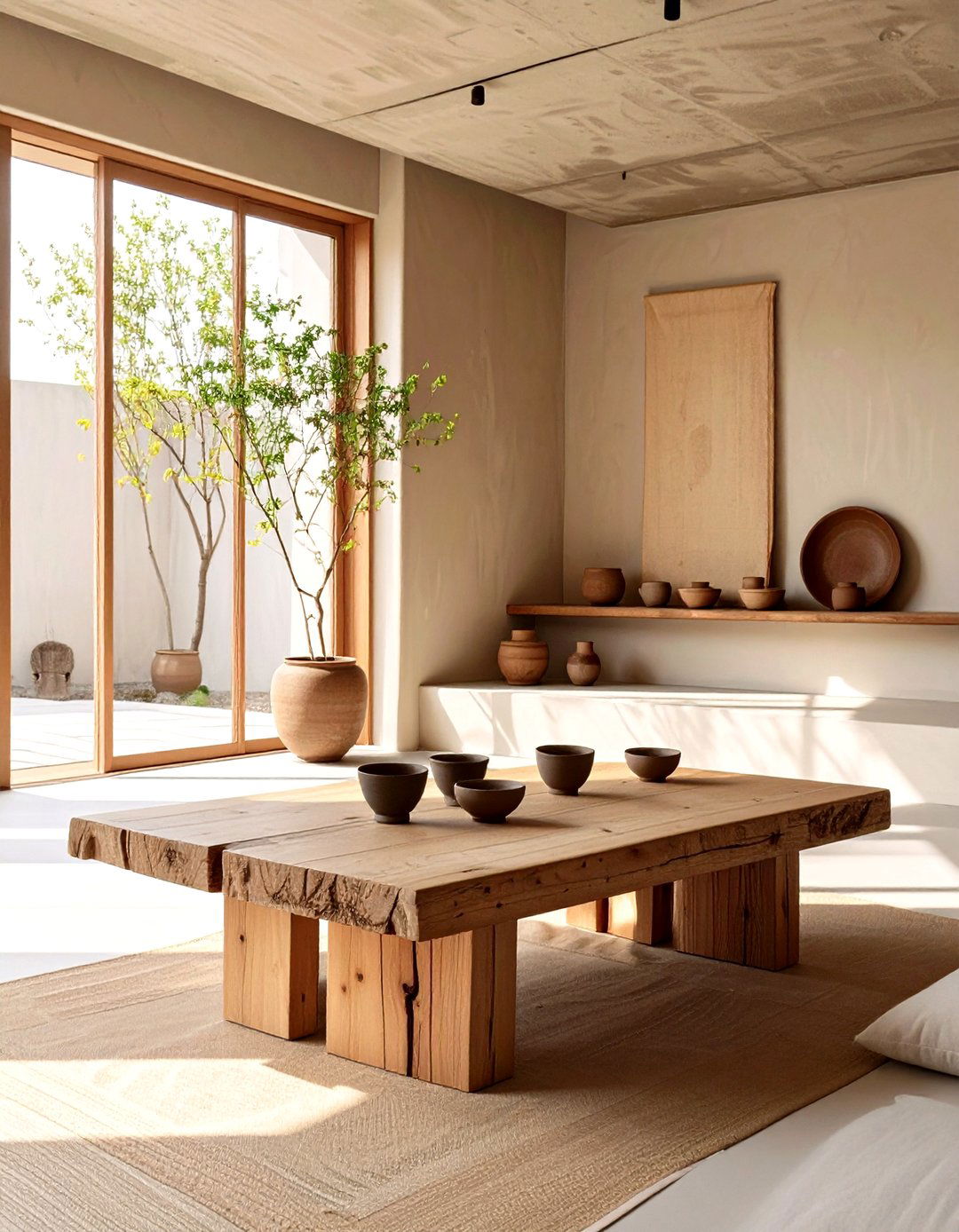
Wabi-Sabi is a traditional Japanese worldview centered on the acceptance of transience and imperfection. In interior design, this translates to an aesthetic that finds beauty in modest, humble, and unconventional things. It celebrates natural materials, asymmetry, and the patina that comes with age. The focus is on authenticity, simplicity, and a connection to the earth. The color palette is muted and drawn from nature, with shades of brown, gray, and green. Materials are organic and raw, such as wood, clay, and linen. Objects are chosen for their utility and imperfect beauty, creating a serene, mindful, and deeply personal living space.
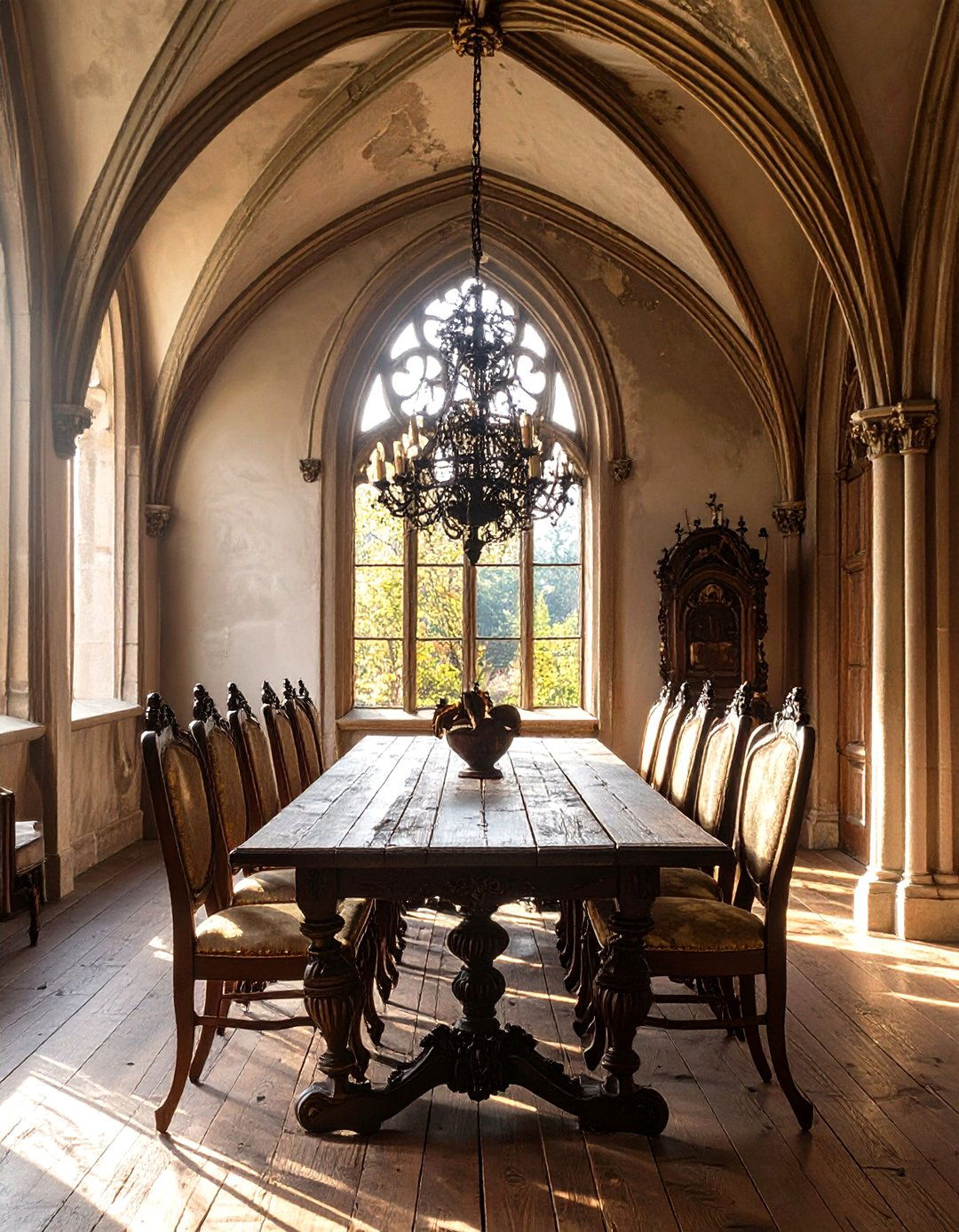
23. Gothic Interior Design Style
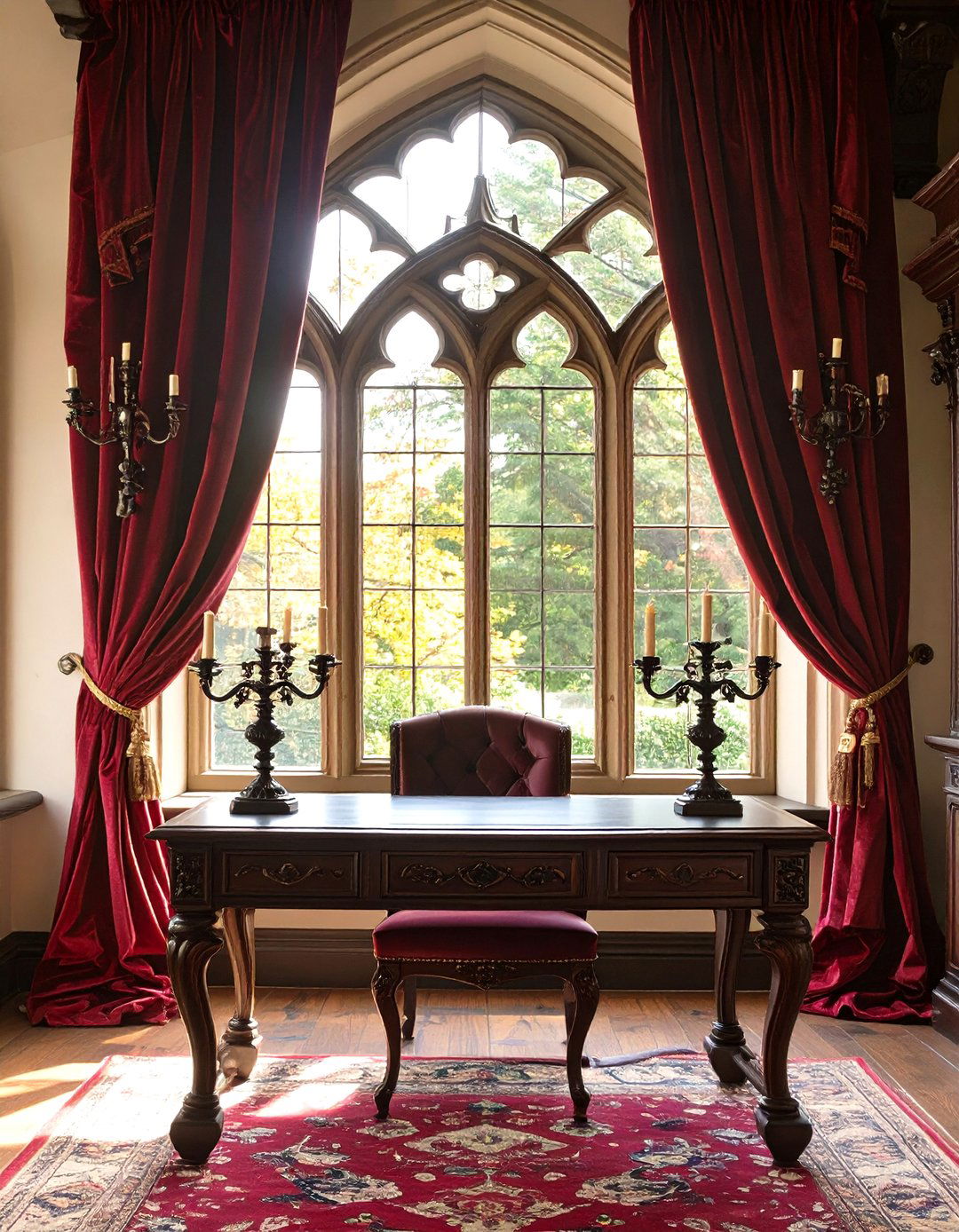
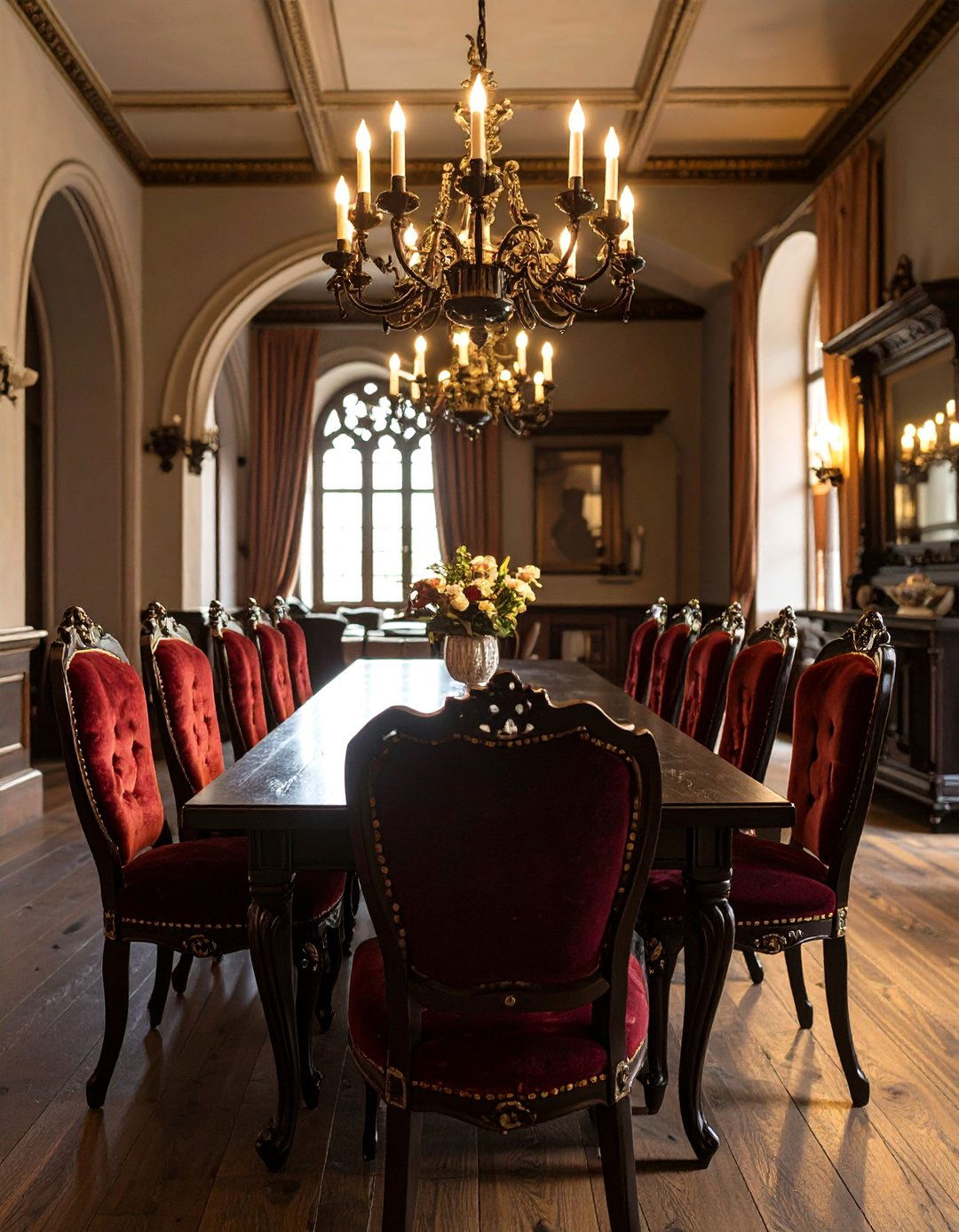
Gothic interior design draws inspiration from the medieval architectural style of the 12th to 16th centuries. This aesthetic is dramatic, ornate, and mysterious. It is characterized by features like pointed arches, ribbed vaults, and large, intricate stained-glass windows. The color palette is typically dark and rich, featuring deep reds, purples, blacks, and golds. Furniture is heavy, made of dark wood, and often features elaborate carvings. Decorative elements include wrought iron fixtures, candelabras, and tapestries with medieval motifs. While historically grand and imposing, modern interpretations can be adapted to create a sophisticated and moody atmosphere in contemporary homes.
24. Steampunk Interior Design Style
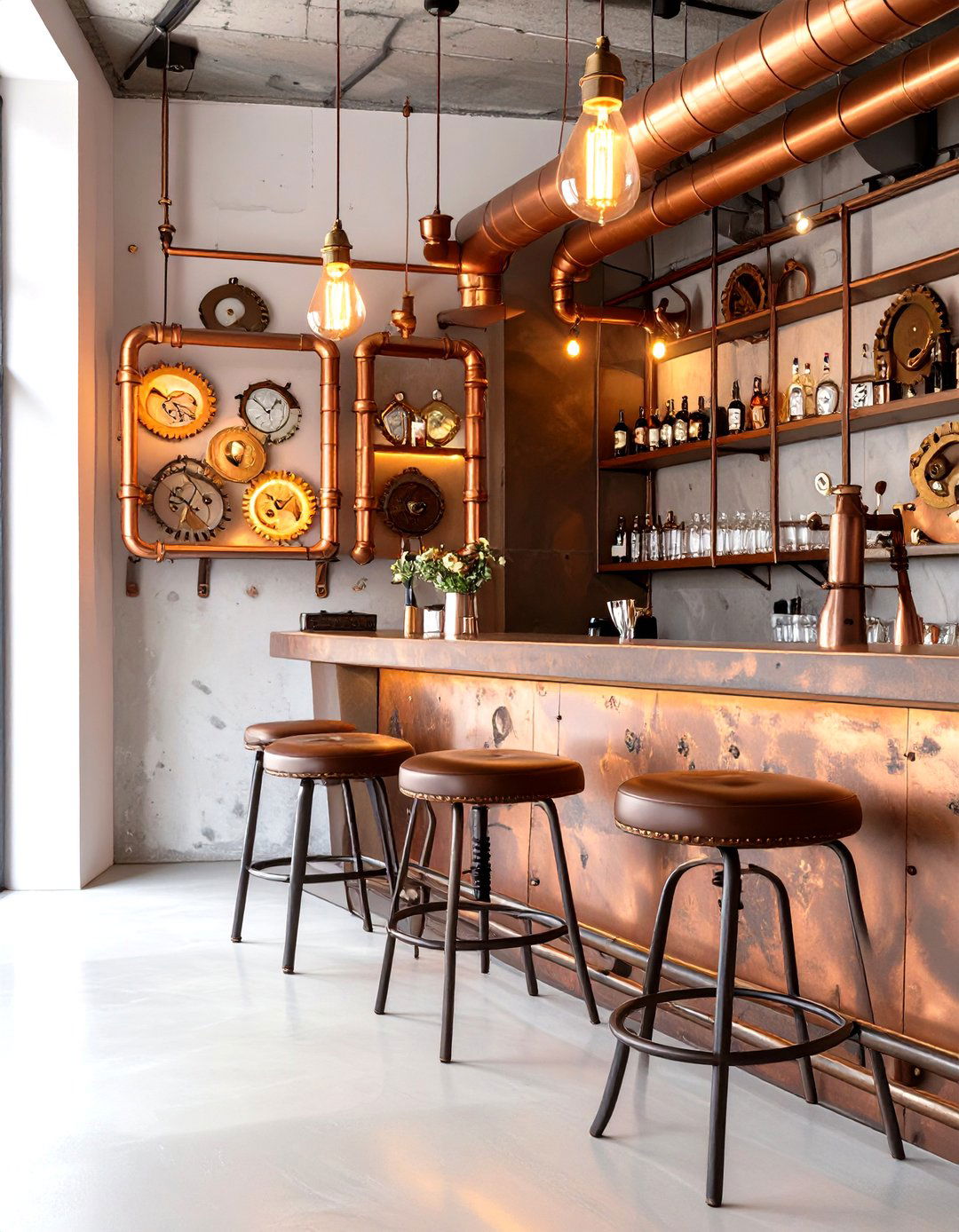
Steampunk interior design is a unique aesthetic inspired by 19th-century industrial steam-powered machinery and science fiction. It combines Victorian-era elegance with mechanical, industrial elements. The color palette is typically dark and moody, with browns, sepia tones, dark greens, and metallic shades of copper, brass, and bronze. Materials are a mix of polished wood, leather, and exposed metals. Key features include exposed gears, pipes, and gauges as decorative elements. Furniture is often repurposed from old industrial parts or has a distinct vintage feel. This imaginative style creates a nostalgic yet futuristic space, full of character and mechanical charm.
25. Tropical Interior Design Style
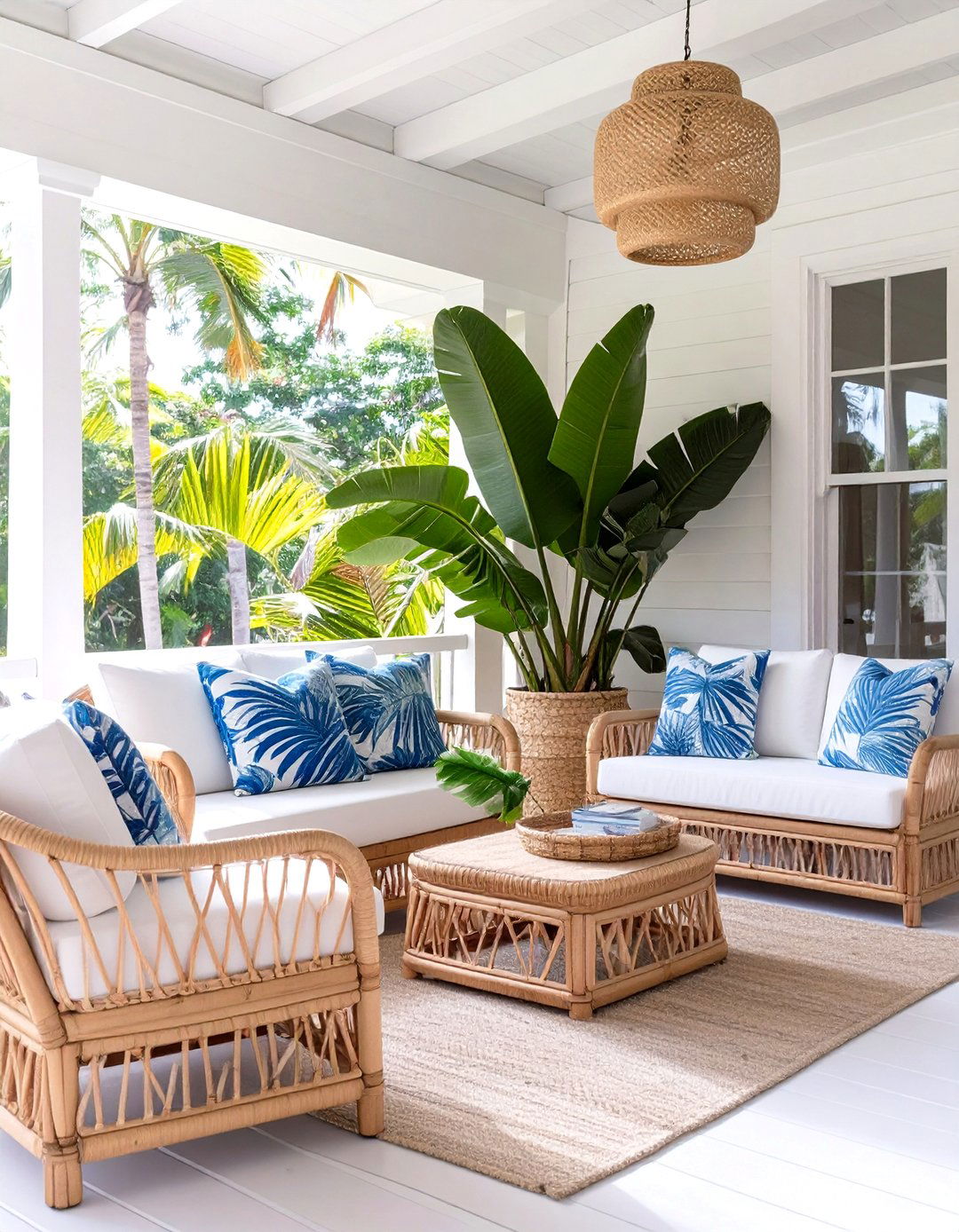
Tropical interior design aims to create a relaxed, resort-like atmosphere reminiscent of a lush paradise. This style is defined by its use of natural materials, vibrant colors, and motifs inspired by exotic flora and fauna. Key materials include rattan, wicker, bamboo, and teak wood. The color palette features a base of neutral tones like sand and white, accented with vibrant greens, bright blues, and pops of coral or sunny yellow. Large-leaf plants like palms and monsteras are essential for creating a jungle-like feel. Textiles often feature bold prints of palm leaves, exotic flowers, or tropical birds, completing the vacation-inspired vibe.
26. Zen Interior Design Style
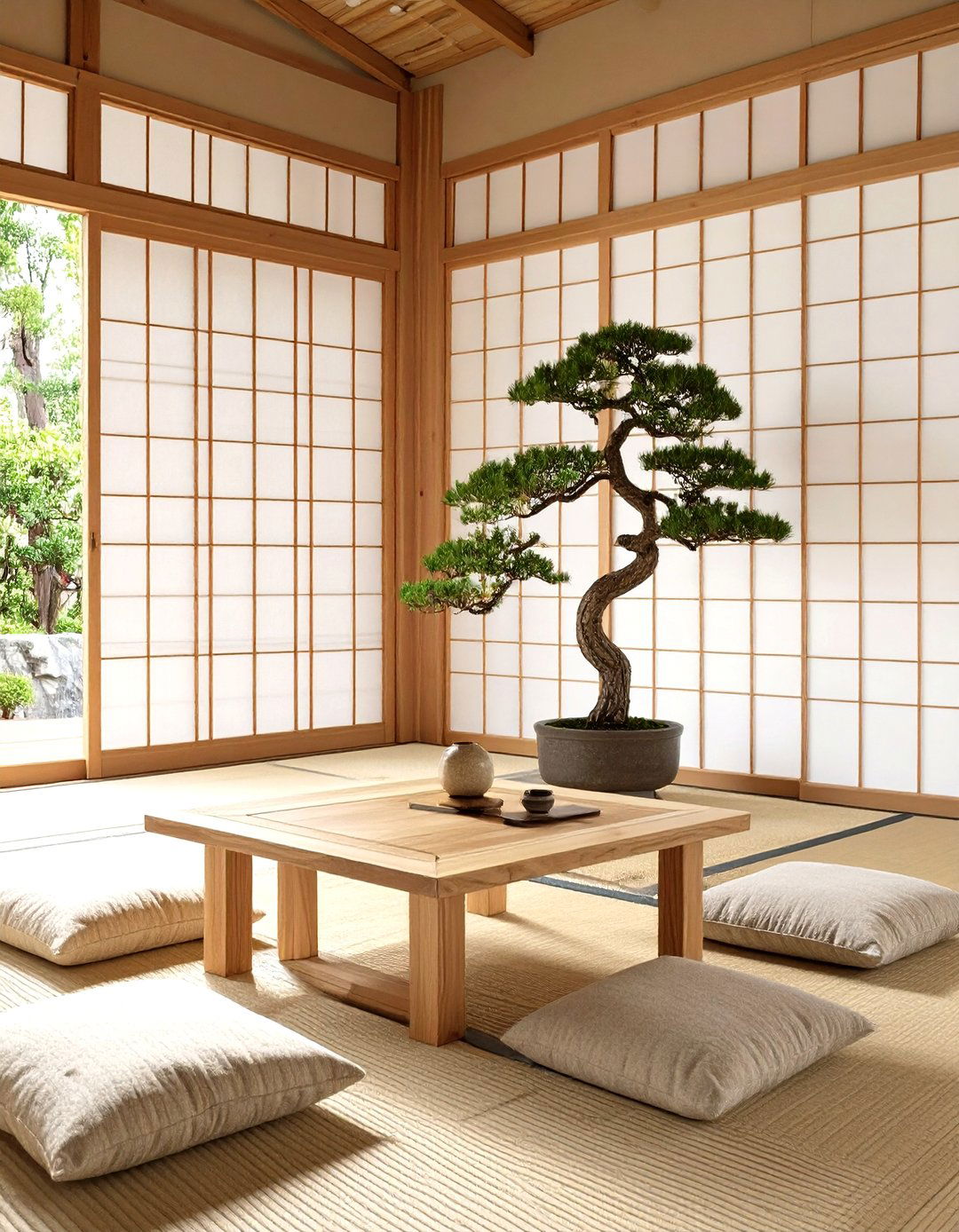
Zen interior design is rooted in Japanese minimalism and the principles of Zen Buddhism. The goal is to create a space that promotes peace, mindfulness, and tranquility. This style emphasizes simplicity, balance, and a deep connection to nature. The color palette is soft and natural, dominated by whites, grays, beiges, and shades of green. Natural materials like wood, bamboo, and stone are used extensively. Furniture is low-profile, functional, and unassuming. Clutter is strictly avoided, with a focus on open, clear spaces that allow for the free flow of energy. Natural light is maximized, and elements like sliding doors and screens create a harmonious environment.
27. Art Nouveau Interior Design Style
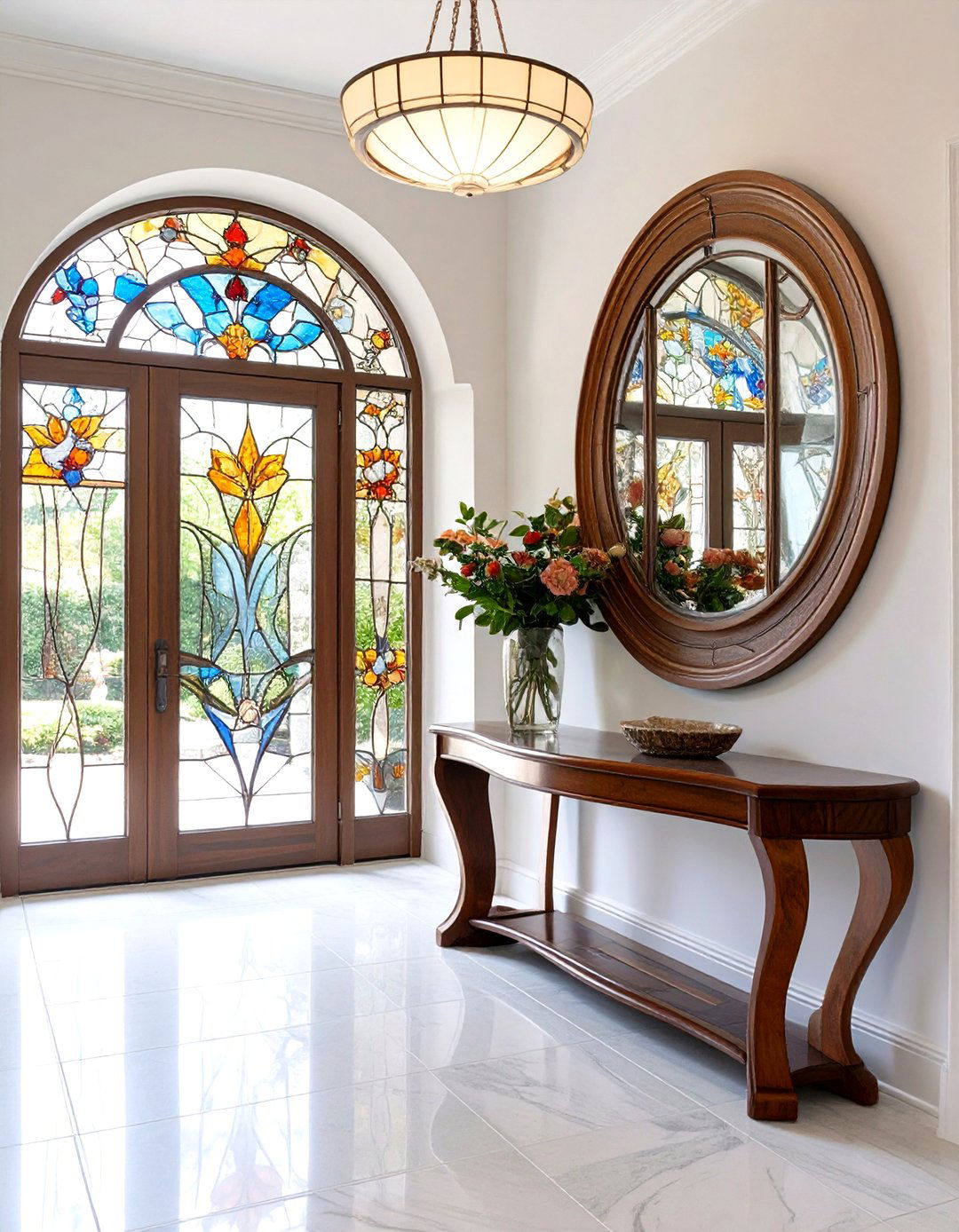
Art Nouveau interior design, which flourished from about 1890 to 1910, is known for its organic, flowing lines and inspiration from nature. This style sought to break from rigid historical styles and create a new, modern aesthetic. It is characterized by asymmetrical, whiplash curves and motifs based on flowers, plants, and insects. Materials include rich woods, stained glass, and decorative ironwork. Furniture often features intricate carvings and curved forms. The color palette includes muted, nature-inspired tones like sage green, mustard yellow, and lilac. It's an artistic and decorative style that creates a sense of graceful movement and natural elegance.
28. Bauhaus Interior Design Style
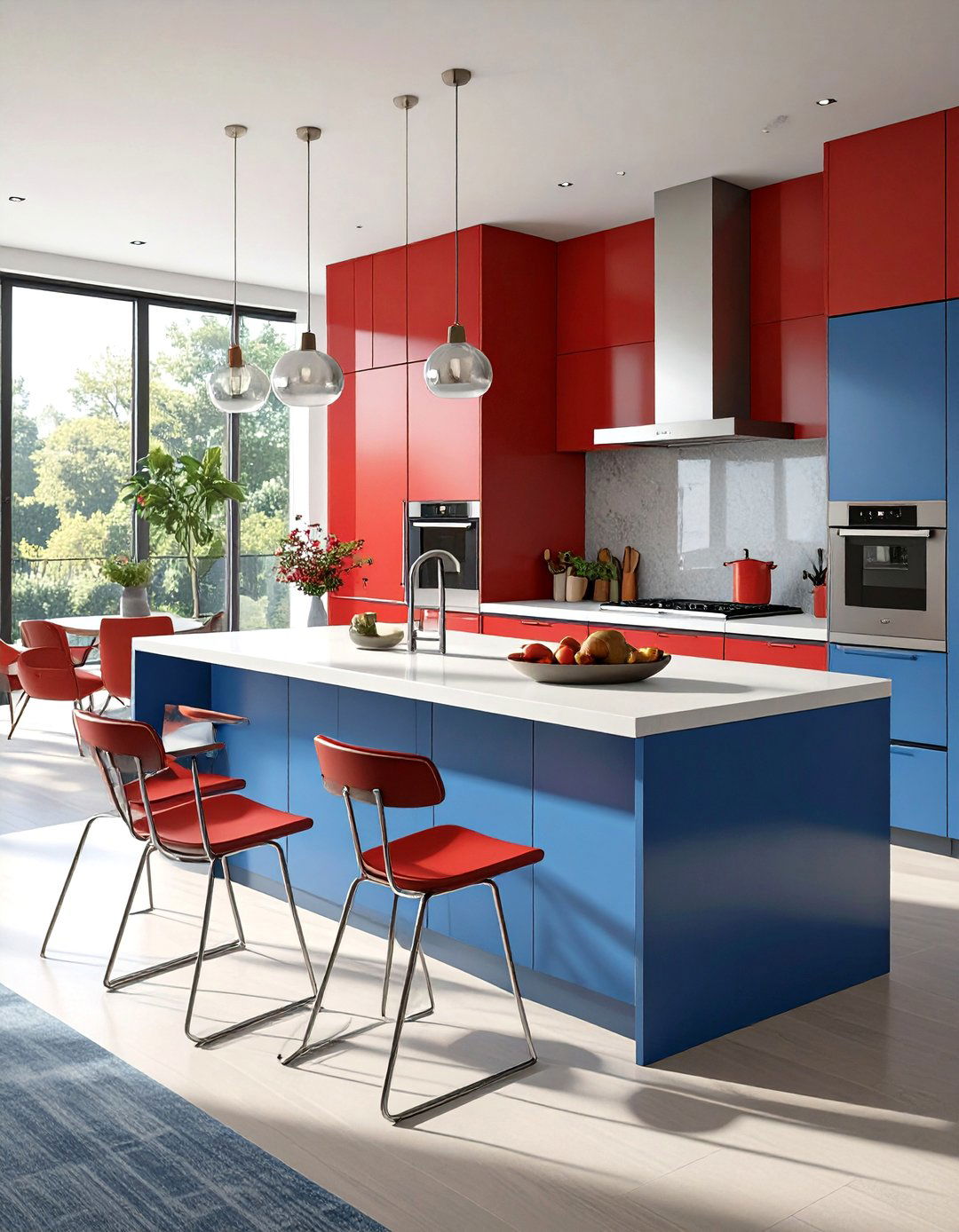
Bauhaus interior design originates from the influential German art school of the early 20th century. The core principle of the Bauhaus movement was to unify art, craft, and technology, resulting in a style that prioritizes function over form. This aesthetic is characterized by clean lines, simple geometric shapes (like circles, squares, and triangles), and a lack of ornamentation. The color palette is often based on primary colors—red, yellow, and blue—along with black and white. Materials are industrial, including steel, glass, and plastic. Furniture is functional, streamlined, and often mass-produced, embodying the idea that good design should be accessible to all.
29. Postmodern Interior Design Style
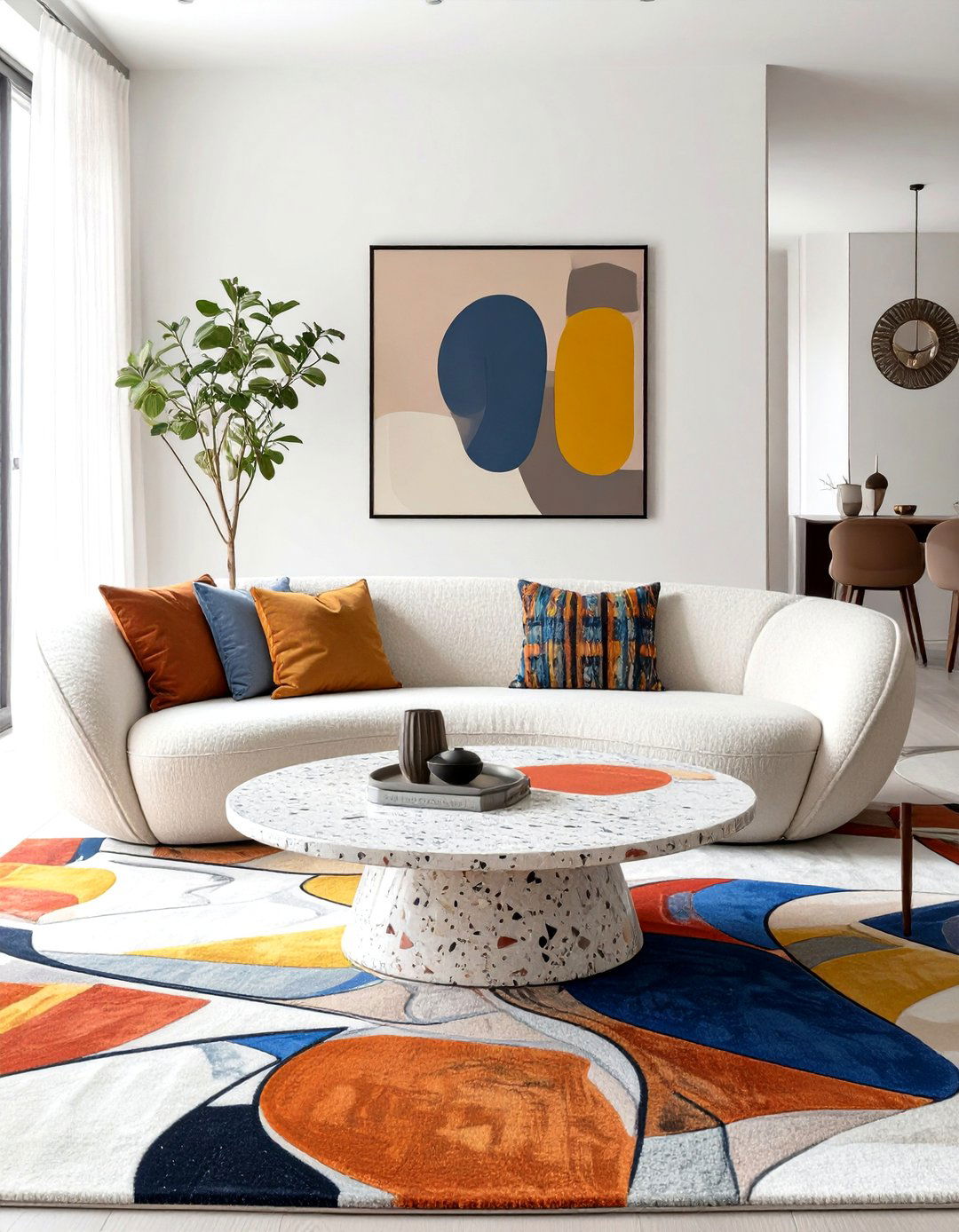
Postmodern interior design emerged in the 1970s and 1980s as a reaction against the rigid rules of modernism. It is a playful, bold, and often irreverent style that embraces color, unconventional forms, and ornamentation. Postmodernism is defined by its eclecticism, wit, and use of irony. It mixes different historical styles and uses bold, vibrant colors in unusual combinations. Furniture is often sculptural and serves as a statement piece, prioritizing form and aesthetics over pure function. Materials can be anything from plastic laminate to stone, often used in unexpected ways. This style celebrates individuality and artistic freedom in design.
30. Organic Modern Interior Design Style
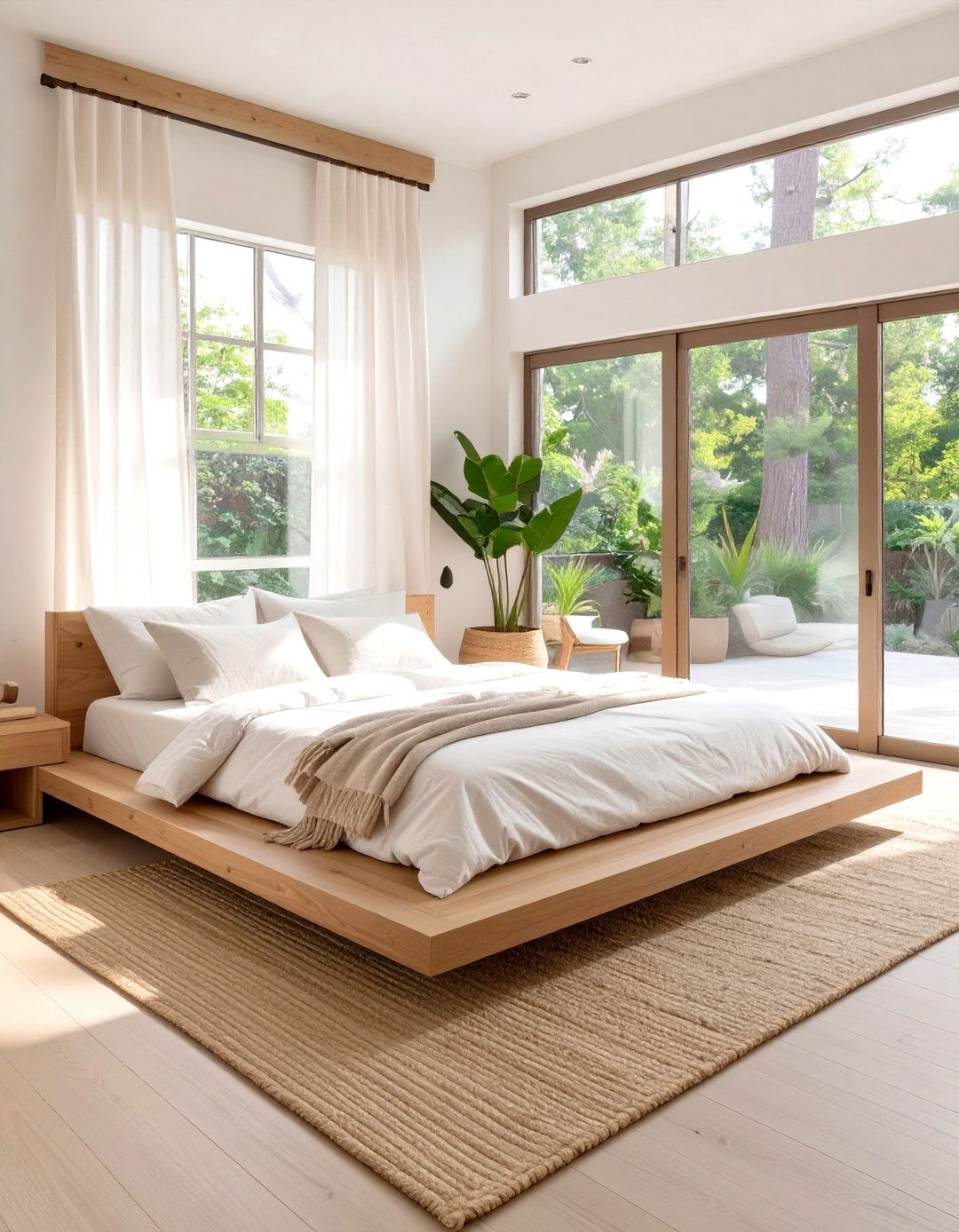
Organic Modern interior design is a warm and inviting take on modernism, blending its clean lines and simplicity with the natural elements and textures of a more organic aesthetic. This style aims to create a harmonious and calming environment that feels connected to nature. It features a neutral color palette, lots of natural light, and a focus on raw, sustainable materials like unfinished wood, stone, linen, and leather. Furniture has minimalist silhouettes but with softer, more rounded shapes than traditional modernism. Houseplants and natural textures are essential for bringing life and warmth into the uncluttered, streamlined spaces.
Conclusion:
Choosing an interior design style is a deeply personal journey that balances aesthetics with functionality. From the stark simplicity of Minimalism to the curated chaos of Maximalism, each style provides a framework for creating a home that resonates with your personality. By exploring these diverse approaches, you can identify the elements—be it colors, materials, or philosophies—that truly speak to you. Ultimately, the best design is one that makes you feel comfortable, inspired, and completely at home. Combining elements from different styles can also lead to a uniquely personal and harmonious space.

Related posts:



Leave a Reply