
Belgian block brings the texture of old stone streets to one of the most visible parts of a property: the driveway entrance. This guide to **20 Belgian Block Driveway Apron Ideas** explores complete designs that combine granite blocks with asphalt, concrete, gravel, brick, landscaping, and different driveway layouts. A well-planned apron can define the curb cut, create a smoother visual transition, and help contain loose driveway material. Belgian blocks are especially suited to this hardworking area because they can withstand vehicle traffic when supported by a properly constructed base. () From simple gray granite bands to detailed herringbone entrances, each option below balances appearance with everyday function. Use these **20 Belgian Block Driveway Apron Ideas** to find a look that complements your home and front yard.
1. Belgian Block Apron With Asphalt Driveway
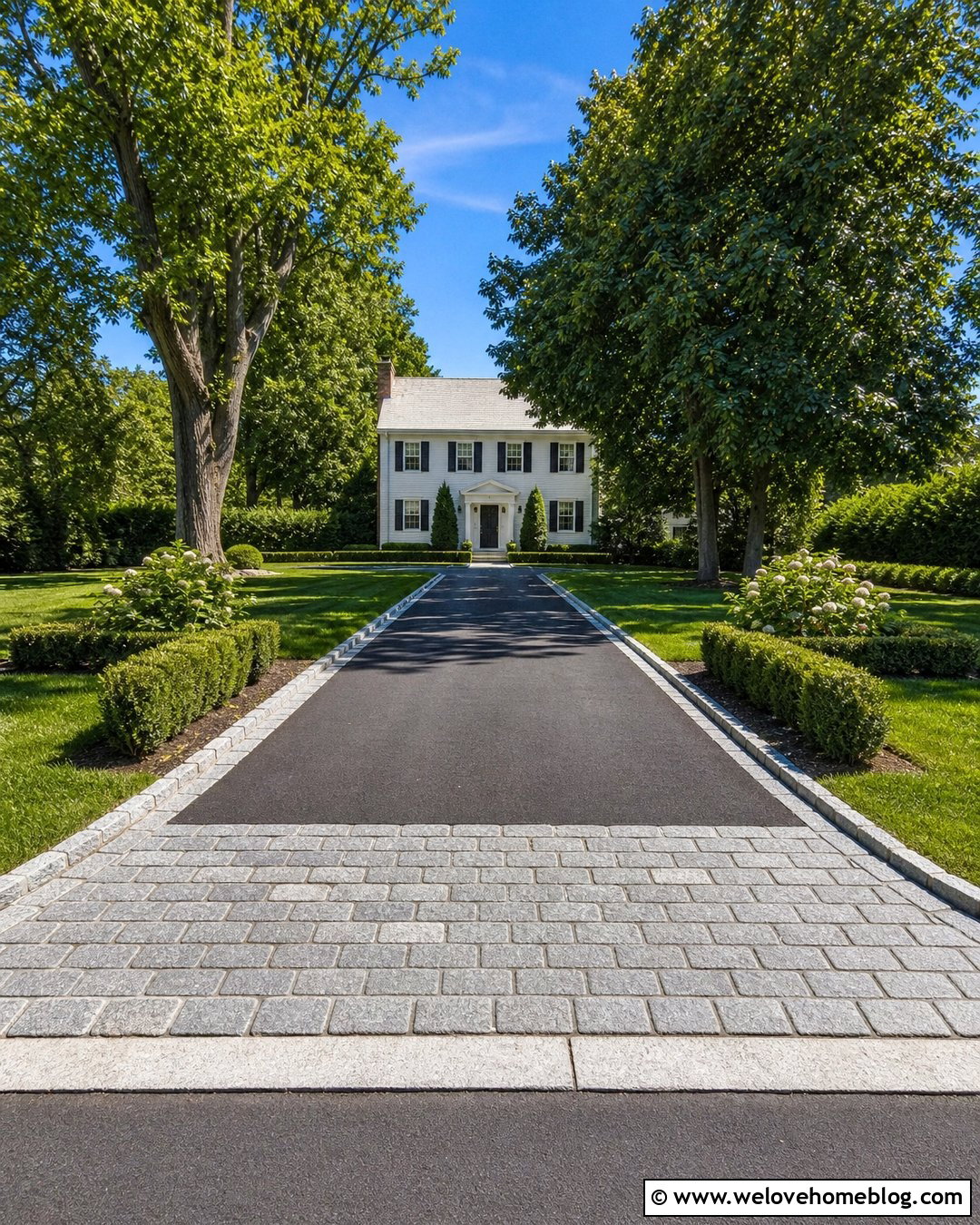
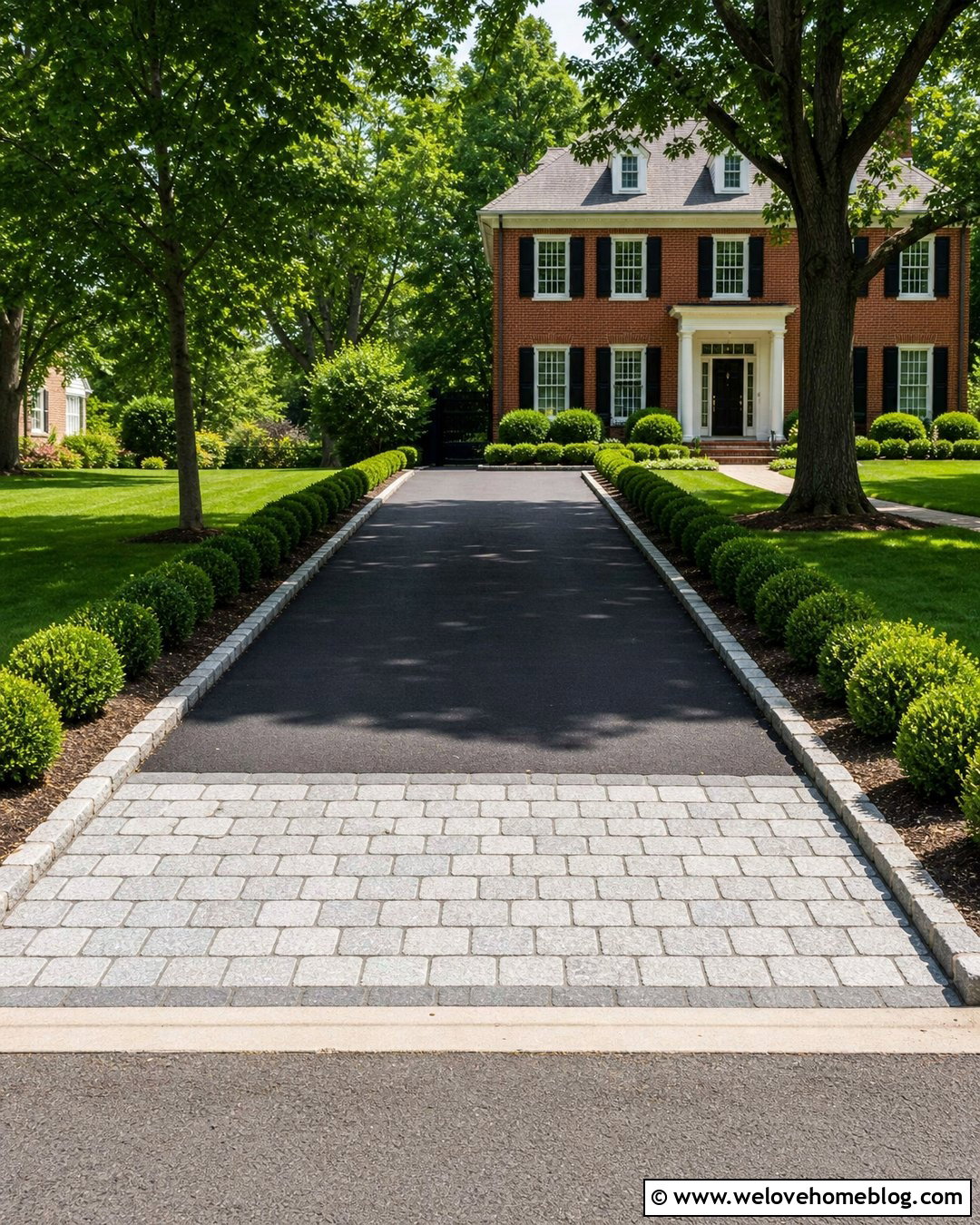
A gray Belgian block apron creates a crisp entrance for a traditional black asphalt driveway. Use a full field of rectangular granite blocks at the curb rather than a narrow decorative strip. A running bond pattern keeps the layout simple and lets the natural stone texture stand out against the smooth pavement. Continue one row of matching blocks along both driveway edges to make the apron feel connected to the entire approach. Low boxwood hedges, lawn, and a straight bluestone walkway can frame the design without hiding it. This combination works particularly well with Colonial, Cape Cod, and brick homes. Choose medium-gray blocks with visible color variation, then keep the joints consistent for a tidy but not overly formal finish.
2. Herringbone Belgian Block Driveway Apron
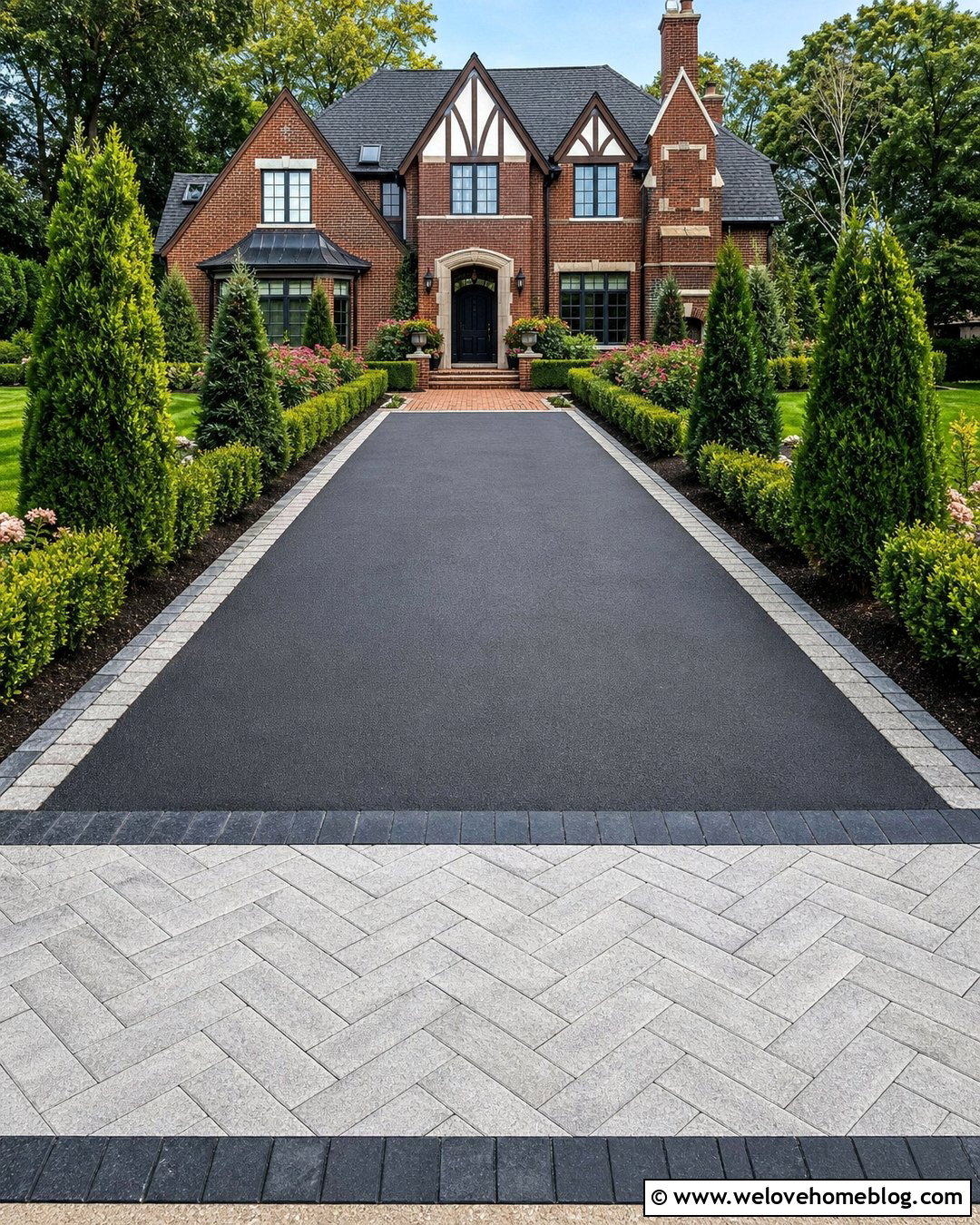
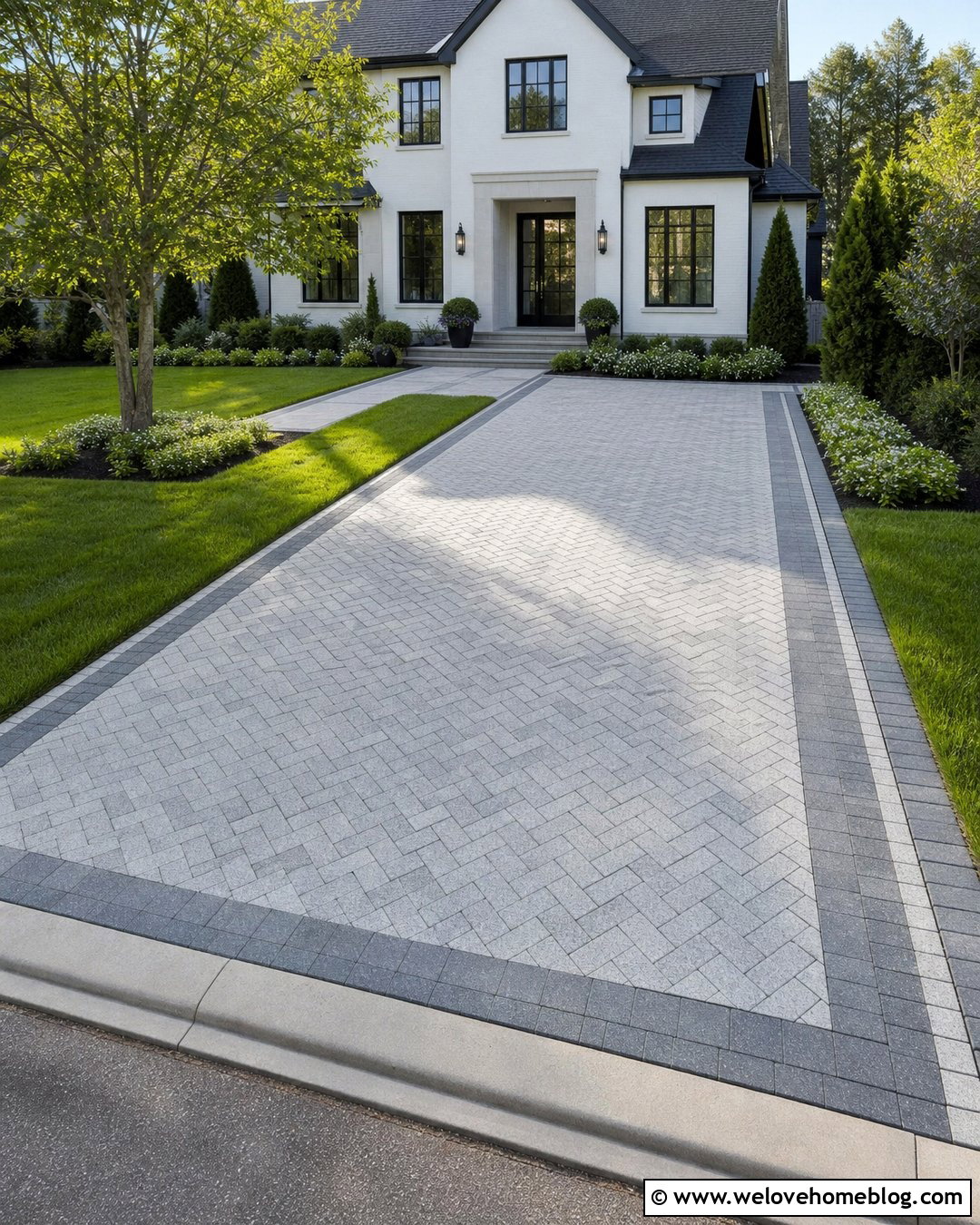
Herringbone gives a Belgian block driveway apron more movement and visual detail. The diagonal arrangement works best across a wide, rectangular entrance where enough of the pattern remains visible after edge cuts are made. Frame the field with a straight soldier course of larger granite blocks. That border creates a clean transition to a dark asphalt driveway and helps contain the patterned center. Matching Belgian block edging can run toward the garage, while clipped shrubs and symmetrical planting beds reinforce the organized layout. This apron suits a red brick Colonial or Tudor-style house because the stone pattern complements traditional masonry. Mixing charcoal, silver-gray, and muted brown granite adds depth without making the entrance appear busy or disconnected from the rest of the property.
3. Fan Pattern Belgian Block Apron
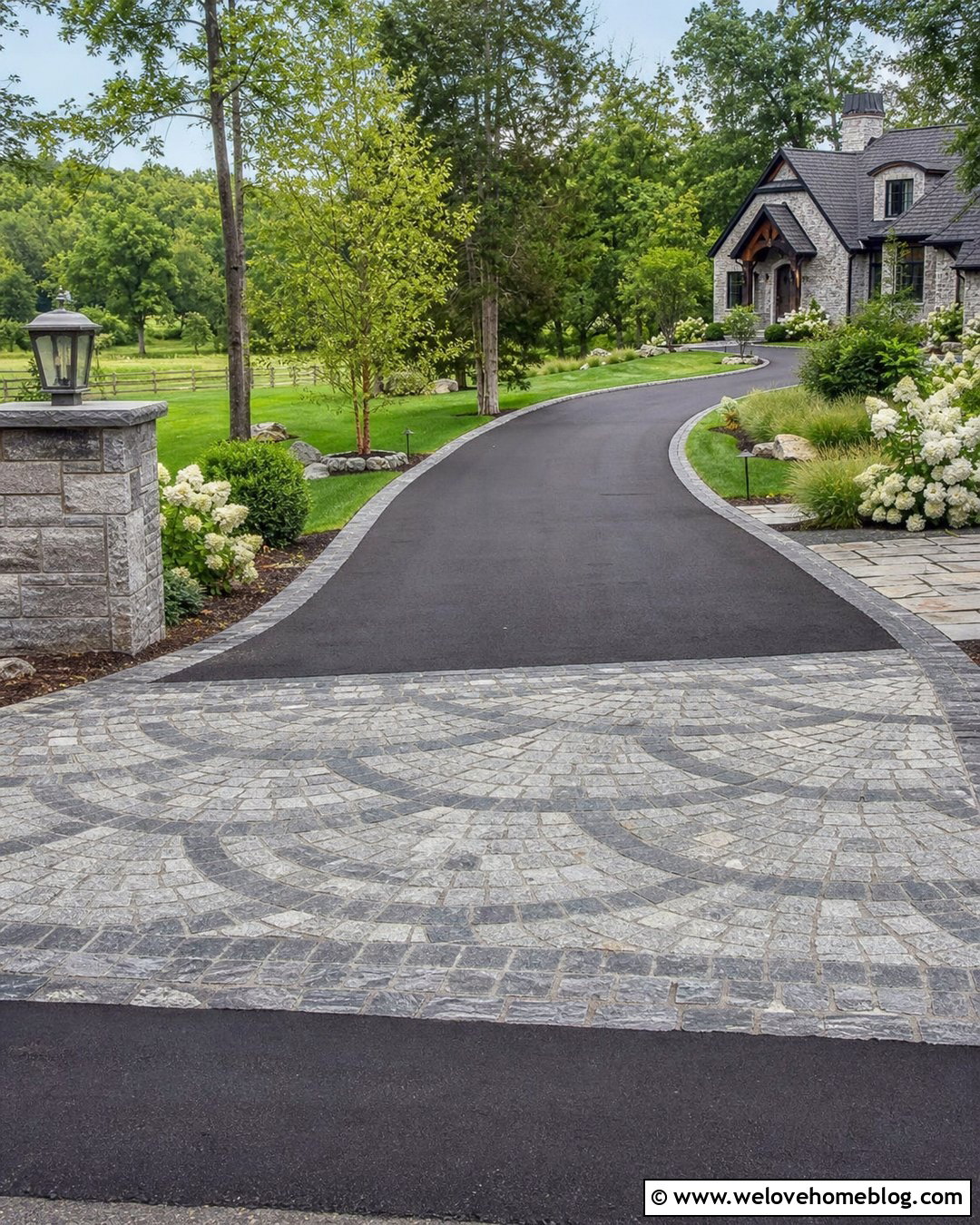
A fan pattern softens the appearance of a broad driveway entrance. Belgian blocks radiate outward in shallow arcs, creating gentle movement from the street toward the house. This layout feels especially natural on a curved asphalt driveway because the apron pattern follows the direction of travel. Use a darker granite soldier course around the outer edge to define the fan shapes and create contrast. Curved planting beds filled with hydrangeas, ornamental grasses, and compact evergreens can repeat the same flowing lines. A stone-front country house or European-inspired residence provides an appropriate backdrop. Because fan patterns involve numerous cuts and carefully controlled joints, precise professional installation is worthwhile. The finished apron should feel handcrafted while remaining smooth and practical for daily vehicle access.
4. Gray Belgian Block Apron With Concrete Driveway
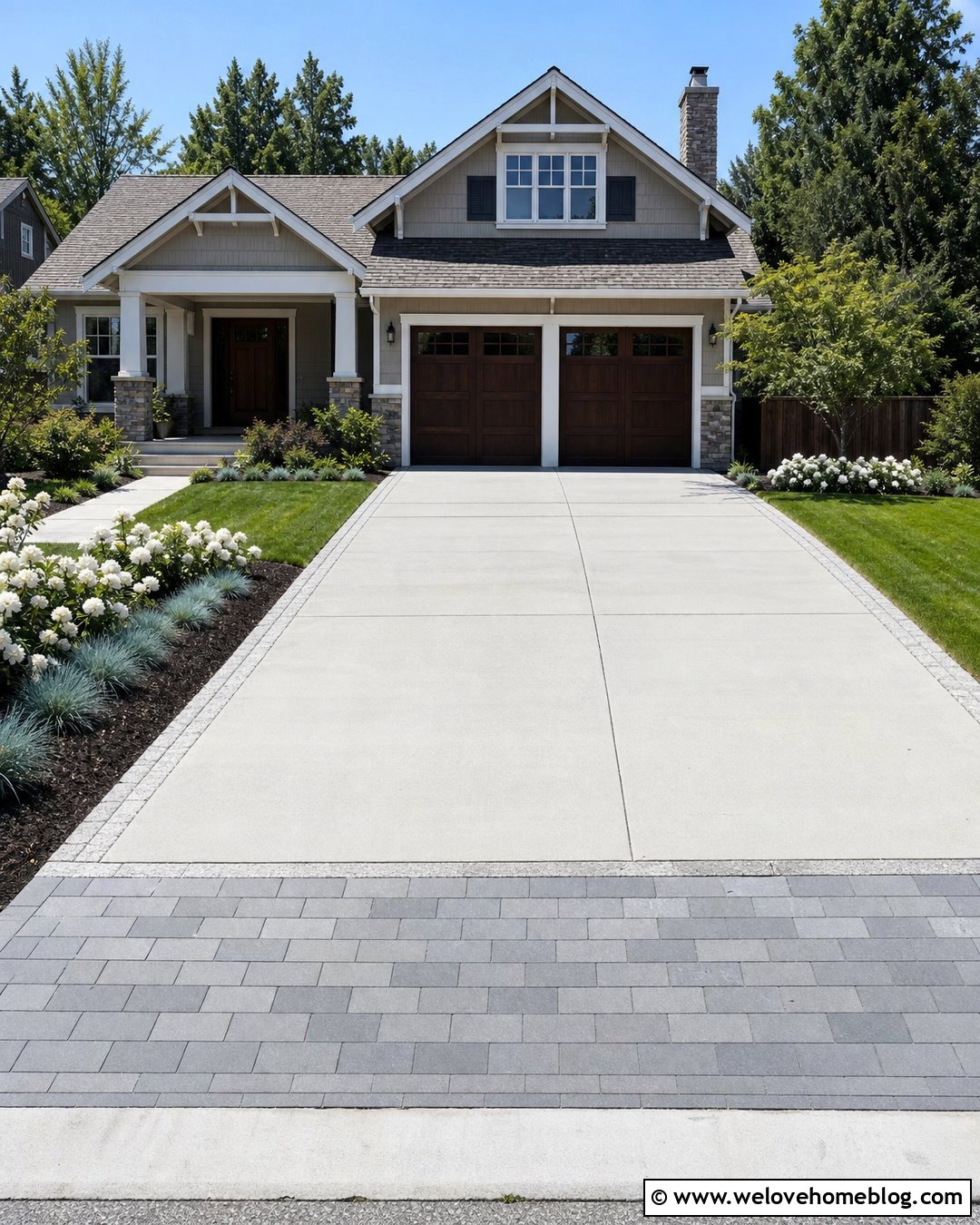
Cool gray granite creates an attractive transition between the street and a light-gray poured concrete driveway. Instead of attempting an exact color match, use darker salt-and-pepper Belgian blocks to create deliberate contrast. A running bond apron can span the entire entrance, while narrow granite borders continue beside the concrete toward the garage. Align the apron edges with the driveway joints for a clean, structured appearance. This understated combination complements ranch homes, contemporary Craftsman houses, and simple suburban facades. Planting beds with blue-green ornamental grasses, white flowers, and dark mulch add color without competing with the masonry. Keep the granite surface relatively even where tires cross, and use slightly more textured blocks along the outer border to preserve the apron’s natural stone character.
5. Black Belgian Block Apron With White Concrete
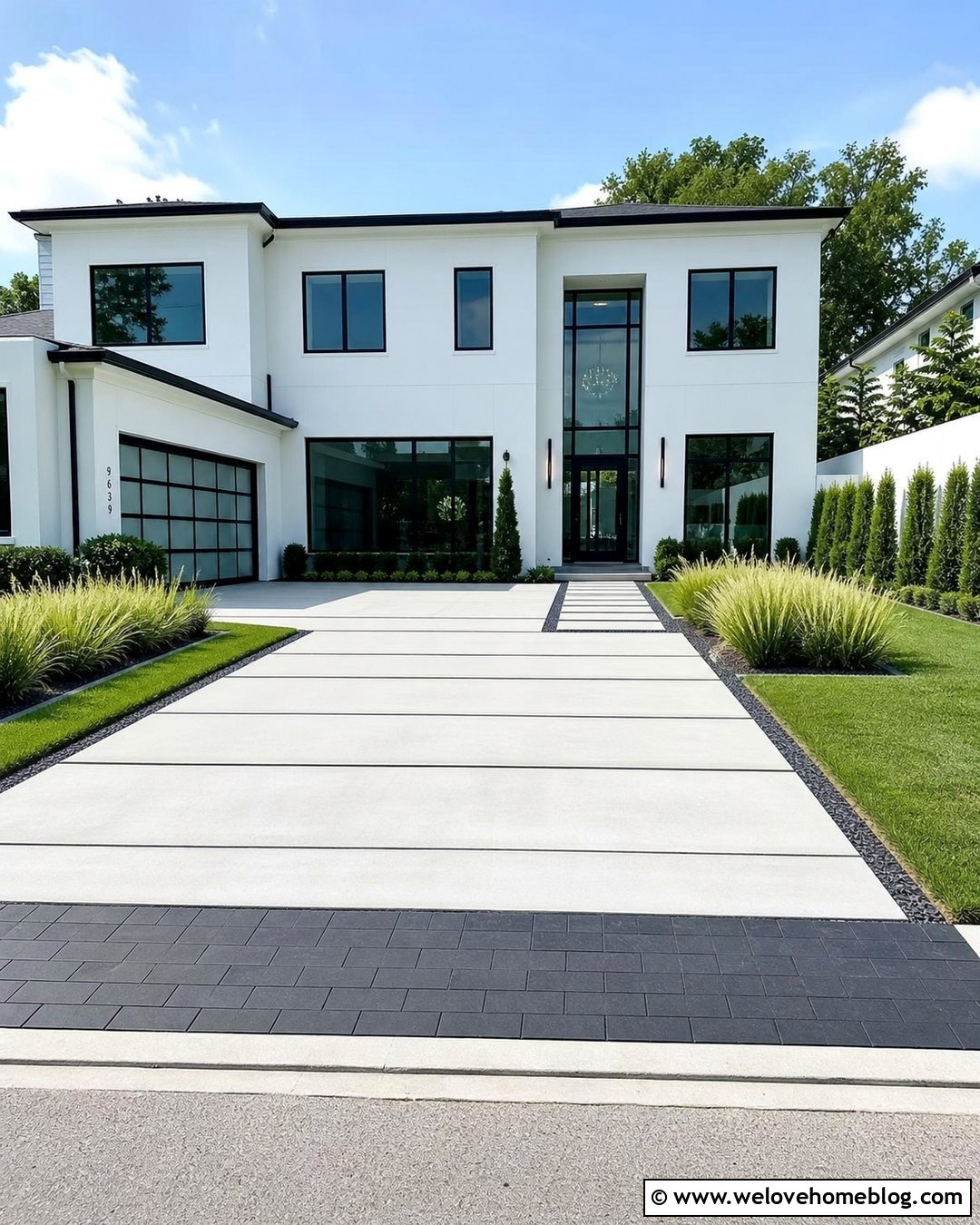
Strong contrast can make a modest driveway look distinctly modern. Pair smooth, pale concrete with a full apron of charcoal or black Belgian blocks laid in a straight stack bond. Large rectangular blocks and narrow joints create a more tailored appearance than heavily weathered cobbles. Continue slim black granite bands along both sides of the driveway so the entrance does not look like a separate patch. Rectangular planting beds, clipped grasses, and a simple concrete walkway reinforce the clean geometry. This design looks especially cohesive in front of a modern house with white stucco, dark window frames, and a flat or low-pitched roof. Avoid adding several competing paver colors. The restrained black, white, and green palette gives the entire approach a confident, uncluttered sense of order.
6. Pink Granite Belgian Block Apron
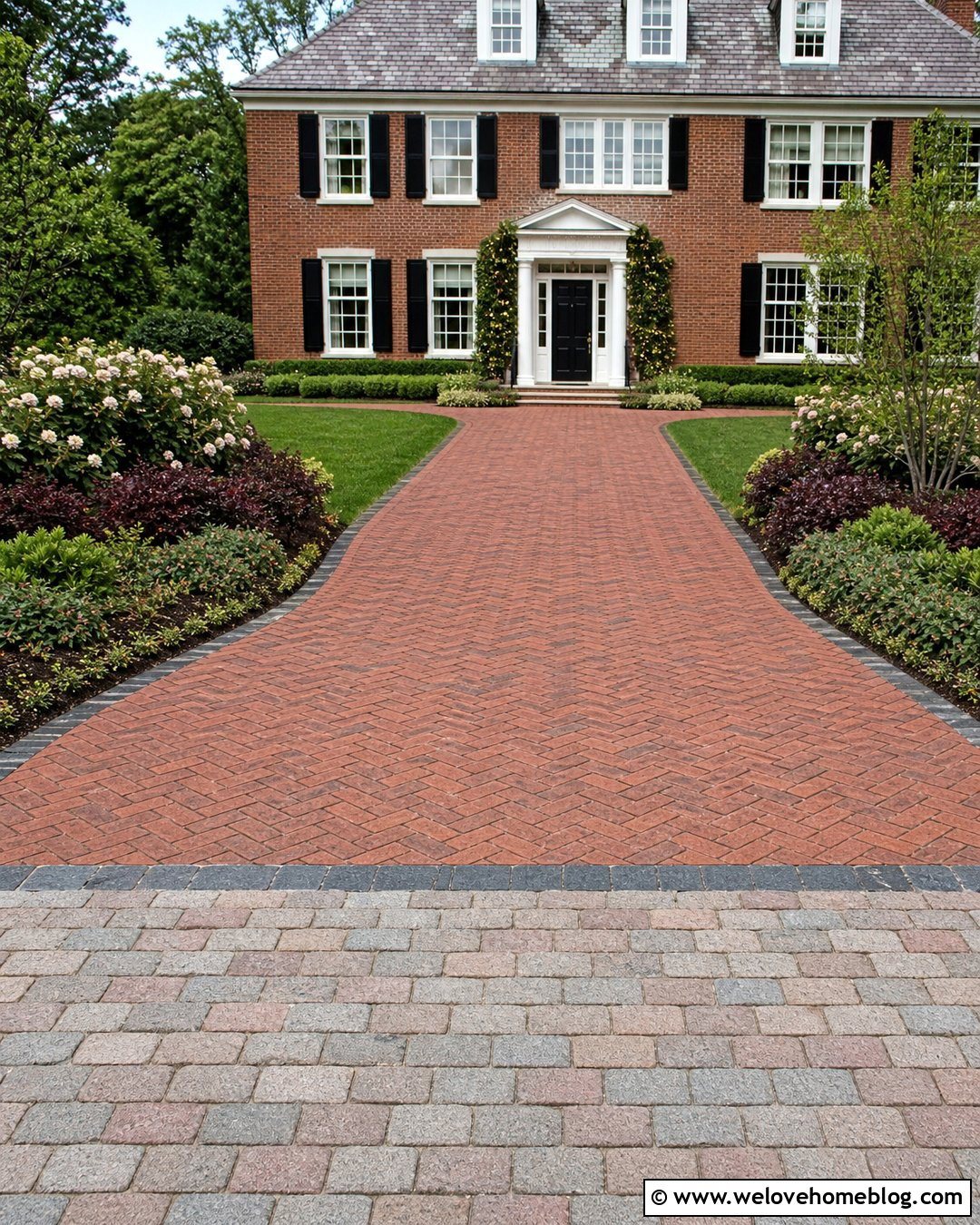
Pink granite Belgian blocks introduce warm red, gray, and brown tones without looking as uniform as manufactured brick. They work beautifully with a red brick driveway or warm-toned concrete pavers. Arrange the blocks in a simple running bond, then frame the apron with deeper charcoal granite to separate it from the curb and adjoining pavement. Curved beds of burgundy shrubs, pale roses, and soft green ground cover can repeat the apron’s warm color palette. This combination feels at home beside a Georgian, Tudor, or traditional brick residence. Keep the driveway layout straight and symmetrical so the varied stone colors remain the main feature. For a coordinated finish, use the same pink granite as a low border around the nearby walkway or mailbox planting bed.
7. Buff Belgian Block Apron With Gravel Driveway
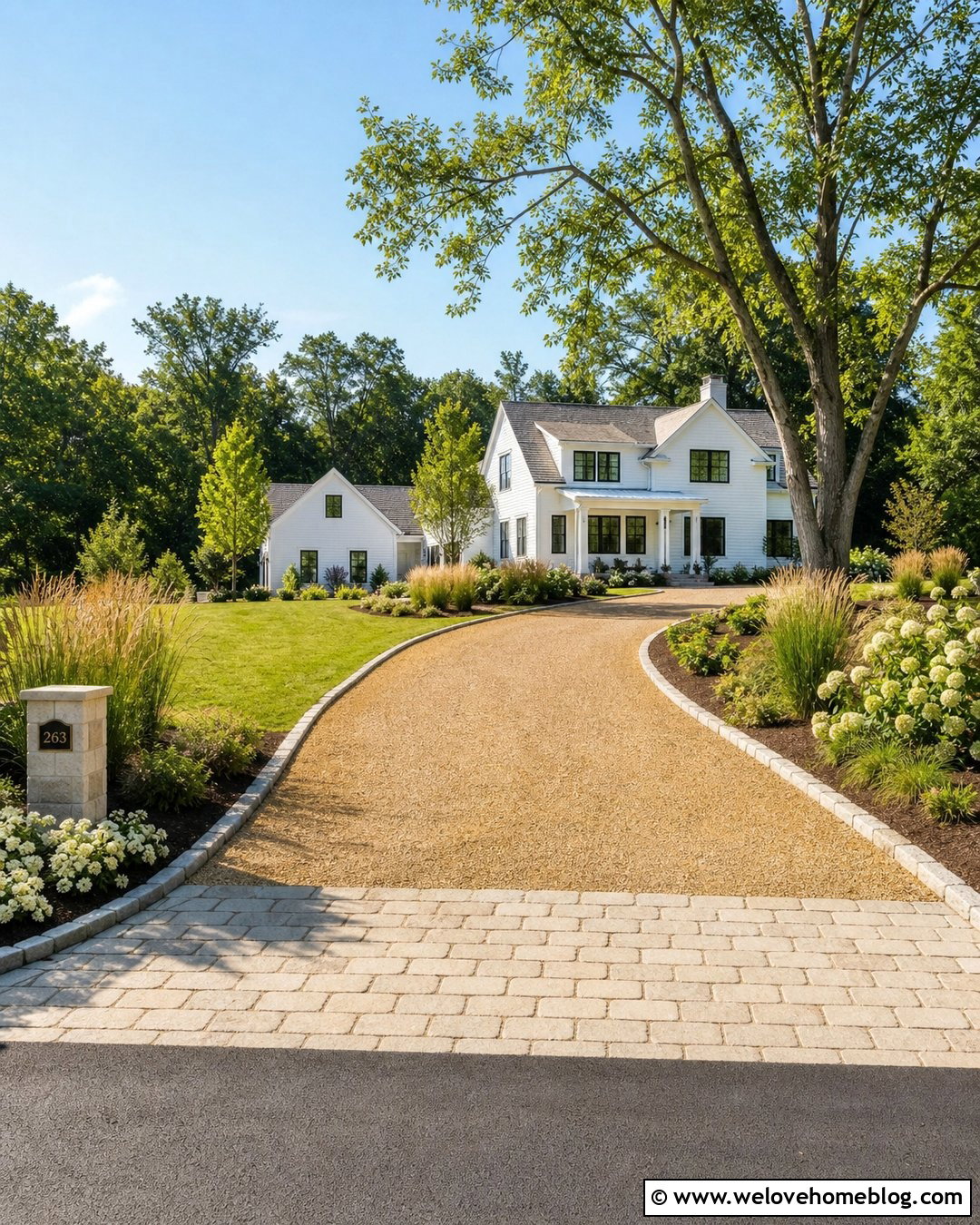
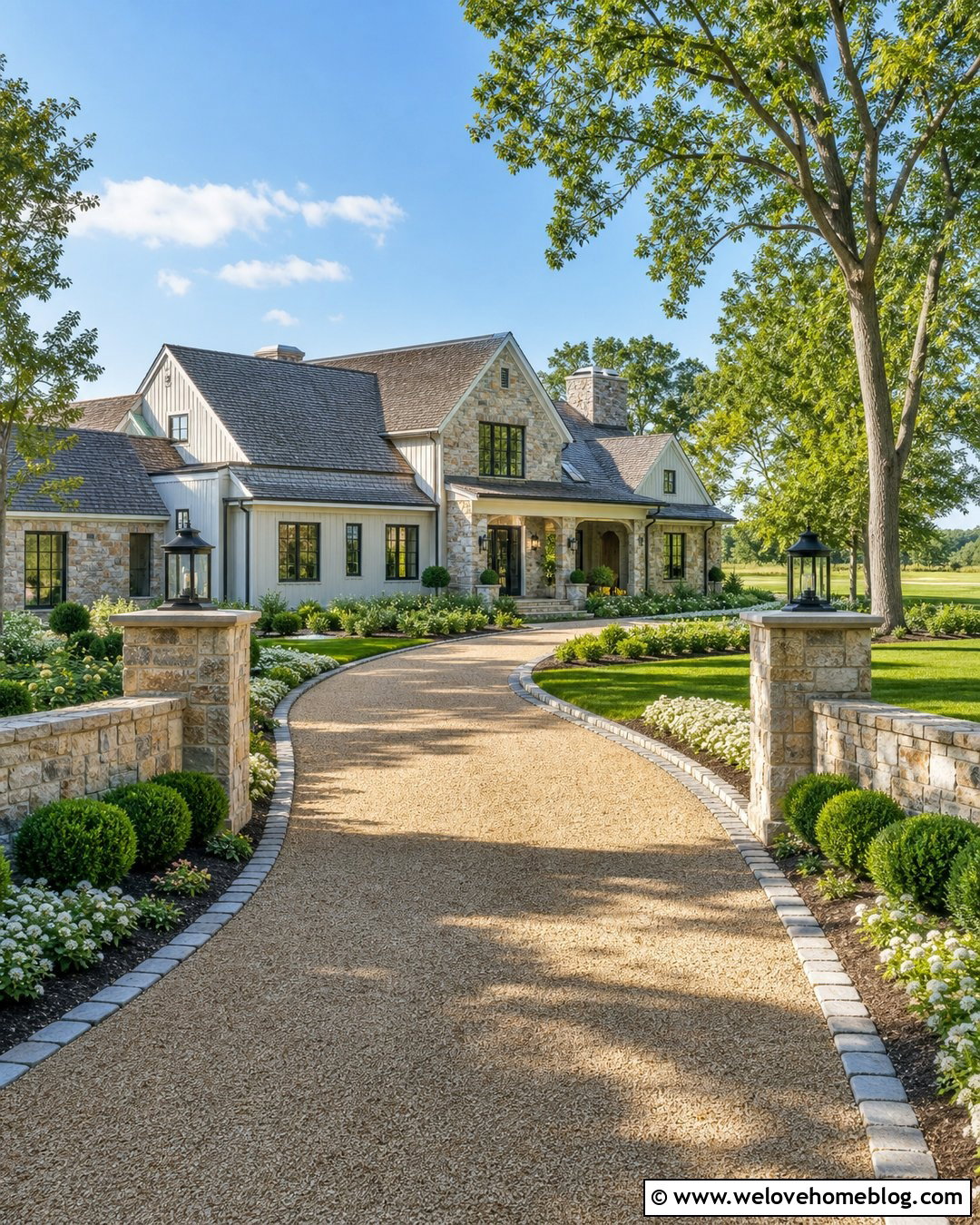
Warm buff Belgian blocks create a natural-looking threshold for a tan or honey-colored gravel driveway. Build a full stone apron several feet deep so vehicle tires pass over a stable surface before reaching the loose aggregate. Raised Belgian block edging can continue along the driveway to help keep gravel from spreading into the lawn. () A gently curved layout suits the relaxed material and leads the eye toward a farmhouse, cottage, or country home. Frame the entrance with native grasses, flowering shrubs, and broad mulch beds instead of formal hedges. Select gravel that relates to the cream, gold, and gray tones in the granite. The finished design should look informal and welcoming while still giving the gravel driveway a defined, durable connection to the road.
8. Yellow Belgian Block Apron With Asphalt
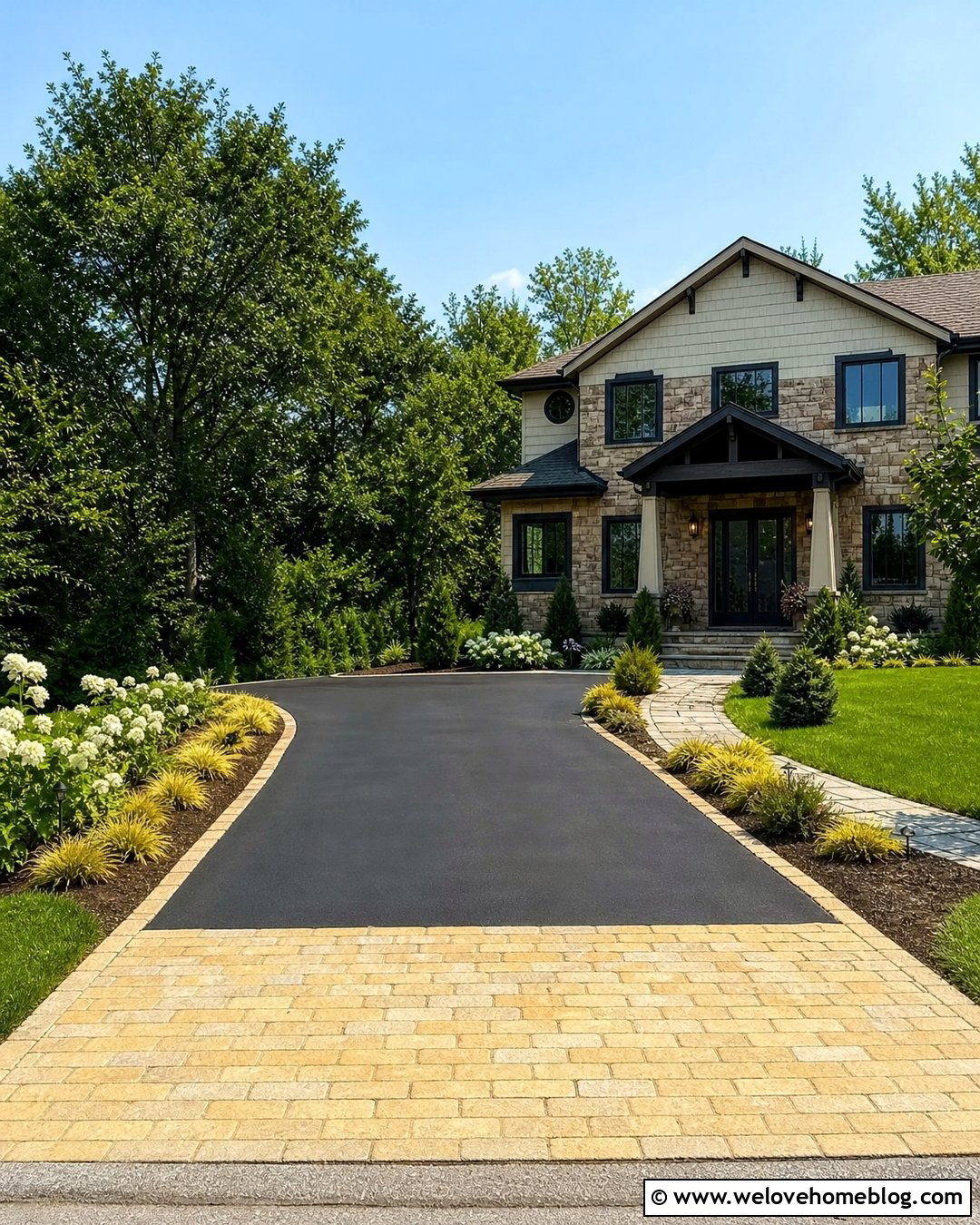
Yellow or golden Belgian blocks can brighten the entrance to a deep black asphalt driveway. Their mottled cream, beige, and rusty tones create a warm contrast that works particularly well with stone veneer, tan siding, or natural cedar accents. Lay the blocks in a staggered running bond and finish the apron with a straight outer border. Continue a single row of golden blocks beside the driveway to visually connect the curb with the house. Plant golden sedges, evergreen shrubs, and white flowering perennials nearby for a coordinated landscape. This design can make a shaded front yard feel lighter without relying on bright decorative colors. A medium-width, slightly flared apron provides enough space to show the stone variation while giving vehicles a comfortable turning area at the street.
9. Jumbo Belgian Block Driveway Apron
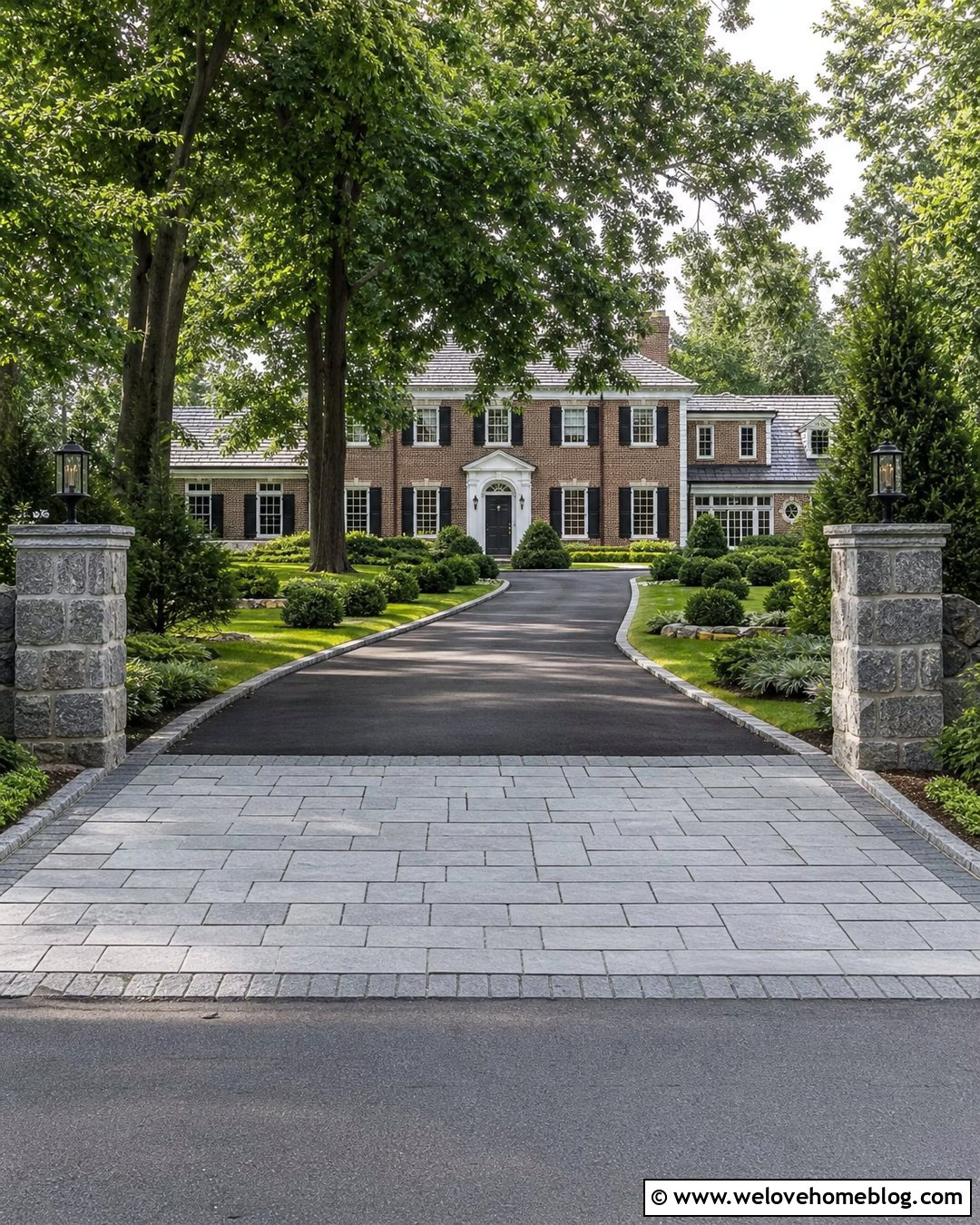
Large properties can support the strong proportions of jumbo Belgian blocks. Their substantial size makes a wide apron feel appropriately scaled while reducing the number of visible joints. Lay these oversized granite pieces in straight rows across a broad, flared asphalt entrance. A darker outer soldier course can define the perimeter, while matching jumbo-block curbing leads toward the house. Use generous planting beds, mature shade trees, and stone entrance pillars to balance the visual weight of the apron. This approach works well for a large Colonial, estate-style home, or expansive modern farmhouse. On a small driveway, jumbo blocks may look crowded, so reserve them for entrances with enough width and depth. Keep the pattern straightforward and let the block size, natural texture, and broad proportions make the statement.
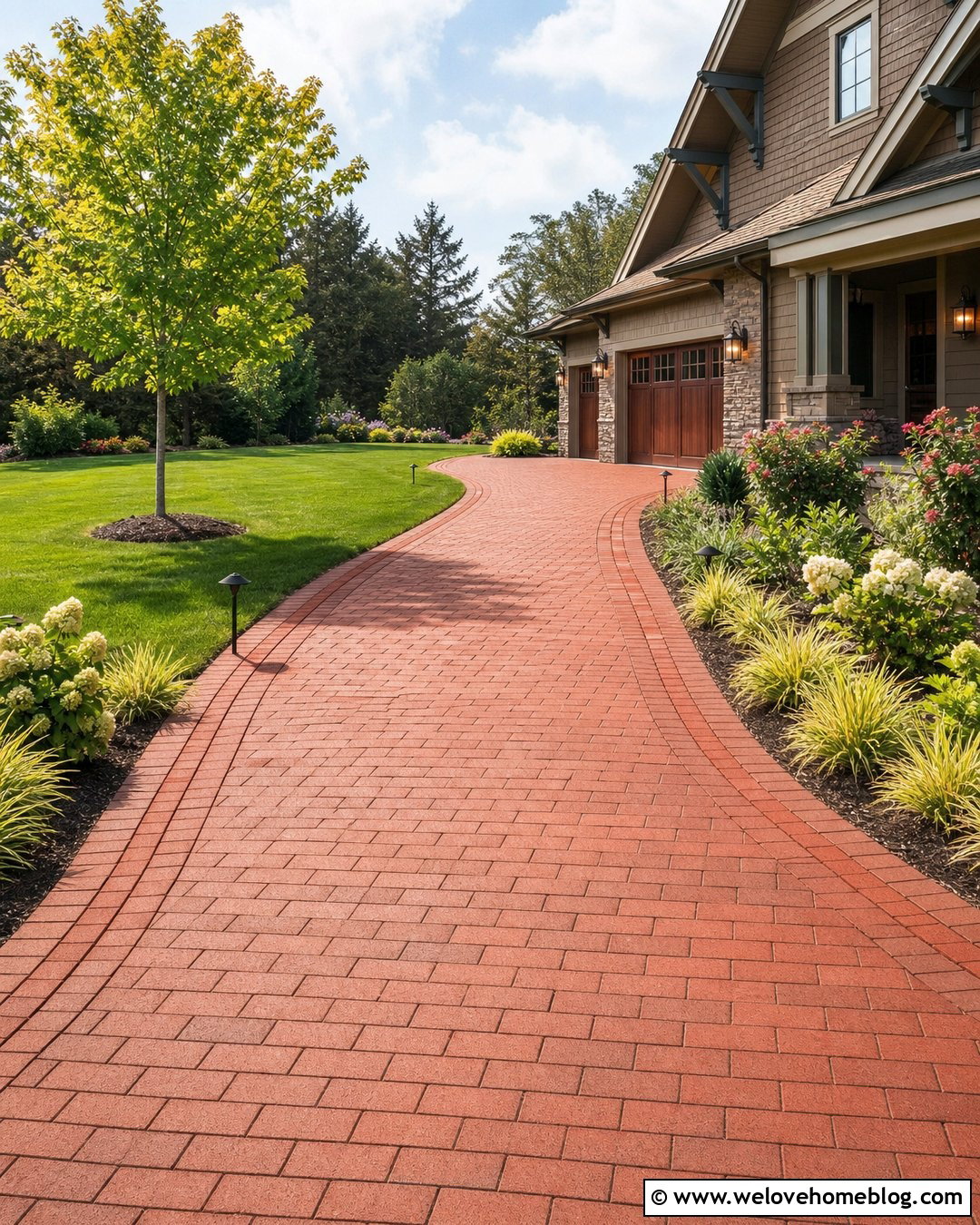
10. Mini Belgian Block Apron For Narrow Driveway
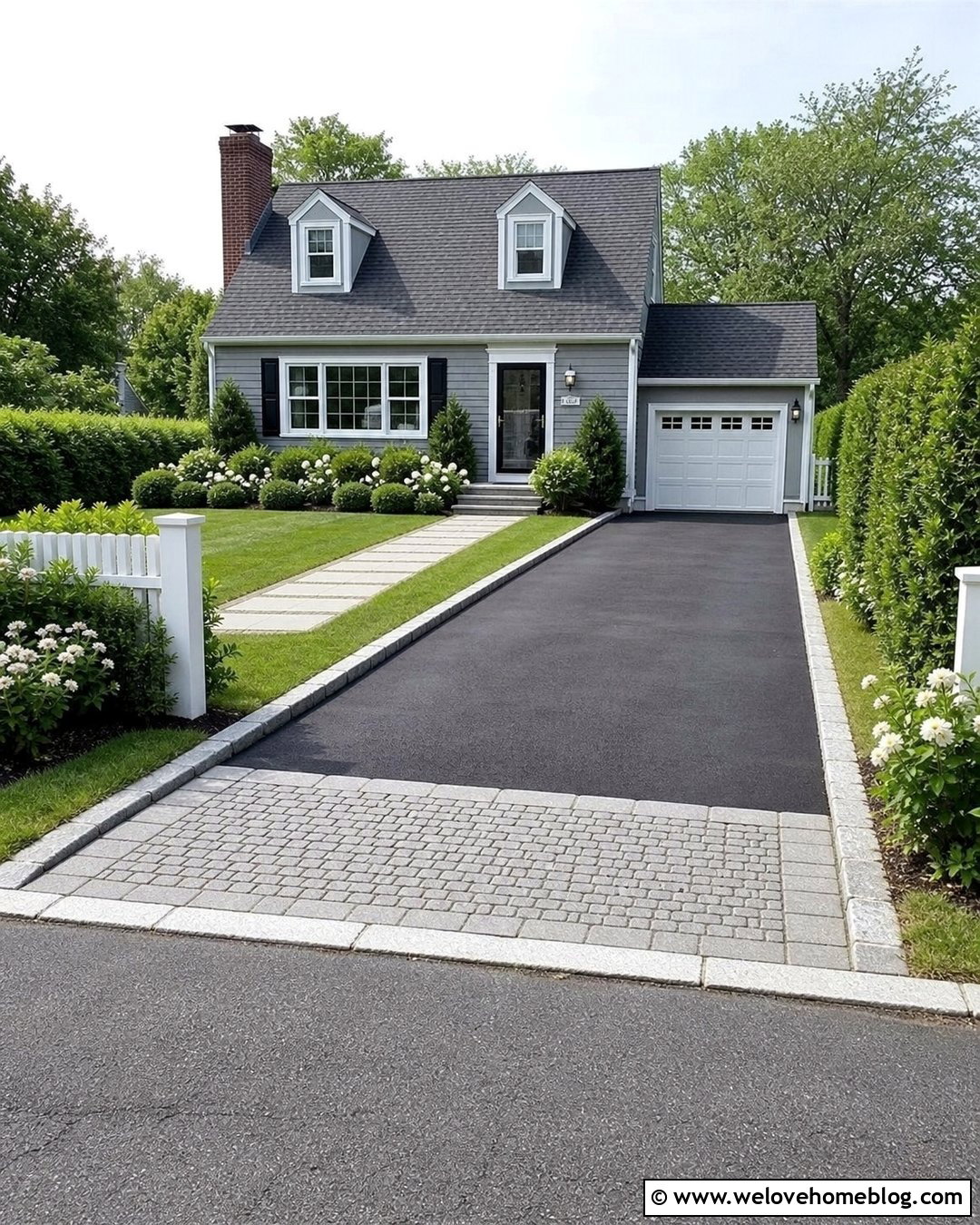
A narrow driveway needs an apron that adds definition without overwhelming the entrance. Mini Belgian blocks offer the texture of granite at a smaller, more suitable scale. Arrange them in a compact running bond or simple basketweave field, bordered by one row of regular-size blocks. The change in scale creates subtle detail while maintaining a strong outer edge. Pair the apron with a single-car asphalt driveway and flush granite edging so the usable driving surface remains as wide as possible. Small foundation shrubs, a narrow lawn strip, and a simple paver walkway keep the surrounding landscape proportional. This complete look suits Cape Cod homes, bungalows, and compact urban properties. Choose closely related gray tones to prevent the smaller blocks and numerous joints from appearing visually cluttered.
11. Arched Belgian Block Driveway Apron
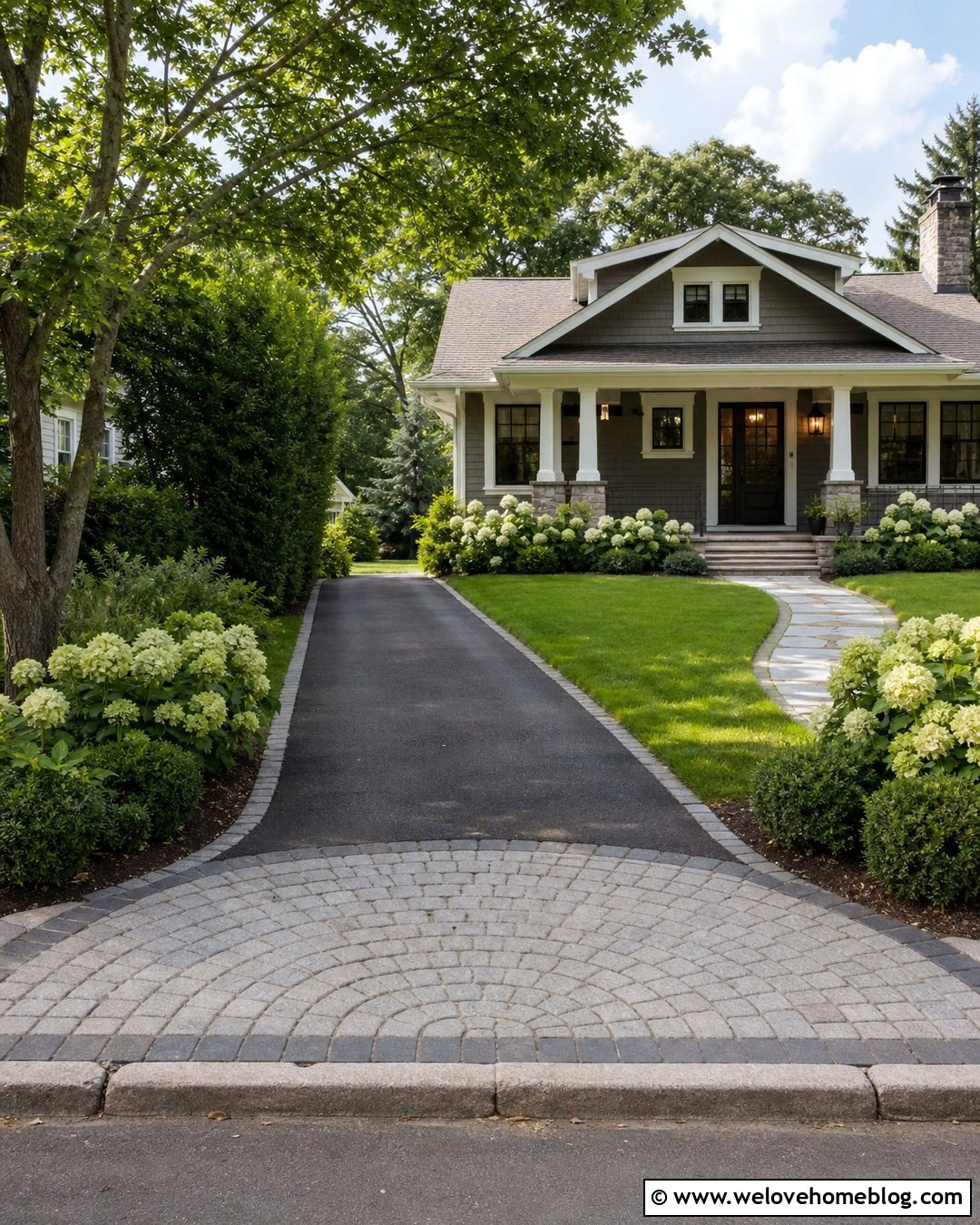
An arched apron gives a straight driveway a softer and more inviting connection to the street. Shape the curbside edge into a shallow outward curve, then taper the sides smoothly into the main asphalt or concrete surface. Lay gray Belgian blocks in curved running-bond rows that echo the outline. A contrasting soldier course can make the arch easy to read from the curb. Pair this apron with rounded planting beds, low hydrangeas, and a gently curving walkway to create a unified front-yard composition. The design works especially well with Craftsman homes and traditional houses that have arched doors or windows. Keep the curve broad rather than sharply rounded. A subtle arc provides visual interest while preserving a comfortable path for vehicles entering from either direction.
12. Double Band Belgian Block Apron
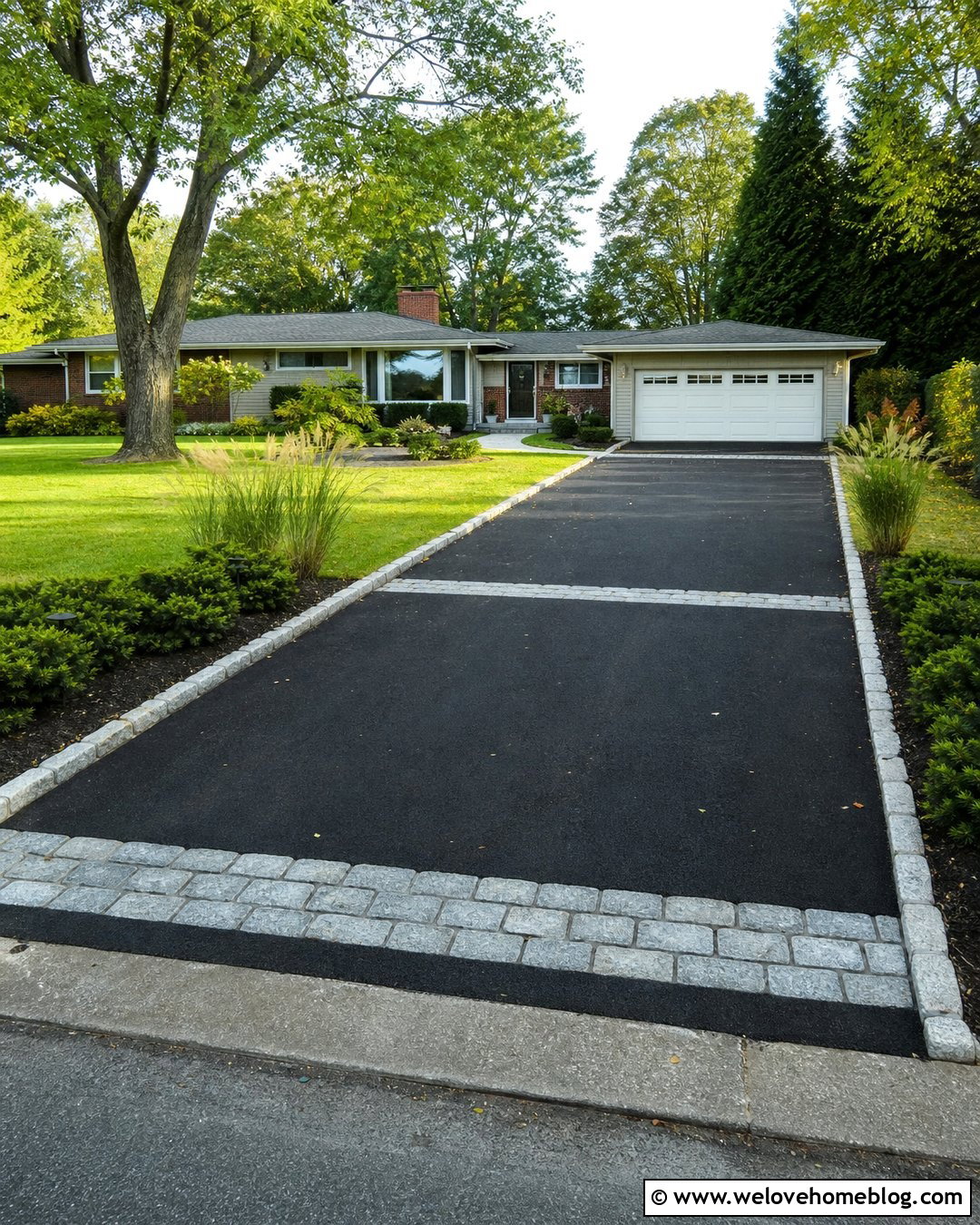
Two Belgian block bands offer a simple alternative to paving the entire apron in granite. Run parallel rows across a black asphalt driveway, leaving a strip of asphalt between them. The repeated bands create a clear entrance marker while using less stone than a full field. Choose rough-faced gray granite for visible texture, and add matching flush edging along the driveway sides. This layout works best when the bands are wide enough to look intentional rather than like narrow repair seams. In front of a ranch or split-level house, simple lawn panels and low evergreen beds keep the overall design balanced. The same Belgian block band can be repeated near the garage or parking area, creating a consistent rhythm along a long driveway without covering every section in stone.
13. Belgian Block Border Apron With Asphalt Center
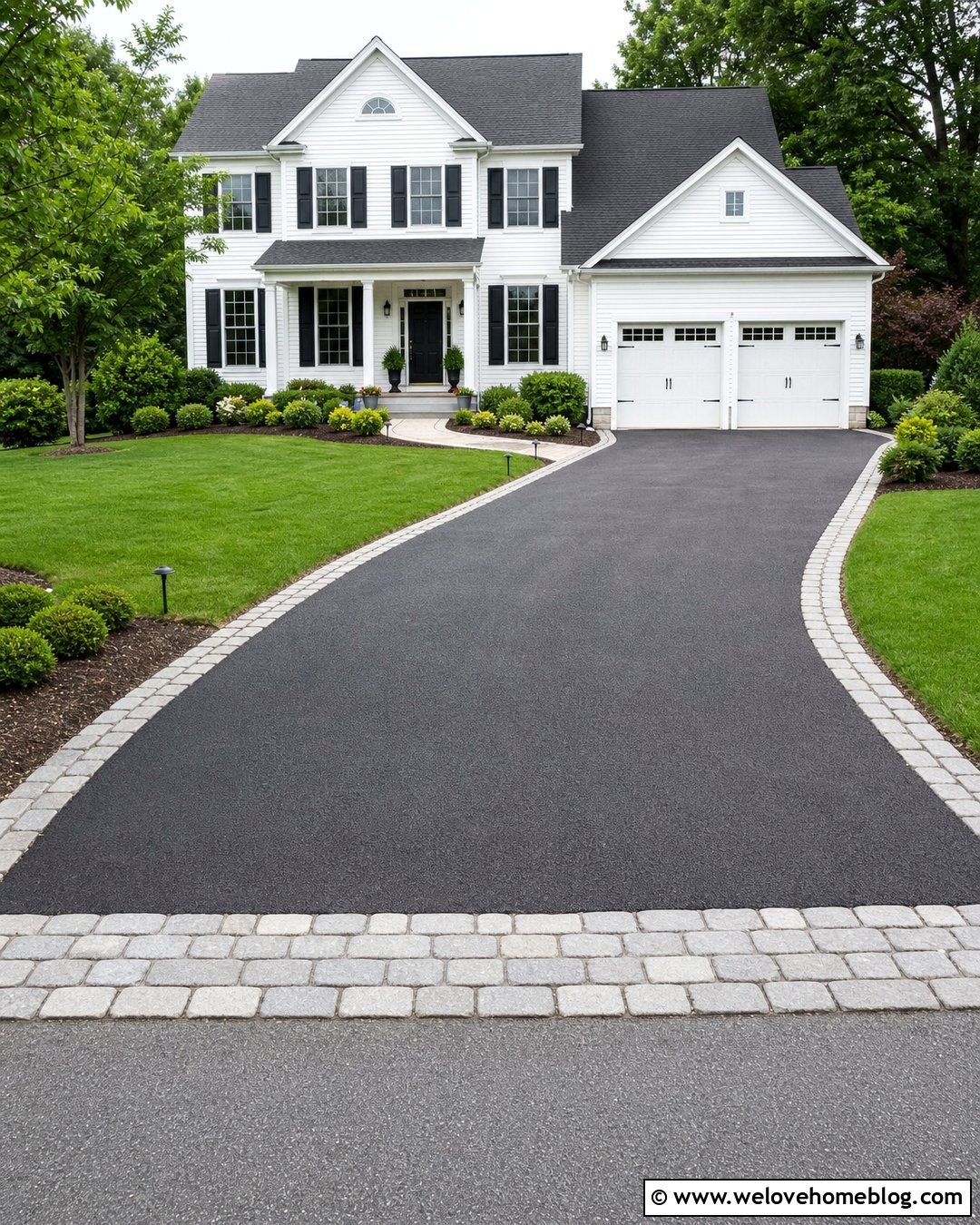
A border-only apron frames the driveway entrance while leaving the center material unchanged. Outline a rectangular or gently flared section with Belgian blocks, then retain black asphalt inside the frame. This is a practical visual upgrade when the existing driveway is in good condition and a full granite field would feel too elaborate. Use two rows of gray blocks at the street and one row along the sides to give the border enough presence. Extend the side rows into matching driveway edging for a seamless result. Neatly shaped lawn edges, compact shrubs, and a central walkway can reinforce the clean outline. This restrained entrance suits nearly any suburban house, from a simple ranch to a two-story Colonial, and allows the granite to provide definition without dominating the facade.
14. Belgian Block Apron With Brick Paver Center
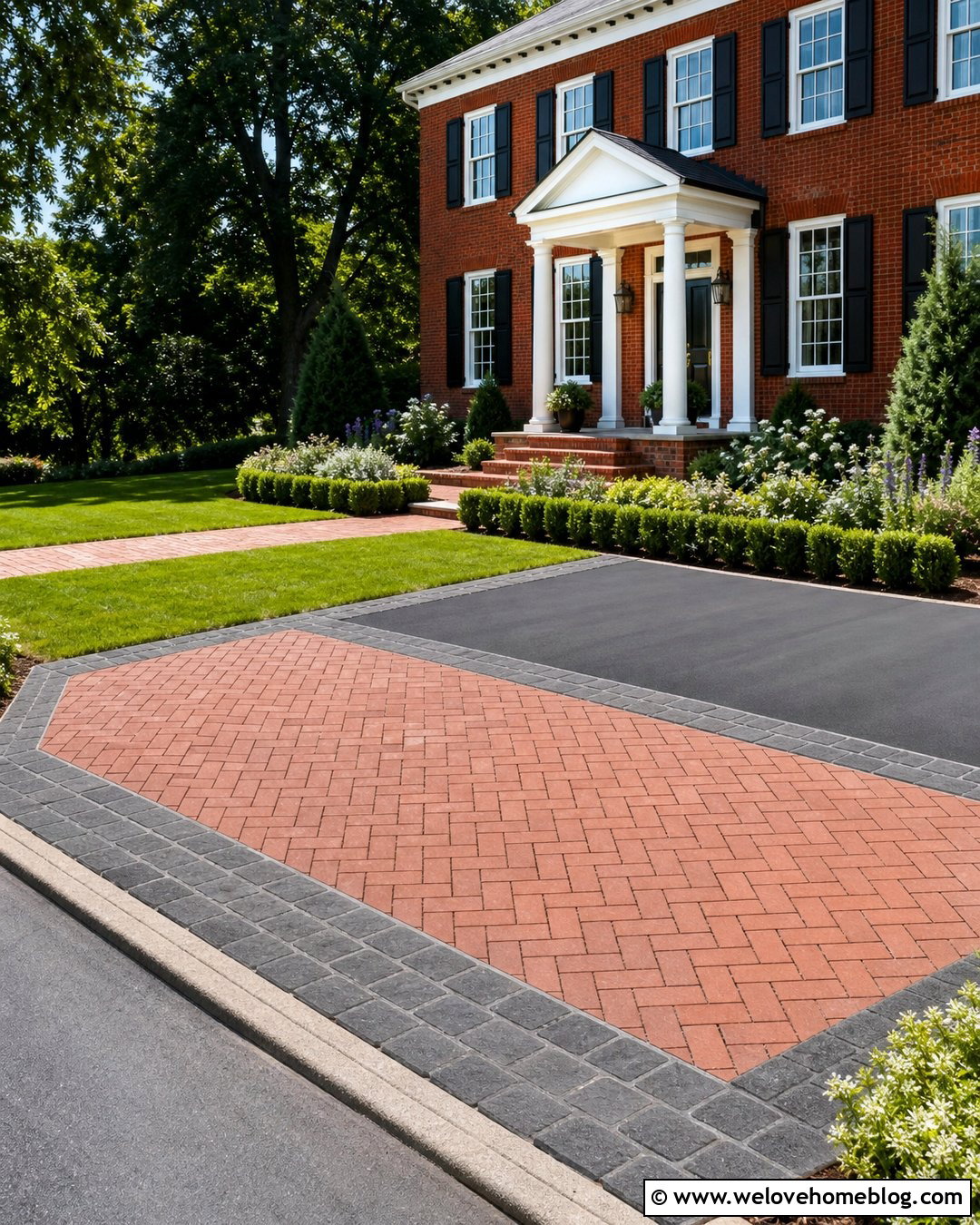
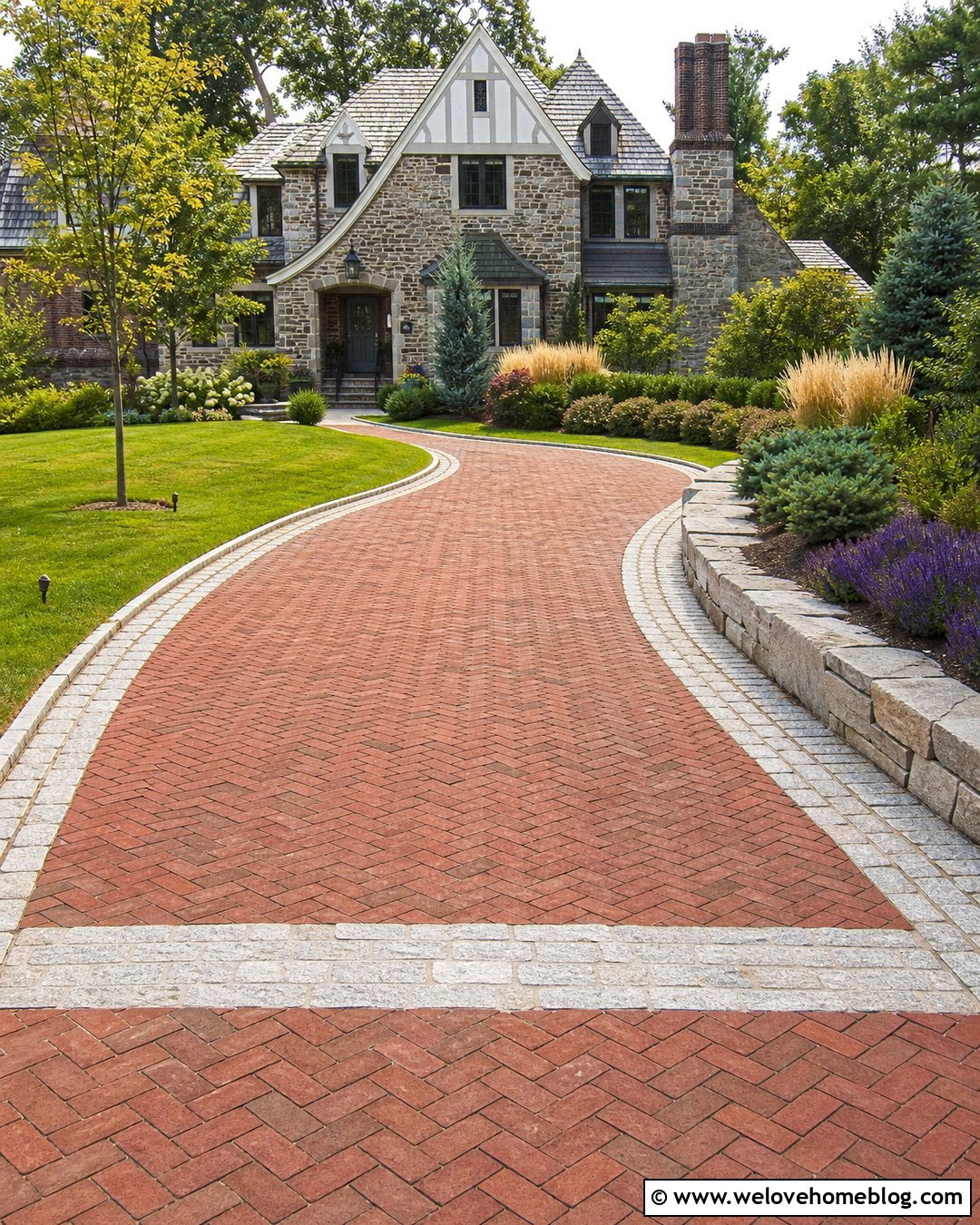
Brick and granite create a rich mixed-material apron for a traditional home. Fill the center with red or brown clay brick pavers in herringbone, then surround them with a wide border of charcoal Belgian blocks. The dark granite prevents the brick field from blending into the adjacent asphalt driveway and gives the apron a durable-looking frame. Repeat the same clay brick on the front walkway or steps so the entrance feels connected to the house. Formal boxwood, flowering perennials, and a clean lawn edge complement the masonry without adding too many textures. This arrangement is especially effective in front of a brick Colonial or Georgian facade. Keep the center pattern centered on the driveway and use carefully cut edge pieces to preserve a balanced, professionally finished outline.
15. Belgian Block Apron With Circle Inlay
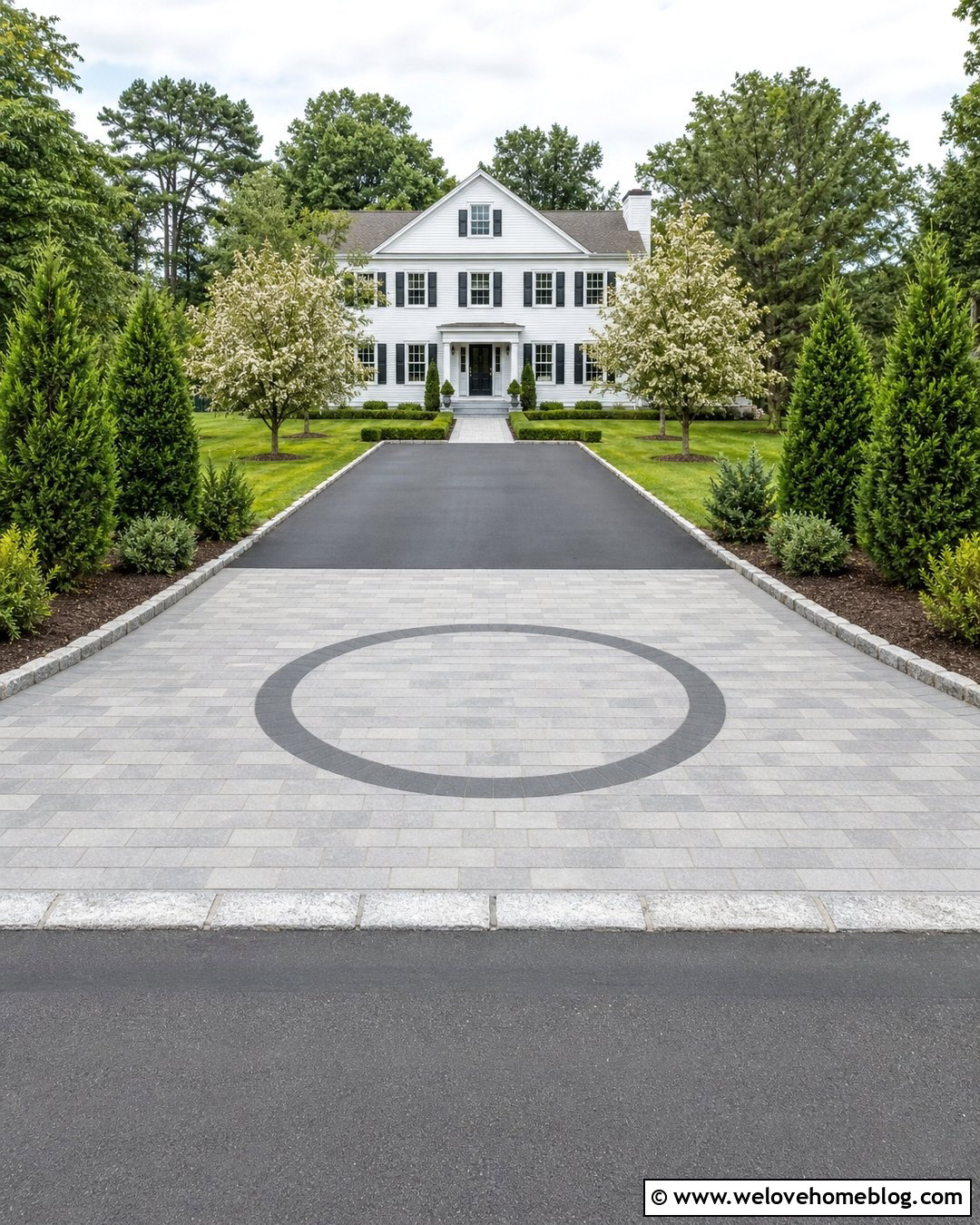
A circular inlay can become the central feature of a wide Belgian block apron. Create the main field with silver-gray granite in running bond, then place a darker charcoal circle or compass-inspired ring in the center. The surrounding apron should be broad enough to leave generous stone space around the motif; otherwise, the circle can feel squeezed between the edges. Pair the feature with a straight concrete or asphalt driveway bordered by matching granite. Symmetrical planting beds and evenly spaced ornamental trees support the formal geometry. This design works best at the entrance to a large Colonial, Georgian, or estate-style home. Keep the inlay simple and avoid tiny, complicated details. Bold shapes are easier to recognize from the curb and create a cleaner overall composition.
16. Curved Driveway With Belgian Block Apron
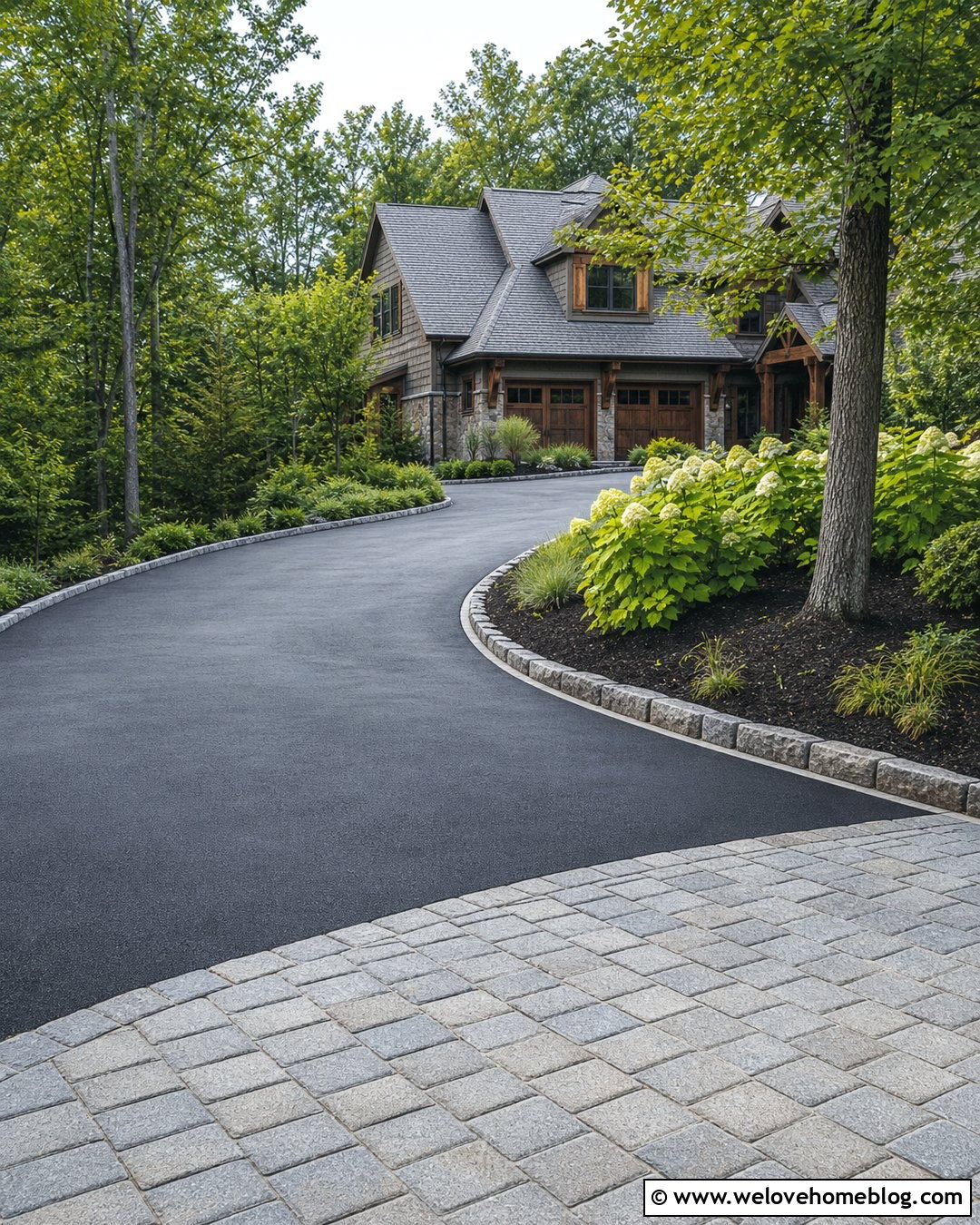
A curved driveway benefits from an apron that guides the eye naturally into the property. Angle or arc the Belgian block rows so they follow the first turn rather than sitting like a rigid rectangle at the street. Use medium-gray split-face granite with a dark asphalt surface, then continue raised block edging along the outside curve. On the inner curve, create a broad planting bed with a specimen tree, flowering shrubs, and ornamental grasses. This landscape island emphasizes the driveway’s direction and discourages vehicles from cutting across the lawn. A Craftsman, cottage, or wooded contemporary home makes a fitting backdrop. Keep the entrance flare moderate and ensure the apron transitions gradually into the main curve. The stone, edging, and planting should read as one continuous approach.
17. Circular Driveway With Two Belgian Block Aprons
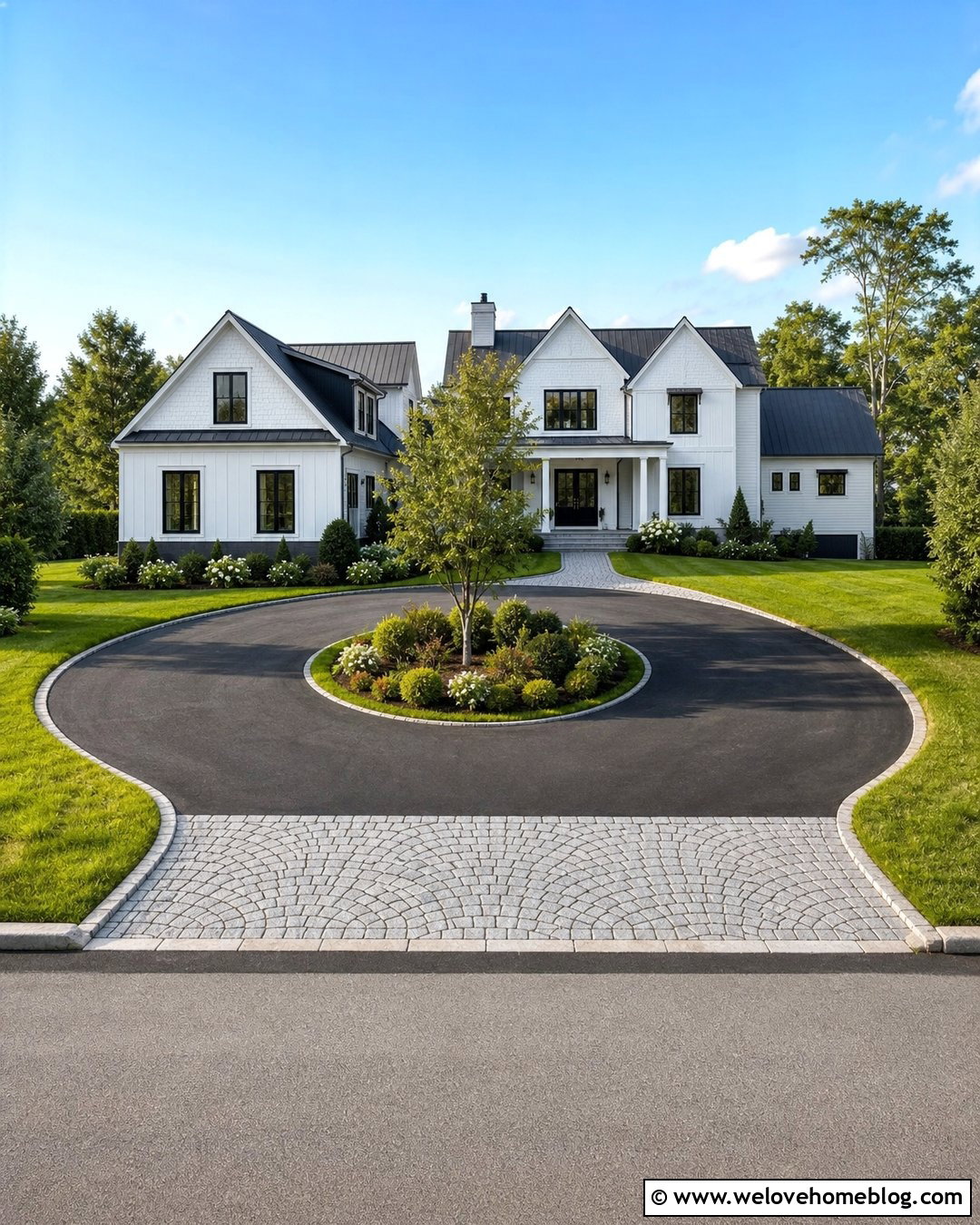
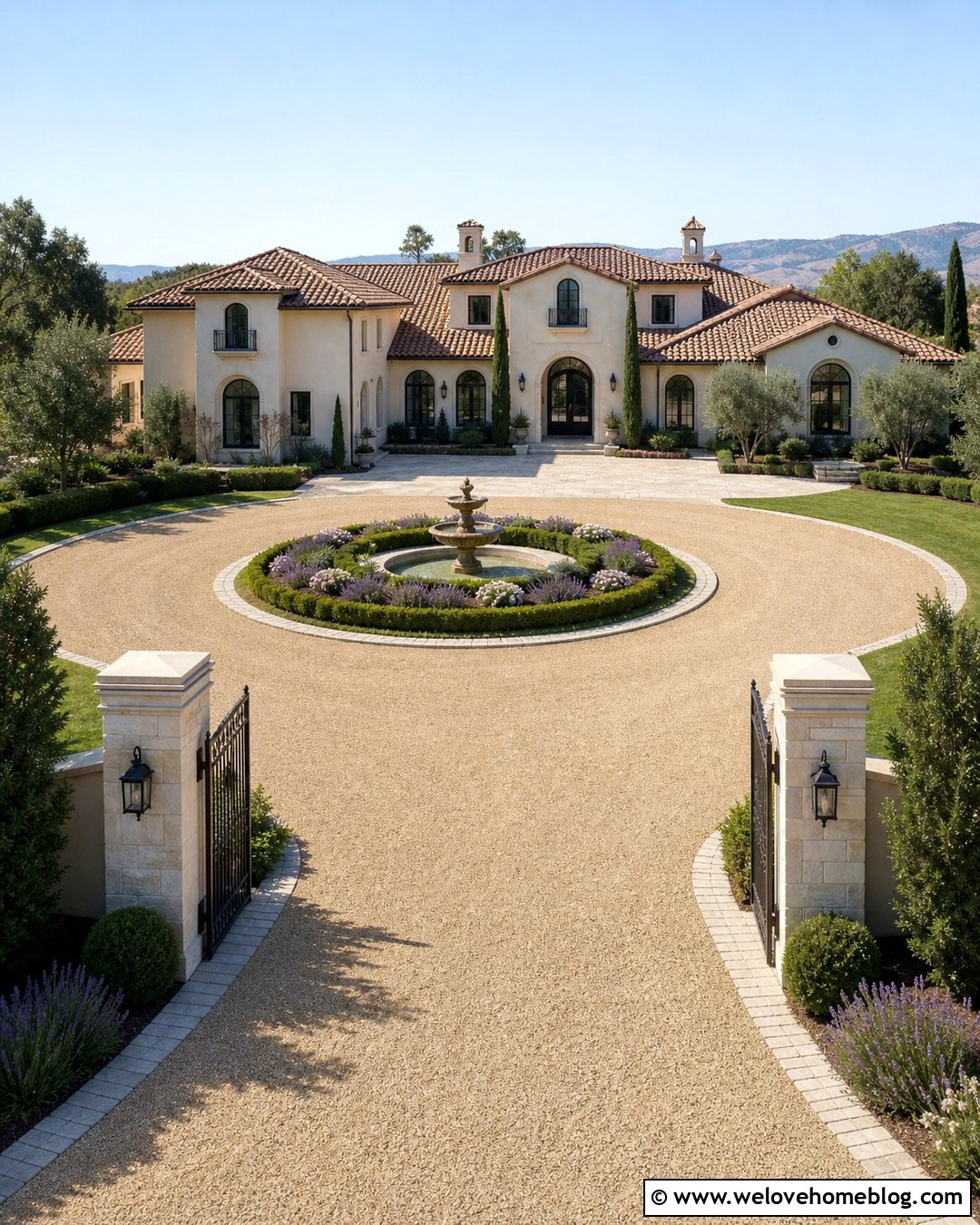
A circular or horseshoe driveway needs coordinated aprons at both street connections. Use the same Belgian block color, block size, and laying pattern at each entrance so the layout feels intentional. Gray granite in a fan or running bond pattern pairs well with black asphalt throughout the loop. Matching stone edging can trace the outside curves and surround the central lawn island. Inside that island, place a small ornamental tree, layered shrubs, and low flowers that preserve clear views toward the road. This design suits a wide-fronted Colonial, ranch, or modern farmhouse. Keep both aprons similar in depth and width, even if the driveway openings sit at different angles. Repetition ties the entrances together and gives the entire circular approach a polished, balanced appearance.
18. Sloped Belgian Block Driveway Apron
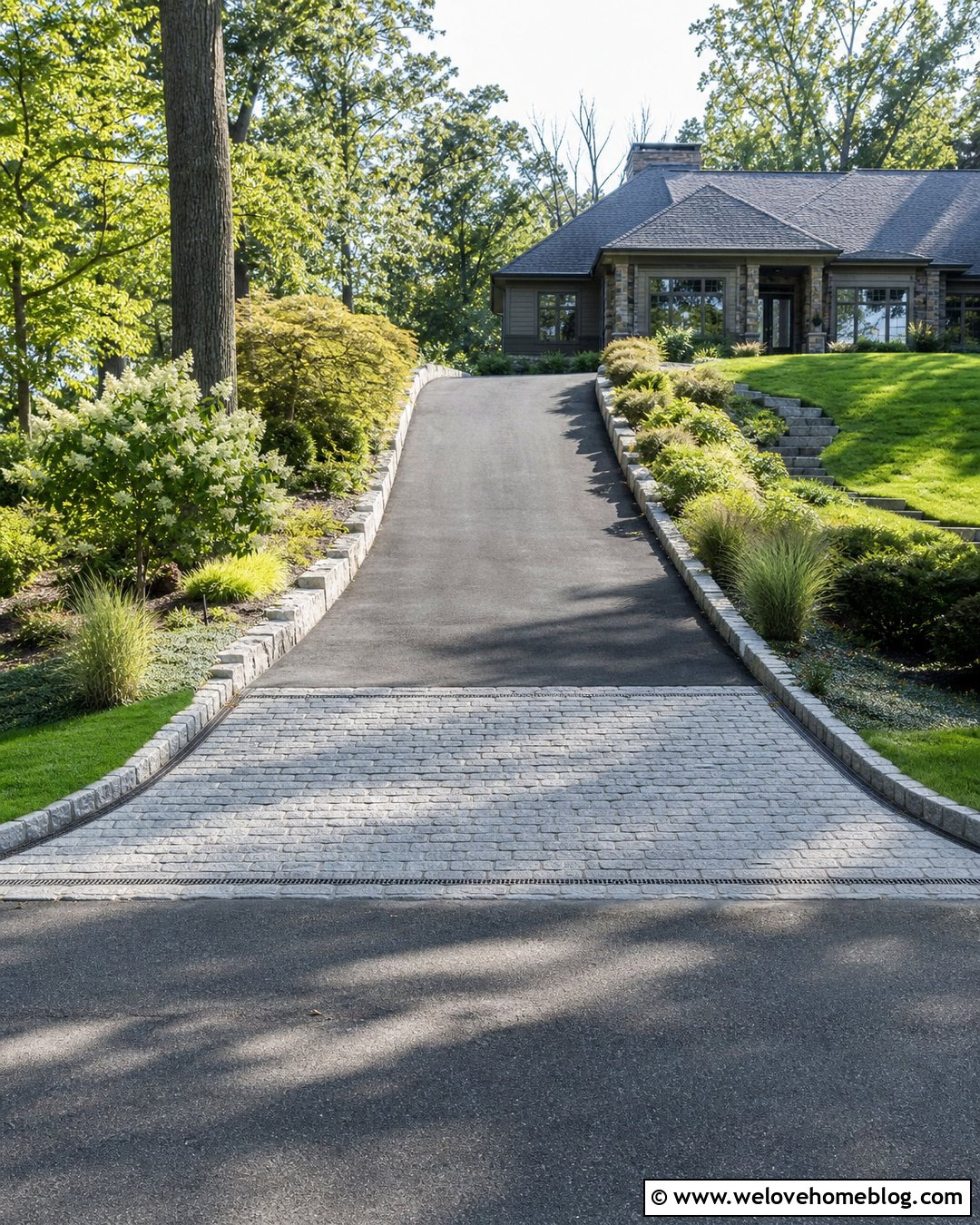
On a sloped entrance, the apron must look attractive while working with water flow and changing grades. Use rough-textured Belgian blocks laid across the full width of a concrete or asphalt driveway. A shallow arched layout can follow the curb while the side edges transition smoothly uphill. Add defined drainage channels or carefully graded planting strips where runoff can be managed without washing soil onto the stone. Raised granite edging is useful beside mulched slopes, but it should not unintentionally trap water across the driveway. Deep-rooted grasses, compact shrubs, and ground cover can stabilize the surrounding beds. Because drainage requirements vary by property, coordinate the finished grade, base, and street connection with an experienced contractor and any applicable local rules before choosing the final pattern.
19. Belgian Block Apron With Matching Driveway Edging
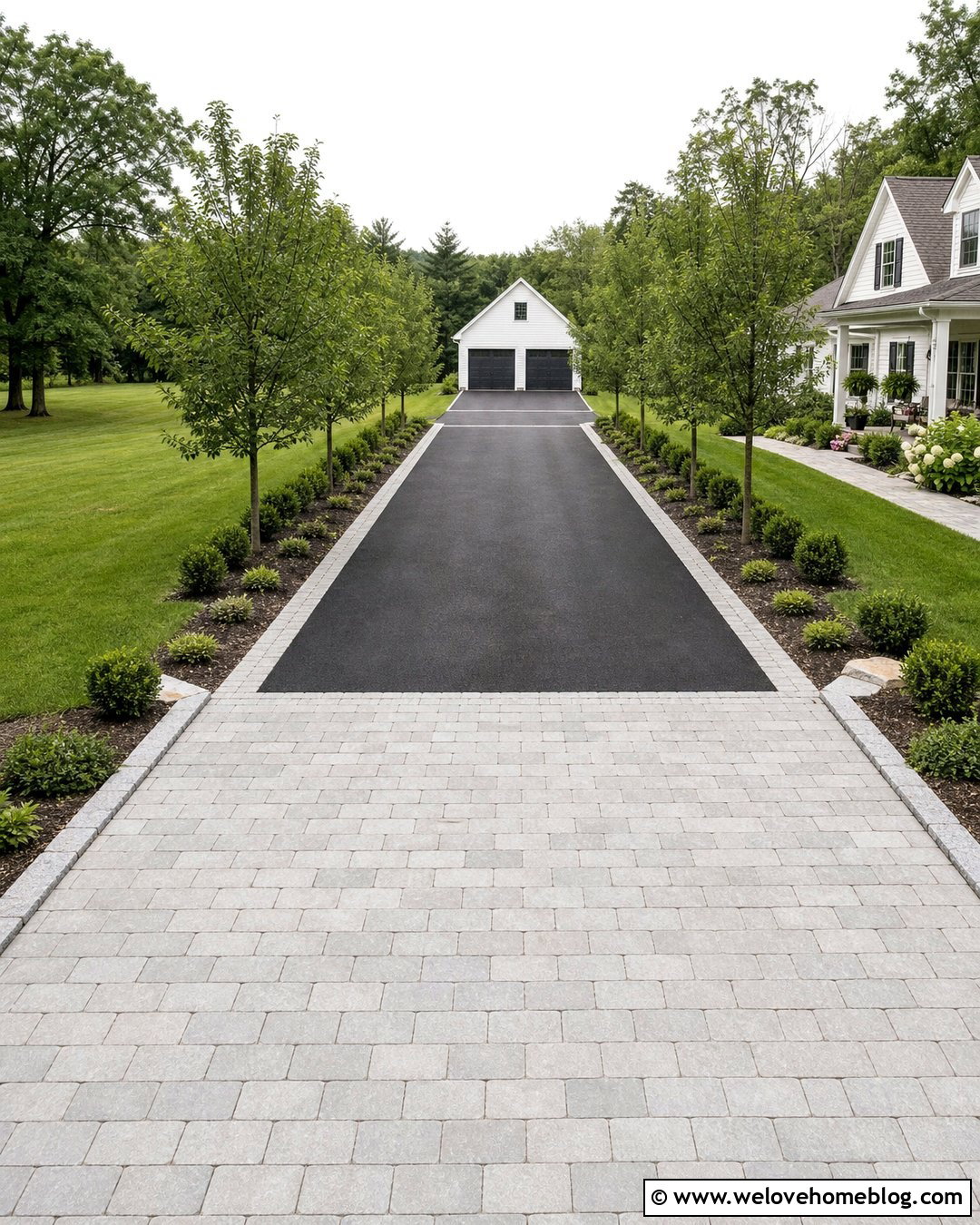
For a fully coordinated entrance, continue the apron material along the entire driveway. Start with a full gray Belgian block field at the street, then narrow the granite into one or two border rows on each side. The uninterrupted stone line leads the eye toward the garage and makes a basic asphalt surface feel more finished. On a long driveway, repeat a crosswise Belgian block band near the garage to visually complete the design. Frame the route with lawn, low shrubs, and evenly spaced trees, leaving enough open space for the edging to remain visible. This look works with many house styles, especially traditional suburban homes and modern farmhouses. Keep the apron and borders at a consistent elevation so tires, lawn equipment, and snow removal tools can move across them comfortably.
20. Belgian Block Apron With Stone Pillars
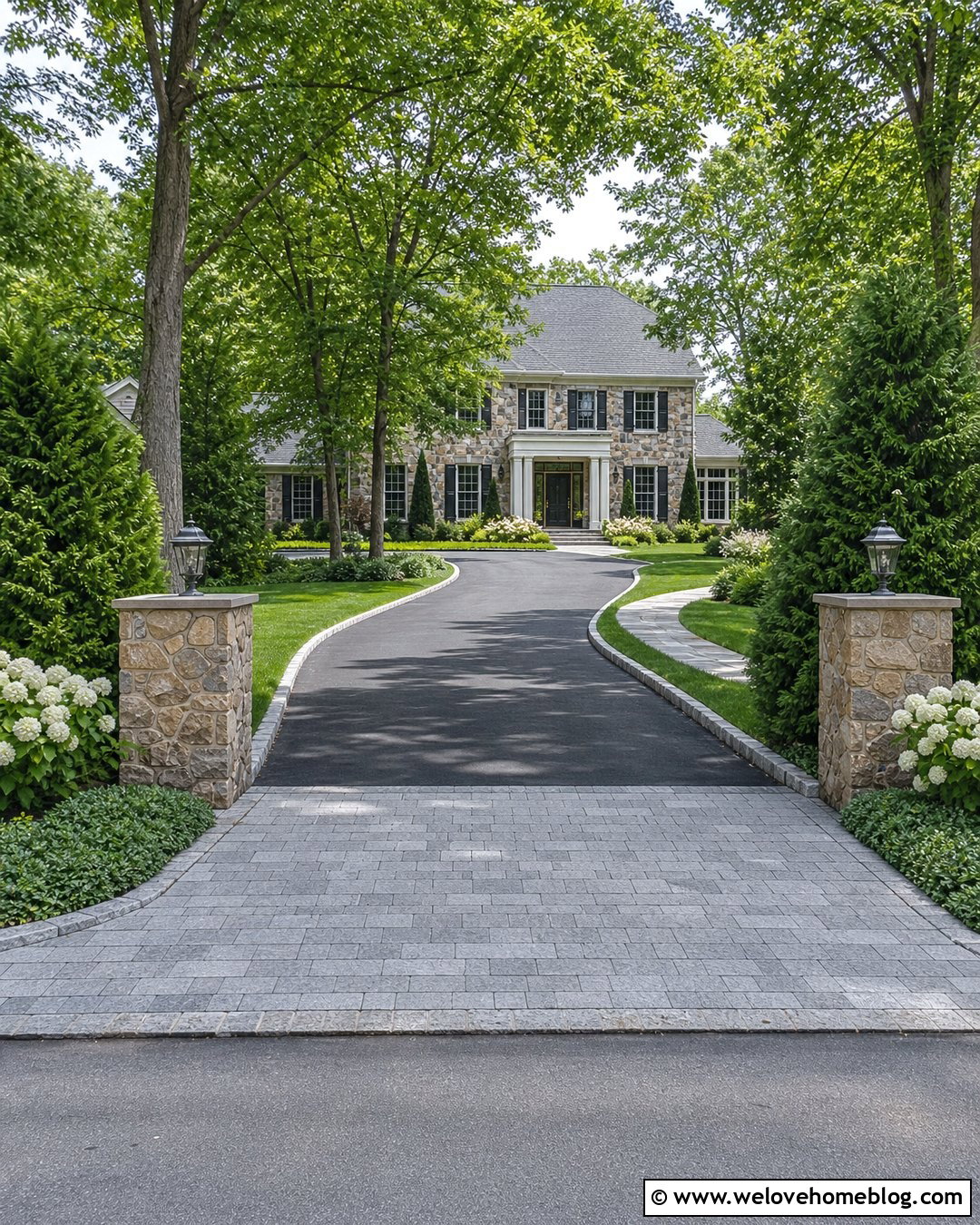
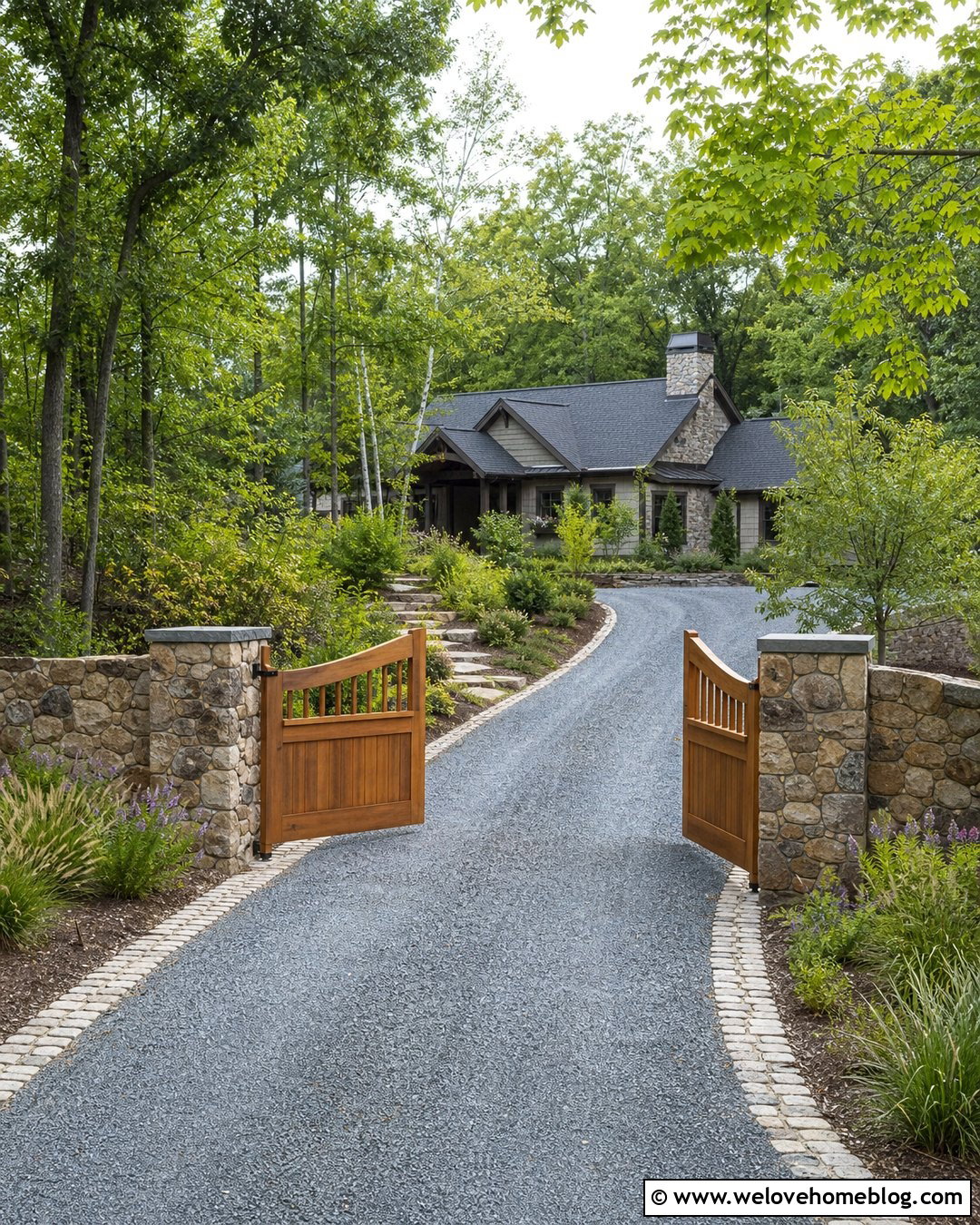
Stone entrance pillars can transform a Belgian block apron into a clearly defined gateway. Position low masonry pillars outside the driveway’s turning path, then use related granite tones in the apron below. A full running-bond field works well with a straight or gently flared asphalt driveway. Continue matching Belgian block edging beyond the pillars, and soften the masonry with layered evergreens, hydrangeas, and low ground cover. Choose pillar stone that complements the house facade rather than matching every block exactly. Simple lanterns may be incorporated for daytime architectural detail, but the entrance should still look complete without decorative extras. Since Belgian blocks do not interlock like many manufactured pavers, a substantial reinforced base and properly constructed joints are important where the apron carries regular vehicle traffic. ()
Conclusion:
The best Belgian block apron does more than decorate the curb. It connects the street, driveway, landscape, and house through coordinated materials and clear proportions. Gray granite offers a versatile choice, while black, buff, pink, or yellow blocks can strengthen a particular color palette. Patterns such as running bond, herringbone, fans, and circular inlays allow the same natural stone to suit very different properties. Before construction begins, consider driveway width, turning space, drainage, base preparation, and local requirements for work near the road. Whether paired with asphalt, concrete, gravel, or brick, these **20 Belgian Block Driveway Apron Ideas** provide practical starting points for creating a durable and welcoming residential entrance.

Related posts:
Leave a Reply