
A Tuscan kitchen design brings the rustic warmth and timeless charm of the Italian countryside right into your home. This style is characterized by its use of natural materials, earthy color palettes, and an overall feeling of comfortable, lived-in elegance. Think sun-drenched landscapes, stone farmhouses, and family gatherings centered around a hearty meal. From distressed wood finishes and wrought-iron details to terracotta floors and arched doorways, every element works together to create a space that is both beautiful and functional. It’s a design that celebrates craftsmanship, nature, and the joy of cooking and sharing food with loved ones.
1. Terracotta Floor Tiles in a Tuscan Kitchen
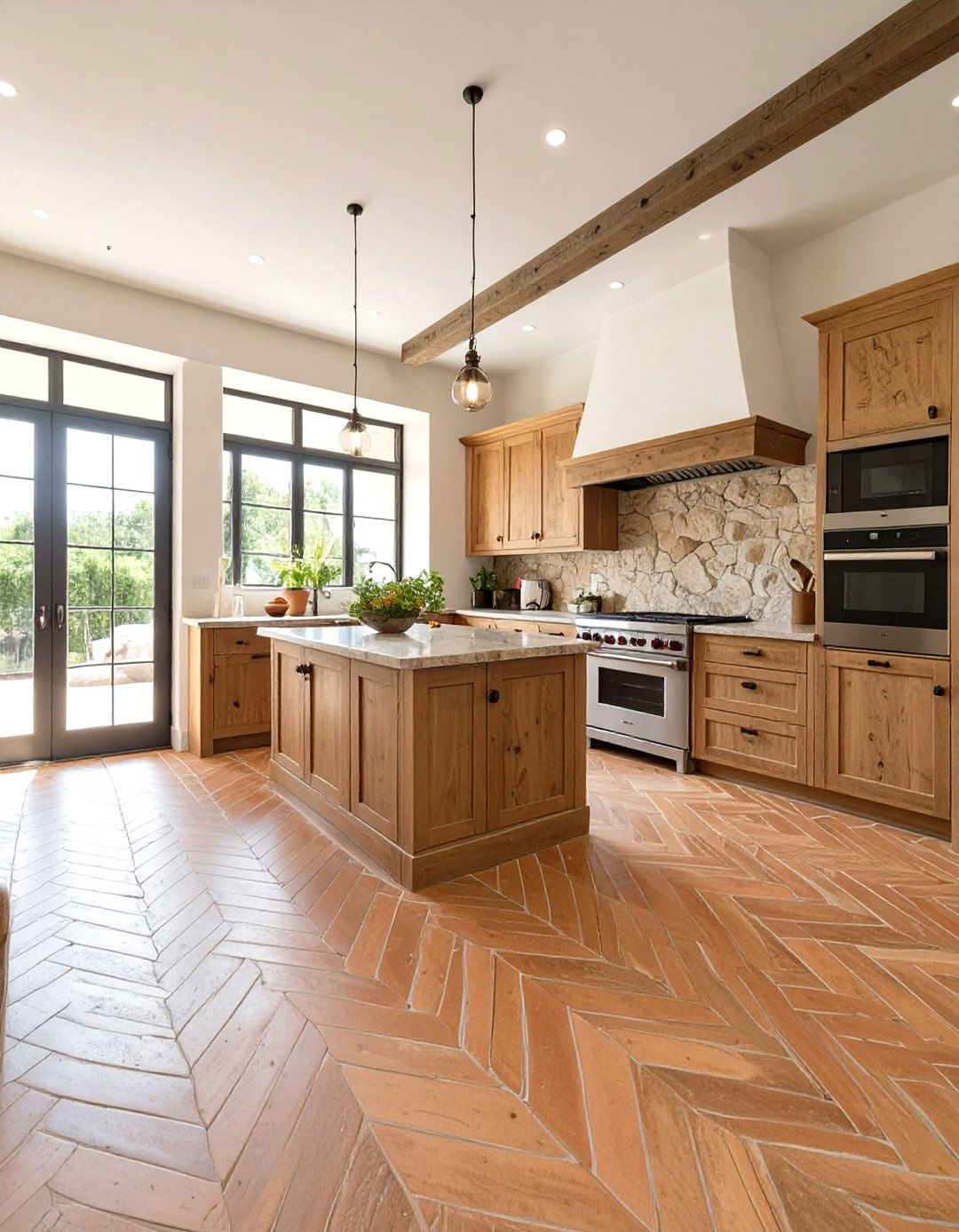
For an authentic foundation, terracotta floor tiles are a hallmark of Tuscan kitchen design. These earthy, reddish-brown tiles instantly evoke the sun-baked soil of the Italian landscape. Their natural, unglazed finish provides a rustic texture that is both durable and forgiving of daily wear. When arranging them, consider a classic square or a more intricate herringbone pattern to add visual interest. The warm, inviting color of terracotta pairs beautifully with wood cabinetry and stone countertops, creating a cohesive and welcoming atmosphere that feels grounded and timeless. This flooring choice not only adds character but also provides a cool surface underfoot during warmer months.
2. Exposed Wood Beams in a Tuscan Kitchen
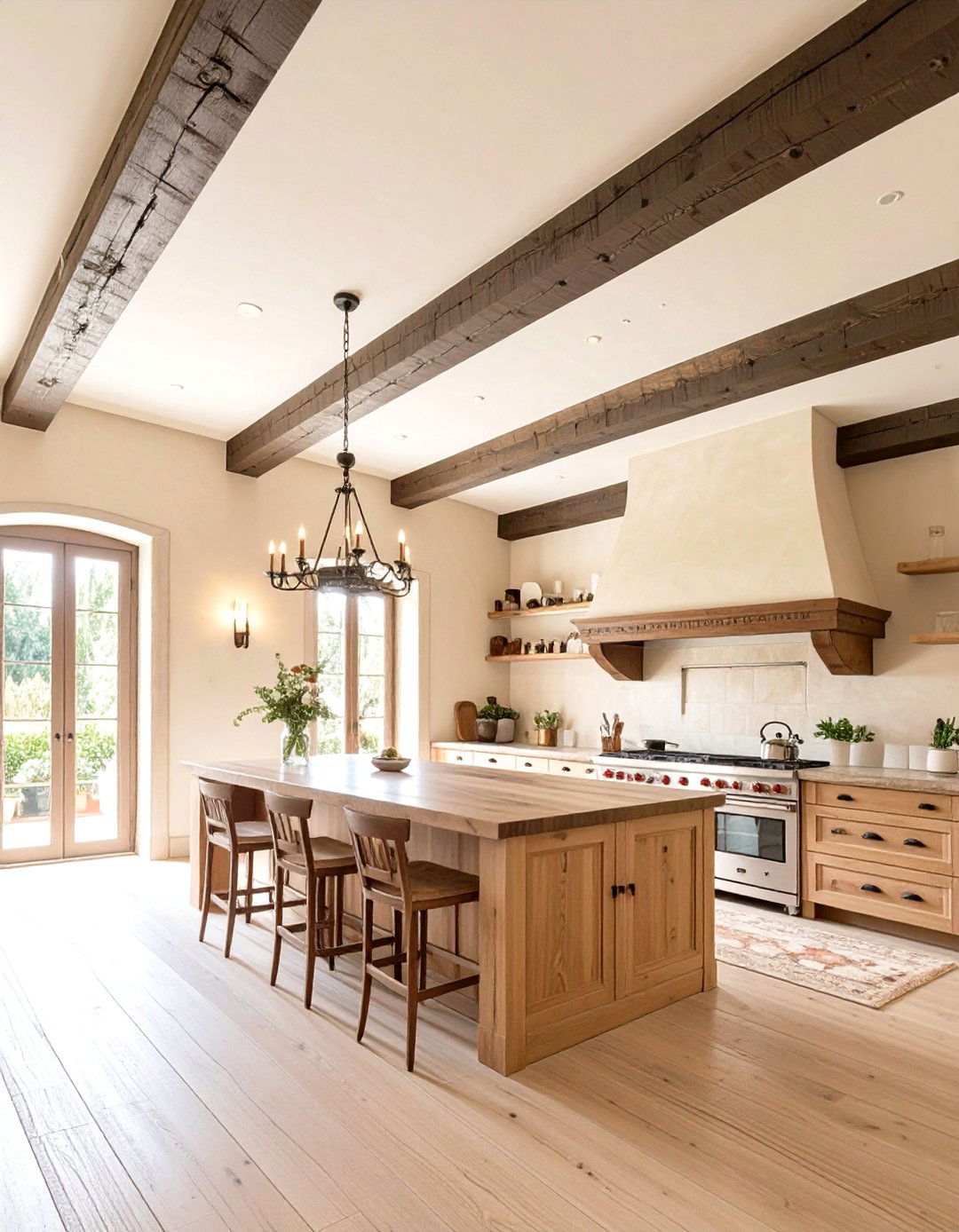
Exposed wood beams on the ceiling introduce a powerful architectural element to a Tuscan kitchen. These rustic, often dark-stained timbers create a sense of history and structural integrity, reminiscent of old Italian farmhouses. They draw the eye upward, making the space feel taller and more open while adding incredible warmth and texture. Whether you choose rough-hewn, reclaimed beams for an authentic feel or more polished ones for a refined look, they serve as a stunning focal point. This feature contrasts beautifully with plaster walls and stone accents, embodying the blend of ruggedness and elegance that defines the Tuscan style.
3. Stone Backsplash in a Tuscan Kitchen
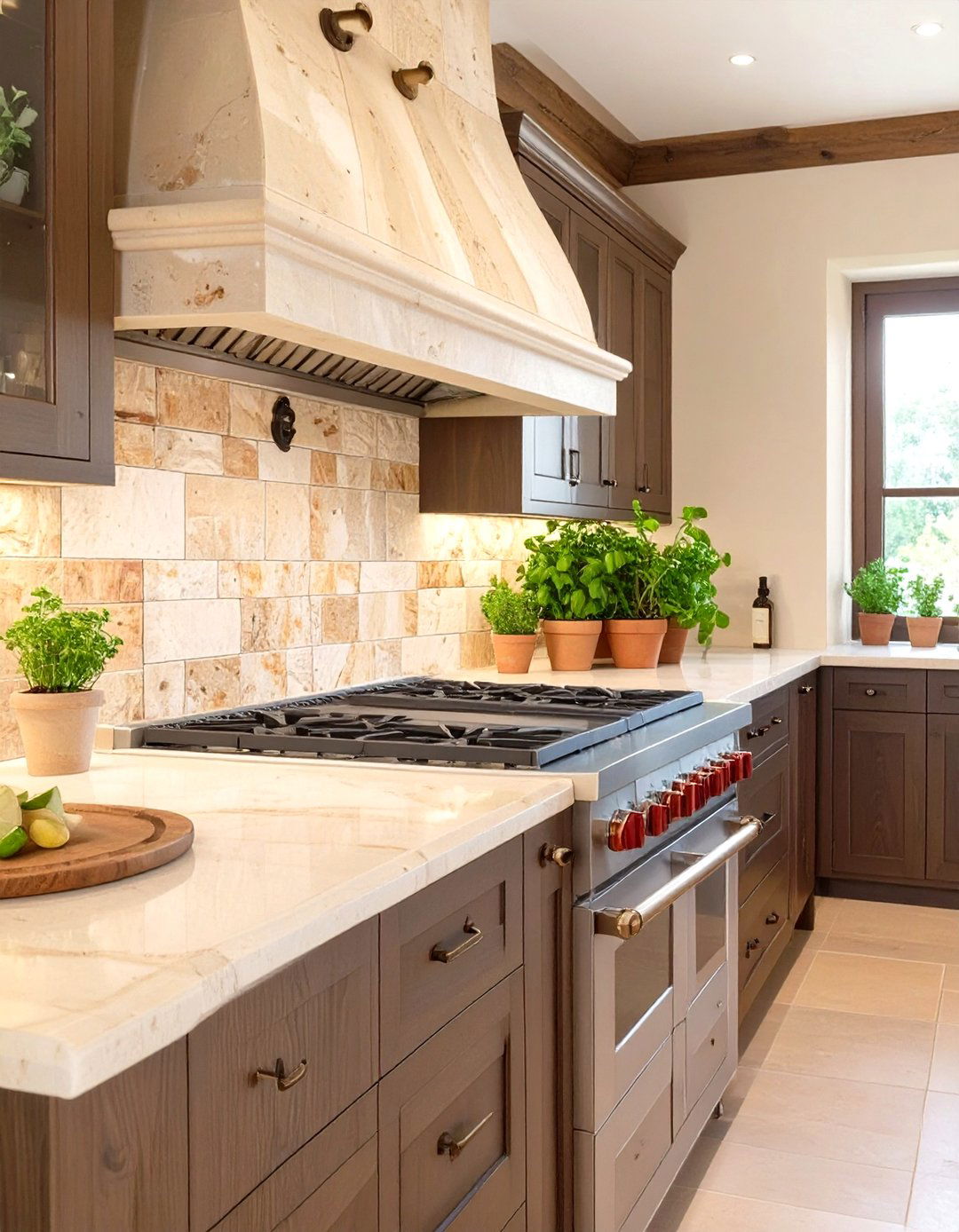
A stone backsplash brings a raw, natural texture into your Tuscan kitchen, connecting it directly to the outdoors. Consider using tumbled travertine, slate, or rough-cut limestone to create a feature wall behind the stovetop or along the countertops. The varied tones and irregular shapes of natural stone add depth and a sense of permanence. This choice is not only aesthetically pleasing but also highly durable and easy to clean. A stone backsplash complements wooden cabinets and wrought-iron hardware perfectly, reinforcing the rustic, earthy aesthetic and making the kitchen feel like a rustic Italian villa's heart.
4. Wrought-Iron Pot Rack in a Tuscan Kitchen
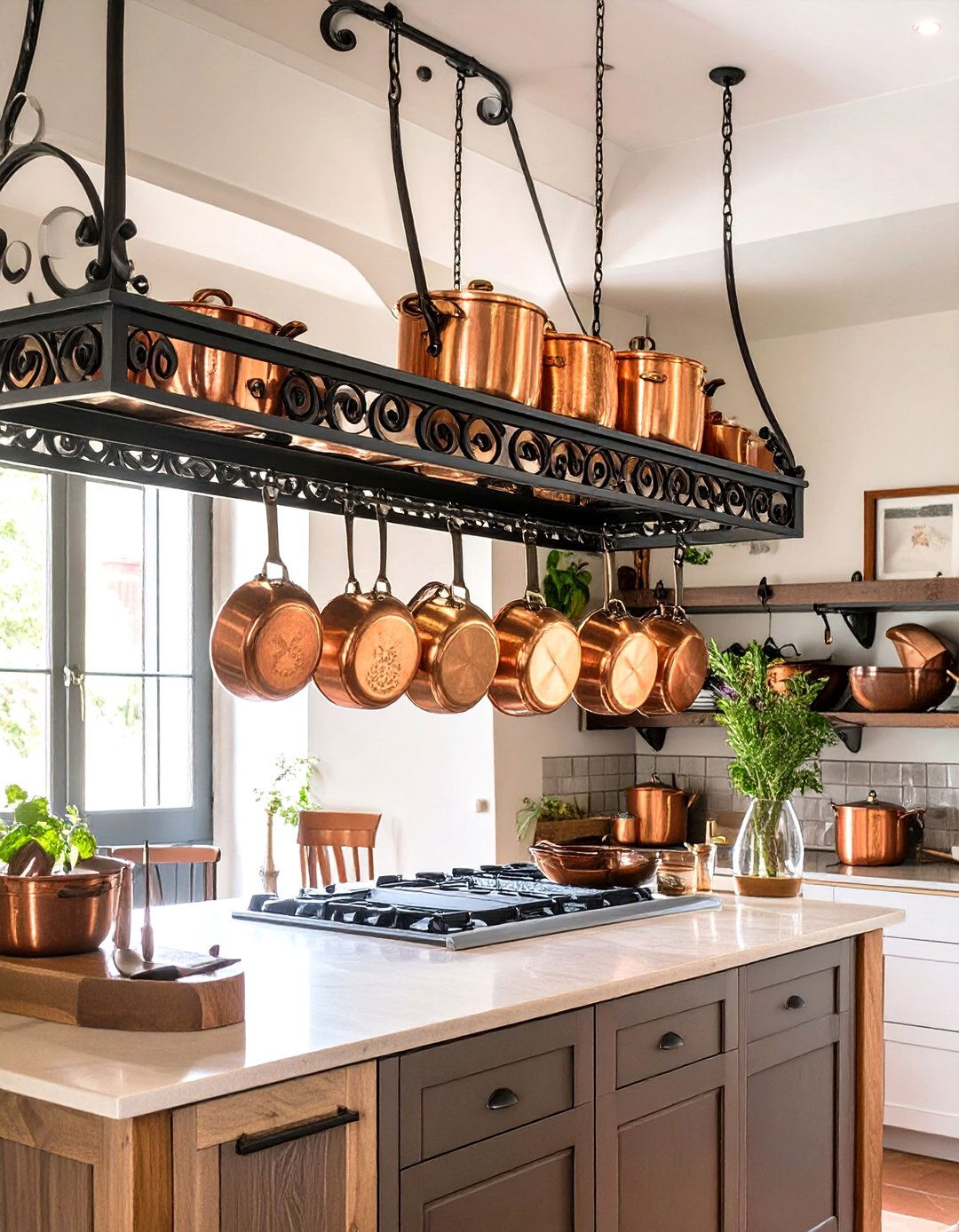
Incorporating a wrought-iron pot rack is a classic and practical element in a Tuscan kitchen. Suspended over an island or a section of the countertop, it provides easy access to pots and pans while adding a touch of old-world craftsmanship. The dark, matte finish of the iron provides a striking contrast against lighter plaster walls and wooden beams. Look for racks with simple, curved designs or intricate scrollwork to match your desired level of rustic elegance. This feature not only frees up valuable cabinet space but also serves as a decorative focal point, displaying your cookware as part of the room's overall charm.
5. Arched Doorways and Niches in a Tuscan Kitchen
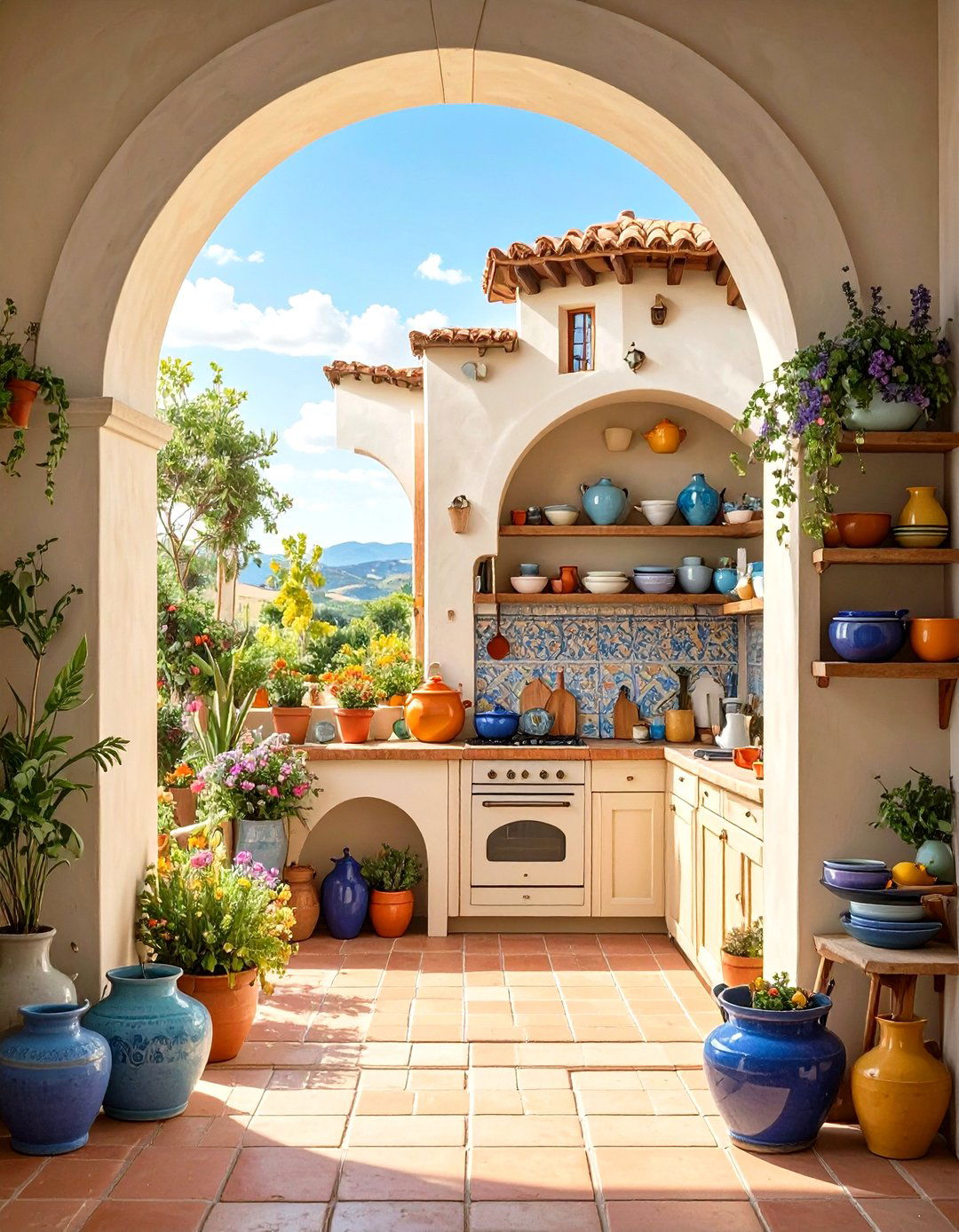
Arched doorways and built-in wall niches are signature architectural features of a Tuscan kitchen design. A gracefully curved entryway into the kitchen or pantry adds a soft, organic feel that breaks up the hard lines of cabinetry and countertops. Similarly, arched niches built into the walls provide perfect display spots for olive oil bottles, ceramic pottery, or cookbooks. These architectural details mimic the traditional structures found in Italian villas, lending an authentic, historical character to the space. Plastering these arches gives them a smooth, integrated look that enhances the room's rustic yet sophisticated ambiance.
6. Distressed Wood Cabinetry in a Tuscan Kitchen
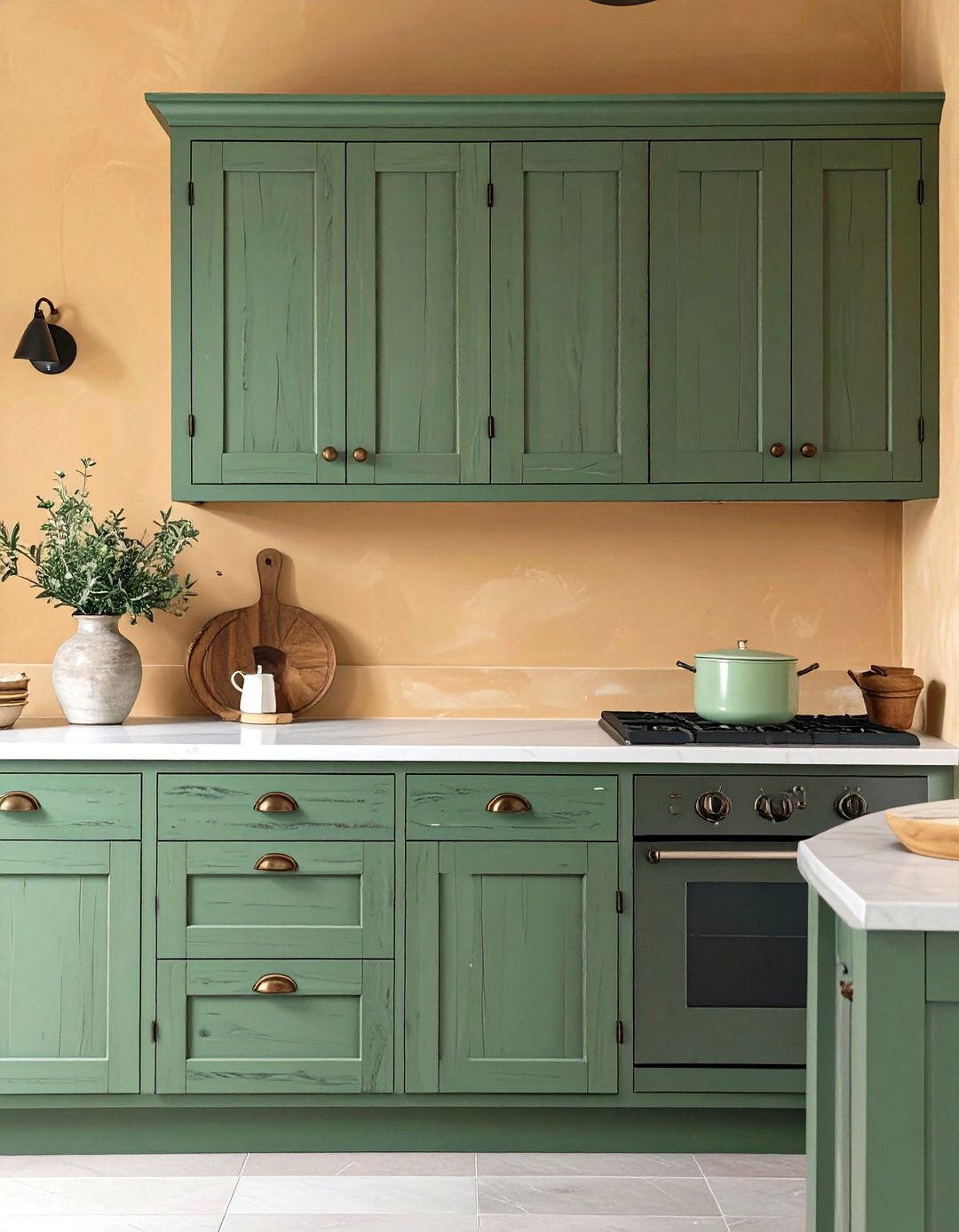
Distressed wood cabinetry is fundamental to achieving an authentic Tuscan kitchen aesthetic. This style involves intentionally weathering the wood to create a look of age and use over many generations. Finishes often feature warm stains, visible wood grain, and details like chipped paint, crackled finishes, or subtle wormholes. Woods like pine, alder, or cherry are excellent choices. The worn appearance adds immense character and a sense of history, making the kitchen feel welcoming and lived-in rather than sterile and new. Paired with antique-style hardware, these cabinets become a central element that exudes rustic, countryside charm.
7. A Large Farmhouse Sink in a Tuscan Kitchen
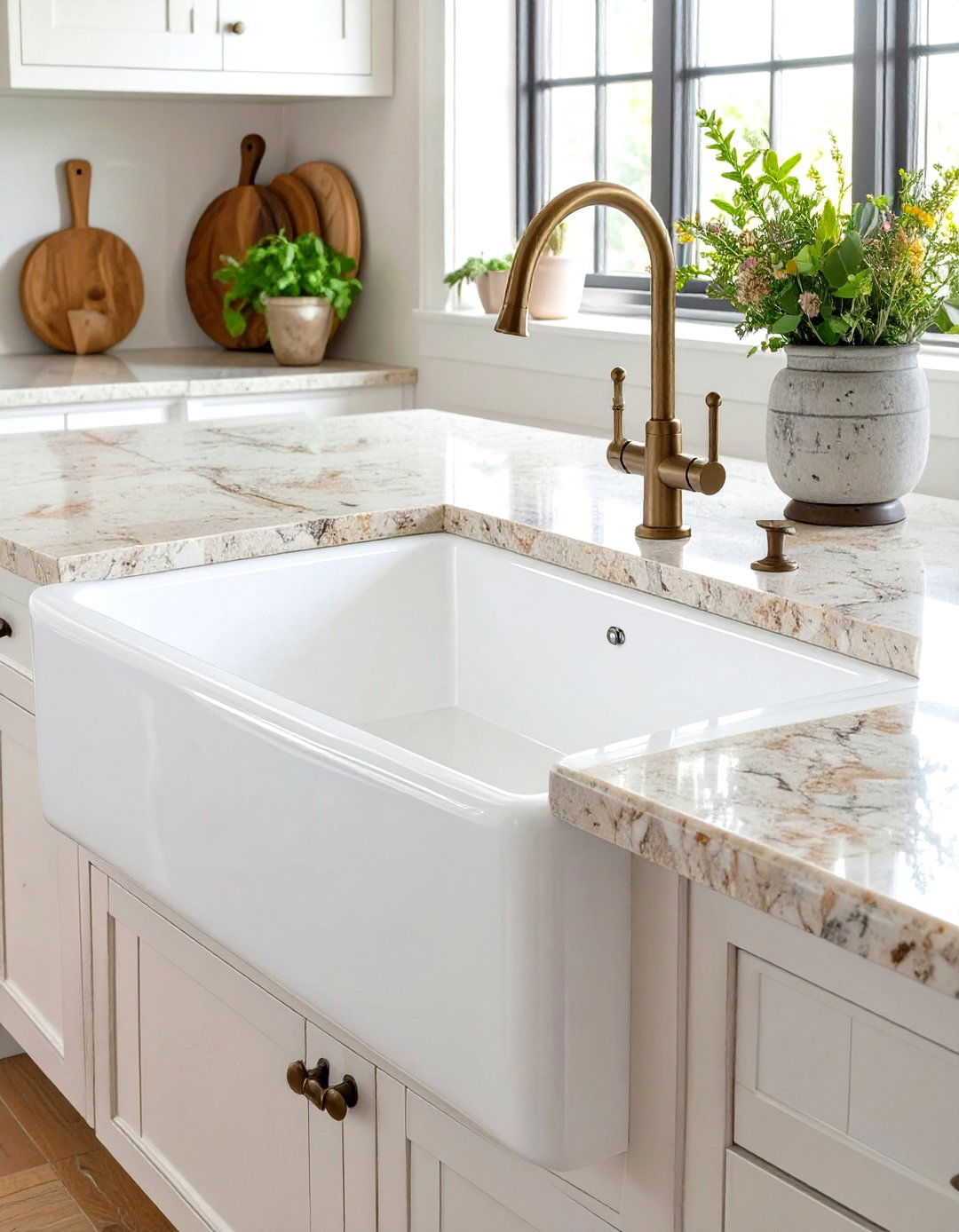
A large, deep farmhouse sink, often made of fireclay or stone, is a practical and stylish centerpiece for a Tuscan kitchen. Its generous size is perfect for washing large pots and fresh produce, reflecting the style's emphasis on cooking and hospitality. The apron-front design makes a strong visual statement, breaking up the line of cabinetry and adding a touch of rustic utility. Choose a classic white fireclay for a clean look or a carved stone sink for a more dramatic, earthy feel. This type of sink is not only functional but also enhances the overall farmhouse aesthetic that is central to Tuscan design.
8. Copper Accents in a Tuscan Kitchen
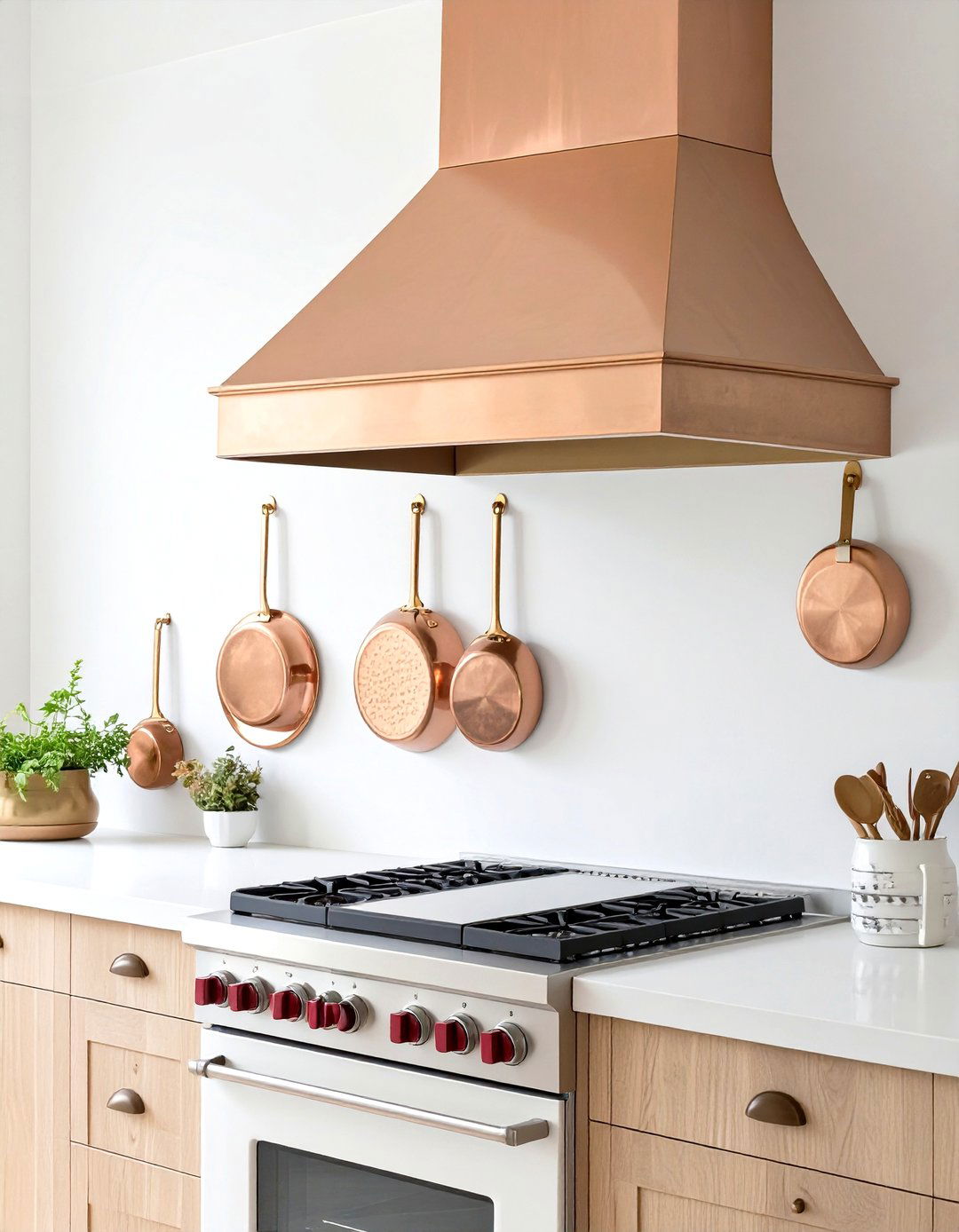
Introducing copper accents infuses a Tuscan kitchen with warmth and a touch of rustic luxury. The rich, reddish-gold hue of copper develops a beautiful patina over time, adding to the room's aged character. Incorporate this metal through a hammered copper range hood, a farmhouse sink, or faucets and hardware. Displaying a collection of copper pots and pans on a pot rack or open shelving also enhances the aesthetic. These metallic elements catch the light beautifully, providing a warm glow that contrasts wonderfully with the cool tones of stone and the dark finishes of wood and iron.
9. An Ornate Range Hood in a Tuscan Kitchen
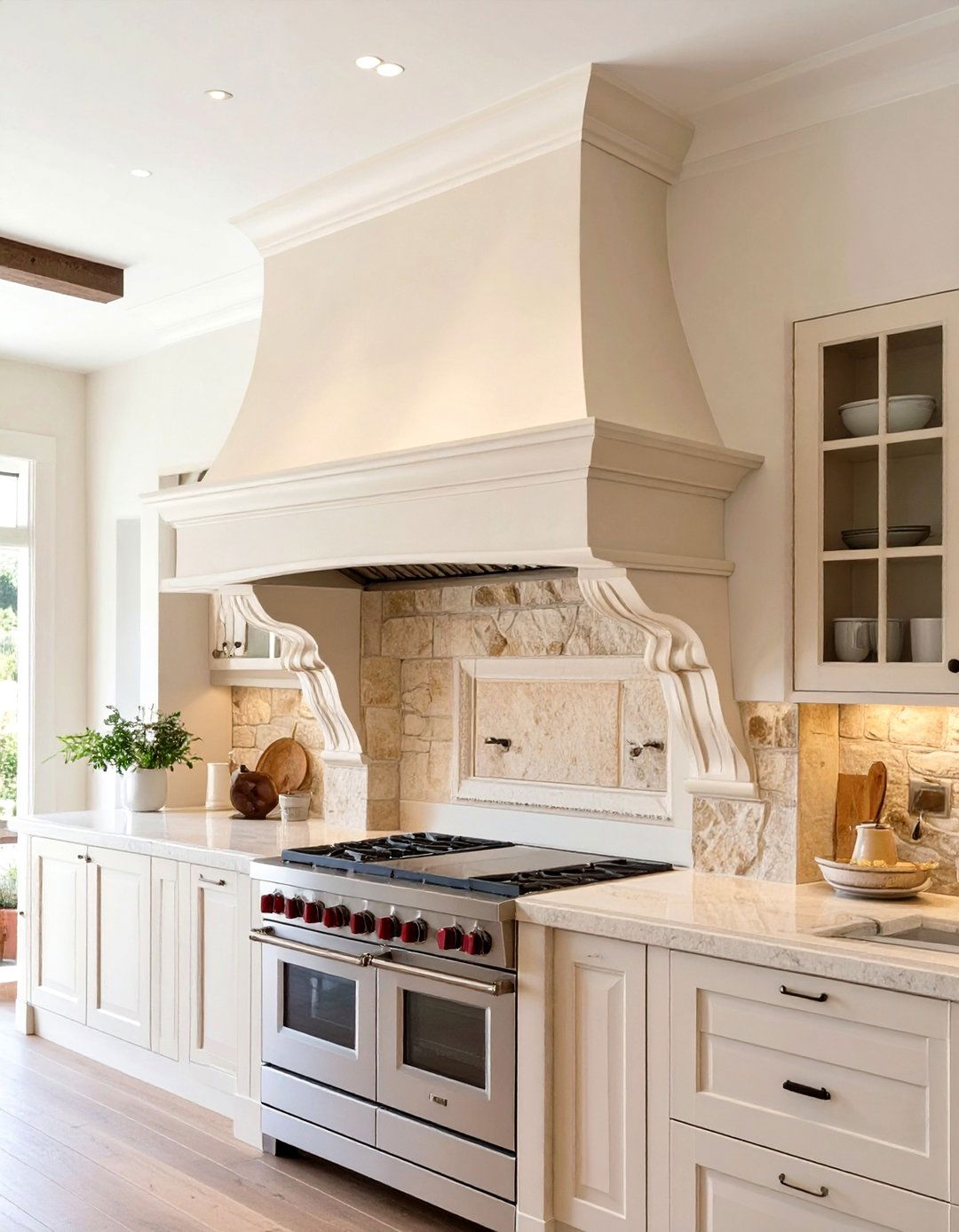
An ornate range hood serves as a commanding focal point in a Tuscan kitchen, anchoring the cooking area with style. Often crafted from plaster, stone, or wood, these hoods can feature elaborate moldings, corbels, or even a built-in niche for spices. The design mimics a traditional hearth, reinforcing the idea of the kitchen as the heart of the home. A custom hood finished with a Venetian plaster or adorned with carved wooden details can elevate the entire room's design. This statement piece not only provides essential ventilation but also adds a layer of architectural grandeur and old-world elegance.
10. Open Shelving with Ceramic Jars in a Tuscan Kitchen
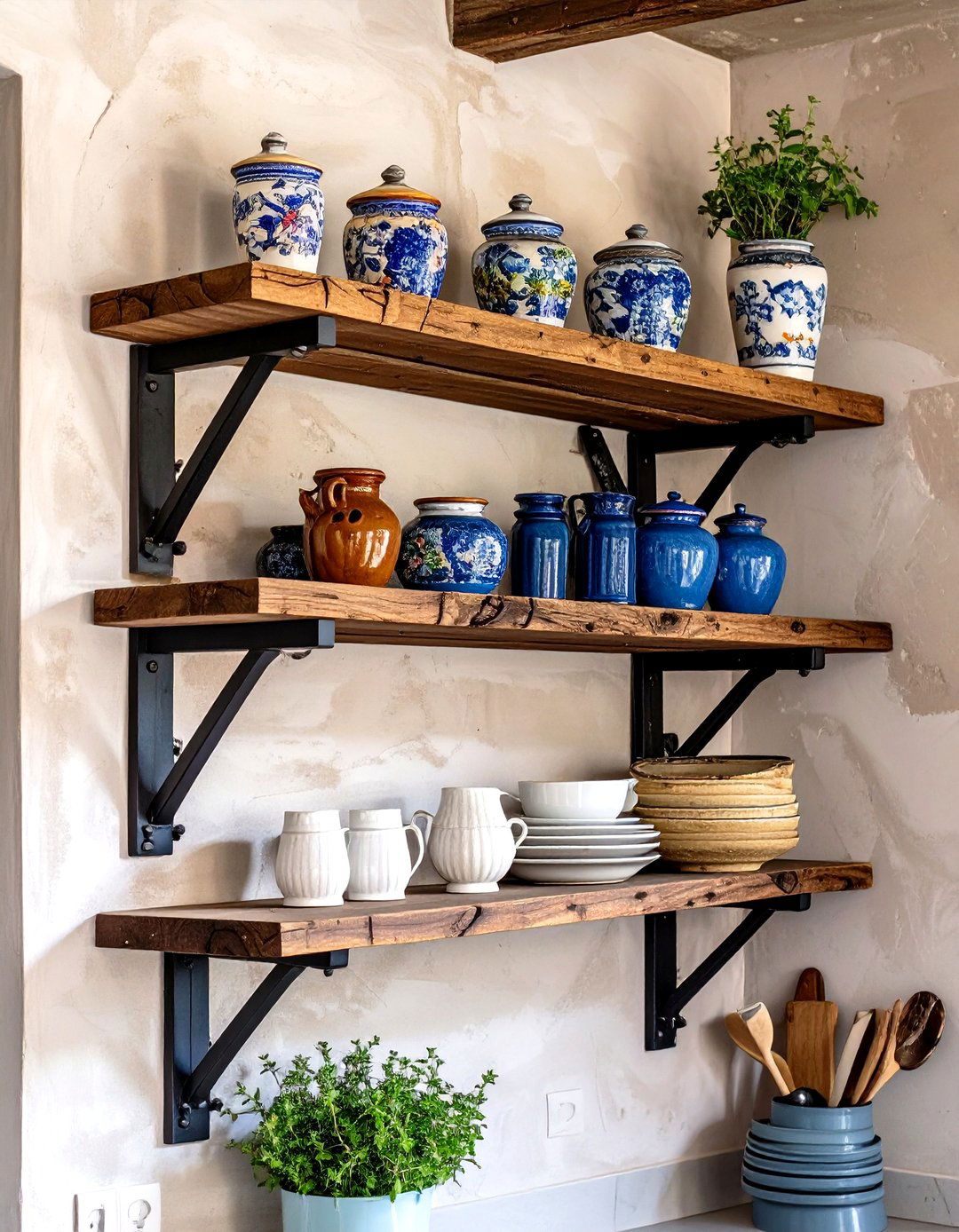
Open shelving is a key feature in a Tuscan kitchen, offering both practical storage and a chance for decorative display. Use thick, rustic wood planks supported by wrought-iron brackets to hold everyday dishes, glassware, and serving pieces. This creates a casual, accessible feel. To enhance the Tuscan theme, arrange colorful ceramic jars, hand-painted pottery, and terracotta urns on the shelves. These items add pops of color and artisanal charm, turning simple storage into a curated display. This approach makes the kitchen feel open and personal, showcasing items that are both beautiful and functional.
11. A Large Wooden Kitchen Island in a Tuscan Kitchen
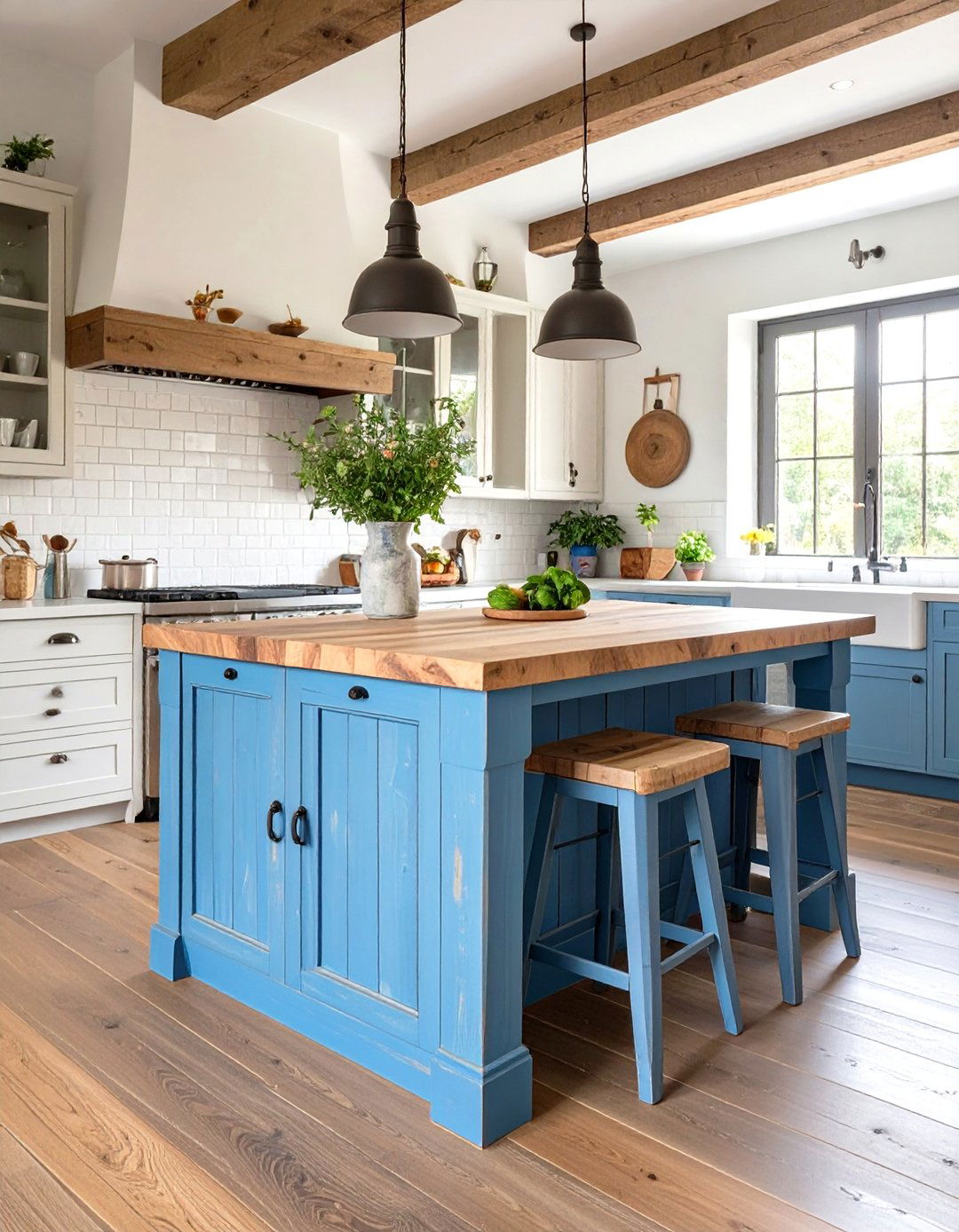
A large wooden kitchen island acts as the central hub for cooking, gathering, and entertaining in a Tuscan kitchen. Choose a substantial piece with a thick butcher block or stone countertop and a distressed wood base. This island provides ample workspace for meal preparation while also offering a casual spot for family and friends to sit. Incorporate features like open shelving for cookbooks, drawers for utensils, or even a small prep sink. The natural warmth of the wood grounds the space and reinforces the rustic, family-oriented spirit of Tuscan living, making the island the true heart of the kitchen.
12. Earthy Color Palette for a Tuscan Kitchen
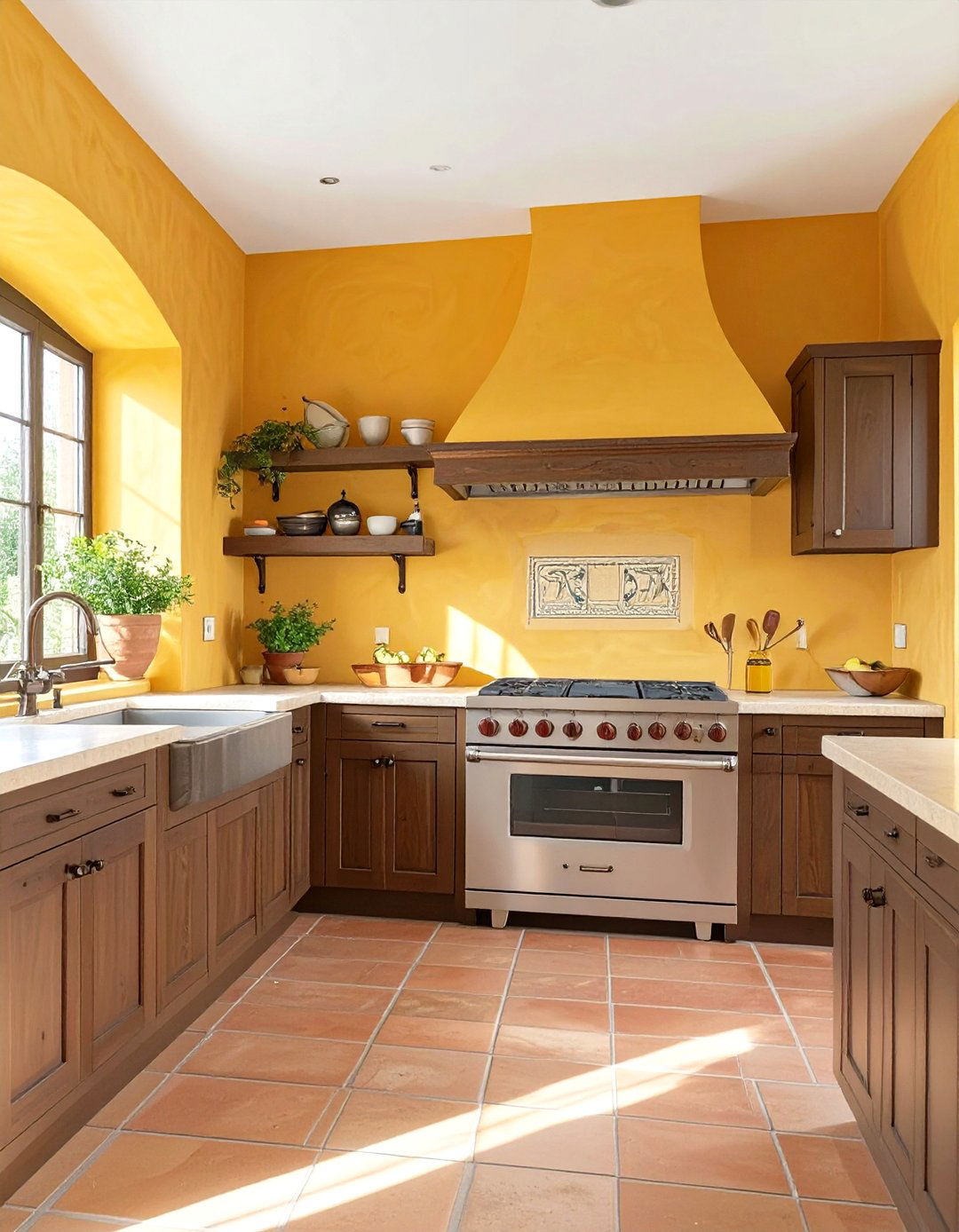
The color palette of a Tuscan kitchen is drawn directly from the Italian countryside. Think warm, earthy tones that create a welcoming and sun-drenched atmosphere. Walls are often painted in shades of ochre, terracotta, burnt orange, or creamy gold. These colors provide a rich backdrop for natural materials like wood and stone. For cabinetry and accents, consider deep olive greens, burgundy reds, or muted yellows. This palette avoids bright, stark colors in favor of hues that feel organic and aged, perfectly capturing the rustic and inviting essence of Tuscany and making the space feel cozy and timeless.
13. Hand-Painted Tiles in a Tuscan Kitchen
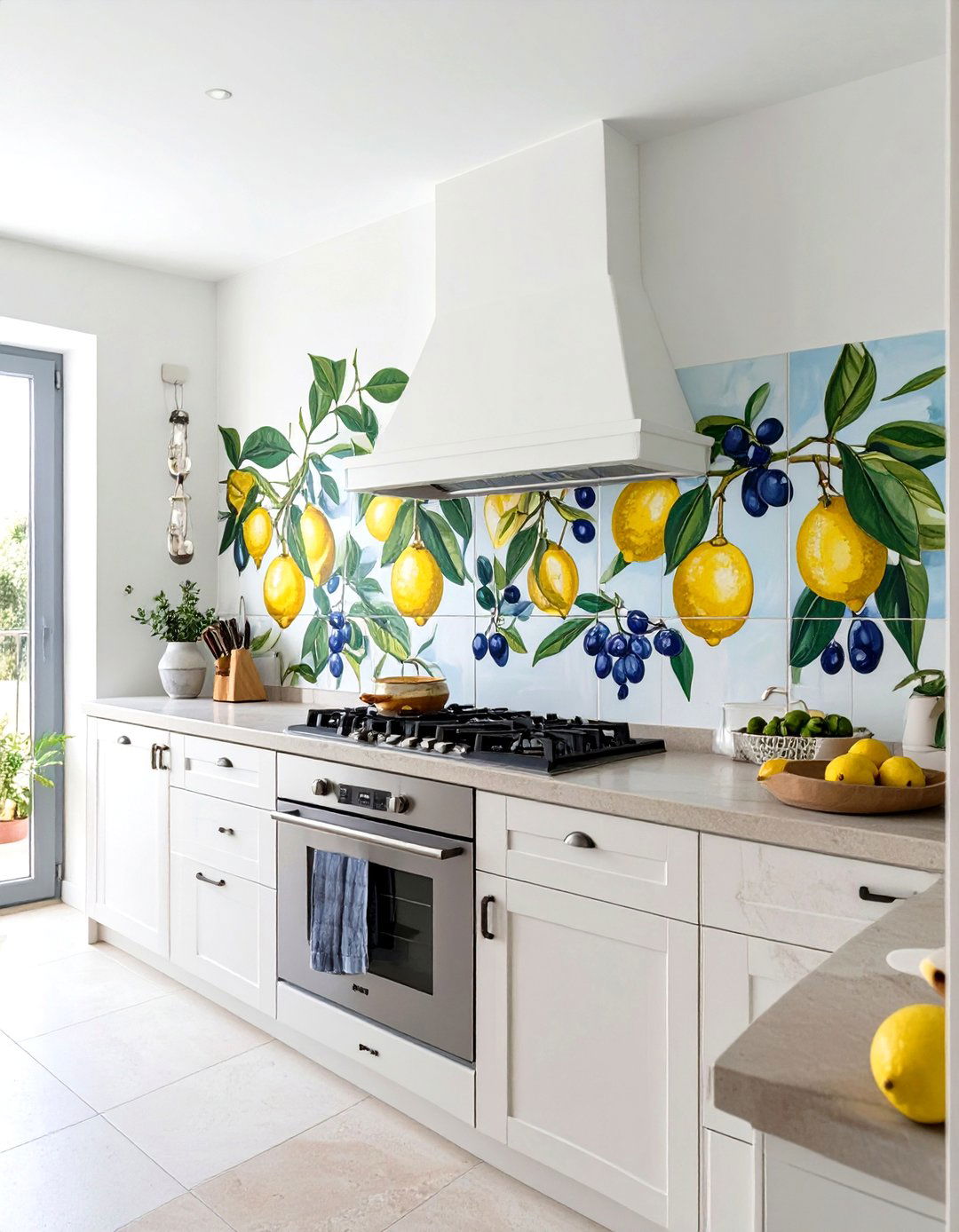
Hand-painted tiles add a vibrant, artistic touch to a Tuscan kitchen. Use them to create a decorative mural behind the range or as an accent border within a stone backsplash. These tiles often feature classic Tuscan motifs like lemons, olives, grapes, or pastoral scenes. The imperfections and variations in hand-painted designs lend a unique, artisanal quality that cannot be replicated by mass-produced tiles. The bright blues, yellows, and greens found in these patterns provide a beautiful pop of color against the otherwise earthy palette, infusing the space with personality and a sense of handcrafted tradition.
14. A Stone Pizza Oven in a Tuscan Kitchen
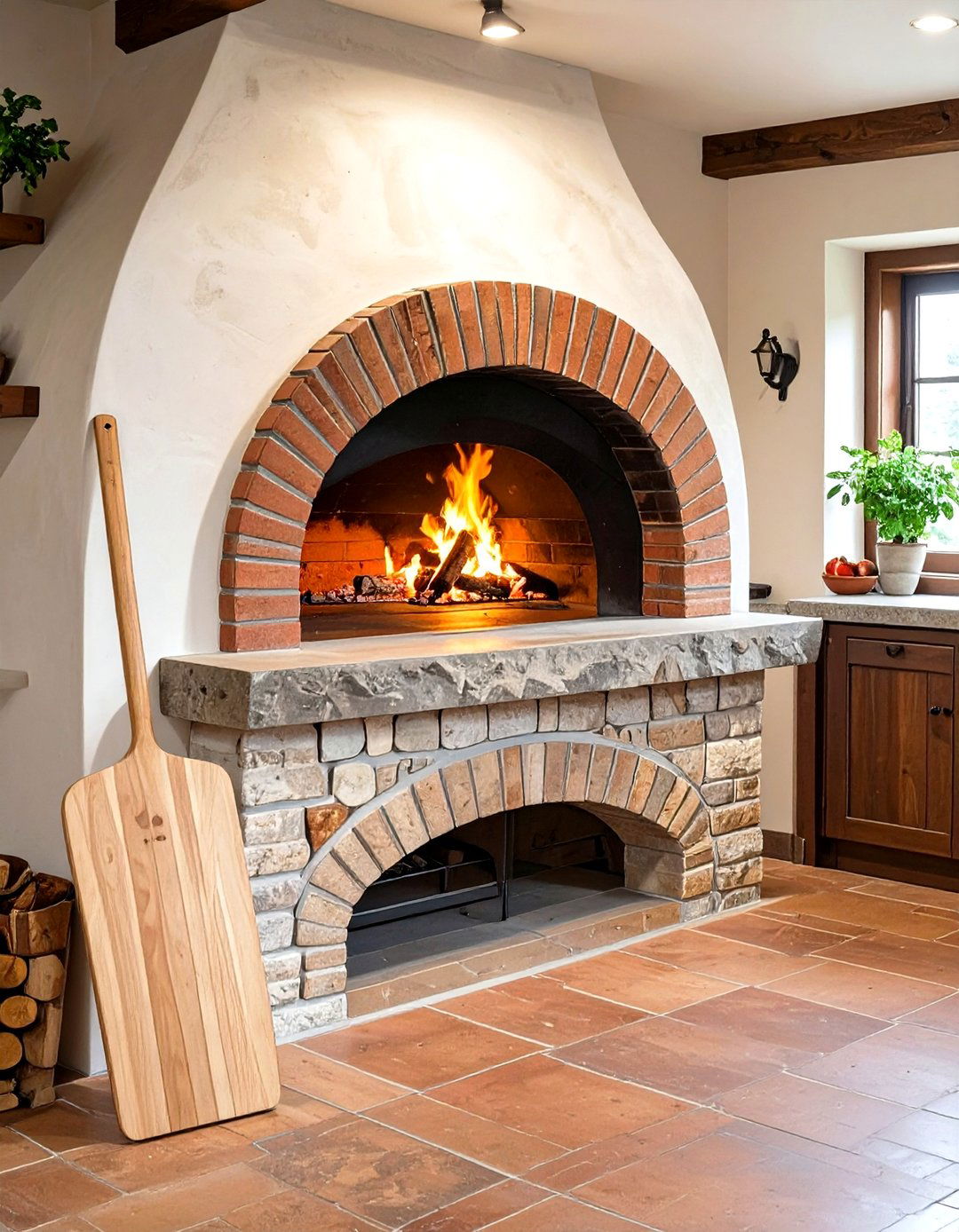
For the ultimate in Tuscan authenticity, integrating a stone pizza oven brings the flavors of Italy directly into your kitchen. A built-in, wood-fired oven not only bakes incredible pizzas but also becomes a stunning architectural feature. Often constructed with brick or natural stone and featuring a characteristic arched opening, it serves as a gathering spot for family and friends. The rustic texture of the stone and the warm glow of the fire create an inviting ambiance. While a significant undertaking, a pizza oven truly embodies the Tuscan emphasis on shared meals and traditional cooking methods, making it a worthy centerpiece.

15. Rustic Wooden Dining Table in a Tuscan Kitchen
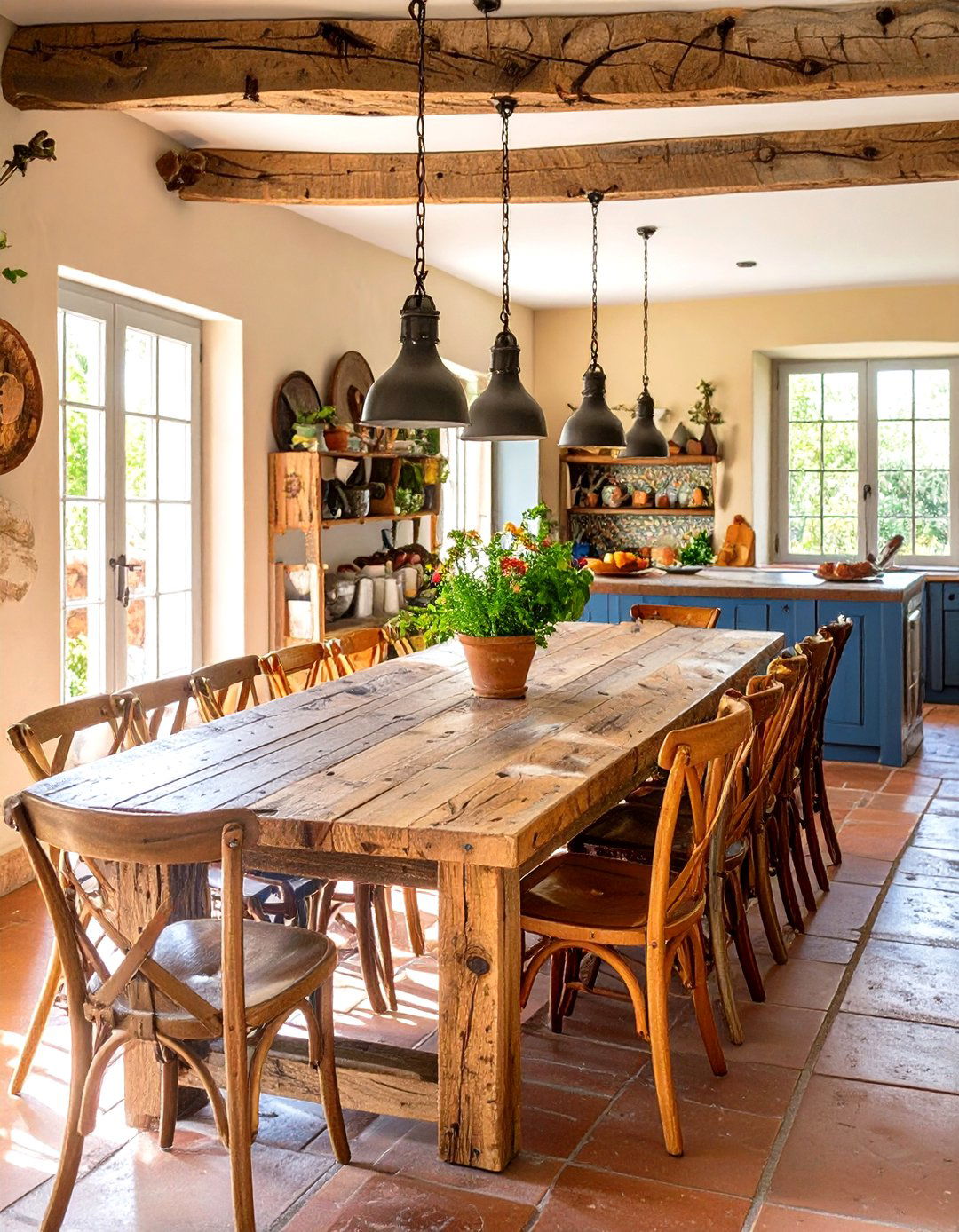
A rustic wooden dining table is essential for the eat-in Tuscan kitchen, embodying the culture of family meals. Opt for a long, sturdy table made from reclaimed or distressed wood, with a simple trestle or thick-legged base. The imperfections in the wood, such as knots and grain variations, add to its charm and character. Surround it with simple wooden chairs, perhaps with rush seats, to complete the look. This table isn't just for dining; it's a versatile surface for preparing food, sharing conversations, and creating lasting memories, reinforcing the kitchen’s role as the home's central gathering place.
16. Venetian Plaster Walls in a Tuscan Kitchen
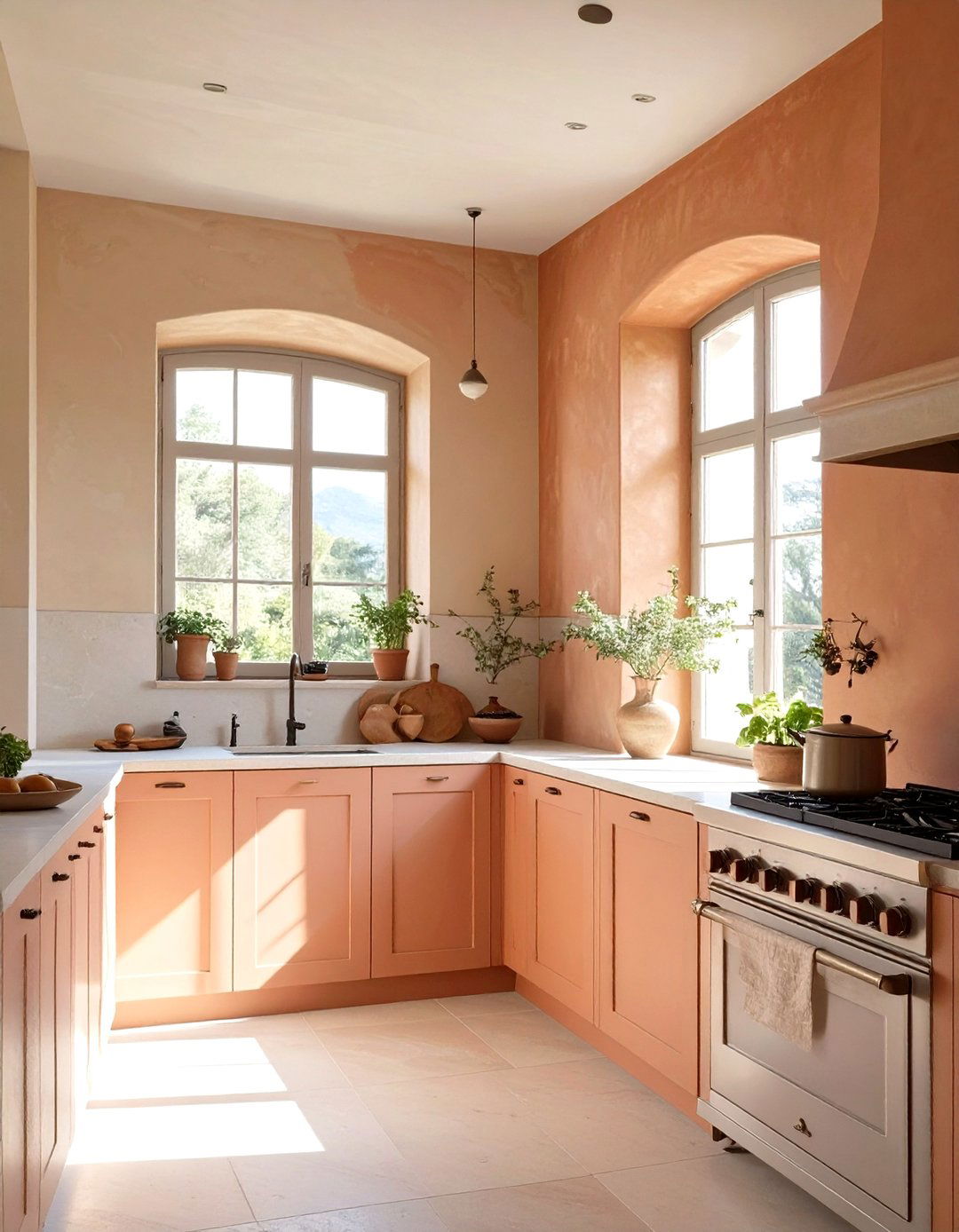
Venetian plaster walls lend a soft, luminous quality to a Tuscan kitchen, creating a sense of depth and movement. This traditional wall finish, made from limestone putty, is applied in thin, multiple layers and then burnished to create a smooth surface with the illusion of texture. The result is a subtle, marble-like finish that reflects light beautifully, making the space feel warm and inviting. Choose earthy tones like soft gold, muted terracotta, or creamy beige to enhance the natural, sun-kissed aesthetic. This sophisticated wall treatment adds a layer of timeless elegance and authentic Italian craftsmanship to the room.
17. Olive Jars and Greenery in a Tuscan Kitchen
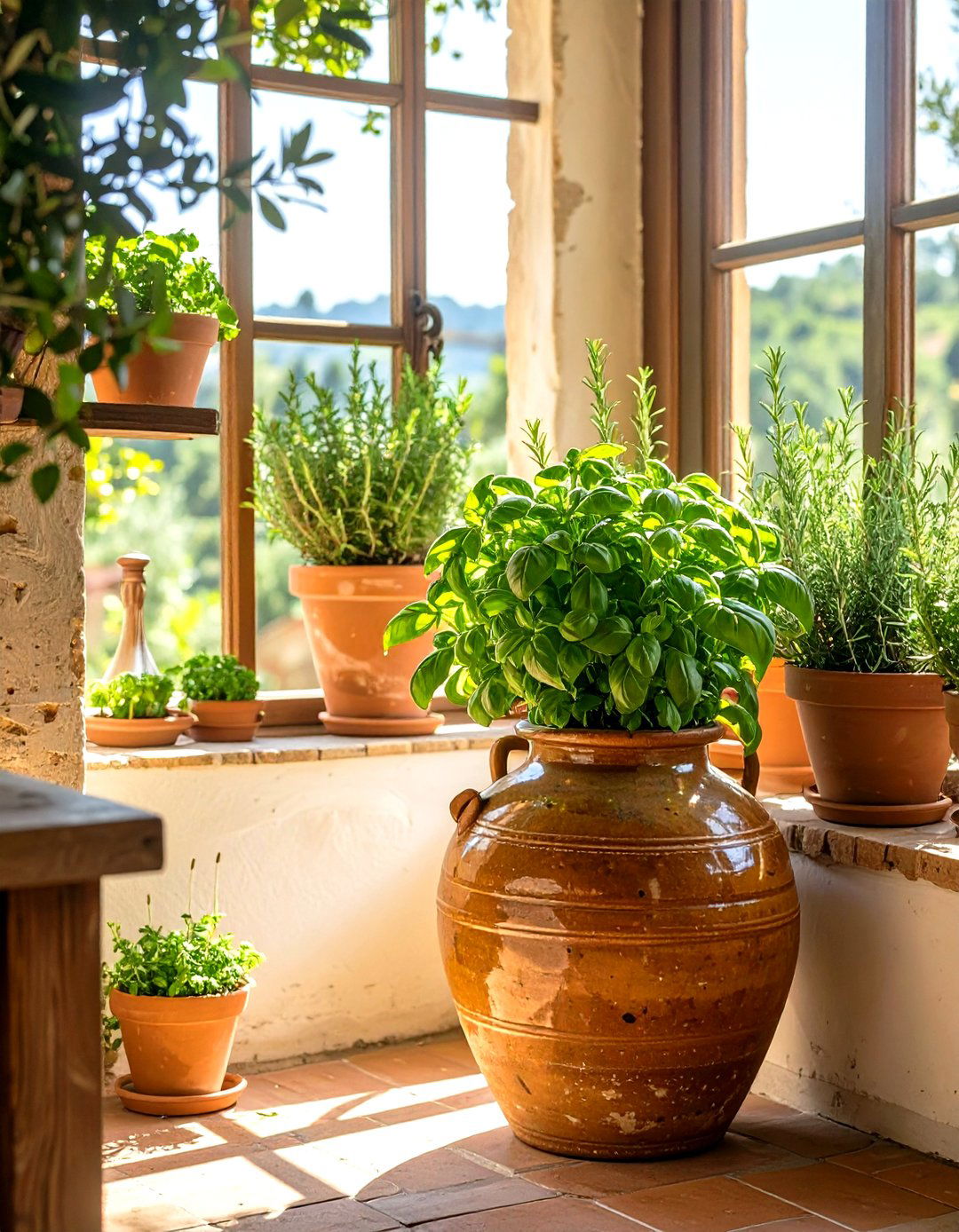
Decorating with olive jars and fresh greenery brings the Tuscan landscape indoors. Place large, antique-style terracotta or ceramic olive jars in a corner or on the floor to serve as rustic, sculptural elements. Fill smaller pots with fresh herbs like rosemary, basil, and thyme, and place them on windowsills or countertops for easy access while cooking. The vibrant green of the plants provides a beautiful, natural contrast to the warm, earthy tones of the kitchen. This simple addition infuses the space with life, fragrance, and a direct connection to the agricultural heart of Tuscany.
18. Antique-Style Hardware in a Tuscan Kitchen
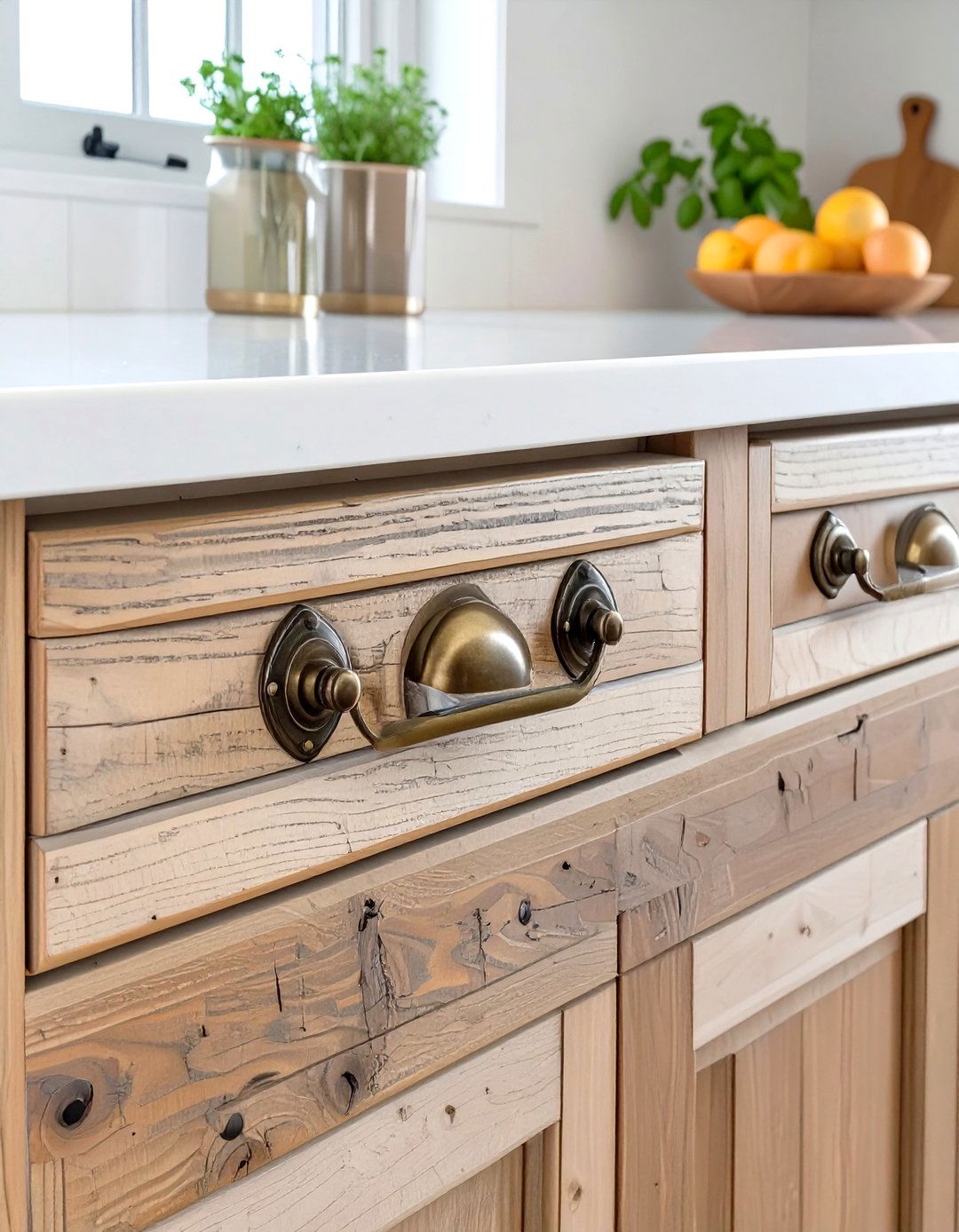
The right hardware provides the finishing touch on a Tuscan kitchen's cabinetry and drawers. Opt for antique-style pieces made from materials like wrought iron, burnished brass, or oil-rubbed bronze. Look for designs that feature simple, rustic shapes such as bail pulls, knobs with intricate backplates, or classic cup pulls. The dark, matte finishes and handcrafted appearance of this hardware add a sense of age and authenticity. These small details are crucial in tying the entire design together, reinforcing the old-world charm and ensuring that every element contributes to the cohesive, rustic aesthetic.
19. A Wine Storage Nook in a Tuscan Kitchen

Given Tuscany's fame as a wine region, a dedicated wine storage nook is a fitting addition to the kitchen. This can range from a simple built-in lattice rack to a more elaborate, temperature-controlled wine cellar integrated into the design. A built-in nook using terracotta pipes or rustic wood shelving creates an authentic look. Position it within the cabinetry or under a kitchen island for convenient access. This feature not only provides practical storage for your wine collection but also serves as a decorative element that celebrates an integral part of Italian culture and hospitality.
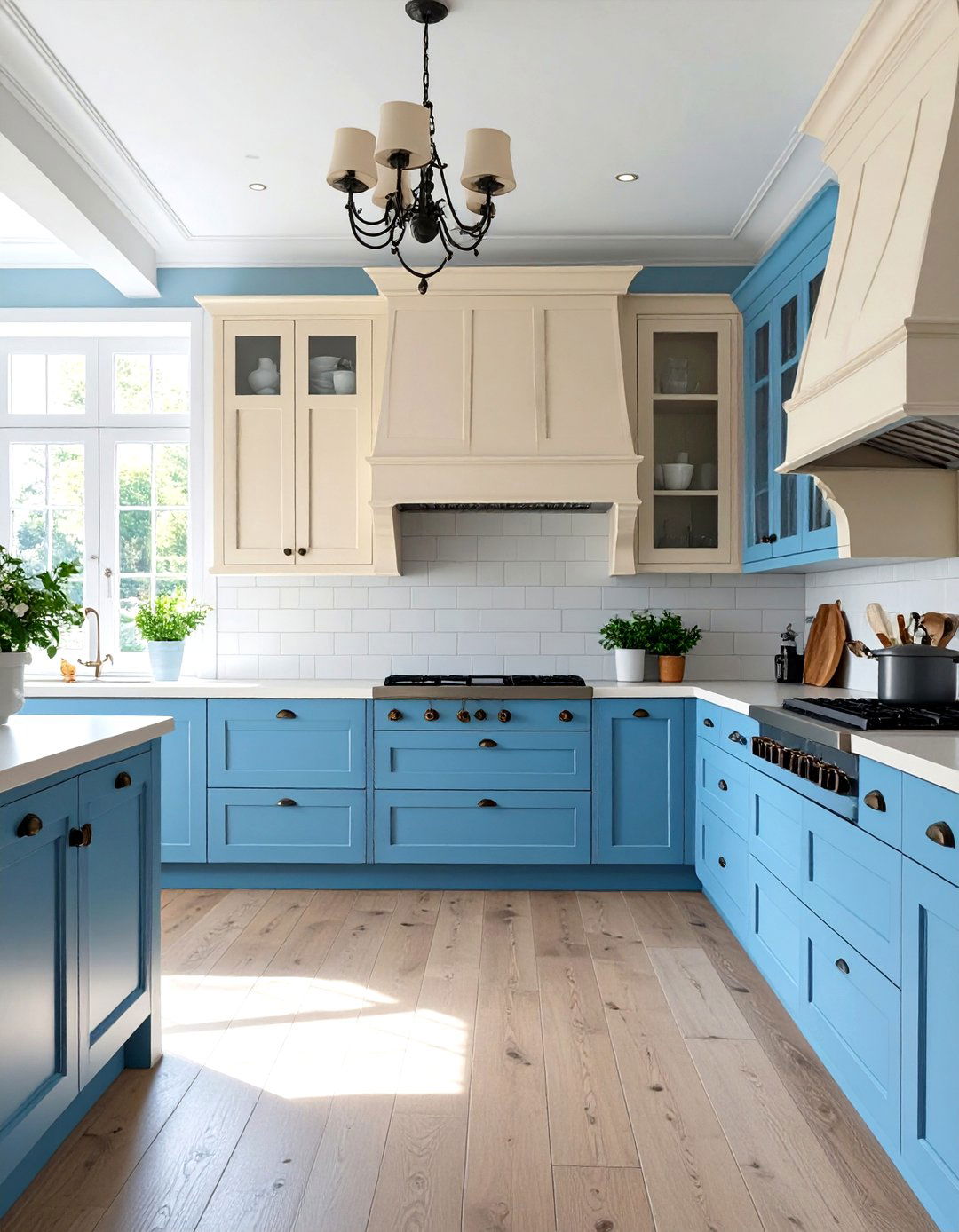
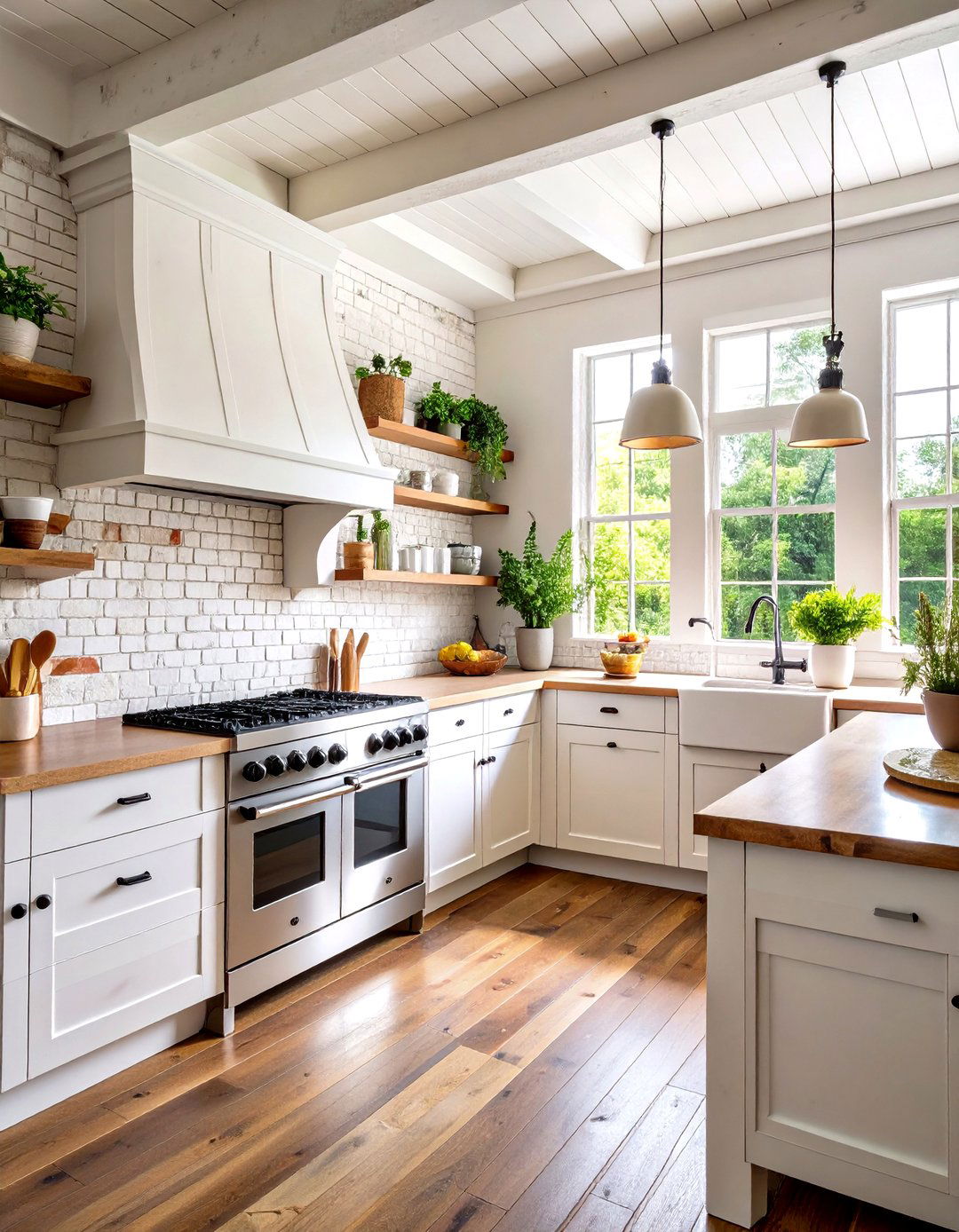

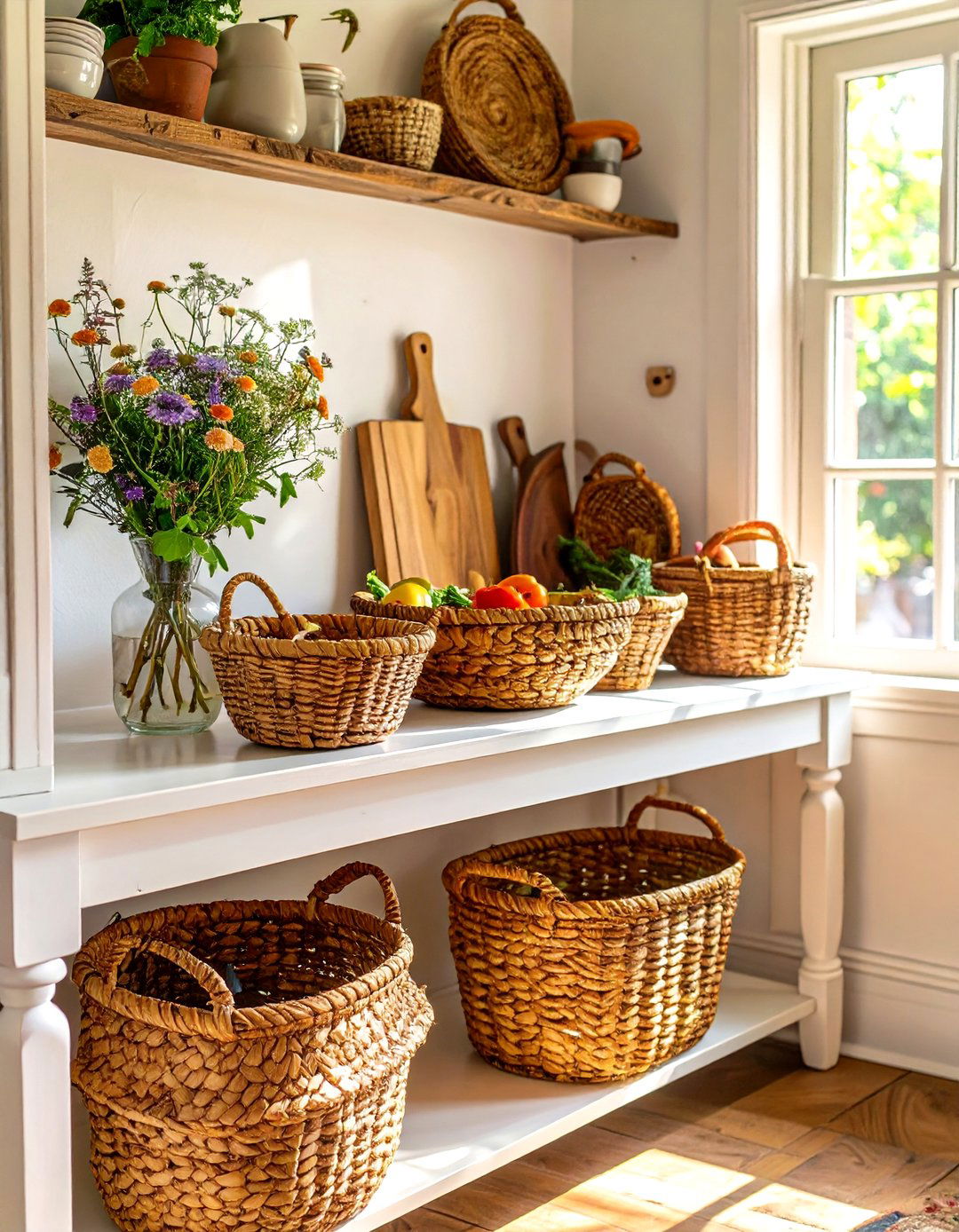
20. Stained Glass Accents in a Tuscan Kitchen
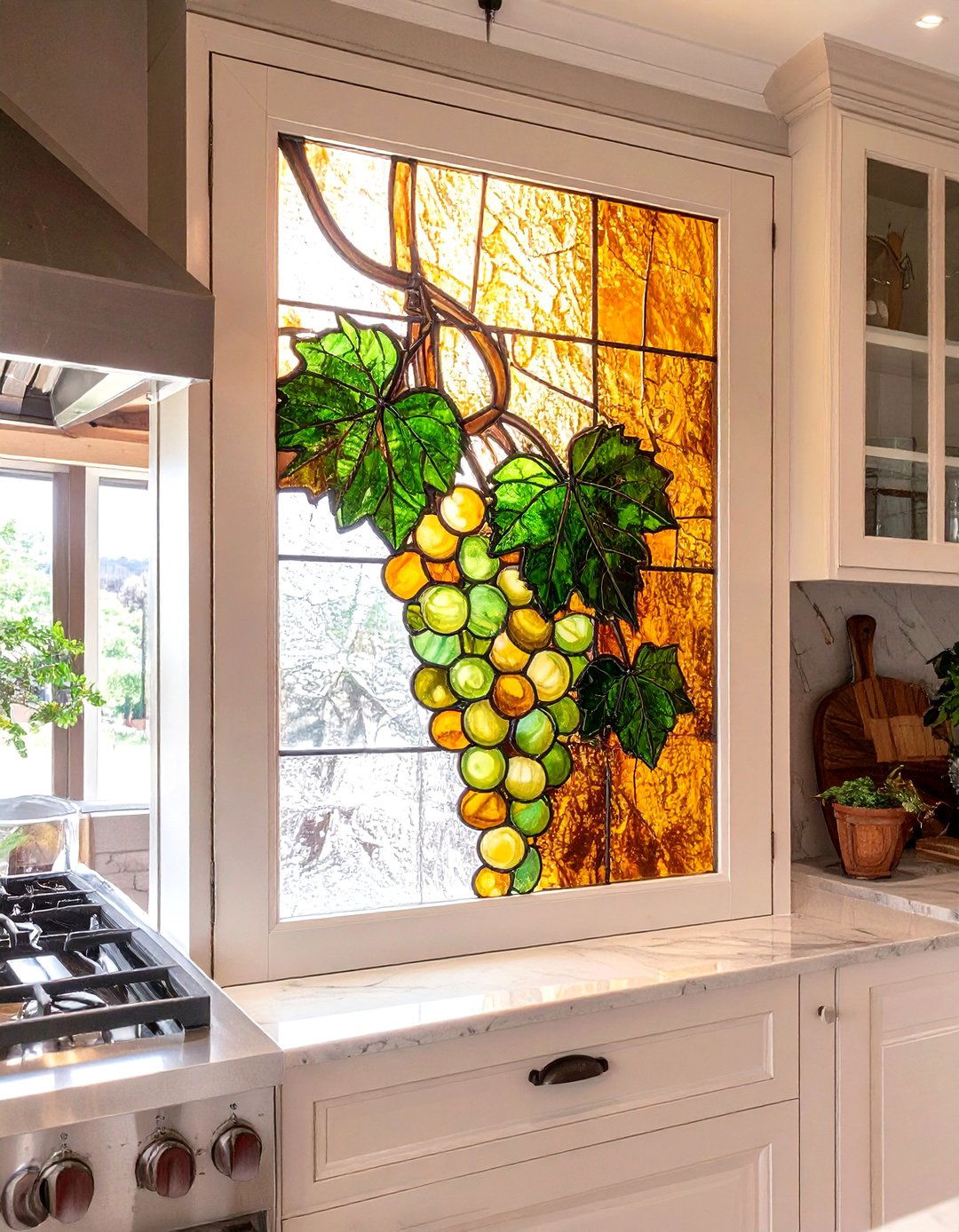
Introducing stained glass accents can add a touch of color and artistry to a Tuscan kitchen. Consider incorporating a small stained glass panel into a cabinet door or as a transom window above a doorway. Choose designs that feature simple, rustic motifs like grapes on the vine, olives, or sunflowers, using a palette of amber, green, and deep red. The light filtering through the colored glass creates a warm, jewel-toned glow that adds a unique and charming element to the room. This detail provides a beautiful, unexpected focal point and enhances the kitchen's handcrafted, old-world feel.
21. A Freestanding Hutch or Armoire in a Tuscan Kitchen
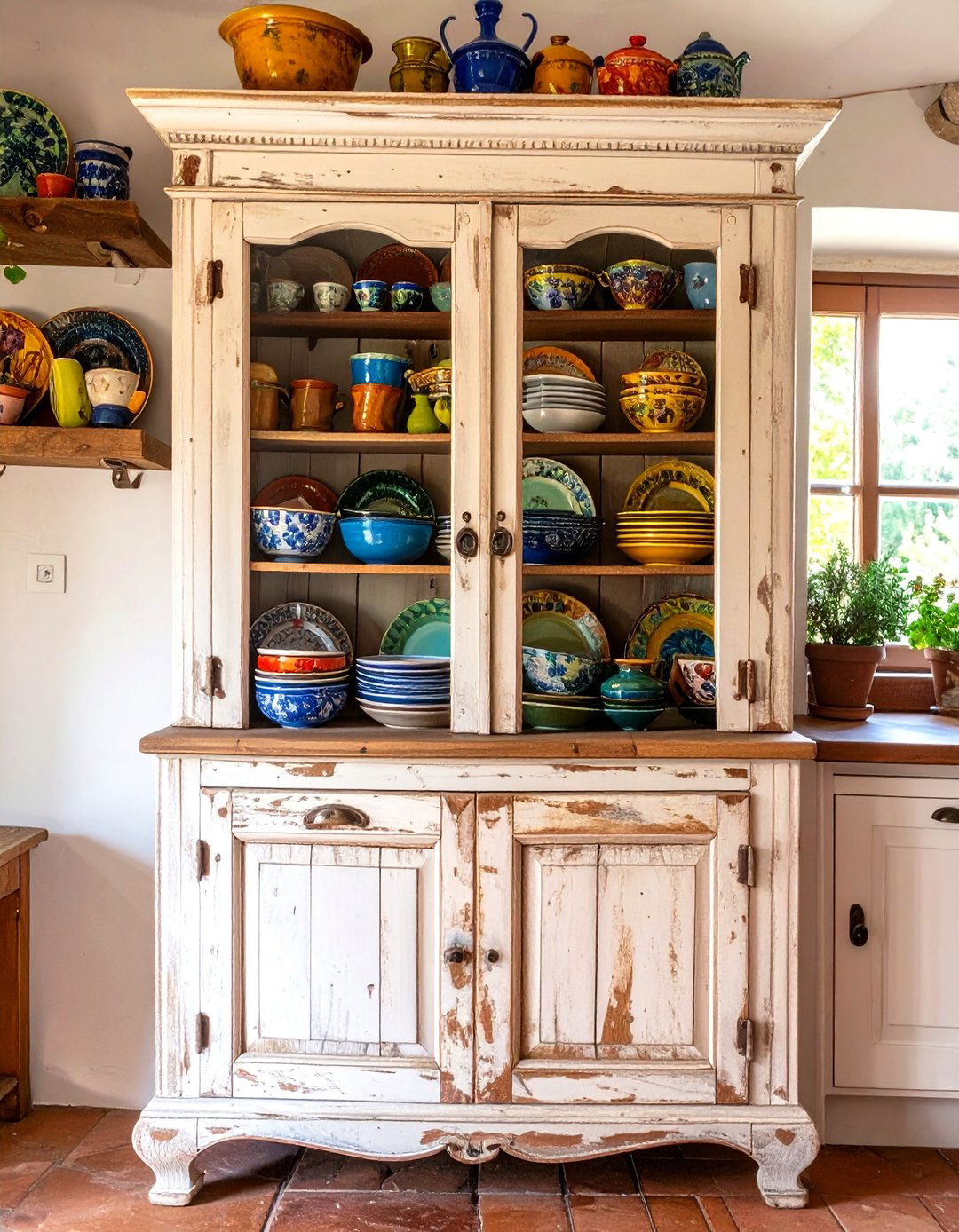
A freestanding hutch or armoire adds a touch of unfitted, furniture-style charm to a Tuscan kitchen. Instead of wall-to-wall cabinetry, a large, rustic wooden piece provides storage for dishes, linens, or pantry items. Choose an armoire with a distressed paint finish or a hutch with glass-paned upper doors to display your favorite pottery. This approach makes the kitchen feel more like a collected, evolved space rather than a modern, fully-fitted one. A vintage or antique-inspired piece introduces character, history, and a versatile storage solution that perfectly complements the rustic, lived-in aesthetic of the design.
22. Heavy, Textured Fabrics in a Tuscan Kitchen
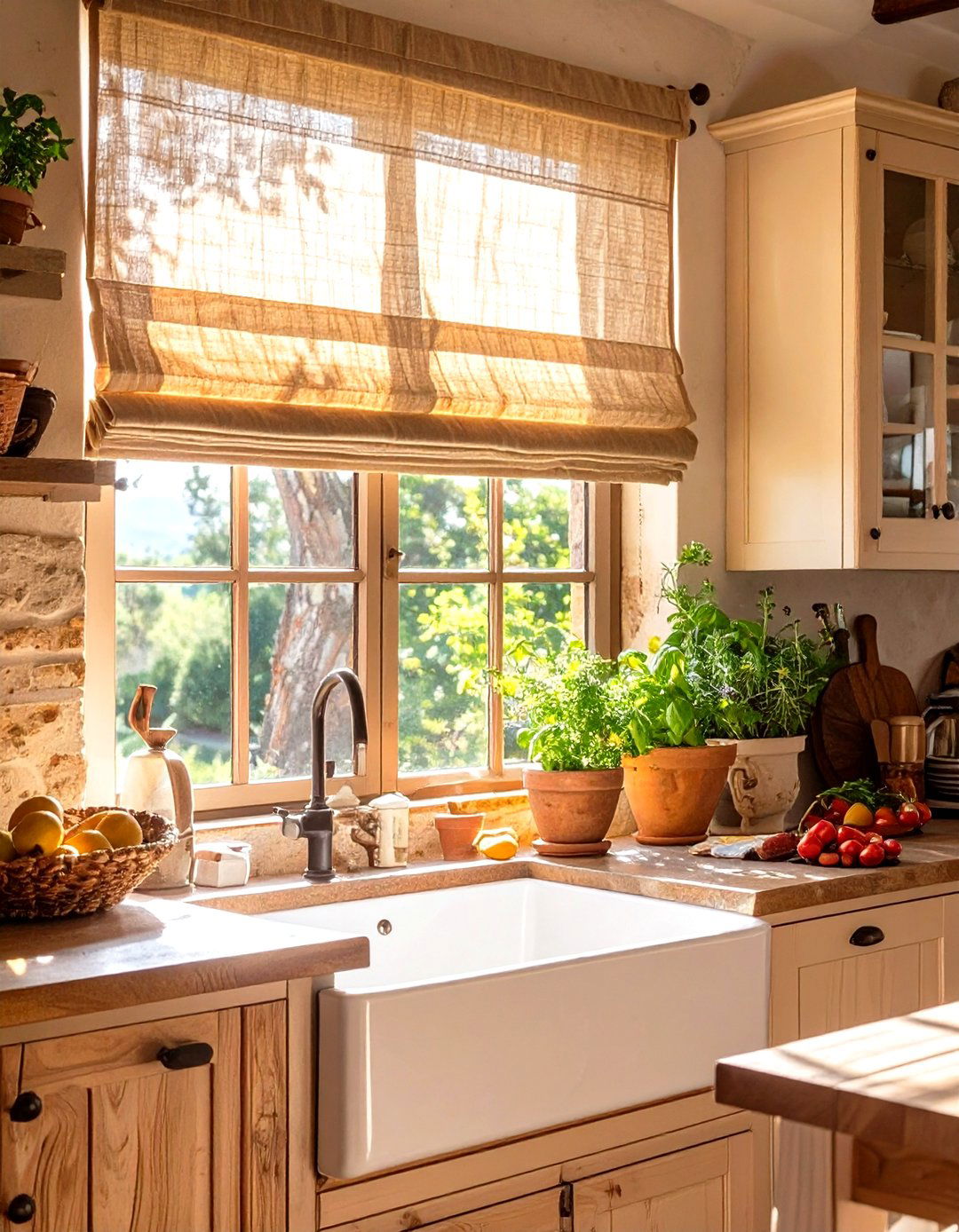
Using heavy, textured fabrics for window treatments and seating contributes to the cozy, layered feel of a Tuscan kitchen. Choose materials like linen, burlap, or a simple cotton weave for curtains or a Roman shade. Look for patterns like simple stripes, checks, or a subtle floral print in earthy tones. For chair cushions or a bench seat at a dining nook, a durable, textured fabric adds comfort and visual warmth. These textiles soften the hard surfaces of stone and wood, adding another layer of rustic comfort and enhancing the welcoming, homey atmosphere of the space.
23. A Classic Brick Accent Wall in a Tuscan Kitchen
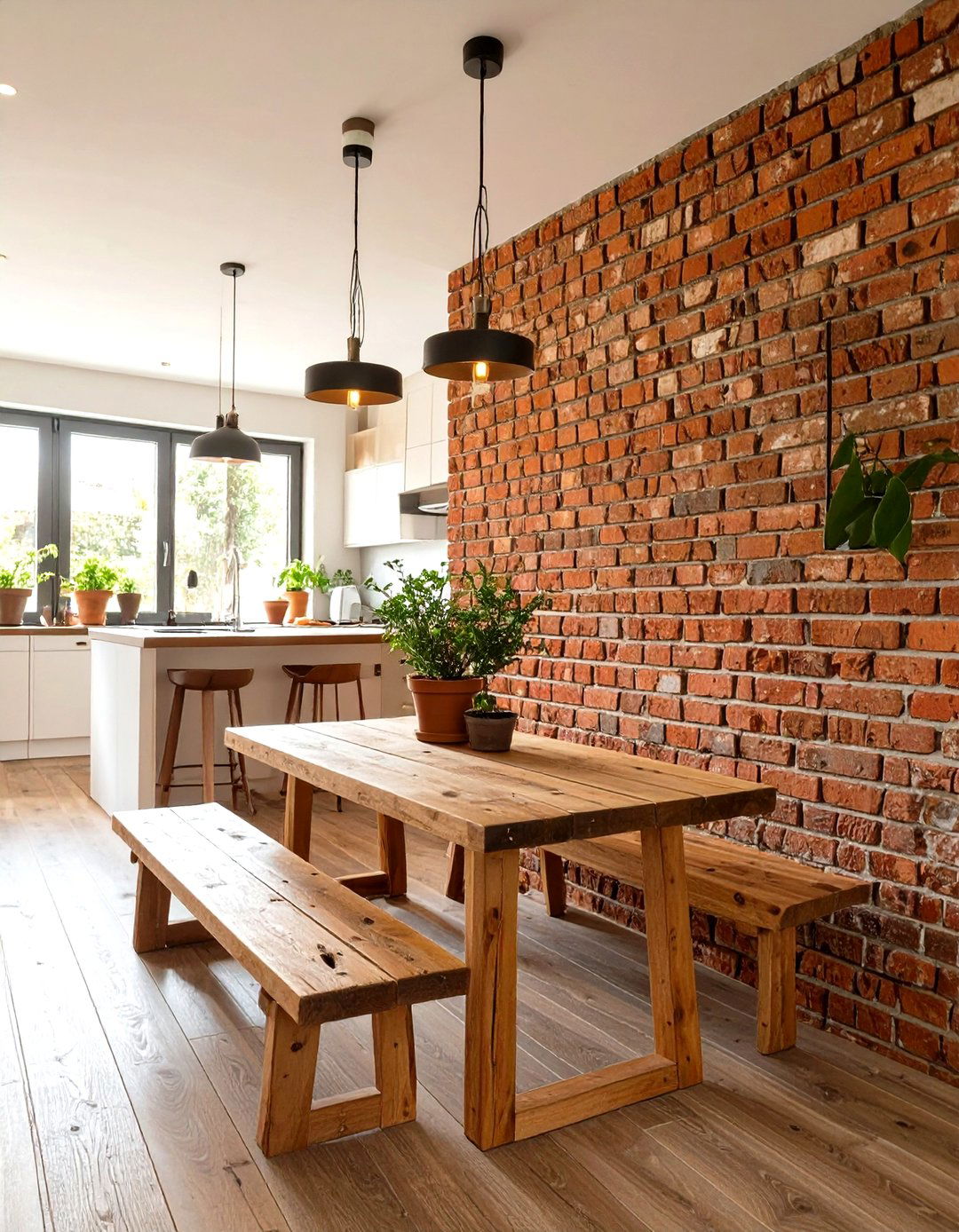
A classic brick accent wall can serve as a warm, textural backdrop in a Tuscan kitchen. Exposing an existing brick wall or installing thin brick veneers can create an authentic, rustic feature. The rich red and brown tones of the brick add warmth and a sense of history, evoking the feel of an old Italian farmhouse. This feature works particularly well behind the stove or as the wall for an eat-in dining area. The rugged texture of the brick contrasts beautifully with smoother plaster walls and wooden elements, adding depth and character to the overall design.
24. A Limestone Countertop in a Tuscan Kitchen
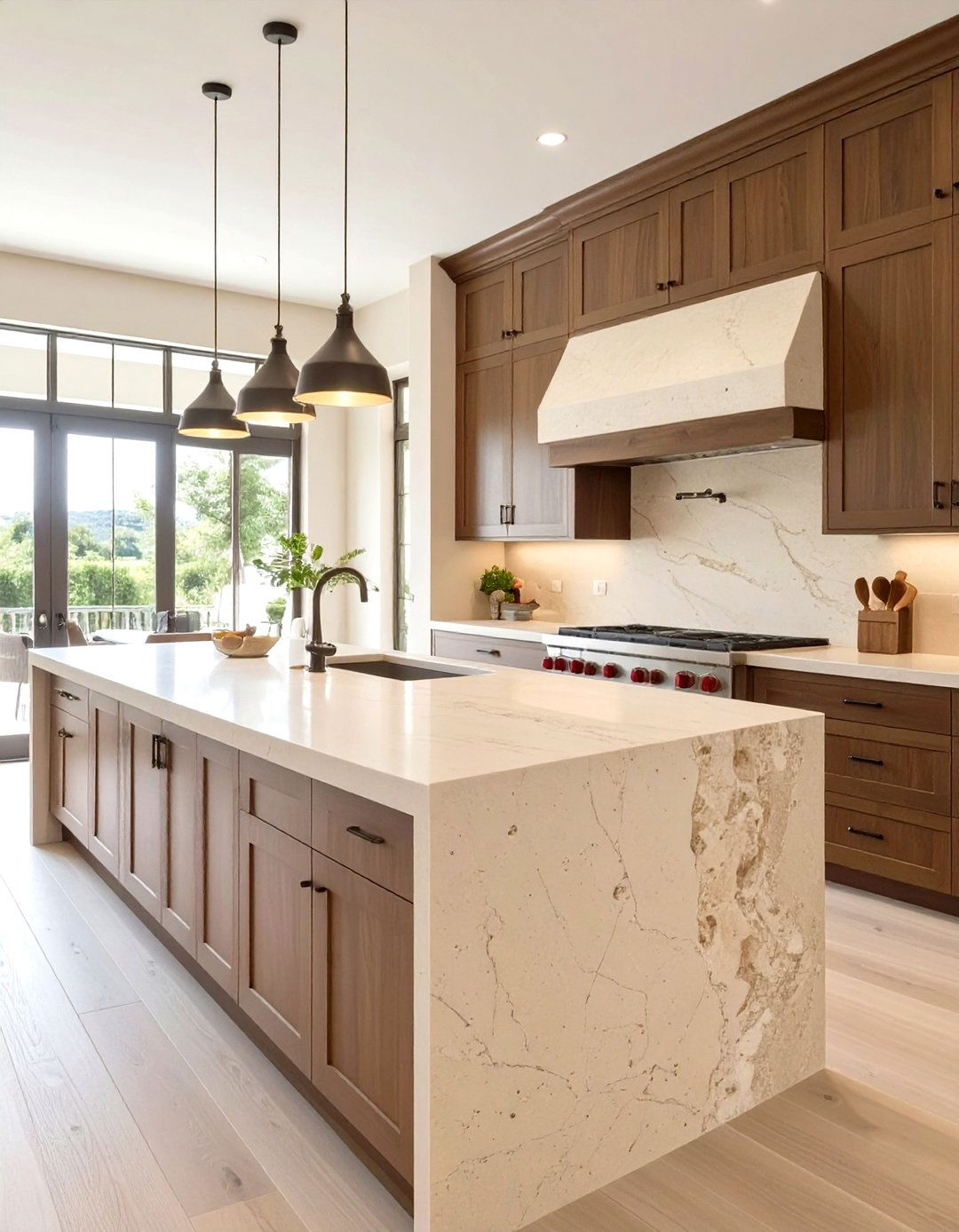
For a countertop material that exudes aged elegance, consider limestone for your Tuscan kitchen. Its soft, muted tones and subtle fossil markings provide a natural, organic surface that complements the rustic aesthetic. Unlike granite's high polish, limestone often has a honed or matte finish, which contributes to a softer, more understated look. While it requires sealing to protect against stains and etching, its beauty is undeniable. A thick slab of beige or gray limestone provides a durable and timeless work surface that feels authentic to the old-world style and pairs perfectly with distressed wood cabinetry.
25. Under-Cabinet Lighting in a Tuscan Kitchen
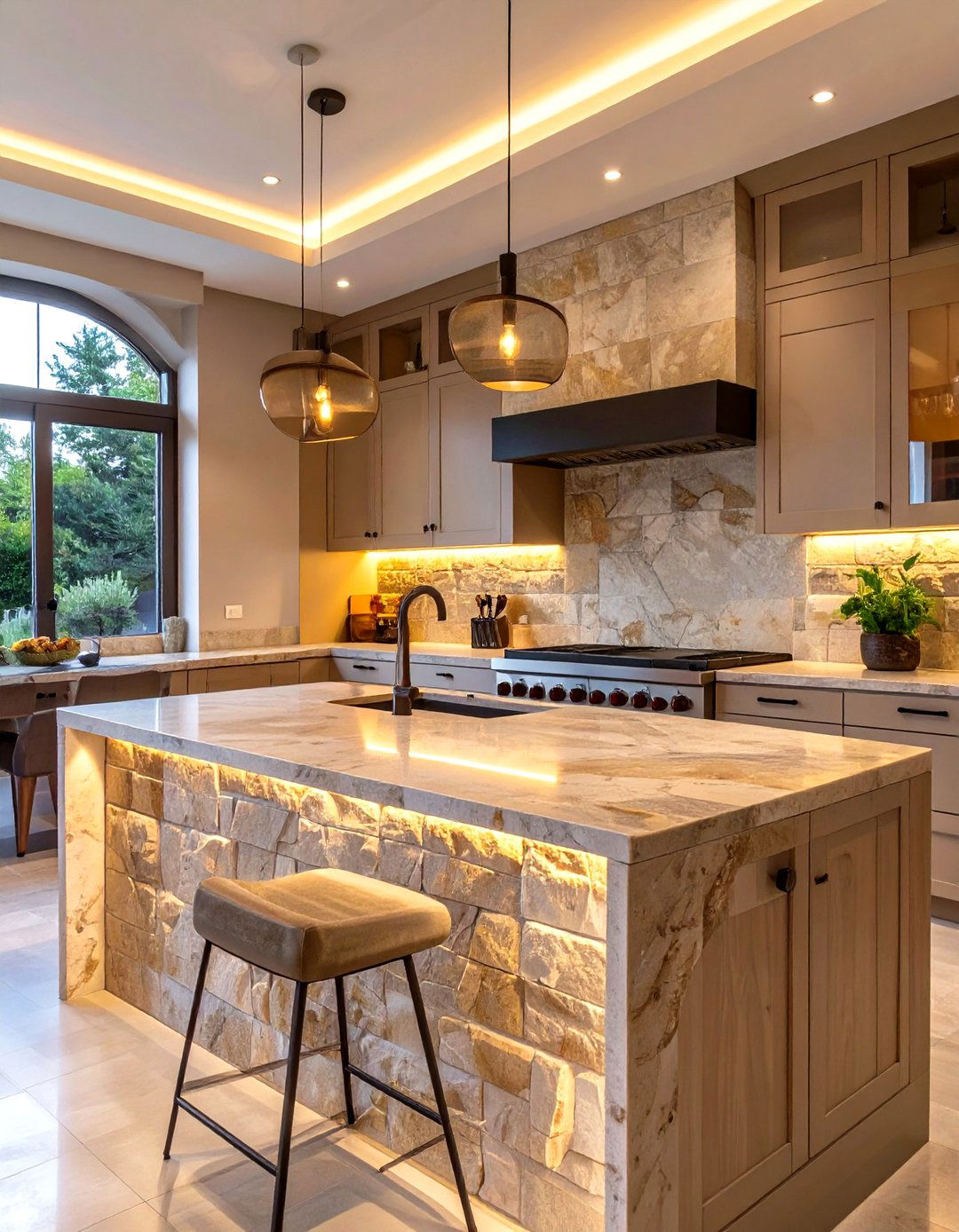
While Tuscan design is rustic, modern conveniences like under-cabinet lighting are essential for functionality. This type of lighting illuminates your countertops, making food preparation safer and easier without detracting from the overall ambiance. Choose warm-toned LED strips or puck lights that cast a soft glow. The light will highlight the texture of your stone backsplash and make the space feel cozier. By concealing the fixtures beneath the upper cabinets, you maintain the clean, old-world aesthetic while benefiting from focused, practical task lighting that enhances both the beauty and utility of your kitchen.
26. A Rustic Kitchen Work Table in a Tuscan Kitchen
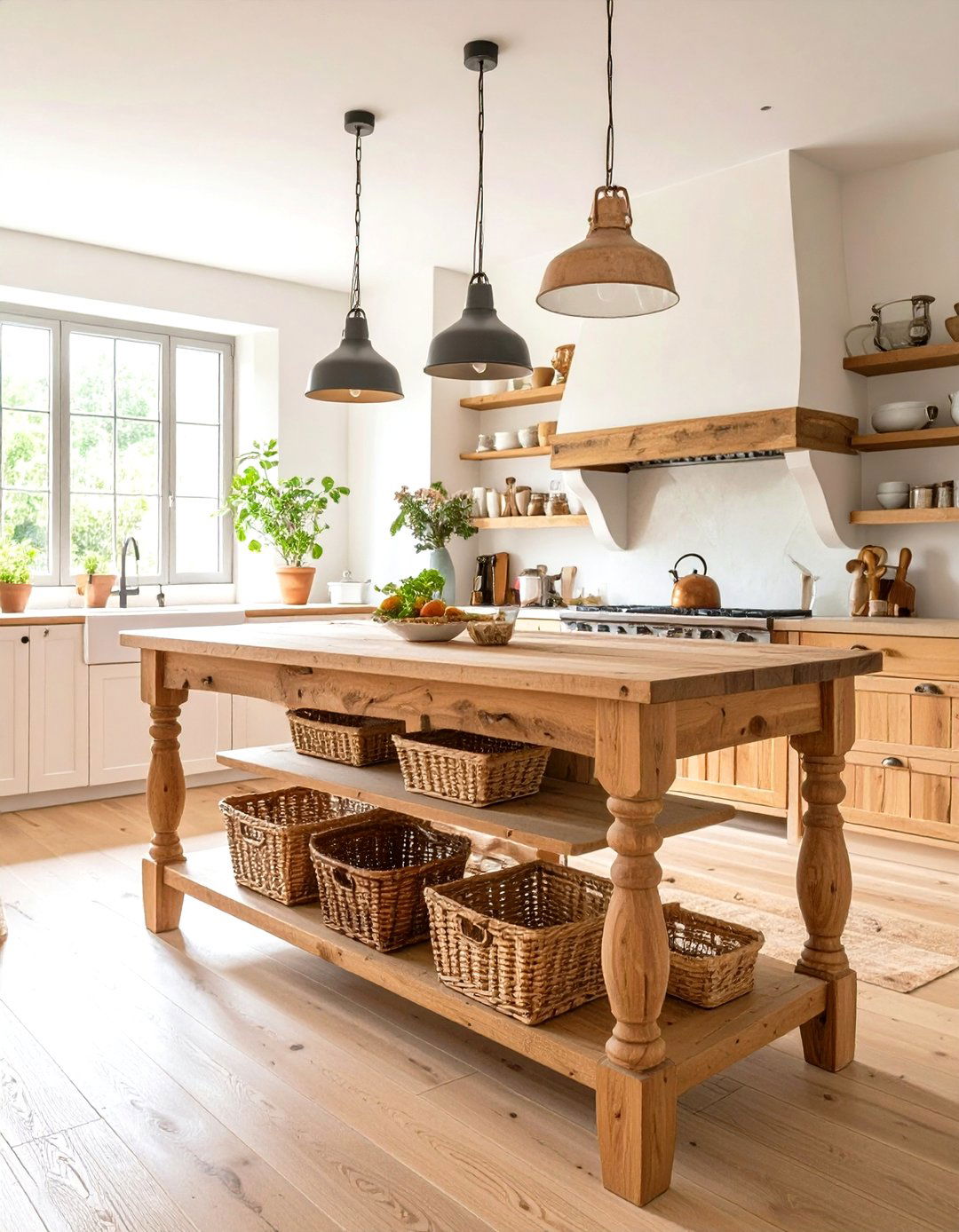
In place of a built-in island, a freestanding rustic work table can serve as a versatile centerpiece in a Tuscan kitchen. This piece, often made of weathered wood with a simple, sturdy construction, offers a more open and airy alternative to a bulky island. Its furniture-like quality adds to the collected, unfitted charm of the space. Use it for food prep, as a serving buffet, or as a casual dining spot. A lower shelf can provide storage for large bowls or baskets. This element enhances the functional, farmhouse character of the kitchen, making it feel authentic and hardworking.
27. Terracotta Pottery and Planters in a Tuscan Kitchen
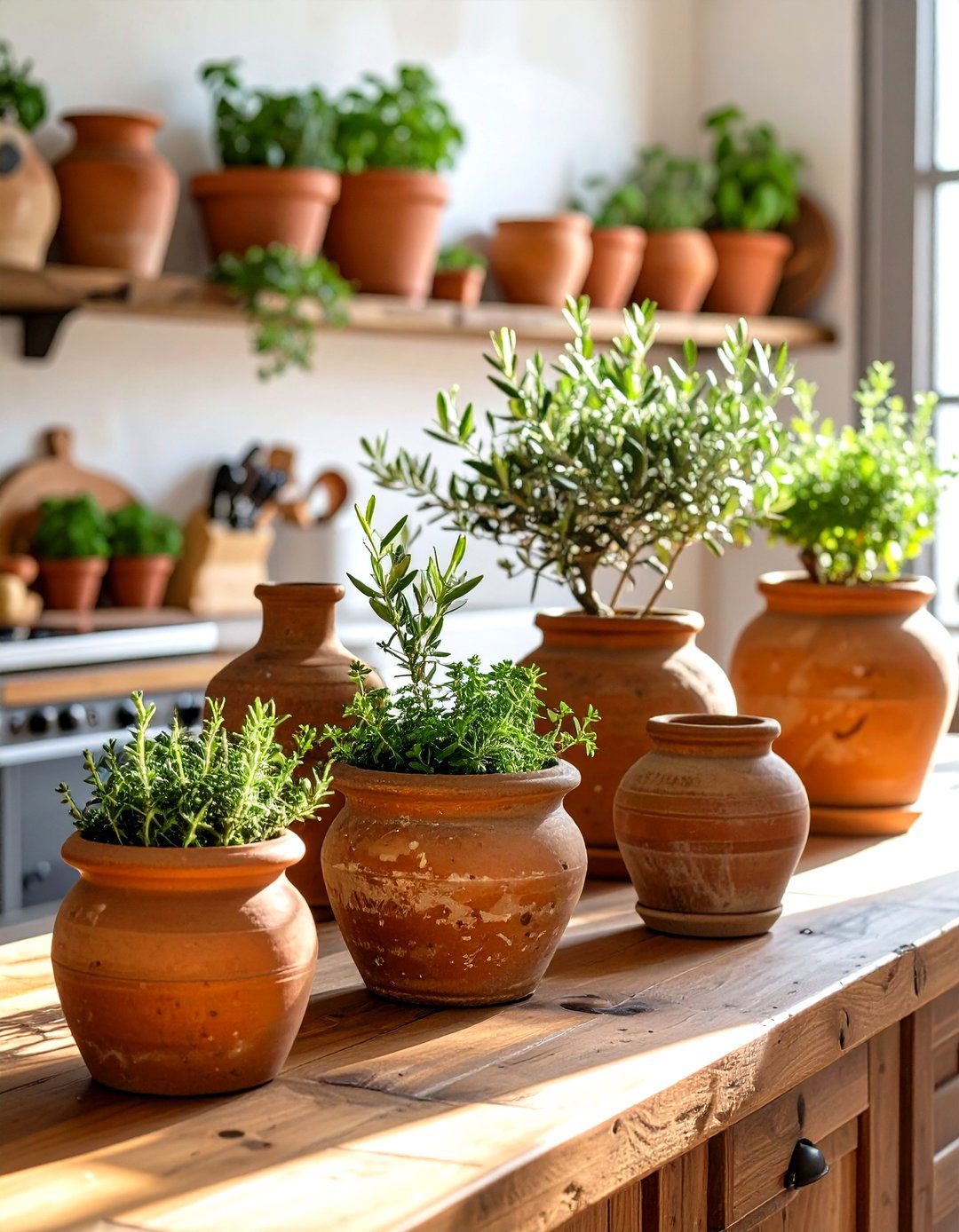
Terracotta pottery is an essential decorative element that reinforces the earthy, rustic vibe of a Tuscan kitchen. Use a variety of pots and planters in different shapes and sizes. Group small pots on a windowsill with fresh herbs, or place a large, aged terracotta urn in a corner for a dramatic statement. You can also use terracotta vessels to hold kitchen utensils or as a fruit bowl on the counter. The warm, reddish-clay color is quintessentially Tuscan and adds a touch of handcrafted, rustic simplicity that connects the indoor space to an Italian garden.
28. A Plate Rack Wall Display in a Tuscan Kitchen
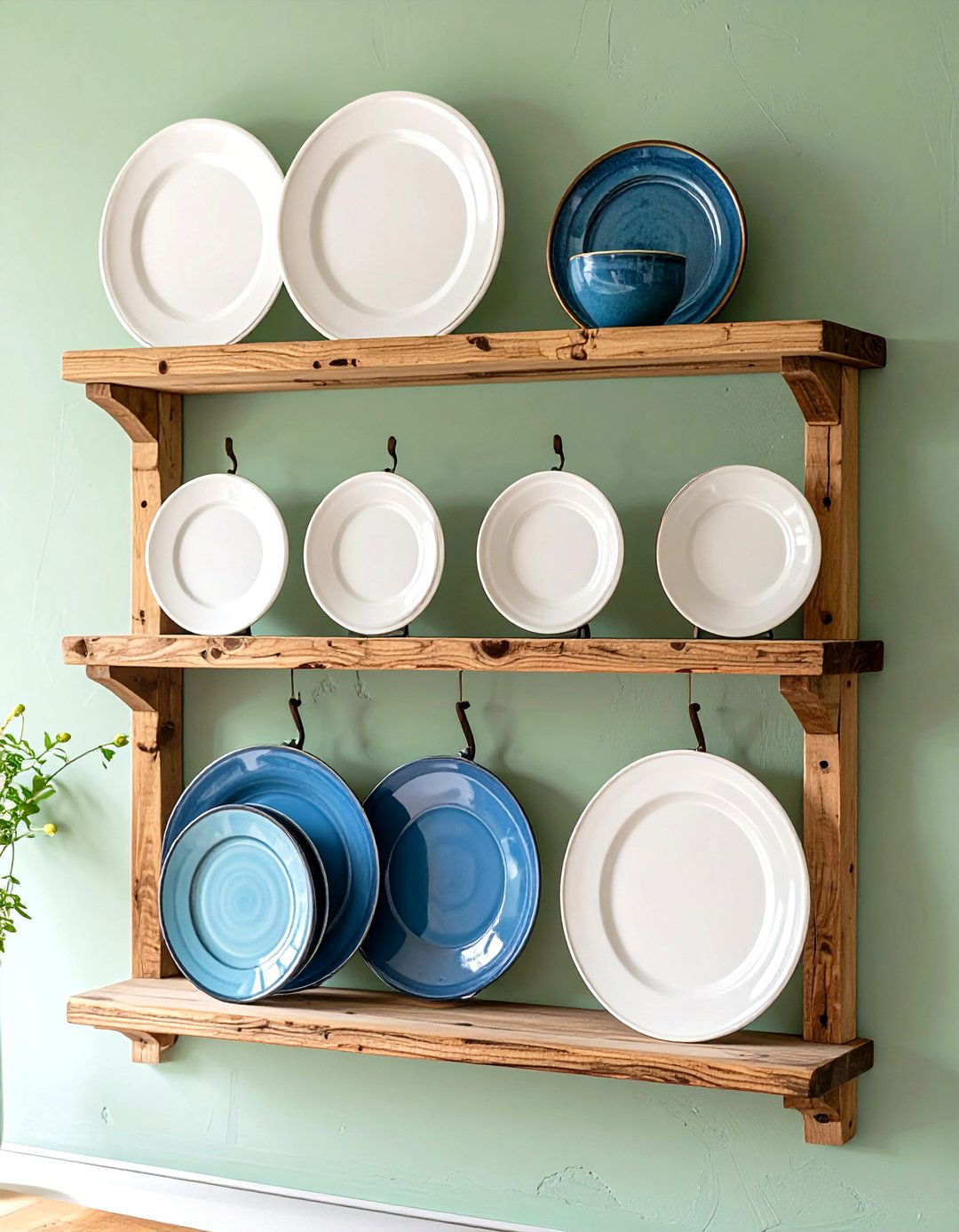
A wall-mounted plate rack is a charming and practical way to store and display dishes in a Tuscan kitchen. Typically made of wood and painted or stained to match the cabinetry, these racks feature vertical slots for plates and often a shelf on top for bowls or mugs. This open-storage solution keeps everyday dishes within easy reach and turns them into a decorative feature. Displaying a collection of hand-painted ceramic plates adds color and artisanal flair to the walls, contributing to the kitchen’s welcoming, lived-in feel and celebrating the beauty of functional objects.
29. A Coffered Ceiling in a Tuscan Kitchen
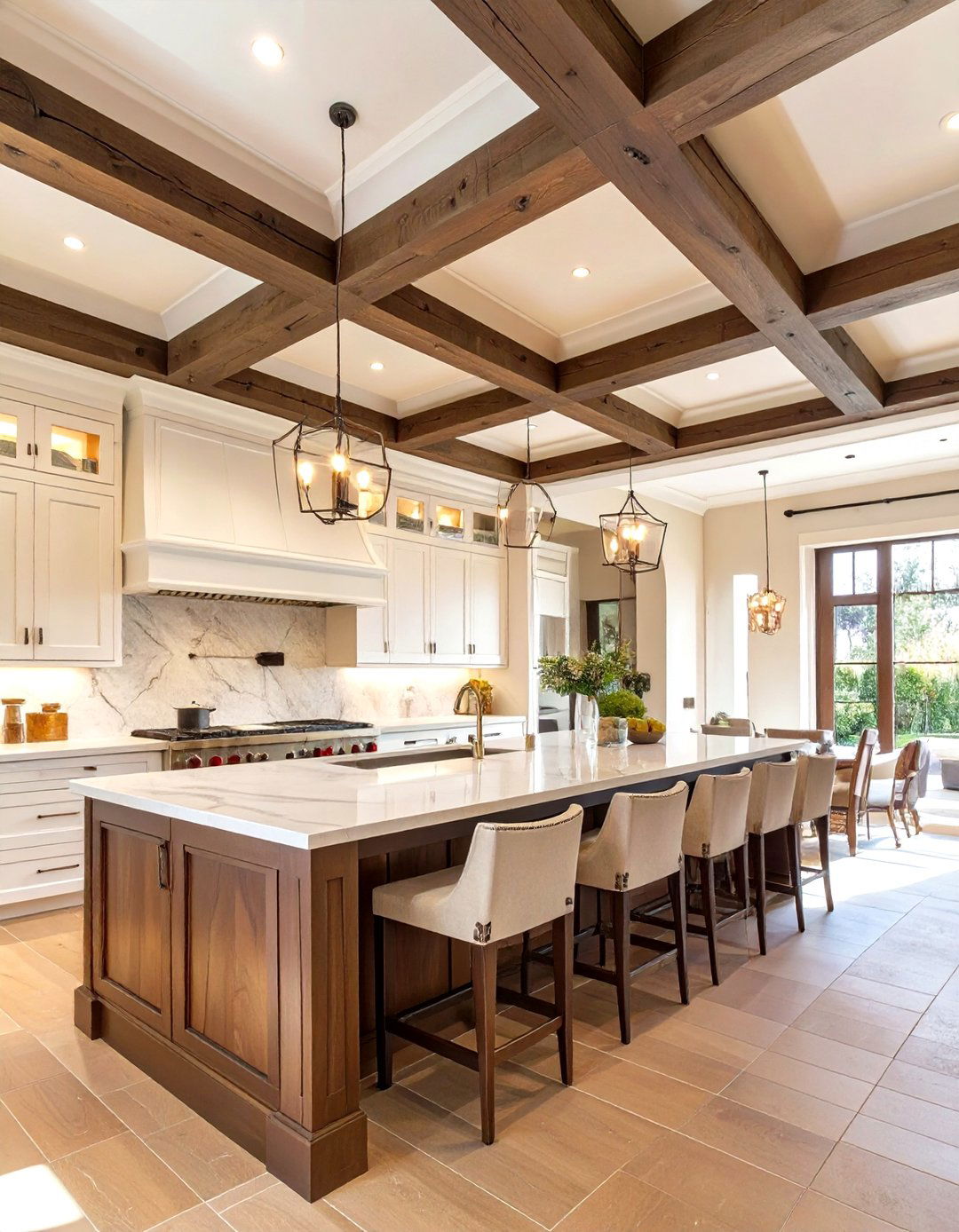
For a more refined and grand take on Tuscan style, a coffered ceiling adds architectural interest and a sense of luxury. This design features a series of recessed panels, often in a grid pattern, which can be accented with rustic wooden beams or decorative molding. The interplay of shadow and light created by the coffers adds depth and dimension to the ceiling, making it a significant design element. This approach elevates the rustic farmhouse aesthetic, blending it with the elegance of a grand Italian villa and creating a sophisticated yet warm and inviting atmosphere.
30. A Butcher Block Countertop in a Tuscan Kitchen
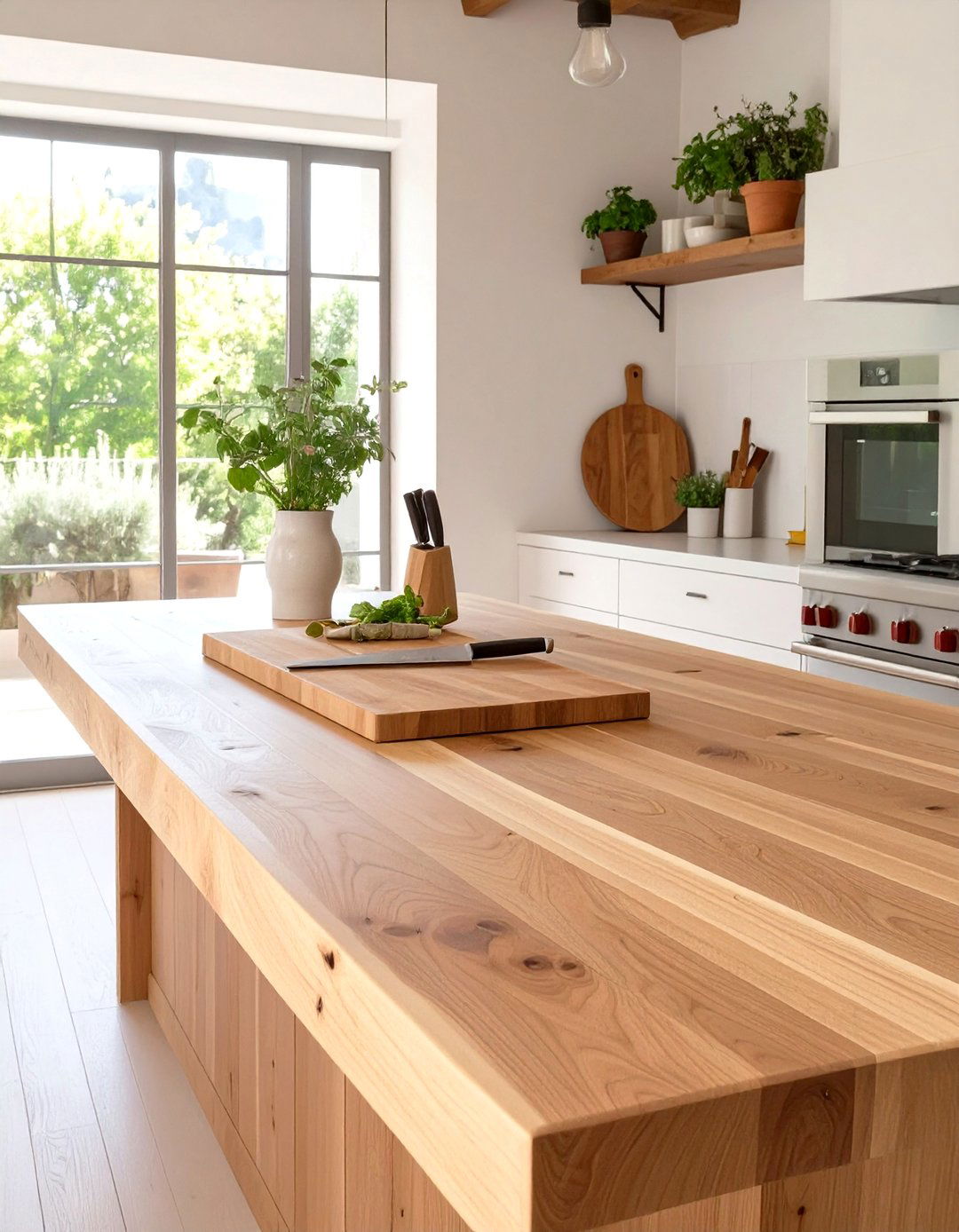
A butcher block countertop is a warm, natural, and highly functional surface for a Tuscan kitchen. Made from thick pieces of wood like maple or walnut, it provides an excellent surface for chopping and food prep. The rich tones of the wood add warmth and a rustic, utilitarian charm that complements stone backsplashes and distressed cabinetry. You can use butcher block for the entire countertop or just on a kitchen island to create a dedicated work zone. Over time, it develops a patina from use, which only adds to the kitchen's authentic, lived-in character.
Conclusion:
Ultimately, designing a Tuscan kitchen is about creating a warm, inviting, and functional space that celebrates natural materials and old-world charm. By incorporating elements like terracotta, distressed wood, stone, and wrought iron, you can evoke the rustic elegance of the Italian countryside. The key is to blend these textures and earthy colors to build a layered, lived-in atmosphere. Whether you choose an ornate range hood or simple open shelving, each detail contributes to a kitchen that feels like the true heart of the home, perfect for both cooking and gathering.

Related posts:


Leave a Reply