
Landscaping design offers a remarkable opportunity to extend your living space into the outdoors, creating a personal sanctuary that reflects your style. From the front curb to the backyard patio, a well-thought-out landscape can enhance your home's beauty, functionality, and value. The key is to blend natural elements with structured designs, creating harmony between your home and its surroundings. Whether you prefer a lush, vibrant garden or a sleek, modern oasis, there are countless ways to transform your property. These ideas explore various approaches, combining plants, hardscaping, lighting, and water features to craft a truly inspiring outdoor environment.

1. Multi-Level Decking for Sloped Yards

For properties with uneven terrain, a multi-level deck is an elegant solution that creates distinct outdoor zones. This design uses interconnected platforms at different heights to establish separate areas for dining, lounging, and entertaining. By following the natural contour of the land, you minimize extensive grading while adding significant visual interest. Materials like composite wood offer durability and low maintenance, while integrated steps and railings ensure safety and seamless flow. Planters built directly into the deck structure can soften the edges with greenery, integrating the hardscape beautifully with the surrounding garden for a cohesive and highly functional backyard retreat.
2. Integrated Outdoor Kitchen and Bar

An integrated outdoor kitchen and bar transforms your backyard into the ultimate entertainment hub. This design goes beyond a simple grill, incorporating features like a built-in refrigerator, sink, weather-resistant countertops, and ample storage. A bar-height counter with comfortable seating encourages social interaction, allowing guests to chat with the cook. Position this feature on a patio or deck close to the main house for easy access to indoor amenities. Proper lighting is essential for evening use, so consider installing overhead pendant lights or under-counter LED strips to create a warm and inviting ambiance for any gathering.
3. A Modern Concrete Paver Patio

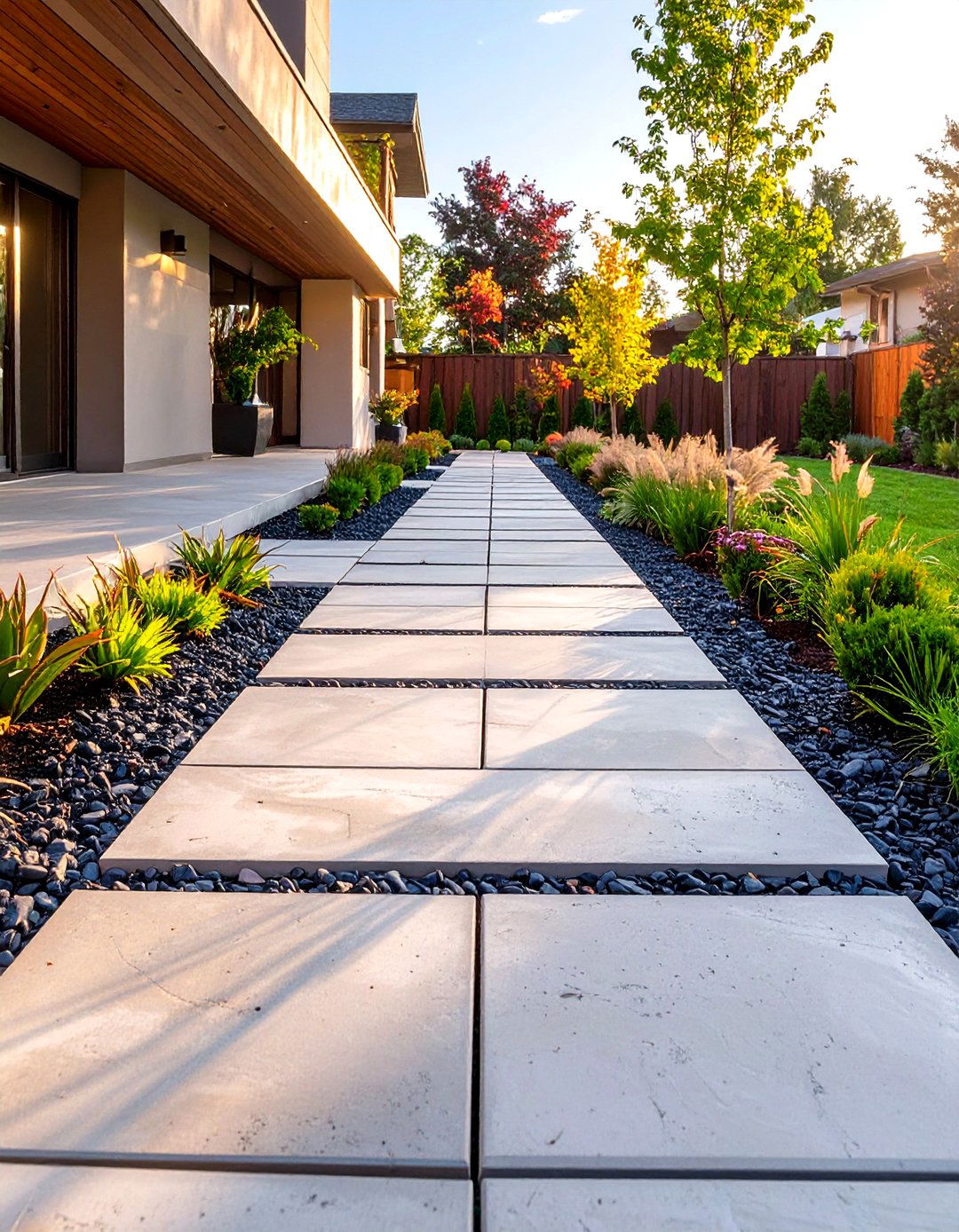
A modern patio designed with large-format concrete pavers creates a clean, sophisticated foundation for your outdoor living area. These oversized slabs, often in shades of grey or white, establish a minimalist aesthetic with clean lines and a sense of spaciousness. Laying them in a simple grid or a running bond pattern enhances the contemporary feel. To soften the look, leave slim gaps between pavers and fill them with small pebbles or a low-growing ground cover like thyme. This technique, known as permeable paving, adds texture and improves drainage, combining sleek style with practical, eco-friendly benefits for a truly modern outdoor space.
4. Front Yard Wildflower Meadow

Transforming your front yard into a wildflower meadow offers a beautiful, low-maintenance alternative to a traditional lawn. This landscaping design focuses on native plants and flowers that thrive in your local climate, requiring less water and no chemical fertilizers. The result is a vibrant, ever-changing tapestry of colors and textures that attracts pollinators like bees and butterflies, supporting local biodiversity. A meandering pathway cut through the meadow invites exploration and adds a touch of structure. This approach not only enhances curb appeal with its natural, rustic charm but also promotes a healthier ecosystem right outside your front door.
5. Serene Zen Garden with Raked Sand

A Zen garden provides a tranquil space for contemplation and relaxation, centered on minimalist principles. The core of this design is an area of raked sand or fine gravel, symbolizing water, with carefully placed rocks representing islands or mountains. The act of raking the sand itself is a meditative practice. Keep plantings sparse, focusing on sculptural elements like a single Japanese maple, bamboo, or moss. A simple stone lantern or a small water basin can complete the scene. This design requires minimal upkeep once established and creates a profound sense of peace, making it a perfect retreat from the hustle of daily life.
6. Living Wall Vertical Garden

For those with limited space, a living wall vertical garden is an innovative way to introduce lush greenery. This design involves growing plants on a vertically suspended panel, which can be freestanding or attached to a wall or fence. It's an ideal solution for urban balconies, small patios, or as a stunning focal point in a larger yard. You can plant a variety of herbs, succulents, or ornamental foliage to create a rich tapestry of color and texture. An integrated drip irrigation system makes maintenance simple, ensuring the plants receive consistent moisture without manual watering, turning any vertical surface into a thriving garden.
7. Natural Swimming Pond

A natural swimming pond combines the beauty of a water garden with the function of a chemical-free swimming pool. This eco-friendly design uses a separate regeneration zone filled with aquatic plants to filter the water naturally, eliminating the need for chlorine. The swimming area is kept clear and clean by this biological filtration process. The pond's edges are often softened with rocks and marginal plants, creating a seamless transition into the surrounding landscape. It provides a unique, refreshing swimming experience and becomes a beautiful habitat for wildlife, offering a sustainable and aesthetically pleasing alternative to conventional pools.
8. Sunken Seating Area with a Fire Pit

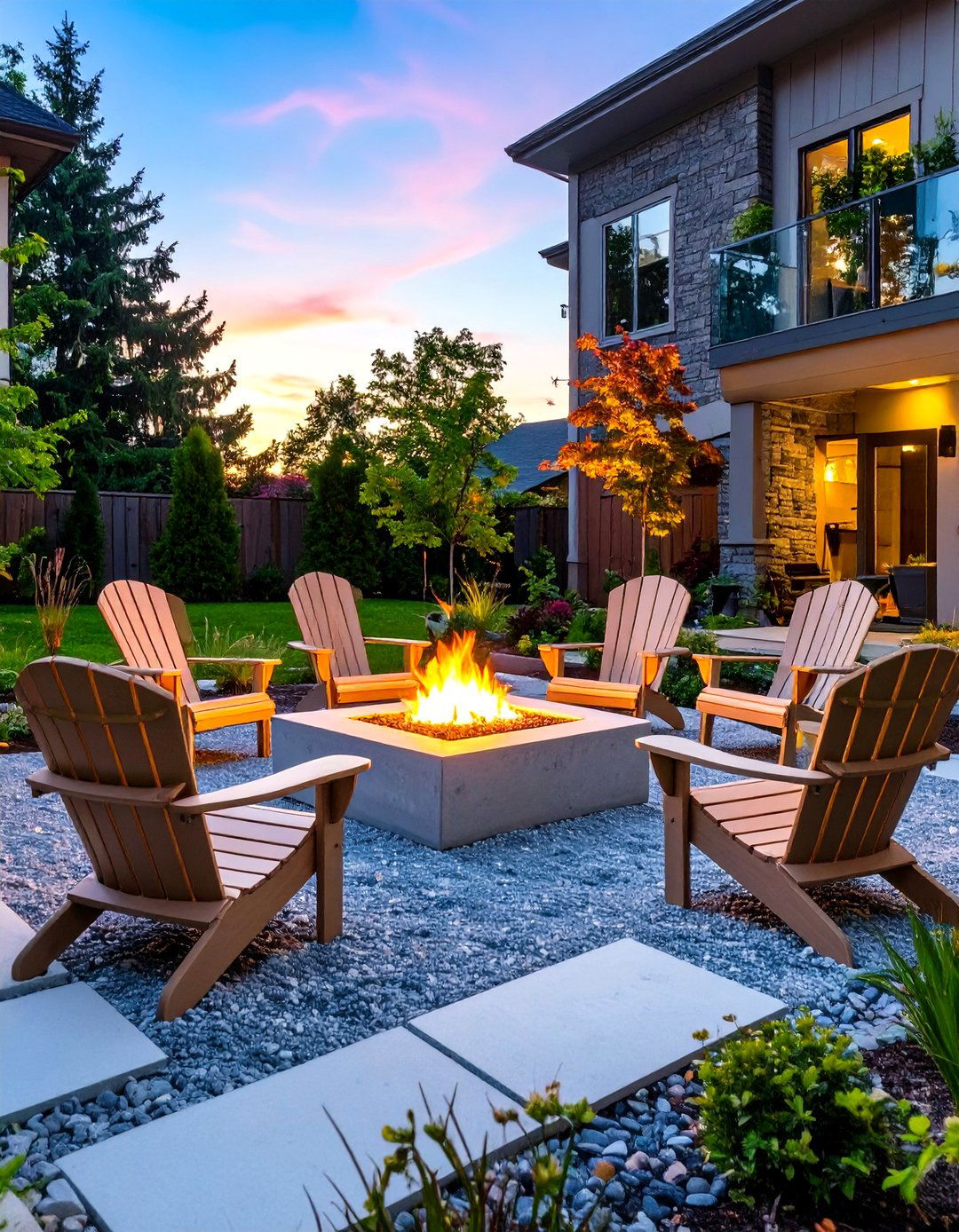
Creating a sunken seating area, or "conversation pit," adds an intimate and cozy dimension to your backyard. This design involves excavating a section of your patio or lawn and building retaining walls to form a lowered enclosure. Built-in benches around a central fire pit maximize seating and create a natural gathering spot. The lowered elevation provides a sense of seclusion and protection from the wind, making it ideal for evening conversations. Using materials like stone or poured concrete for the walls and seating enhances the built-in, custom feel, crafting a permanent and inviting focal point for year-round enjoyment.
9. Permeable Gravel Walkways

Using permeable gravel for walkways is a practical and aesthetically pleasing landscaping choice. Unlike solid surfaces, gravel paths allow rainwater to percolate directly into the ground, reducing runoff and helping to replenish groundwater. This makes it an environmentally friendly option that contributes to a healthier garden ecosystem. A variety of gravel colors and sizes are available, from fine pea gravel for a soft feel underfoot to larger crushed stone for a more rustic look. Installing durable landscape edging is crucial to keep the gravel contained and maintain clean, crisp lines that define the path and prevent it from spilling into adjacent garden beds.
10. Corten Steel Planters and Edging

Corten steel, with its distinctive rust-like appearance, brings a warm, industrial-chic element to modern landscape designs. This durable material develops a stable, protective patina over time, which prevents further corrosion and eliminates the need for painting or sealing. Use Corten steel to create raised garden beds, sleek planters, or sharp, clean edging that defines pathways and separates lawn from garden beds. Its rich, earthy tones contrast beautifully with vibrant green foliage and colorful blooms, adding a sculptural quality to the garden. This material is both highly functional and artistically expressive, offering a long-lasting and stylish solution.
11. Tiered Retaining Wall Garden

A tiered retaining wall garden is a brilliant way to transform a sloped yard into a productive and beautiful space. By cutting into the hill and building a series of low walls, you create level terraces perfect for planting. Each tier can be dedicated to a different type of plant—one for vegetables, another for herbs, and a third for perennial flowers. This design not only prevents soil erosion but also makes gardening on a slope much more accessible and organized. Materials like natural stone, timber, or interlocking concrete blocks can be used to match your home's style, turning a challenging incline into a stunning feature.
12. Landscape Lighting for Ambiance

Strategic landscape lighting is essential for extending the enjoyment of your outdoor space after sunset. This design focuses on creating ambiance and highlighting key features rather than flooding the area with bright light. Use uplighting to accentuate the texture of tree bark or the architectural details of your home. Path lights ensure safe navigation along walkways, while soft downlighting from a pergola can create a moonlit effect over a patio. Low-voltage LED fixtures are energy-efficient and long-lasting, allowing you to layer different types of light to craft a magical and inviting nighttime atmosphere in your garden.
13. A Dry Creek Bed for Drainage

A dry creek bed is a clever landscaping feature that is both beautiful and functional, especially in yards with drainage issues. It mimics the look of a natural stream, constructed with a variety of river rocks, stones, and boulders arranged in a meandering path. During heavy rain, it effectively channels excess water away from your home's foundation or low-lying areas, preventing waterlogging and erosion. When dry, it serves as an attractive, low-maintenance garden feature that adds texture and a sense of movement to the landscape. Planting drought-tolerant grasses and perennials along its banks enhances the naturalistic look.
14. Modern Horizontal Slat Fencing

Modern horizontal slat fencing offers a stylish way to ensure privacy while enhancing your landscape's contemporary aesthetic. This design uses evenly spaced wooden or composite boards installed horizontally, creating clean, linear lines that make a space feel wider and more open. The spacing between the slats can be adjusted to control the level of privacy and light penetration. Staining the wood in a dark charcoal or a rich cedar tone can create a stunning backdrop for vibrant green plants. This type of fencing acts as more than just a boundary; it becomes an integral architectural element of the overall garden design.
15. A Formal Boxwood Parterre Garden

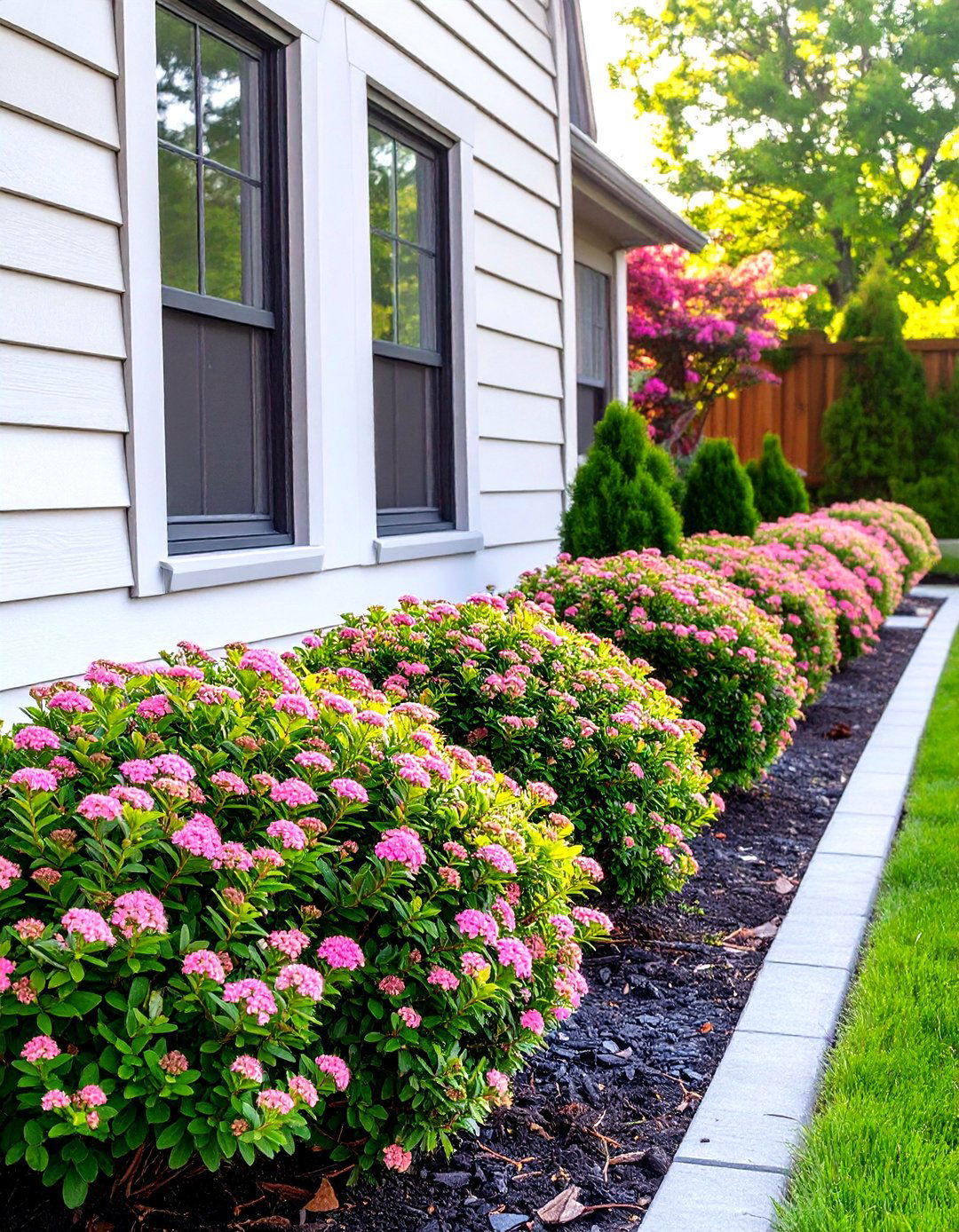
For a touch of classic, European elegance, consider a formal parterre garden designed with low boxwood hedges. This timeless style uses neatly clipped hedges to create intricate, symmetrical patterns that form the "bones" of the garden. The compartments created by the boxwood outlines can be filled with colorful annual flowers, fragrant herbs, or contrasting gravel for a clean, manicured look. This design works exceptionally well in formal settings, such as a front entryway or a central courtyard. It requires regular pruning to maintain its sharp, geometric shapes, but the stunning result is a sophisticated and highly structured landscape.
16. A Boulder Rock Garden
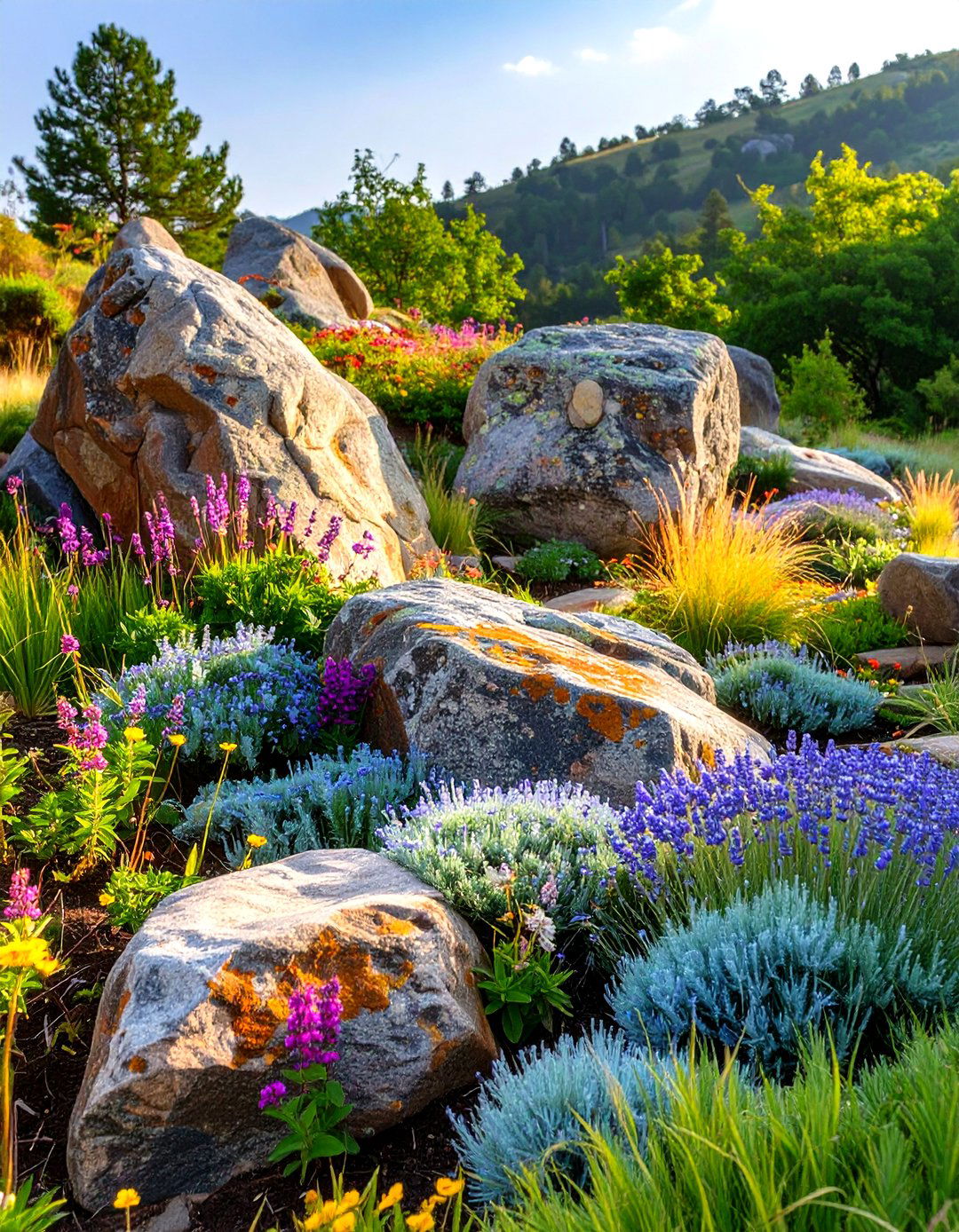
Creating a boulder rock garden brings a rugged, naturalistic element to your landscape, perfect for sloped areas or as a standalone feature. The design centers on the strategic placement of several large, impressive boulders to act as anchors and create a sense of scale and permanence. Smaller rocks and stones are then arranged around them to mimic a mountain scree or alpine setting. Fill the pockets between the rocks with hardy, drought-tolerant plants like succulents, alpines, and ornamental grasses that thrive in rocky conditions. This creates a dramatic, low-maintenance garden that offers year-round visual interest and texture.
17. Outdoor Shower with a Privacy Screen

An outdoor shower adds a touch of resort-style luxury to your backyard, perfect for rinsing off after a swim or a day spent gardening. The key to this design is creating a private yet open-air enclosure. A stylish privacy screen made from horizontal wood slats, bamboo panels, or even a living wall of tall grasses can shield the area effectively. Install a simple rainfall showerhead and ensure the flooring provides good drainage—a deck of teak or a base of smooth river stones works well. This feature is both highly practical and incredibly refreshing, bringing a spa-like experience to your home.
18. A Pergola with Climbing Vines

A pergola is a versatile structure that can define an outdoor room while adding vertical interest to your garden. Covering it with climbing vines enhances its beauty and provides natural shade. Fast-growing vines like wisteria, trumpet vine, or climbing roses can quickly envelop the structure, creating a lush, green canopy that blooms with color and fragrance. This design transforms a simple patio or deck into a romantic and shaded retreat, perfect for dining or relaxing on hot summer days. The interplay of the solid structure and the soft, organic plant life creates a beautiful balance in the landscape.
19. Raised Vegetable Garden Beds

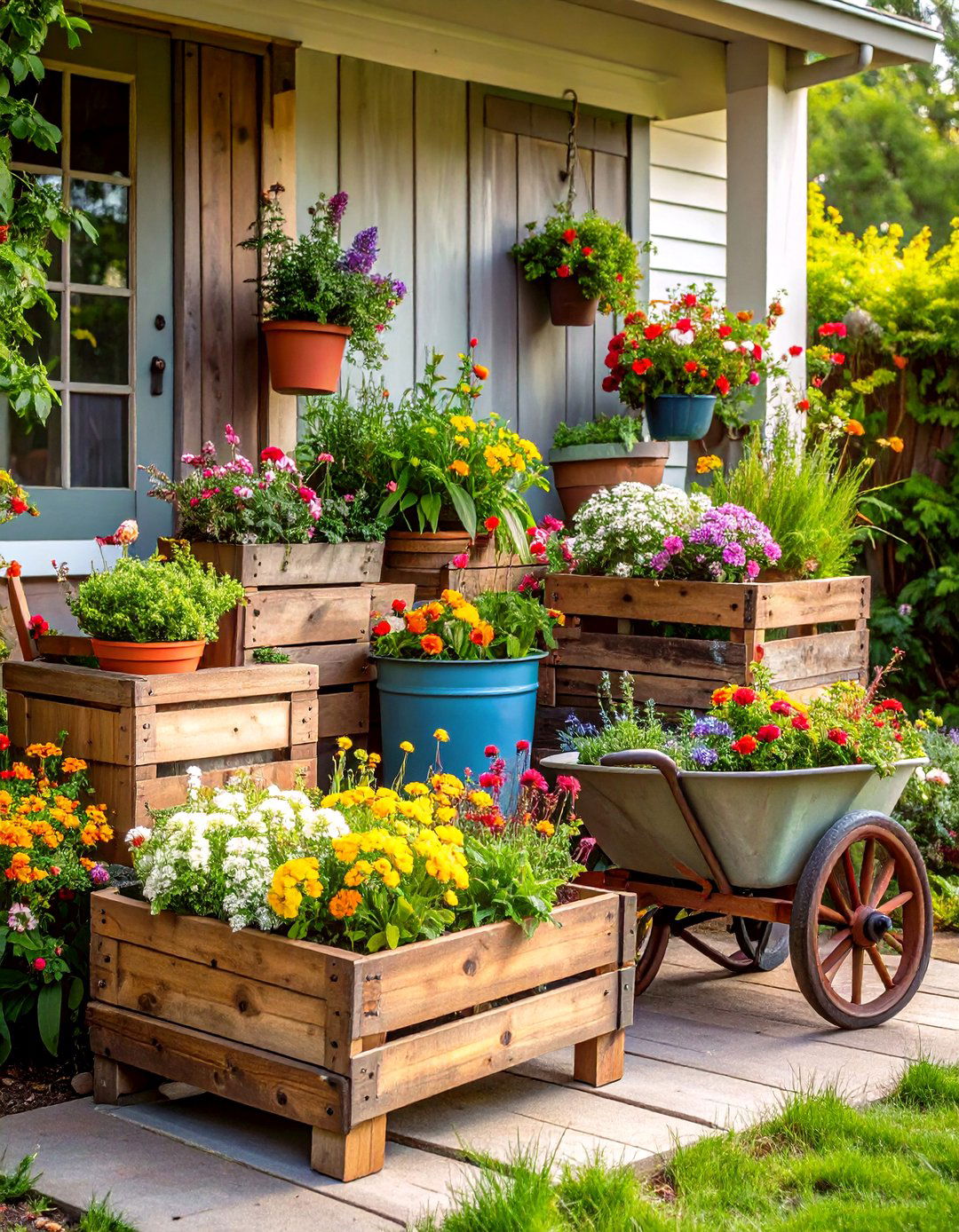
Raised vegetable garden beds offer a practical and organized way to grow your own food. By elevating the planting area, you gain better control over soil quality, improve drainage, and reduce the need for bending and kneeling, making gardening more accessible. The beds can be constructed from a variety of materials, including timber, Corten steel, or recycled composite planks, to match your garden's aesthetic. Arranging them in a neat, geometric layout creates a tidy and productive potager-style garden. This design not only yields fresh produce but also adds a structured, rustic charm to your backyard landscape.
20. A Bubbling Urn Water Feature

For those who want the soothing sound of water without the maintenance of a large pond, a bubbling urn is a perfect choice. This self-contained water feature consists of a large ceramic or stone urn where water is pumped up to bubble over the top and trickle down the sides into a hidden underground reservoir. It's easy to install, requires very little space, and uses minimal water. The gentle sound of bubbling water creates a peaceful ambiance, masks unwanted noise, and attracts birds. Placed within a garden bed or on a patio, it serves as an elegant and tranquil focal point.
21. Symmetrical Front Walkway Planting

Creating symmetry along your front walkway is a classic design technique that establishes a sense of order and formal elegance. This is achieved by planting identical arrangements of plants on both sides of the path leading to your door. Low, neatly clipped boxwood hedges can define the edges, while repeating clusters of flowering perennials or shrubs like hydrangeas add color and volume. This balanced approach guides the eye directly to the entrance, creating a welcoming and polished first impression. The result is a clean, intentional look that significantly boosts your home’s curb appeal with its timeless and sophisticated charm.
22. A Winding Stepping Stone Path
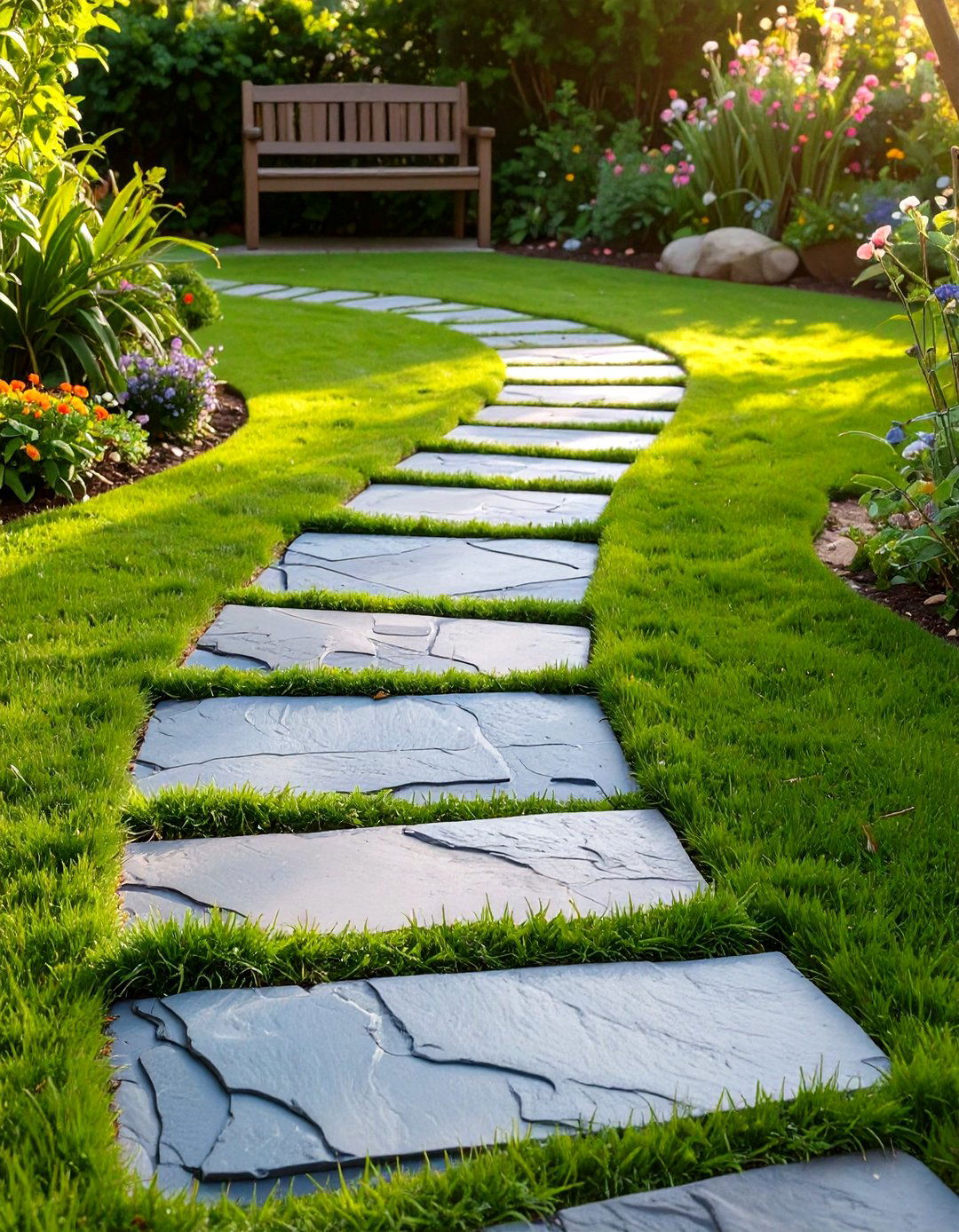
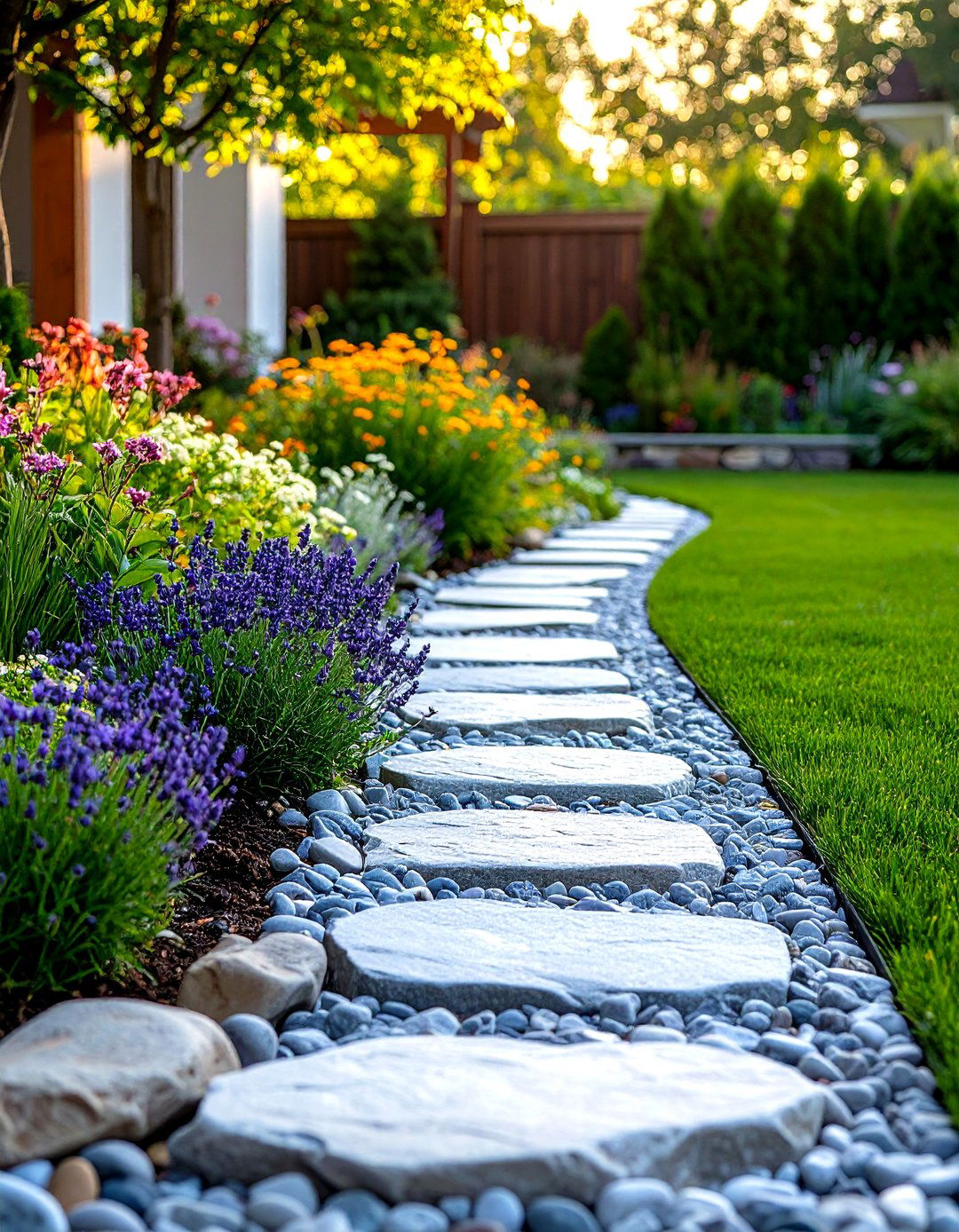
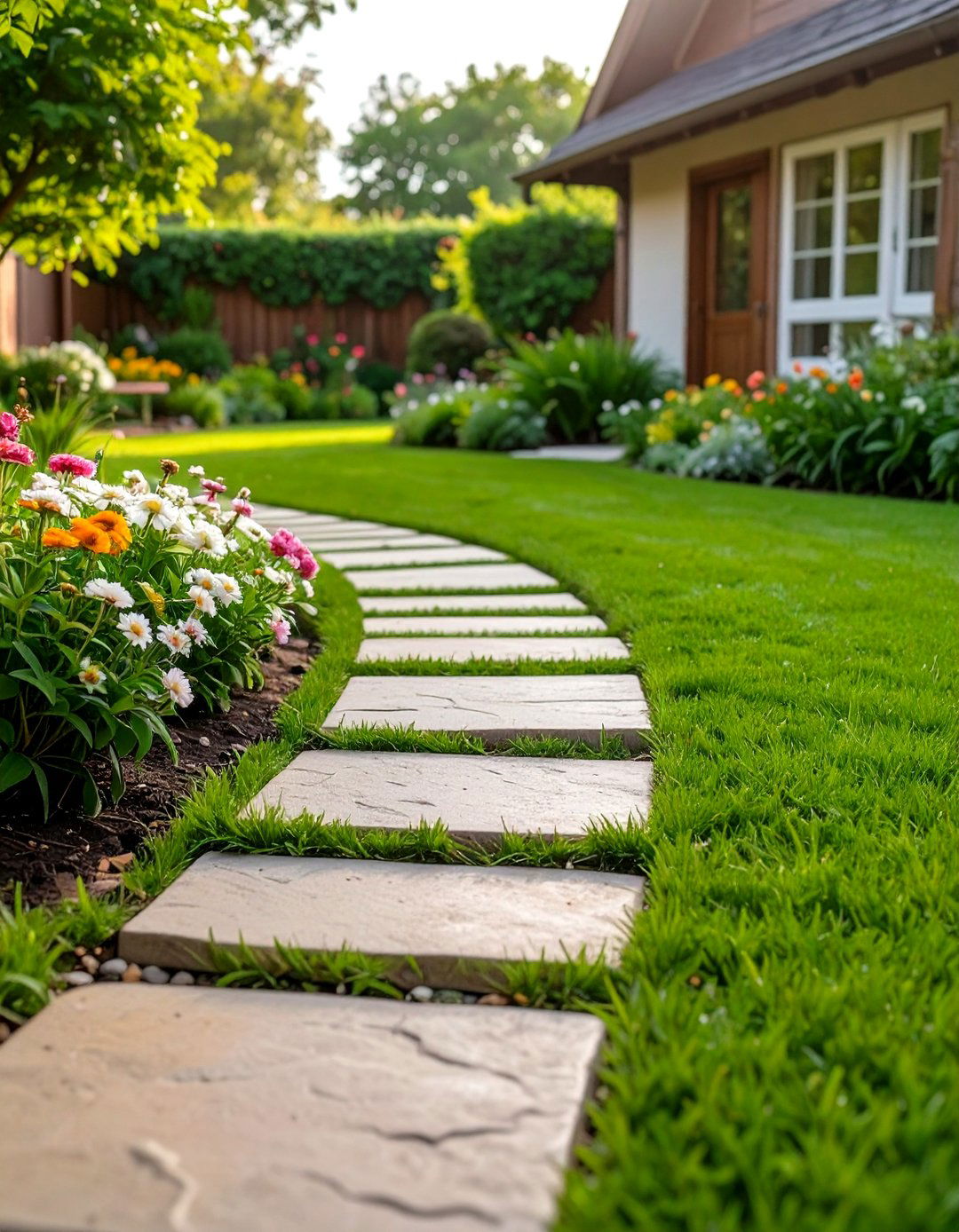
A winding stepping stone path adds a sense of discovery and whimsy to a garden, encouraging a leisurely stroll rather than a direct route. This design uses large, irregular flagstones or round concrete pavers set into the lawn or a bed of ground cover. The meandering layout slows the journey, allowing one to appreciate the surrounding plants and garden features along the way. Planting a fragrant, low-growing ground cover like creeping thyme between the stones releases a pleasant scent when stepped on. This informal and charming path style creates a more natural, relaxed feel compared to a straight, rigid walkway.
23. A Dedicated Children's Nature Play Area

Designing a dedicated nature play area for children encourages imaginative and unstructured outdoor fun. Instead of plastic playsets, this concept uses natural elements to create a stimulating environment. Features can include a sandpit bordered by smooth logs, a "mud kitchen" with old pots and pans, and a path of tree trunk slices for balancing. A small teepee made from bamboo poles and covered in runner beans or a living willow dome can provide a secret hideout. This approach not only keeps the main garden tidy but also fosters a deeper connection with nature and encourages creative, sensory-based play.
24. Low-Maintenance Succulent Garden

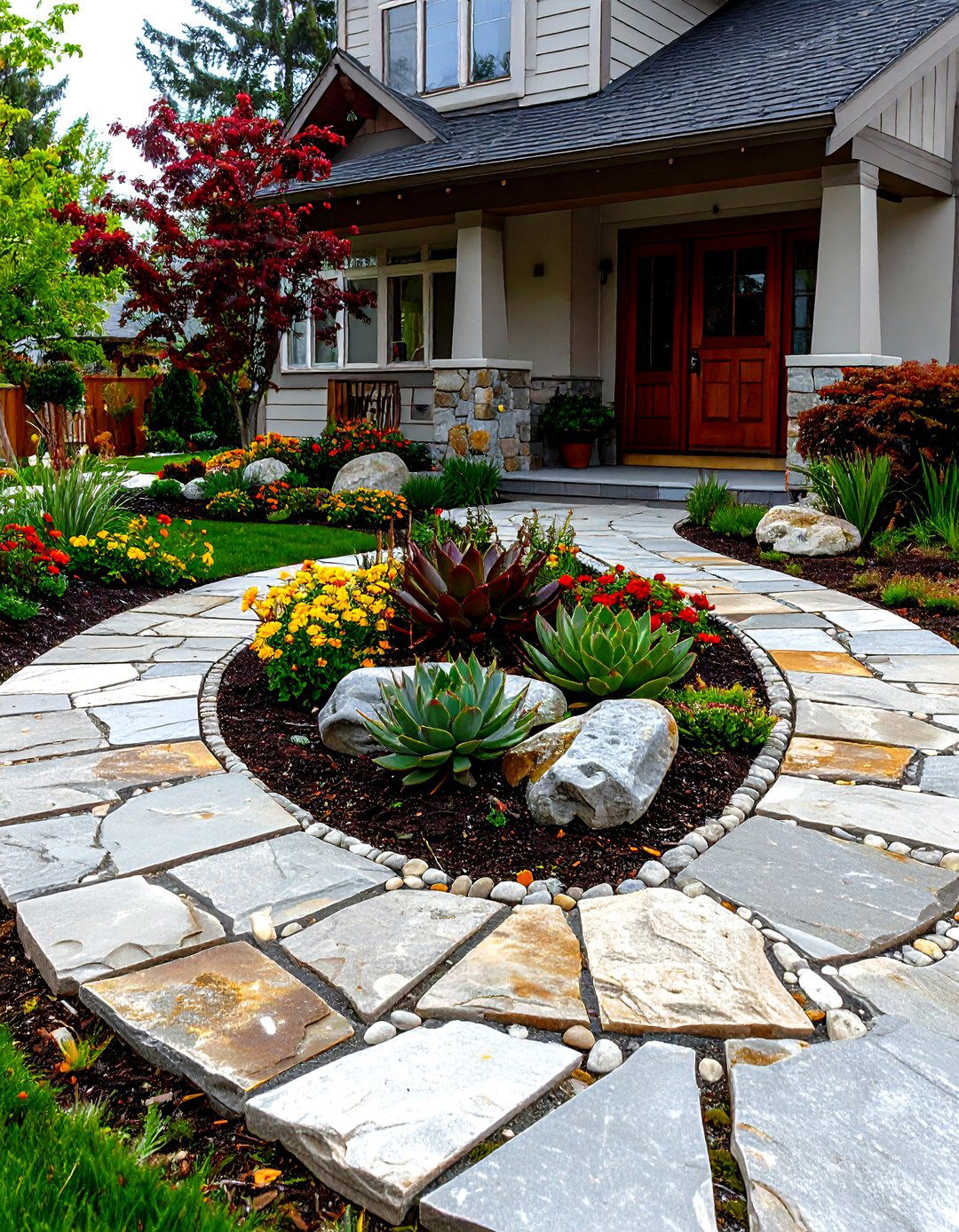
A succulent garden is an excellent low-maintenance landscaping option, ideal for dry climates or for gardeners seeking water-wise solutions. These plants store water in their leaves, making them incredibly drought-tolerant and resilient. The design focuses on combining a variety of succulents with different shapes, colors, and textures—from the rosette forms of echeverias to the spiky shapes of agaves. Planting them in a well-draining soil mix, often amended with gravel or sand, is crucial for their health. A top dressing of decorative pebbles or decomposed granite completes the look, creating a stunning, architectural garden that thrives on neglect.
25. An Ornamental Grass Garden

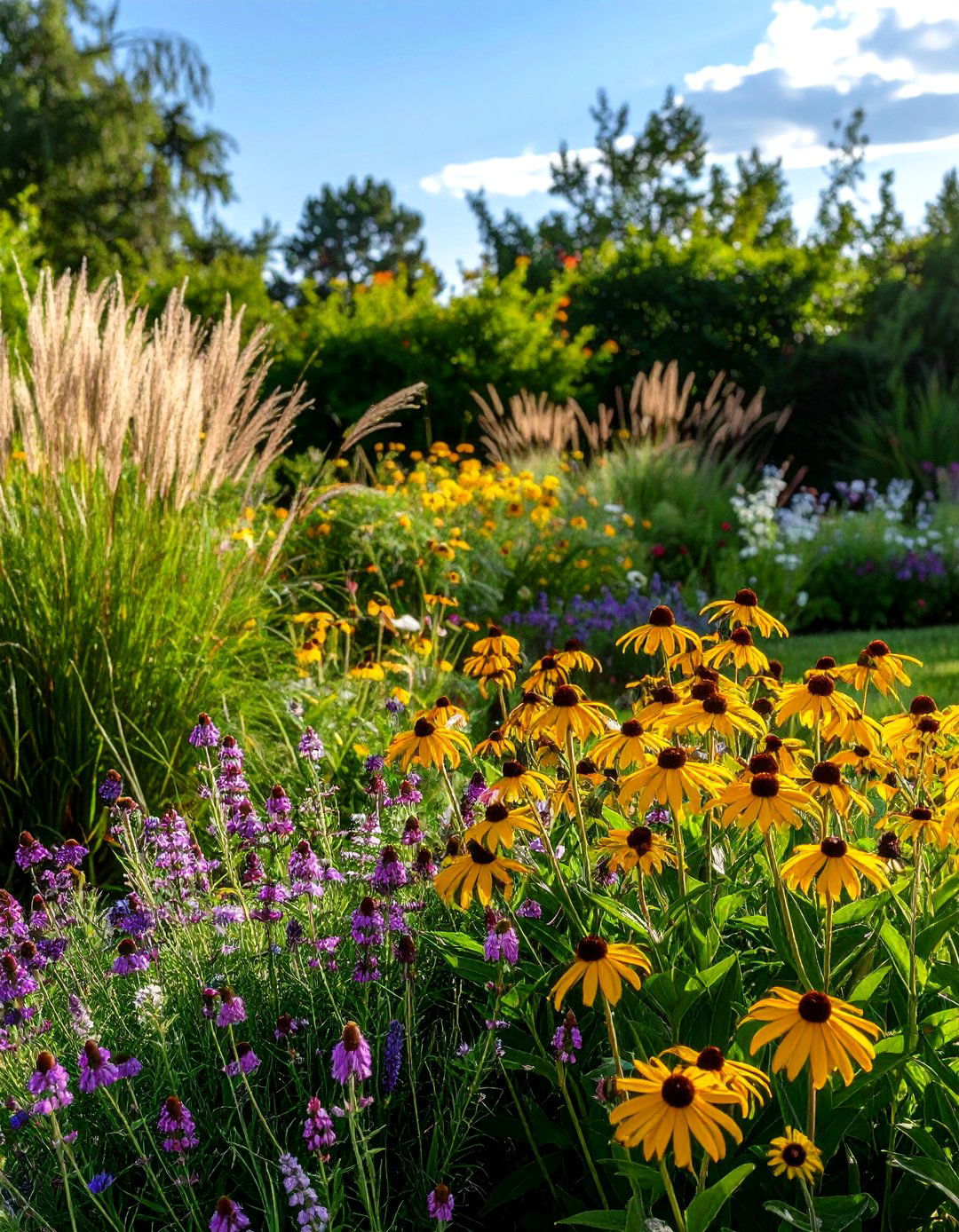
An ornamental grass garden provides year-round interest with its dynamic texture, movement, and sound. This design utilizes a variety of grasses with different heights, colors, and forms to create a soft, flowing landscape. Taller grasses like feather reed grass can create a living screen, while shorter varieties like blue fescue can serve as a ground cover. They are exceptionally low-maintenance once established and offer seasonal beauty, from their lush summer growth to their dried, golden seed heads that persist through winter. The gentle rustling of the grasses in the wind adds a soothing auditory element to the garden.
26. A Privacy Hedge of Evergreen Shrubs

A privacy hedge created from evergreen shrubs is a living wall that provides year-round screening and a lush, green backdrop for your garden. Unlike a wooden fence, a hedge offers a soft, natural boundary that can also help to reduce noise and block wind. Fast-growing evergreens like arborvitae, Leyland cypress, or cherry laurel are popular choices. When planting, ensure proper spacing to allow the shrubs to grow together into a dense, continuous screen. Regular shearing will keep the hedge neat and at the desired height, creating a beautiful and functional feature that enhances the sense of seclusion in your yard.
27. A Modern Gabion Wall

Gabion walls, which are wire cages filled with rocks, offer a unique blend of industrial and natural aesthetics for modern landscapes. Originally used in civil engineering, they have become a popular design feature for creating retaining walls, benches, or decorative garden partitions. The choice of fill material, from smooth river rocks to jagged crushed stone, allows for customization in color and texture. Gabion walls are permeable, allowing water to drain through, which makes them an excellent choice for retaining slopes. Their durable, modular construction provides a visually interesting and highly functional element that adds rugged texture to the garden.
28. A Fragrant Garden Near a Seating Area

Designing a fragrant garden near a patio or seating area engages the sense of smell, adding another layer of enjoyment to your outdoor experience. This concept involves planting flowers and foliage known for their pleasant aromas, such as lavender, roses, jasmine, or gardenias. Position these plants upwind of where you typically sit to allow the breeze to carry their scent towards you. Herbs like rosemary and mint also release their fragrance when brushed against, so planting them along path edges is a great idea. This sensory-rich design creates a truly immersive and relaxing atmosphere for you and your guests.
29. A Dedicated Outdoor Dining Area

Creating a dedicated outdoor dining area establishes a specific zone for enjoying meals al fresco. This design typically centers on a sturdy, weather-resistant dining table and chairs set on a stable surface like a paver patio or a wooden deck. Defining the space with a pergola, an outdoor rug, or a border of large planters can make it feel like a distinct "room." String lights or an outdoor chandelier hung overhead create a magical ambiance for evening dinners. Having a designated spot for dining encourages more frequent use of your outdoor space for entertaining and family meals throughout the warmer months.
30. A Moonlight Garden with White Flowers

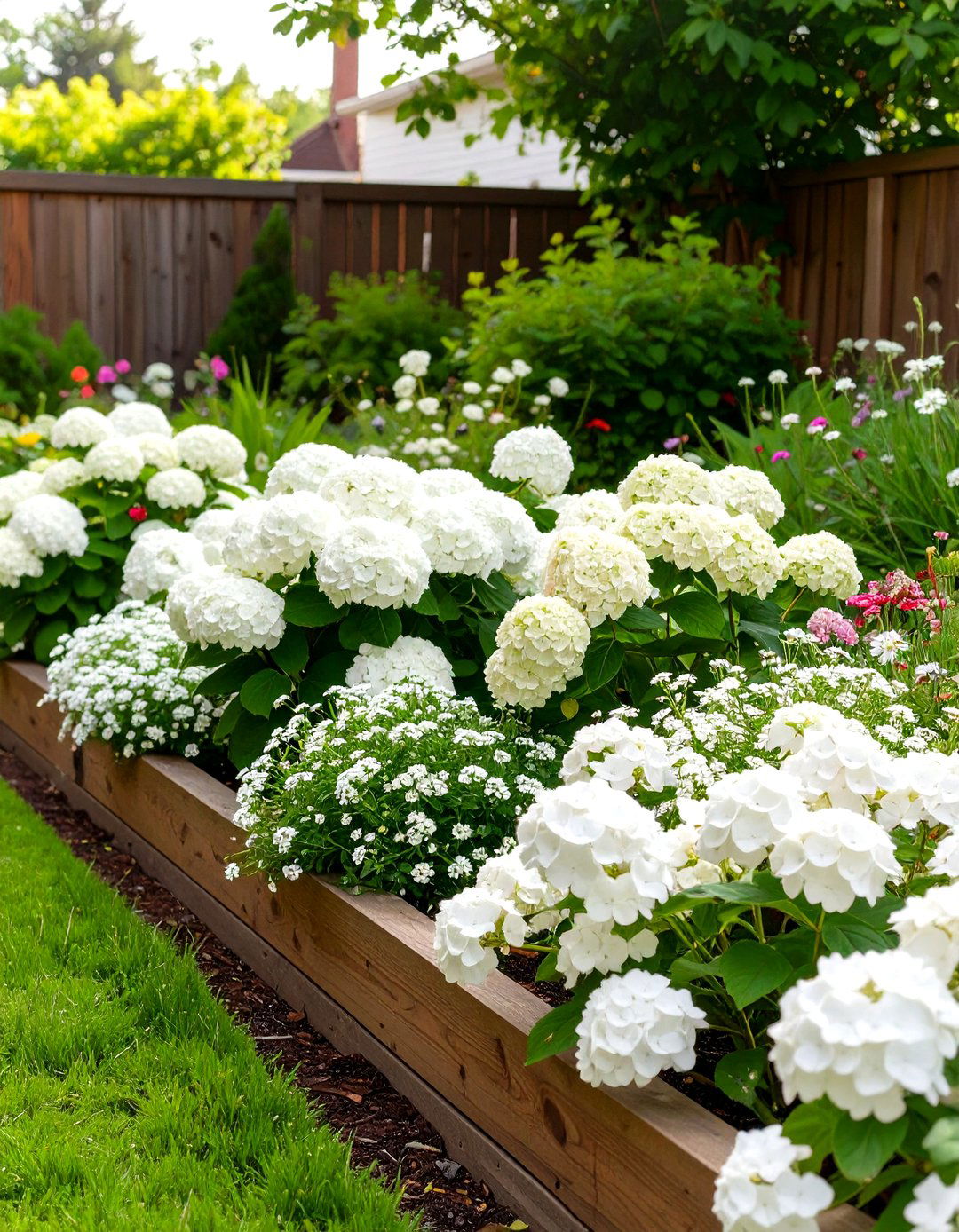
A moonlight garden is a magical space designed to be enjoyed at night, filled with plants that have white or silver foliage and white blossoms. These light colors reflect the moonlight, appearing to glow in the dark. Plants like white hydrangeas, moonflowers, white impatiens, and silver-leafed lamb's ear are excellent choices. The design focuses on creating a serene and ethereal atmosphere. Including fragrant white flowers, such as jasmine or gardenia, adds a sensory element to the nighttime experience. This enchanting garden provides a beautiful view from your windows after dusk and creates a peaceful retreat for evening strolls.
Conclusion:
Ultimately, a stylish landscape is one that harmonizes with your home's architecture and your personal lifestyle. By blending elements like multi-level decking, functional outdoor kitchens, and serene Zen gardens, you can craft an exterior space that is both beautiful and practical. Incorporating sustainable features such as wildflower meadows and natural swimming ponds adds ecological value. Whether you opt for a formal, structured design or a more naturalistic approach, the key is to create a cohesive and inviting environment. These ideas serve as a starting point to inspire a unique outdoor sanctuary tailored to you.

Related posts:



Leave a Reply