
Spanish style interior design brings a warm, rustic, and inviting atmosphere into any home. This timeless aesthetic is characterized by its earthy color palette, natural materials, and ornate, handcrafted details. Drawing inspiration from the Mediterranean coast and Spanish villas, the design often features elements like terracotta tiles, stucco walls, dark wood, and intricate ironwork. It seamlessly blends rustic charm with elegant details, creating spaces that feel both comfortable and sophisticated. Whether you incorporate a few key elements or embrace a full home transformation, Spanish design offers a rich and textured look that celebrates history, craftsmanship, and a connection to nature.

1. Textured Stucco Walls
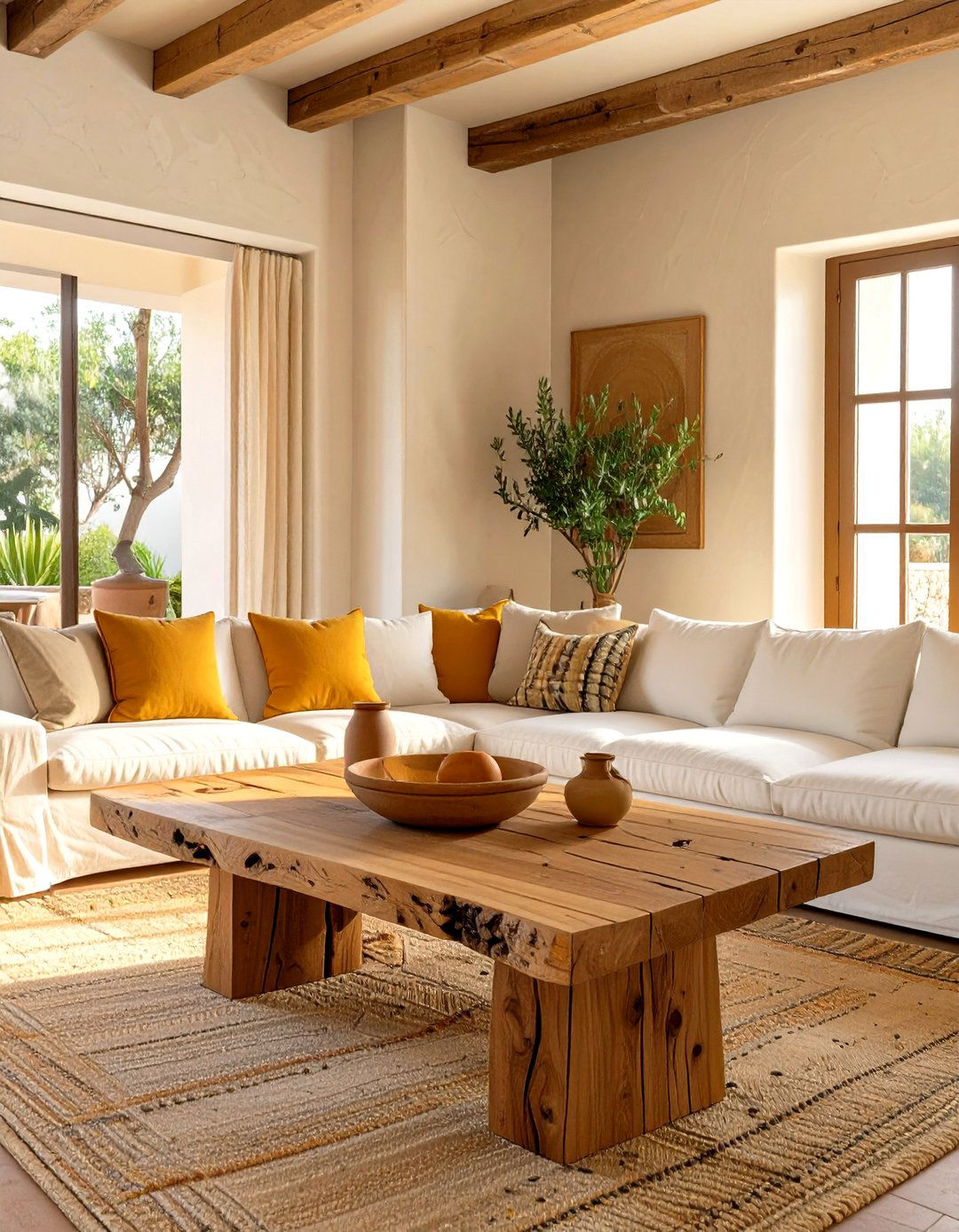
A hallmark of Spanish interior design is the use of textured stucco walls. These walls provide a rustic, earthy feel that is both authentic and visually interesting. The slightly uneven surface catches light in unique ways, adding depth and character to a room. Often painted in warm, neutral tones like off-white, beige, or soft ochre, stucco walls create a perfect backdrop for other design elements. This finish mimics the traditional building materials of the Mediterranean, bringing an old-world charm into modern living spaces. The tactile quality of stucco adds a sensory layer to the design, making the room feel grounded and serene.
2. Terracotta Floor Tiles
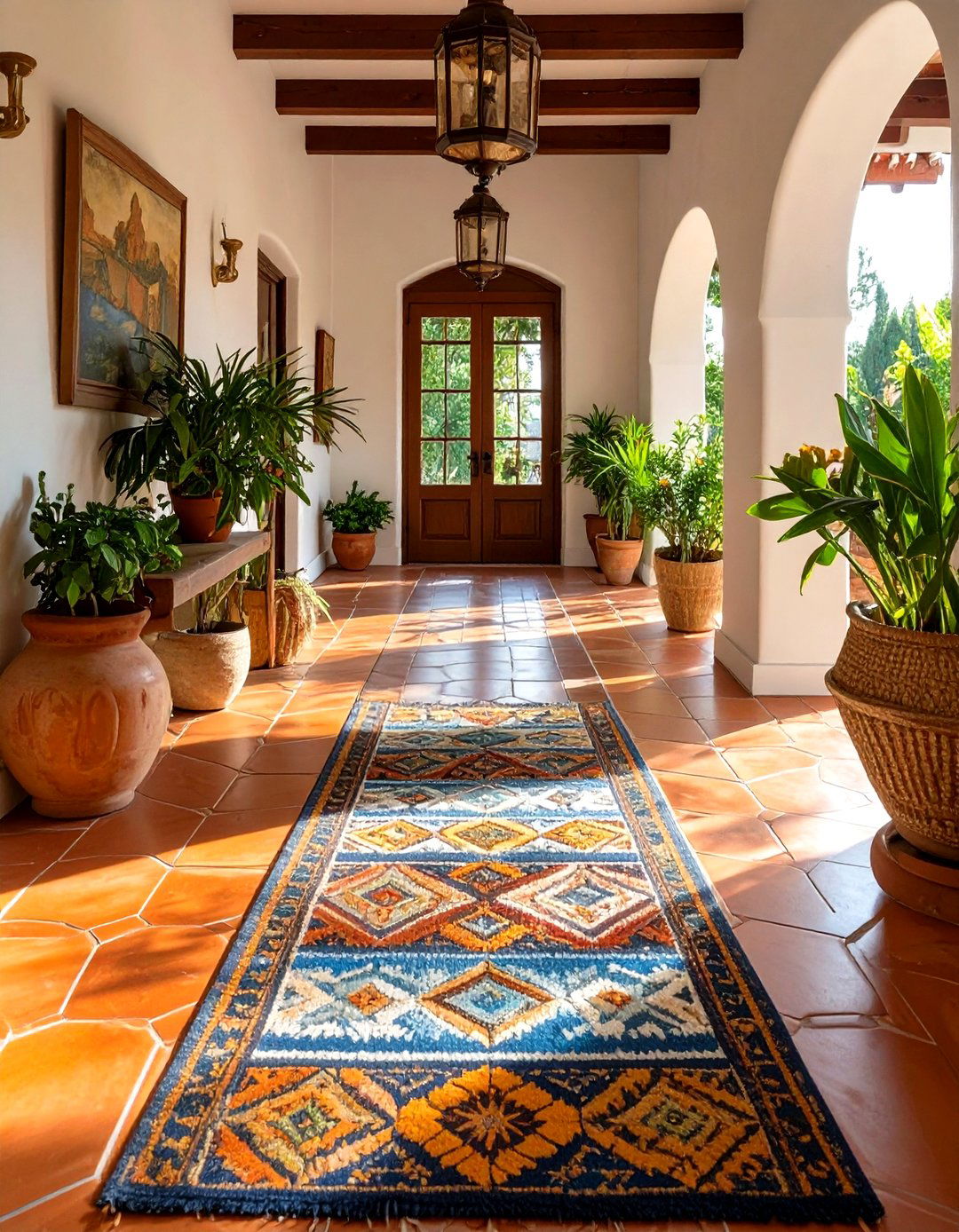
For an authentic Spanish foundation, consider terracotta floor tiles, also known as "saltillo" tiles. These earthy, reddish-brown tiles instantly evoke the warmth of a Spanish villa. Their natural, unglazed finish offers a rustic appeal, and variations in color and texture add character to the floor. Terracotta is durable and cool underfoot, making it ideal for warmer climates. Often arranged in classic patterns like squares or hexagons, these tiles work beautifully in kitchens, entryways, and living areas. They pair perfectly with area rugs in vibrant colors, adding comfort and a splash of complementary design to the space.
3. Exposed Wooden Ceiling Beams

Exposed wooden ceiling beams are a dramatic and defining feature of Spanish style interiors. These dark, heavy beams provide a striking contrast against light-colored stucco walls, drawing the eye upward and adding architectural interest. They create a sense of history and rustic elegance, reminiscent of traditional Spanish farmhouses and haciendas. The natural wood grain adds warmth and texture, making a room feel cozy and substantial. Whether they are structural or purely decorative, these beams introduce a powerful, natural element that grounds the space and enhances its rustic, old-world charm, adding a sense of grandeur and authenticity.
4. Ornate Wrought Iron Accents
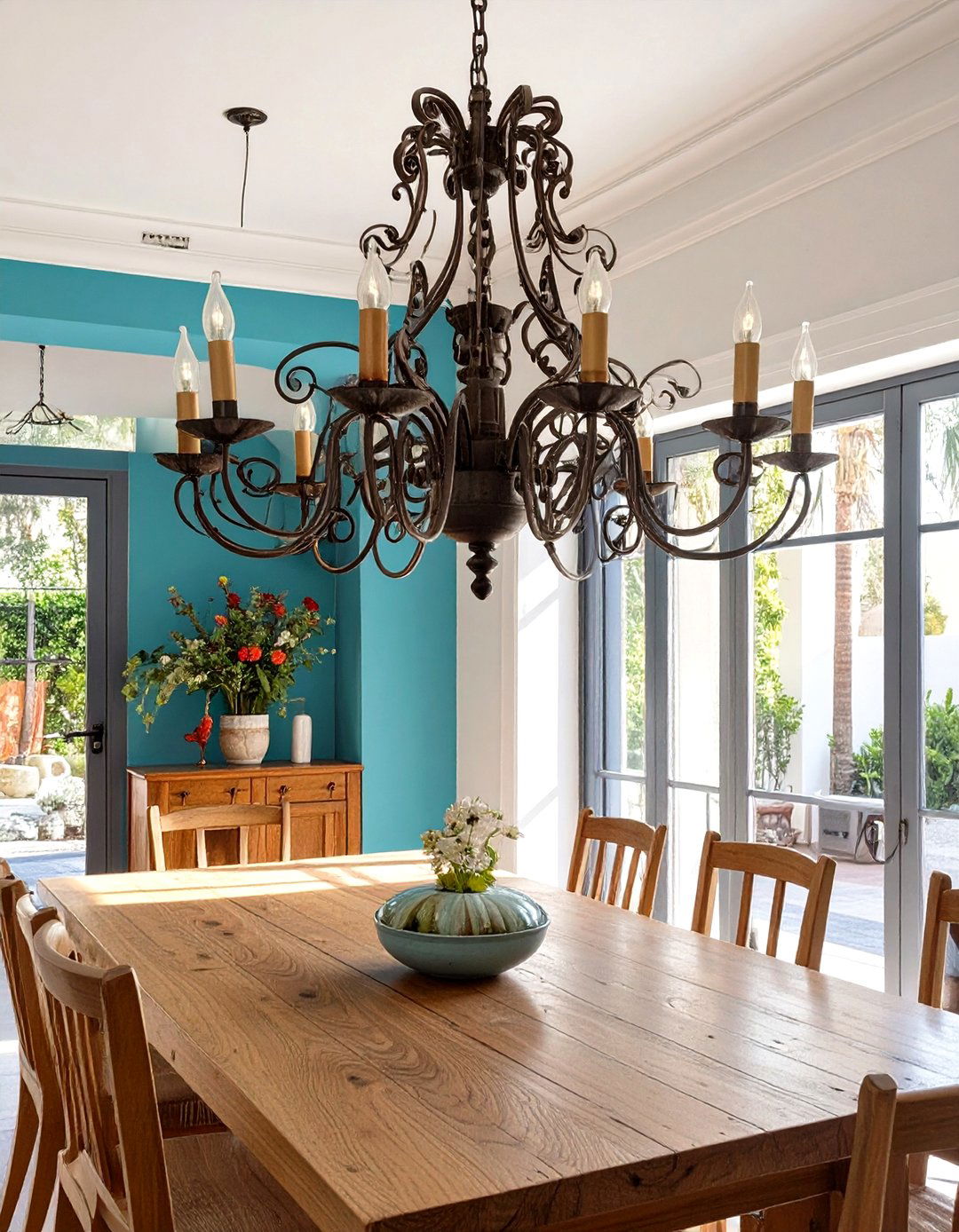
Wrought iron is an essential material in Spanish design, used for everything from light fixtures to railings. Consider incorporating ornate wrought iron chandeliers, wall sconces, or stair balustrades to add a touch of handcrafted elegance. The dark, sturdy metal provides a beautiful contrast to the light walls and warm woods typical of the style. Details like intricate scrolls and curves in the ironwork showcase a high level of craftsmanship. This element can also be introduced through smaller decor items like candle holders, curtain rods, or mirror frames, bringing a cohesive and sophisticated look throughout the home.
5. Arched Doorways and Windows
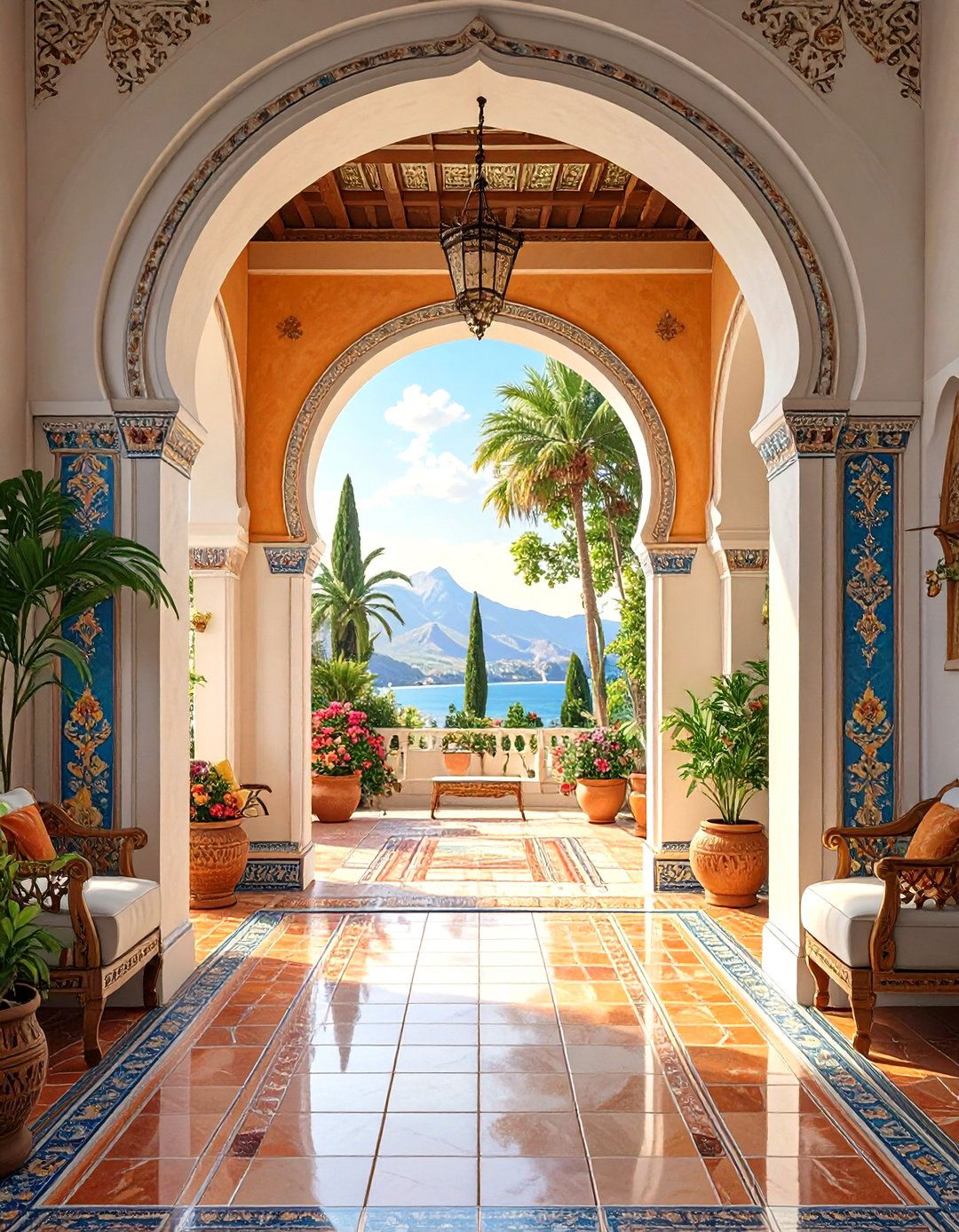
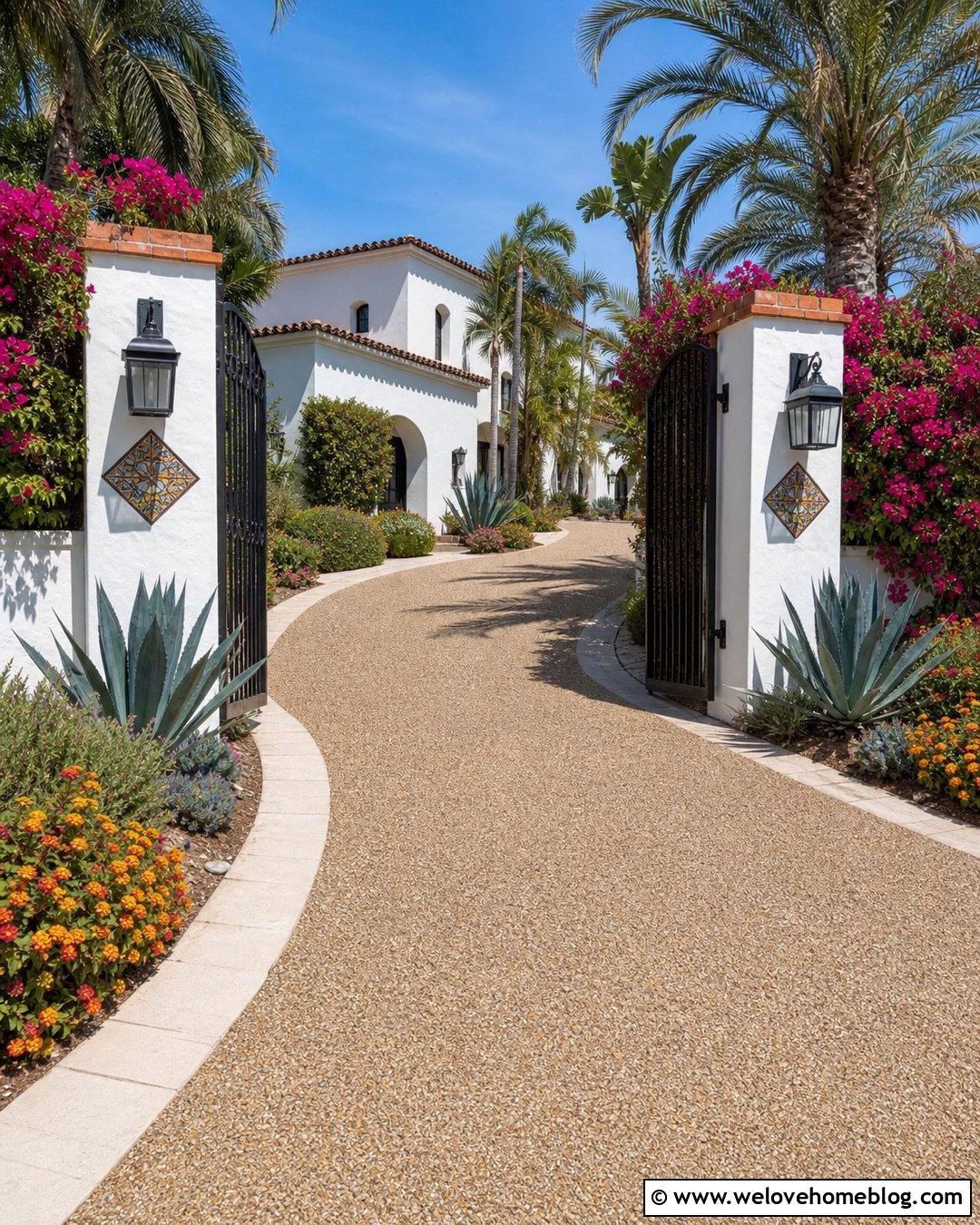
Arched doorways and windows are a graceful architectural feature that softens the lines of a room and adds a classic Spanish touch. These elegant curves create a sense of flow and openness between spaces, making interiors feel more inviting and fluid. An arched opening can serve as a beautiful frame for a view into another room or the outdoors. Even if structural changes are not possible, the illusion of an arch can be created with paint or by using arched mirrors and bookcases. This simple yet effective element contributes significantly to the romantic and historic feel of Spanish style design.
6. Hand-Painted Decorative Tiles
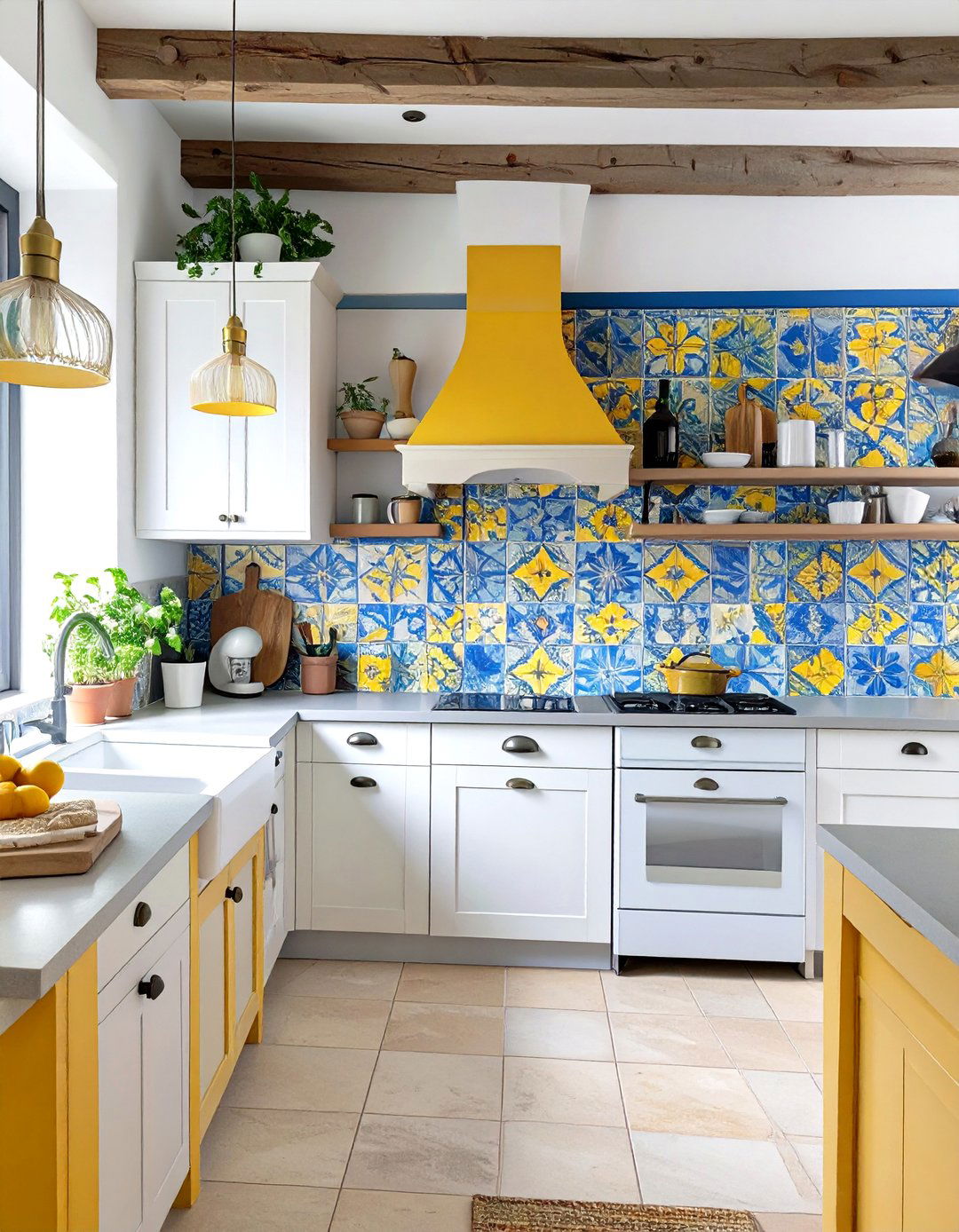
Hand-painted tiles, or "azulejos," introduce vibrant color and intricate patterns into a Spanish interior. These decorative ceramic tiles are often used as a kitchen backsplash, on stair risers, or as a decorative accent on a fireplace surround. Typically featuring bold geometric or floral motifs in shades of blue, yellow, green, and red, they add a lively, artistic touch. Each tile's unique, handcrafted quality contributes to the overall charm and personality of the space. Using azulejos is a fantastic way to create a focal point and celebrate the rich artistic traditions of Spanish craftsmanship.
7. Dark Wood Furniture
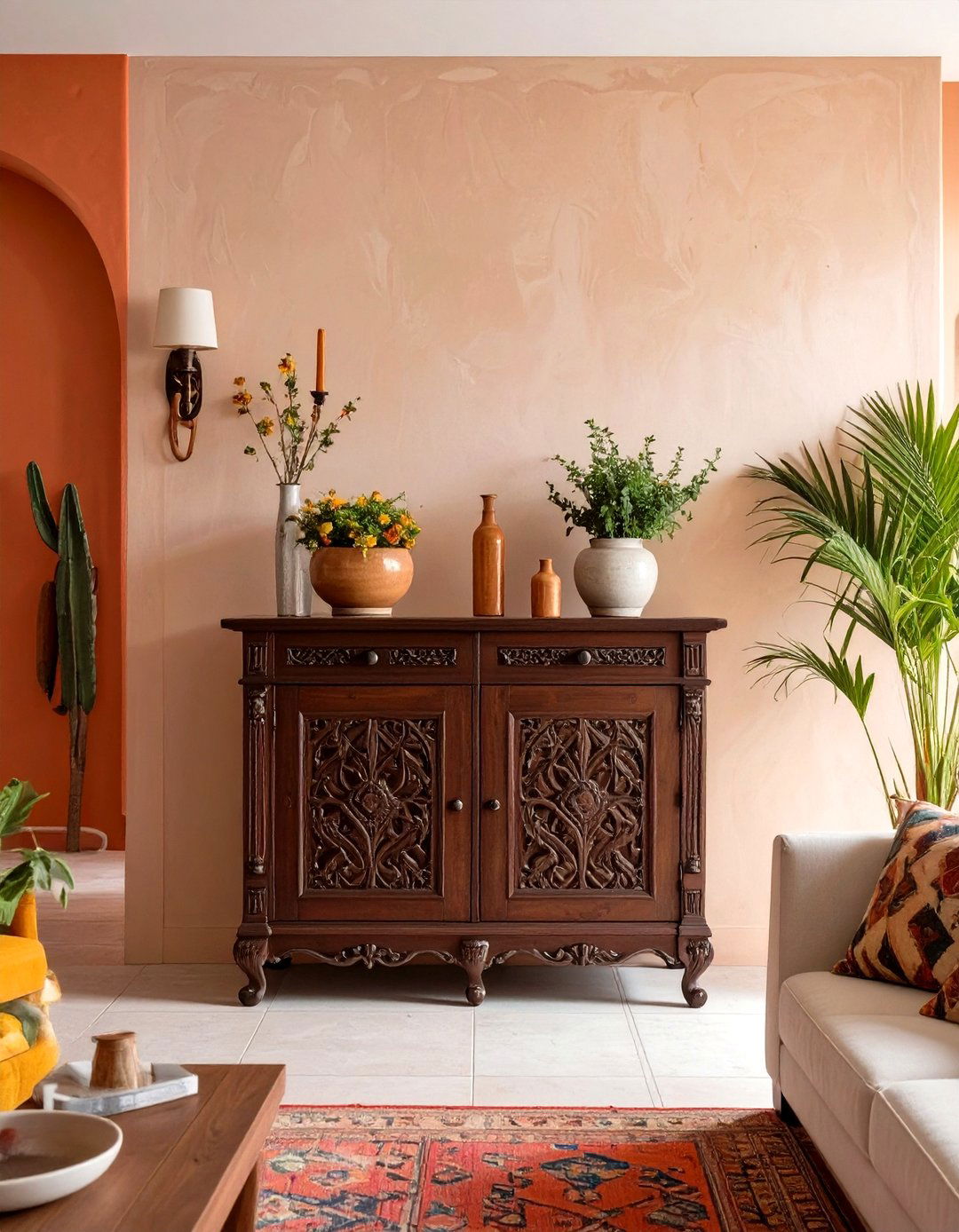
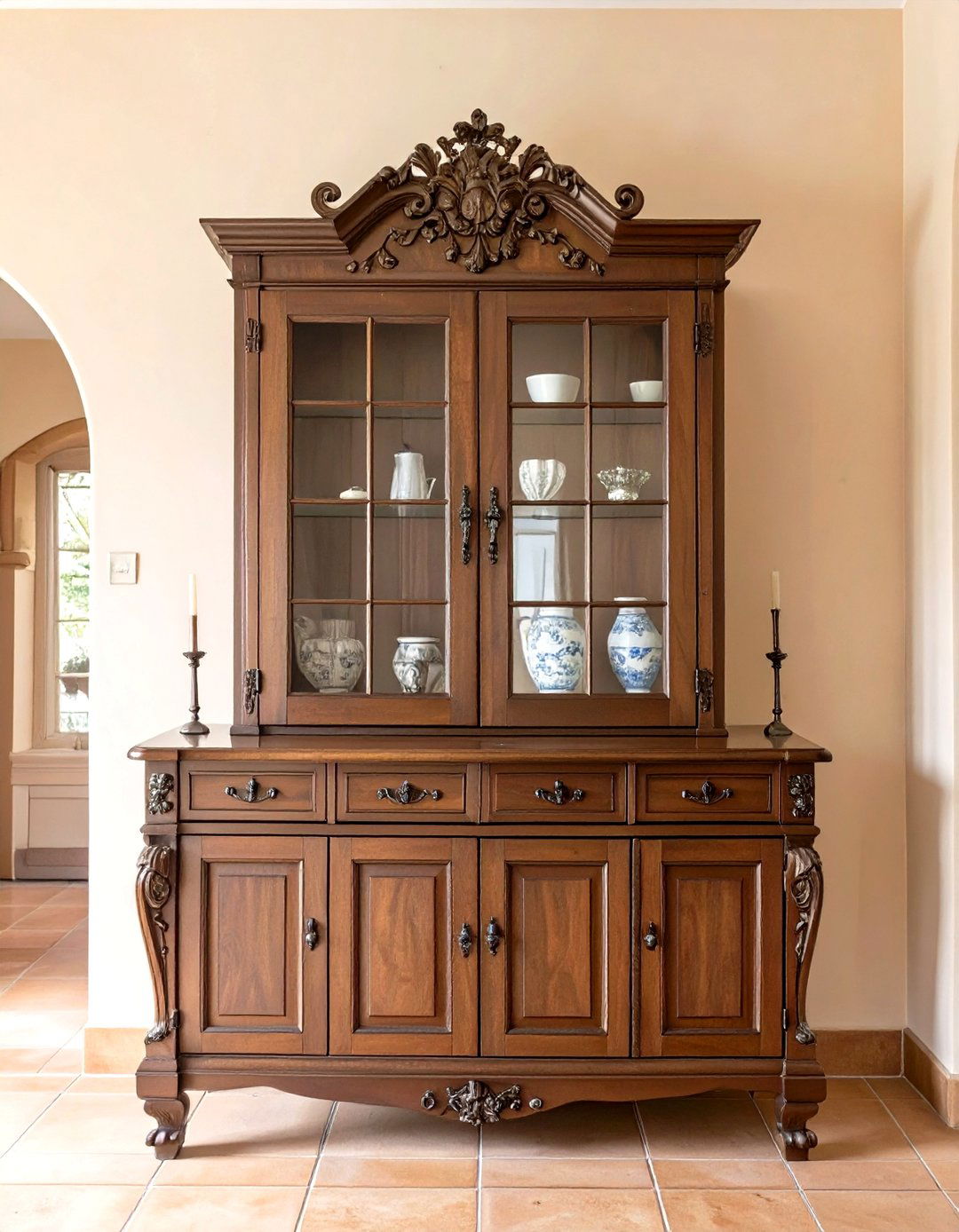
Spanish interior design often features furniture made from dark, heavy woods like walnut, mahogany, or ebony. These pieces are typically sturdy and substantial, with ornate carvings and traditional craftsmanship. A dark wood dining table, a carved cabinet, or a leather-tooled armchair can serve as a strong anchor in a room. The rich, dark tones of the wood provide a grounding contrast to the light-colored walls and floors. This type of furniture adds a sense of permanence and history to the space, contributing to the style's rustic yet elegant aesthetic and creating a feeling of timeless comfort.
8. Leather and Tooled Accents
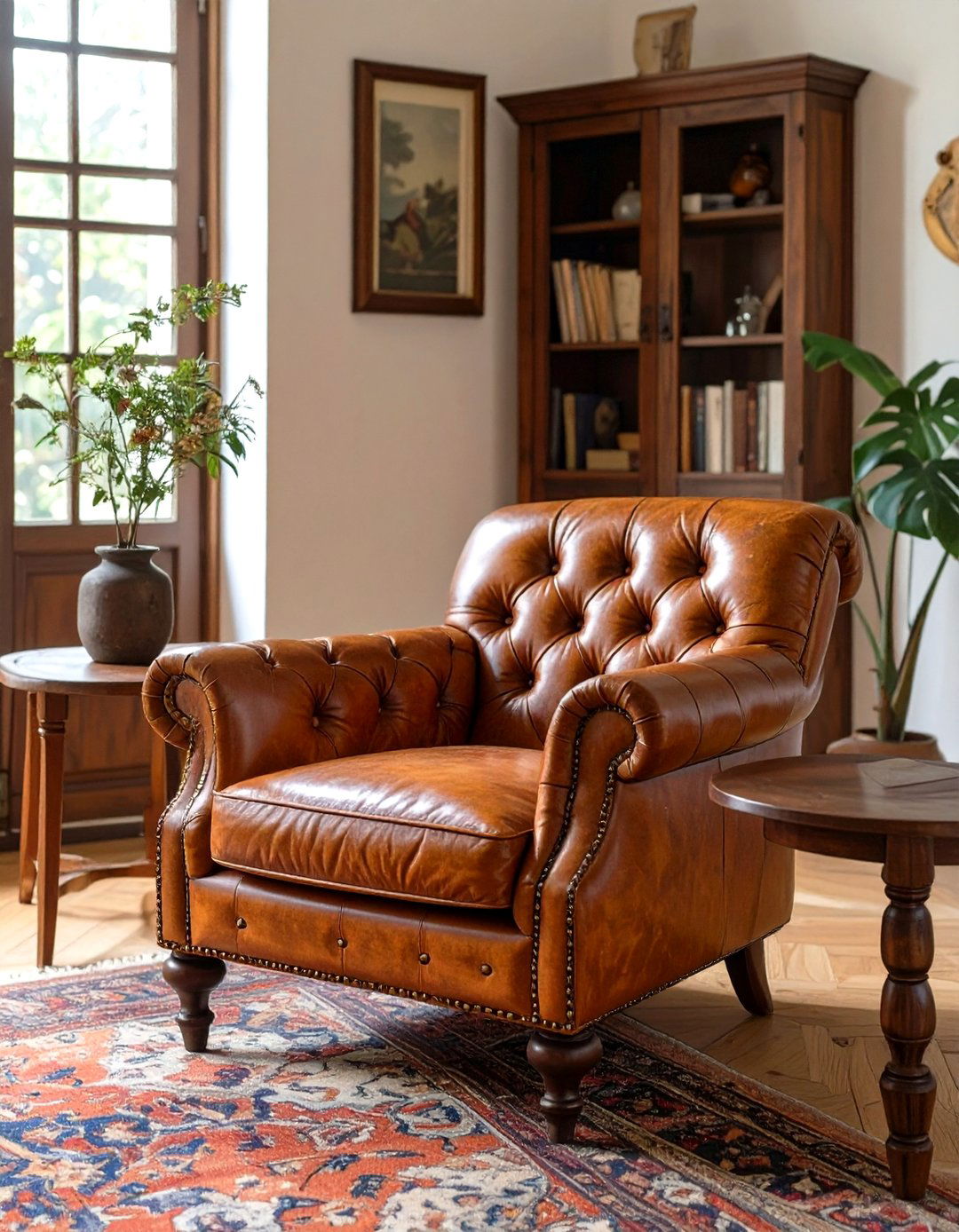
To introduce another layer of texture and rustic sophistication, incorporate leather and tooled accents. A comfortable leather sofa or armchair in a rich brown or oxblood hue can become a centerpiece of the living room. Tooled leather, which features intricate embossed patterns, adds a decorative and artisanal touch. This detail can be found on chair backs, chests, or even as wall hangings. These elements not only enhance the Spanish aesthetic but also add a sense of durable, timeless quality. Leather brings warmth and a sense of luxury that pairs beautifully with the wood and iron elements in the room.
9. Colorful Woven Textiles
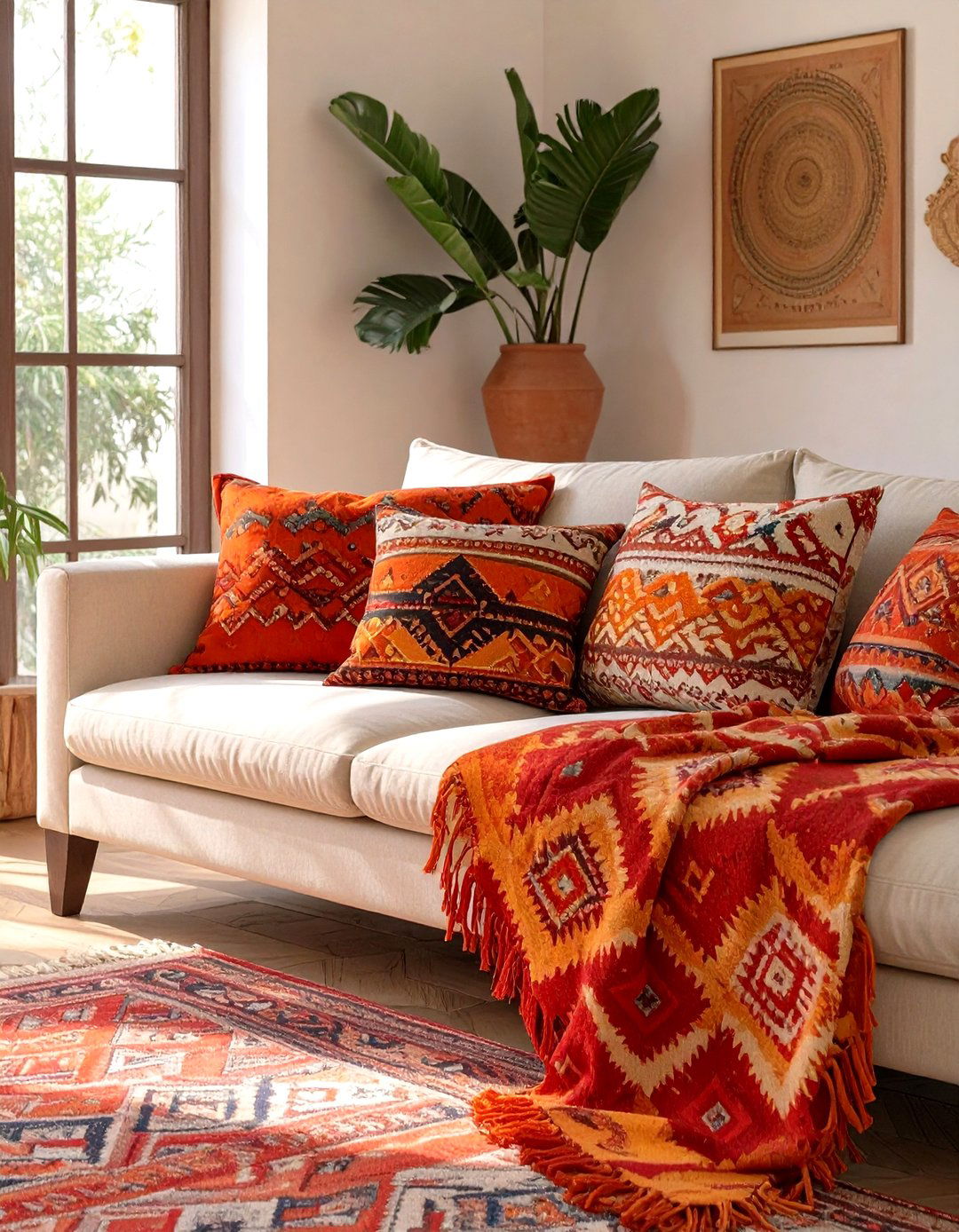
Vibrant, colorful woven textiles are essential for adding warmth, comfort, and personality to a Spanish-style interior. Look for throw blankets, pillows, and area rugs with rich patterns and bold colors like deep reds, oranges, blues, and greens. Traditional patterns often include stripes or geometric designs inspired by Spanish and Moorish traditions. These textiles can soften the hard surfaces of tile floors and wooden furniture, making the space feel cozier and more inviting. Layering different textures and patterns adds visual interest and creates a relaxed, lived-in atmosphere that is central to the Spanish design philosophy.
10. Built-in Niches or 'Nichos'
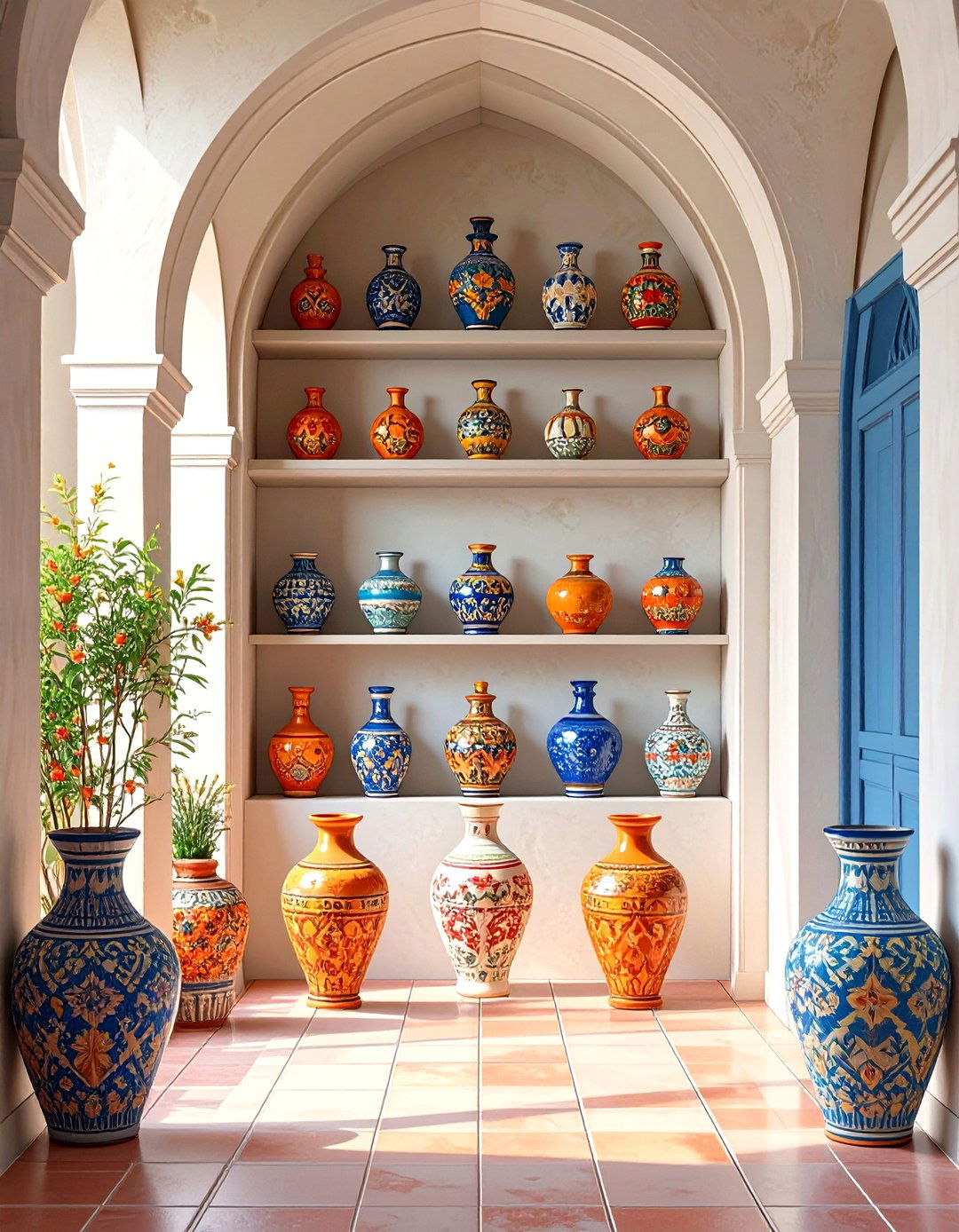
Built-in wall niches, known as "nichos," are a charming and practical feature of Spanish architecture. These arched or squared recesses in the wall provide a perfect spot for displaying decorative items like pottery, sculptures, or religious icons. They break up the monotony of a flat wall, adding depth and architectural interest. Often painted a contrasting color or lined with decorative tiles, nichos can become small focal points within a room. They are a wonderful way to personalize a space while staying true to the traditional design elements found in classic Spanish homes, offering both storage and style.
11. Rustic Pottery and Ceramics
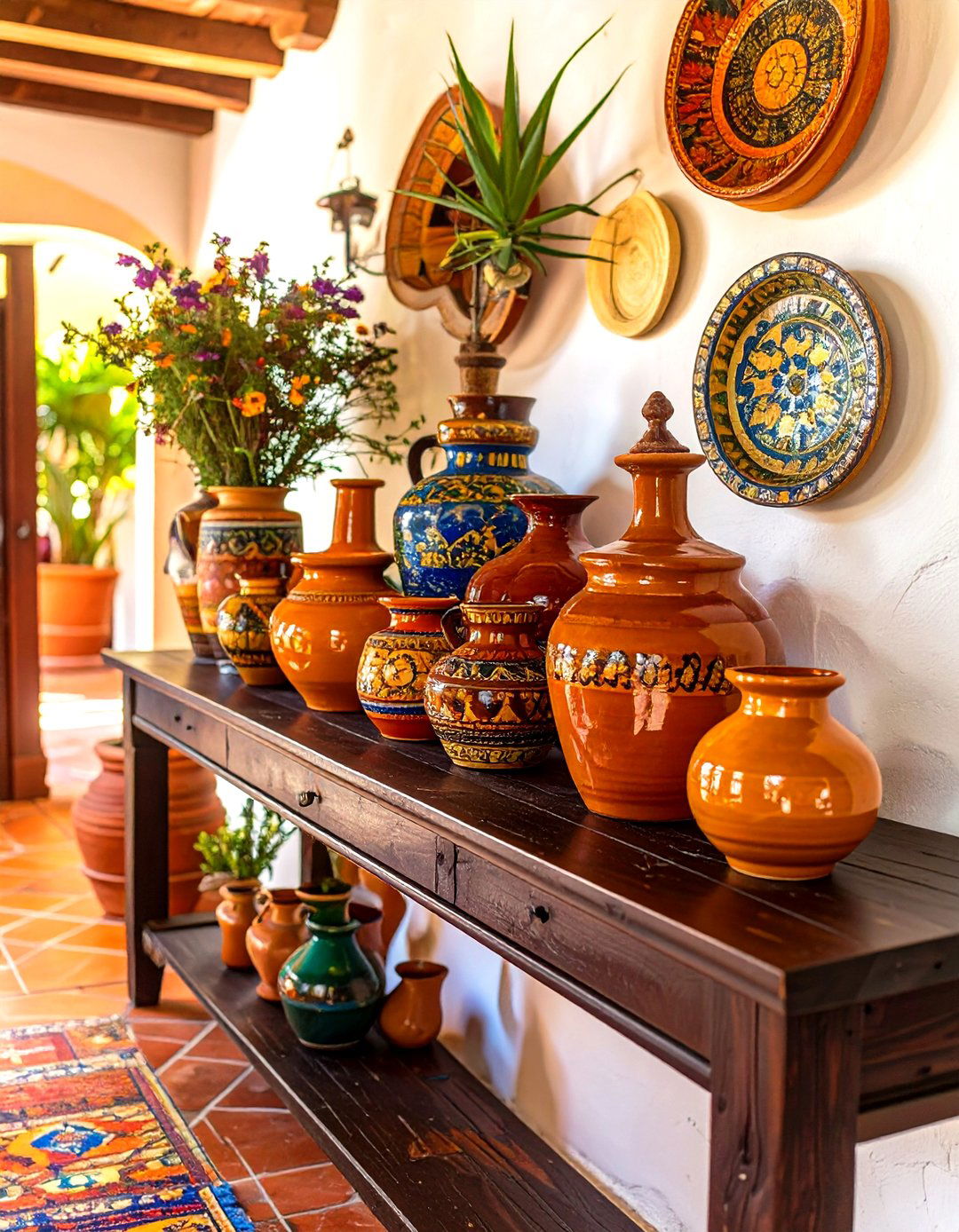
Displaying rustic pottery and ceramics is an easy way to accessorize a Spanish-style interior. Look for handmade earthenware vessels in earthy tones of terracotta, cream, and brown. These pieces can be used to hold plants, display dried flowers, or simply stand alone as sculptural objects. Grouping pottery of different shapes and sizes on a shelf, in a niche, or on a console table creates a beautiful, curated display. The imperfect, handcrafted nature of these ceramics adds to the rustic charm of the design, celebrating natural materials and artisanal craftsmanship in a simple yet effective way.
12. Copper and Metal Cookware
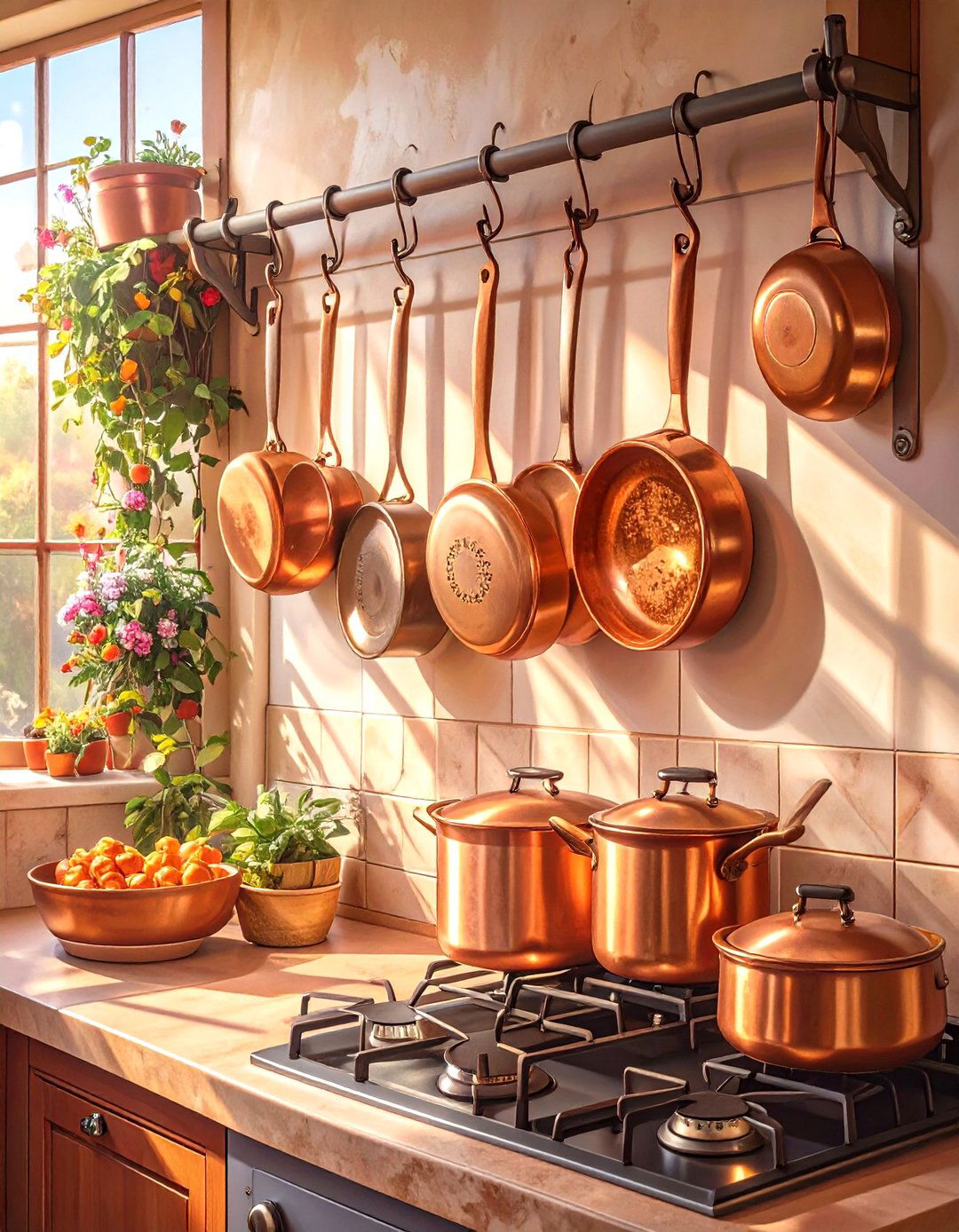
In a Spanish-style kitchen, copper and metal cookware can be both functional and decorative. Hanging gleaming copper pots and pans from a wrought iron rack creates a warm, inviting focal point. The rich, rosy glow of copper adds a touch of rustic elegance and complements the dark wood cabinets and terracotta tiles. Similarly, other metal items like brass or bronze utensils and fixtures contribute to the authentic, old-world feel. This approach turns everyday kitchen tools into an integral part of the decor, celebrating the heart of the home with a practical yet beautiful display of craftsmanship.
13. Heavy Wooden Doors
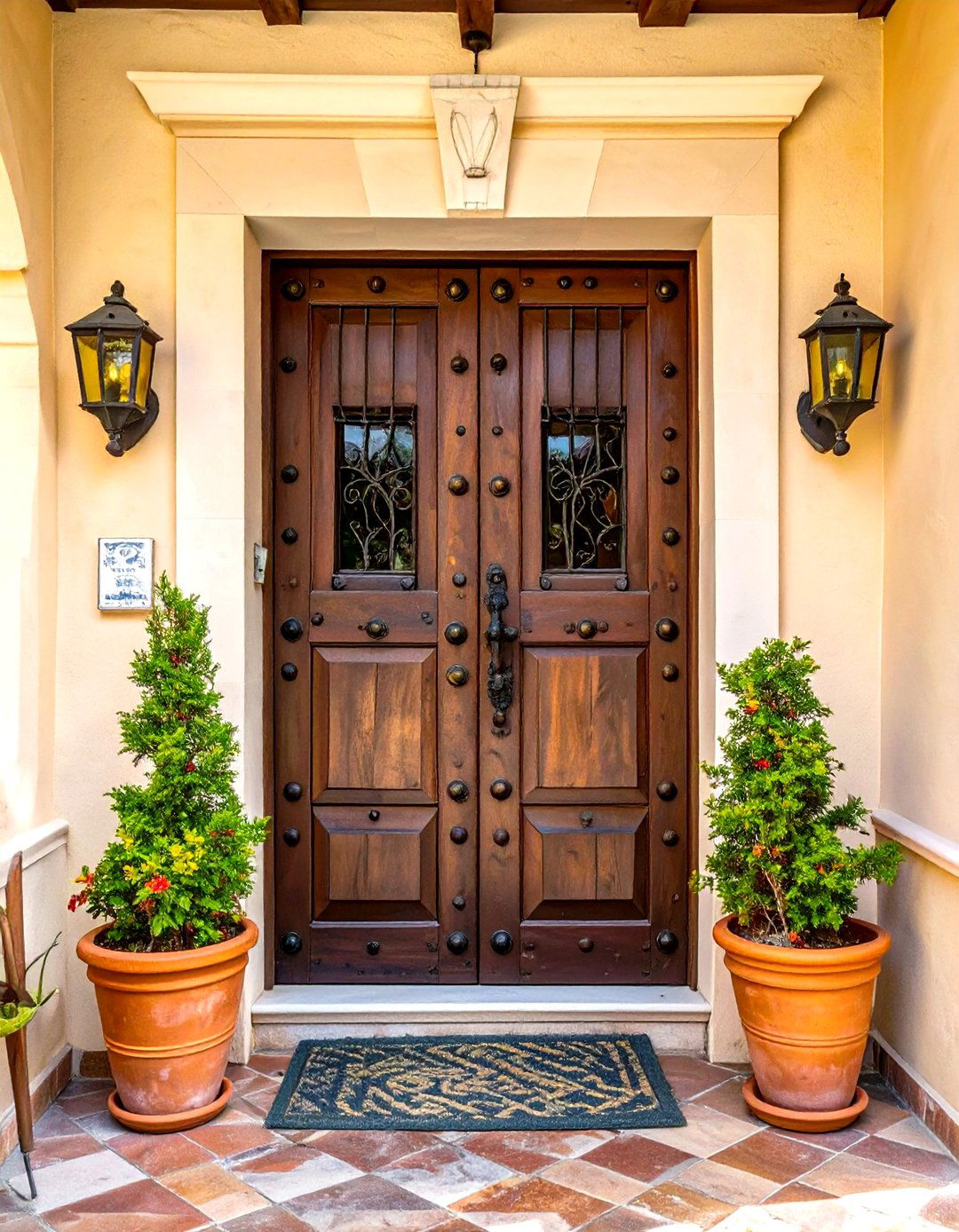
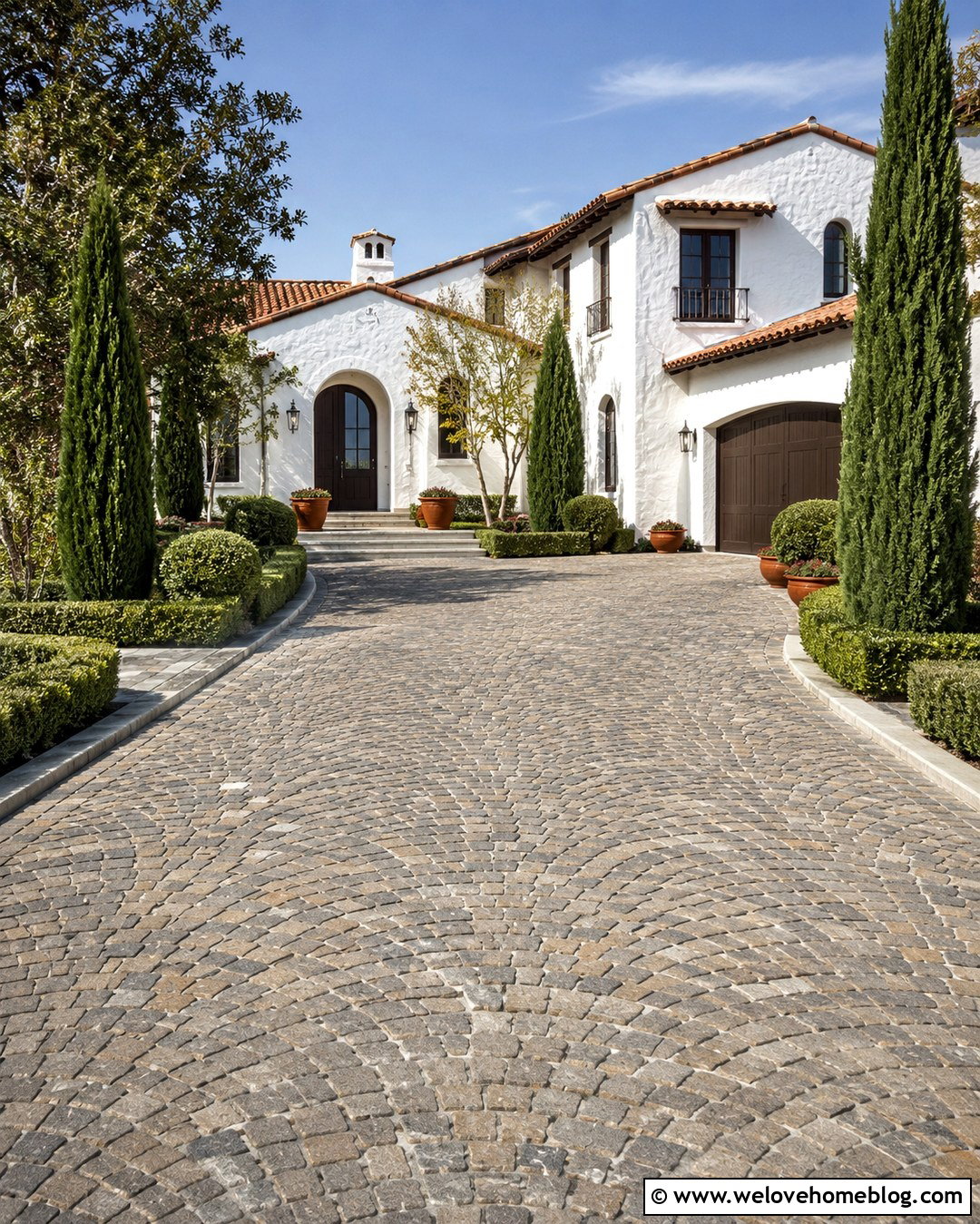
A heavy, dark wooden door makes a powerful first impression and sets the tone for a Spanish-style home. Often featuring intricate carvings, iron hardware, and perhaps a small speakeasy grill, these doors are a statement of substance and tradition. The rich, dark wood grain contrasts beautifully with light stucco exteriors or interior walls. Inside the home, solid wood doors between rooms continue this theme, adding a sense of privacy and permanence. This element is not just a functional part of the house but a key decorative feature that embodies the rustic, sturdy character of Spanish design.
14. An Interior Courtyard or 'Patio'
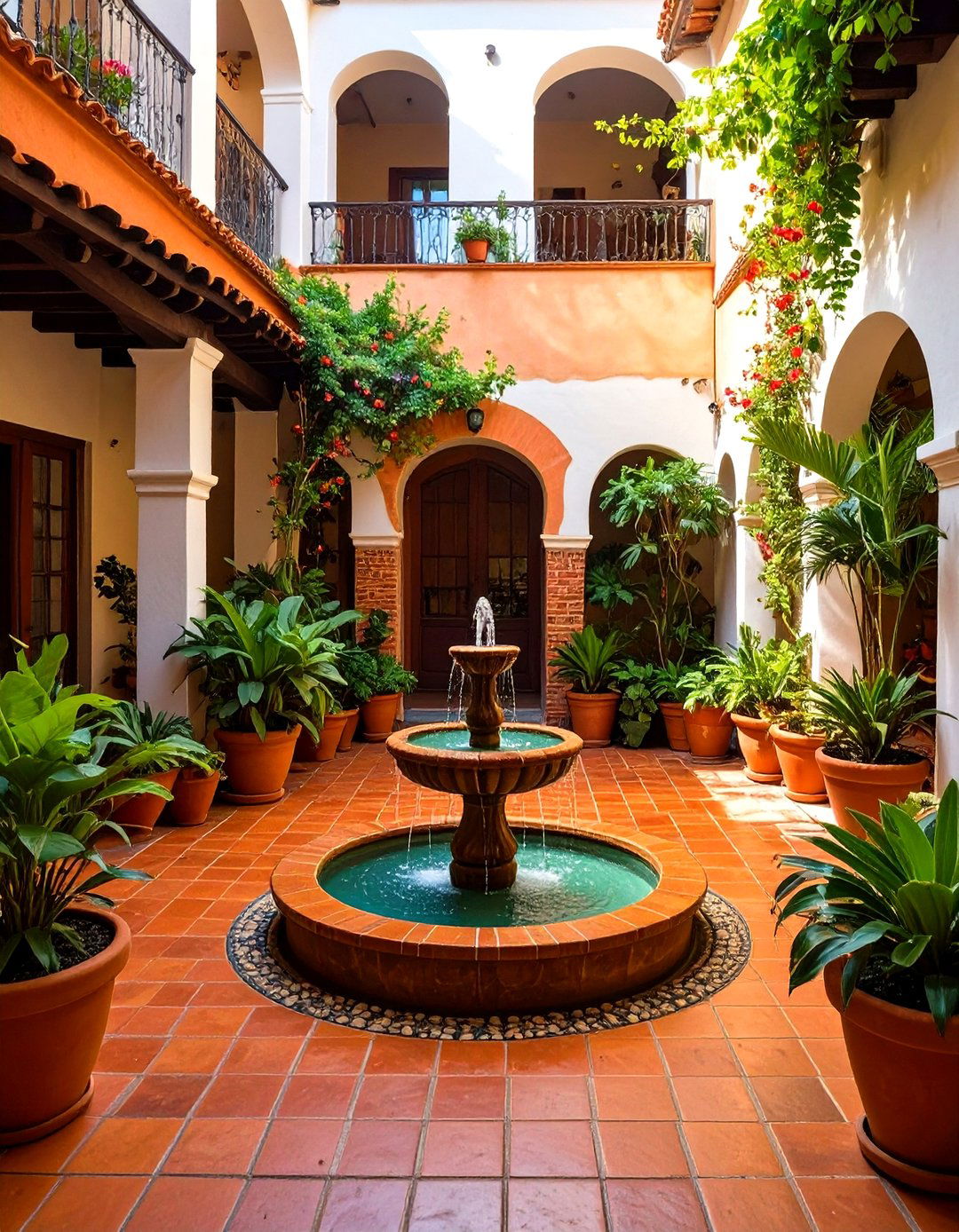
An interior courtyard, or "patio," is a classic element of Spanish architecture, creating a private outdoor oasis within the home. These spaces are typically centered around a fountain and filled with lush greenery, potted plants, and comfortable seating. With terracotta tile flooring and surrounding stucco walls, the patio becomes a natural extension of the indoor living area. It provides a cool, shaded retreat and allows for natural light and air to flow into the surrounding rooms. Even a small balcony or designated indoor area can be styled as a patio to capture this serene, indoor-outdoor living concept.
15. A Central Fireplace Focal Point
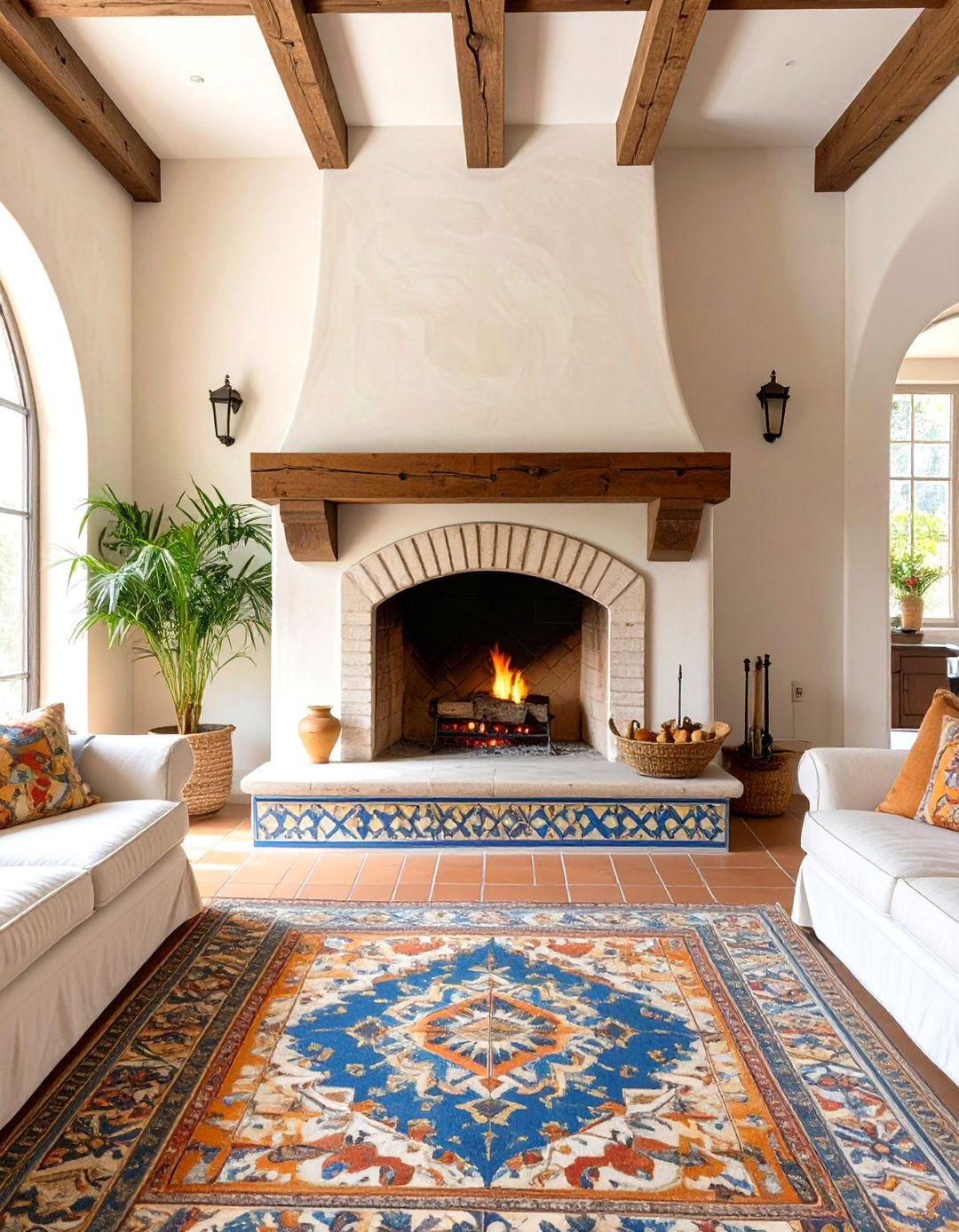
A fireplace often serves as the heart of a Spanish-style living room, providing warmth and a natural gathering spot. These fireplaces are typically large and substantial, with a stucco or stone surround. Many feature a heavy wooden mantel for displaying decor and an arched firebox opening. Decorative tiles can be used to add color and pattern to the surround, turning it into a beautiful focal point. A well-designed fireplace enhances the cozy, rustic ambiance of the room, making it an inviting place for family and friends to gather, especially during cooler evenings.
16. Natural Fiber Rugs
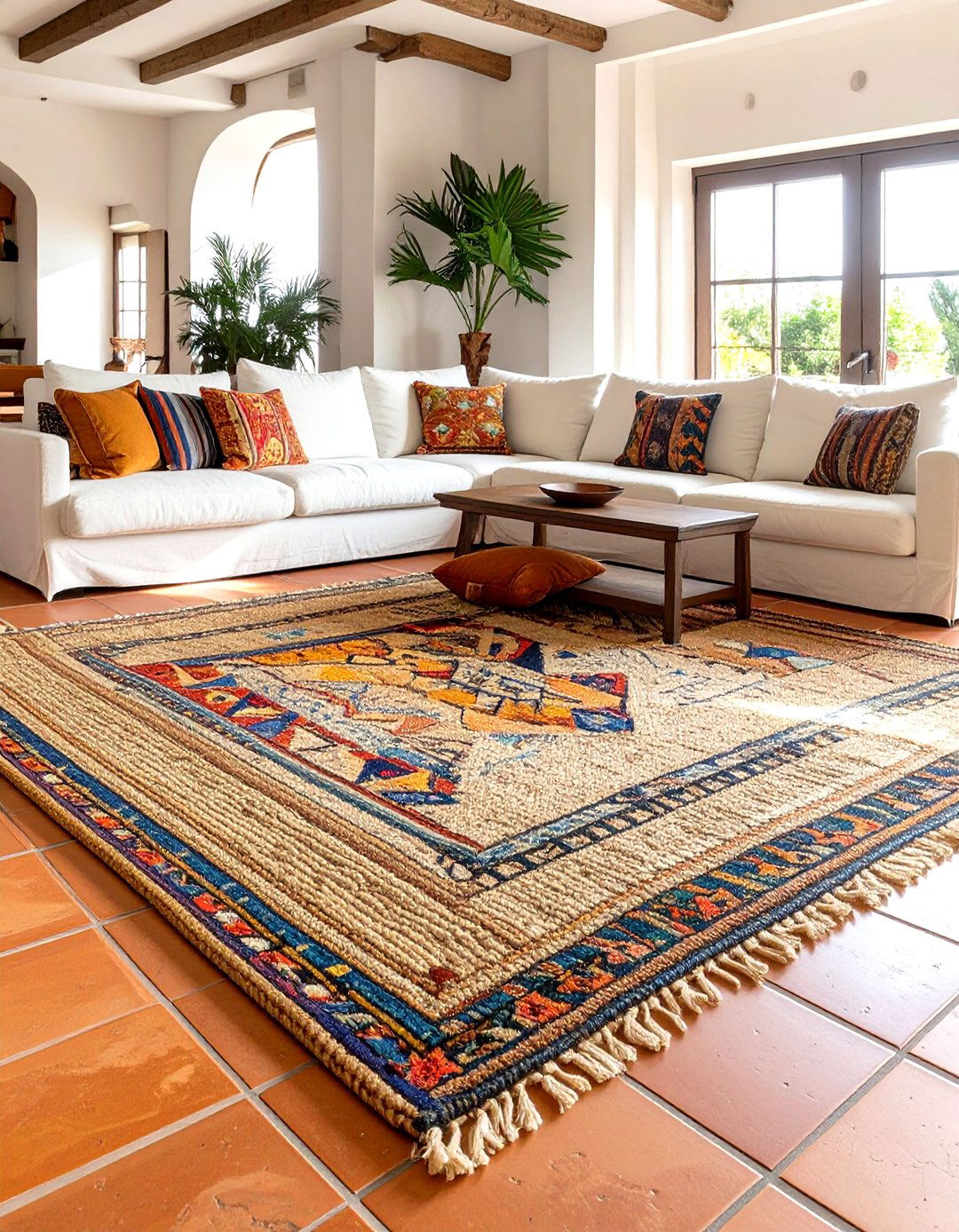
While terracotta tiles are a staple, natural fiber rugs are often used to define spaces and add softness underfoot. Rugs made from jute, sisal, or seagrass bring a layer of organic texture that complements the other natural materials in the room. Their neutral, earthy tones provide a calm base that allows other colorful elements, like textiles and tiles, to stand out. These durable rugs are practical for high-traffic areas and contribute to the relaxed, rustic aesthetic. Layering a smaller, more colorful woven rug on top of a larger jute one can also add depth and visual interest.
17. Indoor Plants and Greenery
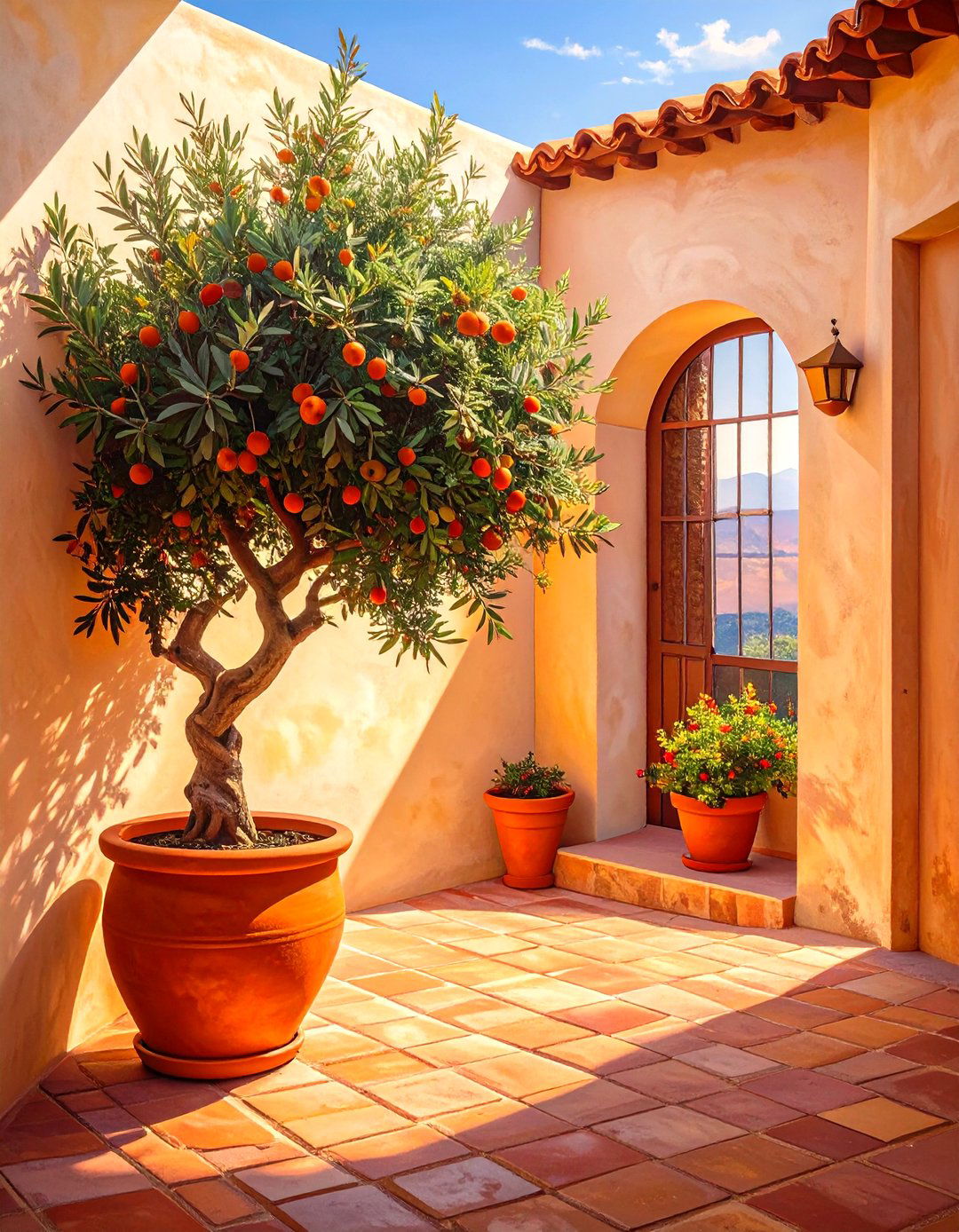
Bringing plants and greenery indoors is crucial for creating the lush, vibrant feel of a Spanish interior. Large potted plants like palms, ferns, or olive trees can fill empty corners and add a touch of life and color. Smaller terracotta pots with succulents or geraniums can be placed on windowsills, shelves, or in wall niches. Hanging planters with trailing vines like ivy add vertical interest. The greenery provides a refreshing contrast to the warm, earthy tones of the decor, enhancing the connection to nature and creating a serene, oasis-like atmosphere that is central to the Spanish lifestyle.
18. Decorative Wall Grilles
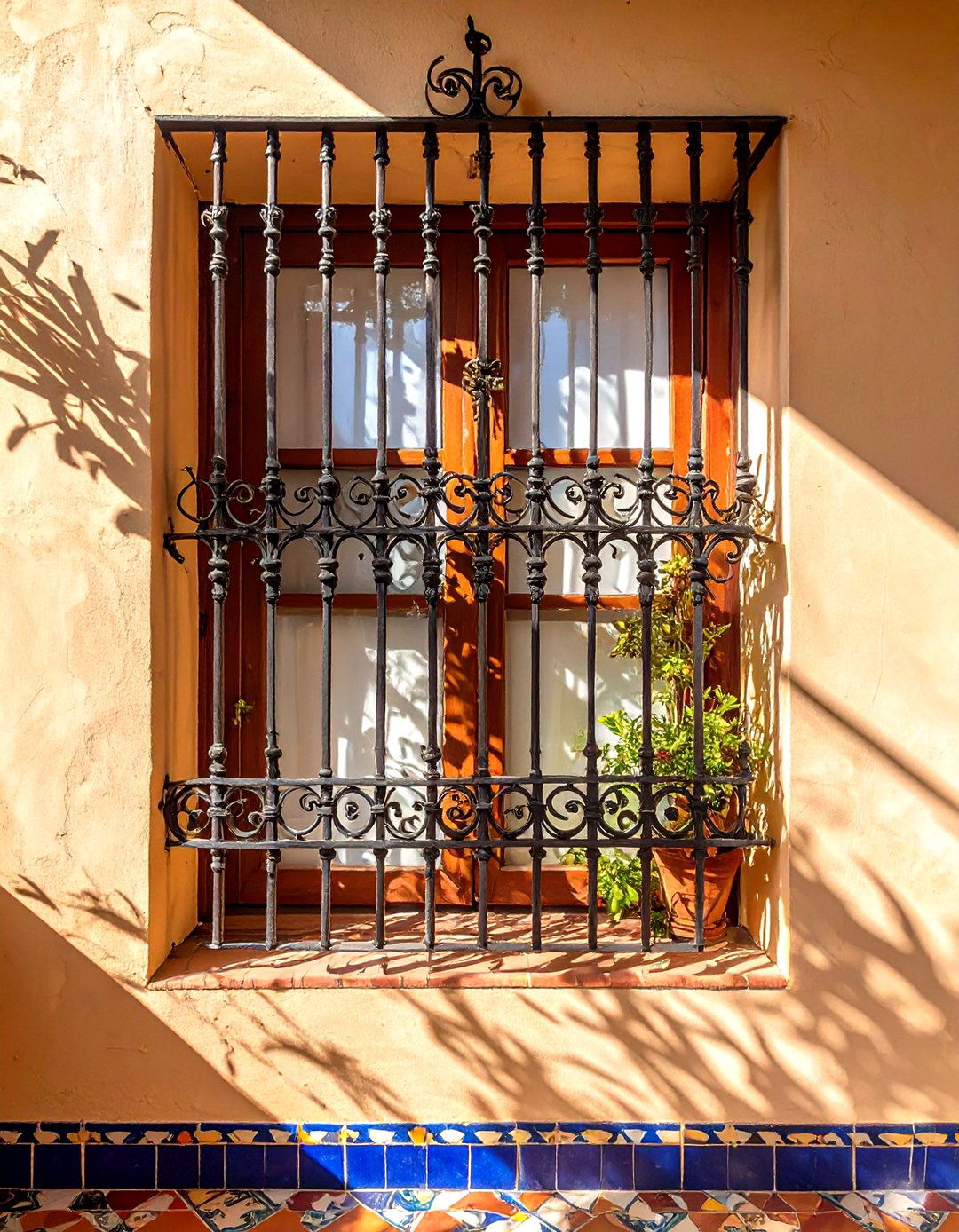
Decorative metal or wooden grilles are a distinctive element often seen in Spanish design. Typically made from wrought iron or carved wood, these grilles can be installed over windows, as transoms above doors, or used as purely decorative wall art. They feature intricate patterns, from simple geometric shapes to elaborate scrollwork, adding a layer of security and ornamentation. These grilles filter light beautifully, casting interesting shadows and enhancing the architectural detail of a space. They are a nod to the historical and Moorish influences on Spanish style, adding an authentic and elegant touch to walls and openings.
19. A Neutral and Warm Color Palette
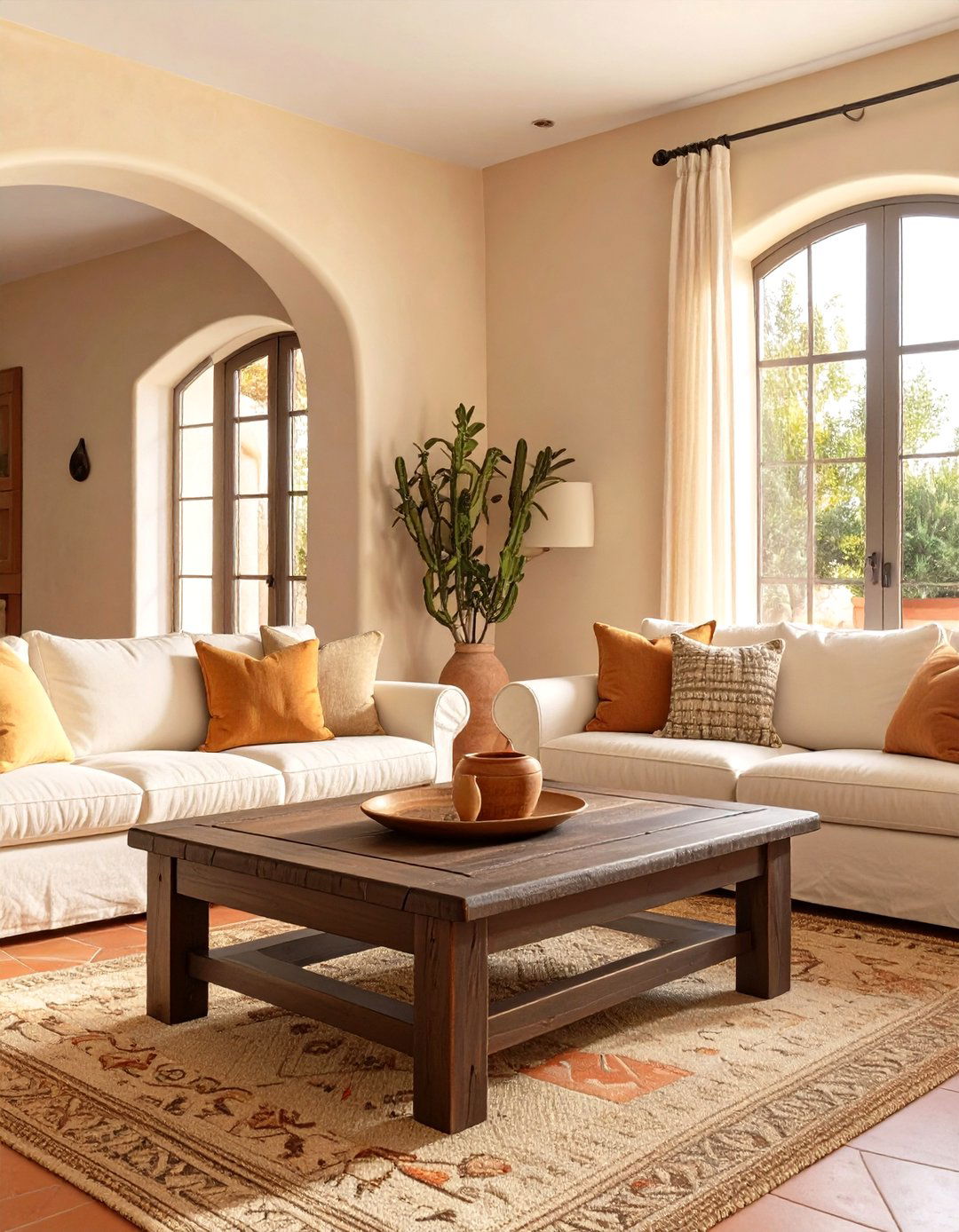
The foundation of Spanish interior design rests on a neutral and warm color palette inspired by the Mediterranean landscape. Walls are typically painted in shades of off-white, beige, cream, or soft yellow, creating a bright and airy backdrop. These light colors reflect natural light and provide a perfect canvas for the style's other elements. Warm earth tones are introduced through terracotta floors, dark wood furniture, and leather accents. This cohesive palette creates a soothing and inviting atmosphere that feels both rustic and refined, ensuring the space is warm and welcoming without being overwhelming.
20. Simple, Unadorned Window Treatments
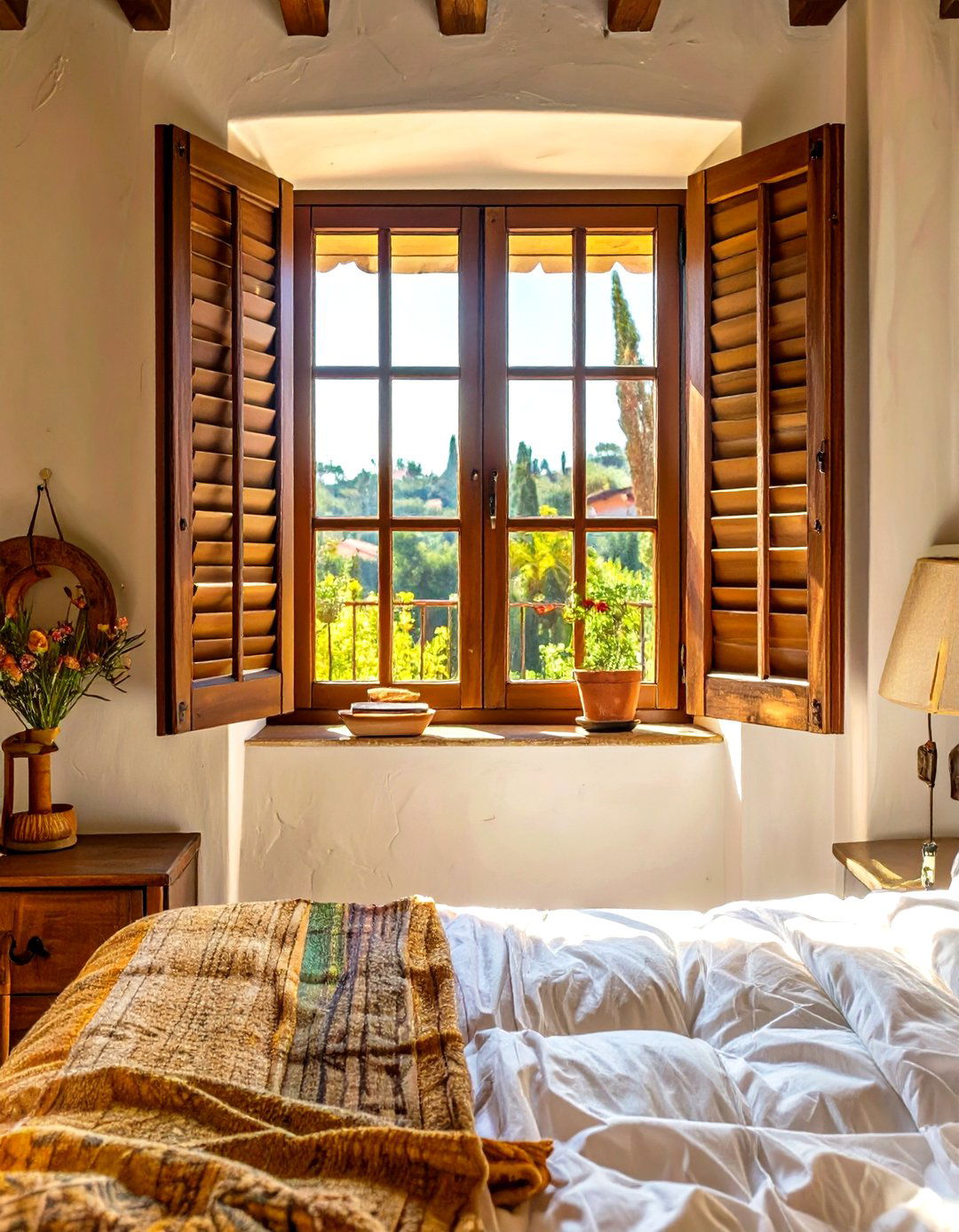
To maximize natural light, window treatments in Spanish-style homes are often kept simple and minimal. Heavy, ornate drapes are typically avoided in favor of lightweight, airy fabrics like linen or cotton in neutral colors. Simple wooden shutters are another popular choice, allowing for control over light and privacy while adding a rustic architectural element. In many cases, windows are left bare to showcase their arched shape or decorative grilles. This approach ensures that the focus remains on the architectural features and the views outside, contributing to the bright, open feel of the space.
21. Use of Candlesticks and Candelabras
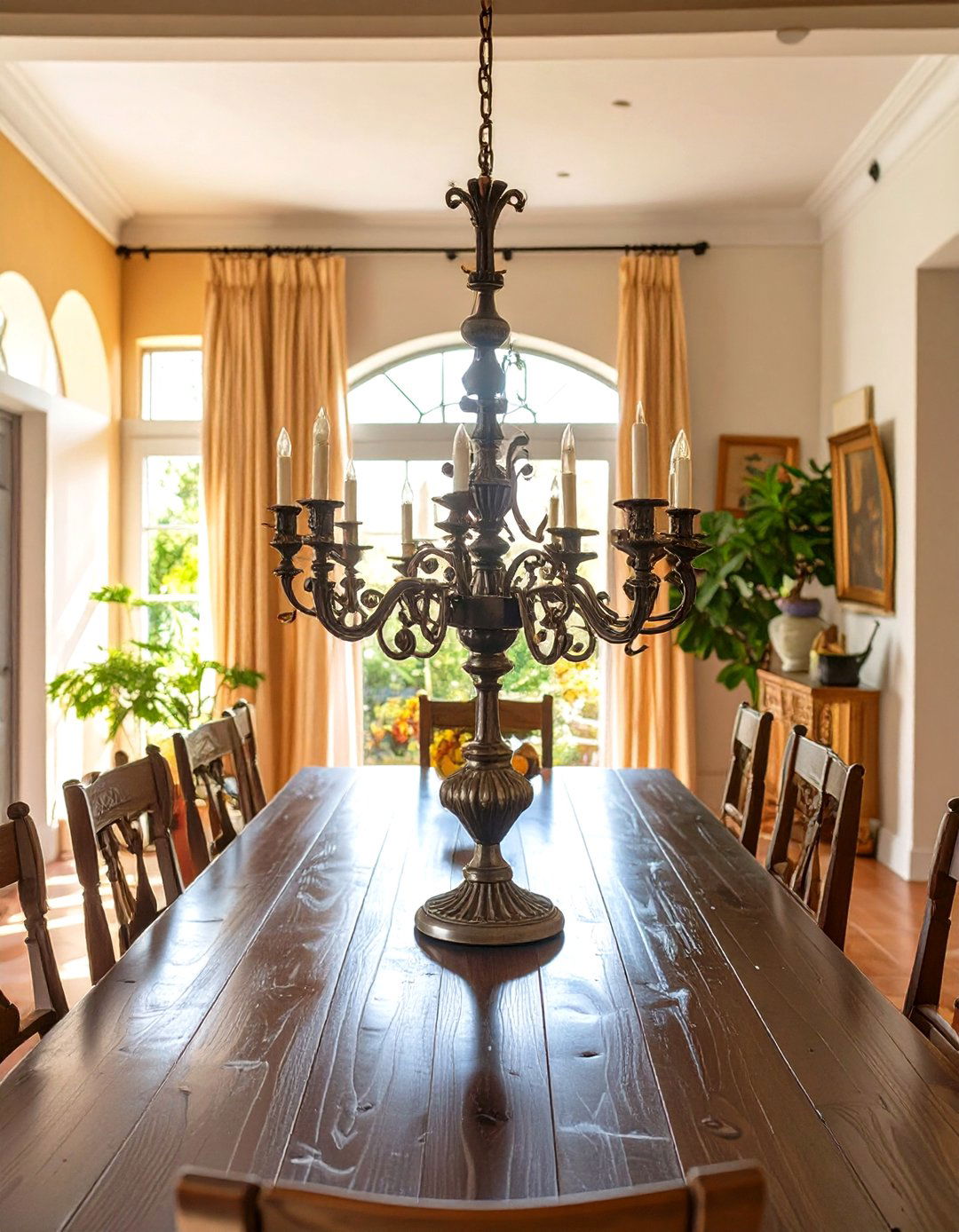
To enhance the old-world ambiance, use candlesticks and candelabras as decorative accents. Wrought iron or dark wood candelabras can serve as a dramatic centerpiece on a dining table or a statement piece on a mantel. Groupings of rustic pillar candles on a console table or in a fireplace when not in use can create a warm, romantic glow. These accessories add a touch of historical charm and soft, ambient lighting that complements the overall rustic elegance of the design. They are a simple yet effective way to evoke the feeling of a traditional Spanish hacienda.
22. Moorish-Inspired Lanterns
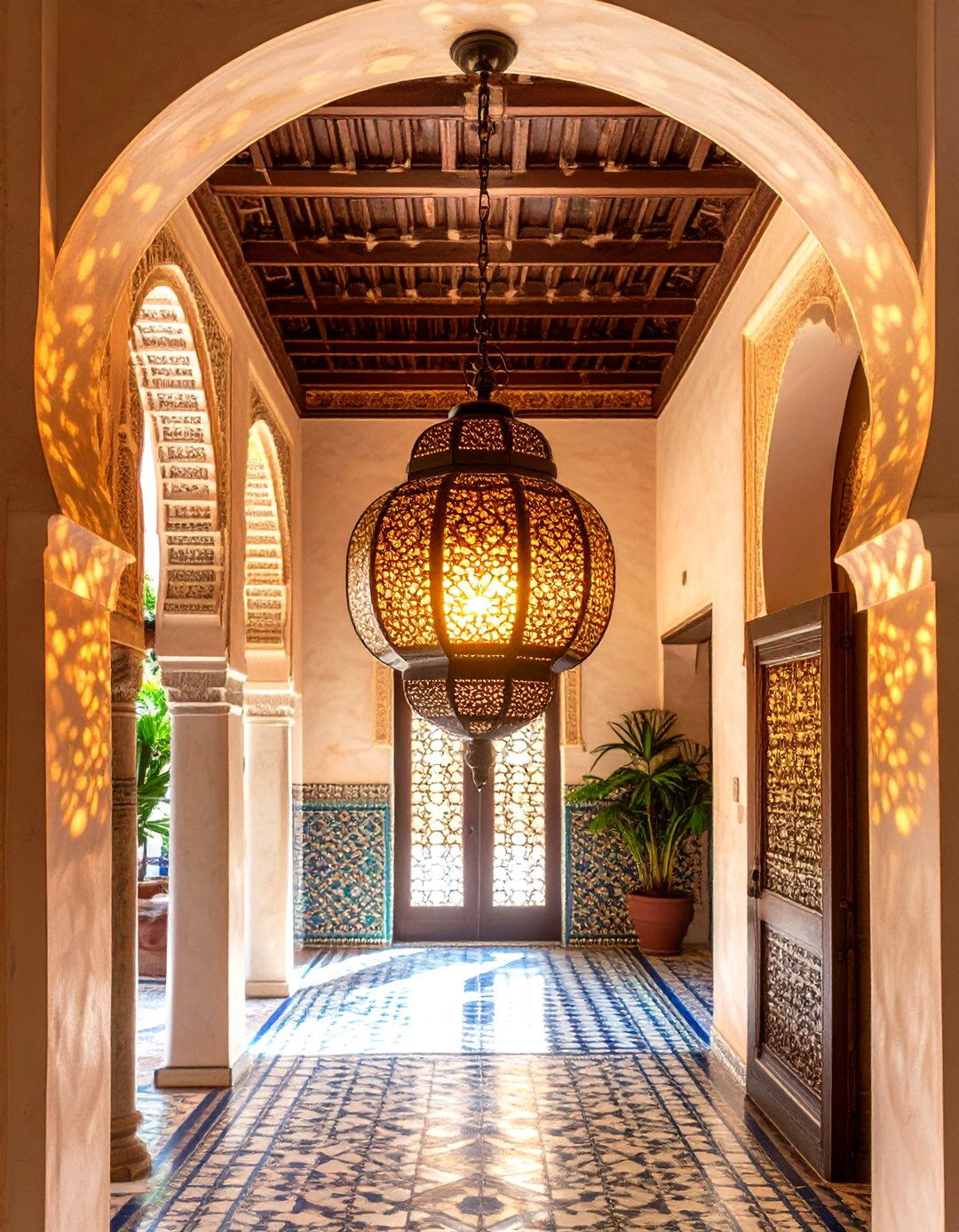
Moorish-inspired lanterns are a beautiful lighting choice that highlights the historical influences on Spanish design. These lanterns, typically made of pierced metal like brass, tin, or copper, feature intricate geometric patterns. When lit, they cast captivating patterns of light and shadow across the walls and ceiling, creating a magical and exotic atmosphere. They can be hung as a pendant light in an entryway or used as tabletop lamps. The detailed craftsmanship of these lanterns makes them functional pieces of art that add a layer of texture and worldly sophistication to any room.
23. A Rustic Kitchen Island
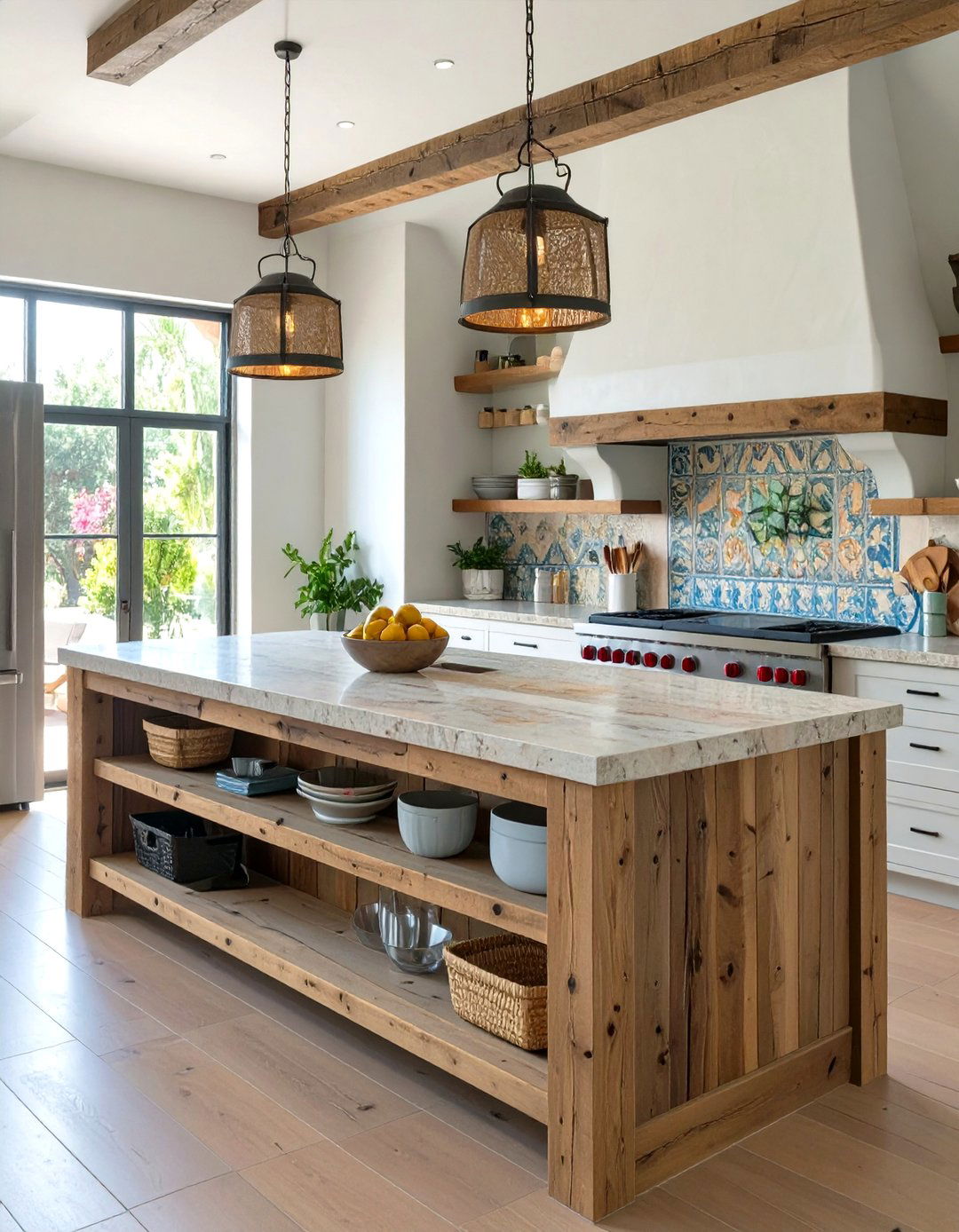
A rustic kitchen island can serve as the hardworking centerpiece of a Spanish-style kitchen. Opt for an island made from reclaimed wood with a sturdy, chunky design to create a farmhouse feel. A countertop made of butcher block, stone, or even decorative tiles can add another layer of texture and functionality. Incorporating open shelving or wrought iron details on the island can enhance its rustic appeal. This central feature provides valuable workspace and storage while reinforcing the warm, inviting, and communal nature of a traditional Spanish kitchen, making it a natural hub for family life.
24. A Freestanding Bathtub
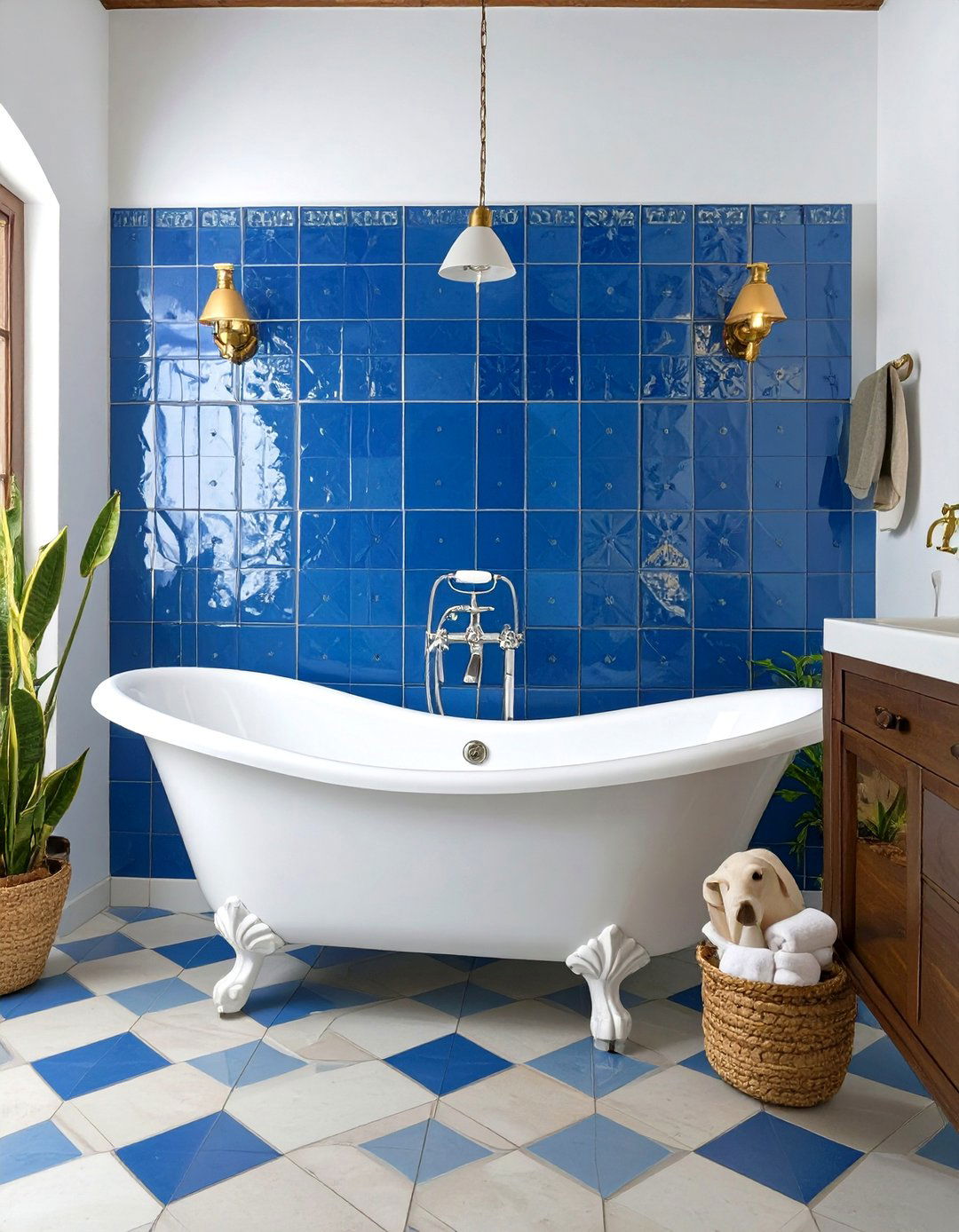
In a Spanish-style bathroom, a freestanding bathtub can create a luxurious, spa-like focal point. A classic clawfoot tub or a more modern, deep soaking tub both work well within this aesthetic. Placing the tub against a wall of decorative tiles or beneath an arched window can enhance the sense of drama and relaxation. Surrounding the tub with terracotta pots filled with plants, rustic wooden stools, and wrought iron candle holders completes the serene, retreat-like atmosphere. This feature turns the bathroom from a purely functional space into a beautiful sanctuary for unwinding and escape.
25. An Antique or Distressed Mirror
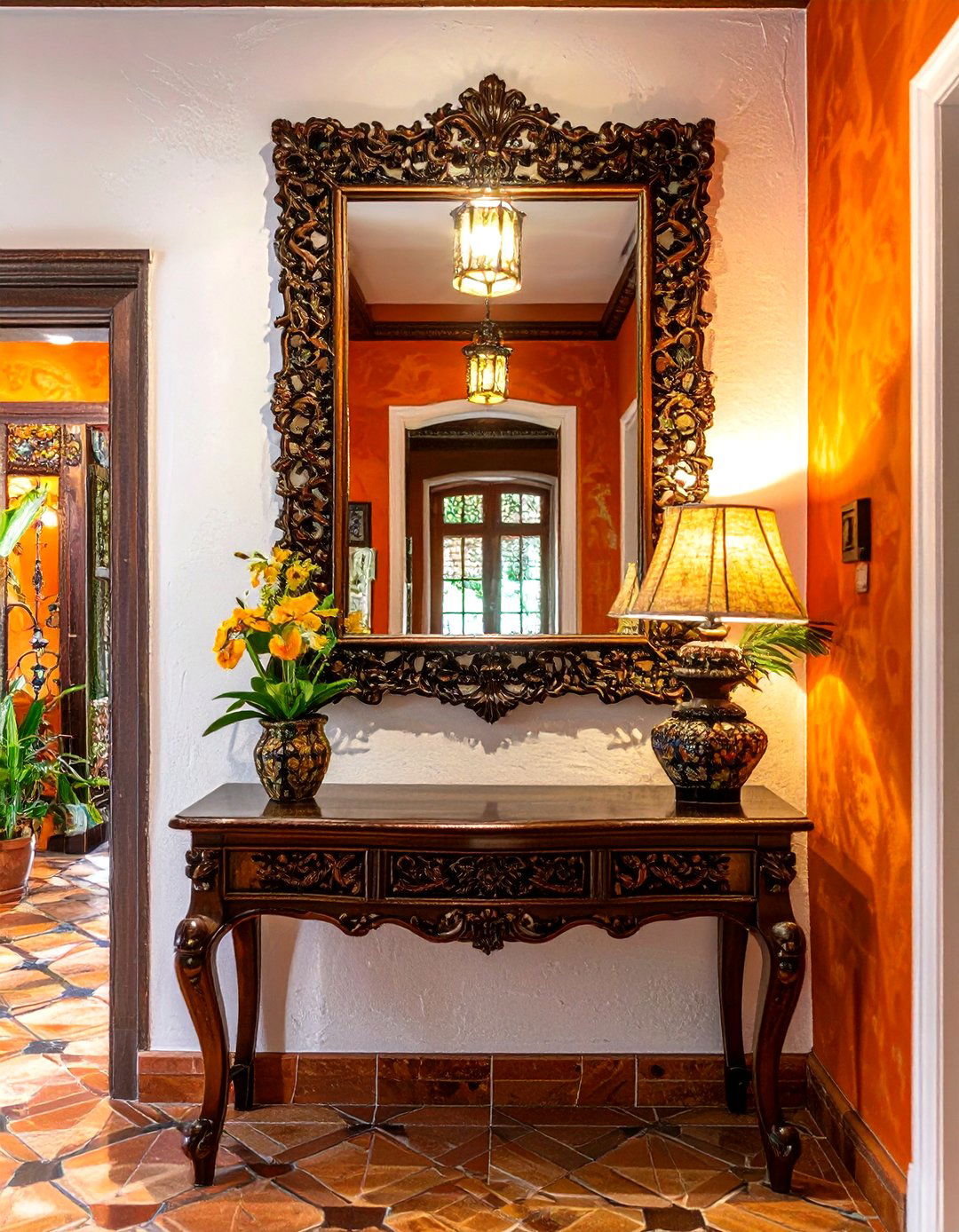
An antique or distressed mirror is a perfect accessory for a Spanish interior. Look for a mirror with a large, ornate frame made from carved dark wood or tooled leather. A frame with a distressed or weathered finish adds to the sense of history and rustic charm. Placing a large mirror on a wall can make a room feel larger and brighter by reflecting light. It can also serve as a piece of wall art, especially when the frame is particularly elaborate. This simple addition brings elegance and a touch of vintage character to any space.
26. A Carved Wooden Headboard
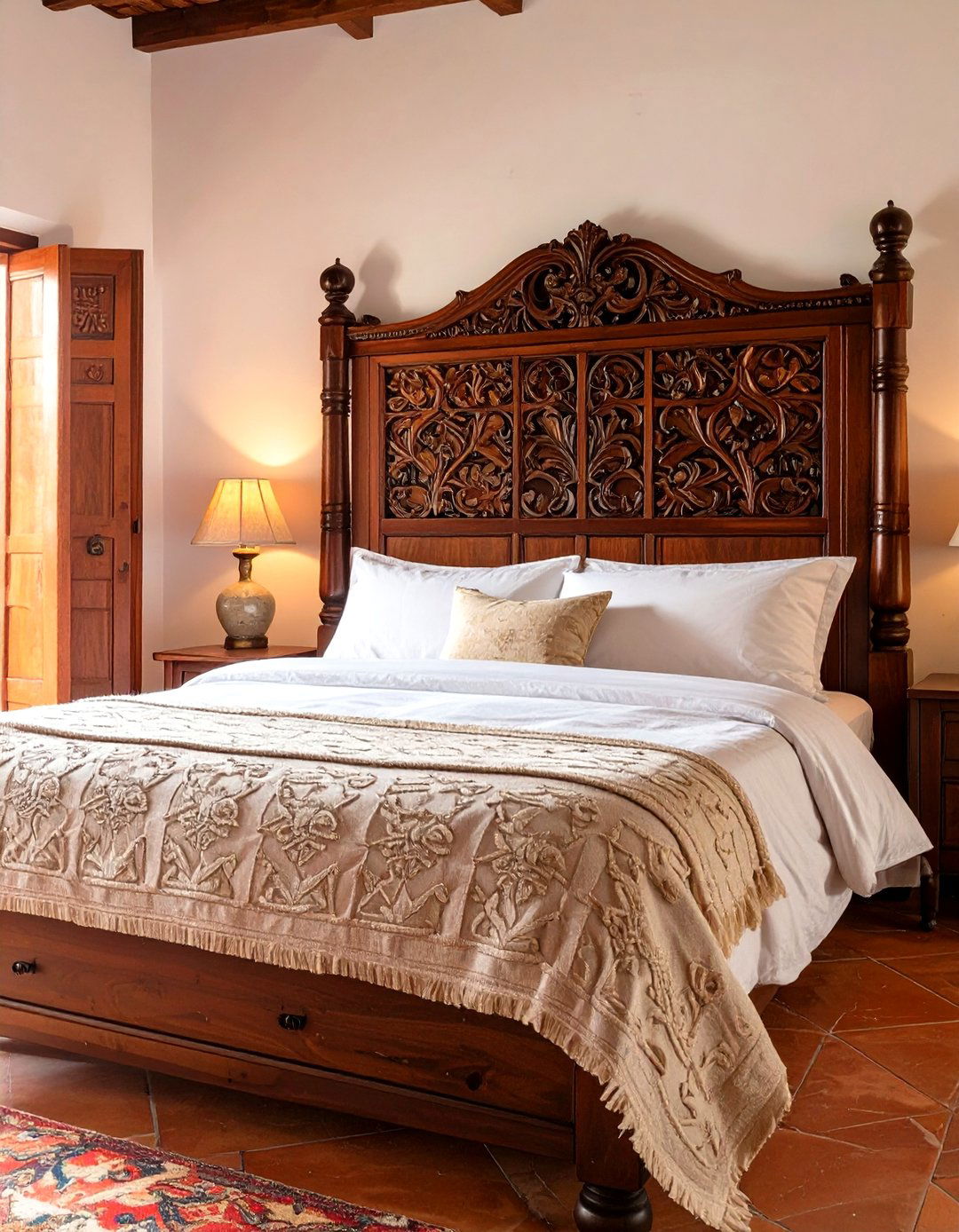
In the bedroom, a carved wooden headboard can be a stunning focal point that anchors the room's Spanish style. Choose a headboard made from dark, solid wood with intricate carvings, perhaps featuring floral motifs or geometric patterns. The substantial size and detailed craftsmanship of the headboard add a sense of grandeur and artistry. Paired with crisp white or neutral bedding and a few colorful accent pillows, it creates a look that is both rustic and romantic. This single piece of furniture can define the entire aesthetic of the bedroom, making it feel like a tranquil retreat.
27. Exposed Brick Accent Wall
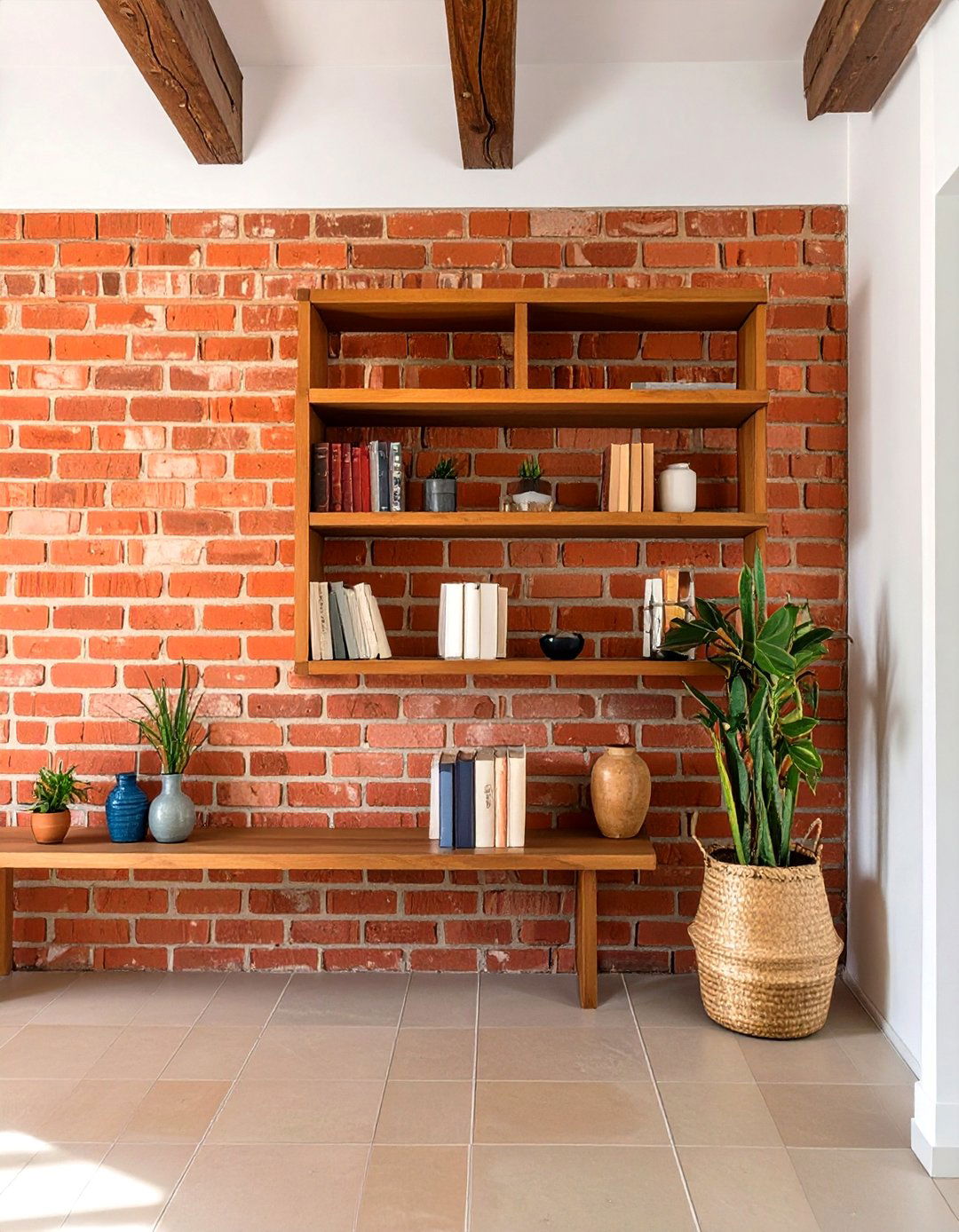
While stucco is common, an exposed brick accent wall can also fit beautifully within a Spanish-style interior. The warm, earthy tones and rough texture of the brick complement other materials like wood and terracotta. This feature can add an industrial-rustic touch, creating visual interest and depth in a living room, kitchen, or dining area. An exposed brick wall provides a rich, tactile backdrop for artwork or shelving and enhances the overall sense of history and authenticity in the space. It’s a great way to introduce another layer of texture while maintaining the warm, rustic color scheme.
28. A Spanish Guitar as Decor
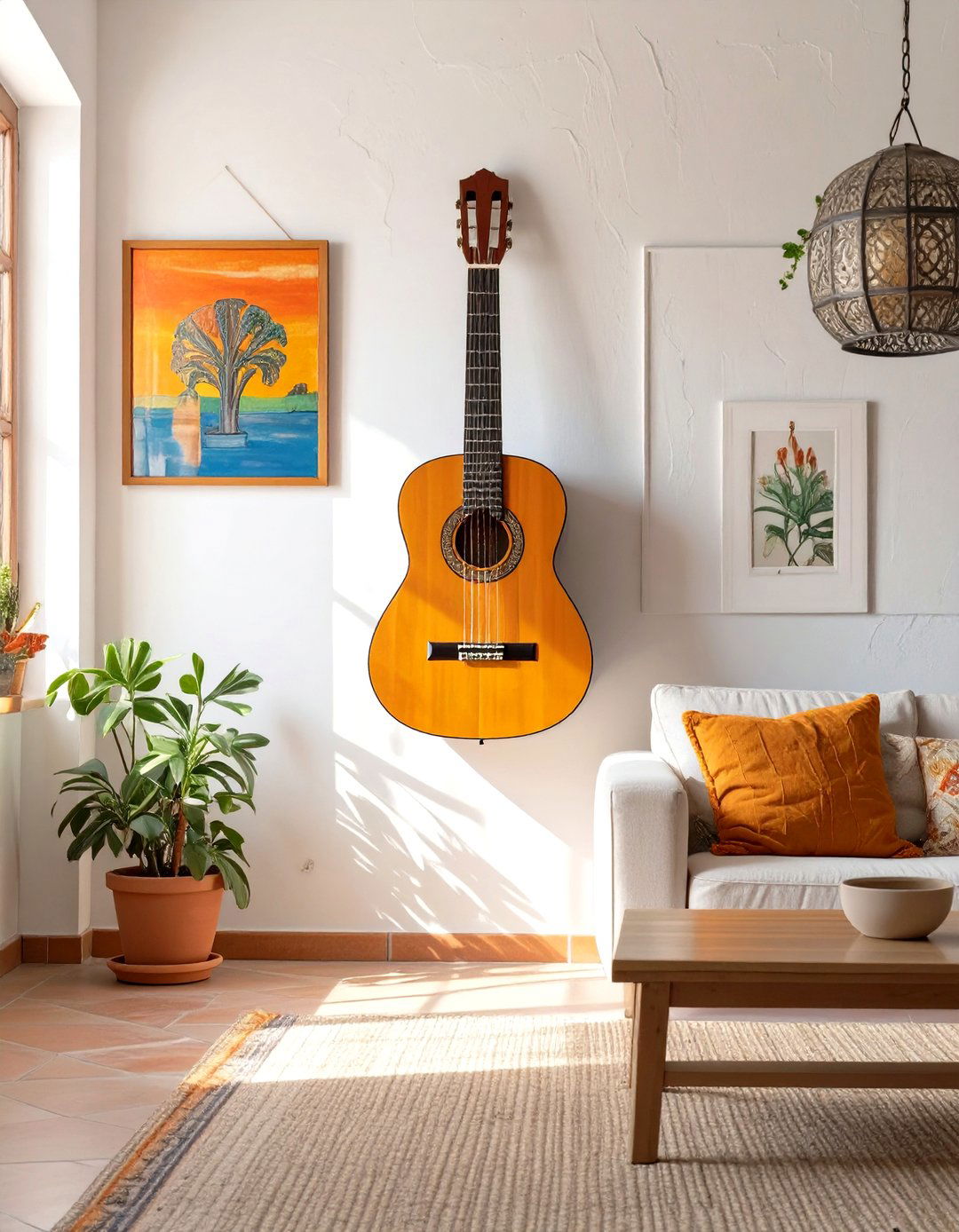
For a touch of cultural authenticity and artistic flair, consider displaying a Spanish guitar as a piece of wall decor. The beautiful curves and warm wood tones of the guitar make it a natural fit for the Spanish aesthetic. It can be hung on a wall in the living room or study, adding a personal and melodic touch to the space. This simple object celebrates the country's rich musical heritage and serves as a unique conversation starter. It’s an effortless way to introduce a piece of Spanish culture into your home in a way that feels both organic and stylish.
29. A Butler's Pantry with Open Shelving
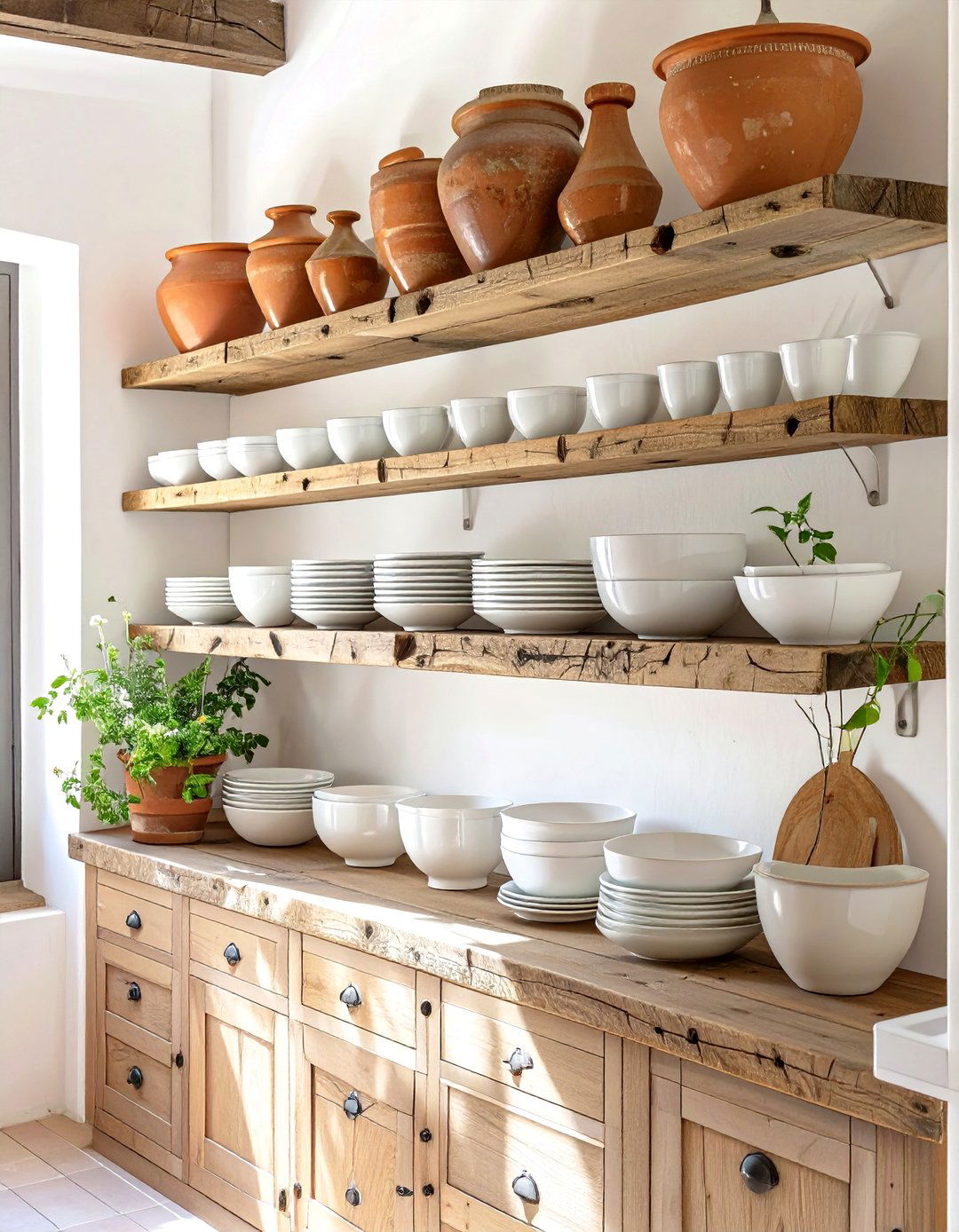
A butler's pantry or a dedicated kitchen area with open shelving is a practical and stylish feature in Spanish design. Use rustic wooden shelves to display everyday items like white ceramic dishes, glassware, and rustic pottery. This approach creates a look that is both organized and charmingly lived-in. The open display allows for easy access and turns functional items into part of the decor. Backing the shelves with decorative tile or painting the wall a contrasting color can make the display pop, adding another layer of visual interest to the kitchen space.
30. Use of Bold, Saturated Accent Colors
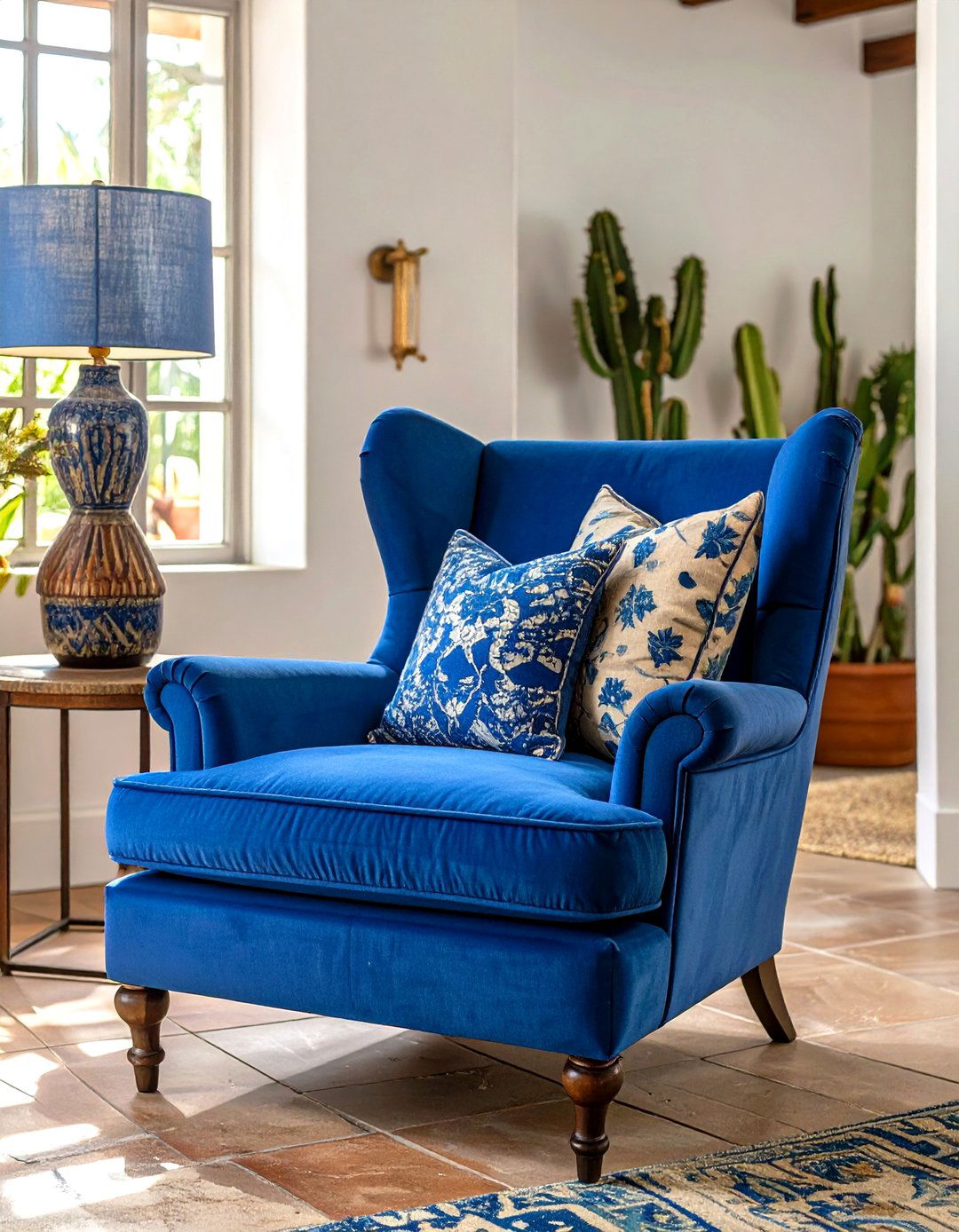
While the base palette is neutral, Spanish design is not afraid of bold, saturated accent colors. Introduce pops of cobalt blue, deep red, vibrant yellow, or emerald green through accessories. This can be done with decorative pillows, a brightly painted piece of furniture, a colorful area rug, or a collection of hand-painted ceramics. These vibrant hues add energy and personality to the space, creating a lively contrast against the earthy backdrop. These strategic splashes of color are inspired by the Spanish landscape and culture, bringing a joyful and spirited feel to the home.
Conclusion:
To wrap things up, Spanish style interior design is a celebration of warmth, texture, and history. By integrating key elements like textured stucco walls, terracotta tiles, dark wood, and ornate wrought iron, you can create a space that feels both rustic and elegant. The style’s beauty lies in its use of natural materials, handcrafted details, and a warm, earthy color palette punctuated by vibrant accents. Whether you are undertaking a full renovation or simply adding a few decorative touches, these ideas provide a roadmap to achieving a timeless, inviting, and soulful home.

Related posts:
Leave a Reply