
Having a dedicated office is essential, but space can often be a major constraint. A small office doesn't have to feel cramped or unproductive. With clever design choices and strategic furniture selection, even the most compact corner can be transformed into a functional and inspiring workspace. These ideas explore how to maximize every square inch through smart layouts, vertical storage, and multifunctional pieces. Whether you're converting a closet, utilizing an awkward nook, or simply trying to make a small room feel bigger, the right approach can create an environment that boosts focus and creativity, proving that a productive office is about design, not dimensions.
1. Under-Stairs Small Office Nook
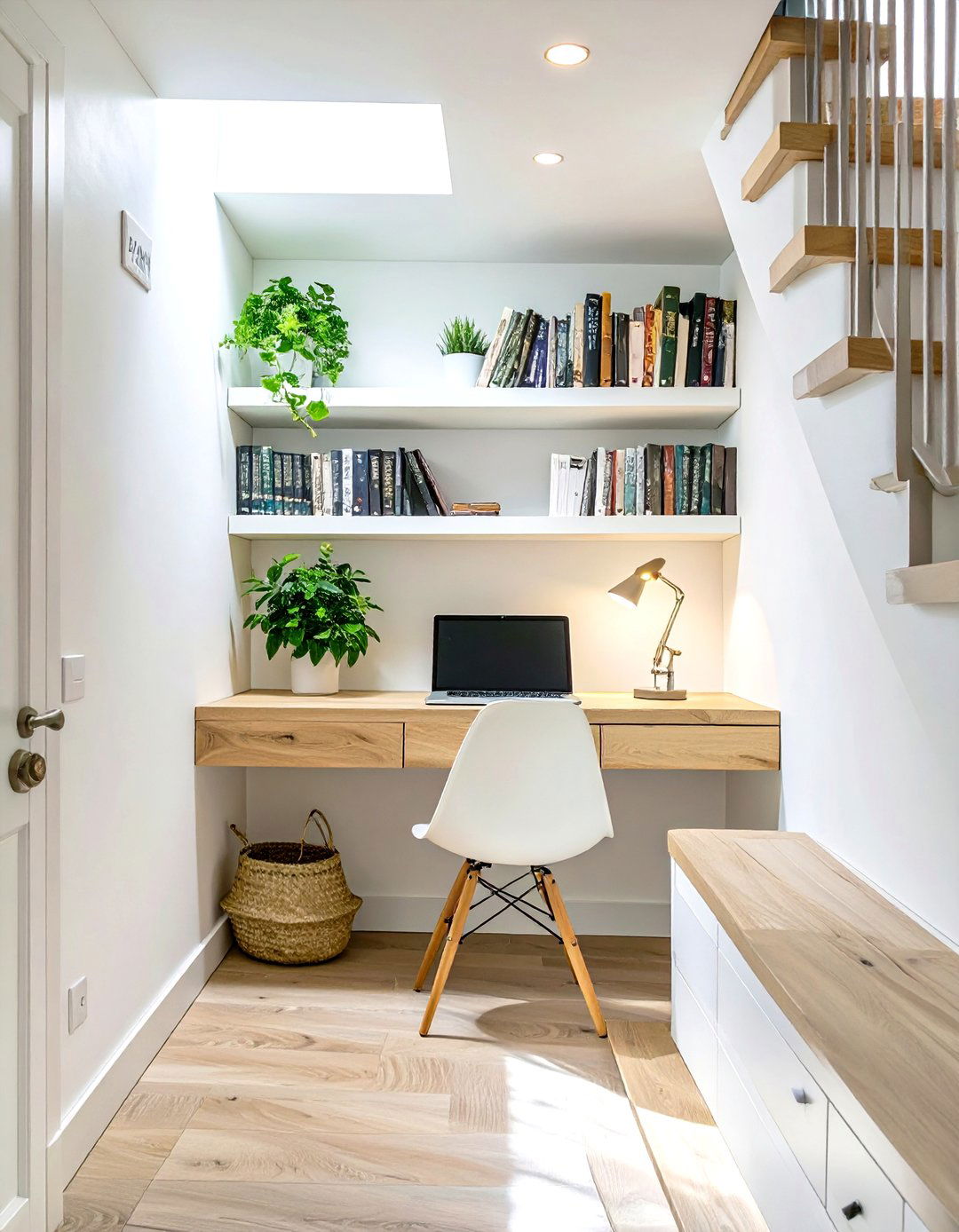
Transform the often-wasted area beneath your staircase into a fully functional small office space. This clever solution makes use of an awkward architectural feature, turning it into a productive zone. Install a custom-fit desk that follows the angle of the stairs, maximizing surface area without protruding into the walkway. Add floating shelves on the slanted wall above the desk for books, supplies, and a touch of decor. Proper lighting is key here; consider installing recessed puck lights or a sleek wall scone to illuminate the workspace. This approach creates a cozy, built-in office that feels intentional and stylishly integrated into your home's design.
2. Closet Conversion Small Office Space
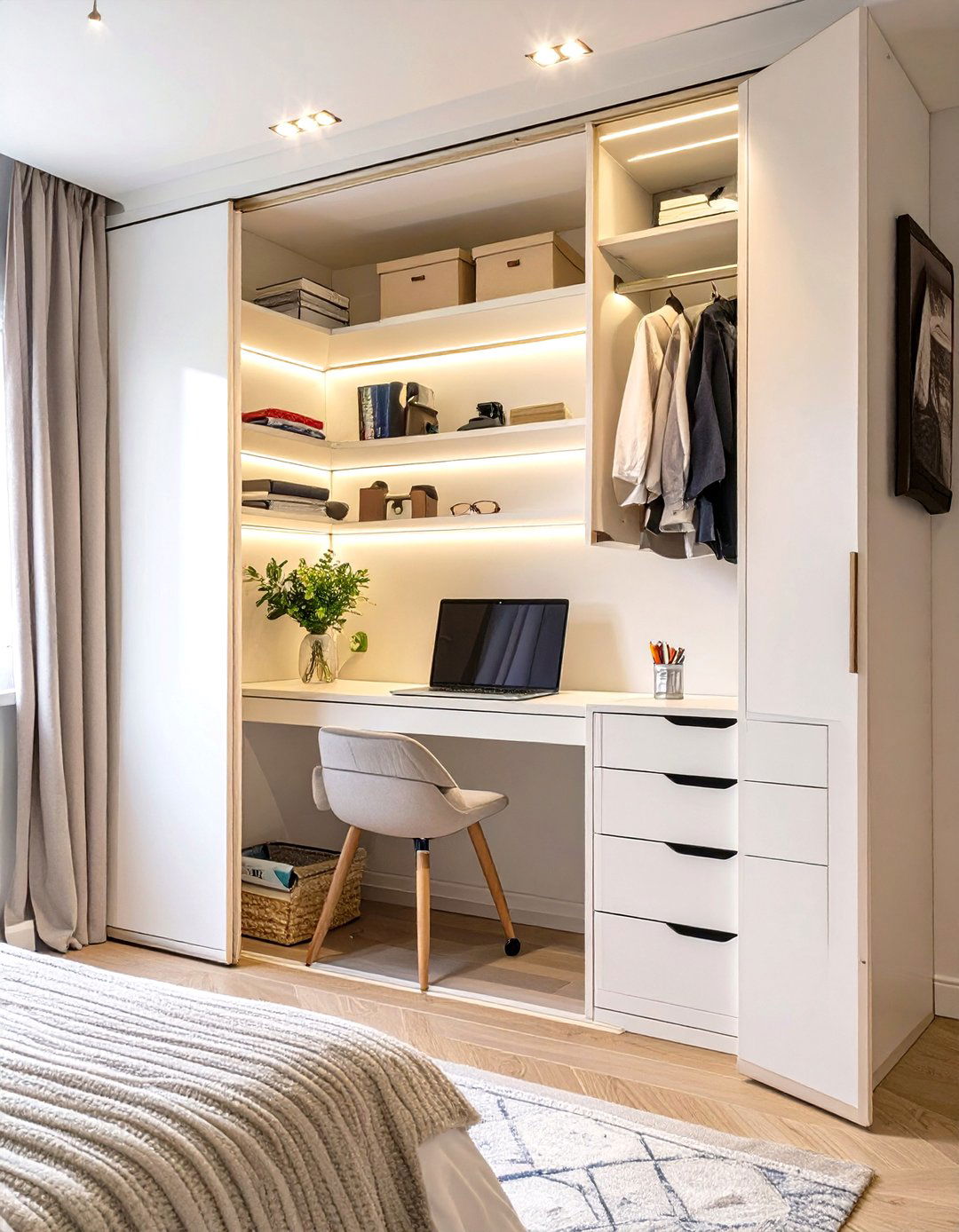
A spare closet can be brilliantly repurposed into a concealed small office, often called a "cloffice." To create this, remove the closet doors or replace them with bifold or barn doors for easier access. Install a sturdy shelf at desk height to serve as your work surface. Above this, add more shelving for vertical storage of documents, printers, and office supplies. Paint the interior a bright, light color to make the space feel larger and less confined. A small, armless chair can be tucked underneath the desk when not in use, allowing you to close the doors and completely hide your workspace.
3. Wall-Mounted Fold-Down Desk
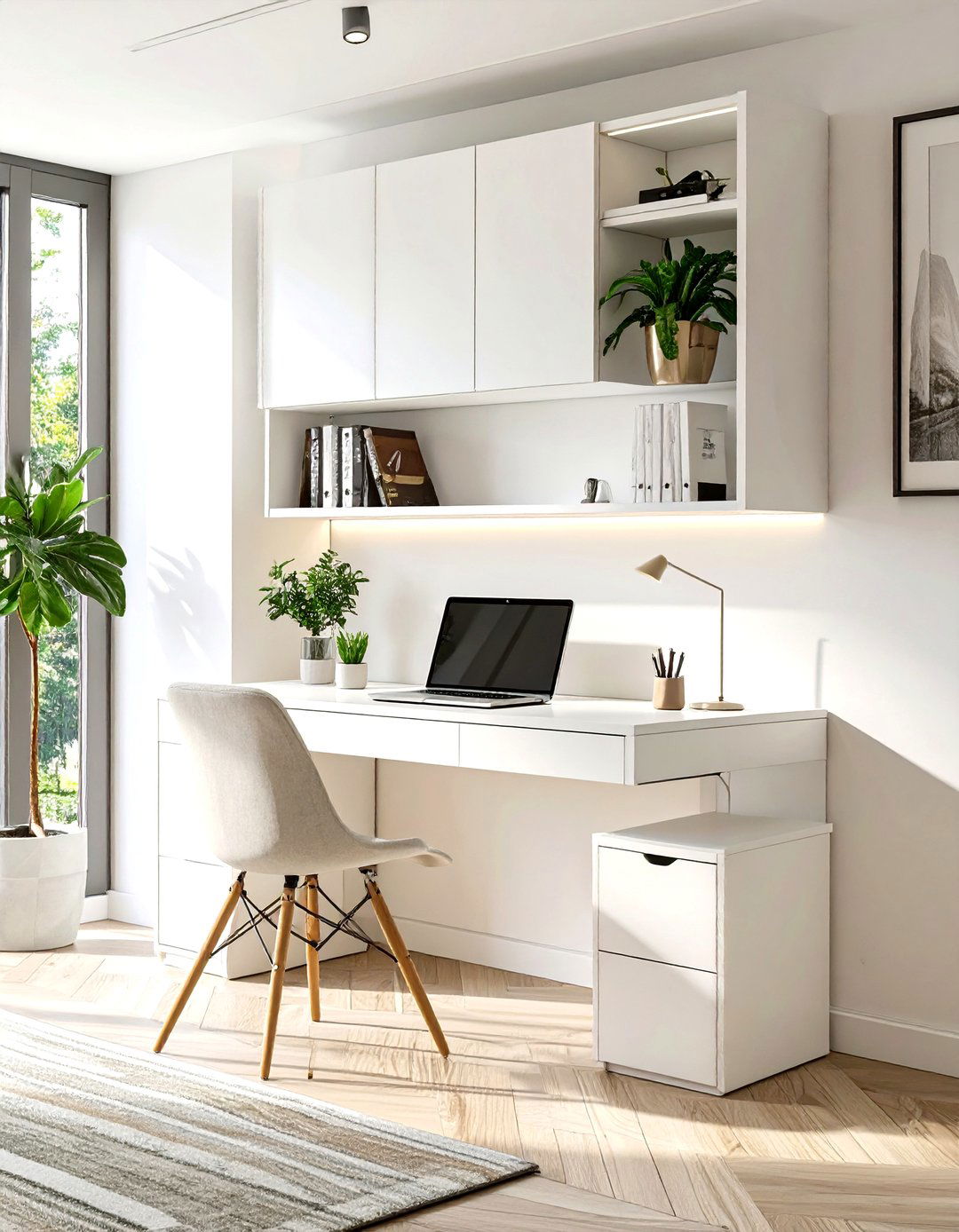
For the ultimate space-saving solution in a multi-purpose room, a wall-mounted fold-down desk is an excellent choice. This type of small office furniture serves as a compact cabinet when closed and a sturdy work surface when open. It provides a dedicated spot for your laptop and a few essentials without permanently occupying floor space. Many models come with built-in cubbies or shelves for storing pens, notepads, and even a small plant. When your workday is done, simply fold it up against the wall, instantly reclaiming the room for other activities. It's a minimalist and highly practical idea for studio apartments or guest rooms.
4. Vertical Shelving Small Office System
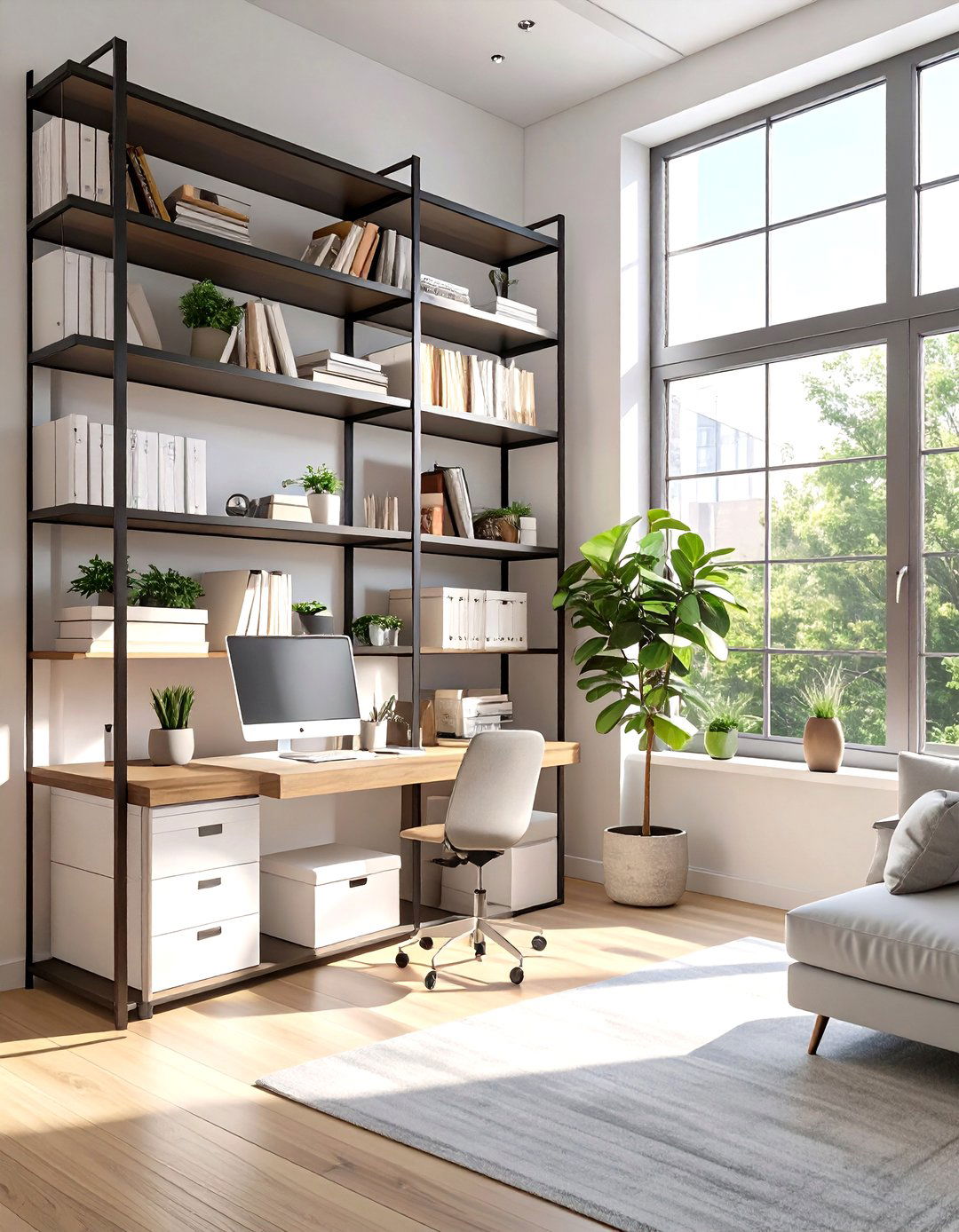
When floor space is at a premium, the only way to go is up. A vertical shelving system can define your small office area while providing immense storage capacity. Use tall, narrow bookcases or a modular wall-mounted shelving unit that extends from floor to ceiling. This draws the eye upward, creating an illusion of height and spaciousness. Organize your books, binders, and storage boxes on the shelves, keeping your desk surface clear and uncluttered. This strategy not only maximizes storage but also creates a visually striking feature wall that delineates the workspace from the rest of the room in a stylish, organized manner.
5. Corner Floating Desk Setup
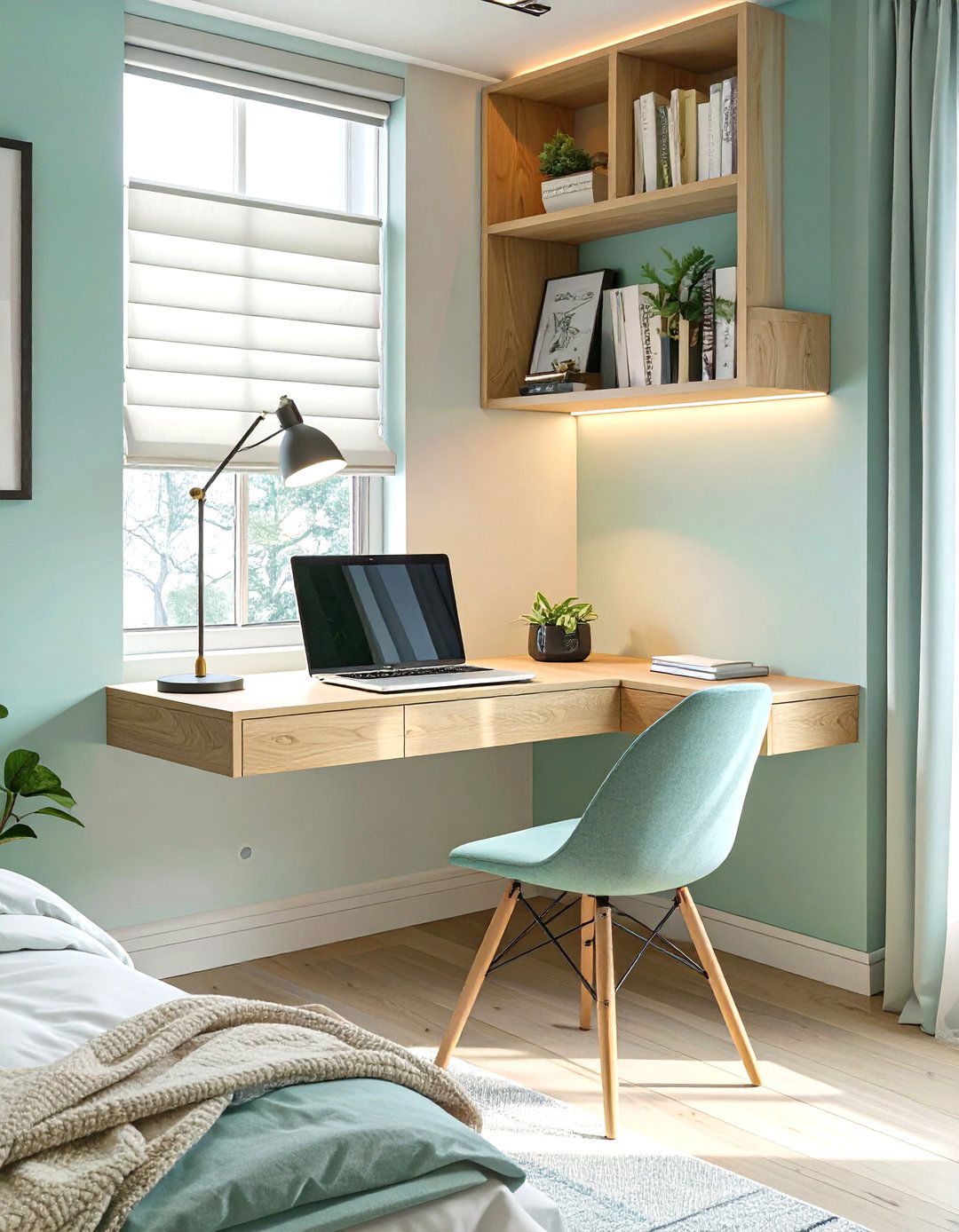
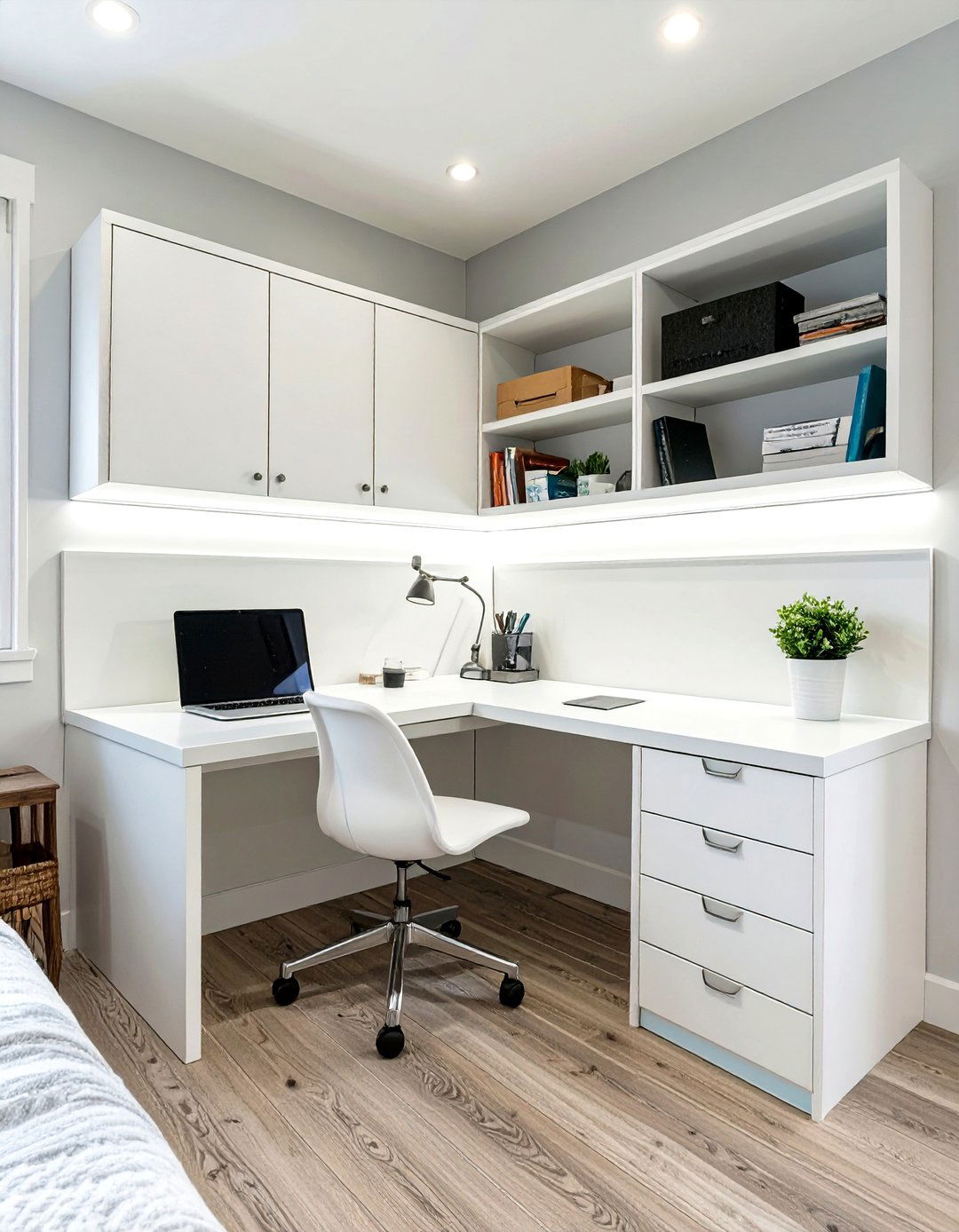
Utilize an empty corner to its full potential by installing a floating corner desk. This design keeps the floor clear, which visually expands the small office space and makes it easier to clean. A triangular or L-shaped surface fits snugly into the corner, providing a surprisingly generous amount of workspace without a large footprint. You can build one yourself with plywood or purchase a pre-made unit. Pair it with a couple of floating shelves mounted on the walls above for a cohesive and streamlined look. This minimalist approach is perfect for creating a dedicated work zone in a bedroom or living area without overwhelming the space.
6. Small Office with Abundant Natural Light
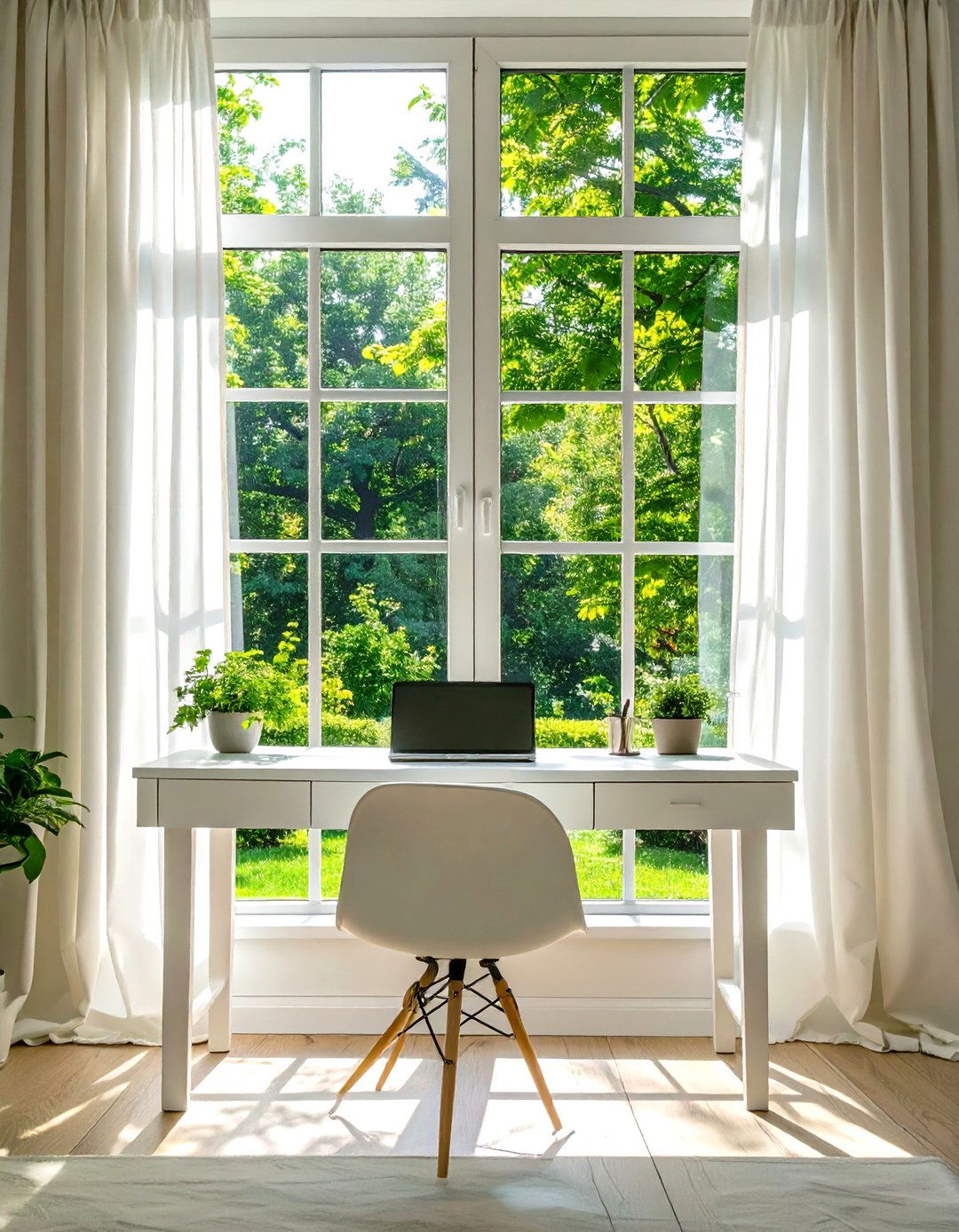
Positioning your small office space next to a window can dramatically improve the feel and function of the area. Natural light not only reduces eye strain but also makes a compact space feel more open, airy, and inviting. Place your desk directly in front of or adjacent to the window to take full advantage of the daylight. Use sheer or light-filtering window treatments to maintain privacy without sacrificing brightness. The view outside can also provide mental breaks and inspiration throughout the day. This simple placement strategy costs nothing but has a massive impact on the ambiance and your mood while working.
7. Minimalist Ladder Desk Office
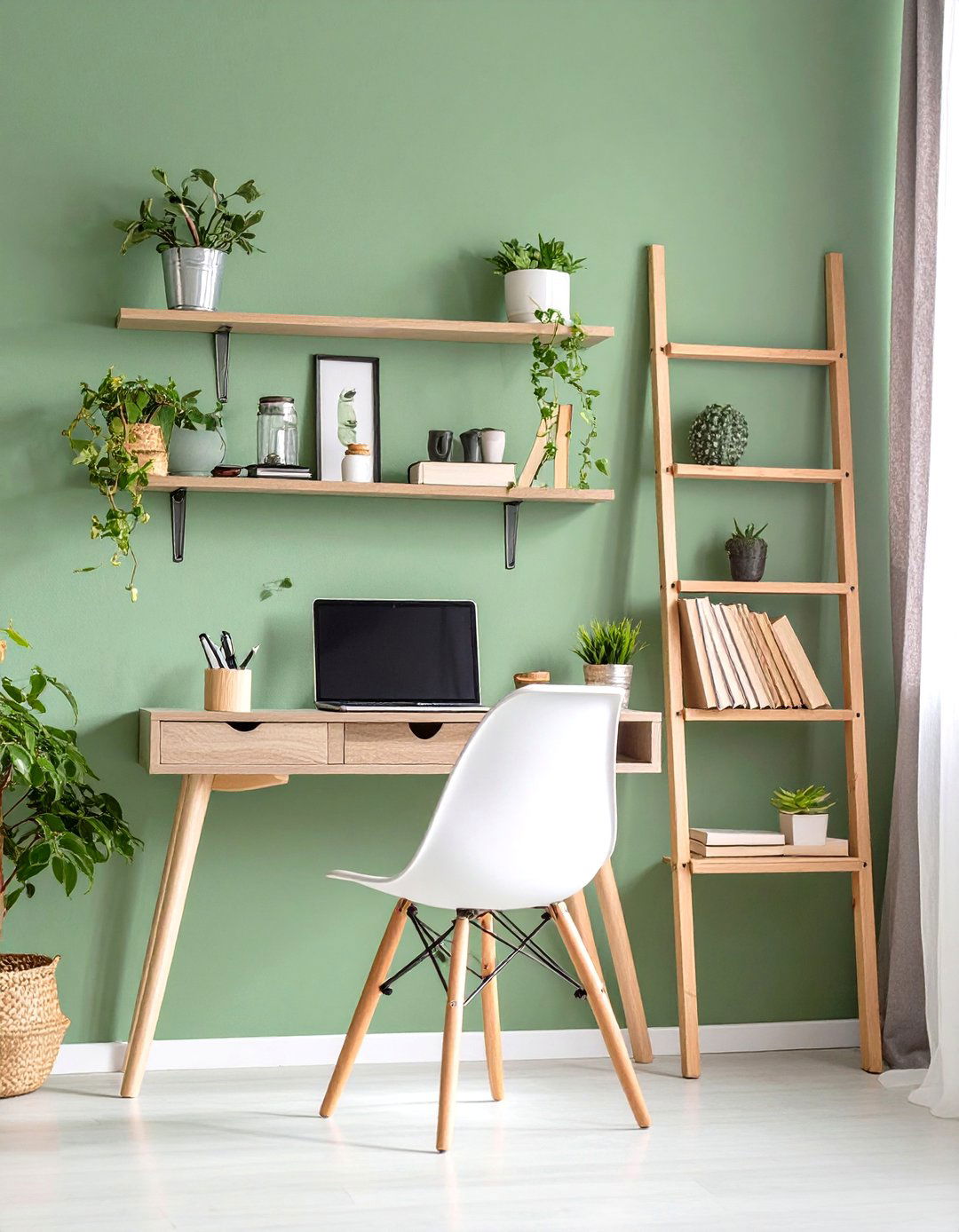
A ladder desk offers a stylish and compact solution for a small office space, combining a work surface and storage in one sleek piece. Leaning against a wall, it has a minimal footprint while providing several tiers of shelving above the desk area. These shelves are perfect for holding books, decorative items, and small storage baskets, keeping your essentials within arm's reach but off your main workspace. Its open-sided design prevents it from looking bulky, maintaining a sense of airiness in the room. This type of desk is ideal for those who need a functional yet aesthetically pleasing setup in a living room or bedroom.
8. Glass Top Desk for an Airy Feel
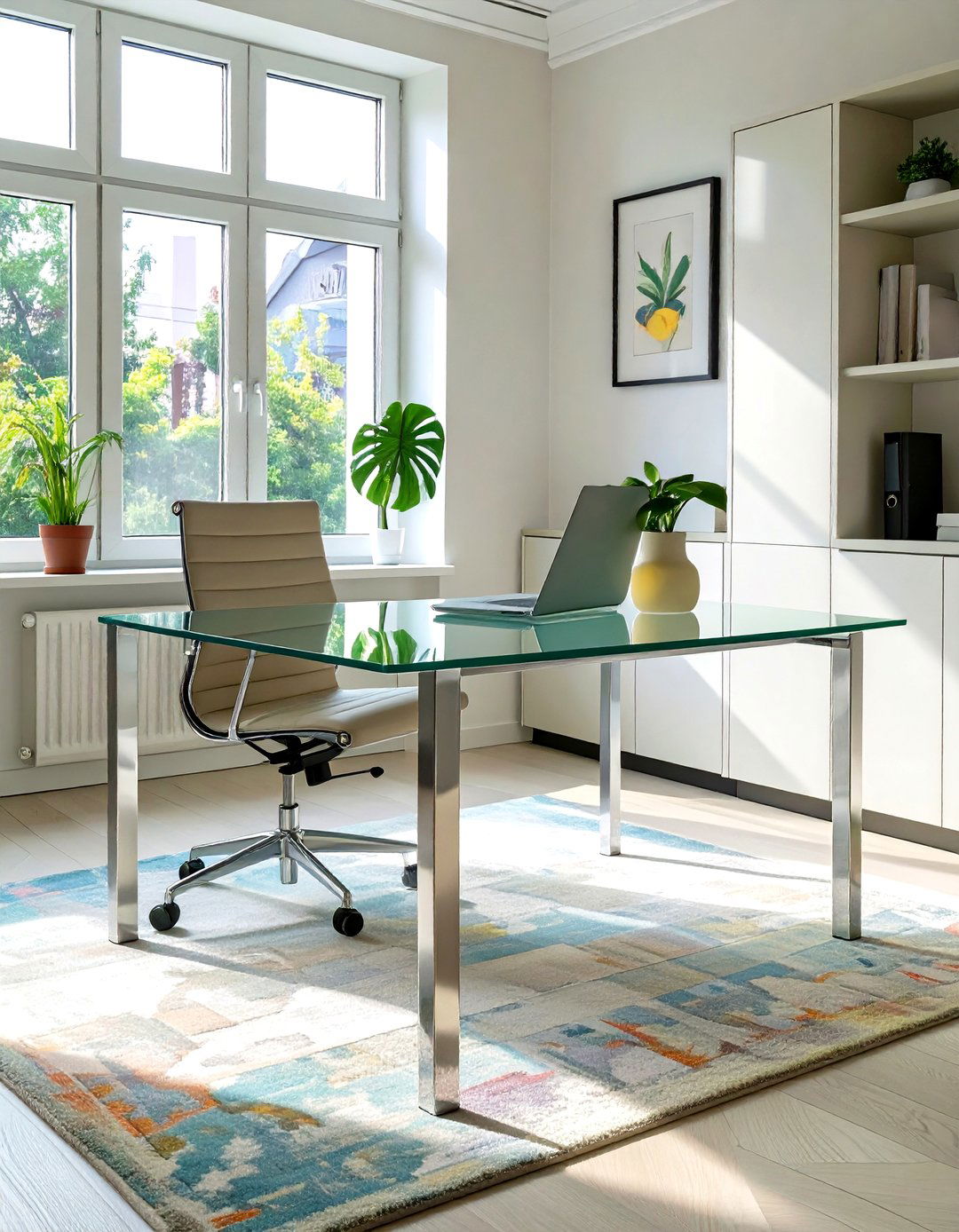
To create the illusion of more space in a small office, consider using a desk with a glass or acrylic top. A transparent surface allows light to pass through and lets you see the floor beneath, which tricks the eye into perceiving a larger, more open area. This visual lightness prevents the desk from appearing heavy or bulky, which can be a problem with solid wood or metal desks in a compact room. Pair a glass top desk with a slim-profile chair to enhance the airy aesthetic. This choice is purely about visual trickery, but it’s a highly effective strategy for making your small workspace feel less cluttered.
9. Small Office with a Large Mirror
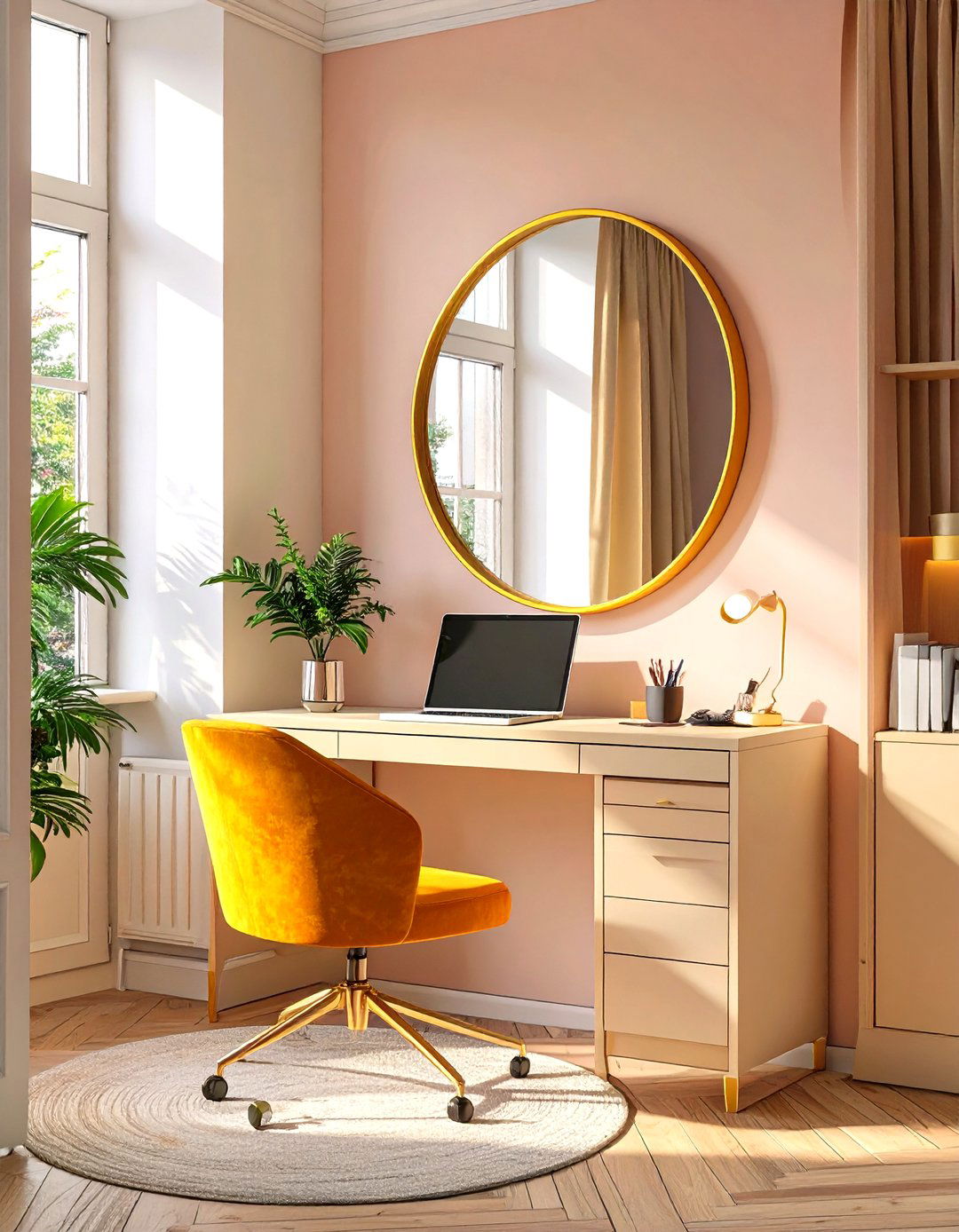
Placing a large mirror in a small office space is a classic interior design trick to make a room feel bigger and brighter. A mirror reflects both natural and artificial light, amplifying the brightness and creating a sense of depth. Hang a large mirror on the wall opposite a window to maximize its light-reflecting effect. Alternatively, you can lean a tall, floor-length mirror against a wall to create the illusion of a higher ceiling. This simple addition can instantly transform a cramped corner into a workspace that feels more spacious, open, and dynamic without taking up any functional room.

10. Integrated Alcove Office Space
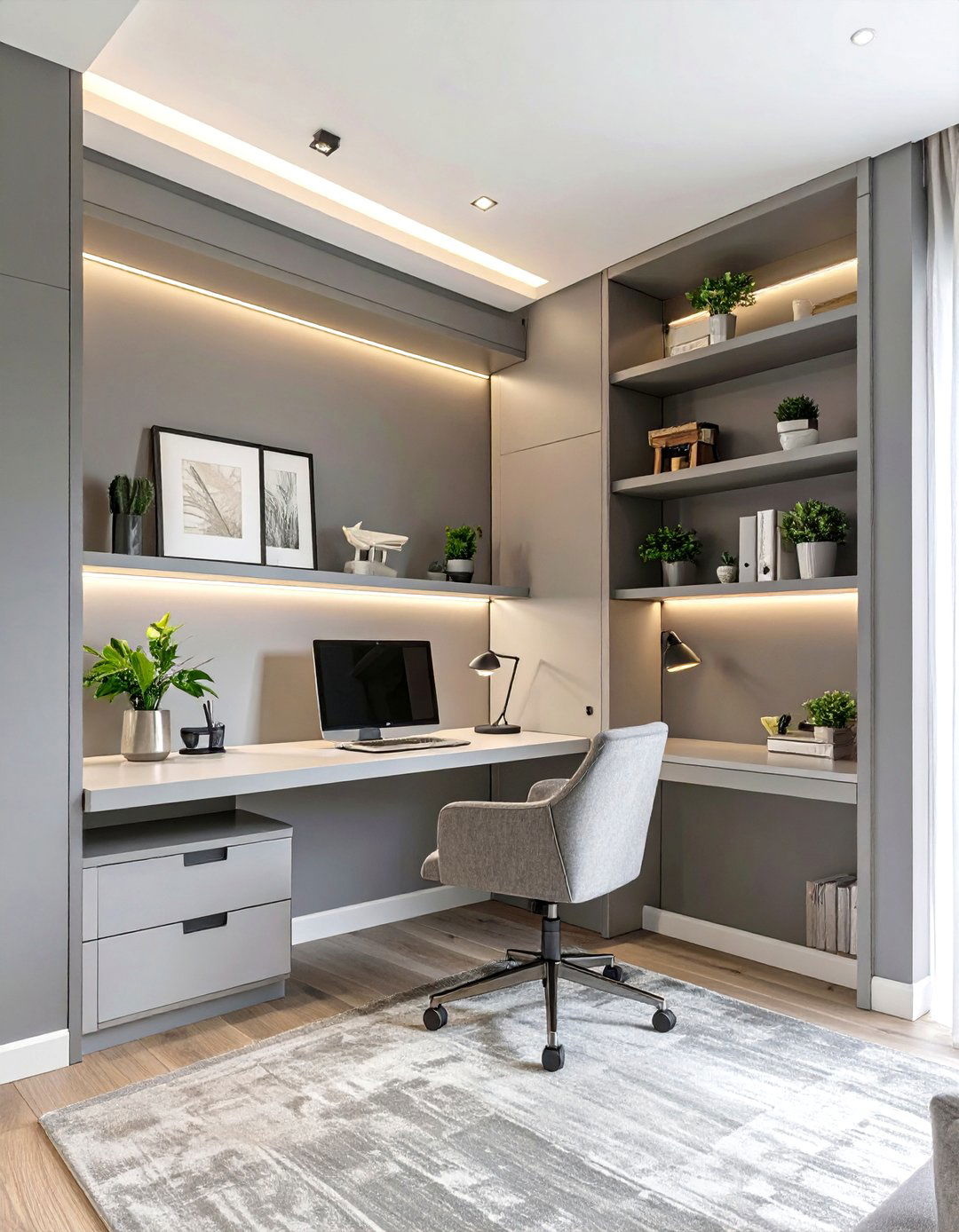
A built-in alcove or an unused architectural nook offers the perfect opportunity to create a seamless and integrated small office space. Install a desktop that fits the width of the alcove perfectly, creating a custom, high-end look. You can add floating shelves above the desk, painted the same color as the walls, to make them blend in while providing essential storage. This approach contains the entire office within a defined zone, preventing it from spilling into the main living area. It feels like an intentional part of the home's design rather than a last-minute addition, providing a tidy and sophisticated workspace solution.
11. Compact Ergonomic Chair Solution
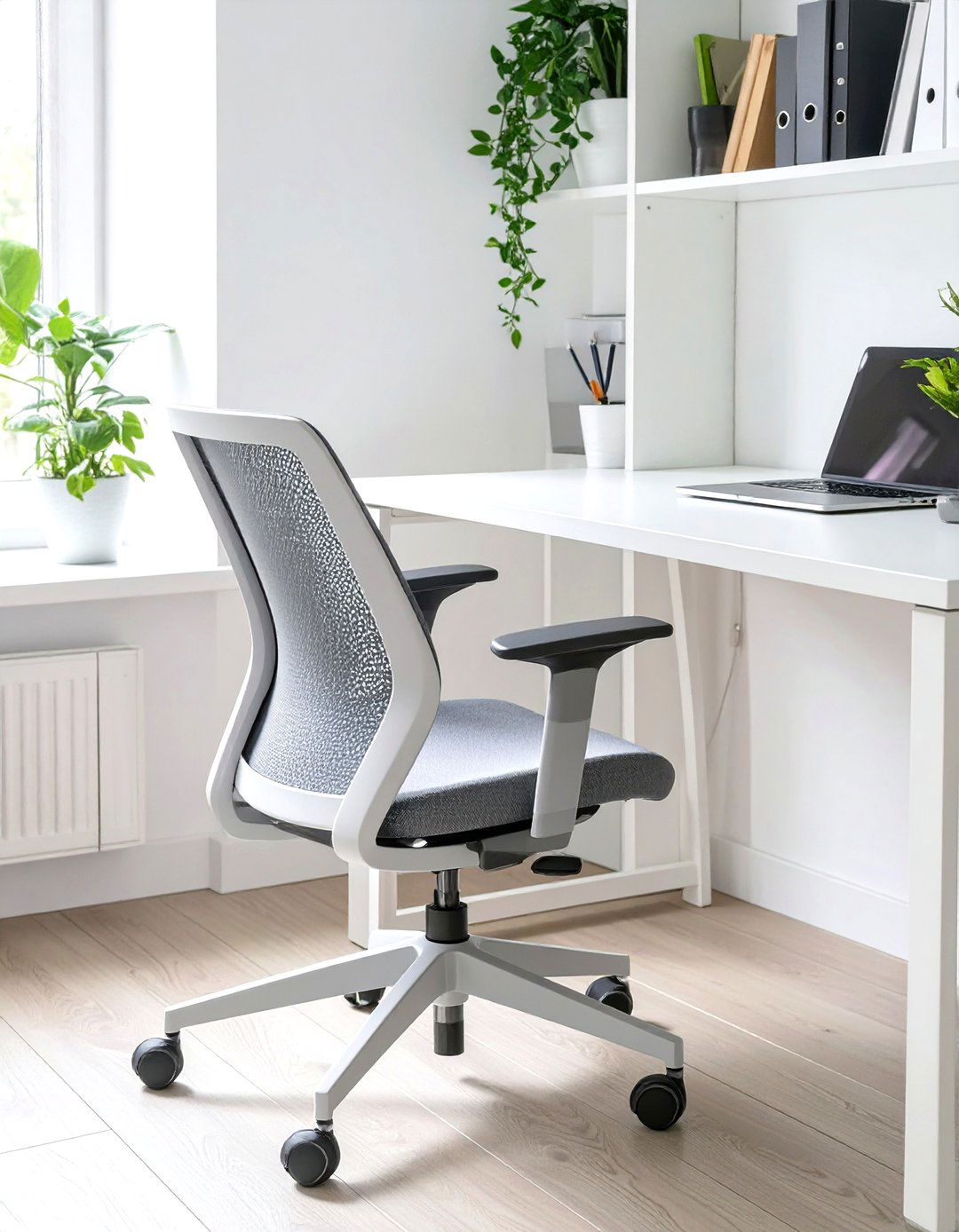
In a small office, a bulky chair can overwhelm the space. Opt for a compact ergonomic chair that provides necessary support without the massive footprint. Look for models with a slim profile, no armrests or adjustable armrests that can be flipped up, and a smaller base. A chair with a mesh back is also a great choice as its visual transparency helps it blend into the space. The right chair ensures you can work comfortably for hours without sacrificing style or valuable square footage. It’s a critical investment for both your health and the functionality of your compact workspace.
12. Using a Single Accent Wall
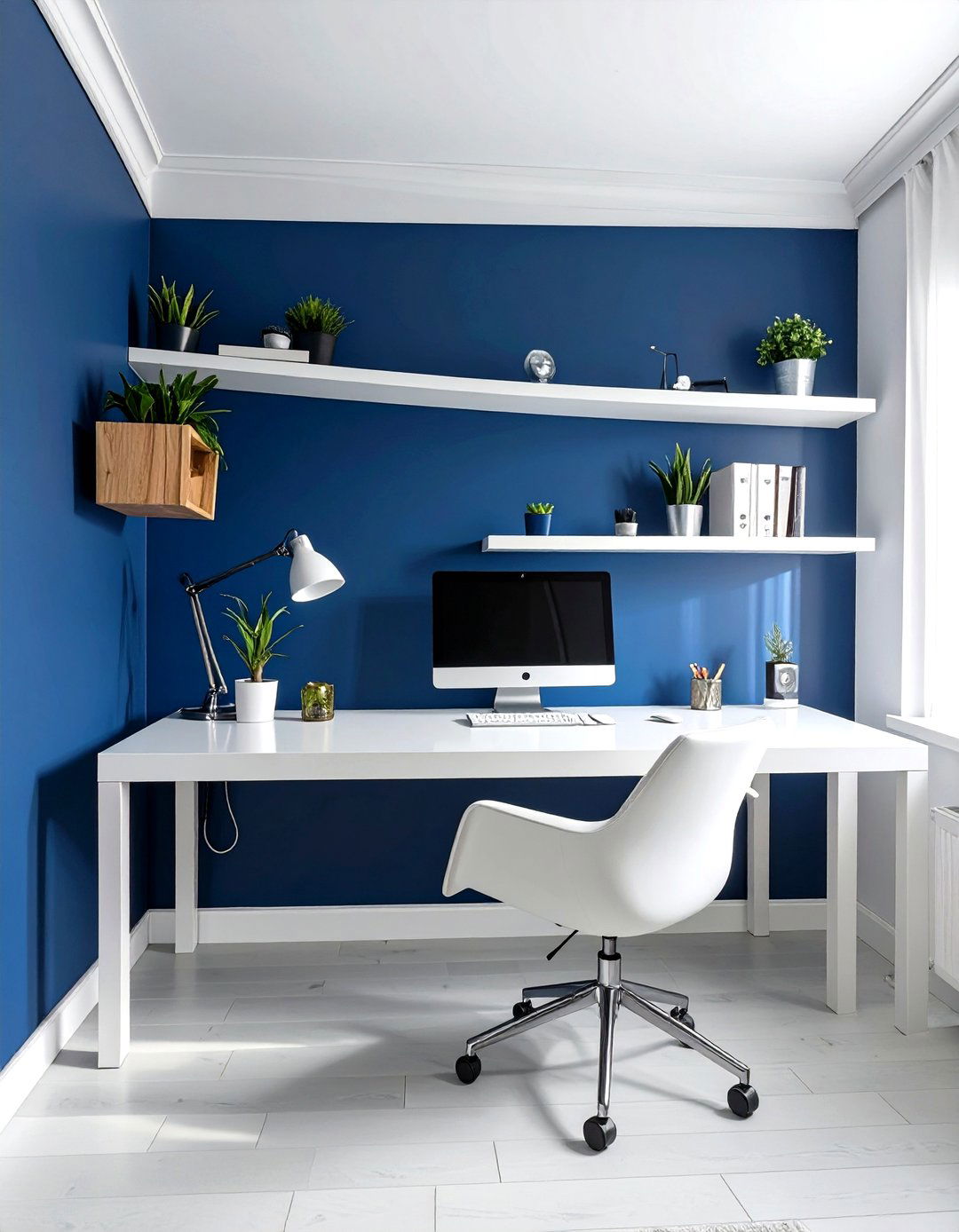
Define your small office area and add a splash of personality by creating a single accent wall. Paint the wall behind your desk a bold color or apply a stylish wallpaper pattern. This technique visually separates the workspace from the rest of the room, giving it its own distinct identity. An accent wall serves as a focal point, drawing the eye and making the space feel more curated and deliberate. It’s a high-impact, low-cost way to inject style into your office nook without adding clutter. The color or pattern can also influence your mood, so choose something that inspires creativity and focus.
13. Pegboard Wall Organizer System
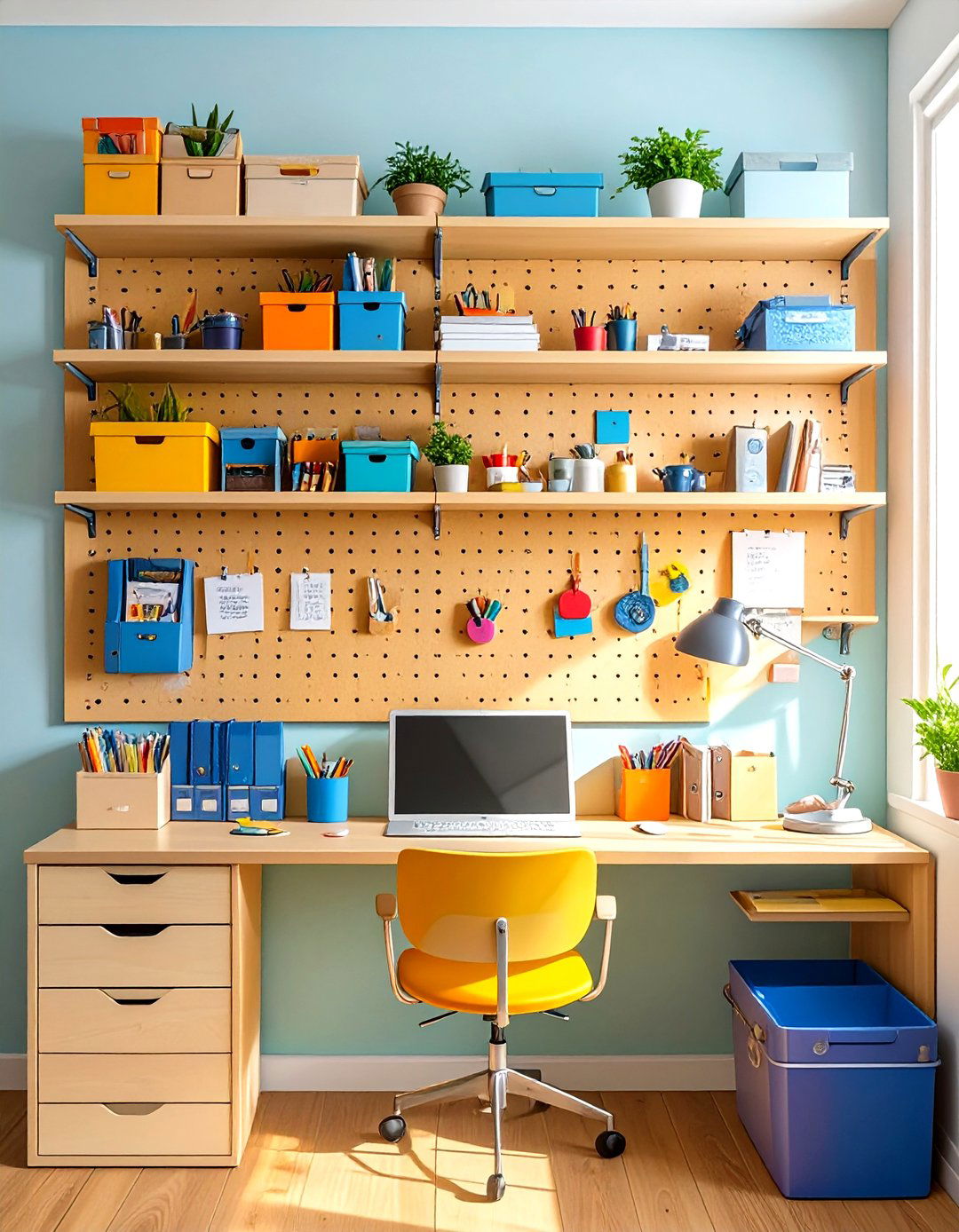
A pegboard wall organizer is an incredibly versatile and space-efficient solution for any small office. Mount a large pegboard on the wall above your desk to create customizable storage for all your supplies. Use a variety of hooks, shelves, and containers to hang everything from scissors and pens to notebooks and cables. This keeps your desktop completely clear while ensuring all your essential tools are visible and easily accessible. You can rearrange the components as your needs change, making it a flexible system that grows with you. It adds a touch of industrial-chic style while being supremely practical.
14. Slim Profile Bookshelf Divider
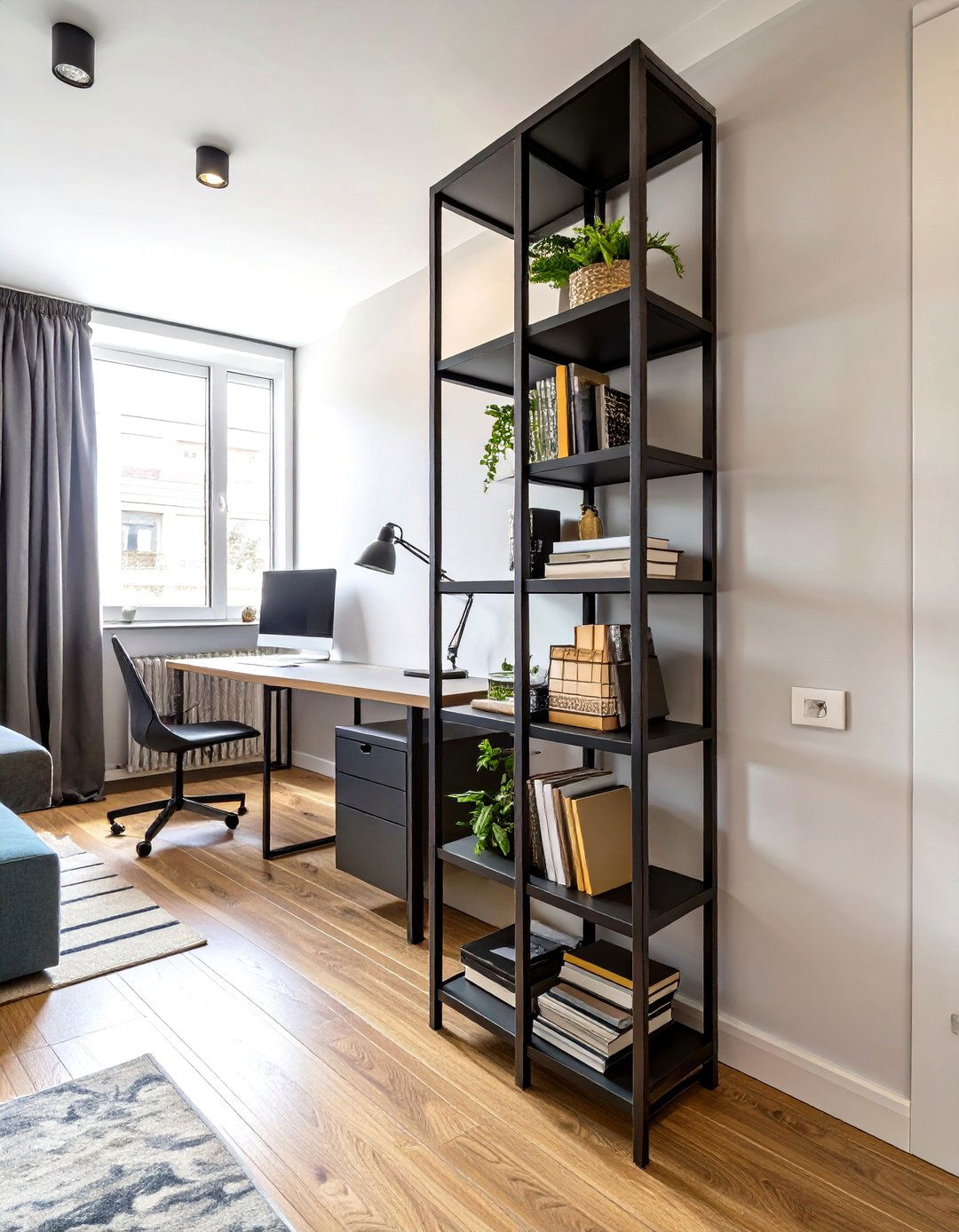
If your small office space is part of a larger room, use a slim profile bookshelf as a functional divider. Choose a tall, narrow, open-sided bookcase, like an étagère, to create a sense of separation without completely blocking light or sightlines. This maintains an open, airy feel while clearly delineating the work zone. The shelves provide valuable storage for books, files, and decorative items, serving a dual purpose. This strategy is perfect for studio apartments or open-plan living areas where you need to create a distinct office nook that feels separate yet connected to the rest of the space.


15. Light Color Palette Office Scheme
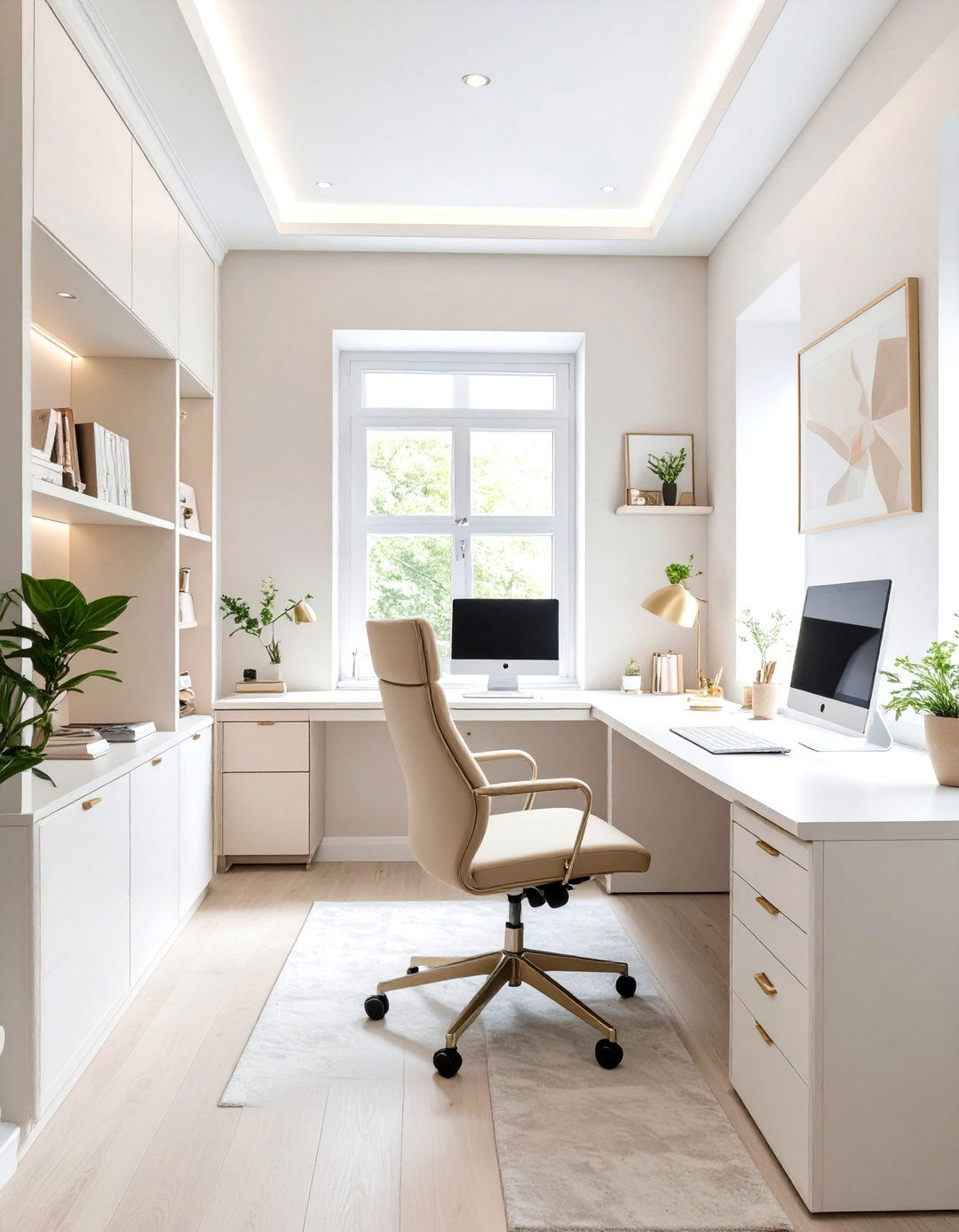
Employing a light color palette is a foundational strategy for making any small office space feel larger and more serene. Paint the walls in shades of white, soft gray, pale blue, or beige. These colors reflect light, creating a bright and airy atmosphere that combats the feeling of being confined. Extend this light palette to your furniture, choosing a white or light-wood desk and a neutral-toned chair. This monochromatic or analogous color scheme creates a cohesive and uncluttered look, allowing the mind to focus. Pops of color can be added through small accessories like plants or artwork to add personality.
16. Behind-the-Sofa Console Desk
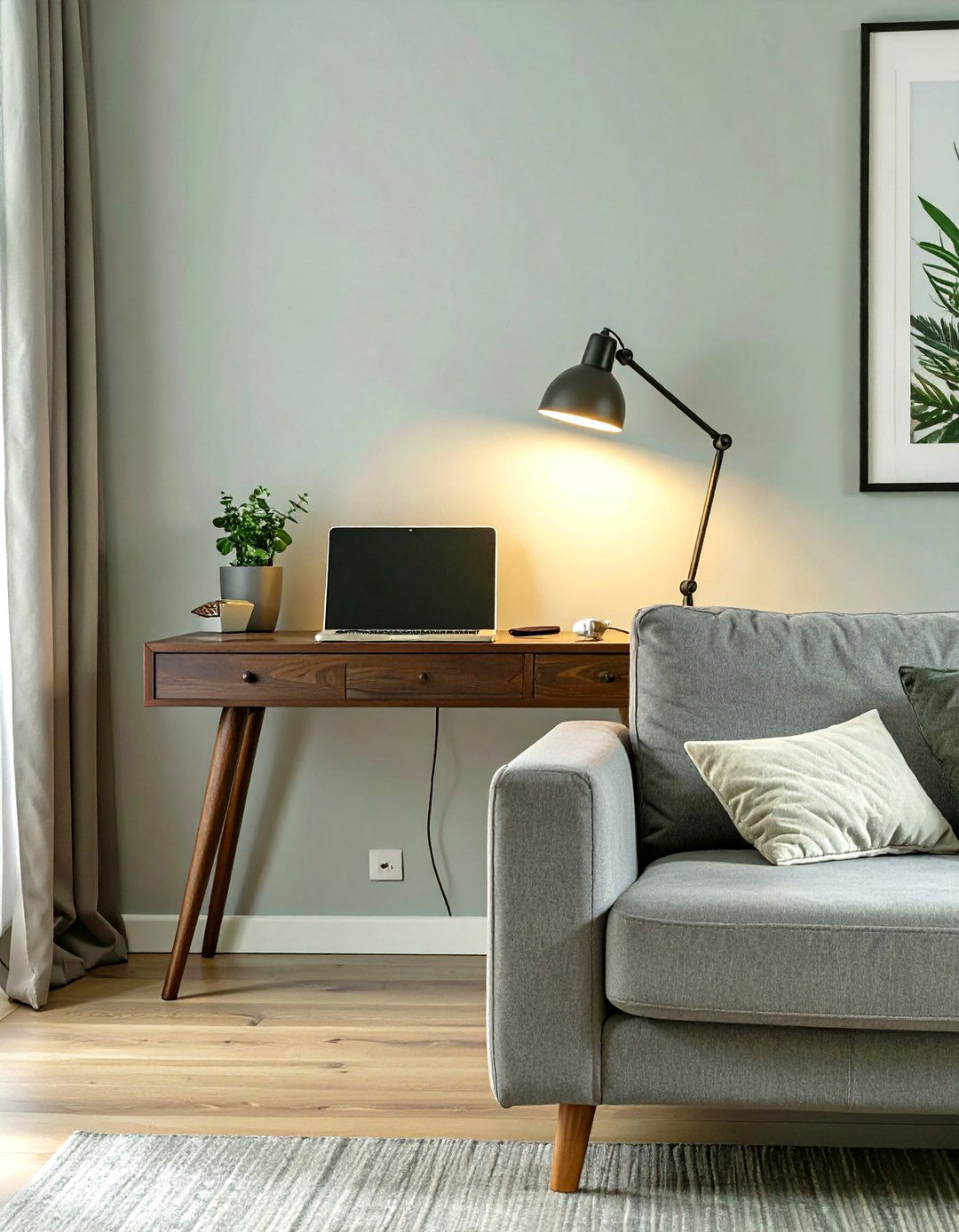
In a living room, a slim console table placed behind the sofa can double as a discreet and efficient small office space. This clever placement utilizes an often-overlooked area. Choose a console table that is desk-height and pair it with a stylish, comfortable chair that can be tucked away when not in use. This setup keeps your work life neatly contained within the living area without disrupting the room's primary function. When you're not working, the console serves its traditional purpose as a surface for lamps, photos, or decor, making it a truly multifunctional and space-saving solution for modern living.
17. Loft Bed with Integrated Desk
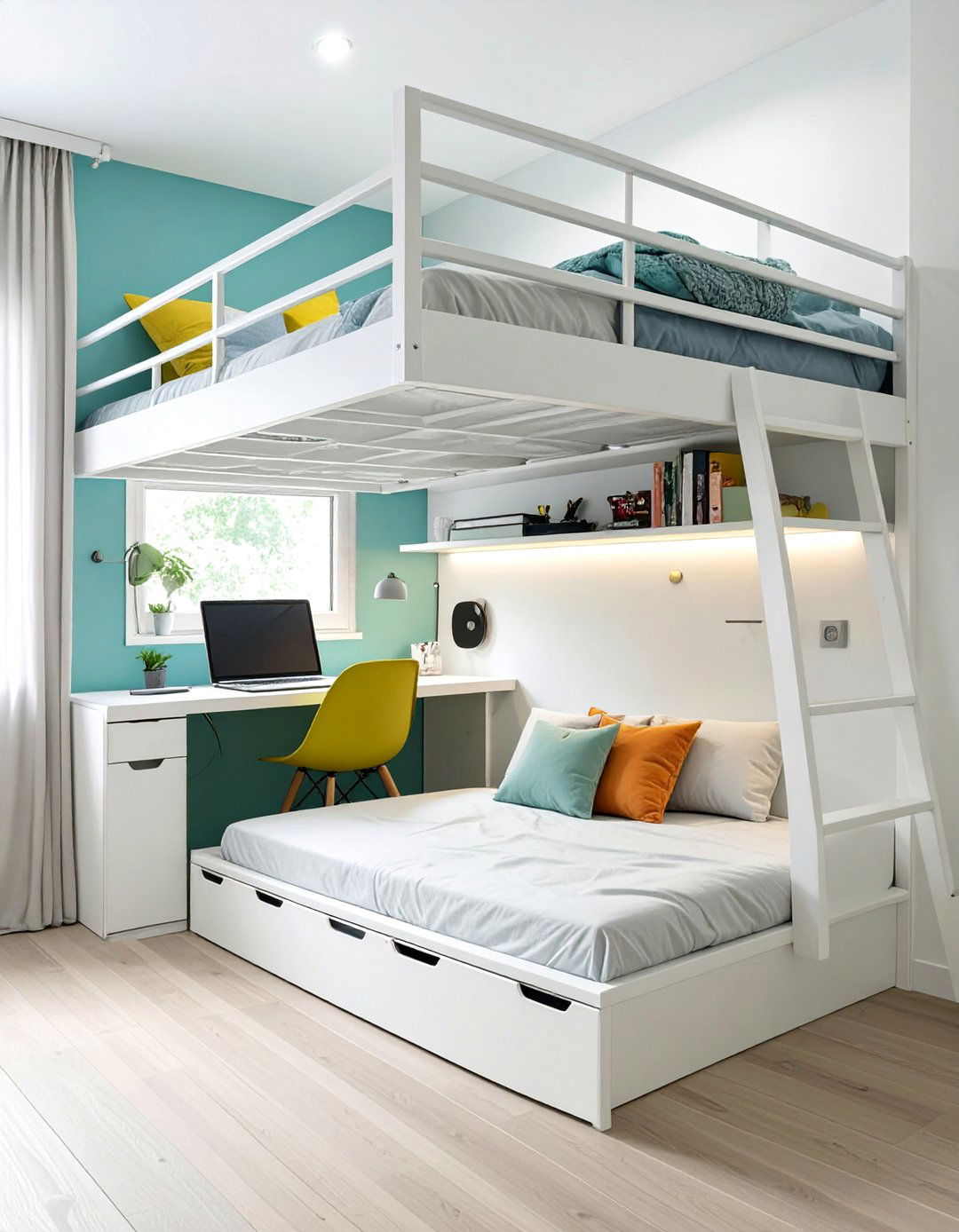
For a small bedroom or studio apartment, a loft bed with an integrated desk underneath is a masterclass in space optimization. This single piece of furniture combines your sleeping and working areas, freeing up valuable floor space for other activities. The area under the elevated bed provides a cozy and defined office nook, complete with a built-in desk and often shelves or storage drawers. This all-in-one solution is perfect for students or anyone living in a tight space, ensuring that every vertical and horizontal inch is used effectively without sacrificing comfort or functionality for either sleeping or working.
18. Mobile Office Cart for Flexibility
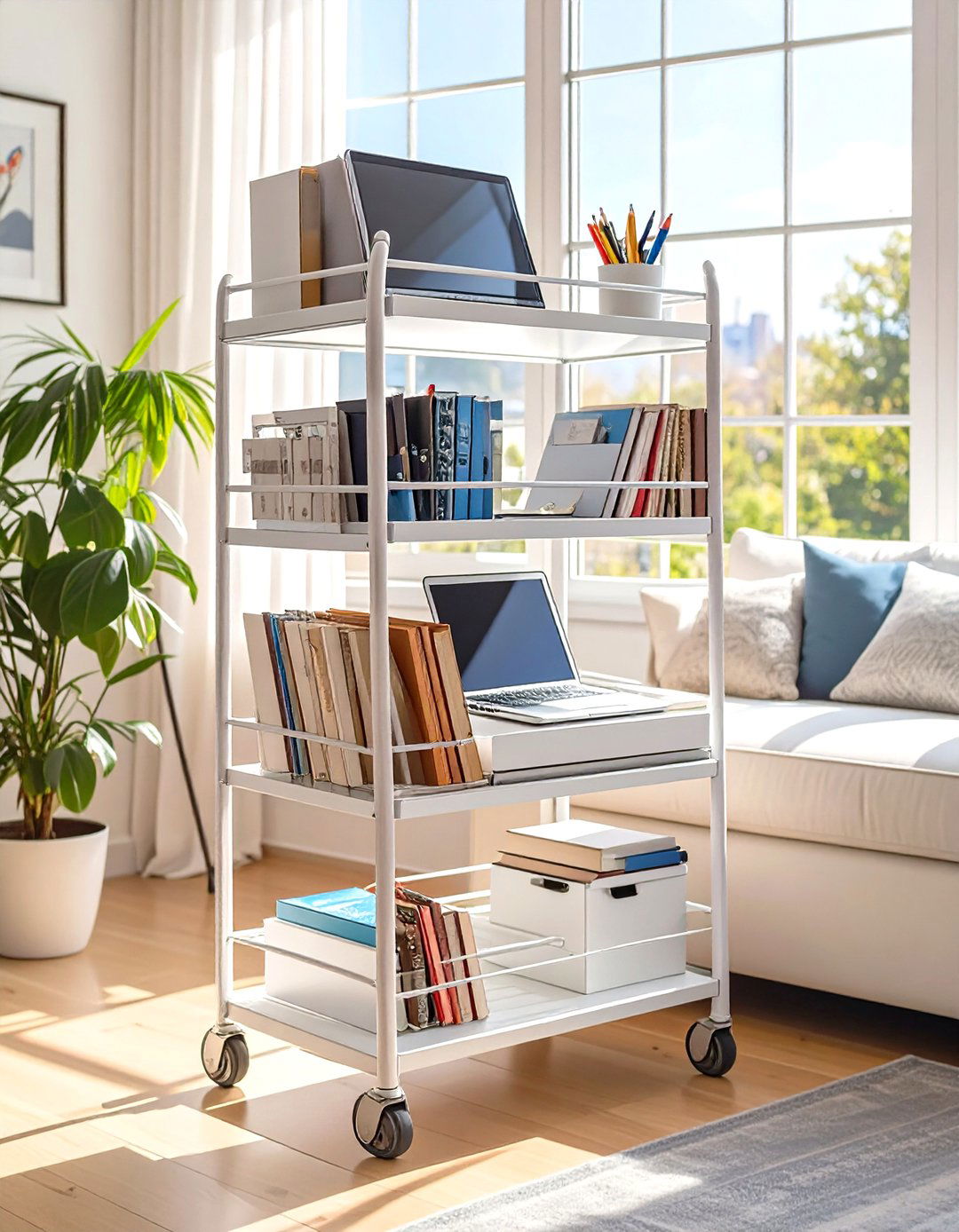
A mobile office cart provides ultimate flexibility for those who don't have a dedicated room for an office. Use a multi-tiered rolling cart to store your laptop, planner, pens, and other essential supplies. You can easily roll it to wherever you want to work—the kitchen table, the living room sofa, or a quiet corner—and then roll it away into a closet or out of sight at the end of the day. This "office in a box" approach prevents work clutter from taking over your living spaces and is perfect for people who enjoy changing their work environment frequently.
19. Wall-Mounted Monitor and Keyboard Tray
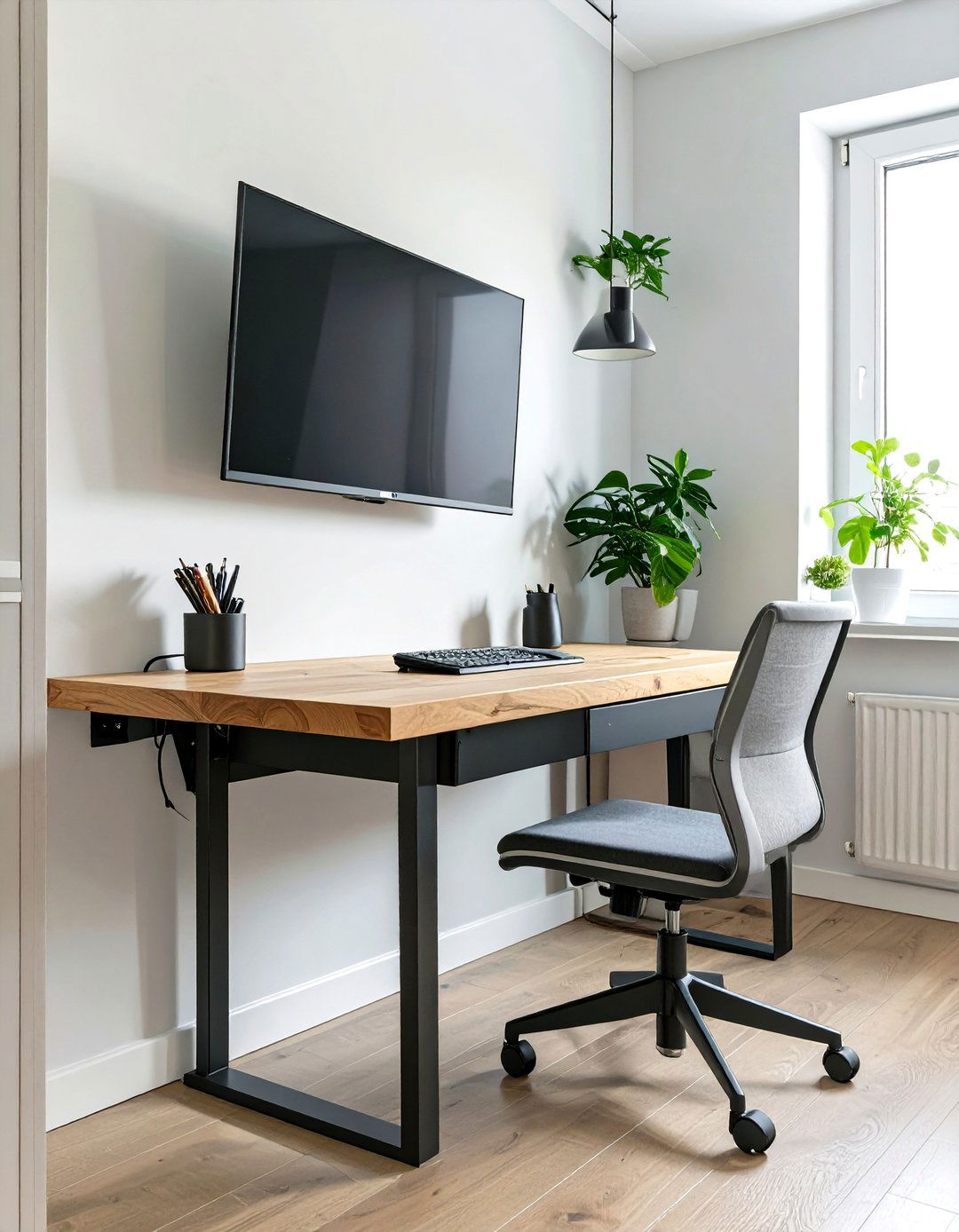
To achieve an ultra-minimalist small office setup, mount your computer monitor directly to the wall. This eliminates the need for a bulky monitor stand and frees up your entire desk surface. Pair this with a pull-out keyboard tray installed underneath the desk. This allows you to slide your keyboard and mouse out of sight when they are not in use, leaving you with a completely clear surface for writing, sketching, or other non-computer tasks. This streamlined configuration maximizes usable desk space and contributes to a clean, modern aesthetic that is perfect for very small work areas.

20. Under-Desk Storage Solutions
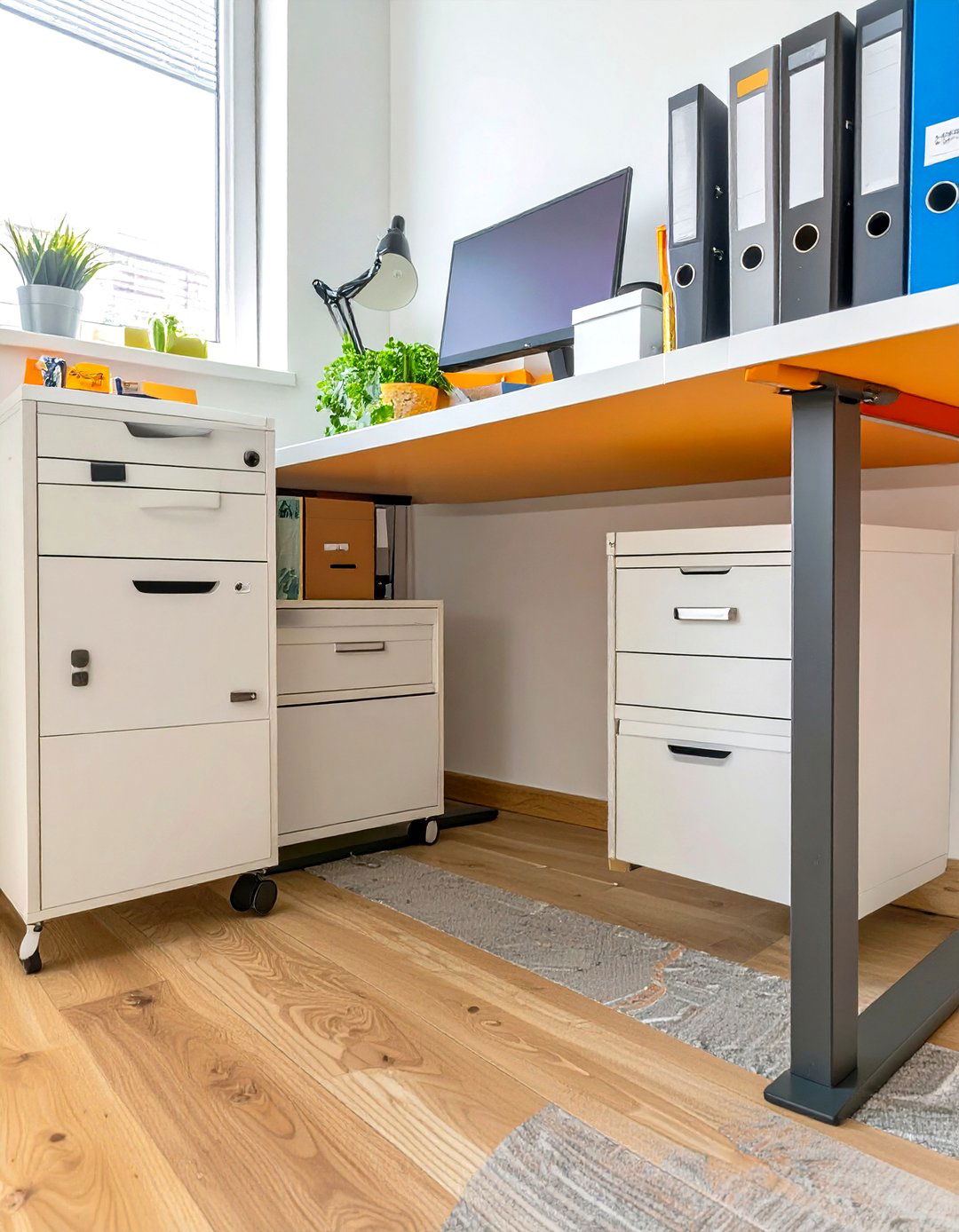
Keep your small office space tidy by maximizing the storage potential underneath your desk. Use a small, wheeled filing cabinet that can be easily tucked away. These often have a combination of drawers for files and smaller items like stationery. Another great option is to add shelves or stackable storage boxes under the desk to hold papers, tech accessories, or other supplies. By utilizing this often-neglected space, you can keep your desktop clear of clutter, which is essential for maintaining focus and a sense of order in a compact work environment. This keeps necessities close but out of sight.
21. Utilizing Awkward Room Geometry
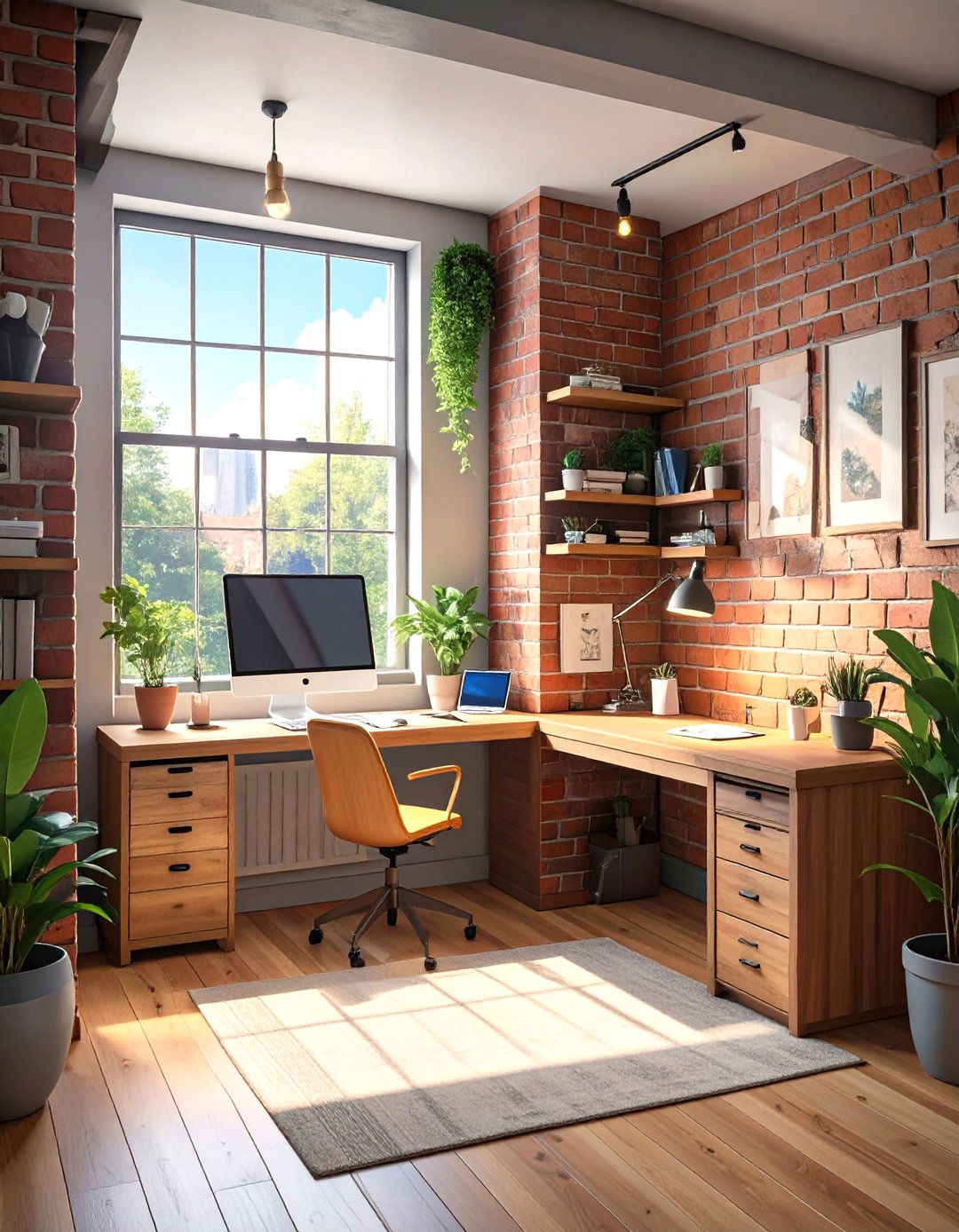
Every home has an awkward corner or an odd bit of wall that seems unusable. Turn this architectural quirk into a feature by designing a small office space around it. A shallow nook can become the perfect spot for a narrow floating desk and a few shelves. The space beside a chimney breast or between two windows can be transformed with a custom-built work surface. Embracing the room's unique geometry rather than fighting it can result in a creative and highly personalized office that feels intentionally designed. This approach adds character and makes the most of every single inch of your available space.
22. Dual-Purpose Dining Table Workspace
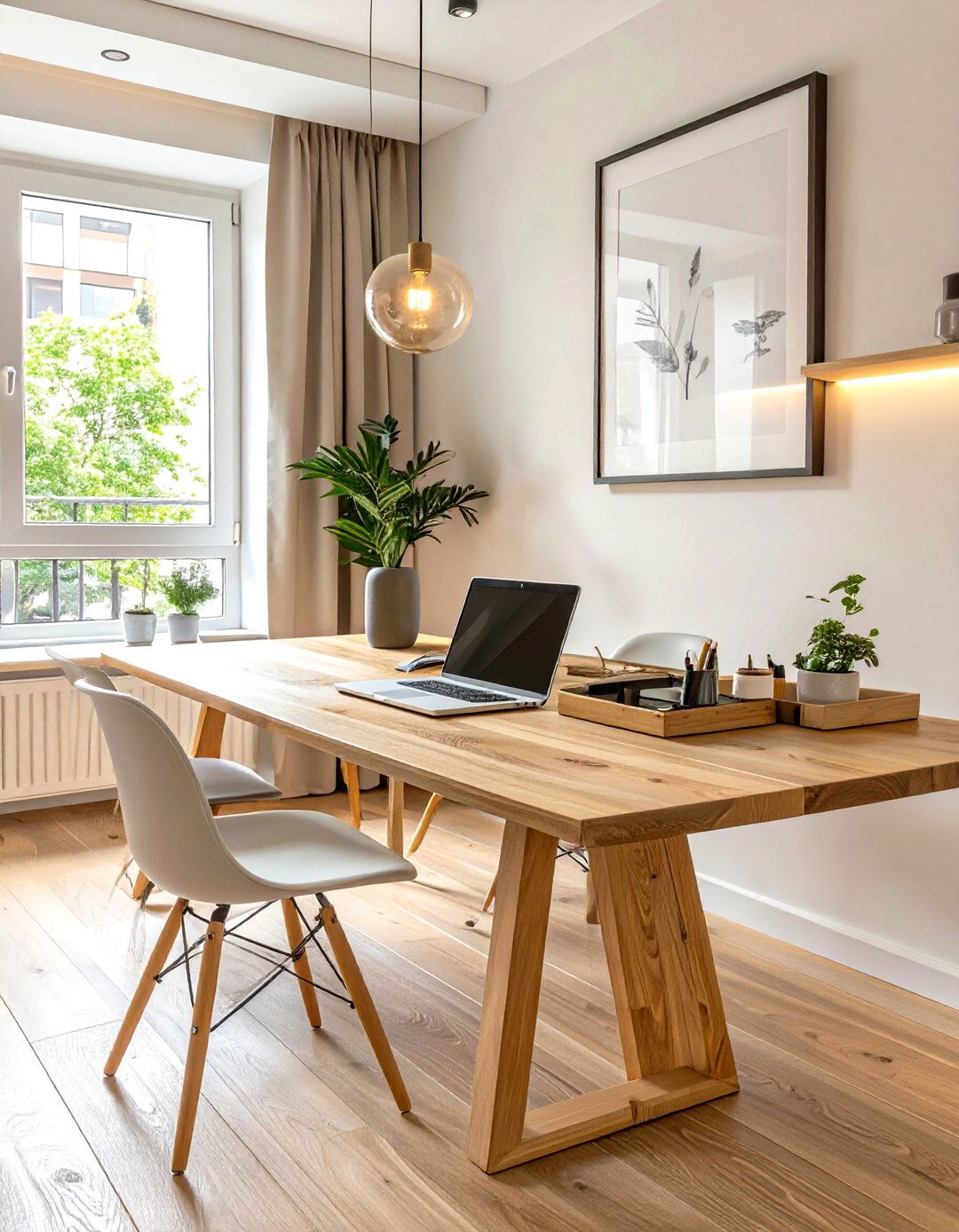
For many living in small homes or apartments, the dining table must also serve as the office. To make this work effectively, designate one end of the table for work and keep it organized with a stylish desk caddy or tray. This caddy can hold your laptop, notebook, and pens, and can be easily moved aside during mealtimes. Investing in comfortable dining chairs that can double as work chairs is also key. This dual-purpose strategy requires discipline in tidying up at the end of the workday, but it's a practical way to have both a functional workspace and an inviting dining area.
23. Bay Window Bench Desk
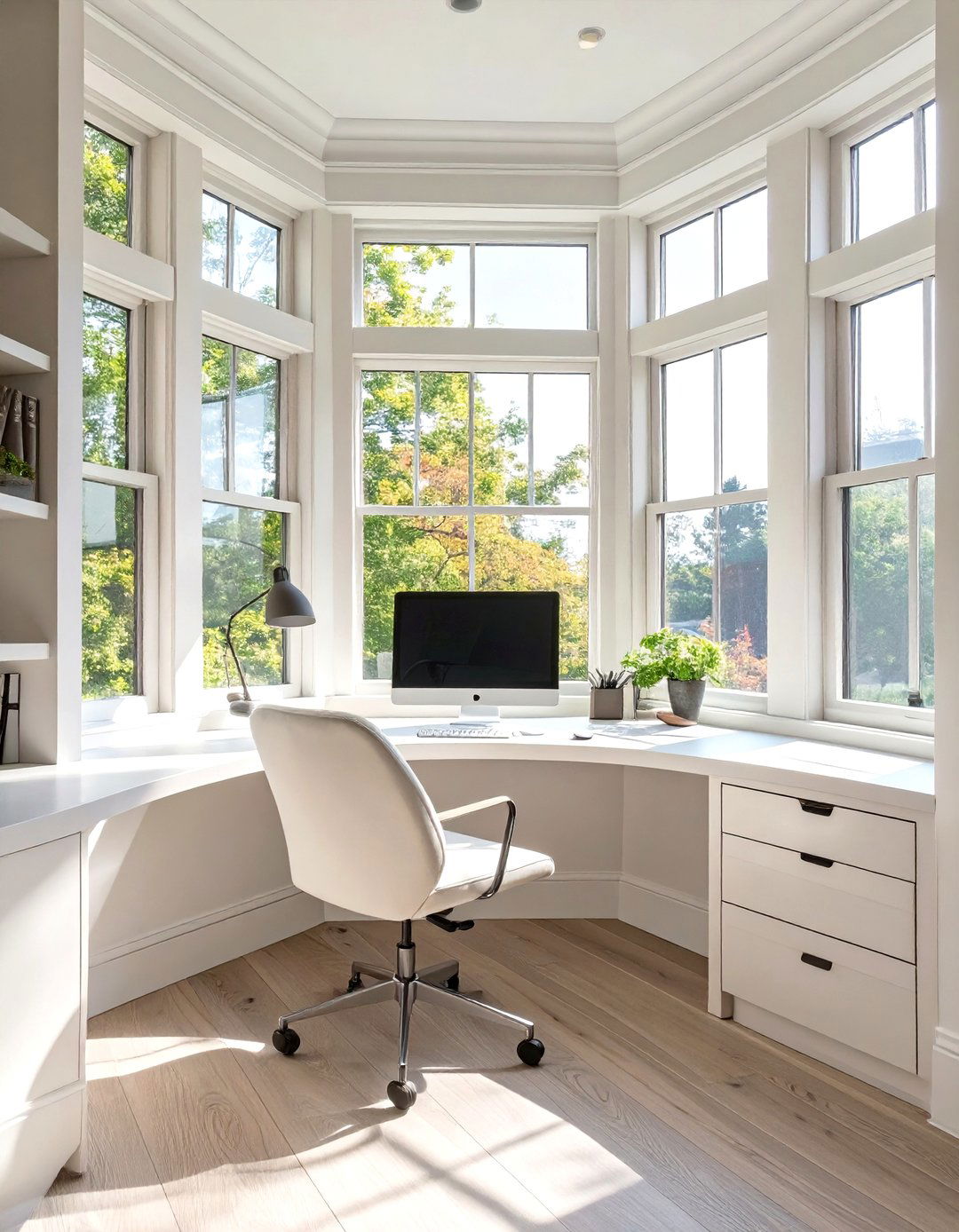
A bay window can be more than just a pretty feature; it can be a bright and inspiring small office space. If you have a bay window with a built-in bench, you can use it as your seating and simply pull up a small, height-appropriate table or rolling laptop stand. Alternatively, you can have a custom desk built to fit perfectly into the bay window alcove. This floods your workspace with natural light and provides a panoramic view, which can make work feel less confining. It’s a beautiful way to integrate your office into your home's architecture while creating a pleasant work environment.
24. Hidden Office Inside an Armoire
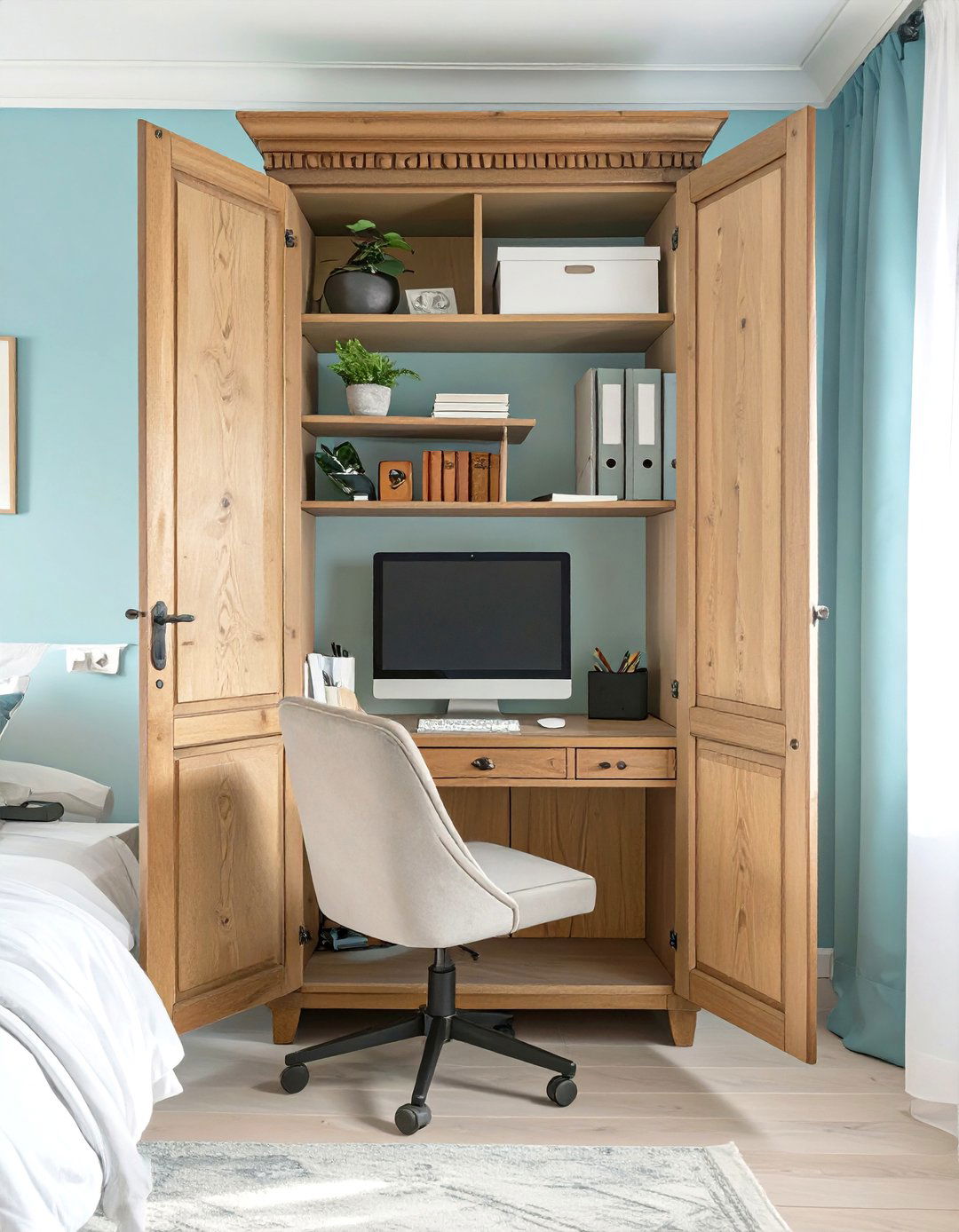
An armoire or a large cabinet can be cleverly converted into a complete, self-contained small office space. This "office in a cabinet" is the ultimate solution for hiding work clutter in a living room or bedroom. The interior can be outfitted with a pull-out shelf for a keyboard, a fixed shelf for a monitor, and smaller compartments for supplies. You can even install a power strip inside for easy-to-manage wiring. At the end of the workday, simply close the doors, and your office completely disappears, restoring a calm and uncluttered atmosphere to your living space.
25. Focused Task Lighting Implementation

In a small office, proper lighting is not a luxury; it's a necessity. Good lighting prevents eye strain and can make the space feel larger. Instead of relying on a single overhead light, implement focused task lighting. A slim LED desk lamp provides bright, direct light onto your work surface without taking up much space. For an even more streamlined solution, consider a wall-mounted sconce with an adjustable arm, which can be positioned exactly where you need it. Under-cabinet lighting installed beneath shelves can also illuminate your desk and add a warm, ambient glow to the entire nook.
26. Using Leggy, Open-Base Furniture
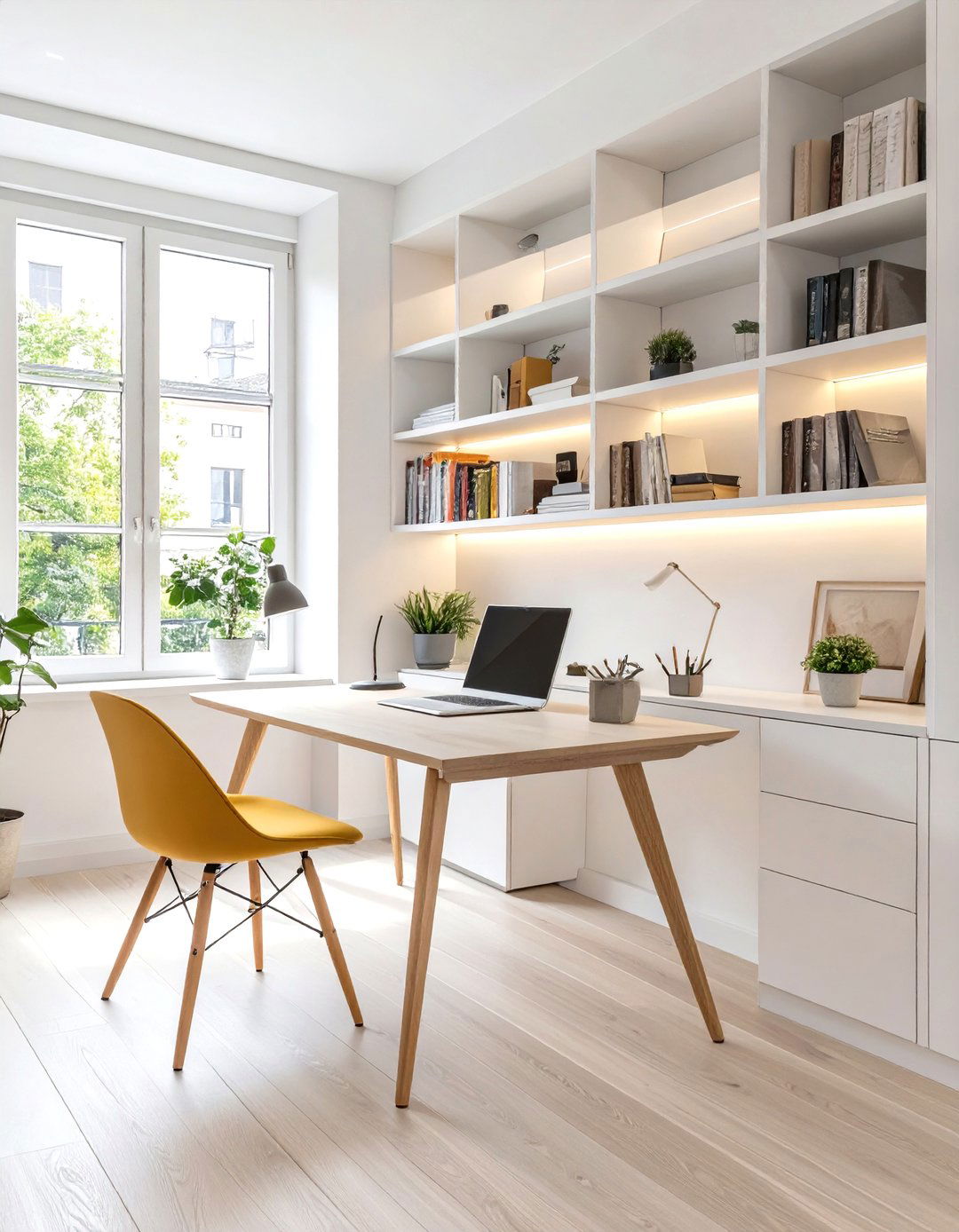
To create a feeling of spaciousness in a small office, choose furniture with "leggy" or open-base designs. A desk with slender legs, rather than solid side panels, allows you to see more of the floor, which creates an illusion of a larger area. The same principle applies to chairs and storage units. An open-shelf bookcase feels much lighter and less imposing than a solid cabinet. This style of furniture promotes a sense of airiness and prevents the room from feeling weighed down by bulky items, making it a smart choice for any compact workspace looking to maximize its perceived size.
27. Office Space with Biophilic Design
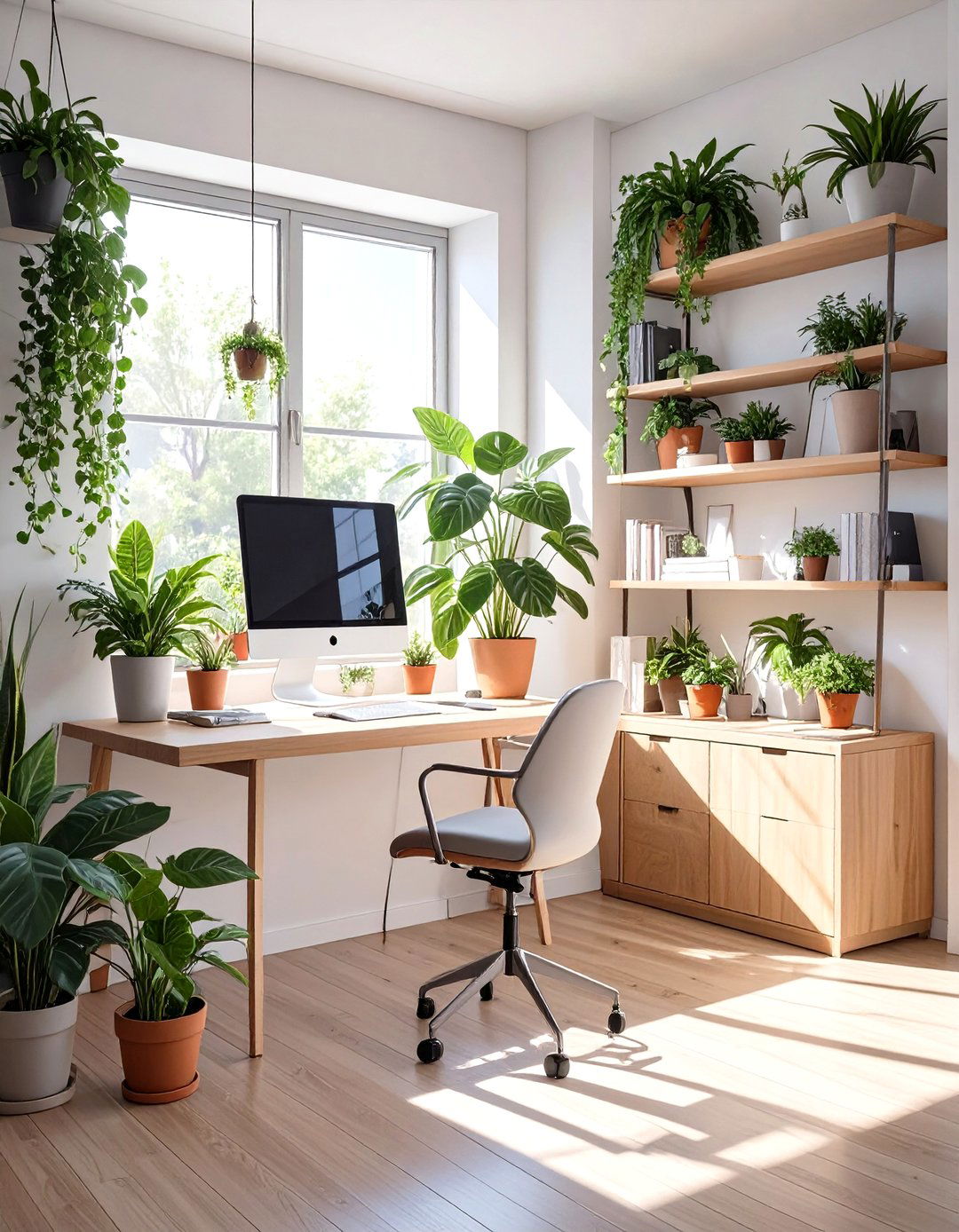
Bring the calming influence of nature into your small office space with biophilic design elements. Even in a tiny area, adding a few plants can boost your mood, improve air quality, and increase productivity. Place a small potted plant on your desk, hang a trailing plant from a shelf, or mount a small vertical garden on the wall. Opt for low-maintenance varieties like snake plants or pothos. Using natural materials like a wood-grain desk or a woven storage basket also contributes to this nature-inspired aesthetic. These simple touches can make your compact workspace feel like a fresh, rejuvenating retreat.
28. Smart Cable Management System
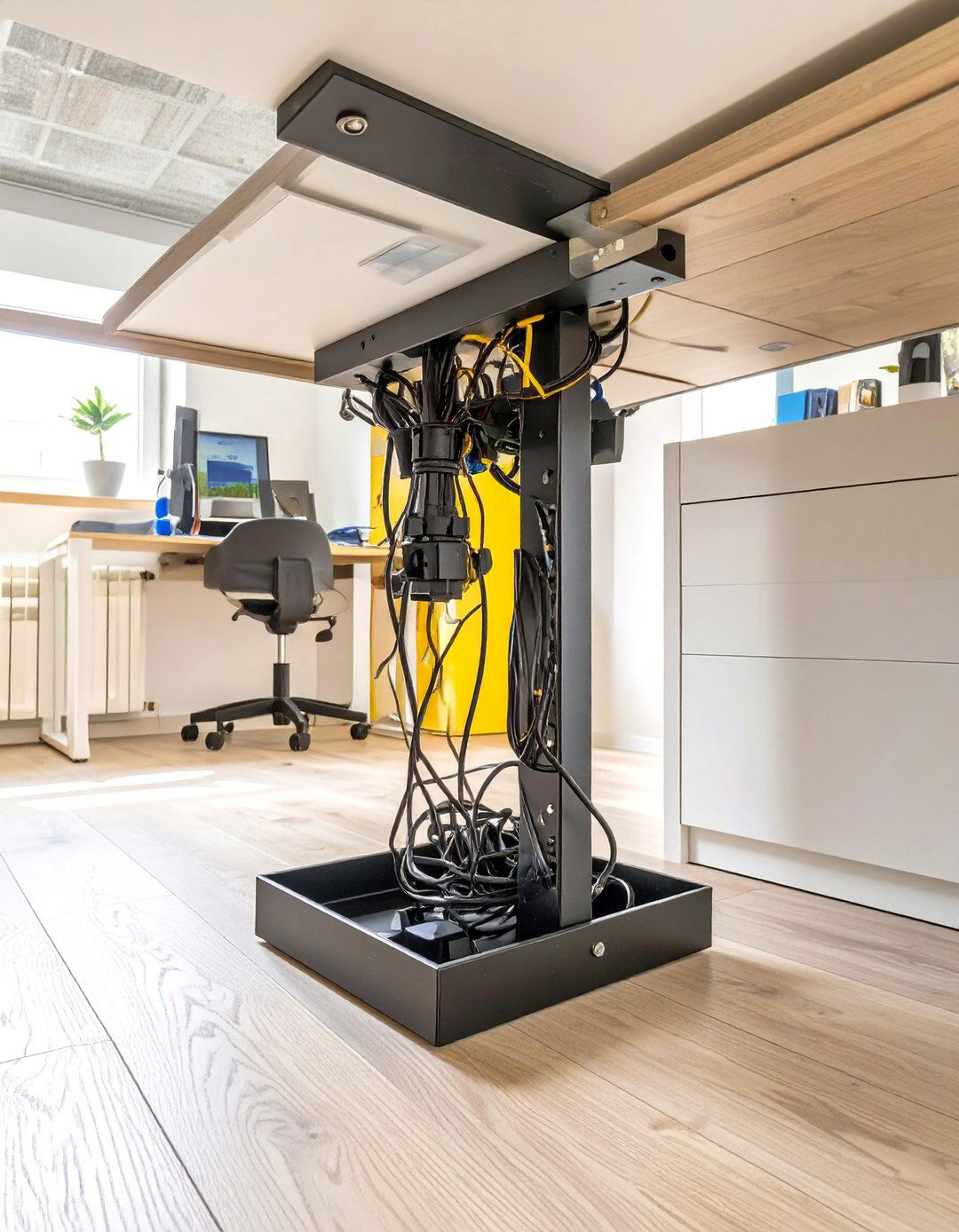
Visible, tangled cables can make a small office space look instantly chaotic and cluttered. Implementing a smart cable management system is crucial for maintaining a clean and organized look. Use adhesive cable clips to run wires along the back edge of your desk or down a desk leg. A cable management box or tray can be mounted to the underside of your desk to hold a power strip and conceal all the messy plugs and adapters. Bundling cables together with zip ties or Velcro straps is another simple yet effective trick. A tidy tech setup contributes significantly to a focused and serene work environment.
29. Monochromatic Color Scheme Office
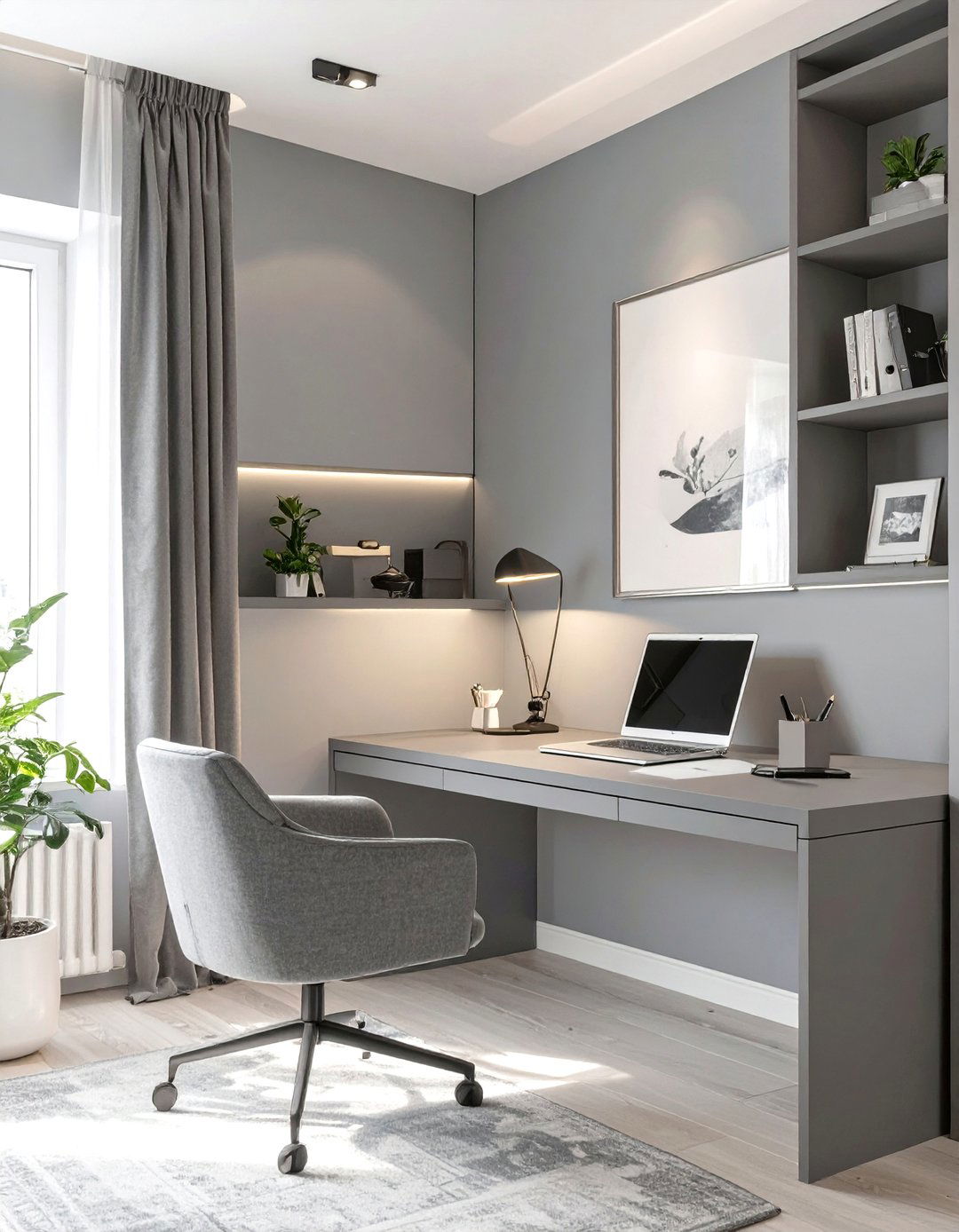
A monochromatic color scheme can work wonders in a small office space by creating a sense of cohesion and serenity. Sticking to varying shades, tints, and tones of a single color—such as different shades of gray, blue, or even a warm beige—can make the space feel less busy and more expansive. This unified look helps to blur the boundaries of the room, tricking the eye into perceiving a larger area. It creates a sophisticated and calming backdrop that minimizes visual distractions, allowing you to focus better on your tasks. It’s a simple yet powerful design strategy for a polished and spacious-feeling office.
30. Floating Shelves as a Desk
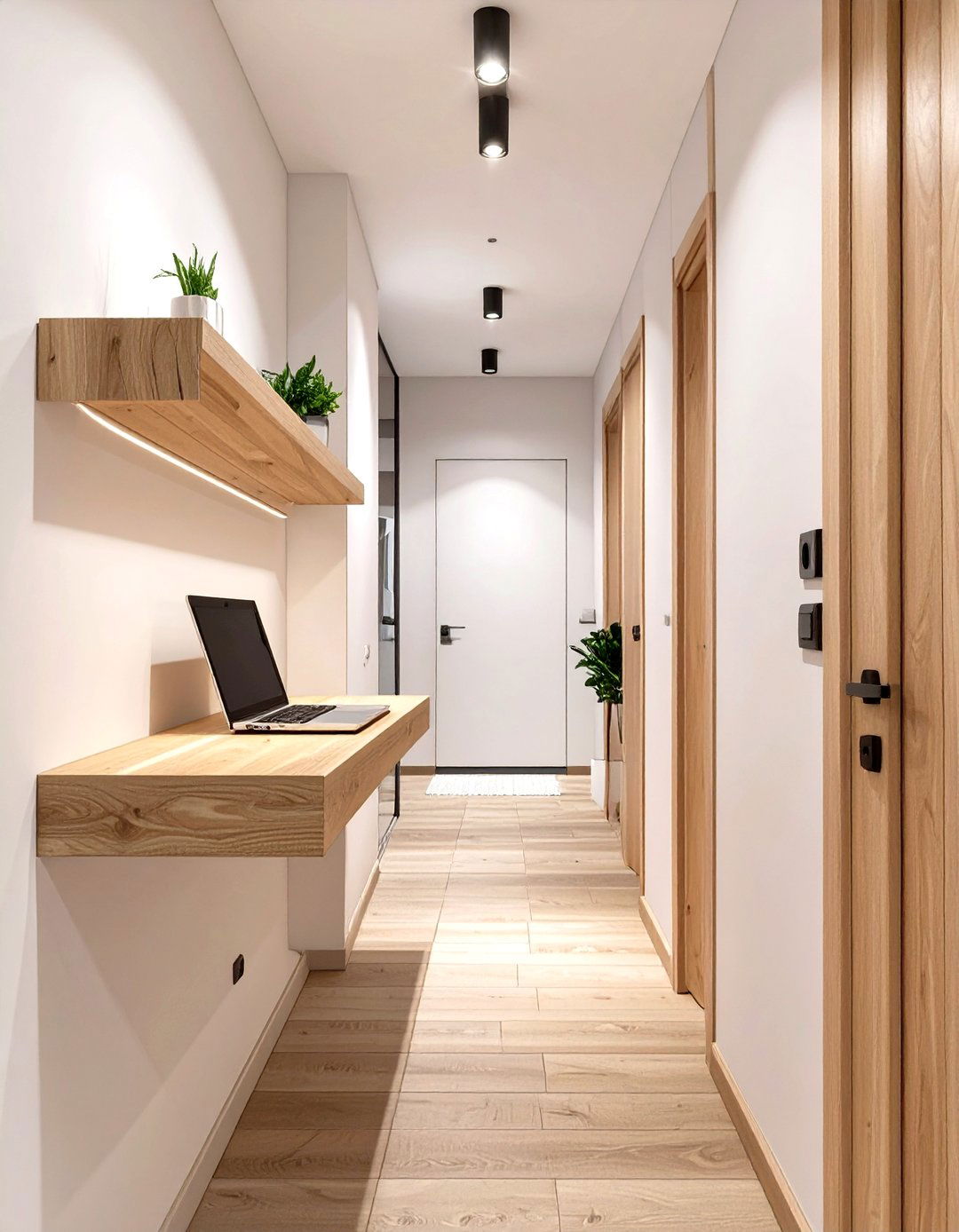
For the most minimalist and space-conscious small office, you can use a single, deep floating shelf as your desk. This works particularly well in a narrow hallway or a small bedroom corner. Ensure the shelf is installed securely into the wall studs to support the weight of your laptop and your arms. This "desk" has no legs to get in the way, maximizing the floor space underneath for a small stool, a storage bin, or simply open space. Combine it with a few shallower floating shelves above for storage to complete the look. This is a sleek, modern, and ultra-functional solution for tiny living.
Conclusion:
Ultimately, creating a functional small office space is an exercise in creativity and smart planning. The key is to think vertically, choose multi-purpose furniture, and maintain an organized, clutter-free environment. By implementing ideas like wall-mounted desks, clever storage solutions, and strategic use of light and color, even the tiniest nook can become a comfortable and productive workspace. It’s not about the square footage you have, but how effectively you use it to build a space that supports your focus and inspires your best work, proving that great things can indeed come in small packages.

Related posts:


Leave a Reply