
Transforming a compact outdoor area into a beautiful and functional retreat is an exciting challenge. Small landscaping doesn't mean sacrificing style or utility; it's about making smart, creative choices. With the right approach, even the tiniest patio, balcony, or yard can become a lush, inviting oasis. These ideas focus on maximizing space, creating visual interest, and adding personal touches to make your small landscape feel grand. From vertical plantings to clever seating solutions, there are countless ways to enhance your outdoor living experience, proving that great design can flourish in any footprint, making every square inch count.
1. Small Landscaping with Vertical Gardens
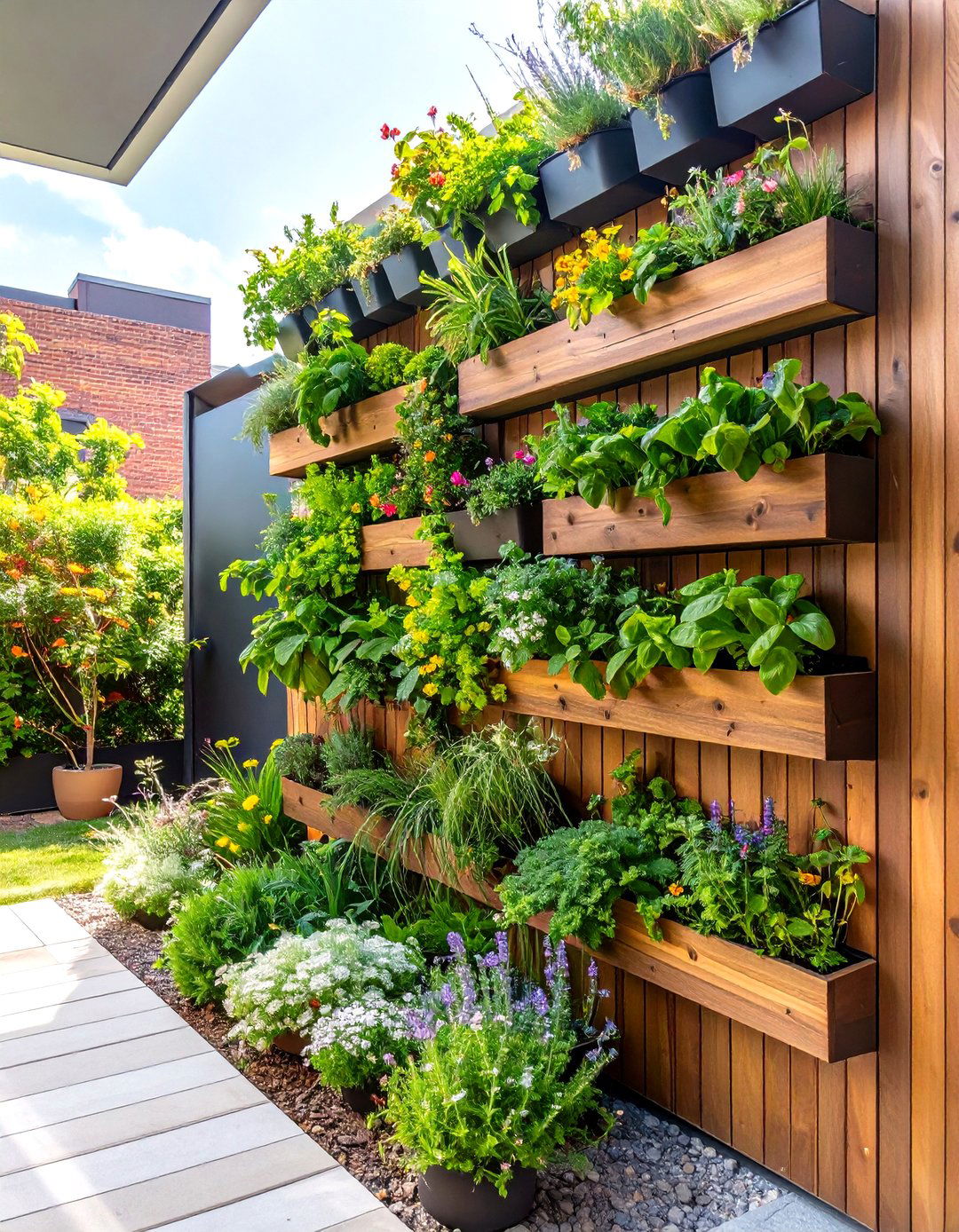
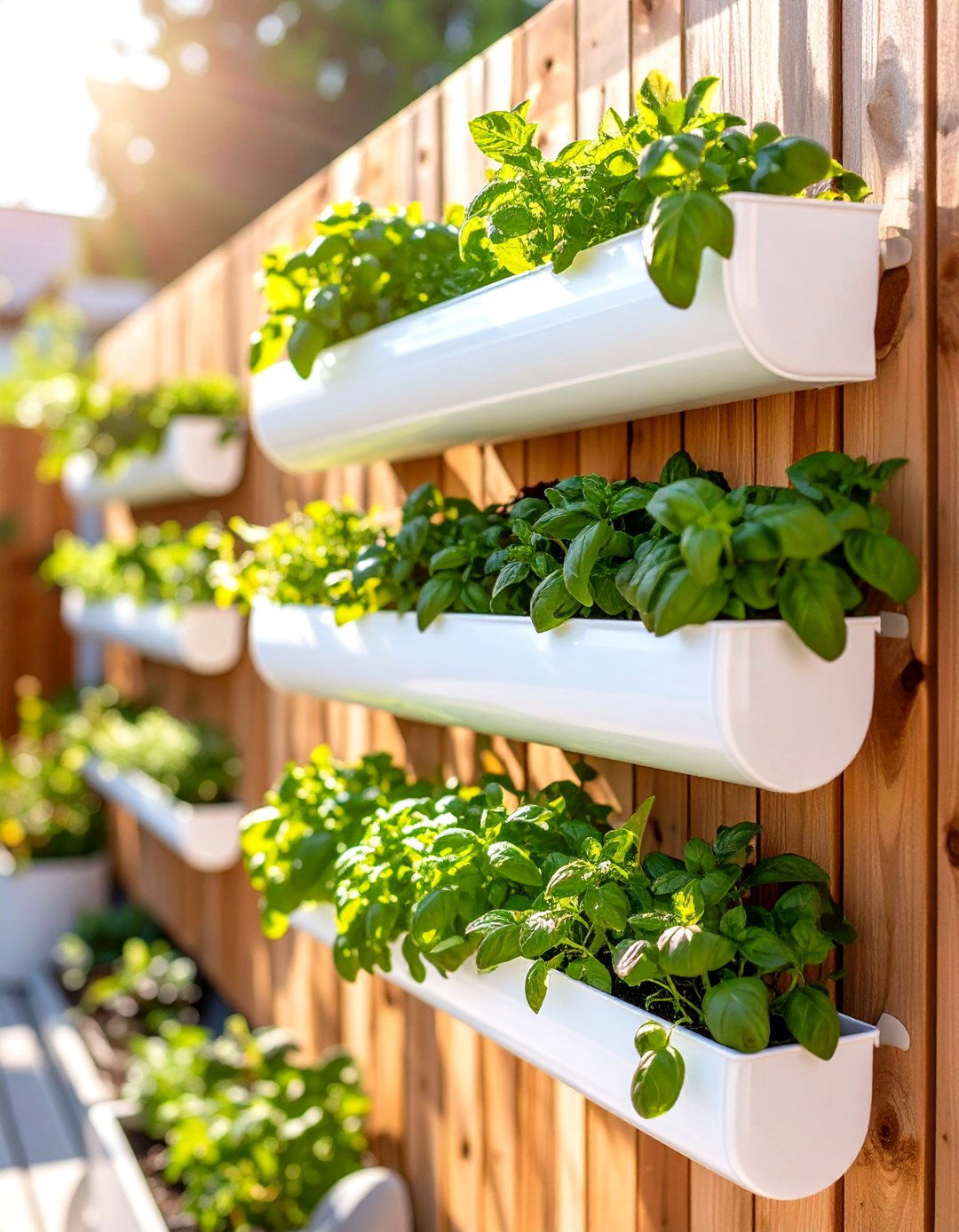
A vertical garden is an excellent solution for maximizing planting space in a compact yard. By growing upwards, you can cultivate a variety of herbs, flowers, or even small vegetables without consuming valuable floor area. This approach draws the eye upward, creating an illusion of a larger space while adding a lush, green backdrop. Consider using wall-mounted planters, a trellis with climbing vines, or a repurposed pallet to construct your vertical display. This method not only beautifies a plain wall or fence but also makes gardening more accessible, bringing your plants to a convenient height for watering and care.
2. Small Landscaping with Container Gardening
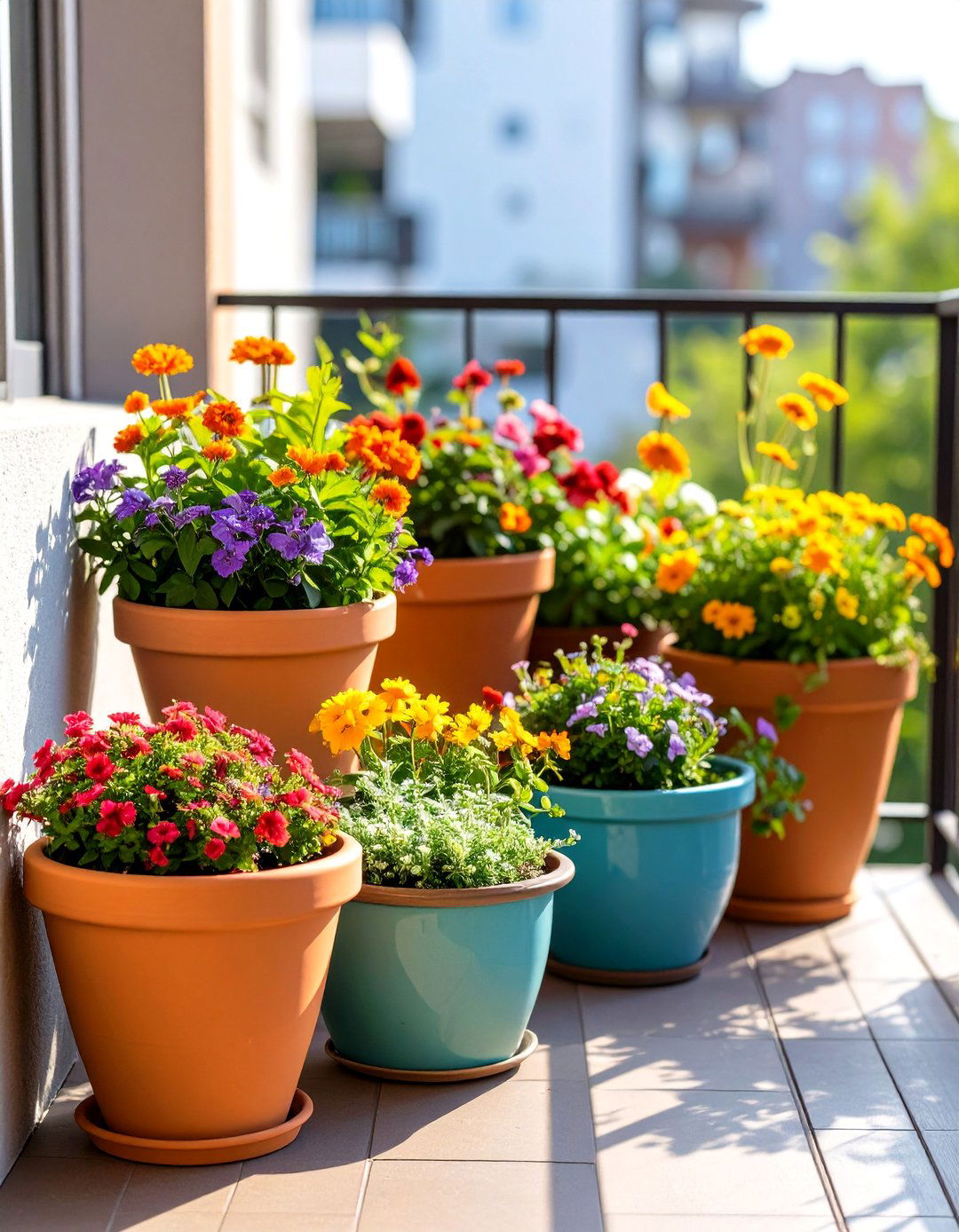
Container gardening offers ultimate flexibility for small outdoor spaces. Using an assortment of pots, planters, and window boxes allows you to introduce color, texture, and life to patios, balconies, and tiny yards. You can easily rearrange your containers to refresh the look of your space or move them to optimize sunlight exposure. This method enables you to grow a diverse range of plants, from vibrant annuals to dwarf shrubs and citrus trees. Grouping pots of varying sizes and heights creates a dynamic, layered look, turning a simple corner into a compelling focal point with minimal permanent commitment.
3. Small Landscaping with Raised Garden Beds
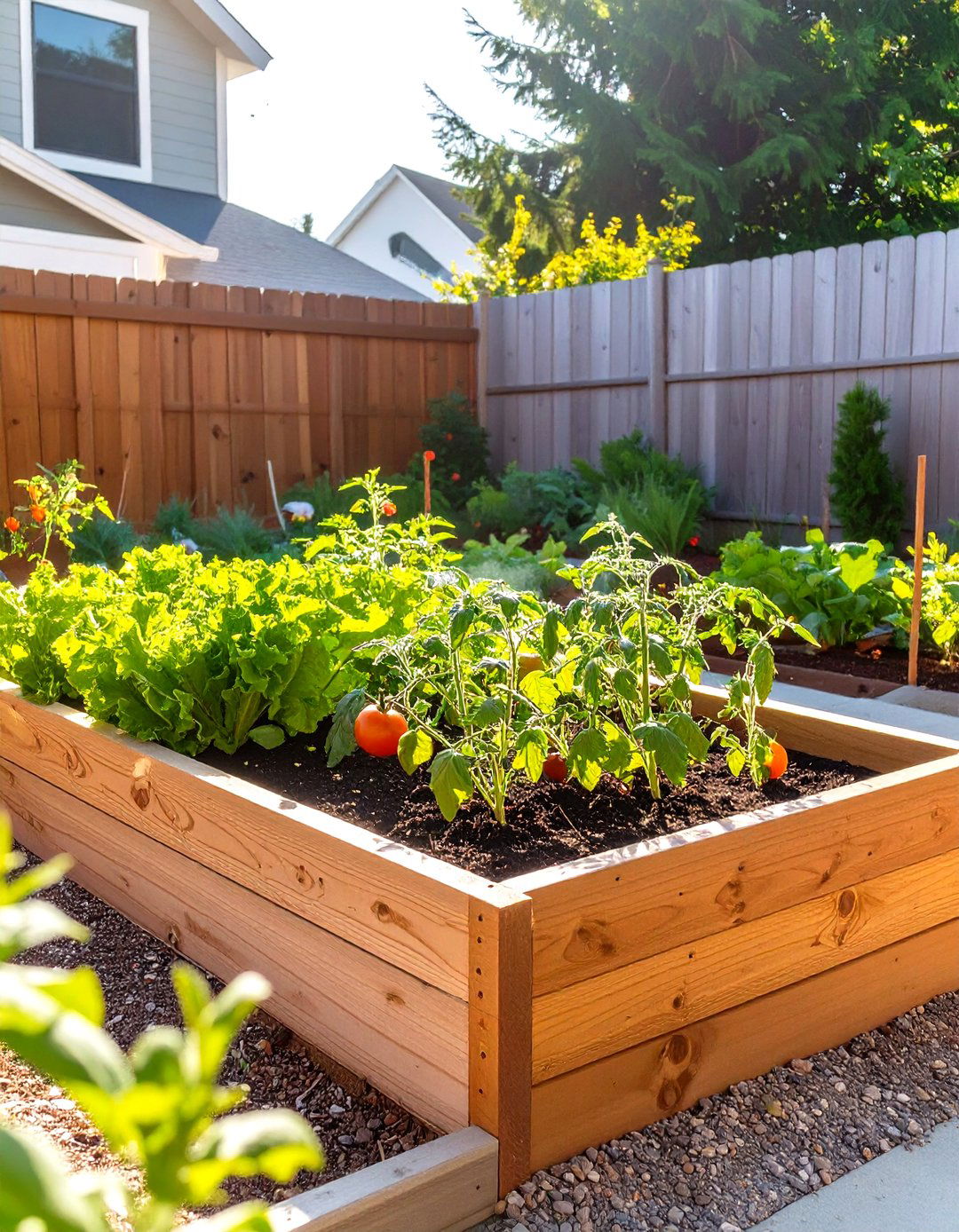
For those with a small patch of ground, raised garden beds offer a structured and efficient way to cultivate plants. These beds elevate the planting area, which improves drainage and can make gardening more comfortable by reducing the need to bend over. In a small landscape, a well-placed raised bed defines the gardening zone, keeping the overall look neat and organized. You can build them from wood, stone, or metal to match your aesthetic. They are perfect for growing a dedicated vegetable patch, a cut-flower garden, or a collection of your favorite perennials, adding both function and form.
4. Small Landscaping with a Compact Water Feature
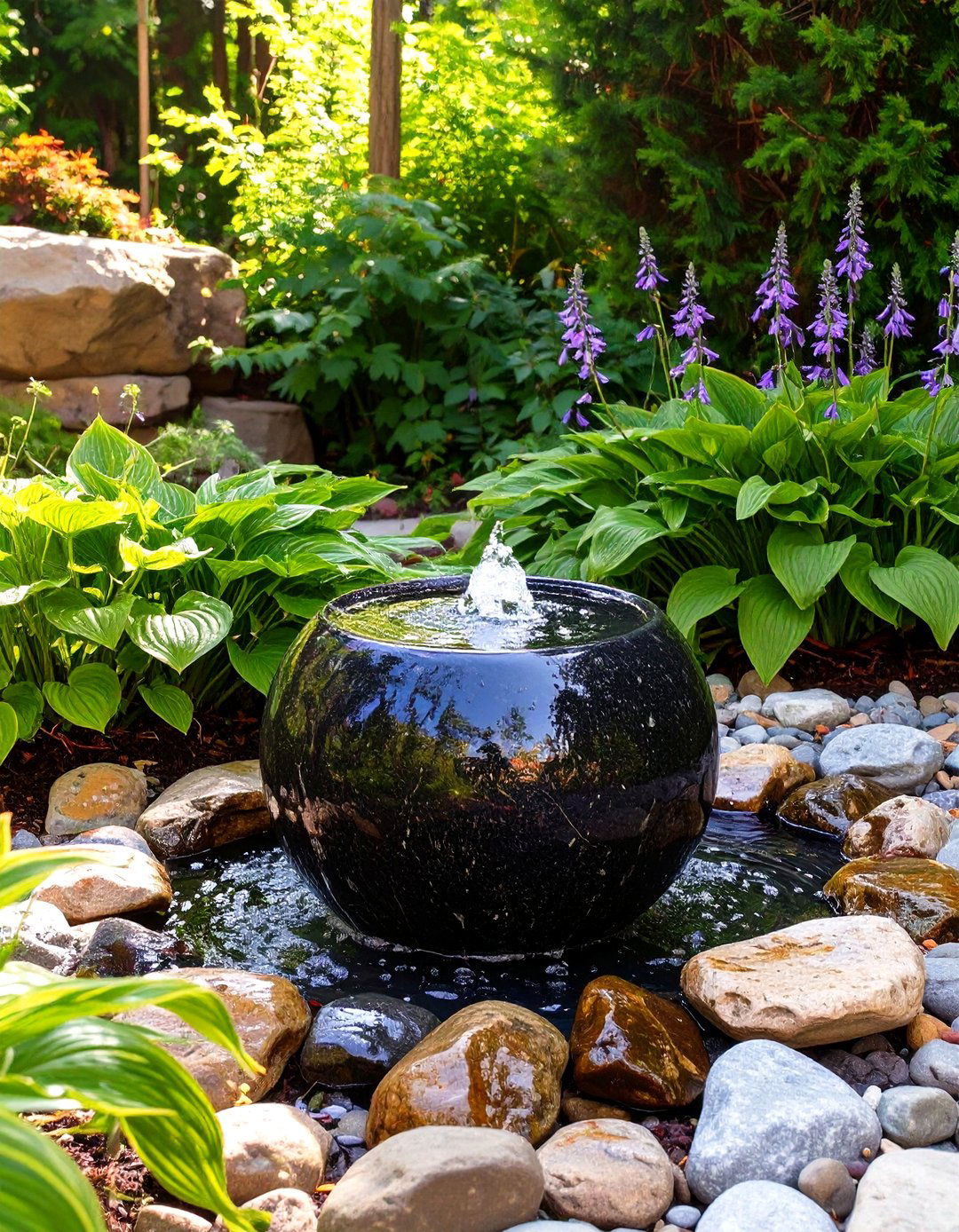
Introducing a compact water feature can bring a sense of tranquility and sophistication to a small landscape. The gentle sound of trickling water masks urban noise and creates a serene atmosphere. A small, self-contained fountain, a wall-mounted waterfall, or even a simple tabletop bubbler can serve as a stunning focal point without overwhelming the space. These features attract birds and pollinators, adding another layer of life to your garden. Placed strategically among plants, a water element adds movement and reflective light, making the entire area feel more dynamic and thoughtfully designed, enhancing the overall sensory experience.
5. Small Landscaping with Meandering Pathways
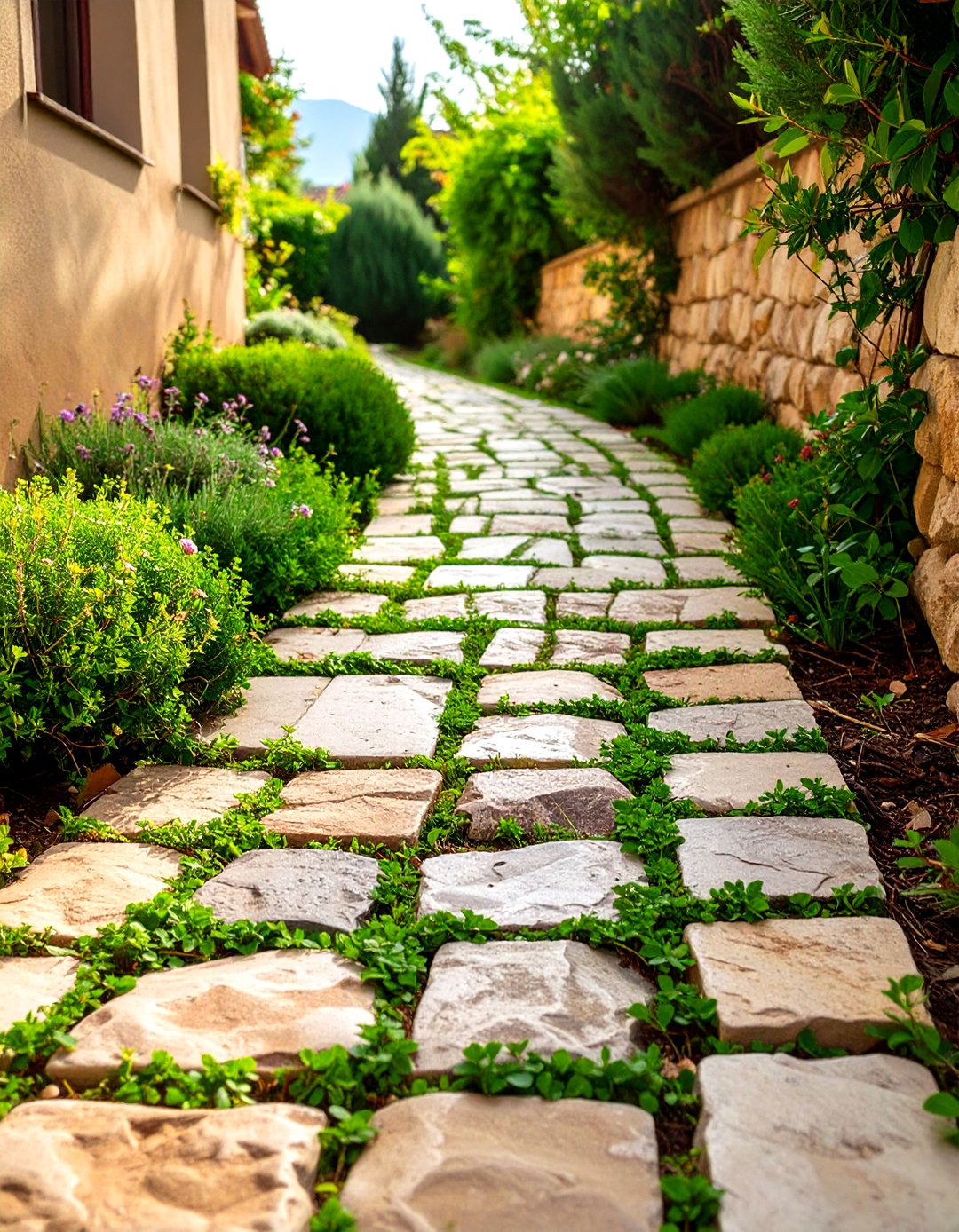
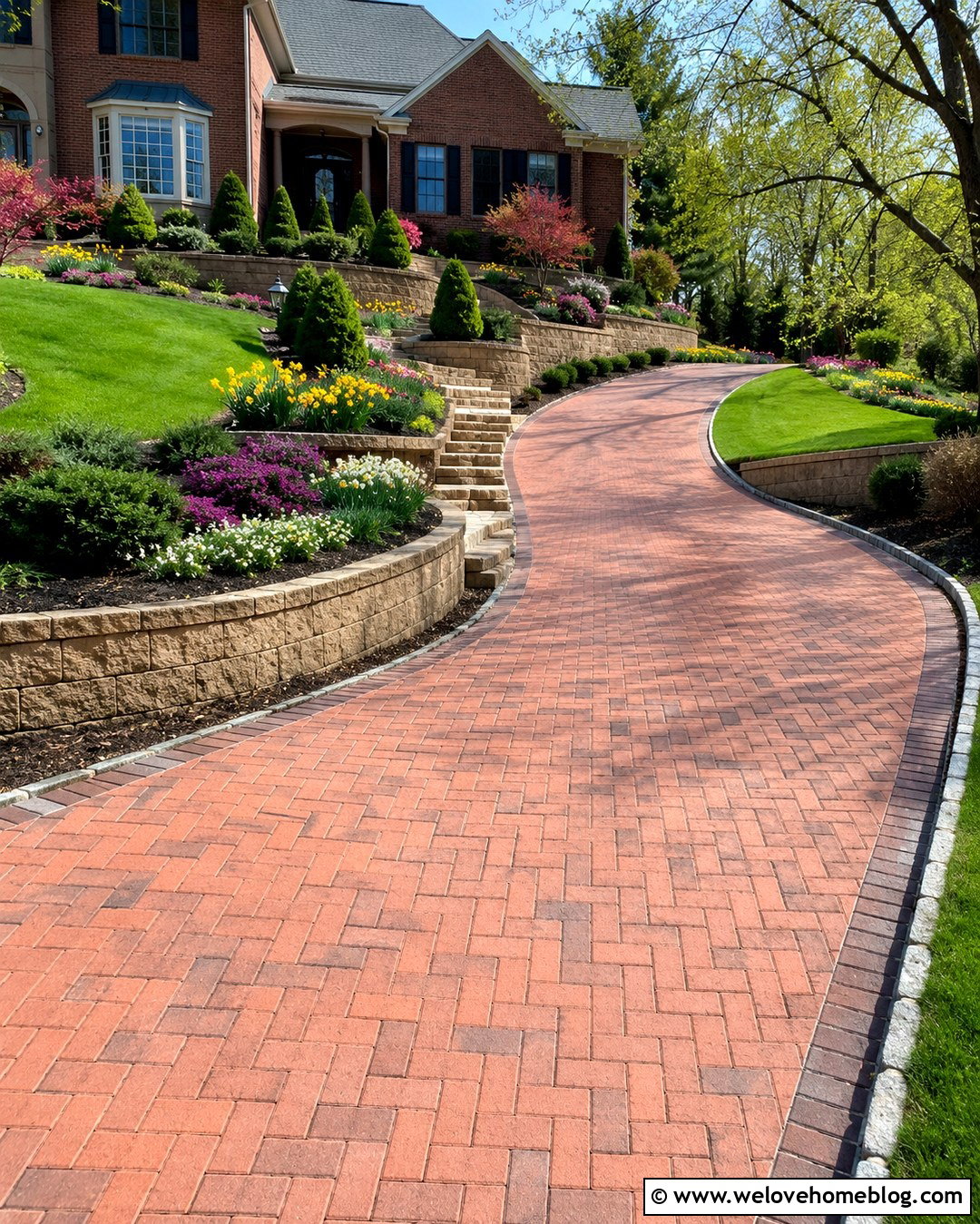
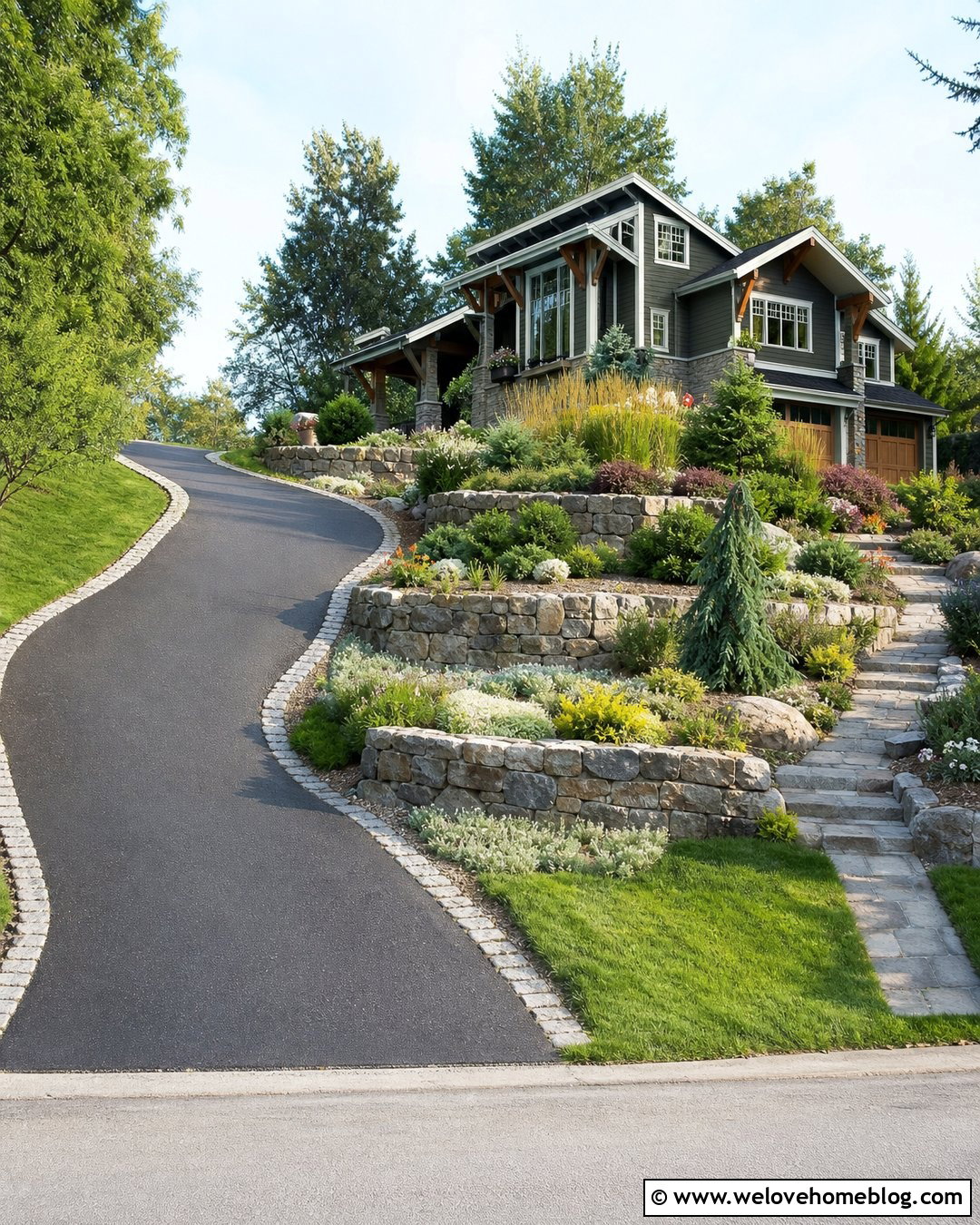
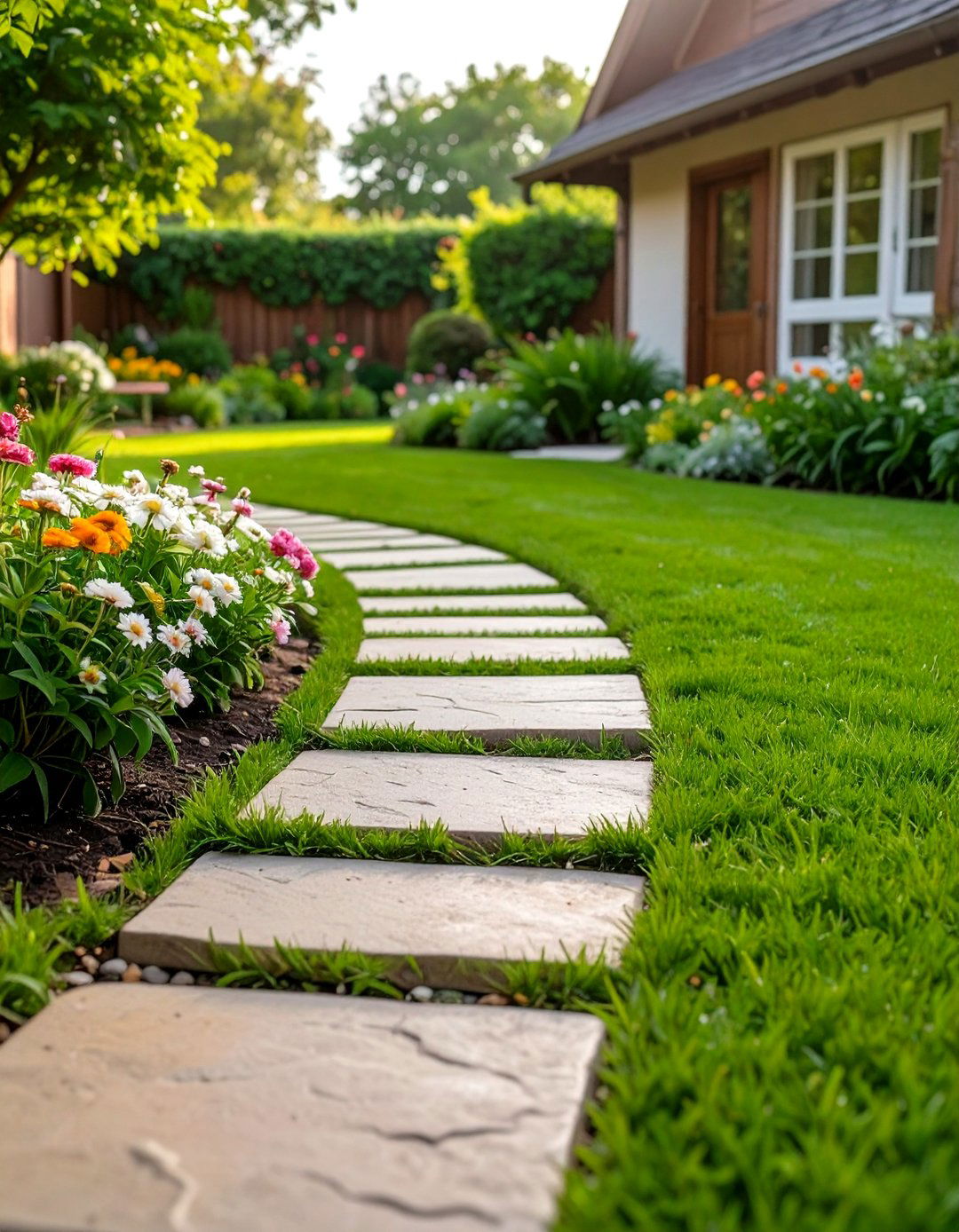
A meandering pathway can make a small yard feel larger and more intriguing than a straight path. By creating a gentle curve, you encourage a slower journey through the space and create a sense of discovery, as you can't see the entire garden at once. Use materials like gravel, stepping stones, or brick pavers to define the route. Flank the path with low-growing plants, such as ground cover or mondo grass, to soften the edges and add texture. This design trick cleverly manipulates perspective, leading the eye along a longer visual line and making the landscape feel more expansive.
6. Small Landscaping with Outdoor Mirrors
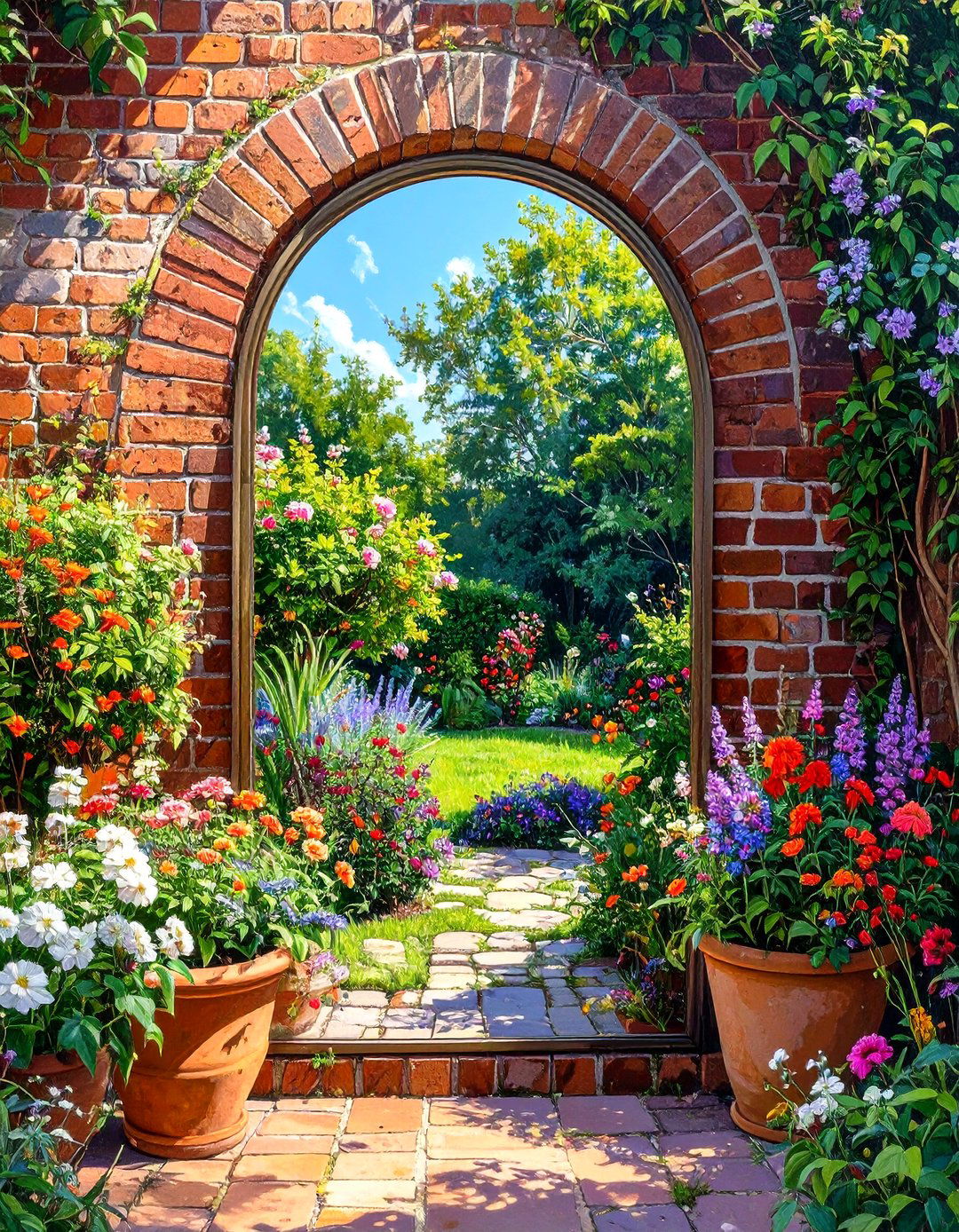
To create the illusion of a much larger garden, strategically place an outdoor mirror on a wall or fence. A mirror reflects light and the surrounding greenery, effectively doubling the visual space and brightening up shady corners. Choose a weather-resistant frame that complements your garden's style, whether it's a rustic wooden frame or a sleek, modern design. Placing it behind a cluster of plants or at the end of a pathway can create a convincing illusion of a garden that continues beyond its actual boundaries. This simple addition is a powerful tool for enhancing depth and dimension.
7. Small Landscaping with Built-in Seating
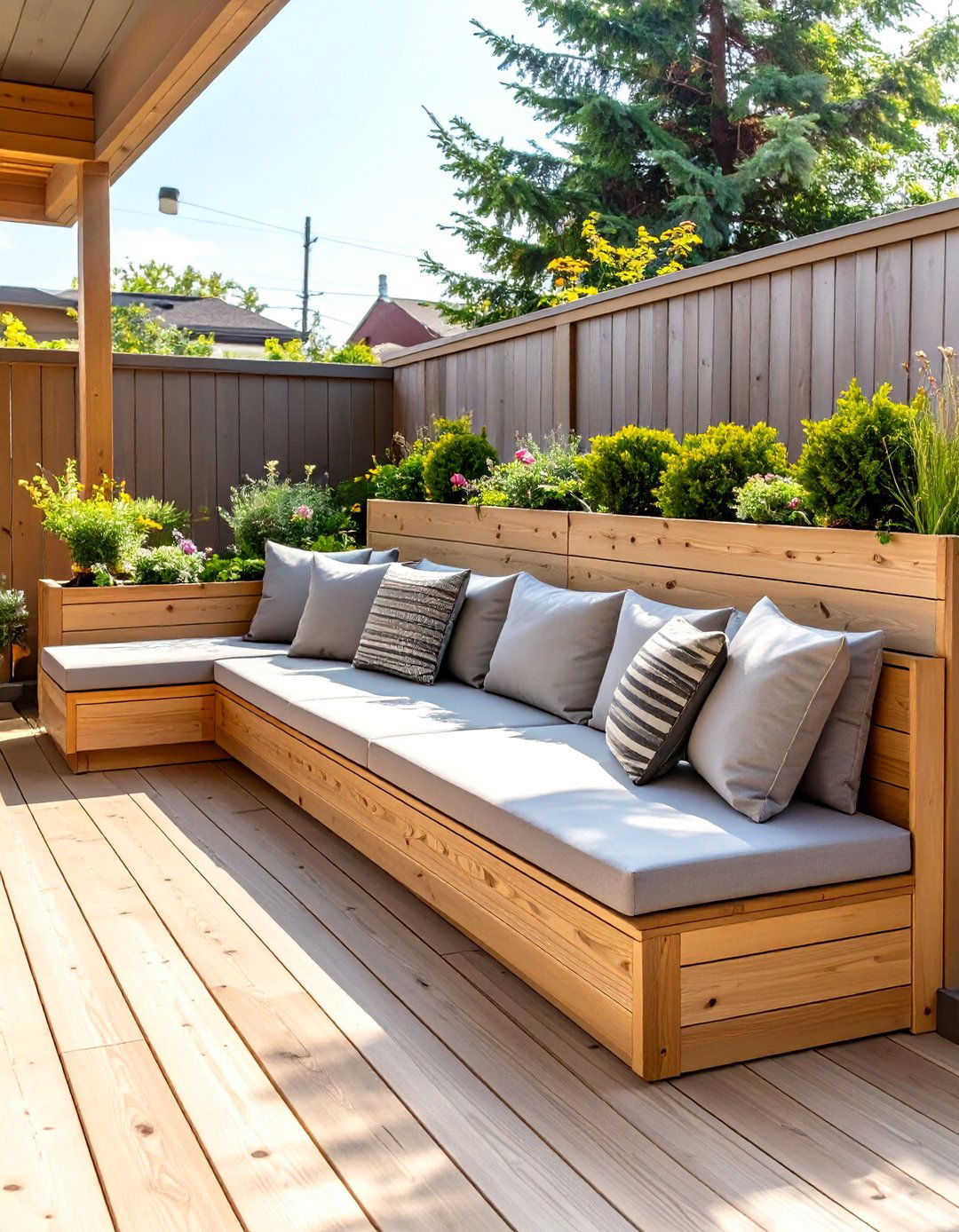
In a limited area, built-in seating is a space-saving marvel. A bench constructed along a retaining wall, a fence, or the edge of a deck provides ample seating without the clutter of individual chairs. This approach creates a clean, integrated look and can also offer hidden storage beneath the seats for garden tools or cushions. Surrounding the seating with planters or integrating it into a raised bed design further merges function with foliage. It defines a dedicated relaxation zone, making the small landscape feel more like an intentional outdoor room, perfect for entertaining or quiet contemplation.
8. Small Landscaping with a Fire Pit
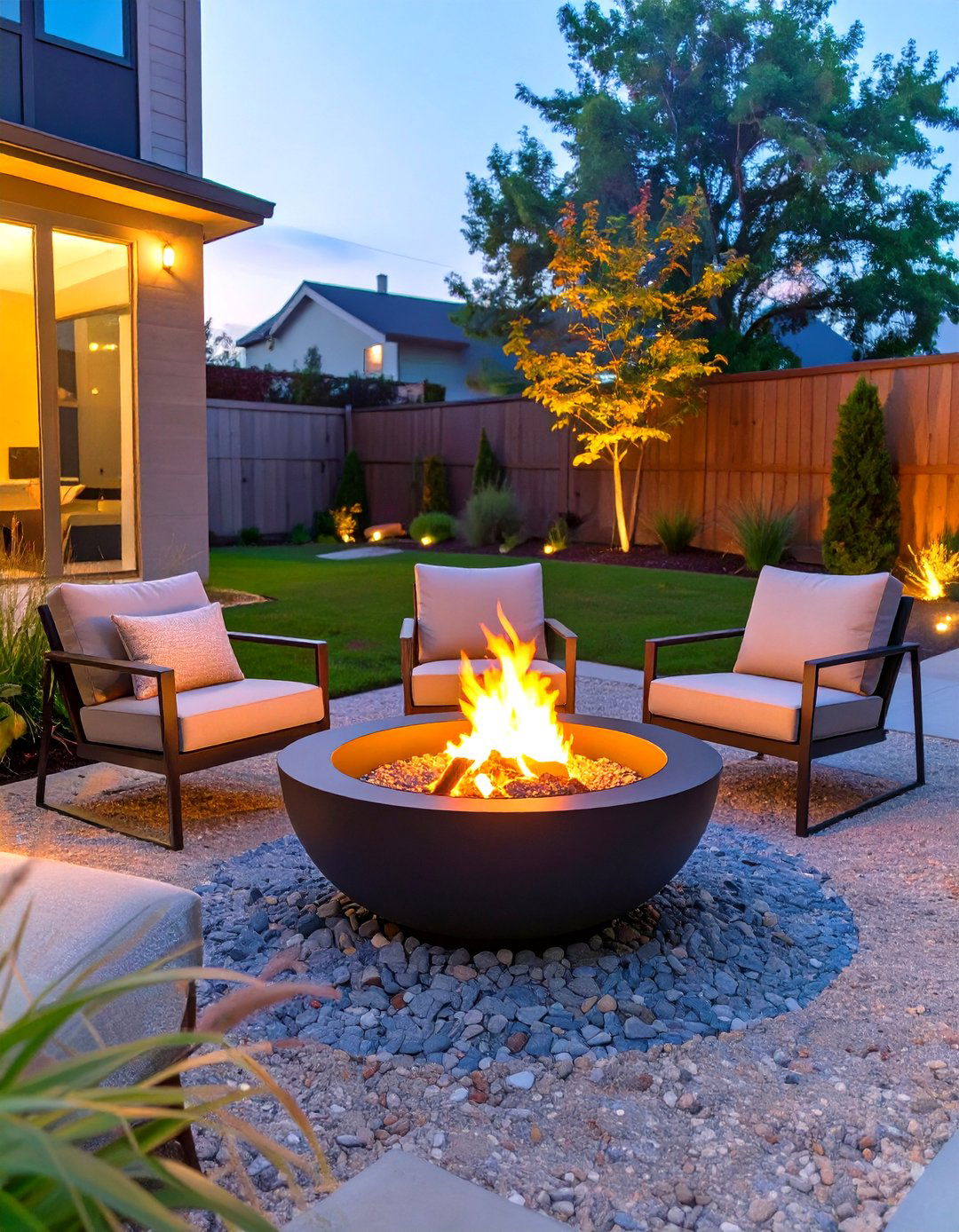
A small, portable fire pit can transform a tiny yard into a cozy gathering spot for year-round enjoyment. It serves as a natural focal point, drawing people together and providing warmth on cool evenings. Modern designs are compact, safe, and available in various styles to suit any aesthetic, from minimalist bowls to more traditional chimineas. Position the fire pit in a central location with a couple of chairs around it to create an intimate conversation area. This single element adds immense functionality and ambiance, making your small outdoor space the go-to destination for relaxation and socializing after dark.
9. Small Landscaping with Layered Planting
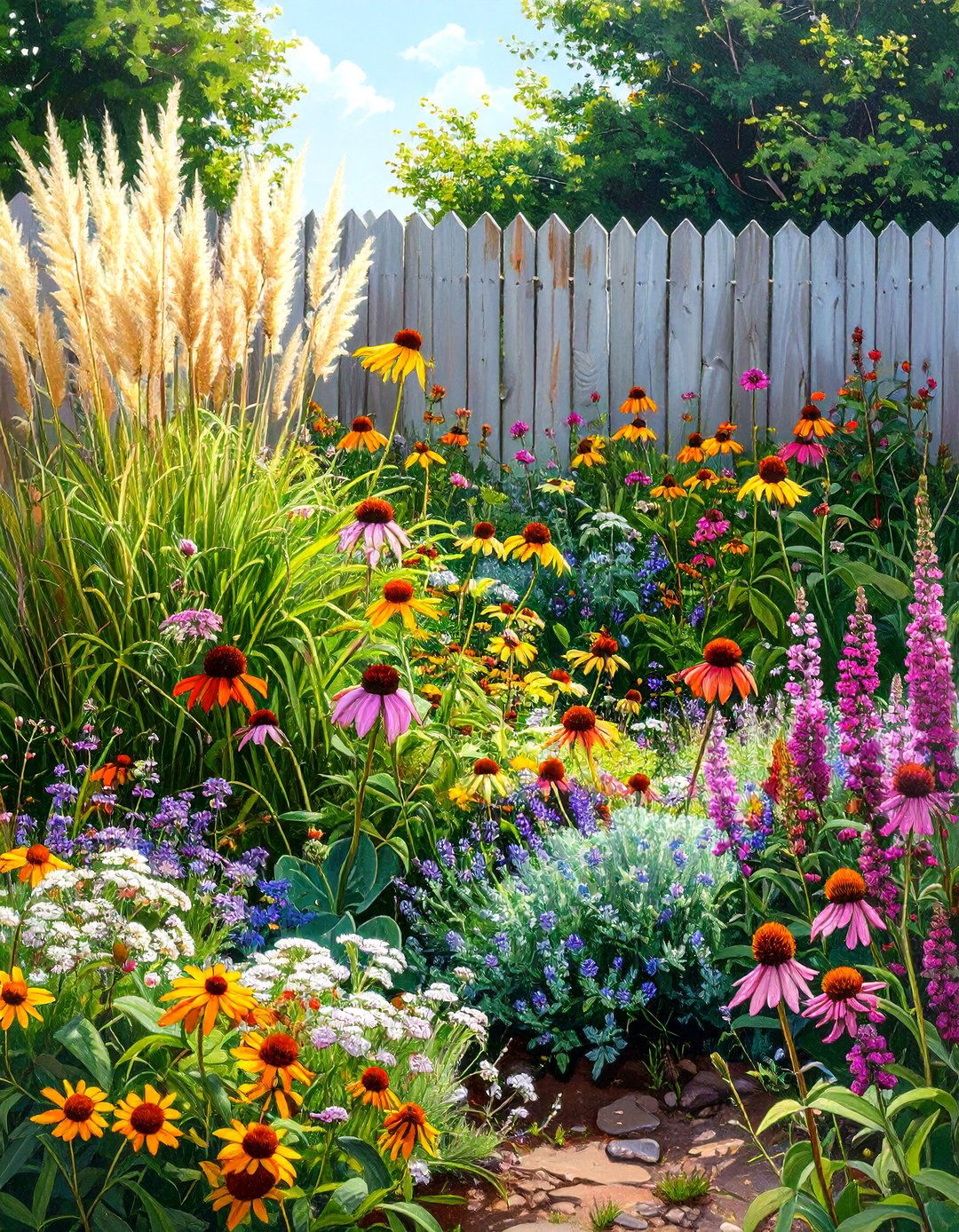
Creating layers with plants of different heights adds depth and richness to a small garden. Start with taller shrubs or ornamental grasses at the back, against a fence or wall. Then, place medium-sized perennials and flowers in the middle ground, and finish with low-growing ground covers or annuals at the front edge. This technique prevents the garden from looking flat and one-dimensional. It draws the eye through the space, from front to back, creating a lush, full appearance. Varying textures and foliage colors among the layers will further enhance the visual complexity and interest.
10. Small Landscaping with Espaliered Fruit Trees
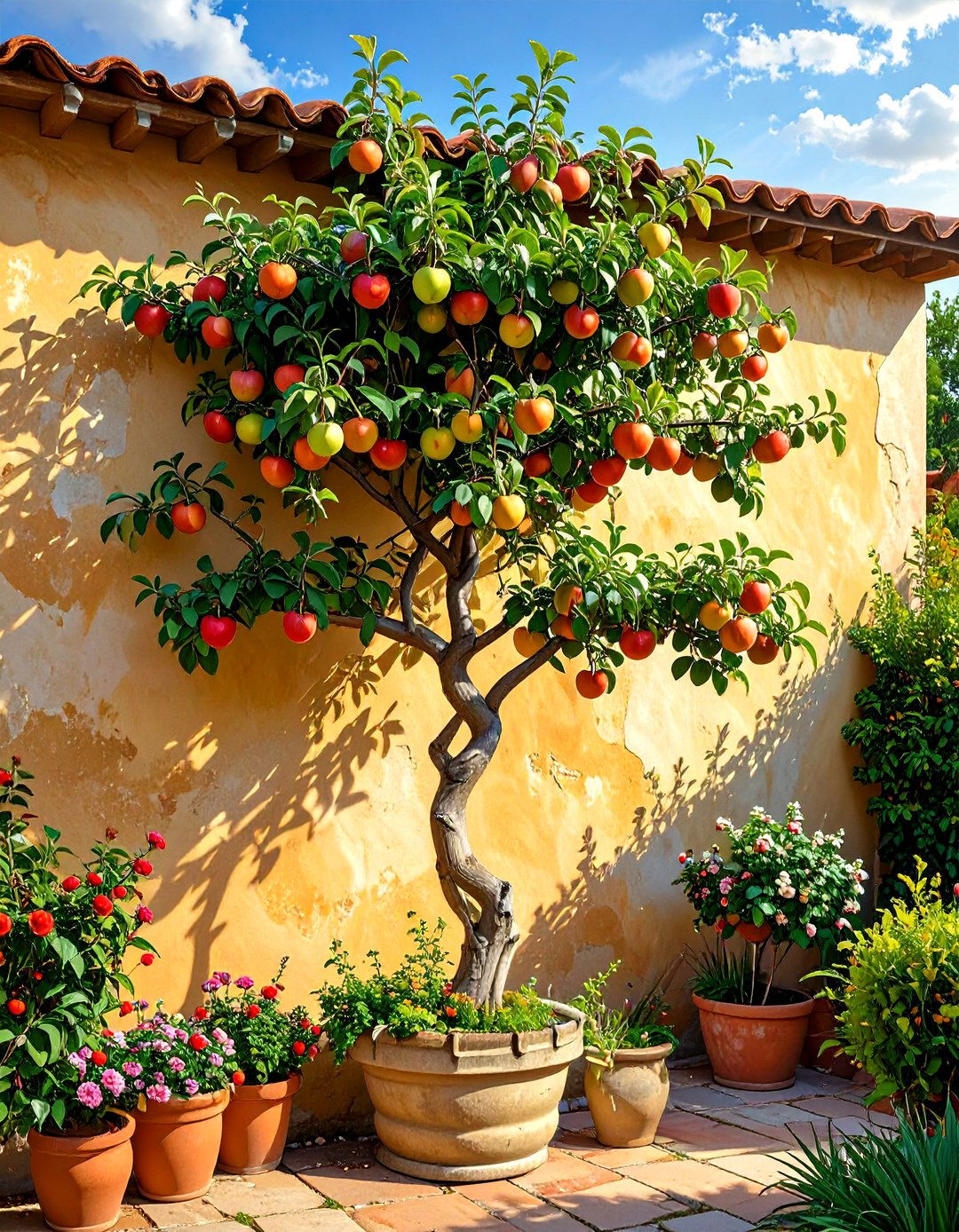
Espalier is the ancient horticultural art of training trees to grow flat against a wall or trellis. This technique is perfect for small landscapes, allowing you to grow fruit trees like apples, pears, or figs without the space required for a traditional orchard. An espaliered tree becomes a living work of art, adding a unique structural element and vertical interest to a plain wall. It maximizes sunlight exposure and air circulation for the fruit, often leading to better yields. This is an elegant and productive way to incorporate edibles into your garden design while saving precious ground space.
11. Small Landscaping with String Lights
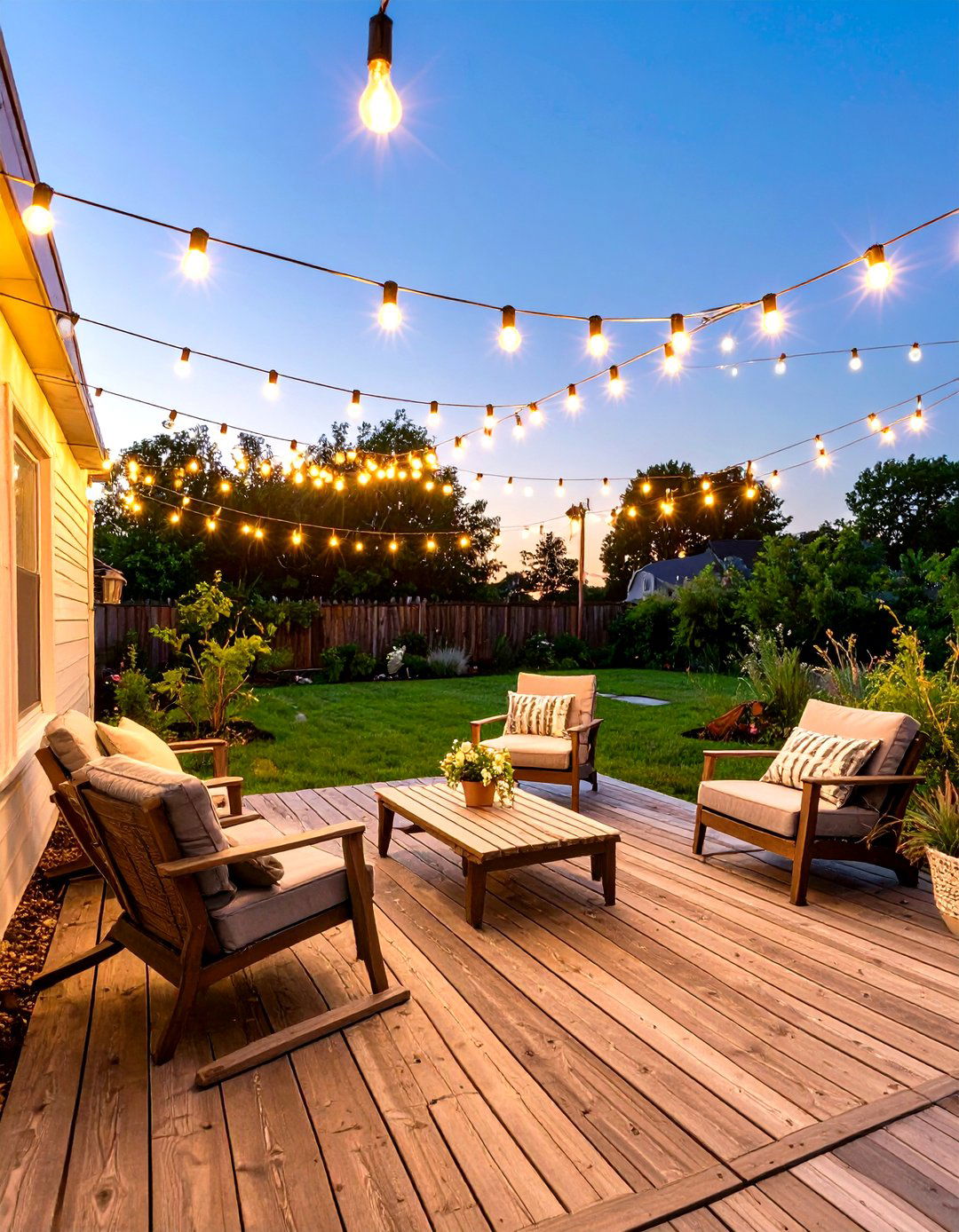
For enchanting evening ambiance, nothing beats the simple charm of string lights. Draping them overhead, along a fence, or through the branches of a tree can instantly make a small landscape feel magical and inviting. The soft, warm glow creates an intimate atmosphere perfect for dining or relaxing after sunset. Solar-powered options are easy to install and energy-efficient. This lighting technique defines the outdoor area, making it feel like a true extension of your home—an outdoor room with a sparkling ceiling. It’s a low-cost, high-impact addition that enhances usability well into the night.
12. Small Landscaping with a Unified Color Palette
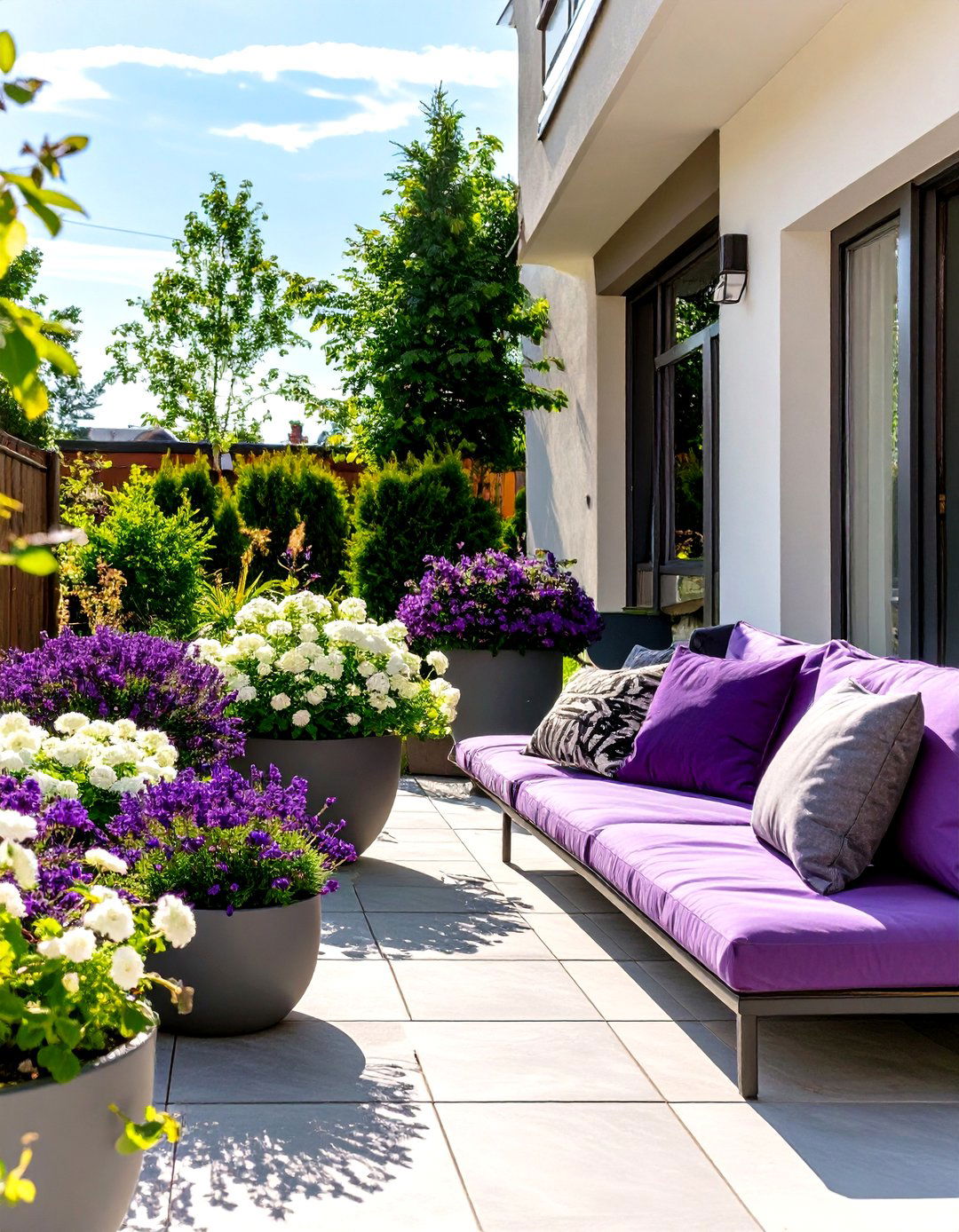
Sticking to a limited and unified color palette can make a small landscape feel more cohesive and serene. Choose two or three complementary colors for your flowers, foliage, and decor, and repeat them throughout the space. For example, a scheme of greens, whites, and purples can create a tranquil and sophisticated look. This intentional color strategy prevents the garden from feeling busy or chaotic, which can happen easily in a compact area. A cohesive palette ties all the elements together, from planters to cushions, resulting in a polished, thoughtfully designed space that feels calm and expansive.
13. Small Landscaping with Dwarf Shrubs and Trees
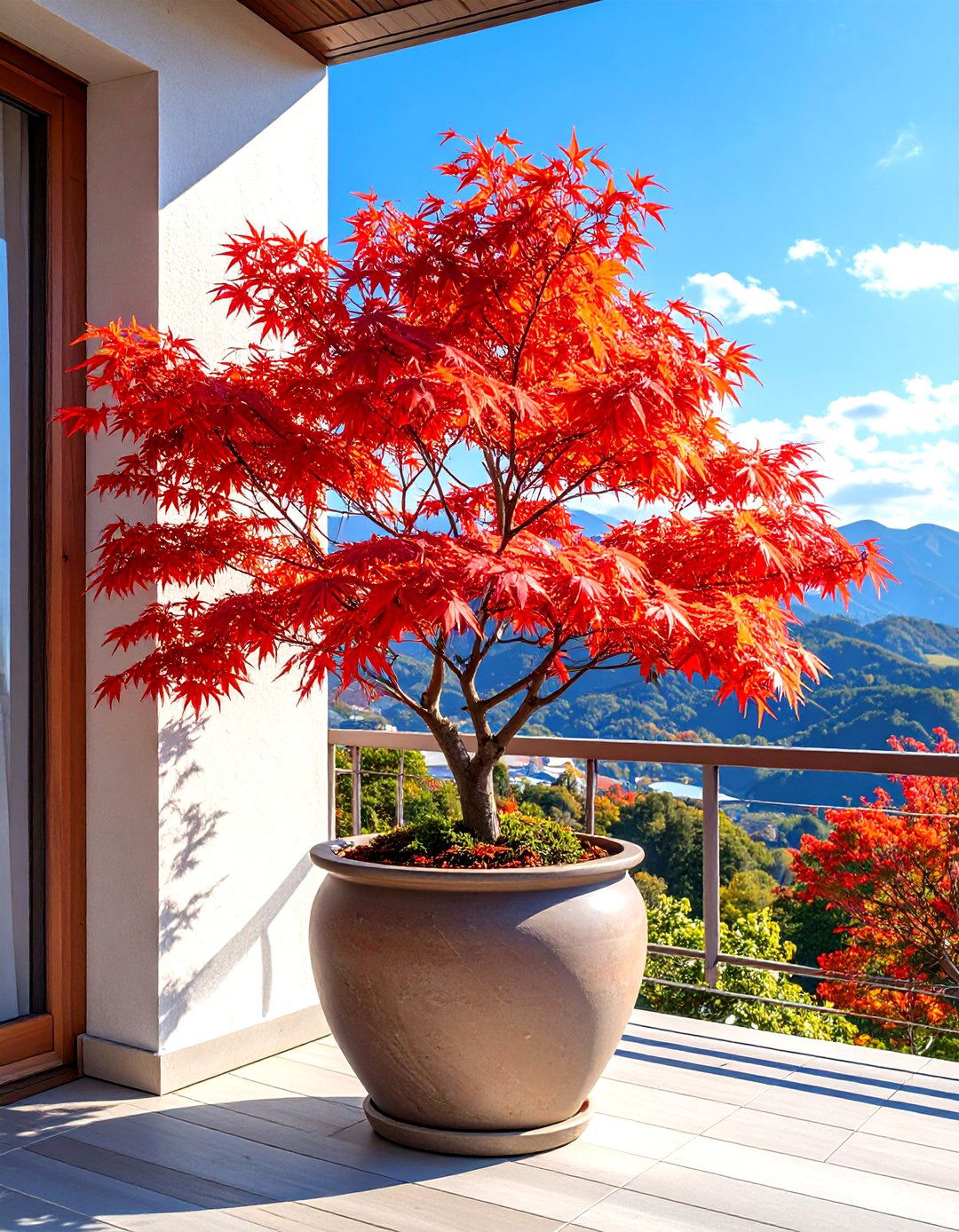
When space is at a premium, dwarf varieties of your favorite shrubs and trees are the perfect solution. These compact cultivars offer the same beauty, structure, and seasonal interest as their full-sized counterparts but in a manageable size. Consider a dwarf Japanese maple for stunning foliage, a dwarf conifer for year-round greenery, or a compact hydrangea for beautiful summer blooms. Planting these smaller-scale specimens ensures your garden won't become overgrown and crowded in a few years. They provide essential structure and height without overwhelming the landscape, keeping everything in perfect proportion.
14. Small Landscaping with Creative Ground Covers

Instead of a small, hard-to-maintain patch of lawn, consider using creative ground covers. Plants like creeping thyme, sedum, or mondo grass can fill in gaps, suppress weeds, and add beautiful texture to the garden floor. Many ground covers are drought-tolerant and require little maintenance once established. Some, like creeping thyme, even release a pleasant fragrance when walked upon. Using ground cover in place of grass or mulch provides a lush, green carpet that unifies the planting beds and pathways, creating a seamless and low-effort foundation for your small landscape design.


15. Small Landscaping with a Hammock or Hanging Chair
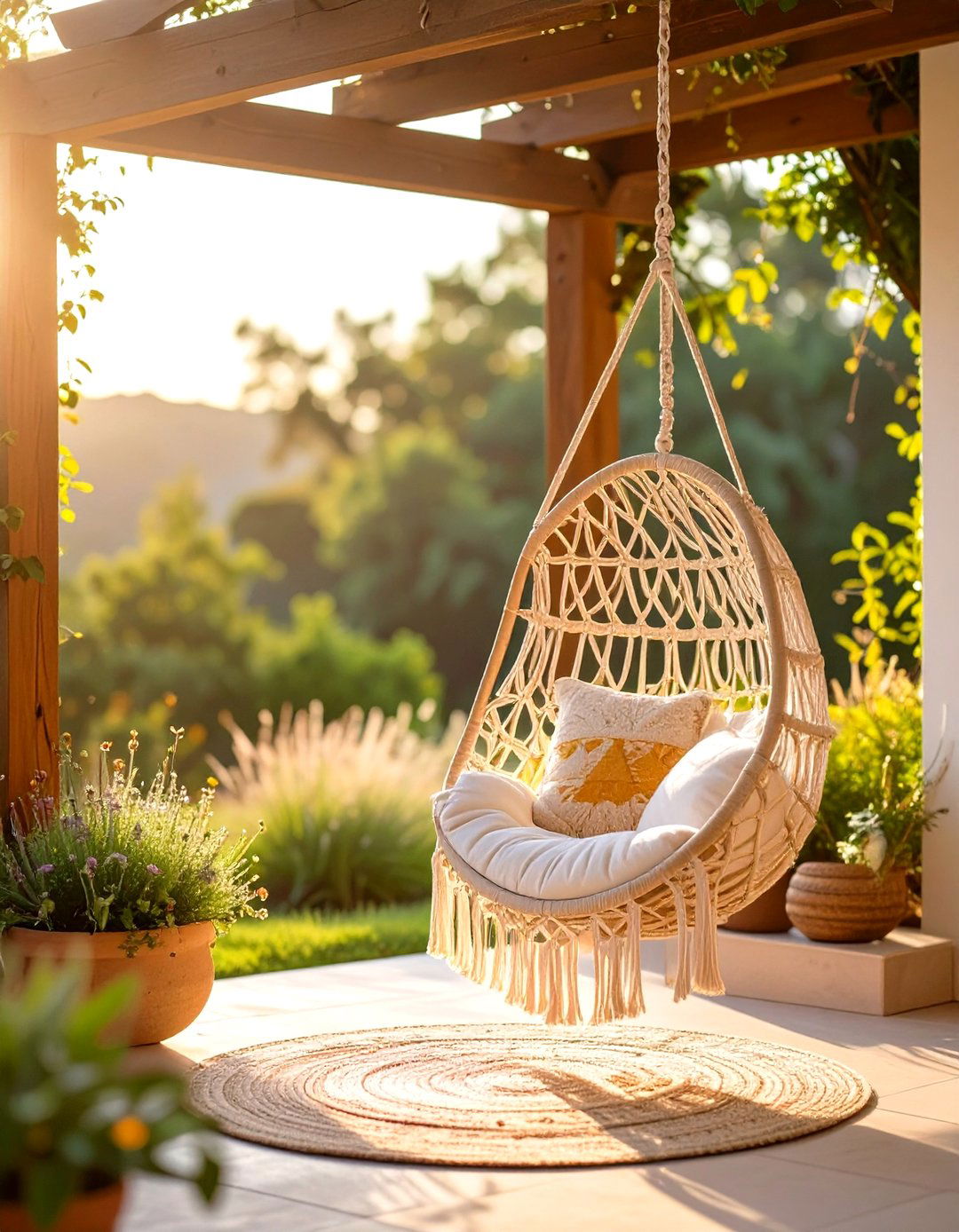
To create a dedicated relaxation zone without cluttering the ground, install a hammock or a hanging chair. Suspending seating from a sturdy tree branch, a pergola, or a specially designed stand frees up valuable floor space below. It introduces a playful, bohemian vibe and provides the perfect spot for reading a book or enjoying a quiet afternoon. A hanging chair, in particular, has a small footprint but offers maximum comfort and style. This simple addition can become the most coveted spot in your garden, offering a unique and peaceful escape within your small landscape.
16. Small Landscaping with Disguised Storage
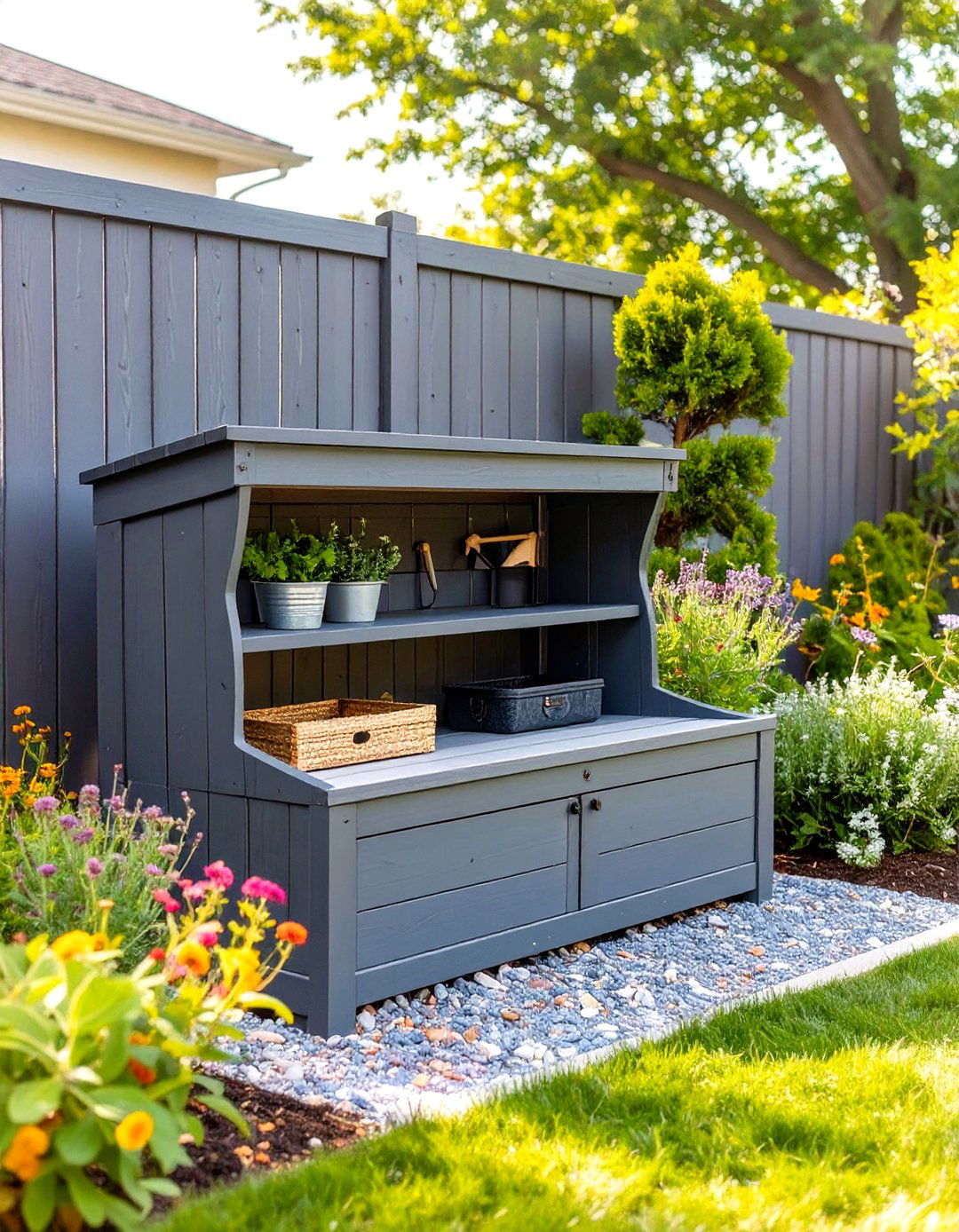
Cleverly disguised storage is essential for keeping a small landscape tidy and uncluttered. A hollow bench that doubles as a storage chest, a slim cabinet painted to match the fence, or planters with false bottoms can hide away tools, watering cans, and soil bags. By integrating storage into functional elements of the garden, you maintain a clean aesthetic while ensuring everything you need is close at hand. This approach prevents visual clutter, which can make a small space feel even smaller. Well-designed storage solutions are key to maintaining a polished and organized outdoor living area.
17. Small Landscaping with High-Contrast Foliage
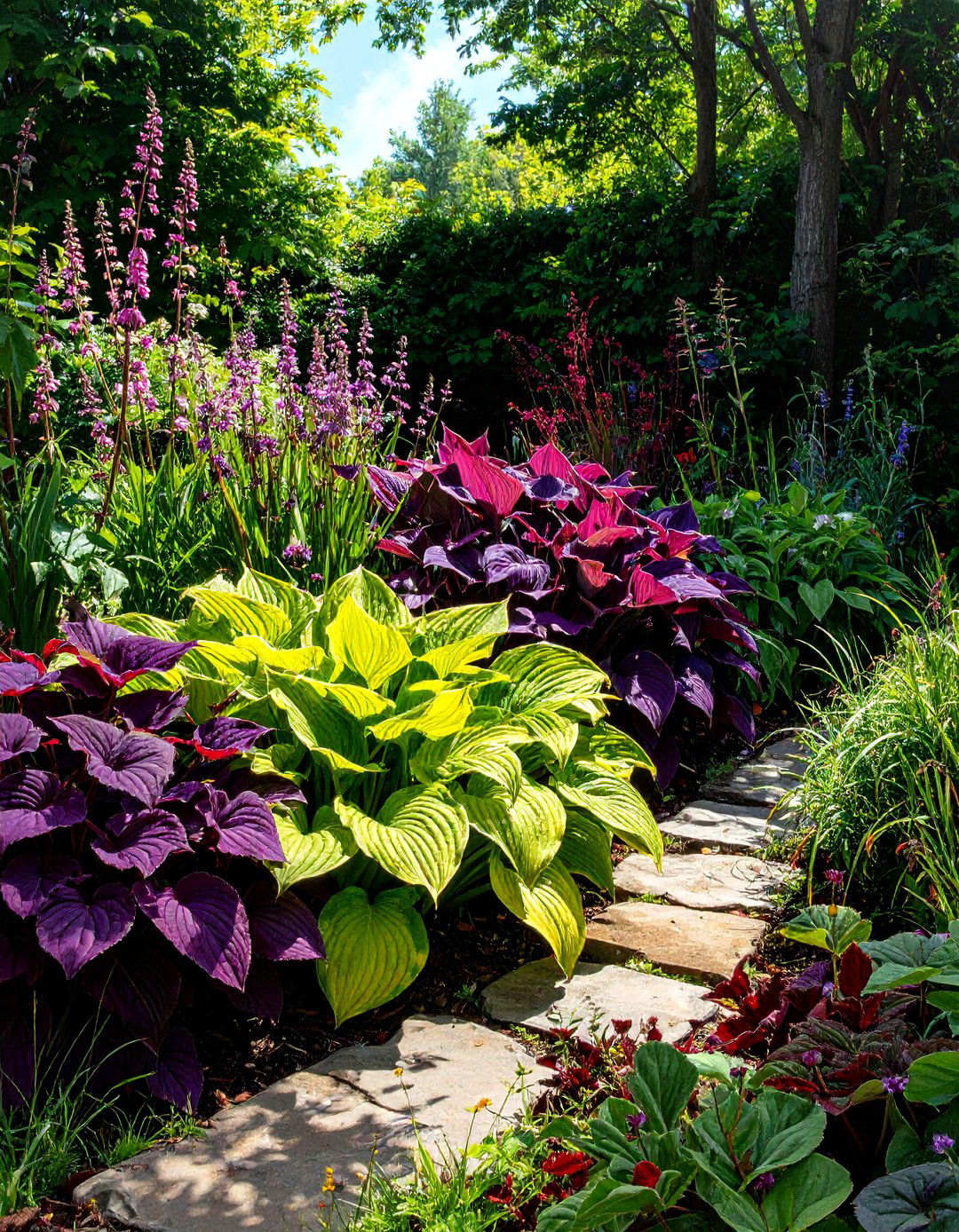
Using plants with high-contrast foliage is a powerful way to create visual drama and interest in a small garden. Pair deep burgundy leaves, like those of a Heuchera, with the bright chartreuse of a Japanese forest grass. Or, set the silvery foliage of lamb's ear against the dark green of a boxwood hedge. These striking combinations draw the eye and create focal points throughout the landscape. Unlike flowers that come and go, foliage provides color and texture all season long. This strategy adds a layer of sophistication and makes the garden feel vibrant and dynamic without needing a lot of space.
18. Small Landscaping with a Focal Point Sculpture
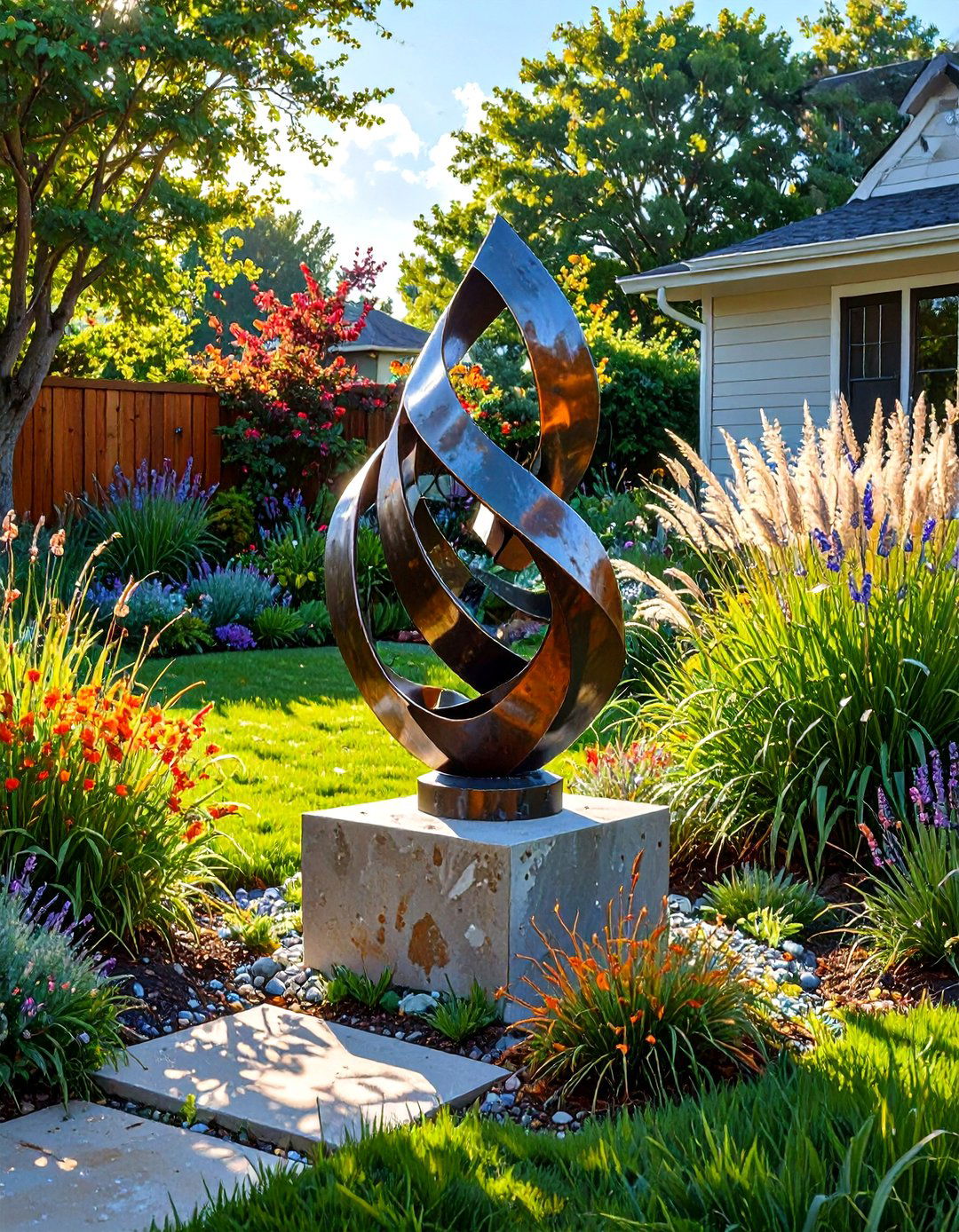
A single, well-chosen sculpture or piece of garden art can serve as a powerful focal point in a small landscape. It provides a destination for the eye and adds a touch of personality and sophistication. The key is to choose a piece that is proportional to the space—not so large that it overwhelms, but significant enough to make a statement. Place it at the end of a path, nestled among plants, or in a visible spot from a main window. This artistic element elevates the garden design from a simple collection of plants to a curated outdoor gallery.
19. Small Landscaping with a Vertical Tool Rack
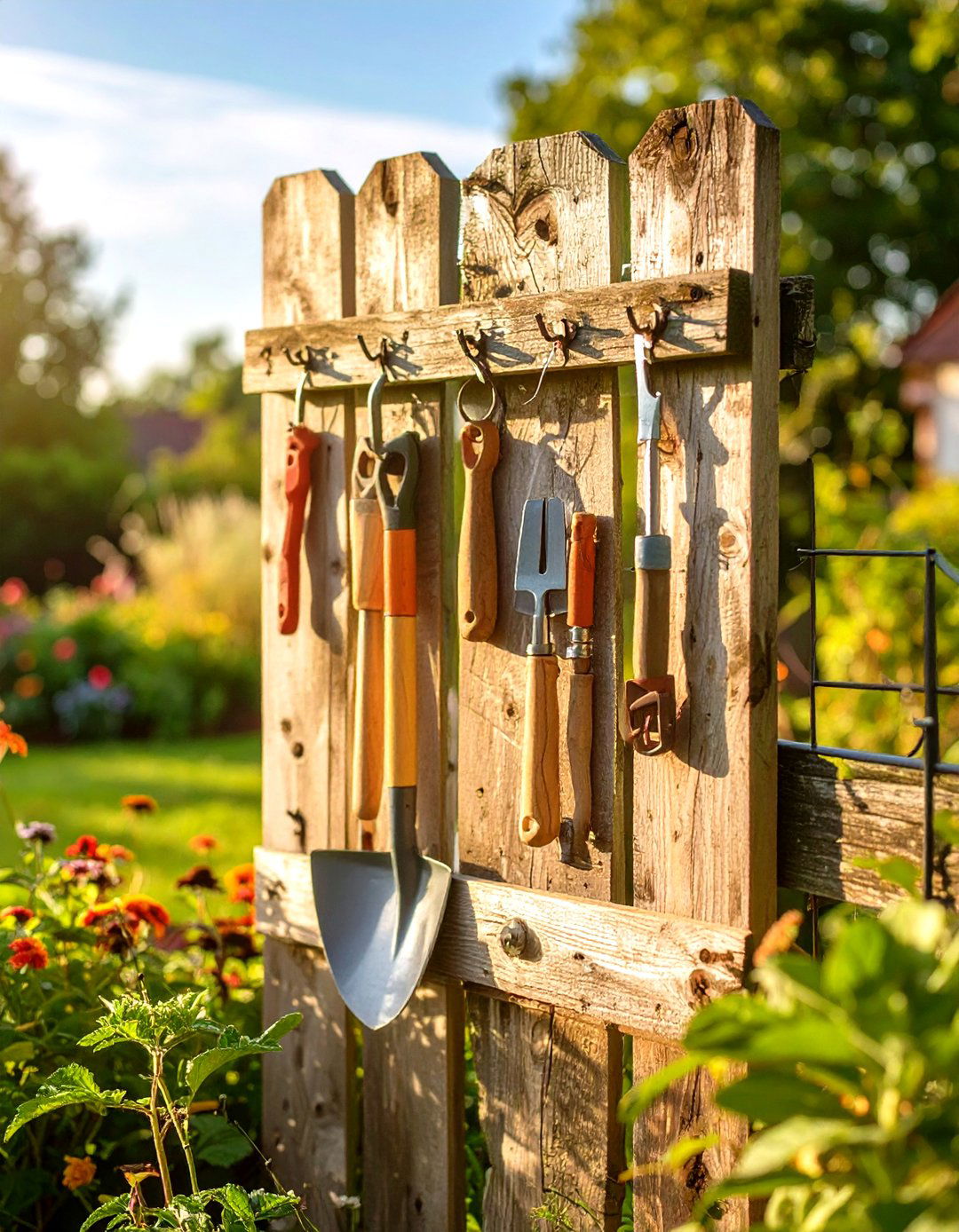
To keep your gardening essentials organized without taking up precious shed or garage space, install a vertical tool rack on an exterior wall or fence. This simple storage solution keeps shovels, rakes, and trowels neatly arranged and easily accessible. A wall-mounted rack gets everything off the ground, preventing clutter and freeing up floor space for seating or planters. You can purchase a pre-made system or create a custom one with hooks and clips. It’s a practical, space-saving strategy that contributes to a tidy and efficient small garden environment, making your gardening tasks much more pleasant.


20. Small Landscaping with an Outdoor Rug

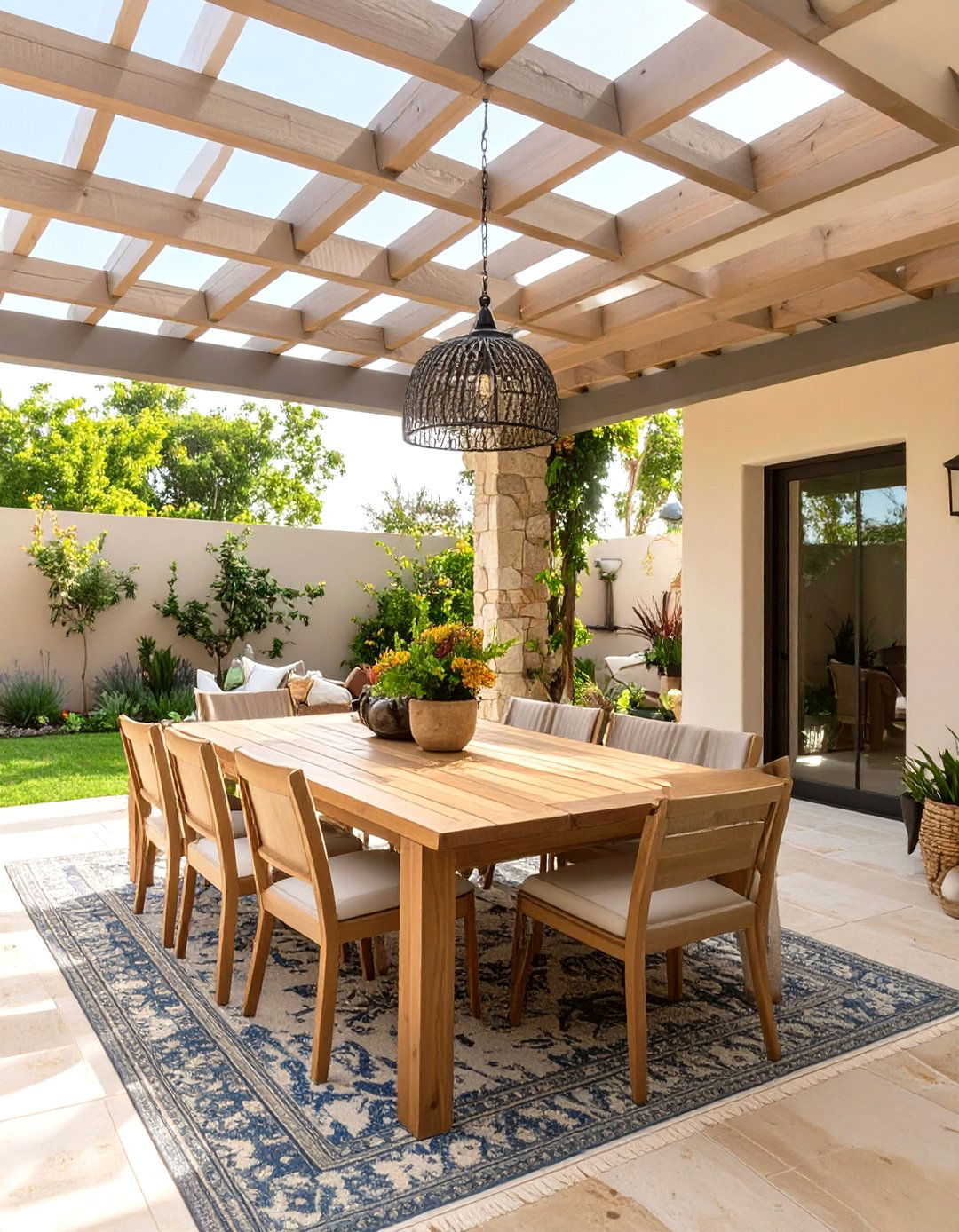
An outdoor rug is a fantastic way to define a seating or dining area in a small landscape, making it feel like a distinct "room." It adds a layer of comfort underfoot, introduces color and pattern, and helps to anchor your furniture. Choose a rug made from weather-resistant materials like polypropylene that can withstand the elements. An outdoor rug can visually expand the living space, creating a seamless transition from indoors to outdoors. This simple addition instantly elevates the look of a patio or deck, making it feel more furnished, cozy, and intentionally designed.
21. Small Landscaping with Edible Edging
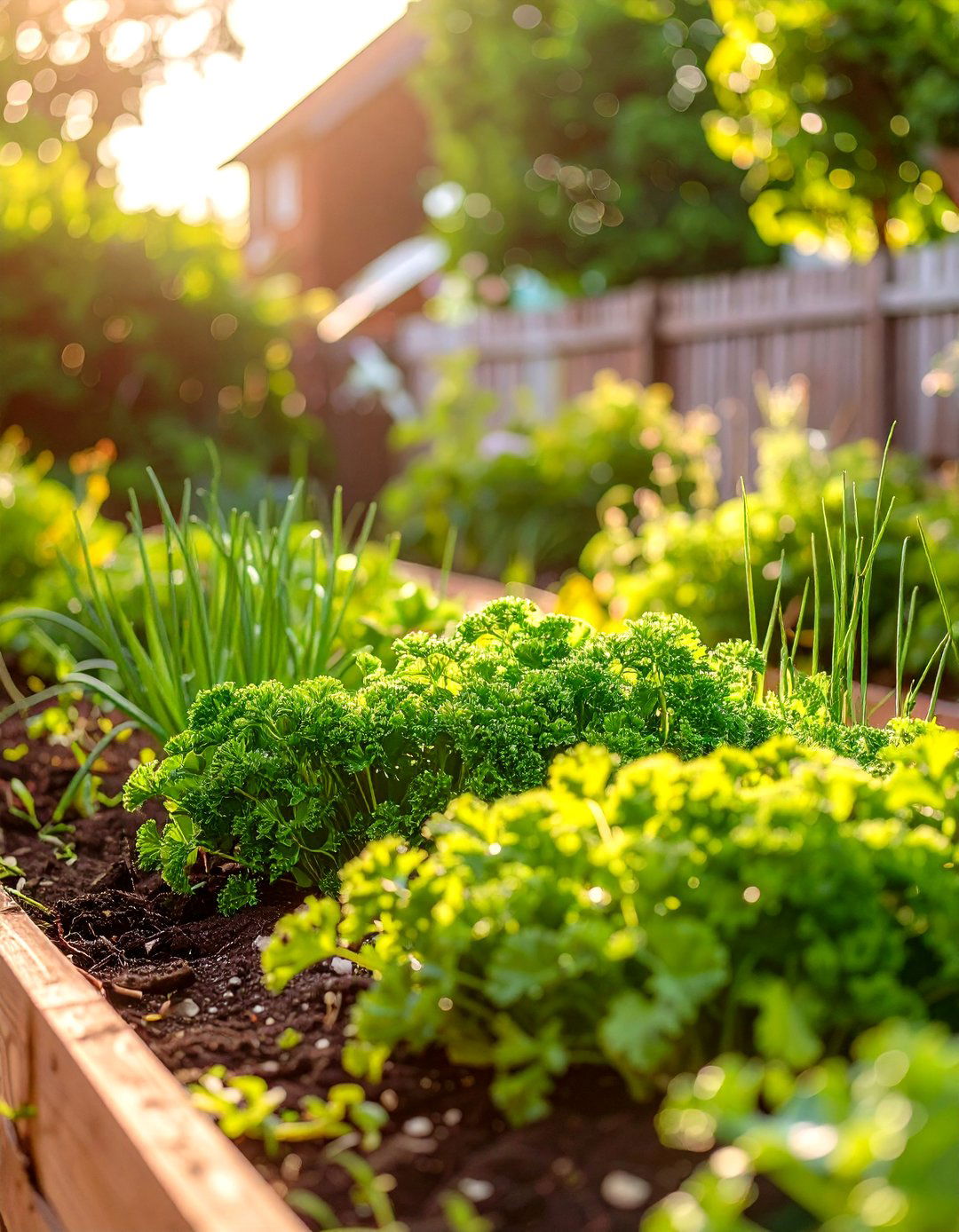
Combine beauty and function by using edible plants to edge your garden beds or pathways. Low-growing herbs like parsley, chives, or oregano create a lush, green border that is also a convenient source of fresh flavors for your kitchen. Alpine strawberries or colorful lettuces can also serve as an attractive and productive edging. This "edible edging" technique maximizes your growing space, adding another layer of productivity to your garden. It’s a smart, sustainable way to integrate edibles seamlessly into your ornamental landscape design, proving that every part of the garden can be both beautiful and useful.
22. Small Landscaping with Tiered Planters
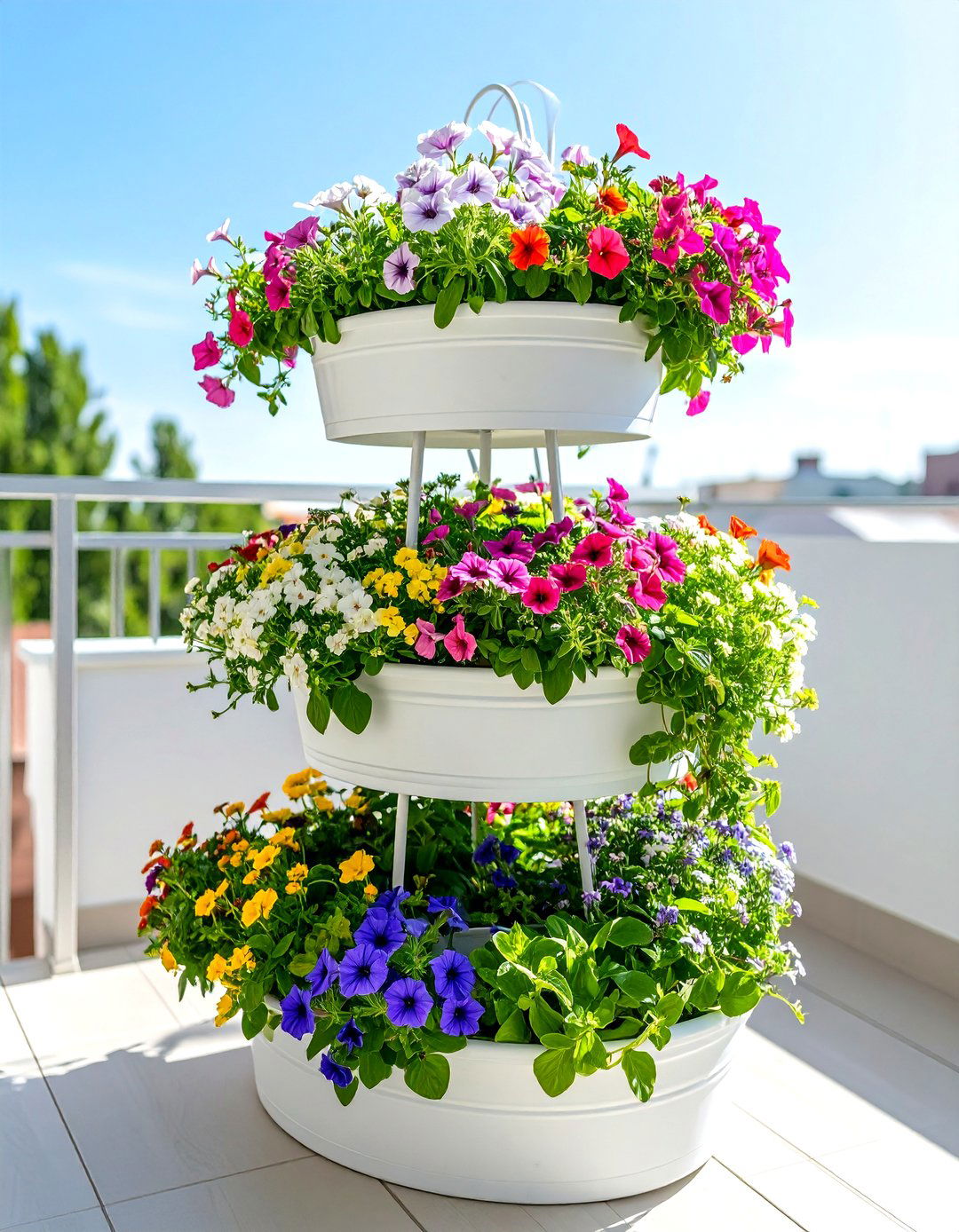
Tiered planters are a brilliant solution for adding height and maximizing planting capacity in a confined area. Whether it's a multi-level stand or a stacked pot design, these structures allow you to grow several different plants in a single, compact footprint. They are perfect for creating a vibrant display of annual flowers, a collection of culinary herbs near the kitchen door, or even a mini strawberry patch. The vertical arrangement draws the eye upward and adds dimension to a flat patio or balcony, making the space feel fuller and more dynamic without sacrificing valuable floor space.
23. Small Landscaping with Disappearing Pondless Waterfalls
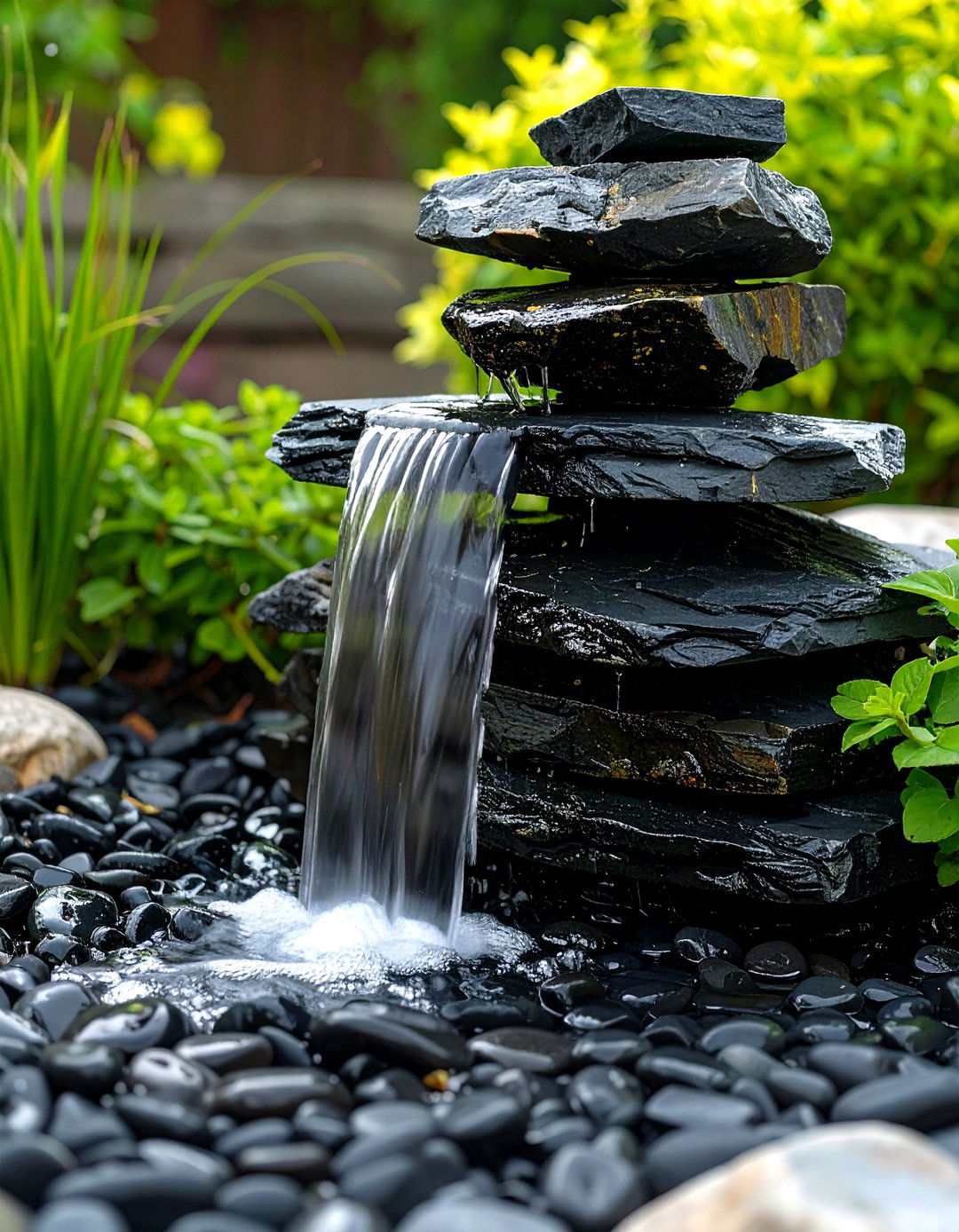
For those who love the sound of water but lack the space for a full pond, a pondless waterfall is an ideal alternative. This feature consists of a waterfall that cascades over rocks and disappears into a hidden underground reservoir, which then recirculates the water. It provides all the soothing sounds and visual appeal of a traditional waterfall without the safety concerns or maintenance of an open body of water. A pondless waterfall can be tucked into a small corner of the garden, creating a dramatic focal point and a tranquil atmosphere in a very compact footprint.
24. Small Landscaping with a Retractable Awning
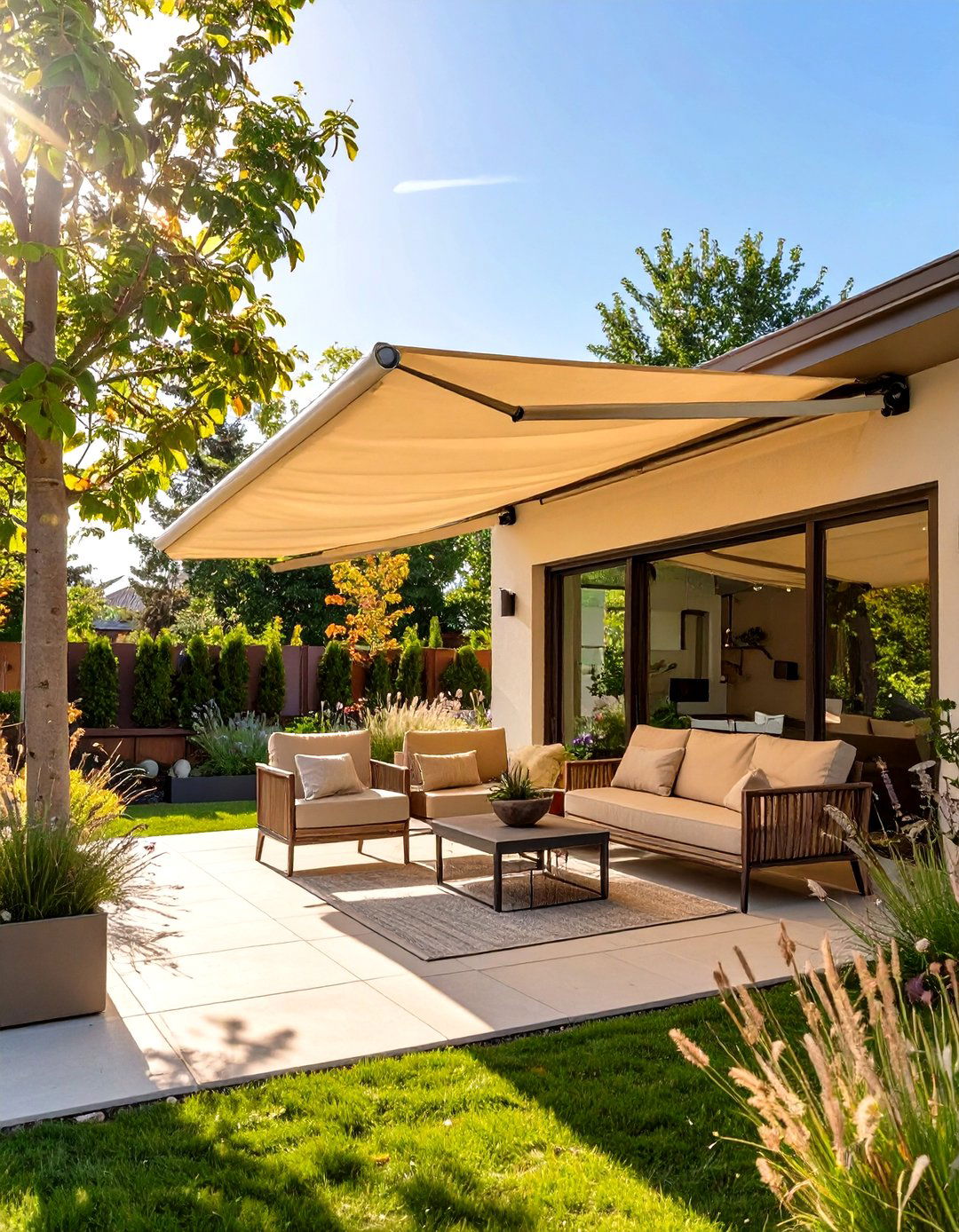
A retractable awning offers a flexible solution for creating shade and shelter in a small outdoor space. Mounted to the house, it can be extended to provide protection from the hot sun or light rain, instantly making your patio or deck more comfortable and usable. When not needed, it retracts neatly against the wall, leaving the area open to the sky. This on-demand shade solution is far less bulky than a permanent roof or a freestanding umbrella, preserving the open feel of your landscape while adding significant functionality and extending the hours you can enjoy your outdoor space.
25. Small Landscaping with Themed Gardens
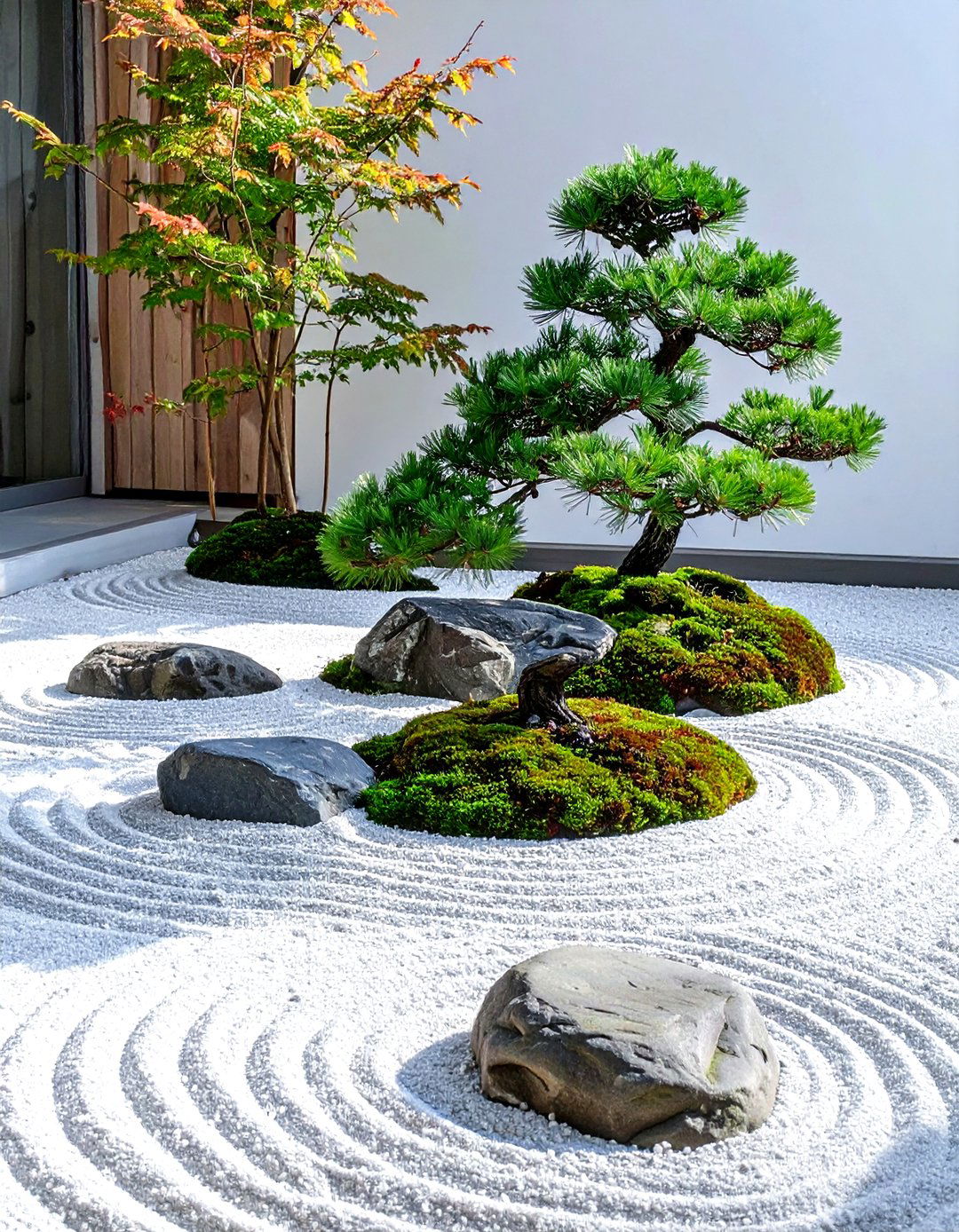
Creating a themed garden can give a small landscape a strong sense of purpose and cohesion. Choose a theme that reflects your personal taste, such as a Mediterranean garden with lavender, rosemary, and olive trees in pots, or a Japanese-inspired Zen garden with gravel, a single boulder, and carefully pruned plants. A culinary herb garden or a pollinator-friendly garden filled with native wildflowers are other great options. A clear theme guides your plant and decor choices, ensuring all elements work together harmoniously. This focused approach results in a highly intentional and impactful design.
26. Small Landscaping with Trellises and Arbors
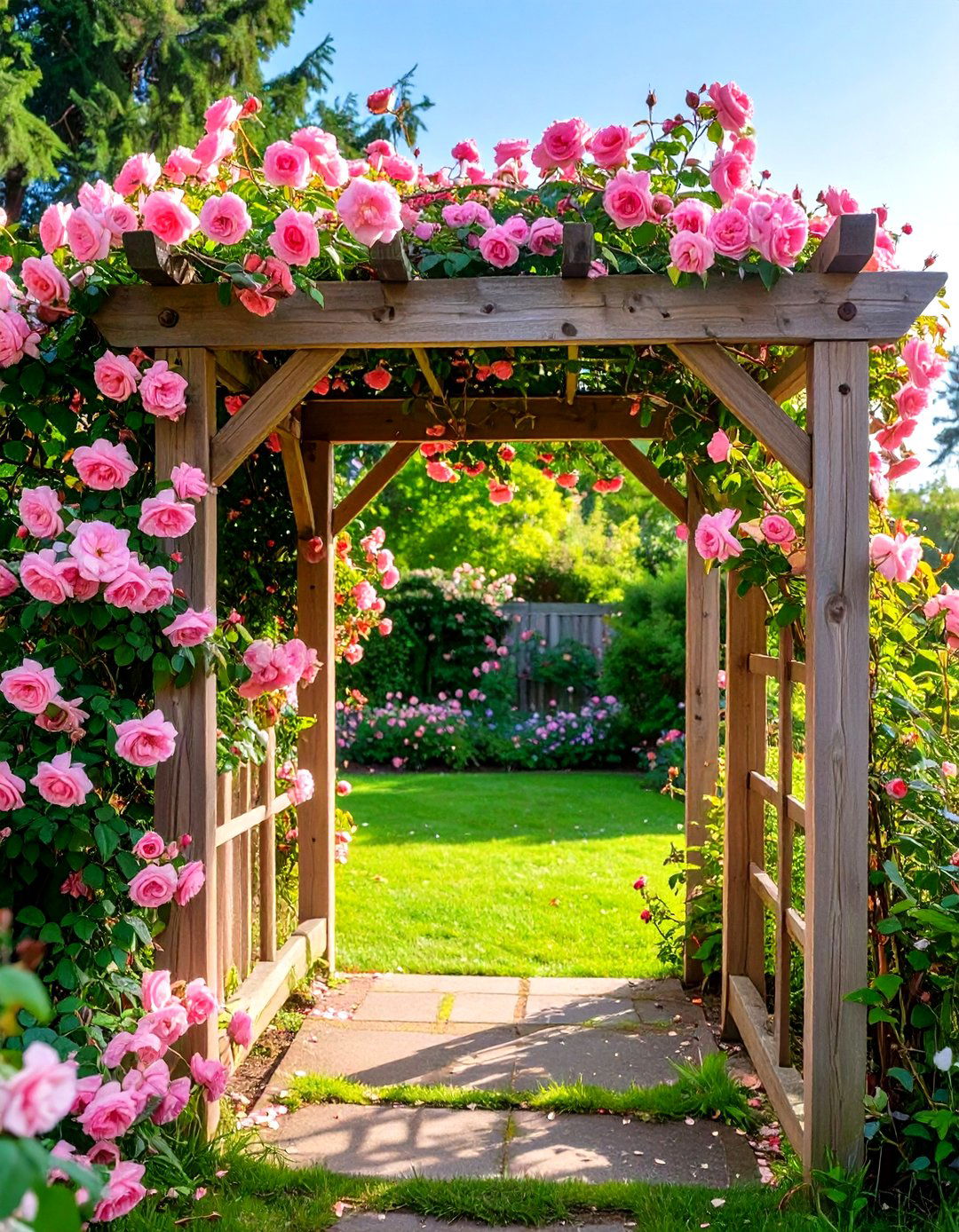
Trellises and arbors are fantastic tools for adding vertical dimension and structure to a small garden. A trellis placed against a wall can support climbing roses, clematis, or even vining vegetables, turning a blank surface into a living tapestry of green. An arbor placed over a pathway or entrance creates a charming sense of arrival and can be adorned with fragrant flowering vines. These structures define different zones within the landscape and draw the eye upward, making the space feel taller. They provide support for plants while also serving as beautiful architectural elements in their own right.
27. Small Landscaping with Gravel and Stone Mulch
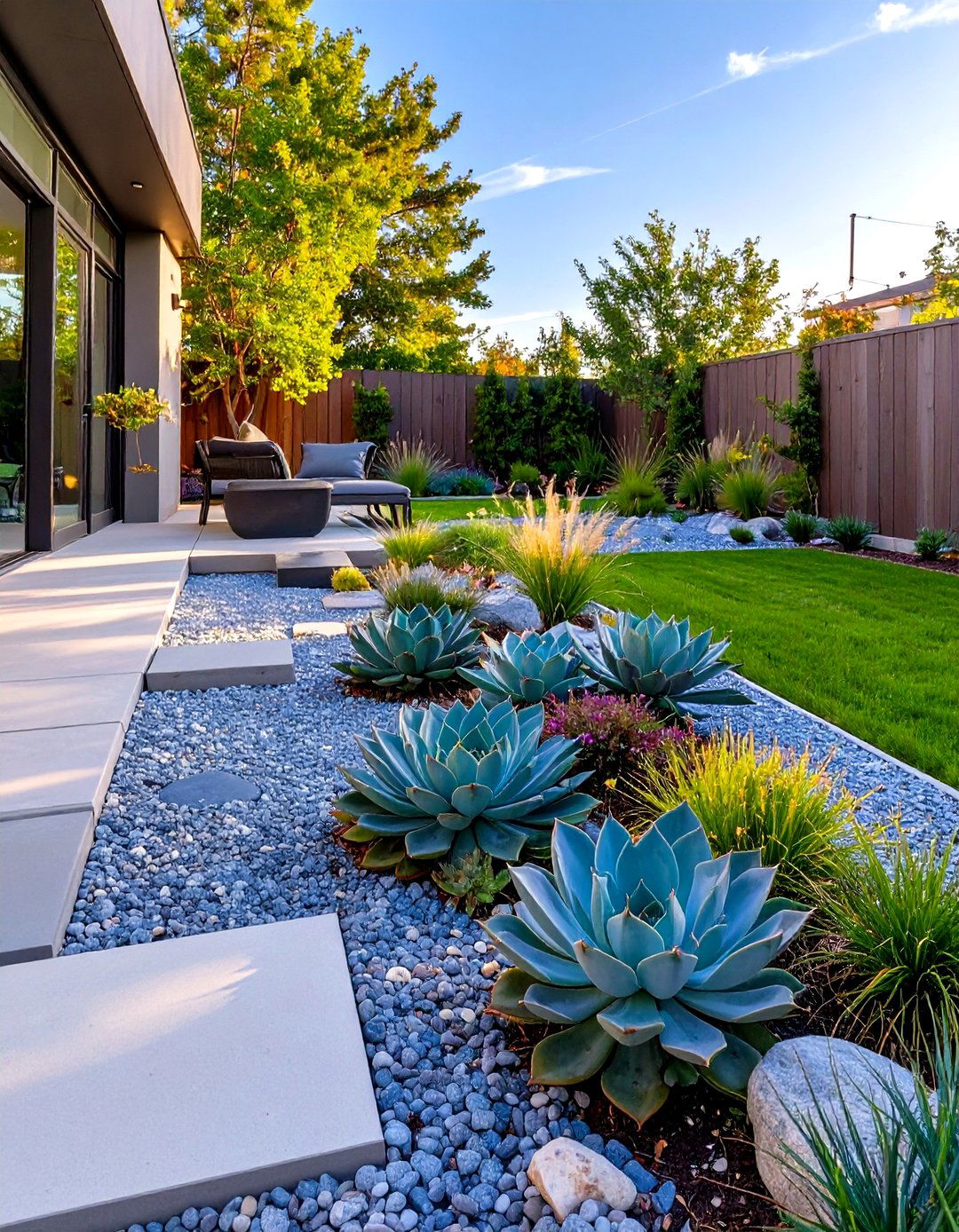
Using gravel or decorative stone as a mulch or ground cover is a low-maintenance and modern alternative to grass or wood chips. In a small space, a clean bed of pea gravel or crushed granite can create a sophisticated, minimalist look that makes the area feel larger and less cluttered. It provides excellent drainage and helps to suppress weeds. You can use different colors and sizes of stone to create patterns or define different zones. Interspersing stones with drought-tolerant plants like succulents or ornamental grasses creates a stylish and water-wise landscape that is both beautiful and easy to care for.
28. Small Landscaping with Window Boxes
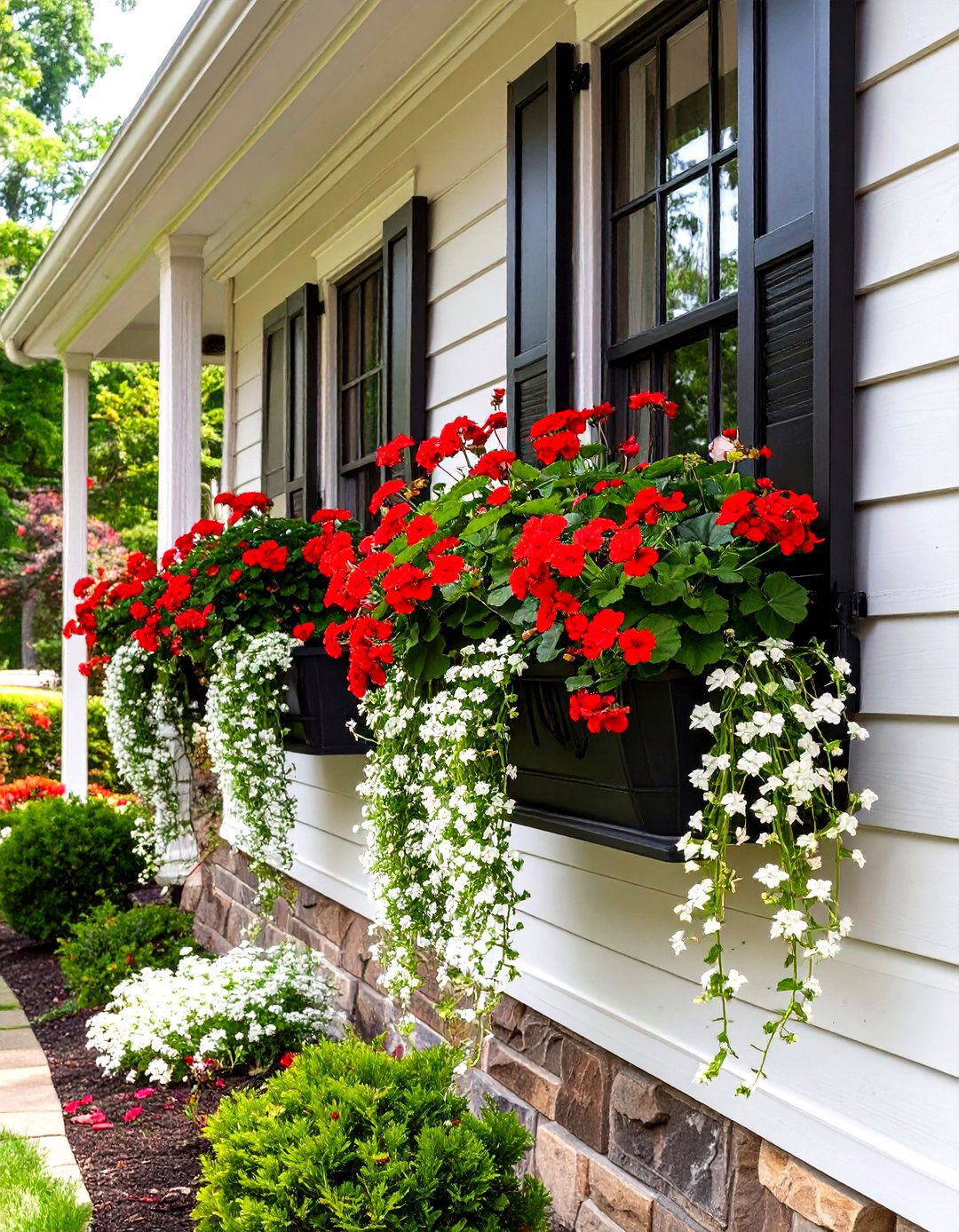
Don't overlook the vertical space on your home's exterior. Window boxes are a classic and charming way to add a splash of color and life without using any ground space at all. They can be filled with a cascade of trailing flowers, a neat row of herbs right outside the kitchen window, or even a miniature vegetable garden. By drawing attention to the house itself, window boxes help to integrate the home with the garden. They provide an opportunity for seasonal planting, allowing you to easily refresh your home's curb appeal throughout the year with vibrant new displays.
29. Small Landscaping with Strategic Pruning
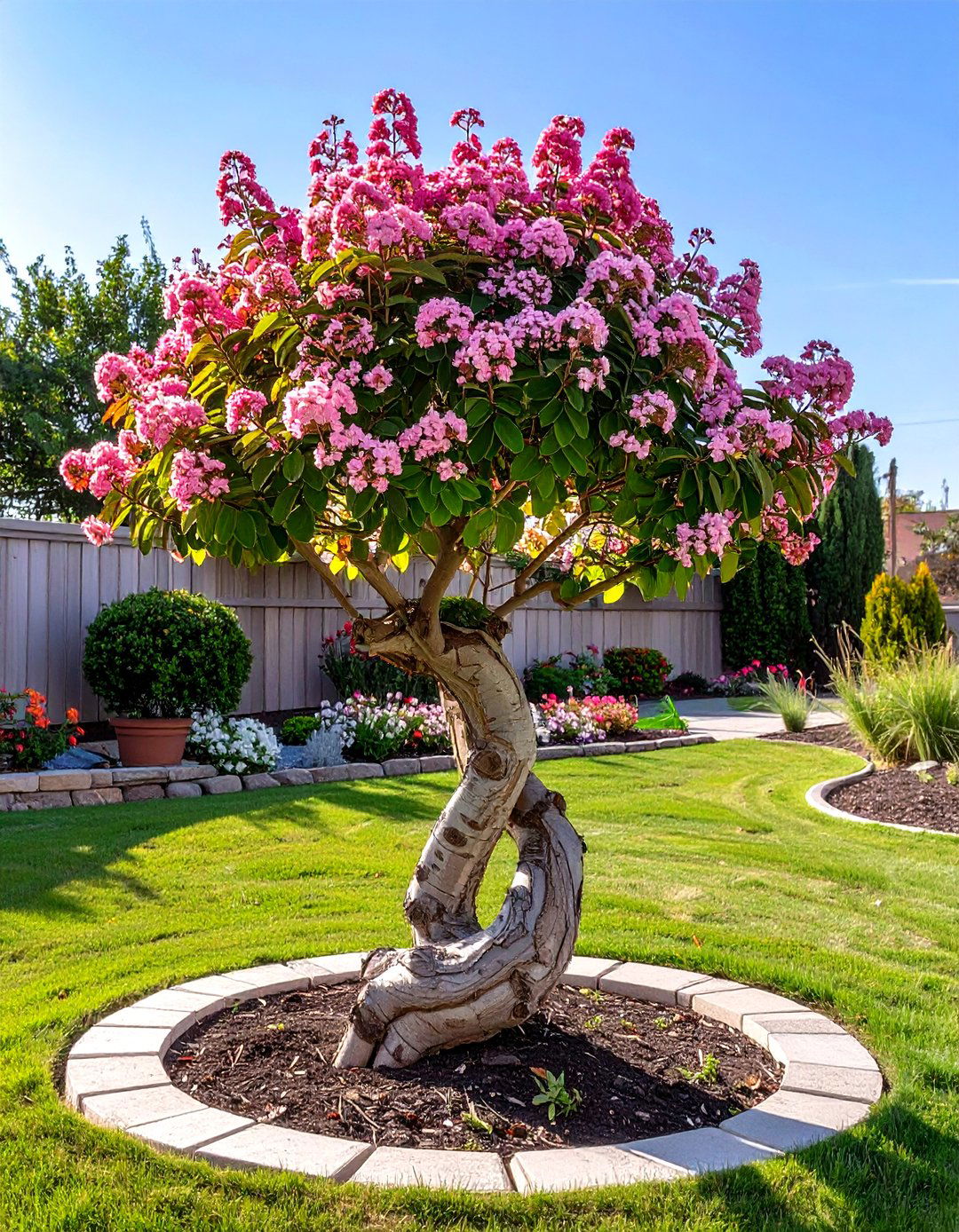
In a small garden, strategic pruning is essential for maintaining scale and proportion. Thoughtful pruning can keep trees and shrubs from overwhelming the space and can even transform them into sculptural elements. Techniques like thinning out branches to create an airy, multi-stemmed structure or shaping a shrub into a neat formal hedge can have a huge impact. Regular pruning not only keeps plants healthy and well-sized but also ensures that sightlines remain open and the garden doesn't feel crowded. It’s a crucial maintenance task that becomes a key design tool in a compact landscape.
30. Small Landscaping with Solar-Powered Accent Lights
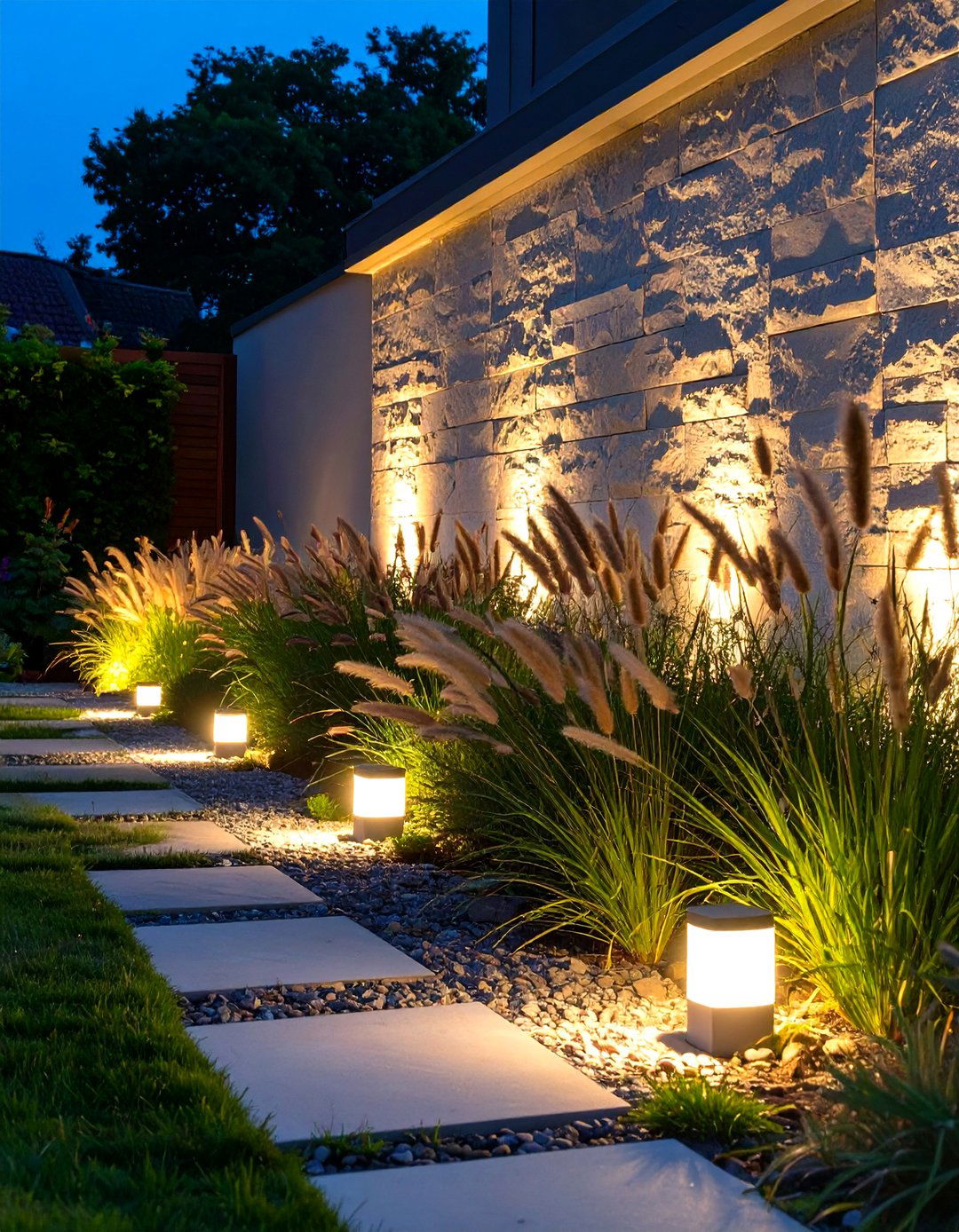
Solar-powered accent lights are an easy and affordable way to highlight key features in your small landscape after dark. Use spotlights to illuminate a specimen tree, a sculpture, or the textured bark of a shrub. Pathway lights can guide the way along a walkway, adding both safety and ambiance. Because they are solar-powered, there is no need for complex wiring, so you can place them anywhere the sun reaches during the day. These small lights can dramatically change the garden's character at night, creating depth, mystery, and a warm, welcoming glow with minimal effort or expense.
Conclusion:
Ultimately, designing a beautiful small landscape is about creativity and smart planning. By embracing vertical space, choosing multi-functional elements, and employing clever visual tricks, any compact area can be transformed into a personal sanctuary. The key is to select ideas that resonate with your style and suit your lifestyle. A small yard is not a limitation but an opportunity to create a detailed, intimate, and highly personalized outdoor room. With thoughtful execution, your small space can provide immense enjoyment and prove that exceptional landscape design can thrive in any dimension, big or small.

Related posts:



Leave a Reply