
Designing a small room to comfortably accommodate two twin beds can feel like a puzzle. The challenge lies in creating a space that is functional for two people without feeling cramped or cluttered. Maximizing floor space, utilizing vertical areas, and choosing smart furniture are key to success. With thoughtful planning and creative layouts, even the most compact room can be transformed into a stylish and practical shared bedroom. These ideas explore various configurations and storage solutions to help you craft a comfortable and organized twin bedroom, proving that limited square footage doesn't have to limit your design possibilities.

1. Classic Parallel Twin Beds with a Shared Nightstand
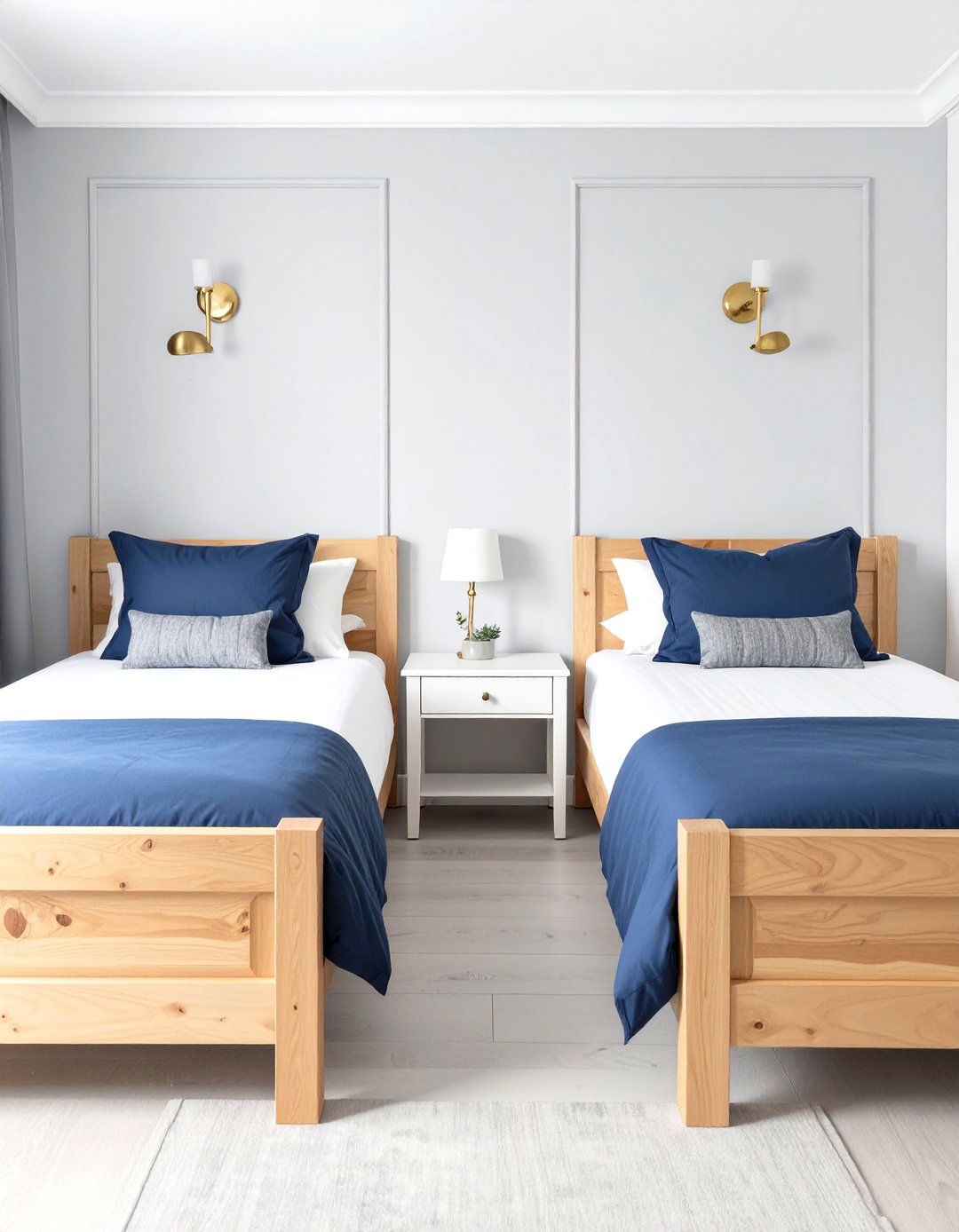
A timeless arrangement for a small twin bedroom involves placing two beds parallel to each other against a single wall. This layout creates a sense of symmetry and order. To save space, position a single, slightly larger nightstand between the two beds, which both occupants can share. This eliminates the need for two separate tables, freeing up valuable floor area. Wall-mounted sconces above each bed for reading light further reduce clutter on the shared surface. This setup works best in rectangular rooms where the length of the wall can comfortably accommodate both beds and the central nightstand, maintaining a clear pathway.
2. The L-Shaped Twin Bed Configuration
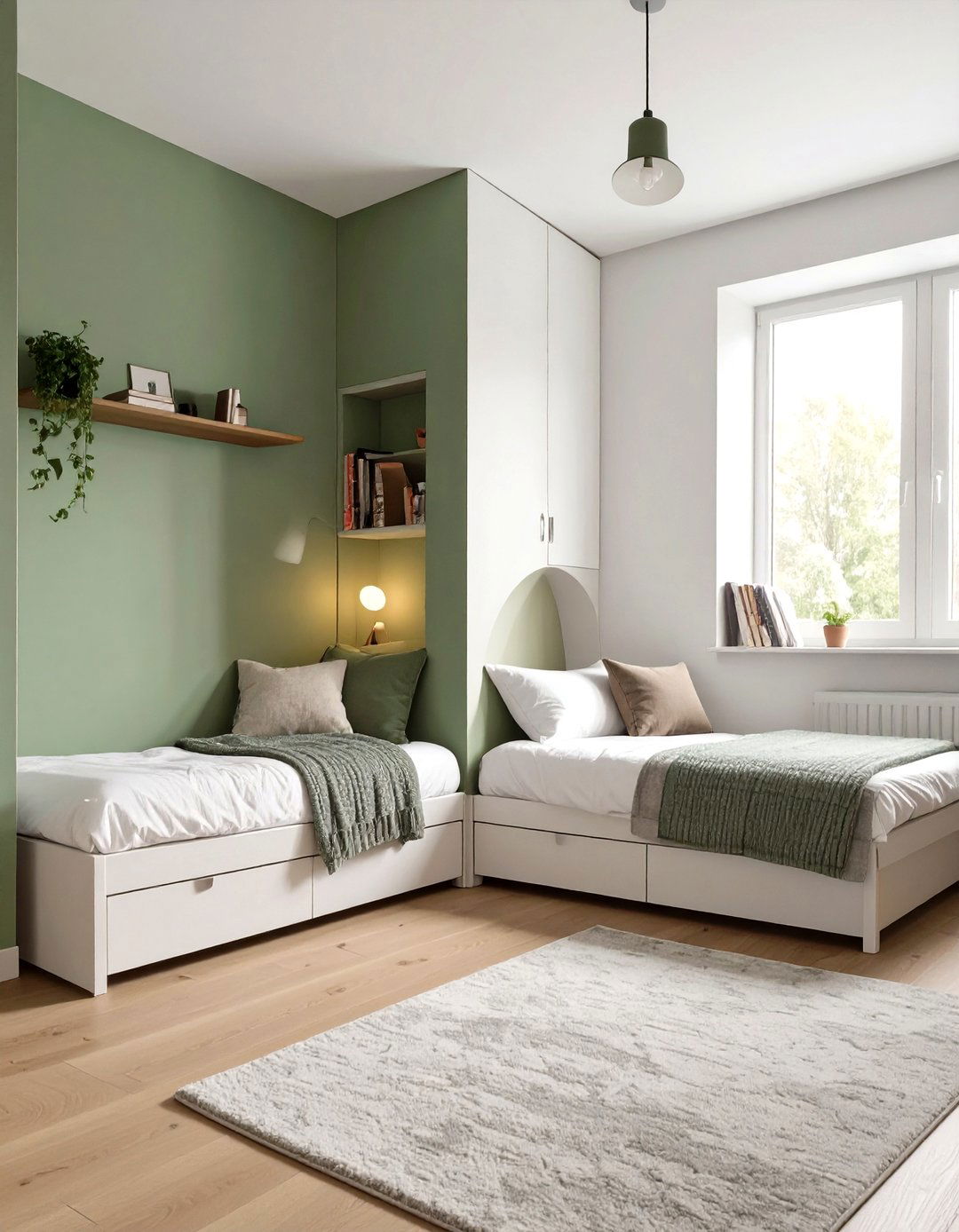
For square-shaped or particularly tight rooms, an L-shaped twin bed layout is a fantastic space-saver. By placing one bed against one wall and the second bed against the adjacent wall, you create an open corner. This newfound space can be utilized for a small desk, a reading nook with a beanbag, or a shared dresser. This arrangement breaks up the traditional parallel look and often makes the room feel larger and more dynamic. It also gives each occupant a bit more personal space and a distinct zone, which can be beneficial for siblings sharing a room, fostering a sense of individuality.
3. Vertical Space with Standard Bunk Beds
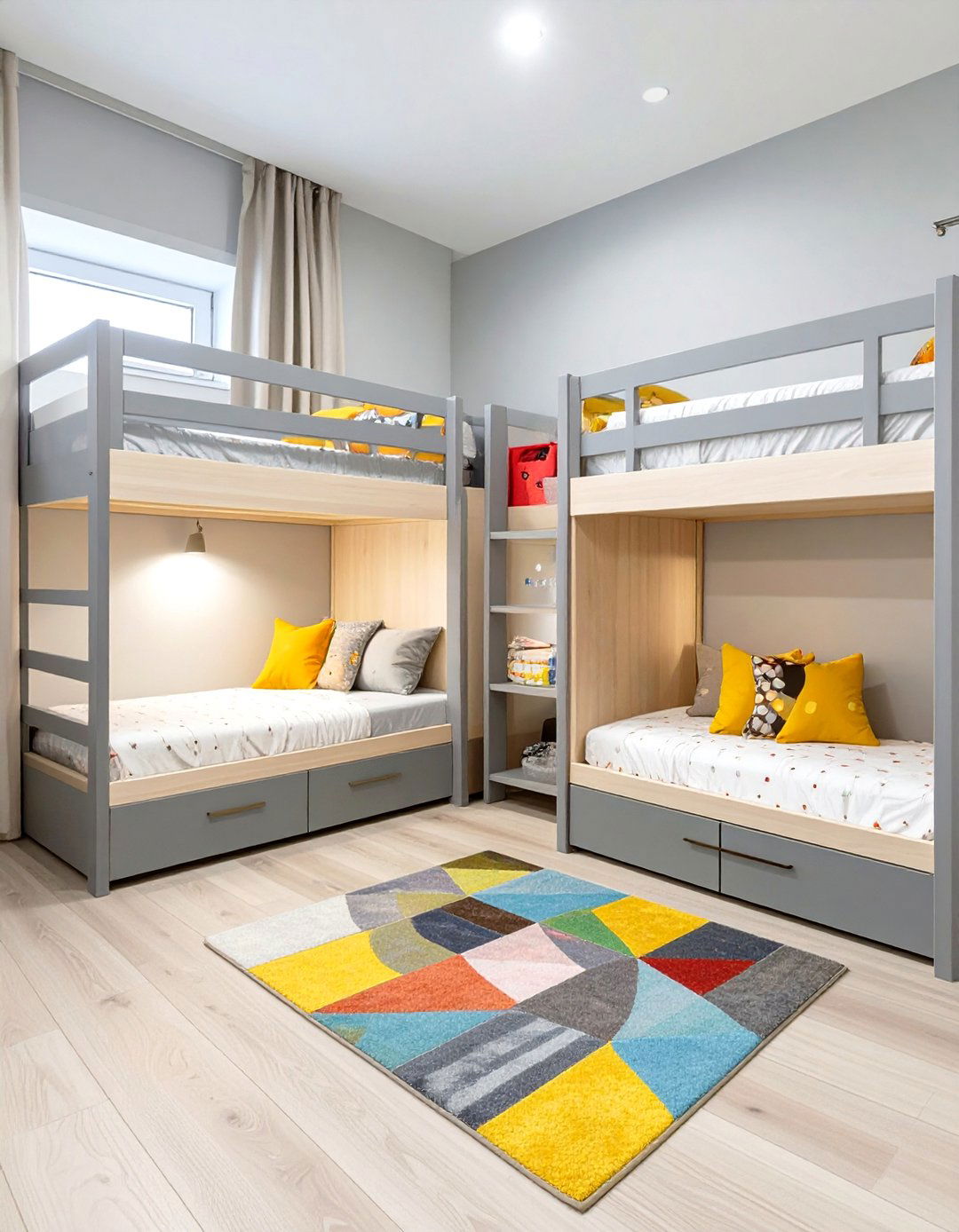
The most classic solution for saving floor space in a small twin bedroom is incorporating standard bunk beds. By stacking the beds vertically, you use the footprint of just one bed, leaving the rest of the room open for play, study, or storage. Modern bunk beds come in various styles, from simple metal frames to sturdy wooden designs, fitting any decor theme. Safety is paramount, so always ensure the top bunk has secure guardrails and the ladder is stable. This vertical approach is an enduring favorite because it directly addresses the primary challenge of a small shared room: a lack of horizontal space.
4. Loft Bed Over a Desk Area
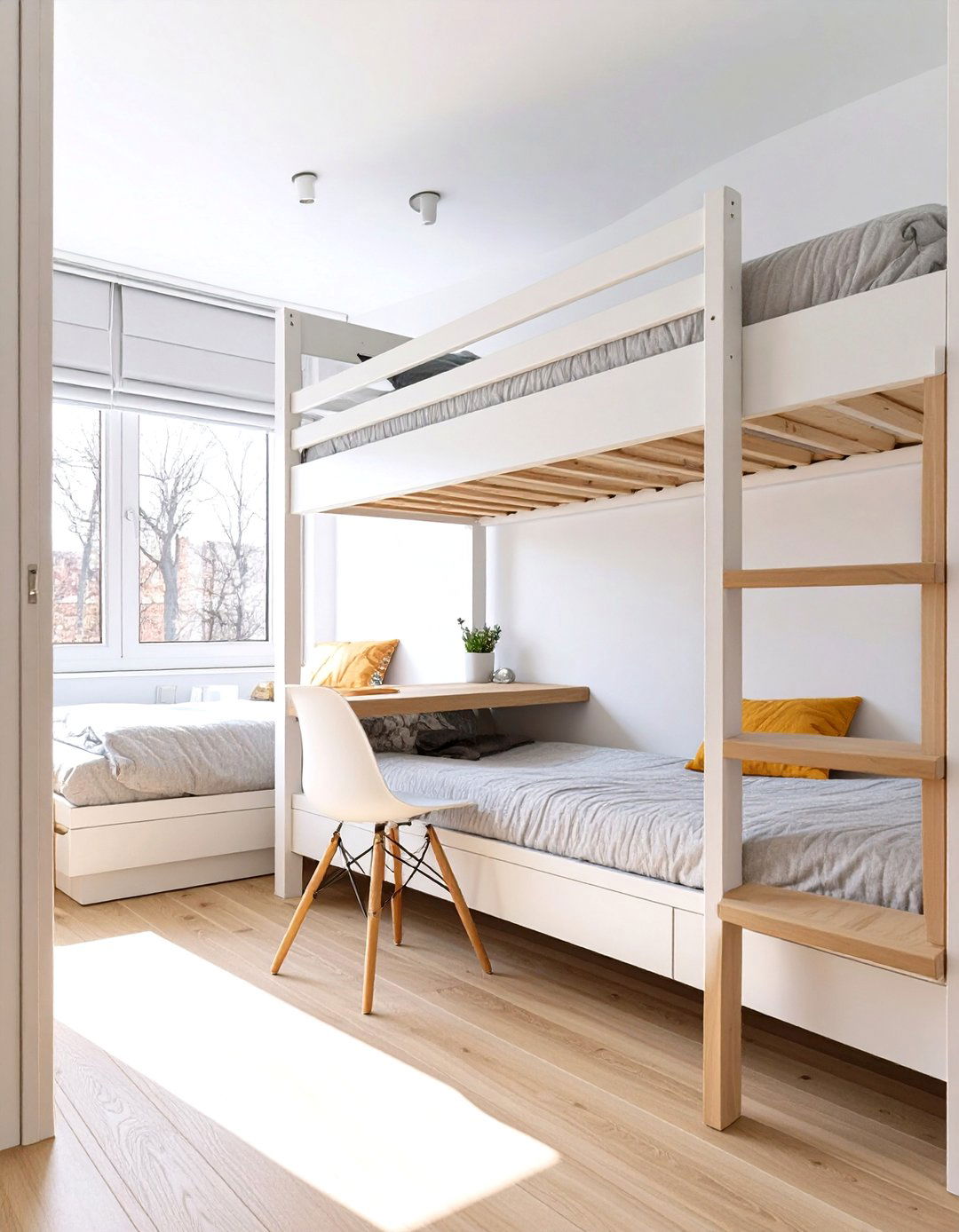
A loft bed offers an excellent way to create a multi-functional zone within a small twin bedroom. By elevating one twin bed, you open up the entire floor space underneath for another purpose. Placing a desk and chair in this area creates a dedicated study or creative spot without taking up any additional room. This is ideal for older children or teens who need a quiet place for homework. The second twin bed can then be placed elsewhere in the room. This configuration efficiently combines sleeping and study functions, making it a highly practical choice for maximizing utility in a limited footprint.
5. Twin Beds with Built-In Storage Drawers
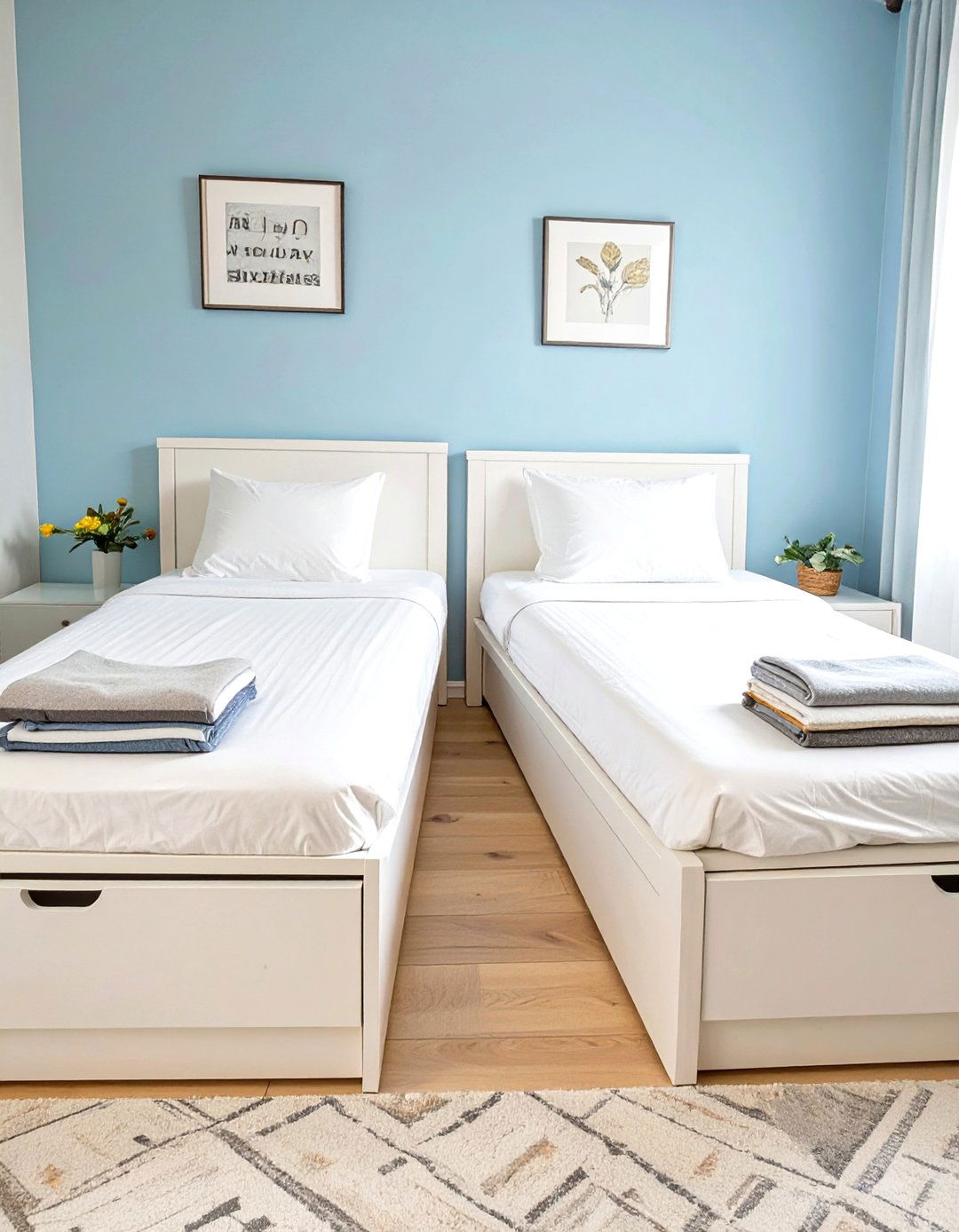
To tackle clutter in a small twin bedroom, choose bed frames that come with built-in under-bed storage drawers. These integrated solutions provide a discreet and accessible place to store clothes, toys, extra bedding, or shoes, eliminating the need for bulky dressers or storage bins. By utilizing the often-wasted space beneath the bed, you keep the floor clear and the room looking tidy. This is an incredibly efficient way to add storage without sacrificing square footage. Many furniture manufacturers offer twin beds with this feature, making it easy to find a style that suits your room's aesthetic while boosting its functionality.
6. Head-to-Head Twin Bed Placement
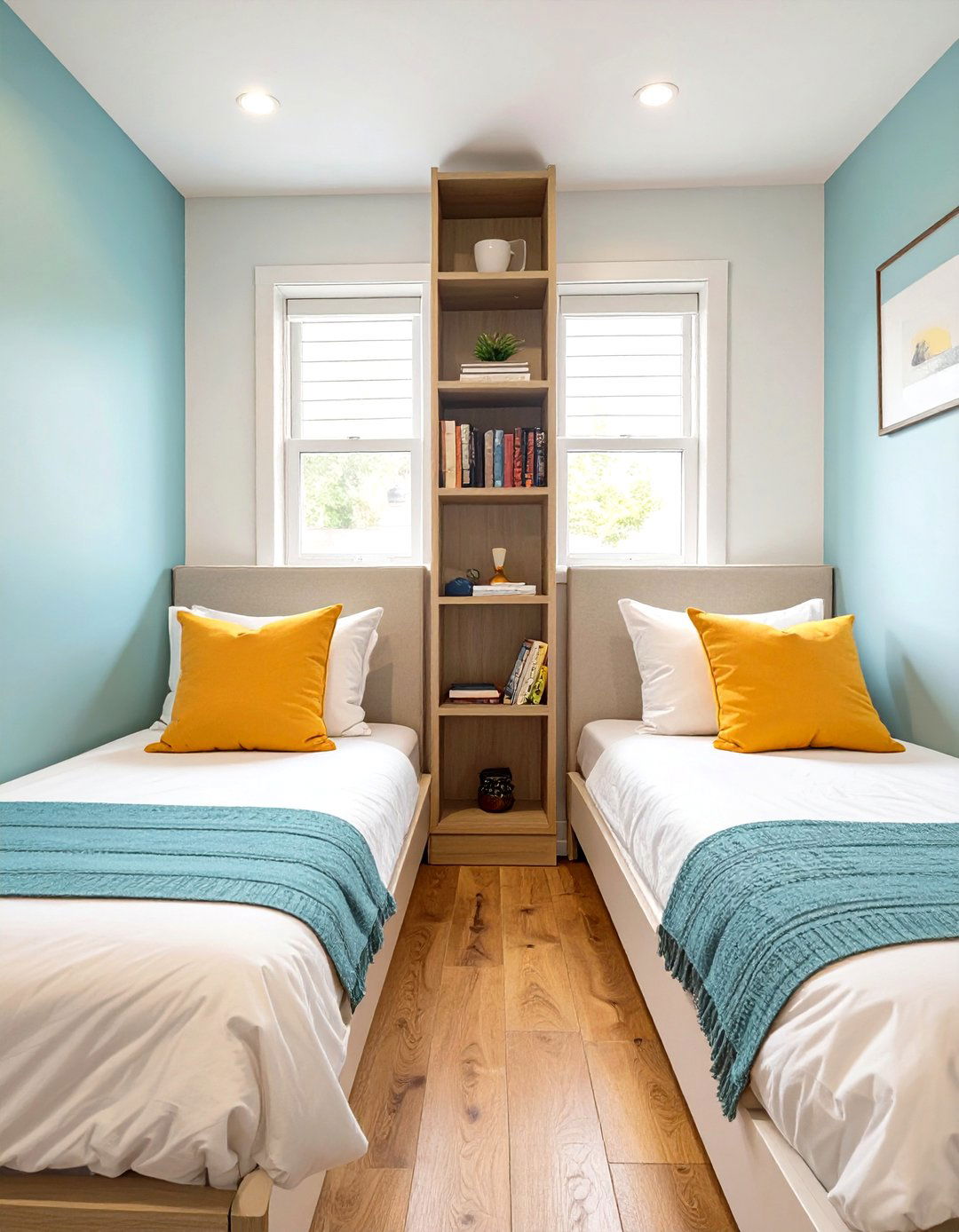
An unconventional yet effective layout for a narrow room is placing the twin beds head-to-head against the same wall. With the headboards touching, you can place a single, slim console table or a low bookshelf between them to act as a shared headboard and storage unit. This arrangement leaves the longest possible pathway open in the room, making it feel less constricted. It fosters a sense of connection while still providing each person with their own defined sleeping area. This setup works particularly well in long, rectangular rooms where placing beds side-by-side would make the space feel too tight to navigate.
7. Trundle Bed for Guest Flexibility
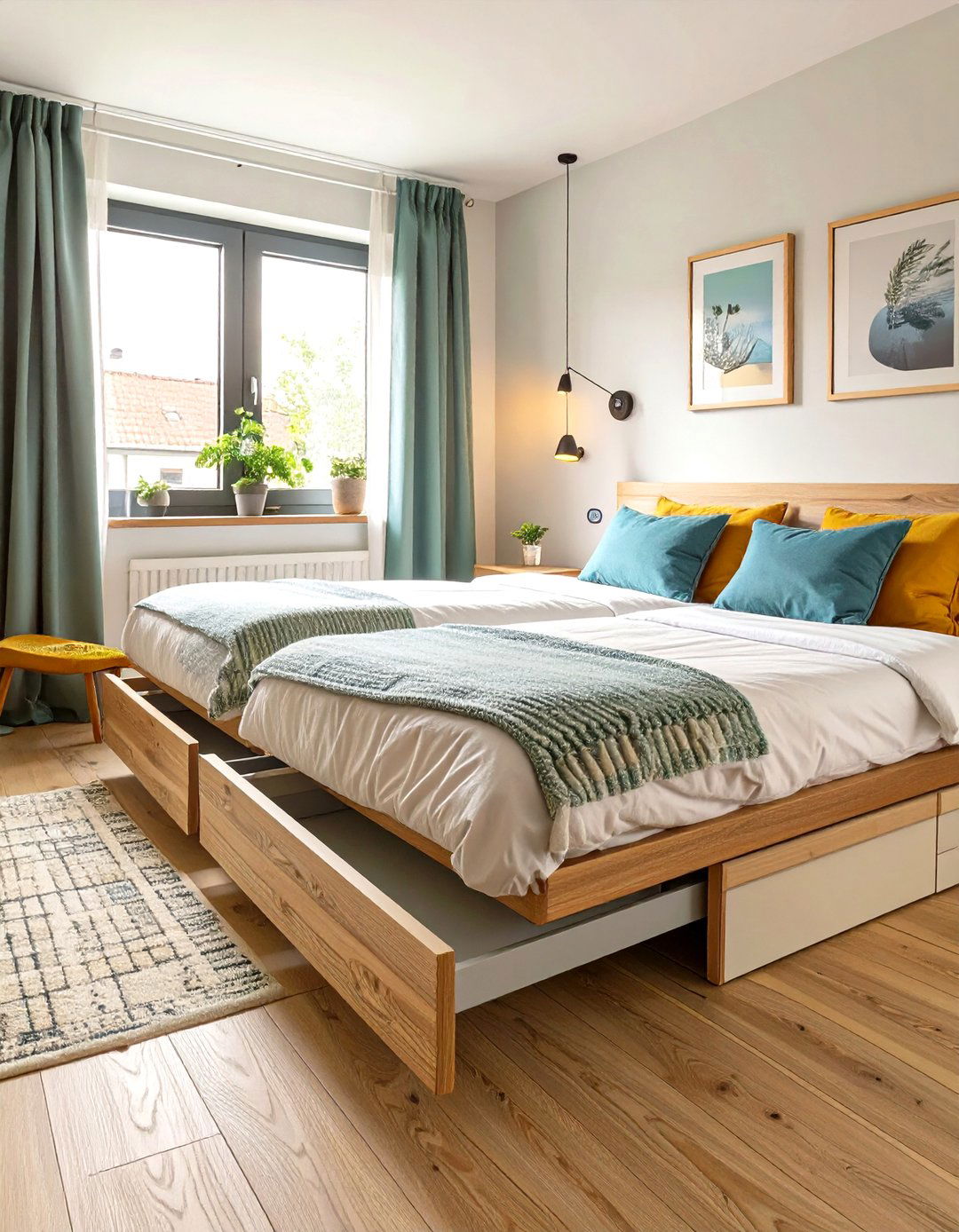
A trundle bed is a brilliant solution for a small room that needs to function as a single bedroom most of the time but occasionally accommodates two. The second twin bed is neatly tucked away on casters beneath the main bed frame, ready to be rolled out whenever needed. This preserves maximum floor space for daily activities and play. When the trundle is stored, the room feels spacious and uncluttered. It’s an ideal choice for sleepovers or for siblings who may not share the room every single night. The design is sleek and efficient, offering two beds in the footprint of one.
8. Wall-Mounted Headboards to Save Inches
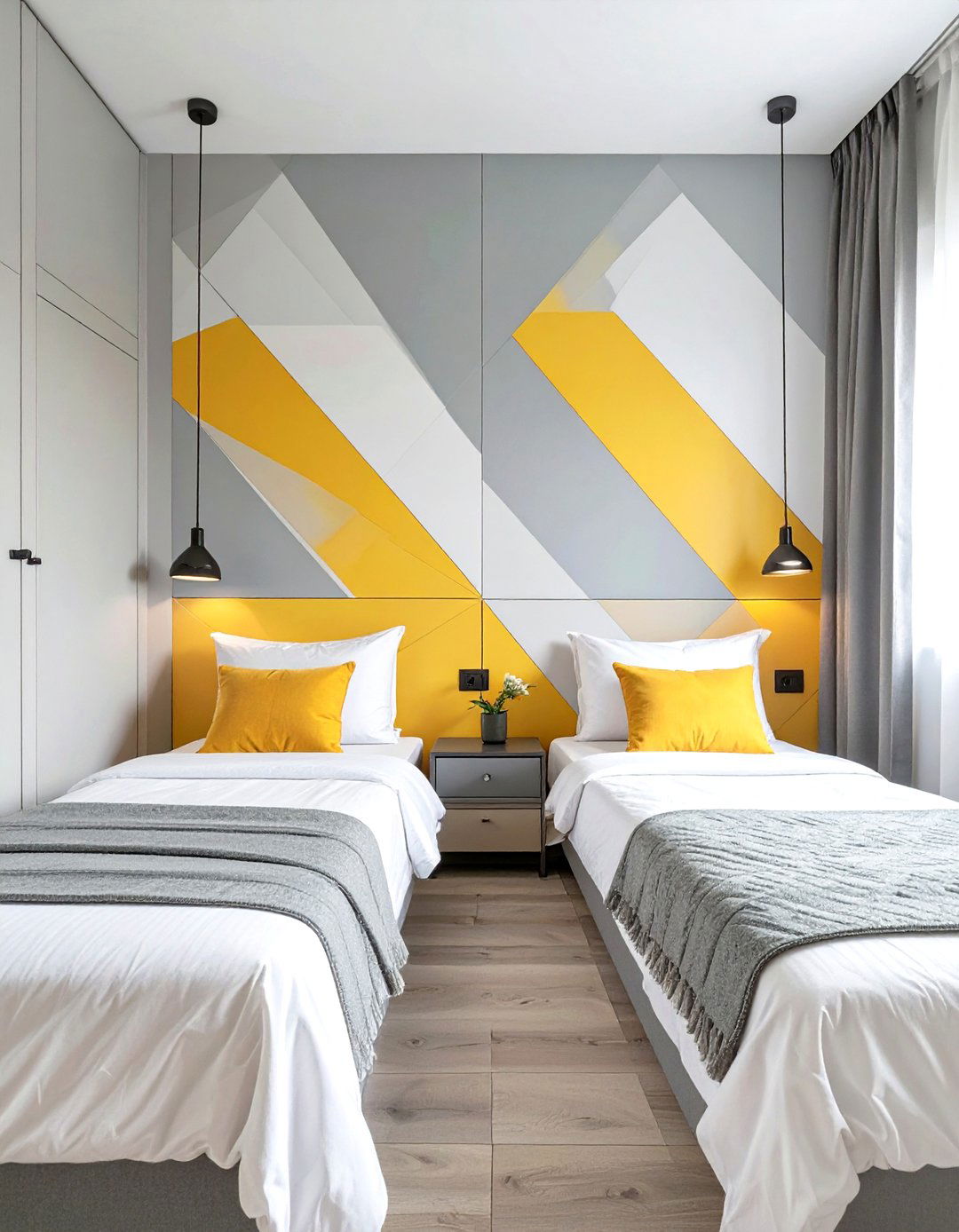
In a truly tiny twin bedroom, every inch counts. Forgo bulky, traditional headboards and opt for wall-mounted or upholstered panel headboards instead. These can be attached directly to the wall, taking up virtually no floor space. This allows you to push the beds flush against the wall, gaining a few crucial inches of room length. You can get creative with DIY options, like painting a headboard shape on the wall or using decals. This minimalist approach provides the visual anchor of a headboard without the physical footprint, contributing to a more open and airy feel in the room.
9. Using a Corner for Built-In Twin Beds
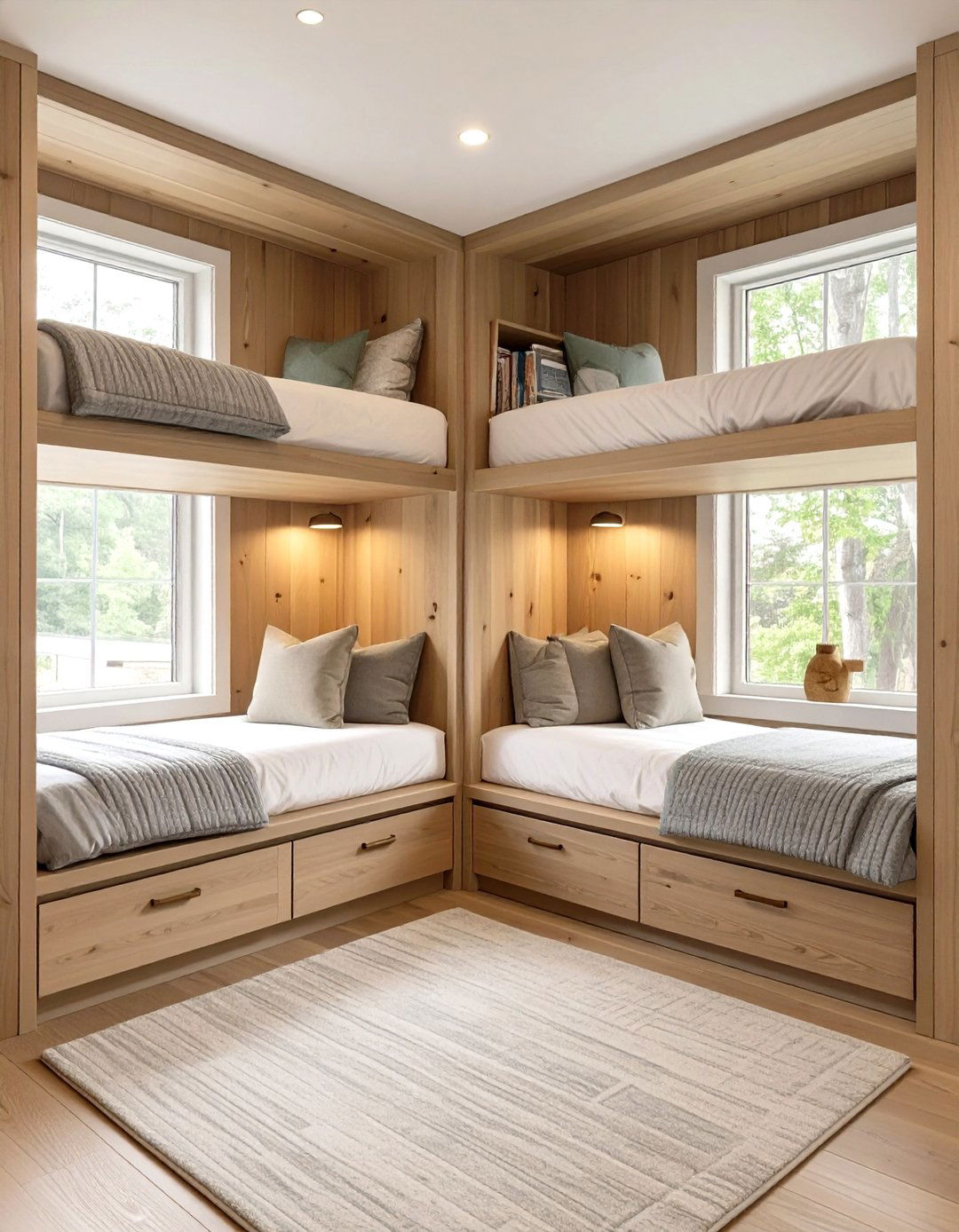
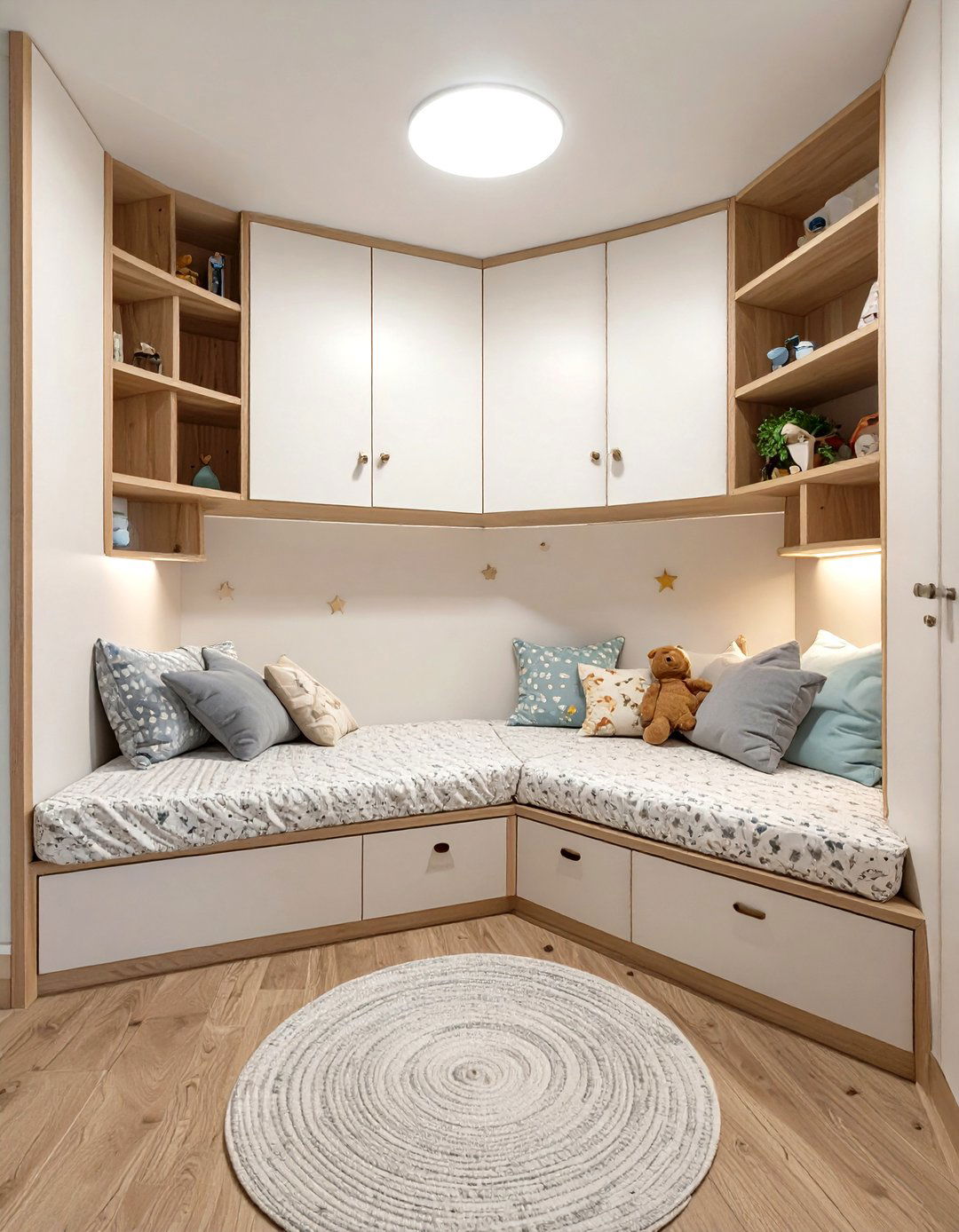
For a seamless, custom look, consider creating built-in twin beds nestled into a corner. This approach maximizes space by integrating the bed frames directly into the room's architecture. The corner nook can feature two beds in an L-shape, often with built-in drawers underneath and shelving or cubbies along the walls above. This creates a cozy, den-like sleeping area while providing ample integrated storage. While it requires more initial investment and construction, the result is a highly efficient and cohesive design that makes the beds feel like a natural part of the room rather than bulky, separate furniture pieces.
10. Floating Nightstands for an Airy Feel
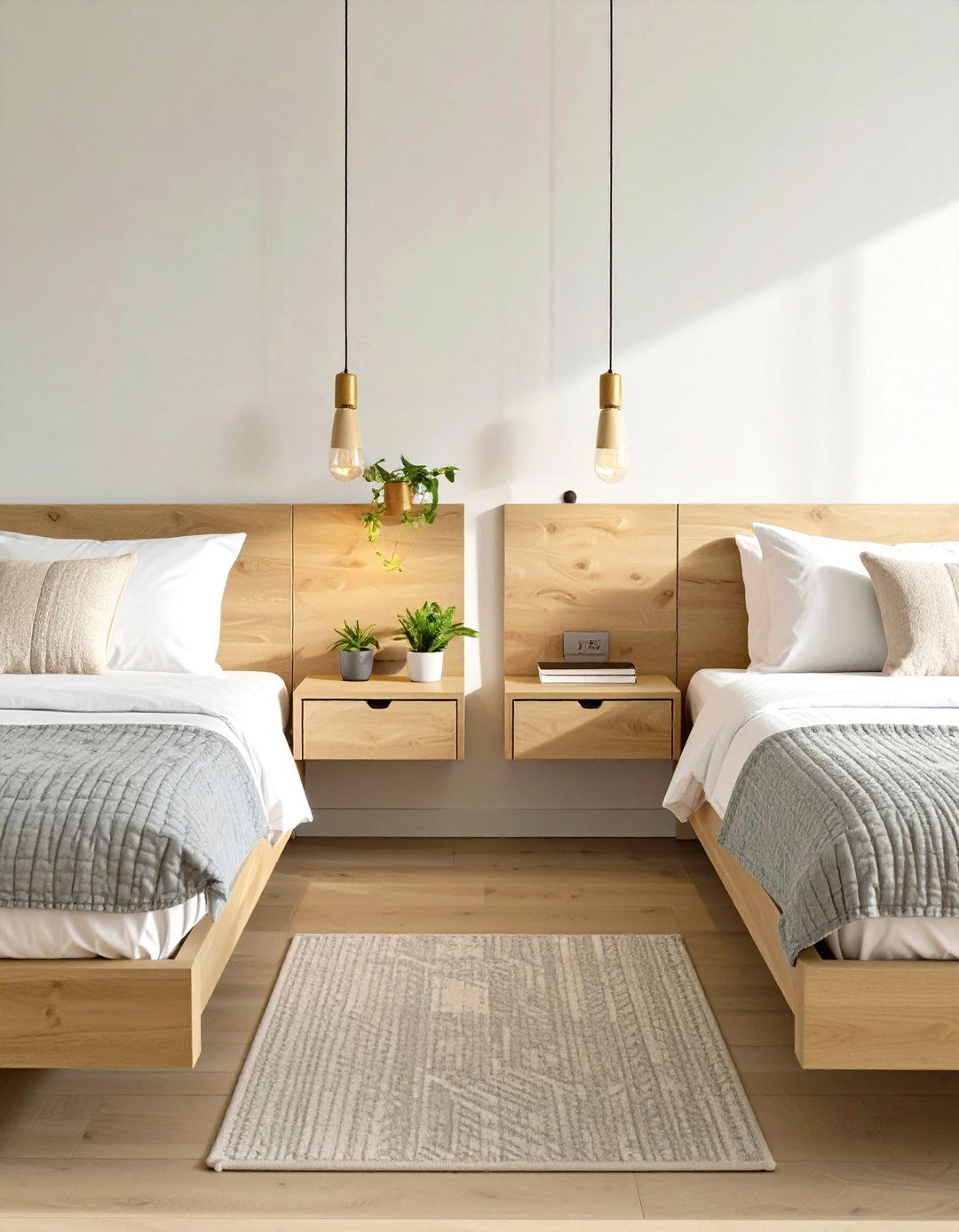
Instead of traditional nightstands that sit on the floor, install small floating shelves next to each twin bed. This simple switch can make a small room feel significantly larger and less cluttered. Floating shelves provide just enough space for essentials like a book, a glass of water, and a phone, without taking up any visual or physical floor space. This enhances the sense of openness and makes cleaning the floor much easier. The minimalist design aligns perfectly with modern and contemporary aesthetics, contributing to a clean, streamlined look that is ideal for compact living areas.
11. Symmetrical Layout with Matching Bedding
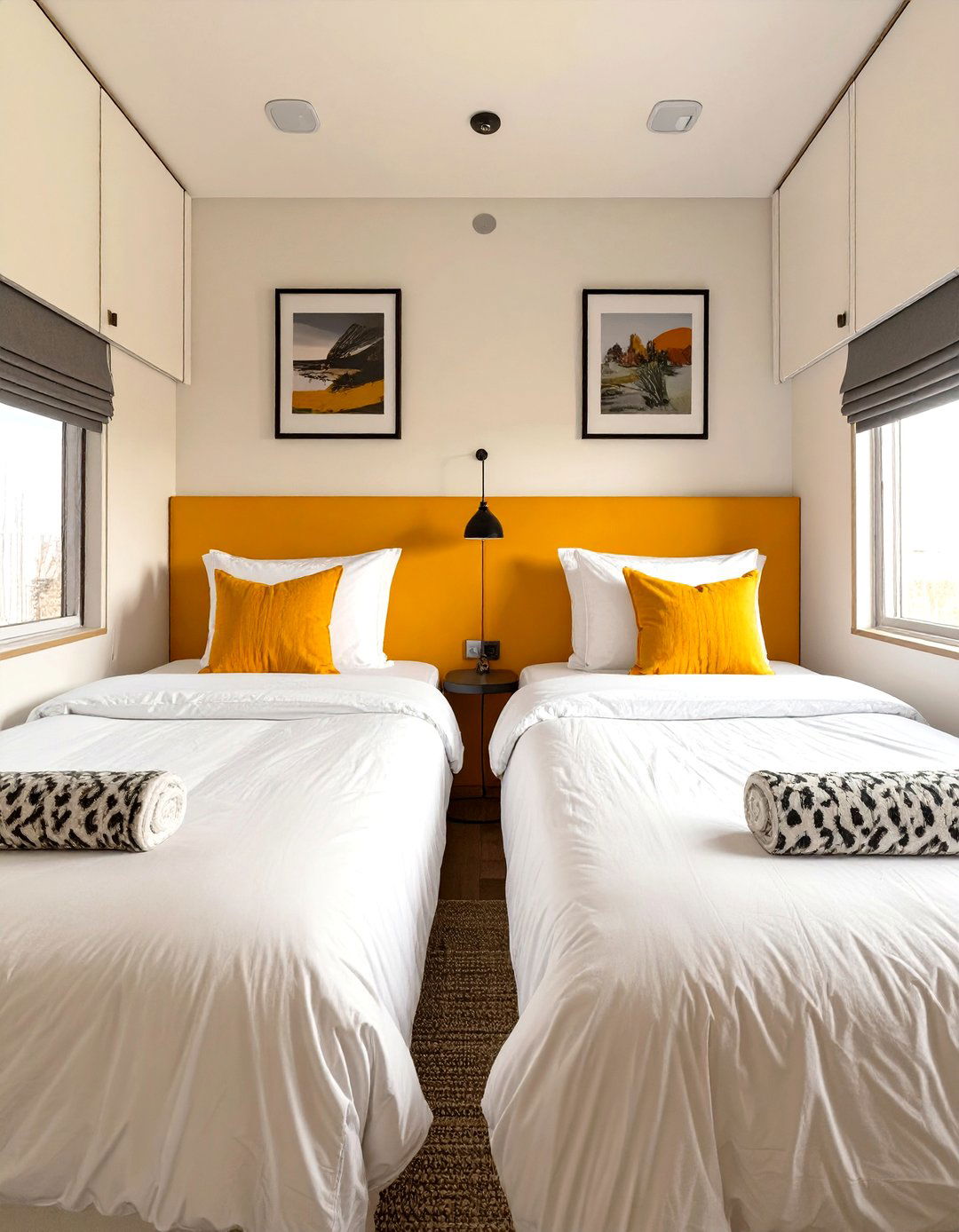
Creating a sense of visual order can make a small room feel more serene and less chaotic. A symmetrical layout with two parallel twin beds is the perfect foundation for this. Enhance the effect by using identical bedding, pillows, and throw blankets on each bed. This repetition of patterns and colors creates a pleasing visual rhythm and a polished, intentional look. The symmetry helps to trick the eye, making the space feel more balanced and organized. Even in a small footprint, this coordinated approach lends an air of sophistication and calmness, proving that thoughtful design can overcome spatial limitations.
12. Minimalist Bed Frames Without Headboards
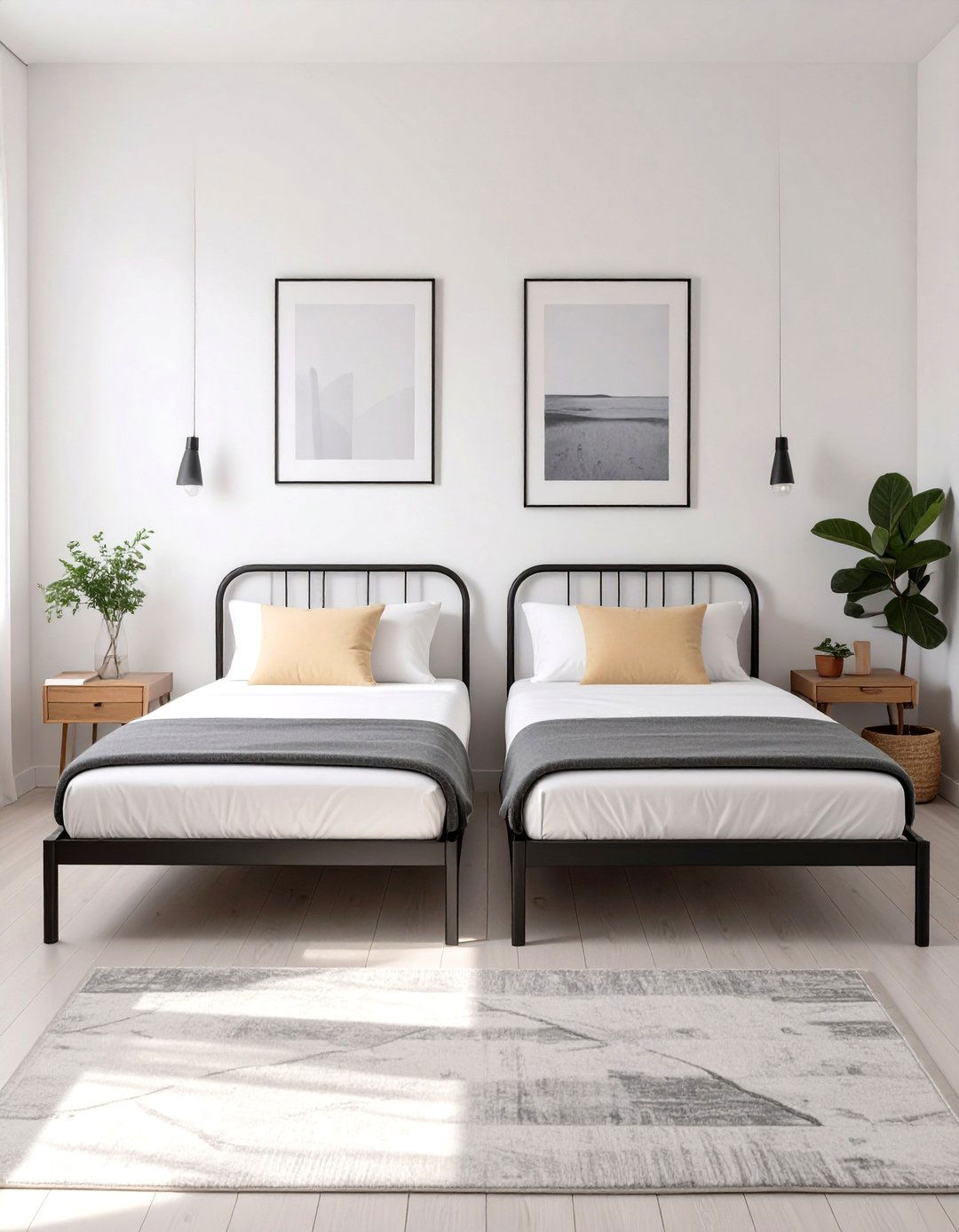
To maximize the feeling of openness in a small twin bedroom, select minimalist bed frames. Platform beds or simple metal frames without a headboard or footboard are excellent choices. These low-profile designs take up less visual and physical space, helping the room appear larger and more streamlined. By eliminating the vertical elements of a headboard, you create longer, uninterrupted lines, which contributes to a less cluttered aesthetic. This approach is perfect for modern or Scandinavian-inspired interiors where simplicity and functionality are prized. The focus remains on clean lines and an uncluttered environment, essential for a comfortable small space.
13. A Shared Desk Between Two Beds
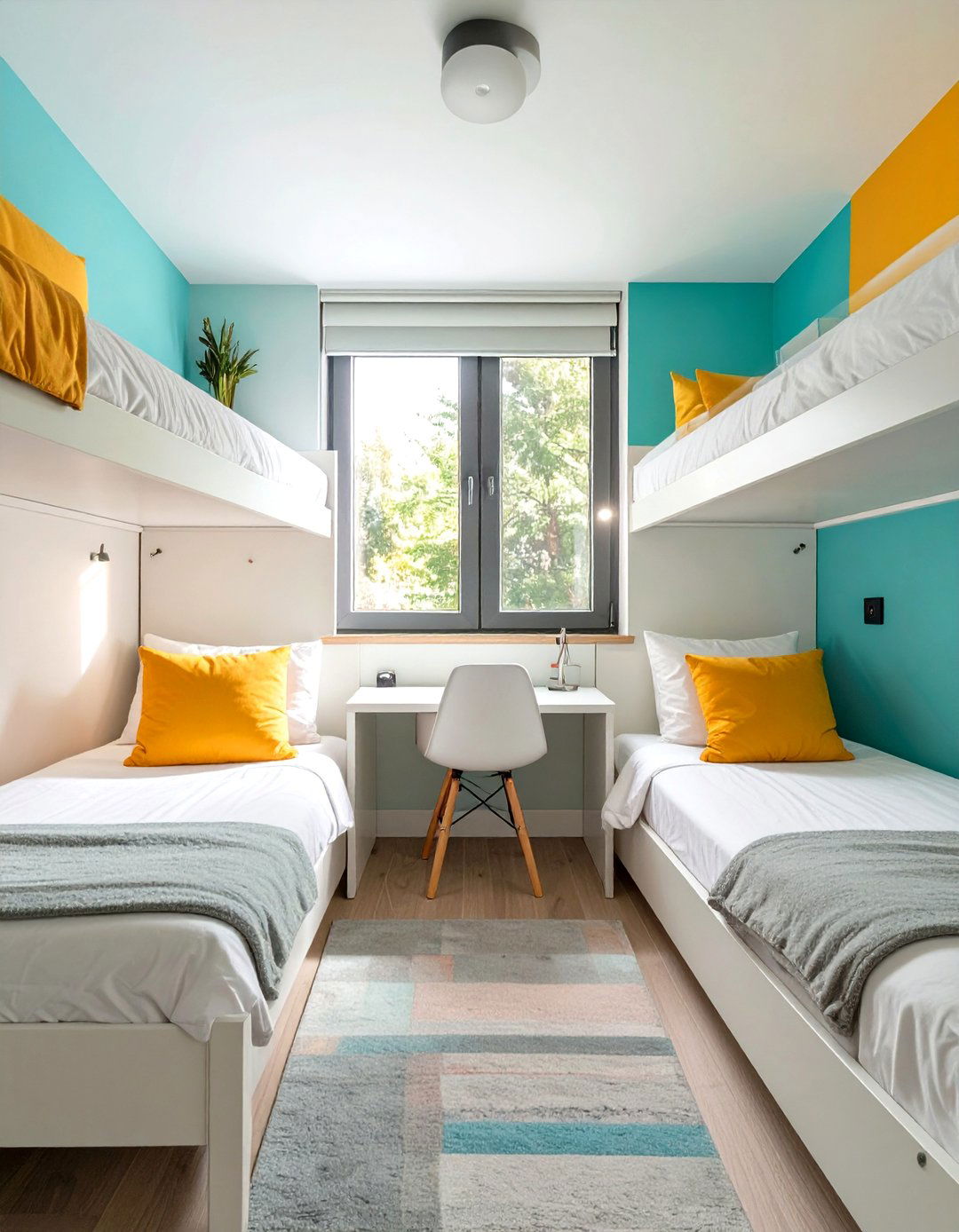
For a room shared by school-aged children, a functional layout can include placing the two twin beds against opposite walls. In the space between the foot of the beds, you can position a long, shared desk. This creates distinct sleeping zones on either side of the room and a central, collaborative workspace. This arrangement is particularly effective in a rectangular room, as it makes use of the central area that might otherwise become an underutilized pathway. It promotes a sense of partnership while ensuring both occupants have a dedicated spot for homework, drawing, or using a computer, all within a compact footprint.
14. Wall-to-Wall Headboard Shelf
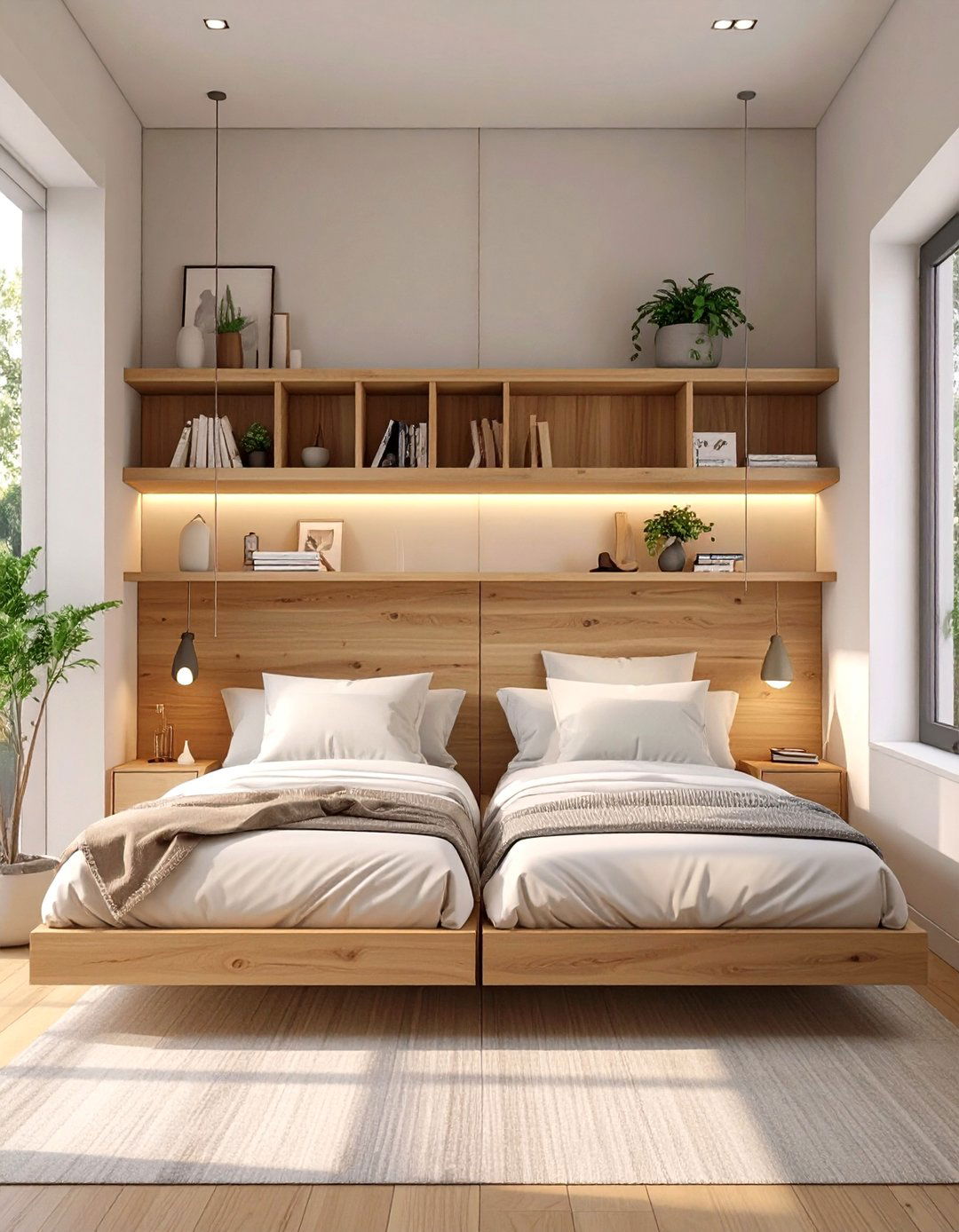
A highly functional idea for a small twin bedroom is to install a single, wall-to-wall shelf behind both beds. This long, narrow ledge serves as a unified headboard and a practical storage surface for both occupants. It’s the perfect spot for books, alarm clocks, small lamps, and personal trinkets, eliminating the need for individual nightstands. This frees up floor space and creates a clean, built-in look. You can position the beds parallel to each other beneath the shelf. This solution is both a stylish design feature and an intelligent use of vertical space, adding valuable storage without cluttering the room.



15. Light and Bright Color Palette
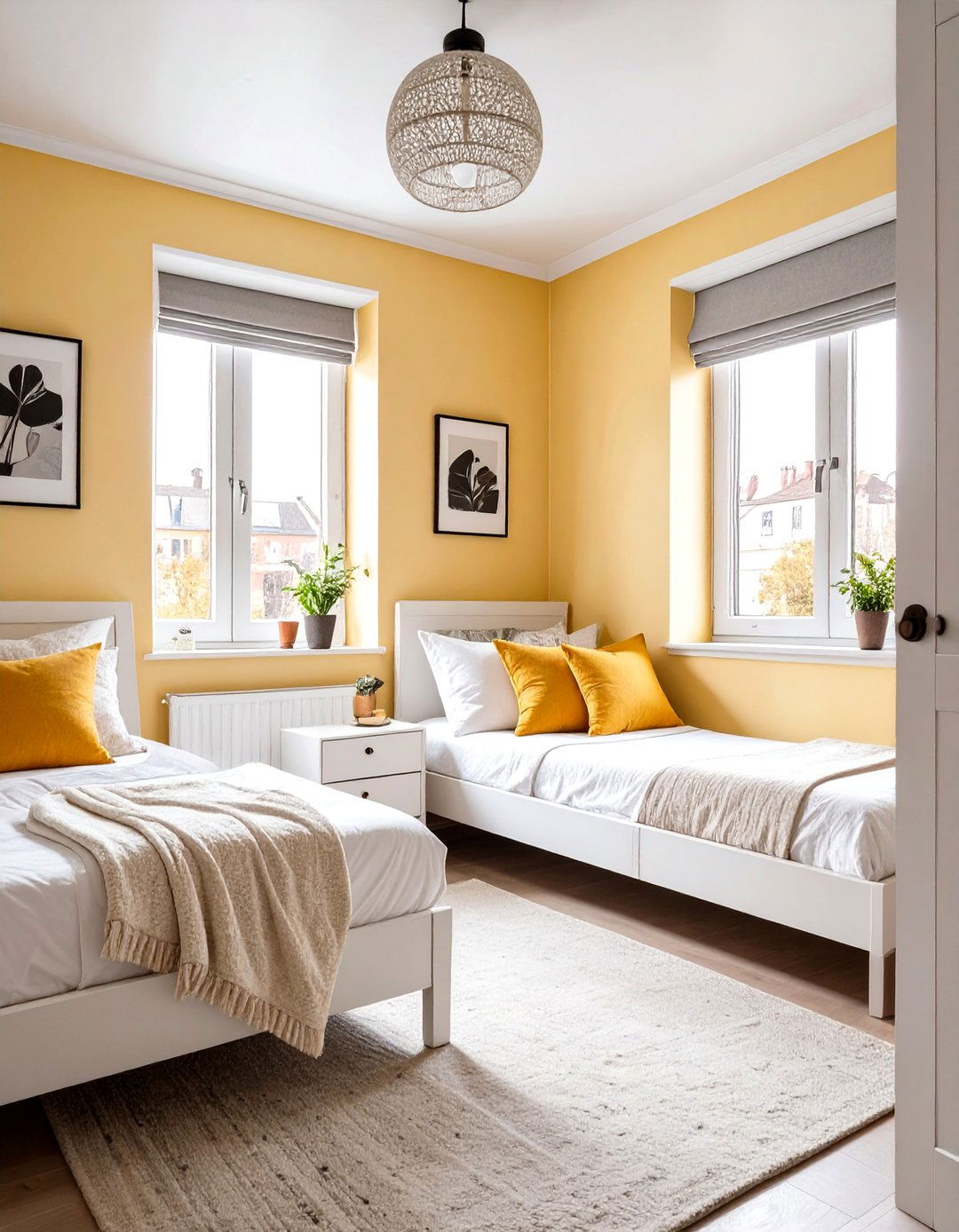
The power of color in a small space should never be underestimated. To make a small twin bedroom feel larger and more open, stick to a light and bright color palette. Walls painted in soft white, light gray, pale blue, or a gentle pastel shade reflect more natural and artificial light, creating an airy and expansive atmosphere. Keep the bedding, curtains, and major furniture pieces in similarly light hues. This cohesive, bright scheme helps to blur the boundaries of the room, reducing the sense of confinement and making the space feel more welcoming and comfortable for its two occupants.
16. Using Mirrors to Create Depth
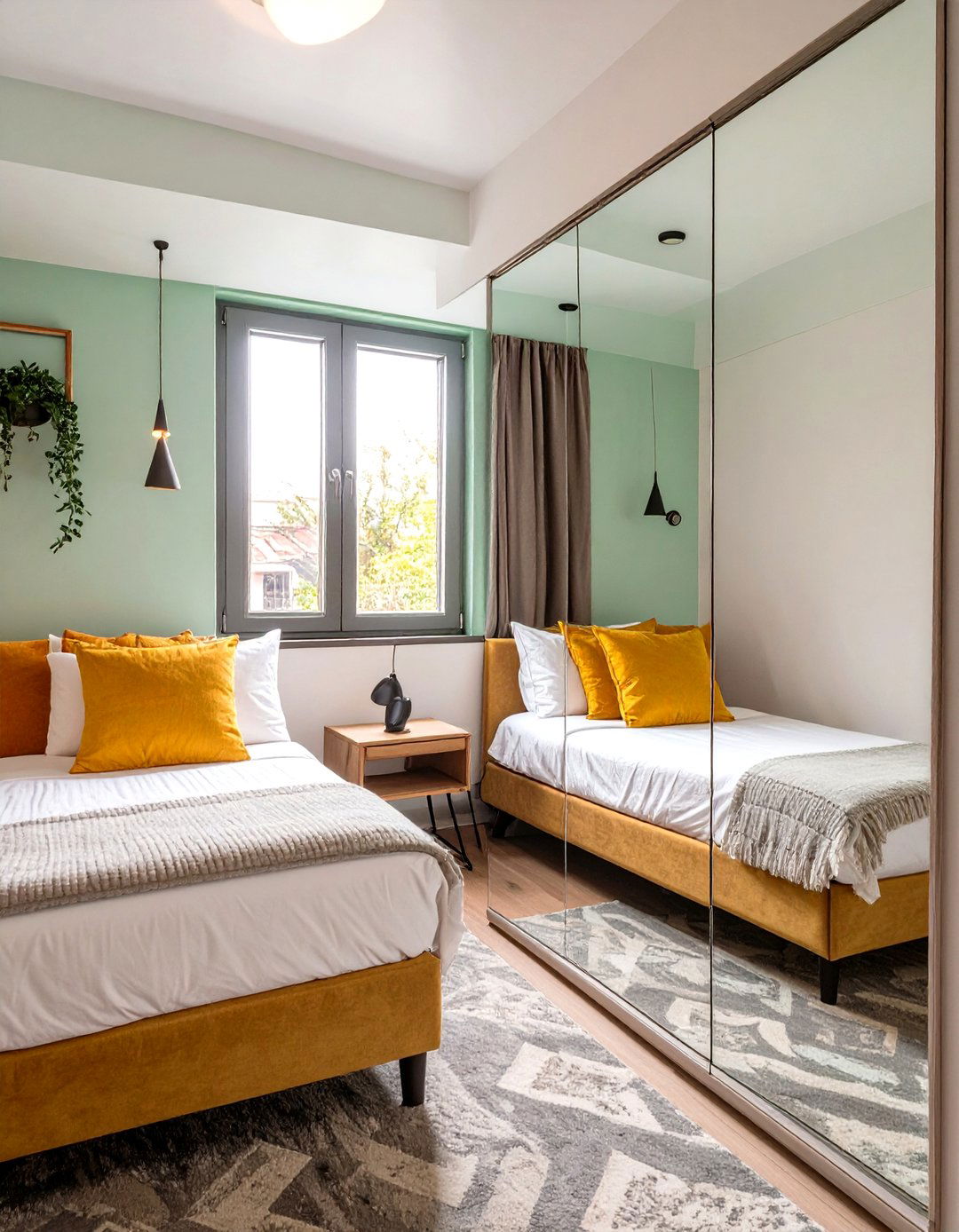
A classic interior design trick for small spaces is the strategic use of mirrors. In a small twin bedroom, placing a large mirror on a wall can instantly create the illusion of depth and space. Positioning it opposite a window is particularly effective, as it will reflect natural light and the view, making the room feel brighter and more open. Consider a floor-length mirror leaning against a wall or a wide, decorative mirror hung above a dresser. This simple addition can visually double the size of the room, transforming a cramped space into one that feels more expansive and airy.
17. Vertical Stripes for Visual Height
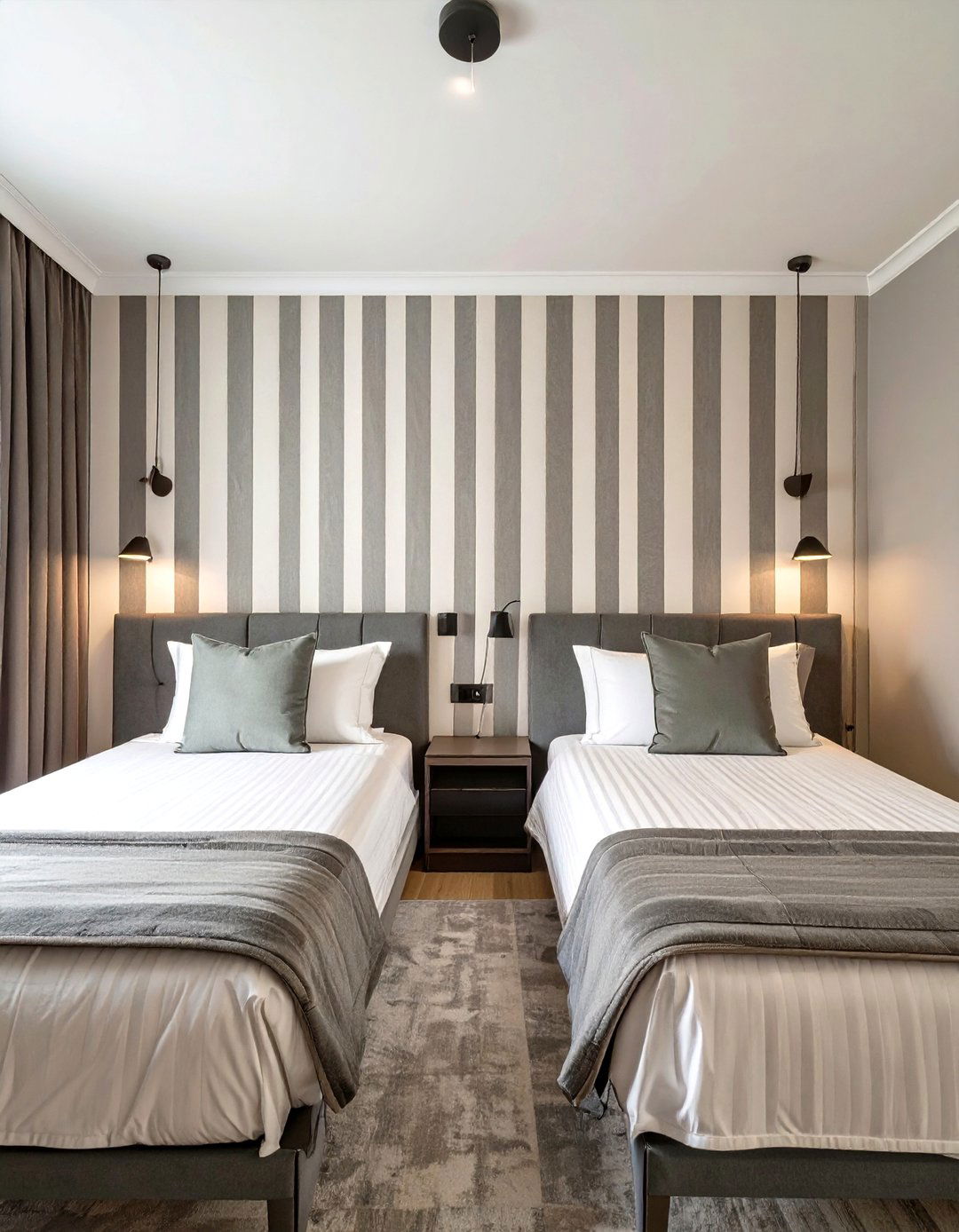
To counteract the feeling of low ceilings in a small room, use vertical stripes to draw the eye upward. This can be achieved with striped wallpaper on an accent wall, vertically striped curtains, or even by painting bold vertical stripes on the walls. This design element creates the illusion of height, making the room feel taller and more spacious than it actually is. In a twin bedroom, applying this pattern to the wall behind the beds can create a dramatic and stylish focal point. It’s a simple yet powerful visual trick to enhance the sense of space.
18. Murphy Beds for Ultimate Flexibility
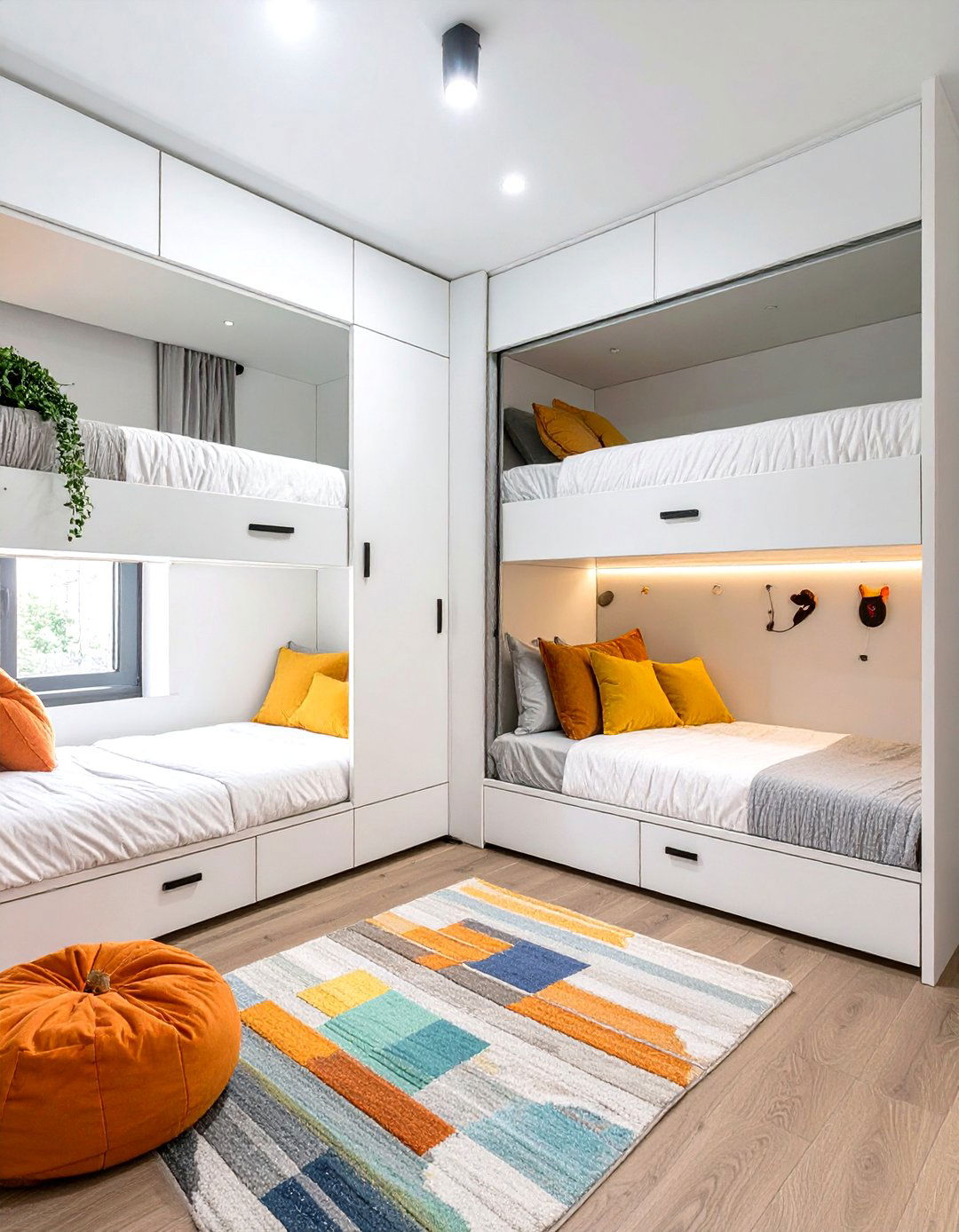
For the ultimate space-saving solution, consider installing twin Murphy beds. These beds fold up into a cabinet or against the wall when not in use, completely freeing up the floor space for other activities during the day. This transforms the room from a bedroom into a playroom, study, or hobby area in seconds. It’s an ideal choice for a multi-purpose room that must serve different functions. While Murphy beds are a significant investment, their ability to reclaim an entire room's footprint is unmatched, offering unparalleled flexibility for extremely small spaces that need to accommodate two sleepers.
19. Clear Acrylic Furniture Pieces
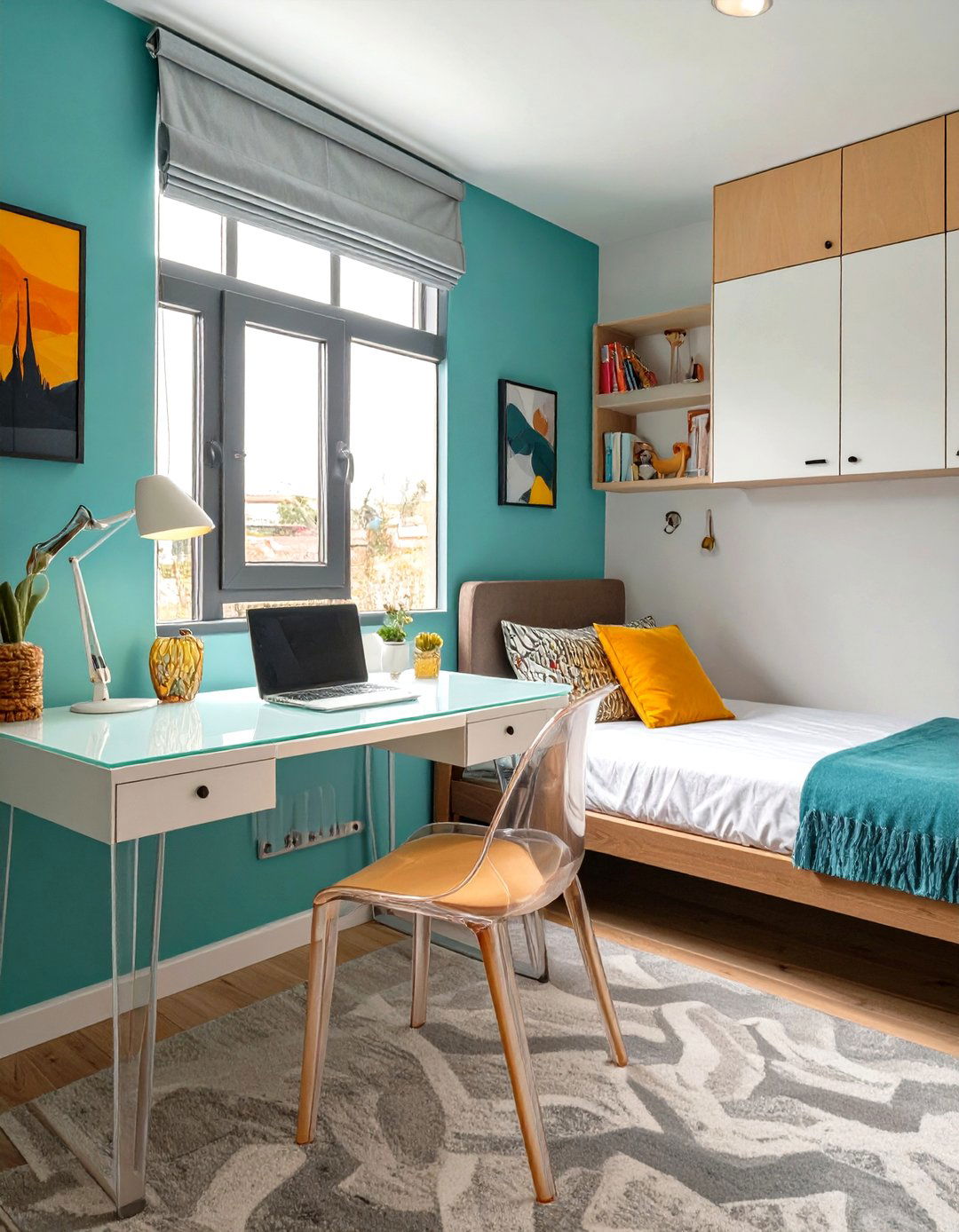
To reduce visual clutter in a small twin bedroom, incorporate furniture made from clear acrylic. A transparent desk, chair, or even a small side table can feel almost invisible, taking up no visual weight in the room. This allows light to pass through, enhancing the sense of openness and preventing the space from feeling crowded with bulky furniture. These "ghost" pieces are modern and stylish, adding a touch of chic design while serving their functional purpose. They are a clever way to furnish a room without visually shrinking it, making them perfect for compact twin bedroom layouts.

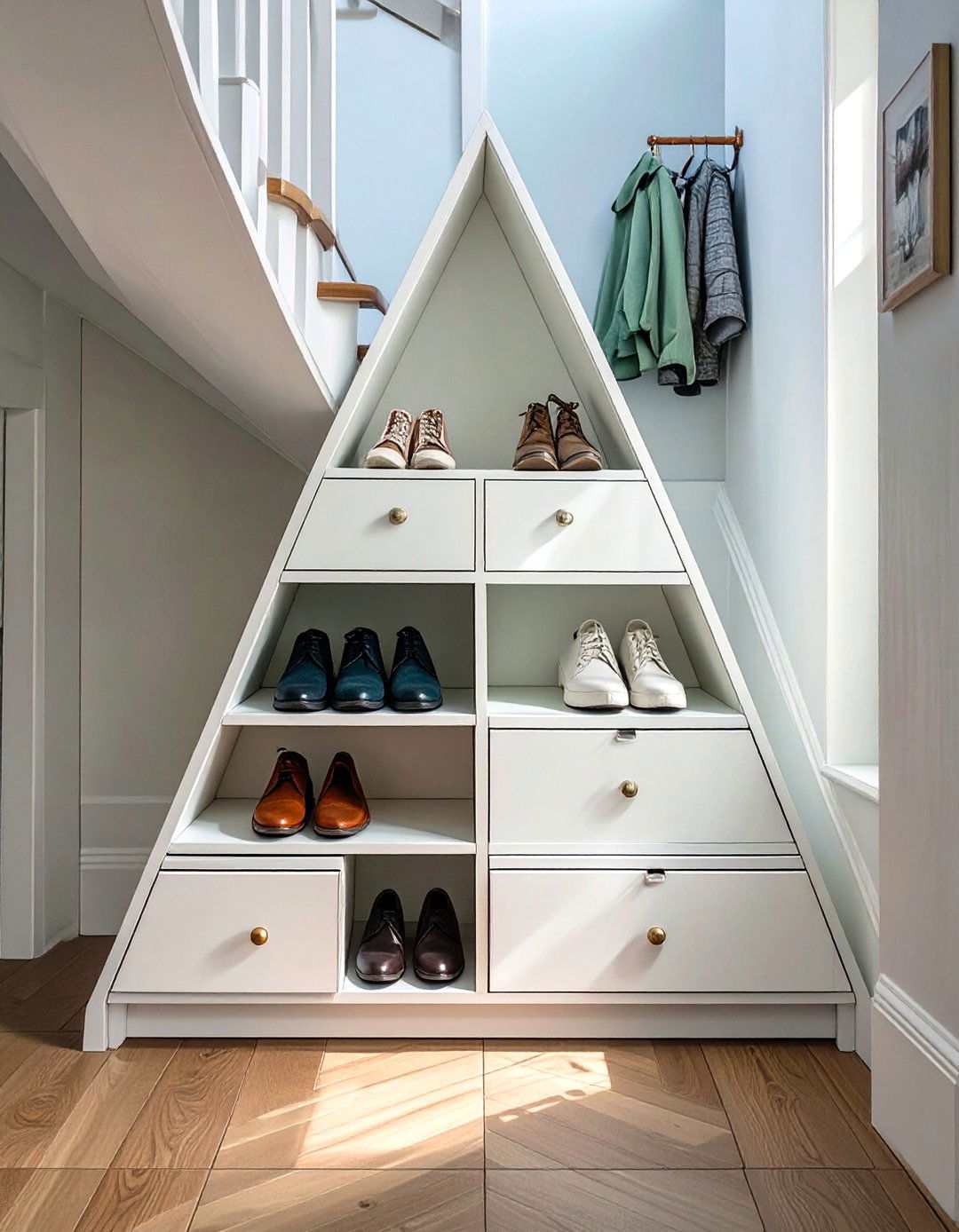
20. Loft Bed Over a Closet Space
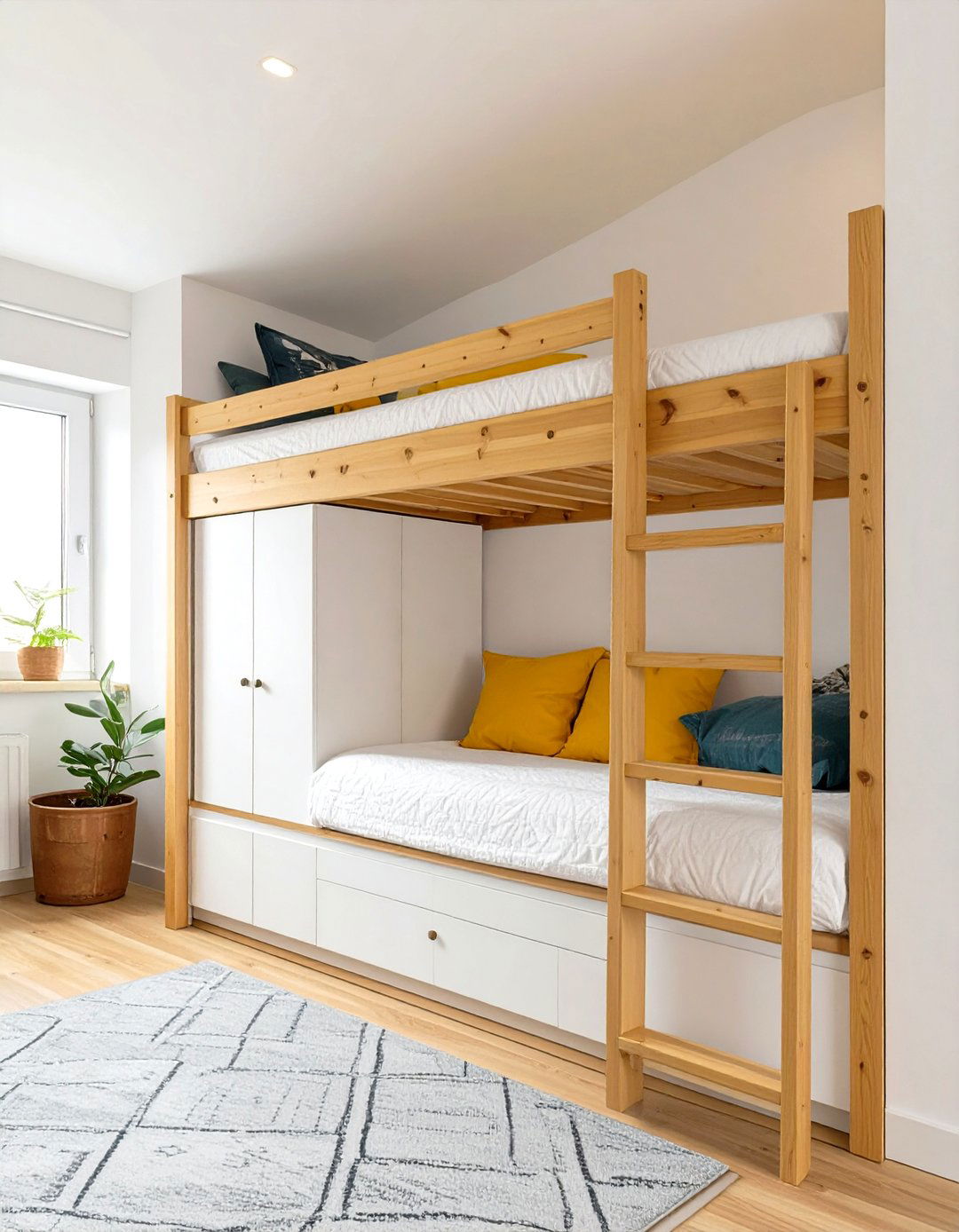
Another brilliant use of a loft bed is to position it over a closet. In a room with limited storage, you can build a small closet or place a freestanding wardrobe directly underneath a lofted twin bed. This combines the sleeping area and clothes storage into one vertical unit, saving an incredible amount of floor space. The second twin bed can then be placed in the newly opened-up area of the room. This is a highly practical and custom-feeling solution that tackles two of the biggest challenges in a small shared room: bed placement and adequate storage for two people.
21. Daybeds as a Versatile Twin Bed Option
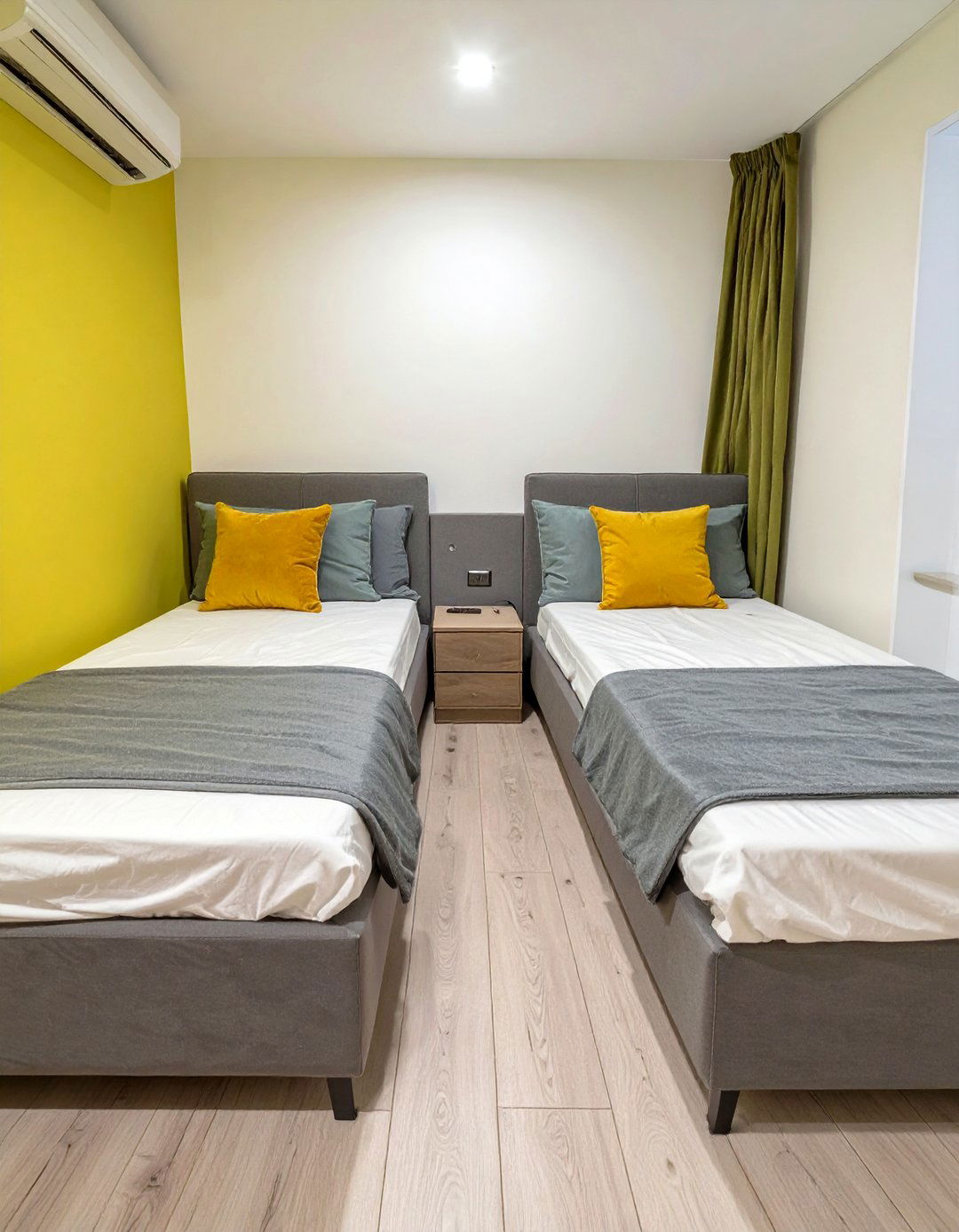
Daybeds can be a stylish and versatile alternative to standard twin beds. With a frame that often resembles a sofa, they function perfectly as a cozy seating area during the day and a comfortable bed at night. Using two daybeds in a small room, perhaps placed against opposite walls, creates a lounge-like feel. This is perfect for teens who want a space that feels more grown-up and is suitable for socializing with friends. Many daybeds also come with a trundle or storage drawers underneath, adding another layer of functionality to this chic and practical furniture choice.
22. End-to-End Bed Placement in a Narrow Room
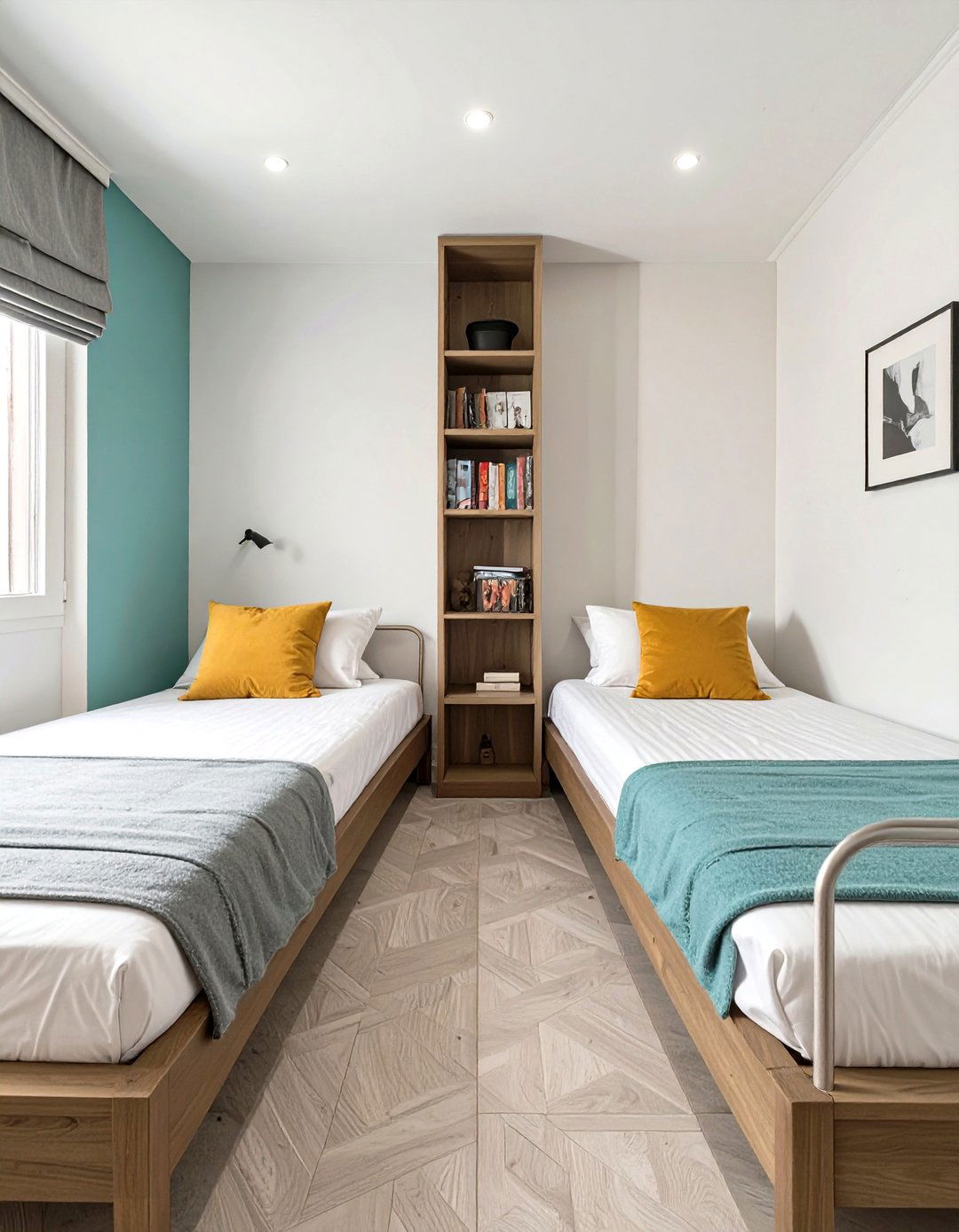
In a very long and narrow room, sometimes the only workable layout is an end-to-end placement. Position the two twin beds in a single line along one of the long walls, with the footboard of one bed near the headboard of the other. You can use a small bookcase, a slim cabinet, or even a curtain to create a subtle sense of division and privacy between the two beds. This arrangement maximizes the narrow floor plan, leaving a long, clear walkway on the opposite side. It’s an unconventional but highly effective solution for challenging room dimensions.
23. A Curtain Divider for Privacy
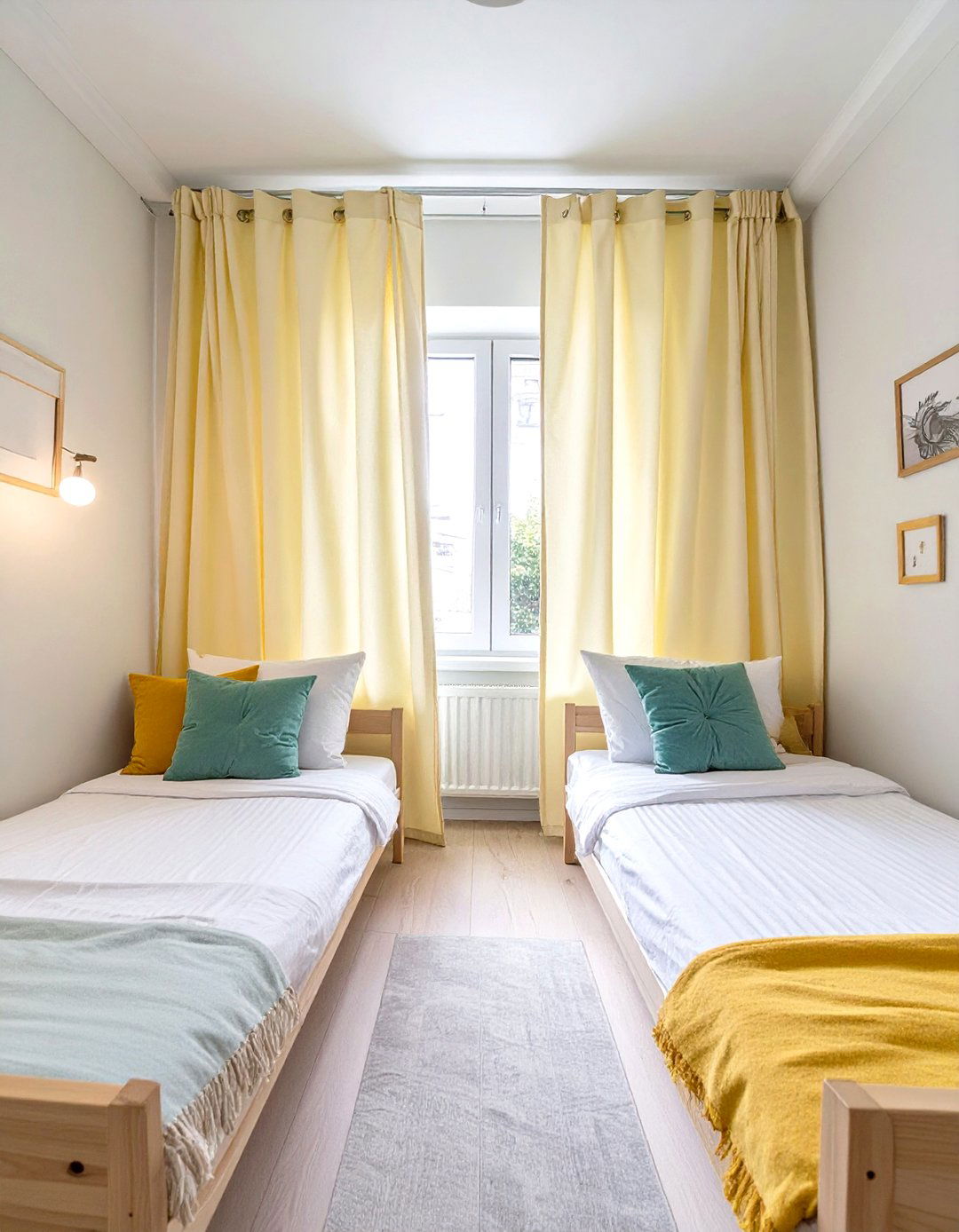
Creating a sense of personal space is important in any shared room. In a small twin bedroom, you can easily install a ceiling-mounted curtain track to add a simple yet effective privacy divider. The curtain can be pulled closed when privacy is needed and pushed back to open up the space during the day. Choose a lightweight fabric in a color that complements the room’s decor to avoid making the space feel heavy or dark. This flexible solution allows each occupant to have their own little retreat without permanently dividing the room with a solid wall, maintaining an open feel.
24. Low-Profile Platform Beds
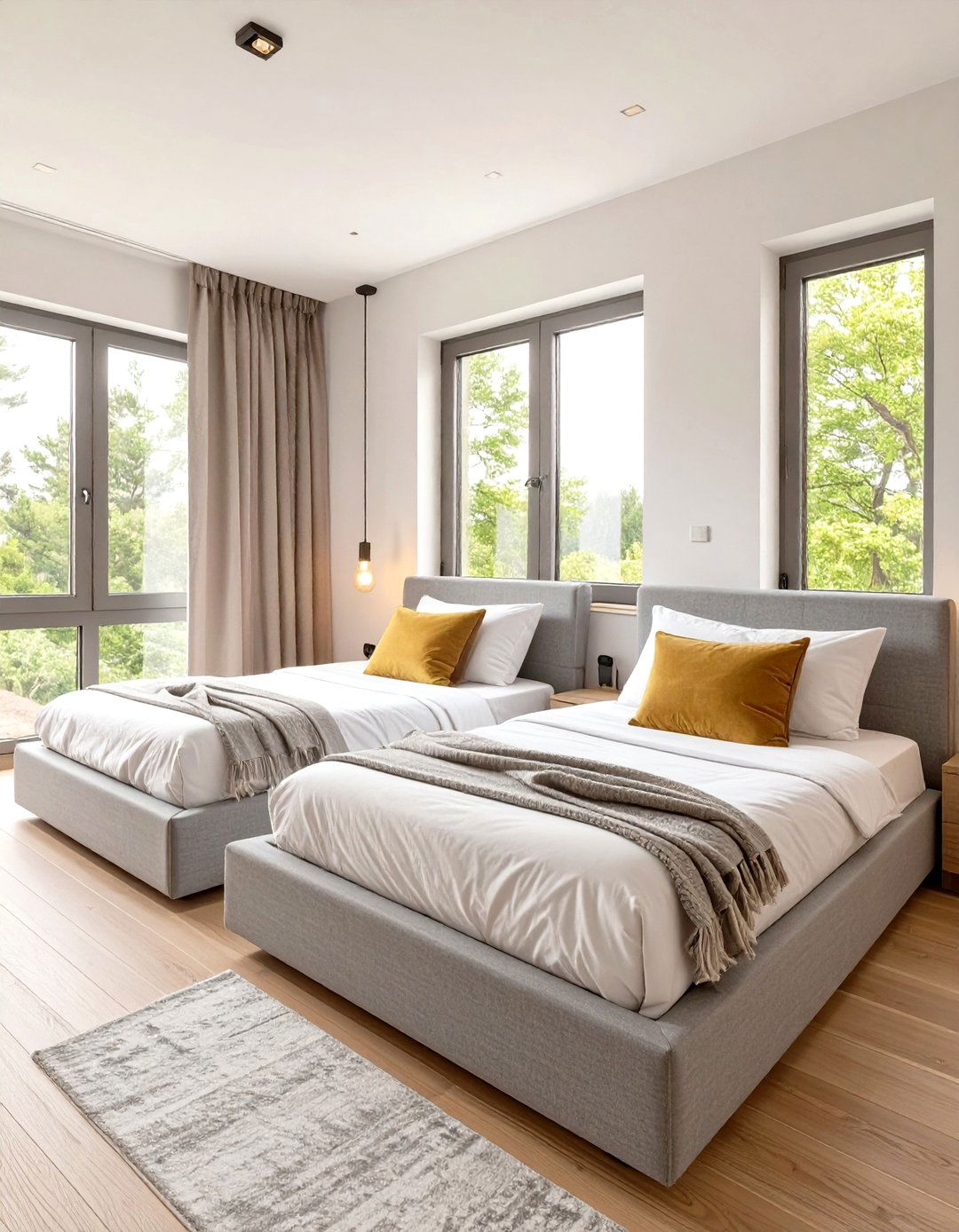
To enhance the feeling of spaciousness, choose low-profile platform beds for a small twin bedroom. Beds that sit closer to the ground create more visual space above them, making the ceiling feel higher. This minimalist design contributes to a clean, uncluttered, and modern aesthetic. The lack of bulk under the bed—unless you opt for storage models—also helps in creating an airy and open atmosphere. Low-profile beds are a subtle but impactful choice for making a compact room feel less crowded and more serene, emphasizing horizontal lines over bulky vertical elements that can shrink a space.
25. Using a Window Seat Between Beds
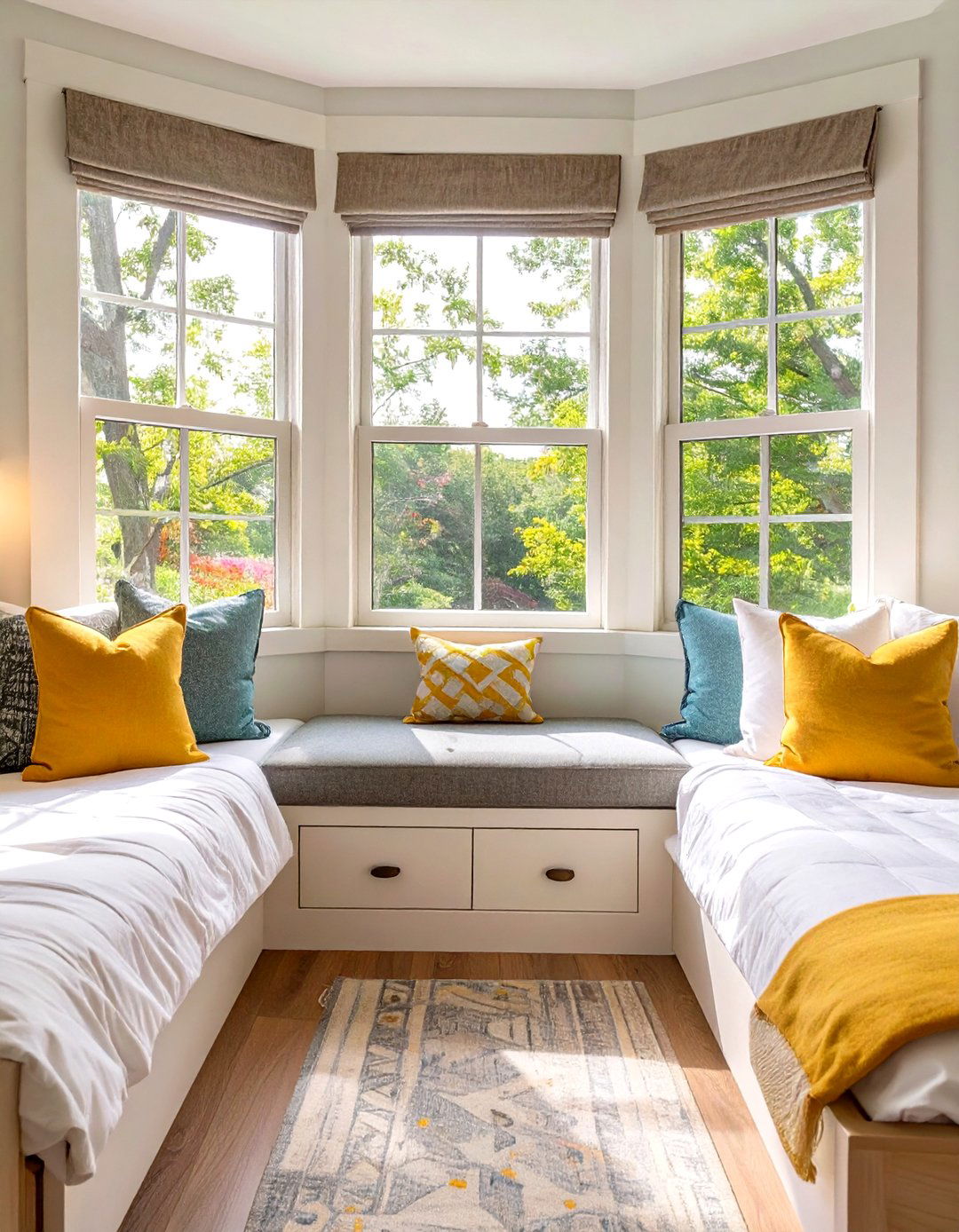
If the small room has a window, you can turn it into a charming and functional feature. Place the two twin beds on either side of the window, and install a built-in window seat between them. This not only creates a lovely focal point but also provides a shared seating area for reading or relaxing. For added functionality, design the window seat with a hinged lid to reveal hidden storage inside—perfect for blankets, pillows, or toys. This clever layout makes the most of an architectural feature while adding seating and storage, tying the whole room together beautifully.
26. Wall-Mounted Lighting to Free Up Surfaces
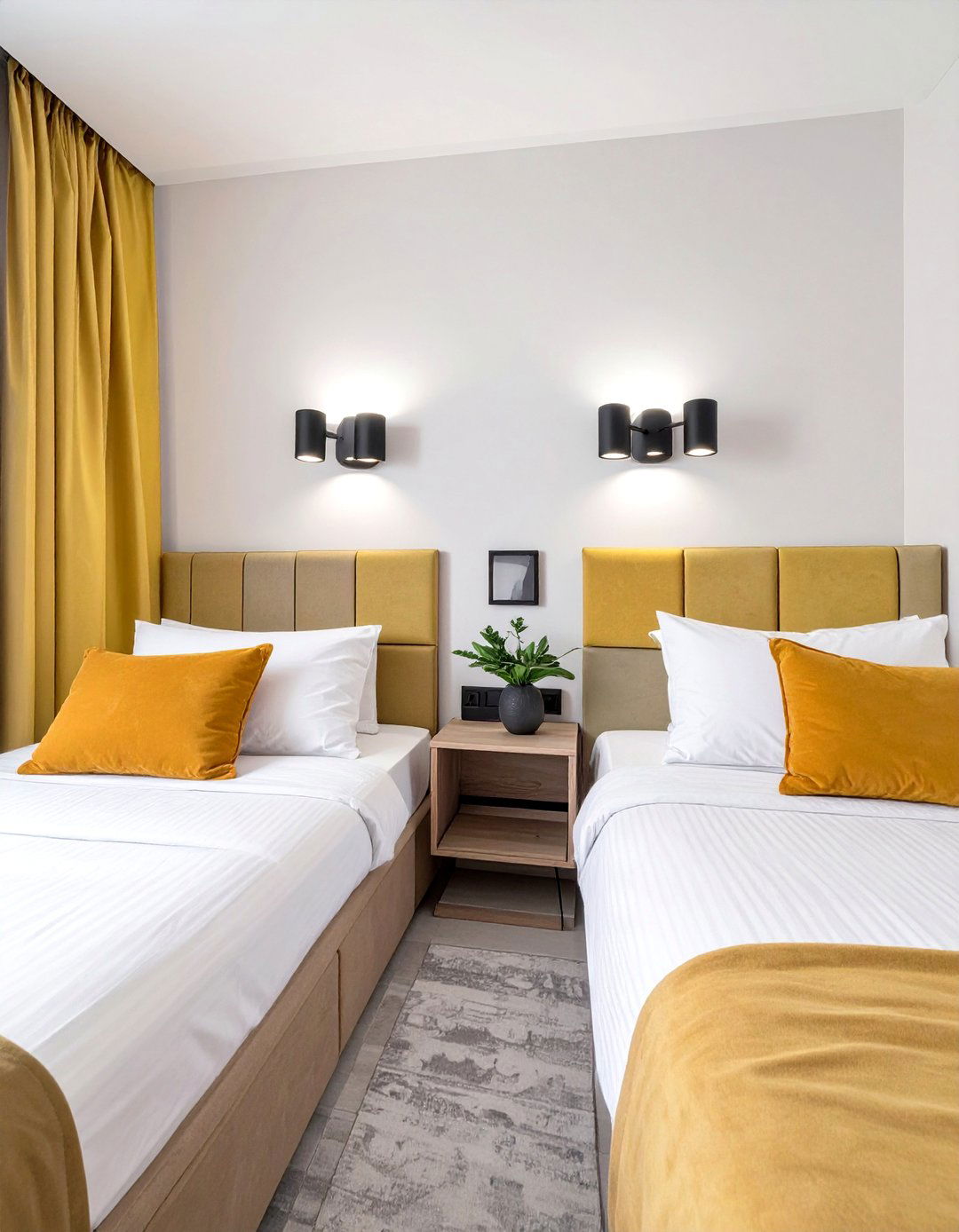
In a small twin bedroom, every surface is valuable. Instead of using table lamps that clutter up nightstands or desks, opt for wall-mounted lighting solutions. Sconces installed above each bed provide excellent task lighting for reading without taking up any surface area. This keeps the shared nightstand or headboard shelf free for other items like books, glasses, or an alarm clock. This approach contributes to a cleaner, more organized look and is a sophisticated design choice that enhances functionality. It’s a small change that can make a big difference in how spacious and tidy the room feels.
27. Slim Profile Headboards
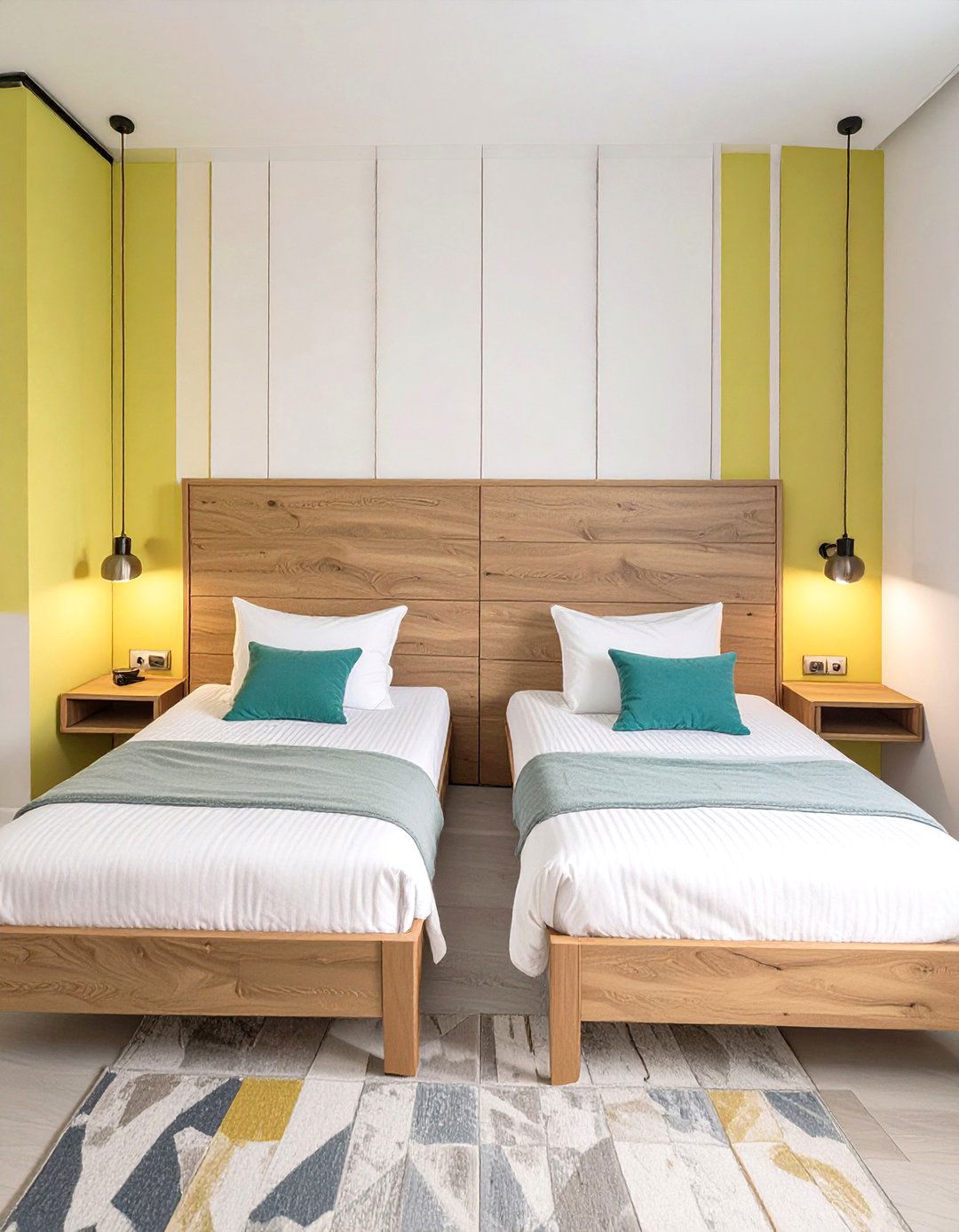
When space is at a premium, bulky furniture is the enemy. Choose twin beds with very slim profile headboards or even no headboard at all. A thin, wooden, metal, or upholstered headboard provides a finished look without stealing precious inches from the room's length. This allows you to place the bed flush against the wall and maximize the available floor space for moving around or for other furniture. Every inch you save contributes to a more open and comfortable environment. This simple choice ensures the beds provide comfort without overwhelming the compact dimensions of the room.
28. Hidden Storage Ottomans
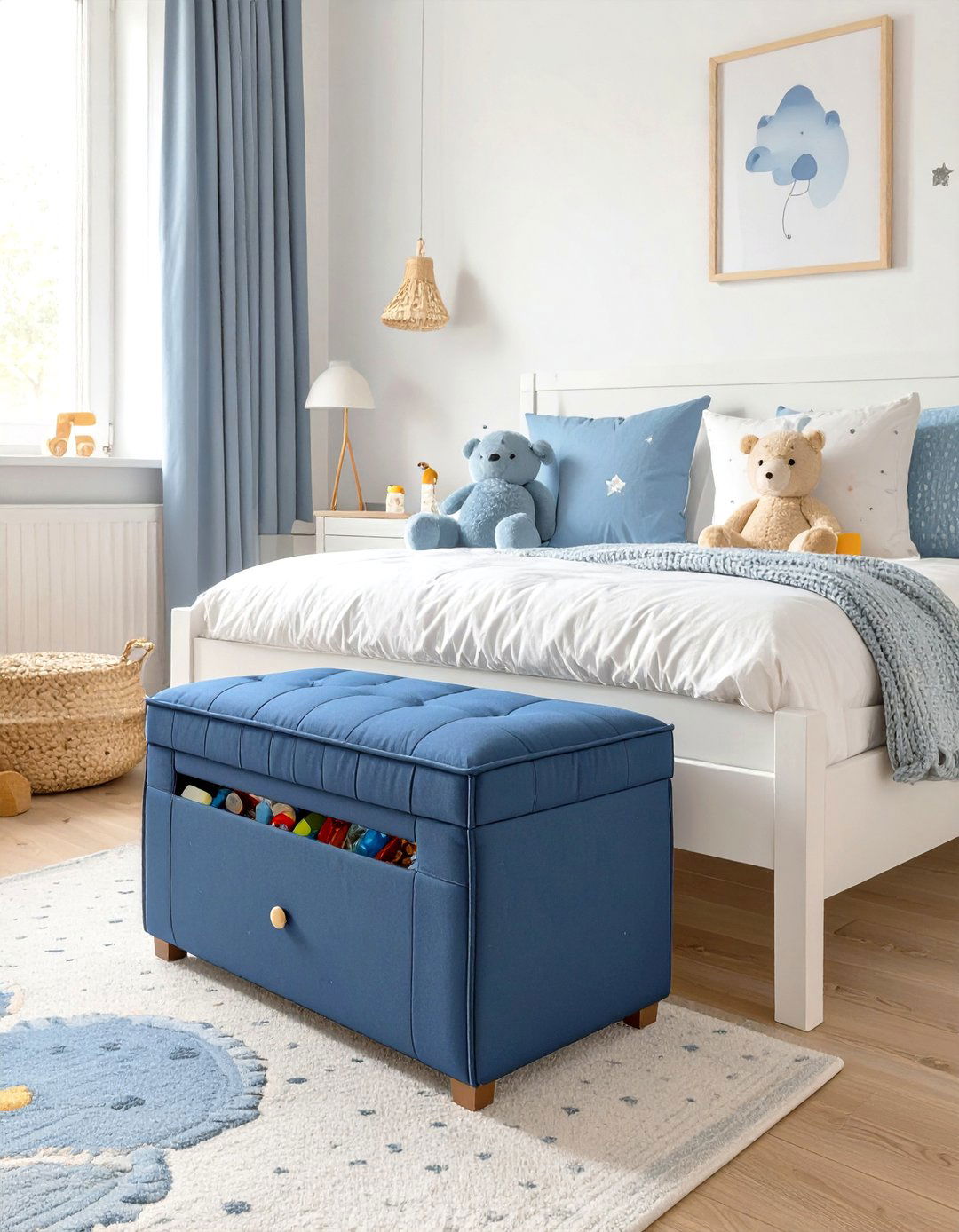
Multifunctional furniture is a key strategy for small rooms. Introduce one or two storage ottomans into the twin bedroom. These versatile pieces can serve as a small seat, a step stool to get into a higher bed, or a surface to lay out clothes. Most importantly, their hollow interior provides hidden storage for toys, games, or extra blankets, helping to keep the room tidy. Placing one at the foot of each bed can add a touch of style and a practical endpoint to the furniture arrangement. It's a smart way to add seating and storage simultaneously.
29. Asymmetrical Layout for a Dynamic Look
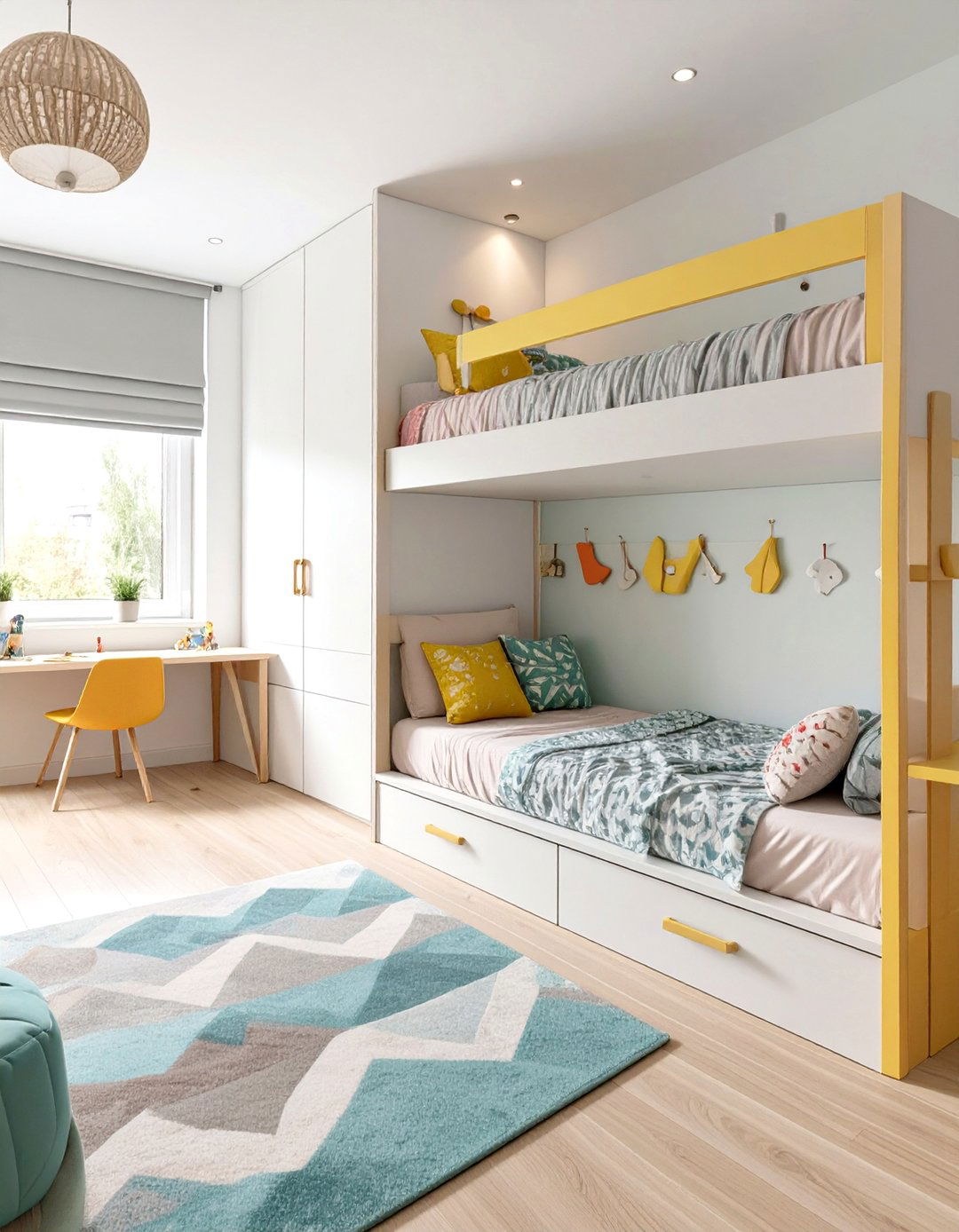
While symmetry can be calming, an asymmetrical layout can make a small room feel more dynamic and visually interesting. Instead of placing beds in a perfectly mirrored arrangement, try something different. You could have one loft bed with a desk underneath and another standard bed against the opposite wall. Or, place one bed in a corner and the other along a different wall, creating varied zones within the room. This approach breaks up the boxy feel of a small space and can often lead to more creative and efficient use of the floor plan, tailored to the specific needs of the occupants.
30. Utilizing High Wall Shelving
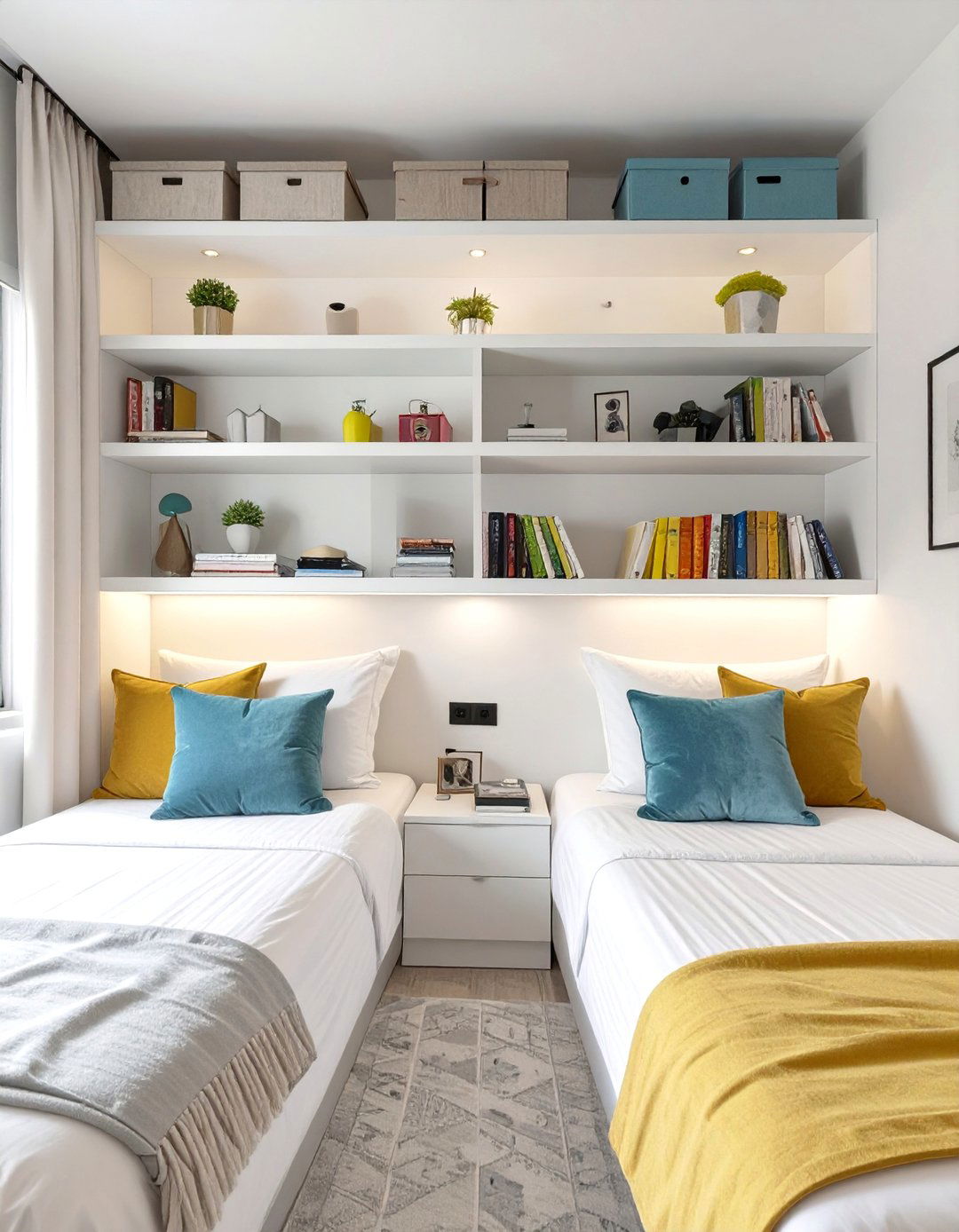
Don't forget the storage potential of the upper parts of your walls. In a small twin bedroom, install shelves high up, close to the ceiling. This area is often unused and is perfect for storing items that aren't needed every day, such as out-of-season clothes, extra bedding, or book collections. This draws the eye upward, which can make the room feel taller, and it keeps clutter off the floor and out of valuable closet space. Using baskets or decorative boxes on the shelves keeps things looking neat and tidy. It’s a practical way to maximize every inch of storage.
Conclusion:
Ultimately, creating a successful twin bedroom in a small space hinges on smart layout choices and multifunctional furniture. From vertical solutions like bunk beds and lofts to clever arrangements like L-shaped or end-to-end placements, there are numerous ways to maximize floor space. Integrating storage through under-bed drawers, high wall shelves, and hidden ottomans is crucial for maintaining an organized, clutter-free environment. By embracing light colors, minimalist frames, and space-saving lighting, you can design a room that is not only functional for two but also feels open, airy, and inviting.

Related posts:



Leave a Reply