
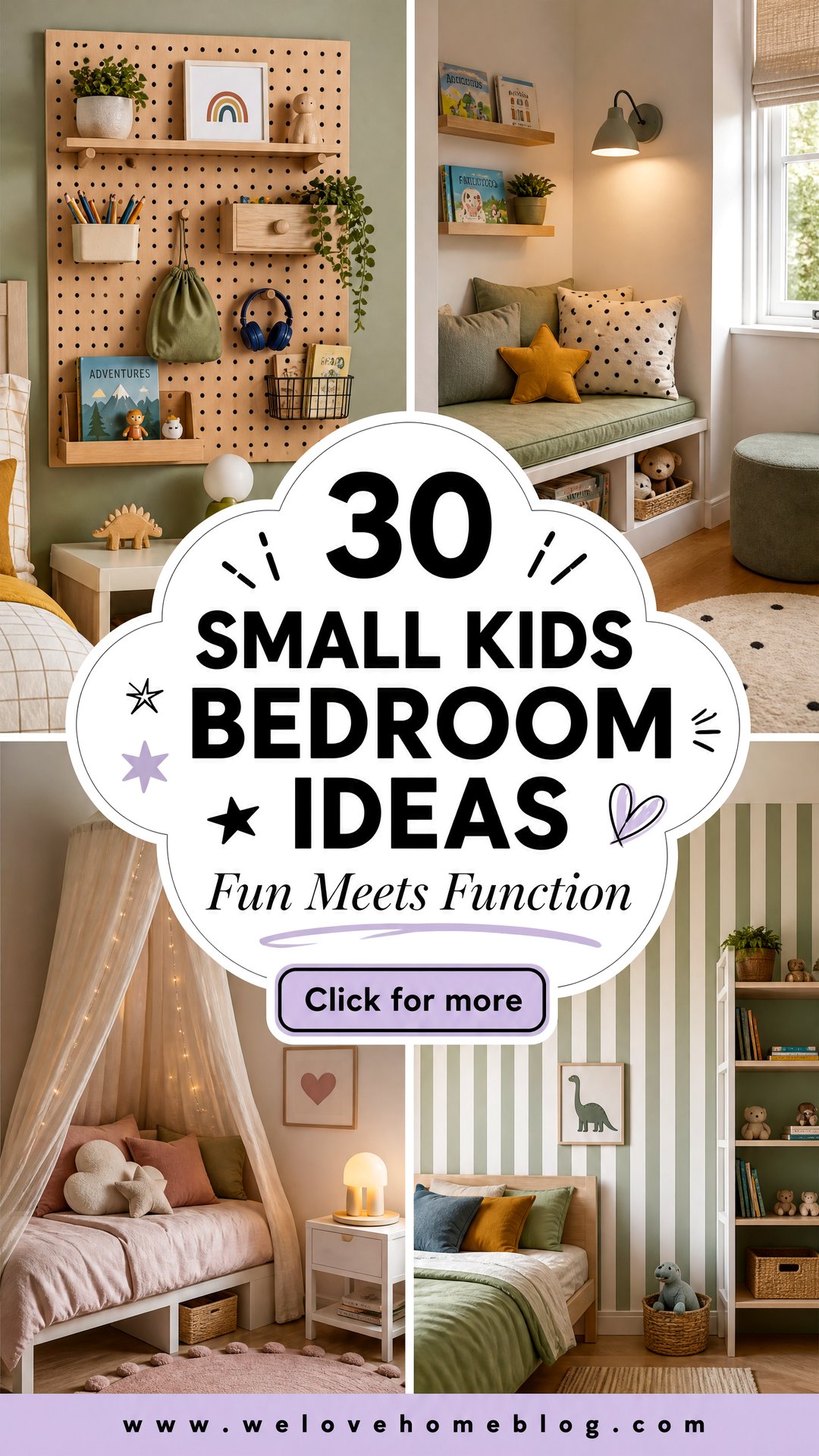
Designing a small kids' bedroom can be a creative challenge, but with the right ideas, even the most compact space can become a functional and magical haven. The key is to think vertically, embrace multifunctional furniture, and use clever storage solutions to maximize every square inch. From loft beds that combine sleep and study areas to hidden storage that keeps clutter at bay, these concepts transform tiny rooms into organized, playful, and comfortable retreats. By focusing on smart design, you can create a room that grows with your child, providing a perfect backdrop for both rest and play.
1. Loft Bed with an Integrated Desk
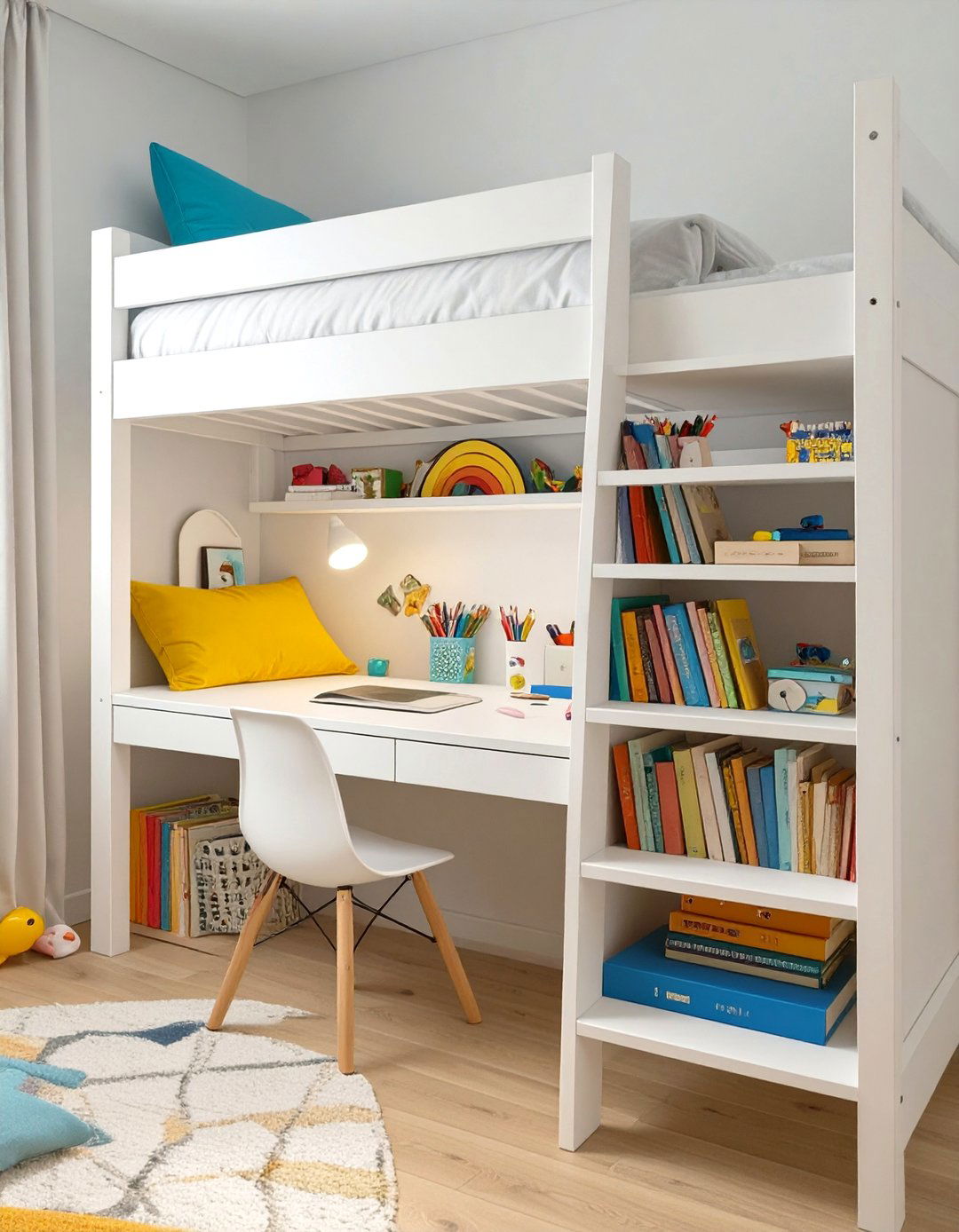
A loft bed with an integrated desk is a classic space-saving solution for a small kid's room. By elevating the sleeping area, you free up valuable floor space underneath for a dedicated study zone. This setup neatly combines two essential pieces of furniture into one compact footprint. Look for designs that include built-in shelving or drawers alongside the desk for storing books, art supplies, and homework. This all-in-one approach not only maximizes functionality but also creates a defined area for schoolwork, helping to keep the rest of the room clear for play and relaxation.
2. Bunk Bed with Storage Stairs

For shared rooms or for kids who love sleepovers, a bunk bed with storage stairs is a brilliant choice. Unlike traditional ladders, staircase-style steps offer safer and easier access to the top bunk. Each step can be designed as a deep drawer, providing an incredible amount of hidden storage for toys, clothes, or extra bedding. This clever design turns a purely functional element into a powerful organizational tool. It eliminates the need for a separate dresser, freeing up floor space and keeping the room tidy while adding a fun, architectural element that kids love to use.
3. Under-Bed Storage Drawers
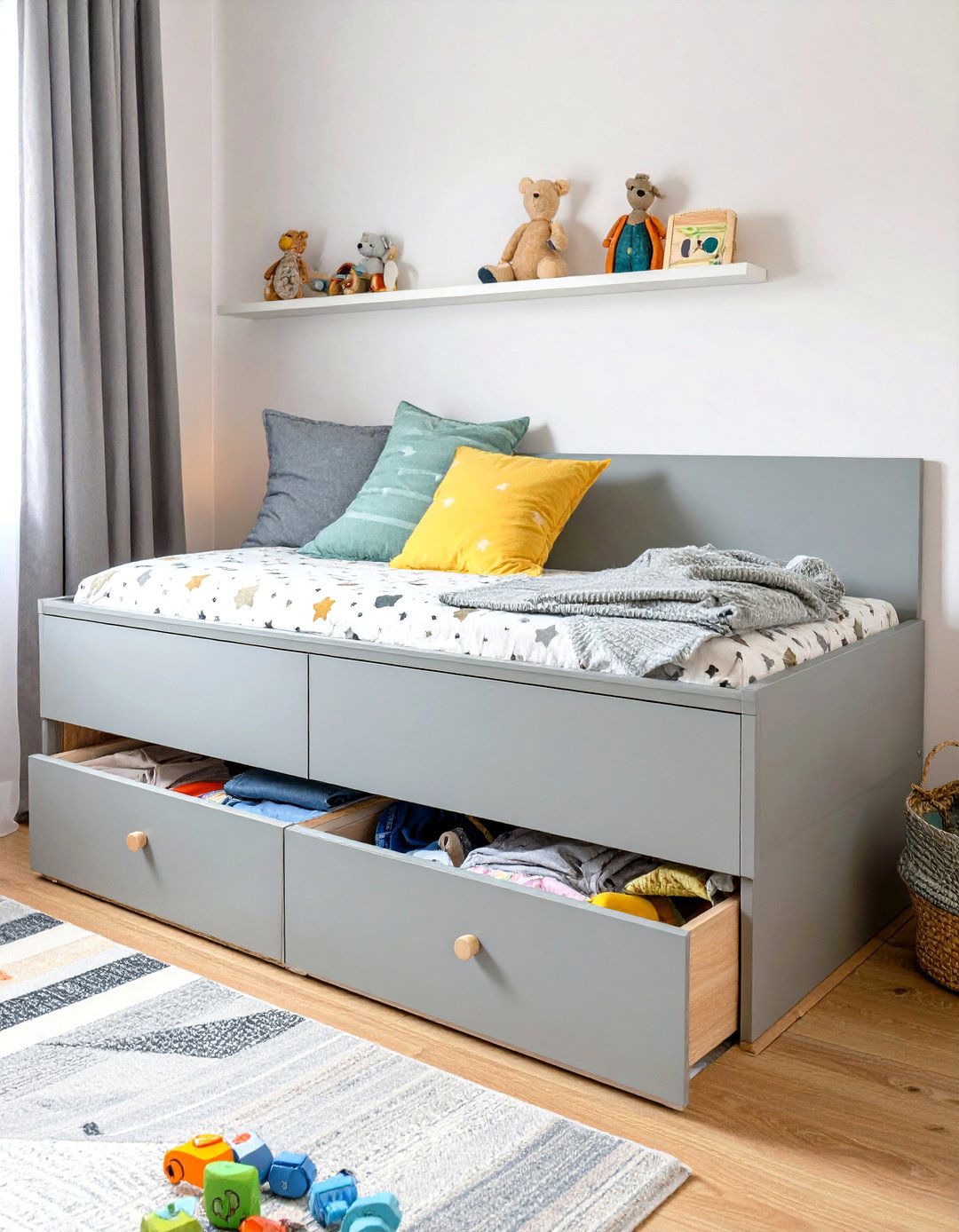
Maximizing the often-wasted space beneath a bed is a simple yet highly effective strategy for small bedrooms. Large, rolling drawers that slide out from under the bed frame are perfect for stashing away everything from seasonal clothing and shoes to bulky toys and board games. You can find bed frames with built-in drawers or purchase separate under-bed storage containers. This approach keeps clutter off the floor and out of sight, contributing to a more open and organized feel. It’s an easy-to-implement idea that makes a significant impact on the room's overall tidiness and available play area.
4. Wall-Mounted Bookshelves
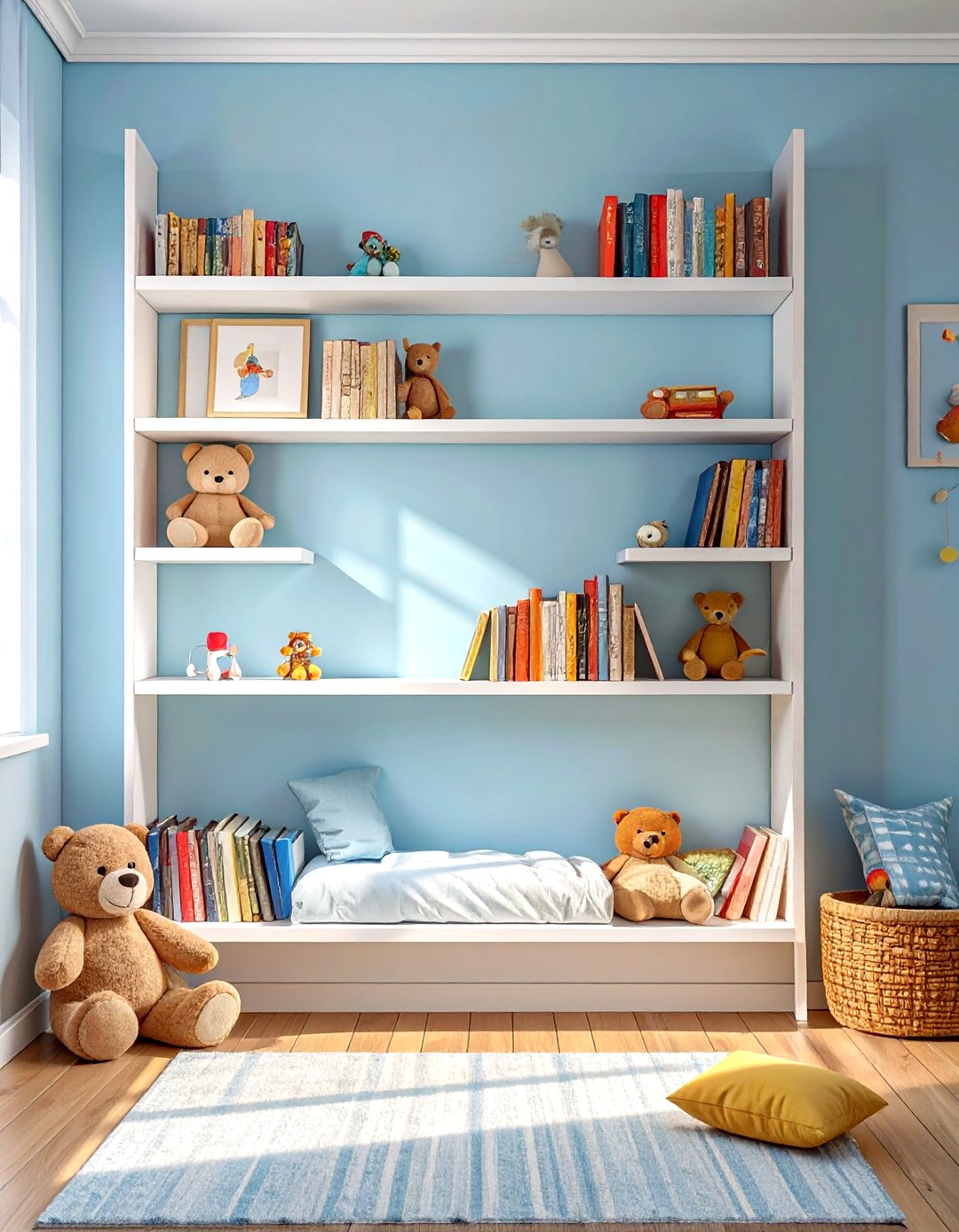
When floor space is at a premium, look to the walls. Wall-mounted bookshelves are an excellent way to store books, display favorite toys, and showcase decor without occupying a single inch of the floor. You can install a series of floating shelves in a vertical arrangement to draw the eye upward, creating an illusion of height. Another option is to use picture ledges, which have a slim profile perfect for displaying book covers facing forward, adding a colorful and artistic touch to the room. This vertical storage solution keeps items organized and accessible while turning a blank wall into a functional feature.
5. Built-In Window Seat with Storage
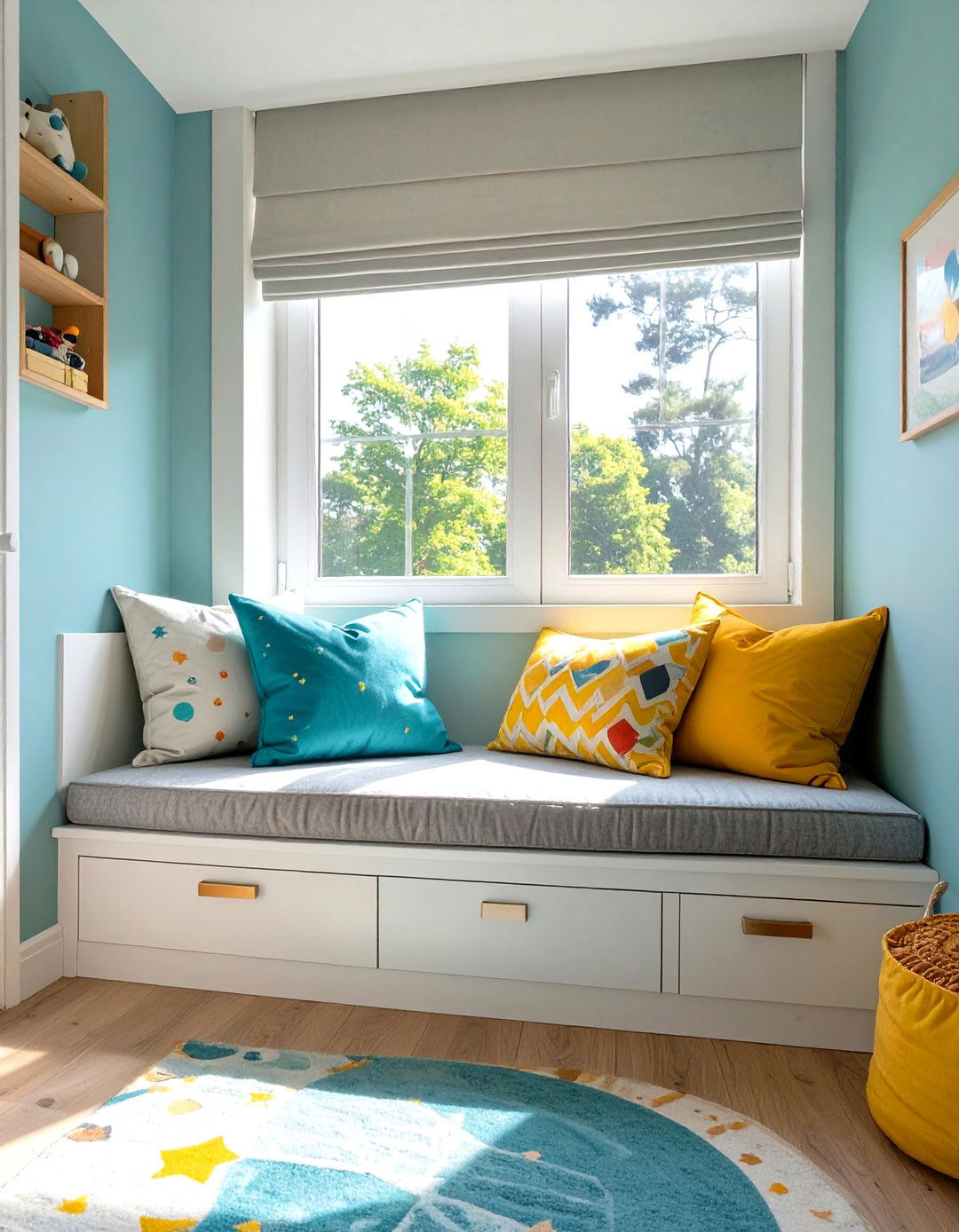
Transform a window area into a cozy and functional nook with a built-in window seat. This addition creates a perfect spot for reading, daydreaming, or simply watching the world go by. The base of the seat can be designed with lift-top storage or pull-out drawers, providing a discreet place to hide toys, blankets, and games. Topped with a comfortable cushion and some pillows, it becomes the most coveted spot in the room. This idea not only adds seating and storage but also introduces a charming architectural element that makes the small bedroom feel more customized and special.
6. A Pegboard Wall Organizer
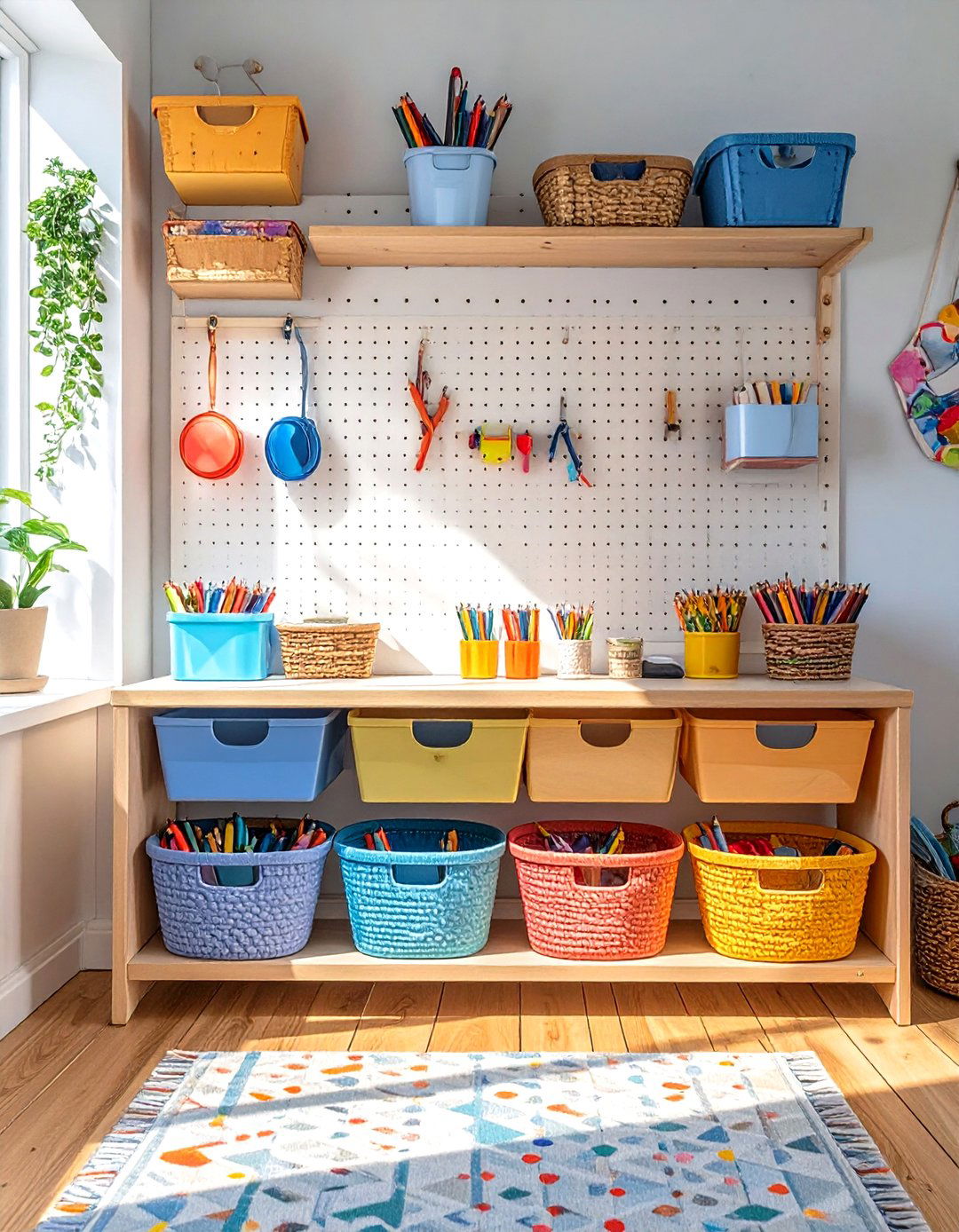
A pegboard wall organizer is an incredibly versatile and adaptable storage system for a child's room. By mounting a large pegboard on a wall, you create a customizable hub for storing a wide variety of items. Use hooks, baskets, and small shelves to hang art supplies, school essentials, headphones, and even small toys. As your child's needs change, the layout can be easily reconfigured. This system keeps frequently used items off desks and floors but still within easy reach, promoting organization and independence while adding a modern, graphic element to the decor.
7. A Vertical Toy Storage System
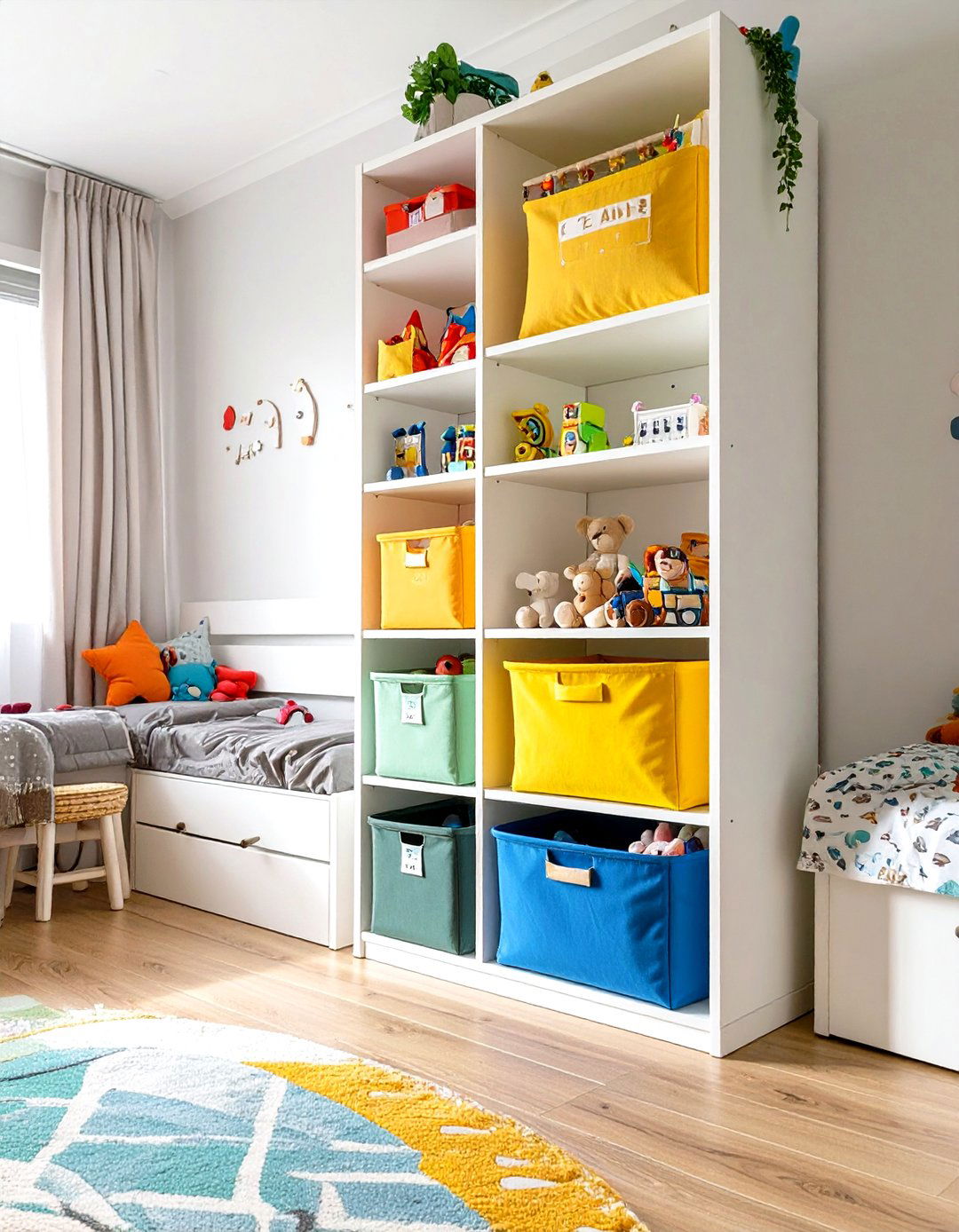
Instead of a bulky, wide toy box, opt for a vertical toy storage system to save floor space. Tall, narrow shelving units with multiple bins or cubbies allow you to sort and store toys efficiently. Labeling each bin helps children learn to put their things away in the right place, making cleanup time faster and easier. These units draw the eye upward, which can help a small room feel taller. They neatly contain the chaos of playsets, dolls, and building blocks, ensuring that the floor remains clear for activities and movement in a compact bedroom.
8. A Foldable Wall-Mounted Desk
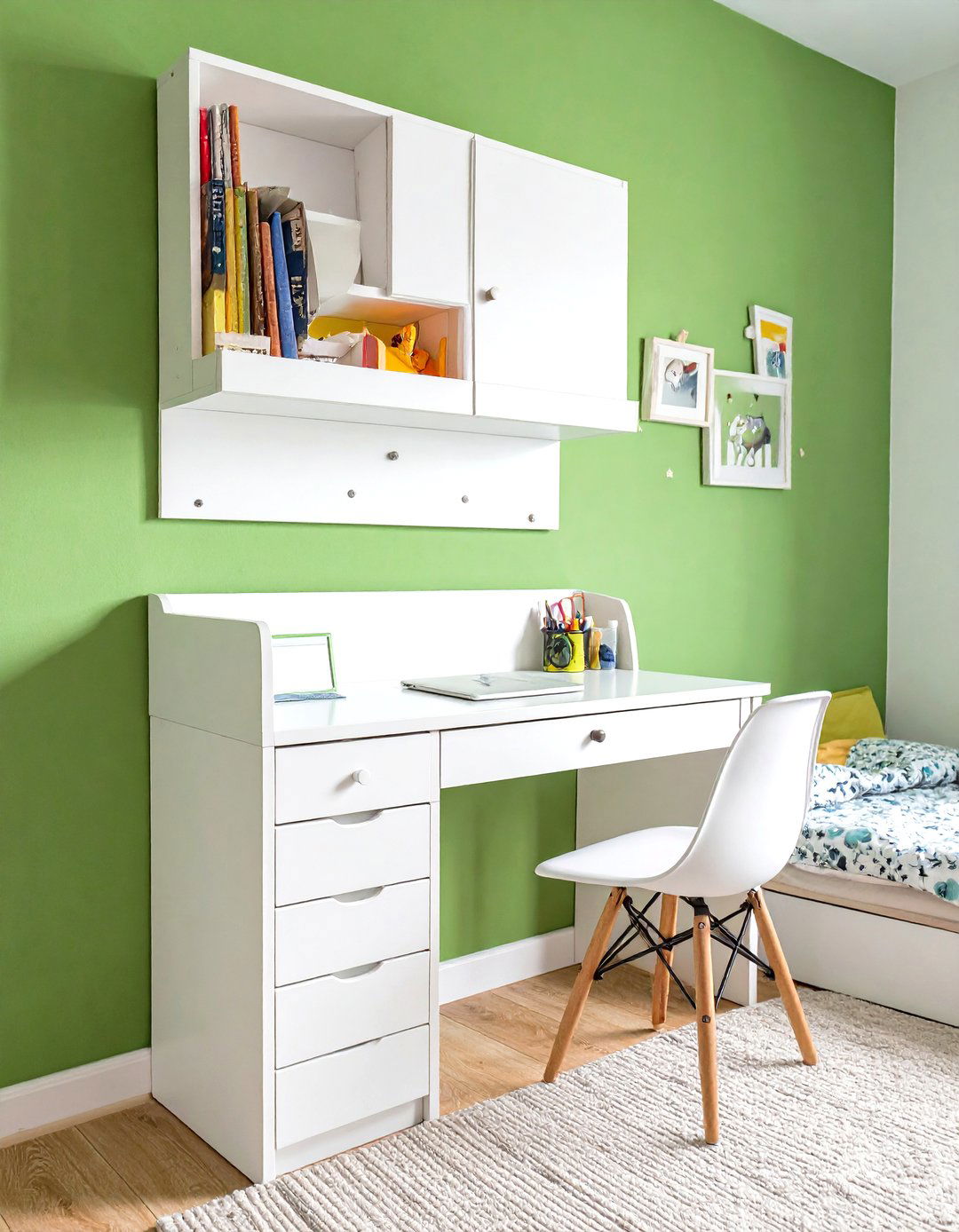
For a room that needs a dedicated homework spot without sacrificing play space, a foldable wall-mounted desk is the perfect solution. These clever desks attach to the wall and can be folded down when needed for drawing or studying. When homework is done, the surface simply folds back up against the wall, becoming a slim, unobtrusive cabinet or shelf. This provides the functionality of a full-size desk only when required, instantly freeing up valuable floor area for other activities. It's an ideal choice for minimalist design and for rooms that need to serve multiple purposes.
9. A Compact Reading Nook in a Corner
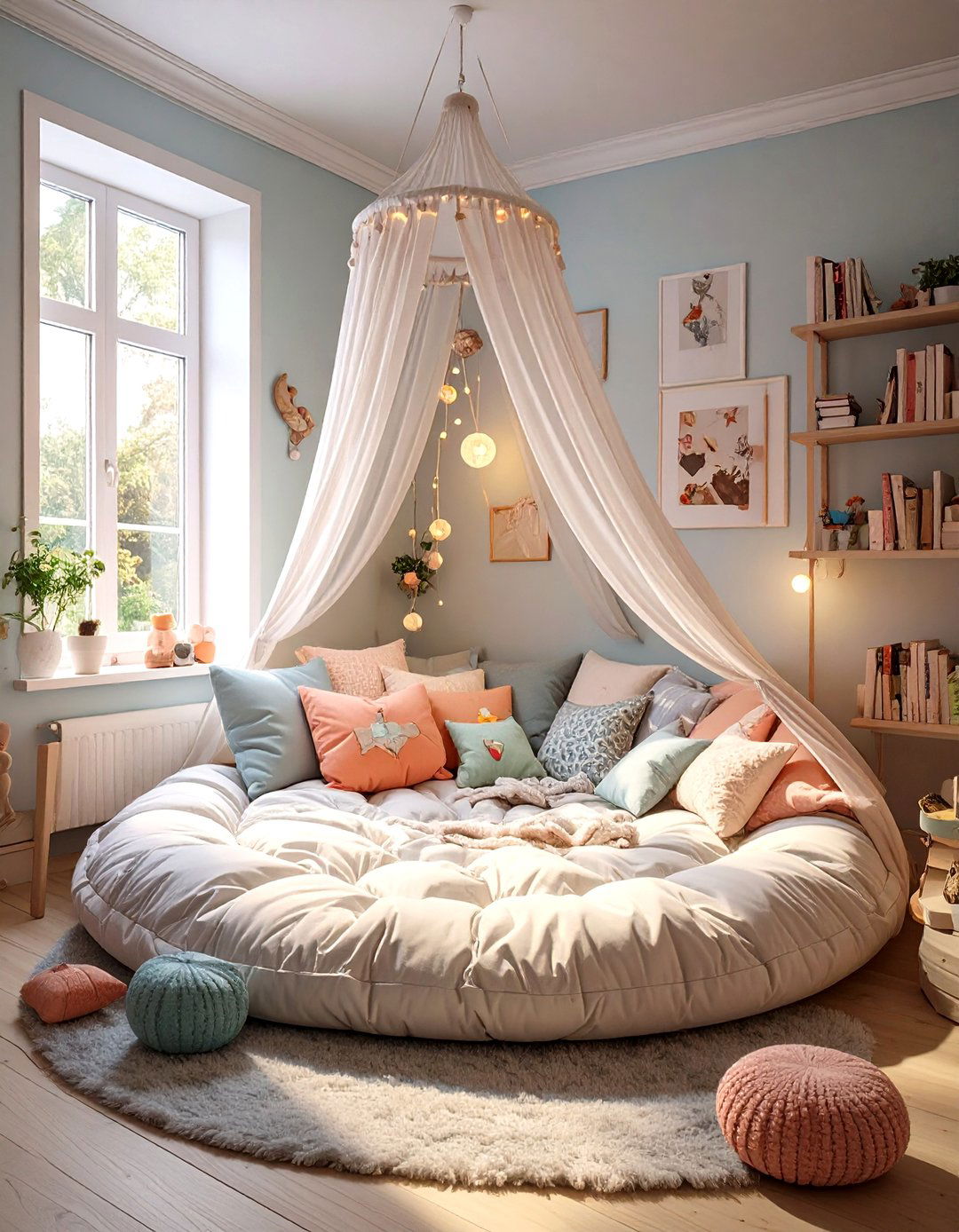
Create a magical escape within a small bedroom by establishing a dedicated reading nook in an unused corner. All you need is a comfortable floor cushion or a small, child-sized armchair, a soft rug, and some slim, wall-mounted shelves for books. You can define the space further with a small canopy hanging from the ceiling or some string lights to make it feel extra cozy and inviting. This carves out a special zone for quiet time and relaxation without requiring significant space, encouraging a love for reading in a snug and personal environment.
10. A Floating Nightstand
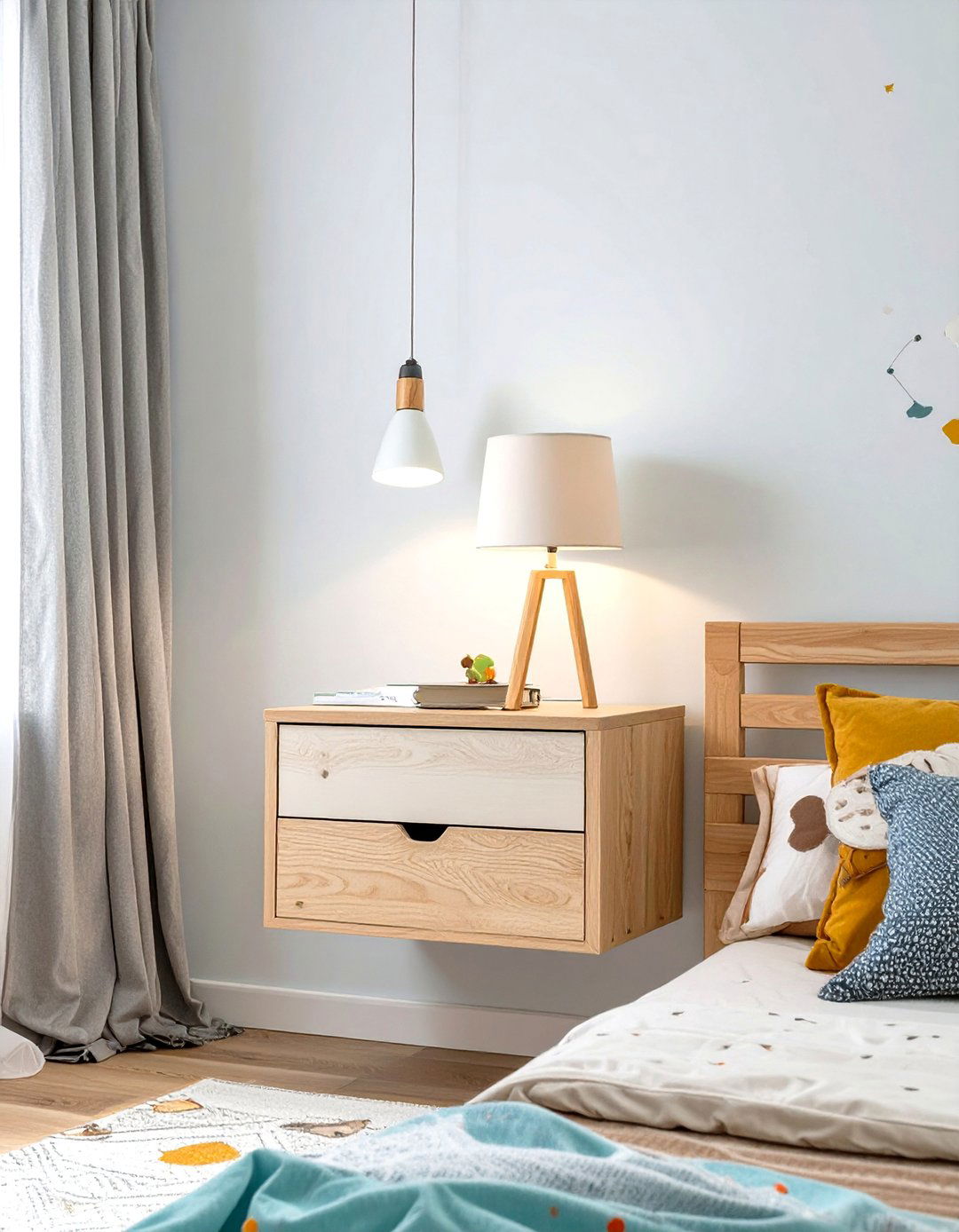
Traditional nightstands can be bulky and take up precious floor space. A floating or wall-mounted nightstand provides a surface for a lamp, a book, and a glass of water without the heavy footprint. These shelves attach directly to the wall beside the bed, creating a clean, minimalist look that makes the room feel more open and airy. Some designs even include a small drawer for stashing away treasures. By leaving the floor underneath clear, cleaning is easier, and the room gains a sense of spaciousness, making it a smart and stylish choice for any small bedroom.
11. A Slim Profile Wardrobe
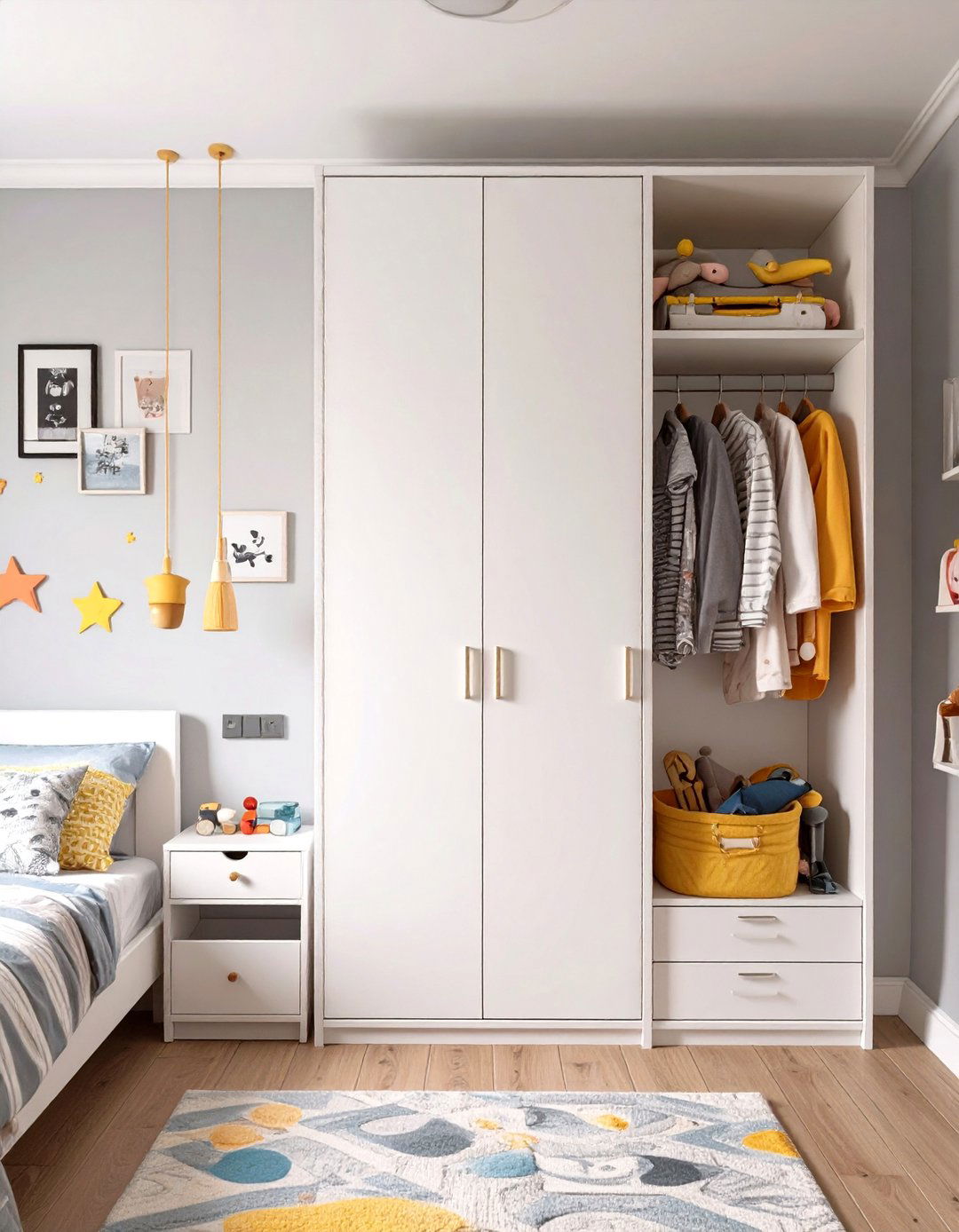
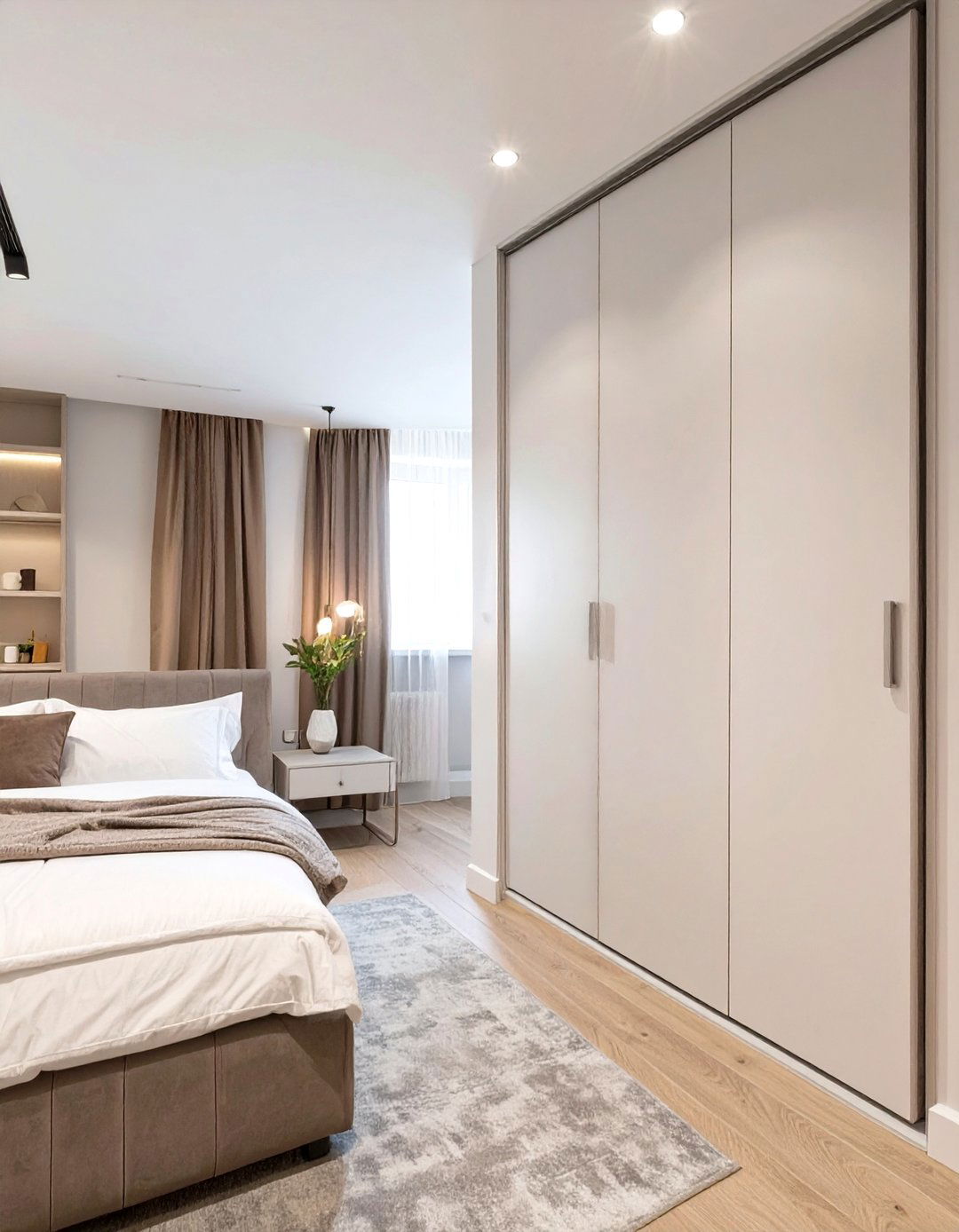
In a small bedroom, a traditional, deep wardrobe can feel overwhelming and protrude too far into the room. Opt for a slim profile wardrobe that offers ample storage without the bulk. These narrower units are designed to sit more flush against the wall, saving critical inches of floor space. Look for models with smart interior organization, such as multiple hanging rails, adjustable shelves, and drawers, to maximize every bit of storage capacity. A taller, skinnier wardrobe draws the eye upward, contributing to the illusion of a higher ceiling while keeping clothes neatly organized behind closed doors.
12. Using Magnetic Paint for a Play Wall
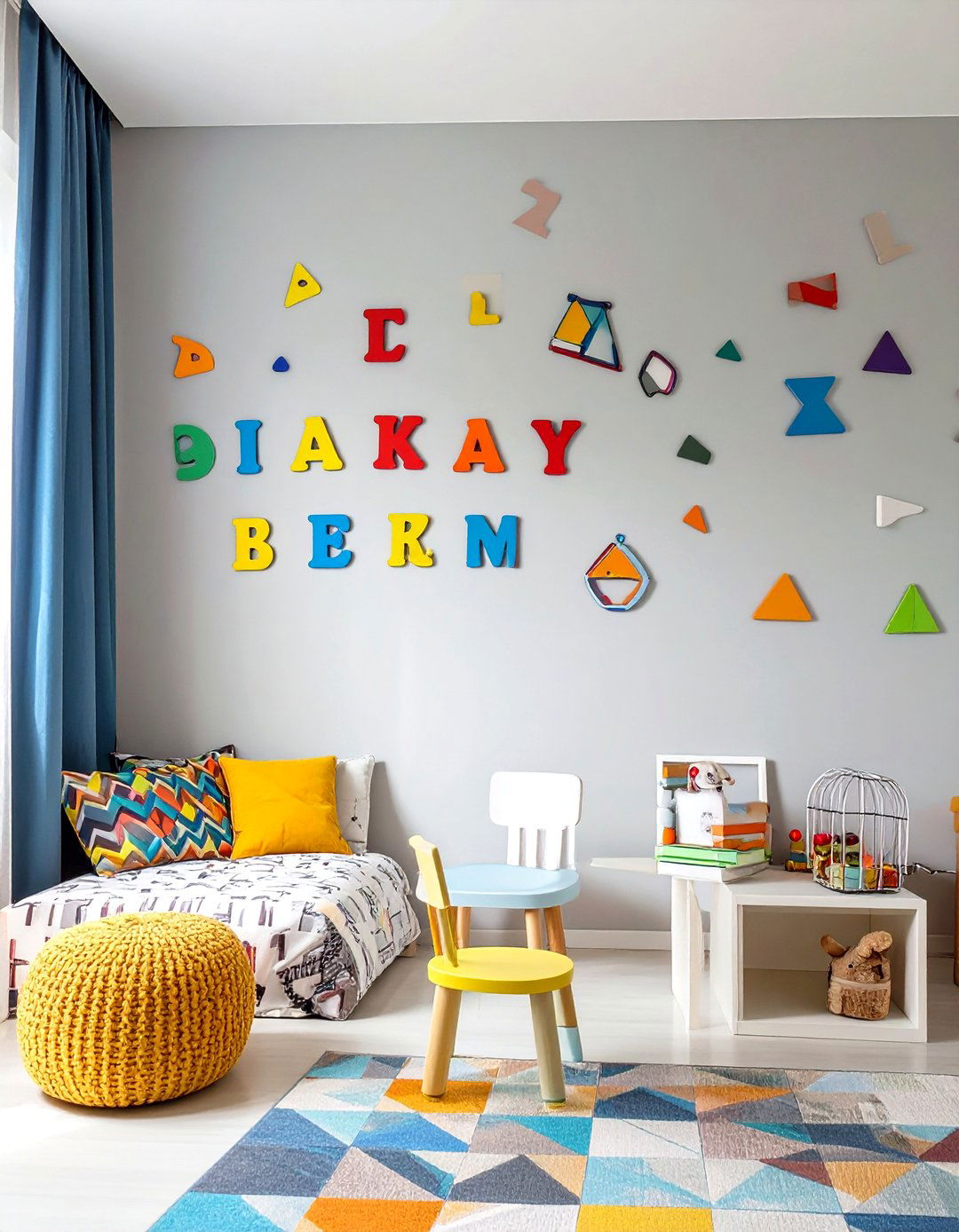
Turn an entire wall into a creative play surface without taking up any space by using magnetic paint. After applying a few coats of magnetic primer and covering it with your child’s favorite wall color, the wall becomes a giant canvas for magnetic letters, numbers, puzzles, and poetry kits. This idea provides endless opportunities for learning and play while keeping small magnetic toys off the floor. It’s a fun, interactive feature that encourages creativity and can be easily updated with new magnet sets as your child grows, making it a long-lasting and space-efficient solution.
13. A Chalkboard Paint Accent Wall
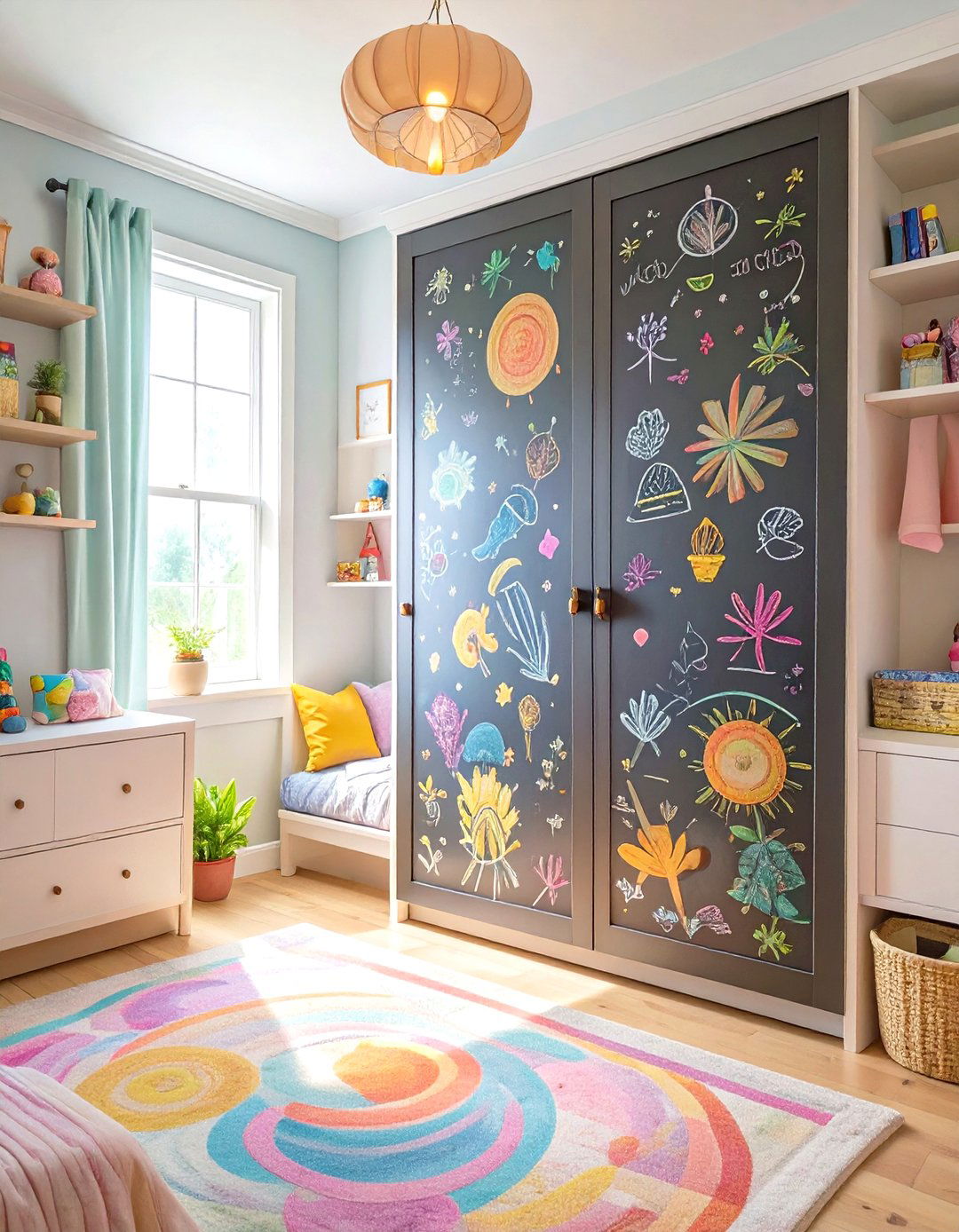
Similar to magnetic paint, chalkboard paint can transform a wall or even a closet door into a boundless doodle pad. An accent wall coated in chalkboard paint offers a large-scale, reusable surface for drawing, practicing handwriting, or leaving fun messages. It eliminates the need for a bulky easel and encourages artistic expression right within the room. When not in use, it serves as a dramatic, matte black accent wall that can add depth and character to the space. Paired with some colorful chalk, it’s an interactive element that provides hours of fun while saving valuable floor space.
14. A Room-Dividing Curtain
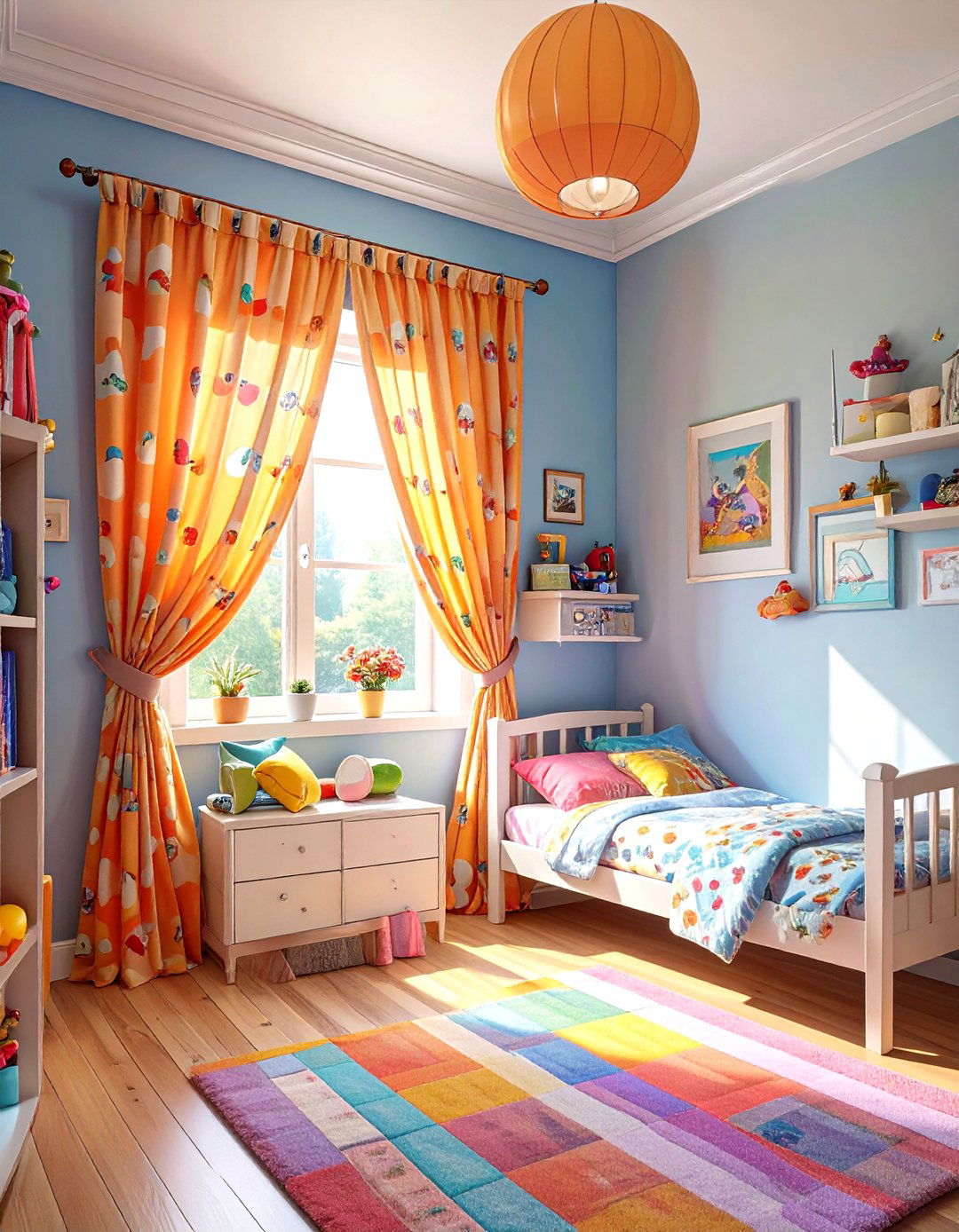
For siblings sharing a small room or to separate sleep and play zones, a simple ceiling-mounted curtain track is a flexible and space-saving solution. Unlike a solid bookshelf or screen, a curtain can be pulled back easily to open up the room completely, making it feel larger. When closed, it provides a sense of privacy and personal space. Choose a lightweight fabric in a fun pattern or a solid color that complements the room’s decor. This method is inexpensive, easy to install, and highly effective at creating distinct zones without permanently altering the room’s layout.


15. A High-Sleeper Bed with a Play Area Underneath
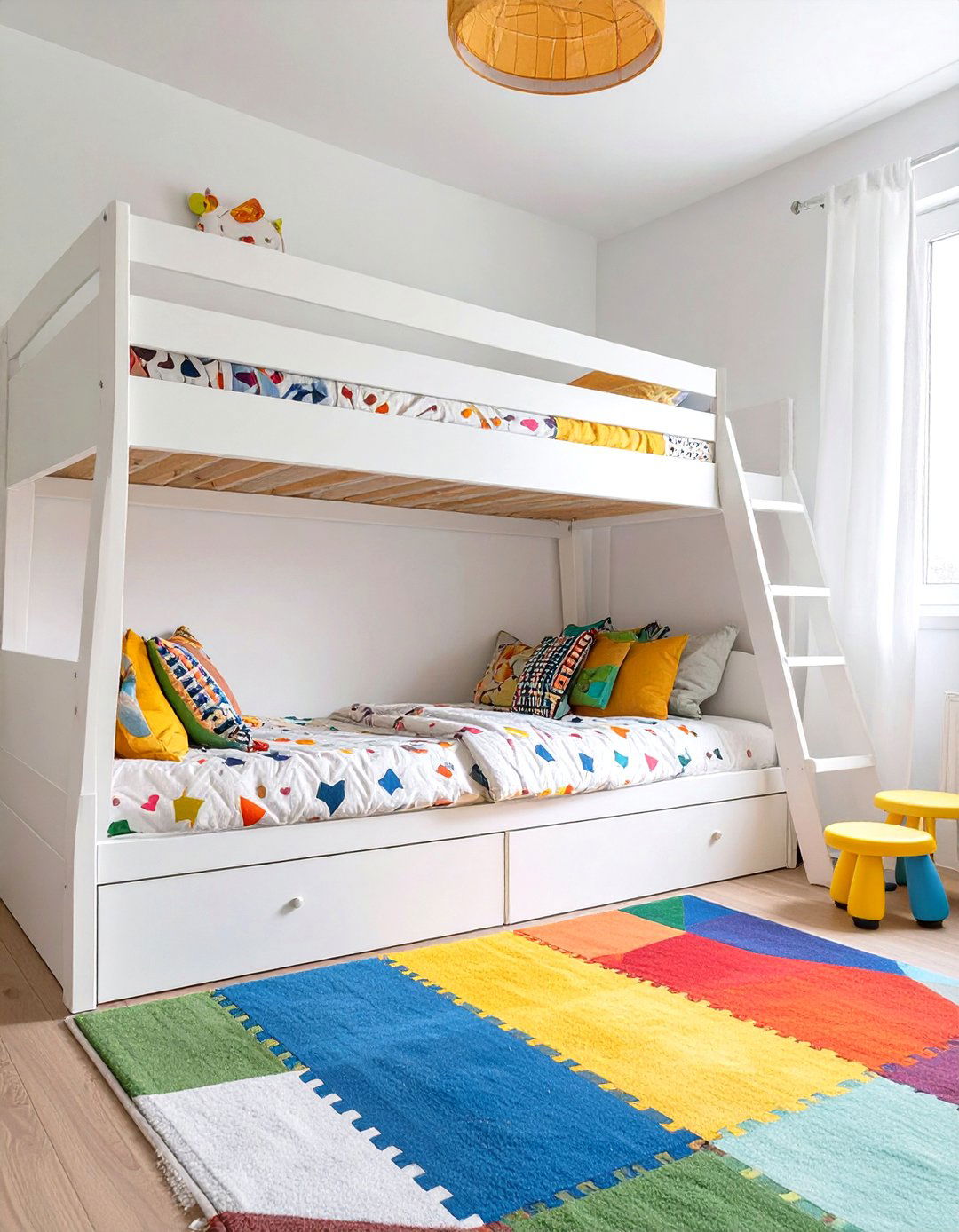
A high-sleeper bed, which is even taller than a standard loft bed, elevates the mattress close to the ceiling, opening up a significant amount of usable space below. This area is perfect for creating a designated play zone. You can set up a small table and chairs for crafts, lay down a soft rug for floor play, or even hang a fabric tent to create a secret hideout. This configuration brilliantly separates the sleep and play functions of the room, keeping toys contained in one area and leaving the bed as a calm space for rest.
16. A Bed with a Pull-Out Trundle
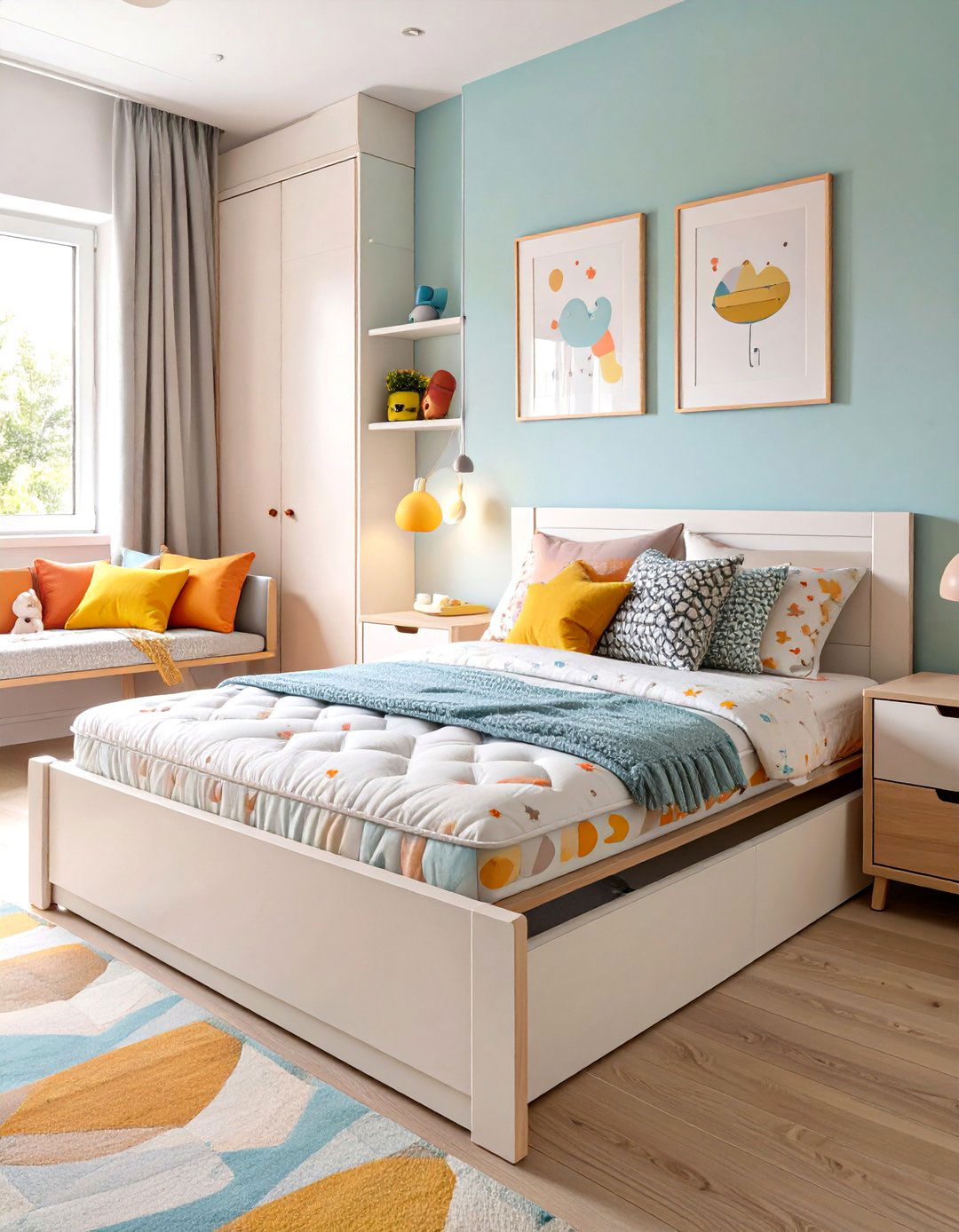
For a child who loves having friends over for sleepovers, a bed with a pull-out trundle is an essential space-saver. The second mattress is neatly tucked away under the main bed and can be rolled out in seconds when needed. When the guest leaves, it slides back in, leaving the floor space clear for everyday activities. This eliminates the need to store a bulky air mattress or cot. Many trundle beds also come in daybed styles, which can double as a cozy sofa for lounging during the day, adding to their versatility in a small room.
17. Modular Storage Cubes
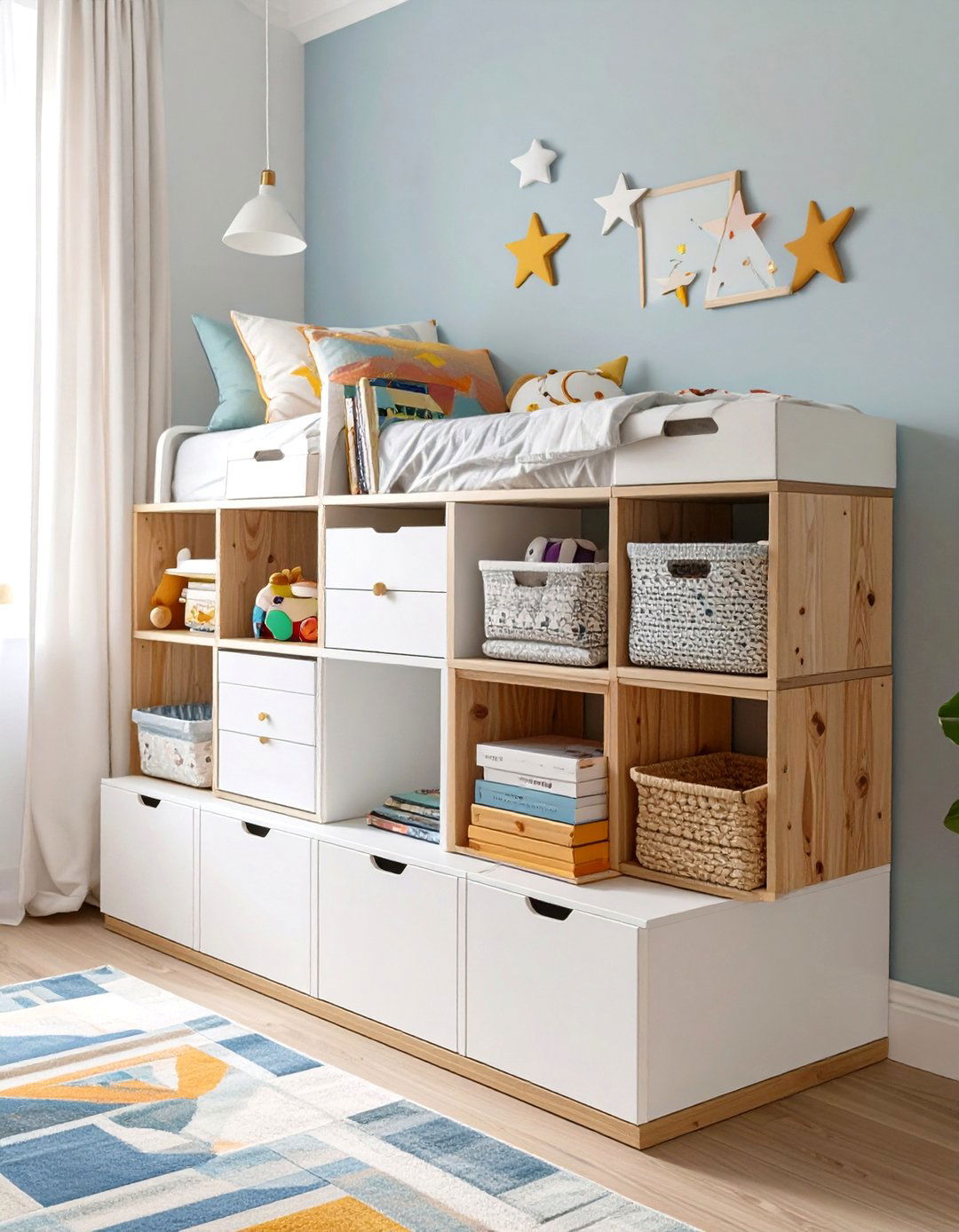
Modular storage cubes offer ultimate flexibility for a growing child’s needs. These individual cubes can be stacked vertically, arranged horizontally, or even used as a base for a desk, allowing you to create a custom storage solution that fits your specific space perfectly. Use them with fabric bins to conceal clutter or leave them open to display books and favorite toys. As storage needs change, you can easily add, remove, or reconfigure the cubes. Their adaptability makes them a long-term investment that can be modified to suit any corner or wall in a small bedroom.
18. A Hanging Clothes Rail
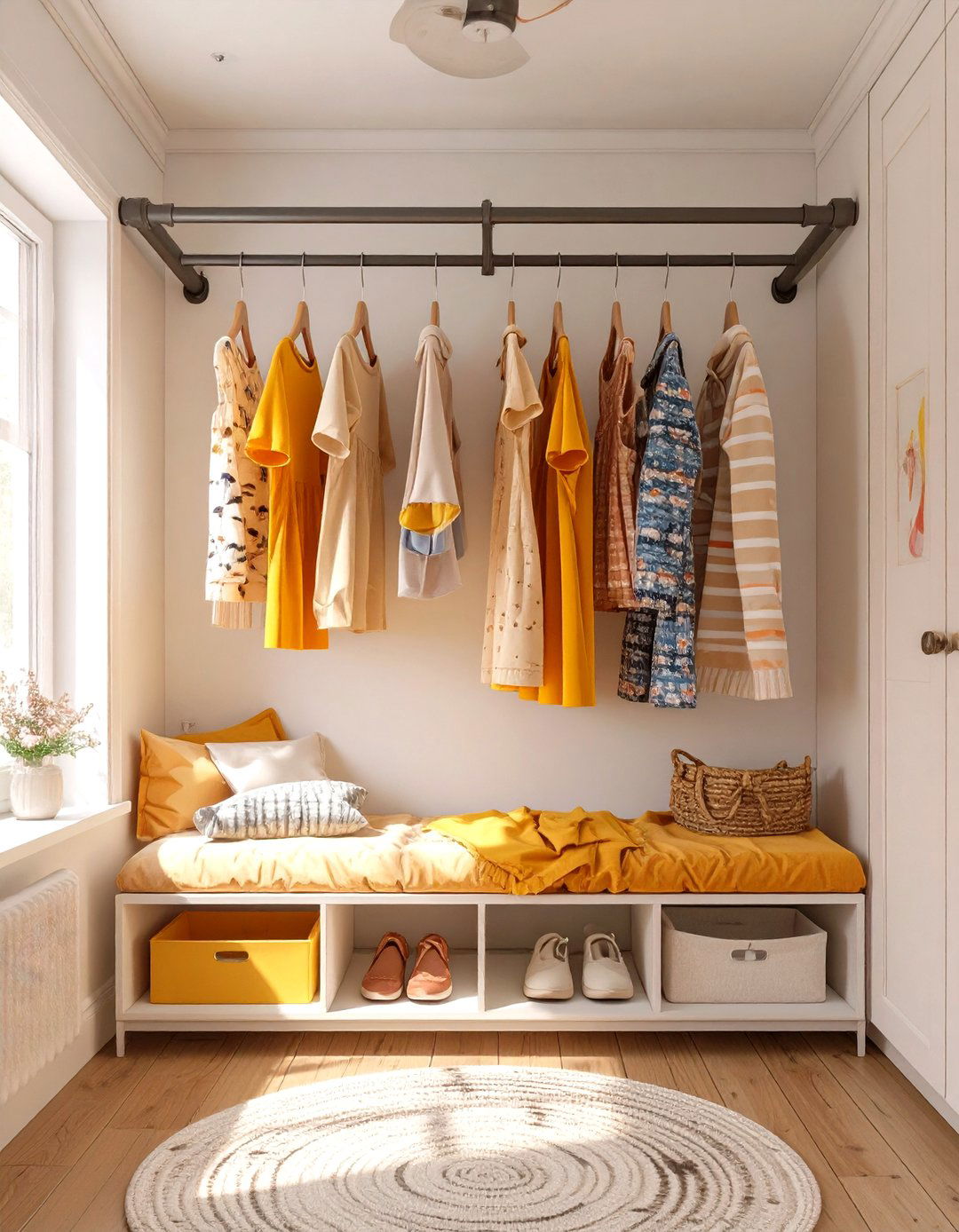
If a full-sized wardrobe is too cumbersome for the room, consider a stylish hanging clothes rail. An exposed rail, whether a freestanding minimalist design or a pipe suspended from the ceiling, can hold everyday outfits and dress-up costumes. It takes up less visual and physical space than a closed wardrobe, contributing to a more open, boutique-like feel. Place a small shoe rack or a set of drawers underneath to complete the storage station. This approach is perfect for adding a touch of personality and ensuring favorite clothes are always easily accessible in a compact space.
19. A Bed Canopy to Define a Sleep Zone
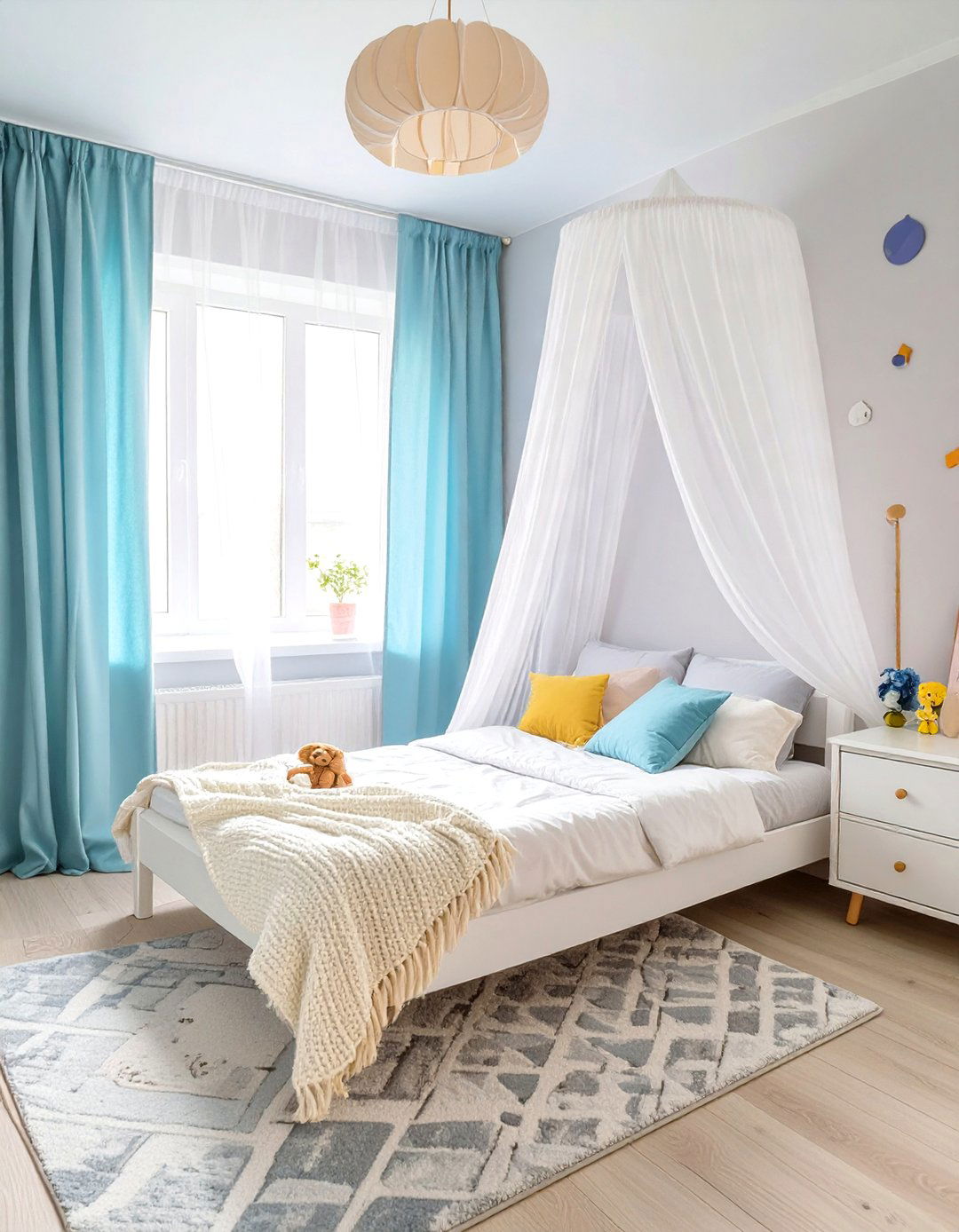
In a small room that serves multiple functions, creating a distinct sleep zone can help a child wind down at night. A simple bed canopy hung from the ceiling over a corner of the bed can achieve this beautifully. The soft, draped fabric creates a visual cue that separates the bed from the rest of the room, making it feel like a cozy, private sanctuary. It adds a touch of magic and whimsy without taking up any floor space. Choose a sheer, lightweight material to avoid making the room feel smaller, enhancing the sense of a dreamy escape.
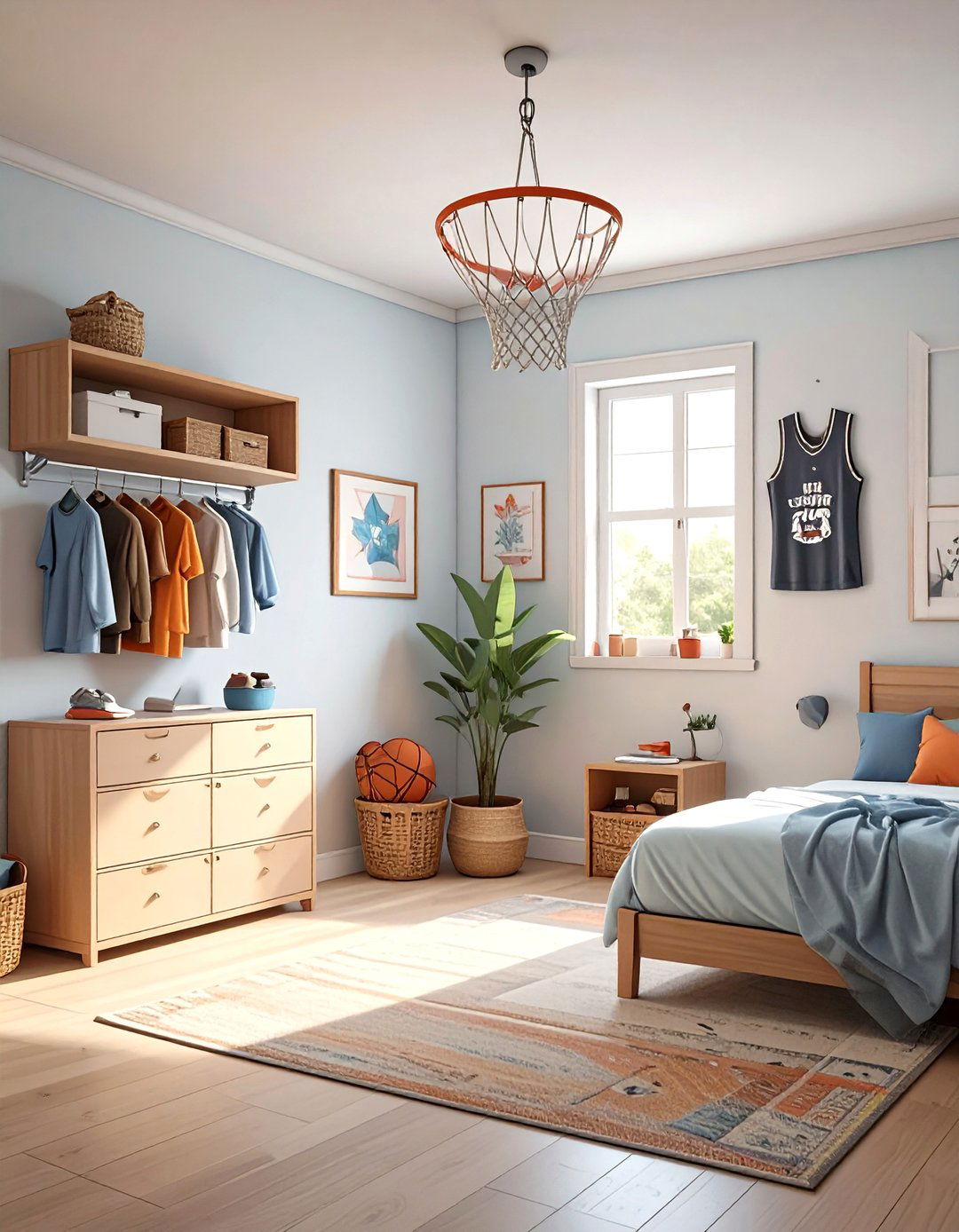
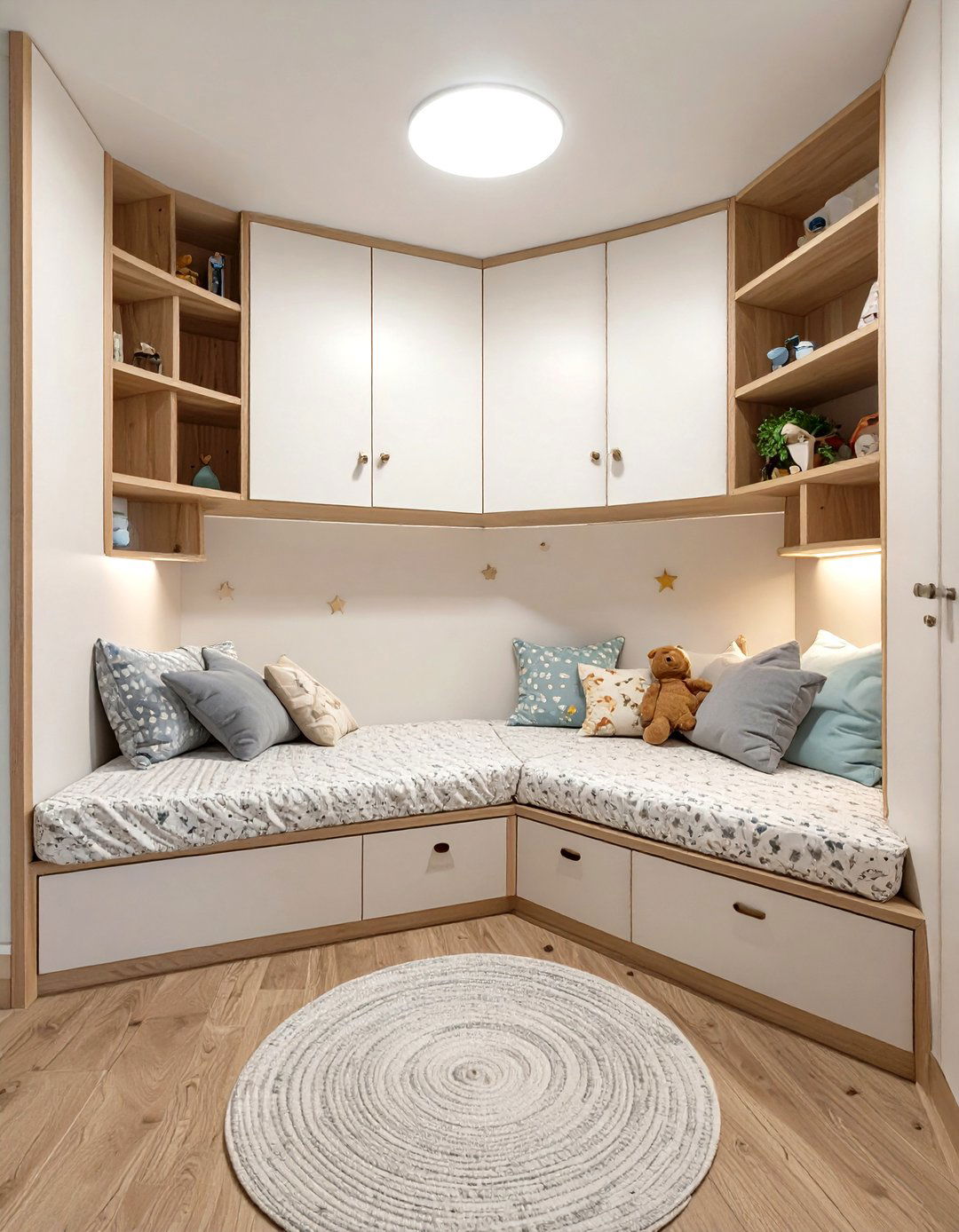

20. A Streamlined Daybed
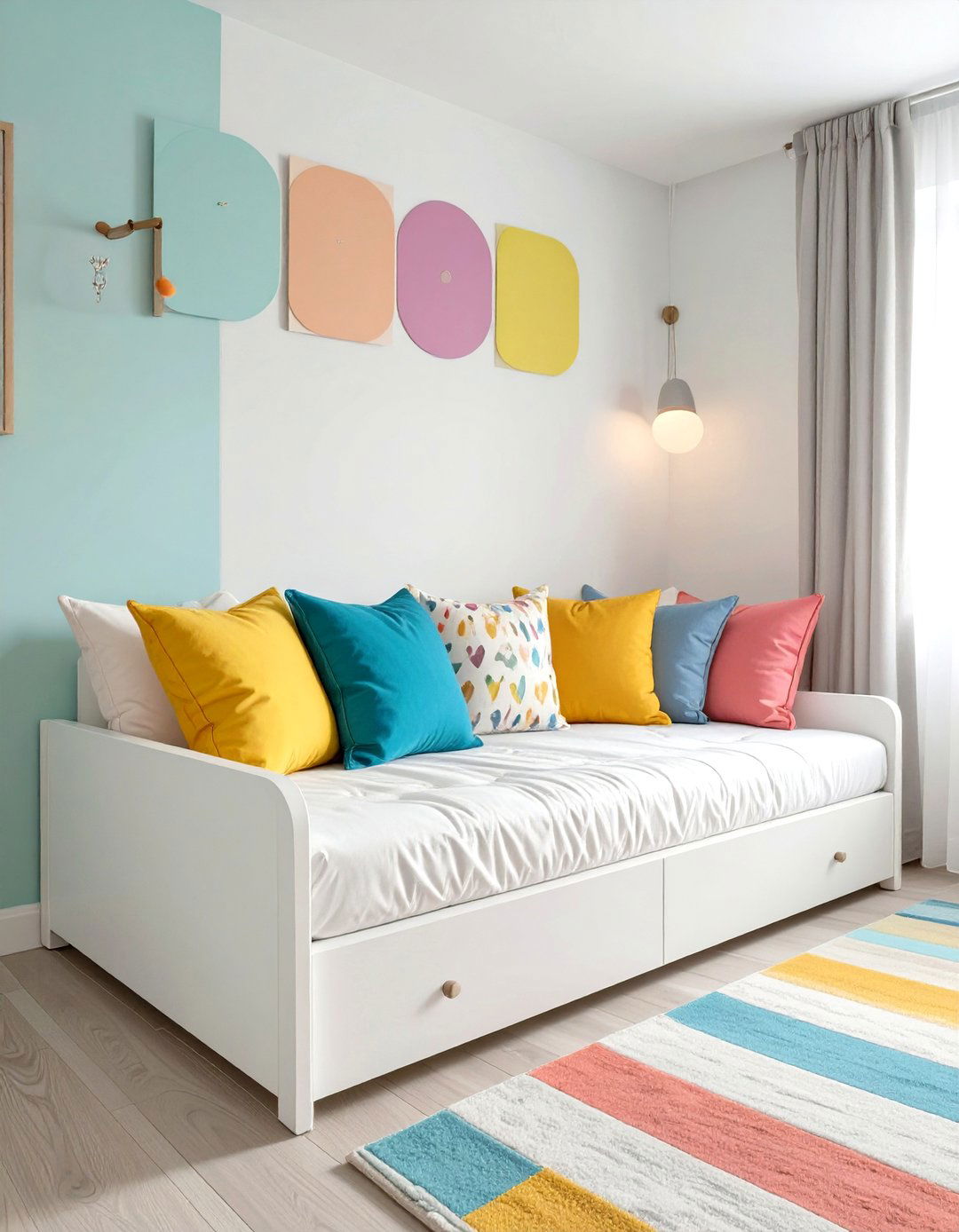
A daybed is a highly versatile piece of furniture that serves as both a comfortable bed for sleeping and a stylish sofa for daytime lounging. Its slim, streamlined design often fits snugly against a wall, taking up less space than a conventional bed with a headboard and footboard. This dual functionality is perfect for a small room, providing a place for your child to read, play, or hang out with friends. Many daybeds also come with built-in storage drawers or a pull-out trundle, further enhancing their space-saving credentials and making them a practical and chic choice.
21. Corner Shelving Units
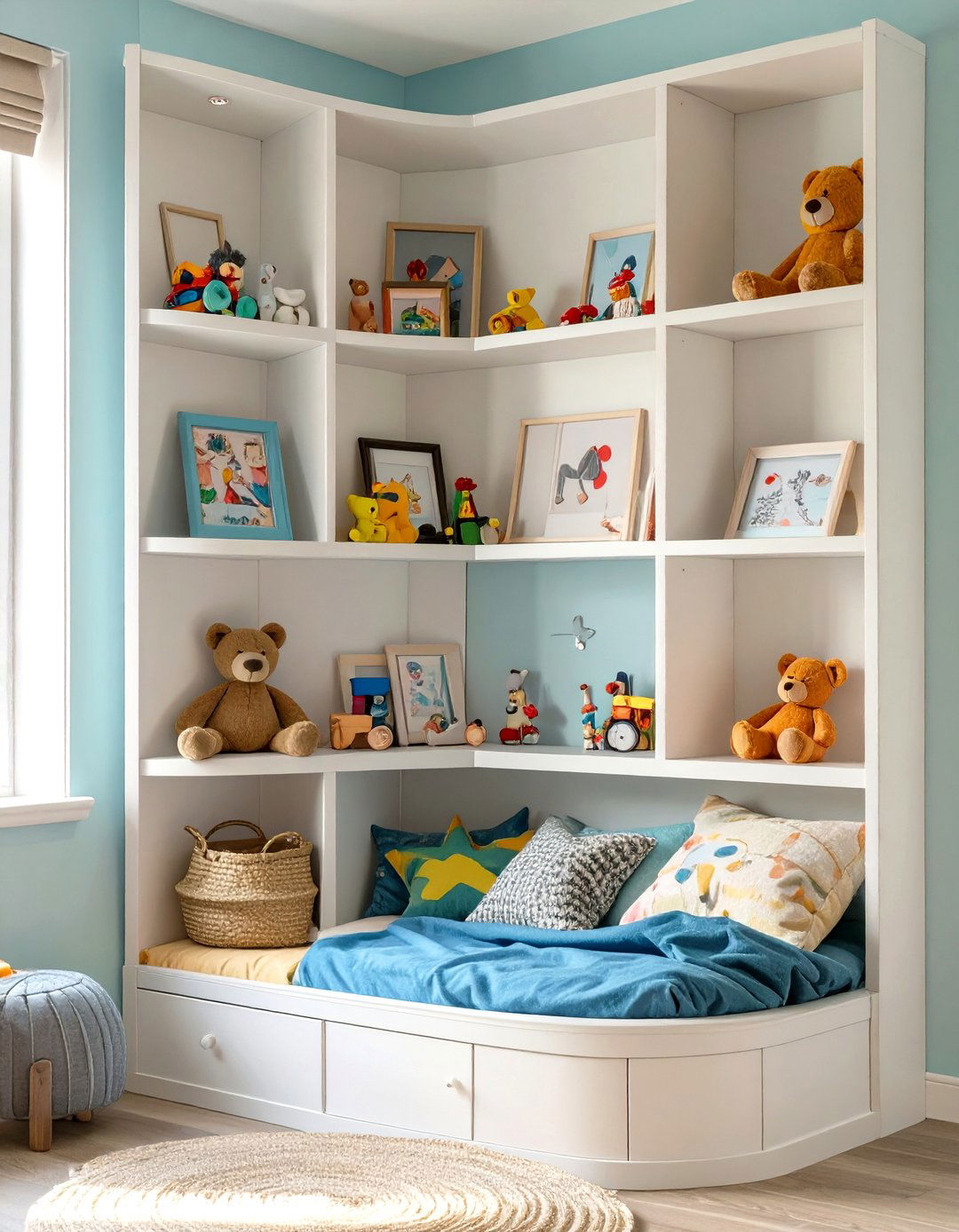
Utilize awkward corner spaces effectively with dedicated corner shelving units. These units are designed to fit snugly into a 90-degree corner, turning an often-neglected area into valuable storage real estate. Use them to display trophies, small plants, photo frames, or a collection of favorite figurines. Because they wrap around a corner, they offer a surprising amount of shelf space without protruding far into the room. This smart use of space helps to keep surfaces clear and draws attention to an interesting architectural feature, making the room feel more dynamic and organized.
22. Mirrored Closet Doors
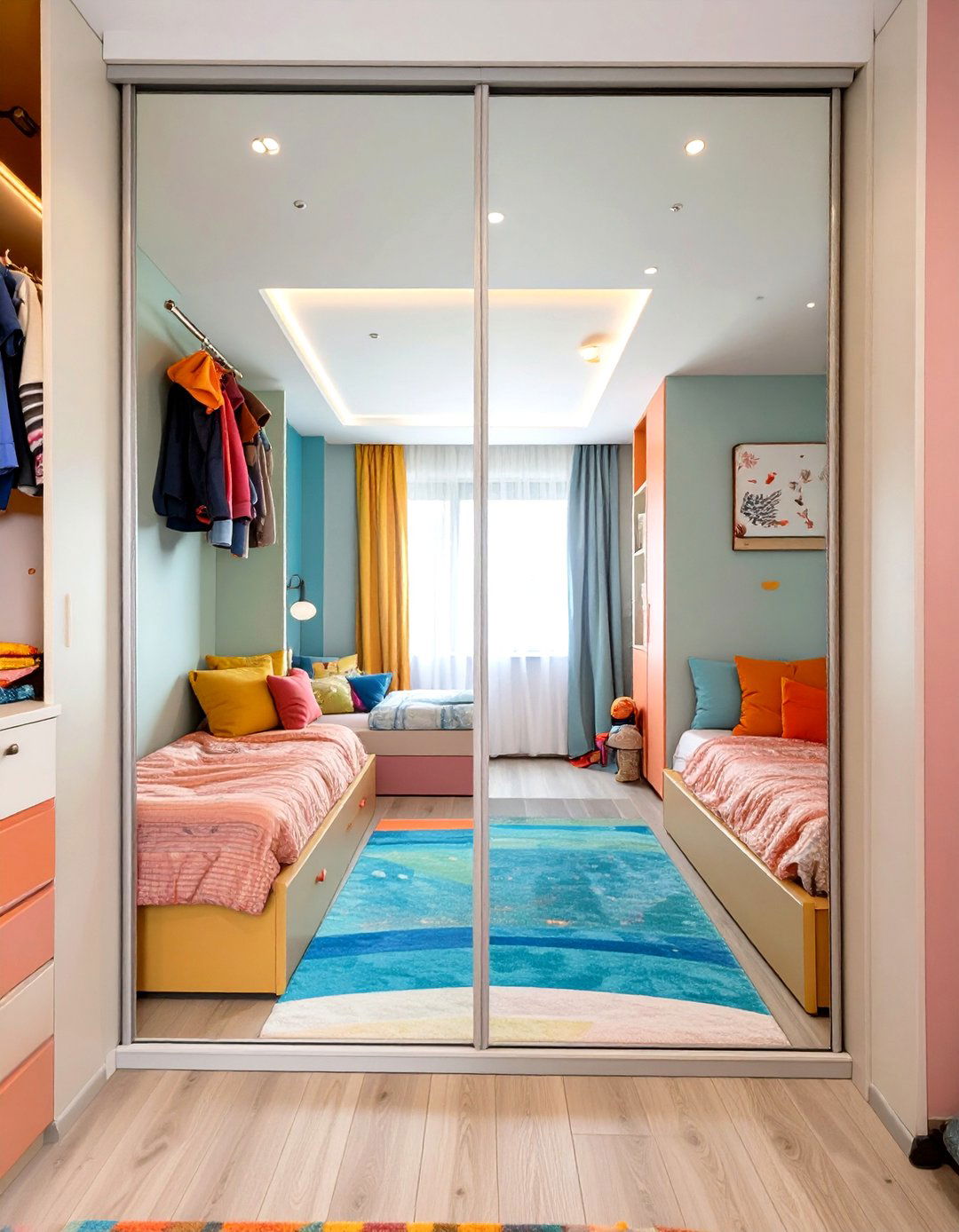
Mirrors are a well-known interior design trick for making a small space feel larger and brighter, and mirrored closet doors are a perfect way to incorporate them into a kid's room. By replacing standard closet doors with mirrored ones, you create the illusion of depth, making the room seem more expansive. They also reflect natural and artificial light, which helps to brighten up the space. This dual-purpose solution provides essential storage while enhancing the room's sense of openness, eliminating the need for a separate, space-consuming floor or wall mirror.
23. A Cabin Bed with a Play Curtain
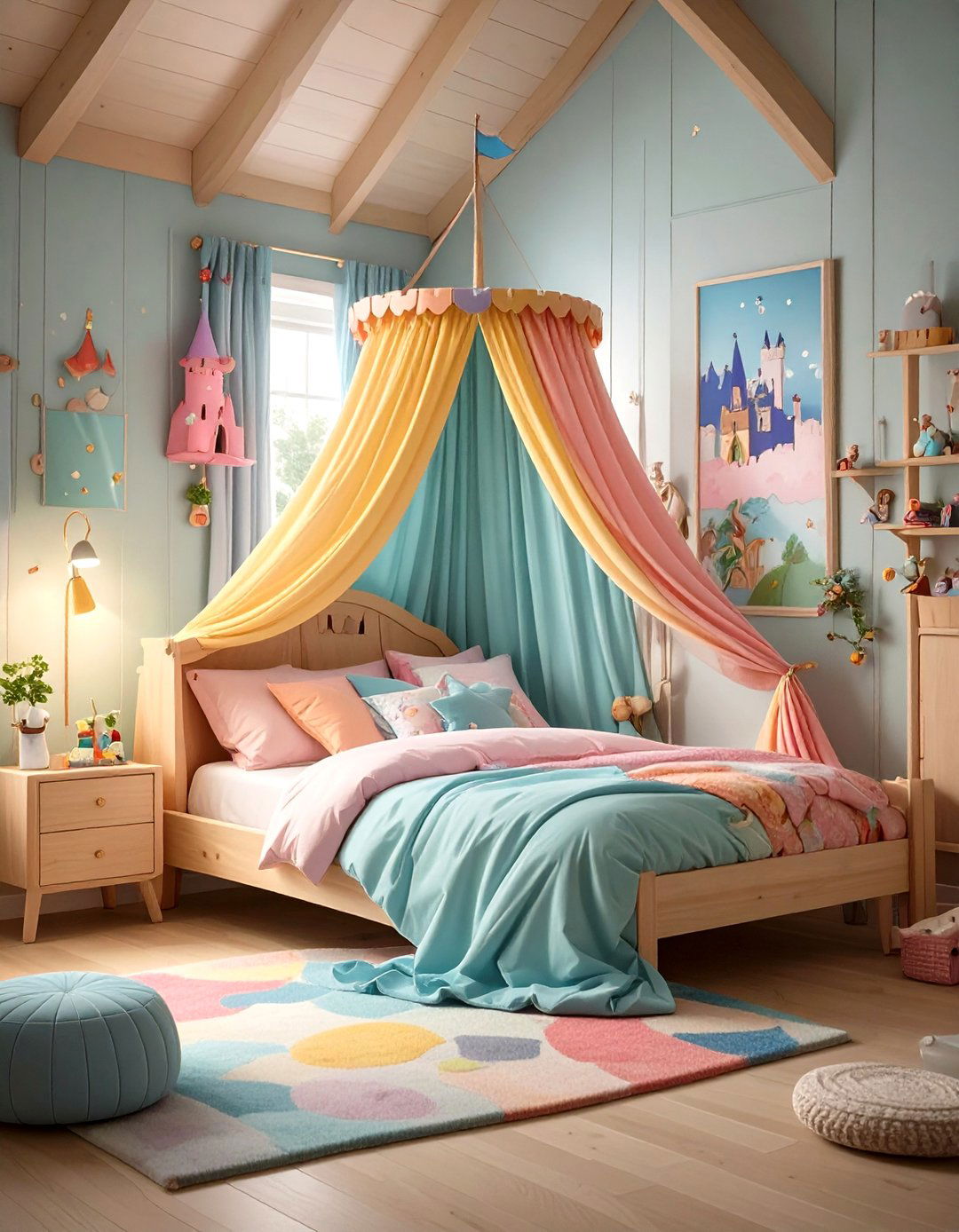
A cabin bed, also known as a mid-sleeper, is lower than a loft bed but still elevated enough to create a usable space underneath. Adding a custom play curtain around the base instantly transforms this area into a secret den, fort, or clubhouse. The curtains can feature fun themes like a castle, spaceship, or jungle, sparking imagination and providing a hidden spot for play or toy storage. This idea contains playtime to a specific zone, keeping the rest of the small room tidier while offering a magical and private world for your child to explore.
24. A Wall-Mounted Drop-Leaf Table
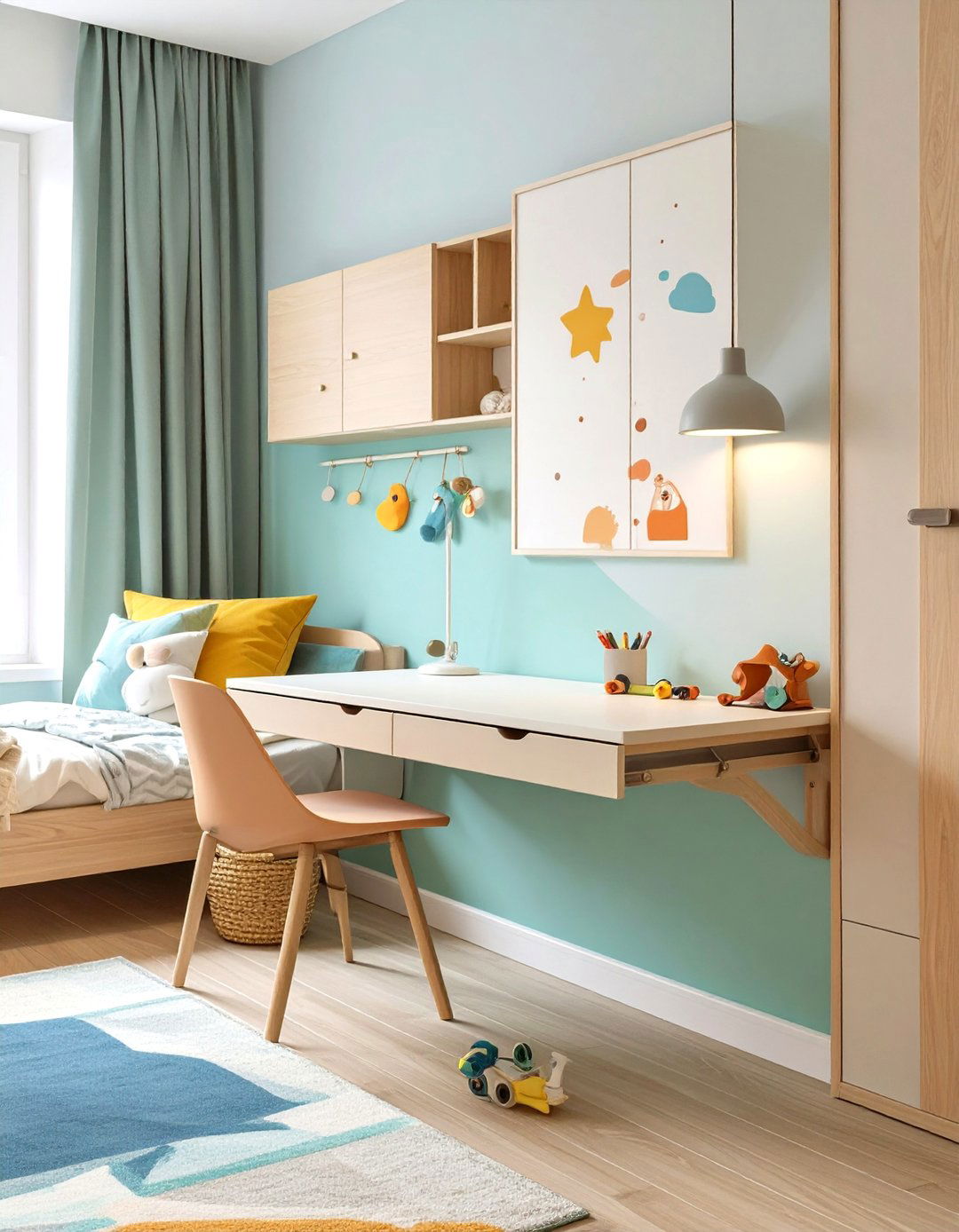
For a truly space-conscious solution for crafts or snacks, a wall-mounted drop-leaf table is ideal. This type of table is hinged to the wall and supported by a bracket that allows it to fold down flat when not in use. It provides a sturdy surface when needed but occupies virtually no space when stowed away. It’s smaller and more versatile than a full desk, making it perfect for multi-purpose rooms where floor space is a top priority. This discreet and practical feature ensures there’s always a spot for creative projects without permanently cluttering the room.
25. Using Vertical Stripes to Create Height
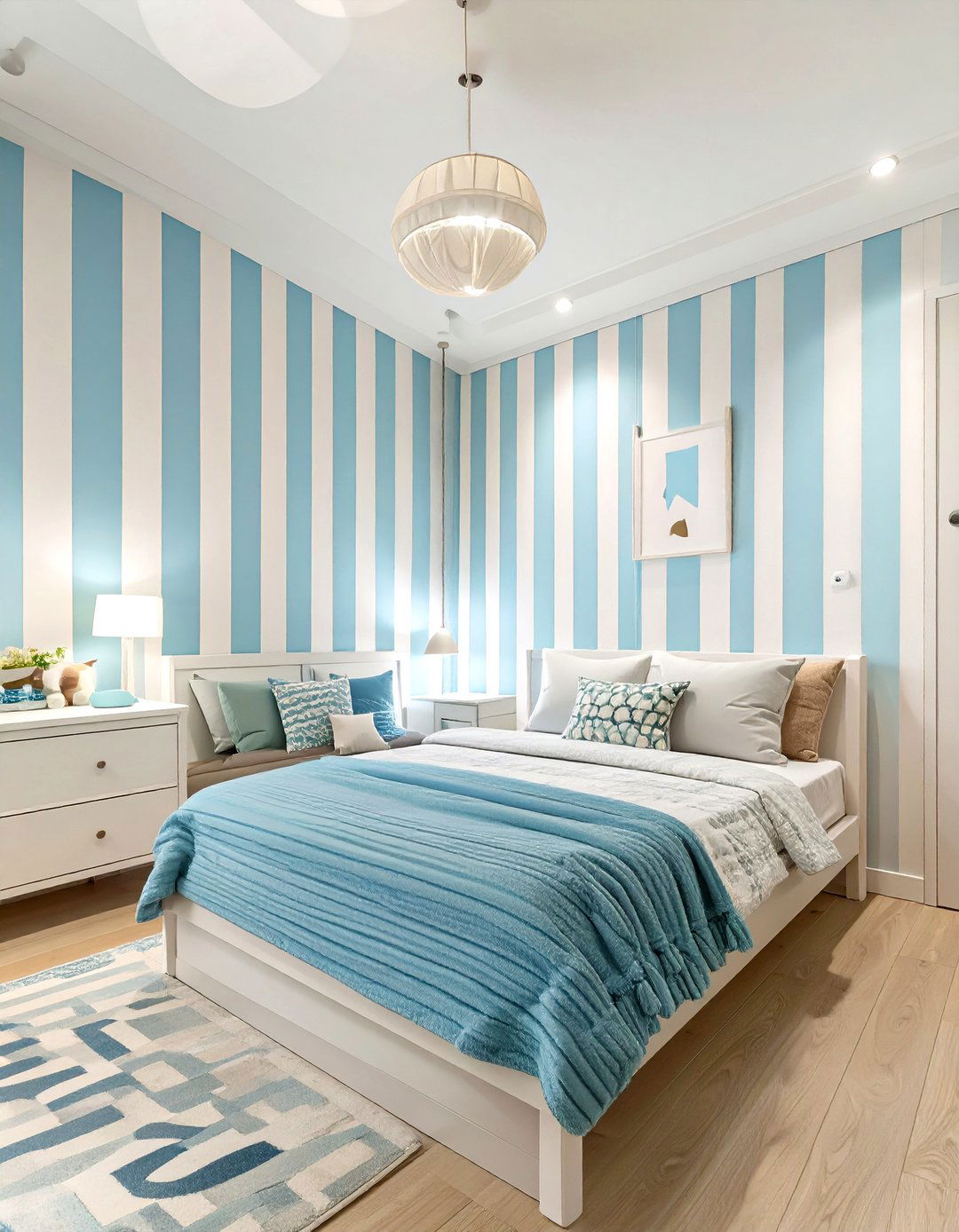
A clever visual trick to make a small, low-ceilinged room feel taller is to use vertical stripes. You can achieve this with striped wallpaper on an accent wall or by painting bold, vertical stripes yourself. The upward-pointing lines naturally draw the eye towards the ceiling, creating an illusion of height and spaciousness. This decorative technique adds a dynamic and playful element to the room without taking up any physical space. Choose a color palette that complements the rest of the decor for a cohesive and visually expansive effect that truly opens up the room.
26. A Bed with a Built-in Headboard Storage
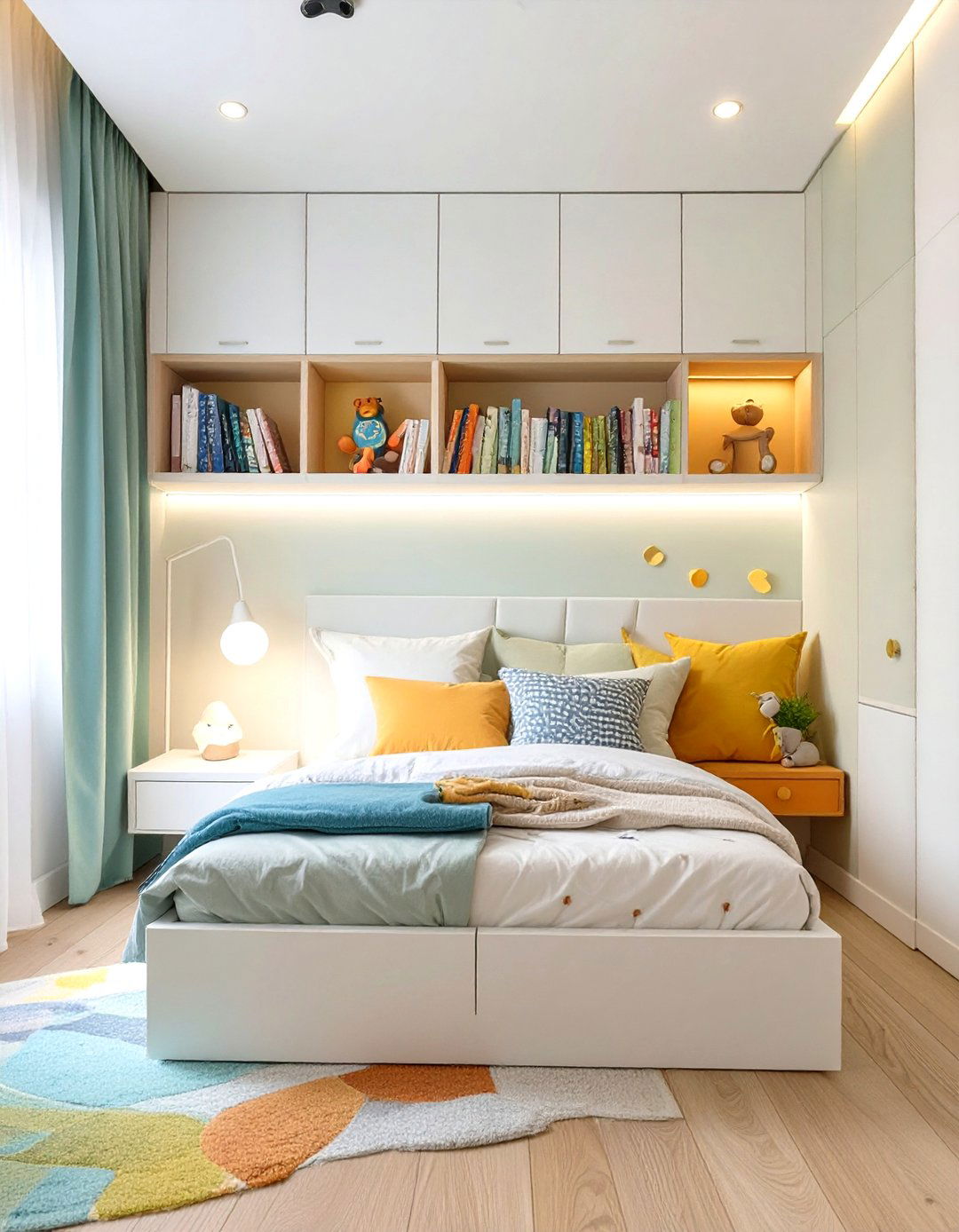
Maximize every inch around the bed with a headboard that features built-in storage. These clever designs incorporate shelves, cubbies, or even small sliding cabinets right into the headboard structure. This provides the perfect spot for an alarm clock, night light, favorite books, and small toys, eliminating the need for a separate nightstand. It keeps essentials within arm's reach while maintaining a clean, uncluttered look around the sleeping area. This integrated solution is a fantastic way to add functional storage in a compact footprint, making it ideal for the tightest of spaces.
27. A Hanging Chair for Seating
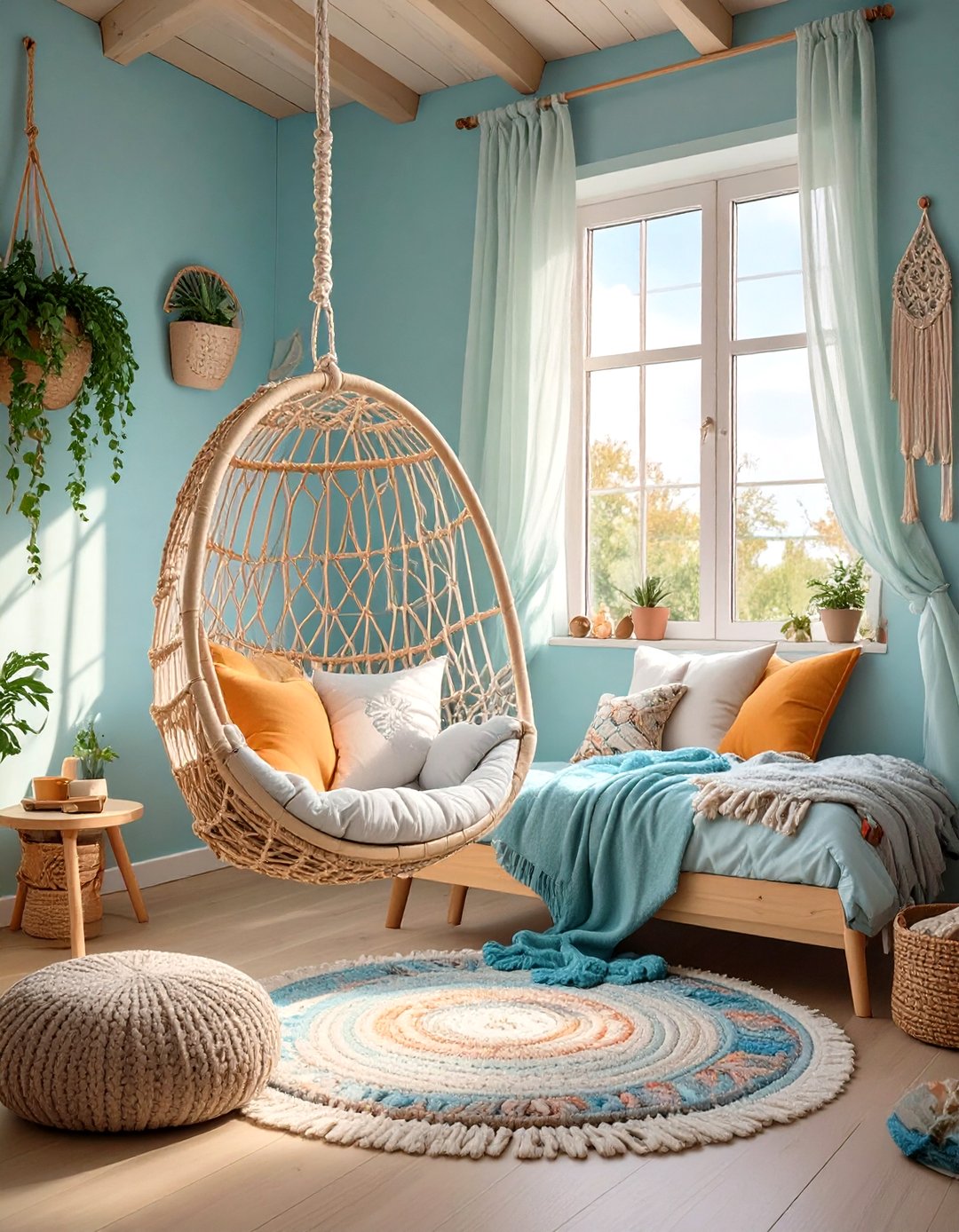
Instead of a bulky armchair or beanbag that eats up floor space, consider a hanging chair. Suspended from a securely mounted ceiling hook, a swing or pod chair provides a fun and cozy spot for reading or relaxing while floating above the floor. This keeps the ground area clear, making the room feel less cluttered and more open. It adds a playful and stylish element that kids adore, creating a unique focal point in the room. When not in use, it can be easily unhooked and stored away if necessary for even more flexibility.
28. Using Light Colors on Walls and Furniture
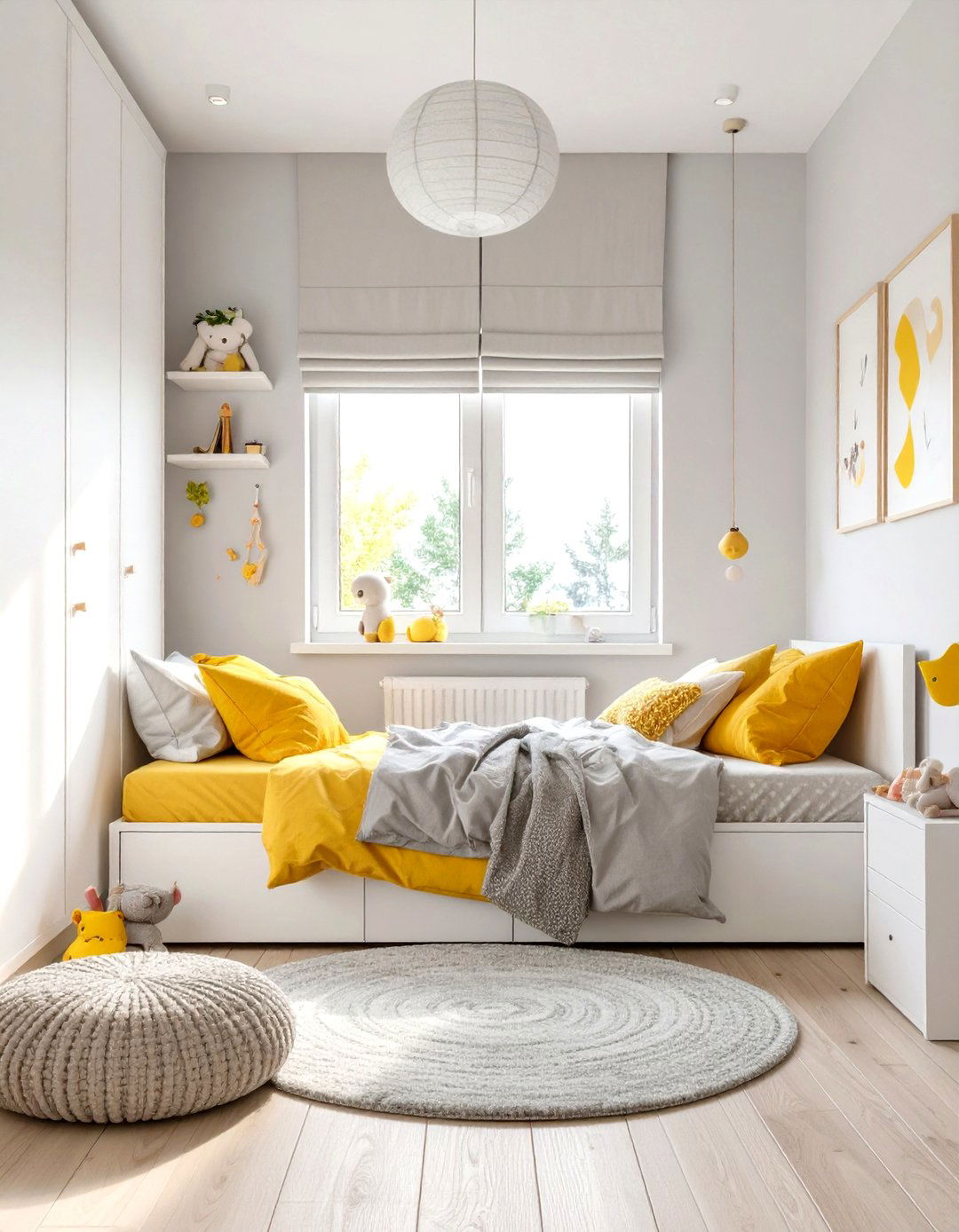
To make a small kids' bedroom feel as large and airy as possible, stick to a light color palette. Walls painted in soft whites, pale grays, or gentle pastels reflect more light, creating an open and bright atmosphere. Choose furniture in white or light wood finishes to further enhance this effect. A light-colored scheme provides a clean and calming backdrop that prevents the room from feeling cramped or closed-in. You can still add pops of color through bedding, rugs, and accessories to bring in personality and fun without overwhelming the space visually.
29. Themed Wall Decals for Decoration
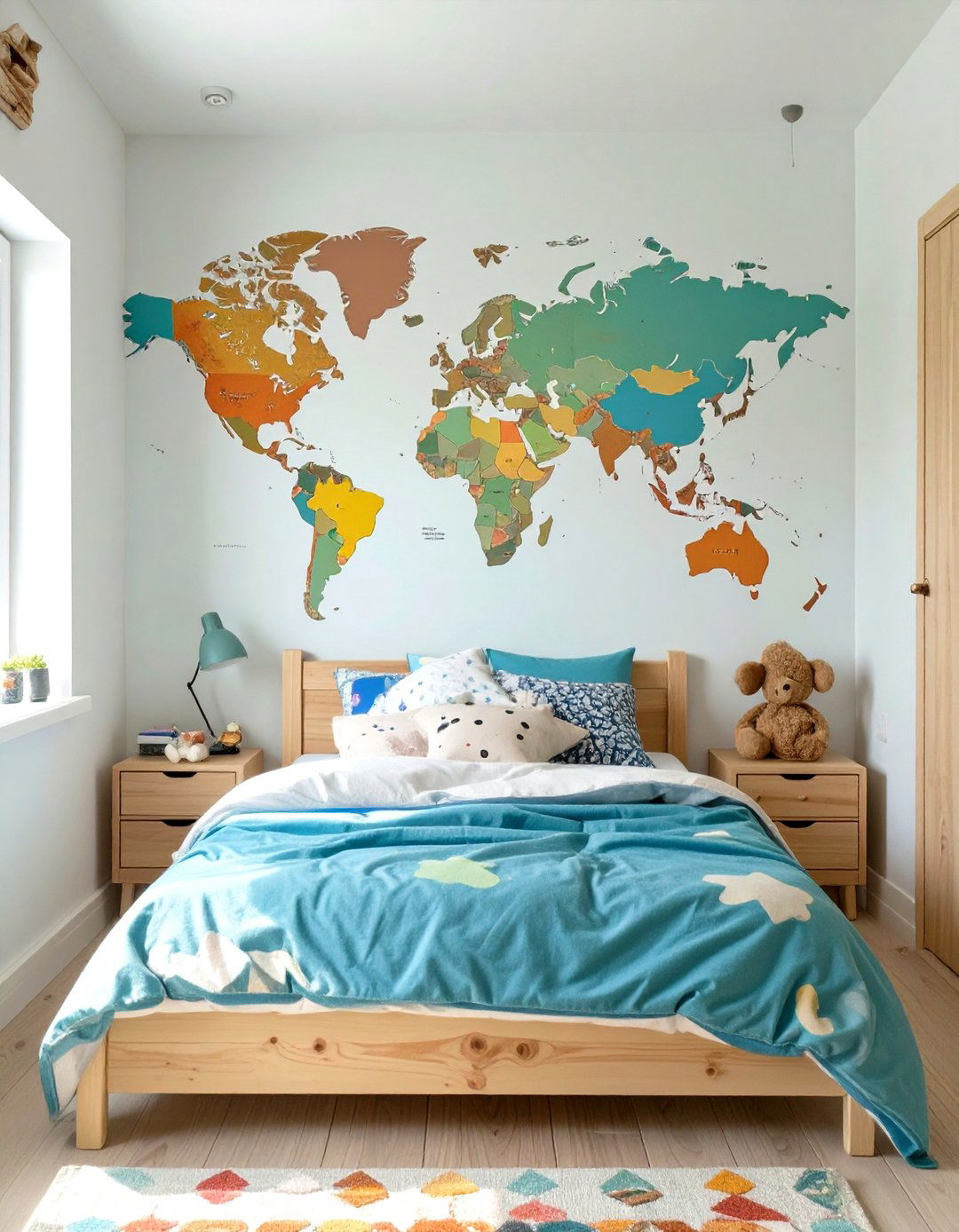
Instead of bulky decorative items that take up surface space, use themed wall decals to bring personality and imagination into a small bedroom. Decals are flat, easy to apply, and can transform a plain wall into a starry night sky, a dense jungle, a bustling cityscape, or a field of flowers. They add a huge visual impact without occupying any physical room. As your child's interests evolve, decals can be easily removed and replaced with a new theme, making them a flexible and space-efficient way to decorate and personalize the room over time.
30. A Murphy Bed for Ultimate Space Saving
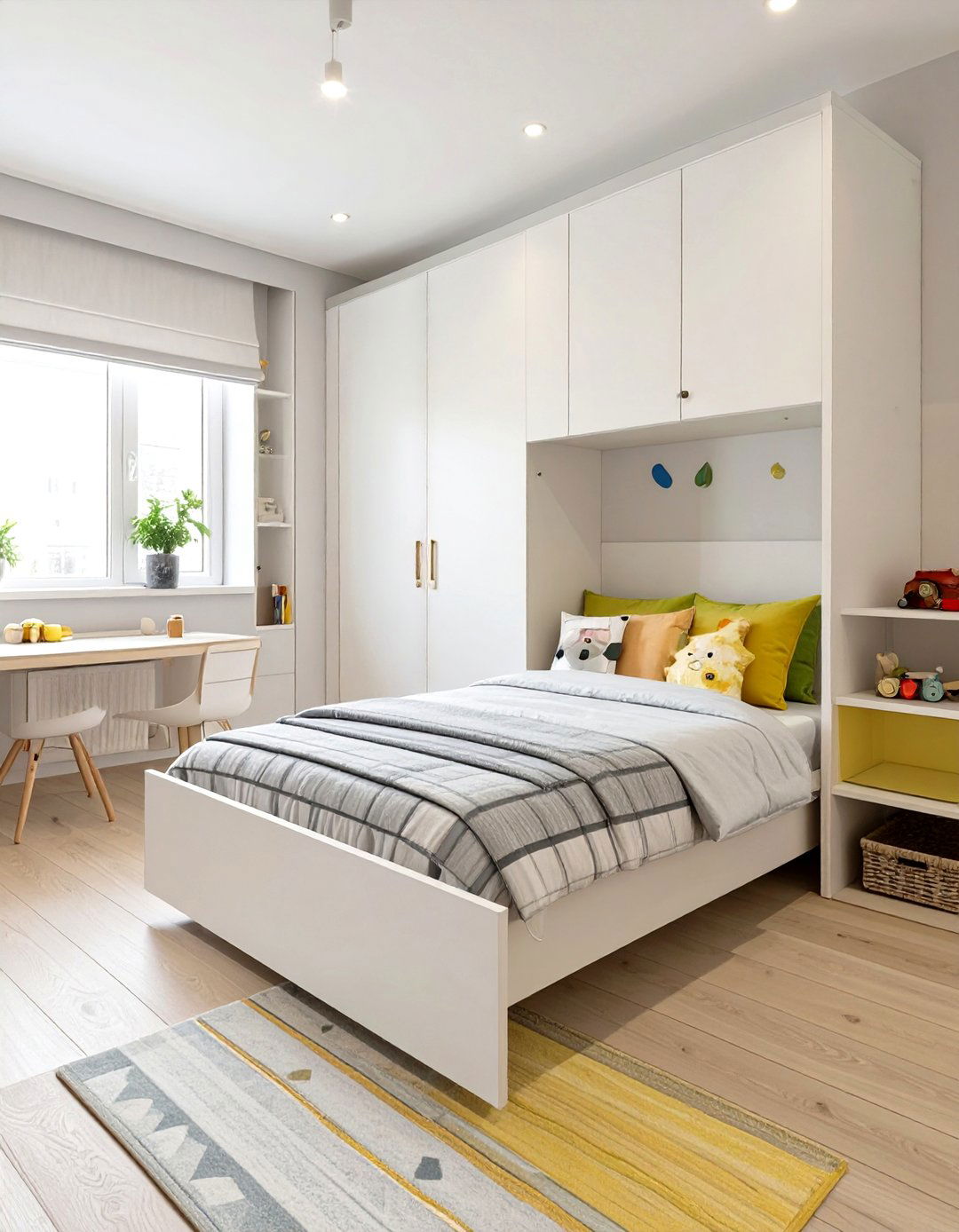
For the ultimate space-saving solution, a Murphy bed is unmatched. This type of bed is hinged at one end to store vertically against a wall or inside a cabinet. During the day, it folds away completely, freeing up the entire floor area for play, study, or other activities. At night, it pulls down easily to provide a comfortable bed. While it's a more significant investment, a Murphy bed can completely transform a tiny room, allowing it to function as a spacious playroom by day and a cozy bedroom by night.
Conclusion:
Maximizing a small kid's bedroom is all about smart, multifunctional design. Key strategies include utilizing vertical space with loft beds and wall-mounted storage, choosing furniture that serves dual purposes like daybeds or desks with integrated shelving, and employing visual tricks like light colors and mirrors to create an illusion of space. By focusing on clever, built-in, and adaptable solutions, you can craft a room that feels organized, spacious, and perfectly suited to your child's needs for both sleep and play, proving that a small footprint doesn't have to limit style or function.

Related posts:






Leave a Reply