
Enjoying your outdoor space shouldn't be limited by a blazing sun or a tight budget. Creating a comfortable, shaded patio is an achievable project that adds immense value and usability to your home. With a little creativity and some readily available materials, you can transform a sun-drenched spot into a cool, relaxing retreat. From simple fabric solutions and clever plant arrangements to DIY structures, there are countless ways to beat the heat without breaking the bank. These ideas focus on affordability and practicality, proving that a stylish and functional shaded oasis is within everyone's reach.
1. DIY Canvas Drop Cloth Sail Shade
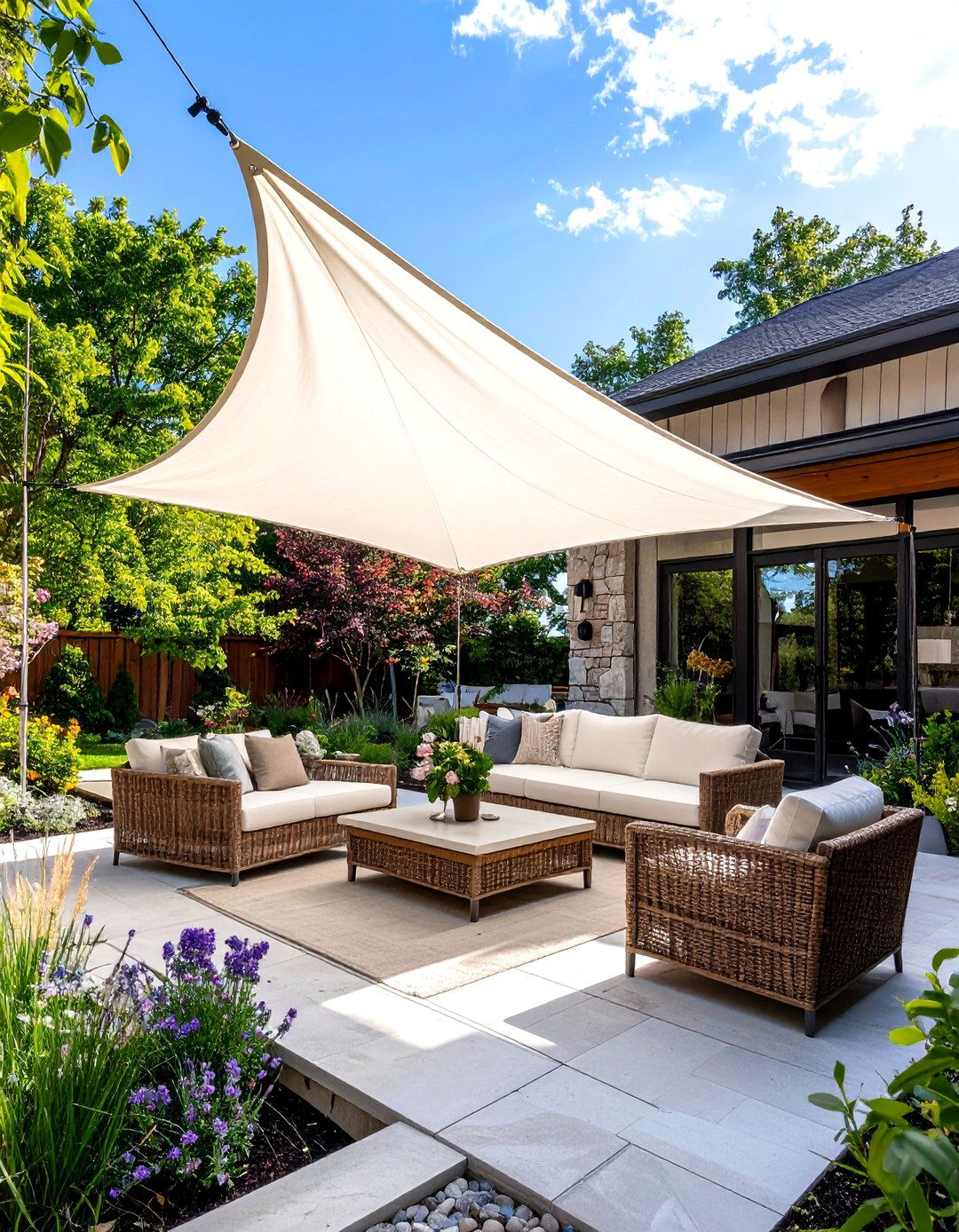
For a modern and highly effective shade solution, a DIY sail shade made from a canvas drop cloth is an excellent choice. Purchase a heavy-duty painter's drop cloth from a hardware store, which is both durable and inexpensive. To create attachment points, install grommets along the edges of the canvas using a simple kit. You can then use ropes or turnbuckles to stretch the sail shade taut between anchor points on your house, trees, or sturdy posts set in concrete. This method allows you to create a custom-sized and shaped shade cover that looks sleek and professional for a fraction of the cost of commercial versions.
2. Retractable Wire-Hung Canopy
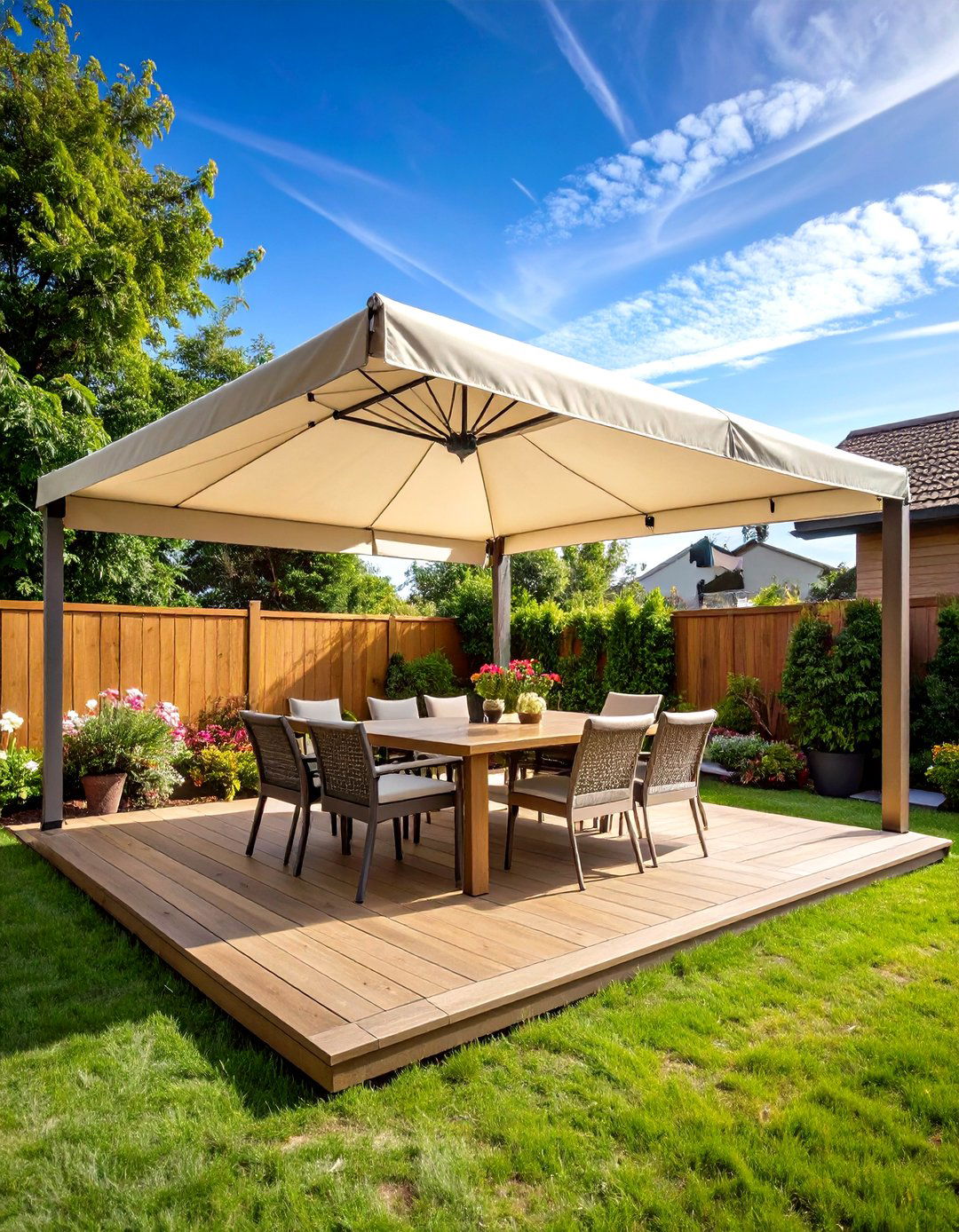
A retractable wire-hung canopy offers flexibility, allowing you to choose between sun and shade. This project involves stringing parallel steel wires across the top of your patio, anchored securely to your house and posts or a pergola frame. Outdoor fabric panels are then fitted with grommets and threaded onto the wires. Small eye hooks screwed into wood dowels at the front and back of each panel prevent them from bunching up. This system lets you easily slide the fabric panels open or closed, giving you complete control over the amount of sunlight hitting your patio throughout the day.
3. Simple Wood Slat Pergola
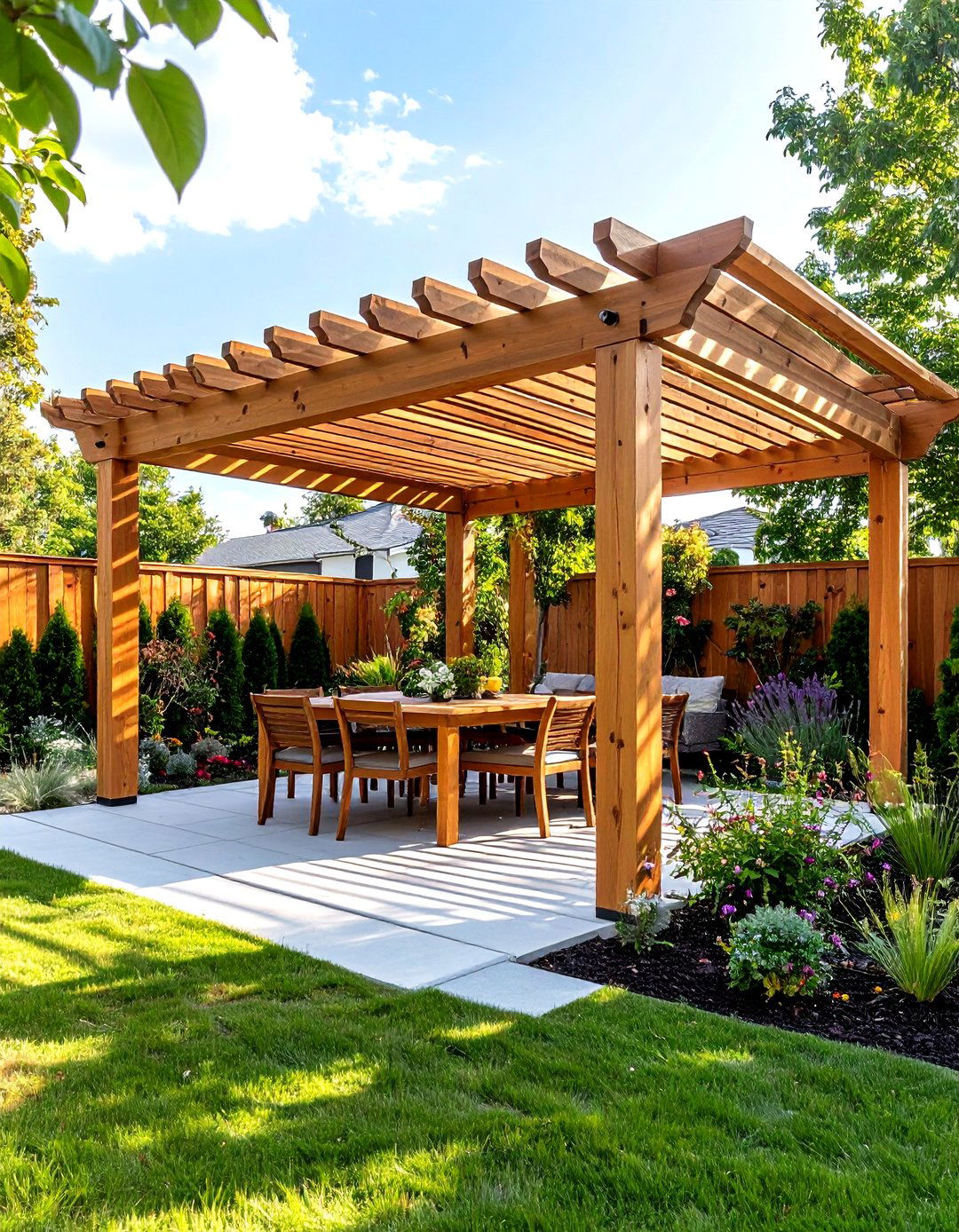
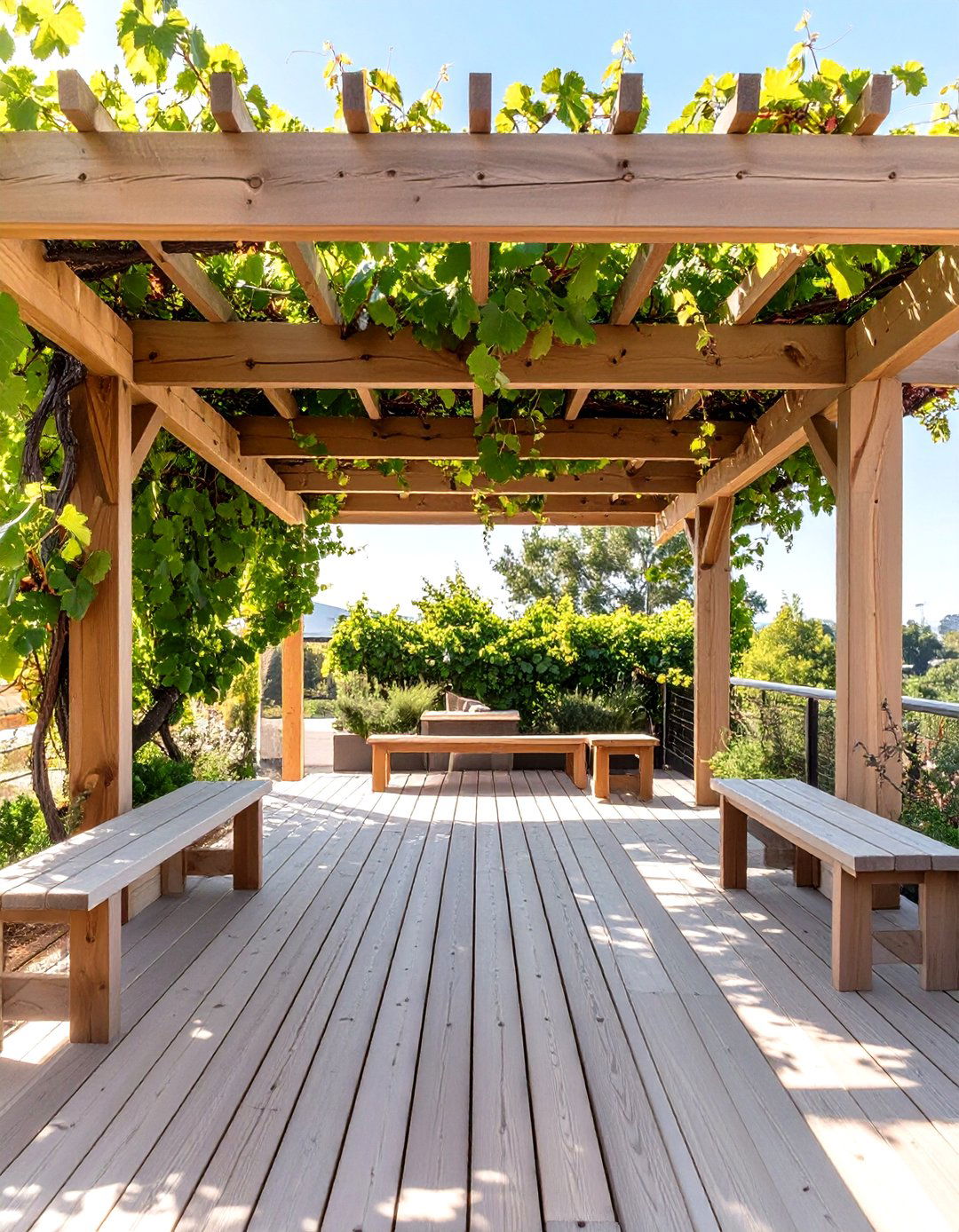
Building a simple wood slat pergola provides a permanent structure for shade without the complexity of a full roof. You can construct a basic frame using pressure-treated lumber for four posts and connecting beams. Instead of a solid cover, install thin wood slats or 1x2 boards across the top, spacing them a few inches apart. This design filters sunlight, creating a pleasant dappled shade effect rather than complete darkness. It breaks up the harsh sun while still allowing for airflow. For added shade, you can later train climbing plants to grow over the slats, enhancing the natural aesthetic.
4. Patio Umbrella Cluster
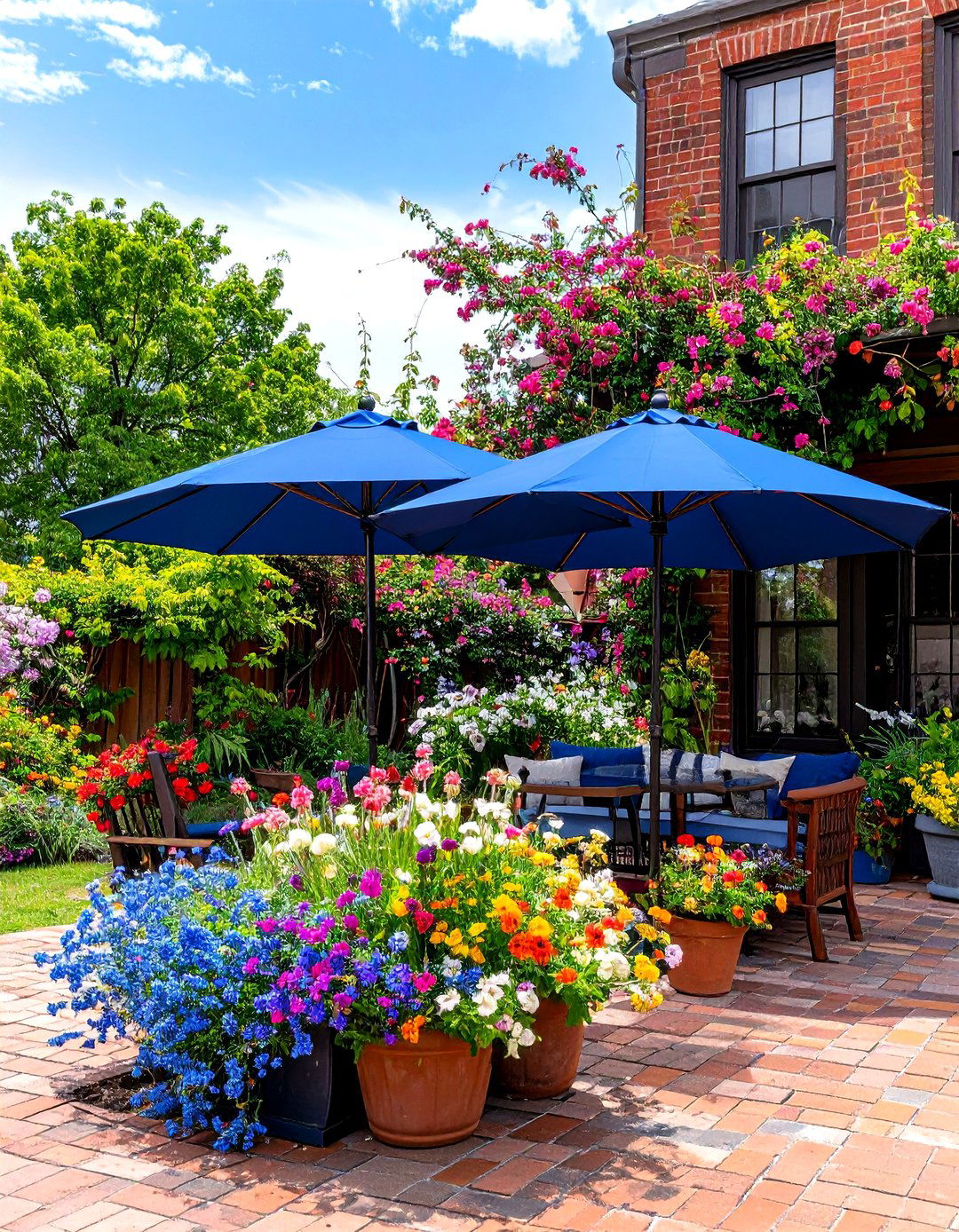
Don't underestimate the power of a few well-placed patio umbrellas. Instead of one large, expensive cantilever umbrella, consider creating a cluster of two or three smaller, more affordable market umbrellas. Overlapping them slightly can cover a significant area, such as a dining set or a conversation nook. This approach offers great flexibility; you can tilt and move each umbrella individually to block the sun as it moves across thesky. Look for budget-friendly options at the end of the season or from big-box stores, and secure them in heavy bases for stability on windy days.
5. Fast-Growing Climbing Vines on a Trellis
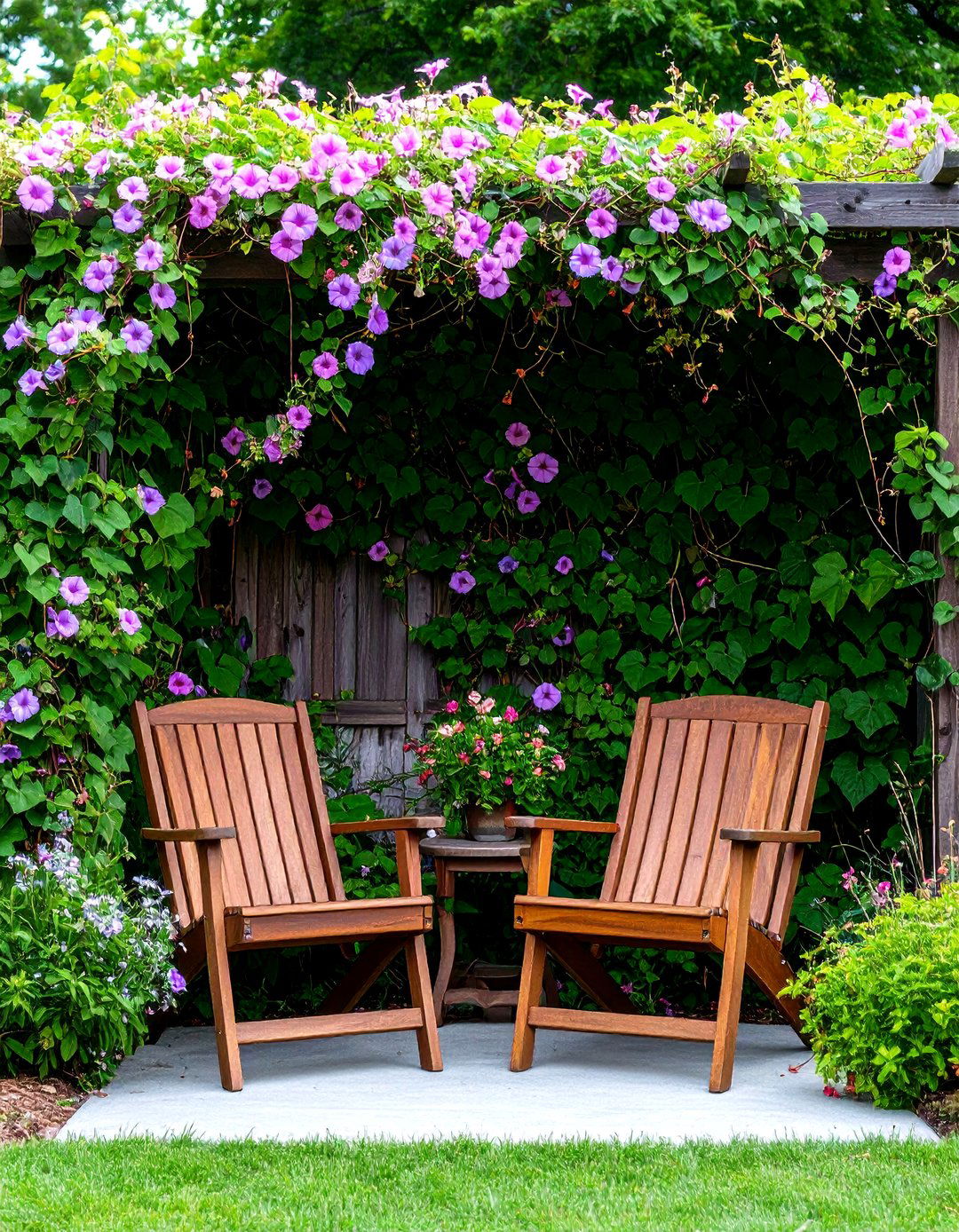
Using plants is a beautiful and eco-friendly way to create patio shade. Install an inexpensive wooden or metal trellis against a sun-facing side of your patio. Plant fast-growing climbing vines like morning glory, black-eyed Susan vine, or even hops at the base. These plants will quickly grow up the trellis, forming a dense, living wall of green foliage that provides excellent shade and cools the surrounding air. This "green wall" not only blocks the sun but also adds a lush, natural element to your outdoor living space, enhancing its beauty and privacy while being incredibly cost-effective.
6. Bamboo Reed Fencing Shade Cover
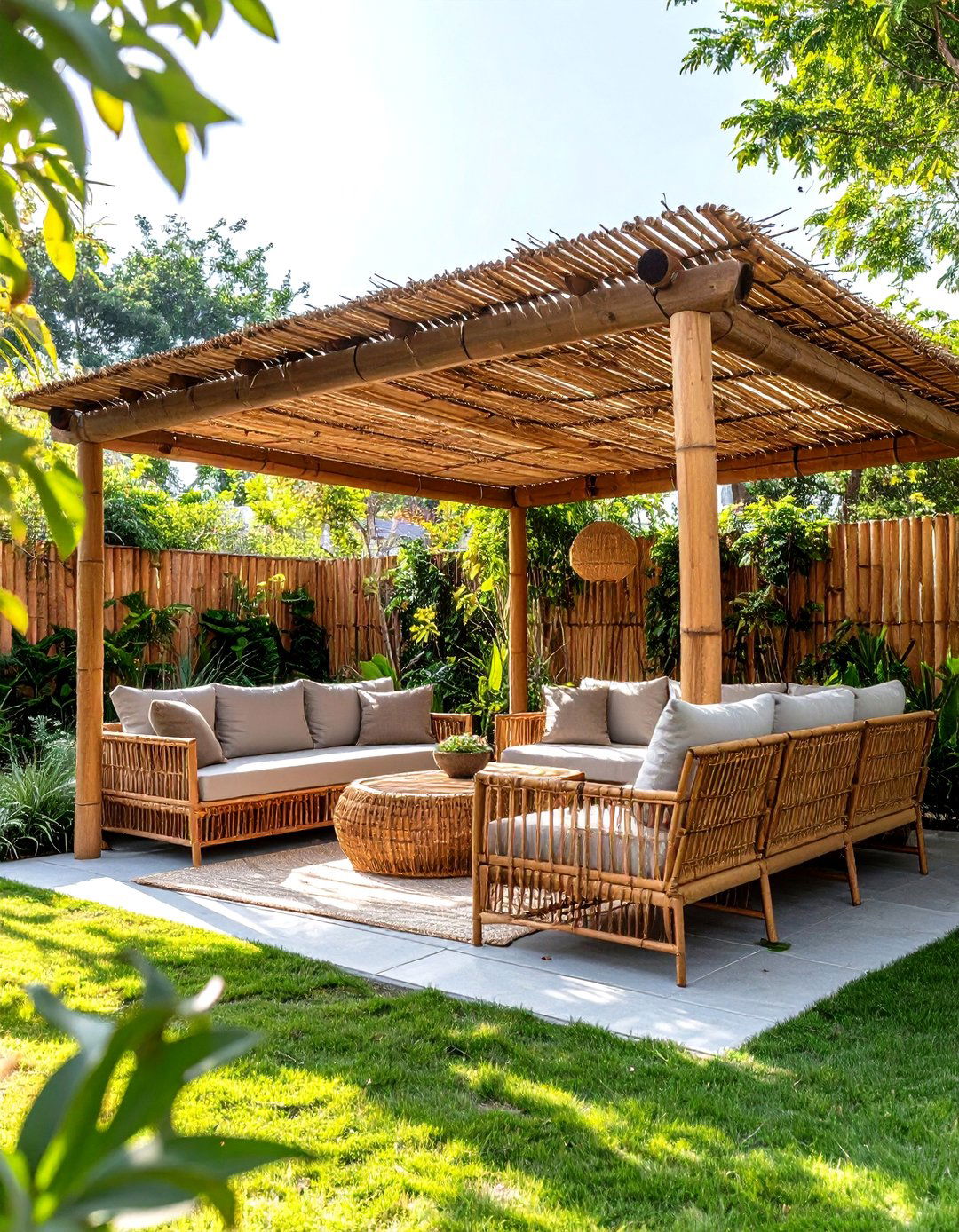
Bamboo reed fencing, typically sold in rolls for privacy, can be repurposed as an affordable overhead shade cover. This material offers a wonderful rustic or tropical vibe. Simply build a basic rectangular frame from lumber to fit over your patio area, or use an existing pergola structure. Then, unroll the bamboo fencing and attach it securely to the top of the frame using staples or zip ties. The natural reeds will filter the sunlight, casting a soft, diffused light below. This is a quick, easy, and budget-conscious way to achieve a stylishly shaded space with natural materials.
7. Flowing Outdoor Curtains
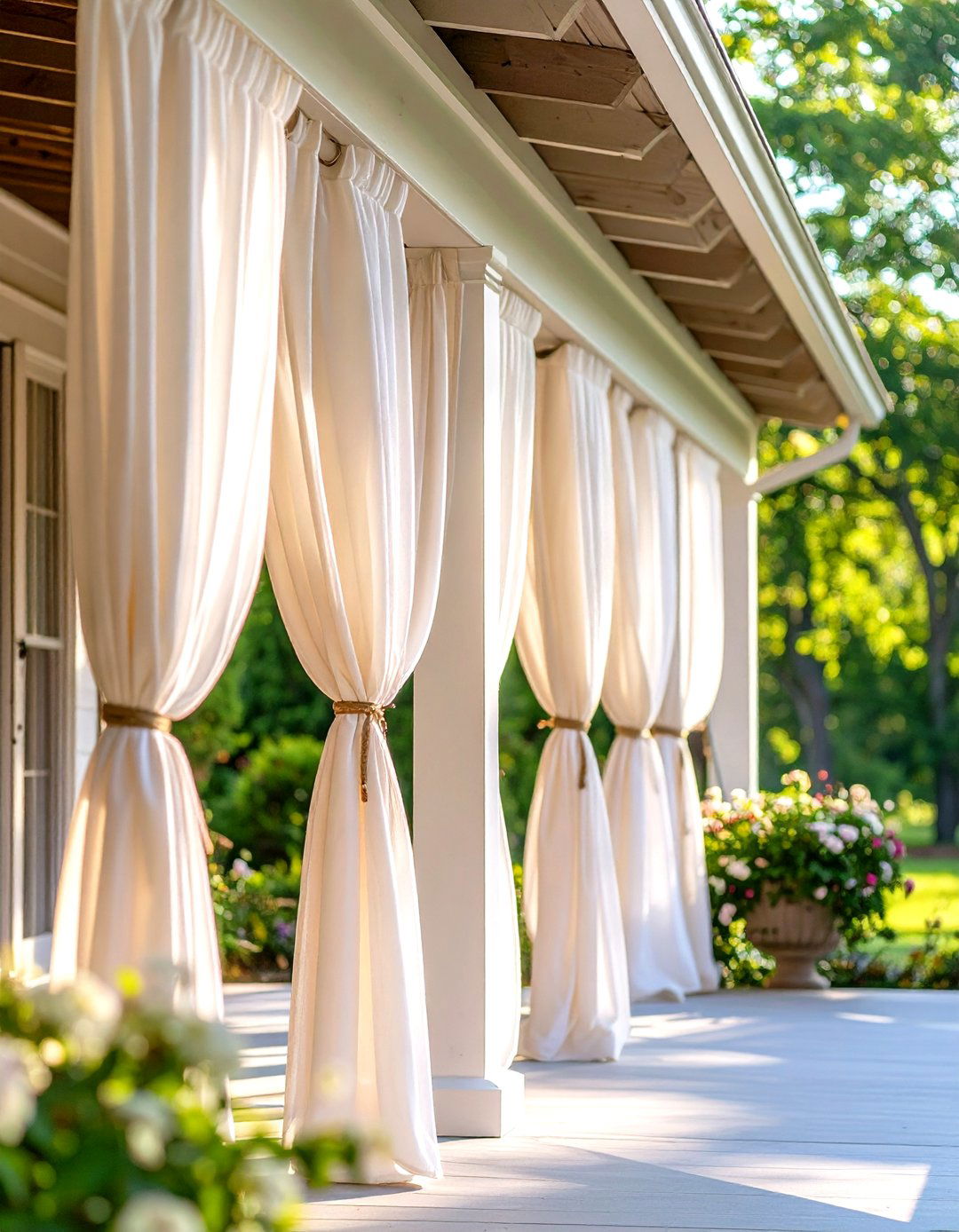
To block low-angle sun in the morning or late afternoon, hanging outdoor curtains is a simple and elegant solution. Install a durable outdoor curtain rod, a length of galvanized pipe, or a sturdy steel cable along the edge of your patio cover or between two posts. Use inexpensive, lightweight, and weather-resistant fabric panels—even drop cloths or painter's tarps can work beautifully. These curtains can be easily pulled closed to block the sun and wind or tied back to open up the space. They add a soft, resort-like feel to your patio while providing adjustable and targeted shade.
8. Freestanding Privacy Screen with Lattice Panels
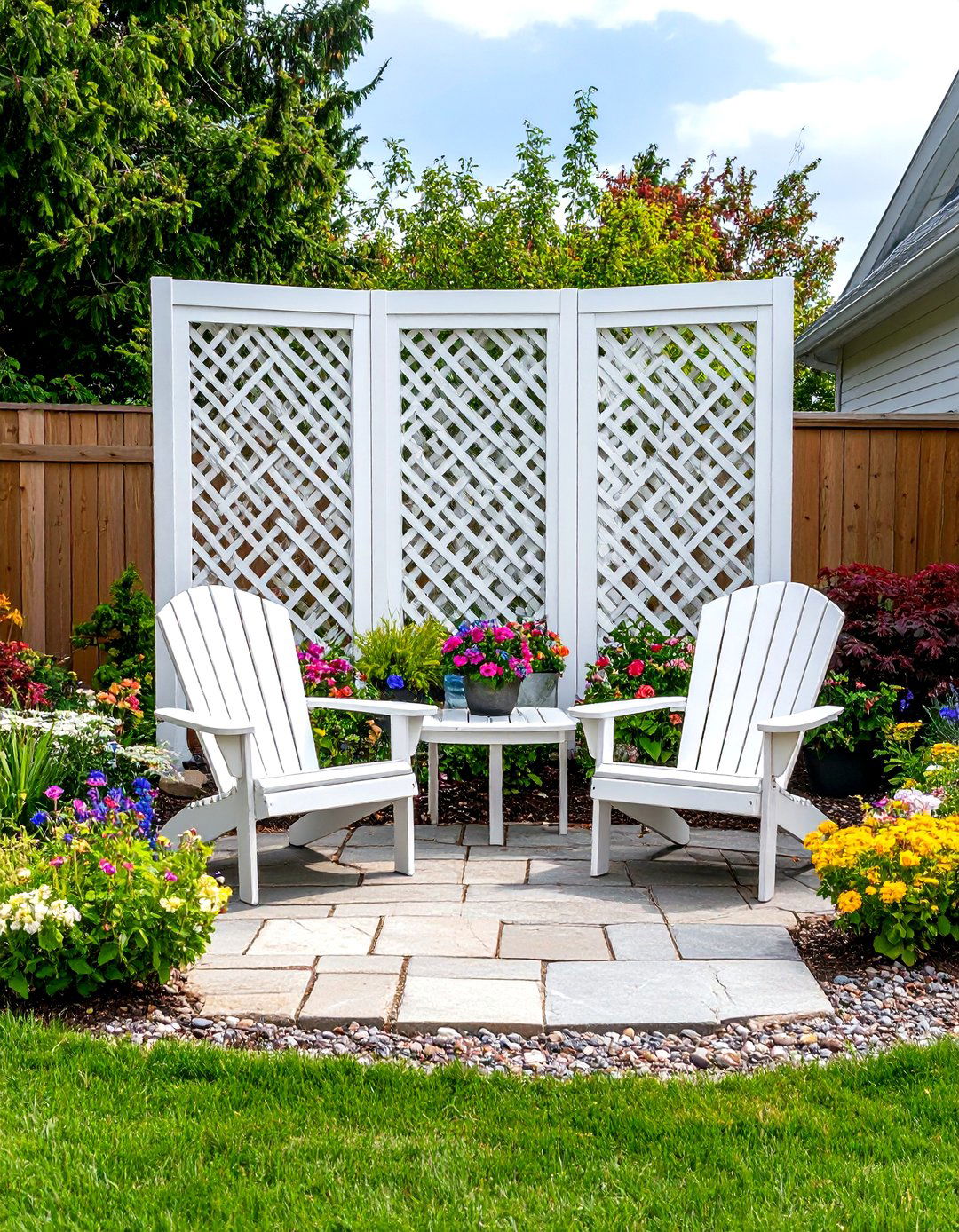
For a versatile shade solution that doesn't require permanent posts, create a freestanding screen using wood lattice panels. Hinge two or three panels together to create a folding screen that can be moved and positioned wherever you need to block the sun. Lattice is inexpensive and allows for airflow while still casting a significant amount of shade. You can leave the wood natural, stain it, or paint it a bold color to match your outdoor decor. This is an ideal option for renters or for those who need to shade different parts of the patio at different times of the day.
9. Strategically Placed Potted Trees
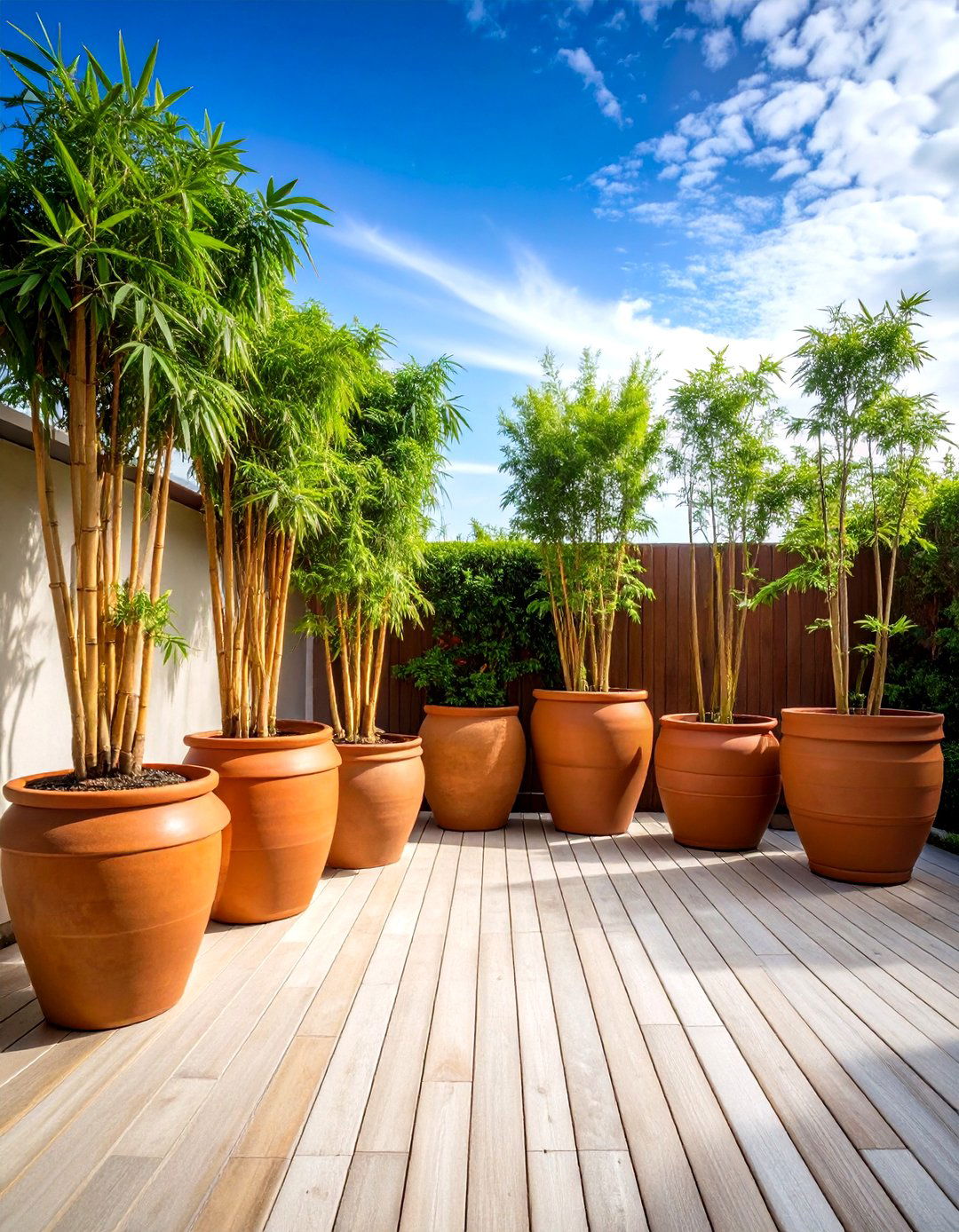
For a non-structural approach, use large potted plants and small trees to create pockets of shade. This "container canopy" is both beautiful and functional. Choose tall, fast-growing plants like bamboo, ficus trees, or ornamental grasses in large containers. Arrange them in groups around the perimeter of your patio or near your seating area to block the sun's rays. The major advantage is mobility; you can move the pots as the seasons change or as your shading needs evolve. This living shade solution also helps to cool the air through transpiration, making your patio more comfortable.
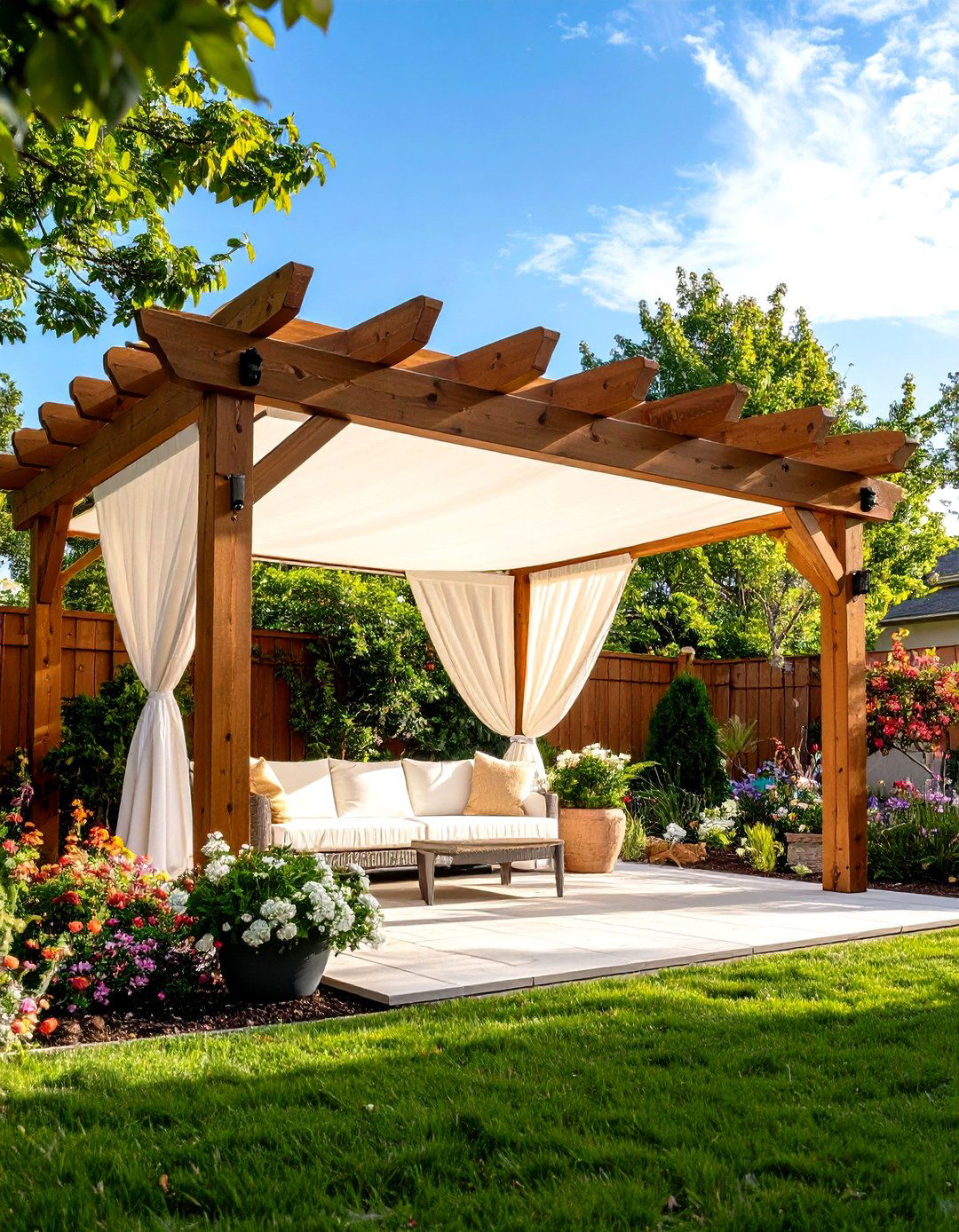
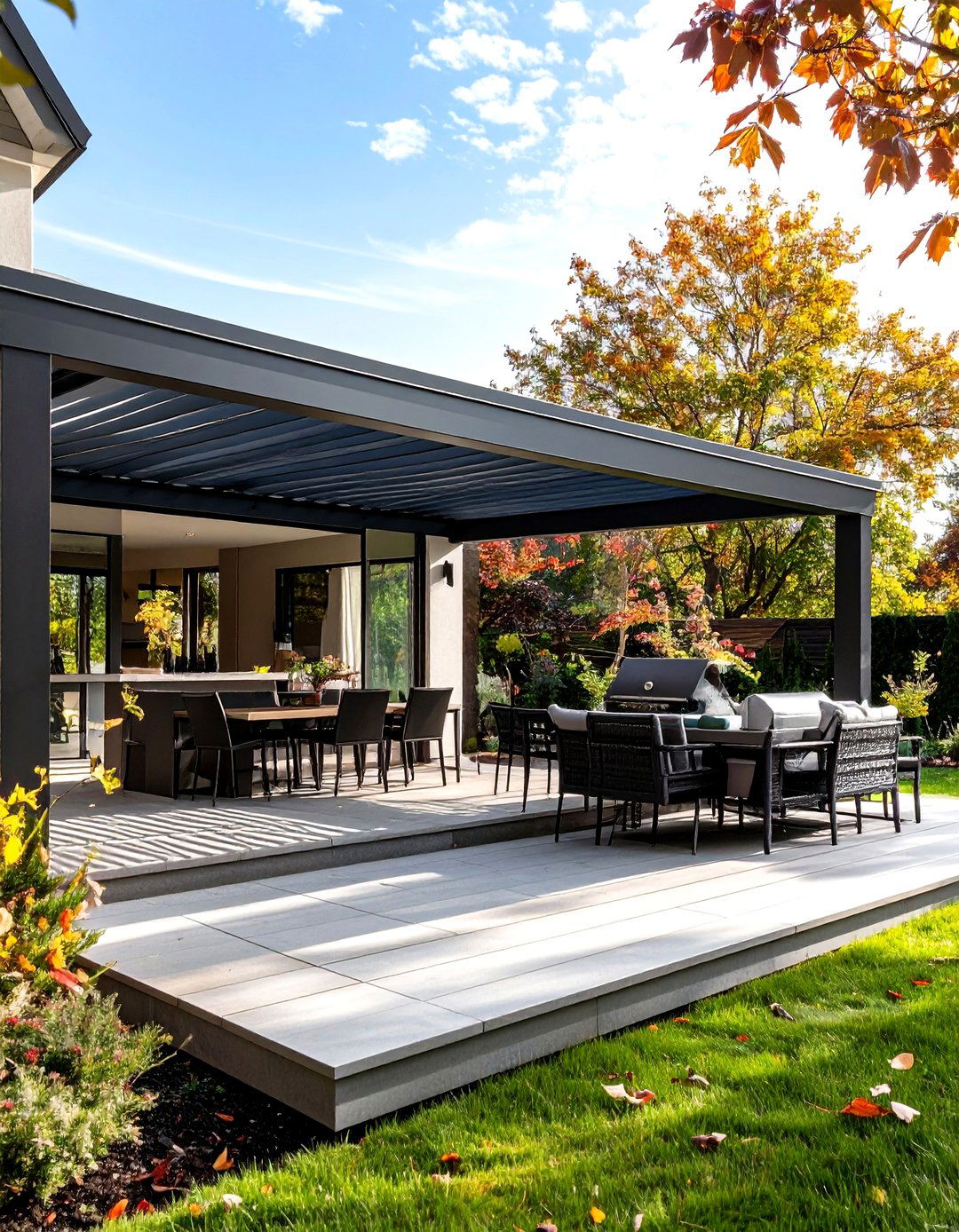
10. Simple Lean-To Patio Structure
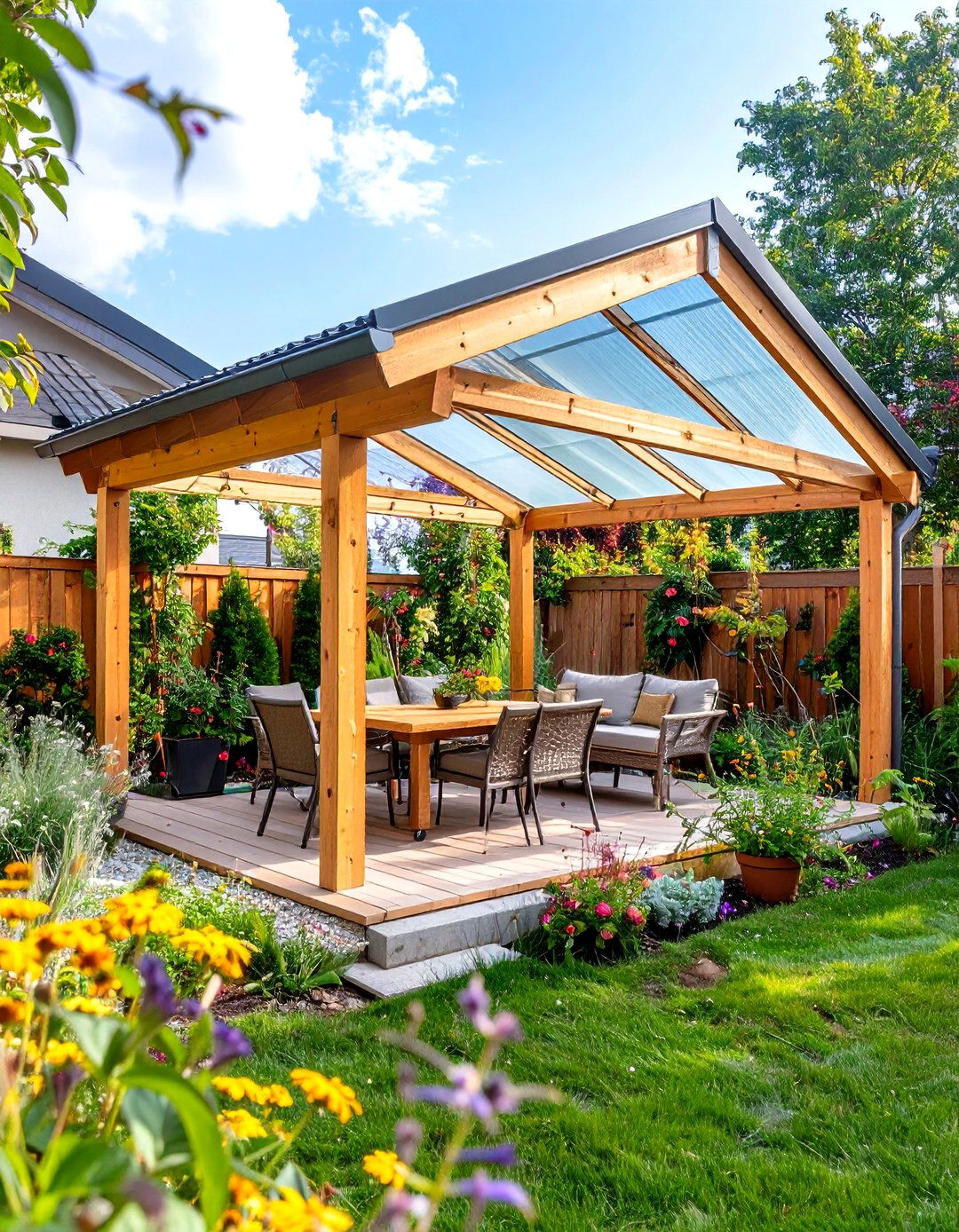
A lean-to is one of the most straightforward and cost-effective permanent shade structures you can build. It consists of a simple frame that attaches to the side of your house and slopes downward, supported by posts on the outer edge. For the roofing, you can use inexpensive materials like corrugated polycarbonate panels, which block UV rays while letting in light, or a simple fabric cover. This design requires less lumber and complexity than a freestanding pergola, making it a perfect project for a DIYer on a budget who wants a reliable and sturdy shade solution.
11. Repurposed Parachute Canopy
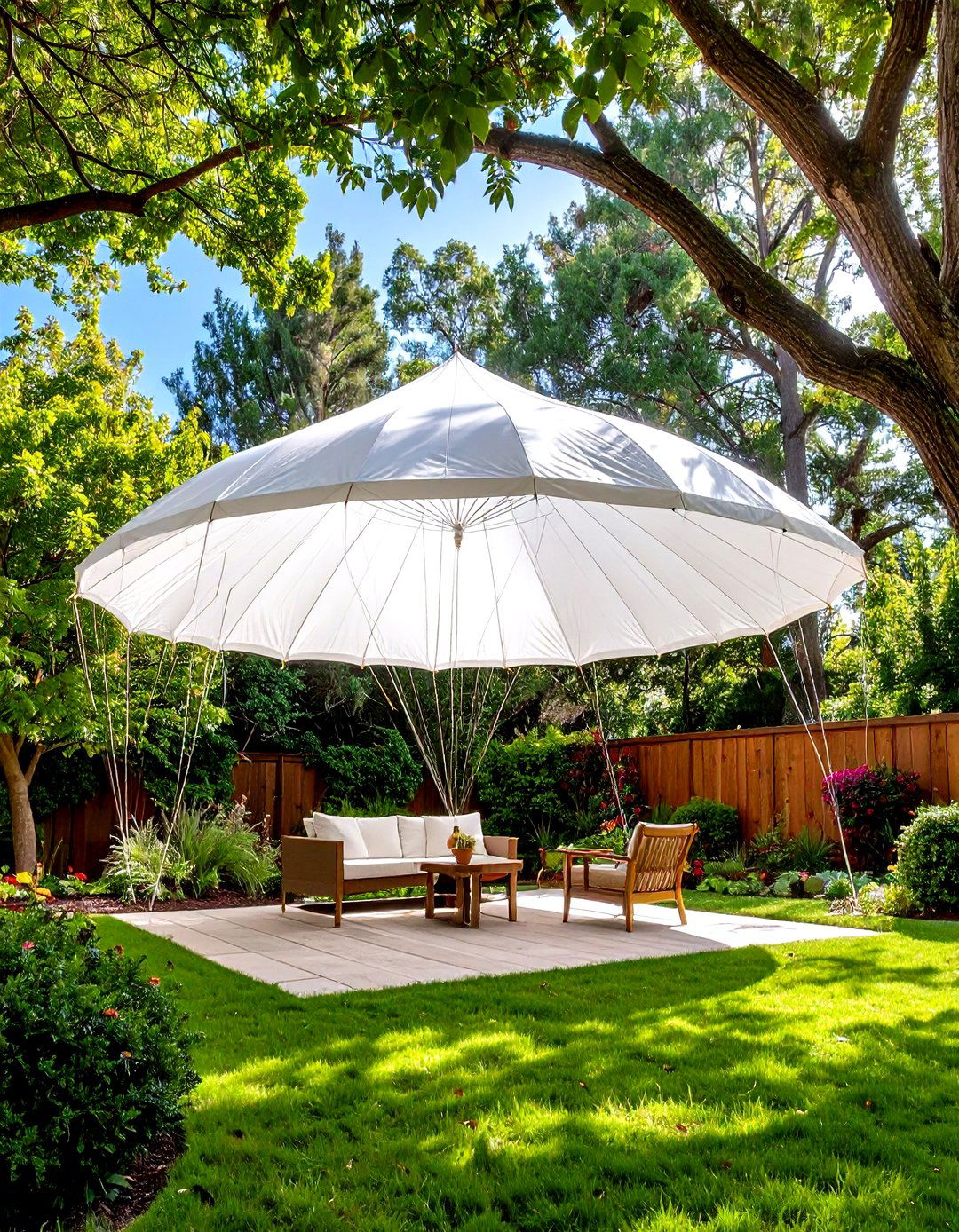
For a dramatic and expansive shade cover, look for a decommissioned or surplus parachute online or at a military surplus store. These are designed to be lightweight yet incredibly strong, making them perfect for creating a large, billowy canopy. You can attach the corners and suspension lines to your house, trees, or tall posts to suspend it over your entire patio area. The lightweight nylon material provides excellent UV protection and creates a unique, eye-catching focal point. This is an unconventional but highly effective way to shade a large space with a single, inexpensive item.
12. Budget Pop-Up Gazebo
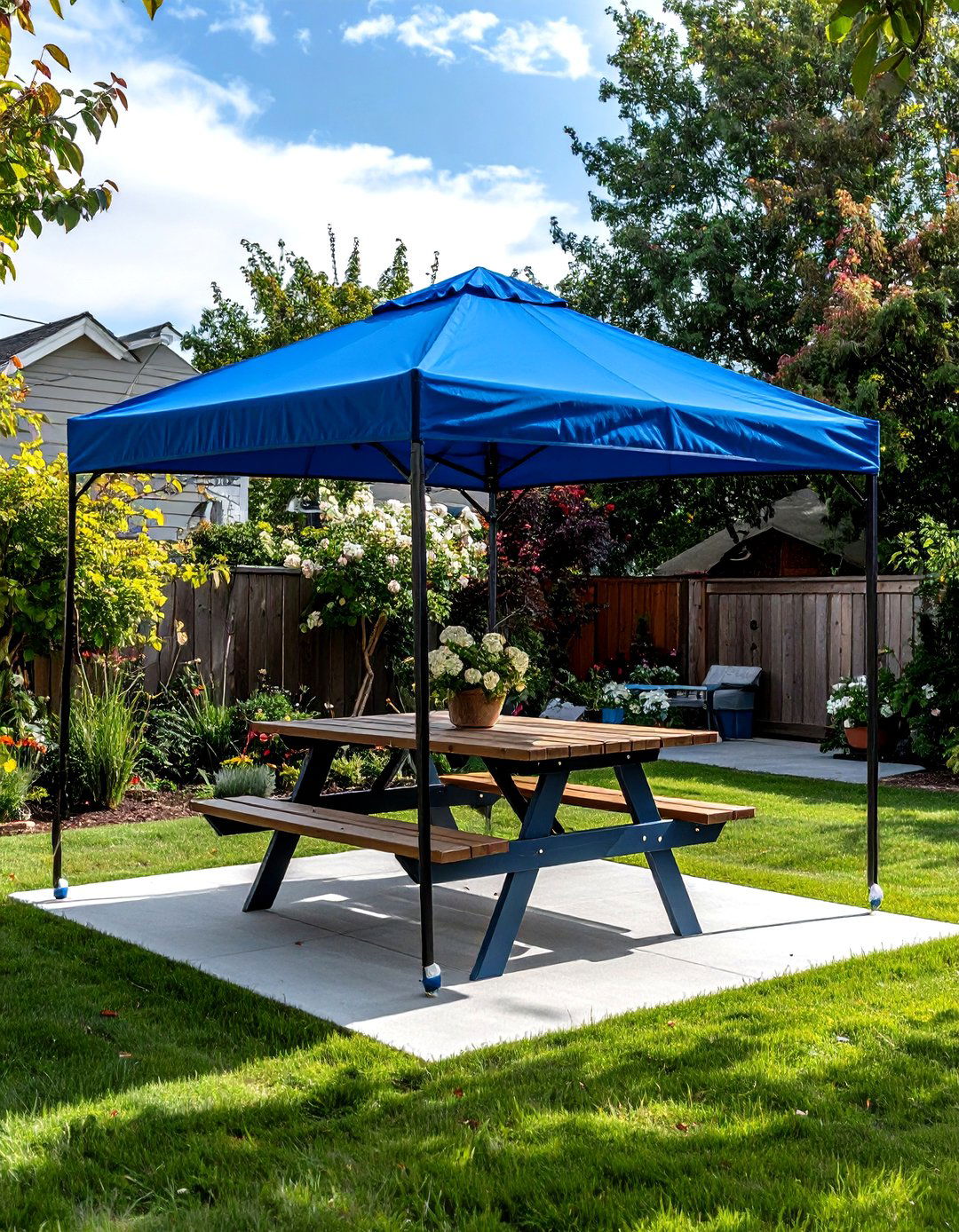
A pop-up gazebo or event canopy is a fantastic, non-permanent shade solution that offers instant relief from the sun. While high-end models can be pricey, basic 10x10-foot gazebos are widely available at affordable prices, especially during sales. They require no construction and can be set up by two people in minutes. This makes them ideal for parties, for renters, or for anyone who doesn't want to commit to a permanent structure. When not in use, they can be folded down and stored compactly, ensuring they last for many seasons.
13. Fabric Weave for Pergola Rafters
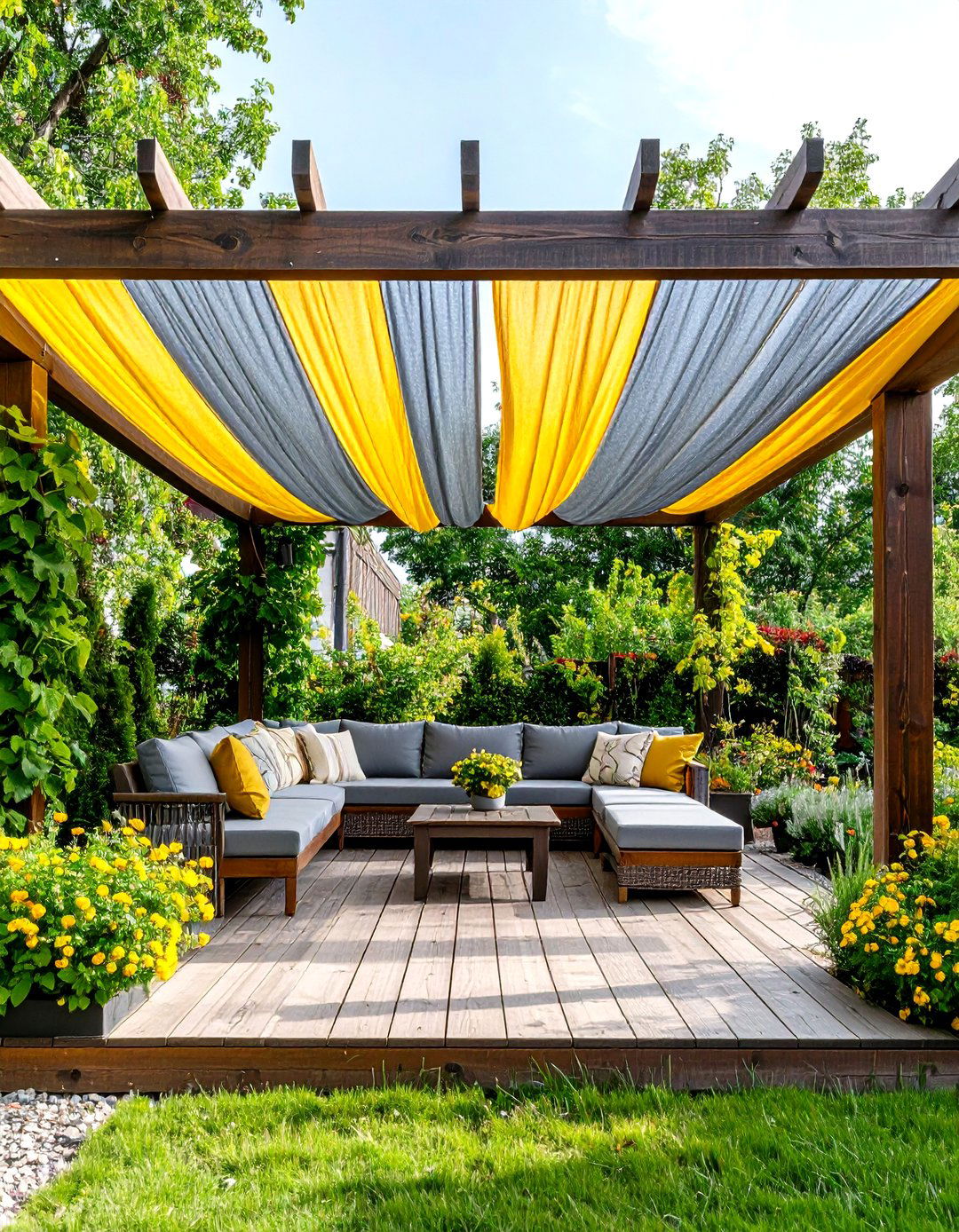
If you already have a pergola with open rafters, an easy way to add shade is by weaving long strips of outdoor fabric through them. Purchase bolts of weather-resistant fabric and cut them into wide strips. Then, simply weave the strips over and under the parallel rafters across the top of the pergola. You can create a solid block of color or alternate colors for a striped pattern. This method requires no sewing or hardware, and the fabric can be easily removed for cleaning or replacement, offering a customizable and very affordable upgrade.
14. Shade from a Hinged Deck Cover
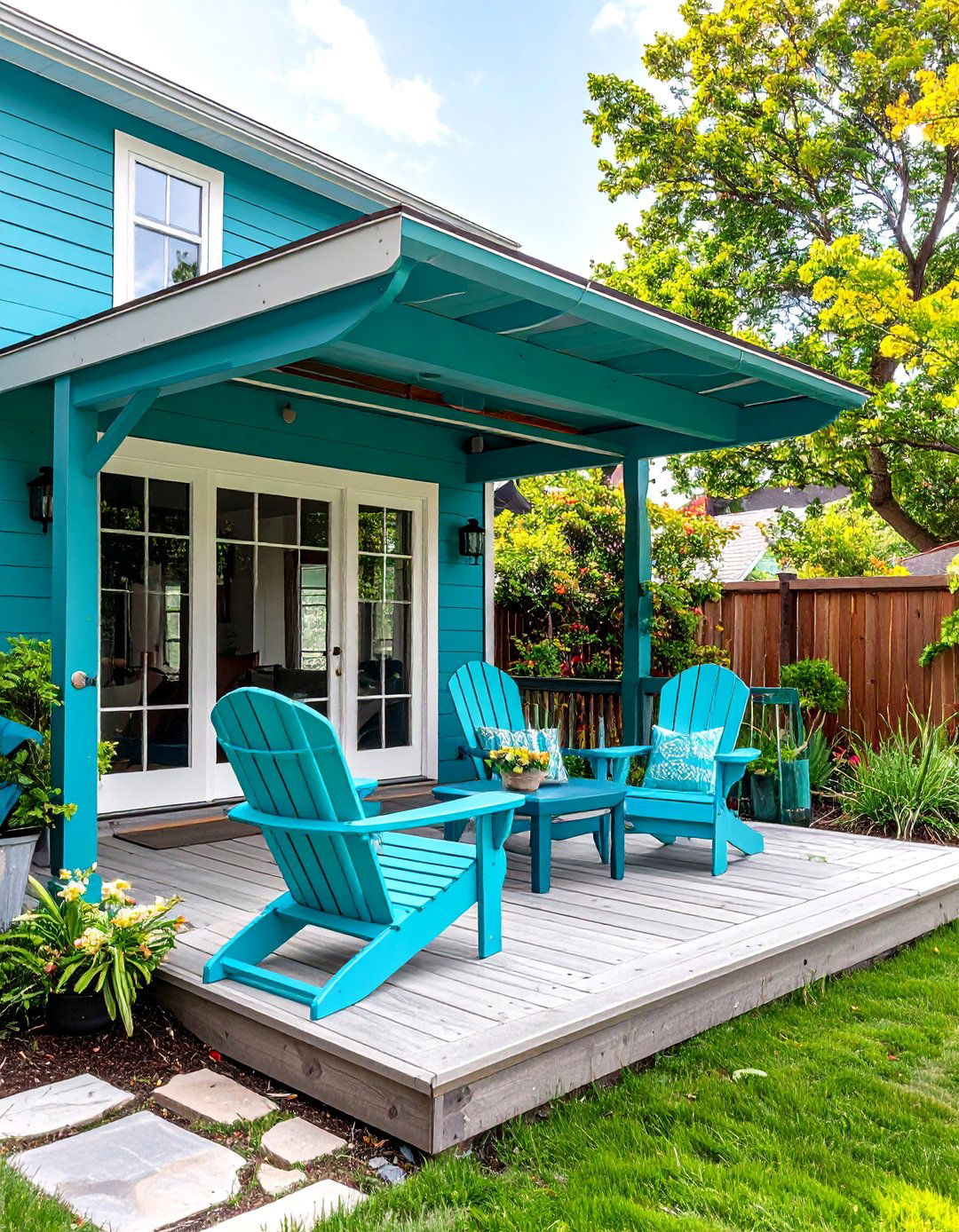
Create an adjustable shade panel that can be propped up or laid flat as needed. This works especially well for ground-level patios adjacent to a deck. Build a simple rectangular frame from 2x4s and cover it with exterior-grade plywood or a piece of outdoor fabric. Attach the frame to the edge of your deck with heavy-duty hinges. You can then prop it open at an angle with a sturdy wood pole to create a shaded area on the patio below. When not needed, it lays flat against the patio surface, out of the way.


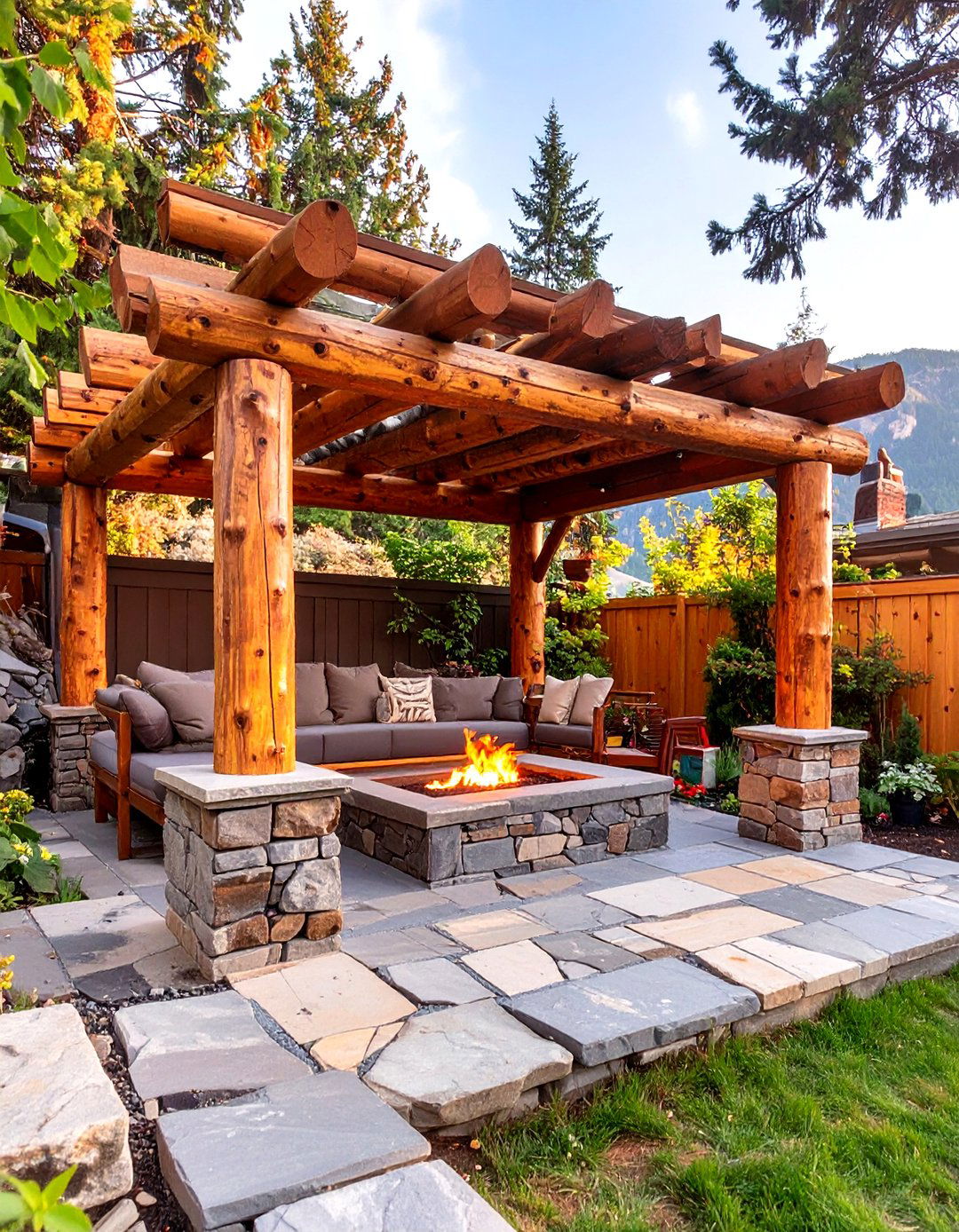
15. A Wall of Sunflowers
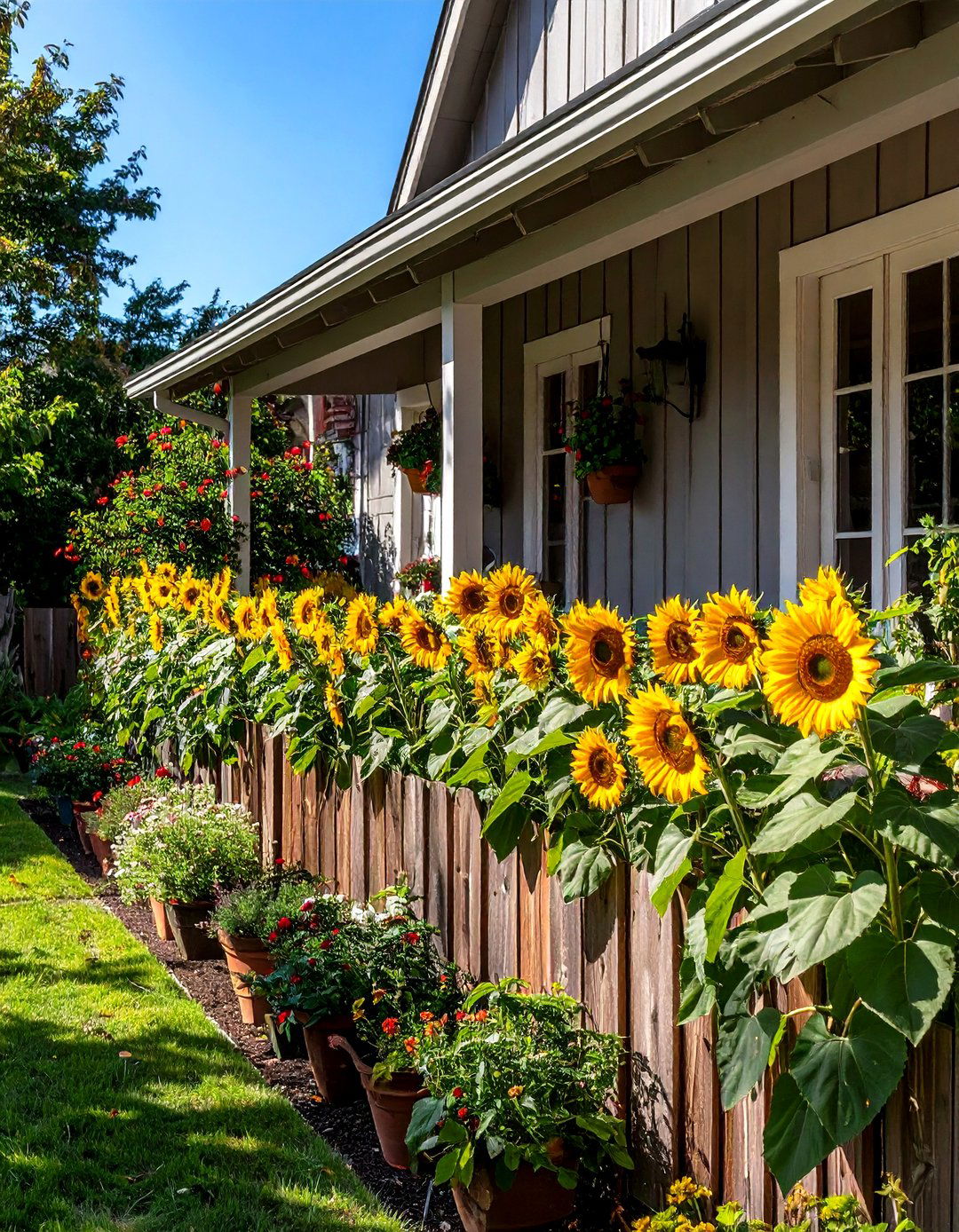
For a beautiful and temporary shade solution during the summer months, plant a dense wall of sunflowers. Choose a tall, branching variety like 'Mammoth' or 'Skyscraper' and plant them in a row along the sunniest side of your patio, either in the ground or in a long planter box. As they grow, their large leaves and towering height will create a natural screen that blocks the harsh afternoon sun. At the end of the season, you can harvest the seeds. This is a wonderfully cheap, organic, and cheerful way to bring temporary shade to your space.
16. DIY Pipe and Tarp Awning
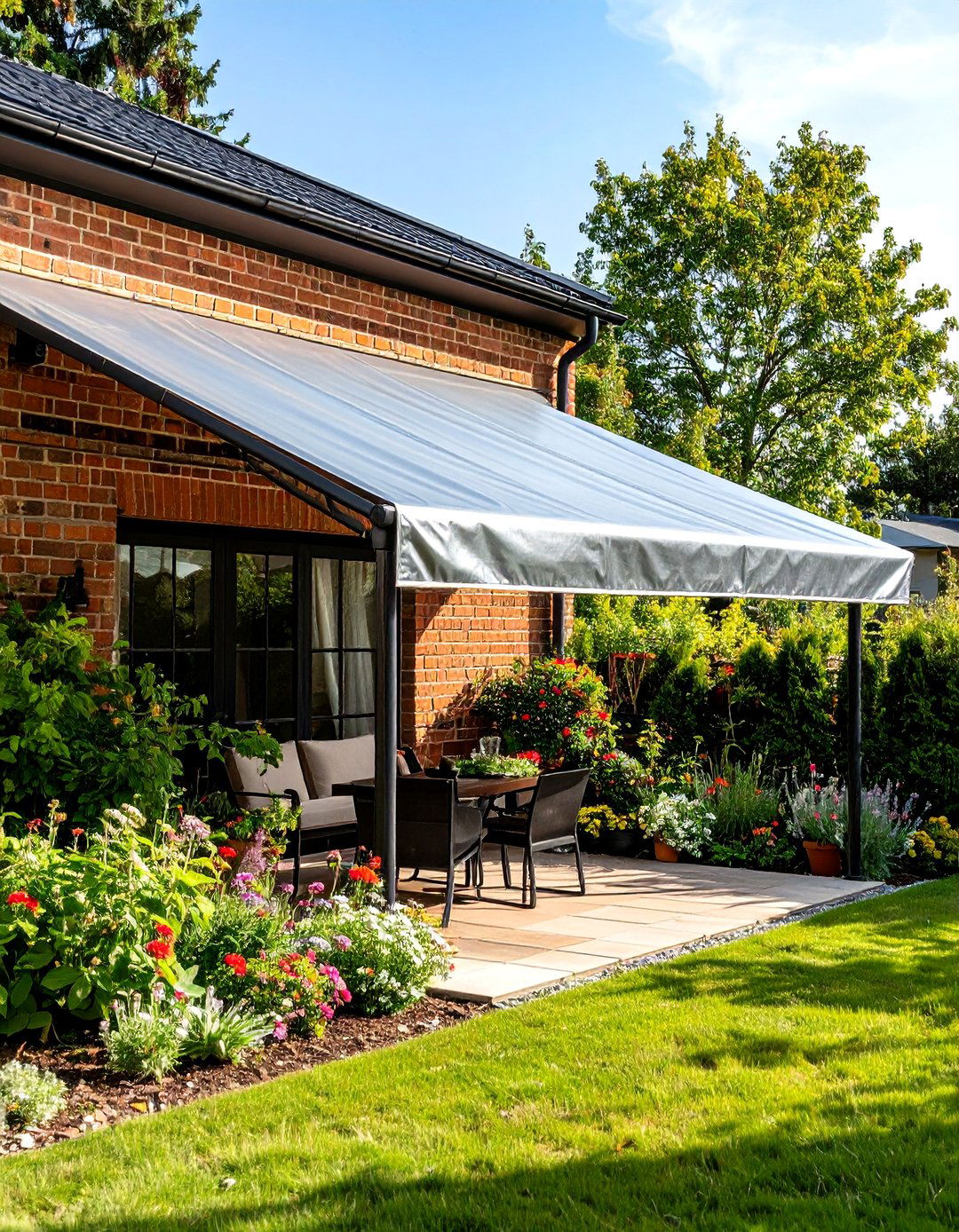
Construct a functional and industrial-style awning using metal pipes and a heavy-duty tarp. Create a simple frame using galvanized or black metal pipes and fittings, which can be easily screwed together. Anchor the frame to the exterior wall above your patio. For the cover, a silver or colored poly tarp is an incredibly durable and waterproof option. Secure the tarp to the pipe frame using zip ties or bungee cords threaded through its grommets. This creates a robust, weather-resistant shade cover that has a modern, utilitarian look and costs very little to assemble.
17. Hanging Fabric Swags
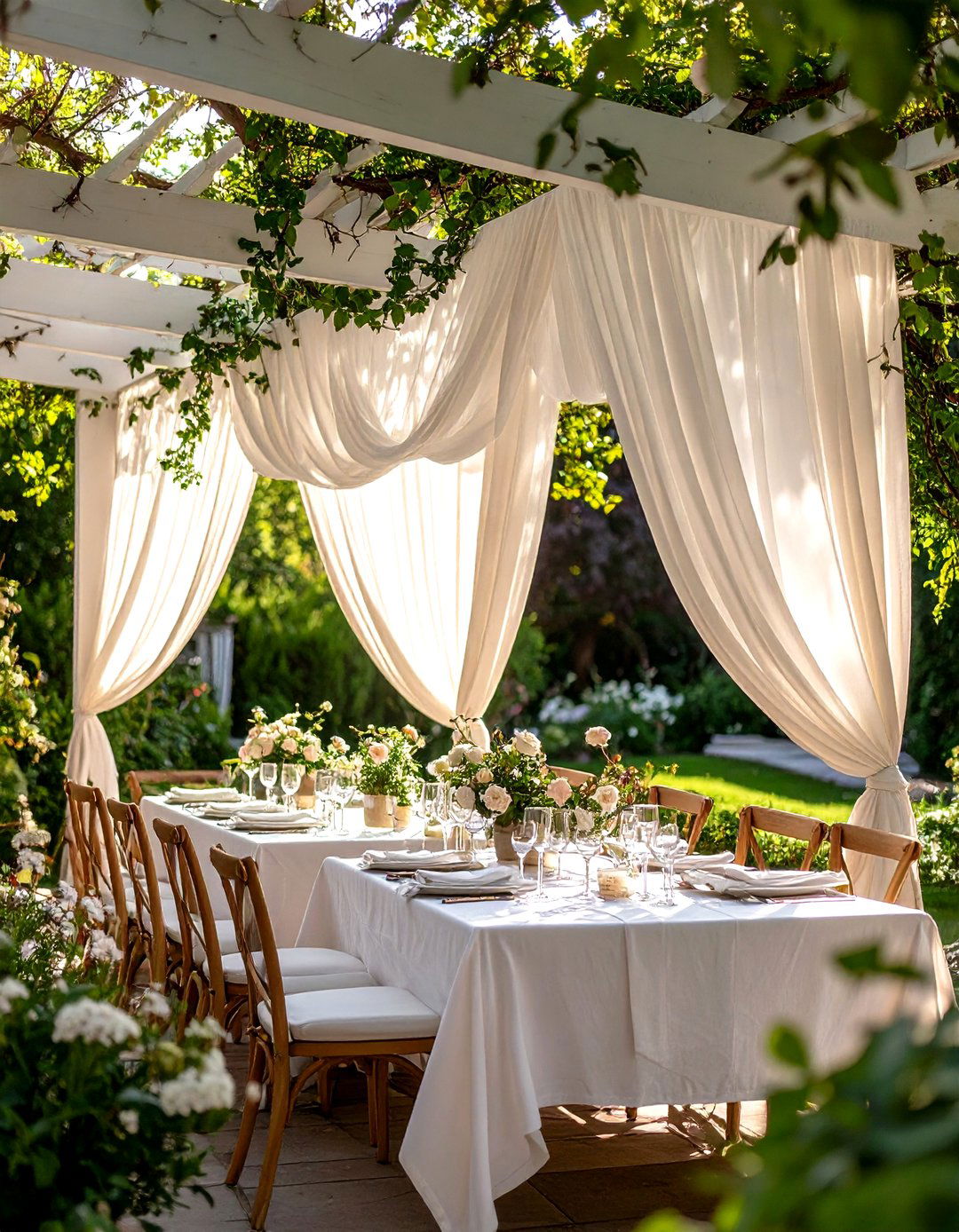
For a soft and elegant look, hang swags of lightweight fabric. This idea is perfect for a covered porch or a pergola. Install simple cup hooks on the underside of your patio roof or along the inside of the pergola beams. Then, drape long pieces of inexpensive fabric, like sheer voile or gossamer, between the hooks, allowing the material to hang down in gentle arcs. This softens the look of the structure and filters the light beautifully without making the area feel dark or enclosed. It’s an easy, no-sew project that adds a touch of romance.
18. Repurposed Wooden Pallet Shade Wall
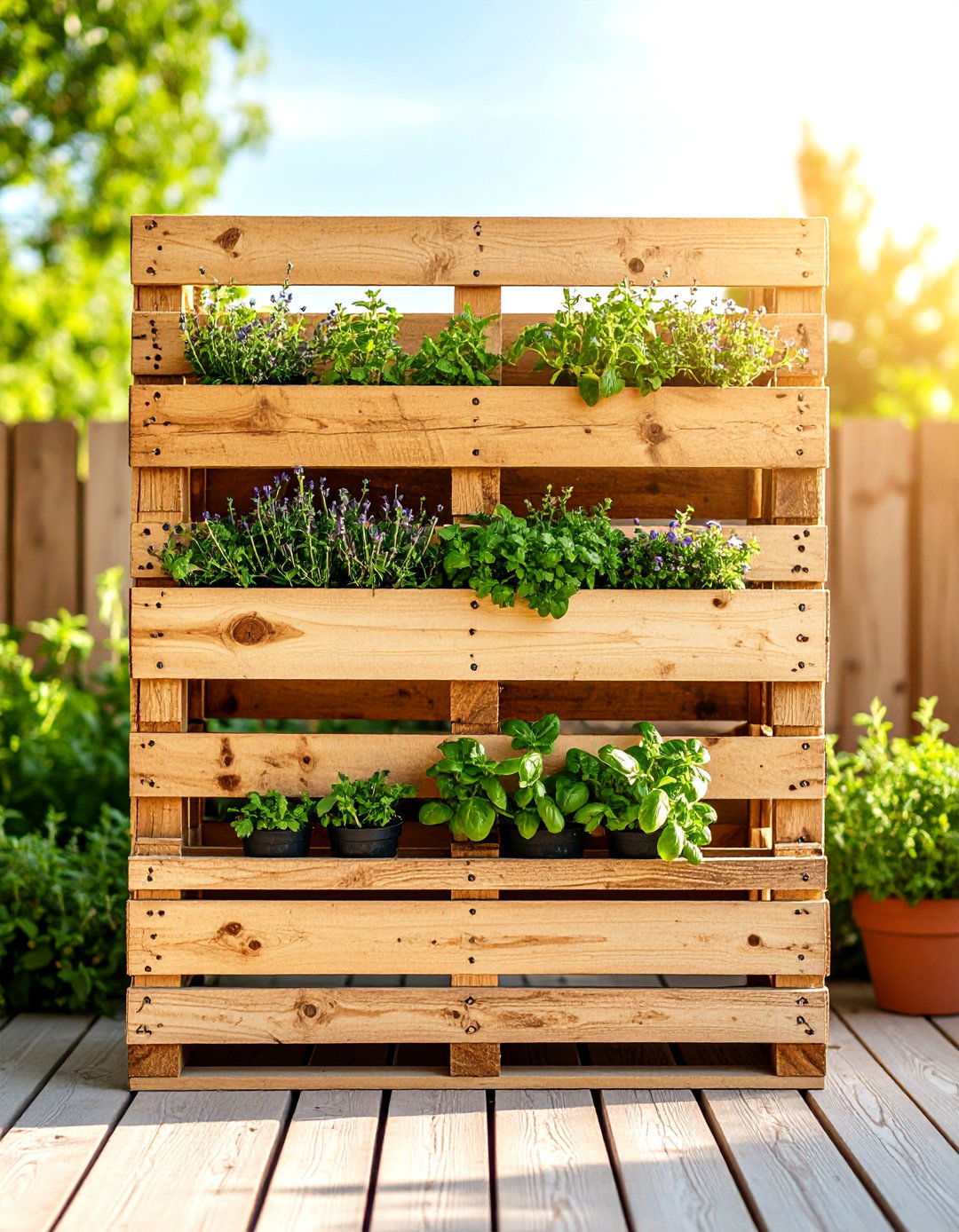
Create a rustic and functional shade wall using free or inexpensive wooden pallets. Stand two or three pallets on their sides and screw them together to form a solid wall. You can position this freestanding wall to block the sun during the hottest parts of the day. For extra shade and a touch of green, use the pallet slats as planters for trailing flowers or herbs. This upcycling project is not only budget-friendly but also adds a unique, shabby-chic design element to your patio while providing effective relief from low-angle sun.
19. A Simple Fabric Shade Rectangle
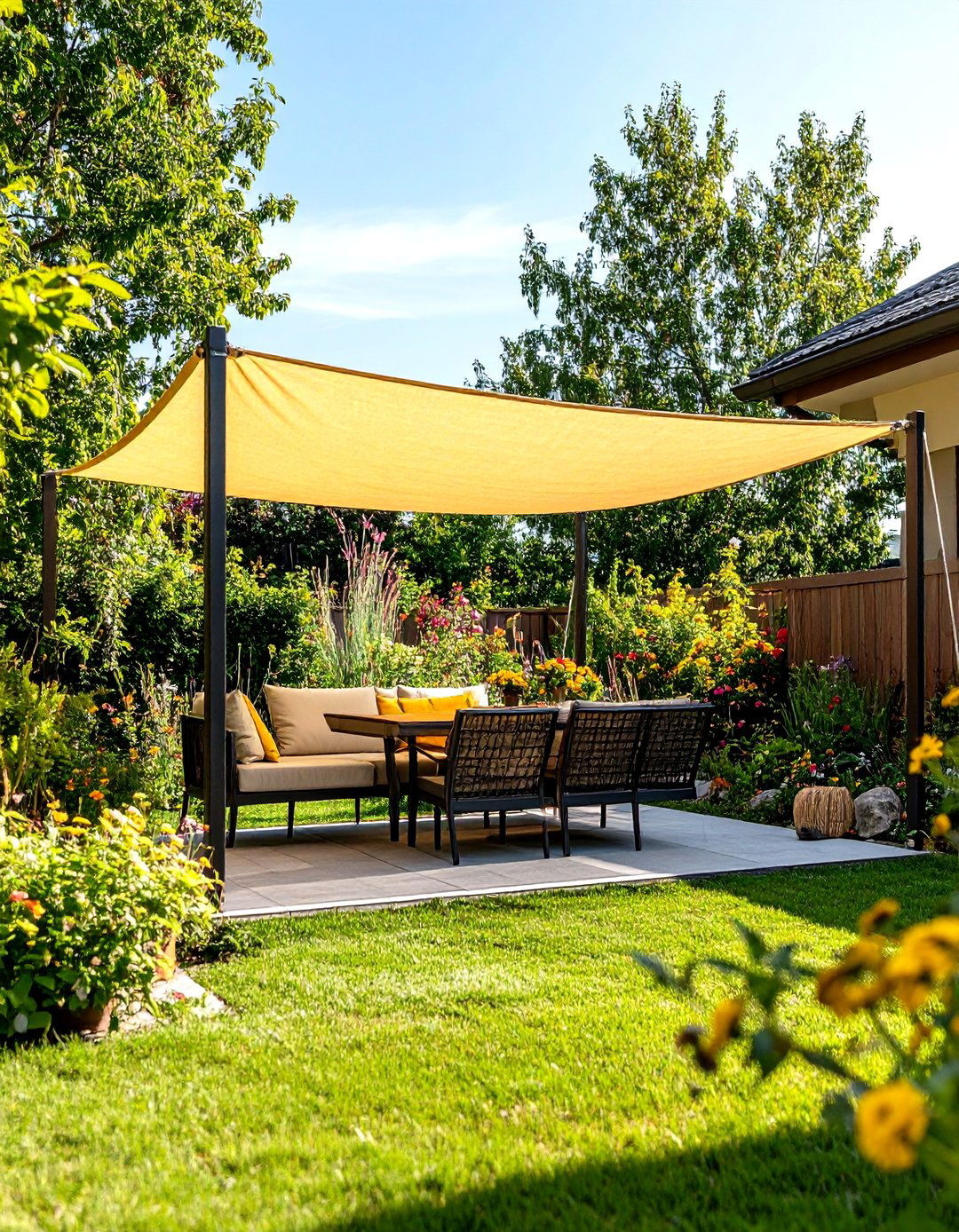
Sometimes the simplest solution is the best. Purchase a large rectangle of durable outdoor fabric, canvas, or even shade cloth. Instead of a complex sail shape, just install grommets in the four corners. Use rope to tie the four corners to secure anchor points, such as an eave on your house and two tall posts. Pulling the rectangle taut creates a simple, flat canopy that provides a large, predictable patch of shade. This is cheaper and easier to execute than a multi-point sail shade and is highly effective for covering a square or rectangular seating area.


20. Beach Umbrella in a Planter
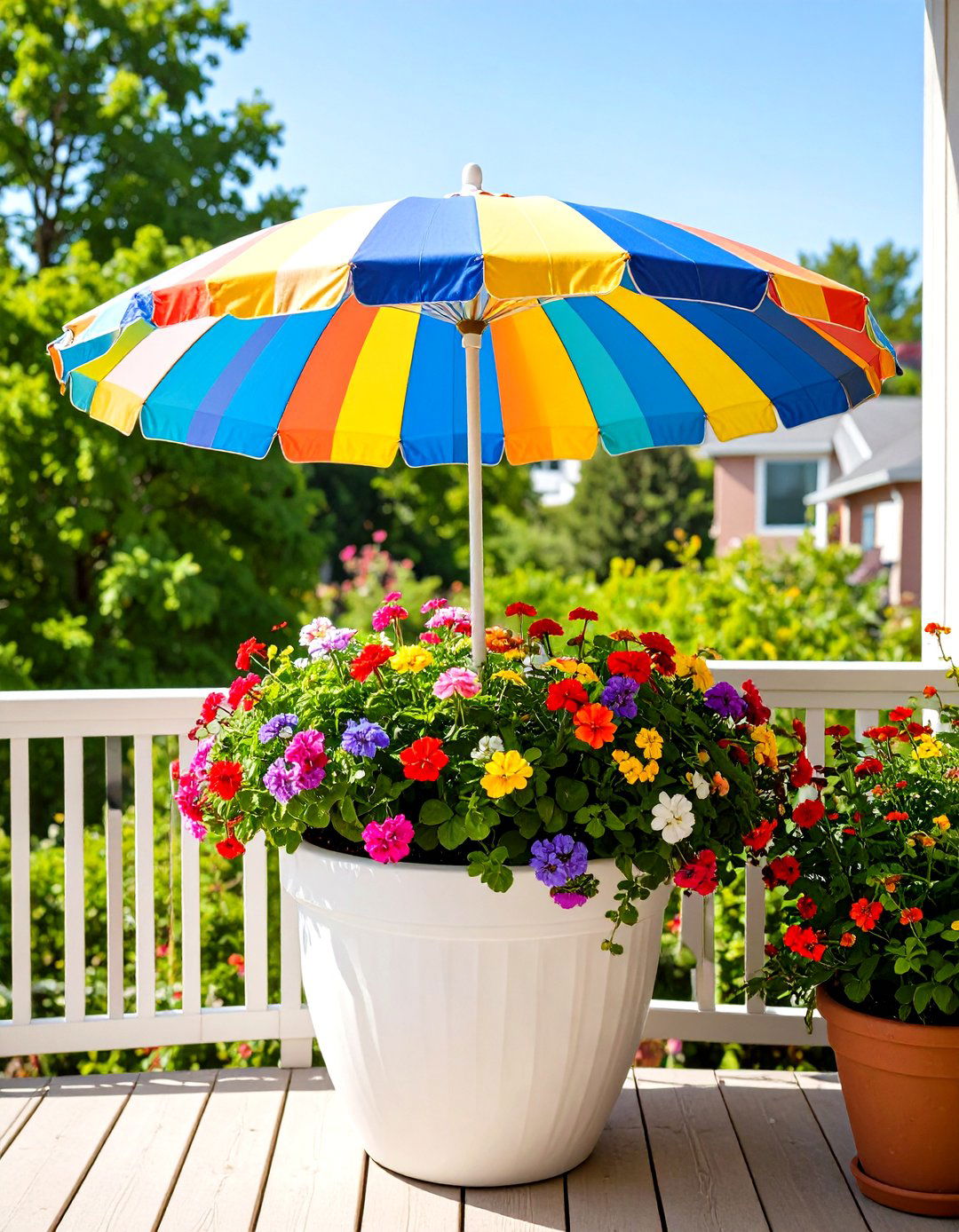
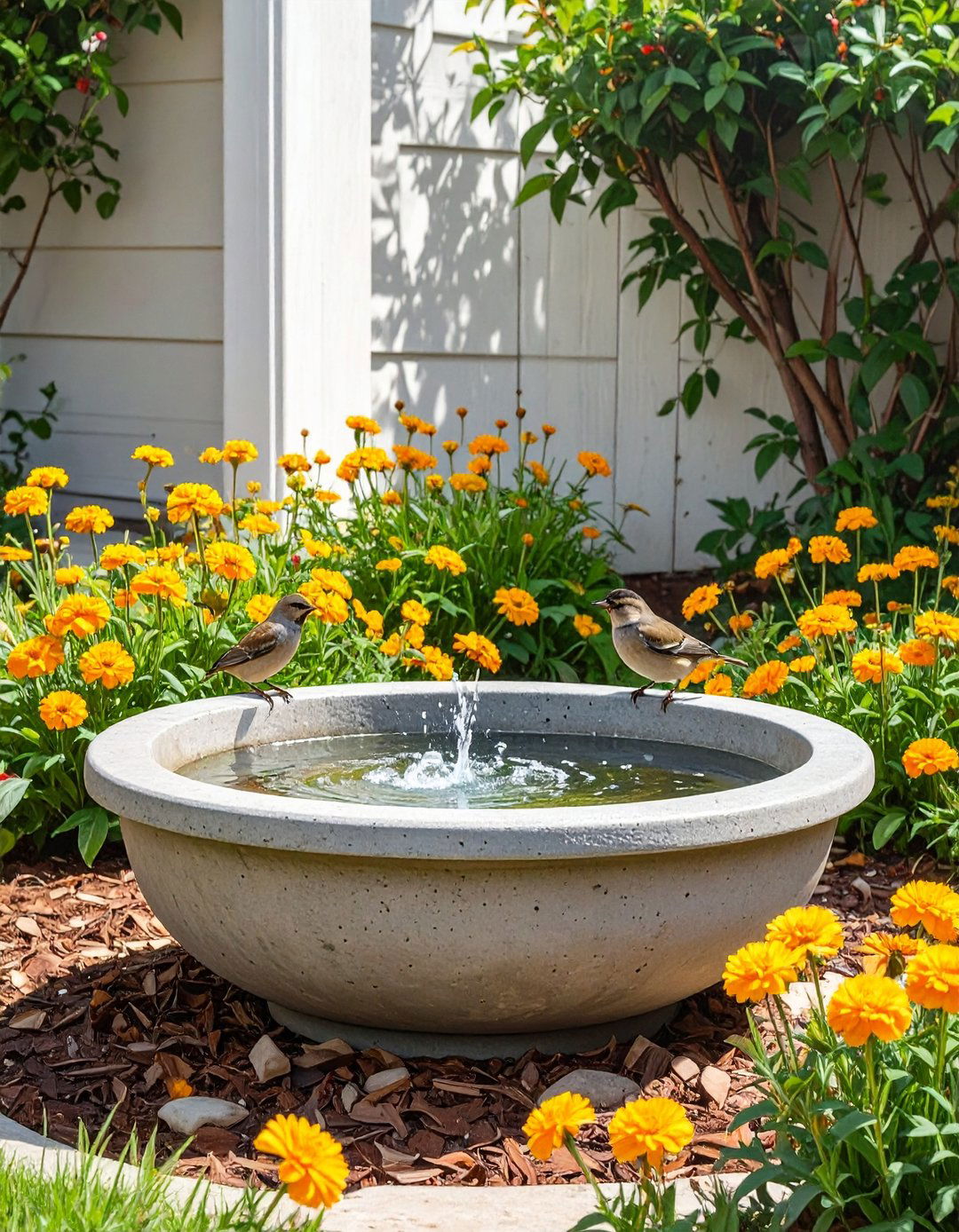
For small patios, balconies, or renters, a large beach umbrella can provide a surprising amount of shade. To create a sturdy, movable, and attractive base, use a large planter pot. Place a section of PVC pipe that fits your umbrella pole in the center of the pot and fill it with concrete, ensuring the pipe is perfectly vertical. Once the concrete is set, you can place the planter pot in a decorative container and fill the top with soil and flowers. This creates a heavy, stable base that won't blow over and adds greenery.
21. DIY Freestanding Shade Frame
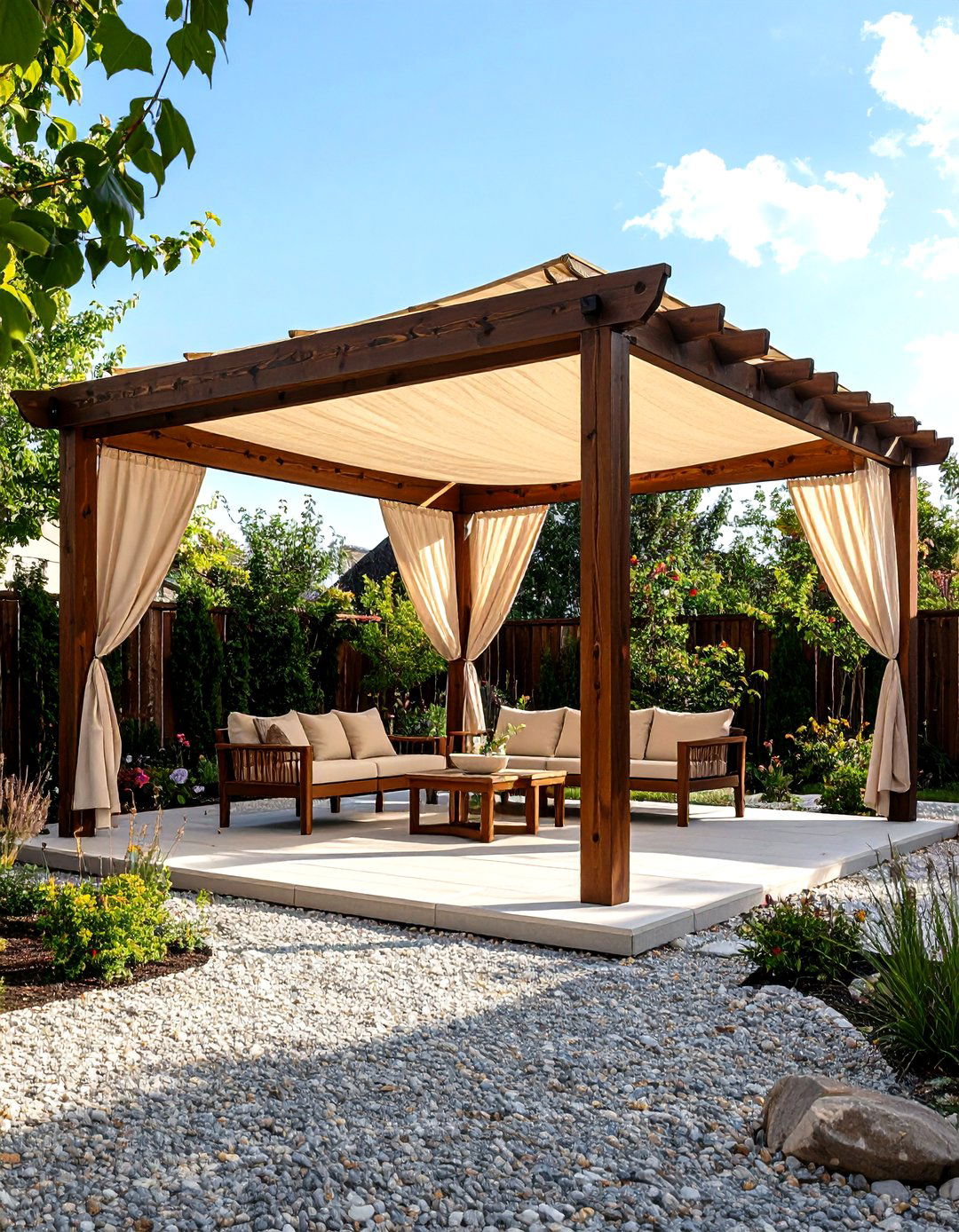
If you don't have a house wall or trees to attach a shade sail to, build a simple freestanding frame. You can construct a large rectangle or square frame out of lumber, similar to a minimalist four-post pergola. This structure can be placed anywhere in your yard or on your patio. Once the frame is built, you can stretch a tarp, shade cloth, or a DIY canvas sail across the top. This approach gives you the freedom to create a shaded spot away from the house, such as over a kids' play area or a remote seating arrangement.
22. Using Old Doors as a Shade Screen
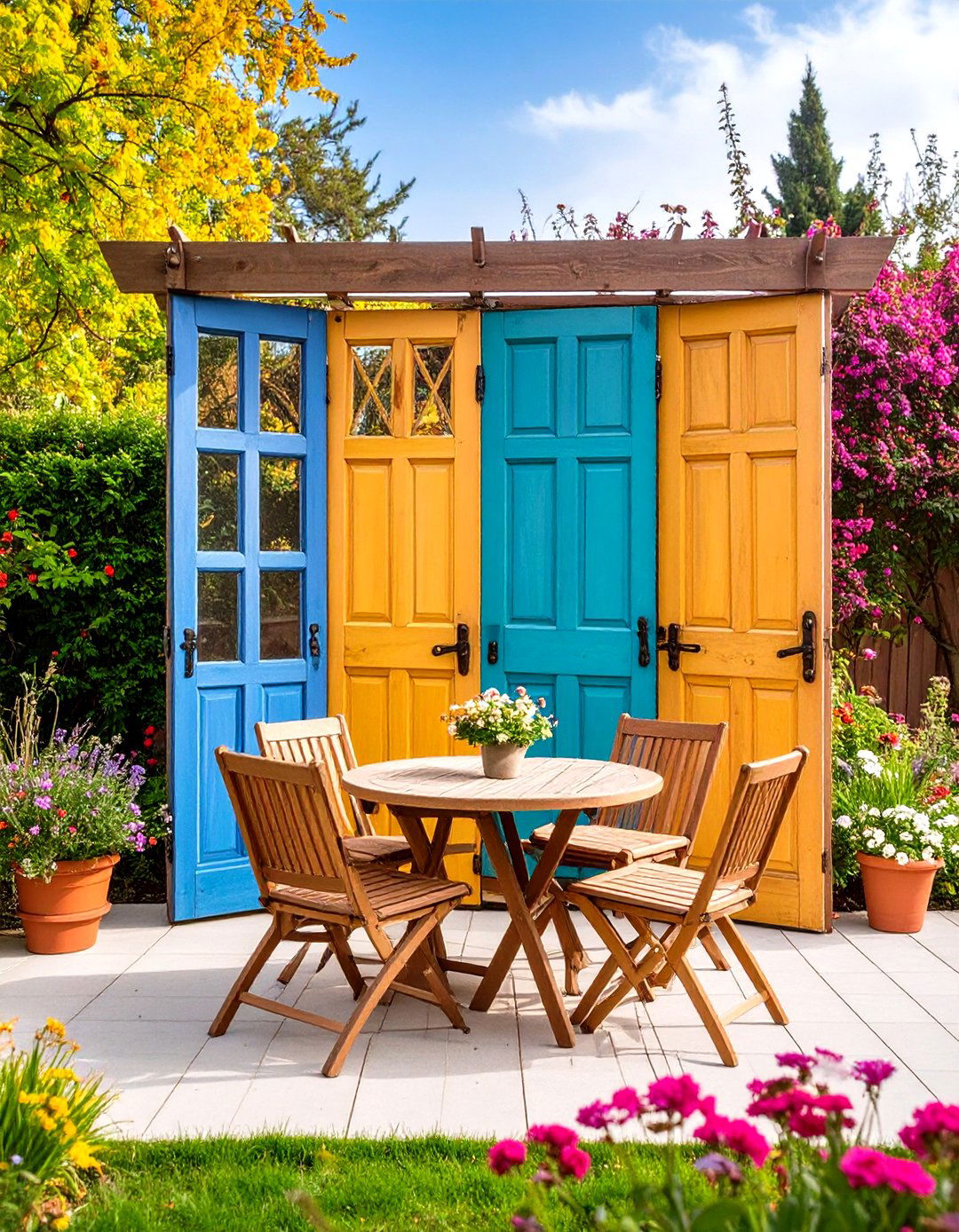
For an eclectic, shabby-chic look, source old wooden doors from a salvage yard or online marketplace. Hinge three or four doors together to create a folding, accordion-style screen. You can position this screen to block the sun and add a significant amount of privacy and character. Leave the doors with their weathered, chippy paint for a rustic feel, or paint them all a single bright color for a more cohesive, artistic statement. This is a creative upcycling project that provides shade while serving as a unique piece of garden art.
23. A Removable Clothesline Canopy
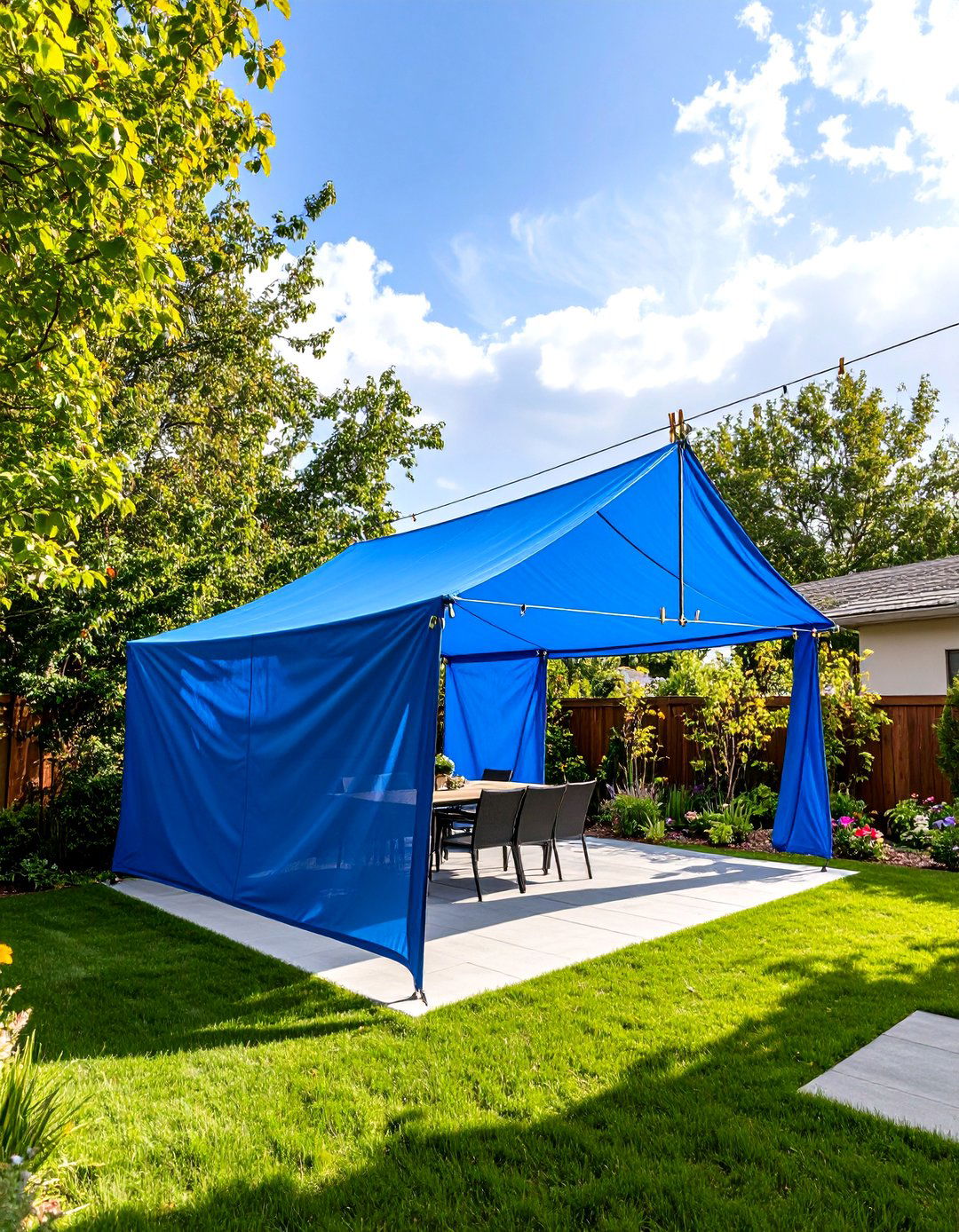
This clever idea uses the simple mechanics of a clothesline to create a removable shade cover. Install two parallel clotheslines or vinyl-coated cables across your patio space. Instead of hanging clothes, clip a large, lightweight piece of fabric or a tarp to the lines using clothespins or carabiner clips. This allows you to easily slide the "canopy" on and off whenever you need shade. It's a perfect low-cost, non-permanent solution for renters, and the fabric can be taken down quickly for cleaning or before a storm, extending its lifespan.
24. Corn Plant Barrier
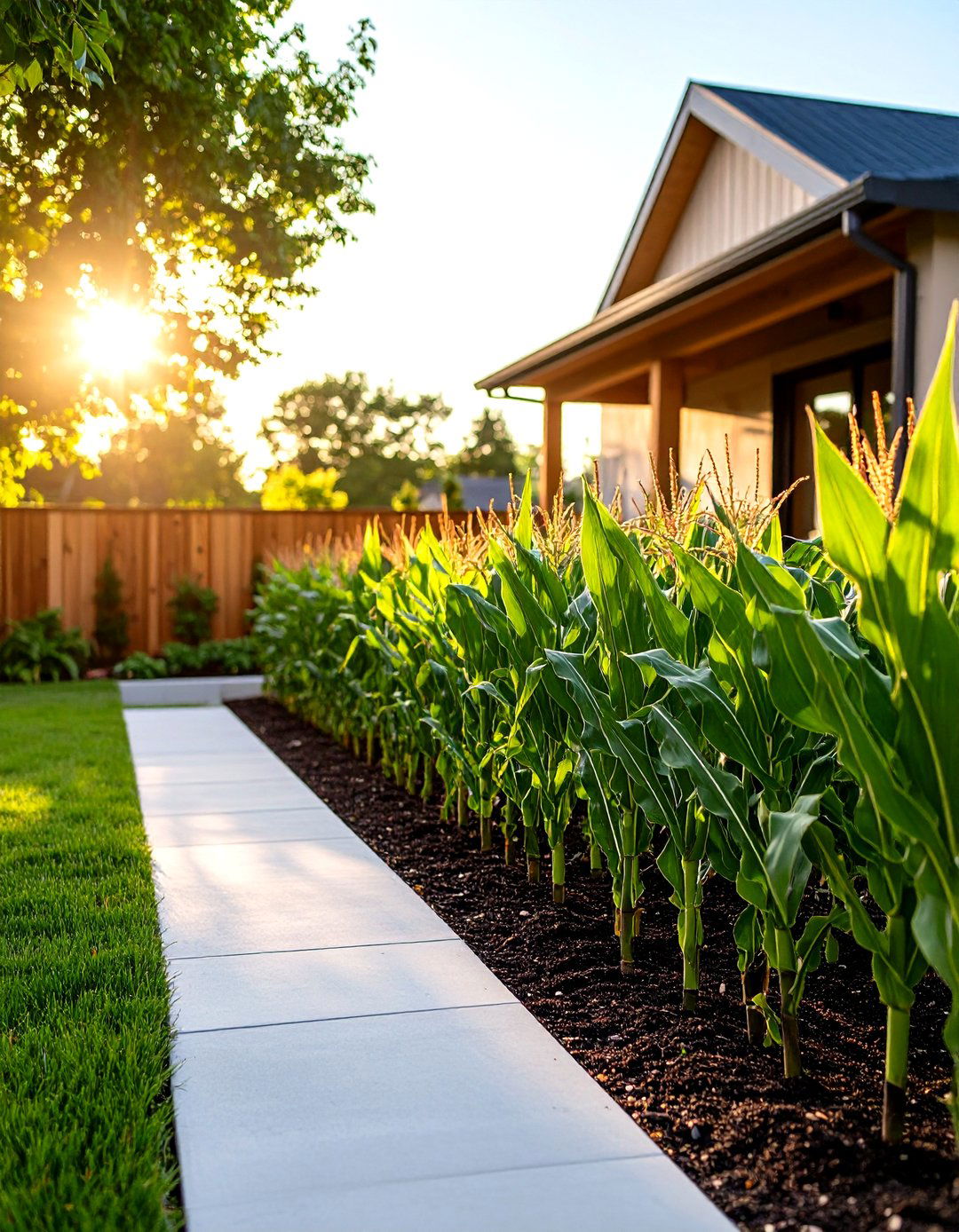
For a fast-growing, living shade wall, consider planting a row of corn. This is an unconventional but surprisingly effective method for providing temporary summer shade. Plant a dense row of corn along the west- or south-facing side of your patio. In just a few weeks, the stalks will shoot up to six feet or taller, creating a dense wall of green that effectively blocks low-angle sun. At the end of the season, you get the added bonus of a fresh corn harvest. This is a fun, functional, and edible landscaping project.
25. Reusing Old Window Shutters
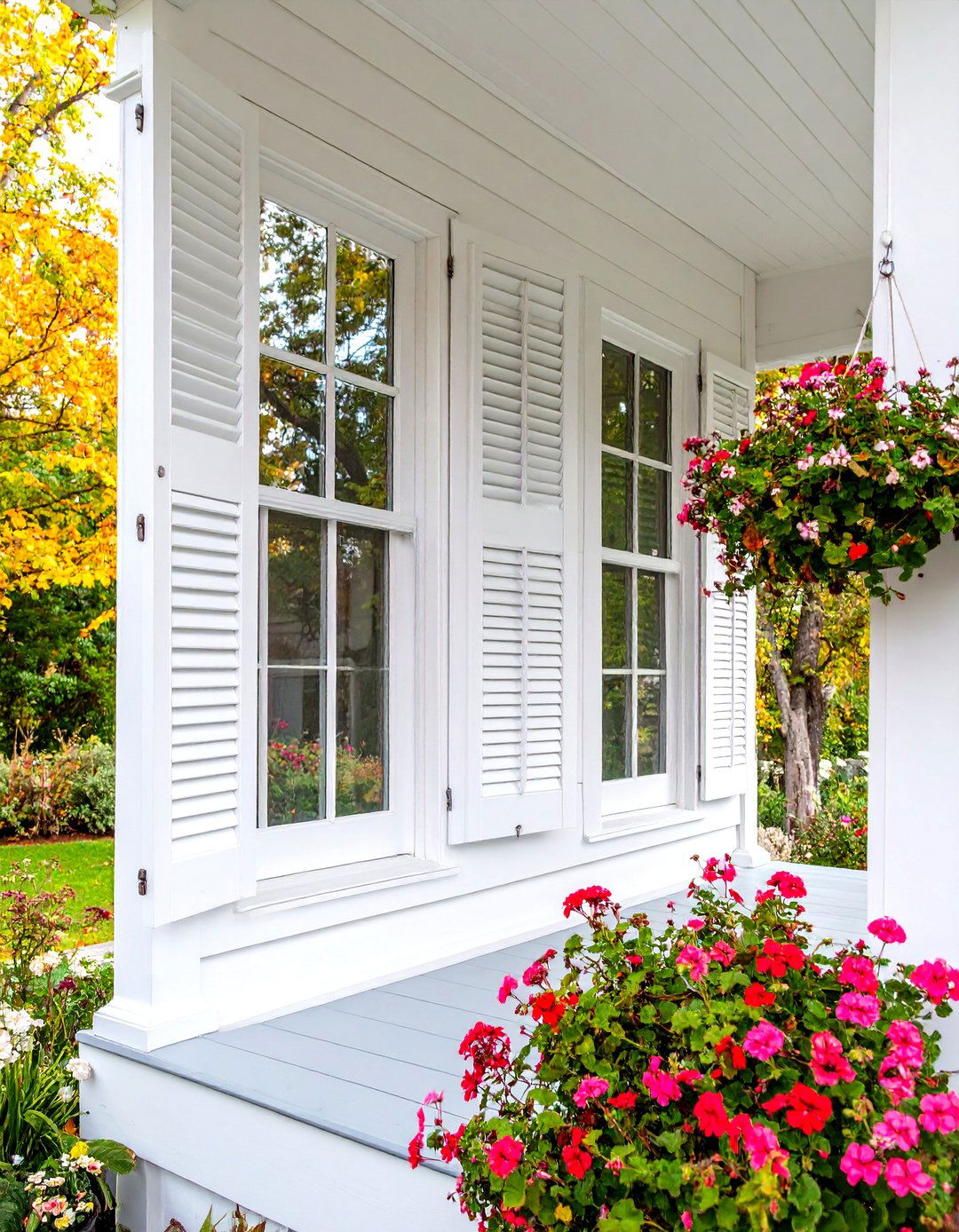
Old louvered window shutters are perfect for creating adjustable shade. You can mount them vertically to the posts of a pergola or porch. The louvers can be opened to let in light and air or closed to provide more complete shade and privacy. You can also hinge several shutters together to create a freestanding screen. Look for inexpensive shutters at flea markets, architectural salvage stores, or online marketplaces. They add a touch of classic, charming style to your patio while offering practical, customizable sun protection that you can control throughout the day.
26. Simple Awning from a Tarp and Poles
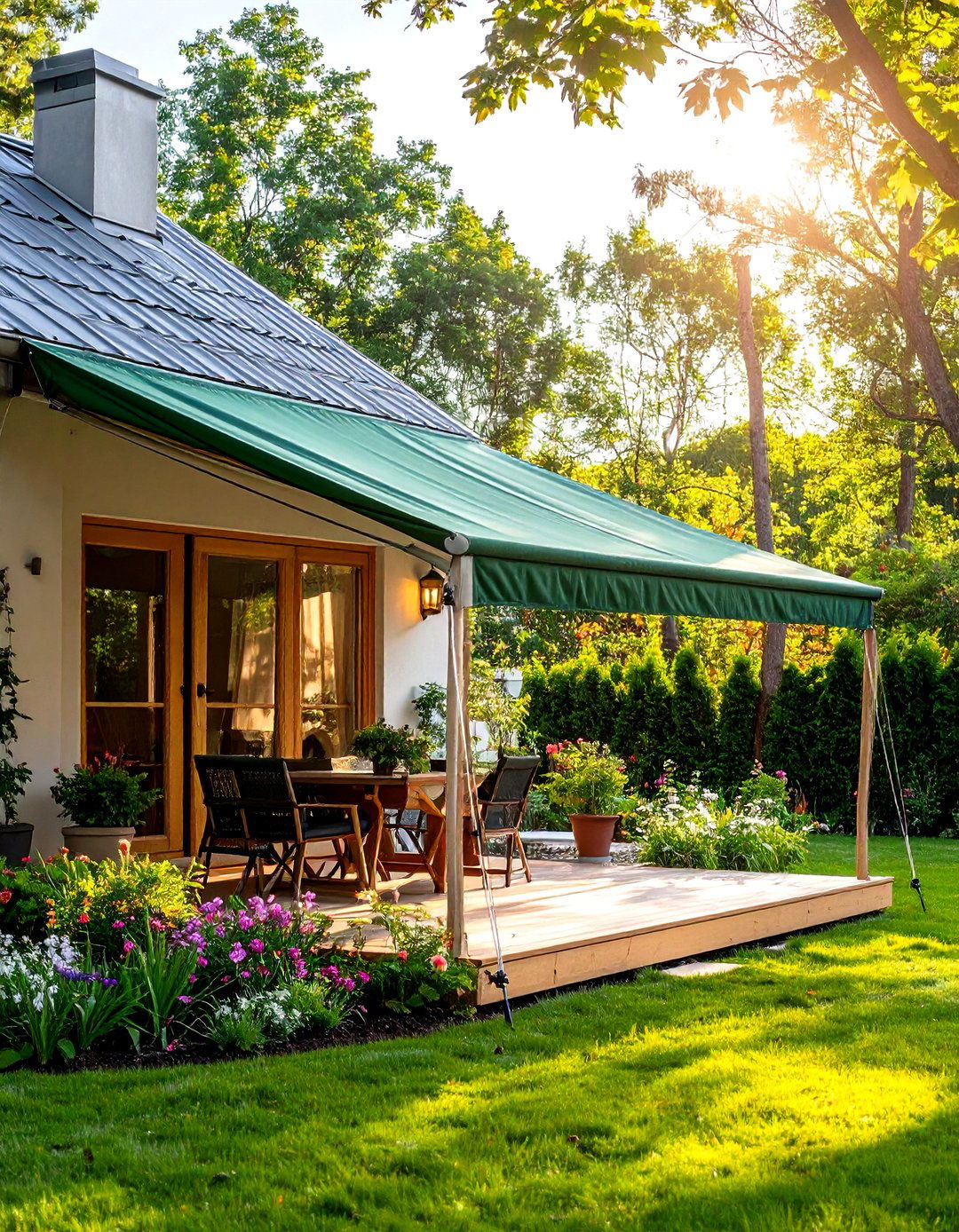
Create a simple, tent-like awning using a basic tarp and two poles. Secure one edge of the tarp to the side of your house using grommet screws. Then, insert two adjustable tent poles or sturdy pieces of lumber into the grommets on the opposite edge of the tarp. Stake the poles into the ground and use guylines to pull the tarp taut, creating a sloped roof that sheds rain and provides ample shade. This setup is highly portable, incredibly inexpensive, and can be put up or taken down in just a few minutes, making it ideal for temporary use.
27. Overhead Hanging Plant Baskets
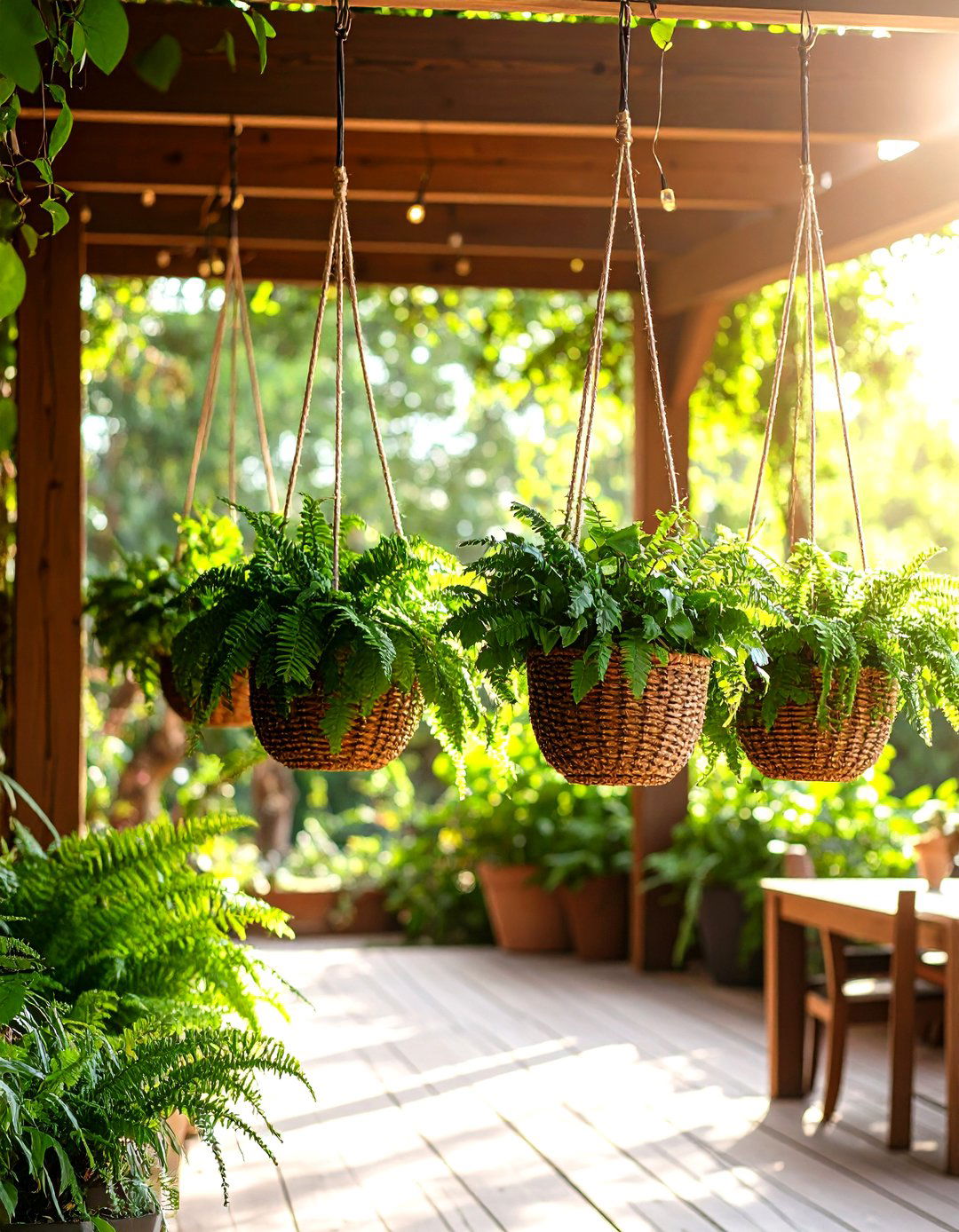
Utilize vertical space to create shade from above. If you have a pergola or a covered patio structure, hang a dense collection of large hanging baskets filled with lush, trailing plants like ferns, petunias, or ivy. When grouped closely together, the foliage of these plants creates a living, dappled canopy that cools the air below. This method not only provides shade but also adds layers of color and texture to your outdoor decor. It draws the eye upward and makes the space feel more like a garden oasis.
28. DIY Mosquito Netting Canopy
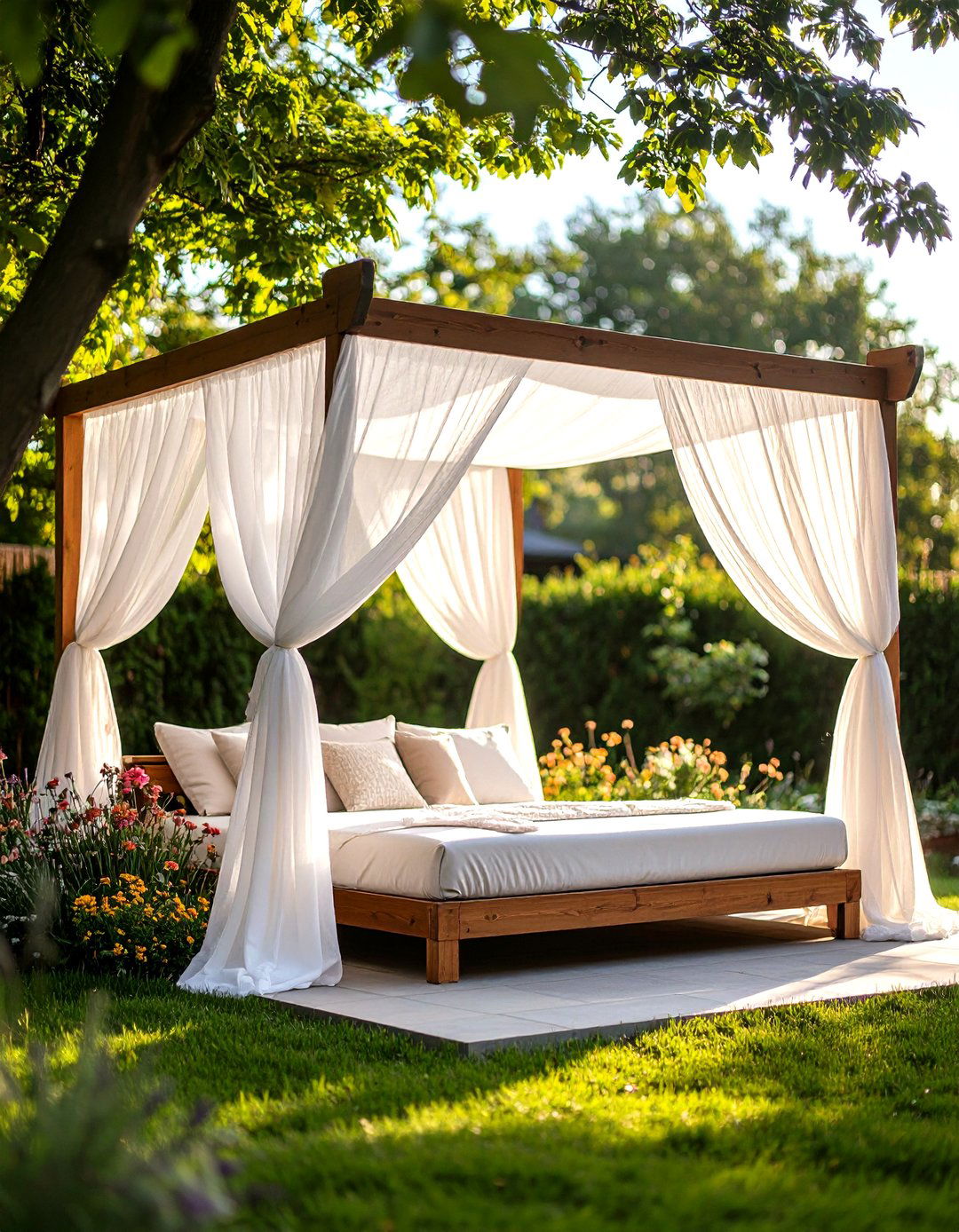
For a dreamy, resort-style look that also offers insect protection, a mosquito netting canopy is an excellent budget choice. You can purchase large, box-shaped netting designed for beds very inexpensively. Suspend the four top corners from a pergola, tree branches, or hooks installed on your house. The sheer fabric will diffuse harsh sunlight, casting a soft, gentle glow over the patio area while keeping pesky bugs at bay. This lightweight solution adds an element of romantic elegance and comfort, making your outdoor space much more enjoyable, especially in the evenings.
29. Shade Cloth with Snap Grommets
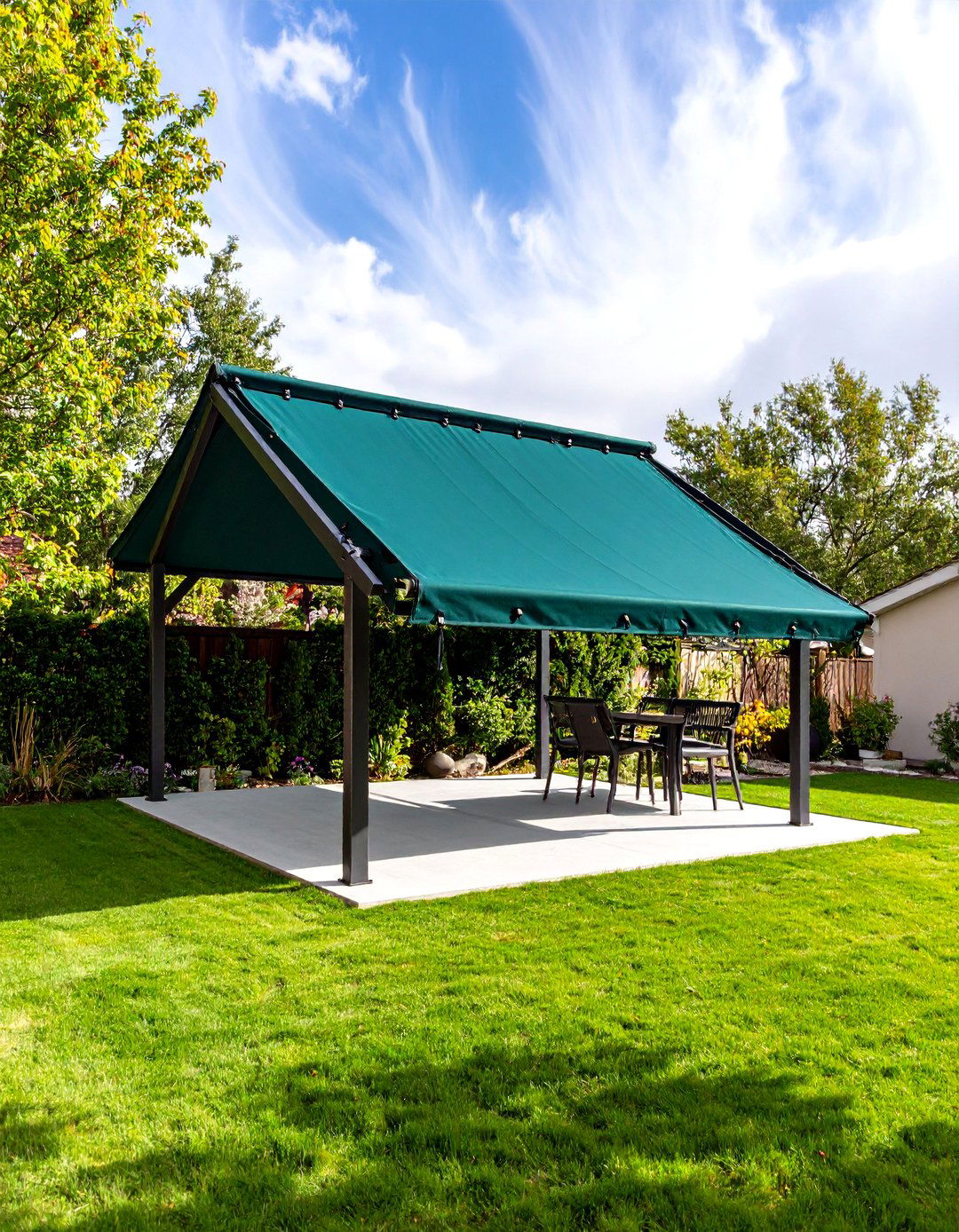
Shade cloth is a purpose-built material that blocks UV rays while allowing air and water to pass through. To create a custom cover without special tools, use plastic snap grommets. These two-piece grommets can be easily installed by hand wherever you need an attachment point on the fabric. This allows you to create a custom-fit shade panel for any space. Simply snap the grommets in place along the edges of the shade cloth and use rope or bungee cords to secure it to your desired anchor points for an instant, professional-looking shade solution.
30. Using a Projector Screen for Shade
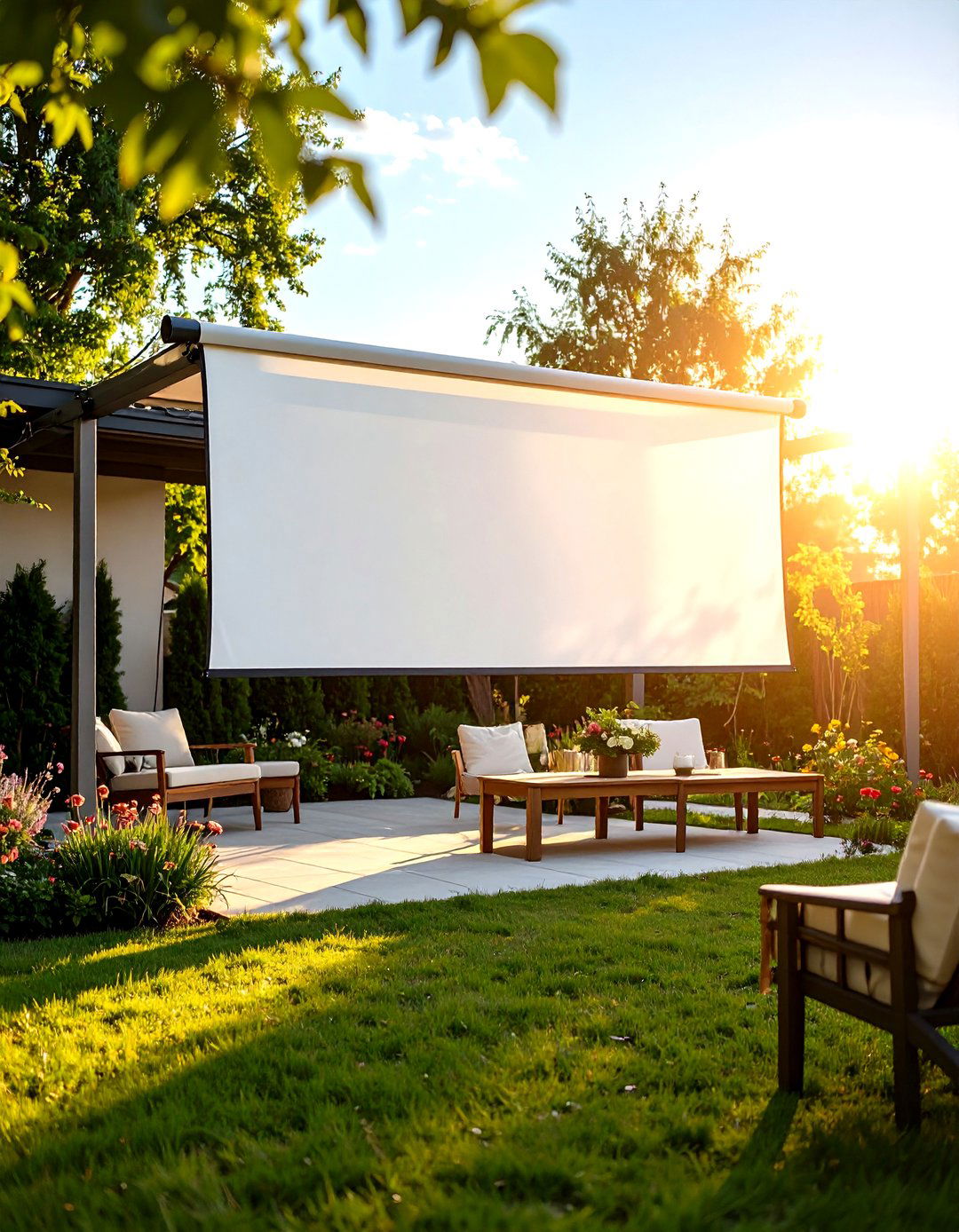
A large, pull-down outdoor projector screen can serve a dual purpose as an adjustable shade. Mount the screen casing to the side of your house or the edge of a pergola. When you need to block the sun, especially low-angle afternoon sun, simply pull the screen down. It creates an instant, solid wall of shade. When you don't need it, it retracts neatly back into its housing, leaving your view completely unobstructed. While you wait for sunset to use it for movies, it can make your patio comfortable during the day.
Conclusion:
Creating a shaded, comfortable patio does not require a large investment. As these ideas show, affordable and creative solutions are readily available. By using simple materials like canvas, rope, and lumber, or by harnessing the natural beauty of climbing plants and potted trees, you can design a space that offers cool relief from the sun. Whether you prefer a permanent DIY structure or a flexible, temporary canopy, a little ingenuity is all you need to transform your sun-baked patio into a favorite spot for relaxation and entertainment on a budget.

Related posts:



Leave a Reply