
The 1940s represented a unique chapter in design history, a time of transition marked by wartime practicality and a yearning for comfort and cheerfulness on the home era’s interior design was a fascinating blend of lingering Art Deco glamour and emerging mid-century modern became paramount, yet there was a strong desire to create warm, inviting spaces that felt like a used color, pattern, and texture to bring life into their homes, often with a "make do and mend" spirit that led to creative and personal cozy, floral-filled living rooms to sleek, streamlined kitchens, the forties offered a rich tapestry of styles that continue to inspire designers and homeowners today.
1. The Patriotic Color Palette Living Room
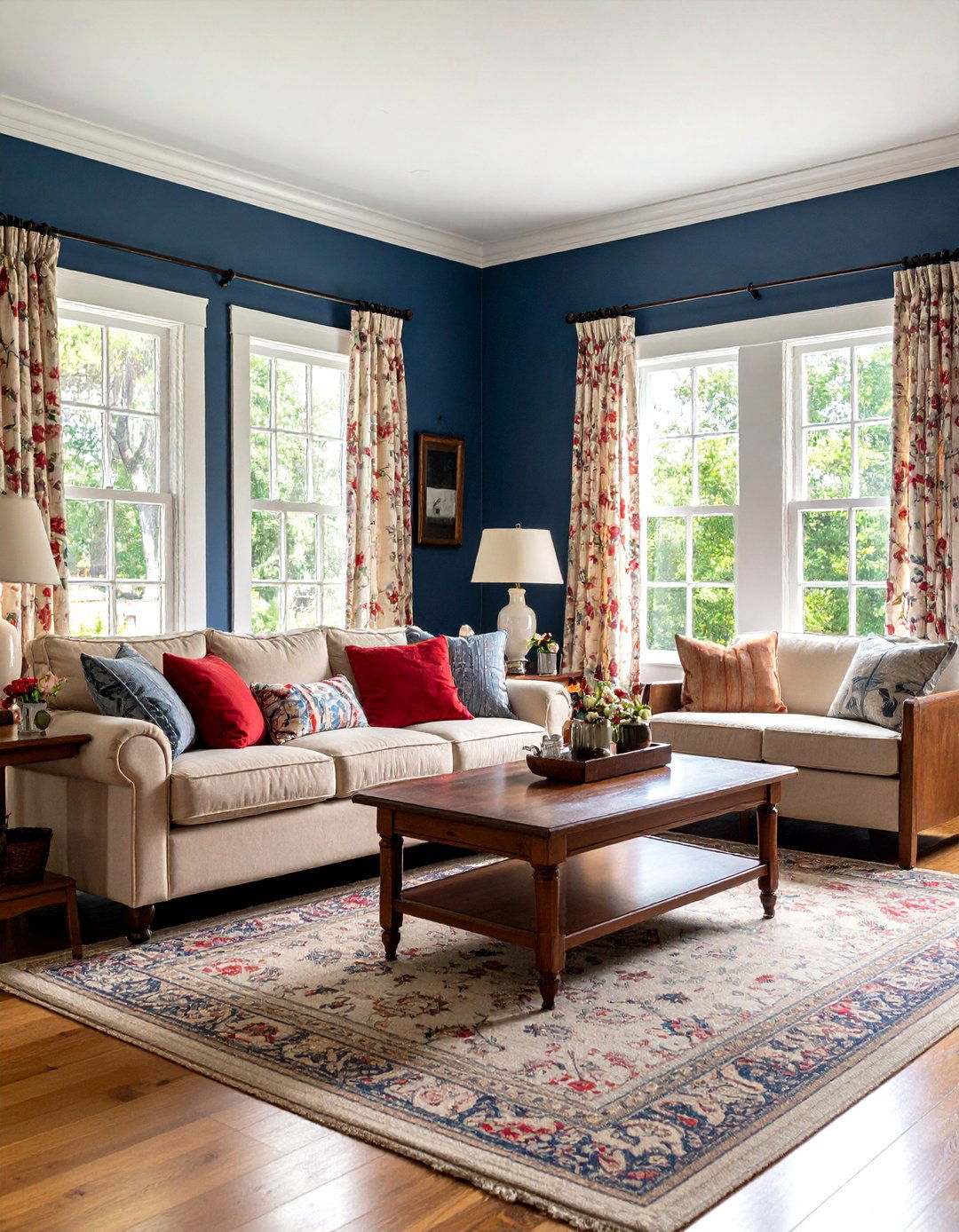
Embrace a sense of national pride with a living room grounded in a patriotic color navy blue or rich burgundy walls create a cozy, enveloping feel, providing a dramatic backdrop for and armchairs upholstered in sturdy, neutral fabrics like beige or cream offer a clean pops of hopeful color through accessories like crimson throw pillows, patterned curtains featuring small, optimistic motifs, and decorative furniture, often in medium oak tones, adds warmth and solidity to the design isn't just about color; it’s about creating a comforting, resilient atmosphere.
2. A Floral Chintz Dominated Bedroom
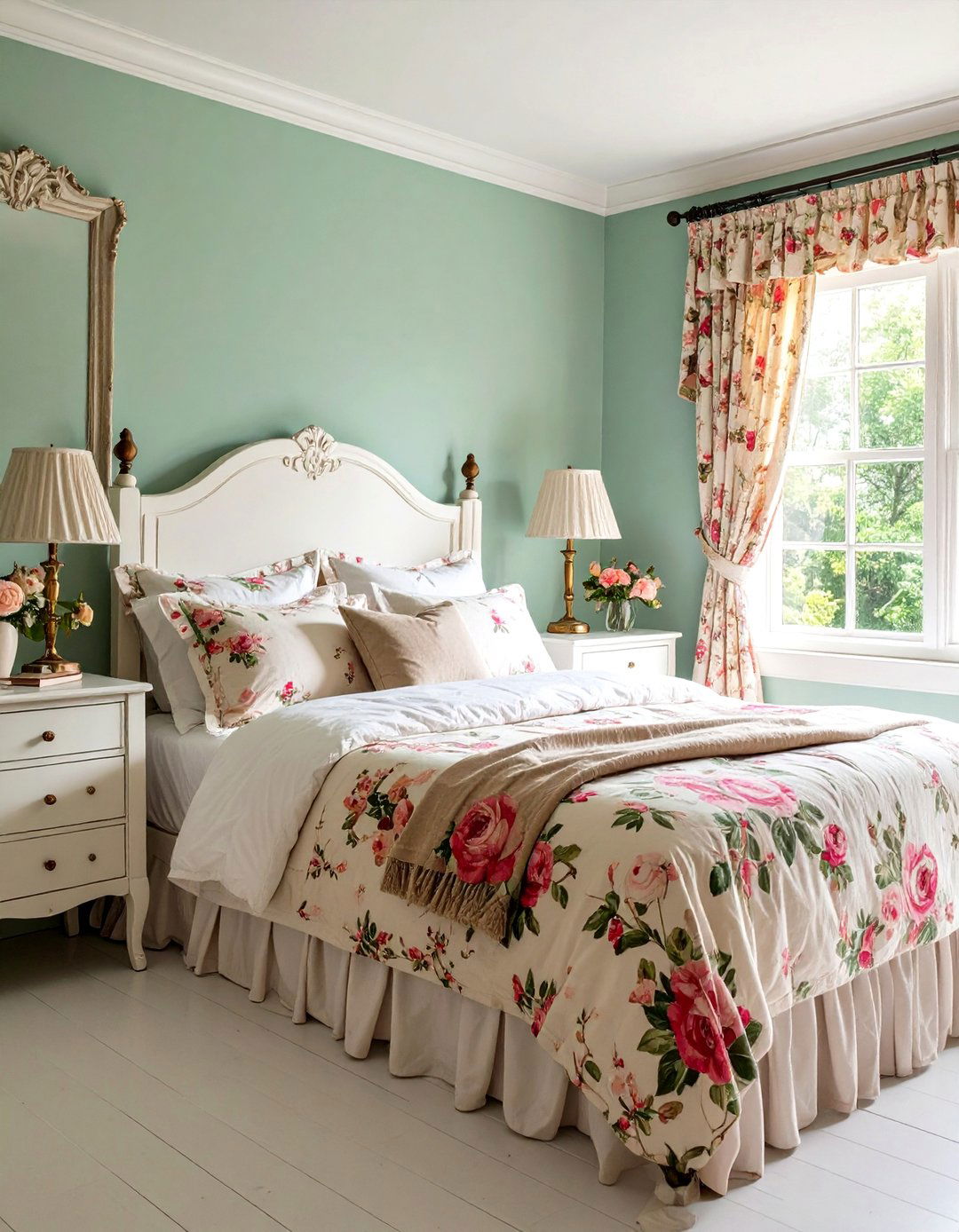
Imagine a bedroom that blooms with perpetual springtime, a true escape into comfort and key to this look is the generous use of floral chintz polished cotton, bursting with large-scale rose or peony patterns, adorns everything from the draperies and bedspread to a vanity skirt or balance the vibrant patterns, walls are painted in soft, complementary pastel shades like mint green, dusty pink, or buttercup yellow. Simple, painted wood furniture in white or cream keeps the focus on the textiles, creating a serene and cheerful retreat.
3. The Streamline Moderne Kitchen
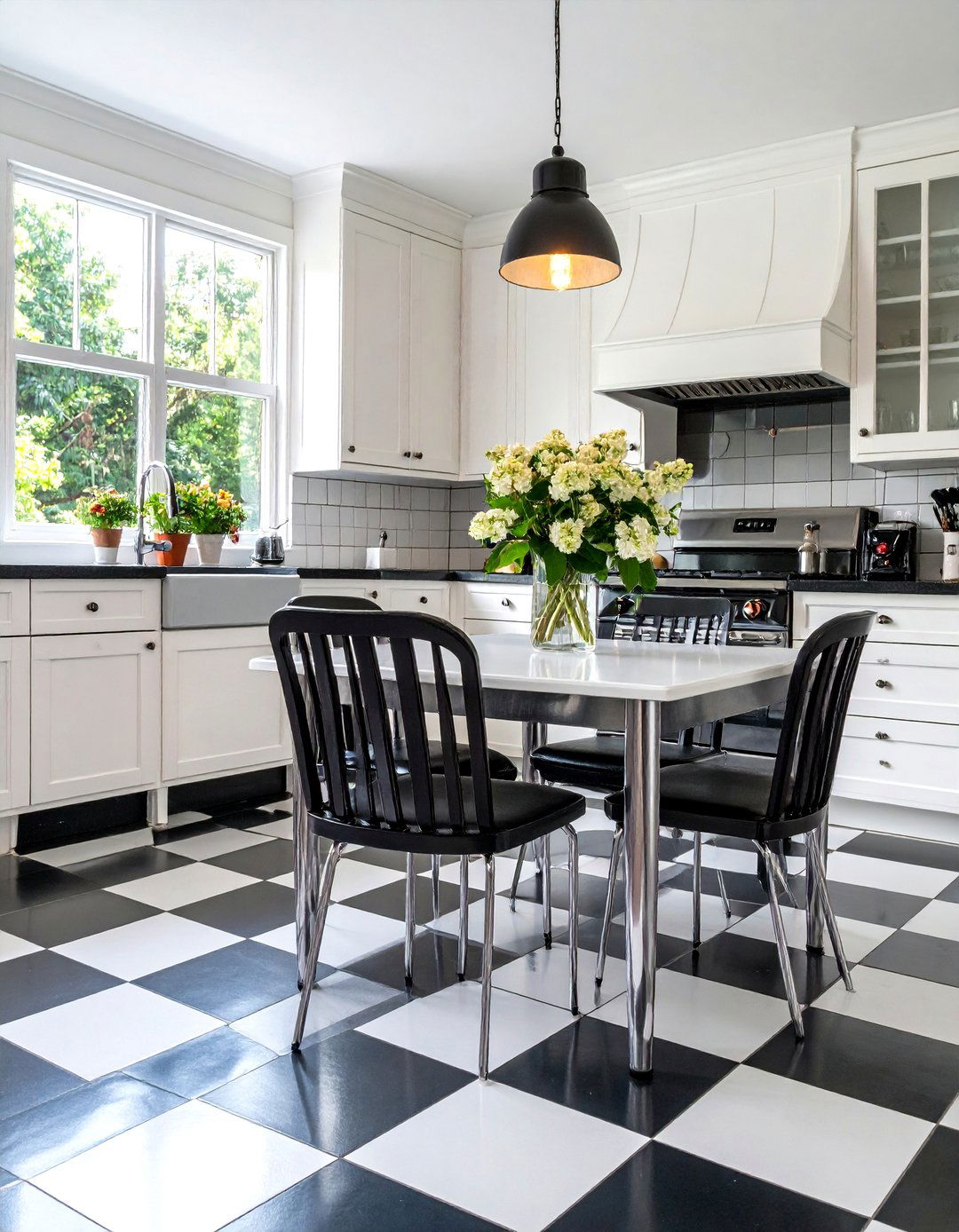
Capture the forward-looking spirit of the late 1940s with a Streamline Moderne style emphasizes clean lines, curved edges, and a sense of glossy linoleum floors in a black-and-white checkerboard pattern paired with sleek, metal-banded is simple, often painted in crisp white or a pale pastel, with polished chrome hardware adding a touch of shine. A chrome-legged dinette set with a Formica top and vinyl-upholstered chairs becomes the room's social design creates a space that feels both nostalgic and surprisingly contemporary in its efficiency.
4. The Cozy Fireside Reading Nook
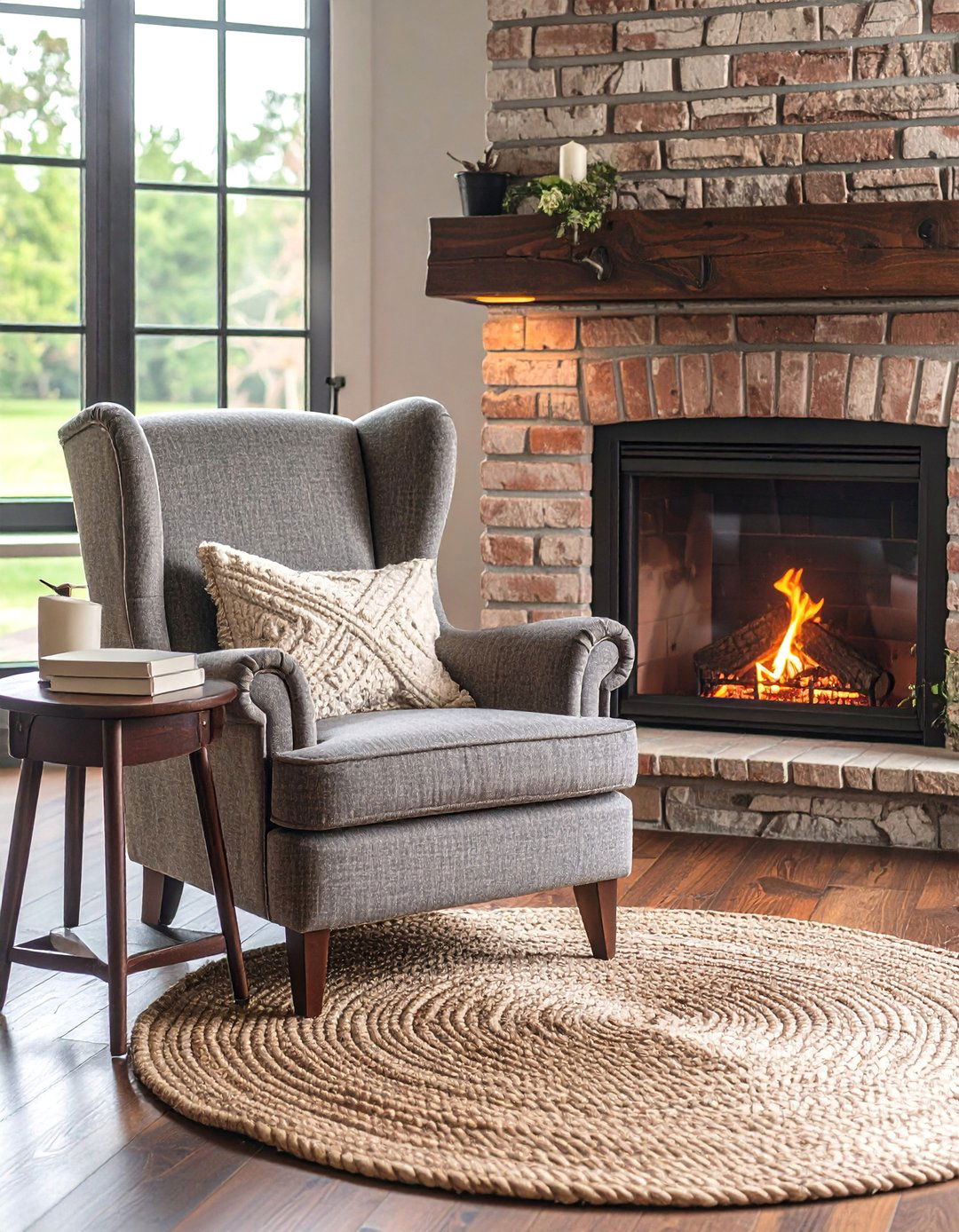
What could be more comforting than a dedicated space for losing yourself in a good book? A 1940s-inspired reading nook is all about warmth and a plush, overstuffed armchair with soft, rounded arms next to the chair should be upholstered in a durable, textured fabric like wool or tweed in a deep, earthy tone. A small, dark wood side table is essential for holding a cup of tea and a stack of novels, topped with a banker's lamp for focused light. A braided rag rug underfoot adds a layer of handmade charm.
5. Hollywood Regency Glamour in the Dining Room
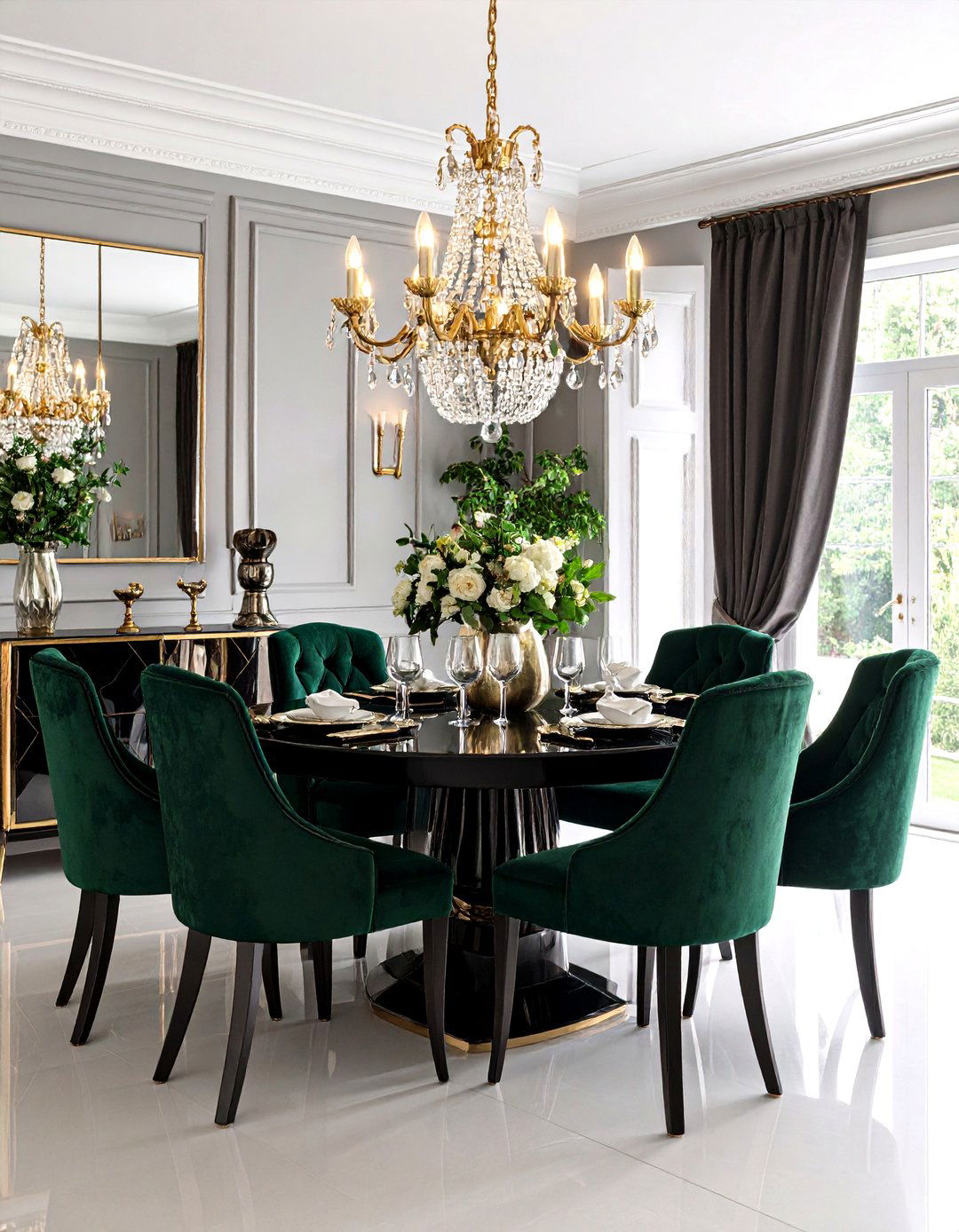
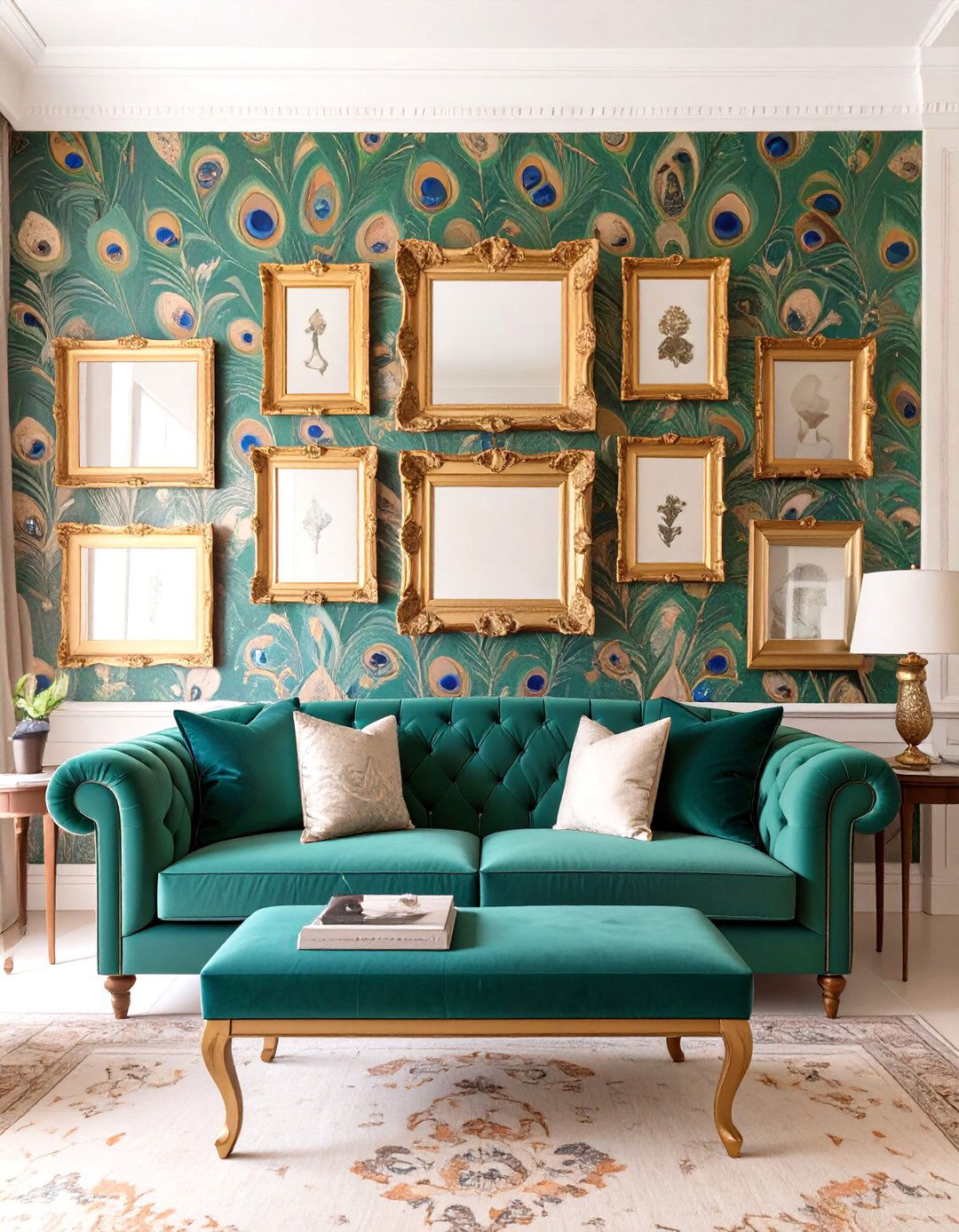
Bring a touch of silver screen elegance to your dining space with a Hollywood Regency style is dramatic and with a high-gloss lacquered dining table, its reflective surface bouncing light around the it with chairs upholstered in a luxurious fabric like velvet or satin in a jewel tone such as sapphire or emerald. A crystal chandelier hanging overhead is non-negotiable, casting a dazzling surfaces, perhaps on a sideboard or as wall panels, amplify the sense of opulence and space, making every meal feel like a special occasion.
6. The Victory Garden Inspired Sunroom
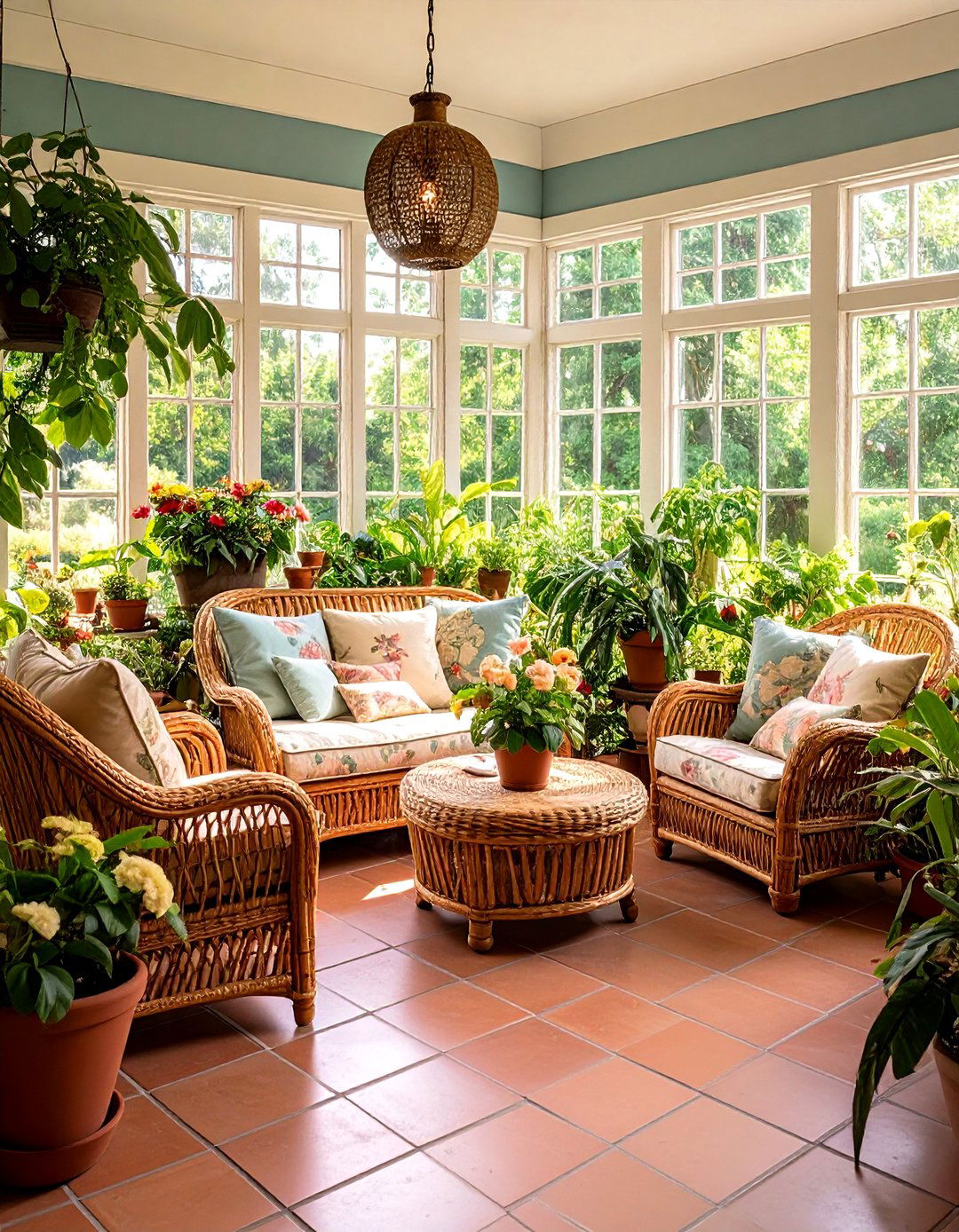
Celebrate the "can-do" spirit of the era with a sunroom that brings the outdoors by the victory gardens that were so vital during the war, this space is filled with a color palette of leafy greens, earthy browns, and sky or rattan furniture with plump cushions covered in botanical or trellis-patterned fabric provides comfortable the room with an abundance of potted plants and herbs on simple wooden flooring should be practical, like terracotta tiles or painted wood, ready to handle a bit of dirt from your gardening efforts.
7. The Practical Utility and Laundry Room
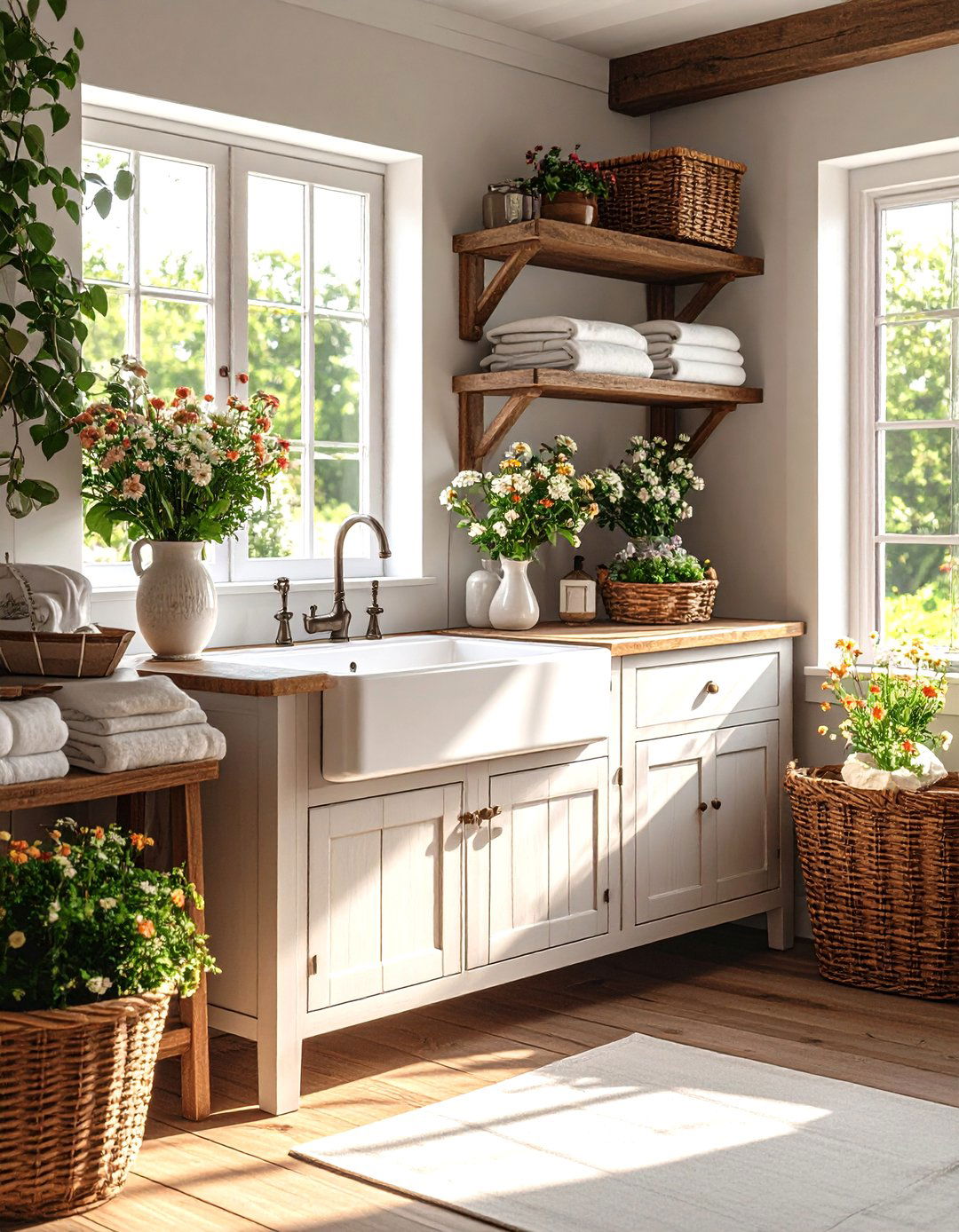
Functionality was king in the 1940s, and the utility room was a testament to space is designed for efficiency, not frills. A large, deep porcelain sink is the centerpiece, perfect for all manner of household wooden shelving provides easy access to cleaning supplies and folded are often painted in a durable, semi-gloss white or a pale, clean floor is typically hardy linoleum or painted concrete. A sturdy wooden table for folding clothes and a wall-mounted drying rack complete this no-nonsense, hardworking corner of the home.
8. An Art Deco Remnant Bathroom
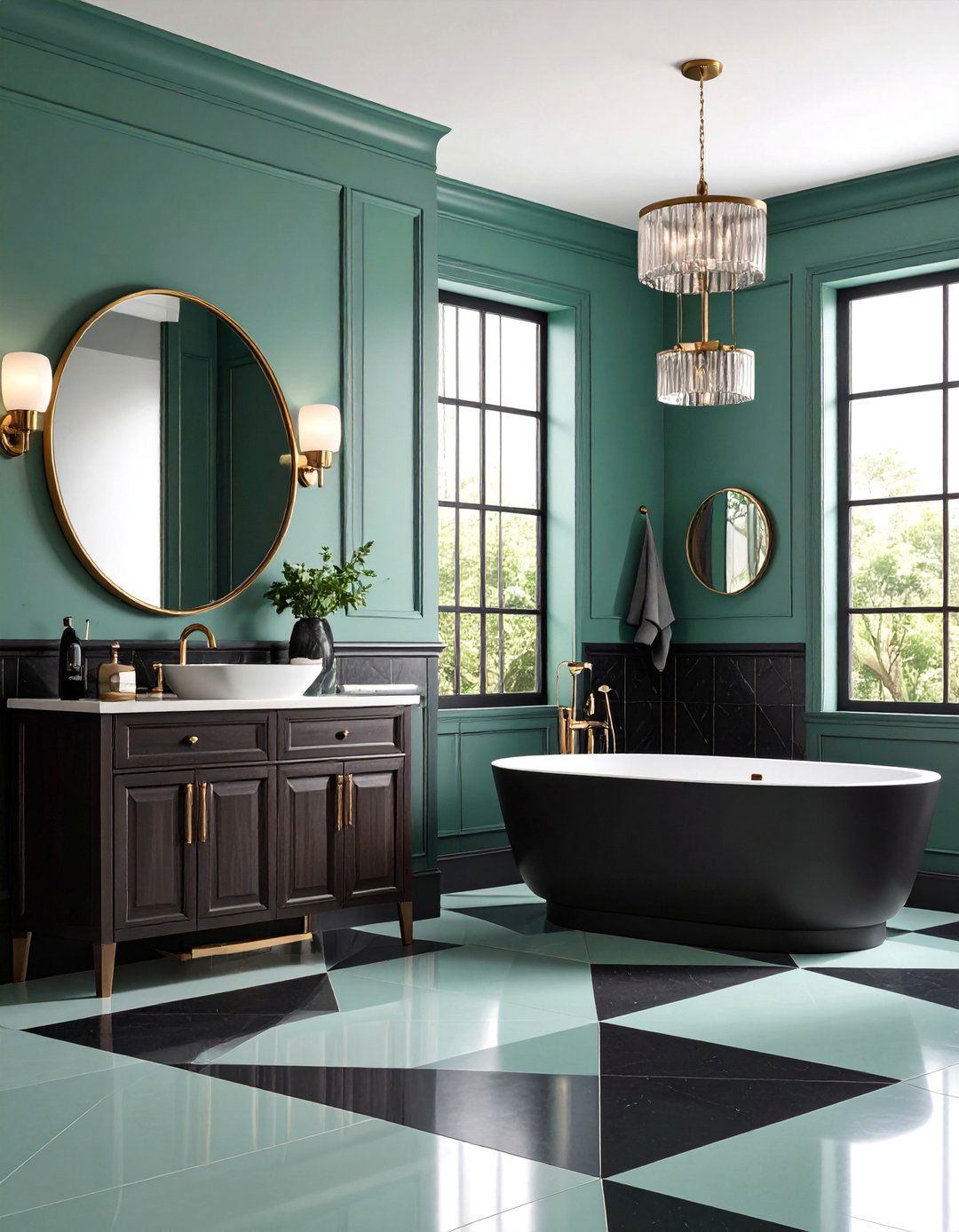
While Art Deco 's heyday was in the ' 20s and '30s, its influence lingered into the early 1940s, especially in the design features bold geometric patterns and a distinct color black and white, or perhaps mint green and black, tiled floors and walls. A pedestal sink with chrome fixtures and a matching mirrored medicine cabinet with etched details are key bathtub might be encased in tile, creating a seamless with frosted glass shades on either side of the mirror provide soft, flattering light.
9. The Family-Focused Basement Recreation Room
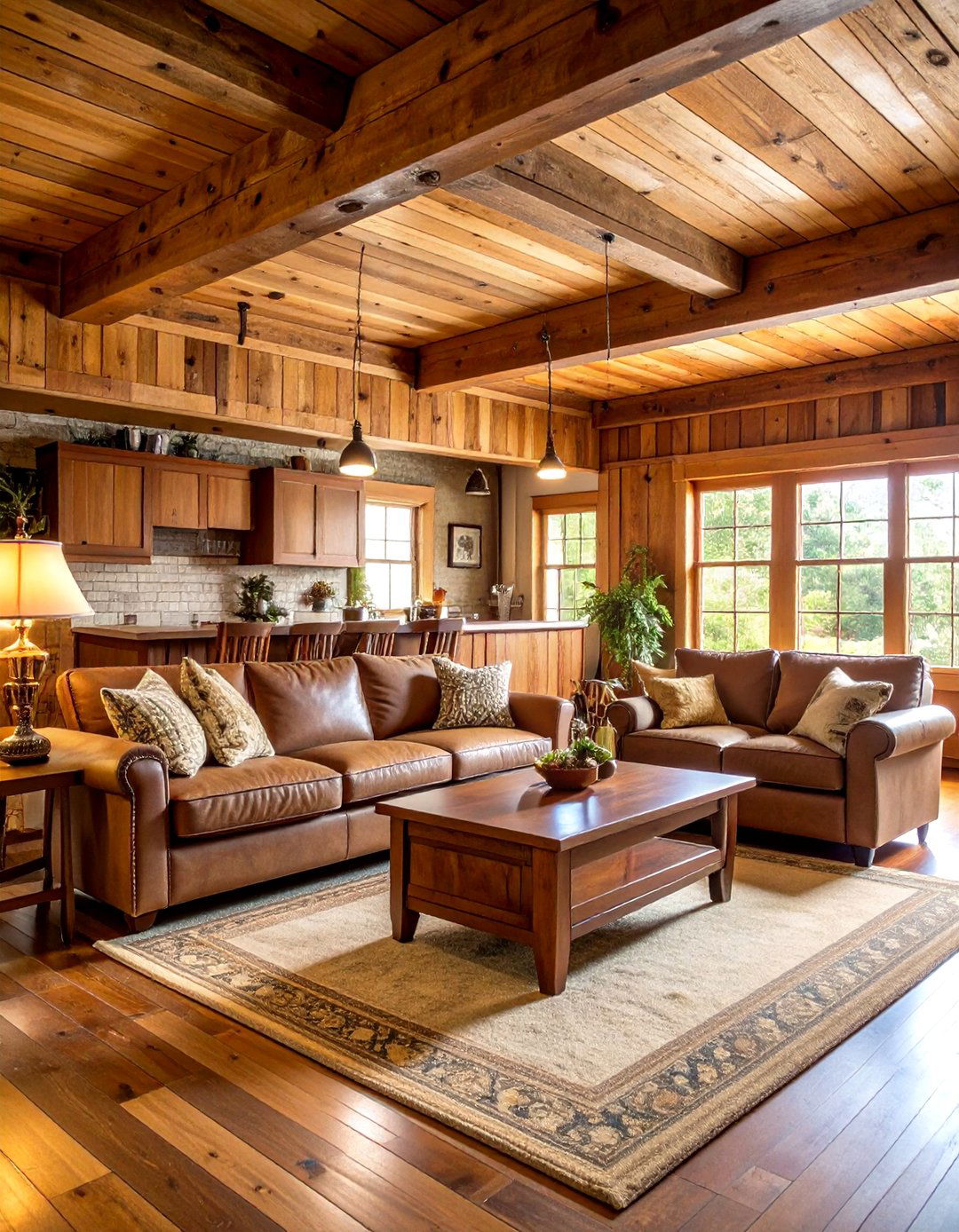
Create a cozy subterranean escape for family fun with a 1940s-style recreation pine paneling on the walls is the defining feature, instantly creating a warm, cabin-like flooring is practical and resilient, often asphalt tile or the space with a durable, low-slung sofa and a couple of comfortable armchairs. A built-in bar in a corner, also clad in knotty pine, is a classic room is all about informal gatherings, games, and creating lasting memories away from the more formal upstairs living areas.

10. A Cheerful Breakfast Nook Design
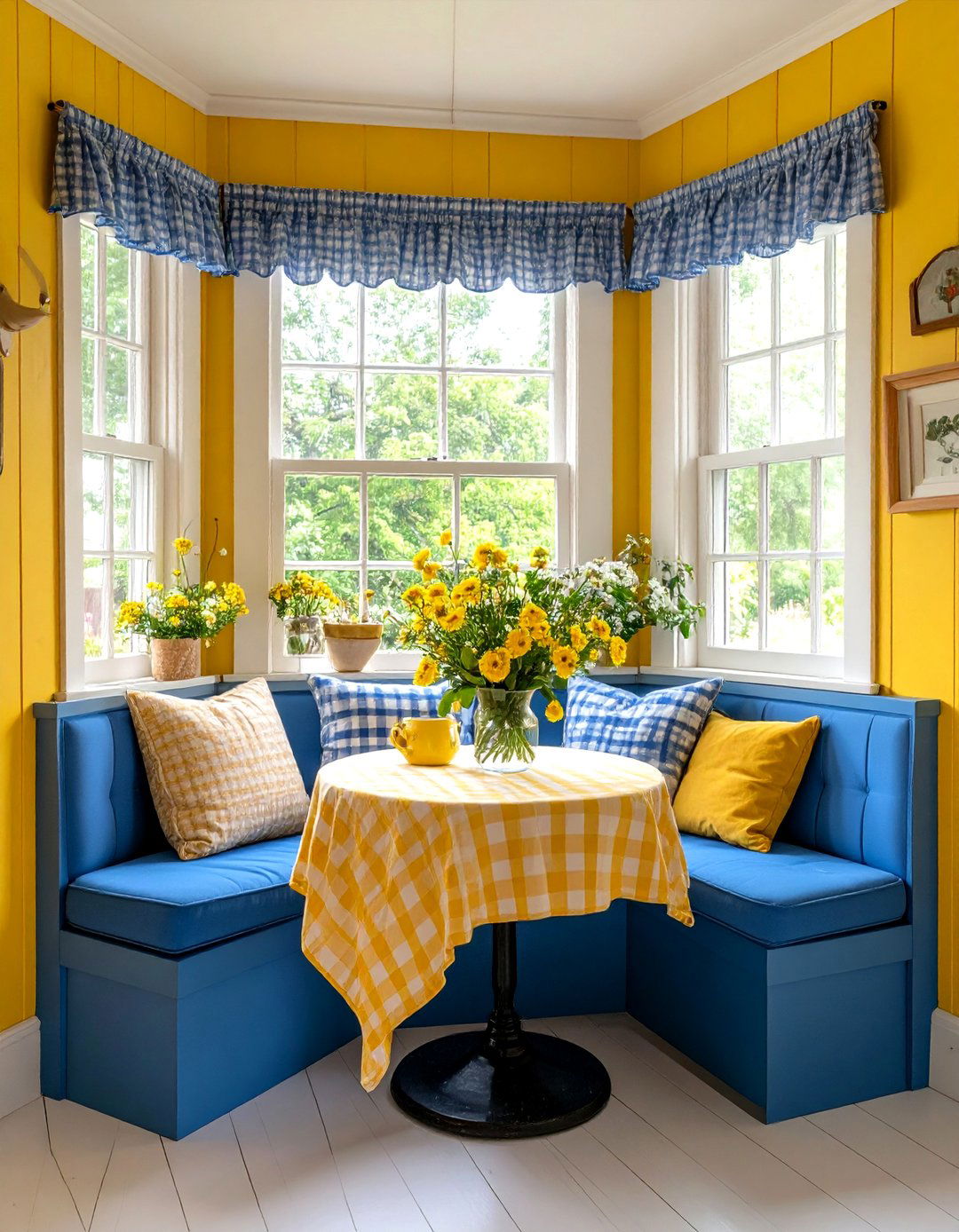
Start the day in a bright and optimistic space designed specifically for casual family 1940s breakfast nook is typically a built-in affair, featuring a corner bench with upholstered seating and a simple, sturdy windows dressed with cheerful café curtains in a gingham or cherry print flood the nook with morning color scheme is light and airy, with walls painted in sunny yellow or sky cozy, efficient design maximizes space and creates an intimate setting for starting the day together with a smile.
11. The Wood-Paneled Home Office or Study
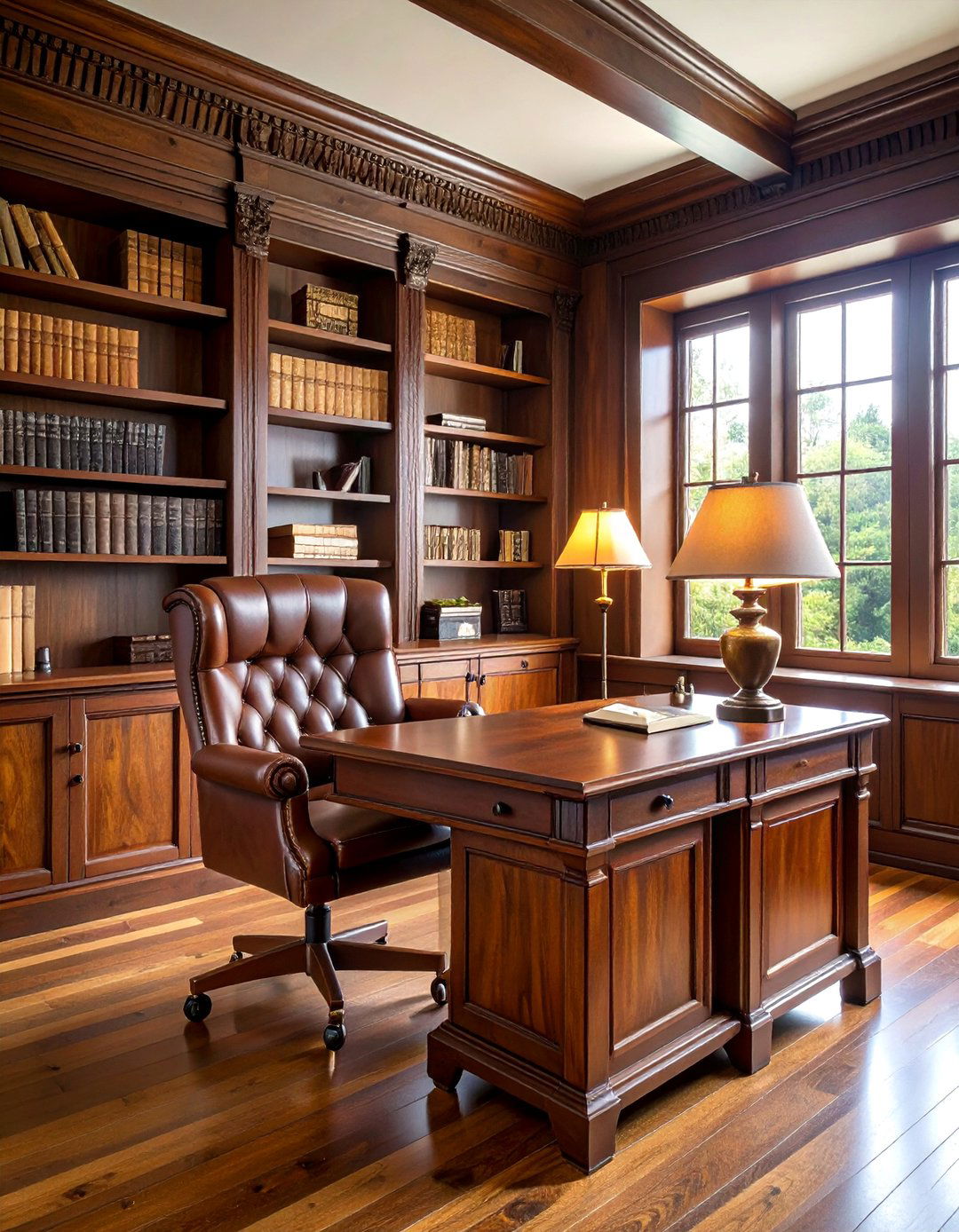
For a distinguished and scholarly atmosphere, a wood-paneled study is the quintessential 1940s wood paneling, either full or half-wall, creates a sense of gravitas and warmth. A large, solid desk, often made of mahogany or oak with brass hardware, serves as the room 's anchor. A leather-upholstered executive chair provides comfort for hours of work. Built-in bookshelves are a must, filled with classic is key, with a green glass banker' s lamp on the desk and perhaps a floor lamp for ambient light, crafting a perfect intellectual retreat.
12. The Soft Pastel Nursery
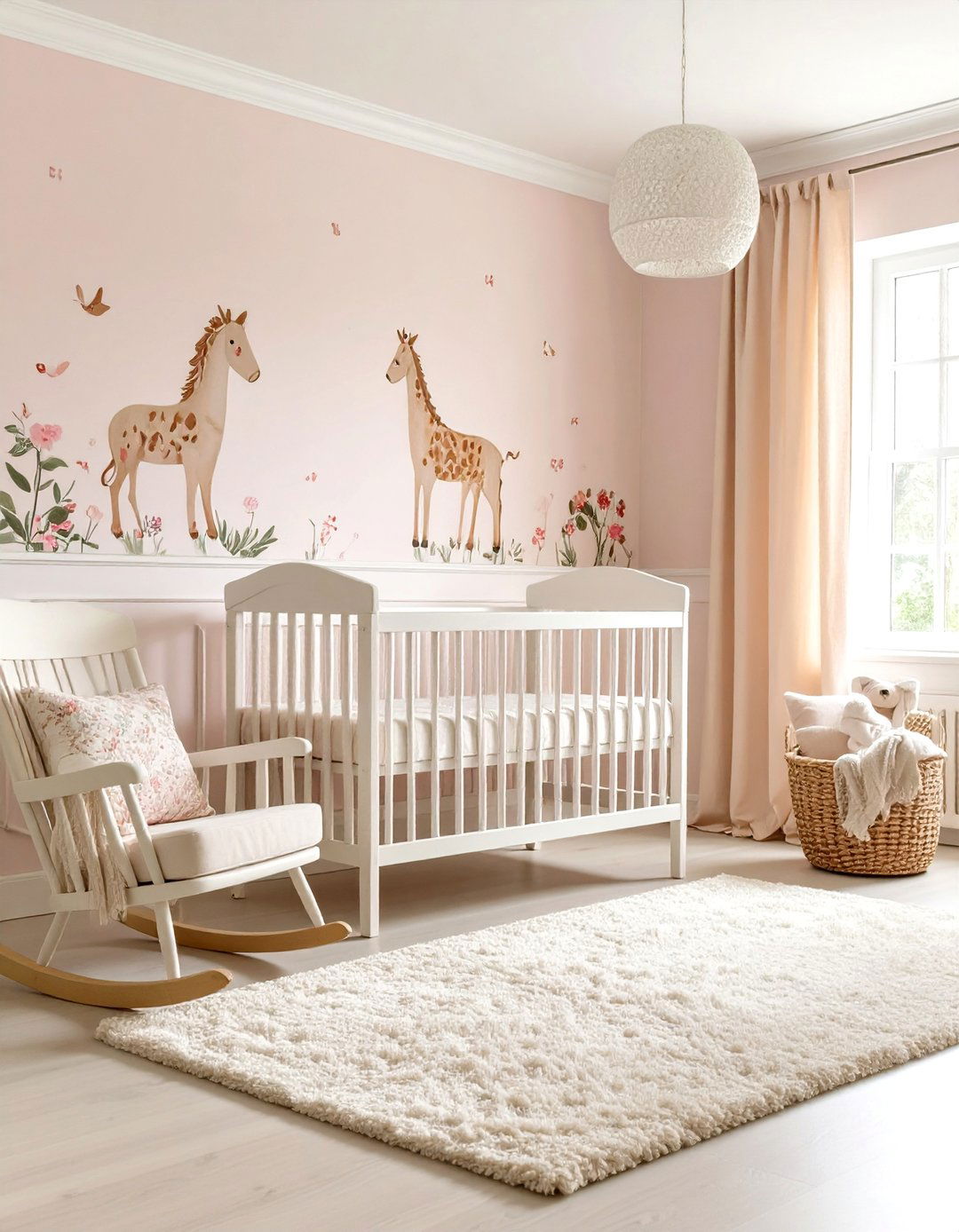
Design a gentle and serene haven for the newest family member with a 1940s pastel color palette is soft and dreamy, featuring shades of baby blue, mint green, pale pink, and lemon is simple and functional, typically painted white or a light wood tone, including a sturdy crib and a changing wallpaper with nursery rhyme characters or delicate animal motifs adds a touch of playful charm. A comfortable rocking chair in a corner, perhaps with a handmade quilt draped over it, provides a cozy spot for late-night feedings.
13. A Linoleum-Floored Entryway and Hall
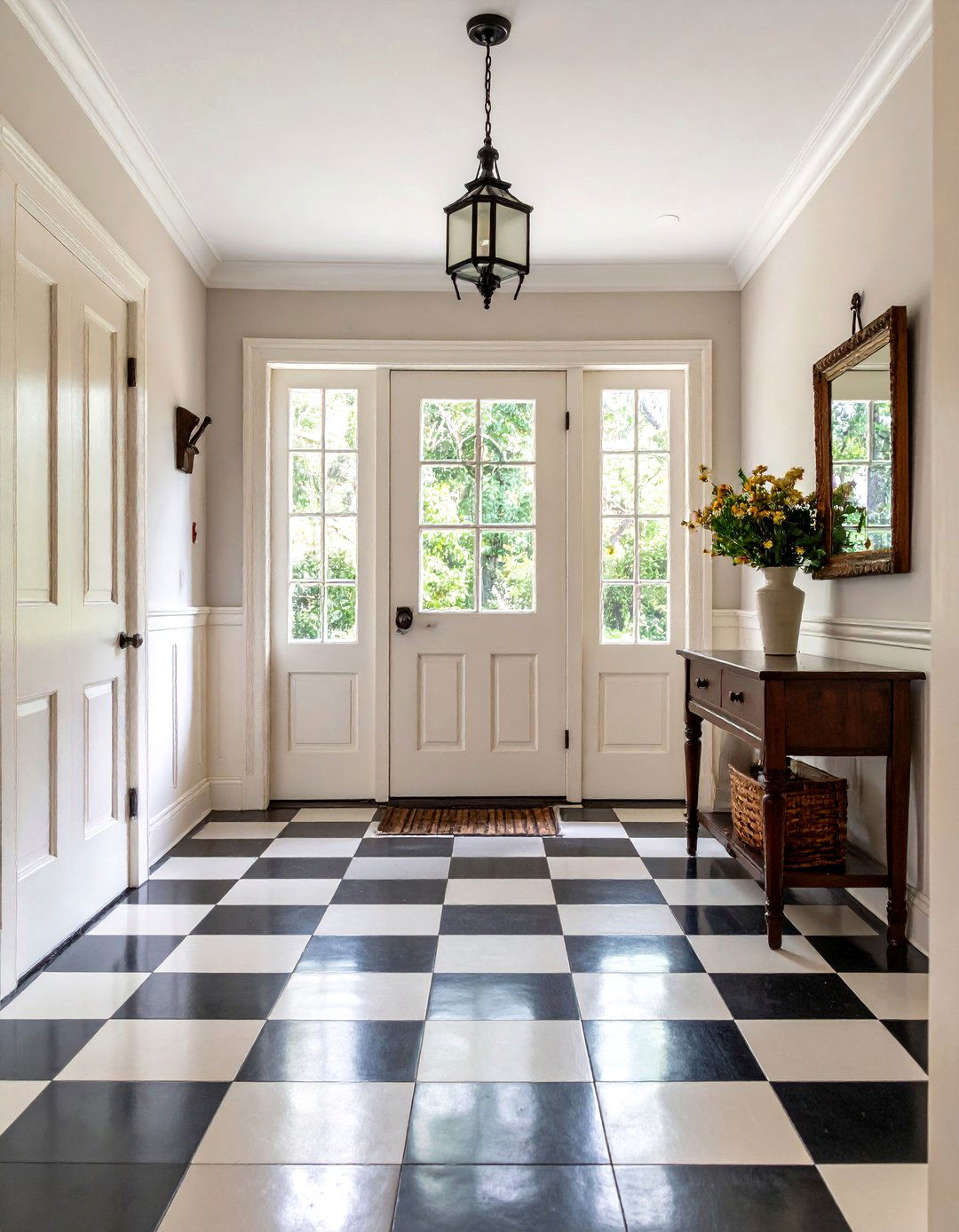
Make a practical and welcoming first impression with a classic 1940s star of this space is the linoleum flooring, often in a bold pattern like checkerboard or a colorful abstract design that hides dirt are kept simple, perhaps painted a neutral color or featuring a dado rail with a subtle wallpaper above. A small, functional console table made of dark wood provides a place to drop keys and mail. A simple coat rack or a small hall tree keeps outerwear organized, ensuring the entrance remains tidy and efficient.
14. The Western-Themed Boy's Bedroom
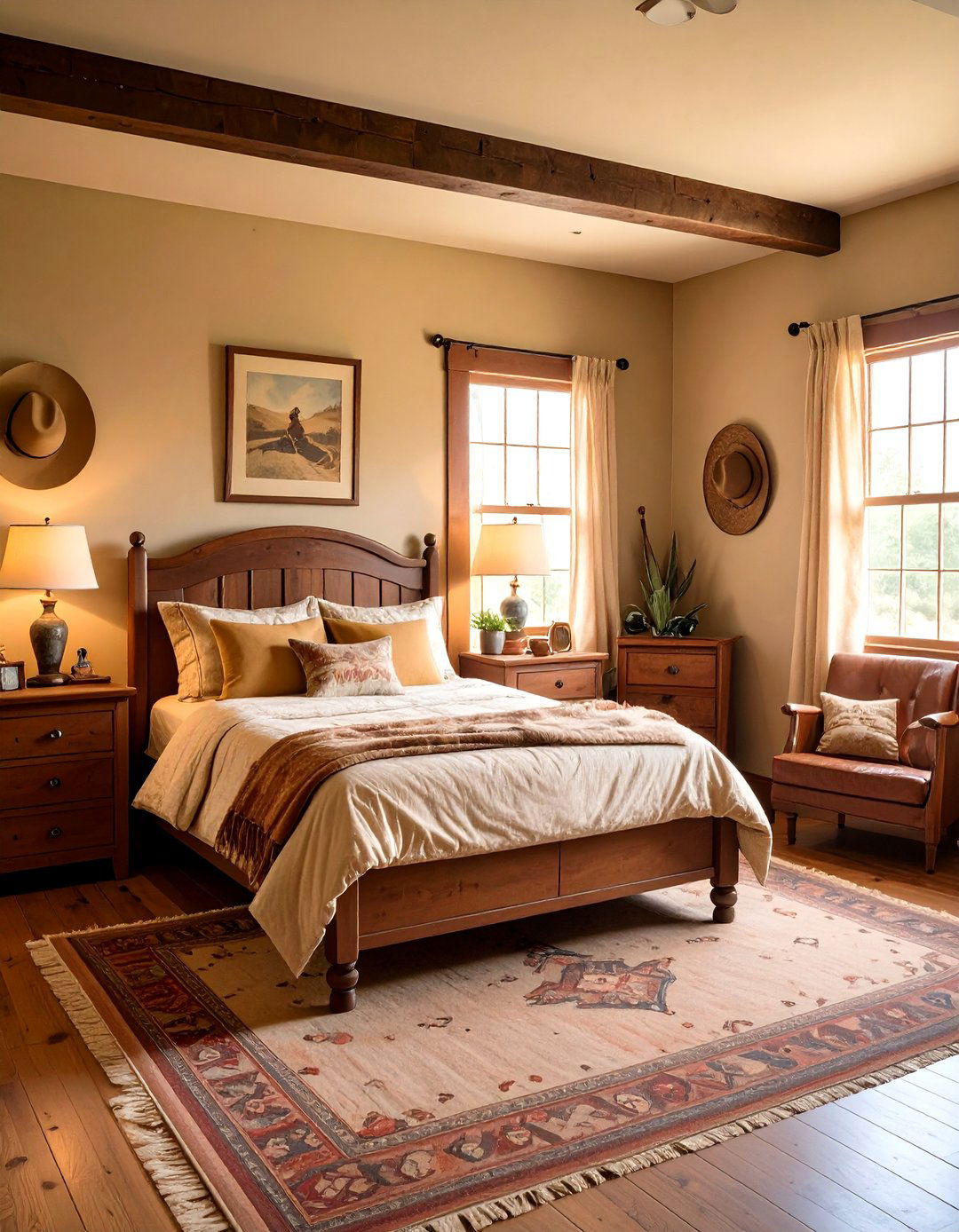
Capture the adventurous spirit of the Wild West, a popular theme for boys' rooms in the pine furniture, including a sturdy bedstead and a matching dresser, sets a rustic and curtains feature cowboy motifs, bucking broncos, or desert might be painted a sandy beige or feature a wallpaper border with Western scenes. A braided rug adds texture, and decorative touches like a toy six-shooter on display or a collection of cowboy novels on a shelf complete this imaginative and playful childhood sanctuary.

15. A Ruffled and Feminine Girl's Bedroom
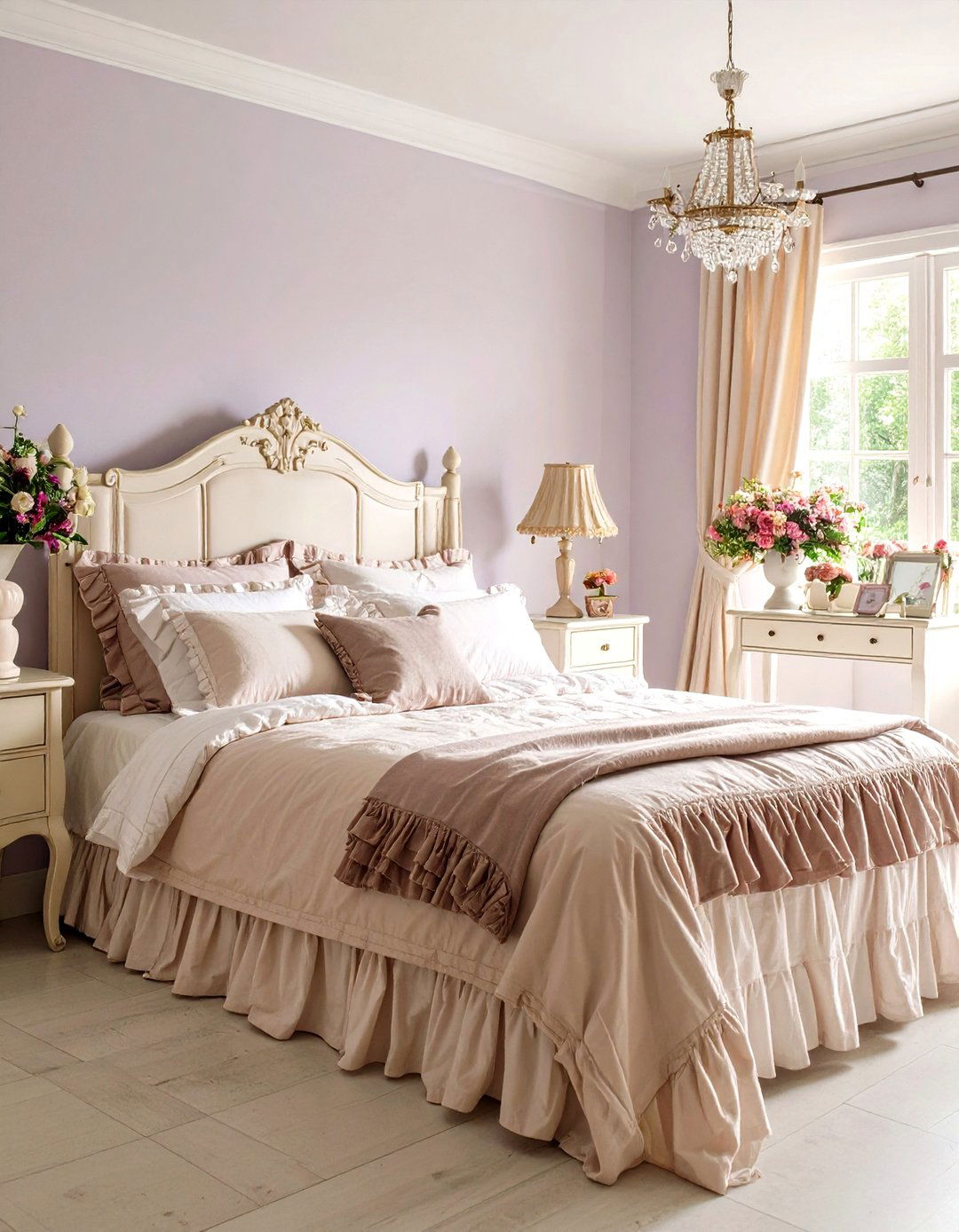
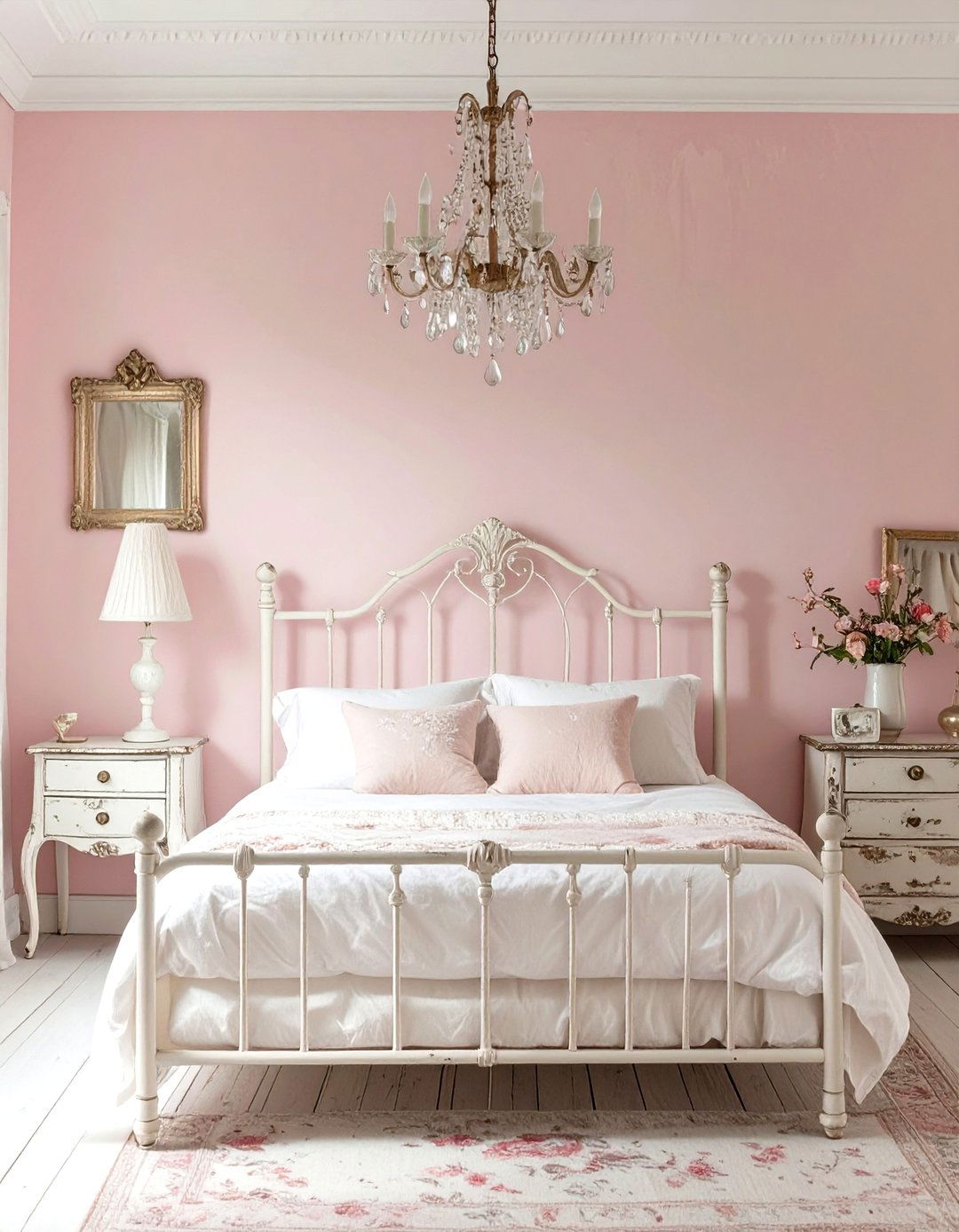
Create a sweet and charming retreat for a young girl with a design that embraces feminine room is a confection of soft colors, with walls in pink, lavender, or buttery bed is the centerpiece, dressed in a chenille bedspread and topped with ruffled pillow shams. A canopy bed, if space allows, adds a touch of fairytale magic. Dainty, sheer curtains with tie-backs soften the windows. A small vanity with a skirted stool and a mirror is the perfect spot for playing dress-up, fostering a world of imagination.
16. The Formal Parlor with Traditional Furnishings
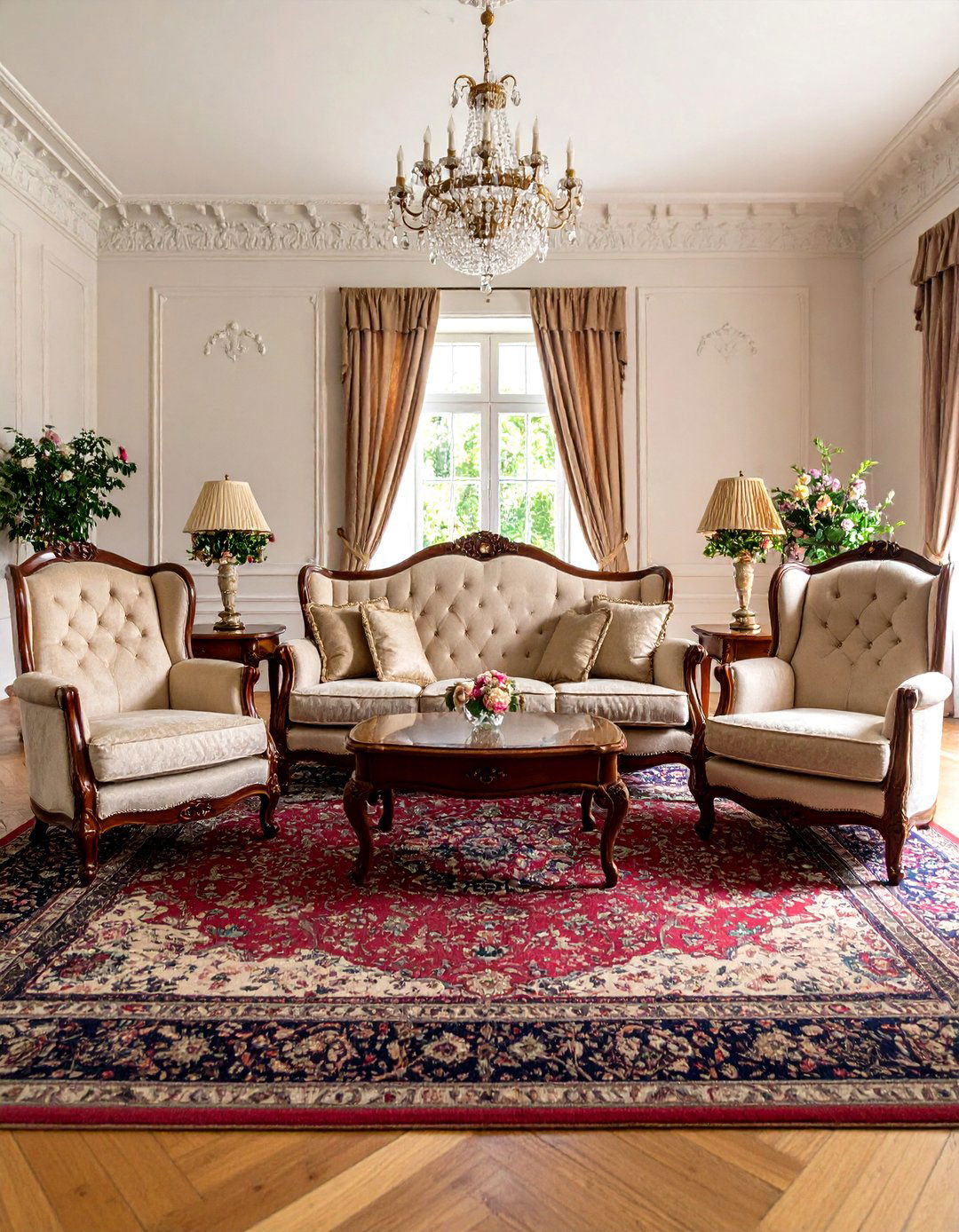
For more formal entertaining, a 1940s parlor exudes a sense of traditional elegance and room features a curated collection of high-quality furniture. A camelback sofa upholstered in a rich damask or brocade fabric is often the focal point, flanked by a pair of wingback layout is symmetrical and mahogany or walnut side tables hold elegant lamps with silk shades. A fine Persian or Oriental rug anchors the seating area, and walls are adorned with classical art prints, creating a refined and dignified atmosphere.
17. The Tropical Print Living Space
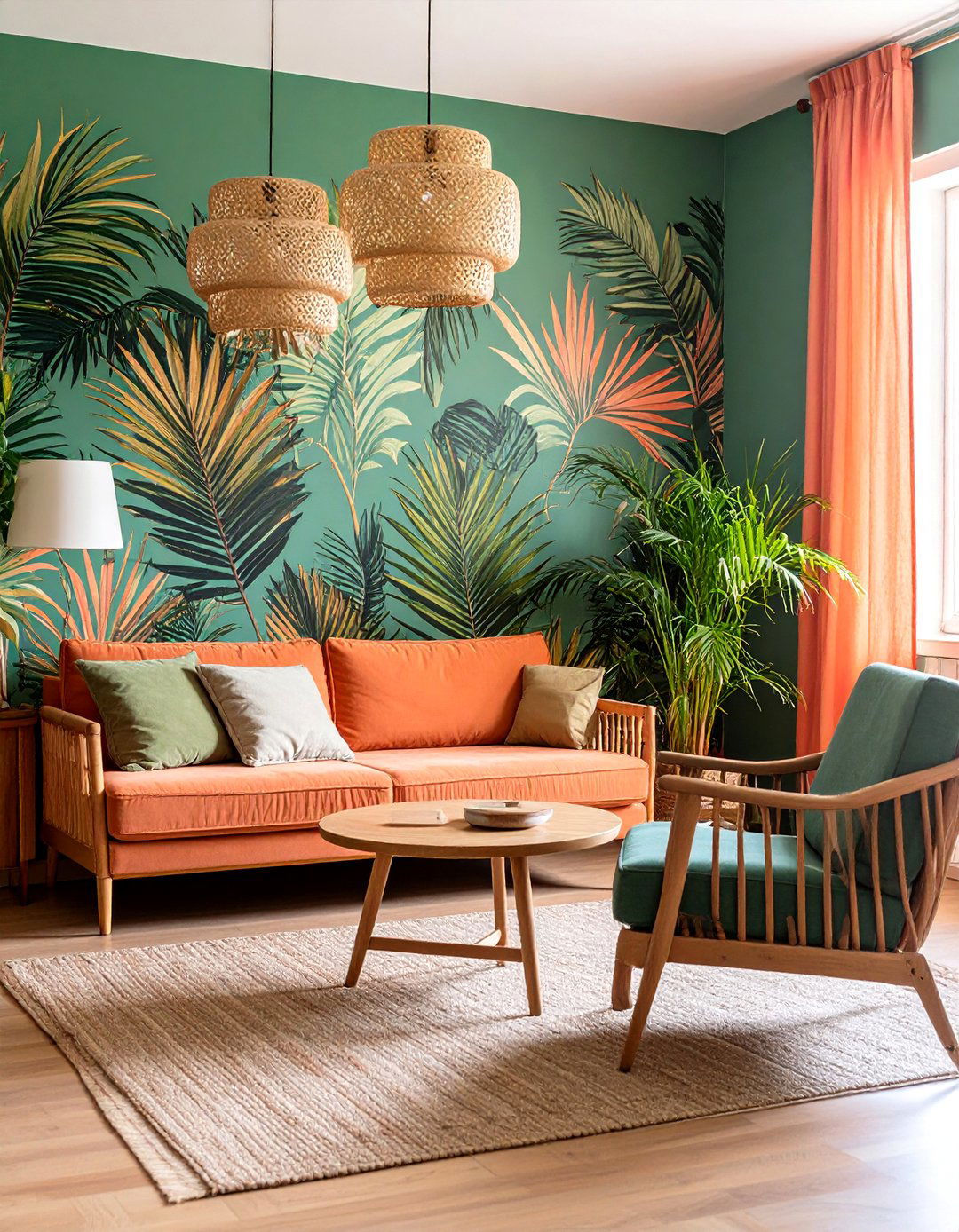
Escape to an exotic paradise without leaving home with a living room inspired by tropical trend gained popularity as soldiers returned from the design is defined by bold, large-scale prints featuring palm fronds, hibiscus flowers, and other tropical patterns appear on drapery, upholstery, and accent made of bamboo or rattan enhances the island color palette is vibrant, with lush greens, bright corals, and sunny yellows set against a neutral background, creating a lively and adventurous living space.
18. The Functional Butler's Pantry
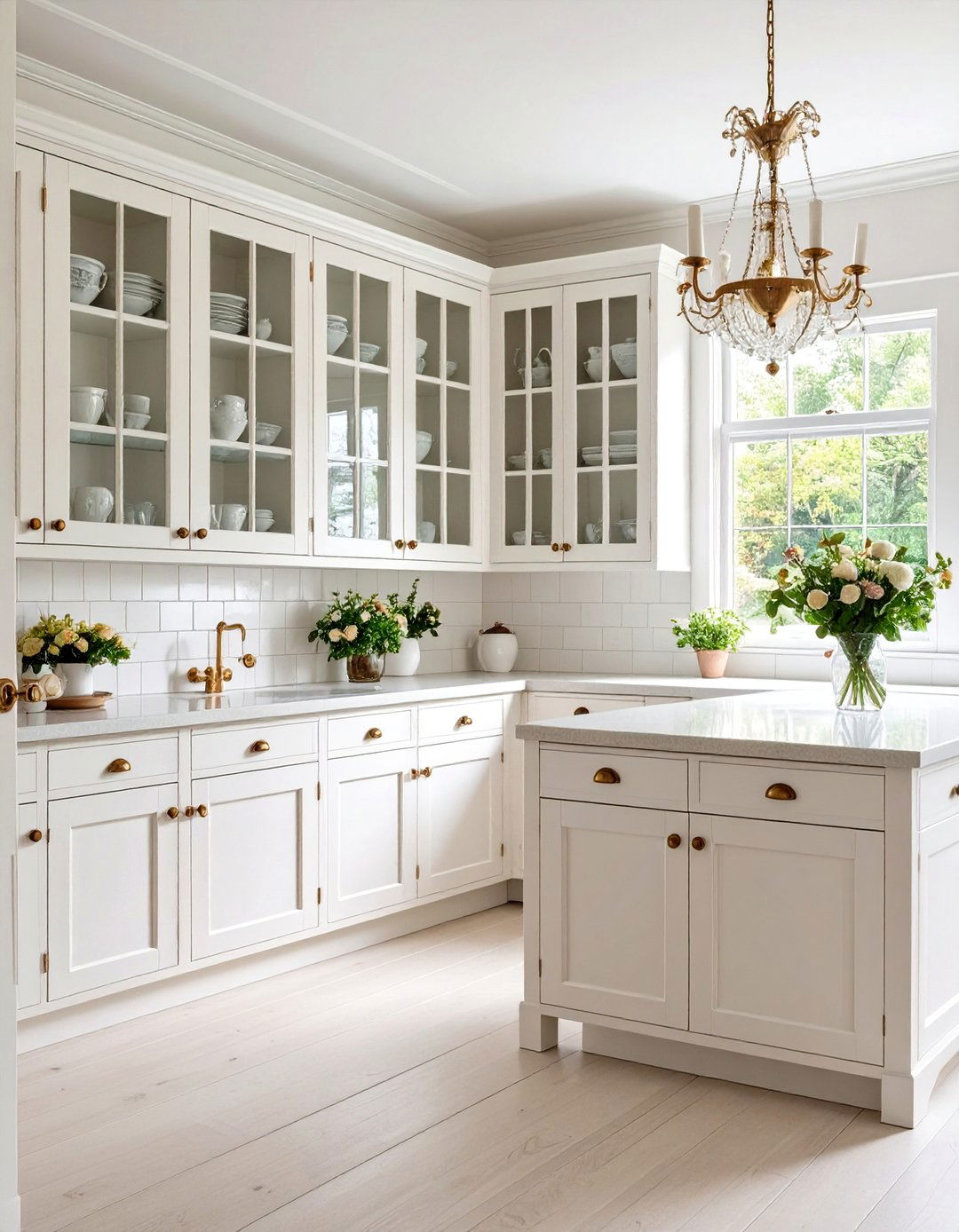
As a transitional space between the kitchen and dining room, the butler's pantry of the 1940s was a model of small but mighty room is all about storage. Floor-to-ceiling cabinetry with simple glass-fronted upper doors allows for the display of fine china and glassware, while solid lower cabinets hide away linens and serving pieces. A durable countertop, perhaps of wood or linoleum, provides a surface for plating design is purely functional, with good lighting and efficient use of every square inch.
19. A Basement Bar with Knotty Pine
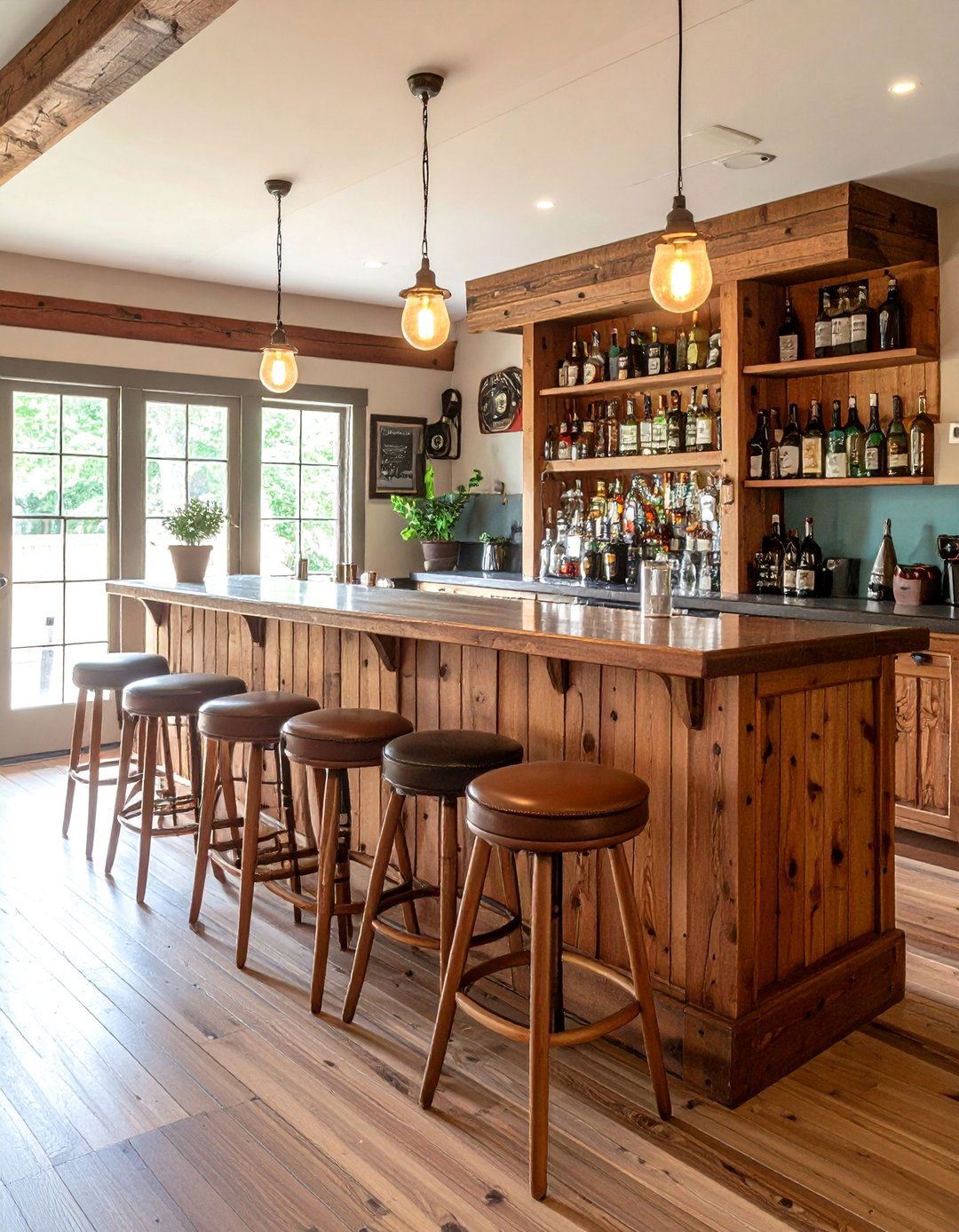
Transform a corner of the basement into the ultimate social hub with a classic knotty pine iconic 1940s feature is all about creating a casual and inviting atmosphere for entertaining bar itself is clad in warm, rustic knotty pine, often with a padded vinyl the bar, open shelves display glassware and bottles. A couple of simple, backless bar stools with vinyl tops provide area is often defined by a change in flooring, perhaps a fun linoleum pattern, setting it apart from the rest of the rec room.

20. The Screened-In Porch Living Area
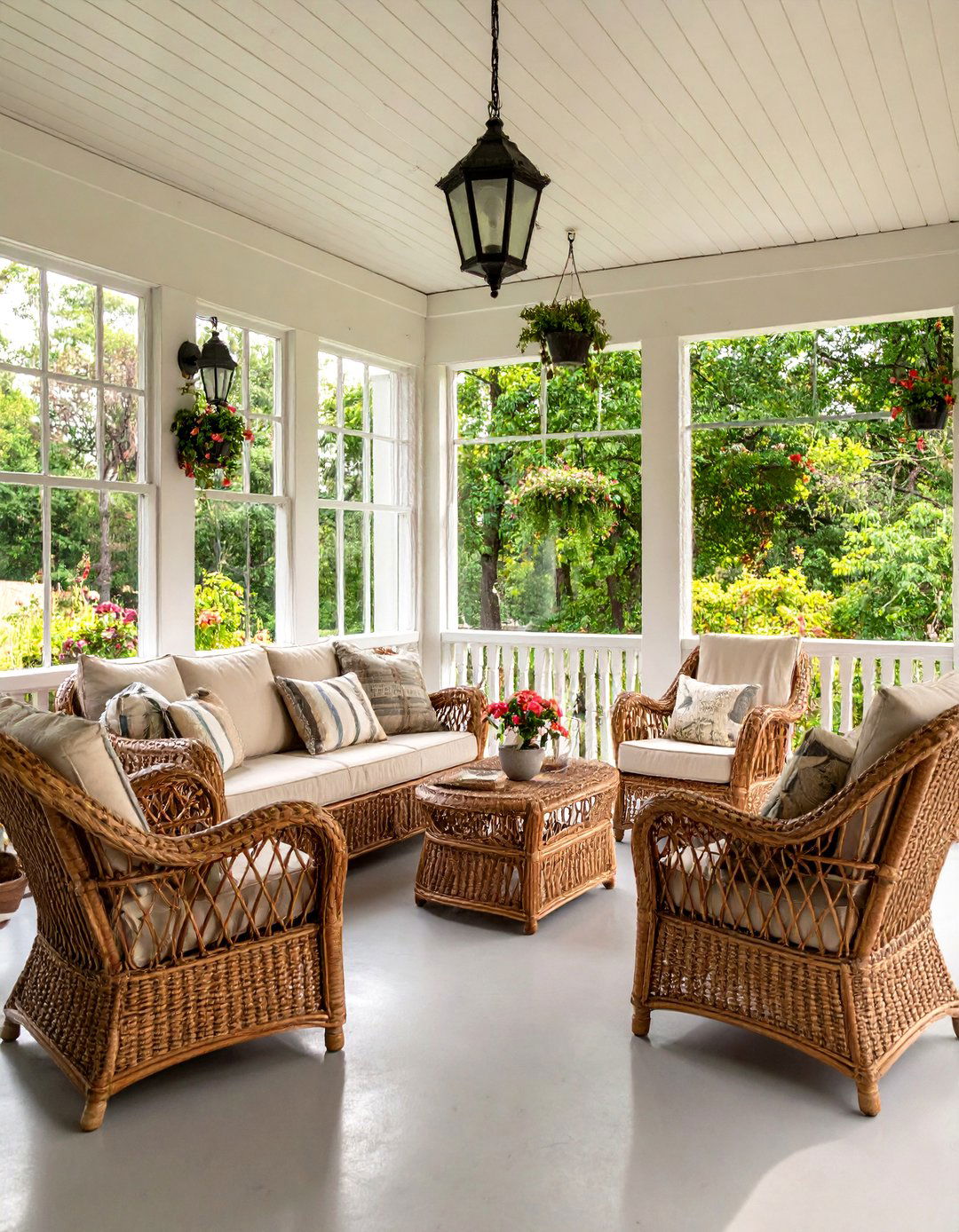
Extend your living space into the fresh air with a 1940s-style screened-in design creates a comfortable, bug-free outdoor flooring is durable and weather-resistant, like painted concrete or outdoor the space with sturdy wicker or metal furniture that can withstand the elements, outfitted with comfortable cushions in a cheerful floral or striped pattern. A porch swing or glider is a classic addition, perfect for lazy ferns and hanging baskets add to the breezy, relaxed ambiance of this beloved transitional space.
21. The Home Music Corner
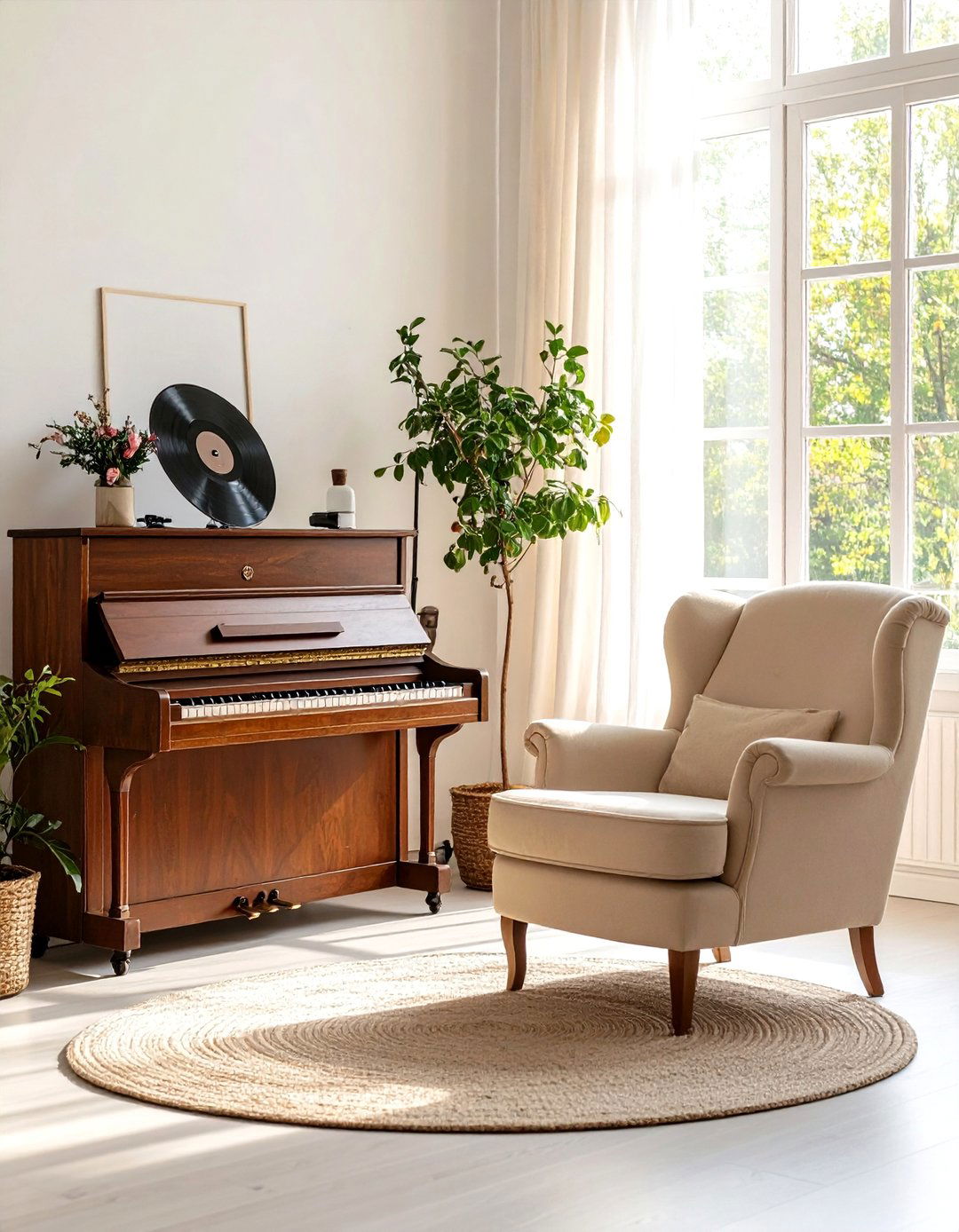
In an era before constant digital entertainment, a dedicated music corner was a cherished part of the space is centered around a large console radio or a record player, which was a substantial piece of furniture in upright piano against a wall was also a common feature. A comfortable armchair is placed nearby for dedicated music might be stored in a simple cabinet or a piano corner isn 't just for listening; it' s a space that encourages active participation in the joy of music.
22. The Sewing and Mending Room
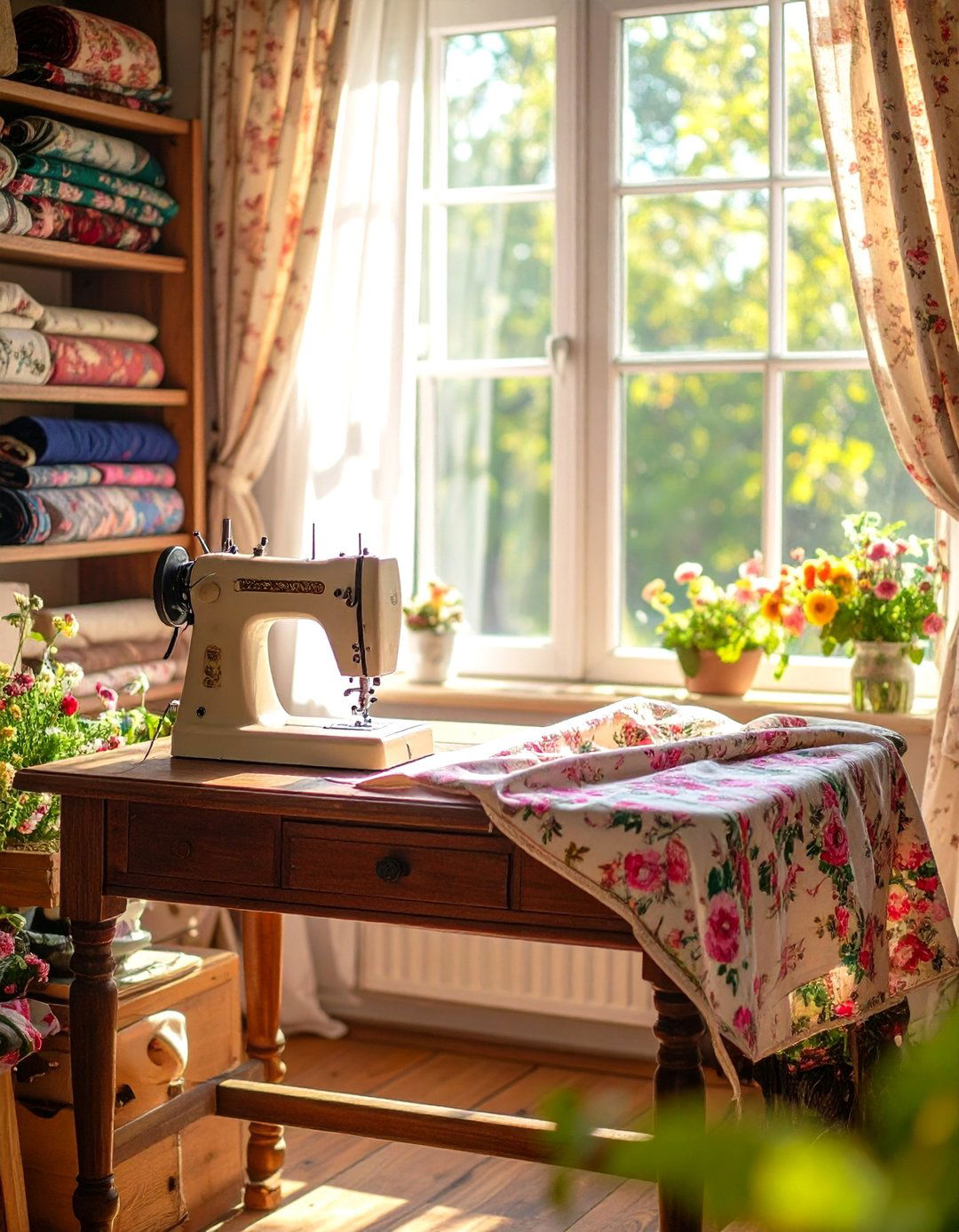
Reflecting the "make do and mend" ethos of the wartime years, a dedicated sewing room was a practical space is organized for creativity and repair. A sturdy wooden table holds the sewing machine, with good task lighting from a nearby window or a dedicated are lined with open shelves or shallow cabinets to store fabric, thread, and patterns. A dress form often stands in a room is bright and functional, with a durable floor that's easy to sweep for stray pins and threads.
23. The Cottage Style Kitchen
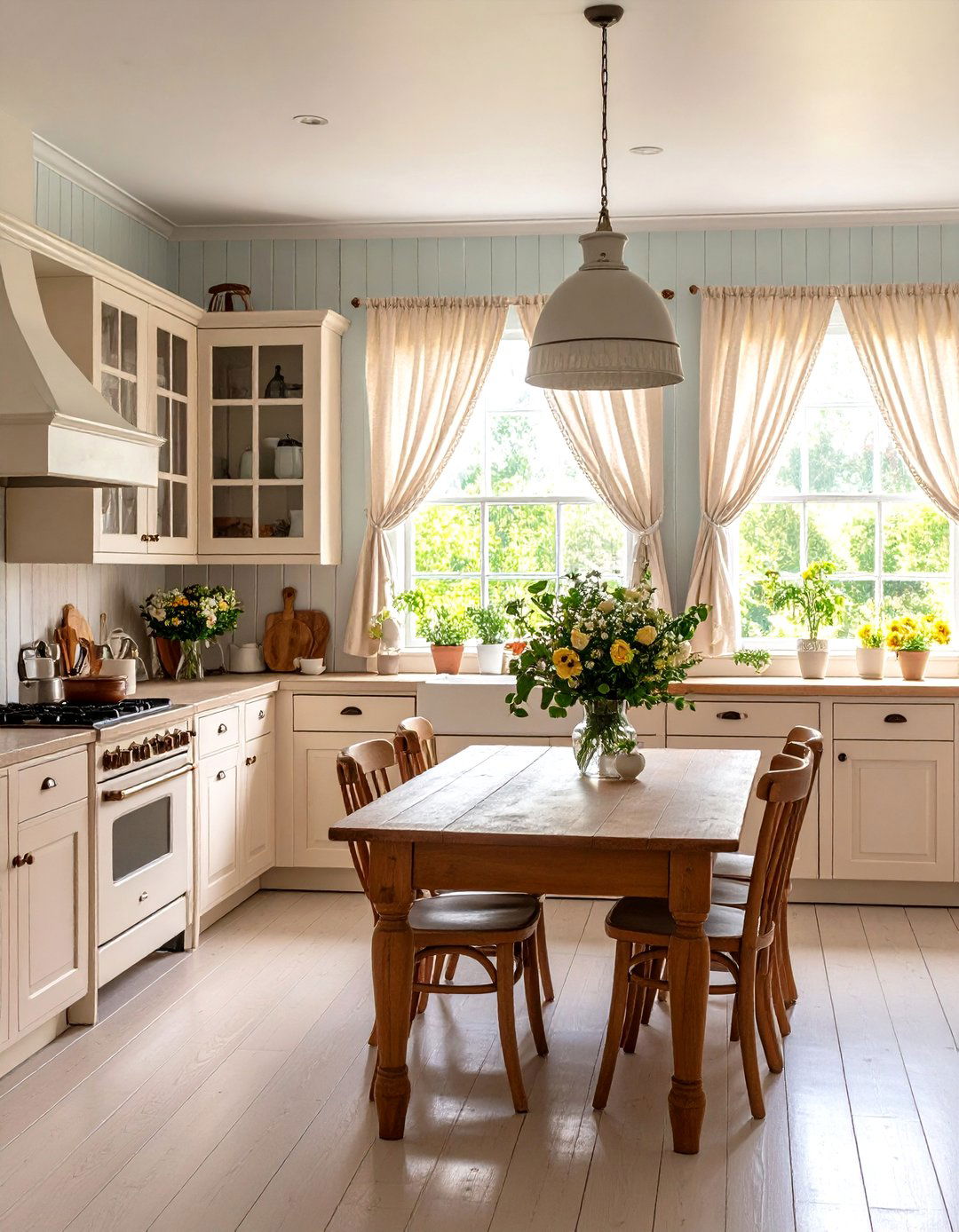
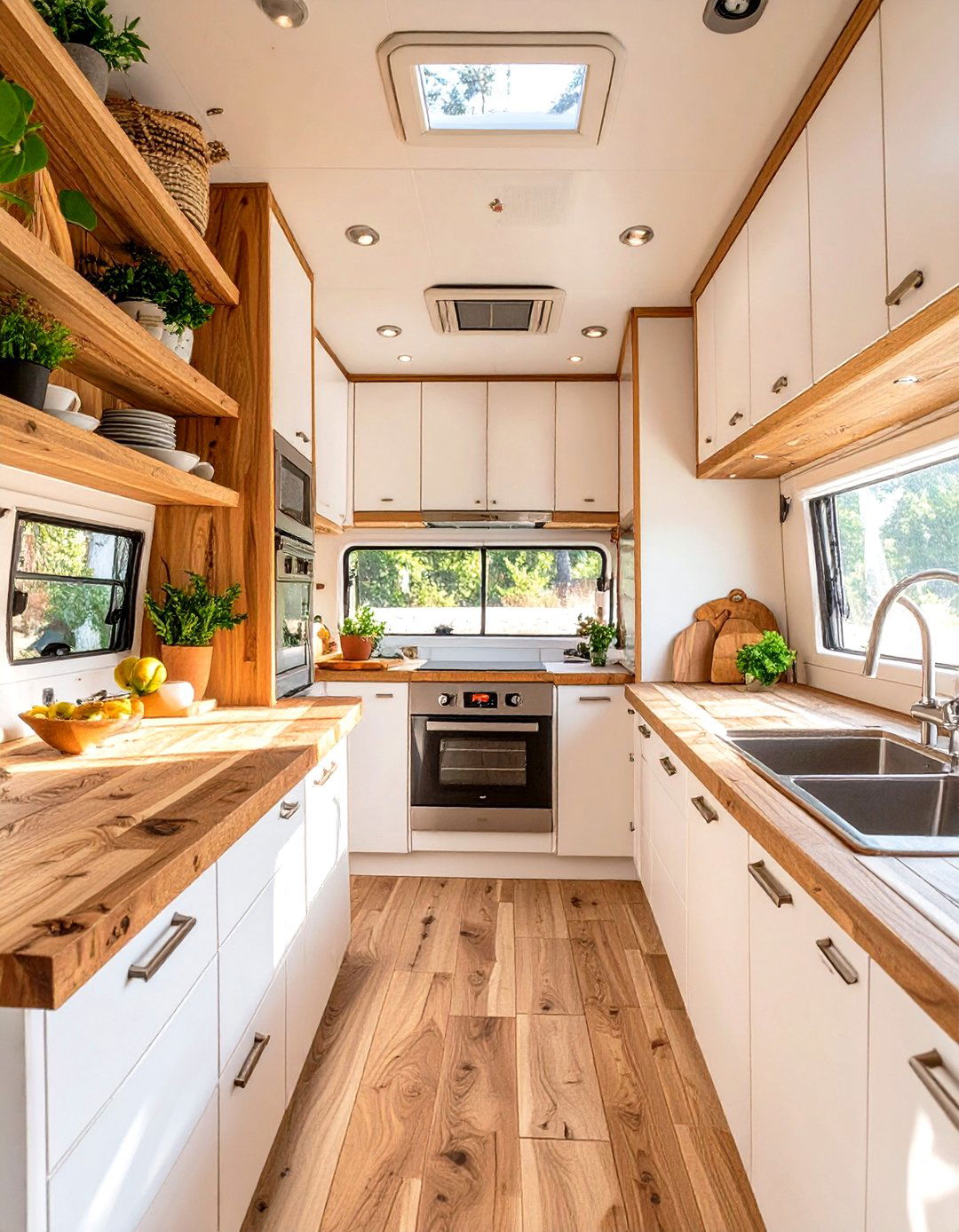
How do you create a kitchen that feels both hardworking and heartwarming? The 1940s cottage style is the design embraces charm and is often painted in a soft color like cream or pale blue, sometimes with the doors removed and replaced with gathered fabric shelving displays everyday dishes and colorful pottery. A simple wooden table and chairs sit in the center of the room, ready for meal prep or a quick snack. Beaded-board wainscoting and cheerful gingham curtains complete this unpretentious and welcoming look.
24. A Library with Built-In Bookshelves
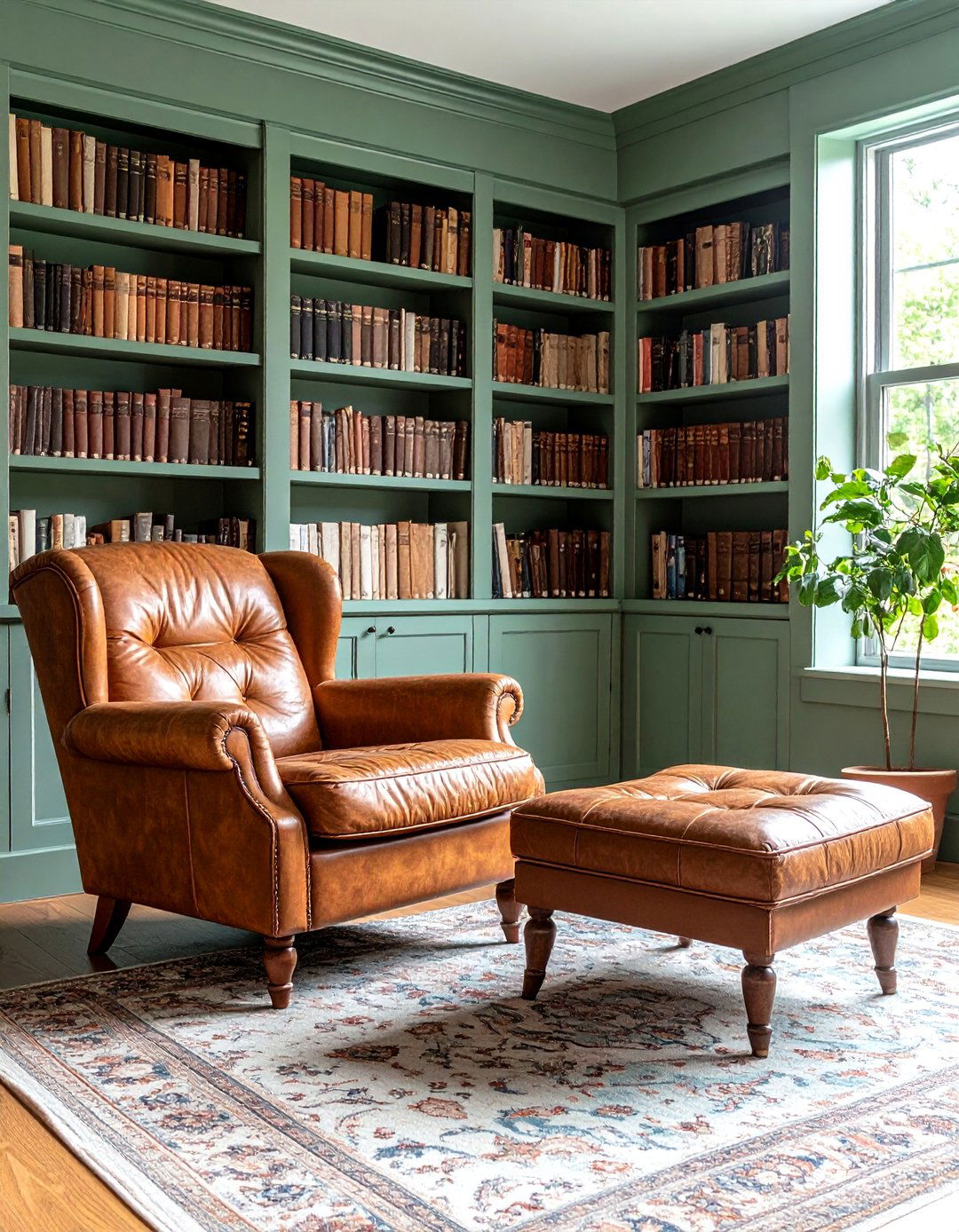
For the avid reader, a home library with floor-to-ceiling built-in bookshelves is a dream come the 1940s, these were often painted the same color as the walls, creating a seamless, integrated look that makes the books themselves the main decoration. A comfortable, well-worn leather club chair and ottoman invite hours of reading. A rolling ladder might be included for accessing higher lighting is essential, with overhead fixtures supplemented by focused reading lamps, crafting a quiet, immersive sanctuary for literary escape.
25. The Dual-Purpose Living and Dining Room
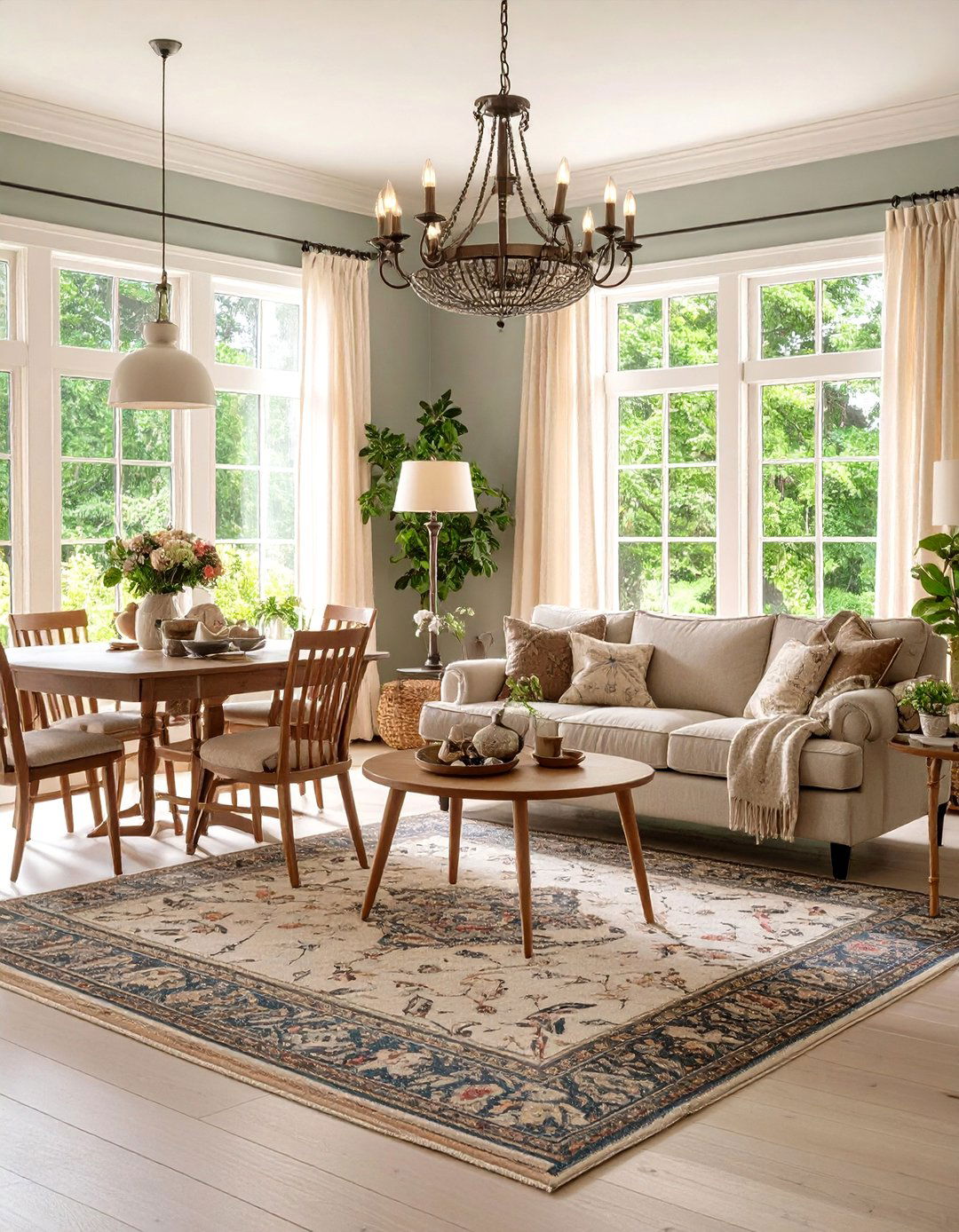
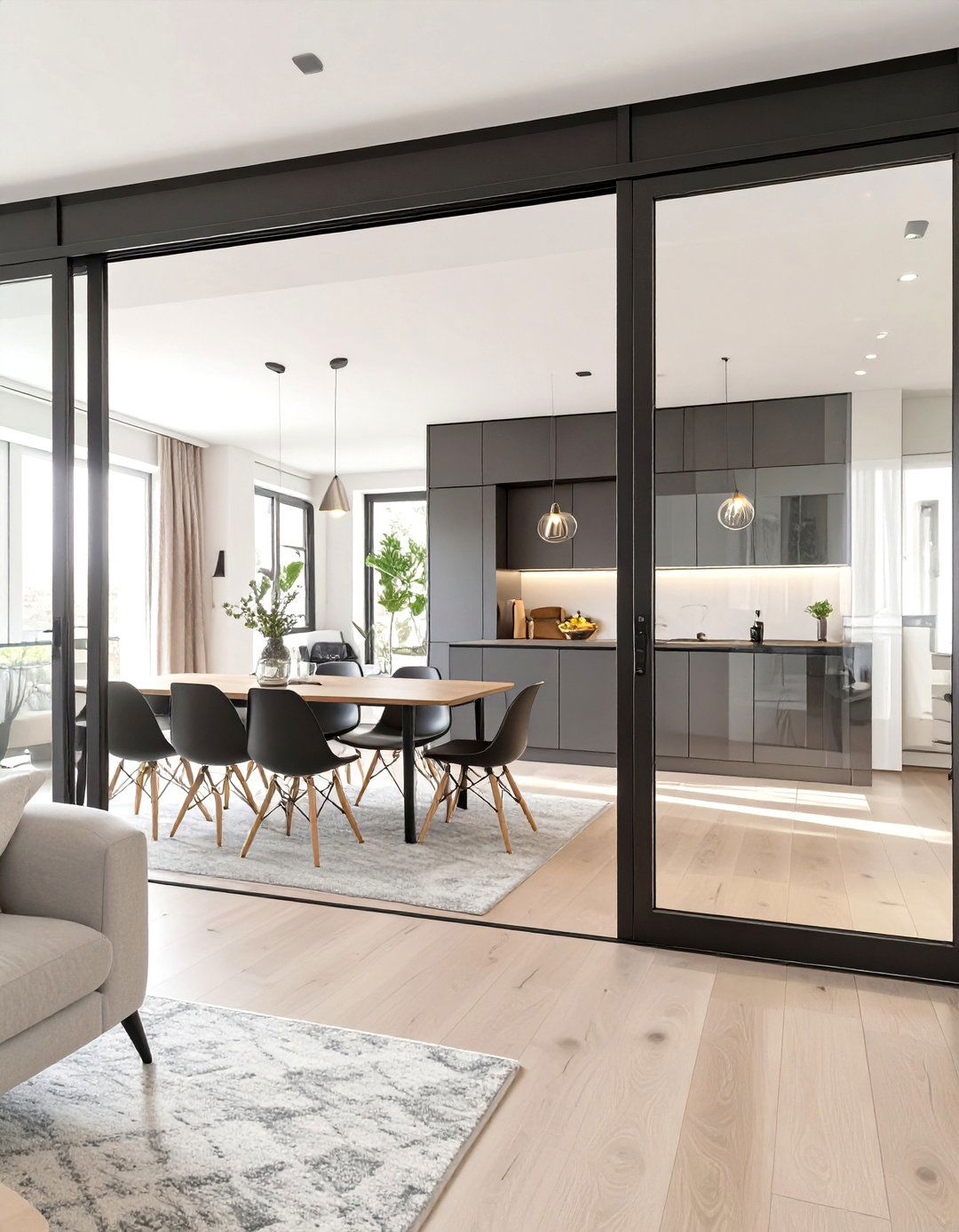
In many 1940s homes, space was at a premium, leading to clever dual-purpose rooms. A combined living and dining area is defined by smart furniture living room section is anchored by a sofa and a couple of armchairs arranged around a coffee table, creating a distinct conversation dining area is set off to one side, often featuring a simple dining set. A large area rug can be used to visually separate the two functions while maintaining a cohesive flow, making the single space feel both spacious and organized.
26. The Bold Wallpapered Powder Room
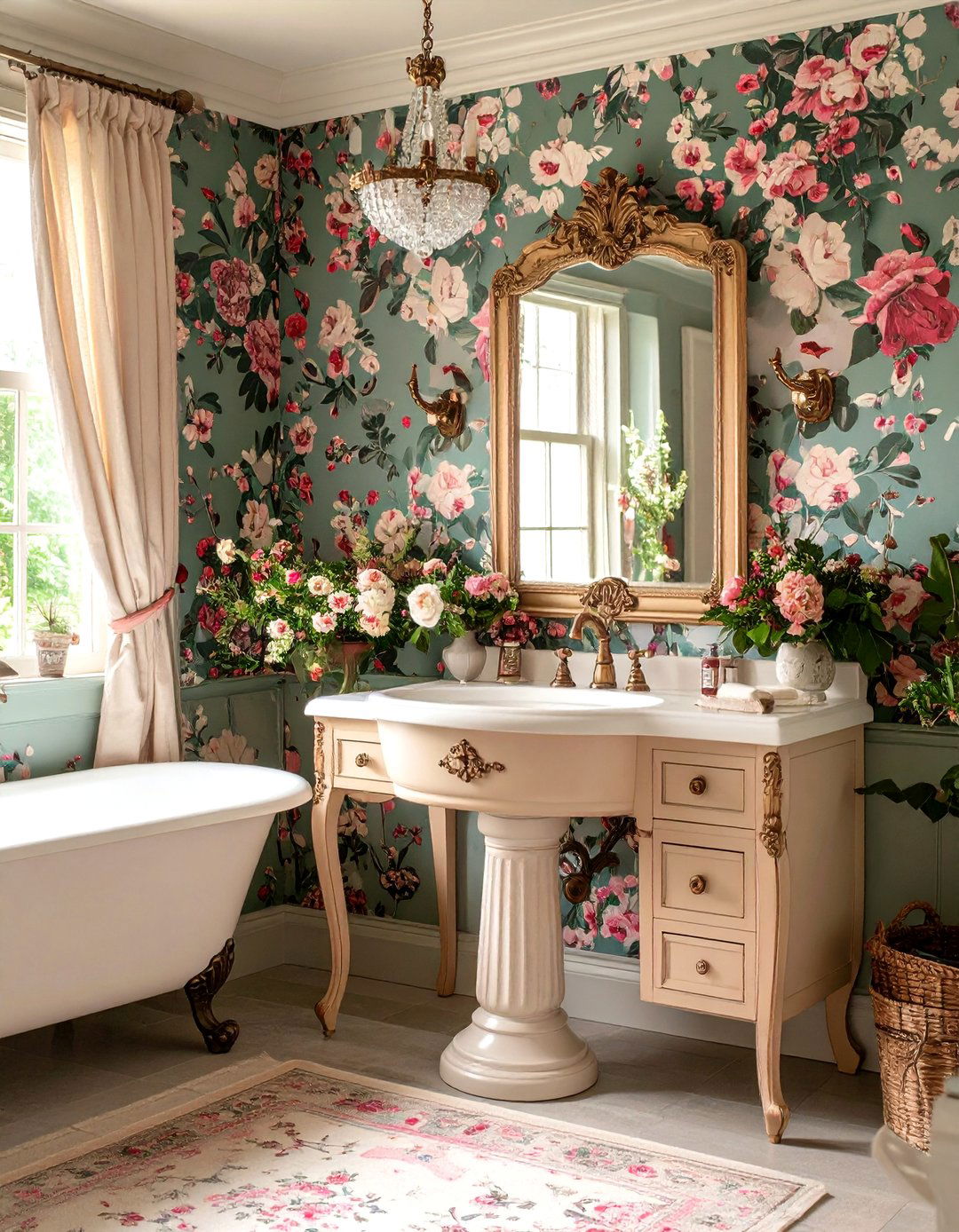
Even the smallest room in the house can make a big 1940s powder room was often a place for bold design choices. Don't be shy with wallpaper; choose a large-scale floral, a dramatic geometric, or a novelty conversational the room is small, you can afford to be extravagant. A simple pedestal sink and a toilet are the only fixtures needed. A small, perhaps ornately framed mirror and a single sconce or small ceiling fixture provide the finishing touches to this jewel-box space that is sure to surprise and delight guests.
27. The Sun-Drenched Artist's Studio
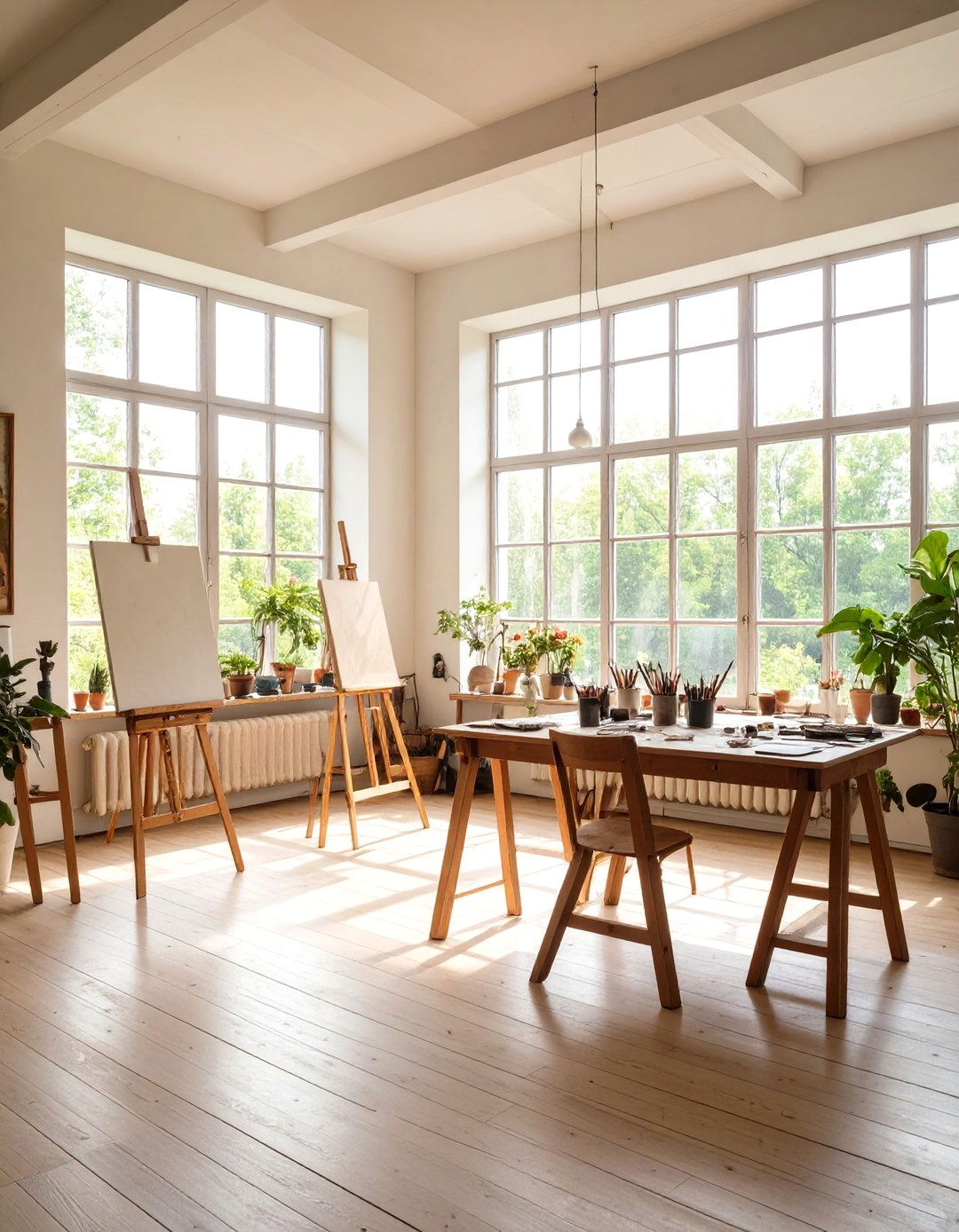
Do you dream of a space that nurtures your creative spirit? A 1940s-inspired artist 's studio is all about light and situated in an attic or a room with large windows, this space prioritizes natural design is utilitarian, with bare wood floors that can handle paint splatters and simple, whitewashed walls that don' t distract the is minimal and functional: an easel, a large work table, and plenty of open shelving or simple crates for storing supplies. It's a raw, inspiring environment where creativity can flourish.
28. The Tiled Hearth and Mantelpiece

The fireplace was the heart of the 1940s home, and its design reflected a sturdy, welcoming aesthetic. A tiled hearth and surround were common features, often using tiles in shades of green, brown, or burgundy, sometimes with a subtle mantelpiece itself was typically simple and robust, made of dark-stained provided the perfect stage for displaying family photographs in simple frames, a decorative clock, and a pair of created a strong, comforting focal point for the entire living room to gather around.
29. The Plaid-Infused Den or Family Room
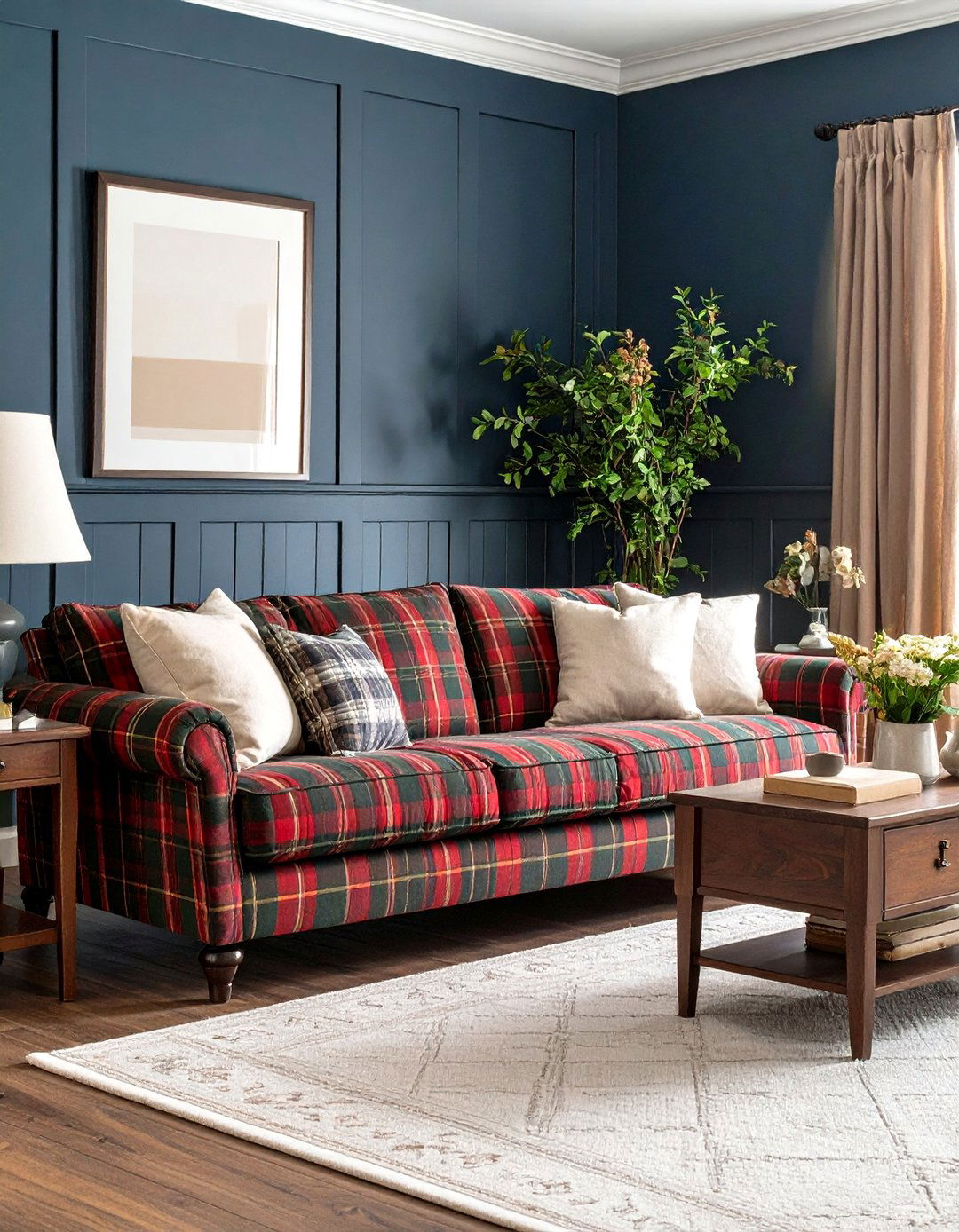
What pattern speaks of comfort and tradition more than plaid? A 1940s den is the perfect place to showcase this timeless plaid upholstery on a comfortable sofa or a pair of armchairs to create a cozy, lodge-like the plaid with solid-colored walls in a deep, warm hue like forest green or wood furniture and perhaps a few rustic, nature-inspired decorative pieces enhance the comfortable, informal room is designed for relaxation, conversation, and unwinding with family at the end of a long day.
30. The Simple Guest Bedroom
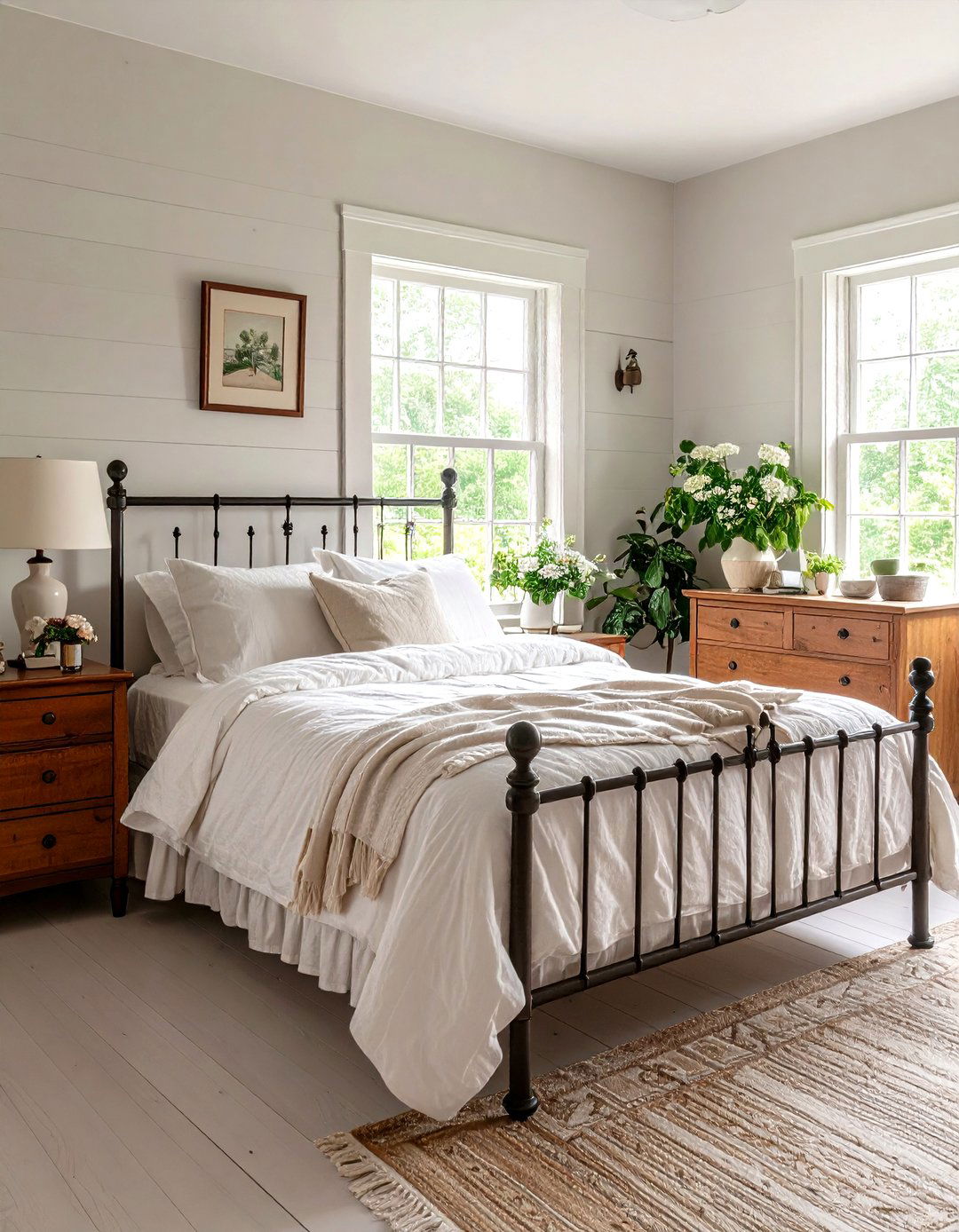
A 1940s guest bedroom is defined by its simple, uncluttered, and welcoming furniture is straightforward: a sturdy metal or simple wood bed frame, a small dresser, and a single side bed is dressed in a crisp, clean chenille or matelassé color scheme is light and neutral, creating a restful environment. A small bedside table with a simple lamp and perhaps a single vase with fresh flowers are the only accessories goal is to provide a comfortable and tidy space for visitors without any unnecessary fuss.
Conclusion:
The interior design of the 1940s was a direct reflection of its time — a blend of resilience, practicality, and a deep-seated desire for comfort and the patriotic palettes and victory garden sunrooms to the glamorous echoes of Hollywood and the streamlined efficiency of modern kitchens, these styles tell a story of making a house a true emphasis on durable materials, functional layouts, and cheerful patterns created spaces that were not just lived in, but thirty ideas show the era's incredible versatility, offering a wealth of inspiration for creating timeless, warm, and inviting interiors today.

Related posts:


Leave a Reply