
Creating a therapy office that feels safe, welcoming, and conducive to healing is a foundational aspect of a successful practice. The decor is more than just an aesthetic choice; it's a therapeutic tool that can help clients feel at ease, fostering trust and openness from the moment they walk in. A well-designed space communicates care and professionalism, setting a non-verbal tone that supports the therapeutic journey. By thoughtfully selecting colors, textures, furniture, and lighting, a therapist can craft an environment that actively contributes to a client's sense of comfort and security, enhancing the effectiveness of every session.

1. 1\\. Soothing Earth-Tone Color Palettes
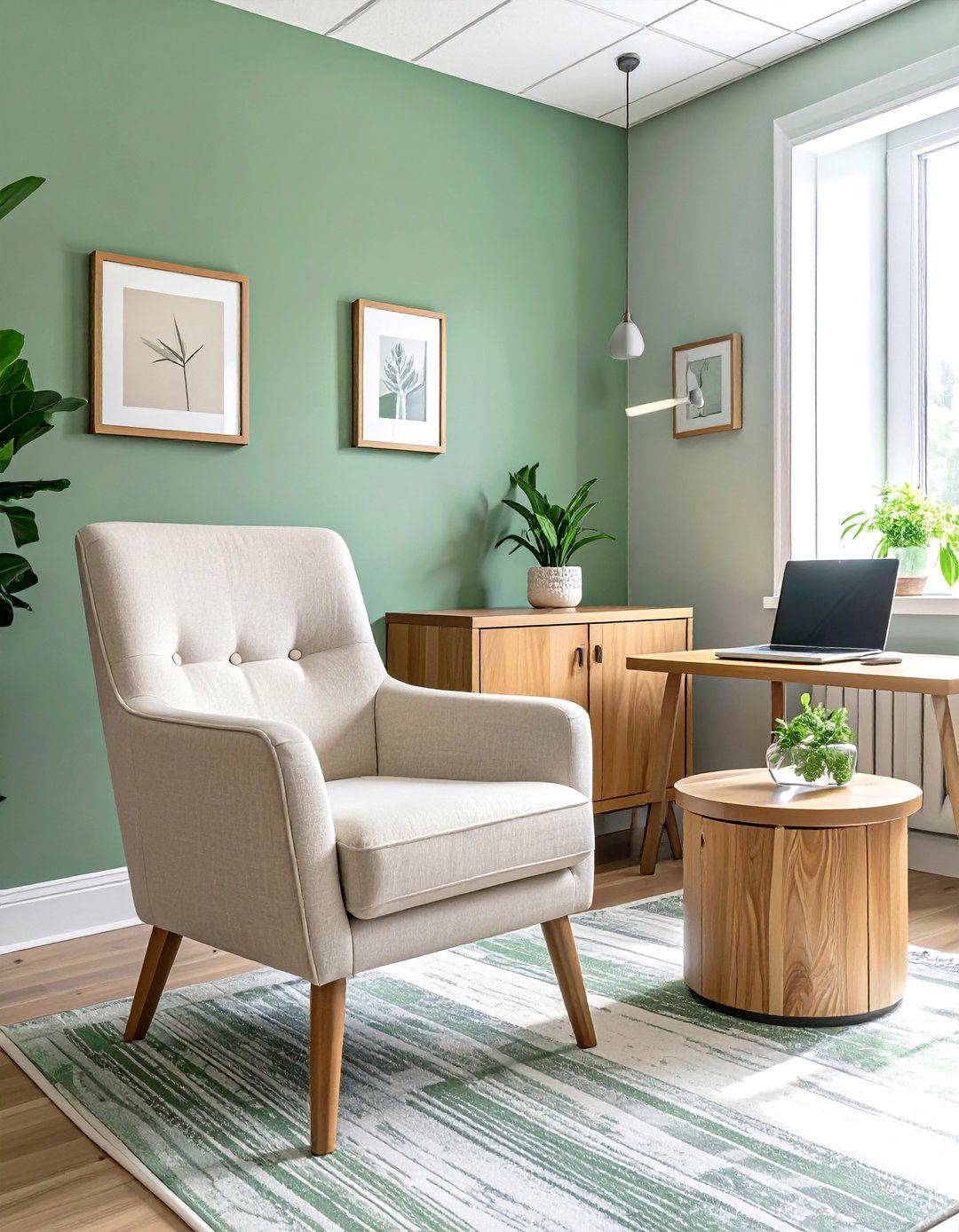
A foundational element of a calming atmosphere is the use of soothing earth-tone color palettes. Consider painting walls in soft shades of sage green, muted beige, warm taupe, or gentle greys. These colors are grounded and closely associated with the natural world, which can subconsciously reduce anxiety and promote a sense of stability. Unlike stark white or overly bright colors that can feel clinical or overwhelming, earthy tones create a nurturing and welcoming cocoon. This backdrop allows for feelings of safety and tranquility, helping clients to relax and engage more deeply in the therapeutic process without visual distraction.
2. 2\\. Biophilic Design with Low-Maintenance Plants
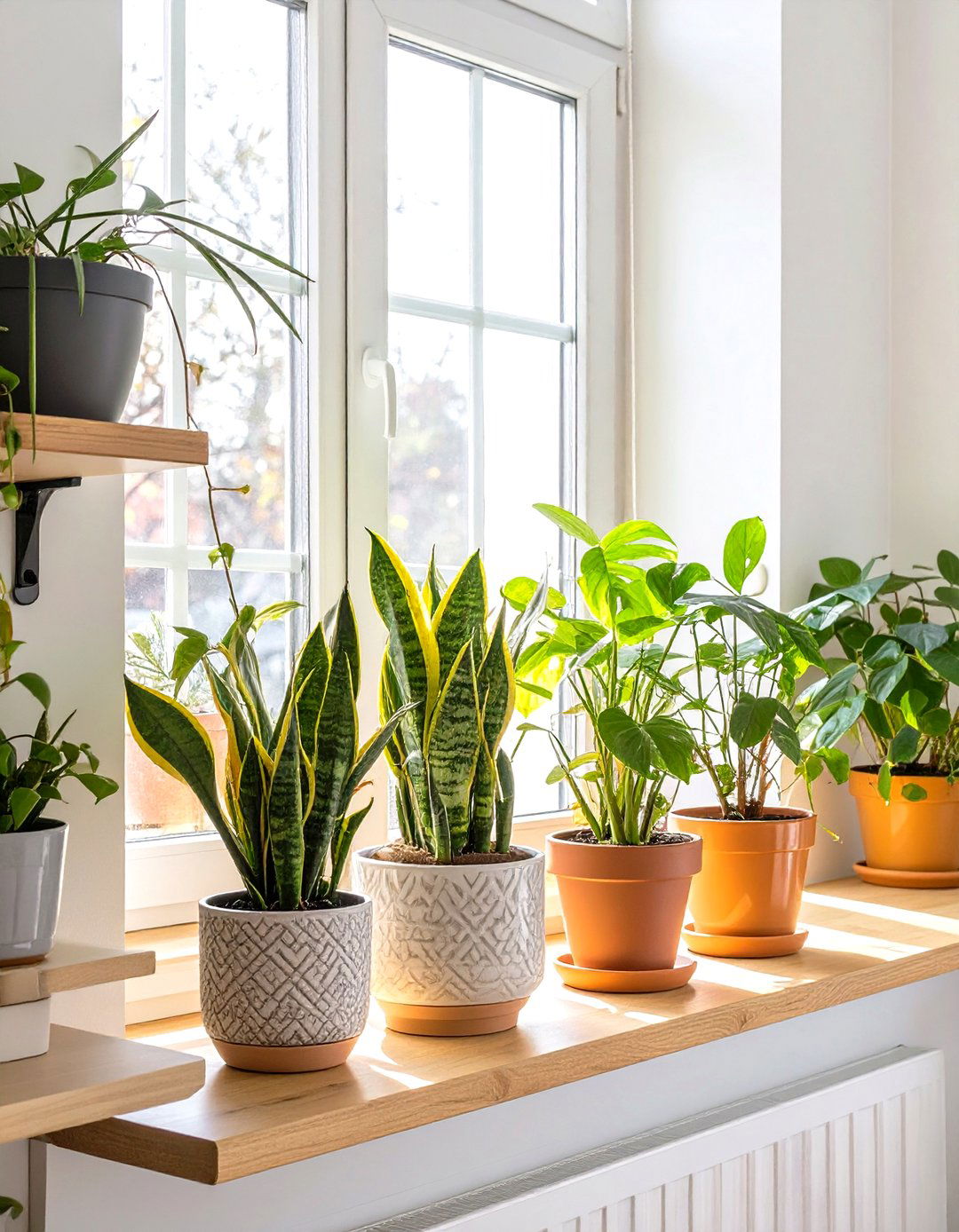
Bringing nature indoors through biophilic design has proven benefits for mental well-being. Incorporating low-maintenance plants like snake plants, ZZ plants, or pothos adds life and vitality to the office. These plants not only improve air quality but also provide a visual connection to the natural world, which can be inherently calming and restorative. Placing them on shelves, in corners, or on a windowsill introduces organic shapes and gentle greenery that softens the environment. This simple addition helps to create a space that feels less sterile and more like a sanctuary for growth and reflection, grounding clients in the present moment.
3. 3\\. Comfortable, Supportive Seating
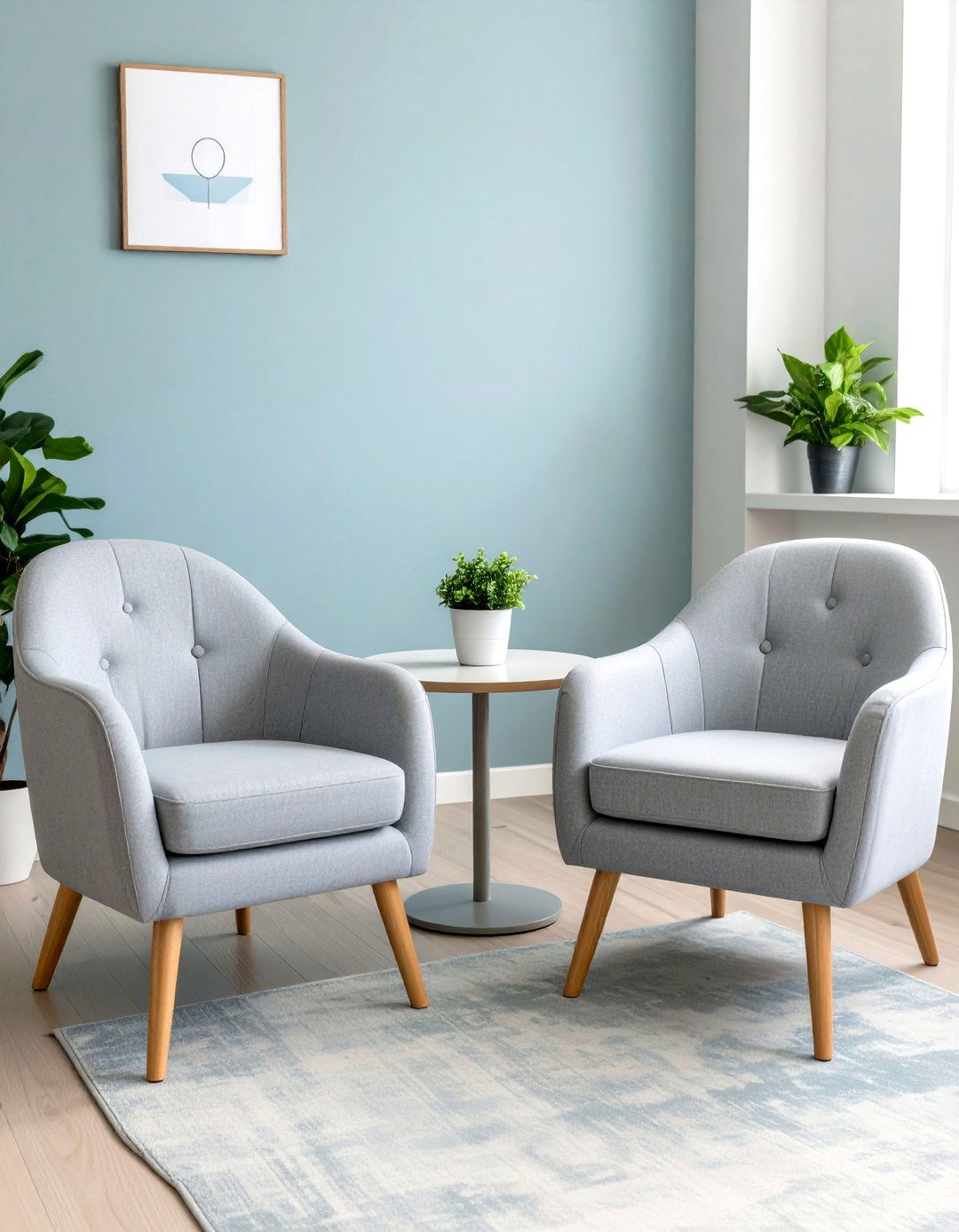
The choice of seating is paramount for both client and therapist comfort during sessions. Opt for chairs or a sofa with plush, supportive cushions and soft upholstery like boucle, velvet, or a durable fabric blend. The seating should be deep enough to allow for a relaxed posture but not so deep that it feels engulfing. Providing two distinct but equally comfortable chairs establishes a sense of equality in the room. This focus on physical comfort sends a clear message that the client's well-being is a priority, helping them to settle in and feel physically secure throughout the session.
4. 4\\. Layered and Dimmable Lighting
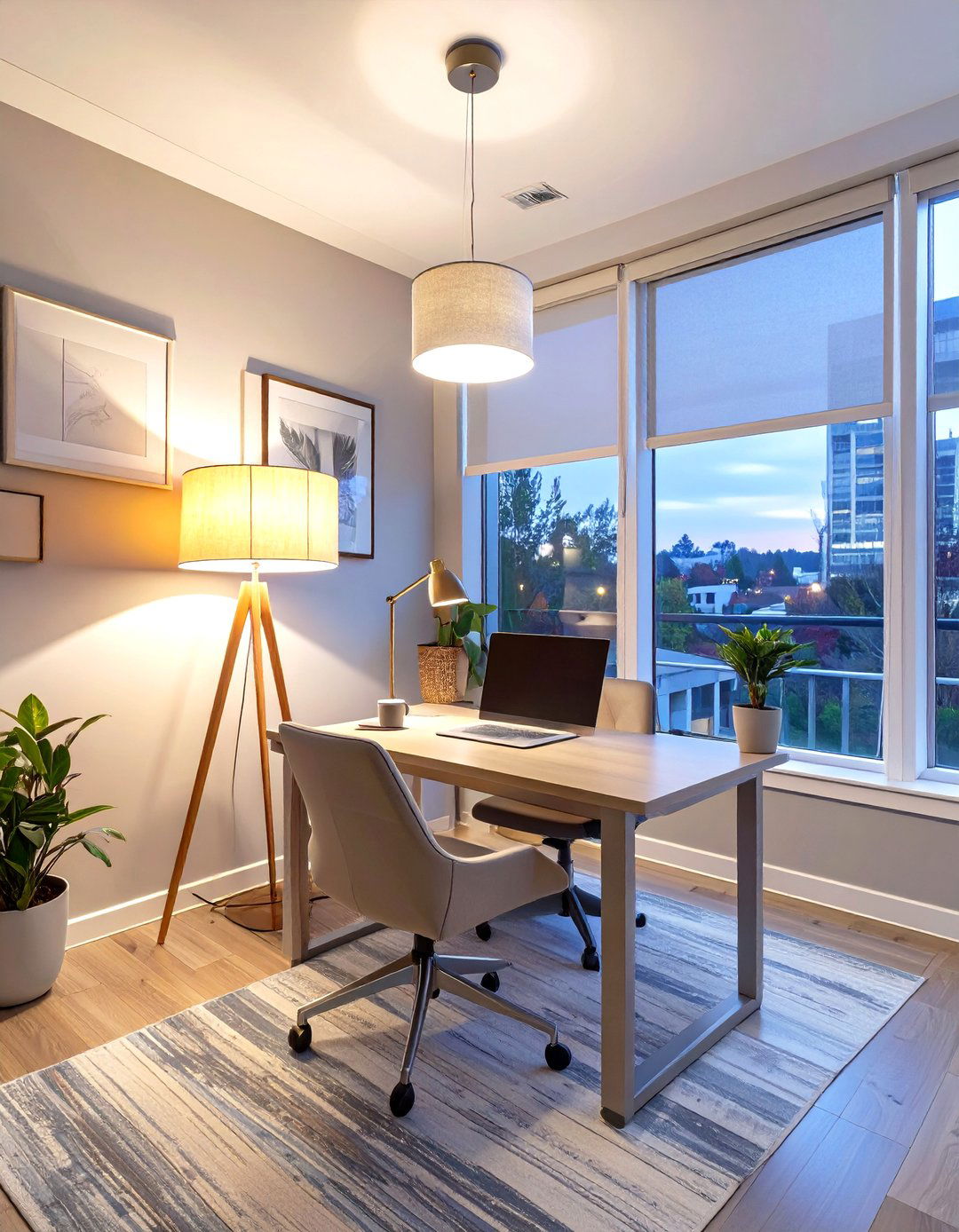
Controlling the ambiance through lighting is a powerful tool. Instead of relying solely on harsh overhead fluorescent lights, incorporate a layered lighting scheme. Use a combination of floor lamps, table lamps, and perhaps a main fixture with a dimmer switch. This allows you to adjust the brightness to suit the time of day, the mood of the session, or the client's preference. Soft, warm-toned bulbs (around 2700K) create a cozy, intimate glow that is far more inviting than cool, blue-toned light. This thoughtful approach to lighting helps eliminate a clinical feel and fosters a warm, confidential atmosphere.
5. 5\\. Soft, Textured Area Rugs
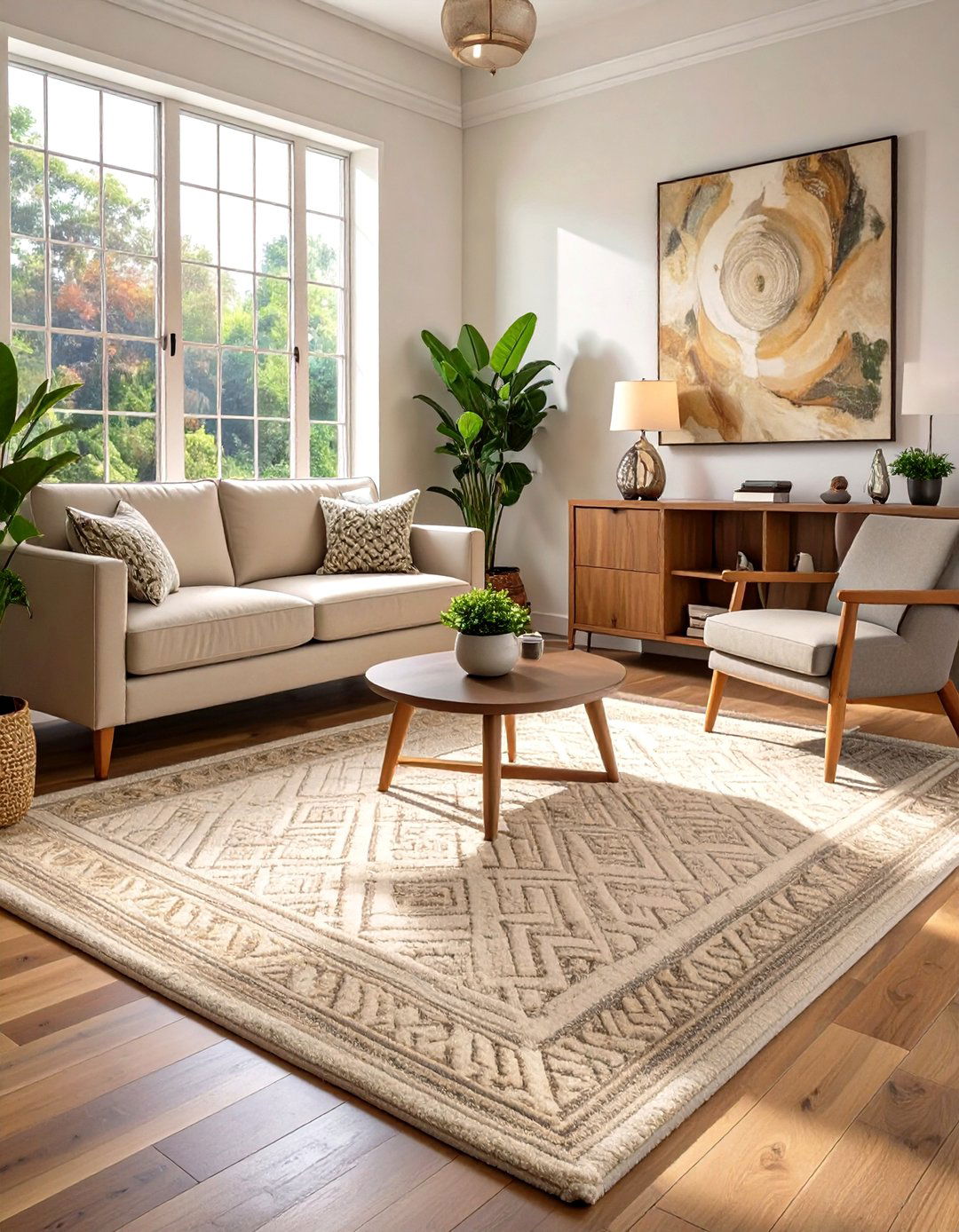
A soft, textured area rug can instantly transform the feel of a therapy office. It works to define the seating area, absorb sound, and add a significant layer of warmth and comfort underfoot. Choose a rug with a plush pile or a gentle pattern in a calming color that complements your overall palette. The texture provides sensory comfort and makes the space feel more like a living room than an office, breaking down formal barriers. This single element can anchor the room's decor, tying all the furniture together while making the entire space feel more grounded and inviting.
6. 6\\. Abstract and Nature-Inspired Artwork
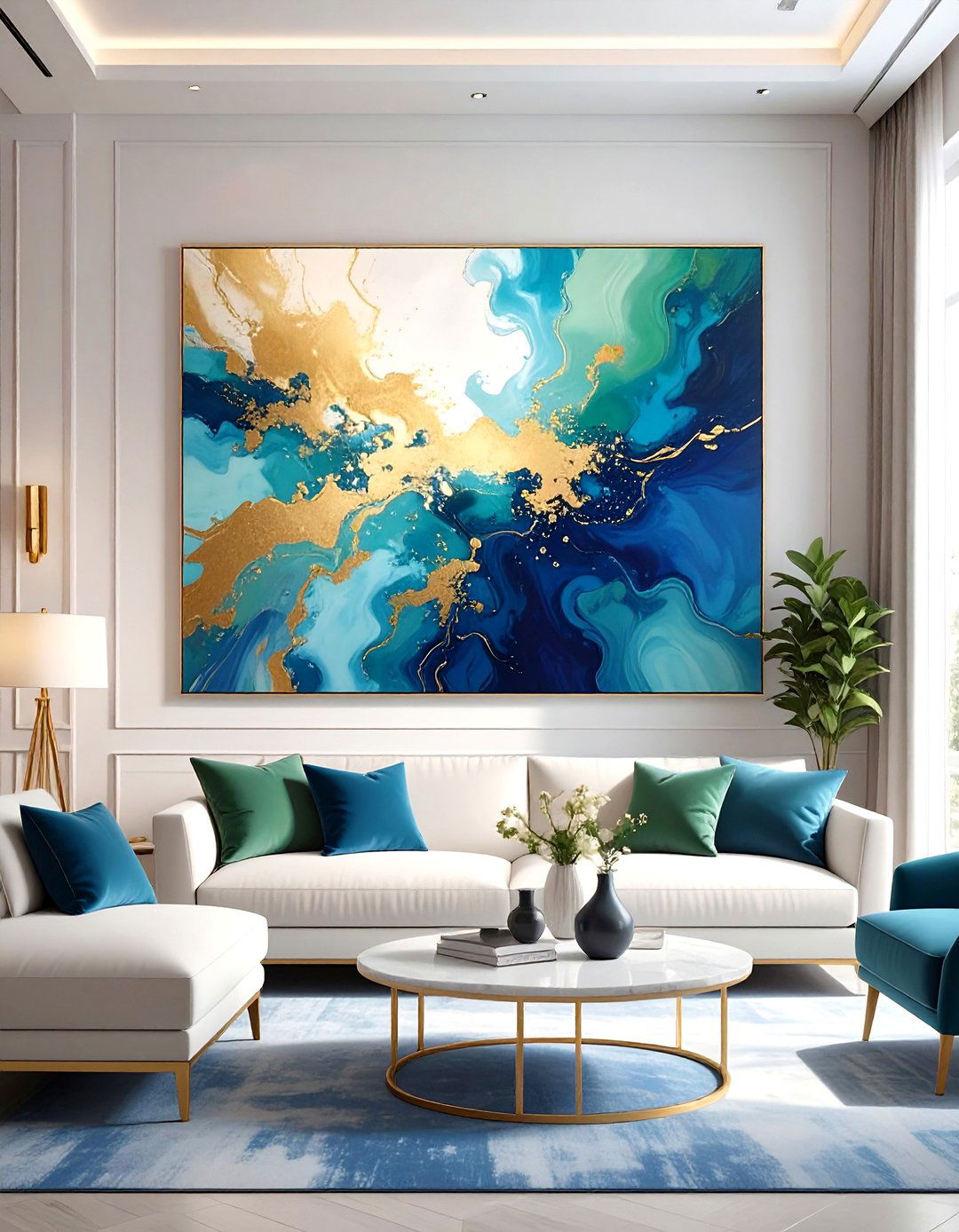
Art can profoundly influence the mood of a room, and in a therapy office, the right pieces can be therapeutic. Select abstract or nature-inspired artwork that evokes feelings of calm, hope, or contemplation. Avoid pieces with overly complex or potentially distressing imagery. Landscapes, serene waterscapes, or fluid abstract forms in soothing colors can provide a gentle focal point for the eyes. The art should be a quiet, supportive presence in the room, contributing to a sense of peace without demanding attention, allowing clients a space for mental rest and reflection during their session.
7. 7\\. Clutter-Free and Organized Storage

A tidy, organized space promotes a clear and focused mind. Invest in stylish and functional storage solutions to keep clutter out of sight. Closed cabinets, elegant credenzas, or decorative boxes can house paperwork, books, and other necessary supplies. By maintaining a minimalist and uncluttered environment, you reduce visual stress and create a tangible sense of order and calm. This demonstrates professionalism and respect for the therapeutic space, ensuring that the focus remains entirely on the client and the conversation, free from the distraction of disorganization. It signals a well-managed and safe environment for important work.
8. 8\\. Incorporating Natural Wood Elements
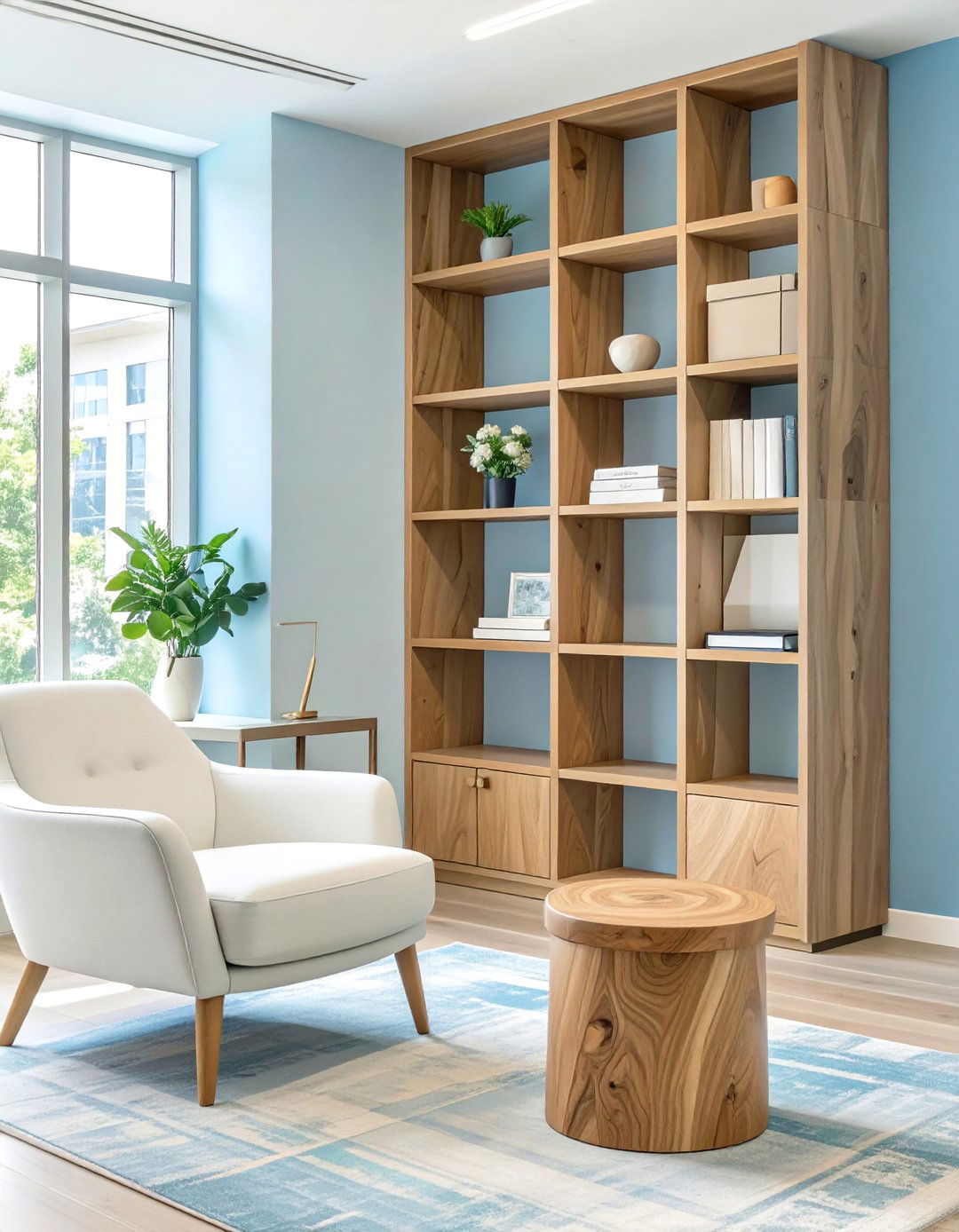
The use of natural wood elements brings warmth and an organic touch to a therapy office. Consider a wooden bookshelf, a side table with a natural grain, or picture frames made of oak or walnut. The texture and tone of wood connect the space to nature, creating a feeling of stability and timelessness. It’s a material that feels solid and reliable, which can subconsciously reassure clients. Whether it's in the furniture, flooring, or small decorative accents, wood helps to soften the room and balance out other design elements, contributing to a space that feels both professional and deeply grounding.
9. 9\\. Personal Yet Professional Touches
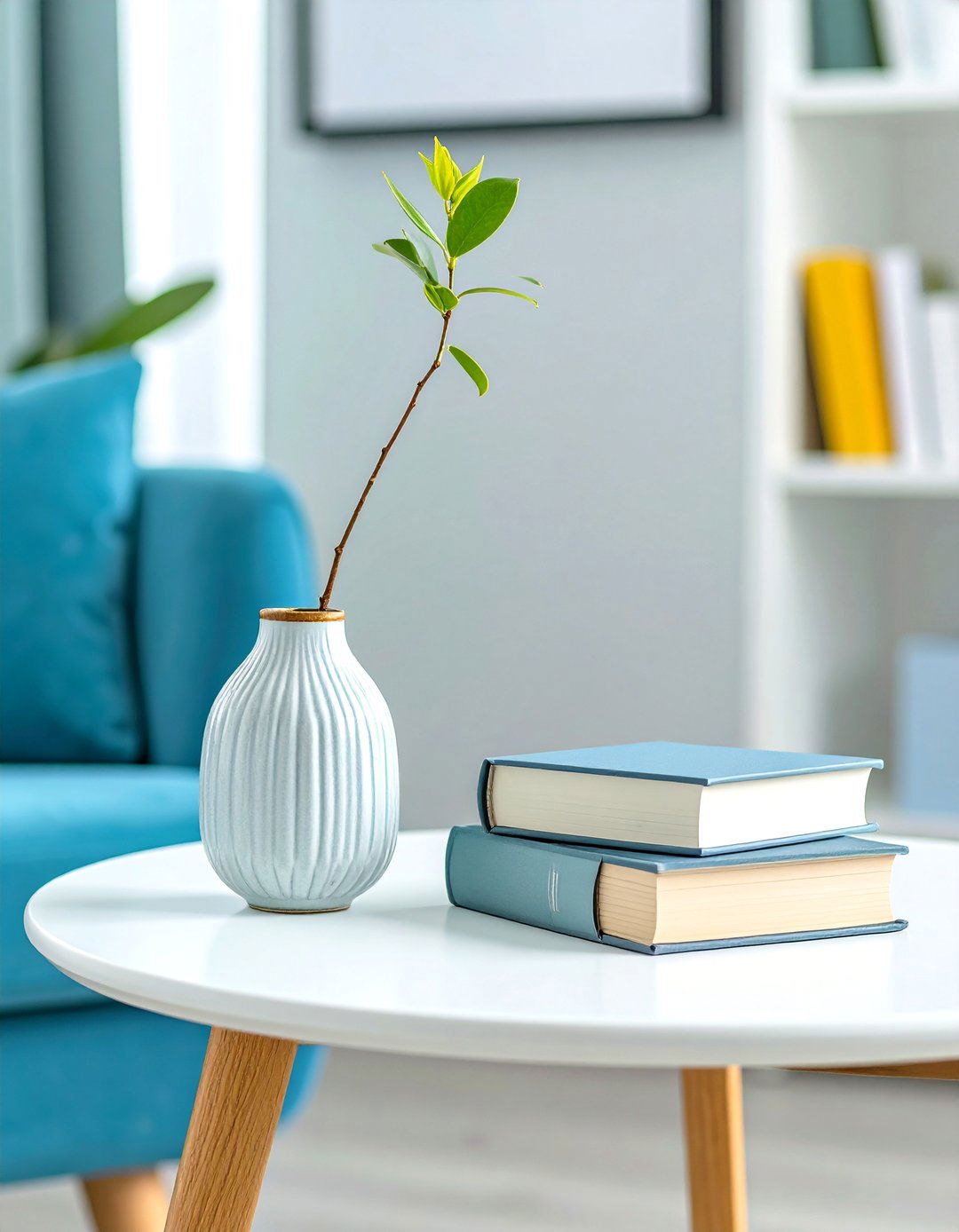
While maintaining a professional boundary is crucial, adding small, personal touches can make the office feel more authentic and human. This could be a unique ceramic vase, a carefully selected book on a side table, or a small, sculptural object. These items should reflect a sense of taste and intention without revealing overly personal information. They serve to make the space feel curated and lived-in, rather than staged or impersonal. This subtle personalization helps to build rapport, showing the therapist's personality in a contained way and making the environment feel less sterile and more like a genuine, welcoming space.
10. 10\\. Sound-Absorbing Decor
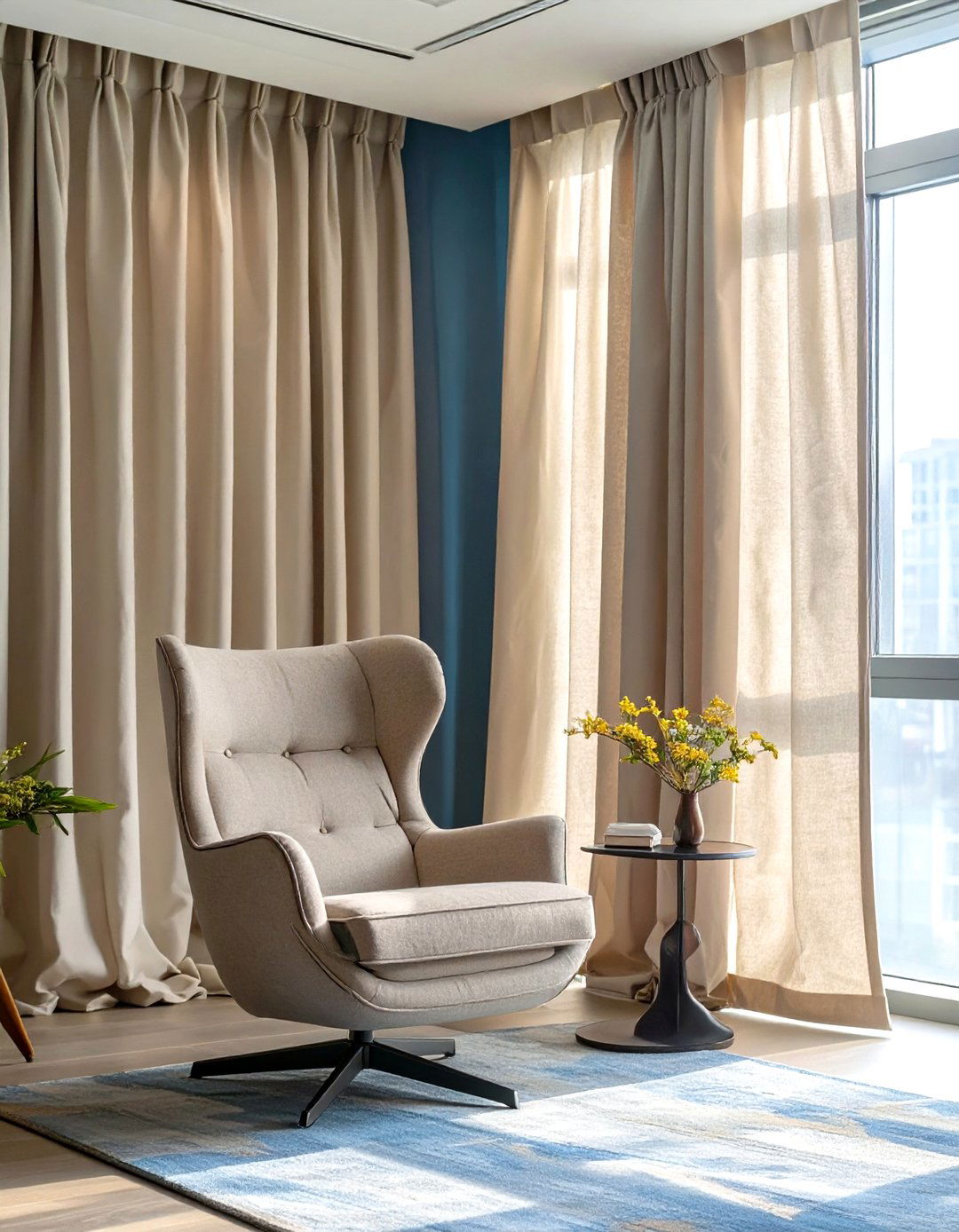
Ensuring privacy is essential, and decor can play a key role in sound absorption. In addition to area rugs, consider adding heavy drapery, upholstered furniture, and even acoustic art panels. Fabric wall hangings or a bookshelf filled with books can also help to muffle sound, preventing echoes within the room and dampening noise from outside. This not only enhances the sense of confidentiality but also creates a quieter, more serene environment where clients feel safe to speak freely. These functional decor choices are critical for building a foundation of trust and ensuring the therapeutic container remains secure.
11. 11\\. Offering a Comfort Station
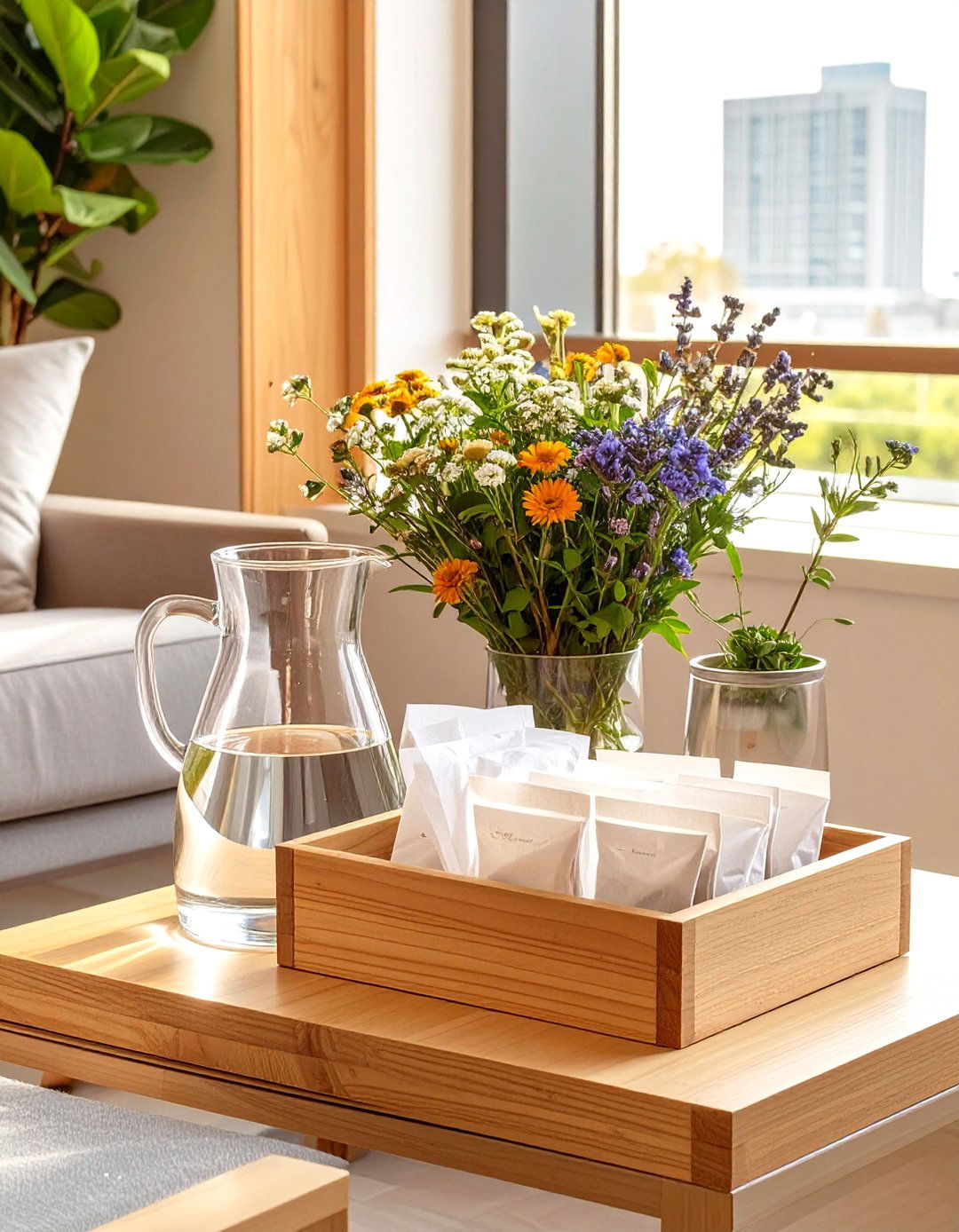
A small, dedicated comfort station can be a remarkably thoughtful addition. Designate a small table or corner with a selection of amenities for clients. This can include a carafe of water, a selection of herbal teas, and soft tissues. Some therapists also offer a small bowl of smooth stones or other fidget objects. This simple gesture communicates care and anticipates the client's needs, empowering them to take what they need to feel more comfortable during the session. It’s a tangible way to show hospitality and create an environment where clients feel looked after and supported from the start.
12. 12\\. Use of Weighted Blankets or Cushions
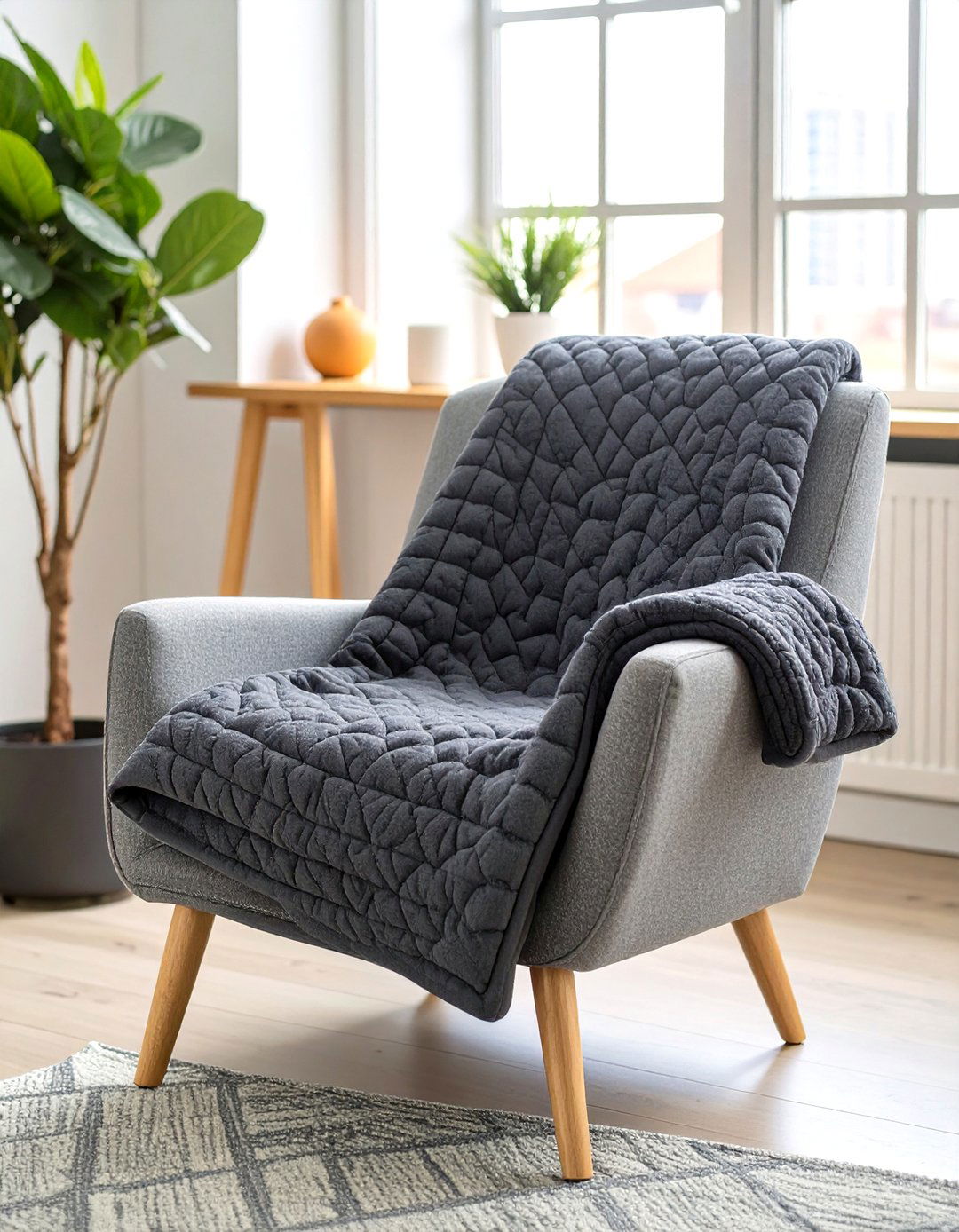
For clients who experience anxiety or sensory overload, providing a weighted blanket or lap cushion can be an invaluable tool. Neatly fold a stylish weighted blanket and drape it over the back of an armchair or keep it in a nearby basket. The deep pressure stimulation it provides has a calming effect on the nervous system, helping to ground a person and reduce feelings of distress. Offering this as an option shows an understanding of different client needs and provides a tangible comfort measure that goes beyond simple conversation, making the space more adaptive and supportive.
13. 1\\\u003cstrong\\\u003e3. Mindful Scent Diffusion\\\u003c/strong\\\u003e
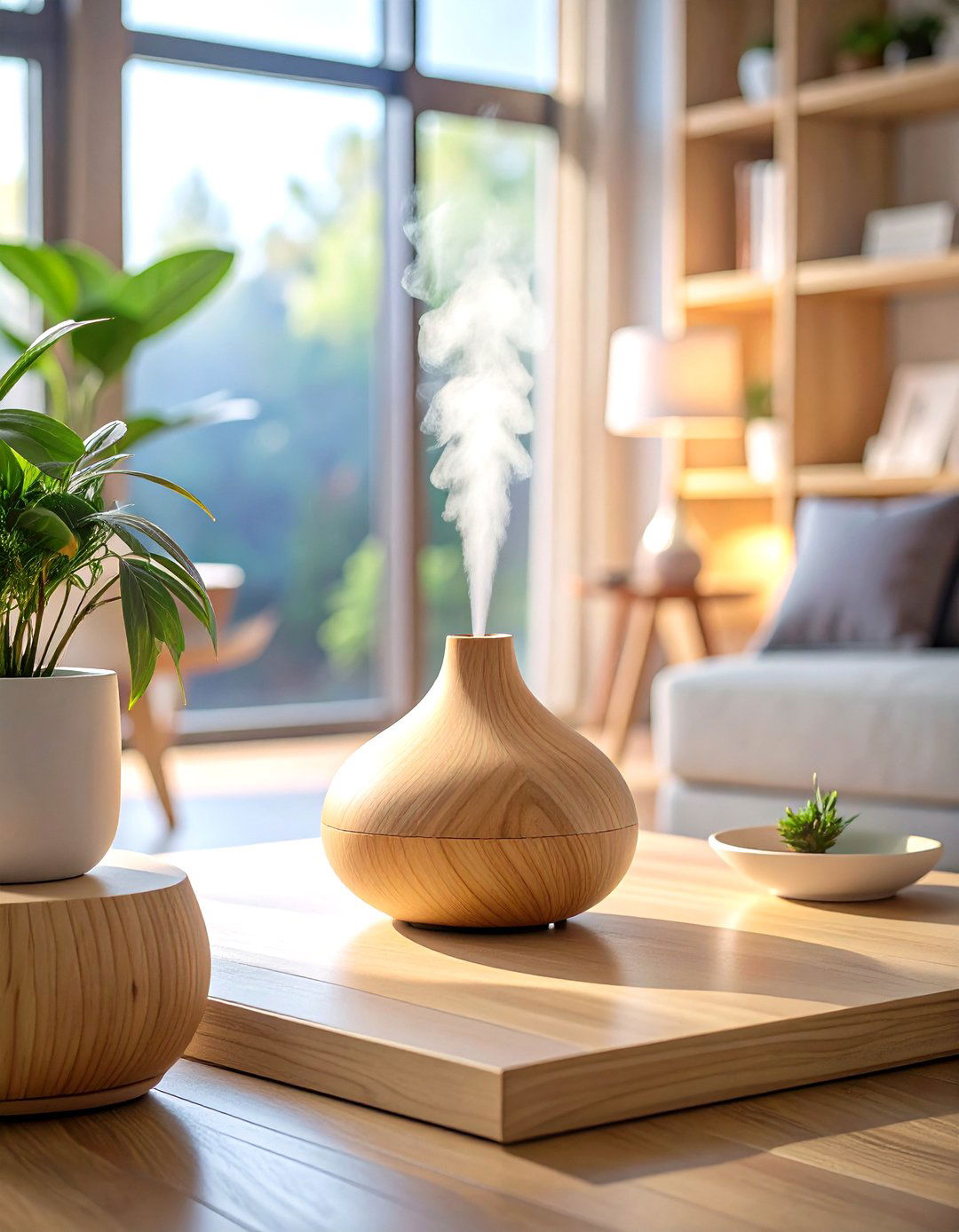
A subtle, calming scent can enhance the therapeutic environment, but it must be used with care. Opt for a high-quality essential oil diffuser with a gentle, natural scent like lavender, chamomile, or sandalwood. It is crucial to use a very light touch and always check with new clients about scent sensitivities or allergies. The goal is a barely-there aroma that promotes relaxation, not an overpowering fragrance. When used mindfully, a gentle scent can help signal to the brain that this is a place of calm and safety, aiding in the transition into the therapeutic mindset.
14. 14\\. Creating Symmetrical Balance
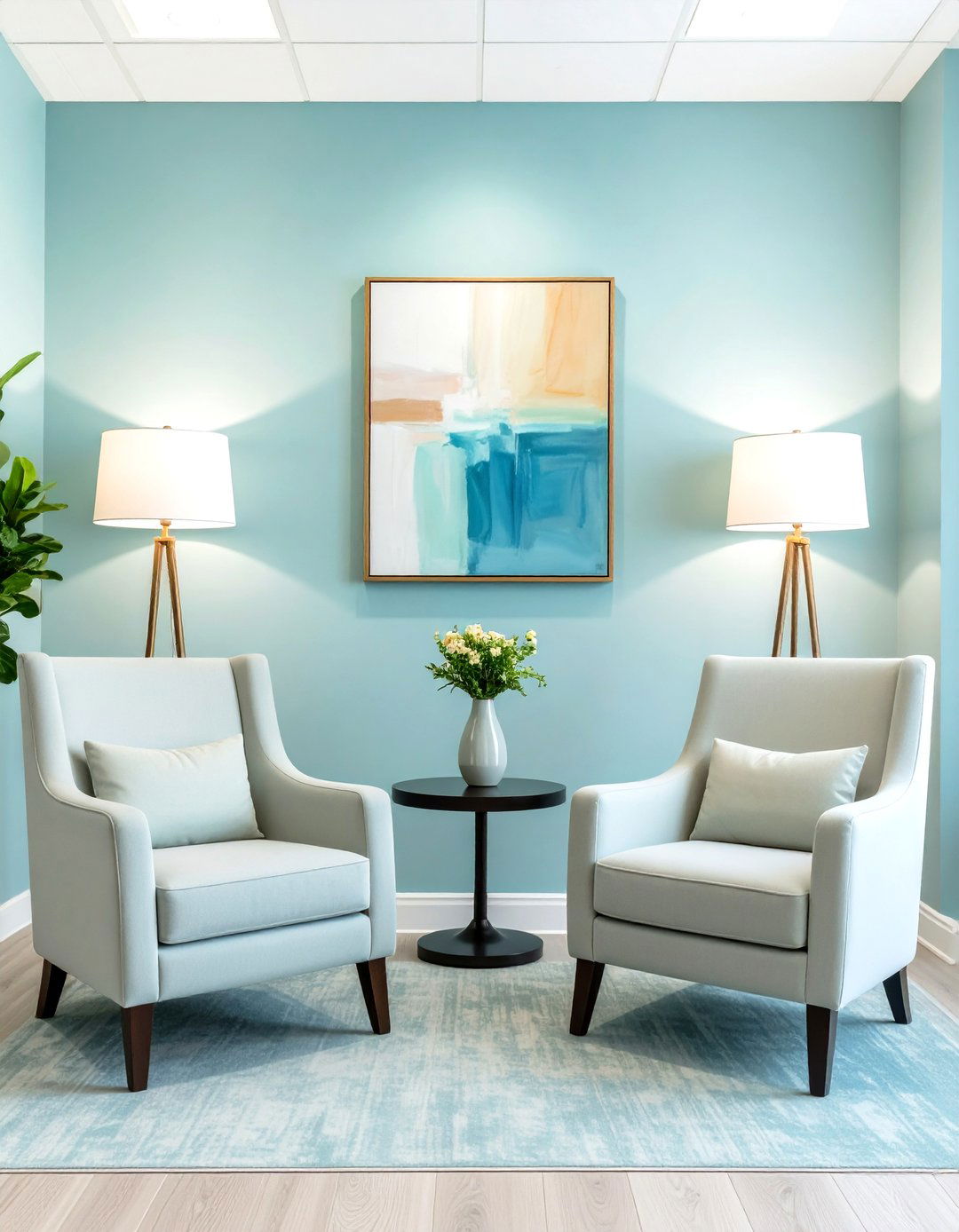
Symmetry in design often translates to a sense of order, predictability, and calm, which can be very reassuring in a therapeutic setting. Arrange furniture and decor to create a feeling of balance. This might mean placing matching lamps on either side of a credenza, centering a piece of art above the sofa, or arranging two armchairs to directly face each other. This structured, harmonious layout can be visually soothing and helps create an environment that feels stable and intentional. It eliminates visual chaos, allowing the mind to settle more easily into a state of focus and peace.

15. 15\\. A Well-Placed Full-Length Mirror
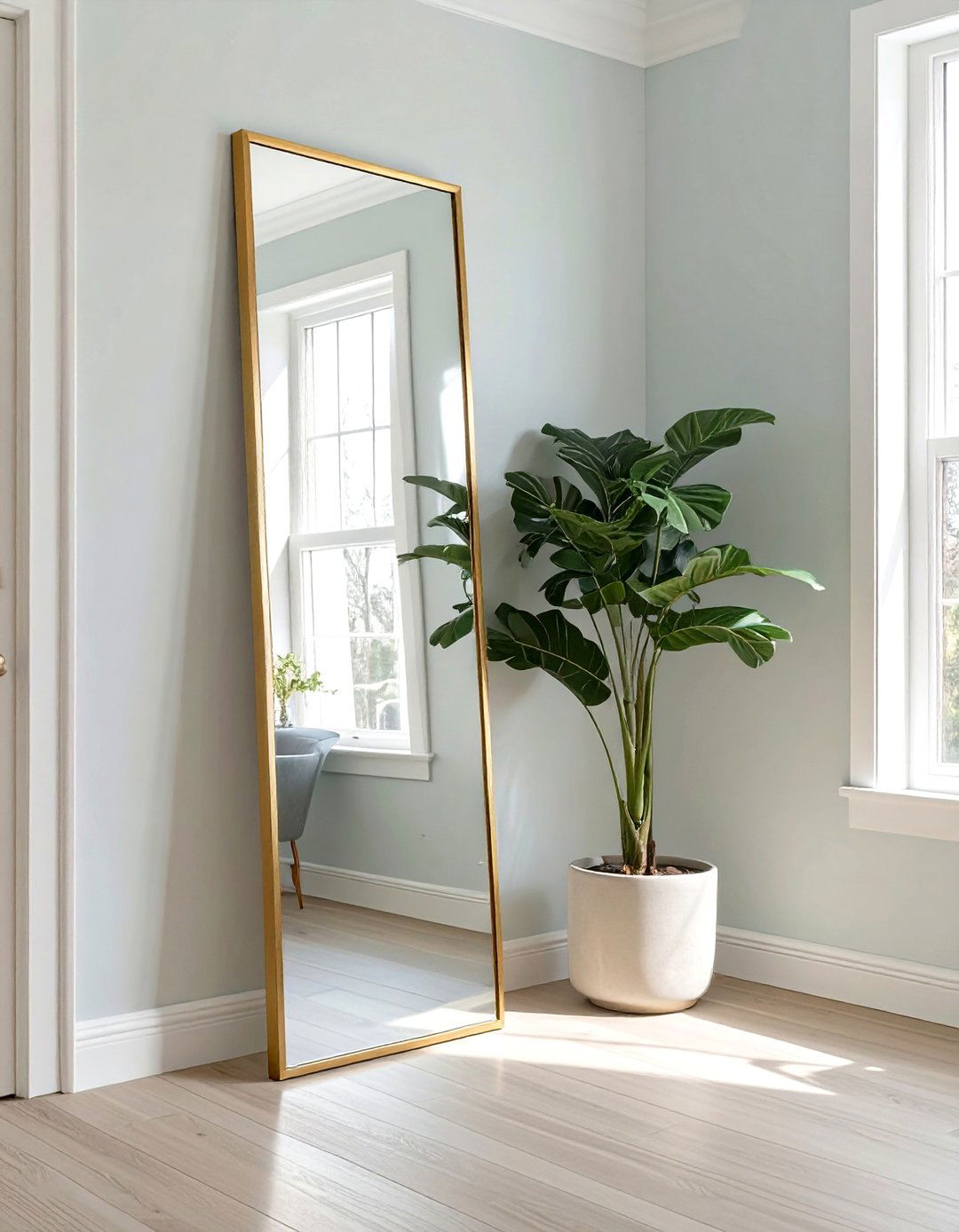
A full-length mirror can be a functional and aesthetic addition to a therapy office, but its placement is key. Instead of positioning it where a client is forced to look at their reflection, place it near the door or on a side wall. It can make the room feel larger and brighter by reflecting light. A mirror with a soft, rounded wooden or metallic frame adds a decorative touch without being jarring. It offers clients a chance to check their appearance before they leave, a small gesture that helps them transition back into the outside world with confidence.
16. 16\\. Floor-to-Ceiling Curtains
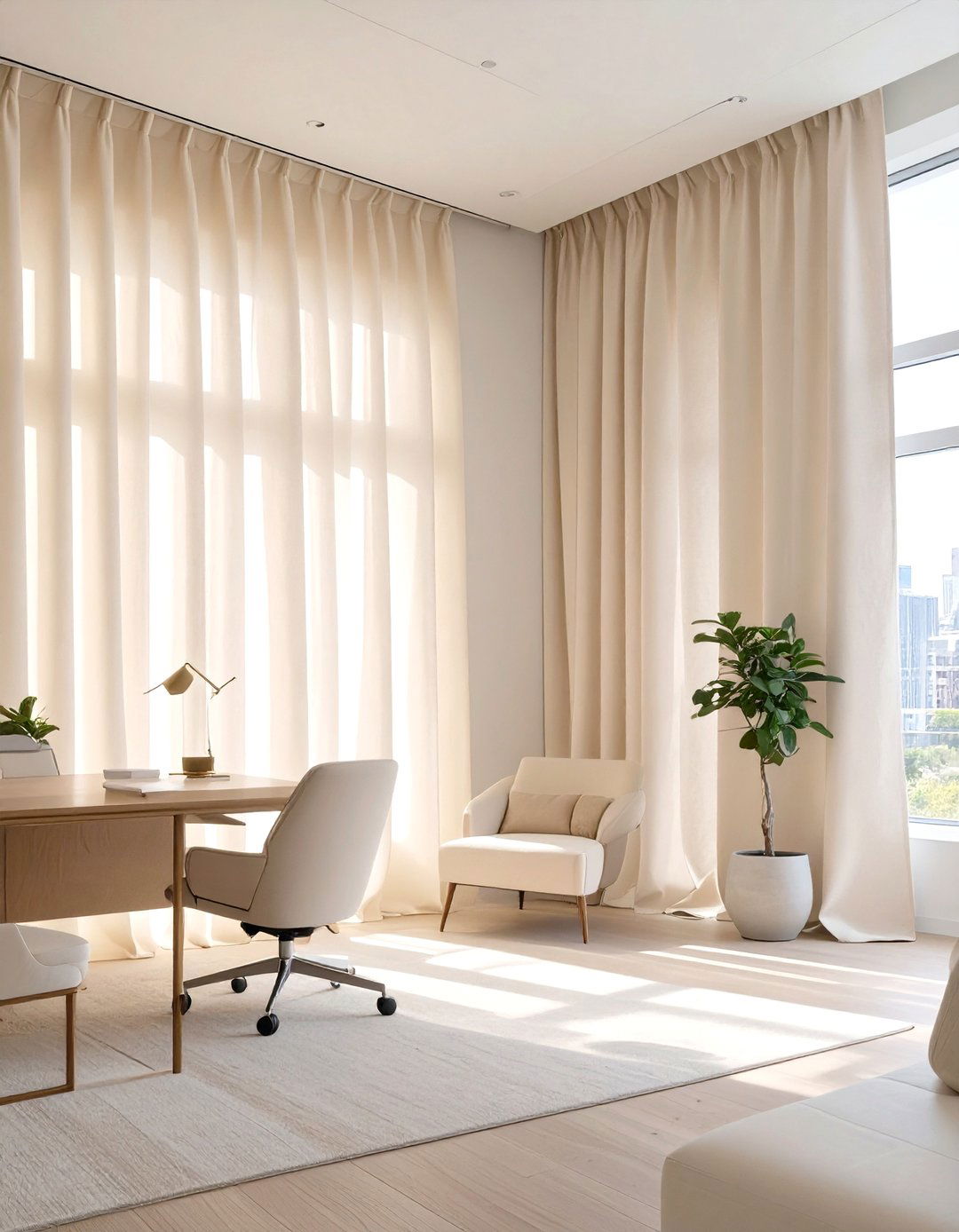
Hanging curtains that extend from the ceiling to the floor can dramatically elevate the feel of a therapy office. This technique creates an illusion of height, making the room feel more spacious and grand. Choose curtains made from a heavy, high-quality fabric like linen or velvet in a solid, calming color that matches your decor. Not only do they add a touch of elegance and softness, but they also provide excellent light control and sound absorption, enhancing privacy. This simple interior design trick makes the space feel more intentional, luxurious, and enveloping, contributing to a secure atmosphere.
17. 17\\. A Small, Functional Writing Desk
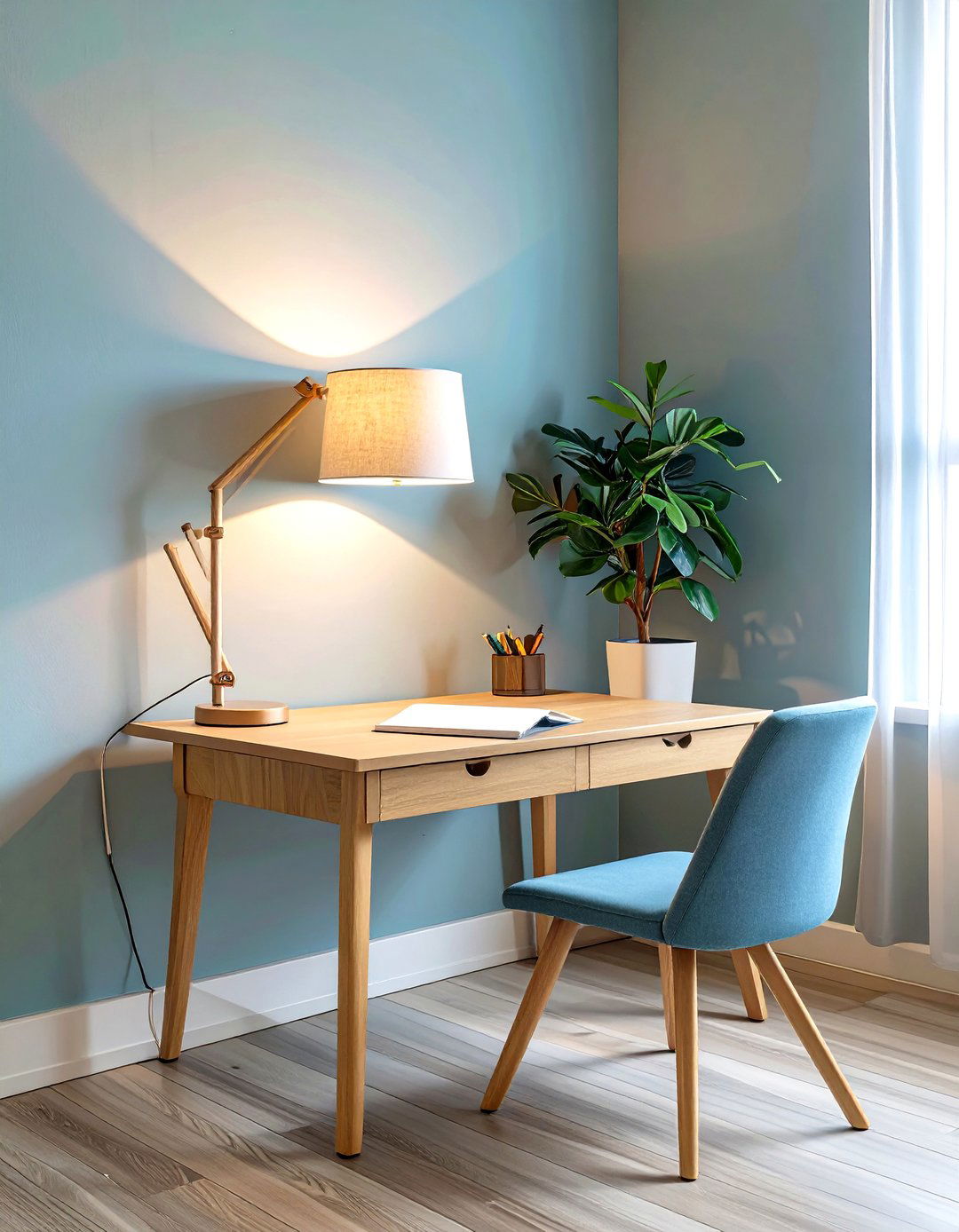
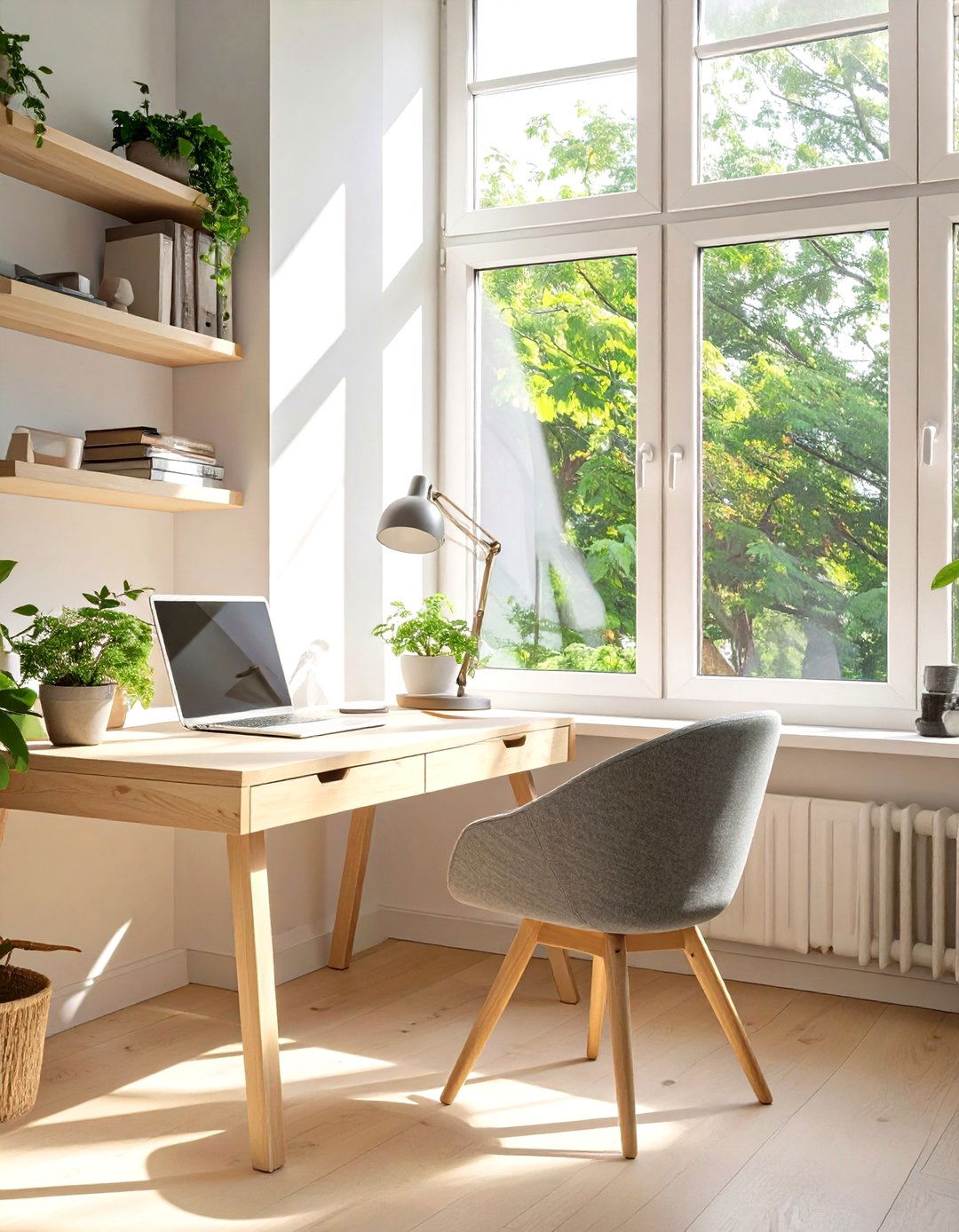
Even if most of your work is digital, a small, elegant writing desk can add a sense of structure and purpose to the room. Choose a minimalist desk made of light wood or with clean lines, and pair it with a comfortable chair. This space can be for the therapist's notes, but it also provides a designated area of "work," which can help delineate the therapist's role in the room. Kept tidy with only a lamp, a notepad, and a pen, it adds a touch of classic professionalism without feeling corporate or intimidating, balancing the room’s soft, comfortable elements.
18. 18\\. Gentle, Flowing Water Feature
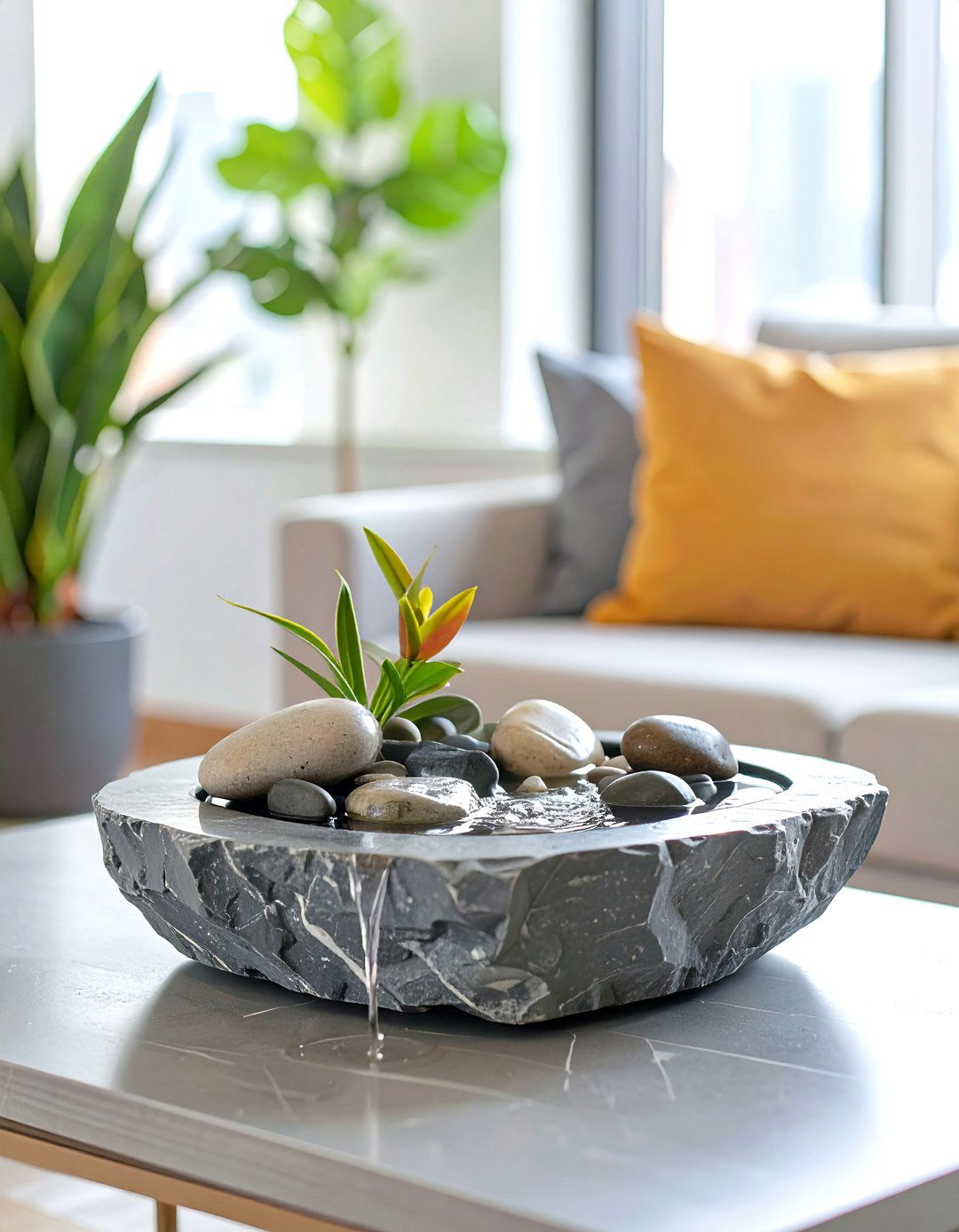
The sound of gently trickling water is universally recognized as calming and can be a wonderful addition to a therapy space. A small, tabletop water feature can help mask external noises and create a serene, spa-like ambiance. Choose a design made from natural materials like stone or ceramic that is quiet and doesn't splash. The soft sound provides a consistent, soothing background noise that can help reduce anxiety and encourage a meditative state. It’s a powerful sensory tool that enhances the overall atmosphere of tranquility and helps clients feel more centered and at peace.
19. 19\\. Using Rounded and Curved Furniture
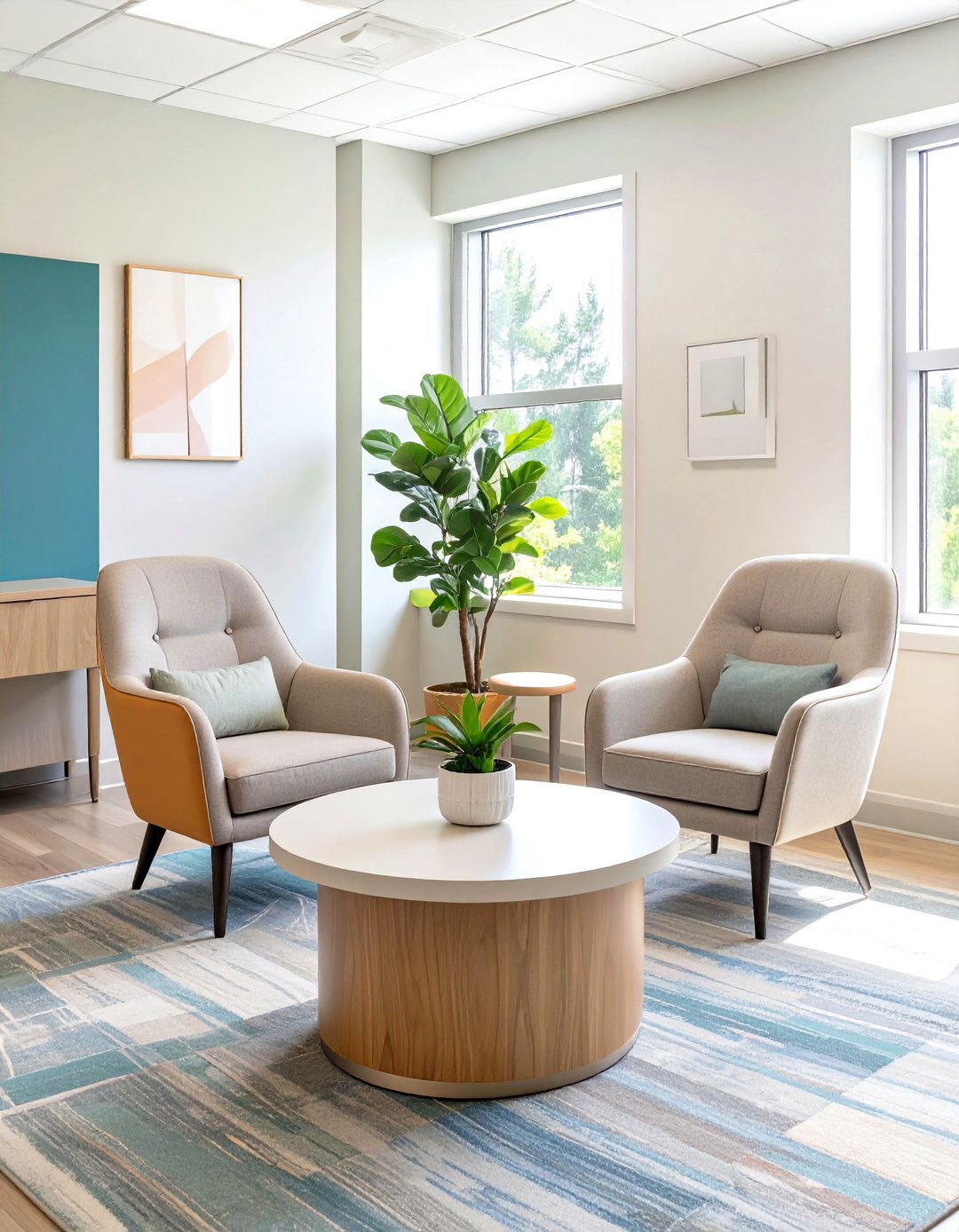
Incorporate furniture with soft edges and curved lines to create a more gentle and inviting environment. Sharp angles and hard lines can feel harsh and confrontational, whereas rounded shapes are psychologically perceived as safer and more approachable. Think of a circular coffee table, armchairs with curved backs, or a lamp with a dome-shaped shade. These flowing lines promote a sense of ease and movement in the room, making the entire space feel more organic and less rigid. This subtle design choice contributes to a nurturing atmosphere where clients can feel more comfortable opening up.

20. 20\\. A Themed Book Collection
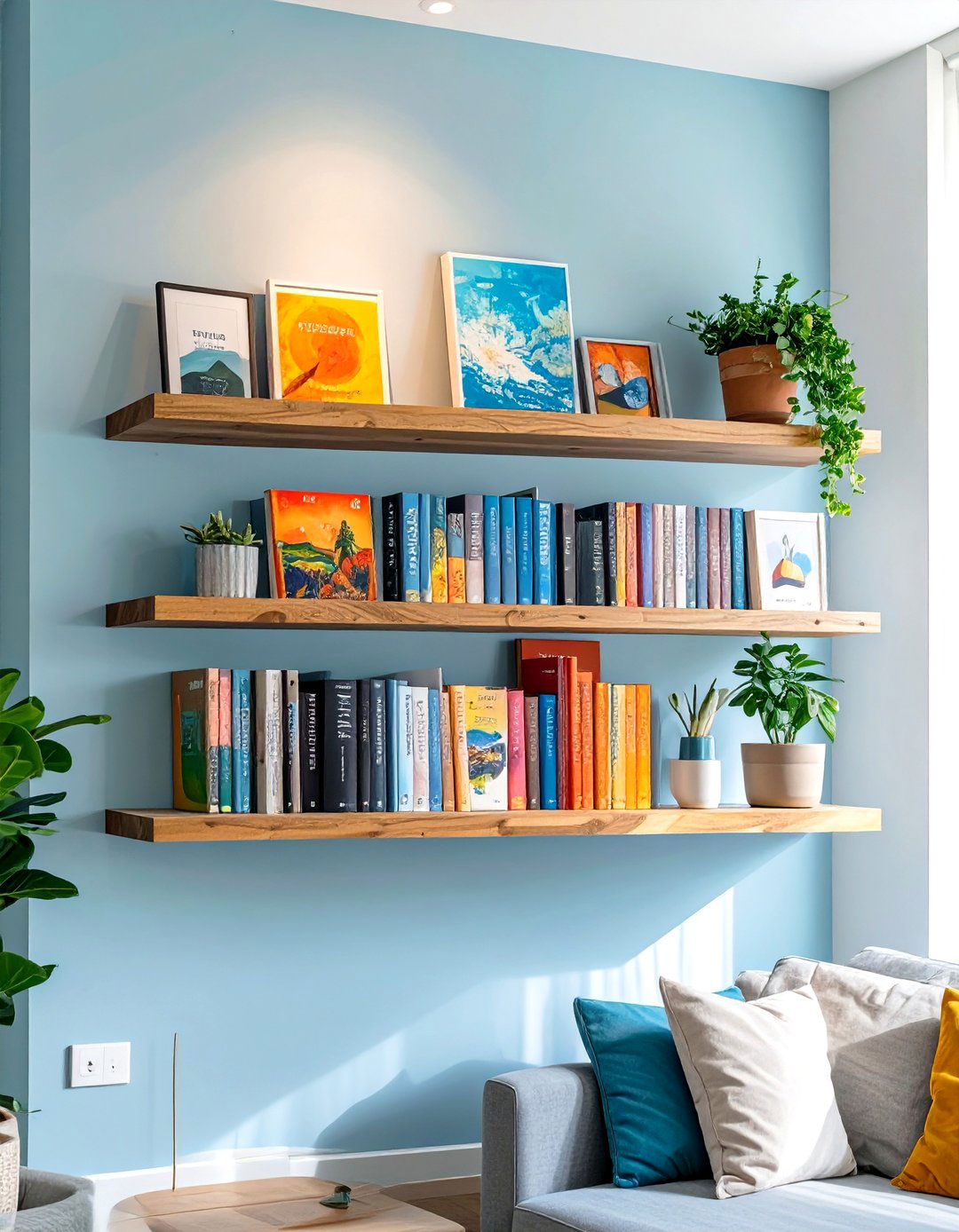
Curate a small collection of books on a floating shelf or side table that align with themes of healing, growth, and mindfulness. These books should be visually appealing with calming cover designs. They serve as more than just decor; they are a resource and a conversation starter. The presence of titles related to psychology, personal development, or nature can reinforce the purpose of the space and show the therapist's commitment to the field. It creates an intellectual warmth and offers clients something tangible to browse if they arrive early, setting a contemplative tone for the session.
21. 21\\. Display of Diplomas and Credentials
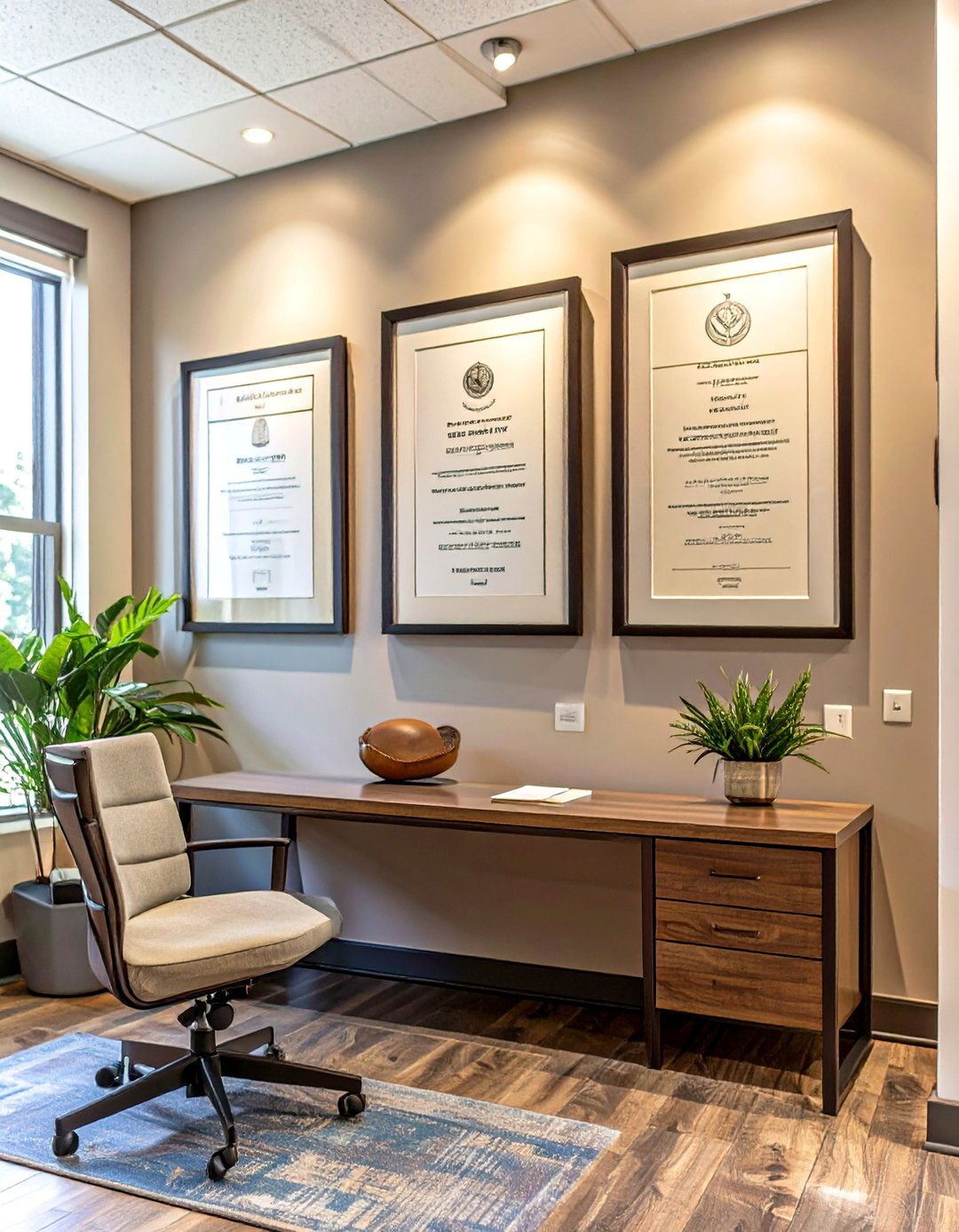
While the goal is to create a comfortable space, it is also important to establish professional credibility. Frame your diplomas, licenses, and certifications in simple, elegant frames and group them together on a secondary wall. This display should be understated, not the central focus of the room. It serves to reassure clients that they are in the hands of a qualified professional, which is a key component of building trust and a sense of safety. This quiet confirmation of expertise helps to validate the therapeutic relationship without creating an intimidating or overly formal atmosphere.
22. 22\\. Incorporating Soft Throw Pillows
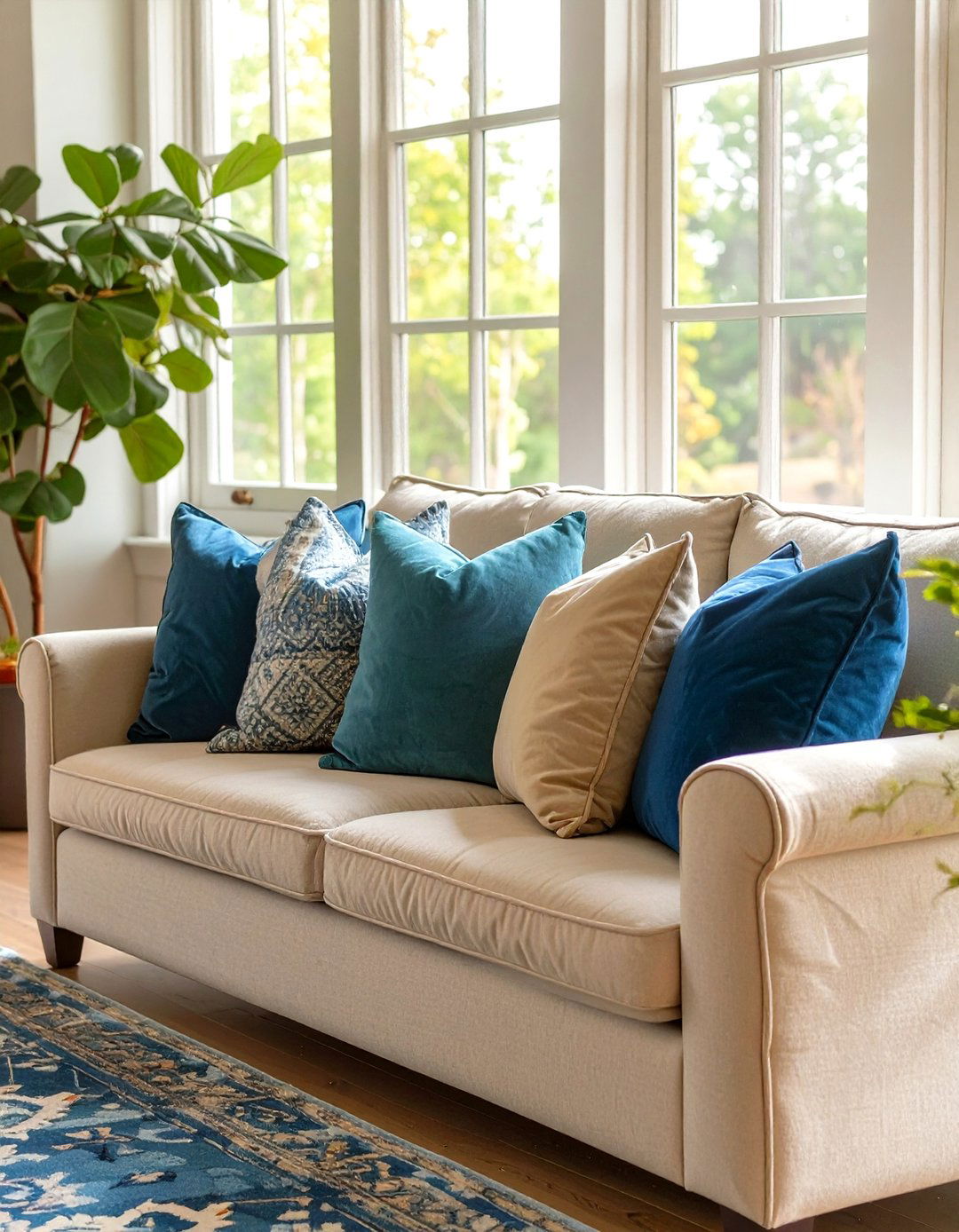
Throw pillows are a simple yet highly effective way to add comfort, color, and texture. Choose pillows in a variety of soft materials like velvet, linen, or faux fur, and in colors that complement your room’s palette. They instantly make seating look more inviting and allow clients to adjust their position for maximum comfort, whether by placing a pillow behind their back or holding one in their lap. This small detail provides a sense of agency and physical comfort, making the clinical setting feel more like a safe, cozy haven for open conversation.
23. 23\\. A Minimalist Wall Clock
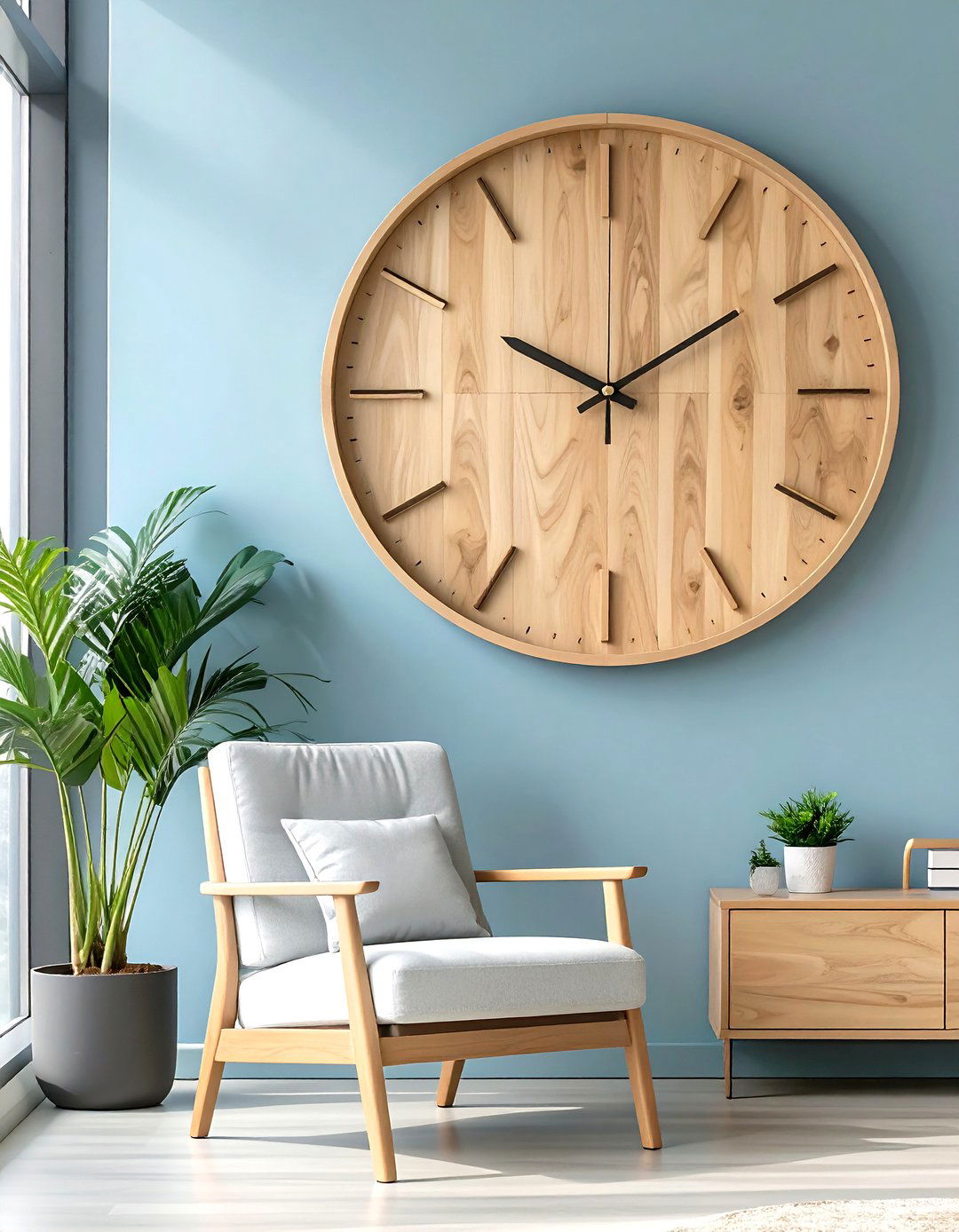
Time management is important in therapy, but a standard, ticking clock can be a source of anxiety for clients. Instead, choose a minimalist wall clock with a silent, sweeping second hand. A simple design with a natural wood face or a clean, numberless dial is less distracting and blends seamlessly into a calming decor scheme. Placing it in the therapist's line of sight, but not directly in the client's view, allows for discreet timekeeping. This ensures sessions are managed professionally without making the client feel rushed or hyper-aware of the passing minutes.
24. 24\\. A Welcoming Entryway
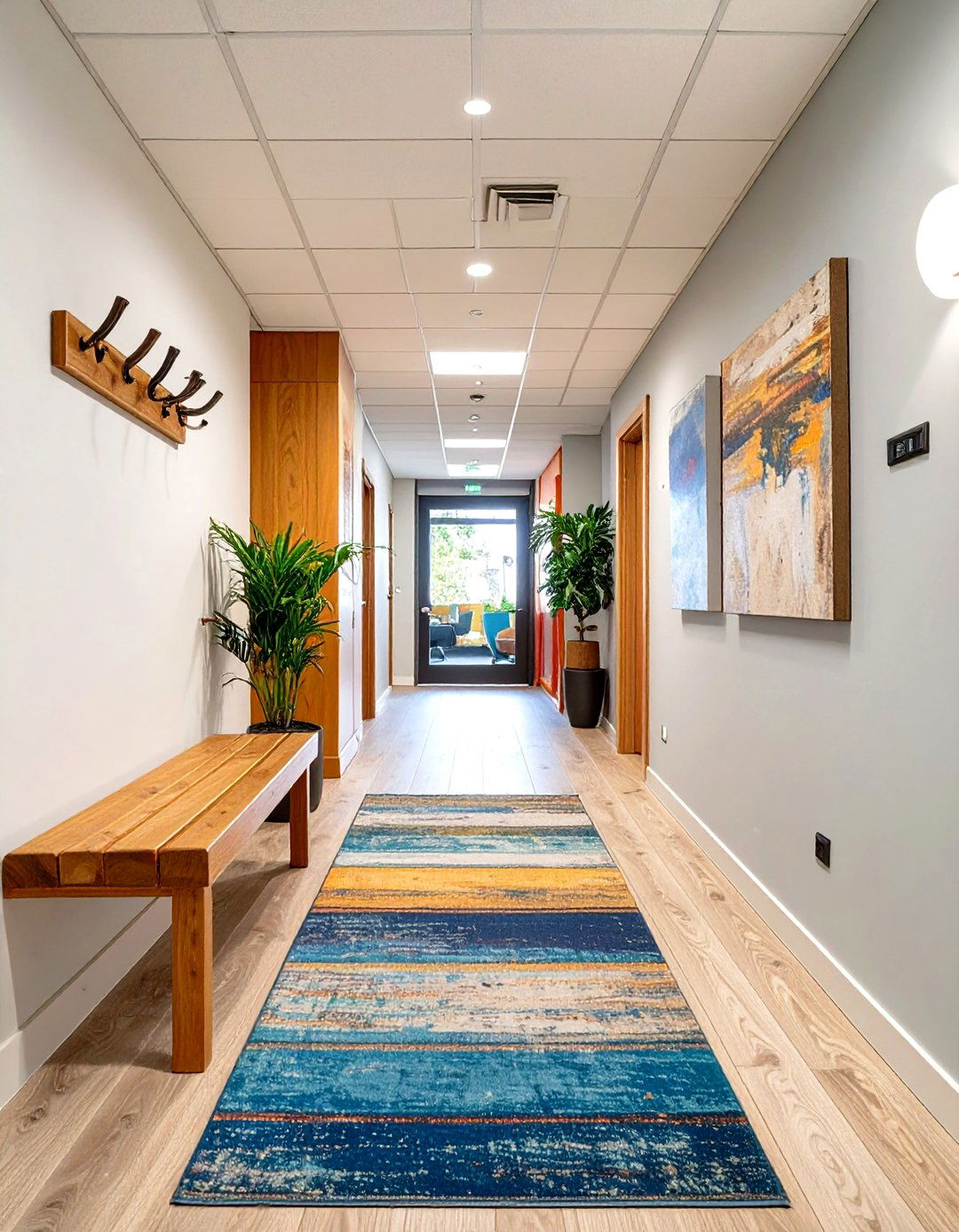
The client's experience begins the moment they enter. Create a small, welcoming entryway or corner near the door. This area should include a simple coat rack or a few hooks for belongings, and perhaps a small bench or chair. Placing a small rug and a piece of calming art in this zone defines the transition from the outside world into the therapeutic space. This thoughtful touch shows consideration for the client's practical needs and helps them to physically and mentally "arrive" and settle in before the session even begins, setting a positive and respectful tone.
25. 25\\. Consistent and Calming Hardware
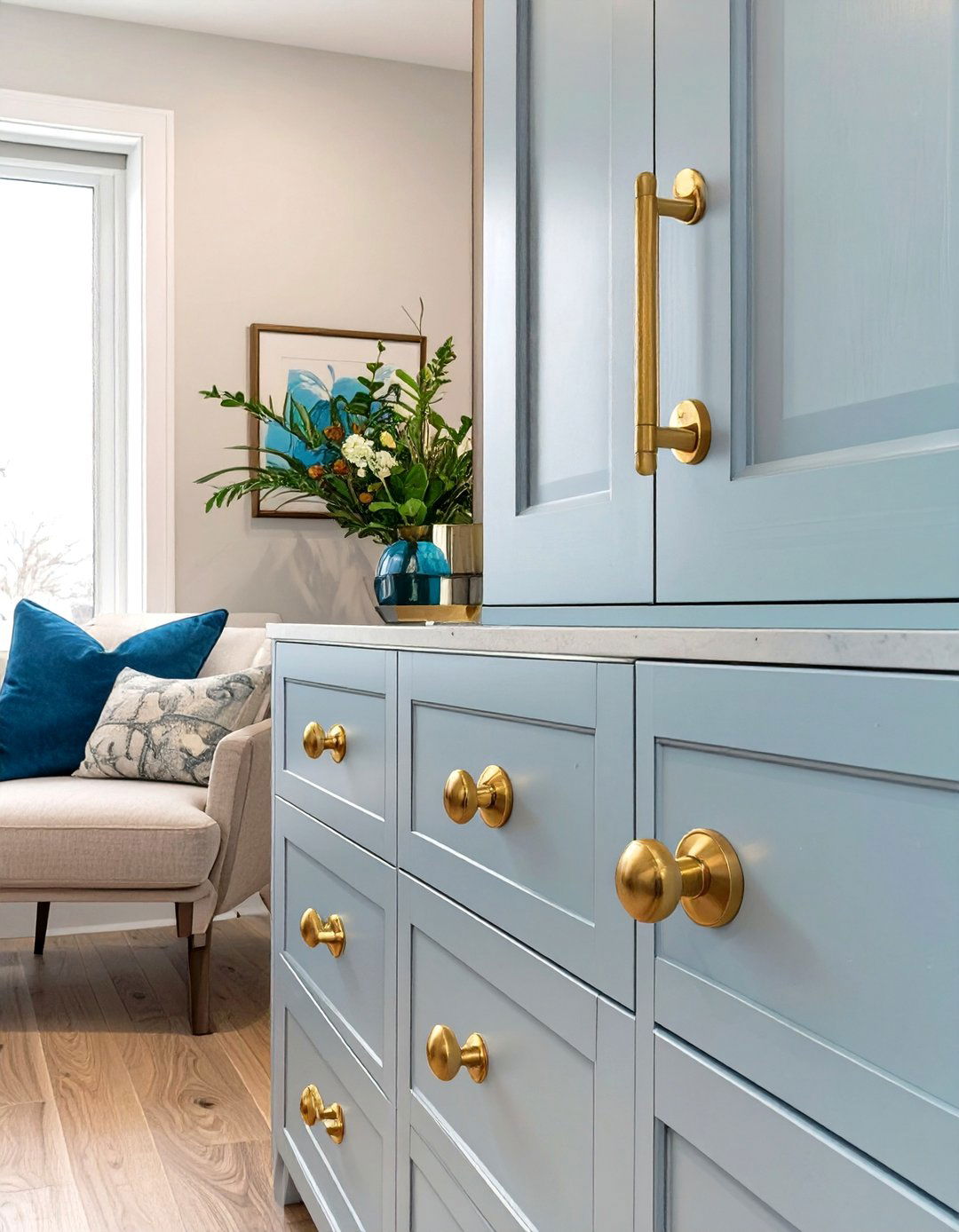
Details matter, and using consistent hardware can create a subtle sense of cohesion and calm. Replace generic doorknobs, cabinet handles, and drawer pulls with hardware in a soft, elegant finish like brushed brass, matte black, or bronze. The tactile experience of opening a door or a cabinet becomes more pleasant. This attention to detail communicates a high level of care and intentionality in the design of the space. It’s a small upgrade that elevates the entire look and feel of the office, contributing to a polished, professional, and harmonious environment.
26. 26\\. A Basket of Fidget Objects
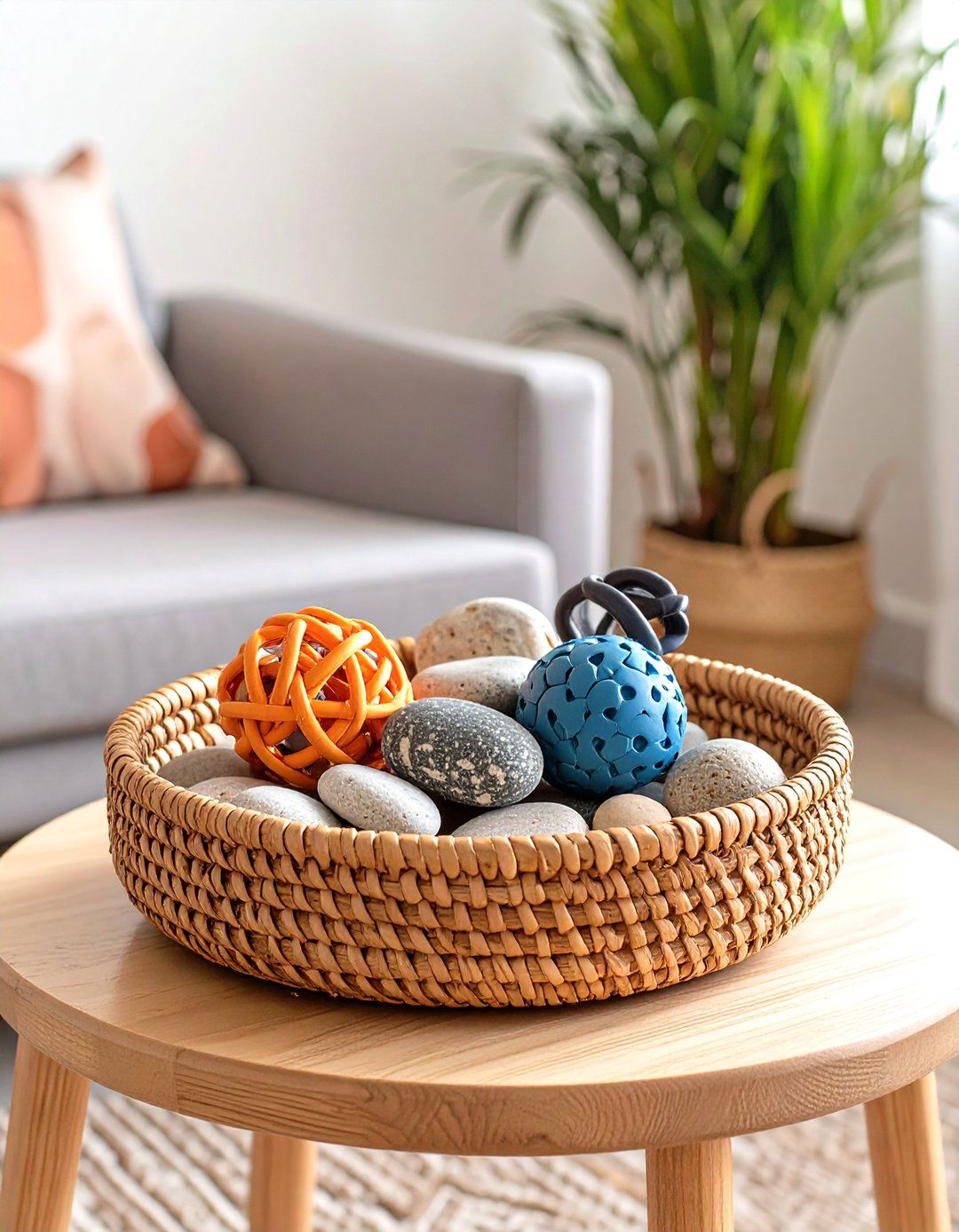
Provide a small, attractive basket containing a variety of fidget objects for clients to use during sessions. This can include smooth stones, stress balls, tangle toys, or small, pliable putty. Many people find that having something to do with their hands helps them to focus, self-soothe, and process difficult emotions more effectively. Offering these tools normalizes their use and shows an understanding of different processing styles. It’s an empowering, client-centered addition that provides a healthy outlet for nervous energy, making the therapeutic space more accommodating and supportive of individual needs.
27. 27\\. Using Mirrors to Enhance Light
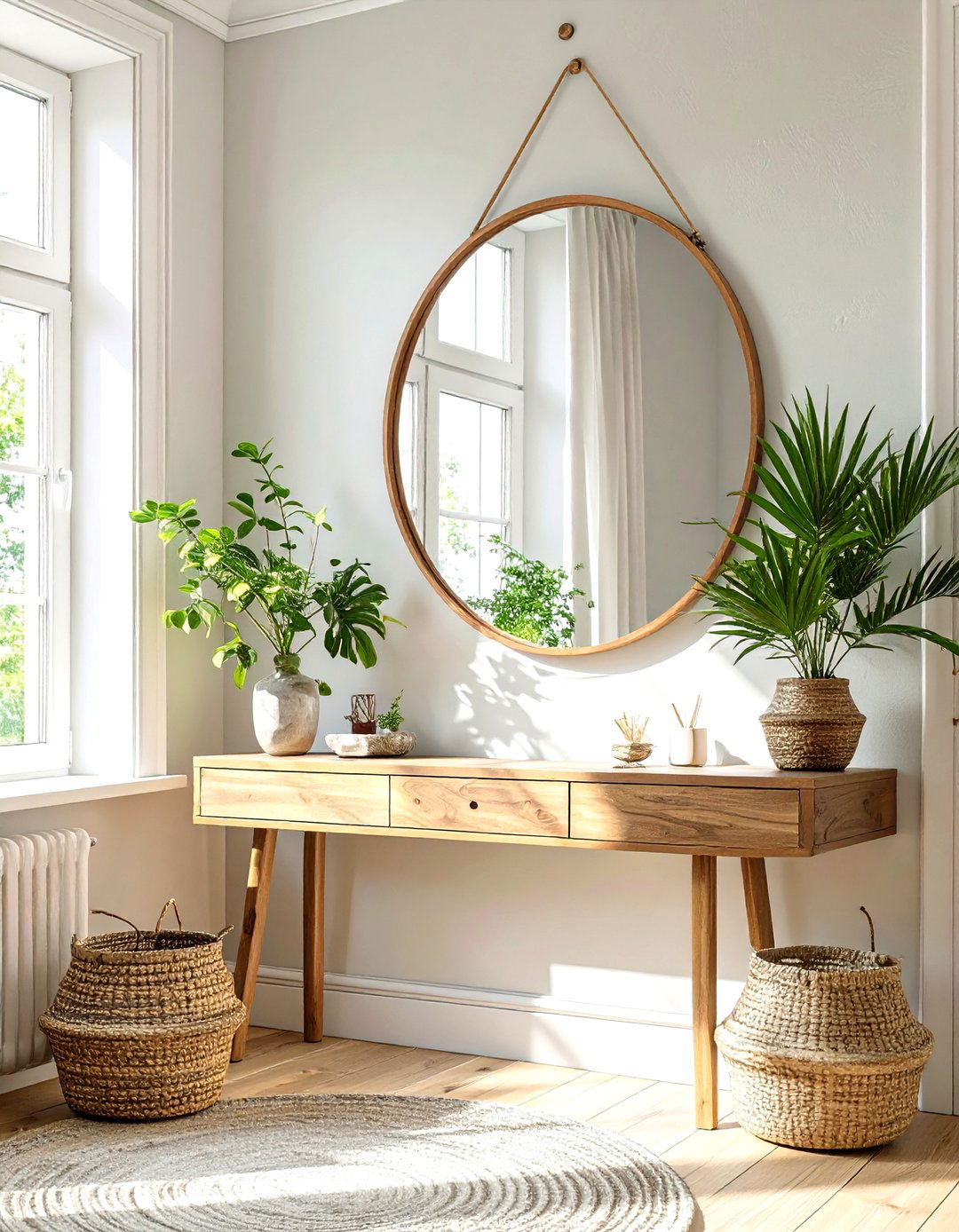
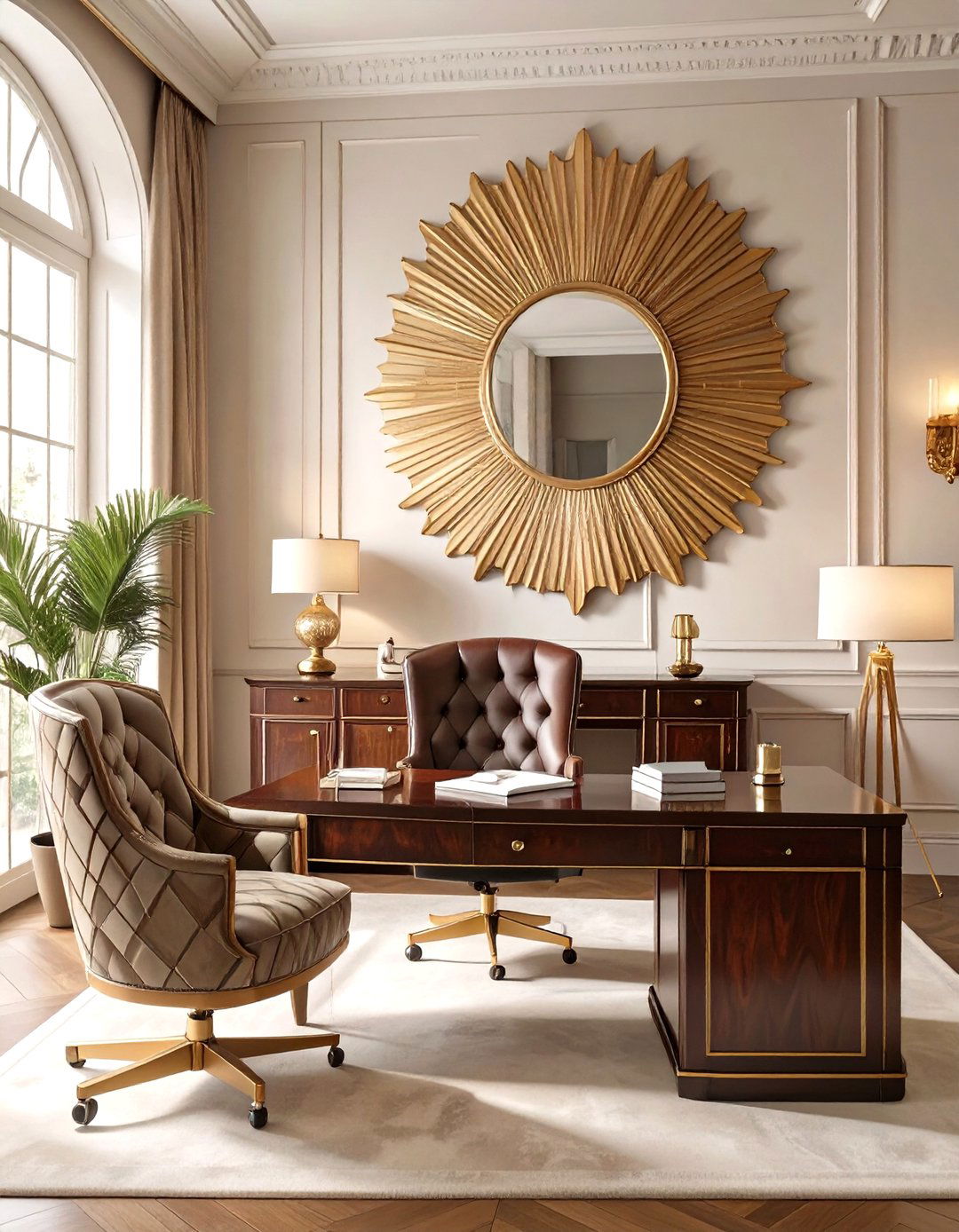
Beyond a full-length mirror, strategically placed smaller mirrors can amplify natural light and make a room feel more open. A mirror placed on the wall opposite a window will reflect sunlight, brightening the entire space and creating a more uplifting atmosphere. Consider a gallery wall of small mirrors with interesting frames or a single, large round mirror above a credenza. This technique is especially useful in smaller or darker offices, as it adds depth and luminosity without requiring additional electrical lighting, contributing to a more vibrant and airy feel.
28. 28\\. A Designated Space for Art Therapy
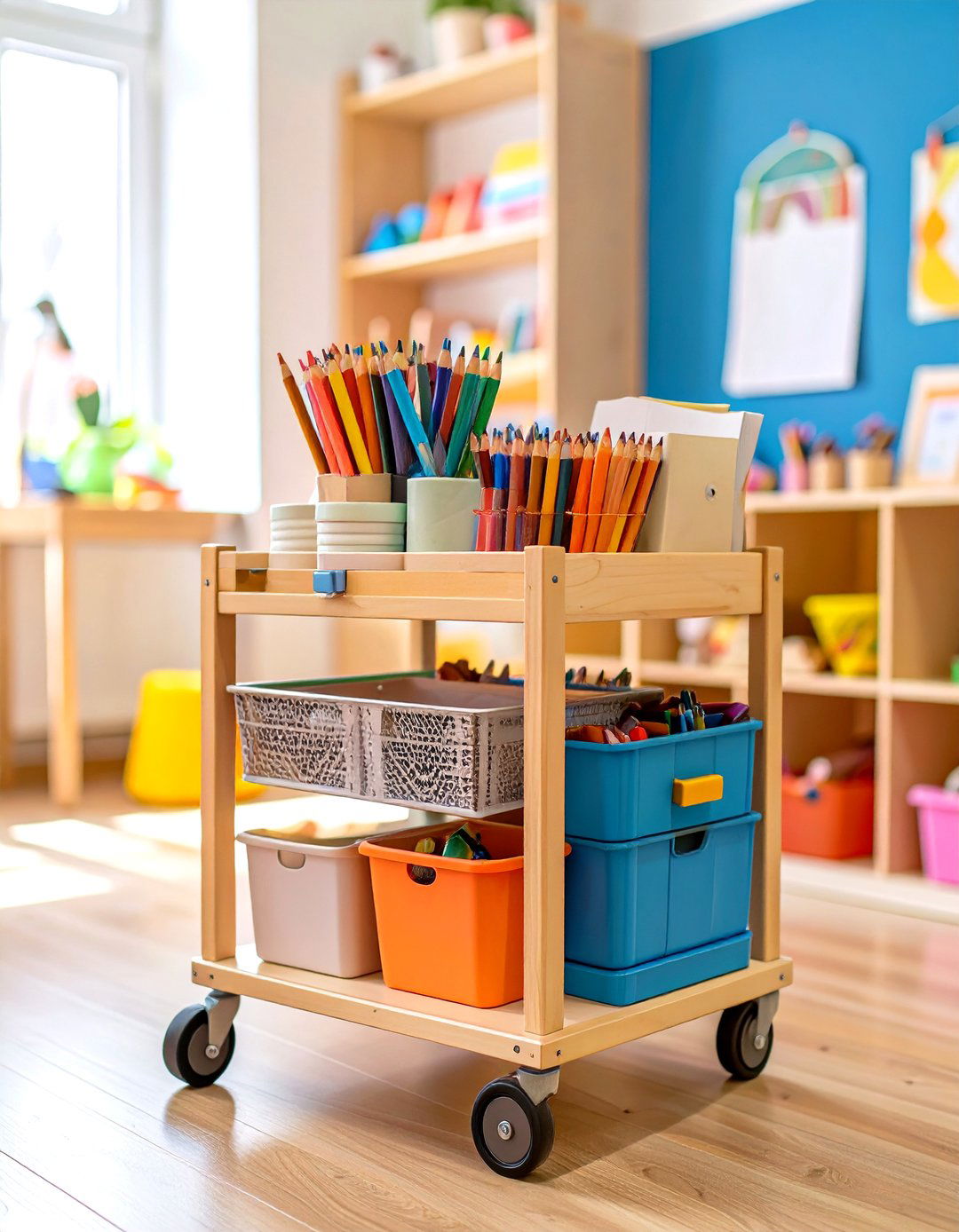
If you incorporate art therapy, have a designated and organized space for supplies. Use a stylish cart or a dedicated cabinet to store paper, paints, markers, and clay. Keeping these materials neatly organized and easily accessible makes the process feel seamless and professional. Even if it’s just a small corner, having this zone signals that creative expression is a welcome and integral part of the therapeutic work. This preparation prevents fumbling for supplies and maintains the session's flow, showing respect for the client's creative process and the therapeutic modality itself.
29. 29\\. Subtle Inspirational Quotes
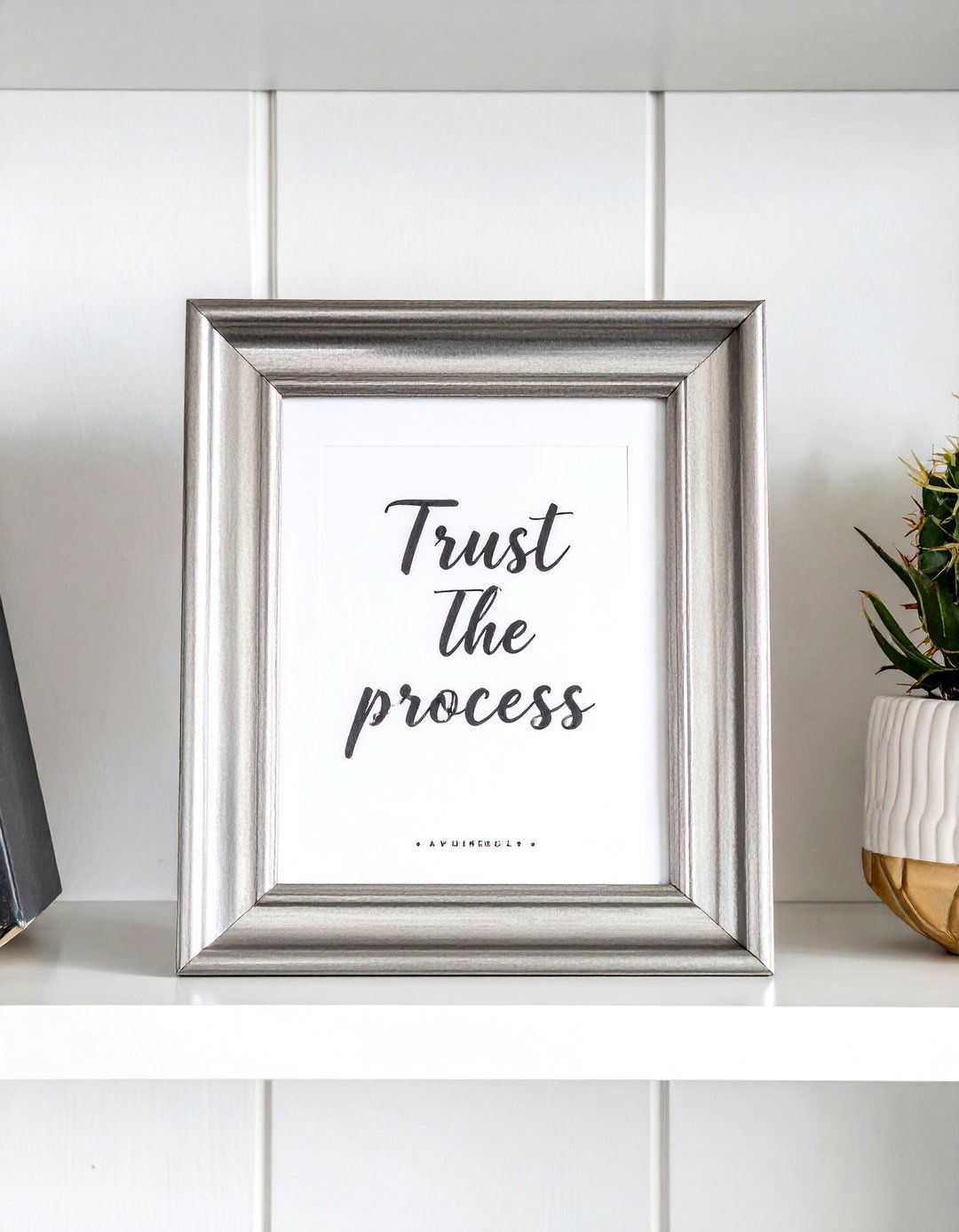
An inspirational quote can add a touch of encouragement, but it should be chosen and displayed with subtlety. Opt for a small, elegantly framed print with a short, universally resonant phrase about hope, growth, or resilience. Avoid clichés or overly directive statements. The text should be small enough that it doesn't dominate the wall, serving as a quiet discovery rather than a loud proclamation. Placed on a bookshelf or a side table, it can be a gentle reminder of the positive goals of therapy, offering a moment of quiet motivation without feeling prescriptive or intrusive.
30. 30\\. A Cohesive Color Temperature in Bulbs
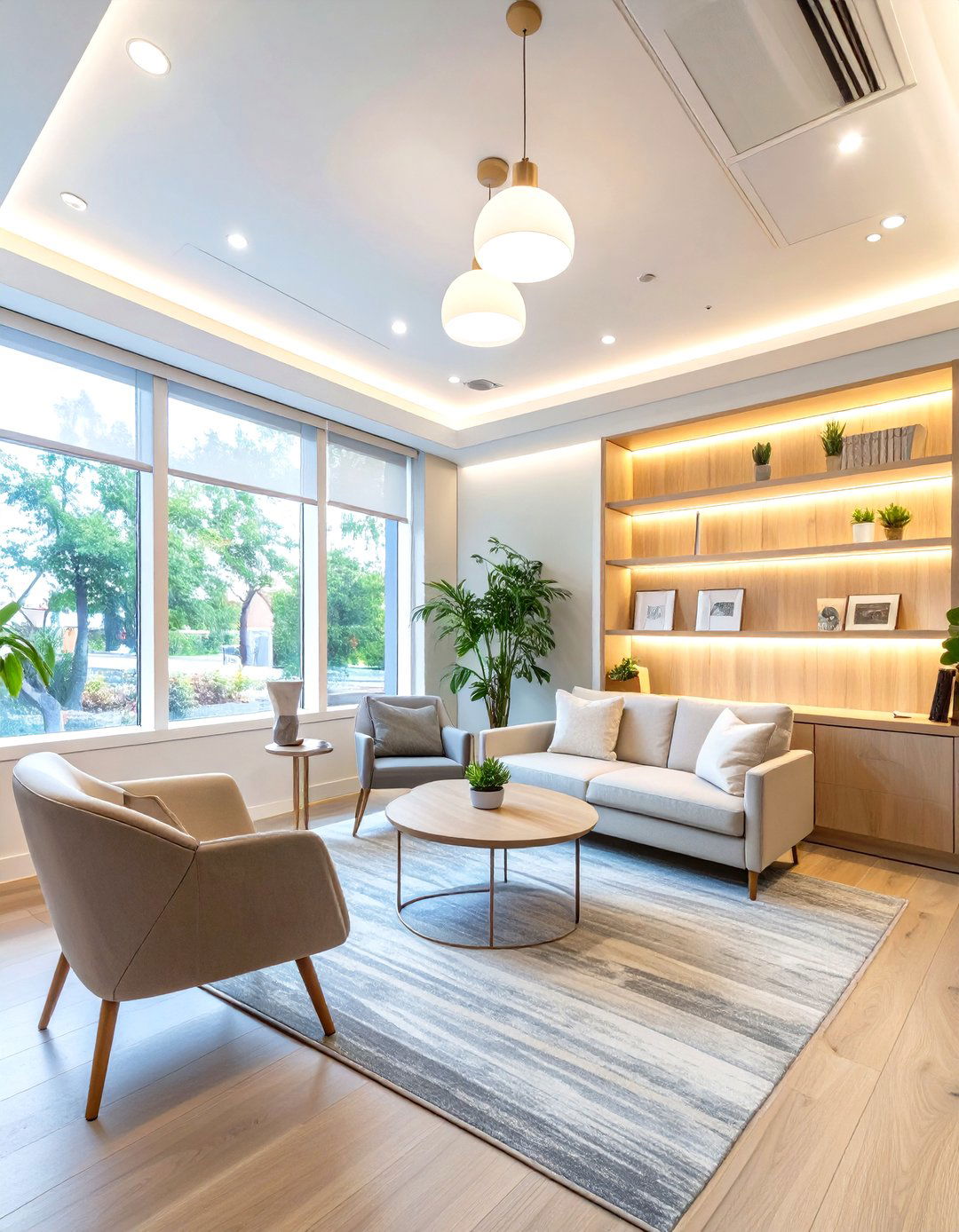
To create a truly harmonious and calming atmosphere, ensure all light bulbs in the room have the same color temperature. Mixing warm and cool-toned lights can be visually jarring and subtly unsettling. For a therapy office, a warm white temperature of around 2700K to 3000K is ideal. It casts a soft, cozy, and inviting glow that mimics natural evening light. This consistency across all light sources—from overhead fixtures to table lamps—creates a seamless and unified ambiance. This technical detail is crucial for establishing a visually peaceful environment that supports emotional regulation and comfort.
Conclusion:
Ultimately, decorating a therapy office is an exercise in intentionality. Each element, from the color on the walls to the texture of a pillow, contributes to a non-verbal message of safety, professionalism, and care. By focusing on principles like biophilic design, soft lighting, comfortable seating, and organized spaces, a therapist can create a sanctuary that supports the healing process. This thoughtful environment helps lower client anxiety, build rapport, and foster the trust necessary for meaningful therapeutic work. A well-designed office is not an expense but an investment in the client's well-being and the practice's success.

Related posts:




Leave a Reply