
Succulents offer a stunning variety of shapes, colors, and textures, making them a fantastic choice for gardeners of all skill levels. Their low-maintenance nature and drought tolerance allow for endless creativity in both indoor and outdoor settings. From tiny, whimsical arrangements to large, architectural displays, there is a succulent garden design to suit any space and personal style. Exploring different containers, companion plants, and layouts can transform these hardy plants into living works of art. This collection of ideas provides inspiration for creating your own unique and beautiful succulent garden, showcasing the versatility and charm of these remarkable plants.
1. Vertical Succulent Garden Frame
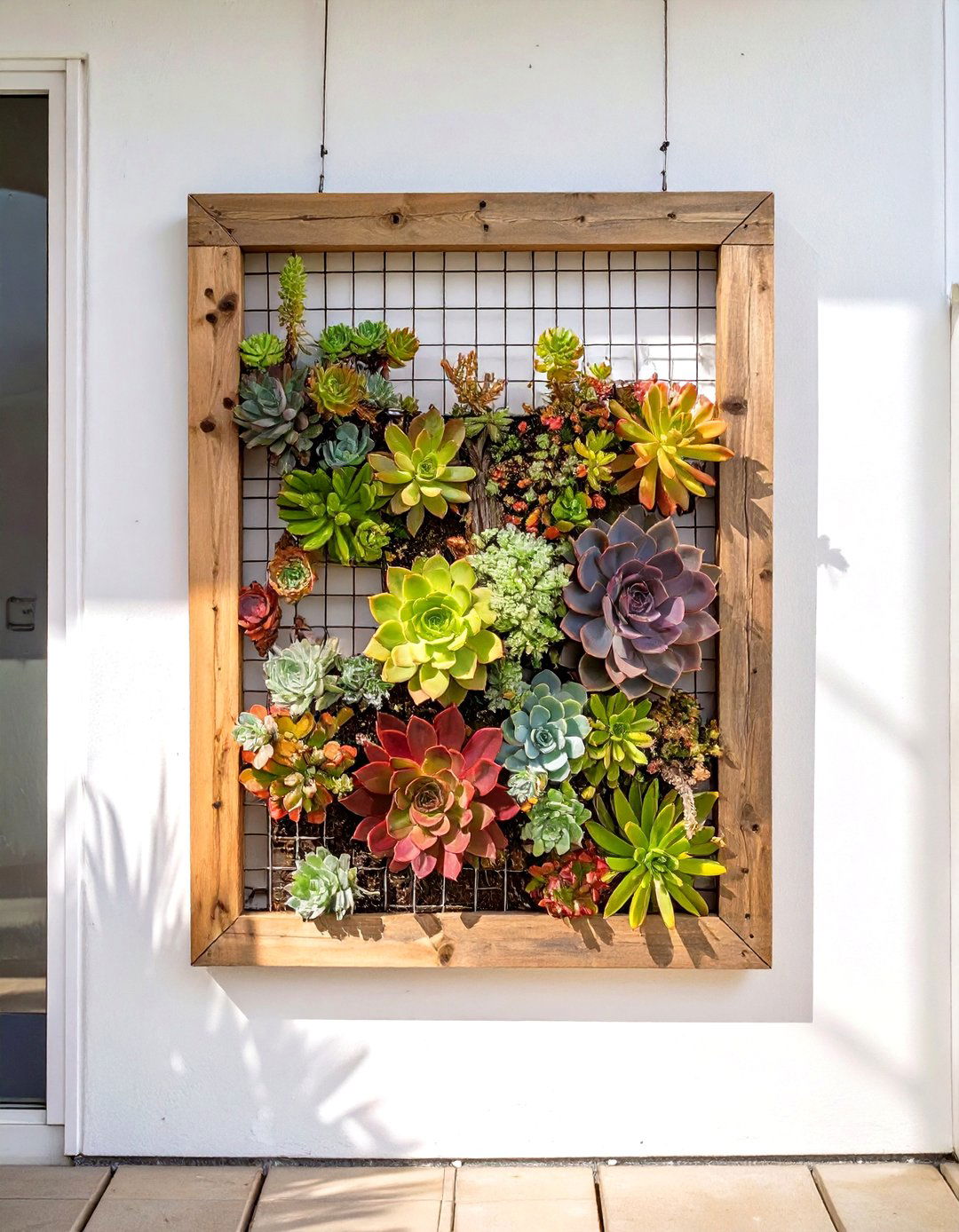
A vertical succulent garden frame transforms a bare wall into a living masterpiece. By using a specially designed frame with a mesh front, you can securely plant a variety of succulents like Echeverias and Sedums, creating a dense, tapestry-like effect. This method is perfect for small spaces such as balconies or patios where ground space is limited. The frame can be hung like a picture, adding a splash of green and intricate texture to your vertical surfaces. With proper drainage and occasional watering, this upright garden becomes a stunning, low-maintenance focal point that brings nature indoors or outdoors in a unique and artistic way.
2. Succulent Rock Garden Landscape
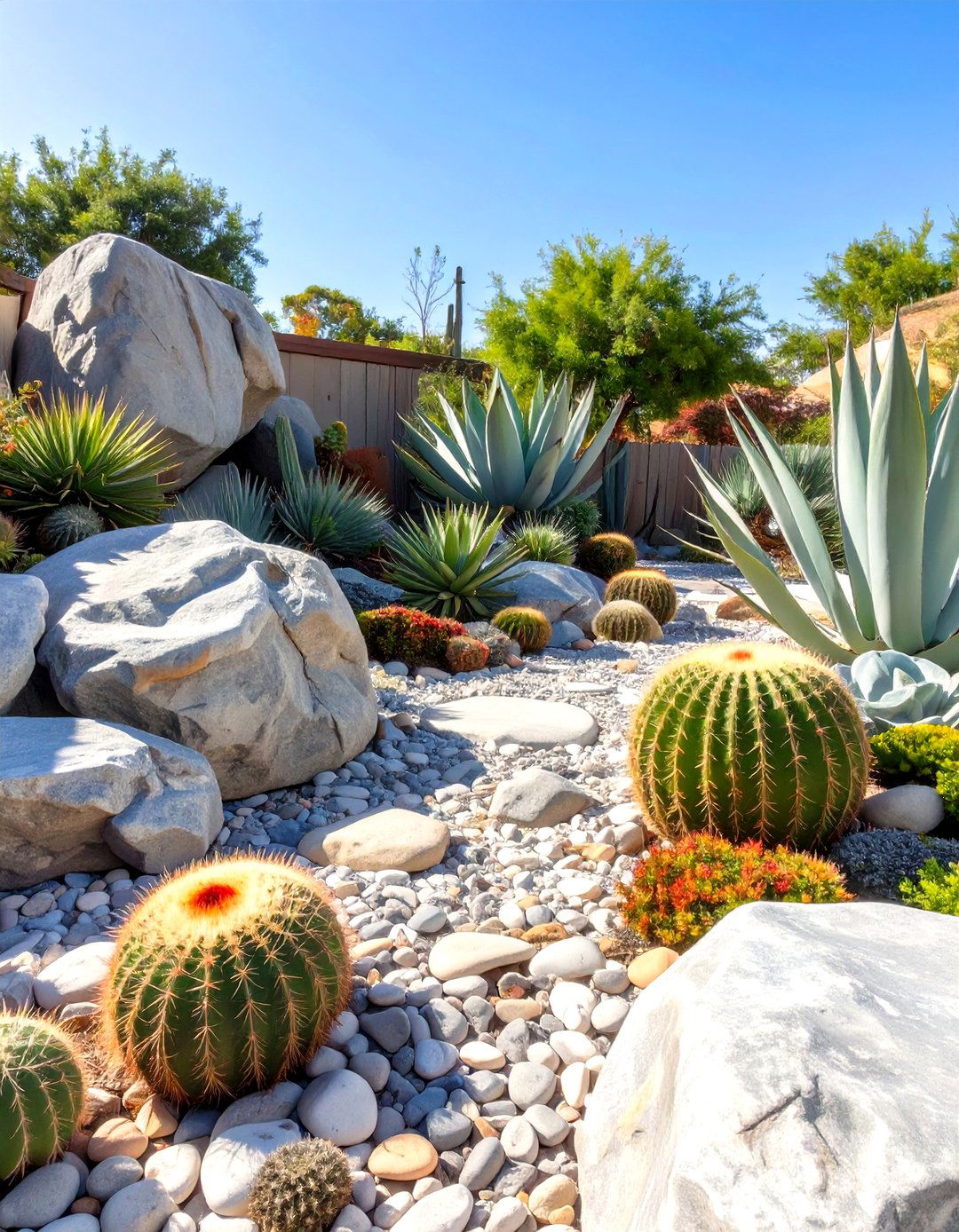
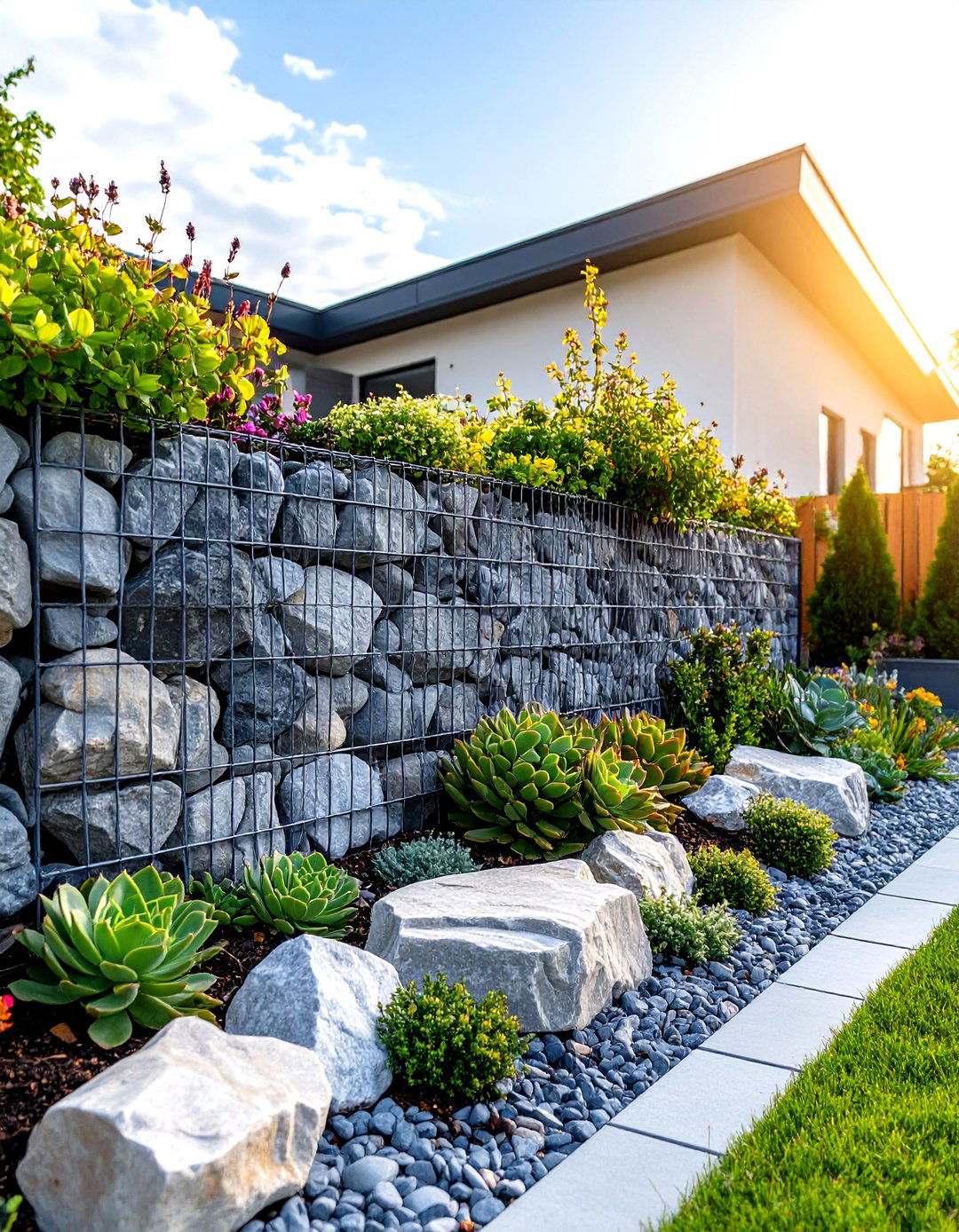
For a naturalistic and rugged outdoor display, a succulent rock garden landscape is an excellent choice. This design incorporates various sizes of rocks and gravel to create a terrain that mimics succulents' native arid habitats. Planting species like Agave, Aloe, and various cacti among the stones creates a visually interesting and drought-tolerant garden bed. The rocks not only add structural beauty but also help with drainage and retain heat, which many succulents appreciate. This approach is ideal for sunny, dry areas in your yard, turning a challenging spot into a striking, low-maintenance feature that thrives with minimal intervention.
3. Glass Terrarium Succulent Garden
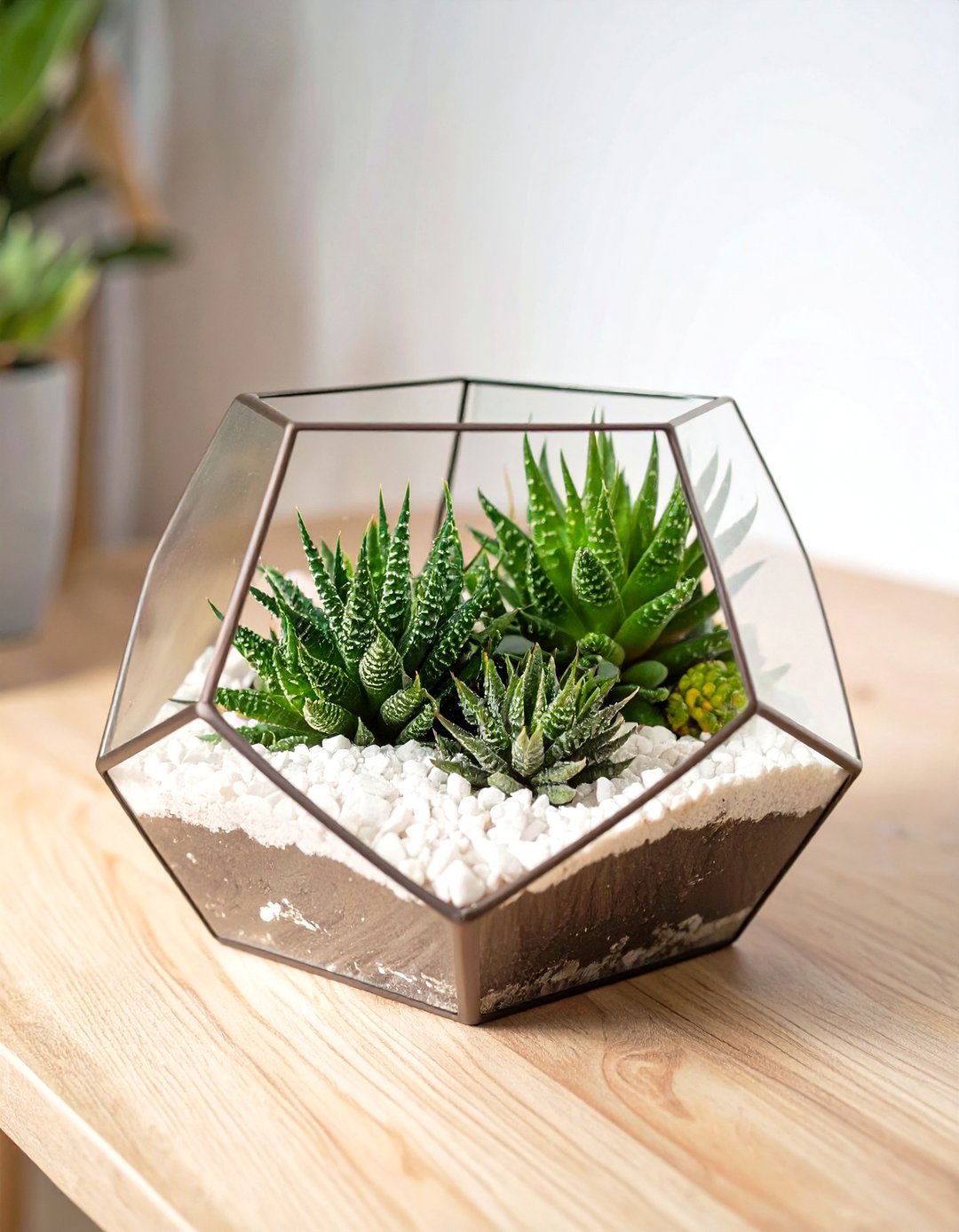
A glass terrarium offers a miniature ecosystem for your succulents, creating a beautiful indoor centerpiece. Choosing an open glass container, like a bowl or geometric case, ensures proper air circulation, which is crucial for preventing rot. Layering the bottom with gravel for drainage, followed by activated charcoal and a cactus-specific soil mix, sets the stage for healthy plants. Small succulents such as Haworthia, Gasteria, and tiny Echeverias are perfect for these enclosed worlds. Arranging them with decorative sand or pebbles results in a self-contained, elegant display that brings a touch of desert magic to any desk or shelf.
4. Repurposed Birdcage Succulent Garden
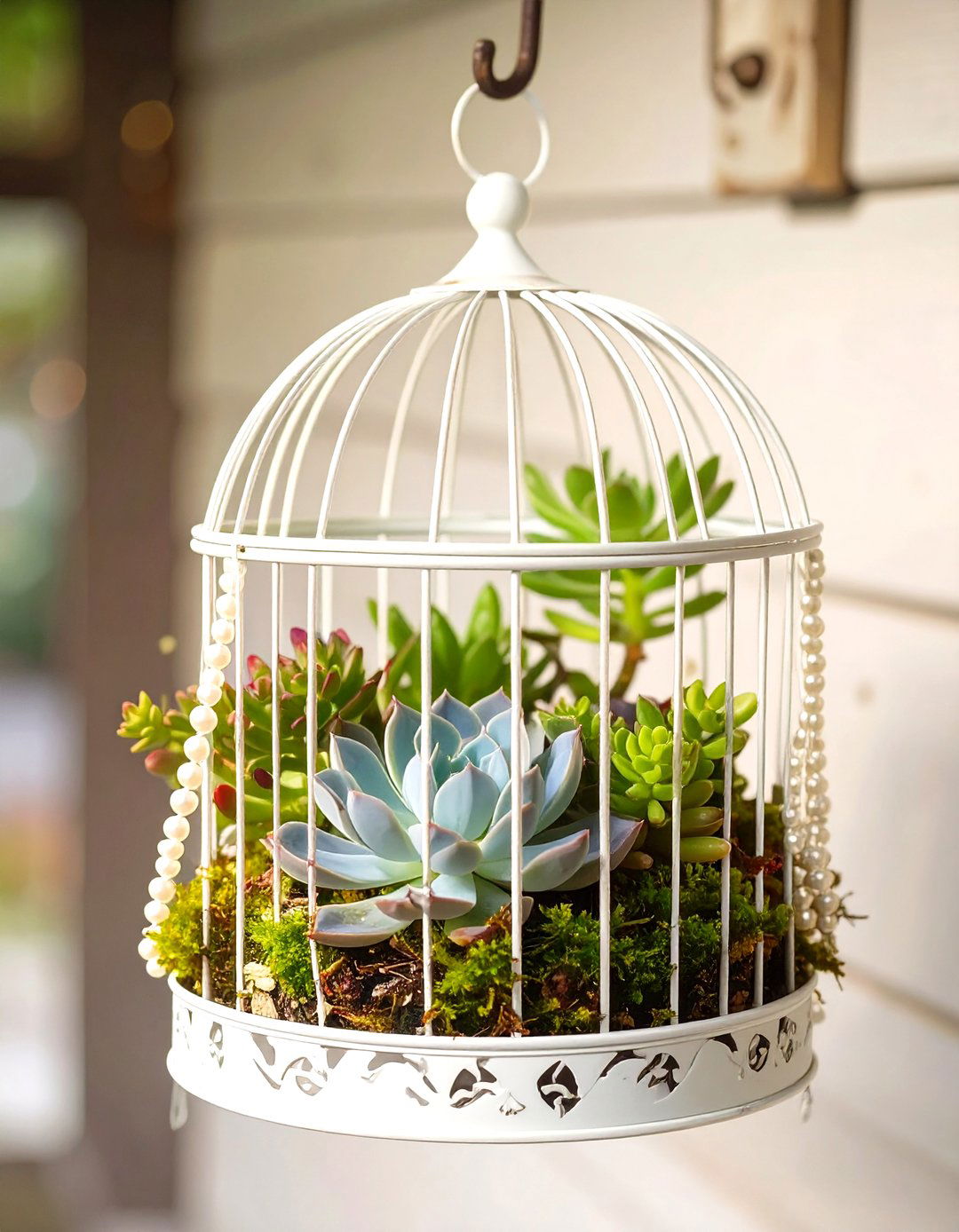
Transforming an old birdcage into a succulent garden creates a whimsical and charming decorative piece. The open-wire structure allows for excellent air circulation and provides a unique framework for trailing succulents like String of Pearls or String of Bananas to cascade through the bars. To start, line the bottom of the cage with moss or a coconut coir liner to hold the soil in place. Then, fill it with a well-draining cactus mix and arrange a variety of succulents inside. This repurposed planter can be hung from a porch ceiling or placed on a tabletop, adding a touch of vintage flair.
5. Tiered Planter Succulent Garden
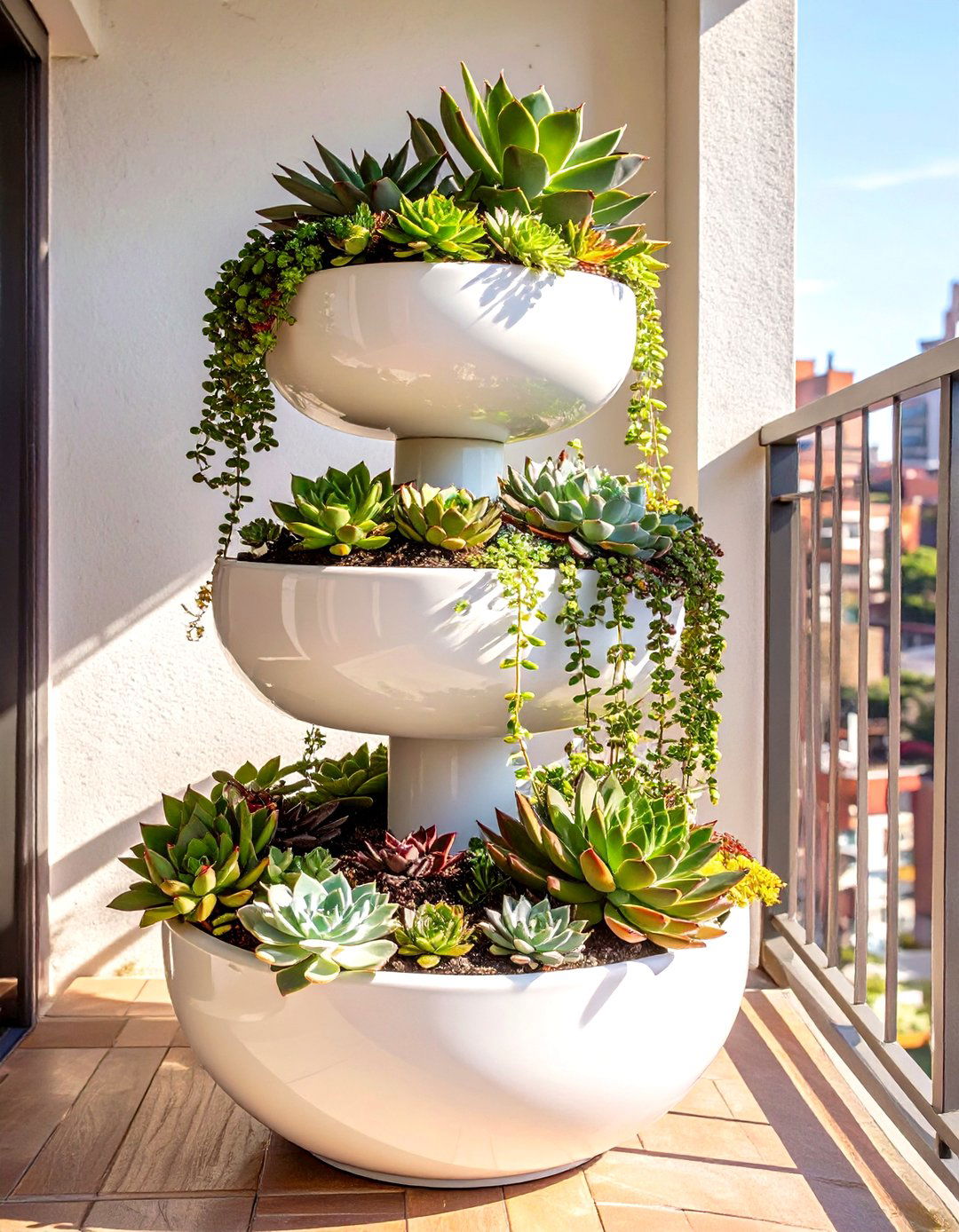
A tiered planter succulent garden is a fantastic way to display a large collection of succulents in a compact footprint. Using a multi-level planter, whether made of terracotta, wood, or metal, allows you to showcase different species at various heights, creating a lush, cascading effect. This design is particularly effective for highlighting the diverse shapes, colors, and textures within your collection. Taller succulents can occupy the top tier, while trailing varieties can spill over the edges of the lower levels. It’s an organized and visually dynamic solution for patios, balconies, or any small space needing a big impact.
6. Driftwood Succulent Garden Arrangement
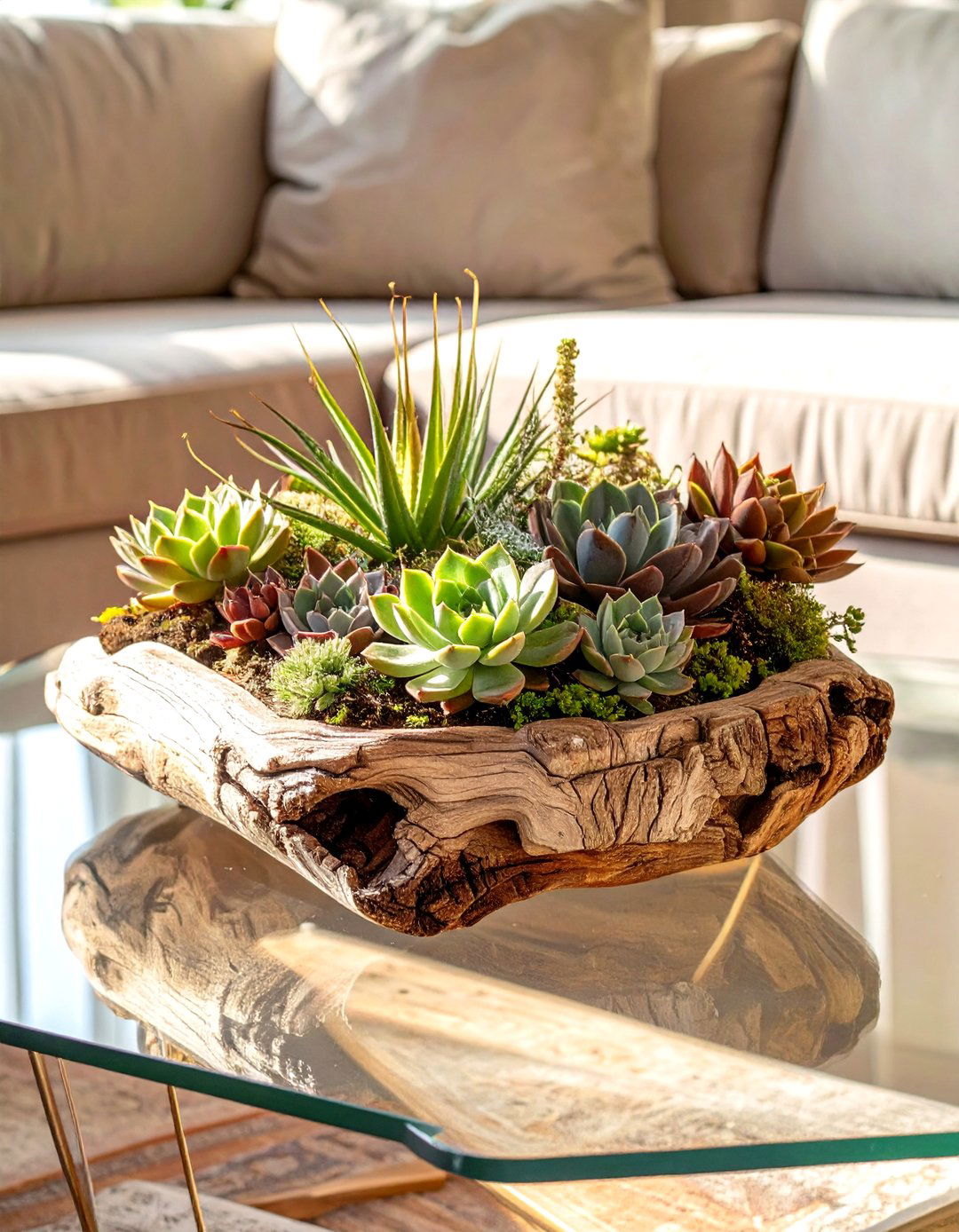
Using a piece of driftwood as a planter creates a stunning, naturalistic succulent garden arrangement. The weathered, organic shapes of the wood provide a beautiful contrast to the structured forms of succulents. You can hollow out crevices in the driftwood or use existing nooks to fill with a small amount of succulent soil. Air plants (Tillandsia) and smaller succulents like Sempervivum chicks are ideal for this type of display as they require minimal soil. This arrangement makes a dramatic centerpiece for a table or can be mounted on a wall for a unique piece of living art, blending coastal and desert aesthetics.
7. Cinder Block Succulent Garden Wall
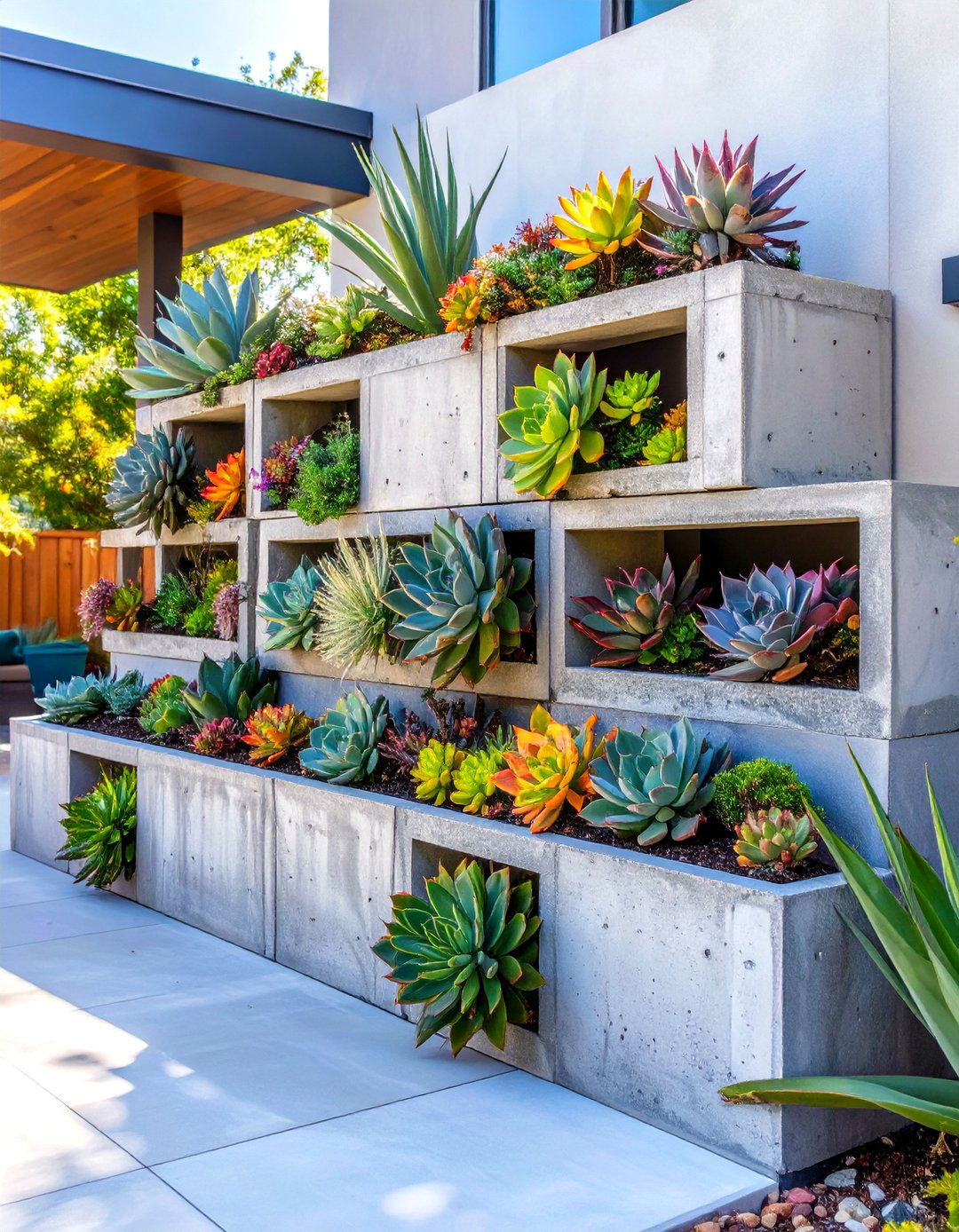
A cinder block succulent garden wall offers an affordable, modern, and industrial-chic way to display your plants. By stacking concrete blocks in a staggered pattern, you create individual pockets perfect for planting. The holes in the cinder blocks serve as built-in containers, providing excellent drainage. You can arrange the blocks to create a low border for a garden bed or stack them higher for a privacy screen or feature wall. Painting the blocks in bold colors or leaving them in their raw state allows for customization to fit your outdoor decor, turning a simple construction material into a functional and stylish garden.
8. Miniature Teacup Succulent Garden
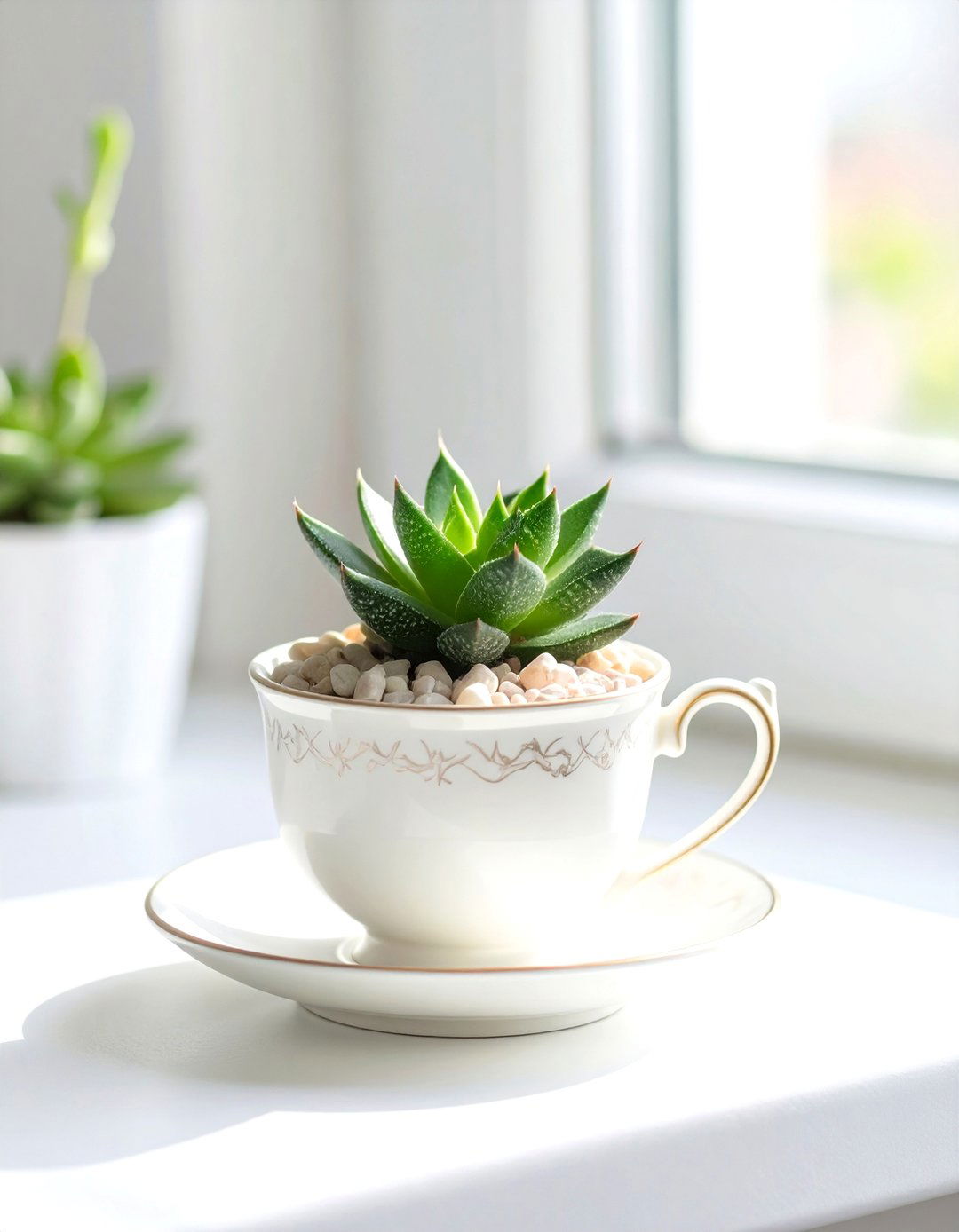
For a touch of delicate charm, a miniature teacup succulent garden is a delightful project. Vintage or mismatched teacups make perfect, petite containers for single small succulents or a tiny arrangement of a few varieties. Since teacups lack drainage holes, it's essential to add a layer of small pebbles at the bottom before adding soil to prevent waterlogging. A single Sempervivum 'chick' or a small Haworthia fits perfectly. These tiny gardens are wonderful as party favors, small gifts, or scattered along a windowsill for a whimsical display, adding a spot of green to the smallest of spaces.
9. Succulent Fairy Garden
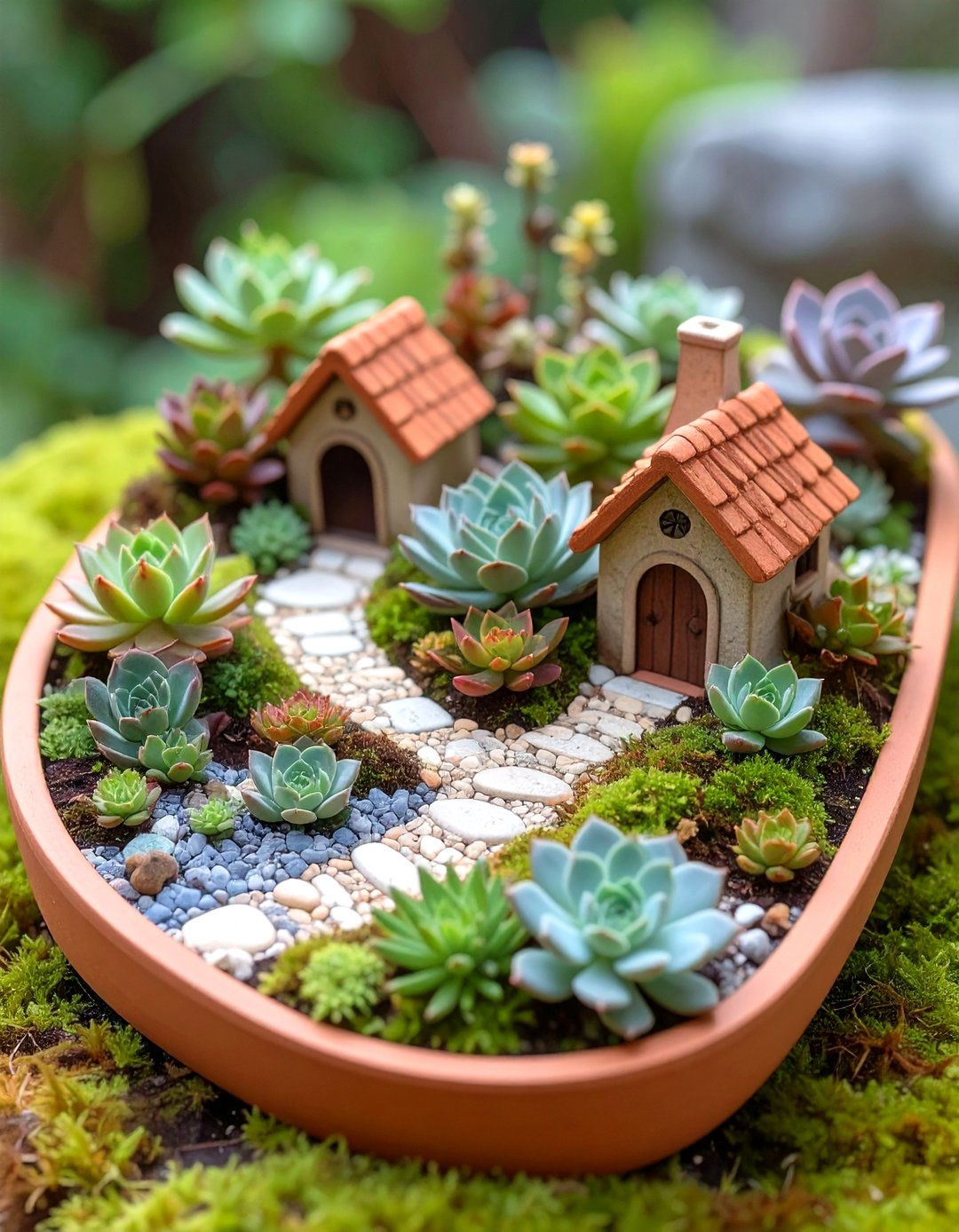
Creating a succulent fairy garden combines the fun of miniature gardening with the magic of folklore. Start with a shallow, wide container like a broken pot or a wooden tray. Use small, slow-growing succulents like Sedums and Echeverias to create a tiny landscape. Then, add miniature accessories such as fairy houses, tiny benches, pebble pathways, and small fairy figurines to bring the scene to life. This imaginative project is perfect for both children and adults, allowing for endless creativity. The result is a whimsical, tiny world that adds a touch of enchantment to your porch, patio, or even an indoor tabletop.

10. Hanging Globe Succulent Garden
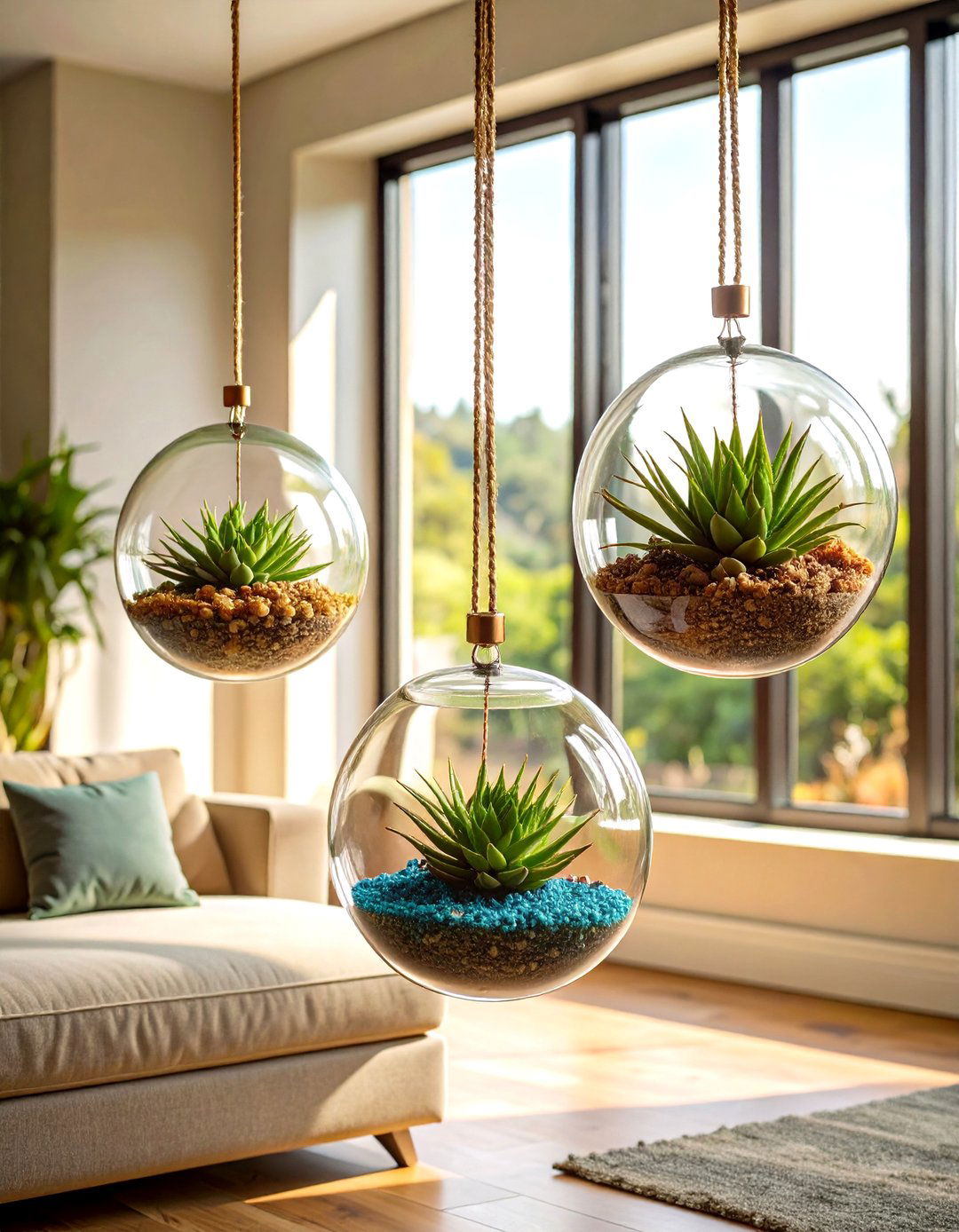
Hanging glass globes or orbs filled with succulents offer a modern and elegant way to display these plants. These clear containers, often designed with an opening on the side, create a floating, minimalist aesthetic. Suspend them individually or in clusters at varying heights near a sunny window for a dramatic effect. Small succulents or air plants are best suited for these planters. Adding a layer of colored sand or fine gravel can introduce a pop of color. These hanging gardens are ideal for adding greenery to a room without taking up any surface space, providing a clean and contemporary look.
11. Repurposed Shoe Succulent Garden
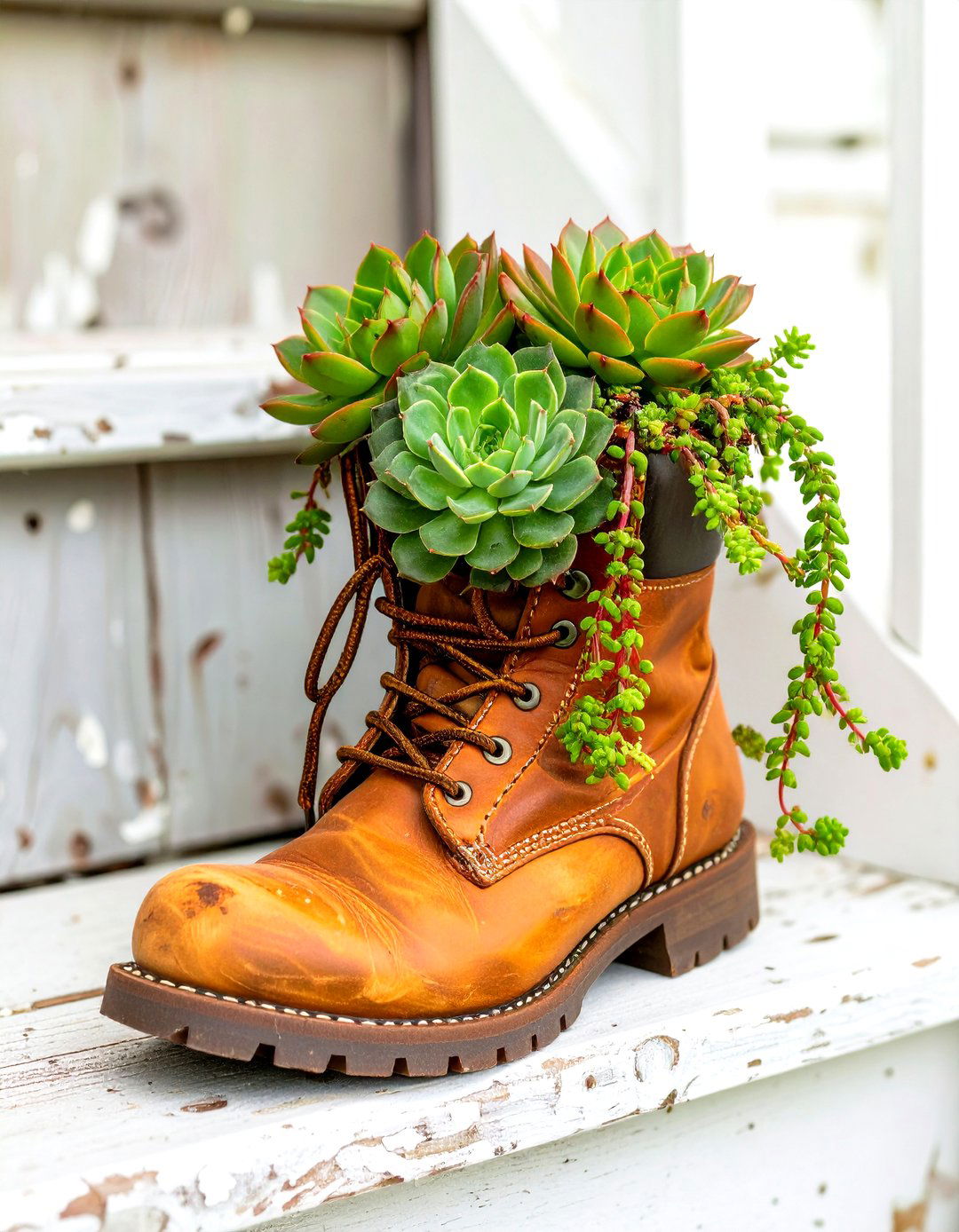
For a truly unique and quirky planter, consider a repurposed shoe succulent garden. An old leather boot, a colorful rain boot, or even a classic high-heeled shoe can be transformed into an eye-catching home for your succulents. Ensure you drill drainage holes in the sole of the shoe to prevent root rot. Fill the shoe with a well-draining soil mix and plant a few hardy succulents that complement its style. This unconventional planter is a fantastic conversation starter and a creative way to upcycle old footwear, adding a dose of personality and humor to your garden or porch decor.
12. Strawberry Pot Succulent Garden
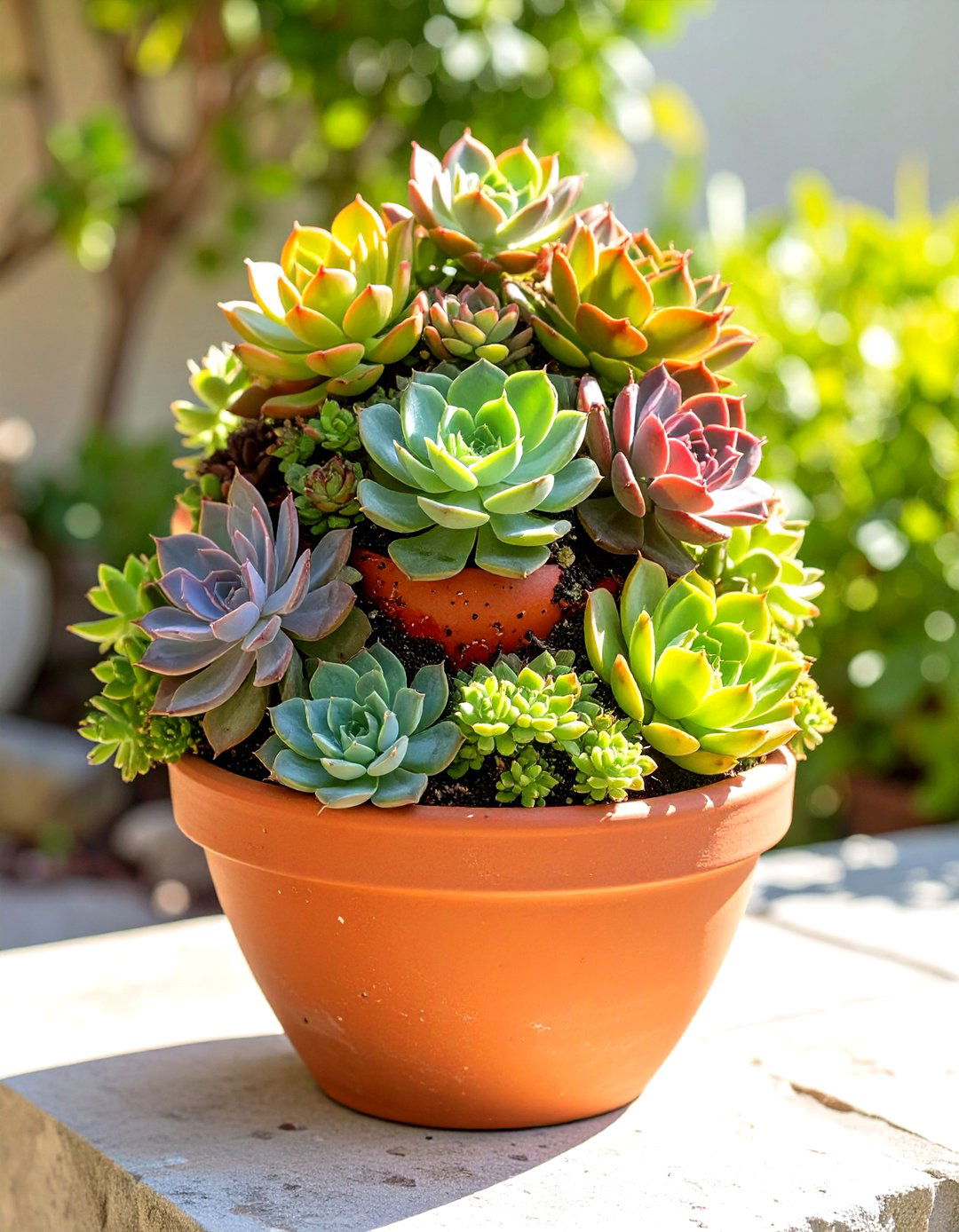
A traditional strawberry pot, with its multiple side pockets, is perfectly suited for creating a vibrant succulent garden. The individual openings are ideal for showcasing a variety of small succulents, allowing each plant to have its own space while contributing to a cohesive, tower-like display. Taller, more upright succulents can be planted in the top opening, while smaller, rosette-forming or trailing varieties can be tucked into the side pockets. This creates a full, textured arrangement from all angles. The terracotta material also provides excellent breathability for the roots, making it a healthy environment for drought-loving plants.
13. Succulent Wreath for Doors
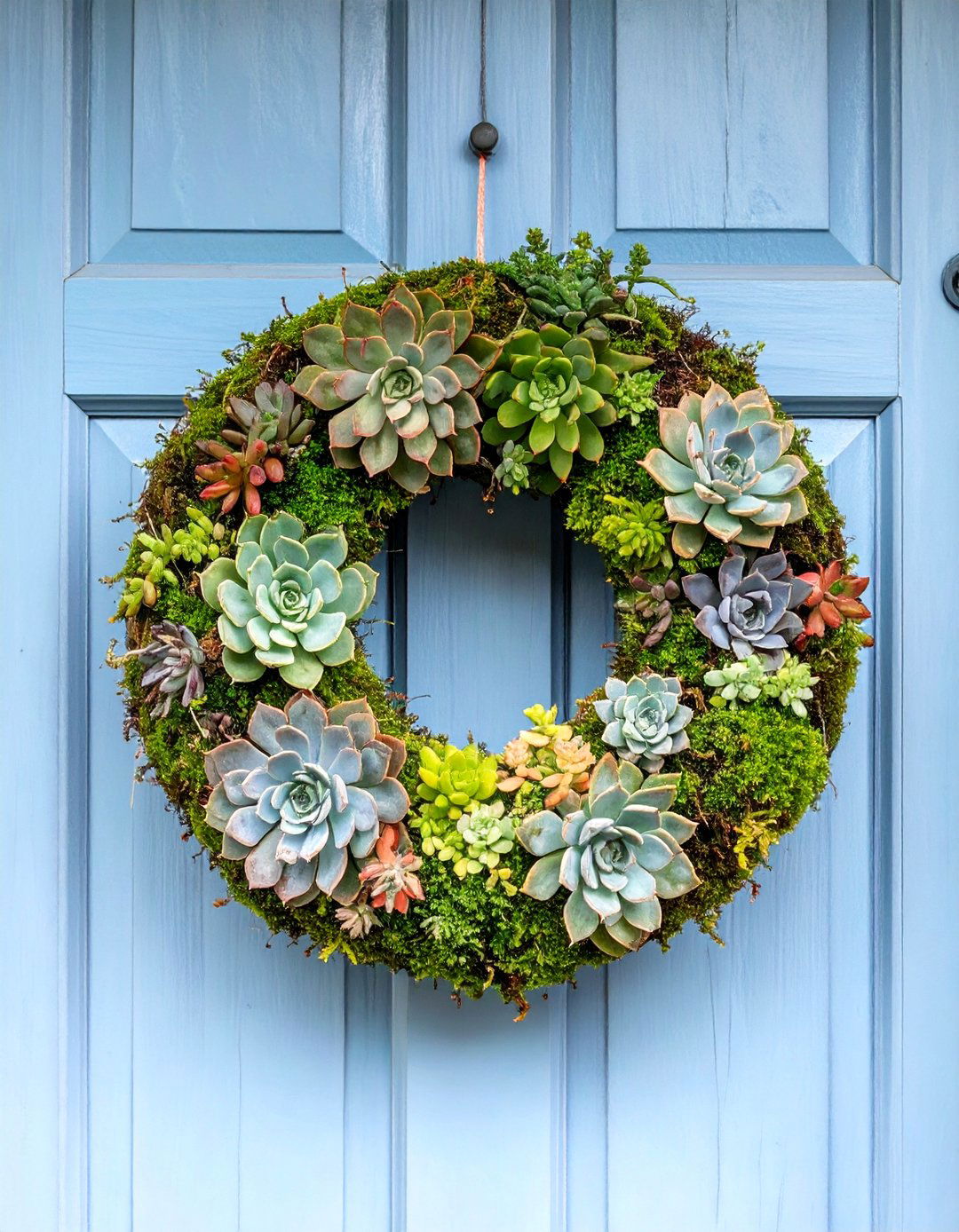
A succulent wreath is a living decoration that offers a stunning alternative to traditional floral wreaths. By using a sphagnum moss wreath form as a base, you can securely insert the cuttings of various succulents like Sedum, Echeveria, and Sempervivum. Over time, the cuttings will root into the moss, creating a lush, durable arrangement. This living wreath can be hung on a front door, a garden gate, or used as a centerpiece for an outdoor table. It requires occasional misting and bright, indirect light to thrive, providing a beautiful, long-lasting display that changes and grows over time.
14. Old Toolbox Succulent Garden
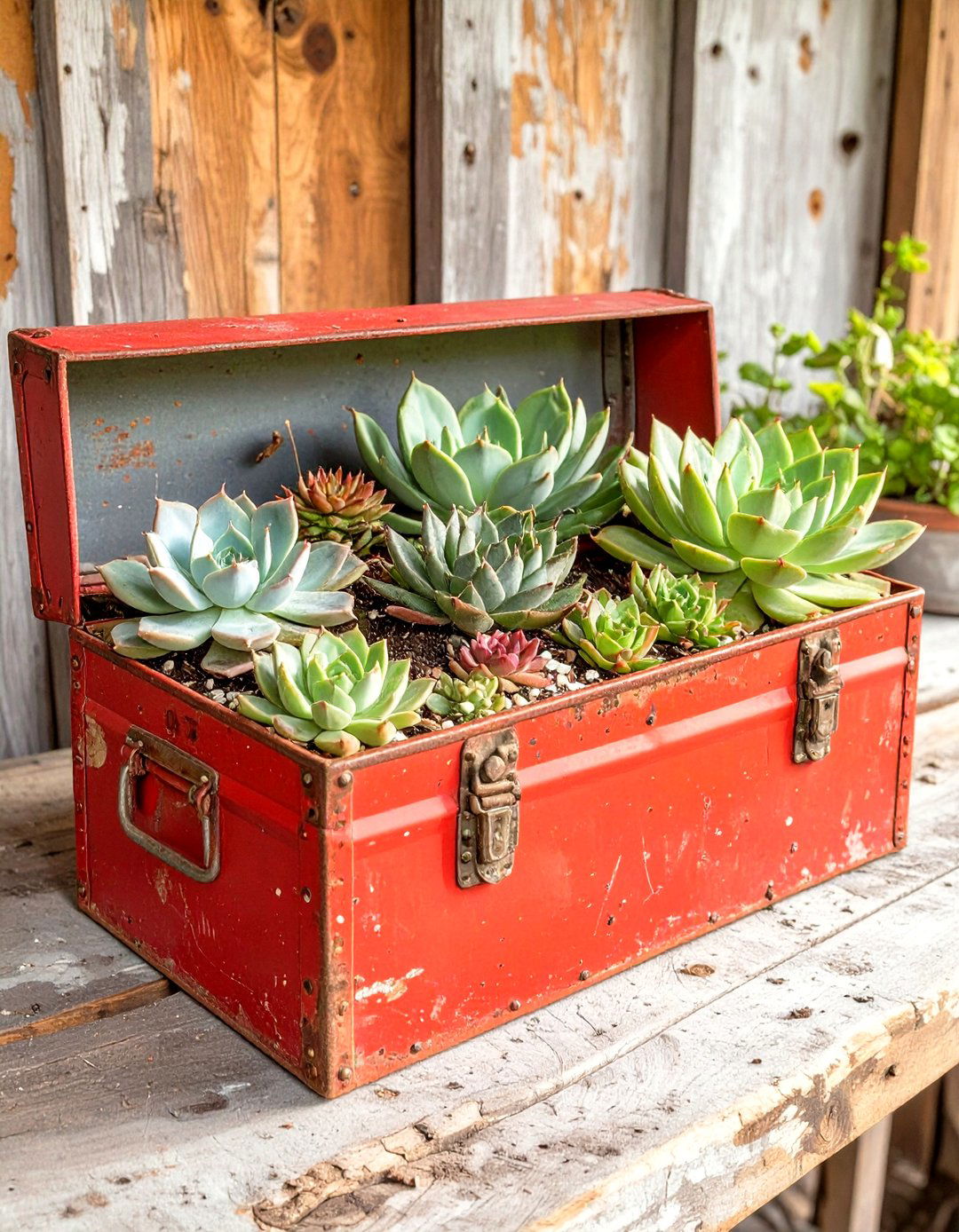
An old, rustic toolbox can be upcycled into a charming and character-filled succulent garden. Whether it’s a vintage wooden crate or a weathered metal cantilever box, its compartments provide perfect sections for planting different types of succulents. The aged patina of the toolbox adds a rustic, industrial feel to the arrangement. Be sure to drill drainage holes in the bottom before filling it with cactus soil. The handle makes it easily portable, so you can move your miniature garden to catch the sun or bring it indoors during colder weather. This is a creative way to give an old item new life.

15. Broken Pot Succulent Garden
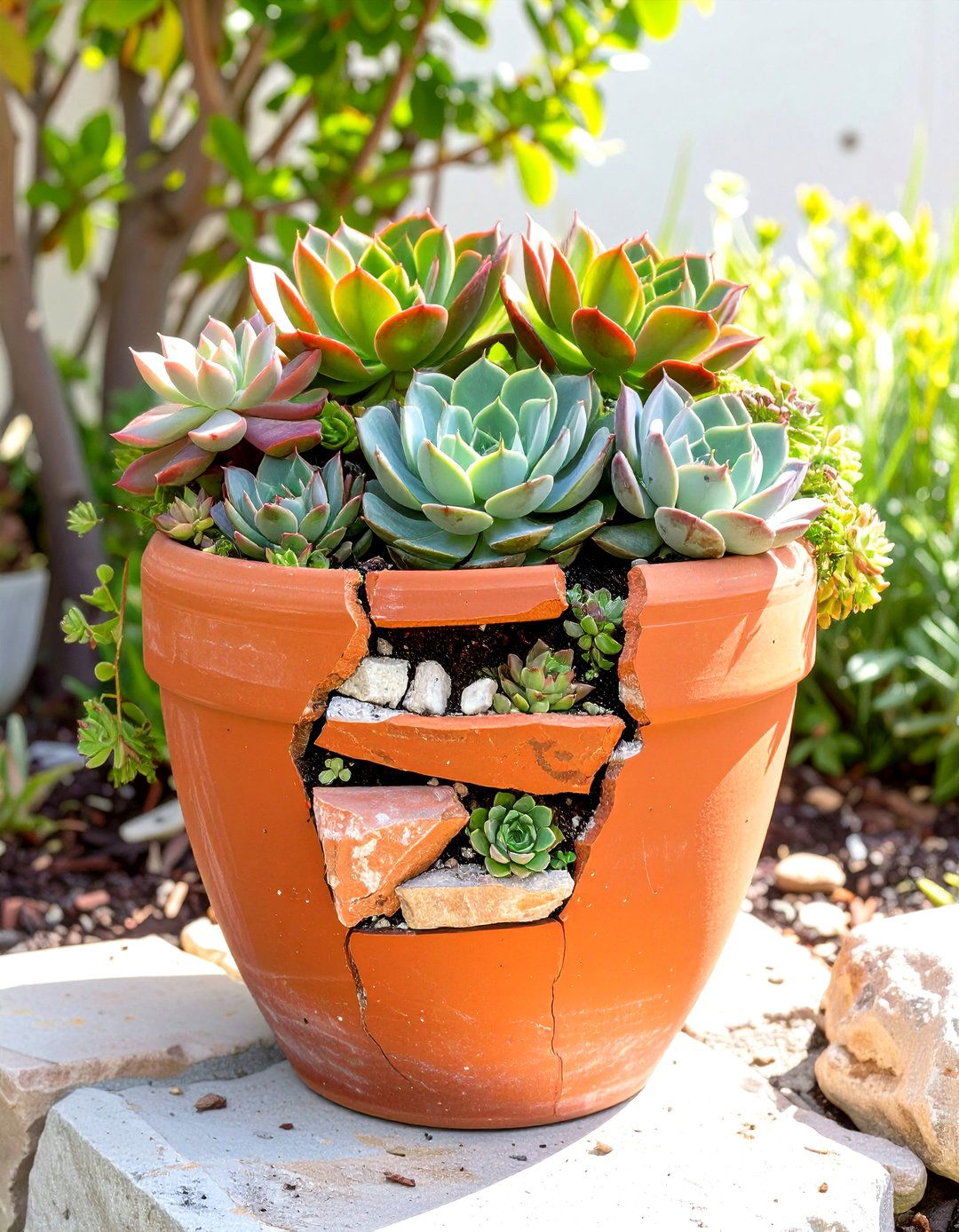
Don't throw away that broken terracotta pot; instead, turn it into a creative broken pot succulent garden. By strategically arranging the broken shards within the main pot, you can create a multi-level, tiered landscape. Fill the layers with soil and plant small succulents, creating a "spilling" effect as if the plants are cascading down the broken edges. This method transforms an unfortunate accident into an intentional, artistic design. It’s a wonderful way to add a story and a unique structural element to your garden, showcasing how beauty can be found in imperfection and resourcefulness.
16. Log Planter Succulent Garden
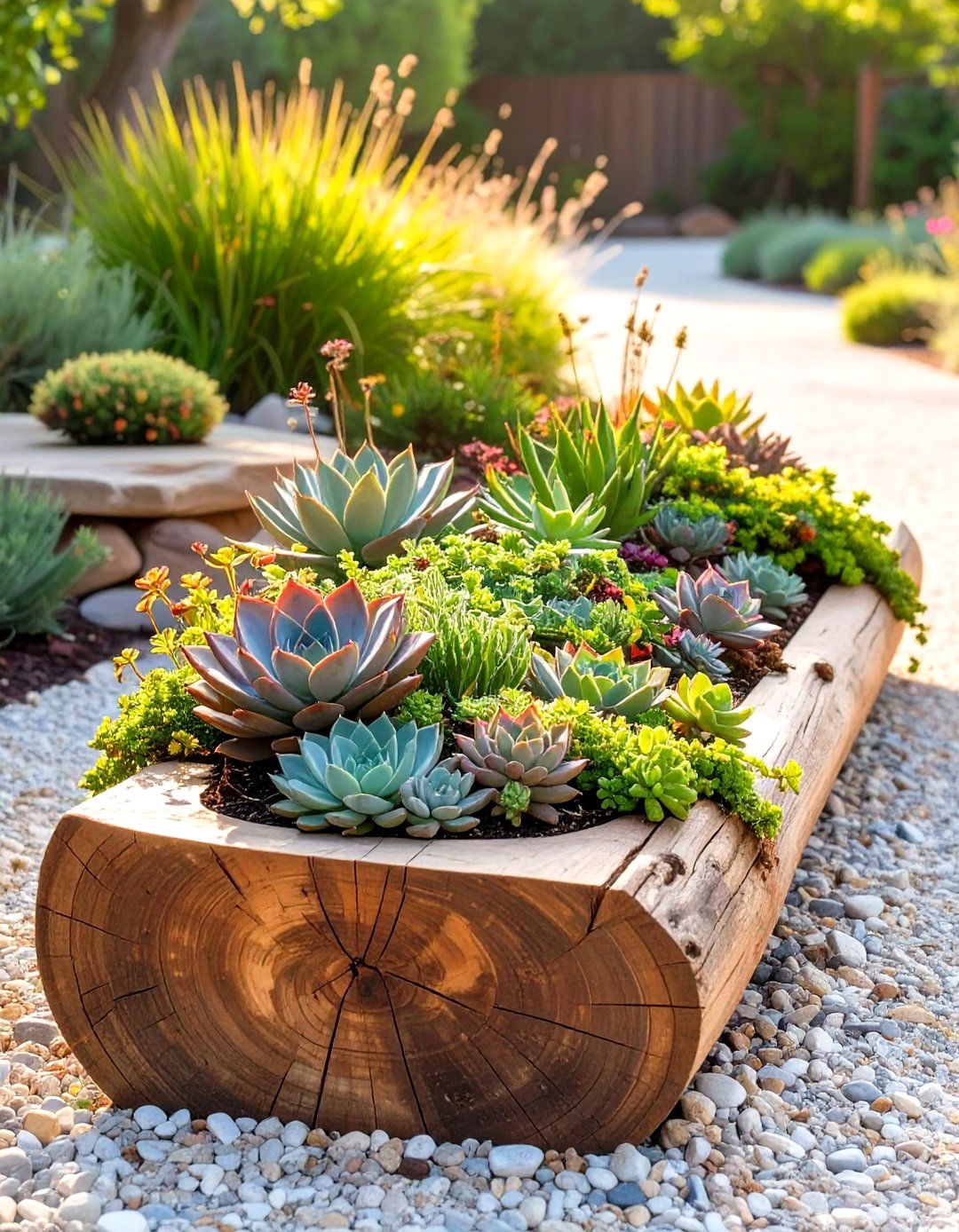
A hollowed-out log serves as a beautiful, rustic planter for a succulent garden. The natural wood provides an organic and earthy container that blends seamlessly into an outdoor setting. You can find a naturally hollow log or create a trough in a solid one using carving tools. Fill the cavity with a well-draining soil mix and plant a variety of succulents along its length. Trailing succulents planted near the edges will spill over the sides, softening the look. This log planter works wonderfully as a border for a garden path or as a standalone feature on a deck or patio.
17. Colander Succulent Garden
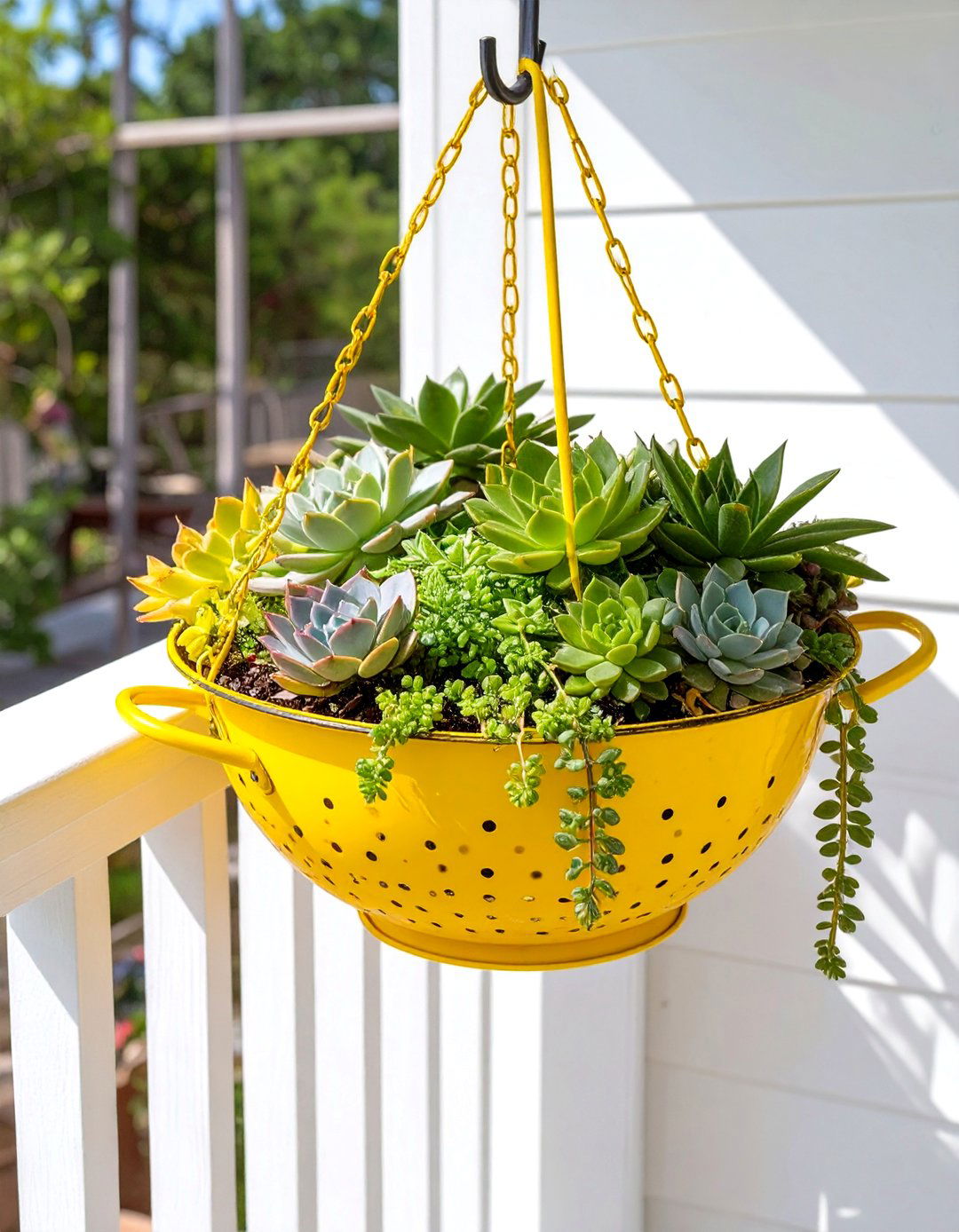
A vintage or brightly colored colander makes an excellent and unconventional hanging planter for succulents. The built-in drainage holes are a major advantage, ensuring that your plants will never be waterlogged. Simply line the colander with a piece of landscape fabric or moss to prevent soil from washing out, then fill it with a lightweight cactus mix. Plant a mix of upright and trailing succulents to create a full, beautiful arrangement. Hung from a hook on a porch or a tree branch, a colander succulent garden adds a whimsical, retro touch to your outdoor space.
18. Succulent Monogram Letter
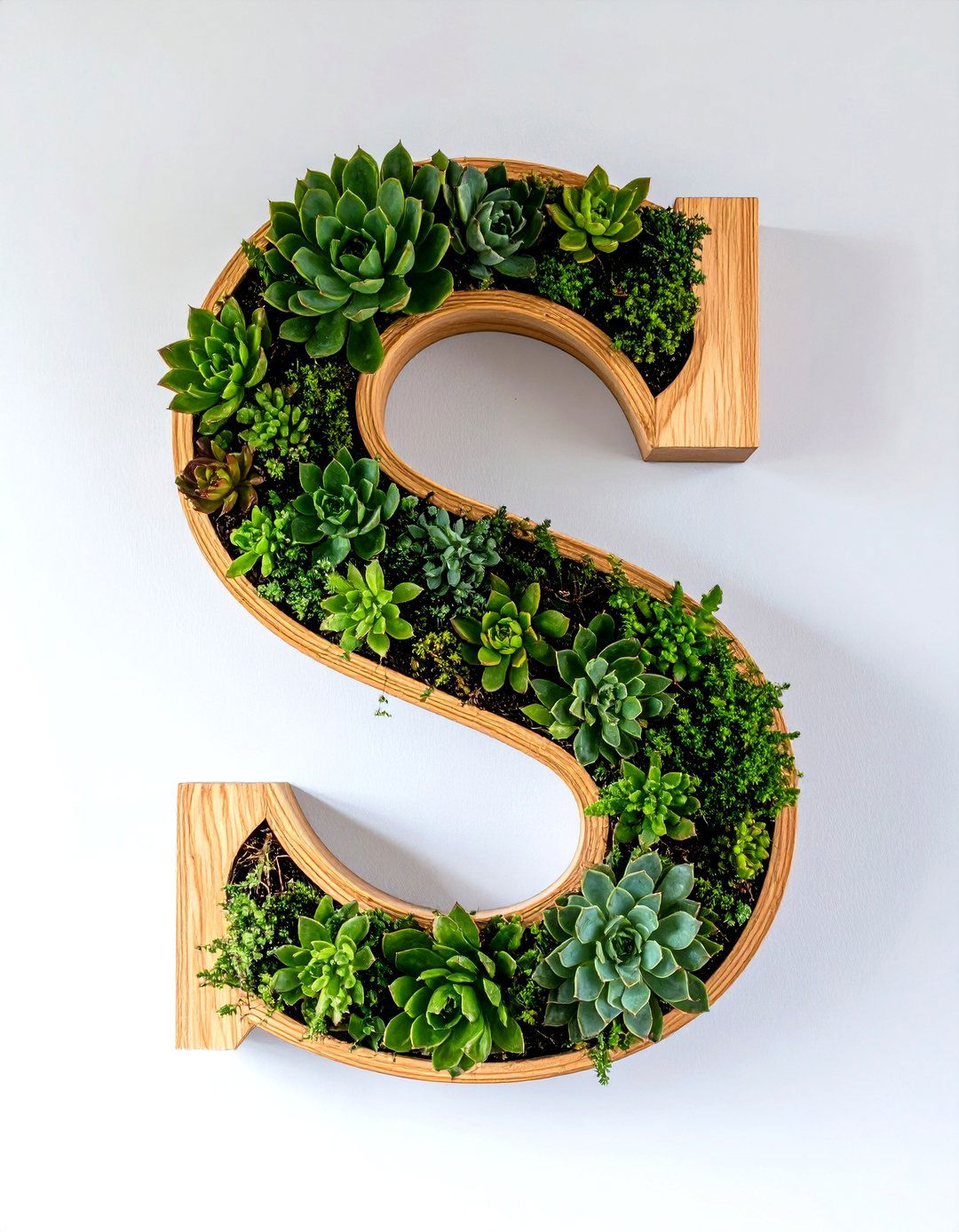
Create a personalized piece of living art with a succulent monogram letter. You can purchase a pre-made wooden or metal letter form or build one yourself. Fill the hollow letter with sphagnum moss and then carefully plant small succulent cuttings, like Sempervivum or Sedum, into the moss. The plants will root and grow, filling out the letter shape over time. This unique decoration can be hung on a wall, placed on a mantle, or used as a centerpiece for a special event like a wedding, adding a personal and green touch to your decor.
19. Picture Frame Succulent Garden
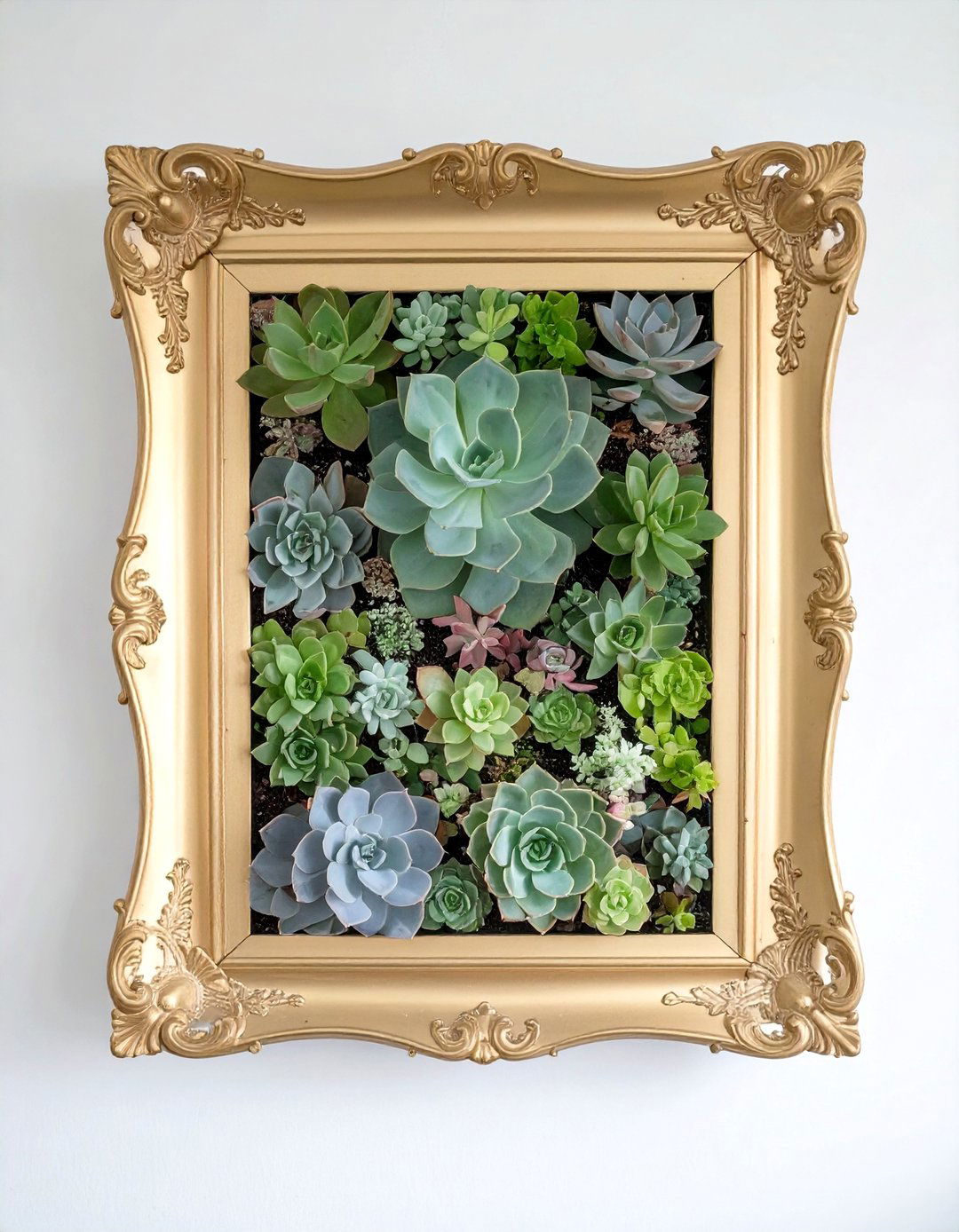
An old picture frame can be repurposed into a shallow, vertical succulent garden. Build a shallow box behind the frame and cover the front with chicken wire or mesh to hold the soil and plants in place. Plant small succulent cuttings through the mesh, packing them tightly to create a dense, textured design. Once the plants have rooted, you can hang the frame on a wall like a piece of art. This project is a creative way to upcycle an old frame and create a stunning, low-profile living display that adds a unique artistic element to any room or outdoor wall.


20. Gutter Garden for Succulents
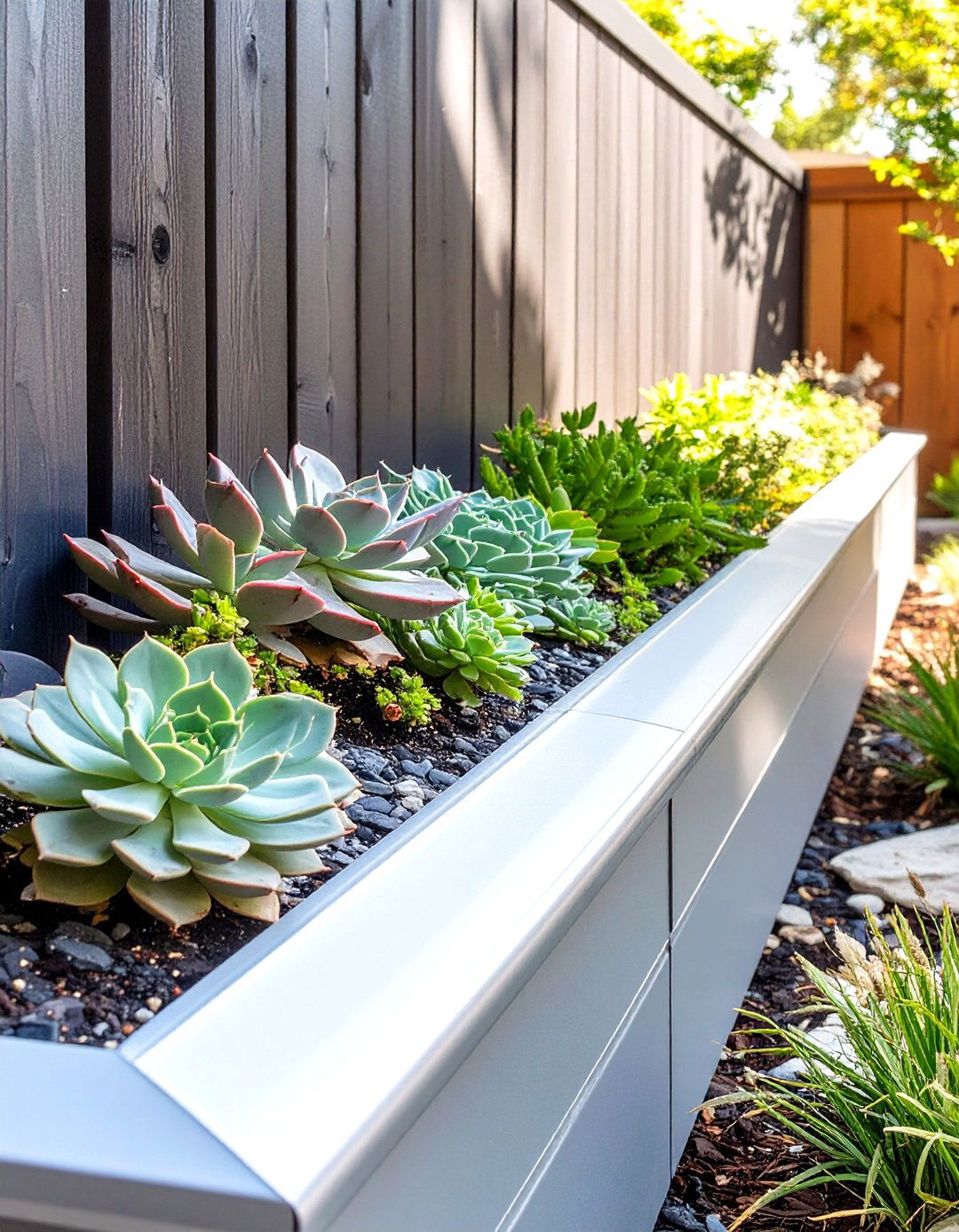
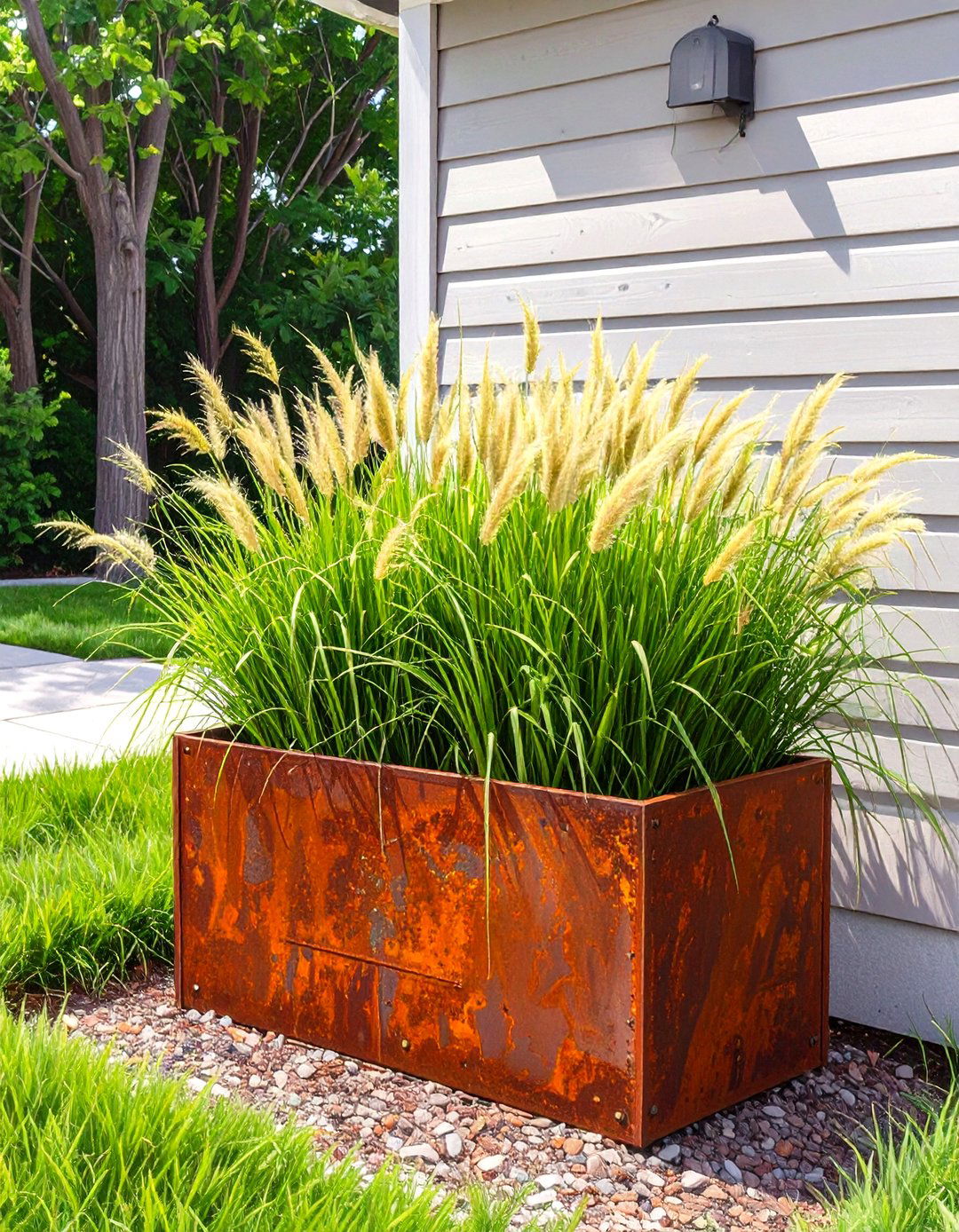
A section of rain gutter provides a perfect, space-saving solution for a succulent garden. Mount a piece of gutter horizontally on a wall, fence, or balcony railing. Ensure you drill a few drainage holes along the bottom and add end caps to contain the soil. Fill the gutter with a well-draining soil mix and plant a row of your favorite succulents. This linear planter is ideal for creating a sleek, modern look and is especially useful for gardeners with limited space. You can create a multi-level display by mounting several gutters in a tiered arrangement on a wall.
21. Wheelbarrow Succulent Garden
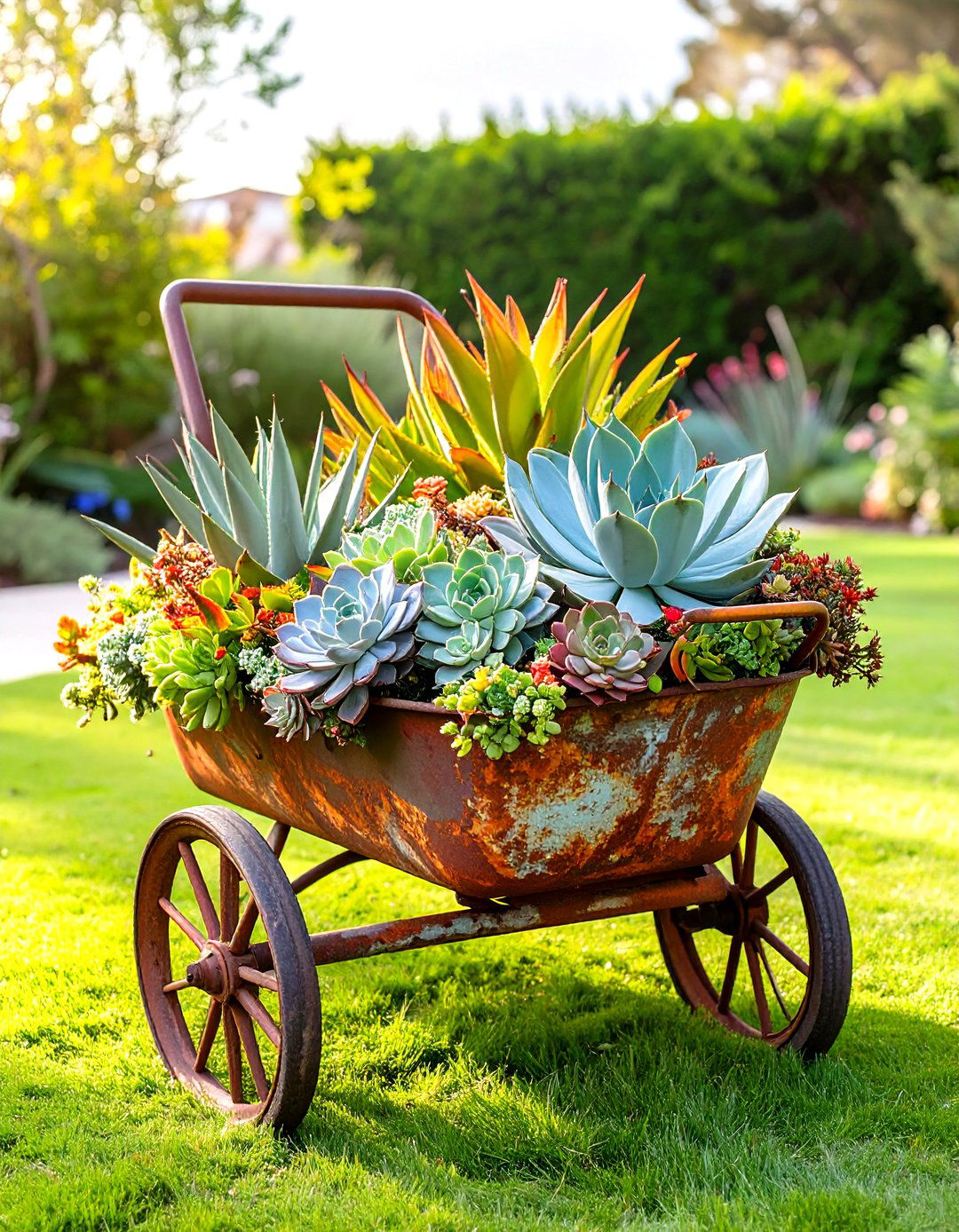
An old, rustic wheelbarrow makes a large and mobile planter for a spectacular succulent garden. Its large basin provides ample space for creating a diverse landscape with a variety of succulents of different sizes, shapes, and colors. The weathered look of a vintage wheelbarrow adds country charm to your garden decor. Because it’s mobile, you can easily move your garden to different locations to take advantage of sunlight or protect it from harsh weather. Just be sure to drill drainage holes in the bottom of the wheelbarrow bed before you start planting your stunning arrangement.
22. Fountain Succulent Garden
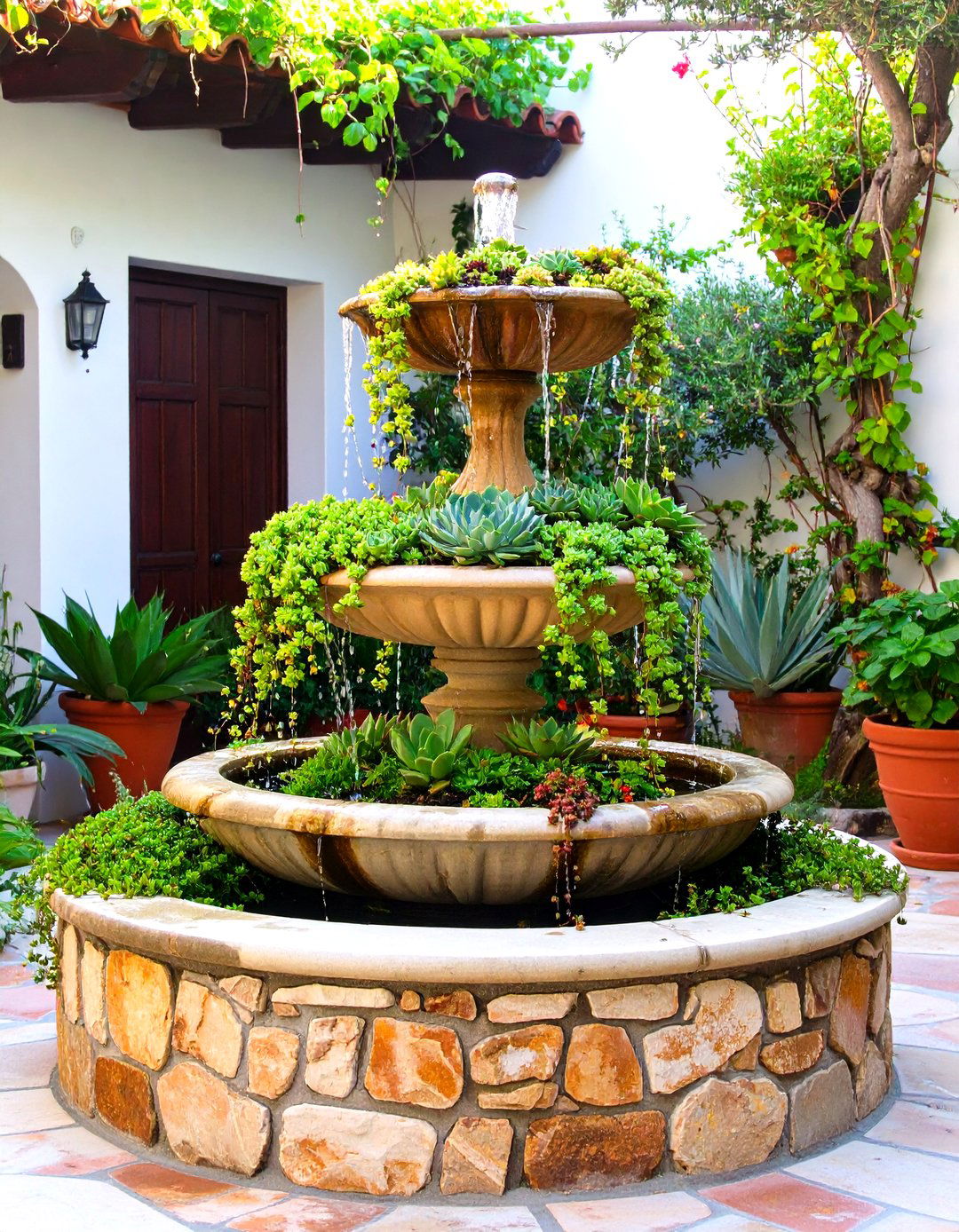
Repurpose a non-functional tiered water fountain into a magnificent succulent garden. The multiple basins of the fountain create a natural, cascading structure for planting. Fill each tier with a well-draining soil mix suitable for succulents. Plant taller, more dramatic succulents like Agave or Aloe in the top tier, and use trailing varieties like String of Pearls or Sedum morganianum to spill over the edges of the lower basins. This creates a stunning, dynamic display that makes a grand statement in any garden or courtyard, transforming an obsolete feature into a vibrant, drought-tolerant centerpiece.
23. Concrete Hand Succulent Planters
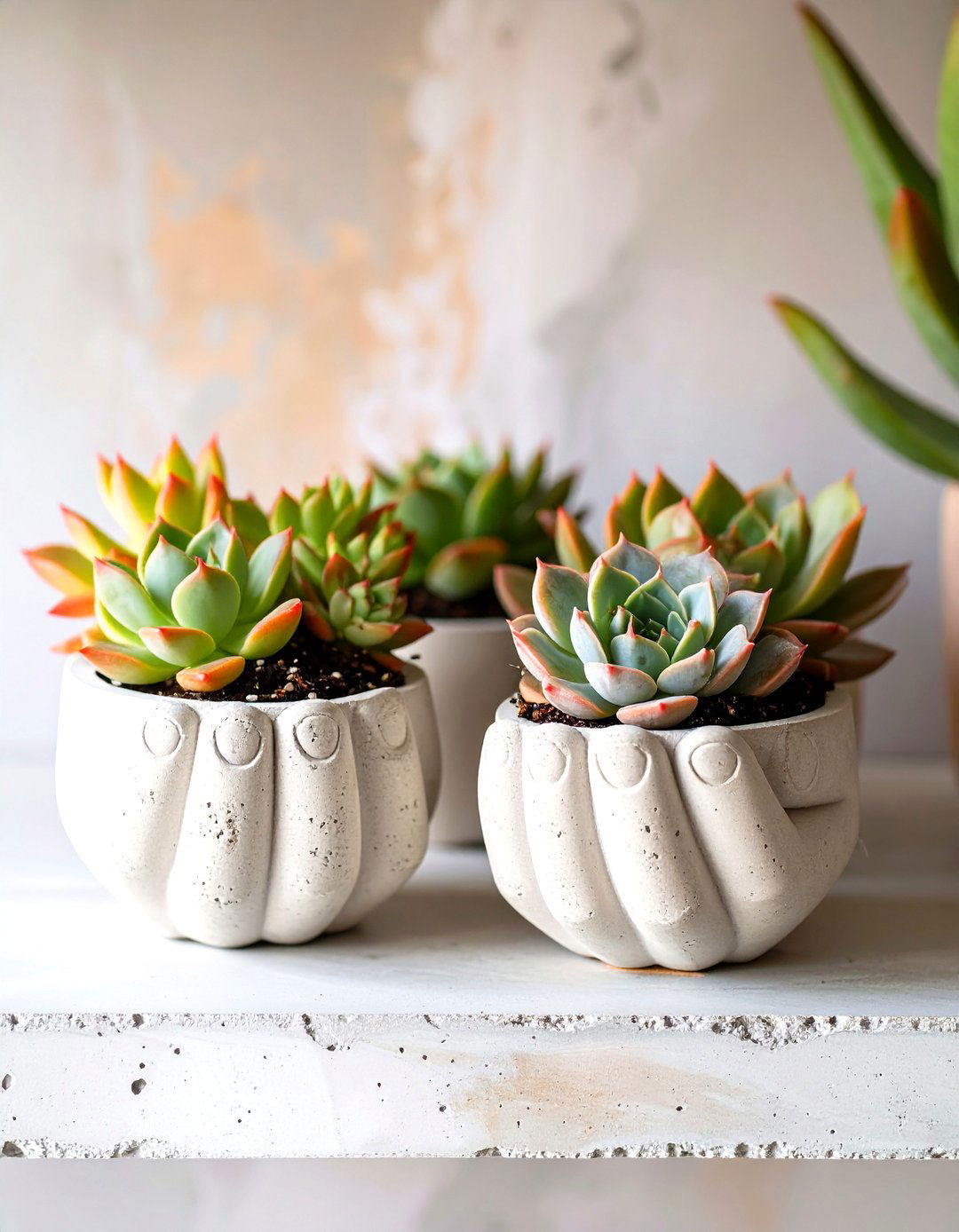
For a truly artistic and unusual touch, use concrete hand planters for your small succulents. These planters, shaped like cupped hands, create the illusion that the plant is being gently held and presented. The gray, textured concrete provides a striking contrast to the vibrant greens and reds of the succulents. They are perfect for holding a single Echeveria rosette or a small clump of Sempervivum. Placed on a bookshelf, desk, or outdoor table, these unique planters add a sculptural and thought-provoking element to your plant display, blending art with horticulture in a beautiful way.
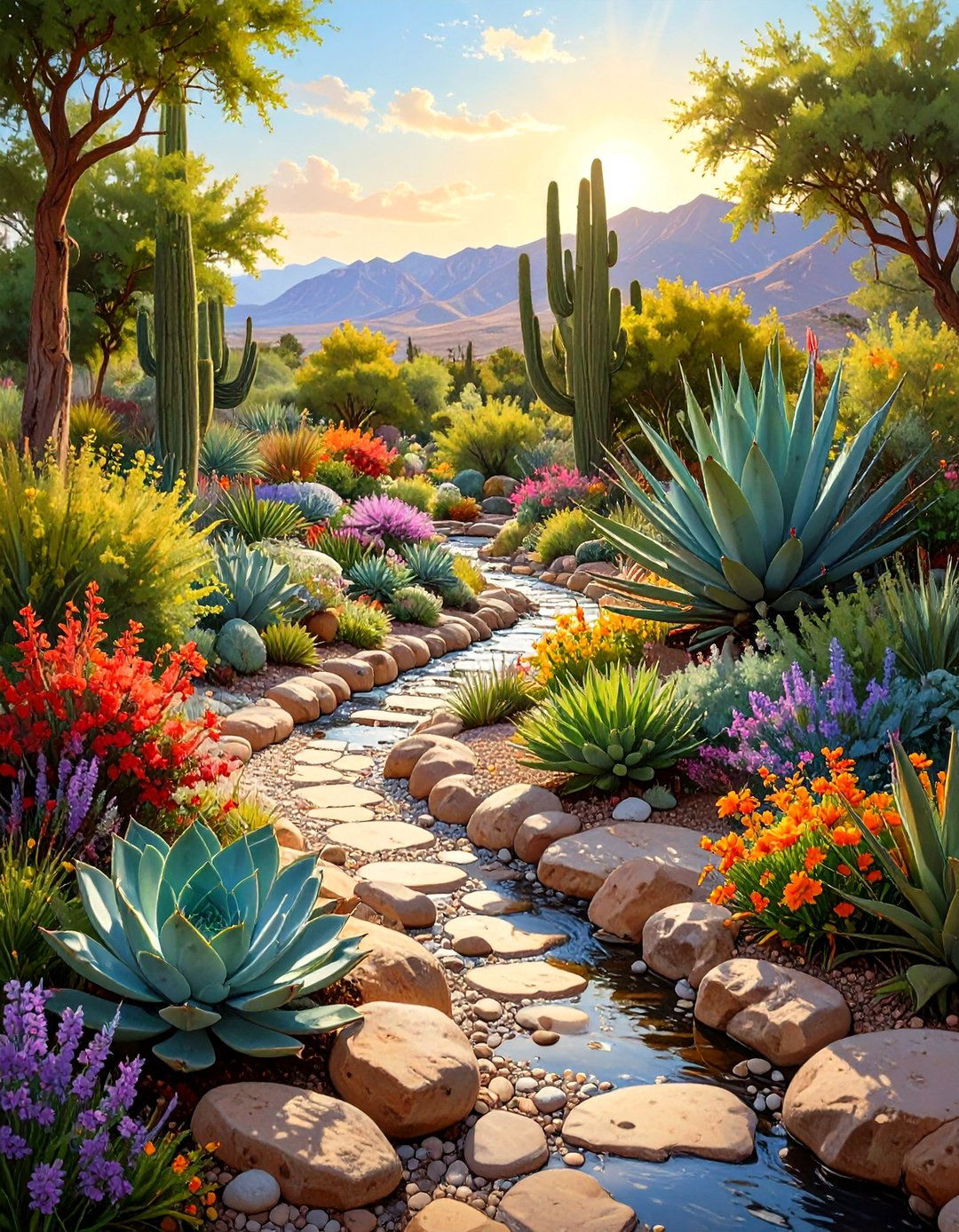
24. Succulent and Cactus Desert Garden
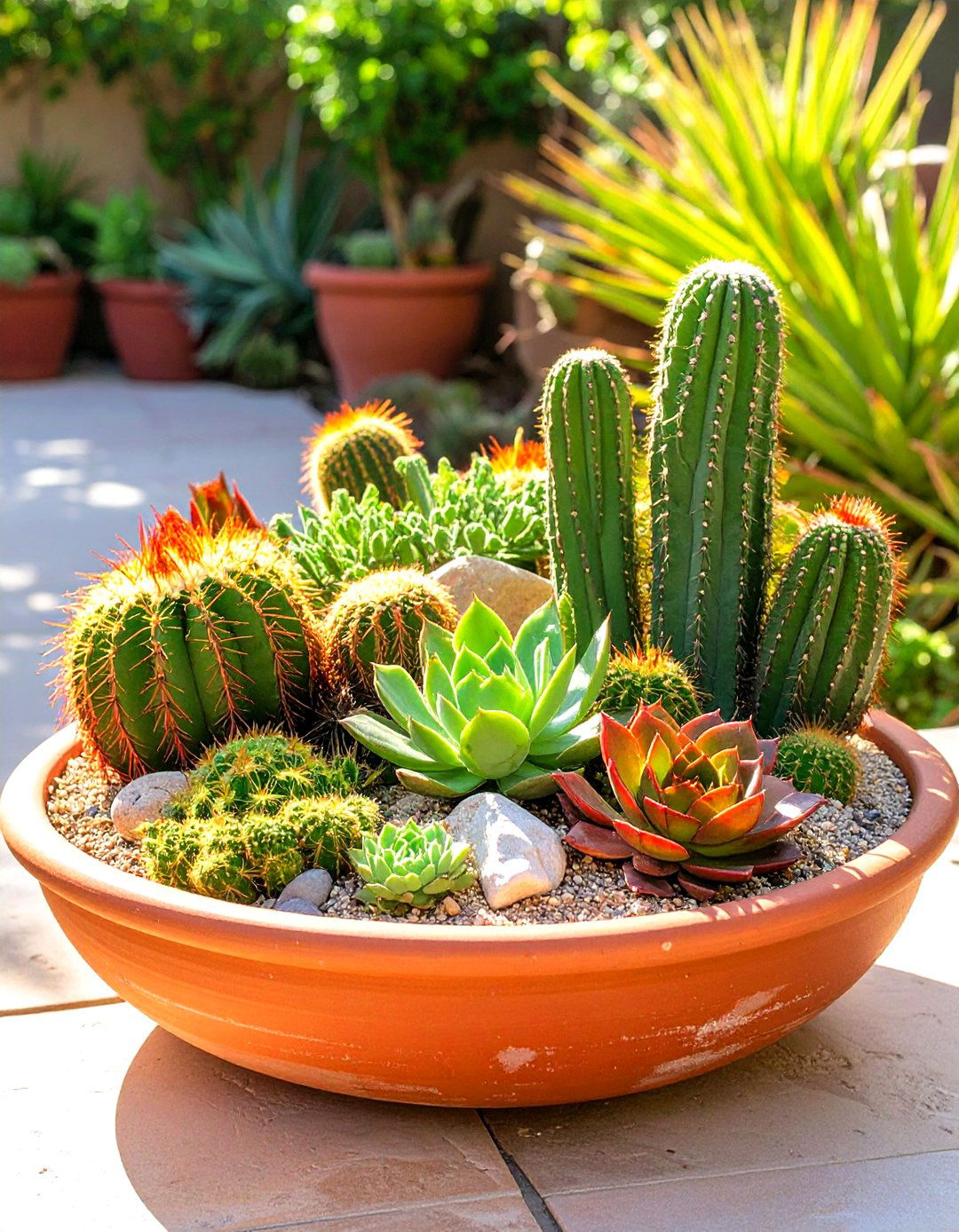
Create a miniature desert landscape by designing a succulent and cactus desert garden. Use a wide, shallow bowl or a designated patch in your yard. Start with a sandy, gritty soil mix to ensure excellent drainage. Incorporate different types of cacti and succulents that thrive in similar arid conditions, such as barrel cacti, prickly pears, and various aloes. Adding rocks, sand, and even bleached wood can enhance the desert theme. This type of garden is incredibly low-maintenance and water-wise, perfect for hot, sunny climates, and it brings a piece of the dramatic desert landscape to your home.
25. Wine Bottle Succulent Planter
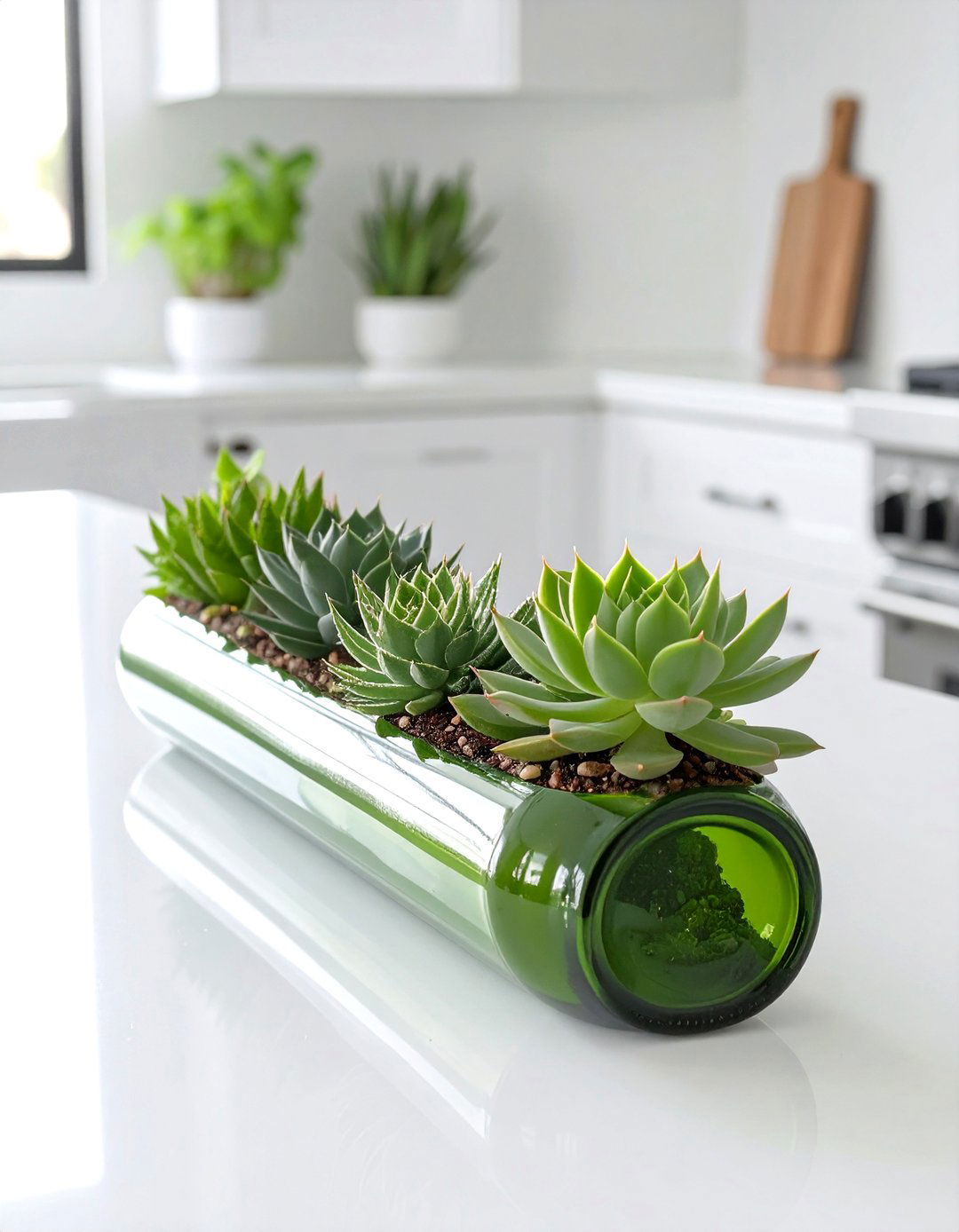
A wine bottle, cut lengthwise, can be transformed into a sleek and modern succulent planter. This DIY project requires careful cutting of the glass bottle to create a long, trough-like container. Placed on its side, the bottle can be filled with soil and planted with a row of small succulents like Gasteria or Haworthia. This unique planter is perfect for a narrow windowsill or as a centerpiece on a dining table. The colored glass of the wine bottle can add an extra decorative element to the display, creating a chic and sophisticated home for your plants.
26. Painted Can Succulent Planters
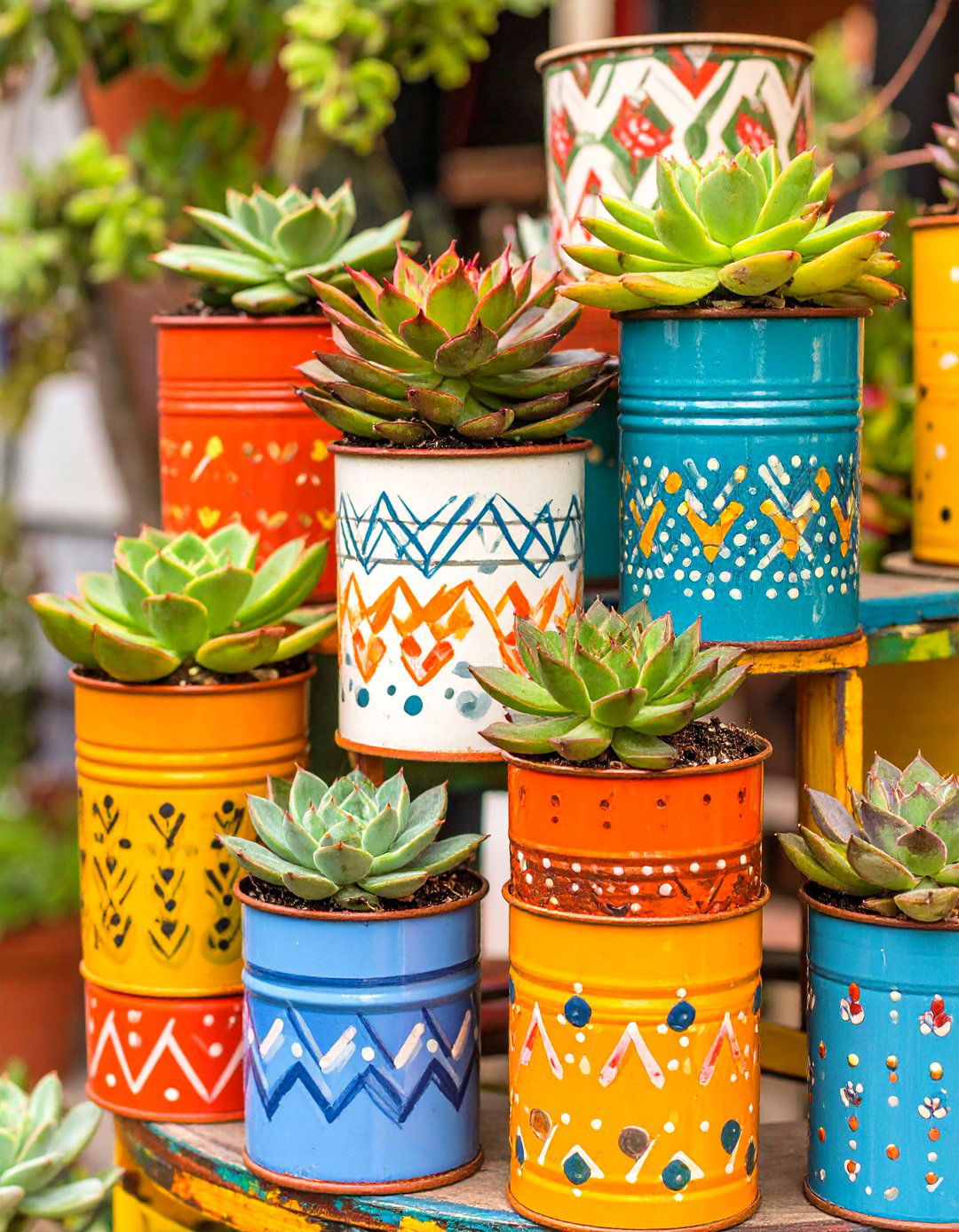
Upcycle empty tin cans into vibrant and cheerful succulent planters. After thoroughly cleaning the cans, you can paint them in bright colors or bold patterns to match your decor. This is a fun and inexpensive way to add a personal touch to your plant collection. Drill a few drainage holes in the bottom of each can before adding soil and planting your succulents. Grouping several painted cans together, each holding a different succulent, creates a colorful and eclectic display for a sunny windowsill, patio table, or kitchen counter, proving that great garden design doesn't have to be expensive.
27. Succulent Chess Board Garden
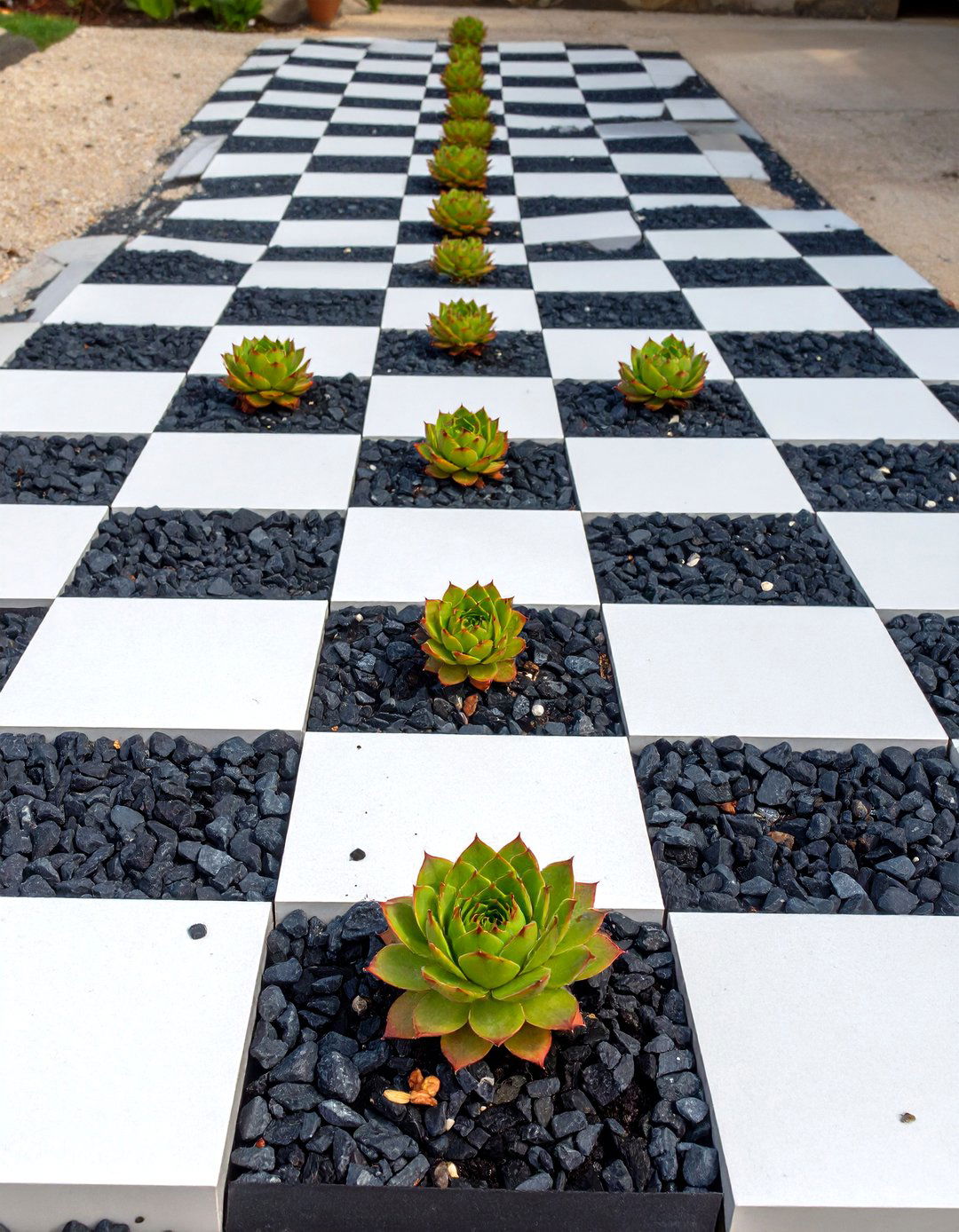
Combine a love for strategy and gardening by creating a succulent chess board garden. Use a large, flat planter or a dedicated garden bed to create a grid pattern resembling a chessboard, using contrasting colors of gravel or small tiles for the squares. Plant small, rosette-forming succulents like Sempervivum or Echeveria as the "chess pieces," choosing two different colored varieties to represent the opposing sides. This imaginative and interactive garden is a unique conversation piece and a playful way to display a collection of small succulents, turning your garden into a living game.
28. Seashell Succulent Planters

For a beach-themed display, use large seashells as miniature planters for your succulents. Shells like large conchs or abalones have natural cavities that are perfect for holding a small amount of soil. These are best suited for air plants or very small succulent cuttings that require minimal root space. Place a small amount of succulent mix into the shell's opening and gently tuck in the plant. These tiny, natural planters look beautiful when scattered on a tray of sand or displayed on a bathroom shelf, bringing a touch of coastal charm and organic beauty into your home.
29. Antique Drawer Succulent Garden
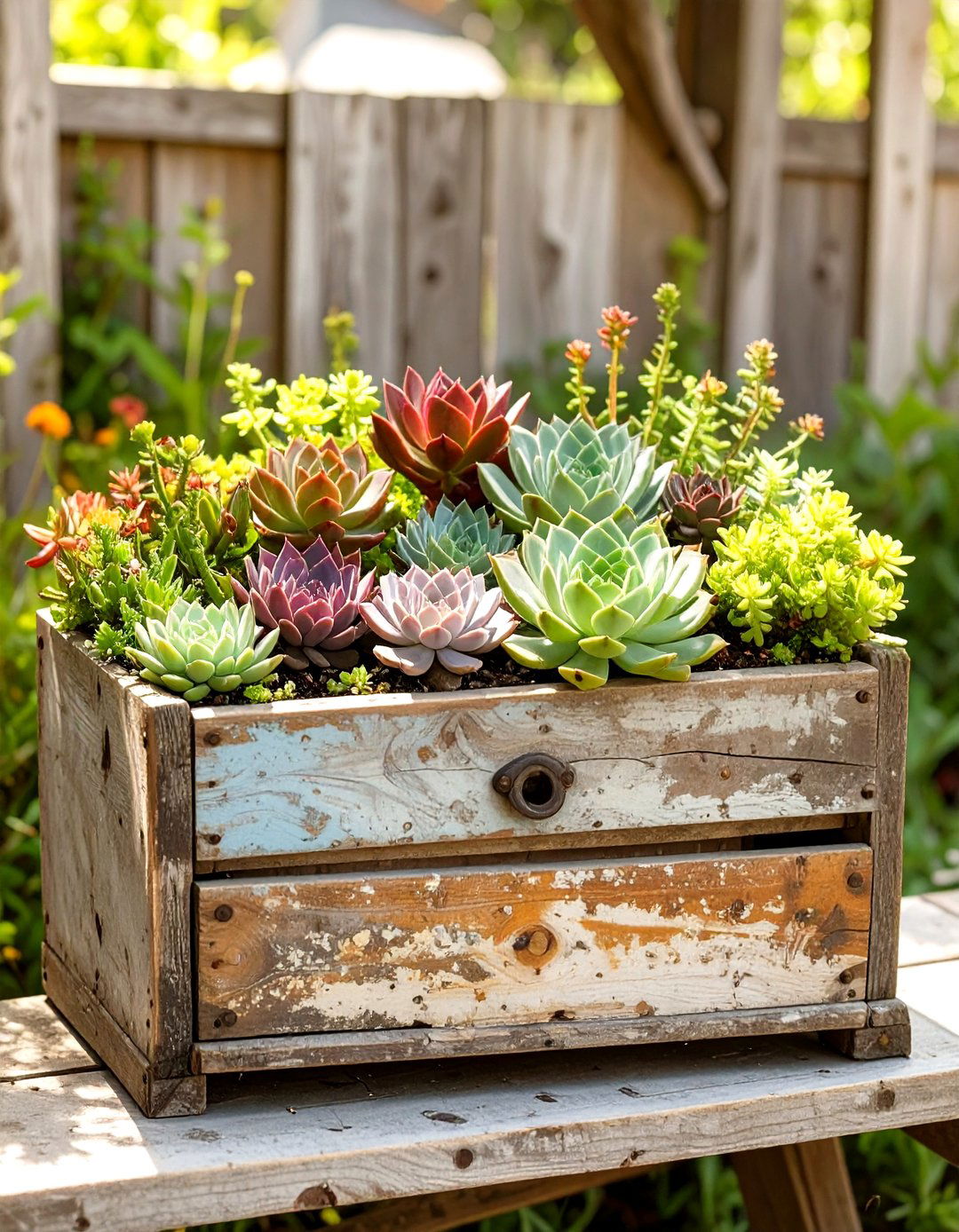
An old wooden drawer from a dresser or cabinet can be repurposed into a charming, rustic succulent garden. The shallow depth of a drawer is ideal for succulents, which have shallow root systems. To prepare it, you may want to line the drawer with plastic and add drainage holes to protect the wood and ensure proper drainage. Fill it with cactus soil and arrange a variety of succulents to create a miniature garden bed. This planter can be placed on a porch, patio, or even mounted on a wall for a unique, vintage-inspired look.
30. Floating Tea Light Holder Succulents
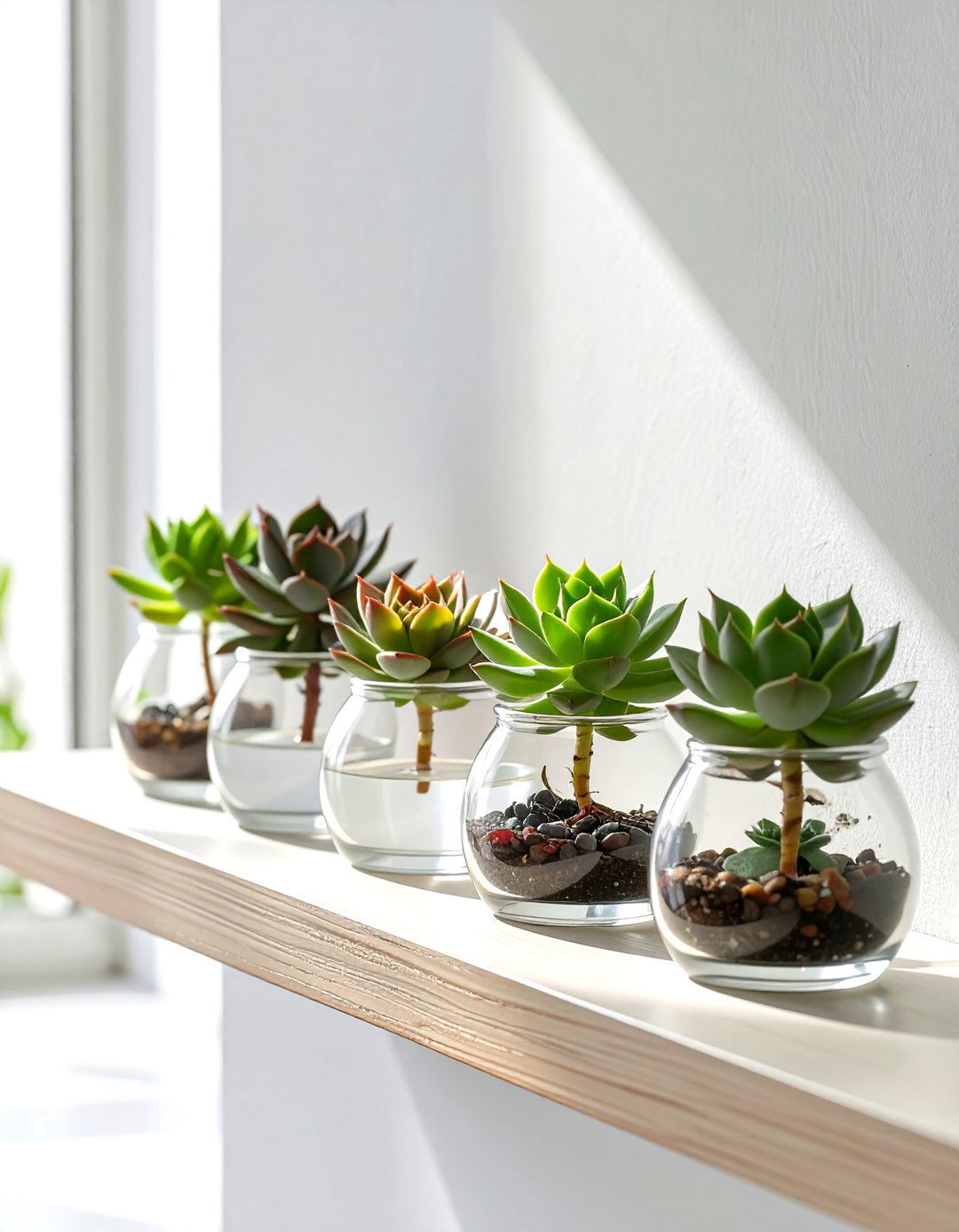
Small glass tea light or votive holders make elegant and simple planters for individual succulent cuttings. Their small size is perfect for showcasing the beauty of a single, tiny succulent, like a Sempervivum chick or a small Echeveria offset. While they don't have drainage, using them for unrooted cuttings or plants that require very infrequent watering works well. You can arrange several of these miniature planters in a group on a tray or scatter them along a mantle or shelf. This creates a delicate, minimalist display that adds a subtle touch of green to your decor.
Conclusion:
From repurposed household items to elaborate landscape designs, the possibilities for succulent gardens are truly limitless. The key to success lies in providing well-draining soil and adequate sunlight, allowing these resilient plants to thrive. Whether you prefer a modern, minimalist display or a whimsical, rustic arrangement, succulents offer the versatility to bring your creative vision to life. By experimenting with different containers, textures, and compositions, you can easily create stunning, low-maintenance living art that adds natural beauty and character to any indoor or outdoor space, proving that great design can be both simple and sustainable.

Related posts:



Leave a Reply