
Decorating a small living room can be a challenge, but with the right strategies, it can become a stylish and functional space. The key is to choose furniture and decor that maximize both light and floor area while reflecting your personal taste. By focusing on clever storage solutions, optical illusions, and multi-purpose pieces, you can transform a cramped room into a cozy and inviting retreat. These ideas emphasize smart design choices that create a sense of openness and order without sacrificing comfort or character. Embracing a minimalist mindset and carefully curating each element will make your small living room feel thoughtfully designed and surprisingly spacious.

1. Wall-Mounted Television and Console

A wall-mounted television is an excellent way to reclaim valuable floor space in a compact living room. By lifting the TV off a traditional stand, you create a more open and streamlined look. Pair it with a slim, wall-mounted or "floating" console underneath to store media devices, remote controls, and other essentials without adding visual bulk. This setup not only looks modern and clean but also makes the floor appear larger and less cluttered. Choose a console in a color that blends with the wall to further enhance the sense of spaciousness, making the entire arrangement feel integrated and unobtrusive.
2. Furniture with Exposed Legs

Selecting furniture with exposed legs, such as sofas, armchairs, and side tables, is a classic design trick for small living rooms. When you can see the floor underneath the furniture, it creates an illusion of more space and light. This "leggy" furniture feels less heavy and dominant in the room compared to bulky, skirted pieces that sit directly on the floor. The elevated design allows light to travel freely, making the entire room feel airier and more open. From mid-century modern sofas to sleek console tables, this style choice adds a touch of elegance while contributing to a less crowded atmosphere.
3. Strategically Placed Large Mirror

To instantly make a small living room feel larger and brighter, incorporate a large, strategically placed mirror. Positioning a mirror opposite a window is particularly effective, as it will capture and reflect natural light, illuminating the entire space. It also reflects the view, creating a sense of depth and making the room feel less confined. You can hang a large mirror above the sofa or lean it against a wall for a more casual, modern look. The frame of the mirror can also serve as a decorative element, adding style while performing its space-enhancing function, making it a must-have accessory.
4. Clear Acrylic or Glass Furniture
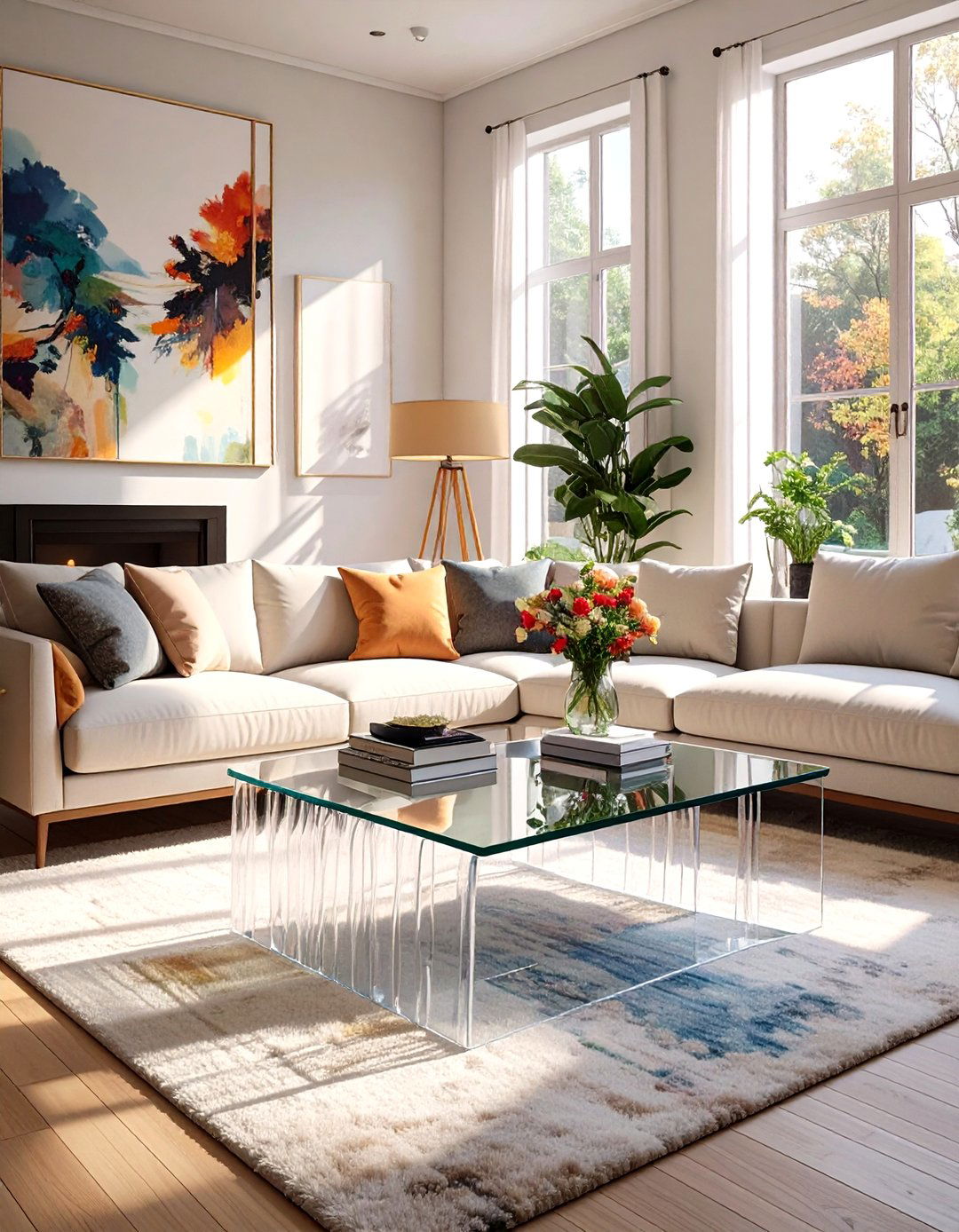
Clear acrylic or glass furniture, often referred to as "ghost" furniture, is a superb choice for small living rooms because it takes up zero visual space. A transparent coffee table, console, or set of nesting tables allows you to see right through them to the floor and rug beneath, preventing the room from feeling cluttered. These pieces provide the functionality you need without adding visual weight. They blend seamlessly into any decor style, from ultra-modern to eclectic, adding a touch of sophistication. This simple swap can make a significant difference in how open and airy your living room feels.
5. Multi-Functional Ottoman with Storage

In a small living room, every piece of furniture should work hard. A multi-functional ottoman is a perfect example, serving as a coffee table, extra seating, and a footrest. Opt for a model with hidden storage inside, where you can easily tuck away blankets, magazines, remote controls, or kids' toys, keeping the space tidy and organized. Placing a decorative tray on top can create a stable surface for drinks or decor. This versatile piece reduces the need for multiple furniture items, saving precious space while offering immense practicality and comfort, making it an essential for compact living.
6. Vertical Stripes on an Accent Wall

Drawing the eye upward is a clever way to make a small living room feel taller and more spacious. One of the most effective methods to achieve this is by using vertical stripes on an accent wall. Whether you use paint or wallpaper, the upward lines create an optical illusion of height. Choose a subtle, low-contrast color combination to avoid overwhelming the space, such as soft gray and white or two shades of beige. This design choice adds a dynamic decorative element without cluttering the room, turning a plain wall into a feature that enhances the room's proportions.
7. Floor-to-Ceiling Curtains

Hanging curtains high and wide is a simple yet transformative trick for any small living room. Install the curtain rod several inches above the window frame, as close to the ceiling as possible, and extend it beyond the sides of the window. Let the curtain panels fall all the way to the floor. This technique draws the eye upward, creating the illusion of a taller ceiling and a larger window. Choose lightweight fabrics in light colors to maximize the amount of natural light that filters through, which further contributes to a sense of openness and makes the room feel brighter and more expansive.
8. Matching Wall and Trim Paint

For a truly seamless and expansive feel, paint the walls, trim, and even the ceiling of your small living room in the same light, neutral color. By eliminating the visual breaks between different surfaces, you create a cohesive and unbroken backdrop that makes the room feel larger. This monochromatic approach tricks the eye into seeing one continuous space, blurring the boundaries of the room. Soft whites, light grays, or pale beiges are excellent choices for this technique. The result is a serene, sophisticated, and unified environment that feels calm, uncluttered, and significantly more spacious than it actually is.
9. Large-Scale Statement Artwork

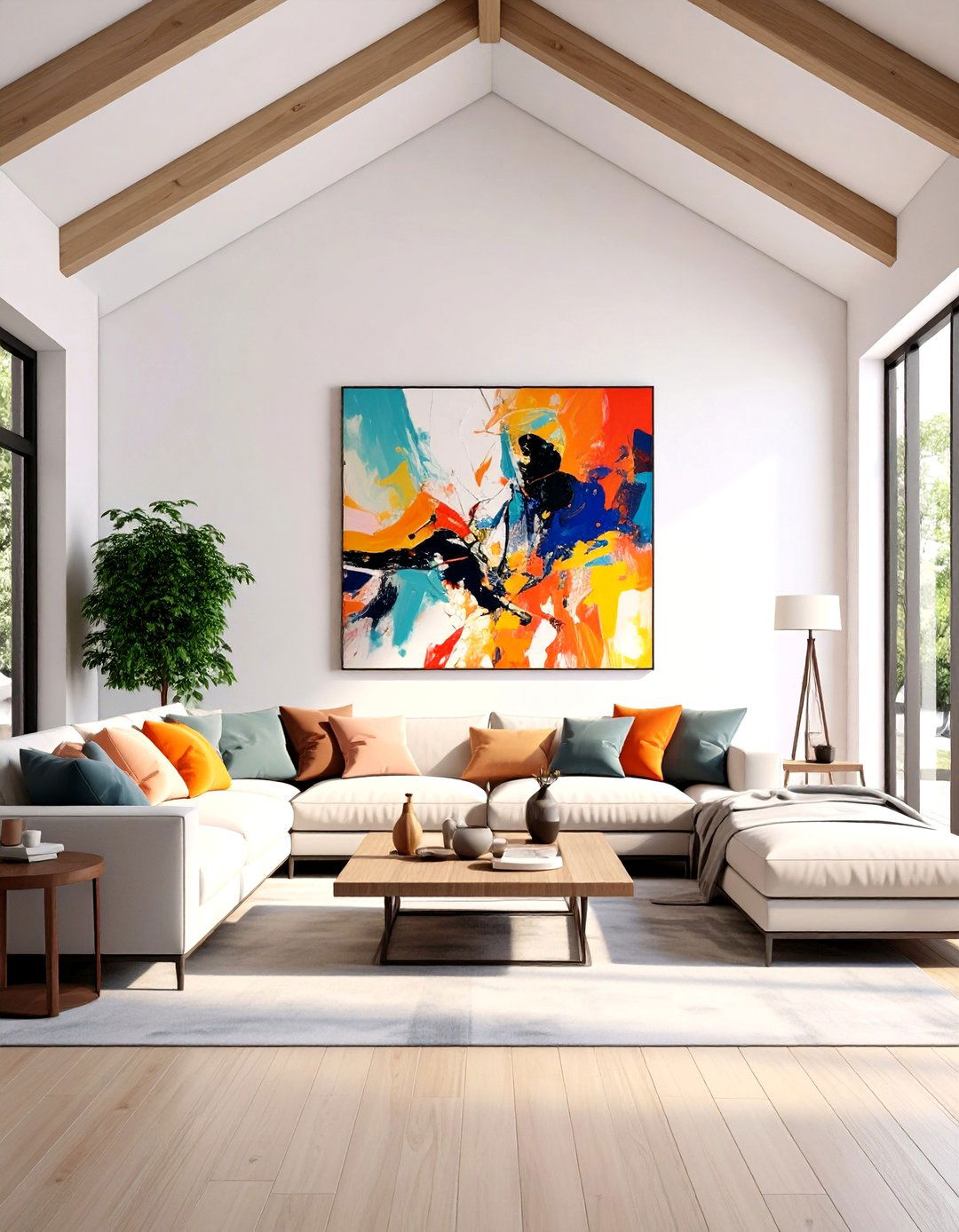
Contrary to popular belief, using one large piece of statement art is often more effective in a small living room than a gallery of smaller pieces. A single, oversized painting or photograph acts as a powerful focal point, drawing the eye and adding a sense of grandeur and purpose to the space. It prevents the walls from looking busy or cluttered, which can happen with too many small frames. This approach adds personality and drama without overwhelming the room. Select a piece that you love and let it command attention, making your small space feel curated and intentionally designed.

10. Floating Shelves for Display

Floating shelves are a small living room's best friend. They provide essential storage and display space without the bulk of traditional bookcases or cabinets. Mounted directly onto the wall, these shelves appear to float, maintaining an open and airy feel. Use them to display curated decor, books, or small plants, adding personality and visual interest at eye level. By drawing attention upward, they help create a sense of height. Install them above a sofa or in an unused nook to maximize your vertical space, keeping your floor clear and your essentials beautifully organized and within reach.
11. Nesting Coffee or Side Tables

Nesting tables are a brilliant, space-saving solution for small living rooms. This set of two or three tables is designed to stack together neatly when not in use, occupying the footprint of just one table. When you have guests, you can easily pull them apart to provide extra surface area for drinks and snacks. They offer incredible versatility without permanently cluttering your floor space. Available in a wide range of styles, from modern metal and glass to rustic wood, nesting tables can complement any decor while offering a practical and flexible approach to furnishing a compact area.
12. Small-Scale Sectional Sofa

A sectional sofa might seem counterintuitive for a small living room, but a carefully chosen one can actually maximize seating. Look for a small-scale or apartment-sized sectional with clean lines and a low profile. Pushing it into a corner utilizes an often-awkward space efficiently, providing more seating than a separate sofa and armchair combination might. This creates a cozy, unified seating area that can make the room feel more organized and intentionally laid out. Opt for a light color and raised legs to keep it from feeling too heavy in the space, ensuring comfort without compromise.
13. Layered Lighting Scheme

Proper lighting is crucial in making a small living room feel welcoming and spacious. Instead of relying on a single overhead fixture, implement a layered lighting scheme. Combine ambient lighting (like a ceiling fixture or recessed lights), task lighting (such as a floor lamp for reading), and accent lighting (a small table lamp or picture light). This approach allows you to control the mood and ensures all corners of the room are well-lit, eliminating dark shadows that can make a space feel smaller. A well-lit room always appears larger, more inviting, and more functional for different activities.
14. Area Rug to Define the Space

An area rug is essential for anchoring the furniture and defining the living space, even in a small room. A common mistake is choosing a rug that is too small, which can actually make the room look more disjointed and smaller. Select a rug large enough so that at least the front legs of your main furniture pieces, like the sofa and armchairs, can rest on it. This creates a unified and cohesive look. A light-colored or subtly patterned rug can also help make the room feel brighter and more open, adding texture and warmth underfoot without overwhelming the space.


15. Wall Sconces to Save Surface Space

Free up valuable table and floor space by opting for wall sconces instead of traditional lamps. By mounting your lighting directly onto the walls, you eliminate the need for side tables just to hold a lamp or a bulky floor lamp taking up a corner. This is especially useful next to a sofa or armchair for reading light. Wall sconces provide excellent ambient or task lighting while contributing to a clean, uncluttered aesthetic. They come in countless styles, from modern and industrial to classic and ornate, allowing you to add a decorative touch that is both beautiful and practical.
16. Using a Daybed for Versatility

A daybed is a wonderfully versatile piece for a small living room, especially if the space also needs to function as a guest room. By day, it serves as a stylish sofa, perfect for lounging and seating. Adorn it with pillows and a throw blanket to make it look and feel like a couch. By night, it easily transforms into a comfortable bed for an overnight guest. This two-in-one functionality is ideal for maximizing a limited footprint, eliminating the need for a separate bulky sleeper sofa or guest bed. It's a smart, space-saving choice that is both elegant and practical.
17. Built-In Shelving and Storage

If possible, incorporating built-in shelving is a superior storage solution for a small living room. Custom shelves that stretch from floor to ceiling utilize every inch of vertical space, providing massive amounts of storage without protruding into the room like freestanding furniture does. Paint the built-ins the same color as the walls to help them blend in seamlessly, creating a sophisticated, library-like feel that looks intentional and high-end. This is the perfect place to store books, display decor, and hide clutter behind integrated cabinet doors, keeping the room organized and feeling spacious.
18. Minimalist and Uncluttered Decor
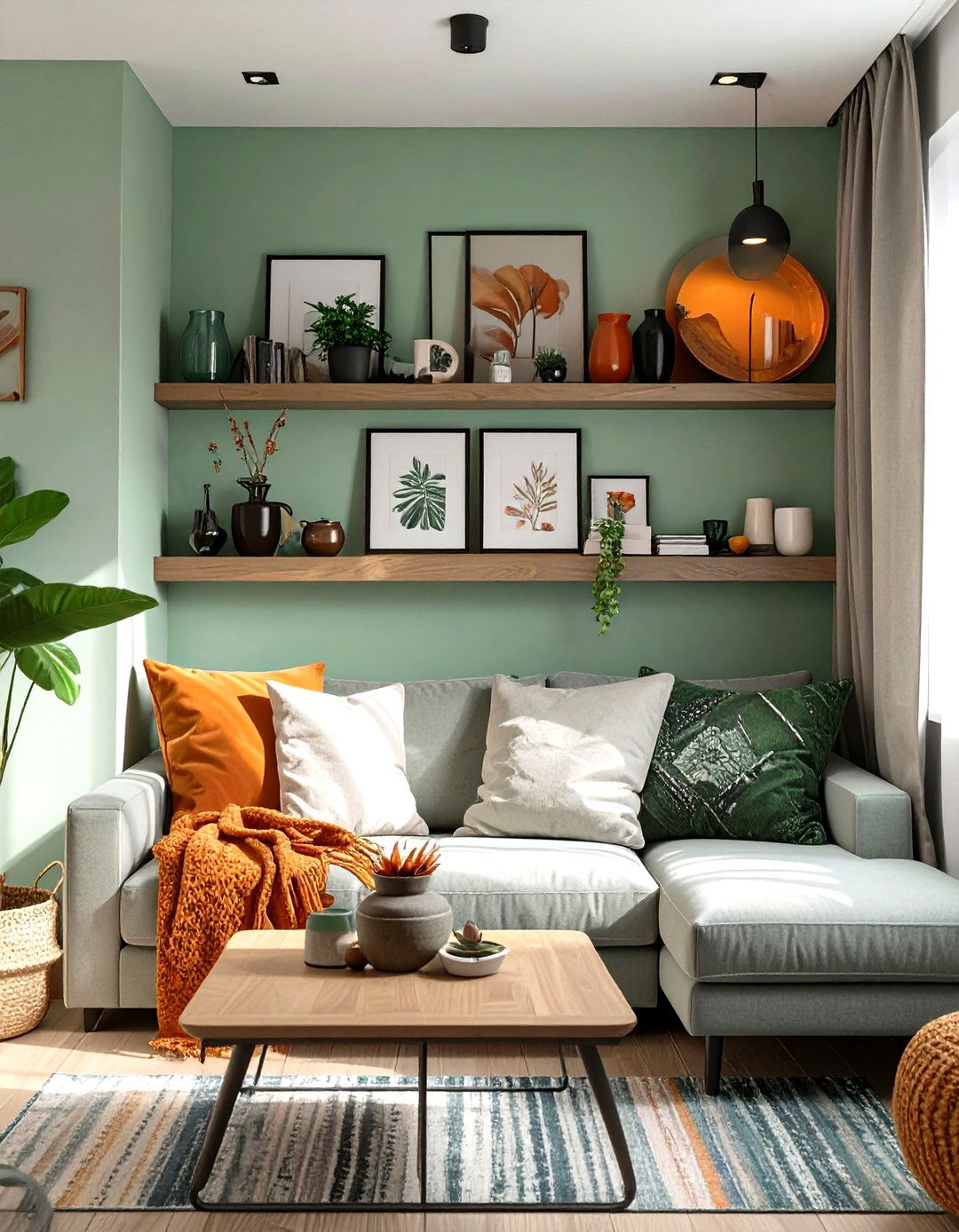
Embracing a minimalist approach is fundamental when decorating a small living room. The principle of "less is more" helps create a serene and open atmosphere. Instead of filling every surface with trinkets, be highly selective about your decor. Choose a few meaningful items that you truly love and give them space to shine. Keep surfaces like coffee tables and shelves clear of unnecessary clutter. This deliberate curation prevents the room from feeling chaotic and visually noisy. A clean, uncluttered space not only looks bigger but also feels more peaceful and relaxing to be in.
19. Backless Sofa or Bench

A backless sofa or a long bench can be an unconventional but highly effective seating choice in a small living room. Placed in the middle of a room, it can act as a subtle divider between the living area and another zone, like a dining space, without blocking sightlines. This keeps the entire area feeling open and connected. It offers flexible seating and can be easily moved or repurposed. When placed against a wall, it can be piled with cushions for comfort, maintaining a low profile that prevents the room from feeling crowded. It's a chic, minimalist option.


20. Decorating with Tall, Slender Plants

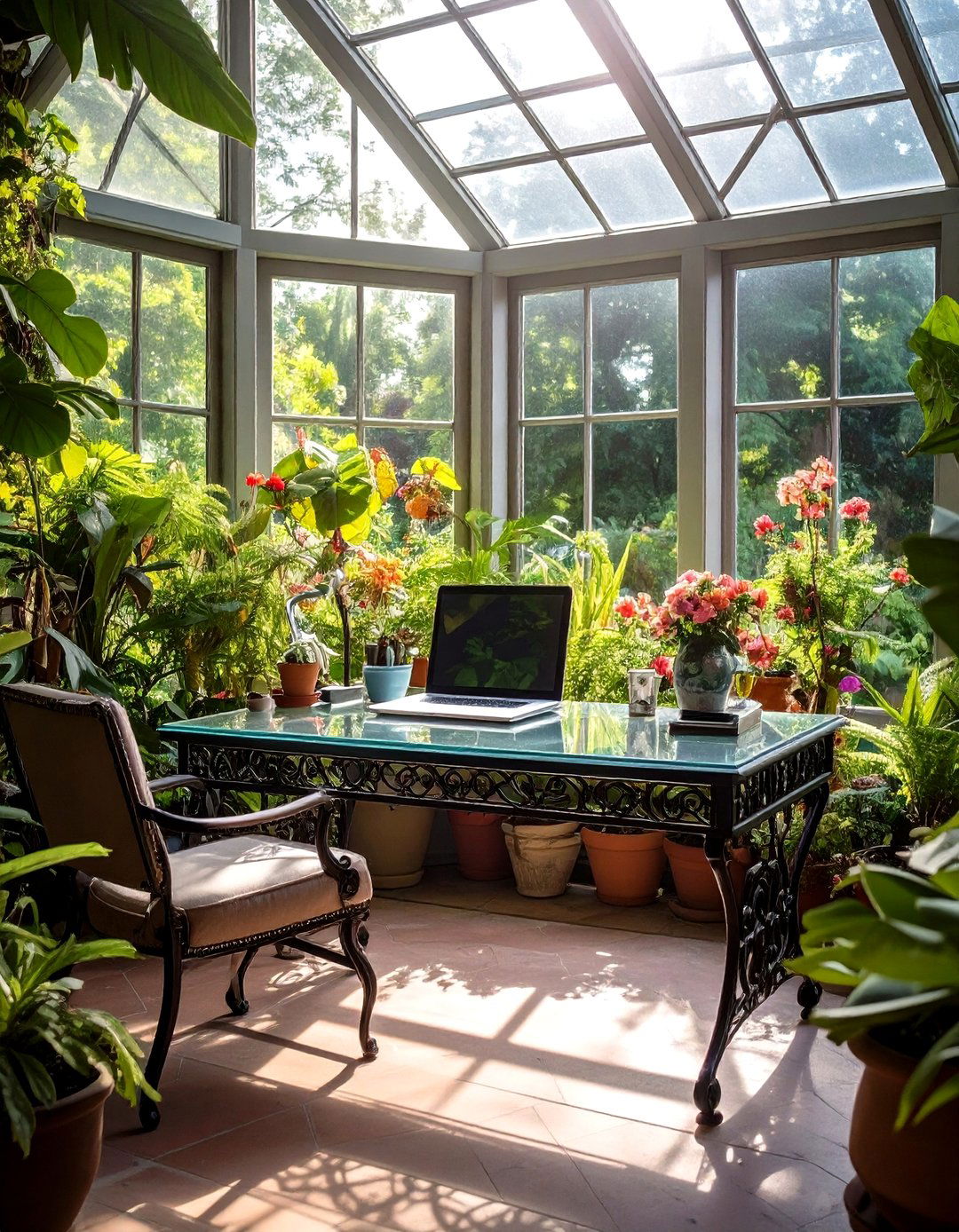
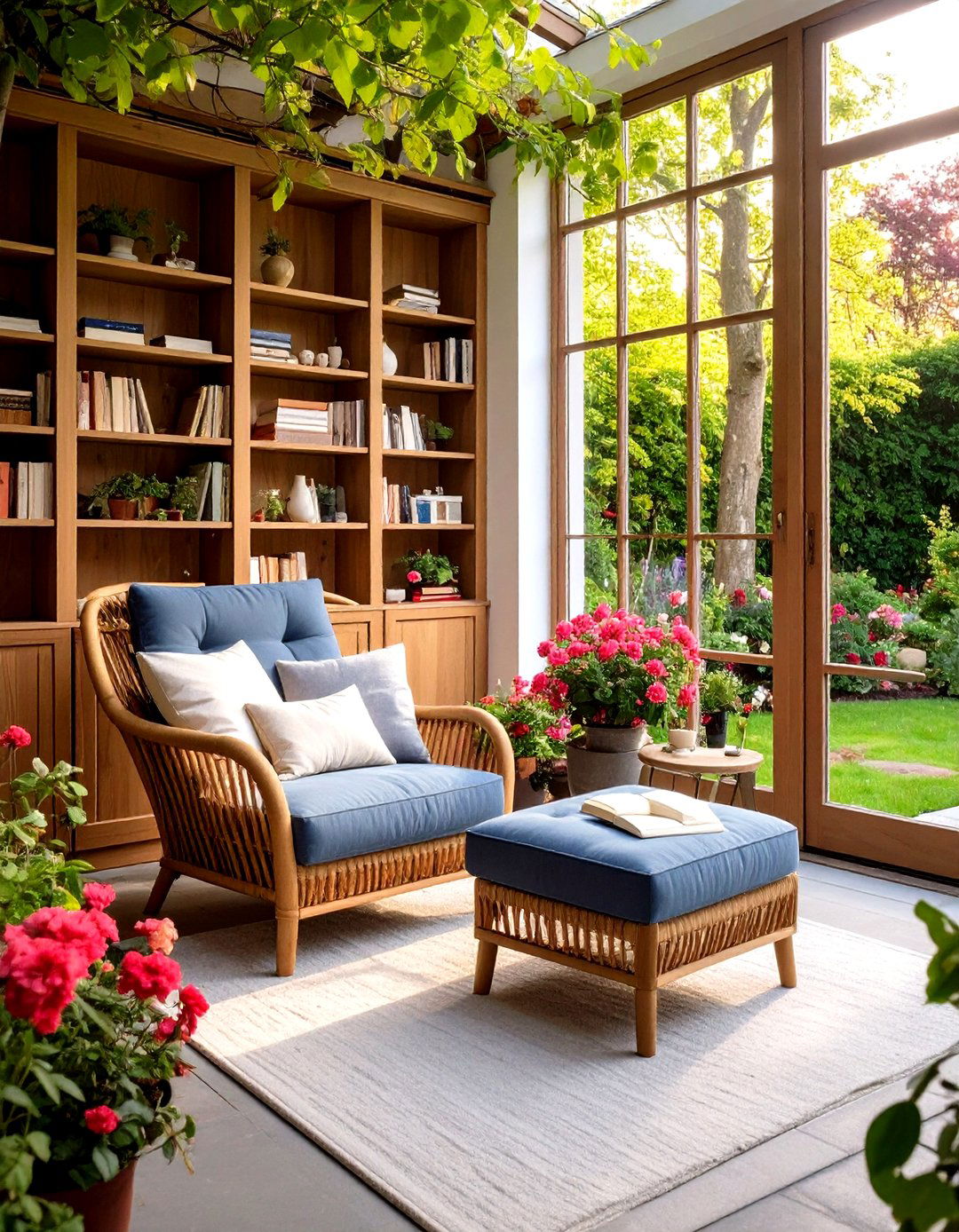
Plants bring life and freshness to any room, and in a small living room, tall and slender varieties can work wonders. Plants like a fiddle leaf fig, a snake plant, or a tall cactus draw the eye upward, emphasizing the vertical space and making the ceiling feel higher. Their slim profile means they don't take up a lot of floor space. Place a tall plant in a corner to add depth and a touch of nature without creating clutter. This biophilic element not only enhances the decor but also improves air quality, making your small space feel healthier and more vibrant.
21. Round Coffee and Dining Tables

In a small living room, sharp corners can be cumbersome and visually jarring. Opting for round tables, whether it's a coffee table or a small dining table in an adjoining space, can significantly improve the flow. Round shapes have a smaller footprint and lack pointed edges, making it easier to navigate around them in a tight space. They also promote a more communal and intimate feeling. A round coffee table, for example, softens the look of a room dominated by the rectangular shapes of a sofa and media unit, creating better visual balance and a more welcoming layout.
22. Light and Airy Color Palette

The power of color in a small space cannot be overstated. A light and airy color palette is a tried-and-true method for making a small living room feel bigger and brighter. Soft colors like white, cream, pale gray, and light pastels are excellent at reflecting light, which creates an open and expansive atmosphere. This doesn't mean the room has to be boring; you can introduce texture and subtle patterns within your light color scheme to add interest. Use pops of a brighter color in accessories like pillows or art to add personality without overwhelming the serene, spacious feel.
23. A Well-Placed Pouf or Two

Poufs are small, versatile, and stylish additions to any compact living room. These soft, upholstered seats can function as a footrest, an extra seat for a guest, or even a makeshift side table when topped with a tray. Because they are small and lightweight, they can be easily moved around as needed or tucked away when not in use. They add a layer of texture, color, and comfort without taking up the significant space that a traditional armchair or ottoman would. Poufs offer a playful and practical solution for adding flexible seating and a touch of cozy charm.
24. Corner Shelving Unit

Corners are often underutilized, dead spaces in a living room. A corner shelving unit is the perfect solution to reclaim this awkward area for storage or display. Whether it's a floating shelf system or a freestanding bookcase designed for a corner, this piece can hold books, plants, or decorative objects without encroaching on the main living area. It draws the eye into the corner, which can surprisingly make the room feel deeper. This is a smart way to add functionality and a decorative touch to a part of the room that would otherwise go to waste, maximizing every square inch.
25. Consistent and Simple Window Treatments

For window treatments in a small living room, simplicity and consistency are key. Avoid heavy, ornate drapery or fussy blinds that can make the space feel cluttered and dark. Instead, opt for simple, streamlined options like roller shades, Roman shades, or plain curtain panels. Choose a color that is similar to the wall color to create a cohesive, uninterrupted look that enhances the sense of space. Keeping the window treatments consistent across all windows provides a clean, uniform appearance. This approach ensures that the focus remains on the light and the view, not on distracting window coverings.
26. Incorporating Metallic Accents

Metallic accents are a fantastic way to add a touch of glamour and brightness to a small living room. Polished metals like chrome, brass, gold, or silver reflect light, much like mirrors do, which helps to make the space feel brighter and more open. You don't need much to make an impact. Incorporate metals through the base of a coffee table, a lamp, picture frames, or small decorative objects. These reflective surfaces catch the eye and bounce light around the room, adding a layer of sophistication and visual interest without contributing to a sense of clutter.
27. Drop-Leaf Console or Dining Table

A drop-leaf table is a classic space-saving hero, perfect for a small living room that needs to accommodate dining or work. These tables feature hinged sections on the sides that can be folded down when not in use, creating a slim console-like profile. This allows you to place it flush against a wall, taking up minimal space. When you need a larger surface for dining, working, or hosting guests, you simply lift the leaves. This incredible flexibility allows you to adapt the room to your needs on a moment's notice, making it an indispensable piece for multi-functional, compact living.
28. Patterned Rug to Add Personality

While light colors are safe, don't be afraid to use a patterned rug to inject personality into your small living room. A rug with a bold geometric or abstract pattern can serve as the room's focal point, anchoring the space and adding a dose of style. The key is to keep the rest of the decor relatively simple to avoid a chaotic look. The pattern can create visual interest and even an illusion of movement that distracts from the room's small dimensions. A well-chosen patterned rug can make a space feel more dynamic and thoughtfully designed.
29. Choose a Loveseat Instead of a Full Sofa

In a very tiny living room, sometimes a standard three-seater sofa is simply too large and overpowering. A loveseat offers comfortable seating for two without dominating the entire room. This leaves more floor space for other essentials like a side table, a reading lamp, or simply open area to make the room feel less cramped. Pairing a loveseat with a stylish armchair can often provide more flexible and spacious-feeling seating than a single large sofa. It’s about choosing furniture that is proportional to the room, ensuring a balanced and comfortable layout that doesn't feel forced.
30. Using a Monochromatic Color Scheme

A monochromatic color scheme, which uses various tints, tones, and shades of a single color, is a sophisticated strategy for a small living room. This approach creates a cohesive and serene environment where there are no harsh visual breaks, making the space feel larger and more unified. For example, you could use different shades of blue, from a pale sky blue on the walls to a navy blue on the sofa and a medium blue in the rug. This layered, single-color look is calming and elegant, allowing textures and subtle variations to add interest without creating visual clutter.
Conclusion:
Ultimately, decorating a small living room is about making smart, intentional choices. By using techniques that create illusions of height and depth, such as vertical stripes and large mirrors, you can visually expand your space. Opting for multi-functional and leggy furniture maximizes every square foot while keeping the area feeling open and uncluttered. A cohesive color palette and layered lighting are crucial for creating a bright, inviting atmosphere. With these ideas, you can transform even the most compact room into a stylish, comfortable, and highly functional living area that feels anything but small.

Related posts:




Leave a Reply